
Organic matcha refers to stone-ground green tea powder derived from Camellia sinensis plants cultivated under strict ecological and agricultural standards. Unlike conventional tea farming, organic matcha production is governed by legally binding international frameworks. To carry an organic label, producers must secure certification from respected regulatory bodies, such as the United States Department of Agriculture (USDA) Organic, the European Union Organic Certification (EU Regulation), and the Japanese Agricultural Standards (JAS).
These certifications are not merely administrative stamps; they require comprehensive compliance with rigorous agricultural methodologies.
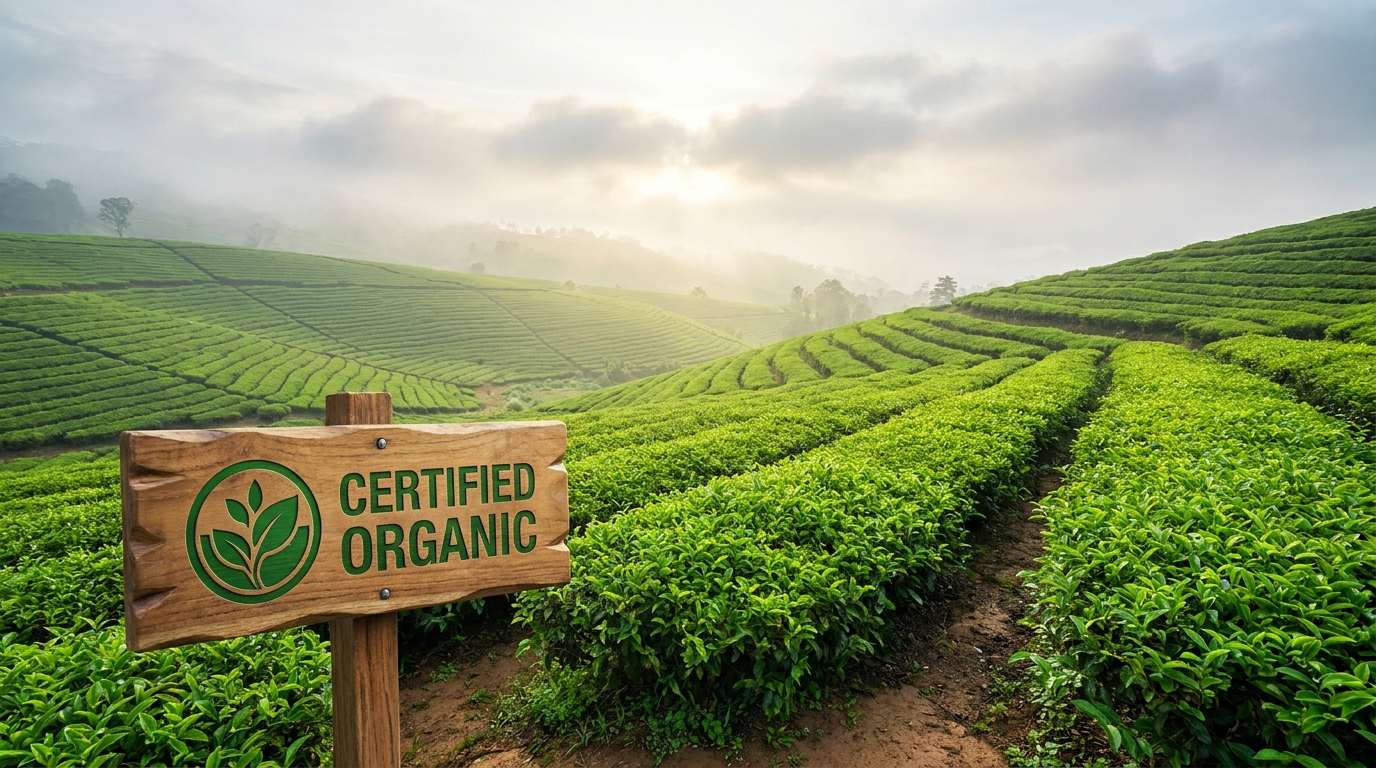
For a tea plantation to achieve organic status, it must undergo a transition period—typically three years—during which the land must be completely free of prohibited synthetic substances. The core tenets of organic matcha cultivation include:
- Zero Synthetic Chemical Pesticides: Farmers are prohibited from applying synthetic insecticides, herbicides, or fungicides. Instead, they rely on mechanical weed control, biological pest management (such as introducing natural predators), and botanical extracts to protect the crops.
- Exclusion of Synthetic Fertilizers: Conventional chemical fertilizers, such as synthetic urea and ammonium nitrate, are banned. Organic growers use natural soil amendments like composted plant matter, oilseed meal (rapeseed cake), fish emulsion, and animal manure to nourish the soil.
- Prohibition of Genetically Modified Organisms (GMOs): Every stage of production, from seed selection to final grinding, must exclude GMO technology.
- Strict Segregation and Traceability: Processing facilities must maintain dedicated production lines or clear cleaning protocols to prevent cross-contamination between organic and conventional raw materials. Detailed records must trace every batch back to its specific farm plot.
Global procurement partners like Hangzhou Riching Food Co., Ltd. align their agricultural practices with these international benchmarks. By operating within these tightly monitored systems, organic matcha growers preserve soil health, protect local water resources, and offer a product that meets the stringent safety requirements of modern consumers and international food regulators.
What Is Non-Organic Matcha? Demystifying Conventional Tea Cultivation
Non-organic, or “conventional,” matcha is produced using standard modern agricultural methods. These methods prioritize yield optimization, efficiency, and consistent visual and flavor profiles. While conventional farming utilizes synthetic inputs, it remains a highly structured and regulated practice designed to deliver excellent quality at scale.
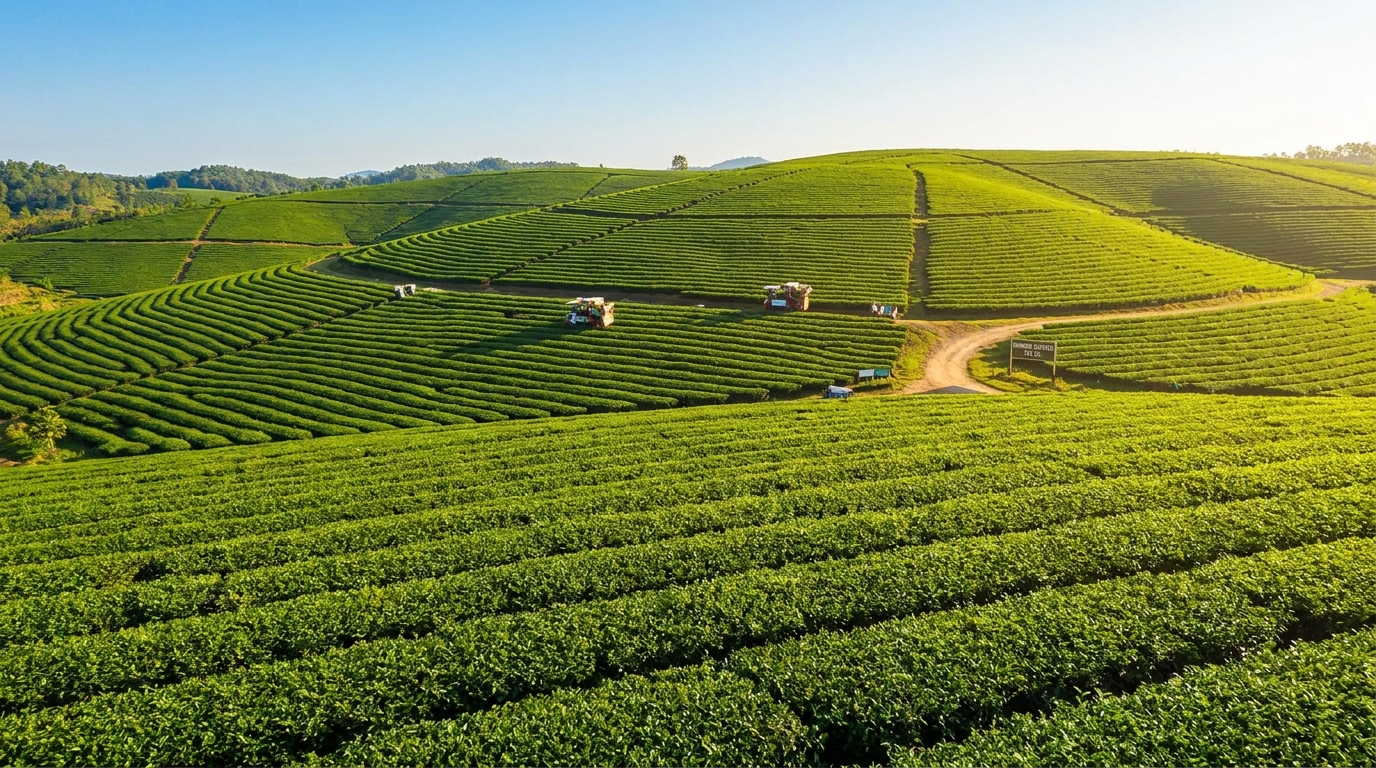
Conventional matcha cultivation differs from organic farming primarily through its use of synthesized chemical compounds. To fully understand conventional cultivation, it is helpful to examine its core agricultural inputs:
Synthetic Nitrogen Fertilizers
Tea plants are heavy consumers of nitrogen, which is the foundational building block for amino acids (specifically L-theanine) and chlorophyll. Conventional farmers apply synthetic nitrogen fertilizers, such as ammonium sulfate and urea. These water-soluble compounds are rapidly absorbed by the plant’s root system, enabling rapid growth and a high concentration of savory umami compounds.
Targeted Pesticides and Herbicides
To combat pests like the tea green leafhopper, spider mites, and various fungal blights, conventional growers use synthetic pesticides. These chemical applications are carefully timed and regulated. They are designed to degrade before harvest, ensuring that any remaining residues fall well below the Maximum Residue Limits (MRLs) established by importing countries.
Shading and Harvest Techniques
Like organic tea, high-quality conventional tencha (the raw leaf material used for matcha) is shaded under black vinyl netting for three to four weeks before harvest. This shading process blocks 60% to 90% of sunlight, forcing the plant to produce high levels of chlorophyll and amino acids.
Because conventional plants are highly nourished by quick-release synthetic fertilizers, they adapt easily to the stress of shading. This resilience helps conventional farms achieve consistent, vibrant green colors and sweet flavor profiles year after year.
Organic vs Non-Organic Matcha: The Key Differences Explined
The differences between organic and conventional matcha extend across agricultural science, processing economics, and the physical qualities of the final product. Understanding these differences is essential for businesses trying to decide between these two ingredients.
The primary difference lies in how the tea plants receive nutrients. In organic farming, nutrients are delivered indirectly. The soil’s microbiome must break down organic matter—such as compost or oilseed cakes—before the tea roots can absorb the nitrogen. This slow-release process requires a highly active ecosystem of beneficial soil bacteria and fungi.
In contrast, conventional farming bypasses this biological step. Synthetic fertilizers deliver highly concentrated, water-soluble nutrients directly to the root system, providing immediate nourishment to the plant.
This fundamental nutritional difference affects the plant’s growth, yield, and leaf chemistry:
Feature | Organic Matcha | Conventional (Non-Organic) Matcha |
|---|---|---|
Growing Method | Natural soil biology, organic compost, biological pest control, manual weeding. | Synthetic nitrogen fertilizers, chemical pesticides, herbicide applications. |
Pesticide Limits | Zero synthetic chemical residues allowed (strict detection limits). | Regulated limits (MRLs) defined by regional food safety authorities. |
Organic Certification | USDA, EU, and JAS certified with complete chain of custody. | Standard agricultural compliance, no organic labeling. |
Price Range | Premium pricing (20% to 50% higher due to labor and lower yields). | Cost-effective, stable market-driven pricing. |
Flavor Profile | Earthy, fresh, clean, with a gentle astringency and mild sweetness. | Intense umami, deep sweetness, very low bitterness when high-grade. |
Market Positioning | Clean label, health-conscious, premium retail, organic cafes. | High-volume bakeries, general food manufacturers, conventional cafes. |
Is Organic Matcha Healthier? Analyzing Pesticides, Antioxidants, and Long-Term Safety
When consumers ask if organic matcha is healthier, the answer depends on how we define “healthier.” We must look at two distinct factors: the avoidance of synthetic chemical residues and the actual concentration of beneficial bioactive compounds.
The Pesticide Exposure Equation
When consuming traditional loose-leaf green tea, the leaves are steeped in hot water and discarded, leaving any water-insoluble chemical residues behind on the leaf. Matcha, however, is a whole-leaf suspension. When you drink matcha, you ingest the entire ground tea leaf.
Because you consume the whole leaf, any agricultural chemicals present on its surface or within its cellular structure enter your body. For health-conscious consumers, choosing certified premium organic matcha wholesale options is an effective way to minimize daily exposure to synthetic pesticides and herbicides.
Antioxidant Concentration and Plant Defense
Plants produce secondary metabolites, such as polyphenols and catechins, as natural defense mechanisms against environmental stressors, pests, and intense sunlight. Because organic tea plants do not have the protection of synthetic pesticides, they must defend themselves. This natural struggle often causes organic tea leaves to produce higher concentrations of protective antioxidants, including Epigallocatechin Gallate (EGCG).
These antioxidants are highly valued for their ability to neutralize free radicals, reduce systemic inflammation, and support cardiovascular health.
Soil Health and Trace Mineral Absorption
Organic farming focuses on building deep, rich humus and supporting a diverse soil microbiome. This healthy soil environment helps tea plants absorb a wider variety of trace minerals and micronutrients.
While conventional matcha provides reliable macronutrients like nitrogen, phosphorus, and potassium, organic tea leaves often contain a more balanced profile of trace minerals. This rich mineral content contributes to the long-term, restorative health benefits associated with regular matcha consumption.
Does Organic Matcha Taste Better? The Truth About Flavor, Grade, and Shading
In the tea world, there is a surprising paradox: high-grade conventional matcha often tastes sweeter and less bitter than its organic counterpart. To understand why this is, we must look at the biochemistry of shading and plant nutrition.
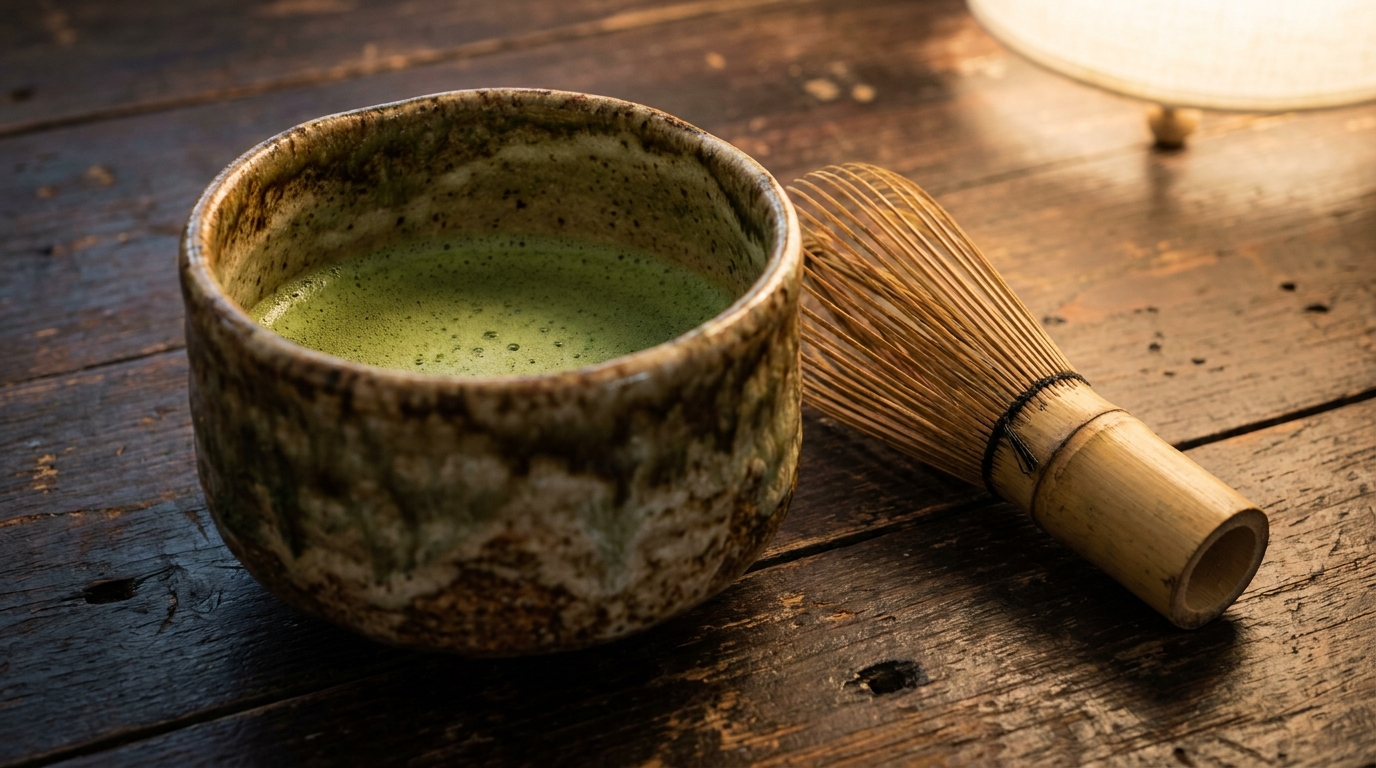
The distinct sweet, savory flavor of premium matcha—known as umami—is driven by L-theanine, an amino acid produced in the roots of the tea plant and transported to the leaves. When tea leaves are exposed to sunlight, L-theanine converts into bitter-tasting catechins. Shading the plants before harvest blocks this conversion, keeping L-theanine levels high and catechins low.
However, to synthesize large amounts of L-theanine, the plant needs a generous supply of nitrogen:
- Conventional Nutrition: Conventional growers can apply fast-acting, synthetic nitrogen fertilizers immediately before the shading period. This gives the plants a sudden boost of nutrients, allowing them to produce abundant L-theanine despite the stress of darkness. The result is a highly sweet, rich, and umami-forward matcha with minimal bitterness.
- Organic Nutrition: Organic farmers rely on slow-release organic fertilizers, which must be broken down by soil microbes over several months. Because this nutrient release is slow, organic plants often have less nitrogen available during the critical shading window. To keep the plants healthy in the dark, organic growers may shade their fields for a shorter period (e.g., 10 to 14 days instead of 21 to 28 days) or use lighter shade cloths.
As a result, organic matcha typically has slightly lower levels of L-theanine and higher levels of catechins. This gives organic matcha a different flavor profile: it is clean, fresh, and pleasantly brisk, with a light herbal astringency and earthy undertones.
Rather than asking which matcha is objectively superior, it is better to match the flavor profile to your goal. For a traditional, sweet, whisked tea, a high-grade conventional option is excellent. For a clean, refreshing brew or an organic blend, a certified organic matcha is a wonderful choice.
Pesticide Residues in Matcha: Why Rigorous Lab Testing Matters More Than a Label
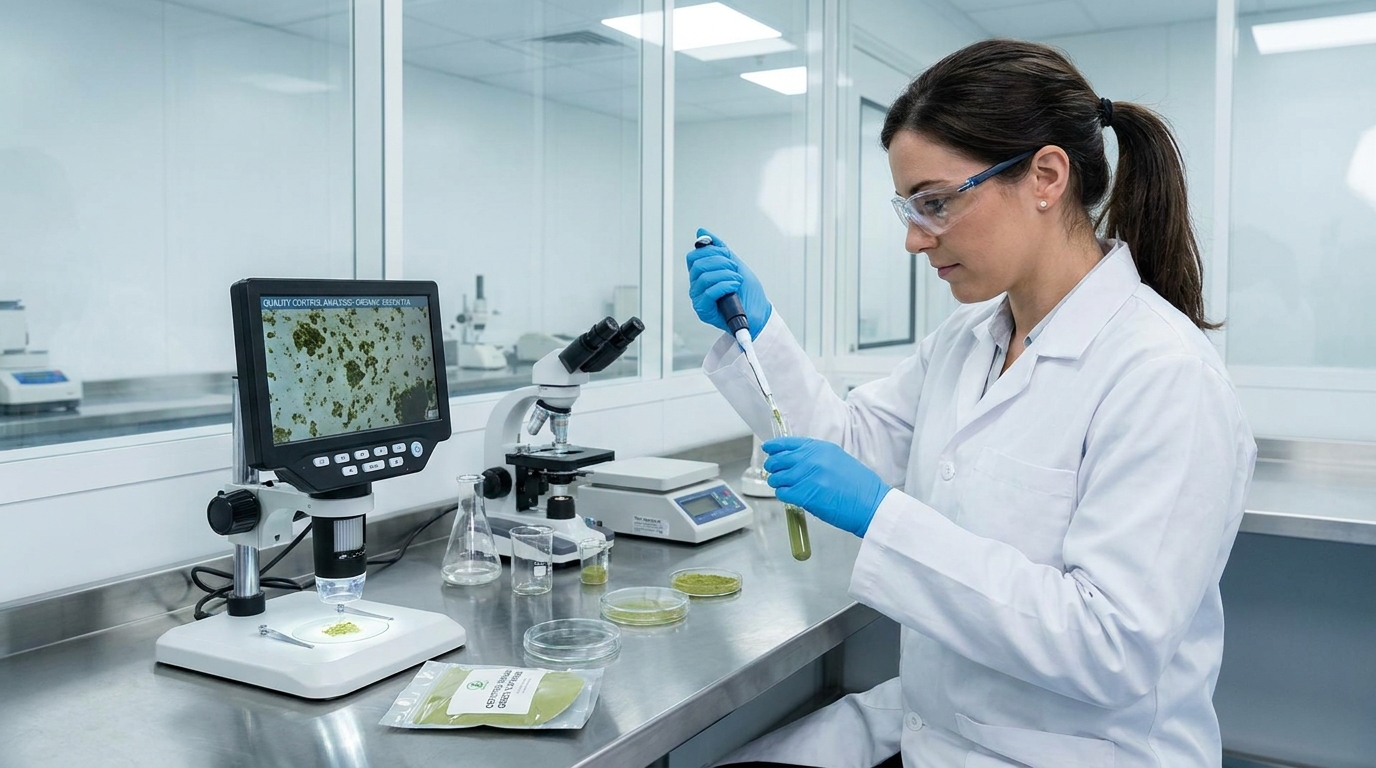
For professional food buyers and retail brands, relying solely on an organic logo is not enough to guarantee safety. Environmental drift, historical soil contamination, and cross-contamination during shipping mean that proactive, scientific testing is the only way to ensure true purity.
The Threat of Agricultural Drift
Tea plantations are often located on rolling hillsides where organic and conventional farms sit side-by-side. Even if an organic farm follows every rule perfectly, light winds or heavy rains can carry chemical pesticides and synthetic fertilizers from conventional fields nearby. This natural process is known as agricultural drift.
To catch these trace contaminants, importers must run regular laboratory tests on incoming tea batches.
Comprehensive Lab Panels vs. Simple Certifications
To protect your brand and customers, look for suppliers who provide a comprehensive Certificate of Analysis (COA) from accredited, third-party testing labs like SGS or Eurofins. These reports should include:
- Multi-Residue Pesticide Screen: Testing for over 500 common agricultural chemical compounds to ensure they meet or fall below regional detection limits (typically 0.01 mg/kg).
- Heavy Metal Analysis: Verifying that levels of lead, arsenic, cadmium, and mercury are safely below international standards.
- Microbiological Testing: Testing for yeast, mold, coliforms, and pathogens like Salmonella and E. coli to ensure the powder is safe for raw consumption.
By prioritizing transparent lab testing over simple certifications, businesses can confidently guarantee the purity of their products, keeping their supply chain safe and building long-term trust with consumers.
Decoding Matcha’s Nutritional Value: Catechins, L-Theanine, and Chlorophyll
To understand the health benefits of matcha, we must look at its unique chemical compounds. When you drink matcha, you are not just drinking an infusion; you are consuming the entire tea leaf, giving you direct access to its rich nutritional profile.
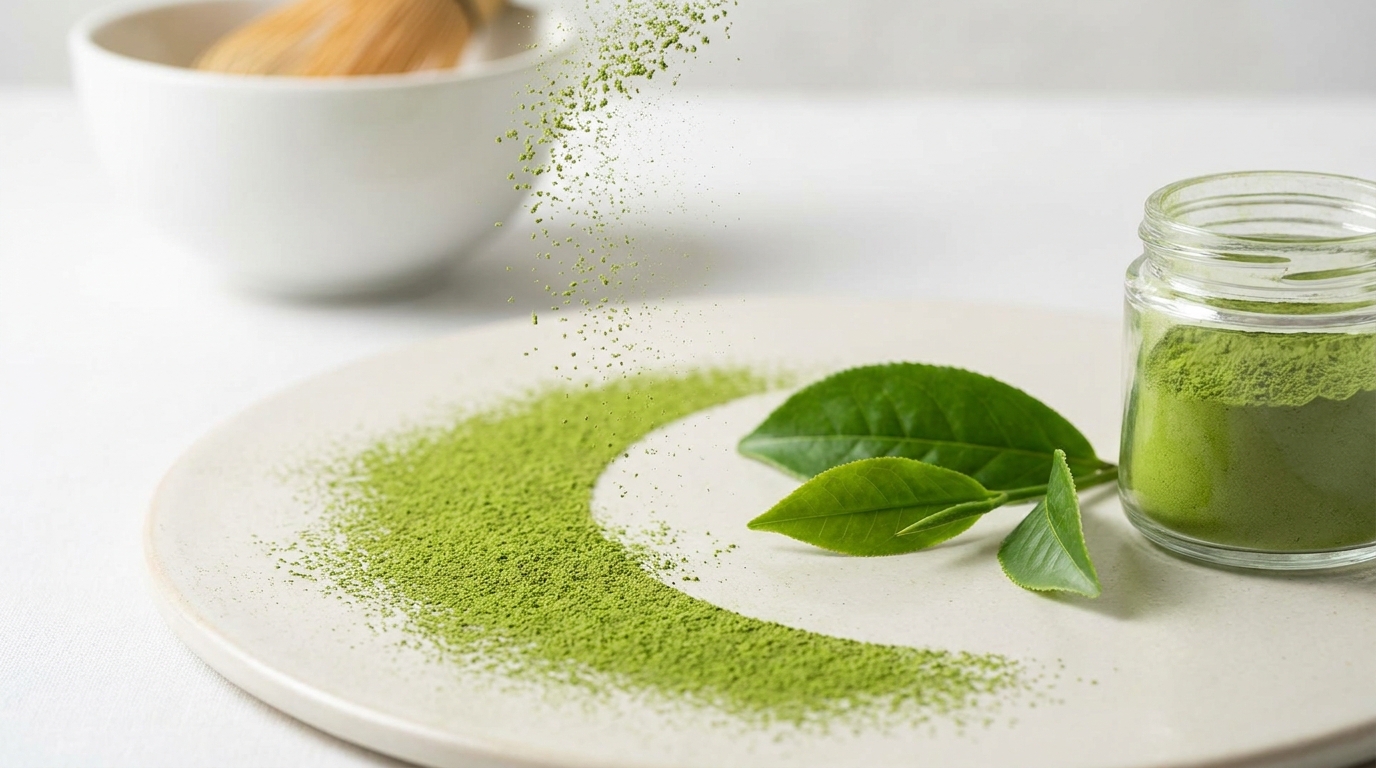
The three primary compounds that define matcha’s health benefits are catechins, L-theanine, and chlorophyll:
1. Catechins (EGCG)
Catechins are a powerful class of natural antioxidants. The most famous of these is Epigallocatechin Gallate (EGCG), which makes up over 50% of the total catechins in green tea. EGCG is widely studied for its ability to protect cells from damage, support a healthy metabolism, and help reduce systemic inflammation.
Because organic tea plants must naturalize to environmental stressors, they often produce a highly potent catechin profile.
2. L-Theanine
L-theanine is a unique, non-protein amino acid that crosses the blood-brain barrier to promote relaxation and focus. It works hand-in-hand with matcha’s natural caffeine, smoothing out the typical energy spikes and crashes associated with coffee. This synergetic combination provides a state of calm, sustained alertness—often called “focused energy.”
To read more about how these natural compounds support daily wellness, explore the curated guides on the Riching Matcha Blog .
3. Chlorophyll
The intense green color of matcha comes from its high concentration of chlorophyll. During the shading process, tea plants dramatically increase their chlorophyll production to capture as much light as possible. Chlorophyll is prized for its natural detoxifying properties, helping the body eliminate heavy metals and supporting overall digestive wellness.
Visual Quality Standards: How to Judge High-Grade Matcha by Color and Texture
You do not always need a laboratory to judge the quality of a matcha powder. By understanding how to evaluate its physical characteristics—specifically color, texture, and behavior when whisked—you can quickly estimate its grade and how it was processed.
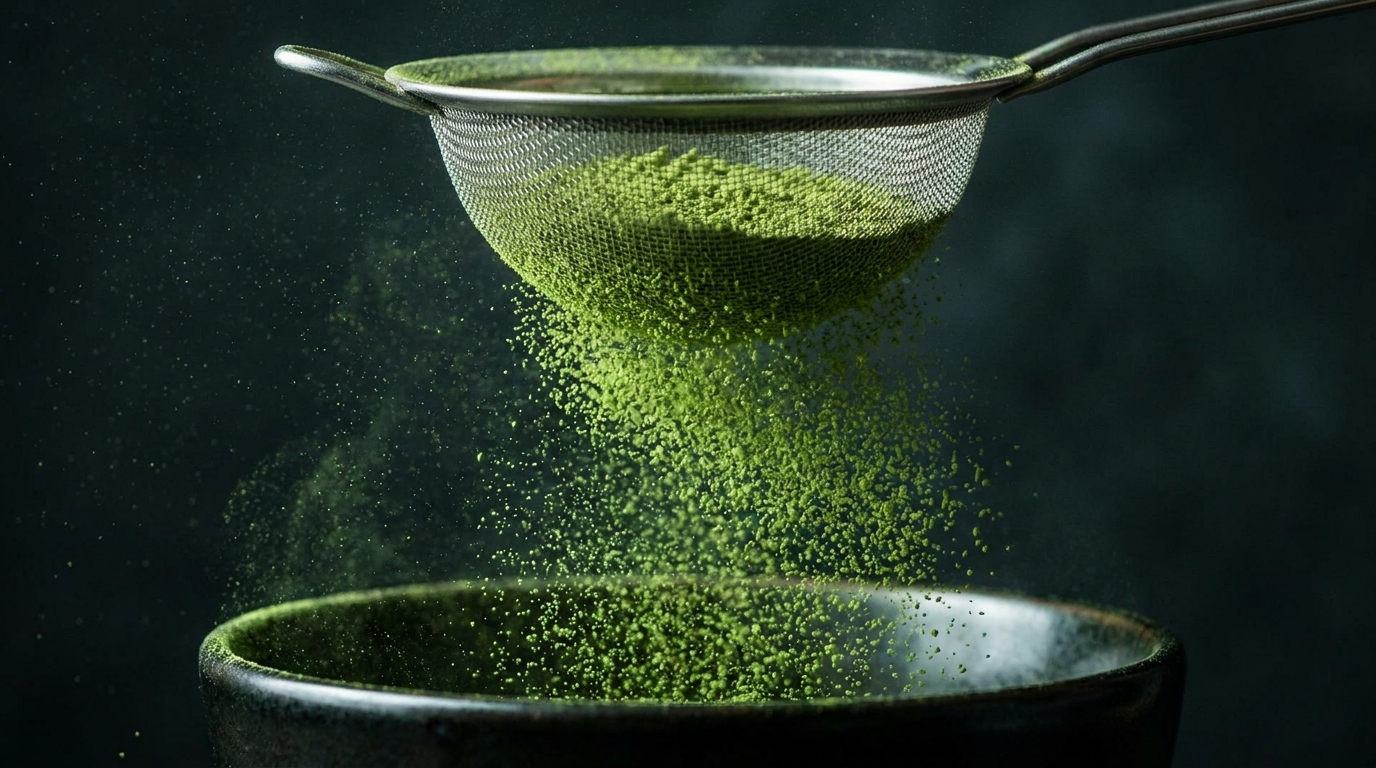
When evaluating a new batch of matcha, use these three physical tests:
The Color Test
Place a small spoonful of matcha powder on a clean sheet of white paper. High-grade ceremonial matcha will show a brilliant, vibrant jade green color. This bright hue indicates that the leaves were shaded properly, harvested early in the spring, and steamed quickly to preserve their fresh chlorophyll.
Lower-grade matcha, or culinary grade matcha , often has a dull, yellow, or olive-brown tint. This color suggests the use of older leaves from later harvests, less shading, or exposure to heat and oxygen during processing.
The Texture and Paint Test
Rub a small pinch of the dry powder between your thumb and forefinger. High-grade matcha is ground using traditional granite stones or advanced jet mills, resulting in an incredibly fine powder with a particle size of only 5 to 15 microns. It should feel as smooth as baby powder or eyeshadow.
If you smear it across a sheet of white paper, it should leave a clean, continuous streak of green paint. If the powder feels gritty or leaves a patchy, dusty trail, the leaves were likely ground too quickly or using less precise machinery.
The Froth Test
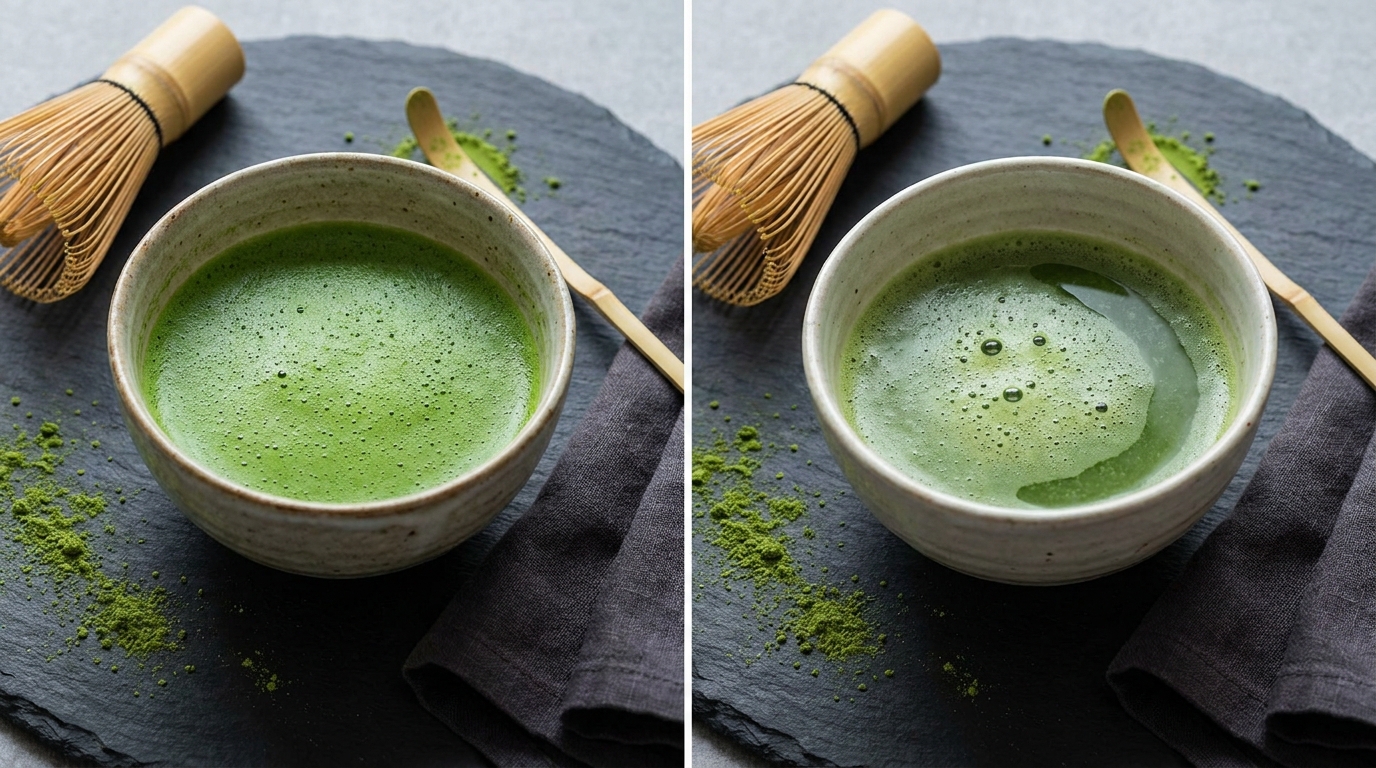
Whisk a teaspoon of matcha with hot water (around 80°C or 176°F) in a wide bowl using a traditional bamboo whisk. High-quality matcha dissolves easily and creates a thick, creamy layer of micro-foam on the surface. This beautiful froth is made possible by the natural lipids and fine structure of young, tender spring leaves.
Coarser, lower-quality powders will struggle to foam, leaving large, unstable bubbles that pop quickly, leaving a flat, watery liquid beneath.
The Price Equation: Why Organic Matcha Costs More and Is It Worth It?
For businesses planning their product lines, understanding the cost difference between organic and conventional matcha is essential. Organic matcha typically carries a price premium of 20% to 50% over conventional matcha of the same grade. This price difference is driven by the unique challenges and labor-intensive nature of organic farming.
Several key factors contribute to the higher cost of organic matcha:
- Lower Crop Yields: Without synthetic nitrogen fertilizers to accelerate growth, organic tea plants grow more slowly and produce fewer leaves. On average, organic tea fields yield 20% to 40% less raw tencha leaf material per acre than conventional fields.
- High Manual Labor Costs: Managing weeds is one of the biggest challenges on an organic farm. Since synthetic herbicides are banned, farmers must remove weeds by hand or use mechanical mowers between the rows. This manual care requires significant time and labor, especially during the warm spring growing season.
- Organic Fertilizers and Soil Building: Sourcing, transporting, and applying organic compost, rapeseed meal, and fish emulsion is far more expensive than using concentrated synthetic fertilizers. Additionally, nurturing the living biology of the soil requires ongoing management and care.
- Certification and Compliance Audits: Maintaining organic status requires annual fees, detailed paperwork, and regular on-site inspections by certifying bodies. This administrative process adds to the operating costs of both the farms and the processing facilities.
Is the Premium Worth It?
For businesses, the decision to invest in organic matcha depends on your target market and brand identity. If your brand focuses on clean labels, natural wellness, or certified organic products, the organic premium is highly justified. Consumers are often willing to pay a premium for certified organic products, which can support healthier margins for your business.
However, if your primary goals are high-volume baking, cost-effective cafe operations, or a sweet, umami-forward flavor profile at an accessible price point, high-quality conventional matcha may be the more practical choice.
Which One Should You Choose? Matching Organic vs Non-Organic Matcha to Your Use Case
To choose the right matcha for your business, you need to match the characteristics of each option to your specific product line, budget, and customer preferences.

To guide your selection, consider this application matrix, which balances organic status and grade with real-world business scenarios:
Customer Segment & Use Case | Recommended Matcha Type | Key Reasons for Selection |
|---|---|---|
Traditional Drinking & High-End Retail | Organic or Conventional Ceremonial Grade | Focuses on a vibrant jade green color, a smooth whisked froth, and a refined flavor profile. Choosing ensures a premium experience for tea enthusiasts. |
Organic & Health-Focused Retail Brands | Certified Organic Premium Grade | Aligns perfectly with organic food standards and clean-label trends, appealing to health-conscious shoppers who prioritize purity. |
Busy Cafes, Milk Tea Shops & Lattes | Conventional Premium or Culinary Grade | Provides a bold, robust green tea flavor that shines through milk and sweeteners, maintaining a bright green color at an accessible cost-per-serving. |
Commercial Bakeries & Food Production | Conventional Culinary Grade | Highly cost-effective for large-scale production, offering a strong flavor and heat-stable color that holds up beautifully during baking. |
By aligning your matcha selection with your specific use case, you can optimize your ingredient costs while delivering the exact flavor, color, and labeling that your customers expect.
How to Bulk Buy High-Quality Organic Matcha: A Checklist for B2B Buyers
Purchasing organic matcha in bulk requires careful evaluation. Because matcha is a delicate, light-sensitive powder, ensuring quality, purity, and supply chain consistency is key to protecting your brand’s reputation.
Use this professional B2B checklist when sourcing bulk organic matcha:
- Verify Authentic Organic Certificates: Request current USDA, EU, or JAS organic certificates from your supplier. Ensure the certificates match the exact manufacturing facility and exporter name on your shipping documents.
- Review Third-Party Lab Testing (COA): Ask for a recent Certificate of Analysis (COA) for the specific batch you are ordering. Confirm the lab has tested for multi-residue pesticides, heavy metals, and microbiological safety.
- Confirm Milling and Grinding Technology: Ask if the matcha is stone-ground or milled using advanced, low-temperature jet mills. Low-temperature milling prevents the powder from overheating, preserving its vibrant green color and delicate aroma.
- Evaluate Packaging Standards: Ensure the bulk packaging protects the matcha from its three main enemies: light, oxygen, and moisture. Look for vacuum-sealed, multi-layered aluminum foil bags, and consider nitrogen-flushed packaging for long-term storage.
- Check Supply Chain and Annual Capacity: Confirm your supplier has the capacity to deliver consistent quality year-round. Working with an established direct manufacturer ensures stable pricing, reliable supply, and consistent flavor profiles from one harvest to the next.
Final Verdict: Does Organic Matcha Really Matter for Your Business and Health?
When deciding between organic and conventional matcha, there is no single “correct” choice. Instead, the right decision depends on your personal health goals or your business’s market positioning.
For health-conscious individuals and wellness-focused brands, organic matcha is highly recommended. Because matcha involves consuming the entire ground tea leaf, choosing certified organic is the most reliable way to avoid synthetic pesticide residues while supporting eco-friendly, sustainable farming practices.
However, for businesses focused on traditional tea ceremonies, high-volume cafes, or commercial baking, high-quality conventional matcha remains a powerful and practical option. It delivers a rich, sweet, umami-forward flavor and a vibrant green color at an accessible price point, all while meeting strict food safety and import regulations.
By understanding the science, agricultural methods, and cost factors behind both options, you can make an informed choice that supports your health, fits your budget, and aligns perfectly with your business goals.
Frequently Asked Questions (FAQs)
1. Does organic matcha taste bitter compared to conventional matcha?
Generally, yes. Because organic farms use slow-release natural fertilizers, the tea plants may have less nitrogen available during the pre-harvest shading period. This can result in slightly lower levels of sweet L-theanine and higher levels of bitter catechins, giving organic matcha a fresh, clean, and pleasantly brisk flavor with a light herbal astringency, compared to the intense, sweet umami of high-grade conventional matcha.
2. Why is matcha more vulnerable to pesticide residues than regular green tea?
When you steep loose-leaf green tea, you discard the leaves and drink only the water-soluble infusion. With matcha, the entire tea leaf is ground into a fine powder and whisked into your drink, meaning you consume the whole leaf. This means any agricultural chemicals present on or within the leaf are ingested, which is why rigorous pesticide testing is especially important for matcha.
3. How can I verify if a bulk matcha supplier’s organic certification is genuine?
You can ask the supplier for their official organic certificates (issued by USDA, EU, or JAS accredited agencies) and check the certification number in the public databases of those regulatory bodies. A reliable supplier should also provide a complete transaction certificate and a batch-specific Certificate of Analysis (COA) to prove the trace history of your shipment.
4. Is culinary grade matcha always non-organic?
No, culinary grade matcha is available in both organic and conventional options. Organic culinary grade matcha is highly popular for organic bakeries, health-food brands, and cafes that want to offer certified organic matcha lattes, smoothies, and baked goods.
5. What is the best way to store bulk organic matcha to keep it fresh?
Matcha is highly sensitive to light, heat, air, and moisture. Store your bulk matcha in its original, sealed aluminum foil packaging, or transfer it to airtight, light-proof containers. For long-term storage, keeping the sealed containers in a cool, refrigerated environment is ideal. Always let the package reach room temperature before opening to prevent condensation from forming on the cold powder.