
High-efficiency matcha preparation is the systematic workflow of balancing traditional extraction physics with modern cafe throughput speed to deliver consistent quality. Picture the typical cafe rush where tickets pile up relentlessly while customers stare impatiently at the pickup counter and your lead barista struggles to whisk stubborn clumps out of a drink for sixty agonizing seconds. This bottleneck does not just slow down service; it creates a chaotic atmosphere that bleeds into every other interaction within your business environment. Here is the reality: spending thirty seconds too long per drink kills your margins, clogs the vital pickup counter, and frustrates your regulars who expect speed alongside quality. Inefficiency effectively bleeds profit from your operation with every single order. Implementing an optimized workflow with specialized tools and strategic preparation methods provides the only sustainable fix for this operational failure. You need to understand the answer to the question can you pre make matcha for high-volume service to truly unlock your cafe’s potential revenue.
The six-step Chawan method remains the global gold standard for preparing matcha, yet achieving speed requires developing intense muscle memory and maintaining a perfect station setup. Many shop owners mistakenly believe that traditional preparation must inherently be slow, but this assumption costs them valuable time during peak hours. A barista who understands the ergonomics of their station can execute a traditional whisk in under forty-five seconds without sacrificing the ceremonial presentation that customers love. You might be wondering, does tradition actually have a place in a fast-paced cafe environment where speed is king? The answer is a resounding yes, provided the workflow is optimized to eliminate unnecessary movement and hesitation. By positioning the bowl, whisk, and scoop in a tight triangle formation, your staff can shave precious seconds off every single order they process.
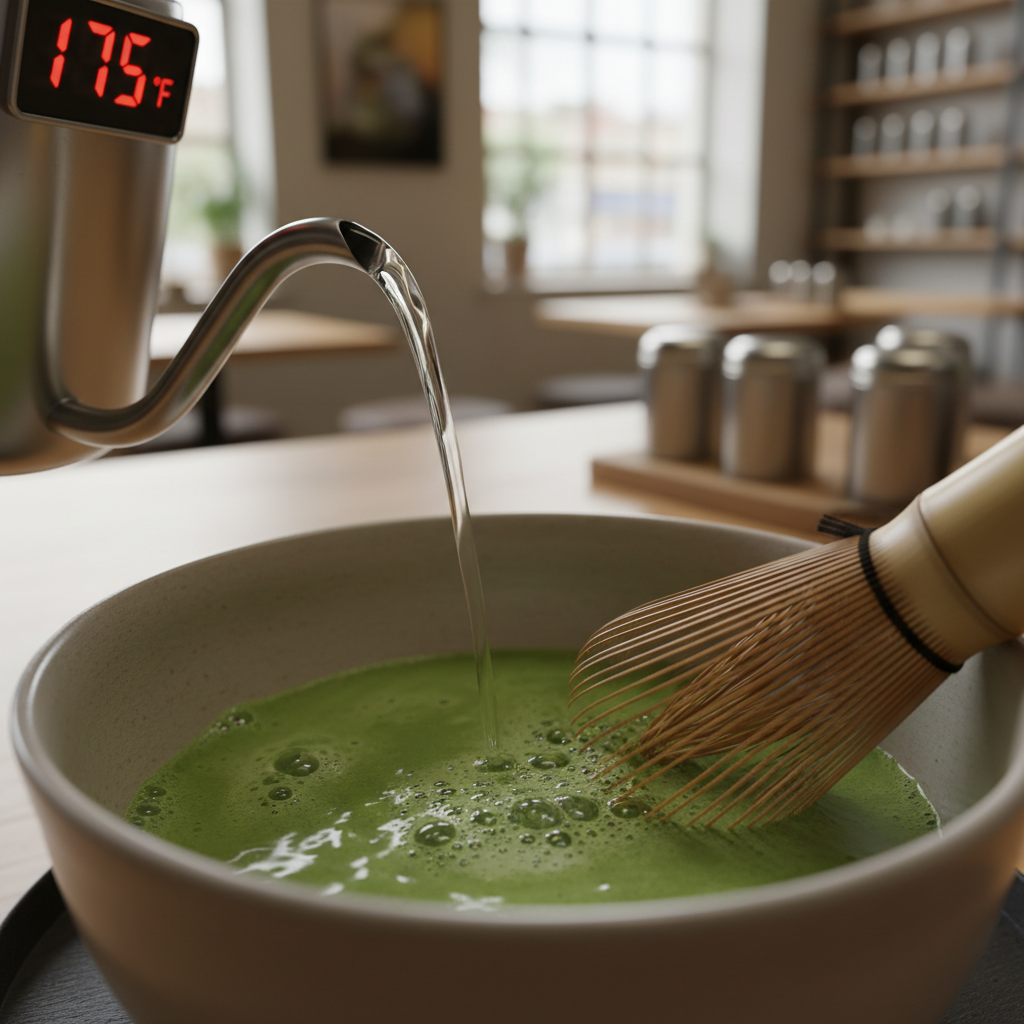
Mastering the temperature and water volume ready at hand is equally critical for maintaining velocity on the bar. You cannot afford to wait for water to boil or cool down for every single customer who walks through the door. Keeping a dedicated variable temperature kettle holding steady at 175°F ensures that the thermal conditions are always perfect for immediate extraction. This preparation allows the barista to focus entirely on the whisking technique rather than managing thermal variables. Here is the deal: consistency in your water source eliminates one of the biggest variables in drink production, allowing your team to move with confidence and speed. When the water is ready, the entire process becomes a fluid dance of pouring and whisking that captivates customers without making them wait.
How Does Bowl Selection Impact Speed?
- Wide bottom bowls allow for a broader whisking motion which aerates tea faster.
- Deep bowls often restrict movement and cause accidental spills during rushes.
- Ceramic retention of heat keeps the drink warm without pre-heating steps.
Which Whisking Motion is Most Efficient?
- The rigorous ‘W’ motion creates micro-foam significantly faster than circular motions.
- Wrist action must be loose to prevent fatigue during long shifts.
- Vertical chopping motions help break stubborn surface clumps instantly.
How Do You Standardize Presentation?
- A quick rim wipe with a dedicated dark cloth hides any splashes.
- Consistent foam density provides a canvas for simple latte art.
- Serving on a contrasting saucer elevates the perceived value immediately.
Key Takeaway
Selecting the correct wide-bottomed ceramic wear and training staff on the ‘W’ whisking motion can reduce traditional preparation time by up to 30%.
Analysis: Whisking Motion Efficiency
Whisking Style | Time to Micro-foam | Effort Level | Foam Quality |
|---|---|---|---|
Circular Stir | 60+ Seconds | Low | Poor / Flat |
‘Z’ Motion | 45 Seconds | Medium | Medium / Loose |
‘W’ Motion | 20-30 Seconds | High | Rich / Dense |
How Do You Streamline the Hot Matcha Latte Process?
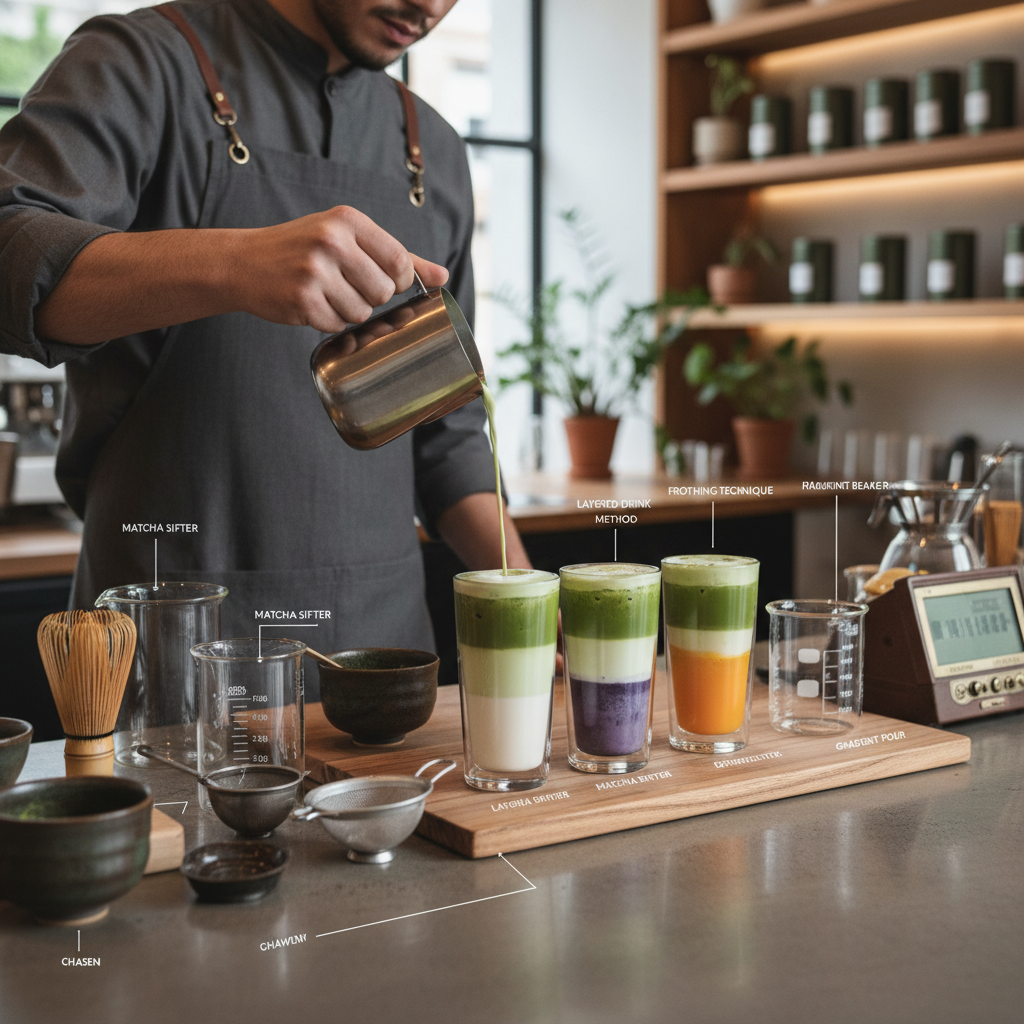
The secret to rapid latte production lies in executing simultaneous workflows where sifting happens directly into the serving cup while the milk steams independently. Most inexperienced baristas execute these steps linearly, which effectively doubles the time required to hand off the drink. By training your staff in mastering matcha for cafes , you ensure they possess the necessary skill set to multitask without compromising the beverage’s structural integrity. Sifting the powder directly into the bottom of the cup while the steam wand is active allows the milk to heat up exactly as the matcha base is being prepped. This parallel processing is the hallmark of a professional high-volume coffee bar operation.
Creating a “paste” or slurry at the bottom of the cup before adding the full liquid volume is another technique that separates pros from amateurs. Here’s the kicker: the “paste method” used in home kitchens is often too slow for commercial bars if not modified for speed. Instead of using a spoon to mix a paste, use a small electric frother or a minimal amount of hot water with a rapid whisk to instantly dissolve the powder. This concentrated base ensures that when the steamed milk is poured, it incorporates fully throughout the drink without leaving gritty sediment at the bottom. The result is a smooth, velvety texture that rivals any espresso-based beverage in mouthfeel and complexity.
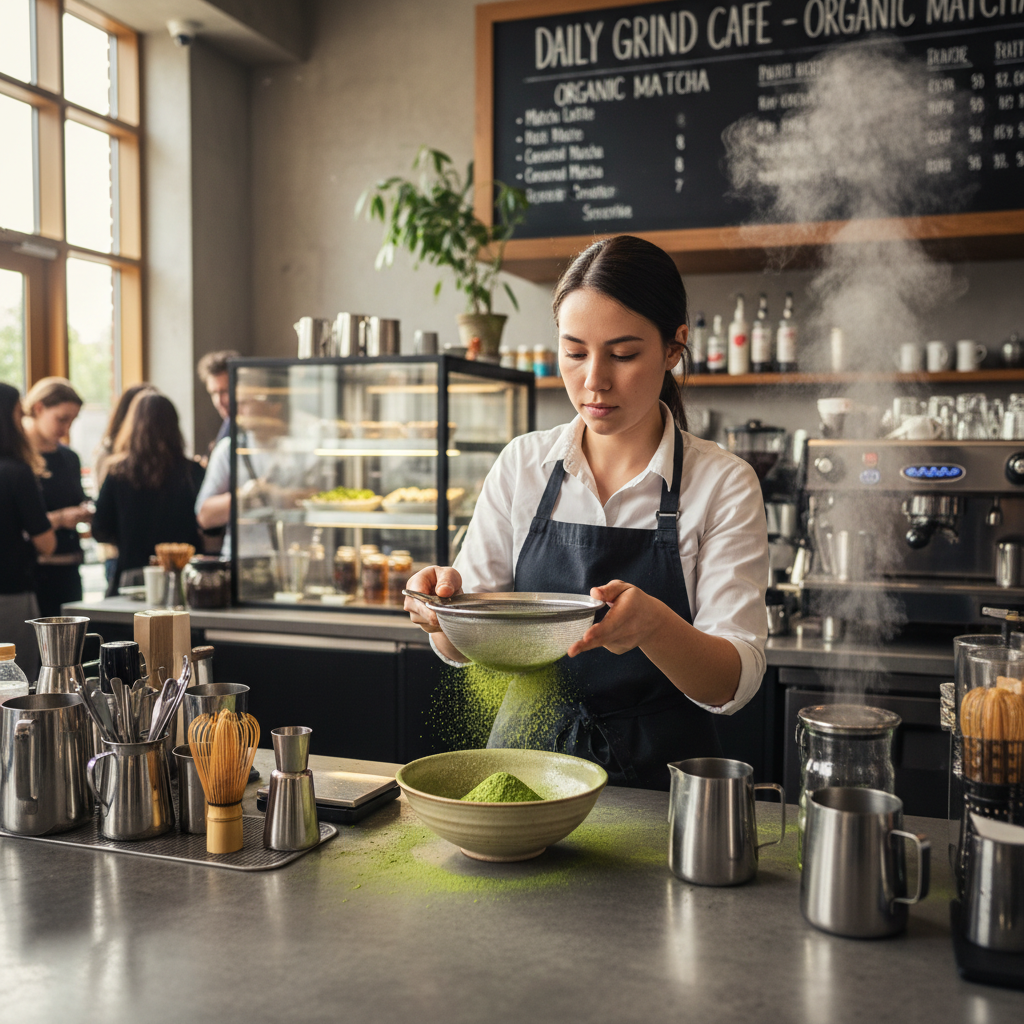
Why is Sifting Non-Negotiable?
- Sifting breaks apart electrostatic clumps that form during storage.
- It ensures a smooth texture that customers associate with premium quality.
- unsifted matcha often results in bitter pockets of dry powder.
When Should You Steam the Milk?
- Start the steam wand immediately after dosing the matcha powder.
- Use the steaming time to whisk the matcha base into a slurry.
- Pour immediately upon milk completion to prevent foam separation.
How Do You Layer for Visual Appeal?
- Tilt the cup 45 degrees to integrate the milk under the crema.
- Straighten the cup at the end to lay foam on top.
- Pour speed must be aggressive initially and slow for the finish.
Key Takeaway
Adopting a parallel workflow where milk steaming and matcha base preparation happen simultaneously will cut average ticket times by nearly 50%.
Analysis: Sifting Impact on Workflow
Preparation Method | Prep Time | Texture Quality | Customer Satisfaction |
|---|---|---|---|
No Sift | 20 Seconds | Gritty / Clumpy | Low |
Sift + Slurry | 35 Seconds | Silky / Smooth | High |
Post-Mix Blend | 50 Seconds | Airy / bubbly | Medium |
What is the Trick to Serving Iced Matcha Lattes Instantly?
The “Shake and Pour” technique stands as the undisputed industry standard for instant iced service by utilizing mechanical agitation to dissolve powder. Think about it: whisking a delicate powder inside a cold glass filled with ice is a recipe for operational disaster and terrible texture. The physics of dissolving a hydrophobic powder like matcha into cold liquid requires intense agitation that a simple whisk cannot provide. Using a cocktail shaker or a sealed mason jar allows the barista to generate enough kinetic energy to break apart the powder and suspend it evenly within the liquid. This method is not only significantly faster but also produces a delightful frothy head that looks appealing in a clear glass.
Speed is paramount for iced drinks because ice dilution can quickly ruin the flavor profile if the preparation lingers too long. By combining water, matcha, and sweetener in a shaker, you can create a perfectly chilled and texturized base in less than ten seconds. What’s the real story? Customers ordering iced drinks want refreshment immediately, and they are often less concerned with ceremonial tradition than hot drink consumers. This allows you to leverage the shaker method to clear tickets rapidly during the summer rush without anyone feeling shortchanged on quality. The visual theater of shaking a drink also adds a dynamic element to the bar service that customers enjoy watching.
How Do You Dissolve Powder in Cold Water?
- Use a small amount of warm water first if possible, then ice.
- Alternatively, rely on vigorous shaking to force hydration.
- Ensure the vessel is completely sealed to prevent messy leaks.
Why Use the “Shake and Pour” Technique?
- It aerates the drink, creating a creamy mouthfeel without dairy.
- It is significantly faster than trying to whisk in a tall glass.
- It chills the liquid instantly as it mixes with the ice.
How Do You Prevent Ice Dilution?
- Use large, dense ice cubes that melt slower than crushed ice.
- Shake only for the necessary time to mix, then pour immediately.
- Strain the liquid over fresh ice in the serving glass.
Key Takeaway
The “Shake and Pour” method is the only viable commercial strategy for high-volume iced matcha sales, offering speed and superior texture.
Analysis: Shaking vs. Whisking
Technique | Speed | Texture Outcome | Equipment Needed |
|---|---|---|---|
Whisk over Ice | Slow | Uneven / Clumpy | Whisk + Glass |
Cocktail Shake | Fast | Frothy / Smooth | Shaker Tin |
Blender | Medium | Slushy / Diluted | Blender |
Can You Pre Make Matcha Concentrate for Rush Hours?
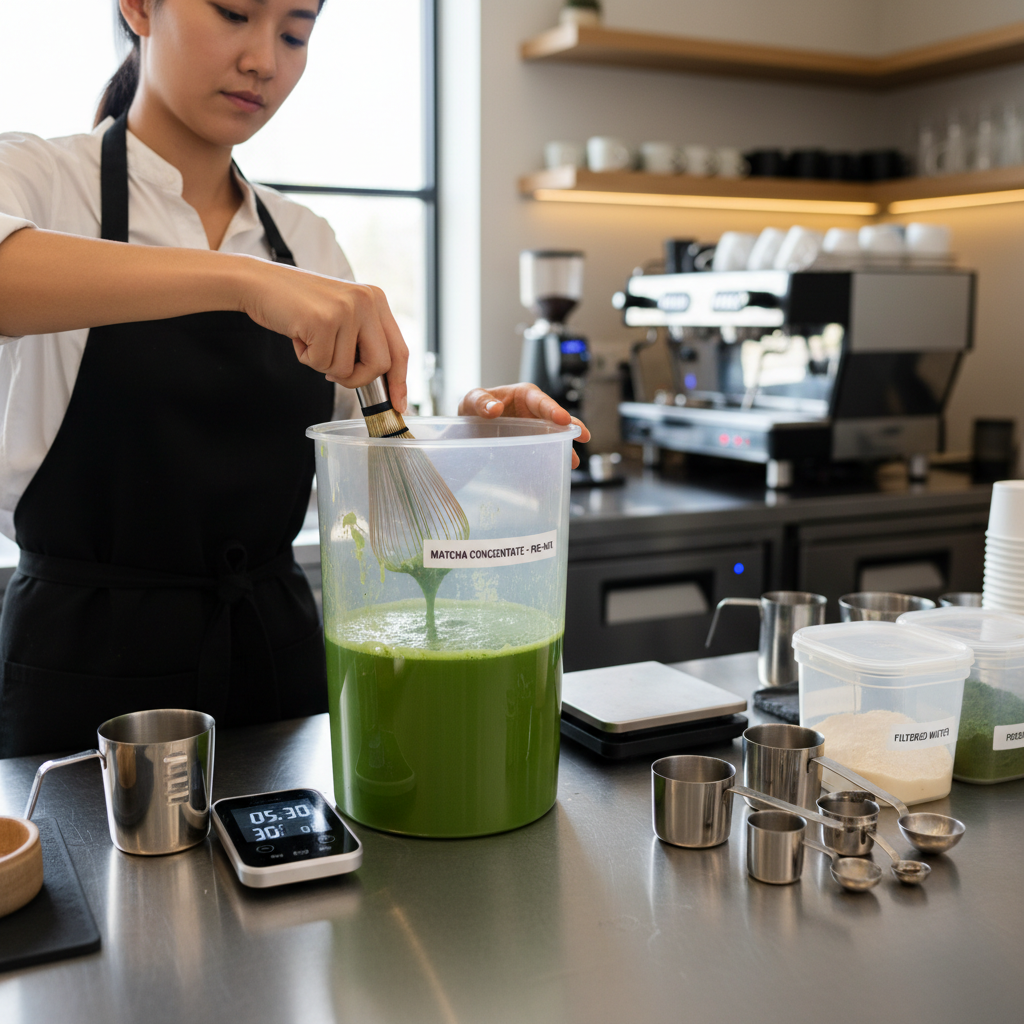
You can absolutely batch prepare matcha concentrate, but it must be treated as a fresh product with a strictly limited shelf life of twenty-four hours. Many cafe owners hesitate to implement batching because they fear a loss of quality, but a properly stored concentrate can be a lifesaver. Directing your baristas to an easy matcha latte recipe for busy baristas that utilizes concentrate strategies can revolutionize your morning workflow. What’s the real story? Is pre-batching a quality compromise that you should avoid? Not if you understand the chemistry of oxidation and how to slow it down. A concentrate kept cold and in an airtight container retains its flavor integrity for a single business day.
The trade-off between the speed of pre-batching and potential quality degradation is manageable if you adhere to strict inventory protocols. You should never batch more than you can sell in a single shift. By mixing a high-ratio concentrate of matcha and water, you create a “liquor” that can be poured like espresso shots into milk or water. This eliminates the sifting and whisking steps entirely during service hours, transforming a two-minute ticket into a thirty-second handoff. The key is to keep the concentrate refrigerated at all times and to give the bottle a vigorous shake before every single pour to ensure the suspension is uniform.
What is the Ideal Shelf-Life for Concentrate?
- 24 hours is the maximum limit for maintaining vibrant color.
- 48 hours creates noticeable bitterness and dull oxidation.
- Freshness is paramount; discard any leftovers at closing time.
How Do You Adjust Ratios for Bulk Prep?
- Use a 1:4 ratio of matcha powder to water for a strong base.
- Scale up recipes by weight, not volume, for accuracy.
- Store in opaque squeeze bottles to block damaging light.
Does Batching Affect Flavor Quality?
- Slight loss of aromatic top notes occurs after a few hours.
- The body and umami flavor generally remain stable if chilled.
- Customers adding milk and sugar rarely notice the difference.
Key Takeaway
Pre-batching concentrate is a legitimate strategy for high-volume rushes, provided strict 24-hour expiration protocols are enforced.
Analysis: Concentrate Shelf Life
Time Since Prep | Color Vibrancy | Flavor Profile | Recommended Use | |
|---|---|---|---|---|
0-4 Hours | Bright Green | Fresh / Sweet | Premium Lattes | |
4-12 Hours | Deep Green | Stable | Standard Drinks | |
24+ Hours | Brownish Green | Flat / Bitter | Discard |
Why Should You Add Cold Brew Matcha to Your Express Menu?
Cold brew matcha facilitates a true “grab-and-go” service model that eliminates wait times entirely and drastically increases customer throughput. It gets better: this preparation method requires zero active barista time during the actual service window. By preparing bottles or mason jars the night before or during slow periods, you create a stock of high-margin inventory that is ready to sell the moment the doors open. Customers in a rush appreciate the ability to bypass the espresso bar queue and pick up a healthy, energized beverage immediately. This not only boosts sales but also alleviates pressure on your bar team during the morning slam.
The flavor profile of cold brew matcha is distinctively different and often more approachable for new customers than hot preparations. Cold water extraction pulls out more of the natural sweetness and umami while leaving the harsh tannins and bitterness behind. This smoother, sweeter profile requires less sugar to be palatable, making it a hit with health-conscious consumers. You can position these drinks in your reach-in cooler near the register, making them an easy upsell or an impulse buy. Marketing them as a “smoother, sweeter energy boost” helps differentiate the product from your standard made-to-order menu items.
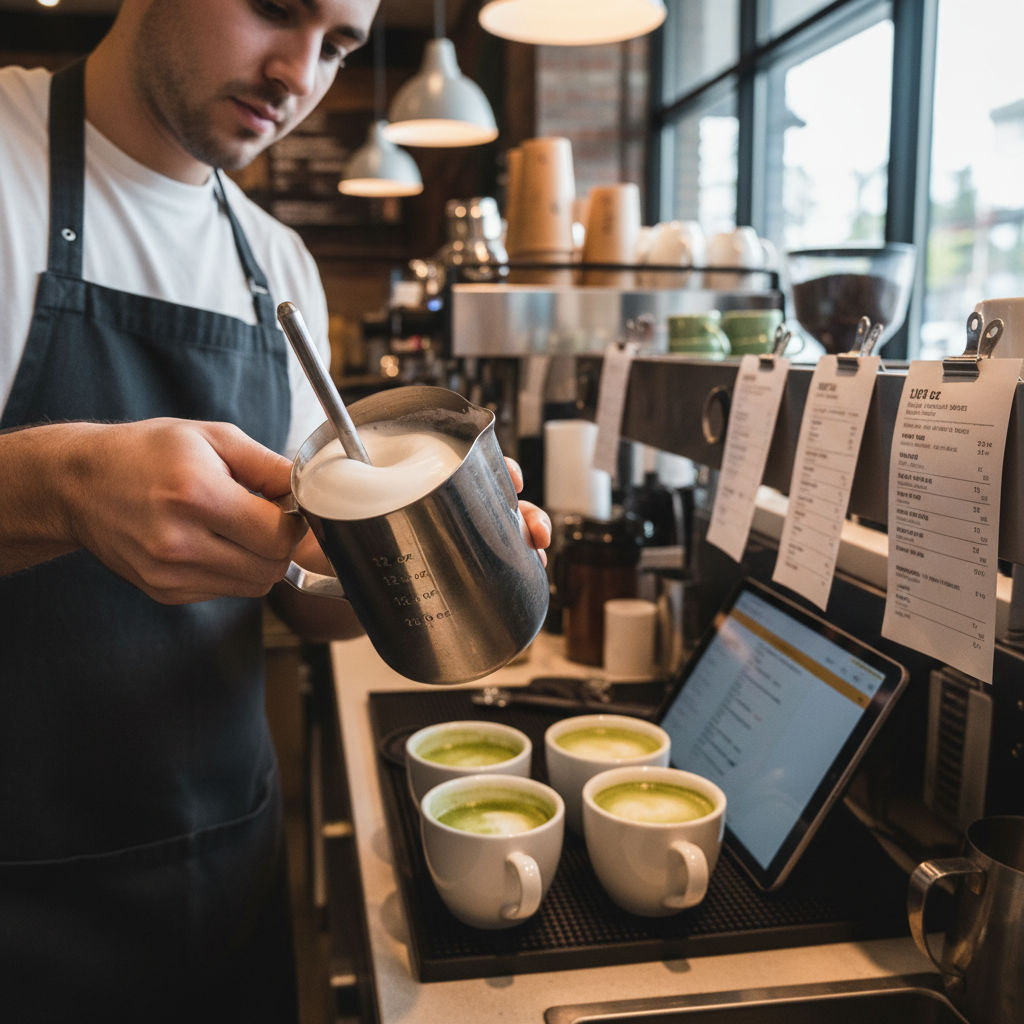
How Does Flavor Differ From Hot Matcha?
- Cold water inhibits the release of bitter catechins and tannins.
- The resulting brew is naturally sweeter and more savory.
- It lacks the astringency that turns some people away.
Which Vessels Work Best for Rapid Service?
- Mason jars offer a rustic, reusable aesthetic that sells well.
- Plastic shaker bottles are practical for takeaways.
- Glass bottles with swing tops suggest a premium, artisanal product.
How Do You Position This on the Menu?
- List it under “Express Items” to highlight the speed benefit.
- Promote it heavily during summer months as a refresher.
- Offer it as a “Barista’s Choice” for first-time matcha drinkers.
Key Takeaway
Cold brew matcha is a zero-labor service item that captures revenue from time-poor customers who would otherwise walk out.
Analysis: Profitability of Cold Brew
Item Type | Labor Cost | Service Time | Profit Margin |
|---|---|---|---|
Hot Latte | High | 3 Minutes | Medium |
Cold Brew | Low (Pre-Prep) | 0 Minutes | High |
Iced Latte | Medium | 1.5 Minutes | High |
Which Barista Tools Actually Speed Up Matcha Workflow?
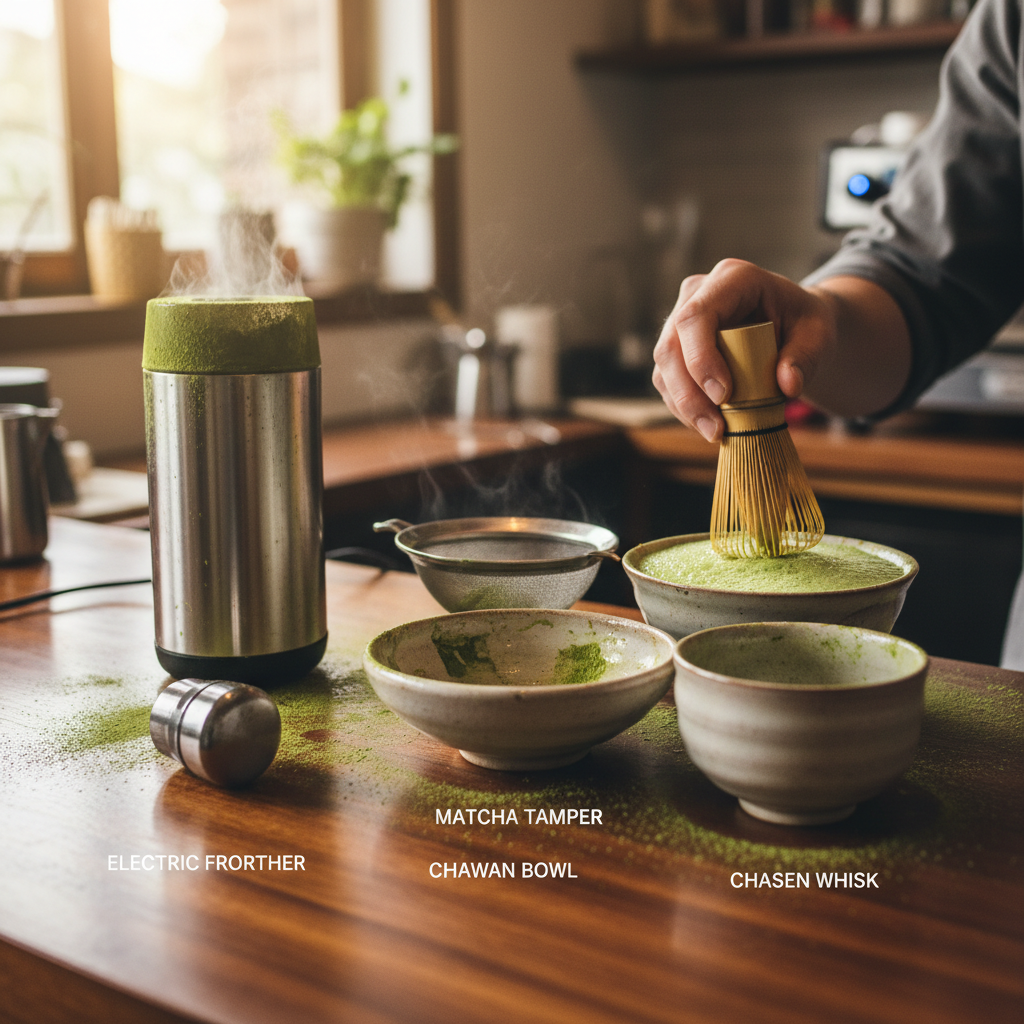
Electric frothers and dedicated fine-mesh sifters serve as the primary accelerators for baristas working in a modern, high-volume environment. You might be wondering, are traditional bamboo tools becoming obsolete in the face of modern cafe technology? While the bamboo whisk holds cultural significance, the handheld electric frother offers superior speed, durability, and consistency for the average cafe employee. Optimizing your cafe matcha station involves placing these tools within arm’s reach to minimize movement. A dedicated sifter is equally crucial; without it, you are fighting a losing battle against clumps that will inevitably ruin customer satisfaction.
Automated matcha makers are entering the market, but their return on investment is often questionable compared to skilled manual tools. These machines take up valuable counter space and require cleaning cycles that can disrupt the flow of service. In contrast, a simple electric frother can be rinsed in seconds and requires almost zero counter footprint. For most businesses, the combination of a high-quality scale, a dedicated sifter, and a powerful handheld frother provides the perfect balance of speed and cost-effectiveness. Investing in robust versions of these tools ensures they can withstand the rigors of hundreds of drink cycles per day.
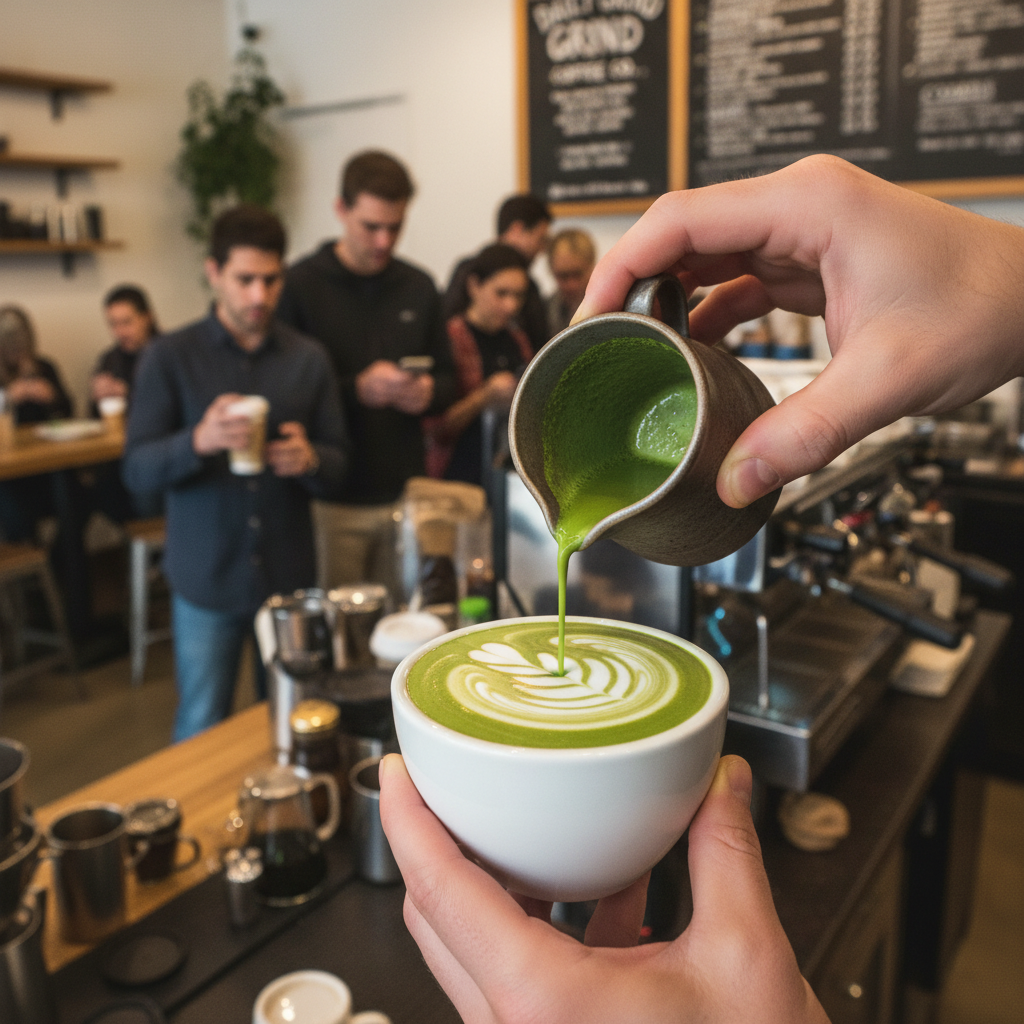
Bamboo Whisk vs. Electric Frother?
- Bamboo is fragile and wears out quickly with heavy use.
- Electric frothers are durable and require less technique.
- Bamboo offers better aesthetics; electric offers better speed.
Why is a Dedicated Sifter Crucial?
- It prevents cross-contamination with coffee grounds or cocoa.
- It ensures a consistent particle size for rapid dissolving.
- It signals to the customer that you take tea seriously.
Are Automated Matcha Makers Worth It?
- High upfront cost can take months to recoup in sales.
- Maintenance and cleaning often outweigh the labor savings.
- They provide consistency but lack the craft appeal.
Key Takeaway
Equipping your station with electric frothers and dedicated sifters yields the highest efficiency gains for the lowest capital investment.
Analysis: Tool ROI Comparison
Tool | Cost | Speed Gain | Durability |
|---|---|---|---|
Bamboo Whisk | $20 | Low | Low |
Electric Frother | $15 | High | Medium |
Auto Machine | $500+ | Medium | High |
How Does Proper Bulk Storage Prevent Profit Loss?
Proper storage in airtight, opaque containers prevents rapid oxidation, ensuring you do not end up throwing away “dead” inventory that has turned brown. Here is the bottom line: bad storage practices equal lost money and disappointed customers. Matcha is incredibly sensitive to light, air, and moisture. Leaving a bulk bag open on the counter for even a few hours can degrade the quality significantly. You must treat your matcha powder like fresh spices or ground coffee—volatile and perishable. Using vacuum-sealed canisters or opaque tins with tight-fitting lids is the only way to preserve the vibrant green color and fresh grassy flavor that justifies your menu price.
Managing your inventory with a strict “First-In, First-Out” (FIFO) protocol is essential for powder products. Unlike coffee beans which might have a slightly wider window, matcha degrades linearly and visibly. Staff should be trained to date every container upon opening and to rotate stock aggressively. Storing your bulk backstock in a refrigerator or freezer can extend its life significantly, but the daily service container should be kept at room temperature to prevent condensation from forming inside the tin. Condensation is the enemy of matcha, instantly creating hard, unusable clumps that waste product and time.
How Do You Combat Oxidation and Moisture?
- Minimize the amount of time the lid is off the container.
- Use silica gel packets in bulk storage to absorb humidity.
- Never store matcha in clear glass jars exposed to sunlight.
Fridge vs. Freezer: What are the Rules?
- Freezer is for long-term storage of unopened bulk bags.
- Fridge is for opened bags that won’t be used for days.
- Room temp is mandatory for the active service tin.
How Do You Manage FIFO with Powder?
- Write the “Opened On” date clearly on every tin.
- Use smaller tins on the bar to ensure rapid turnover.
- Audit inventory weekly to catch slow-moving stock.
Key Takeaway
Implementing opaque, airtight storage and strict temperature controls prevents waste and ensures every scoop serves premium flavor.
Analysis: Storage Impact on Value
Storage Condition | Shelf Life (Open) | Waste Risk | Flavor Retention |
|---|---|---|---|
Open Bag / Clear Jar | 1 Week | High | Low |
Airtight / Opaque | 4-6 Weeks | Low | High |
Freezer (Sealed) | 6+ Months | Very Low | High |
How Do You Prevent Clumping Without Slowing Down Service?
Creating a “slurry” or thick paste before adding the full volume of liquid effectively eliminates hydrophobic pockets that cause clumping. Let’s face it, nothing ruins a drink experience faster than a customer choking on a chunk of dry, bitter powder. Matcha is naturally hydrophobic, meaning it resists getting wet. Dumping a full cup of water onto powder practically guarantees that dry clumps will form, encapsulated by a layer of gel that prevents water from penetrating. The solution is mechanical: use a small amount of water to force hydration through friction, creating a smooth, dark green paste.
Sourcing the right product is also half the battle against clumping. Riching Matcha’s wholesale solutions offer finely ground powders that are specifically milled to disperse easier in liquid. A coarser grind or an old, moist powder will clump significantly more than a fresh, high-quality milling. If you find your staff constantly battling clumps despite good technique, it might be time to evaluate the quality of your raw ingredient. High-quality ceremonial or premium culinary grades usually possess a particle size that facilitates smoother suspension.
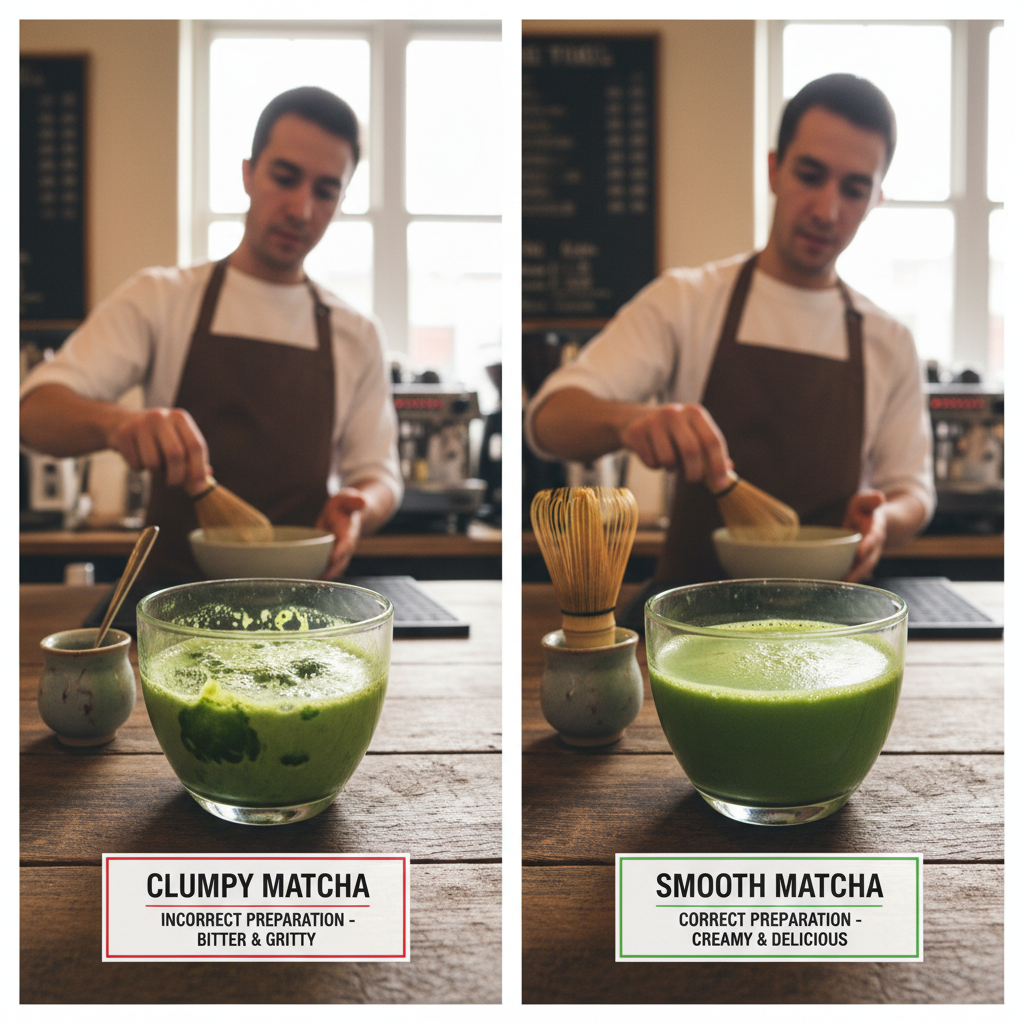
What is the Physics of Hydrophobic Powder?
- Matcha particles have high surface tension against water.
- They tend to stick to each other rather than dispersing.
- Warm water lowers surface tension better than cold water.
How Do You Create the Perfect Slurry?
- Use a 1:1 ratio of powder to water initially.
- Press the whisk or spoon against the side of the bowl.
- Mix until the color darkens and texture becomes glossy.
Can You Recover a Clumped Drink?
- Pouring it through a fine-mesh sieve is the only fix.
- Re-blending works but ruins the foam structure.
- It is often faster to remake the drink than to save it.
Key Takeaway
The “Slurry Step” is the single most effective technique for preventing clumps and ensuring a smooth, professional texture.
Analysis: Slurry vs. Direct Pour
Method | Clump Probability | Texture | Prep Speed |
|---|---|---|---|
Direct Pour | High | Gritty | Fast (Risk of remake) |
Slurry Method | Zero | Smooth | Medium (Reliable) |
What Water Temperature Optimizes Speed and Extraction?
The optimal temperature for matcha is 175°F (80°C); setting your equipment to maintain this standard saves manual cooling time and preserves flavor. Why does this matter? Boiling water burns the delicate amino acids in the tea, resulting in an astringent, bitter brew that needs excessive sugar to mask. Conversely, water that is too cold will not extract the full flavor profile or dissolve the powder efficiently, leading to a weak, powdery drink. In a high-volume cafe, you do not have time to boil water and then wait two minutes for it to cool down.
Using a precise temperature holding kettle or a dedicated hot water tower tap set to 175°F streamlines the entire process. The barista can simply open the tap and receive water at the exact thermal specification required. This consistency removes a major variable from the brewing equation. It also improves safety, as staff are handling water that is hot enough to brew but less likely to cause severe scalding burns compared to rolling boil water. Temperature control is a subtle operational detail that has a massive impact on both cup quality and workflow velocity.
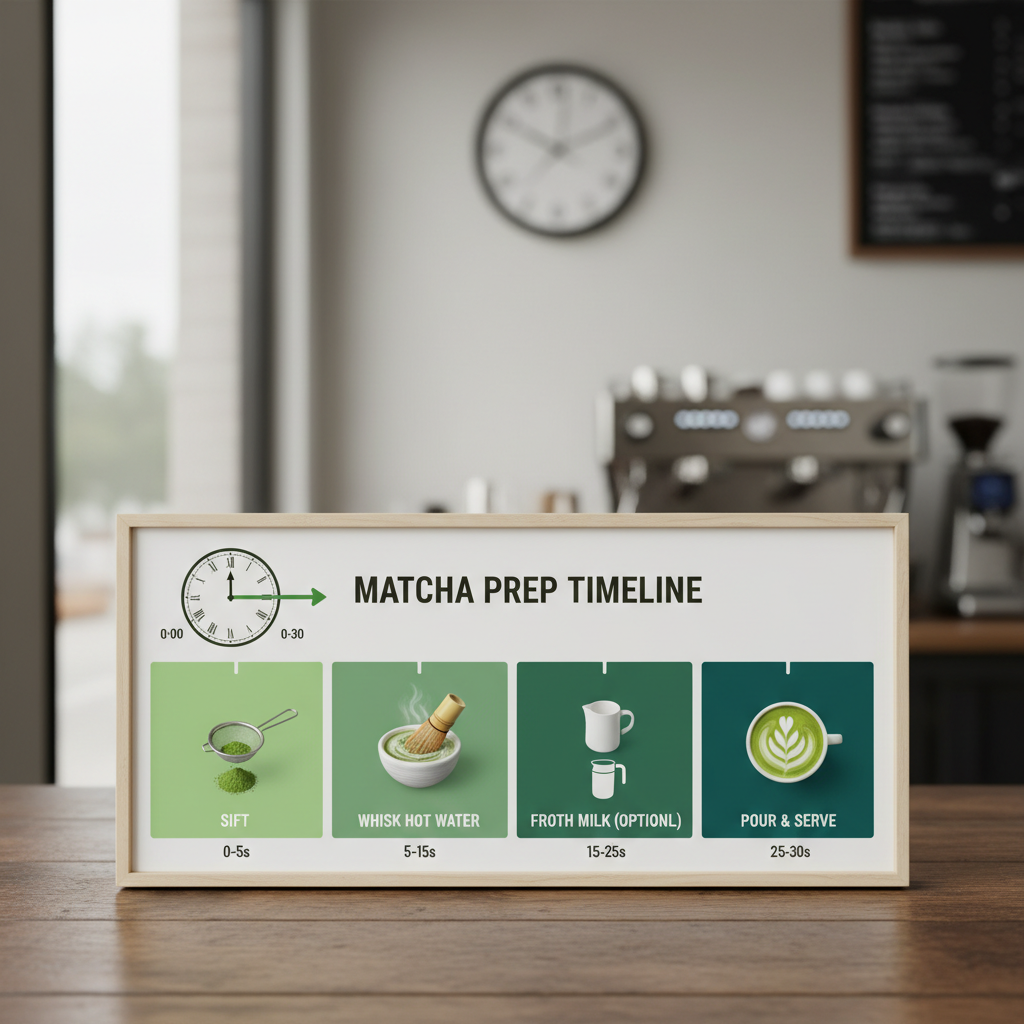
Why Does Boiling Water Destroy Flavor?
- It scorches L-theanine, destroying sweetness.
- It releases excessive tannins, causing harsh bitterness.
- It degrades the vibrant green color into a dull yellow.
How Do You Set Tower Temperatures?
- Most commercial towers have digital calibration settings.
- Verify the output weekly with a digital thermometer.
- Dedicate one tap solely to tea water if possible.
Does Temperature Impact Whisking Speed?
- Hotter water dissolves powder faster than cold.
- 175°F is the sweet spot for solubility and flavor.
- Cold water requires significantly more mechanical force.
Key Takeaway
Automating your water temperature to 175°F eliminates wait times and guarantees a sweeter, better-tasting product every time.
Analysis: Temperature vs. Taste
Water Temp | Solubility | Flavor Profile |
|---|---|---|
212°F (Boil) | High | Bitter / Burnt |
175°F (Ideal) | High | Sweet / Umami |
140°F (Warm) | Medium | Mild / Weak |
How Can You Standardize Matcha Dosing for Consistent Margins?
Weight-based dosing of two to three grams is the only way to ensure consistent Cost of Goods Sold (COGS) and flavor intensity. Here’s the deal: scooping is faster, but weighing saves money and ensures consistency. A heaping bamboo scoop can vary wildly in weight depending on how packed the powder is, leading to drink inconsistencies. One customer might get a weak latte while the next gets a flavor bomb that costs you double the inventory. Over the course of a year, these micro-variations add up to kilograms of lost product and thousands of dollars in lost revenue.
Training your staff to use a small precision scale for every dose might seem like a bottleneck, but with modern fast-read scales, it adds only two seconds to the workflow. Alternatively, you can pre-dose matcha into small test tubes or containers during slow shifts. This “mise en place” strategy allows for instant dumping of a verified 2-gram dose during the rush. Standardizing the dose is the foundation of profitability; without it, you are essentially guessing at your margins with every cup you serve.
Weighing vs. Scooping: Which is Better?
- Scooping is subjective and varies by barista hand.
- Weighing is objective and guarantees the recipe.
- Consistency builds customer trust and loyalty.
How Do You Calculate Cost-Per-Gram?
- Divide bulk bag price by total grams in the bag.
- Multiply cost-per-gram by dose size (e.g., 2g).
- This figure is your base cost for the matcha component.
How Do You Train Staff on Waste Reduction?
- Show them the math of 0.5g waste over 1000 drinks.
- Create visual guides for what a “perfect scoop” looks like.
- Reward consistency and accuracy in quarterly reviews.
Key Takeaway
Standardizing a 2g dose via weight or pre-portioned vessels is the most critical step for controlling costs and ensuring recipe consistency.
Analysis: Dosing Methods
Method | Speed | Accuracy | Cost Control |
|---|---|---|---|
Free Scoop | Fast | Low | Poor |
Digital Scale | Medium | Perfect | Excellent |
Pre-Packets | Very Fast | High | Good (Labor intensive) |
Conclusion
Streamlining your matcha preparation is not just about moving faster; it is about elevating the entire customer experience while protecting your business’s bottom line. By implementing the “Shake and Pour” method for iced drinks, creating consistent slurries to banish clumps, and utilizing precise temperature controls, you transform a complex ceremonial tea into a high-efficiency cafe staple. These optimized workflows allow your baristas to clear tickets rapidly without sacrificing the velvety texture and umami flavor that define quality matcha.
Your cafe’s efficiency relies on the backbone of quality ingredients that perform consistently under pressure. Riching Matcha provides the wholesale solutions necessary to support these high-volume workflows. Ready to upgrade your bar flow and stop leaving money on the table? Contact us today to discuss bulk options for your cafe. Streamline your station, serve better drinks, and watch your matcha sales grow.
FAQ
Q1: Can I pre-make matcha latte mix?Yes, but caution is needed. Dry mixing sugar and matcha powder works excellent for storage. However, wet mixing a concentrate has a strict 24-hour limit before oxidation degrades the flavor and color.
Q2: What is the best milk for matcha lattes?Oat milk is widely considered the superior pairing. Its natural sweetness and creamy texture balance the grassy earthiness of matcha better than dairy, which can sometimes mask the tea’s delicate notes.
Q3: Do I really need a bamboo whisk?Not for high-volume lattes. While traditional, a bamboo whisk is fragile and slow. An electric handheld frother is faster, more durable, and easier to clean for busy cafe service.
Q4: How long does bulk matcha last once opened?4-6 weeks for peak freshness. Oxidation begins immediately upon exposure to air, degrading the vibrant color and flavor rapidly. Always store it in an airtight, opaque container.
Q5: Why is my matcha clumping?Moisture or lack of sifting is the culprit. Matcha is hygroscopic and pulls moisture from the air. Always sift your powder or create a thick slurry with warm water to prevent this.