
The vibrant green hue of matcha has become a global symbol of health and mindfulness. Yet, for many, the traditional, astringent taste of pure ceremonial green tea can be an acquired preference. This is where Sweet Matcha enters the frame—a perfect bridge between ancient tradition and modern palate. By harmonizing the potent nutritional profile of Japanese and Chinese green tea with natural sweeteners, Sweet Matcha has transformed from a niche health food into a mainstream wellness staple.
Whether you are a café owner looking to elevate your menu, a food manufacturer developing the next hit “Ready-to-Drink” (RTD) beverage, or a wellness enthusiast seeking a daily ritual that tastes as good as it feels, understanding the nuances of Sweet Matcha is essential. This guide explores the intersection of flavor and functionality, providing a deep dive into how this emerald powder is redefining the wellness industry. The global demand for matcha is projected to continue its exponential growth, driven by a shift in consumer behavior toward “clean label” energy and functional ingredients that provide more than just a caloric boost.
When discussing Sweet Matcha, the primary concern for health-conscious consumers is often the balance between the benefits of the tea and the impact of the added sweetener. Pure matcha is a nutritional powerhouse, containing up to 137 times more antioxidants than regular brewed green tea. The primary hero is Epigallocatechin Gallate (EGCG), a catechin known for its metabolism-boosting, anti-inflammatory, and neuroprotective properties.
The challenge in the “Sweet” category is maintaining these benefits without the insulin spikes associated with refined sugars. Modern wellness brands prioritize sweeteners with a lower Glycemic Index (GI) or non-nutritive sweeteners that do not disrupt the gut microbiome. The synergy between the caffeine in matcha and the amino acid L-Theanine is particularly noteworthy. While caffeine provides energy, L-Theanine facilitates the production of alpha waves in the brain, leading to a state of “relaxed alertness.”
Caffeine Dynamics: Matcha vs. The World
Unlike the jagged energy curve of coffee or synthetic energy drinks, the caffeine in matcha is released slowly over 4 to 6 hours. This is due to the caffeine molecules binding to the tea’s tannins and being moderated by L-Theanine.
Table 1: Caffeine and Energy Comparison
Beverage Source | Caffeine Content (per 8oz) | Energy Duration | Primary Sensation | Secondary Benefit |
|---|---|---|---|---|
Sweet Matcha Latte | 35mg – 70mg | 4 – 6 Hours | Sustained Focus | High Antioxidants |
Standard Drip Coffee | 95mg – 150mg | 1 – 2 Hours | Sharp Peak/Crash | Minimal |
Synthetic Energy Drink | 80mg – 200mg | 1 Hour | Jittery/Anxious | None |
Black Tea | 40mg – 50mg | 2 – 3 Hours | Mild Lift | Flavonoids |
From Field to Fork: Understanding Grades for Sweet Applications
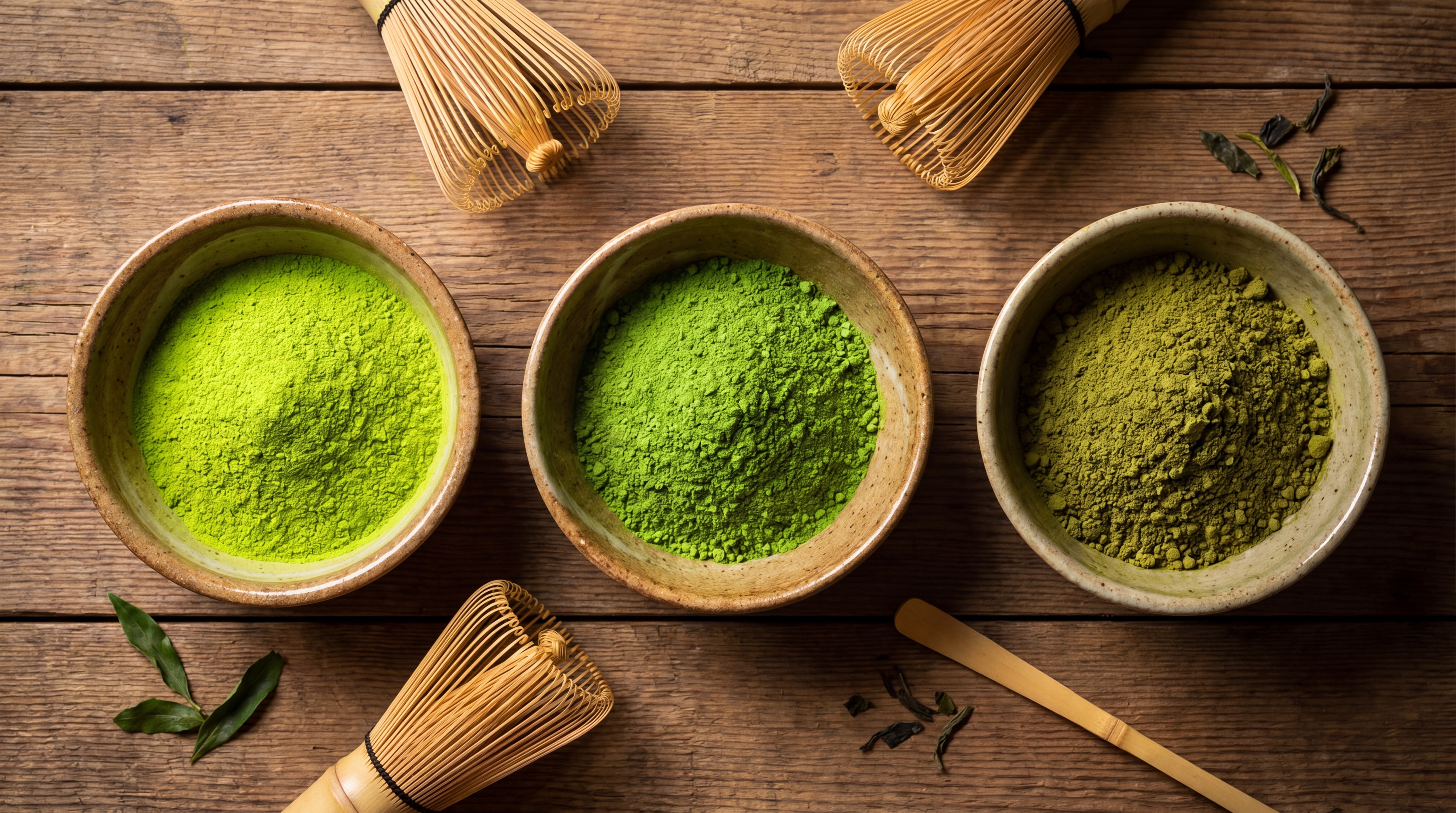
Not all matcha is created equal, and the grade you choose significantly impacts the flavor profile of your Sweet Matcha blend. At Riching Matcha, we categorize our powders to ensure that every application—from a delicate tea ceremony to a robust matcha-flavored donut—receives the correct intensity of color and flavor.
- Ceremonial Grade Matcha : Harvested from the first flush of spring. These leaves are the youngest and most tender, resulting in a vibrant “electric green” color and a naturally sweet, creamy flavor. It requires very little sweetener to be palatable.
- Premium Grade Matcha : The “all-rounder” or café grade. It possesses a slightly stronger “tea” flavor than ceremonial, which allows it to stand up against the fats in milk and the sweetness of syrups without losing its identity.
- Culinary Grade Matcha : Harvested later in the season. It has a more pronounced astringency and a deeper, olive-green hue. This is the preferred grade for high-heat applications like baking, where the intensity of the flavor needs to punch through flour, eggs, and sugar.
Technical Specifications of Matcha Grades
Table 2: Matcha Grade Comparison Index
Characteristic | Ceremonial Grade | Premium Grade | Culinary Grade |
|---|---|---|---|
Harvest Period | First Flush (Spring) | Late Spring/Early Summer | Summer/Autumn |
Particle Size | 5 – 10 Microns | 10 – 15 Microns | 15 – 25 Microns |
Color Profile | Vivid Neon Green | Bright Green | Deep Olive Green |
Primary Use | Water-based Whisking | Lattes & Smoothies | Baking & Confectionery |
Sweetener Synergy | Minimal needed | Pairs with Monk Fruit/Oat | Pairs with Cane Sugar/Honey |
The Ritual of Preparation: Mastering the Perfect Whisk
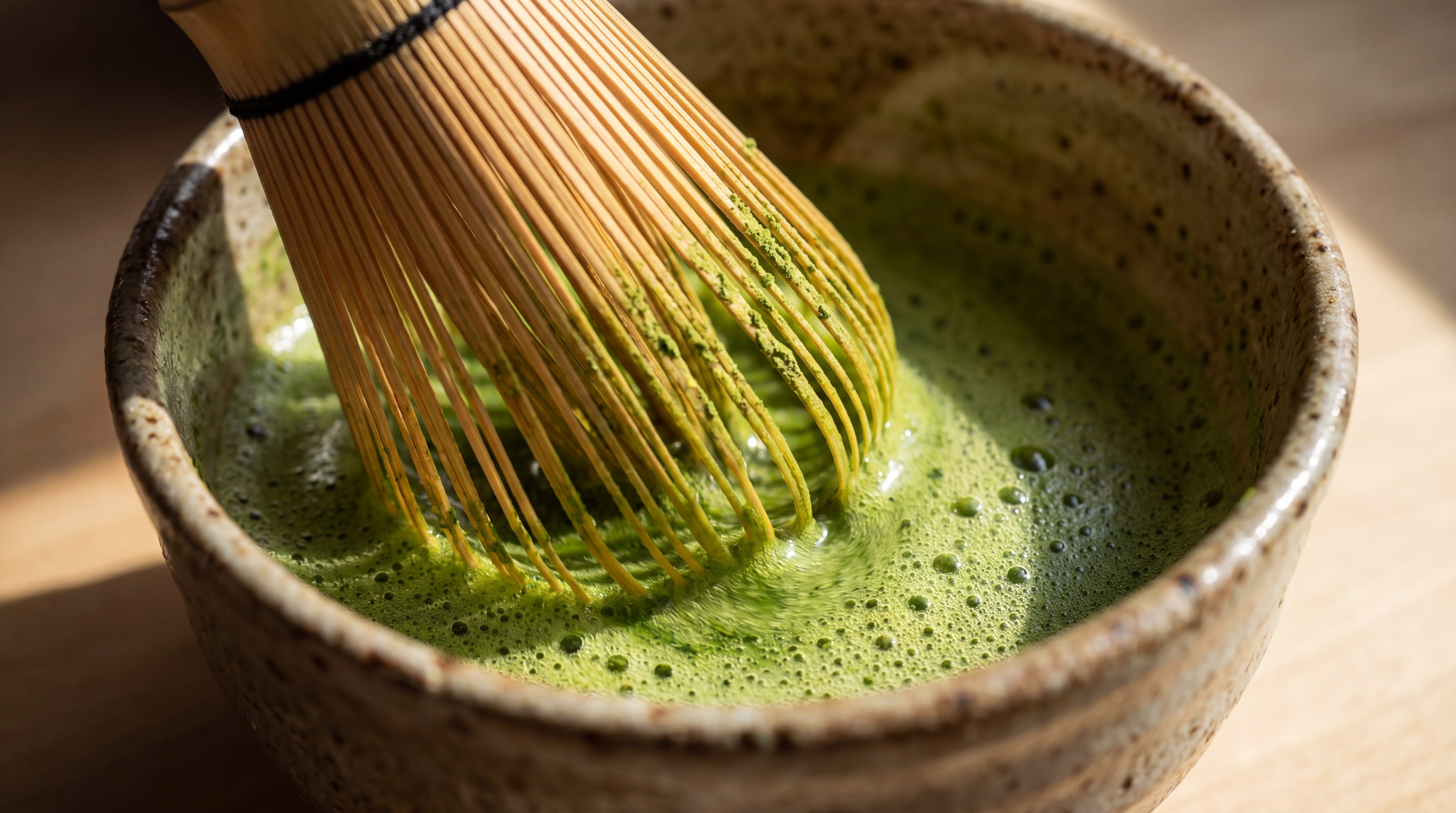
Even in a “Sweet” context, the preparation method dictates the final quality. To achieve that signature frothy texture in a latte, the right tools are indispensable. Using traditional Matcha Accessories , such as the Chasen (bamboo whisk), helps to break down the surface tension of the powder, ensuring a smooth, clump-free drink.
The science of the whisk involves more than just mixing; it is about aeration. A well-whisked matcha creates a “crema” of tiny bubbles that trap the aromatic compounds of the tea, enhancing the perception of sweetness. For B2B applications, such as high-volume cafés, while electric frothers provide speed, they often lack the fine suspension achieved by a bamboo whisk. For the ultimate sweet experience, the matcha should first be “tempered” with a small amount of warm water (not boiling, around 80°C) to form a paste before adding the sweetener and milk.
Natural Sweeteners: Finding the Ideal Partner for Green Tea
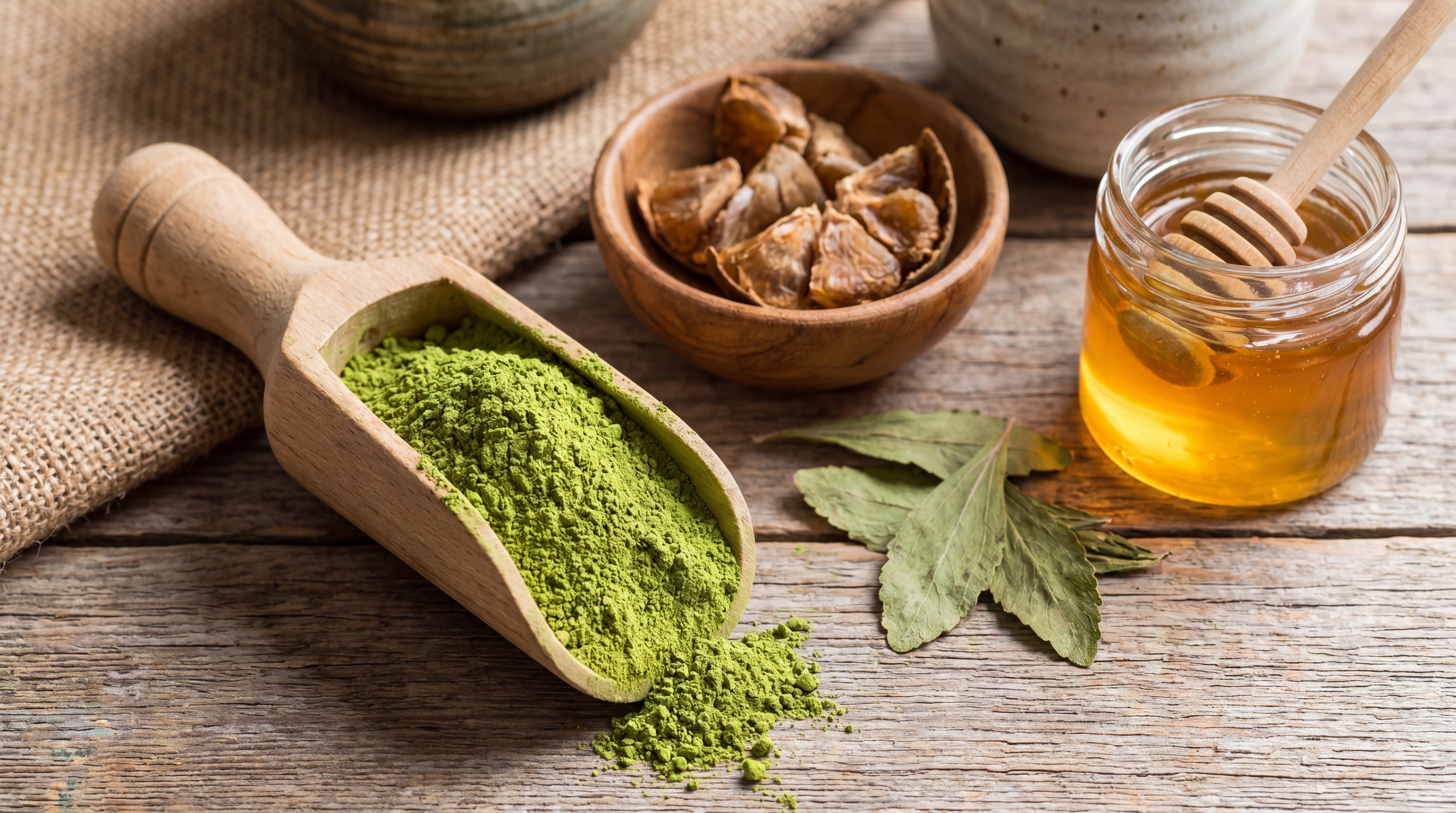
The wellness value of Sweet Matcha is largely determined by the choice of sweetener. The market has moved decisively away from white sugar toward functional alternatives that offer flavor depth without the health drawbacks.
- Monk Fruit (Luo Han Guo): A zero-calorie sweetener derived from a small melon. It contains mogrosides, which are up to 250 times sweeter than sugar but do not affect blood glucose. It is the gold standard for “Ketogenic” matcha blends.
- Stevia: A plant-based, zero-calorie option. While powerful, it can have a licorice-like aftertaste. High-quality matcha blends often use “Reb M” stevia for a cleaner finish.
- Allulose: A rare sugar found in figs and raisins. It behaves exactly like sugar in baking (browning and caramelizing) but is not metabolized by the body as a carbohydrate.
- Coconut Sugar: Adds a rich, caramel-like undertone that complements the roasted notes of lower-grade matcha or Hojicha.
Table 3: Comparison of Popular Sweeteners for Matcha Blends
Sweetener | Intensity | Glycemic Index | Impact on Matcha Color | Best Use Case |
|---|---|---|---|---|
Cane Sugar | 1x | 65 | Neutral | High-volume baking |
Monk Fruit | 150-250x | 0 | None | Health-focused RTDs |
Coconut Sugar | 1x | 35 | Darkens slightly | Artisanal Lattes |
Allulose | 0.7x | 0 | Neutral | Low-cal confectioneries |
Honey | 1.2x | 50 | Glossy finish | Iced Matcha Tea |
The Rise of the Matcha Latte and RTD Innovation
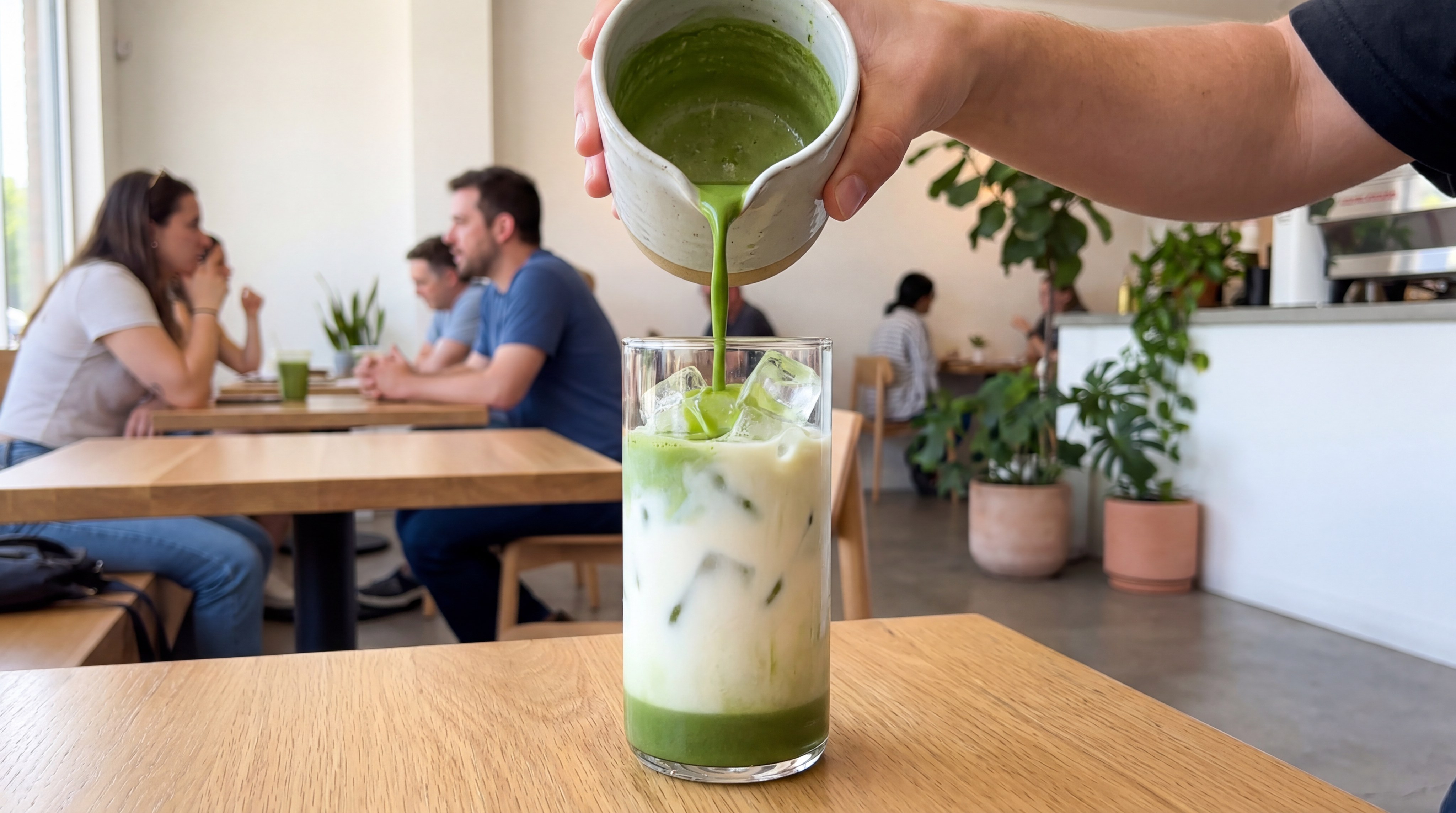
The “Matcha Latte” is the primary driver of the Sweet Matcha trend. Consumers are increasingly migrating away from traditional coffee due to its acidity and the “jitters.” In the B2B sector, the focus has shifted toward Solubility and Stability. Creating a pre-mixed Sweet Matcha powder that doesn’t clump and maintains its vibrant green color on a shelf is a technical feat achieved through advanced micro-milling and vacuum packaging.
The plant-based revolution has further propelled matcha. Oat milk, with its natural maltiness, has become the preferred pairing. The enzymes in oat milk interact with the polyphenols in matcha to create a creamy, naturally sweet profile that requires very little additional sugar. In the Ready-to-Drink (RTD) market, nitrogen-infused matcha (Nitro Matcha) is emerging as a premium category, offering a silky mouthfeel that mimics a draft beer or a high-end cold brew.
Creative Culinary Uses: Beyond the Beverage
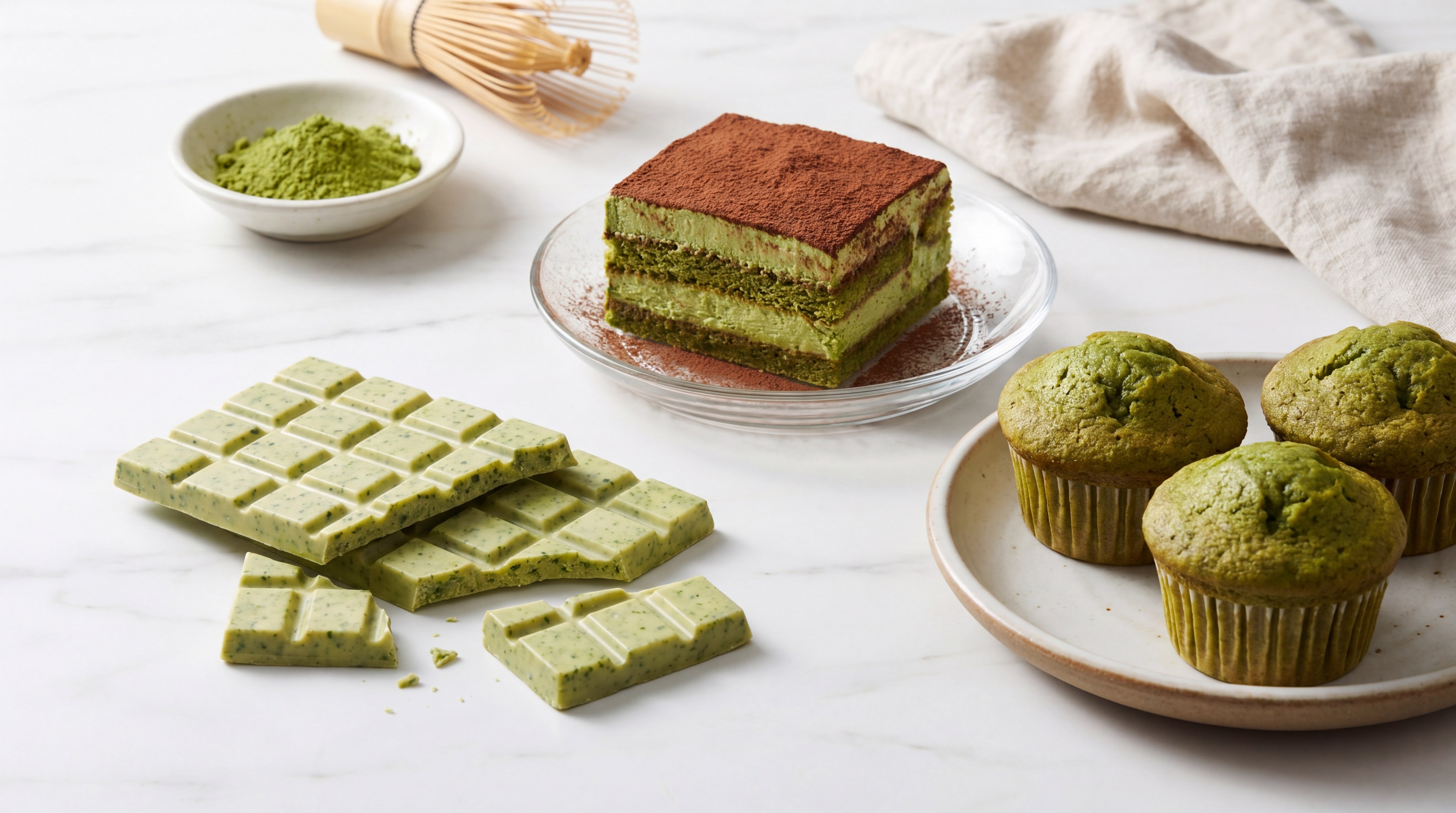
Sweet Matcha is no longer confined to a cup. Its versatility as a functional ingredient in the food industry is expanding into new territories:
- Confectionery: Matcha-infused white chocolate and truffles utilize the “umami” of the tea to cut through the richness of cocoa butter.
- Baking: “Green Tea Tiramisu” and matcha croissants are now staples in upscale bakeries. The key here is the use of high-quality Culinary Grade Matcha that can withstand oven temperatures without turning brown—a process known as thermal degradation.
- Functional Snacks: Energy bars and protein balls use sweet matcha as a “clean energy” source. The powder acts as both a flavorant and a natural preservative due to its high polyphenol content.
For manufacturers, the challenge is maintaining the chlorophyll integrity. High-heat processes can oxidize the powder, turning it from vibrant green to a dull yellow-brown. Our advanced jet-milled culinary powders are specifically engineered to retain their pigment even under industrial baking conditions.
Integrating Sweet Matcha into Your Daily Wellness Routine
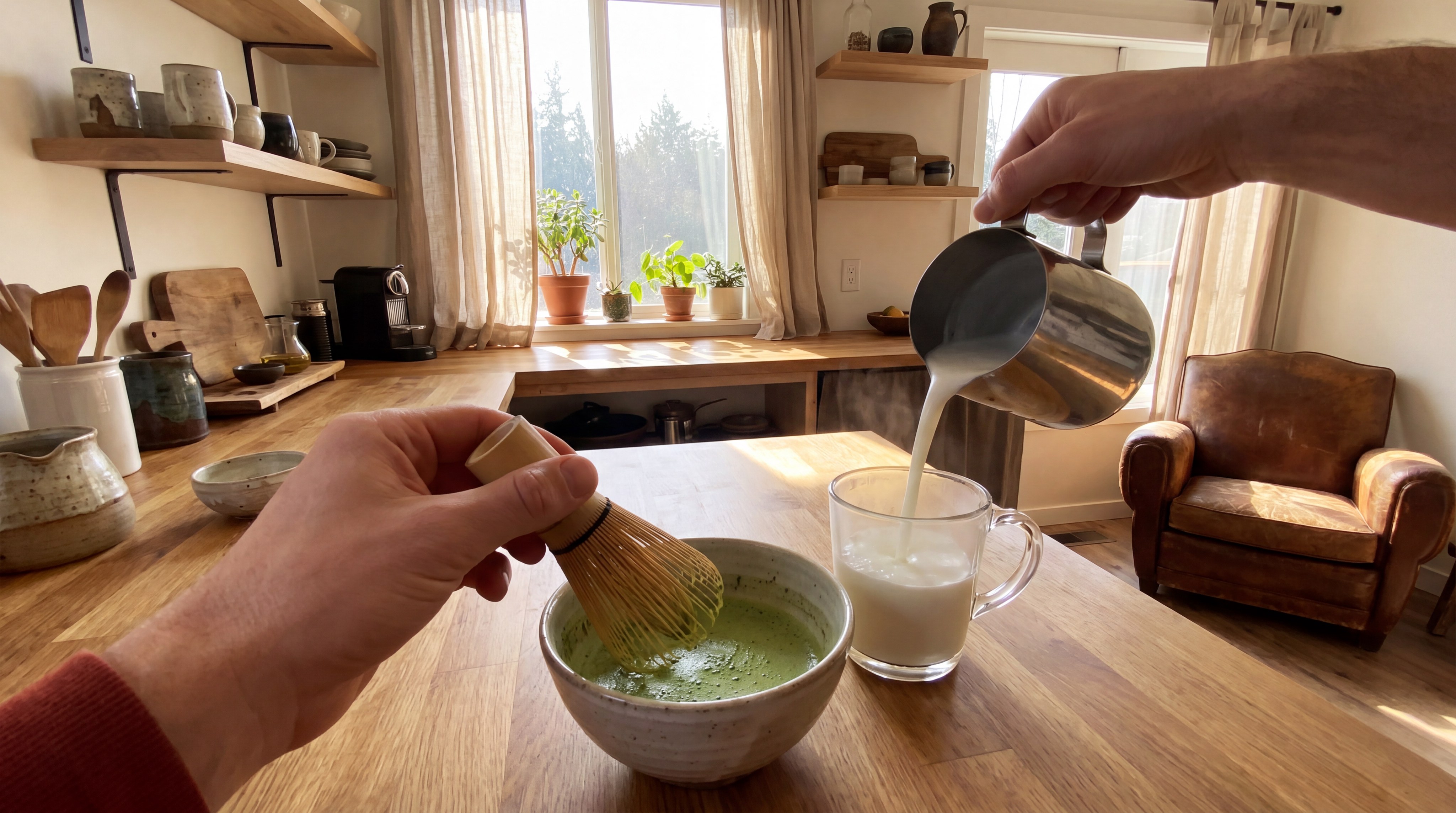
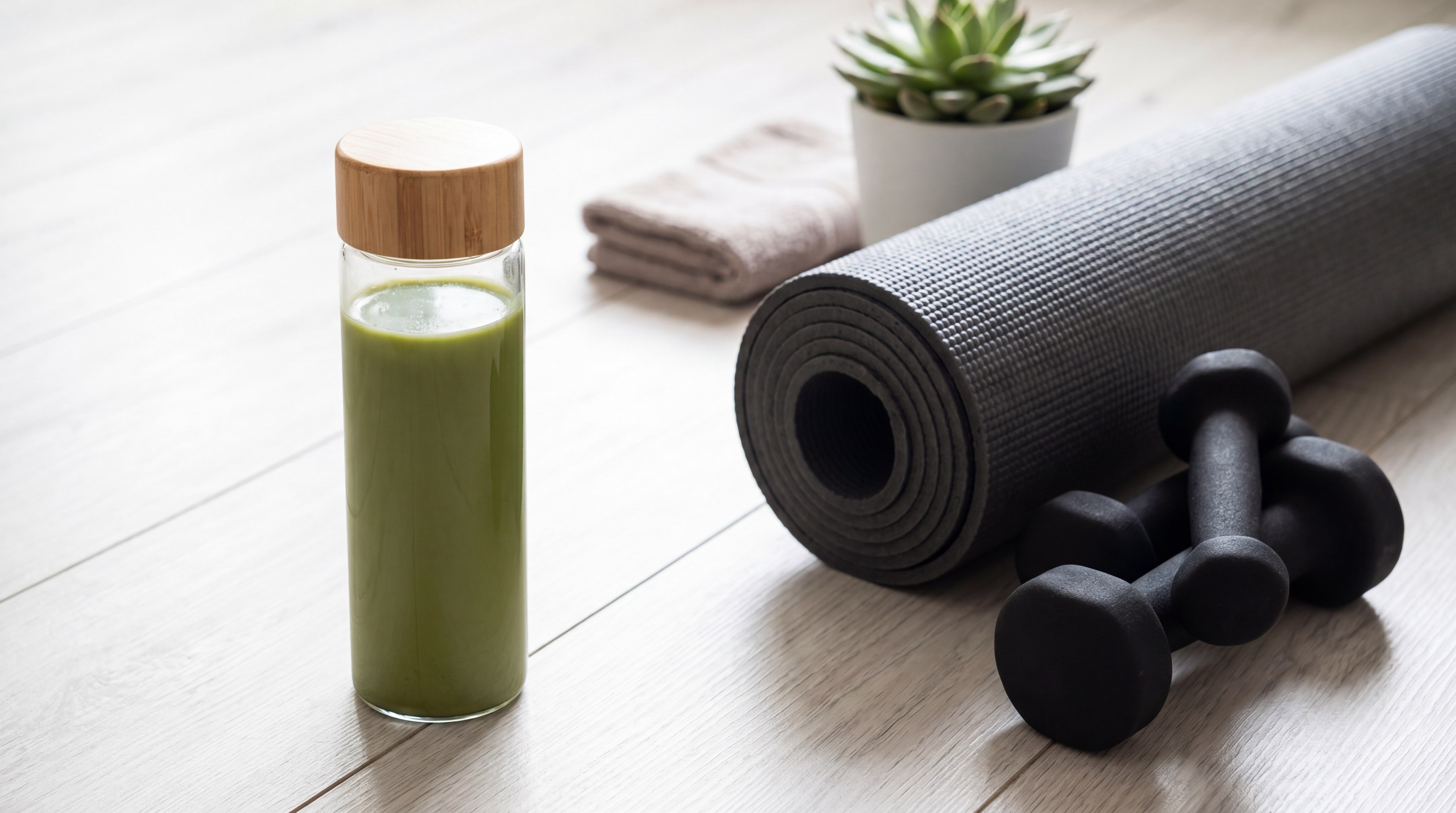
For the modern consumer, Sweet Matcha is more than an ingredient; it is a ritual. Incorporating it into a morning routine can set the tone for a productive, balanced day. Many health enthusiasts are now practicing “Matcha Fasting,” where a lightly sweetened (with monk fruit) matcha latte is used to extend the benefits of intermittent fasting while providing cognitive support.
The psychological benefit of the “Sweet Matcha Moment” cannot be overlooked. In a world of high-stress environments, the act of whisking tea and enjoying a balanced, sweet treat provides a sensory “pause button.” This emotional wellness aspect is a significant marketing angle for cafés and lifestyle brands.
The Evolution of Functional Green Tea: Hojicha and Beyond
While matcha captures the spotlight, its cousin, Hojicha Powder , is rapidly gaining ground in the wellness community. Hojicha is made by roasting green tea leaves at high temperatures, a process that decaffeinates the tea and transforms the grassy notes into a chocolatey, nutty flavor.
Hojicha is naturally sweeter than matcha, requiring significantly less added sweetener. It is the perfect evening alternative for those sensitive to caffeine. In the B2B world, Hojicha is being marketed as the “caffeine-free” wellness latte, catering to the evening “wind-down” demographic. The future of the industry lies in these tiered functional offerings—Matcha for focus in the morning, and Hojicha for relaxation in the evening.
Sustainability and Ethics in the Matcha Supply Chain
True wellness extends to the planet. The environmental impact of tea cultivation is a growing concern for the “conscious consumer.” Sustainable farming practices, such as integrated pest management and organic fertilization, ensure the long-term health of the tea bushes and the surrounding ecosystem.
At Riching Matcha, we emphasize transparency. Our plantations are located in high-altitude regions where the cooler climate naturally reduces pest pressure, allowing for cleaner, often organic, production. For B2B partners, having a traceable supply chain is no longer a luxury but a requirement. Certifications like USDA Organic and EU Organic serve as trust signals, ensuring that the “Sweet Matcha” being consumed is free from harmful residues and produced under ethical labor conditions.
Strategic Considerations for B2B Sourcing
When selecting a matcha partner, businesses must look beyond price.
- Consistency: Does the supplier offer year-round uniformity in color and flavor?
- Compliance: Do they meet the rigorous testing standards for heavy metals (Lead, Arsenic) and radiation?
- Innovation: Can they provide custom blends of matcha and sweeteners to reduce in-house labor costs?
Frequently Asked Questions (FAQs)
1. What is Sweet Matcha exactly?
Sweet Matcha is a blend of green tea powder and a sweetener. It can refer to a pre-mixed product designed for lattes and smoothies, or the practice of adding natural sweeteners to pure matcha powder to balance its earthy flavor.
2. Is Sweet Matcha as healthy as pure Matcha?
While the matcha itself retains its antioxidants and vitamins, the overall health profile depends on the sweetener used. Using natural, low-GI sweeteners like monk fruit or stevia maintains the wellness benefits better than refined white sugar.
3. How should I store Sweet Matcha to keep it fresh?
Matcha is highly sensitive to light, heat, and oxygen. Store your powder in an airtight, opaque container in a cool, dark place. For maximum freshness, refrigeration is recommended, provided the container is perfectly sealed to prevent moisture absorption.
4. What is the shelf life of a sweetened matcha blend?
Typically, pure matcha lasts 6-12 months. When blended with sugar or natural sweeteners, the shelf life remains similar, but the flavor may begin to degrade after 6 months. Always check for a “best before” date and ensure no moisture enters the package.
5. Can I use Sweet Matcha for baking?
Yes! However, it is best to use a Culinary Grade Matcha as the base. If you are using a pre-sweetened mix, remember to reduce the amount of other sugars in your recipe to maintain the right balance.
Sustainability depends on the supplier. Riching Matcha prioritizes eco-friendly farming and ethical sourcing. Look for certifications like USDA Organic or EU Organic to ensure environmental standards are met.
Conclusion: The Future of Delicious Wellness
Sweet Matcha represents the evolution of a thousand-year-old tradition. It proves that we do not have to choose between health and indulgence. By selecting high-quality powders—from the delicate Ceremonial Grade to the versatile Hojicha—and pairing them with thoughtful, natural sweeteners, we create a ritual that supports both physical vitality and mental clarity.
In the busy landscape of modern life, a cup of Sweet Matcha is more than just a drink; it is a moment of accessible wellness, a delicious pause that fuels our journey toward a more balanced and vibrant life. Whether you are a consumer seeking a better daily boost or a business owner looking to tap into the functional beverage market, the path to wellness is green, sweet, and full of potential.