
Your skin is the most visible reflection of your internal health and the first line of defense against an increasingly hostile environment. Every day, you encounter a barrage of pollutants, UV radiation, and psychological stressors that manifest as oxidative damage, leading to a dull complexion, premature aging, and persistent inflammation. While the commercial beauty industry offers a plethora of synthetic solutions, the most profound transformations often come from nature’s own laboratory. By integrating a matcha face mask into your weekly ritual, you are not merely applying a topical treatment; you are engaging in a sophisticated biochemical intervention designed to restore your skin’s innate radiance and resilience.
Integrating a matcha health benefits profile into your skincare routine addresses cellular health with a precision that standard green tea cannot match. Because matcha is grown in the shade and stone-milled into a fine powder, you are utilizing the entire leaf, which concentrates the active compounds to an extraordinary degree.
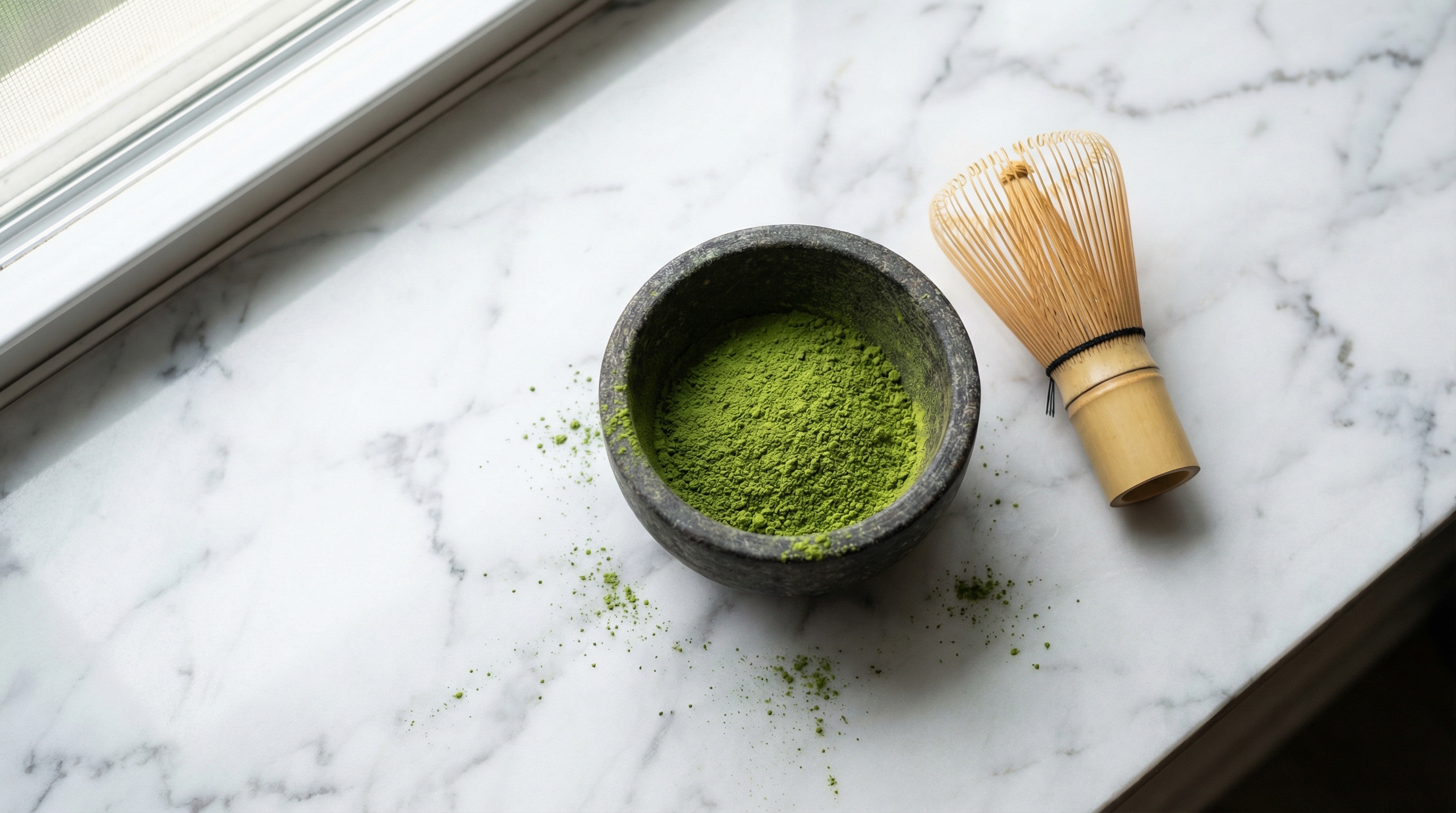
How do antioxidants combat oxidative stress?
You must understand that oxidative stress is the primary driver of dermal aging. When your skin is exposed to environmental toxins, it generates free radicals—unstable molecules that scavenge electrons from your healthy skin cells, causing DNA damage and collagen breakdown. Antioxidants, specifically the polyphenols found in abundance in matcha, act as donors, neutralizing these free radicals before they can wreak havoc. By applying matcha topically, you provide a concentrated shield that halts the chain reaction of cellular degradation, effectively slowing the visible clock of aging.
Does chlorophyll actually detoxify the skin?
The vibrant jade hue of your matcha is more than just an aesthetic delight; it is a sign of high chlorophyll content. Because the tea plants are shaded for several weeks before harvest, they produce massive amounts of this pigment to maximize photosynthesis. In the context of your skin, chlorophyll acts as a natural chelator. It helps to bind and remove heavy metals and chemicals that settle in your pores from urban pollution. When you wash away a matcha mask, you are physically removing these microscopic toxins, leaving your skin feeling lighter and more “breathable.”
What makes EGCG the ultimate anti-aging catechin?
Epigallocatechin gallate, or EGCG, is the star player in the matcha chemical profile. This specific catechin is a potent anti-inflammatory and antimicrobial agent that specifically targets the enzymes responsible for breaking down elastin and collagen. You will find that regular exposure to EGCG helps maintain the structural integrity of your dermis. Furthermore, EGCG has been shown to reactivate dying skin cells. This means that instead of just covering up fine lines, you are encouraging your skin to renew itself from the bottom up, resulting in a firmer, more youthful texture over time.
Compound | Skincare Function | Long-term Result |
|---|---|---|
EGCG | Protease inhibition | Improved firmness |
Chlorophyll | Toxin chelation | Clearer complexion |
L-Theanine | Stress reduction | Calmed redness |
2. Understanding the Benefits: A Holistic View of Matcha for Skin
To truly appreciate the value of a professional-grade DIY regimen, you must look at the comprehensive data supporting matcha’s efficacy. It is not just a singular benefit; it is a multi-modal approach to beauty that covers protection, repair, and revitalization.
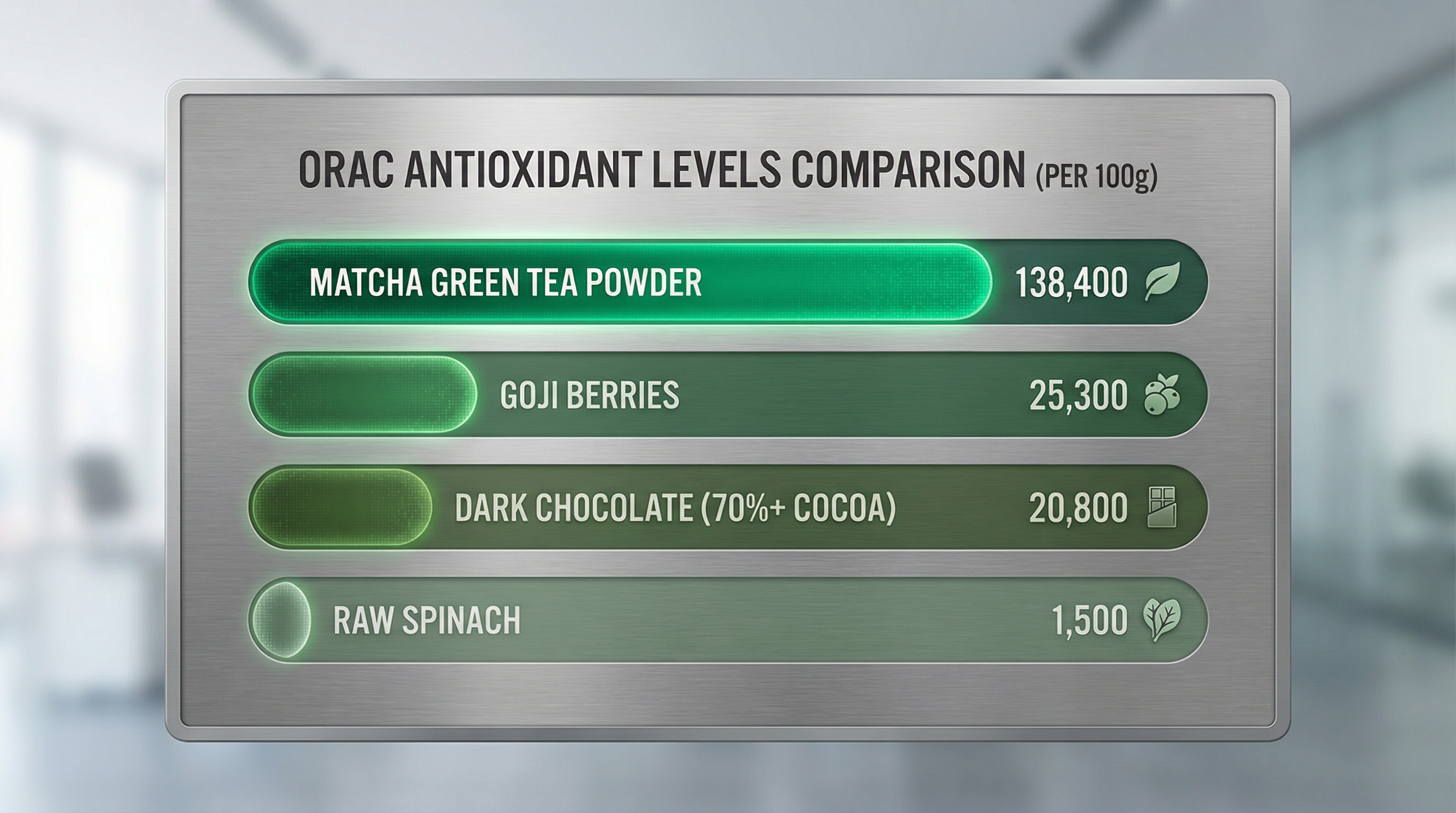
Can matcha significantly improve skin elasticity?
Maintaining elasticity is your best defense against the “sagging” that occurs with age. As you apply a matcha mask, the caffeine and tannins work in tandem to stimulate microcirculation in the capillaries just beneath your skin’s surface. This increased blood flow delivers vital nutrients and oxygen to the epidermis, which is essential for the natural synthesis of new collagen fibers. You will notice that after a consistent 4-week cycle of masking, your skin feels more “snappy” and resilient to the touch, reflecting a reinforced structural foundation.
How does topical matcha protect against UV damage?
While a matcha mask is not a replacement for your daily SPF, it provides an essential secondary layer of photoprotection. The catechins in matcha have the unique ability to absorb UV radiation and mitigate the inflammatory response that leads to sunburn and sunspots. By using a mask after a day of sun exposure, you can effectively “quench” the inflammatory fire before it settles into permanent pigment damage. This proactive approach ensures that your skin remains even-toned and minimizes the long-term risk of photo-aging.
Why is vitamin B2 essential for cell turnover?
Matcha is a rich source of Vitamin B2, also known as riboflavin. You need this nutrient to sustain the energy levels within your skin cells, which in turn facilitates the shedding of dead skin and the emergence of healthy new ones. Without adequate B2, your skin can become sluggish, leading to a buildup of dull, graying surface cells. By feeding your skin riboflavin topically, you are boosting its metabolic rate. This results in a brighter, more transparent glow that reflects light naturally, giving you that sought-after “lit from within” appearance.
Nutrient | Biological Role | Visible Skin Benefit |
|---|---|---|
Vitamin B2 | Cellular Energy | Enhanced Radiance |
Vitamin K | Circulation | Reduced Puffiness |
Vitamin E | Lipid Protection | Softened Texture |
3. Recipe 1: The Antibacterial Matcha and Honey Mask for Acne
For those of you struggling with persistent breakouts or adult acne, the synergy between a high-quality ceremonial matcha gold and raw honey is unparalleled. This mask doesn’t just treat the symptoms; it addresses the underlying bacterial and inflammatory causes.
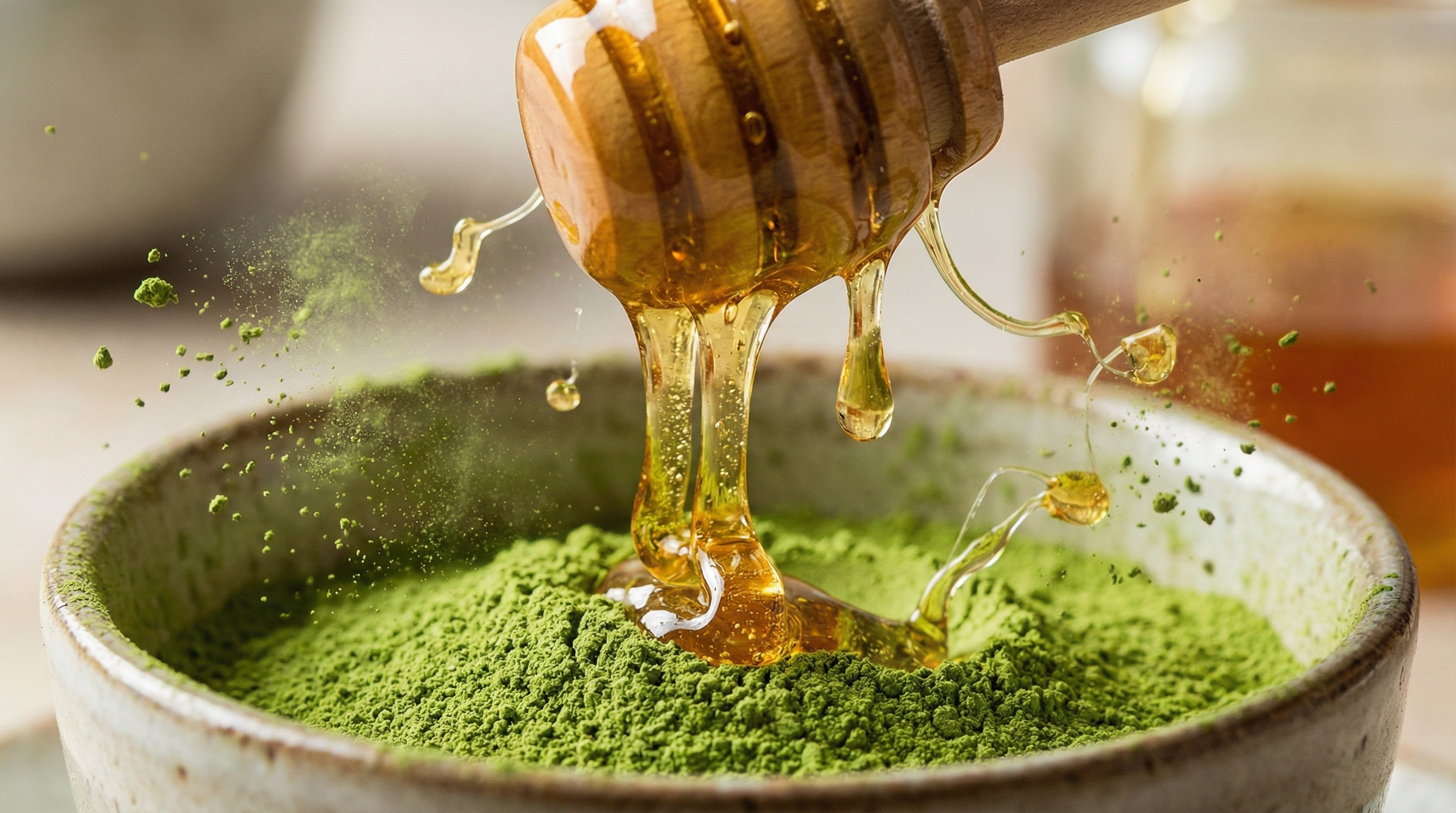
Why is raw honey the ideal partner for matcha?
You should view raw honey as more than a kitchen staple; it is a pharmaceutical-grade humectant and antibacterial agent. When combined with matcha, the honey creates an osmotic effect that draws moisture into the skin while simultaneously dehydrating the cell walls of acne-causing bacteria like P. acnes. Unlike harsh chemical treatments that strip your moisture barrier, honey leaves your skin hydrated and soft. The enzymes in the honey also help to gently dissolve the “glue” holding dead skin cells together, allowing the matcha’s antioxidants to penetrate deeper into the pores.
How do you achieve the perfect mask consistency?
Consistency is vital for both comfort and efficacy. To create this mask, you should mix one teaspoon of ceremonial grade matcha powder with one tablespoon of raw Manuka or organic honey. You want to stir vigorously until the powder is fully integrated, forming a smooth, dark green paste that resembles thick liquid glass. If the mixture feels too tacky, you can add three drops of warm water to help it spread. The goal is a layer that sits comfortably on your skin without dripping, ensuring that every square centimeter of your face receives the therapeutic benefits.
What results should you expect from regular application?
If you apply this mask twice a week, you will likely see a dramatic reduction in active redness within the first few sessions. Because the EGCG in matcha inhibits sebum production, you will also notice that your skin feels less oily throughout the day. Over a month, the antibacterial properties of the honey will lead to fewer new breakouts, while the matcha works to heal the post-inflammatory hyperpigmentation (acne scars) left behind by previous blemishes. It is a comprehensive system for achieving a clear, balanced, and calm complexion.
Ingredient | Purpose | Concentration |
|---|---|---|
Matcha | Oil Control | 1 Teaspoon |
Raw Honey | Bacterial Control | 1 Tablespoon |
Warm Water | Texture Adjuster | 2-3 Drops |
4. Recipe 2: The Deep Hydration Matcha and Coconut Oil Mask
If you suffer from chronically dry or flaky skin, your barrier function is likely compromised. This recipe utilizes the medium-chain fatty acids in coconut oil to “seal” the skin while the matcha provides a dose of restorative nutrients.
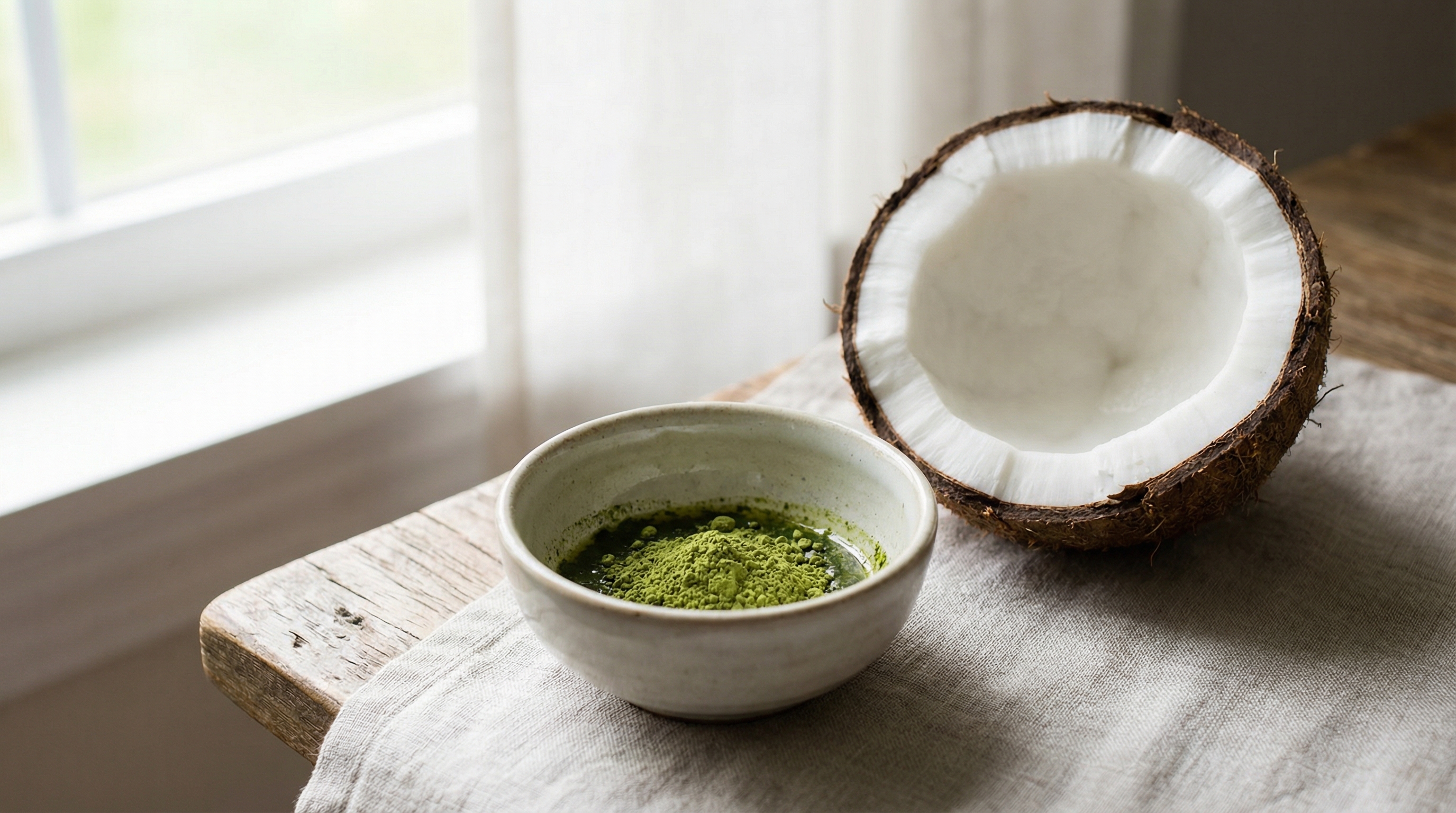
Can coconut oil effectively penetrate the dermal barrier?
Coconut oil is unique because it is rich in lauric acid, a fatty acid that has a low molecular weight, allowing it to penetrate the skin’s surface more effectively than many other plant oils. When you use it as a carrier for matcha, it transports the antioxidants through the stratum corneum and into the deeper layers where they are needed most. This lipid-rich environment is essential for repairing the “mortar” between your skin cells, preventing trans-epidermal water loss (TEWL) and keeping your face plump and hydrated for hours after the mask is removed.
How do you prevent clogged pores when using oils?
You might be hesitant to use coconut oil if you have combination skin, fearing comedogenicity. To avoid this, you must ensure you are using extra-virgin, cold-pressed oil that has not been processed with harsh chemicals. Furthermore, the way you remove the mask is critical. Instead of just splashing with cold water, you should use a warm, damp cloth to gently steam the oil off your face. This ensures that the beneficial fats are absorbed while the excess is lifted away, preventing the oil from sitting in the pore and causing congestion.
What is the most effective ratio for dry skin relief?
For maximum hydration, you should melt one tablespoon of coconut oil until it is a clear liquid, then whisk in one teaspoon of matcha. You want to apply this while it is still slightly warm—the heat helps to open the pores and increase the solubility of the tea’s active compounds. Leave this on for a full 20 minutes. As the oil cools on your face, it forms a protective occlusive layer. Once you rinse, you’ll find that you may not even need your usual heavy moisturizer, as the skin will feel deeply saturated and velvety.
Skin Indicator | Pre-Mask State | Post-Mask State |
|---|---|---|
Moisture Levels | Low / Flaky | High / Plump |
Barrier Integrity | Leaky / Irritated | Sealed / Protected |
Texture | Rough | Silky |
5. Recipe 3: The Soothing Matcha and Cucumber Mask for Sensitivity
Sensitive skin requires a careful balance of cooling agents and anti-inflammatories. This recipe is designed for those who experience frequent flushing, heat, or reactive redness.
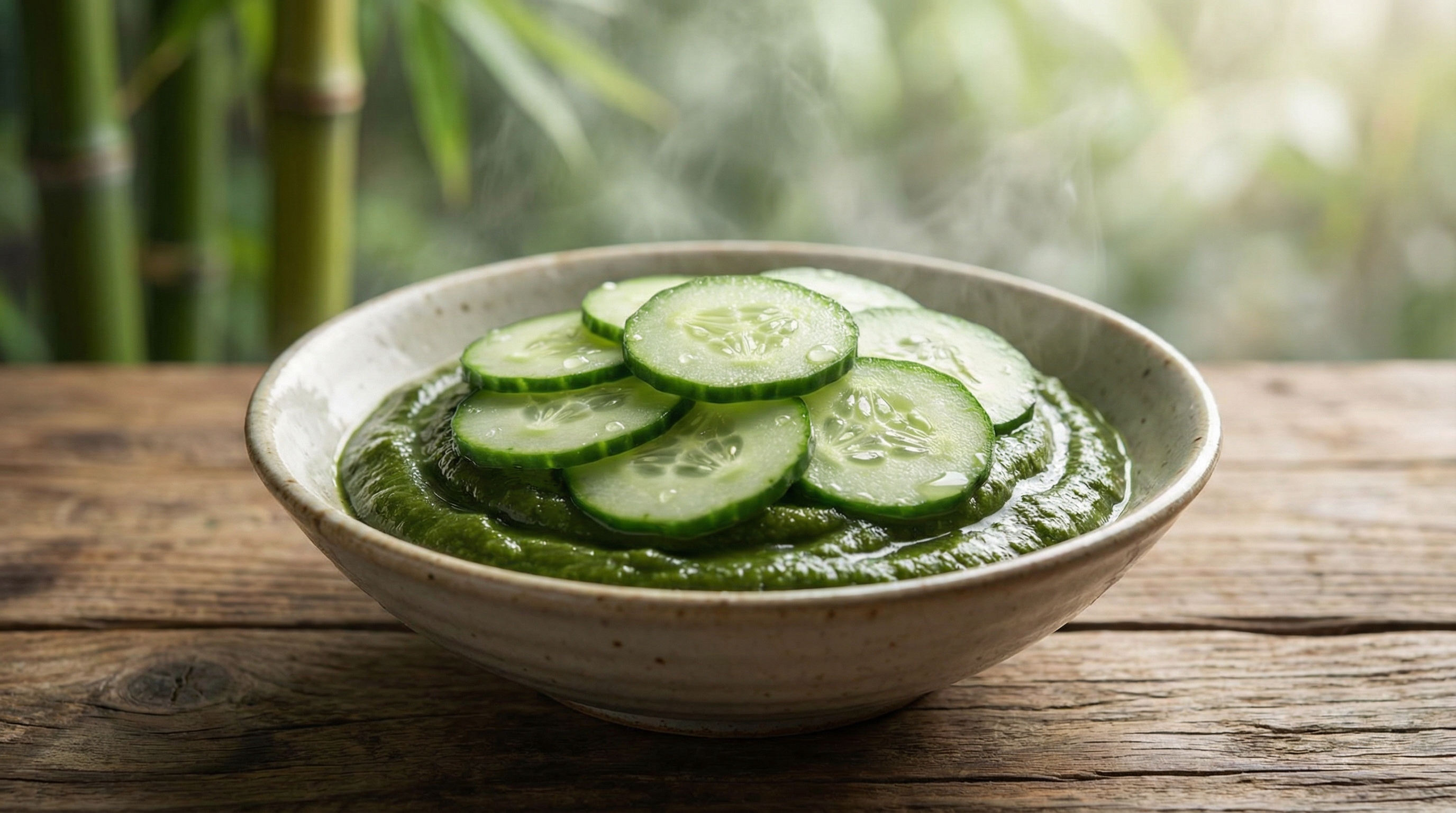
Why is cucumber exceptionally cooling for reactive skin?
Cucumbers have a high water content and contain caffeic acid and ascorbic acid (Vitamin C), both of which are highly effective at reducing water retention and swelling. When your skin feels “hot” or irritated, the cucumber provides an immediate thermal cooling effect. This vasoconstriction helps to shrink dilated blood vessels that cause visible redness. When paired with the anti-inflammatory catechins in matcha, the result is a “cold compress” for your face that rapidly lowers the temperature of the skin and resets its sensitivity threshold.
How do you prepare a cucumber base for maximum absorption?
To get the most out of this mask, you should puree half of a chilled cucumber in a blender until it is a fine pulp. Do not strain out the juice, as it contains the majority of the beneficial enzymes. Mix two tablespoons of this cucumber puree with one teaspoon of matcha. The texture will be lighter and more watery than the honey or oil masks, so you may want to apply it using a cotton round or a flat mask brush. The thin consistency allows the skin to “drink” the mixture quickly, providing instant relief to parched, angry areas.
Is this mask suitable for conditions like rosacea?
Yes, this is one of the safest DIY options for those managing rosacea. Because it lacks harsh exfoliants or synthetic fragrances, it does not trigger the typical “flare” associated with many commercial products. The Vitamin K in the matcha specifically helps to strengthen the walls of the capillaries, which can reduce the long-term appearance of spider veins and persistent redness. You should use this mask in the evening to help your skin recover from the day’s environmental stressors, allowing it to enter its nighttime repair cycle in a calm, de-stressed state.
Benefit | Mechanism | Result |
|---|---|---|
Cooling | Thermal evaporation | Reduced heat |
Soothing | Caffeic acid | Lowered irritation |
Repairing | Vitamin K | Stronger capillaries |
6. Recipe 4: The Pregnancy-Safe Matcha and Oatmeal Exfoliant
During pregnancy, your skin undergoes significant hormonal shifts, often becoming more sensitive or developing “melasma” (dark patches). You need a solution that is 100% free of retinoids, salicylic acid, and other chemicals that are restricted during this time.
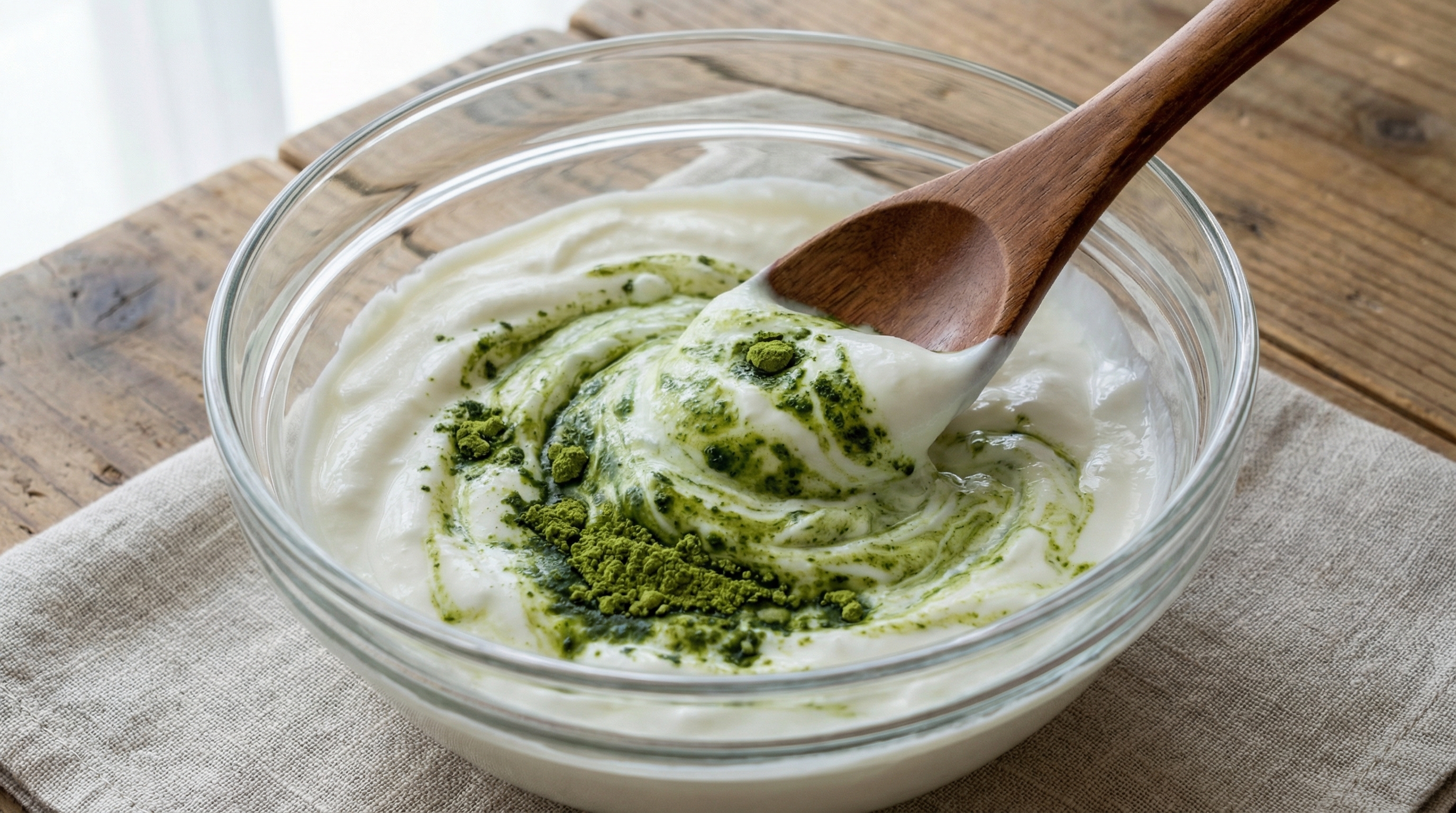
Why is colloidal oatmeal recommended during pregnancy?
Oatmeal contains compounds called avenanthramides, which are potent anti-itch and anti-inflammatory agents. During pregnancy, many women experience a “stretching” sensation or general itchiness as the skin reacts to hormonal fluctuations. Colloidal oatmeal acts as a protective buffer that strengthens the skin’s acid mantle. When you mix it with matcha, you are creating a mask that gently buffs away dead skin cells without the use of jagged particles or chemical exfoliants, making it the safest way to maintain a smooth texture throughout your trimesters.
How does matcha help manage hormonal melasma?
The “mask of pregnancy” or melasma is caused by an overproduction of melanin triggered by estrogen. While you cannot completely stop this process, the Vitamin C and EGCG in matcha help to inhibit tyrosinase—the enzyme responsible for melanin production. By applying this mask regularly, you can help to brighten existing dark spots and prevent new ones from becoming as prominent. It offers a gentle, plant-based brightening effect that is far safer than the hydroquinone or high-strength acids found in traditional lightening creams.
What makes this a superior alternative to chemical peels?
Chemical peels work by causing controlled damage to the skin to force renewal, but during pregnancy, this can lead to scarring or extreme sensitivity. The matcha and oatmeal combination works through “mechanical synergy.” The oats provide a soft, physical exfoliation, while the matcha provides the chemical signals for cell repair. It’s a “nudge” rather than a “shove” for your skin’s regenerative processes. You will find that your skin remains clear and bright without the downtime, peeling, or safety concerns associated with clinical-grade chemical treatments.
Issue | Solution | Safety Profile |
|---|---|---|
Itchiness | Avenanthramides | 5/5 (Safe) |
Pigmentation | EGCG / Vit C | 5/5 (Safe) |
Dullness | Oat Fiber | 5/5 (Safe) |
7. Recipe 5: The Purifying Matcha and Aloe Vera Mask for Oily Skin
Oily skin is often a sign of dehydration; your skin overproduces oil to compensate for a lack of water. This recipe uses aloe vera to provide oil-free hydration while the matcha regulates the sebaceous glands.
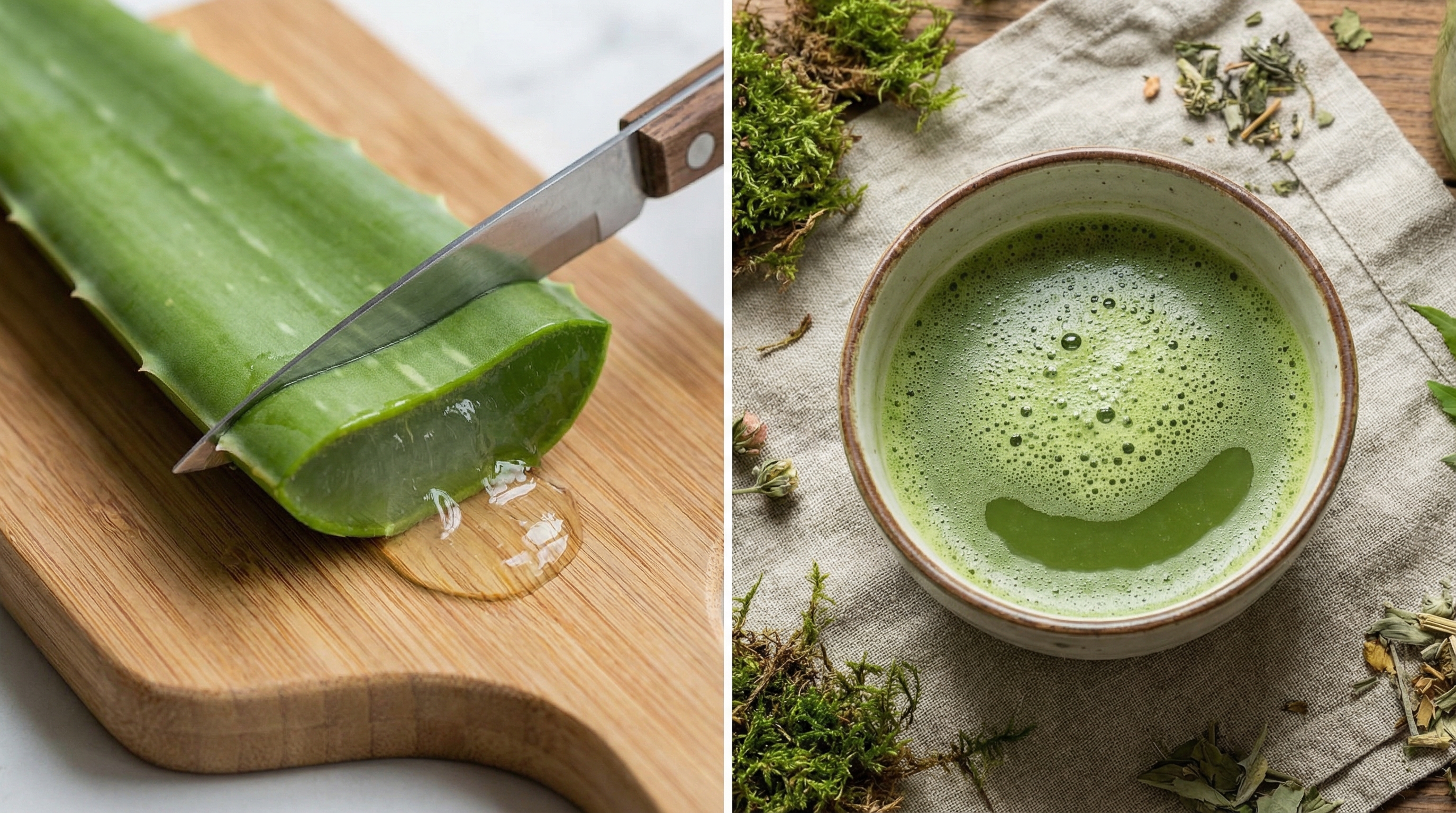
Can aloe vera regulate sebum production effectively?
Aloe vera is a “miracle” ingredient for oily skin because it consists of 99% water and contains gibberellins and polysaccharides that stimulate the growth of new cells. It provides a massive burst of hydration without adding any lipids to your face. When your skin is properly hydrated with aloe, the feedback loop to your sebaceous glands slows down, telling them they don’t need to produce as much oil. The matcha reinforces this effect by physically absorbing excess surface grease, leaving you with a matte but healthy finish.
How does the combination reduce the appearance of pores?
You cannot physically “shrink” your pores, as their size is largely genetic, but you can certainly reduce their appearance by keeping them clear and tightening the surrounding skin. The tannins in matcha act as a natural astringent, temporarily constricting the skin tissue around the pore opening. Aloe vera further supports this by providing a “lifting” effect as it dries. When you use this mask consistently, your pores will appear much smaller and more refined because they are no longer stretched out by excess sebum and debris.
What is the best application method for oily complexions?
For oily skin, you should use two tablespoons of pure aloe vera gel (straight from the leaf is best) mixed with one teaspoon of matcha. Apply a generous layer and let it sit until it is completely dry—about 15 minutes. As it dries, you will feel a distinct tightening sensation. This is the astringent properties of the matcha at work. Rinse with lukewarm water and finish with a splash of cold water to “seal” the effect. This ritual is particularly effective in the morning to keep your face shine-free throughout a busy workday.
Target | Mechanism | Visual Outcome |
|---|---|---|
Excess Oil | Sebum inhibition | Matte finish |
Large Pores | Astringent tannins | Refined texture |
Dehydration | Polysaccharides | Plumped skin |
8. Professional Skincare Protocols: Preparation and Application
To achieve spa-level results at home, you must treat your DIY process with the same rigor as a professional esthetician. The way you prepare your skin is just as important as the ingredients in the mask itself.
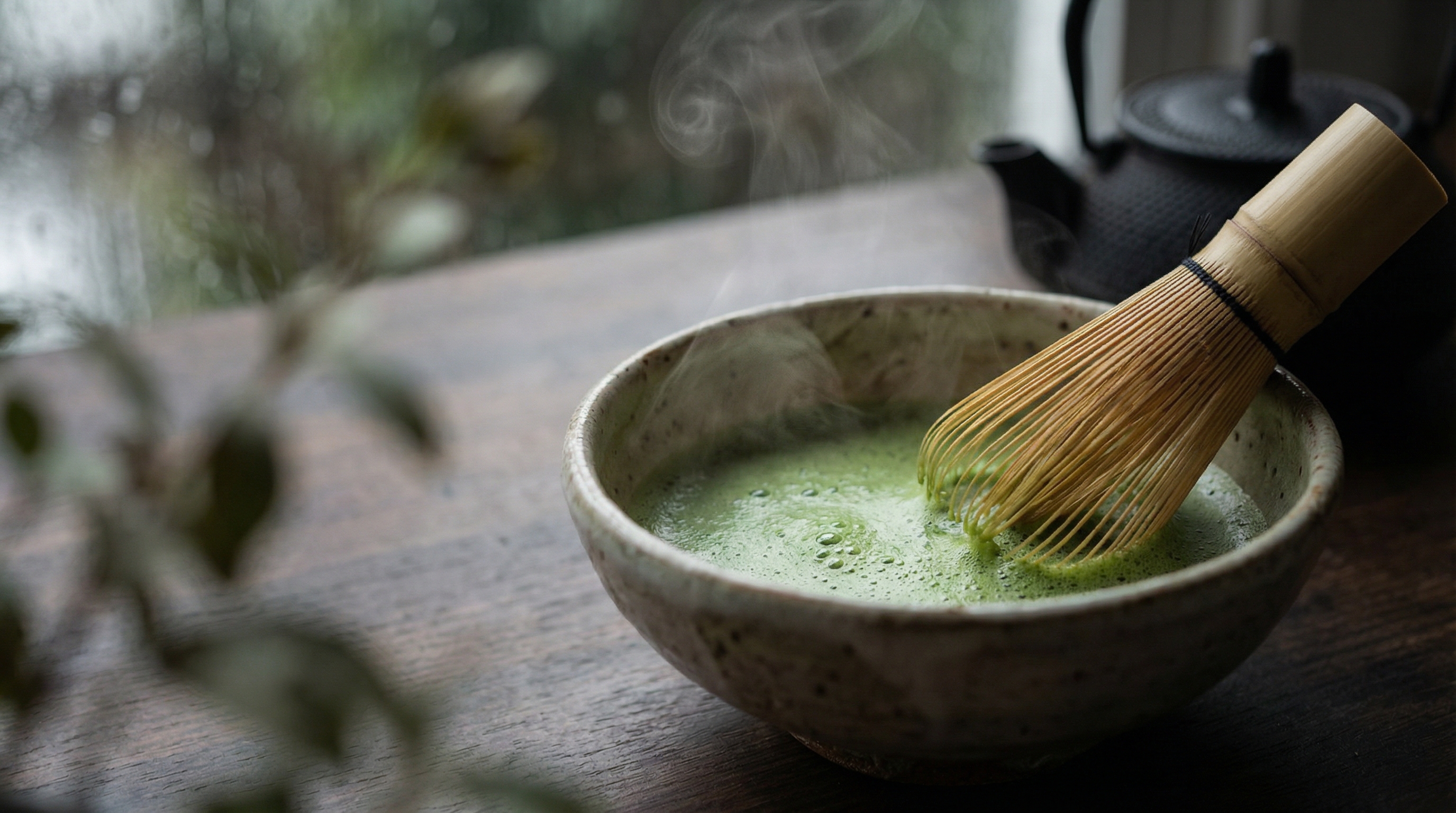
Why is professional cleansing non-negotiable?
You would never paint a wall without cleaning it first, and your skin is no different. If you apply a mask over makeup, sunscreen, or daily grime, the active catechins in the matcha will simply sit on top of that barrier and never reach your cells. You should use a double-cleansing method: an oil-based cleanser to dissolve lipids, followed by a water-based gel to remove deep-seated dirt. This ensures that the skin’s pathway is completely clear, maximizing the return on your “investment” of time and ingredients.
Does facial steaming truly enhance ingredient efficacy?
Steaming is the secret to moving from a “surface treatment” to a “deep treatment.” When you expose your face to gentle steam for 2 to 3 minutes before masking, you are softening the hardened sebum in your pores and increasing the permeability of the skin. This allows the EGCG and chlorophyll to travel deeper into the follicular lining. You don’t need expensive equipment; simply hold your face over a bowl of hot (not boiling) water with a towel over your head. This simple step can increase the absorption rate of your mask by up to 40%.
What tools ensure a hygienic and even application?
You should avoid using your fingers to apply your masks. Your hands can harbor bacteria and oils that you don’t want to transfer to your face, especially if you are dealing with acne. Invest in a flat, synthetic “foundation” brush or a dedicated silicone mask applicator. These tools allow you to apply a perfectly even layer, ensuring that no part of your face is neglected. They also help you reach the tricky areas around the nose and jawline without creating a mess, making your skincare ritual feel more like a mindful, professional experience.
Step | Technique | Duration |
|---|---|---|
1. Cleanse | Double-Cleanse | 2 Minutes |
2. Steam | Herbal Steam | 3 Minutes |
3. Apply | Synthetic Brush | 2 Minutes |
9. Managing Potential Side Effects: Usage Frequency and Safety
While matcha is a natural and generally safe ingredient, you must still exercise professional caution. Every individual’s skin chemistry is unique, and understanding the matcha side effects and how to avoid them is part of a responsible beauty routine.
What is the optimal frequency for different skin types?
You might be tempted to use these masks every day to see faster results, but “more” is not always “better” in skincare. For most skin types, twice a week is the “Goldilocks” zone. This frequency provides enough antioxidant support to maintain a glow without overwhelming the skin’s natural barrier. If you have extremely oily skin, you might push this to three times a week. Conversely, if your skin is paper-thin or very dry, once every ten days is sufficient. Always listen to your skin; if it feels tight or sensitized, scale back.
How do you conduct a proper dermatological patch test?
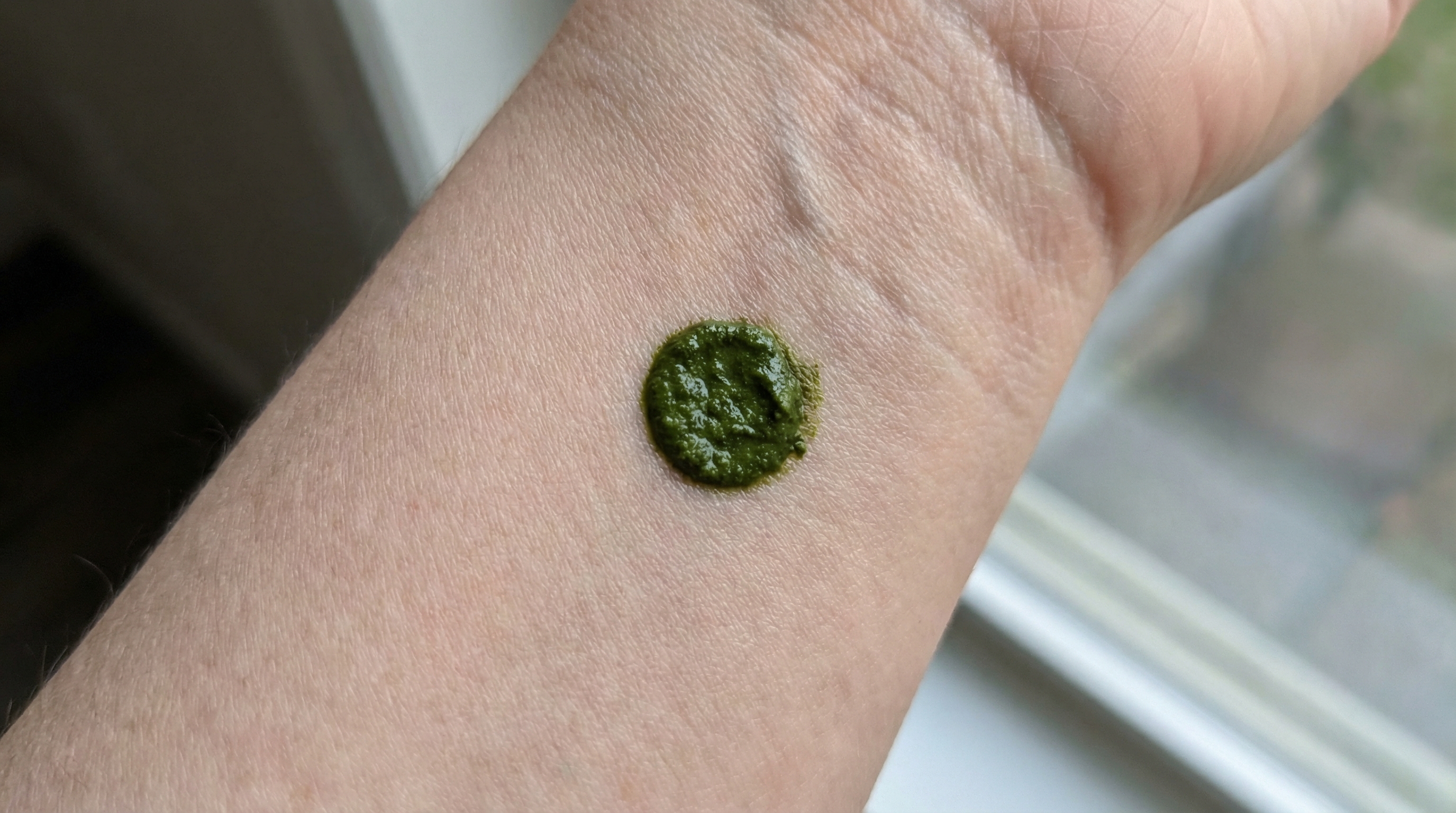
Before applying any new mixture to your entire face, you must perform a patch test on your inner wrist or behind your ear. Apply a small amount of the mask and wait 24 hours. You are looking for any signs of hives, intense itching, or persistent redness. This is especially important for matcha because it contains a concentrated amount of caffeine. While most people tolerate topical caffeine well (it’s a common ingredient in eye creams), some individuals with extreme sensitivities may experience a localized reaction.
Can high-quality matcha cause temporary skin staining?
The fear of turning “green” is a common deterrent for new matcha users. You should know that high-quality, pure ceremonial matcha will not permanently stain your skin. However, if your skin is very dry or you have large pores, some of the fine green pigment may linger after a simple water rinse. To prevent this, always follow your mask with a gentle toner on a cotton pad. If you find your skin is actually staining, it is a sign that your matcha may contain artificial dyes or fillers—another reason to prioritize ceremonial grade sourcing.
Reaction | Meaning | Action |
|---|---|---|
Mild Tingling | Active ingredients | Normal |
Persistent Redness | Irritation | Rinse & Discontinue |
Slight Green Tint | Residual Pigment | Use Toner |
10. Sourcing Excellence: Why Grade and Origin Matter
The efficacy of your DIY mask is entirely dependent on the quality of the powder you use. You cannot expect professional results from low-quality, oxidized “culinary” matcha that has been sitting on a grocery store shelf for months.
What distinguishes ceremonial grade from culinary grade?
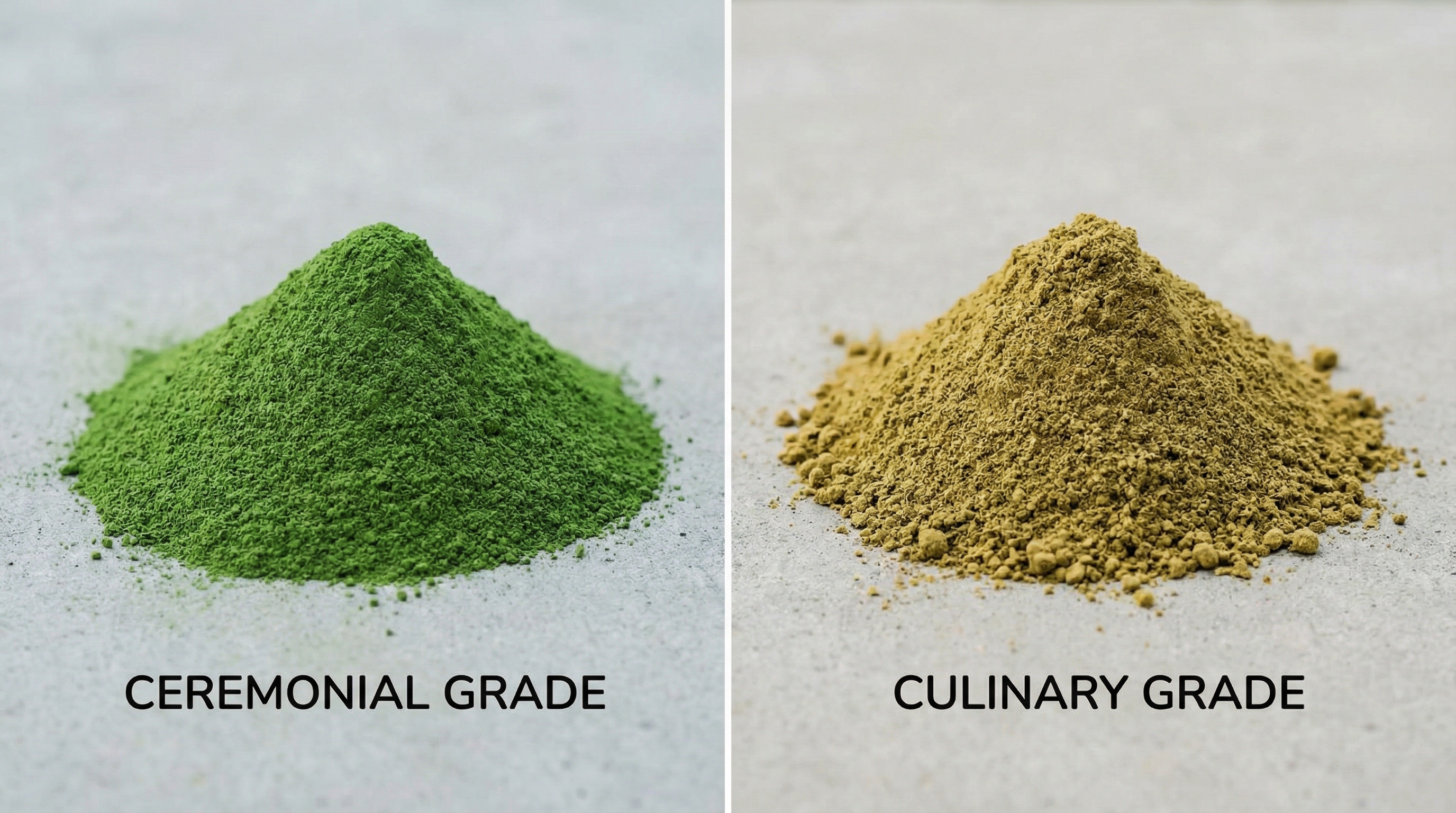
When you choose what is ceremonial grade matcha , you are choosing leaves harvested in the first flush of spring. These younger leaves are significantly higher in L-theanine and EGCG and have a much finer, silkier texture. Culinary grade matcha is made from older leaves that are more fibrous and acidic. On your skin, culinary grade can feel gritty and may be too acidic for sensitive complexions. Ceremonial grade provides a smooth, non-irritating paste that delivers the maximum possible dose of healing antioxidants.
Why is organic certification vital for topical application?
Your skin is an absorbent organ; it “drinks” what you put on it. Non-organic matcha is often treated with synthetic pesticides and fertilizers that can be absorbed into your bloodstream or cause topical contact dermatitis. Since the entire leaf is ground into the powder, those chemicals are concentrated. By selecting an organic-certified matcha, you ensure that your skincare ritual is free from neurotoxins and endocrine disruptors, protecting both your complexion and your long-term health.
Is investing in premium matcha worth the long-term results?
You should view the cost of a high-end tin of matcha not as a “tea purchase,” but as dozens of high-performance facials. A single 30g tin can provide upwards of 20 to 30 face masks. When compared to the cost of a single professional spa treatment—which can range from
100to100 to
300—the value of a premium DIY regimen is staggering. You are getting the purest, most potent form of the ingredient without the preservatives and fillers found in commercial “green tea” skincare products, ensuring that your path to glowing skin is both effective and sustainable.
Feature | Ceremonial Grade | Culinary Grade |
|---|---|---|
Antioxidant Level | Maximum | Moderate |
Texture | Ultra-Fine Silk | Slightly Gritty |
Skin Feel | Soothing | Potentially Abrasive |
Conclusion
A matcha face mask represents the perfect intersection of ancient tradition and modern dermatological science. By taking the time to understand the unique needs of your skin—whether it requires the antibacterial power of honey, the deep lipids of coconut oil, or the cooling relief of cucumber—you are empowering yourself to be your own skincare expert. This ritual is more than just a beauty treatment; it is a dedicated moment of self-care that protects your skin from the rigors of modern life.
Are you ready to transform your complexion?Don’t settle for mediocre results from generic products. Experience the potency of nature in its purest form. Visit our curated collection of premium, organic powders and find the perfect match for your skin’s needs. Your journey to a resilient, “lit from within” glow begins with the right ingredients. Start your ritual today and see the difference that ceremonial quality can make.
FAQ
1. Can I leave a matcha mask on overnight for better results?No, you should not leave a DIY matcha mask on overnight. As the mask dries, it can begin to pull moisture out of your skin through osmosis, potentially causing dehydration and irritation. Stick to the recommended 15-20 minute window for optimal results.
2. Is it better to drink matcha or apply it to the skin for a glow?For the most comprehensive results, you should do both. Drinking matcha provides internal antioxidant support that protects your cells from the inside out, while topical application provides a concentrated “hit” of nutrients directly to the areas that need it most.
3. Does matcha help with dark circles under the eyes?Yes. The caffeine in matcha helps to constrict the small blood vessels under the eyes, reducing puffiness and the blue/purple tint of dark circles. You can even make “eye patches” by soaking cotton rounds in a concentrated matcha and water mixture.
4. How long does the “glow” last after one mask?The immediate “brightening” effect typically lasts for 24 to 48 hours as the circulation boost and hydration peak. However, the long-term benefits of collagen support and pigment reduction require consistent weekly use over several months.
5. Can I mix matcha with my regular store-bought moisturizer?While you can do this, it is not as effective as a dedicated mask. Moisturizers contain emulsifiers and preservatives that can interfere with the absorption of the matcha powder. It is best to use matcha as a separate treatment on clean, bare skin.