
Matcha is far more than a vibrant green trend decorating social media feeds; it is a centuries-old superfood that represents the pinnacle of tea cultivation and preparation. Unlike traditional green tea, where the leaves are steeped and then discarded, matcha is a suspension of stone-ground whole tea leaves. When you drink matcha, you ingest 100% of the nutrients, antioxidants, and minerals found within the leaf. This fundamental difference is why matcha offers a concentration of health benefits that far exceeds any other tea variety.
In this comprehensive guide, we will explore the multifaceted world of matcha—from the intricate biochemistry of its polyphenols to its strategic importance in the modern beverage industry. Whether you are a health enthusiast seeking to optimize your daily routine or a business professional looking to integrate premium tea into your product line, understanding the depth of matcha’s value is essential.
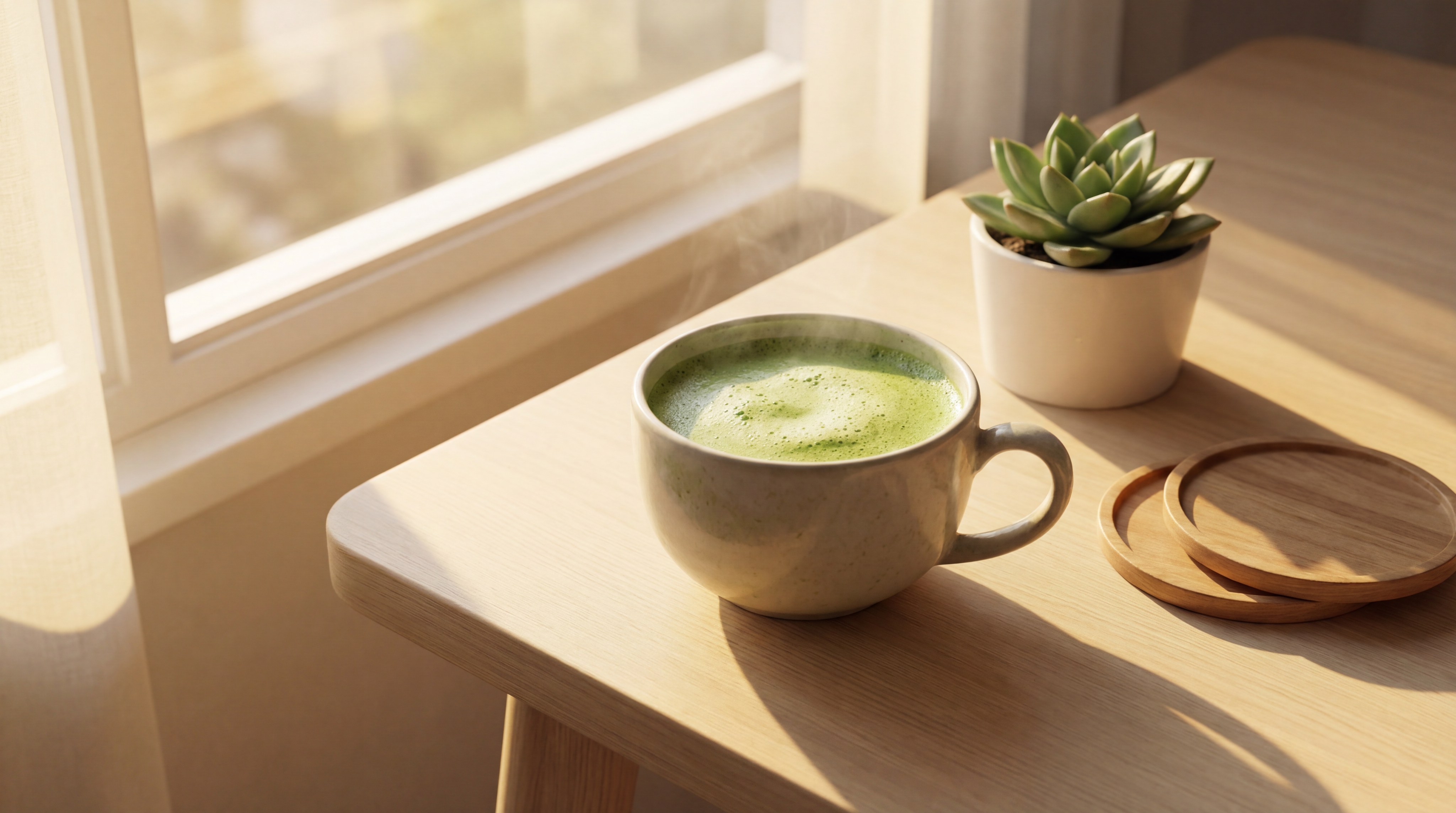
The lineage of matcha begins in the Tang Dynasty of China (7th–10th century), where tea was first processed into bricks for easier transport and later ground into a powder. However, it was the Japanese Zen Buddhist monk Eisai who, in 1191, brought tea seeds and the powdered preparation method to Japan. Eisai famously wrote the Kissa Yojoki (Book of Tea), claiming that “Tea is the ultimate mental and medical remedy and has the ability to make one’s life more full and complete.”
For centuries, matcha was the exclusive domain of the Japanese nobility and Zen monks. The monks discovered that matcha allowed them to remain alert yet calm during long hours of meditation, a state now scientifically attributed to the synergistic relationship between caffeine and L-theanine. This led to the development of the Chanoyu, or the Japanese Tea Ceremony, a highly ritualized practice centered on the principles of Harmony (Wa), Respect (Ke), Purity (Sei), and Tranquility (Jaku).
Today, matcha has transcended its monastic origins to become a global phenomenon. Its cultural significance remains rooted in the concept of “Mindful Energy.” In an age of high-stress productivity, matcha offers a counter-narrative: the ability to achieve peak performance through a centered, calm, and sustained focus. This historical context provides the foundation for why premium matcha is valued not just as a commodity, but as an artisanal product requiring immense skill to produce.
2. The Science of Shade-Grown Tea: Manufacturing and Processing
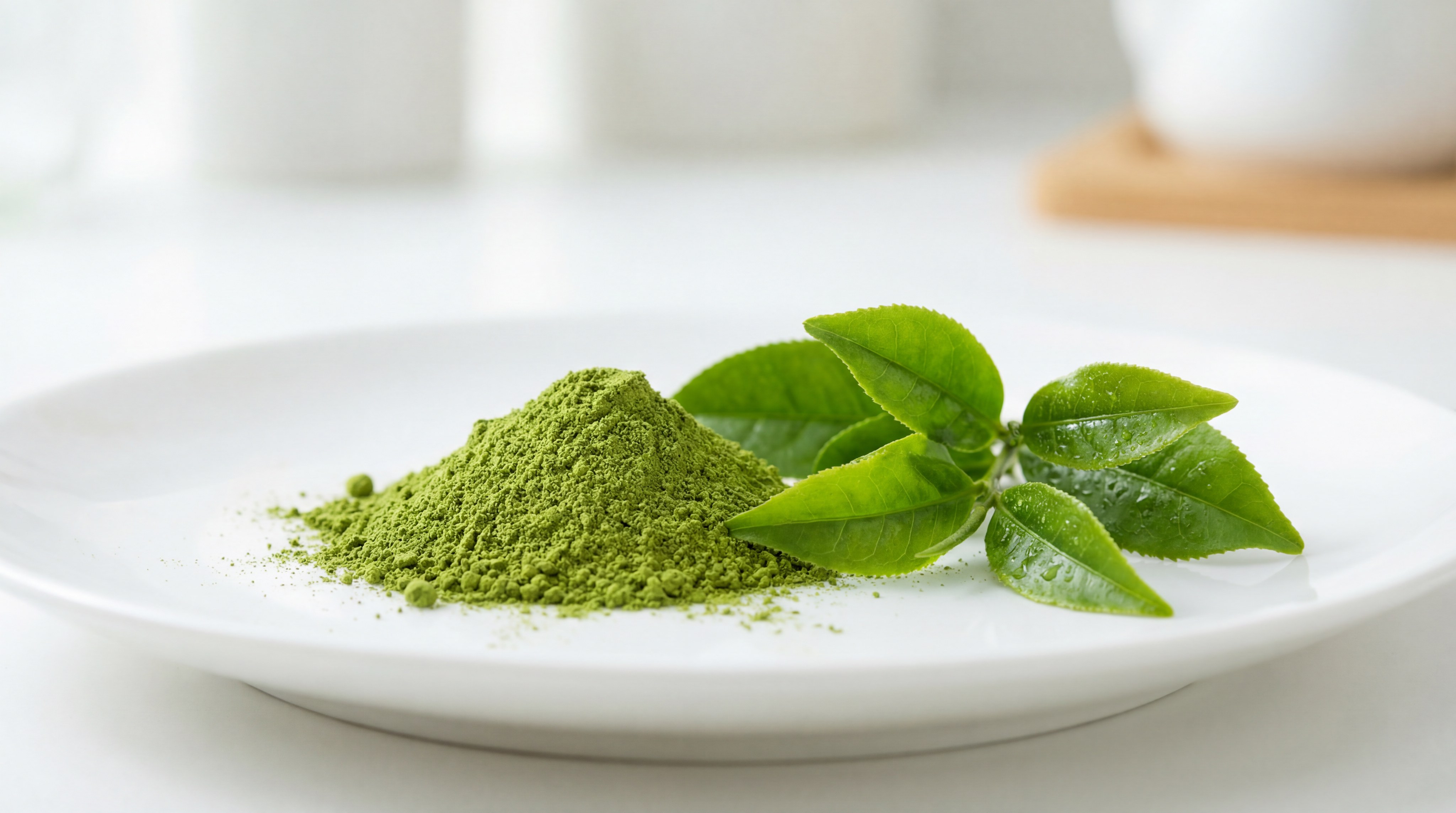
What distinguishes matcha from regular green tea (Sencha) begins weeks before the harvest. The unique matcha manufacturing process involves a labor-intensive cultivation technique known as “shading” (Tana). Approximately 20 to 30 days before the tea leaves are harvested, the tea bushes are covered with bamboo mats or black plastic netting to reduce the amount of sunlight reaching the leaves by up to 90%.
The Biological Response to Shading
This deprivation of light forces the plant to compensate by producing massive amounts of chlorophyll to maximize its photosynthetic efficiency. This results in the intense, vibrant green color characteristic of high-quality matcha. More importantly, the shading process alters the chemical composition of the leaves:
- Amino Acid Enrichment: Shading prevents the conversion of the amino acid L-theanine into catechins (which can be bitter). This preserves a high concentration of L-theanine, giving matcha its “umami” flavor and calming properties.
- Catechin Modulation: While the overall catechin profile changes, the specific concentration of EGCG remains potent, balanced by the sweetness of the increased amino acids.
From Tencha to Matcha
Once harvested, the leaves are immediately steamed to halt oxidation, preserving the green color and nutritional profile. They are then air-dried and de-veined to create Tencha. This Tencha is eventually ground into a fine powder. In the traditional method, granite stone mills are used to grind the Tencha. These mills rotate slowly to prevent the generation of friction heat, which would oxidize the delicate powder and destroy its enzymes. It takes approximately one hour to produce just 30 to 40 grams of ceremonial grade matcha powder.
Understanding this process is critical for anyone interested in the matcha manufacturing process , as it explains the price disparity between mass-produced powders and authentic, stone-ground matcha.
3. Antioxidant Powerhouse: The Role of EGCG in Disease Prevention
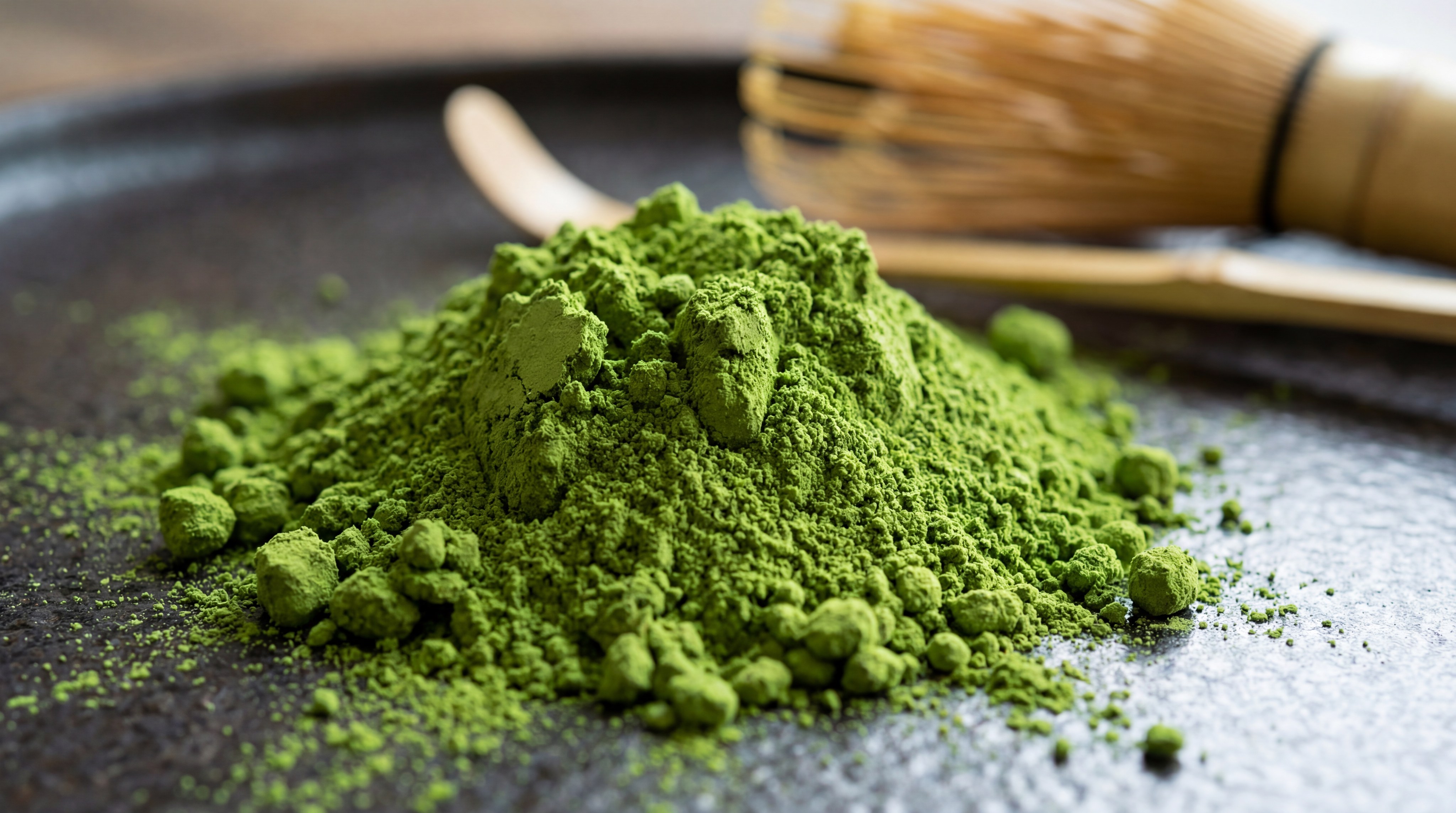
The primary health claim of matcha lies in its extraordinary antioxidant profile. Antioxidants are molecules that neutralize free radicals—unstable atoms that can damage cells, leading to aging and chronic diseases like cancer. Matcha contains a specific class of antioxidants known as catechins, and the most prominent among them is Epigallocatechin gallate (EGCG).
The EGCG Advantage
Scientific studies have shown that matcha contains up to 137 times more EGCG than standard bagged green tea. This is because, with matcha, you are consuming the entire leaf tissue rather than a water-based extract. EGCG has been extensively researched for its role in:
- Cancer Prevention: Research suggests that EGCG may inhibit the growth of cancer cells by protecting DNA from damage and inducing apoptosis (programmed cell death) in malignant cells.
- Cardiovascular Health: Catechins help reduce “bad” LDL cholesterol and improve arterial function, significantly lowering the risk of stroke and heart disease.
- Anti-Inflammatory Properties: By reducing oxidative stress, matcha helps manage systemic inflammation, which is a root cause of autoimmune disorders and joint pain.
Tea Type | Antioxidant Content (ORAC units/gram) |
|---|---|
Matcha | 1,384 |
Goji Berries | 253 |
Dark Chocolate | 227 |
Blueberries | 24 |
The Oxygen Radical Absorbance Capacity (ORAC) test demonstrates that matcha is one of the most potent antioxidant sources in the human diet, surpassing traditional “superfoods” by a significant margin.
4. L-Theanine and the “Calm Alertness” Phenomenon

One of the most profound benefits of matcha is its effect on cognitive function. While coffee is often associated with a “spike and crash” cycle, matcha provides a steady, sustained flow of energy. This is due to the presence of L-theanine, an amino acid that is found almost exclusively in the tea plant, specifically in high concentrations within shade-grown matcha.
The Synergy of Caffeine and L-Theanine
Caffeine is a stimulant that blocks adenosine receptors in the brain, preventing drowsiness. However, on its own, caffeine can cause “jitters,” anxiety, and heart palpitations. L-theanine acts as a natural counterbalance. It crosses the blood-brain barrier and promotes the production of alpha brain waves, which are associated with a state of “relaxed alertness” or “flow.”
When consumed together in matcha, L-theanine slows the absorption of caffeine into the bloodstream. This results in:
- Extended Focus: A 4 to 6-hour window of heightened concentration.
- Zero Crash: The energy tapers off gradually rather than dropping abruptly.
- Anxiety Reduction: L-theanine increases the levels of GABA, dopamine, and serotonin, chemicals that improve mood and induce relaxation without drowsiness.
For professionals, students, and creators, matcha serves as a cognitive enhancer that supports productivity while protecting the nervous system from the overstimulation common with synthetic energy drinks or excessive coffee consumption.
5. Matcha vs. Coffee: Why Your Morning Caffeine Fix Needs an Upgrade
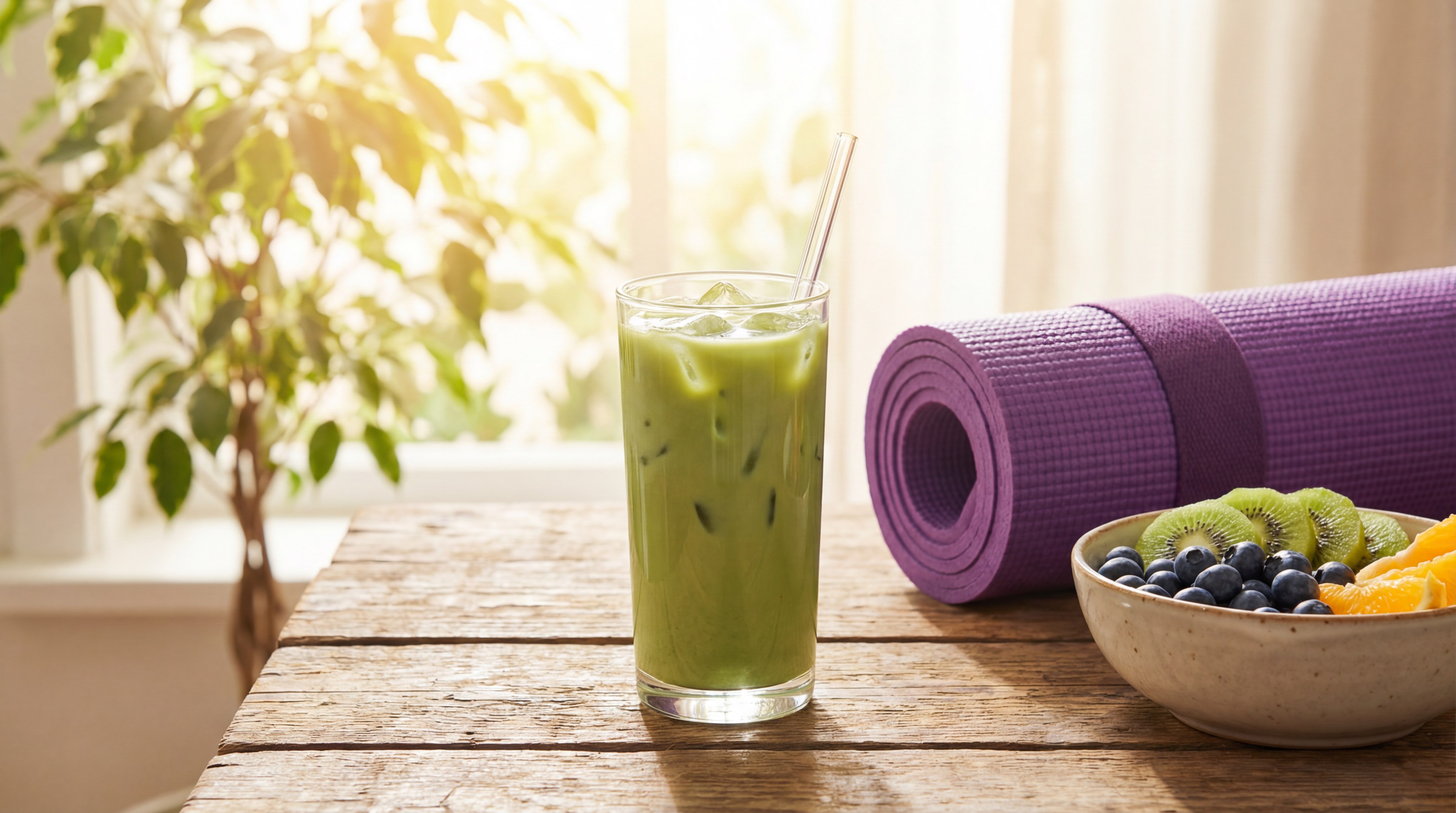
Many people are making the switch from coffee to matcha, not just for the flavor, but because of the fundamental differences in how these two beverages affect the body’s physiology. While both contain caffeine, the “delivery system” and chemical environment are vastly different.
Acid-Alkaline Balance
Coffee is highly acidic, which can irritate the lining of the stomach and lead to acid reflux or digestive discomfort. In contrast, matcha is alkaline, which supports a healthy gut environment and is gentler on the digestive tract. Many users find that they can drink matcha on an empty stomach before a workout or meditation session without the gastrointestinal distress often caused by coffee.
Nutritional Density
Coffee provides caffeine and some antioxidants, but it lacks the broad spectrum of vitamins and minerals found in matcha. A single serving of matcha contains:
- Vitamin C: Supports the immune system.
- Vitamin A (Beta-Carotene): Essential for eye health and skin integrity.
- Fiber: Aids in digestion and blood sugar regulation.
- Chlorophyll: A powerful detoxifier that helps the body eliminate heavy metals and toxins.
The Caffeine Curve
The caffeine in coffee hits the system within 15-30 minutes and peaks rapidly. The caffeine in matcha is bound to larger molecules (catechins) and is released slowly over several hours. This makes matcha the superior choice for those who need long-term mental stamina rather than a short-term physical jolt.
6. Metabolic Mastery: How Matcha Supports Weight Management and Energy
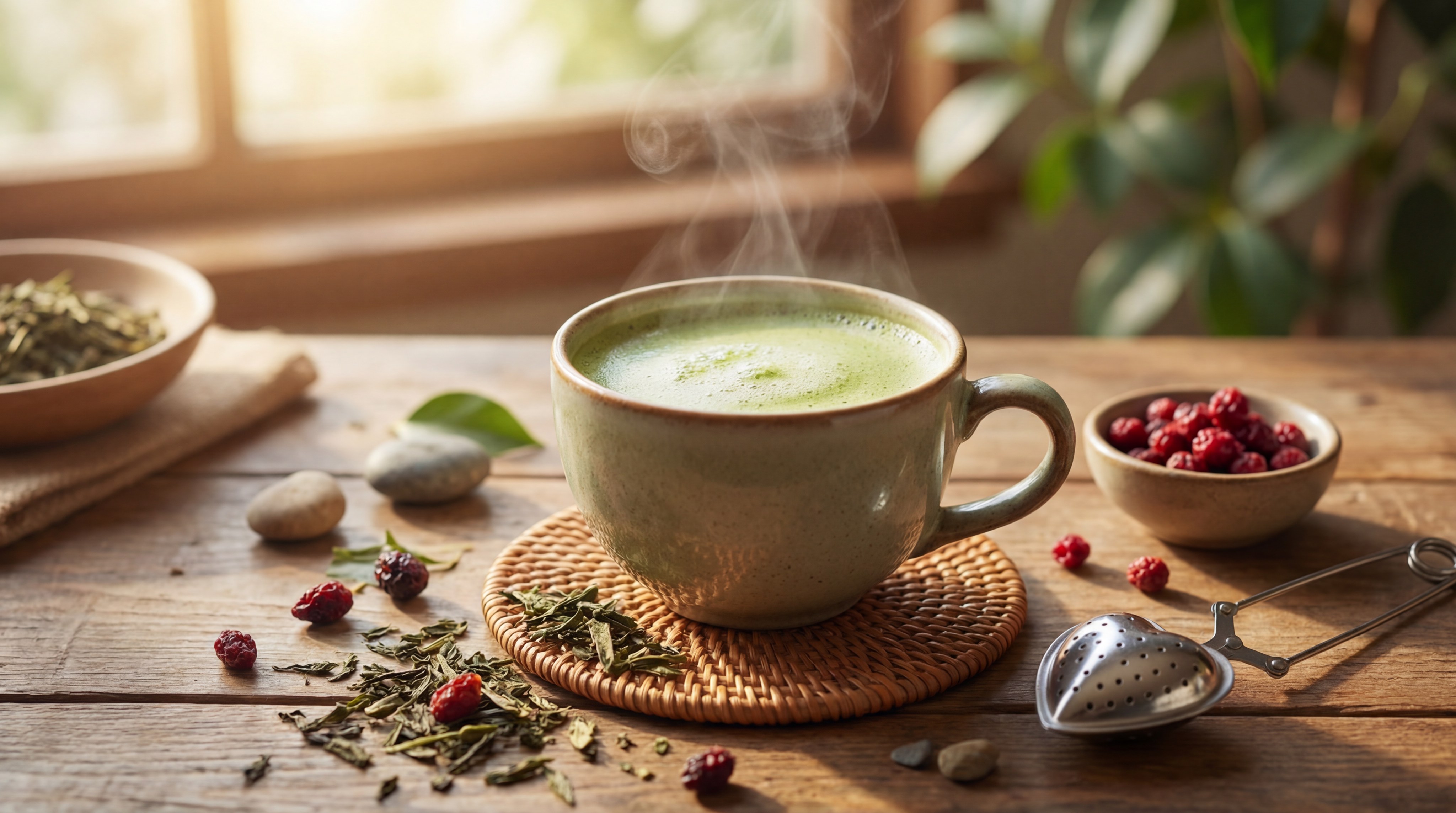
In the realm of fitness and weight management, matcha is a celebrated ally. It is one of the few natural substances proven to increase the body’s metabolic rate without increasing heart rate or blood pressure, making it a safe alternative to synthetic fat-burning supplements.
Thermogenesis and Fat Oxidation
Studies published in the American Journal of Clinical Nutrition have shown that consuming matcha can increase thermogenesis (the body’s rate of burning calories) from a normal daily average of 8-10% to between 35% and 43% of daily energy expenditure.
Furthermore, EGCG has been shown to enhance fat oxidation during exercise. Drinking matcha before a workout can help the body utilize fat as a fuel source more efficiently. Because matcha also provides a steady stream of energy, it allows for longer, more intense training sessions without the fatigue that follows a stimulant-heavy pre-workout supplement.
Blood Sugar Regulation
The polyphenols in matcha also play a role in regulating blood glucose levels. By preventing sharp spikes in insulin, matcha helps reduce sugar cravings and prevents the storage of excess calories as fat. This makes it an excellent addition to a balanced diet for those managing weight or looking to maintain stable energy levels throughout the day.
7. Ceremonial Grade vs. Culinary Grade: Choosing the Right Powder
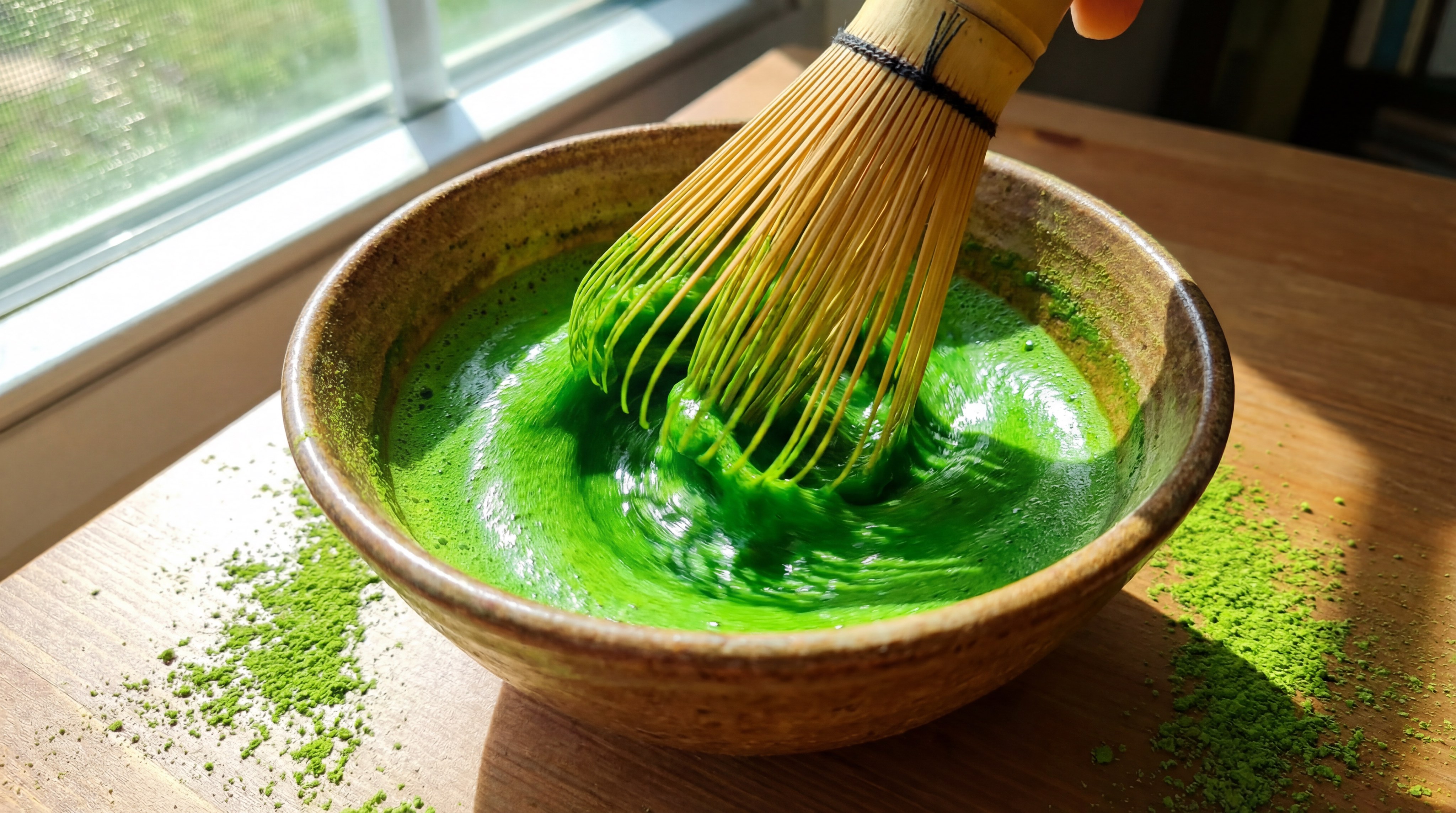
Not all matcha is created equal. The industry typically divides matcha into two main categories: Ceremonial Grade and Culinary Grade. Understanding these differences is vital for both personal enjoyment and commercial applications.
Ceremonial Grade Matcha
Ceremonial grade matcha is the highest quality available. It is intended to be whisked with hot water and consumed on its own.
- Harvest: Made from the youngest, most tender tea leaves from the first harvest (ichiban-cha).
- Color: A brilliant, “electric” green.
- Flavor: Delicate, sweet, and rich in umami, with no bitterness.
- Texture: Extremely fine, like silk or talcum powder, which creates a thick, creamy froth when whisked.
Culinary Grade Matcha
Culinary grade matcha is designed to be mixed with other ingredients. It is not “lower quality” in terms of health benefits, but its flavor profile is more robust to withstand the addition of milk, sugar, or flour.
- Harvest: Usually from the second or third harvest, where leaves have been exposed to more sun.
- Color: A slightly duller or yellowish-green.
- Flavor: Stronger, more astringent, and slightly bitter. This bitterness is actually preferred in baking or lattes as it balances out the sweetness of other ingredients.
- Use Cases: Smoothies, lattes, ice cream, cakes, and savory sauces.
Choosing the right grade ensures that you maximize both the flavor experience and the cost-effectiveness of your matcha usage.
8. The Ritual of Preparation: A Guide to the Traditional Tea Ceremony
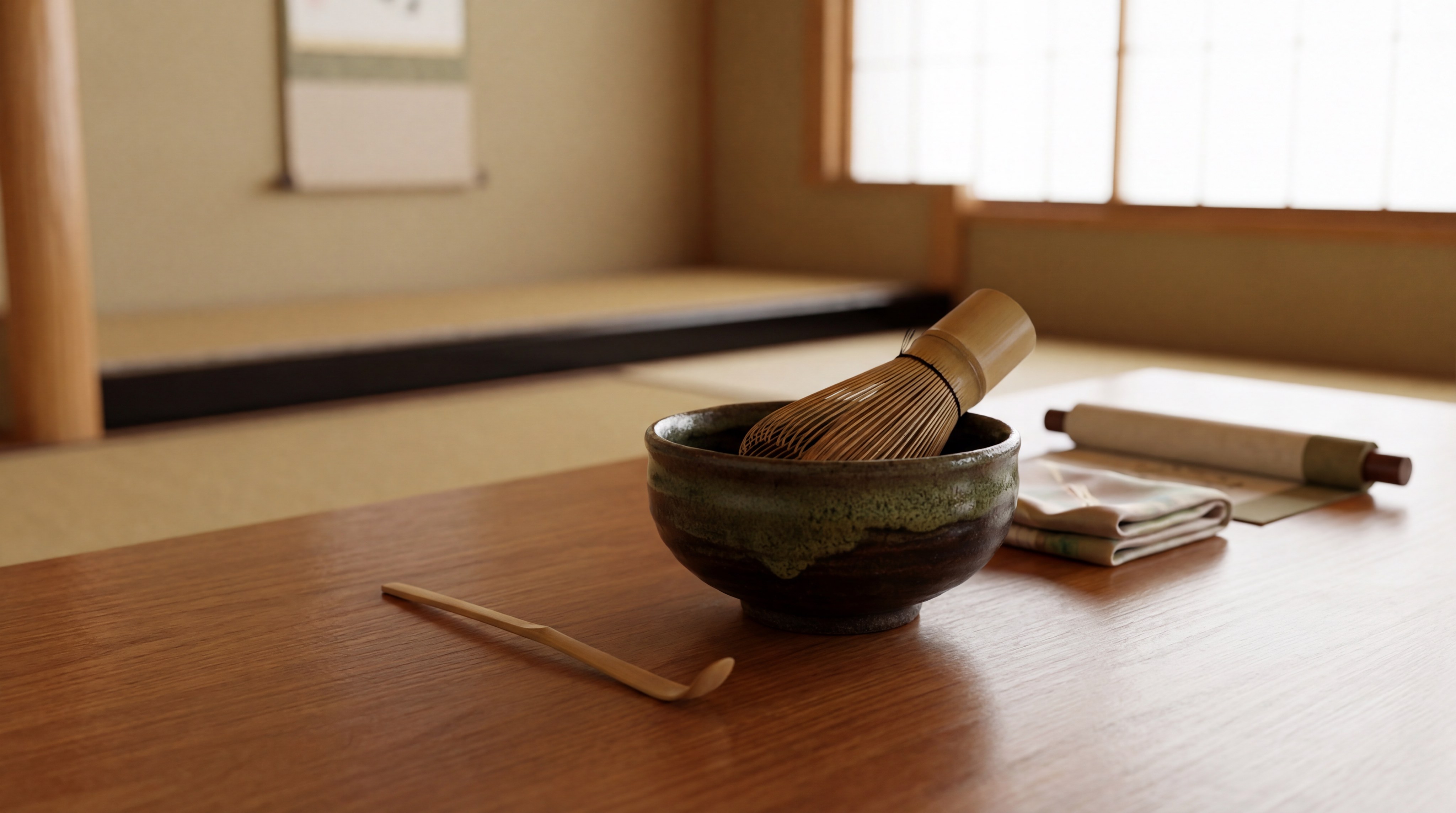
While matcha can be prepared quickly in a shaker or blender, there is profound value in the traditional ritual of preparation. This process is a form of “active meditation” that prepares the mind to receive the benefits of the tea.
The Essential Tools
To prepare matcha traditionally, you need a few specific items:
- Chawan (Tea Bowl): A wide, deep bowl that allows for effective whisking.
- Chasen (Bamboo Whisk): Carved from a single piece of bamboo, it features dozens of fine tines designed to aerate the tea and create a micro-foam.
- Chashaku (Bamboo Scoop): Used to measure the exact amount of powder.
- Sifter: Essential for removing clumps to ensure a smooth texture.
The Steps to Perfection
- Sift: Sift 1.5 to 2 grams (about 2 bamboo scoops) of matcha into the bowl. This prevents “clumping” and ensures a silky mouthfeel.
- Hydrate: Add a small amount of “soft” water (about 2 ounces) heated to exactly 80°C (176°F). Never use boiling water, as it will scald the delicate powder and produce a bitter taste.
- Whisk: Using the Chasen, whisk in a vigorous “W” or “M” motion (rather than circular) for about 20-30 seconds until a thick, frothy layer of bubbles forms on the surface.
- Enjoy: Sip immediately while the powder is still suspended in the water.
This ritual encourages a moment of pause in a busy day, aligning perfectly with the wellness philosophy that surrounds the tea.
9. B2B Opportunities: Wholesale and Private Label Solutions for Businesses
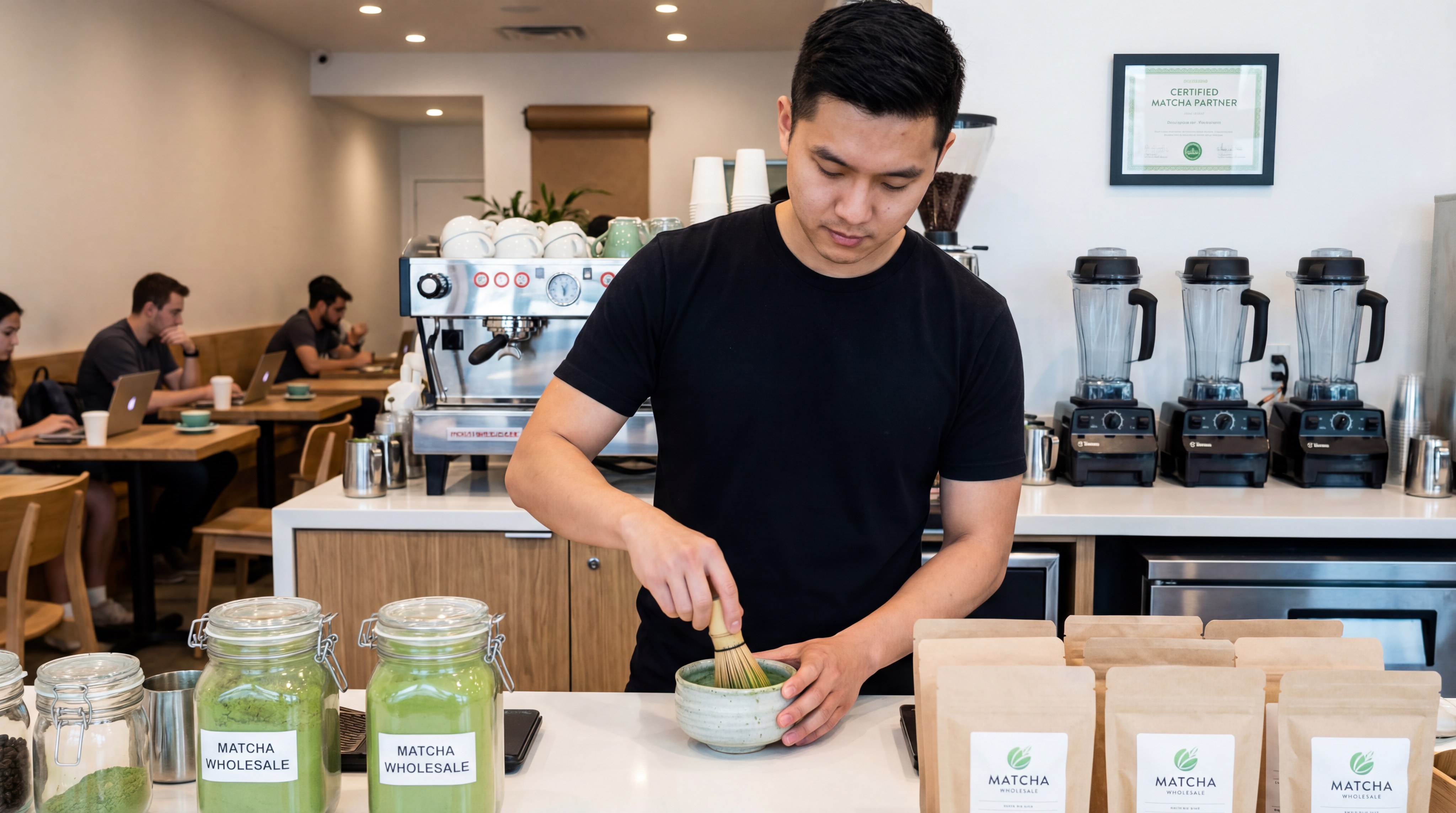
The global matcha market is experiencing unprecedented growth, driven by increasing consumer awareness of health and wellness. For cafes, retailers, and entrepreneurs, this presents a significant business opportunity.
Why Businesses are Choosing Matcha
Matcha offers a high-profit margin compared to traditional coffee. Because it is a concentrated powder, a small amount goes a long way, and the “premium” nature of the product allows for higher retail pricing. Additionally, matcha’s versatility allows businesses to expand their menu into lattes, cold brews, and seasonal baked goods.
Wholesale Solutions
For large-scale operations, sourcing wholesale matcha is the most cost-effective path. When choosing a wholesale partner, businesses should look for:
- Consistency: Ensuring every batch has the same color, grind size, and flavor profile.
- Traceability: Knowing exactly where the tea was grown (e.g., Uji or Nishio).
- Certifications: Organic and food safety certifications (ISO, HACCP) are essential for modern retail environments.
Private Labeling: Building Your Brand
For entrepreneurs looking to enter the wellness space, private label matcha services provide a turn-key solution. This allows you to select high-quality powder from established manufacturers and package it under your own brand name. This significantly lowers the barrier to entry, as you don’t need to manage the complex logistics of international tea sourcing and manufacturing yourself.
10. Innovative Matcha Recipes: Beyond the Traditional Bowl
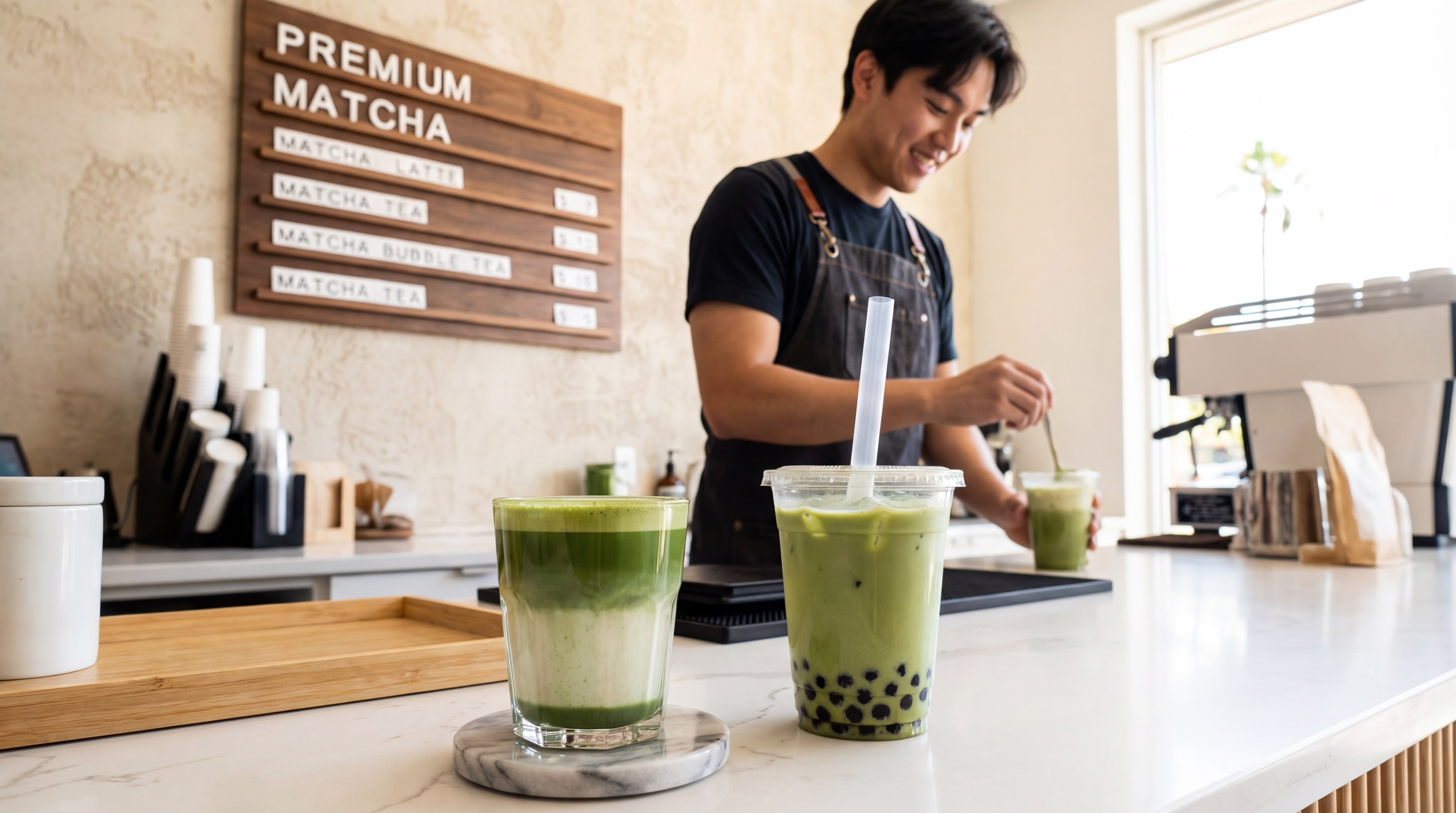
While a traditional bowl of “Usucha” (thin tea) is the purest way to experience matcha, its unique “umami” flavor profile makes it an incredible ingredient in modern gastronomy. The culinary world has embraced matcha as a natural colorant and flavor enhancer.
The Matcha Latte (Hot or Iced)
The most popular way to consume matcha in the West is the latte. By using a high-quality culinary grade powder and pairing it with creamy milks like oat or almond, you create a beverage that is both indulgent and healthy. Adding a touch of honey or maple syrup can help bridge the gap for those new to matcha’s earthy flavor.
Matcha in Baking and Pastry
Matcha is a favorite among pastry chefs because its vibrant green color remains stable during baking.
- Matcha Madeleines: The earthy tea balances the buttery sweetness of the sponge.
- Matcha Tiramisu: Replacing coffee-soaked ladyfingers with matcha-soaked ones creates a sophisticated, refreshing dessert.
- Matcha Energy Balls: Mixing matcha with dates, nuts, and coconut creates a potent, healthy snack for athletes.
Savory Applications
Interestingly, matcha can also be used in savory cooking. It can be mixed with sea salt to create “Matcha-shio,” a traditional Japanese seasoning for tempura. It also works beautifully in creamy pasta sauces or as a dry rub for white fish, where its antioxidant properties and subtle bitterness complement the fats in the dish.
Conclusion
Matcha is a rare example of a product where the ancient past and the modern future meet in perfect harmony. Its history teaches us the value of mindfulness and ritual, while modern science confirms its status as a nutritional powerhouse. Whether you are drinking it for its potent EGCG content, its ability to provide “calm energy” through L-theanine, or its potential as a lucrative business asset, matcha remains an unparalleled superfood.
By choosing the right grade—be it ceremonial for your morning meditation or culinary for your business’s next best-selling latte—you are participating in a global movement toward better health and higher quality standards in the tea industry. As we have seen, the benefits of matcha extend far beyond the cup; they touch every aspect of physical performance, mental clarity, and even economic opportunity.
FAQs About Matcha Benefits
1. Does matcha have more caffeine than coffee?
No, a typical serving of matcha (1 tsp or 2g) contains approximately 70mg of caffeine, while a standard cup of coffee contains between 95mg and 150mg. However, because of the L-theanine in matcha, the energy lasts longer and feels more stable, leading many to believe it is “stronger” in its effects.
2. Is it safe to drink matcha every day?
Yes, for most people, drinking 1-2 servings of matcha daily is safe and highly beneficial. However, due to its caffeine content, those sensitive to stimulants or pregnant women should monitor their intake. It is also important to source high-quality, lead-tested matcha to ensure purity.
3. Can matcha help with skin health?
Absolutely. The high concentration of EGCG and Vitamin C in matcha helps fight inflammation and oxidative stress, which are the primary drivers of acne and premature aging. Many people also use matcha powder in DIY face masks to reduce redness and brighten the complexion.
4. Why is matcha so much more expensive than regular green tea?
The price reflects the intensive labor required. From the 3 weeks of shading to the hand-picking of the youngest leaves and the slow stone-grinding process, matcha is a highly artisanal product. You are also consuming 100% of the leaf, meaning you need less of it to get the same (or better) nutritional results as steeped tea.
5. Does the color of matcha really matter?
Yes, color is the primary indicator of quality. High-quality matcha should be a vibrant, “electric” green, signifying high chlorophyll and L-theanine content. If the powder is dull, brownish, or yellowish, it is likely old, oxidized, or made from lower-quality leaves with fewer health benefits.