
The global beverage landscape is undergoing a seismic shift. As consumers pivot away from synthetic stimulants and high-sugar energy drinks, Private Label Matcha has emerged as the premier “green gold” opportunity for entrepreneurs and established food and beverage (F&B) brands alike. Matcha is no longer a niche Japanese tradition; it is a multi-billion dollar functional powerhouse driving innovation in the wellness, beauty, and culinary sectors.
Building a successful matcha brand requires more than just a logo on a tin. It demands a sophisticated understanding of Organic Matcha Sourcing, the chemistry of the L-theanine to caffeine ratio, and a strategic approach to Matcha OEM partnerships. This guide provides an exhaustive analytical deep dive into the technical, economic, and strategic pillars of the matcha industry, designed to help you scale from a concept to a global market leader.
The fundamental question for any brand owner is whether to build or buy. In the matcha industry, the barriers to entry for in-house production are astronomical. Producing high-grade matcha requires vertically integrated control over tea gardens, specialized shading infrastructure, and climate-controlled milling facilities.
The CAPEX ChallengeA single granite stone mill, capable of producing only 30-40 grams of ceremonial powder per hour, can cost upwards of $5,000. To achieve commercial scale, a facility requires hundreds of these mills, alongside specialized Tencha drying ovens. By opting for a Private Label Matcha model, brands bypass these massive capital expenditures (CAPEX), converting fixed costs into variable costs.
Strategic Agility and MOQsWorking with a partner like Riching Matcha allows for rapid prototyping. Instead of committing to the harvest of an entire field, brands can leverage Bulk Matcha Powder inventories to test market fit. The economics favor the private label model because of “Aggregation Efficiency”—the supplier consolidates orders from multiple brands to maintain high-volume processing, lowering the per-unit cost for everyone involved.
Global Market Dynamics: Why 2024–2030 is the Prime Time for Matcha Brands
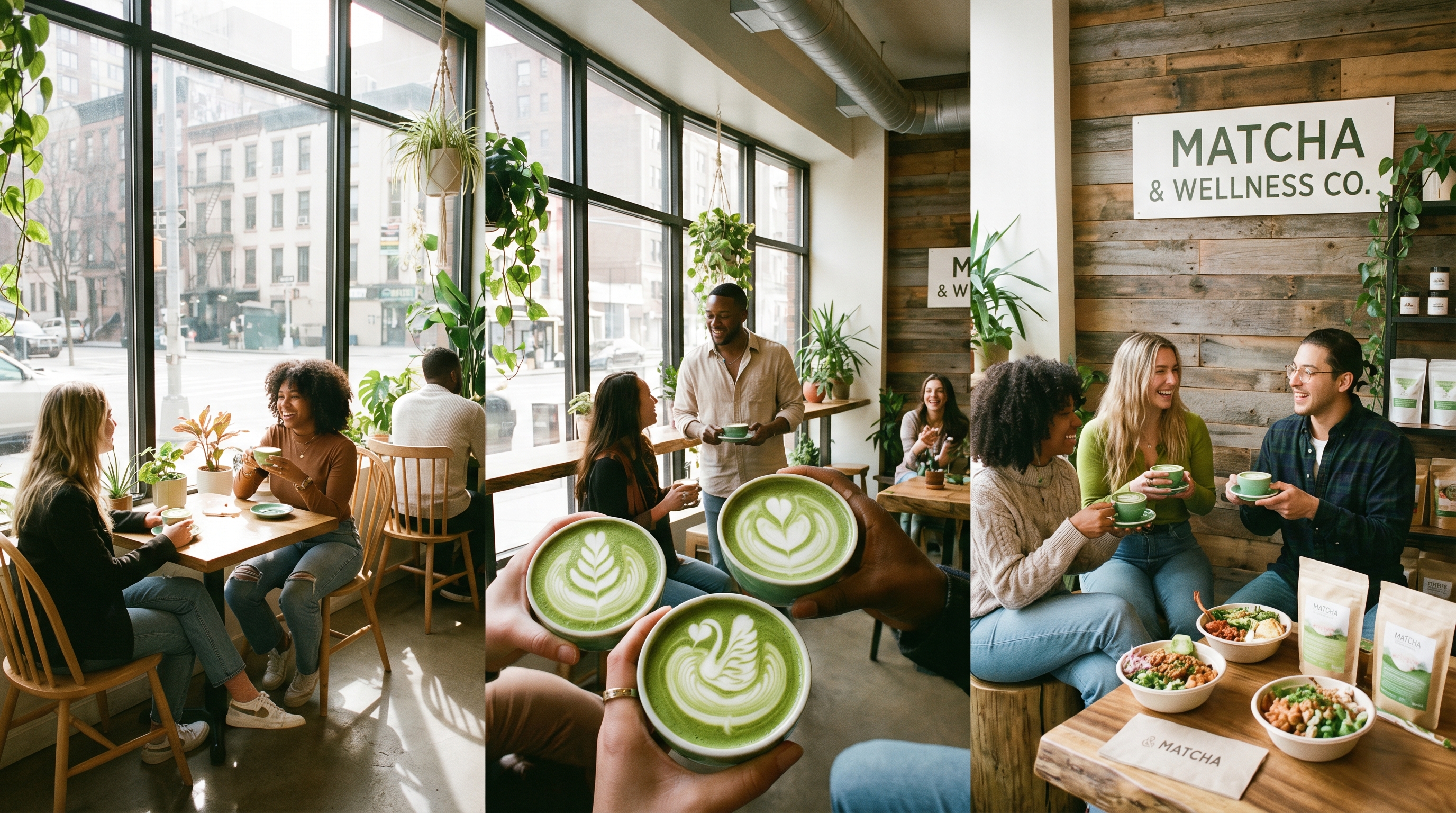
We are currently in the “Second Wave” of matcha. The first wave was about awareness; the second wave is about functional integration. Consumers are increasingly savvy about the difference between low-grade “green tea powder” and authentic, stone-ground matcha.
Global Matcha Market Growth Projections (2024–2030)
Region | Market Share (2024) | Est. CAGR (2024-2030) | Key Growth Drivers |
|---|---|---|---|
Asia-Pacific | 47% | 8.2% | Deep cultural roots; rising middle-class demand in China/Vietnam. |
North America | 24% | 10.5% | Shift from coffee to “Clean Energy”; functional supplement boom. |
Europe | 18% | 9.1% | Organic mandate; premiumization of the cafe sector in UK/Germany. |
Middle East/Africa | 5% | 11.2% | Rapid expansion of luxury wellness and Halal-certified products. |
Latin America | 6% | 7.5% | Increasing focus on antioxidant-rich “Superfoods.” |
The “Coffee Replacement” PsychologyThe primary driver of the Matcha Brand Building boom is the rejection of the “caffeine crash.” Unlike coffee, which causes a rapid spike and subsequent drop in cortisol, matcha’s unique combination of L-theanine and caffeine provides a 4–6 hour window of sustained focus. In a high-productivity global economy, this “calm alertness” is a high-value commodity.
The Science of Quality: Shading, Harvesting, and Processing Tencha
The secret to a premium private label product lies in the Tencha—the raw leaf before it is ground. High-quality matcha is a result of biological stress management.
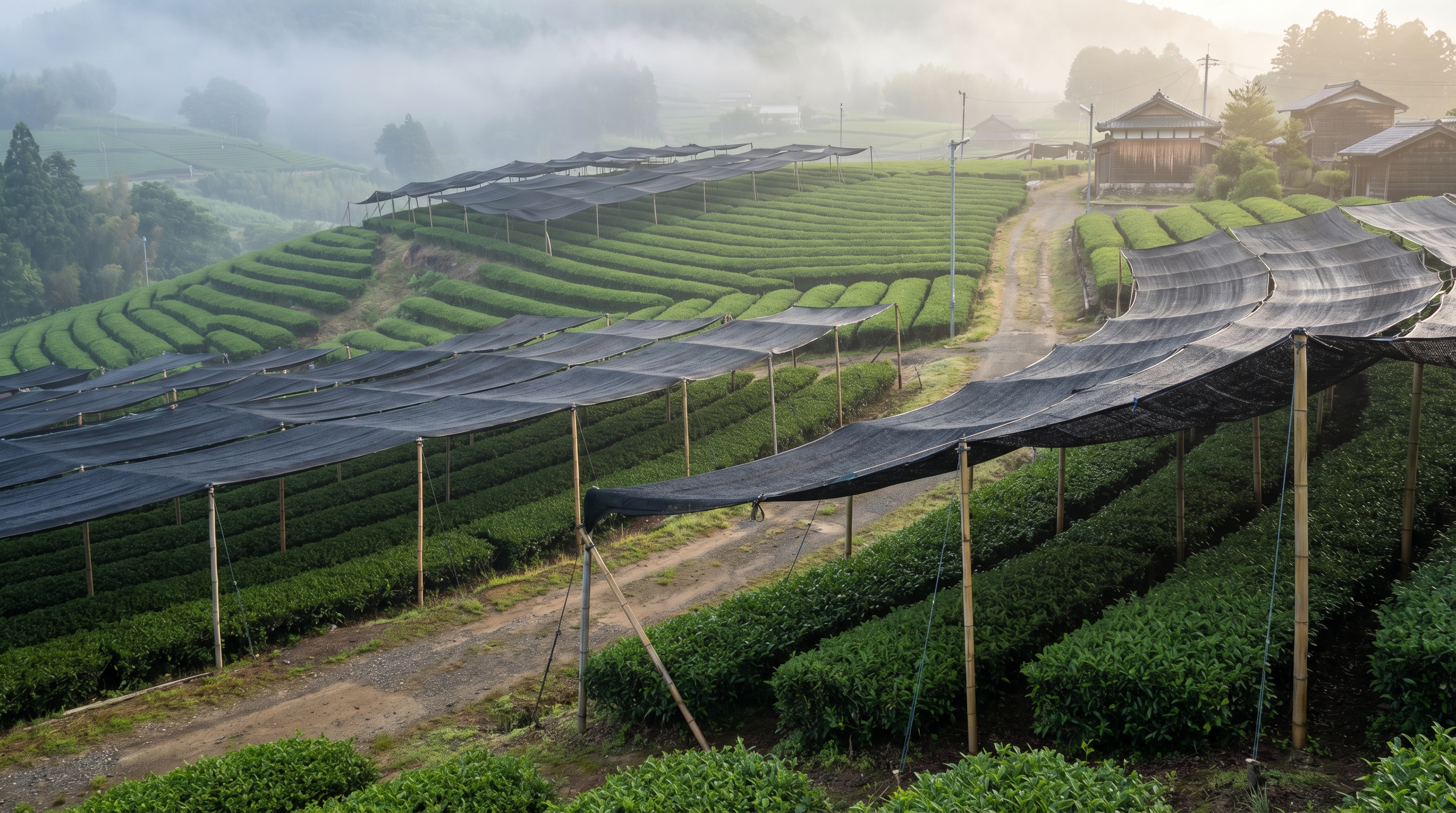
The Shading Imperative (20–30 Days)Approximately three weeks before harvest, tea gardens are covered with 90% shade nets. This lack of sunlight triggers a massive surge in chlorophyll and amino acids, specifically L-theanine. Without shading, the L-theanine would convert into polyphenols (catechins), which are healthy but impart a bitter, astringent taste. Shading preserves the “Umami” profile that defines ceremonial quality.
Stone Grinding vs. Jet MillingA common point of inquiry for entrepreneurs is the grinding method.
- Granite Stone Milling: The gold standard. It produces a spherical particle shape (5-10 microns) that creates a superior froth. The slow speed prevents heat friction, which would otherwise oxidize the delicate nutrients.
- Jet Milling: Faster and cheaper. Used primarily for Culinary Grade Matcha. While efficient, it can slightly degrade the color vibrancy due to the heat generated during the high-velocity air impact.
Decoding Matcha Grades for Your Product Line
One of the biggest mistakes new brands make is using the wrong grade for their application. Using a
60/kgceremonialpowderinachocolatebarisaneconomicdisaster;usinga60/kg ceremonial powder in a chocolate bar is an economic disaster; using a
10/kg culinary powder for a traditional tea ceremony will destroy your brand’s reputation for quality.
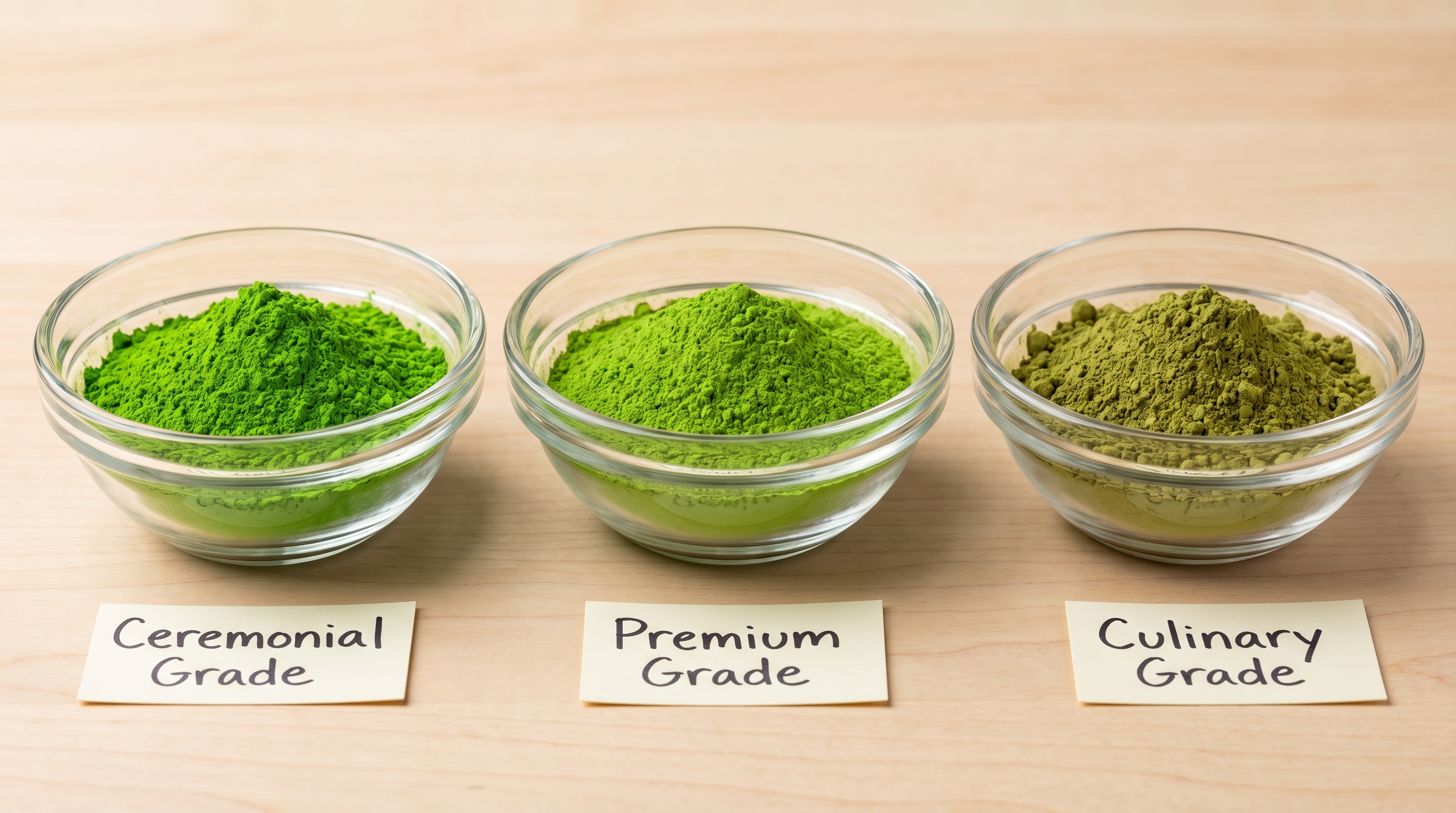
Comprehensive Matcha Grade Comparison Table
Feature | Ceremonial Grade | Premium/Latte Grade | Culinary Grade |
|---|---|---|---|
Harvest Time | First Harvest (Spring) | Second Harvest (Late Spring) | Late Harvest (Summer/Autumn) |
Color | Vibrant Emerald Green | Bright Green | Yellowish/Dull Green |
Taste Profile | Delicate, Umami, Sweet | Balanced, Creamy, Slight Tannin | Bold, Astringent, Grassy |
Texture | Ultra-fine (Silk-like) | Fine Powder | Slightly Gritty |
Best Use Case | Whisked with water only | Lattes, Smoothies | Baking, Ice Cream, Confectionery |
Price Point | $$$$ | $$$ | $$ |
For a deep dive into how these grades affect your final product, see our technical guide on Matcha Grades and Caffeine Levels Explained .
The Organic Mandate: Navigating Global Certifications
In the B2B world, certifications are the “passport” for your product. Because tea leaves are not washed before processing, the Organic Matcha Sourcing aspect is non-negotiable for the premium market.
Why USDA and JAS MatterConsumers view “Organic” as a proxy for safety. However, for a brand, it’s about compliance. If you source matcha that isn’t certified to the standards of your target market, your shipment can be seized at customs.
Certification Requirements Checklist
- USDA Organic: Mandatory for the US market; prohibits synthetic pesticides and GMOs.
- EU Organic (Euro-leaf): Stricter limits on specific heavy metals and cross-contamination.
- JAS (Japanese Agricultural Standard): The foundational organic certification for Japanese origin.
- Halal & Kosher: Essential for global market penetration, ensuring the facility follows specific purity and processing rituals.
- ISO 22000 / HACCP: Demonstrates a rigorous Food Safety Management System (FSMS) at the manufacturing level.
Brands looking for a compliant partner can explore our Wholesale Matcha options, which carry all necessary global credentials.
Developing Your Unique Value Proposition (UVP) with Custom Blends
The matcha market is becoming crowded. To stand out, you must move beyond “Pure Matcha” and into the realm of Matcha OEM customization.
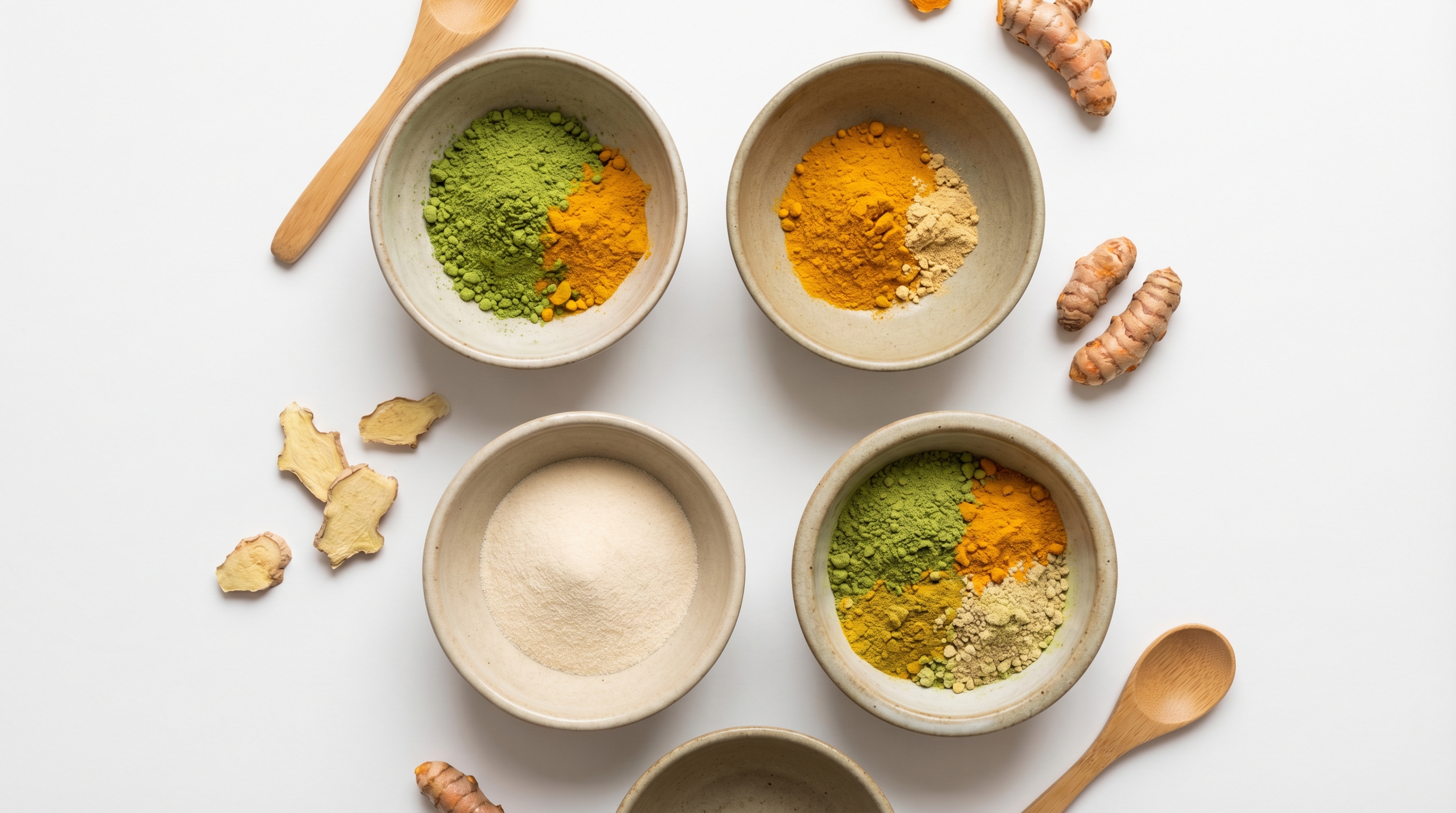
The Rise of Functional BlendsModern consumers are “stacking” their supplements. By creating custom formulations, you increase your profit margins and create a defensible product. Popular combinations include:
- Matcha + Collagen: Targeting the “Beauty from Within” demographic.
- Matcha + Lion’s Mane: A “Nootropic” stack for cognitive performance.
- Matcha + MCT Oil: Targeting the Keto and Paleo markets for sustained energy.
- Matcha + Jasmine/Lavender: Creating a sensory, aromatic experience for the luxury lifestyle market.
When developing these, ensure your supplier has the blending technology to maintain homogeneity—you don’t want the heavy ingredients settling at the bottom of the tin.
Aesthetic and Sustainable Packaging: The Silent Salesman
In Private Label Matcha, the packaging is often the primary differentiator. Matcha is highly sensitive to light, heat, and oxygen. Your packaging must be a functional shield as much as a marketing tool.
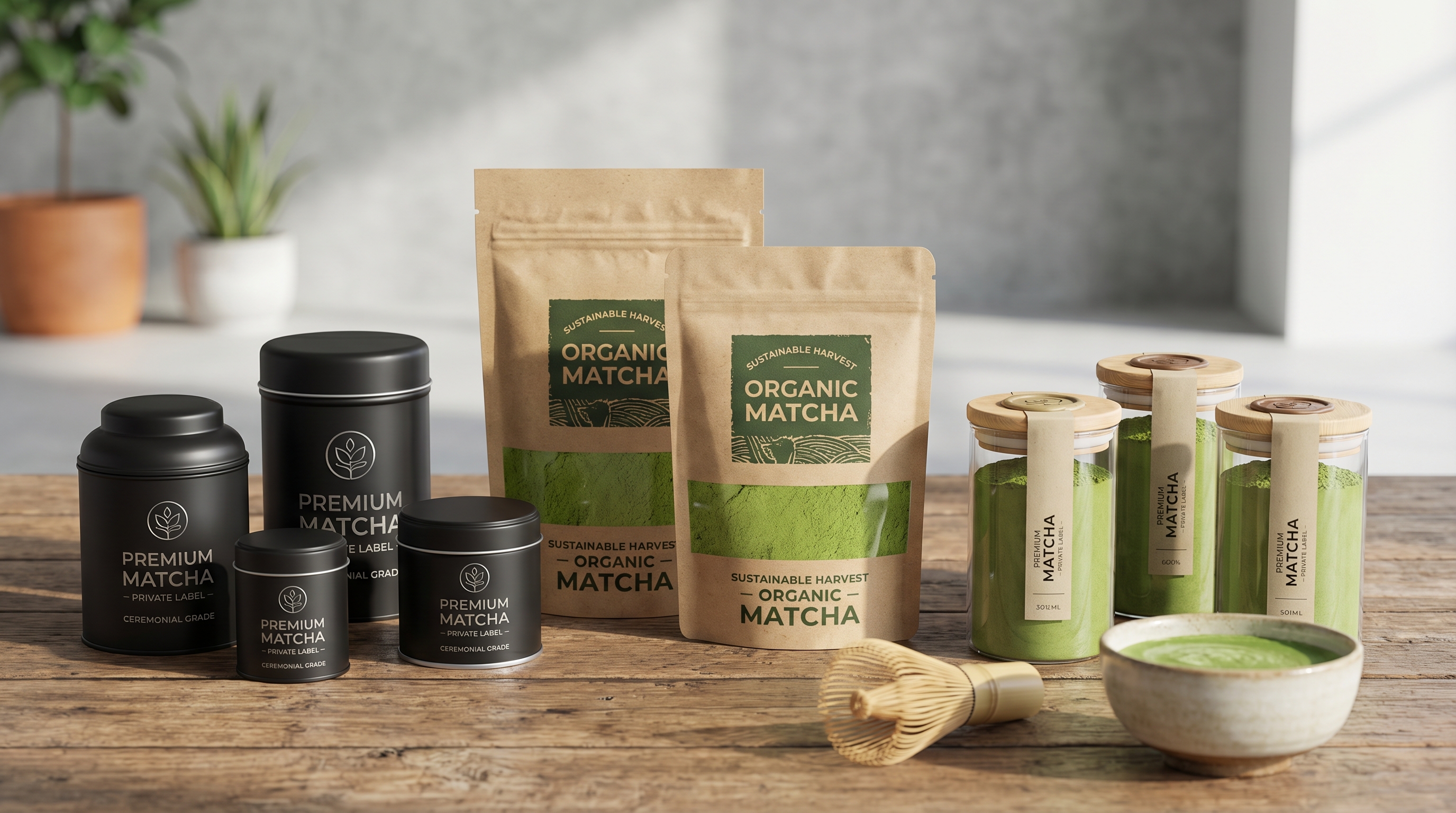
The Oxidation BattleMatcha’s vibrant green color comes from chlorophyll, which degrades rapidly when exposed to air.
- The Tin Can: The gold standard for ceremonial grade. It provides a 100% light and air barrier. Nitrogen flushing during the sealing process is a “must-have” feature to ensure a 12-24 month shelf life.
- Resealable Pouches: Cost-effective and popular for Bulk Matcha Powder or culinary use. Ensure they have a high-barrier foil lining.
- Sustainability: The 2026 consumer demands plastic-free or compostable options. Switching to recyclable aluminum or FSC-certified paper structures can be a powerful part of your brand story.
The Sourcing Strategy: Vetting OEM Suppliers for Long-term Success
Your brand is only as good as your supplier’s worst harvest. A successful Matcha OEM partnership is built on transparency and consistency.
Questions to Ask Your Potential Supplier:
- Do you own the tea gardens? (Ownership ensures better control over pesticide use).
- What is your annual production capacity? (You need to know they can scale with you).
- Can you provide COAs (Certificates of Analysis) for every batch? (Crucial for testing lead, arsenic, and radiation).
- What is your “Cold Chain” strategy? (Matcha should be stored at 0-5°C until the moment it is packaged).
Choosing a partner with a robust Private Label Service allows you to focus on marketing while the technical complexities of the supply chain are handled by experts.
Logistics and Global Supply Chain Management
Matcha is a perishable agricultural product. The logistics phase is where many brands lose their quality edge.

Temperature-Controlled ShippingHigh-grade matcha should ideally be shipped via air freight for small batches to minimize exposure to tropical heat in shipping containers. For bulk sea freight, “Reefer” (refrigerated) containers are essential.
Inventory ManagementThe goal is “Just-In-Time” (JIT) delivery. You do not want 500kg of matcha sitting in a non-refrigerated 3PL warehouse during the summer months. Successful brands often split their inventory, keeping a small “buffer” stock in-market while maintaining the bulk of their supply at the source’s cold storage.
Marketing & Scaling: From Startup to Global Tea Brand
Once you have your product, the focus shifts to the “Experience.” Matcha is a high-engagement product.
Community and EducationDon’t just sell powder; sell the ritual. Content marketing is the most effective way to scale.
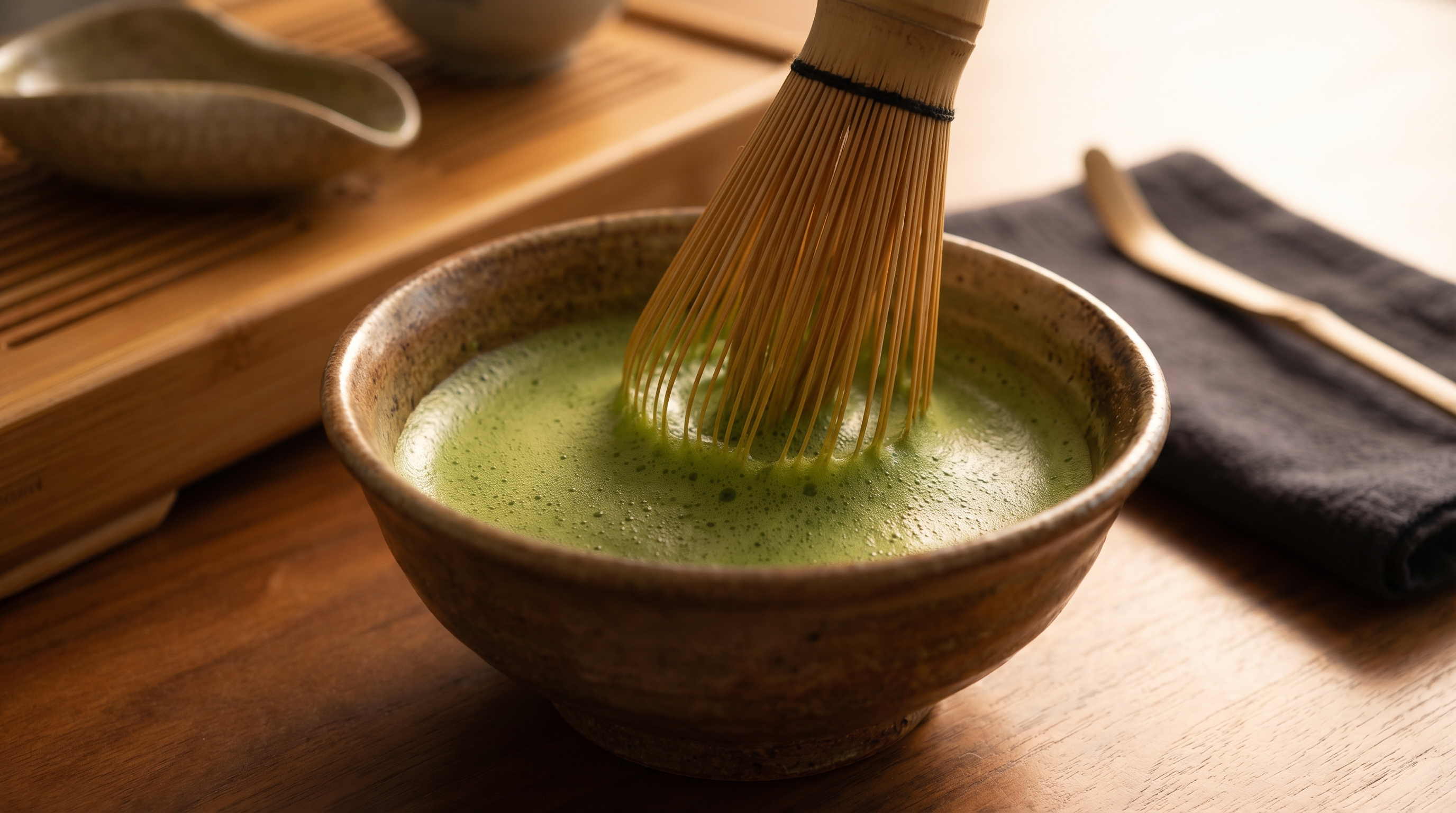
- How-to Guides: Teach your customers how to whisk a clump-free bowl.
- Recipe Blogs: Show the versatility of your Culinary Grade Matcha in daily life. Explore our Matcha Blog for inspiration.
- Influencer Strategy: Partner with wellness creators who can showcase the “Vibrant Green” aesthetic.
Subscription ModelsMatcha is a “consumable” with a high frequency of use. A customer who drinks one bowl a day will finish a 30g tin every month. Implementing a subscription model ensures recurring revenue and increases the Lifetime Value (LTV) of your customer base.
Conclusion: The Path to Matcha Mastery
The Private Label Matcha industry offers a rare combination of high growth, strong margins, and genuine health benefits. However, the path to a $10M+ brand is paved with technical details—from the micron size of the powder to the nitrogen level in the tin.
By partnering with a manufacturer that prioritizes Organic Matcha Sourcing and offers comprehensive Matcha OEM services, you can navigate these complexities with confidence. The “Green Revolution” is just beginning; the question is, will your brand be the one to define it?
FAQs
1. What is the minimum order quantity (MOQ) for Private Label Matcha?
Typically, MOQs for custom-printed packaging start at 500 to 1,000 units. However, for “White Label” (using stock packaging with your labels), MOQs can be as low as 100 units, making it accessible for startups.
2. How long does matcha stay fresh after packaging?
If nitrogen-flushed and stored in a sealed tin, matcha can remain fresh for 12 to 24 months. Once opened, it should be consumed within 1-2 months for optimal color and flavor.
3. Can I create my own matcha latte mix?
Yes. Through Matcha OEM services, you can develop “Instant Matcha Lattes” by blending matcha with coconut milk powder, oat milk powder, and natural sweeteners like Monk Fruit or Stevia.
4. Is Chinese Matcha as good as Japanese Matcha?
Both regions produce excellent tea, but they have different profiles. Japanese matcha is known for its intense umami and “seaweed” notes, while Chinese organic matcha often has a cleaner, more “bean-like” or “nutty” profile and offers superior cost-effectiveness for the culinary and latte market.
5. How do I verify if a supplier is truly organic?
Always ask for a “Transaction Certificate” (TC). A logo on a website is not enough; the TC is a legal document issued by the certifying body (like Ecocert or JAS) that tracks a specific shipment back to an organic farm.