
The quality and different grades of matcha green tea powder are primarily determined by the harvest timing, the shading duration of the tea plants, and the specific refinement processes used to transform the leaves into a fine powder. You’ve likely experienced the frustration of ordering “premium” matcha only to receive a dull, yellow powder that ruins your product’s flavor profile and dissatisfies your most loyal customers. For a growing business, inconsistent quality isn’t just a minor technical hiccup—it is a significant brand-killer that can erode trust in your beverage or supplement line. Imagine your customers tasting a bitter, gritty latte or seeing a brownish tint in your “vibrant” matcha cookies, leading them to question your commitment to excellence. Success in the global tea market starts with mastering the technical specifications of grades of matcha , ensuring you select the right ingredient for your specific application.
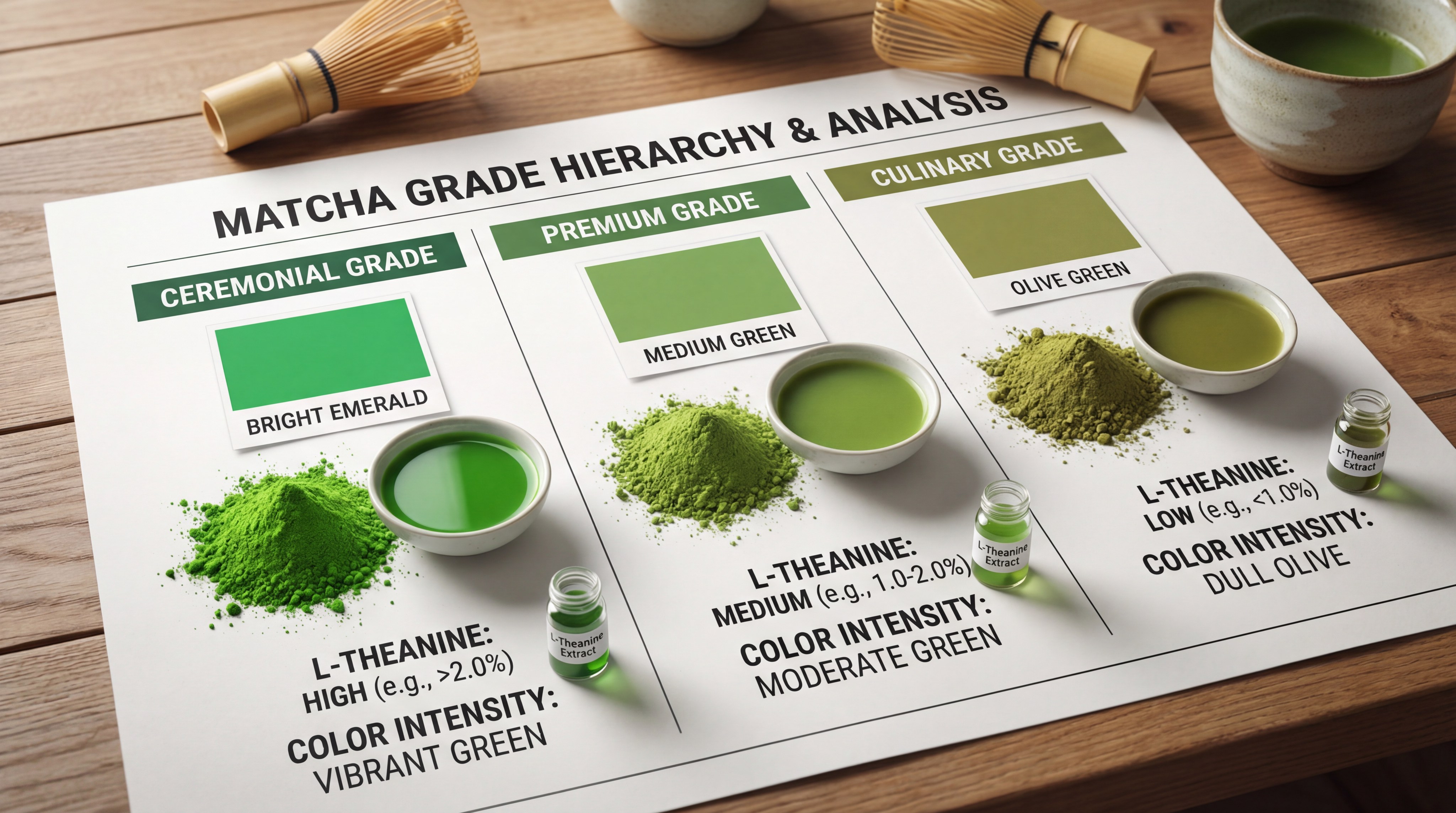
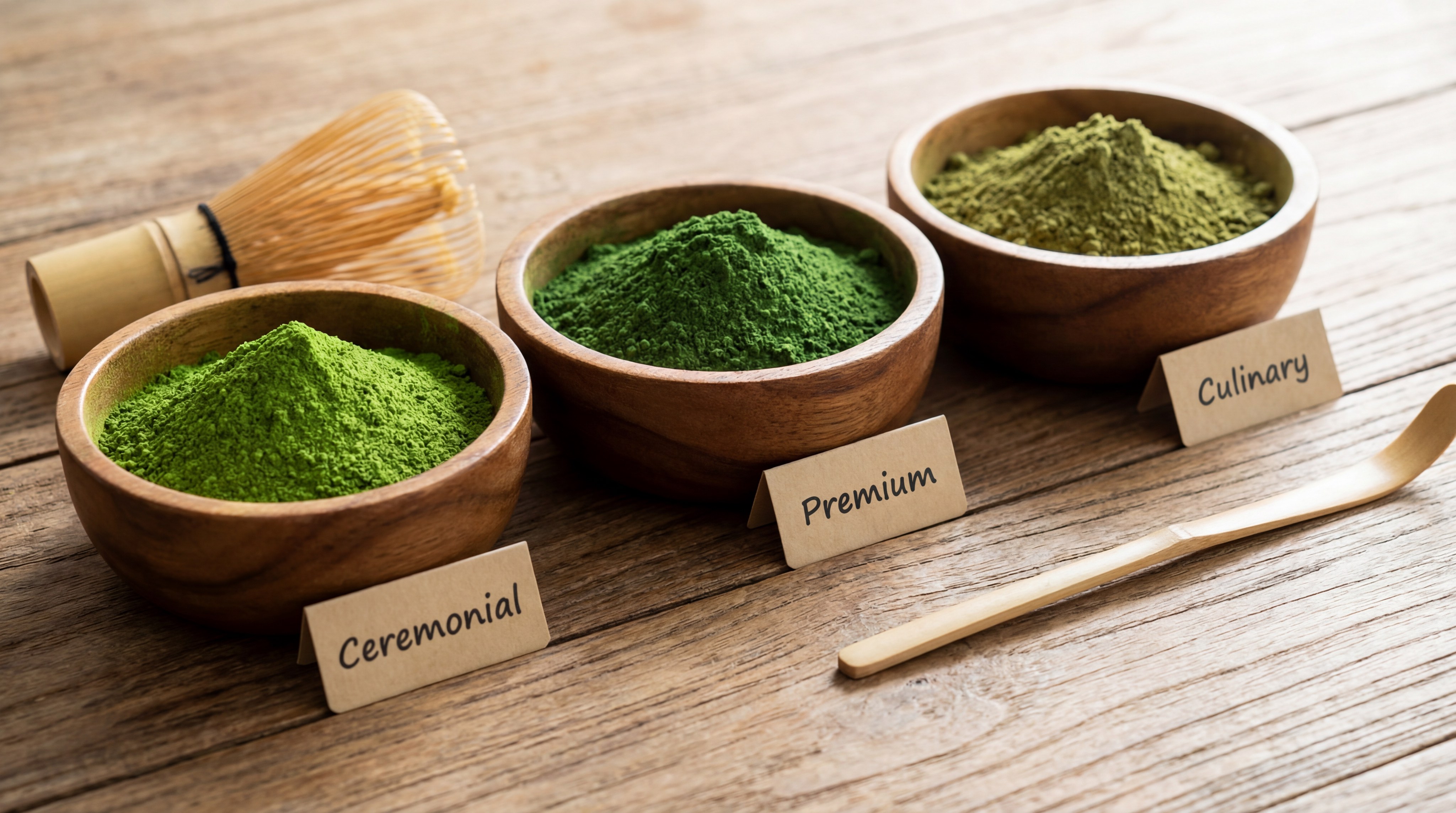
The primary grades of matcha are generally categorized into three main tiers: ceremonial, premium (or latte grade), and culinary, each defined by their intended use and chemical composition. These distinctions exist to help B2B buyers like you navigate the vast landscape of powdered tea production from both Japanese and Chinese origins. Selecting the wrong grade can lead to cost inefficiencies or a flavor profile that doesn’t align with your product’s market positioning.
Understanding these tiers requires a look at the leaf anatomy and processing techniques. Each grade undergoes different levels of destemming and de-veining to ensure the texture matches the application. High-end tea ceremonies demand a silkier mouthfeel, whereas industrial baking can accommodate a slightly more fibrous powder.
Defining the ceremonial standard
The ceremonial standard represents the pinnacle of tea production, utilizing only the youngest, most tender leaves from the very first harvest of the spring season.
Make no mistake:
- Only first-flush leaves are used.
- Stone-grinding is required to prevent heat damage.
- The color must be a vibrant, electric emerald.
- L-theanine levels are at their maximum.
These leaves are shaded for up to 30 days to maximize chlorophyll and amino acid content. The result is a powder that whisks into a thick, frothy tea with a naturally sweet, umami-rich finish that requires no additional sweeteners.
Where does premium grade fit in?
Premium grade, often referred to as “Latte Grade,” serves as the versatile middle ground for high-end food service operations.
The best part?
- It maintains a bright green color even when mixed with dairy.
- The flavor profile has a slight astringency to cut through fats.
- It is significantly more affordable than ceremonial grade for bulk use.
- It is often sourced from the end of the first harvest or early second harvest.
This grade is ideal for cafes that want to offer a high-quality experience without the extreme overhead of using ceremonial tea for every drink. It provides the visual “pop” your customers expect from social-media-ready lattes.
Is culinary grade actually lower quality?
Culinary grade is not “low quality” but rather a specific tool designed for heat stability and bold flavor retention in recipes containing flour, sugar, and fats.
Think about it:
- It uses later harvest leaves with more robust tannins.
- The flavor is purposely more bitter to ensure the tea taste isn’t lost.
- It features a more yellowish or olive-green hue due to sun exposure.
- The price point is optimized for large-scale industrial manufacturing.
Key Takeaway: Choosing the right grade is about balancing the flavor intensity with your budget and final product requirements to ensure consistent consumer satisfaction.
Grade | Color Intensity | Texture | Primary Application |
|---|---|---|---|
Ceremonial | Vibrant Emerald | Ultra-fine Silk | Traditional Tea / Usucha |
Premium | Moderate Green | Fine Powder | Lattes and Smoothies |
Culinary | Olive/Yellow Green | Slightly Gritty | Baking and Confections |
The data shows that ceremonial grades prioritize aesthetic and amino acid density, while culinary grades prioritize flavor punch and cost-effectiveness.
How do harvest cycles affect grades of matcha?
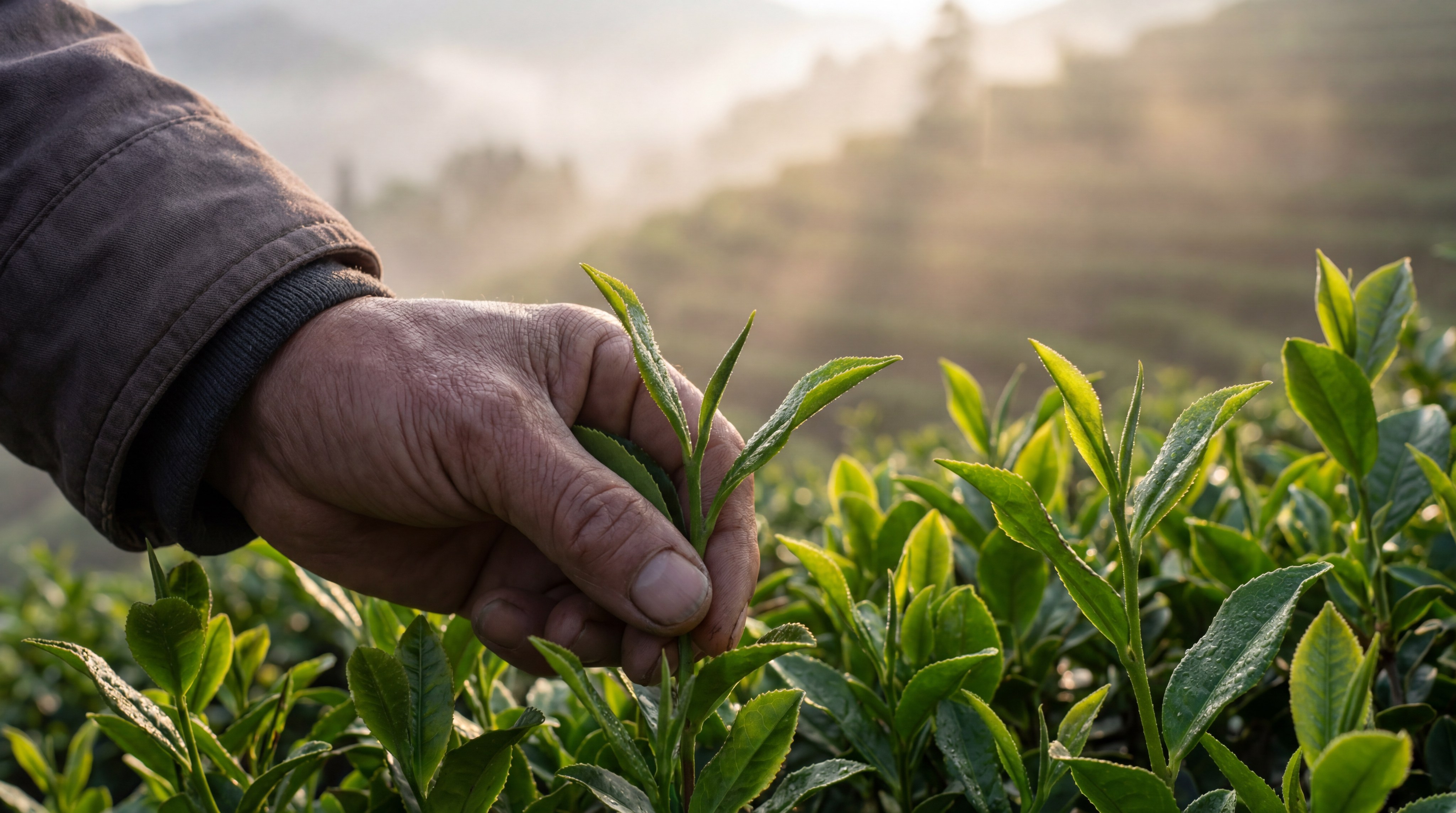
Harvest cycles are the fundamental driver of the various grades of matcha, as the chemical composition of the Camellia sinensis leaf changes significantly as the growing season progresses. First-flush leaves, harvested in early spring, contain the highest concentration of L-theanine and chlorophyll, which are essential for high-end powder quality. As the year continues into summer and autumn, the plants produce more catechins, leading to a more astringent and less vibrant product.
For a B2B purchaser, understanding the timing of these harvests in regions like Zhejiang, China, or Uji, Japan, is vital for inventory planning. Younger leaves are more delicate and require more labor-intensive processing, which directly reflects in the tiered pricing of the finished product.
The magic of the First Flush
The first flush, known as Ichibancha, occurs when the tea plants awaken from winter dormancy with a massive burst of stored nutrients.
Here is the deal:
- These leaves have the highest nutrient density of the year.
- They are picked before the summer sun increases bitterness.
- Shading is most effective during this specific window.
- The stems are softest, allowing for easier removal during refining.
Because these leaves are so nutrient-rich, they produce the smoothest mouthfeel. This is why first-flush tea is almost exclusively reserved for the highest ceremonial rankings.
Why second harvests have more bite?
The second harvest takes place in mid-summer, after the plants have had more exposure to direct sunlight and higher temperatures.
Why does this matter?
- Sunlight converts sweet L-theanine into bitter catechins (antioxidants).
- The leaves grow faster and become slightly tougher.
- The color begins to shift from emerald to a deeper, darker green.
- It offers a stronger “tea” flavor that holds up well in blended beverages.
This harvest is the backbone of the premium latte market. It provides a bold enough flavor to be noticed through milk while maintaining enough quality to be enjoyed by discerning consumers.
Can autumn harvests be used for B2B?
Autumn harvests, or Sanbancha, are typically utilized for high-volume culinary applications where the price per kilogram is the most critical factor for the buyer.
The result?
- Lower costs for supplement and protein powder manufacturers.
- A high concentration of antioxidants due to late-season growth.
- A much more assertive, tannic profile for industrial baking.
- Larger leaf size which is easier to harvest mechanically in bulk.
Key Takeaway: Timing is everything in tea production, and the spring harvest remains the gold standard for anyone seeking the highest color and sweetness metrics.
Harvest Timing | Grade Potential | Amino Acid Level | Catechin (Bitterness) |
|---|---|---|---|
Early Spring (1st) | Ceremonial / Ultra-Premium | Very High | Very Low |
Late Spring/Summer (2nd) | Premium / High Culinary | Medium | Medium |
Autumn (3rd/4th) | Standard Culinary / Industrial | Low | High |
Seasonal shifts determine the chemical “fingerprint” of the tea, making spring harvests the most desirable for drinking and autumn harvests best for food manufacturing.
China vs. Japan: how do grades of matcha differ?
The differences between the grades of matcha produced in China and Japan often stem from historical processing traditions and varying environmental conditions known as terroir. Japan is widely recognized for its traditional steaming method and volcanic soil, which creates a specific “oceanic” or “grassy” flavor profile that many purists adore. China, specifically the Zhejiang region, has modernized its infrastructure to produce massive quantities of high-quality steamed matcha that rivals Japanese standards at a more competitive price point.
When you evaluate these origins, you must consider that “grade” labels are not regulated by a single international body. A “ceremonial” label from one region might actually match the “premium” specifications of another, making lab tests and sensory analysis crucial for your procurement.
Processing: Steaming vs. Pan-firing
While both nations utilize steaming for modern matcha, traditional Chinese tea processing sometimes involves pan-firing, which introduces a nuttier, more toasted aroma.
It gets better:
- Modern Chinese factories now use Japanese-style steaming equipment.
- Steaming preserves the bright green color better than firing.
- High-grade Chinese matcha often undergoes triple-pass steaming.
- Consistency is higher in large-scale Chinese steam-processing plants.
For most Western B2B applications, steamed powder is the industry standard because it provides the vibrant green color that consumers associate with health and vitality.
Terroir and soil quality differences
The soil composition in Japanese regions like Uji or Shizuoka is often mineral-rich, while Chinese plantations benefit from vast, diverse microclimates and high-altitude tea gardens.
Let’s dive deeper:
- Volcanic soil in Japan contributes to a unique “umami” punch.
- High-altitude gardens in China can reduce pest pressure naturally.
- China’s massive land area allows for larger-scale organic certification.
- Soil pH levels are strictly monitored in both regions to optimize growth.
The geographical location affects how the tea plant responds to shading. You will find that Chinese matcha often has a cleaner, milder finish that appeals to a broader range of global consumers.
Which origin suits your budget best?
Determining which origin to source depends largely on your target market and whether you need to prioritize heritage or price-performance ratio.
The bottom line?
- Japanese matcha carries a heritage premium that justifies higher retail prices.
- Chinese matcha offers incredible value for high-volume lattes and supplements.
- Logistics from China are often more streamlined for large bulk orders.
- Both origins offer USDA and EU organic certifications for global export.
Key Takeaway: While Japan holds the crown for traditional prestige, China’s modern production capabilities provide the most scalable and cost-effective solutions for the global B2B market.
Feature | Japanese Production | Chinese Production |
|---|---|---|
Primary Flavor | Grassy, oceanic, intense umami | Mild, nutty, clean finish |
Price Point | High / Premium | Competitive / High Value |
Scalability | Limited by land availability | Highly scalable for bulk |
Japanese tea is ideal for luxury branding, whereas Chinese tea dominates the mid-to-high-tier beverage and food manufacturing sectors.
Why choose ceremonial grades of matcha for tea?
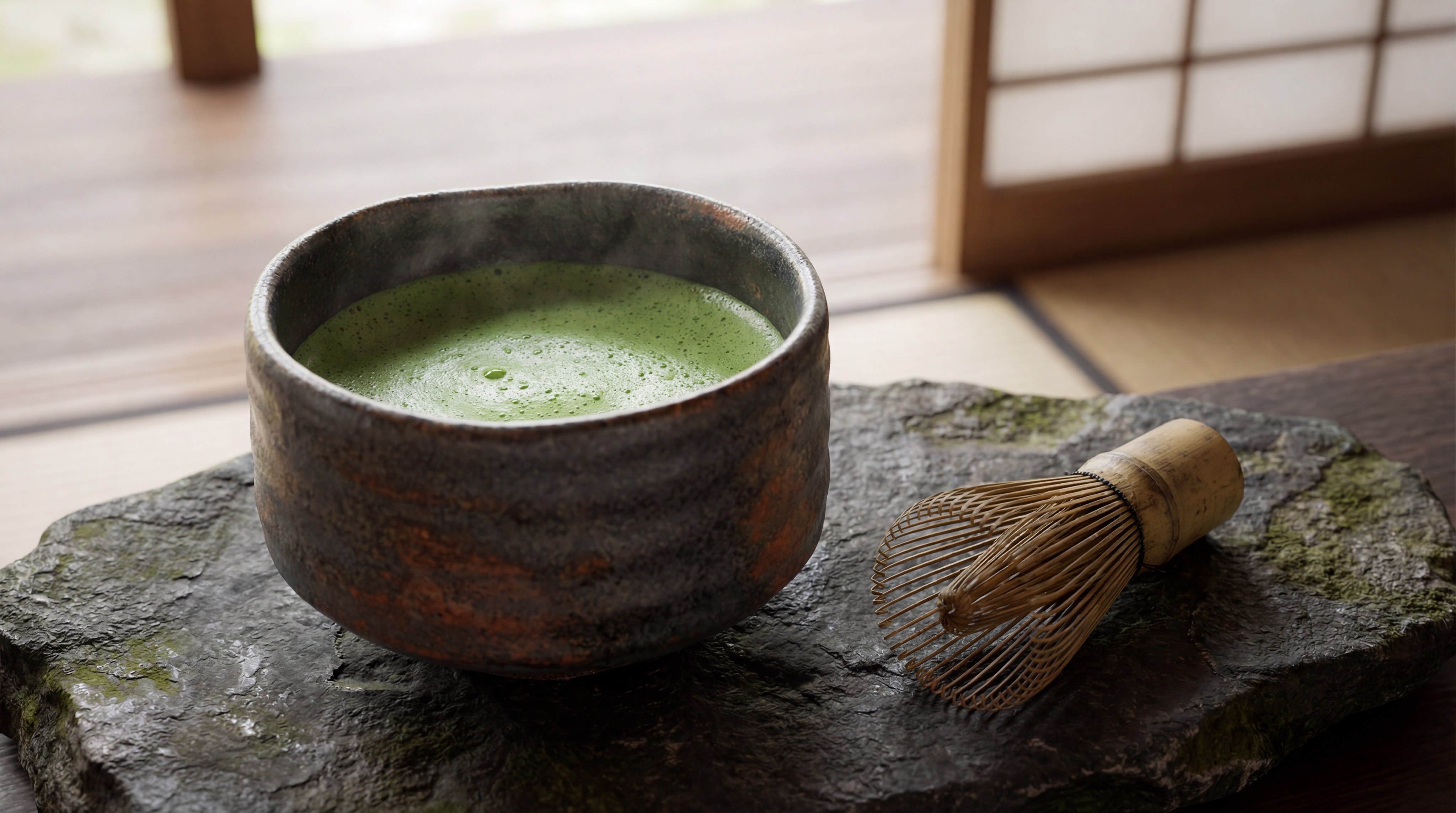
You should choose ceremonial grades of matcha when the final product is a stand-alone beverage where flavor, aroma, and color are the primary selling points. This grade is specifically engineered to be whisked with water, meaning there are no other ingredients to mask bitterness or poor texture. If your business focuses on traditional tea service or high-end wellness shots, investing in this tier is non-negotiable for maintaining professional standards.
The production of this grade involves intensive labor, including hand-picking and slow stone-grinding to ensure the delicate leaves are not scorched. This meticulous care results in a powder that is not only visually stunning but also chemically superior in terms of relaxation-inducing amino acids.
The role of L-Theanine in flavor
L-Theanine is the amino acid responsible for the “umami” flavor and the “calm alertness” that high-quality tea provides.
Think about it:
- Shading the plants for 3-4 weeks prevents L-theanine from turning bitter.
- High levels of this compound create a natural sweetness.
- It counteracts the “jitters” often associated with caffeine.
- Ceremonial grade has the highest measurable L-theanine content.
When you offer ceremonial tea, you are selling a functional experience. The high concentration of L-theanine ensures your customers feel a distinct mood-boosting effect that cheaper grades simply cannot replicate.
Sifting and suspension requirements
One of the hallmarks of top-tier powder is its ability to stay suspended in water without clumping or sinking rapidly to the bottom.
The result?
- Particles are ground to a size of 5 to 10 microns.
- This creates a smooth, creamy “crema” or foam on the surface.
- The tea feels like silk on the palate rather than sand.
- Proper sifting at the factory level ensures no large fibers remain.
If you have ever had a gritty cup of tea, it was likely due to using a lower grade that wasn’t ground finely enough. Ceremonial powder disappears into the water, creating a homogenous and luxurious drink.
Why stone-grinding is non-negotiable?
Stone-grinding is a slow, traditional process where granite mills rotate at low speeds to prevent the friction from heating the powder.
But that’s not all:
- One stone mill may only produce 30-40 grams of powder per hour.
- Heat from high-speed mechanical mills destroys the vibrant green color.
- Slow grinding preserves the delicate aromatic oils of the leaf.
- It ensures a uniform particle shape for better whisking.
Key Takeaway: Ceremonial grade is an investment in sensory excellence, providing the umami, color, and texture required for a premium, water-based tea experience.
Specification | Requirement | Business Impact |
|---|---|---|
Particle Size | 5 – 10 Microns | Smooth mouthfeel, no grit |
Color | Electric Green | High visual appeal for customers |
Processing | Stone-ground | Preserved nutrients and aroma |
Ceremonial grade is defined by its lack of bitterness and its fine texture, making it the only choice for traditional tea preparation.
What defines premium grades of matcha for lattes?
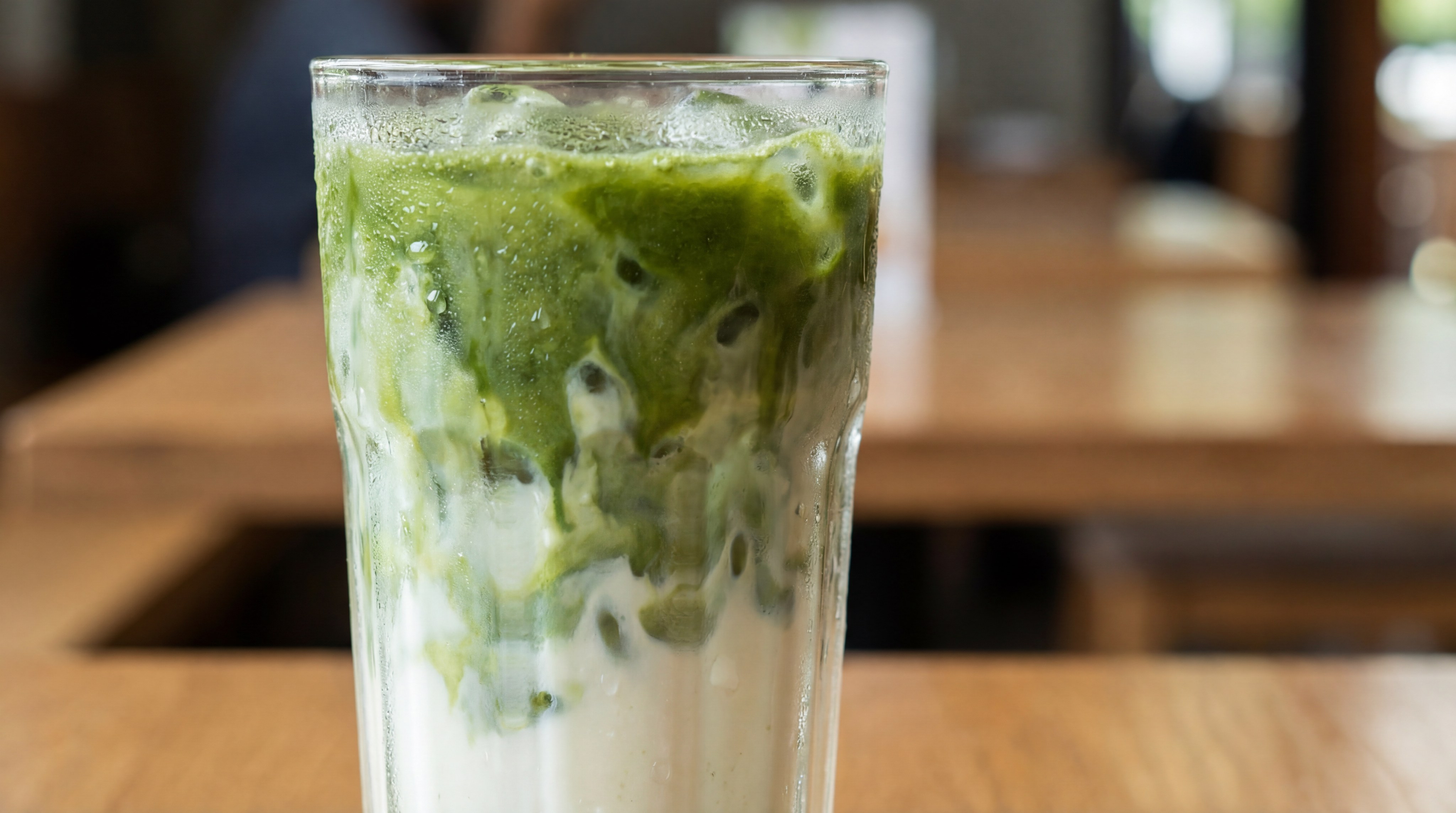
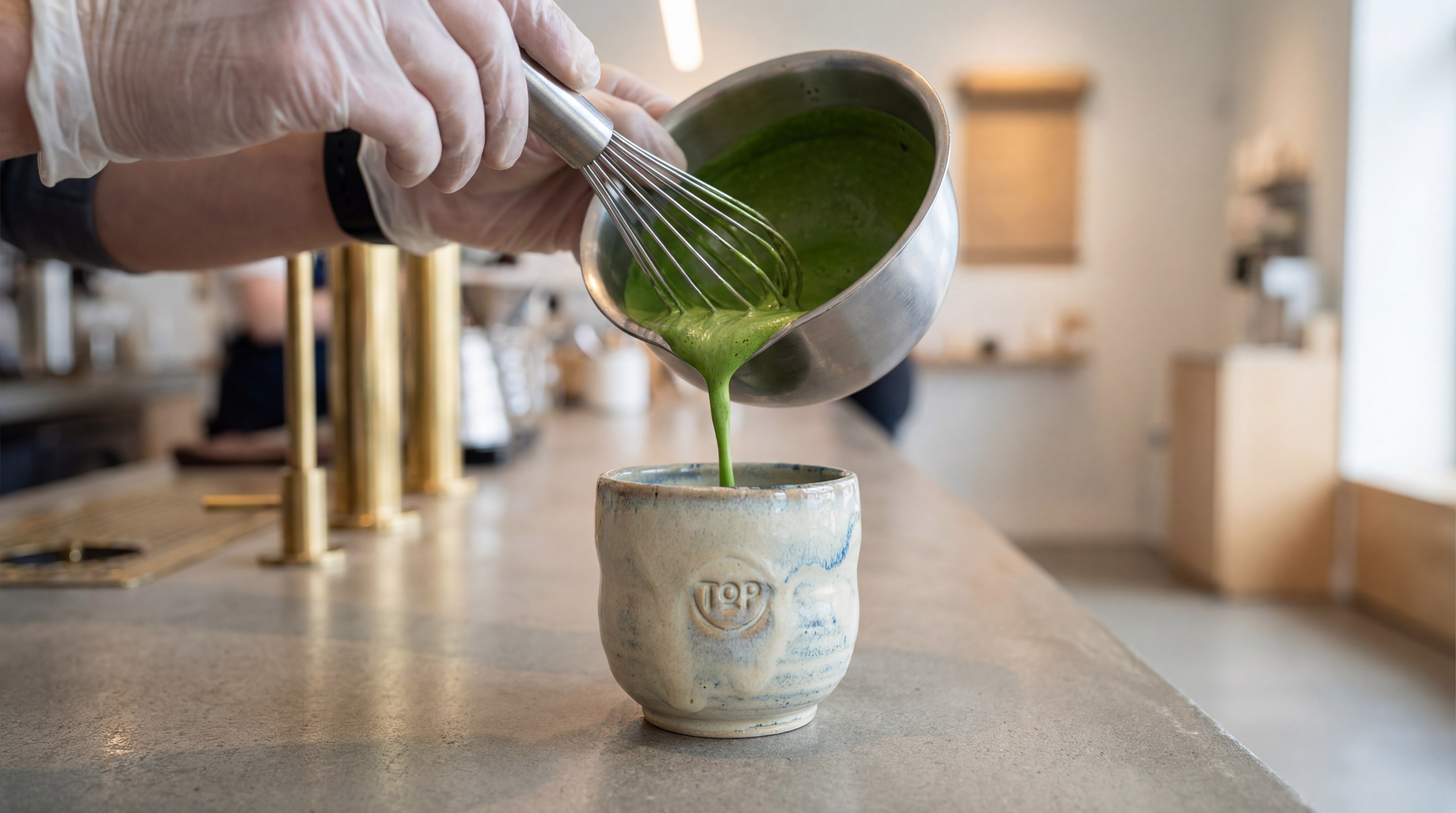
Premium grades of matcha are defined by their ability to maintain a strong tea presence and a vibrant color profile when diluted with milk or sweeteners. In a B2B context, this is often the most important category because it powers the “matcha latte” craze that drives significant revenue for cafes and restaurants. You need a powder that is high enough in quality to look beautiful in a glass, yet robust enough in flavor to not be “drowned out” by dairy or oat milk.
This grade usually comes from the tail end of the first harvest or the start of the second. It strikes a precise balance between the sweetness of ceremonial tea and the assertive strength of culinary powder, making it the workhorse of the modern beverage industry.
Cutting through the milk
Milk is naturally sweet and fatty, which can easily mask the delicate notes of a high-end ceremonial tea.
Here is the kicker:
- Premium grade has a slight “bite” that complements milk.
- The astringency provides a clean finish after each sip.
- It ensures the “earthy” notes of the tea remain the star.
- It prevents the drink from tasting like “warm green milk.”
By using a premium grade specifically selected for lattes, you ensure that the complex flavors of the tea are elevated by the creamy texture of the milk rather than hidden by it.
Maintaining color in high-volume prep
In a busy cafe environment, you need a powder that remains stable and bright even if it sits in a pre-mixed paste for a short period.
The best part?
- Premium grade has high chlorophyll levels for that “wow” factor.
- It is less prone to rapid oxidation than ultra-delicate ceremonial tea.
- The color holds up well against the white background of steamed milk.
- It creates those beautiful, Instagrammable layers in iced lattes.
Consistent color is the number one way customers judge the quality of a latte before they ever take a sip. If your lattes look dull, your customers will assume the product is old or low-grade.
Cost per serving analysis
For any B2B operation, the margin on a beverage is just as important as the taste.
Why does this matter?
- Premium grade is roughly 40-60% cheaper than ceremonial grade.
- It allows for a higher dose (2-3g) per drink to enhance flavor.
- It fits perfectly into a 5.00to5.00 to
7.00 price point for a latte.
- Bulk sourcing further reduces the cost per serving to pennies.
Key Takeaway: Premium latte grade is the strategic choice for food service, offering the perfect intersection of visual vibrance, flavor strength, and profit margin.
Metric | Premium Latte Grade | Impact on Cafe Business |
|---|---|---|
Flavor Profile | Stronger, slight astringency | Cuts through milk and syrup |
Visual Appeal | Bright, deep green | Drives social media engagement |
Profitability | High ROI per serving | Maximizes beverage menu margins |
Premium grades are engineered for versatility, ensuring your specialty drinks look and taste professional while keeping your ingredient costs under control.
How to use culinary grades of matcha in baking?
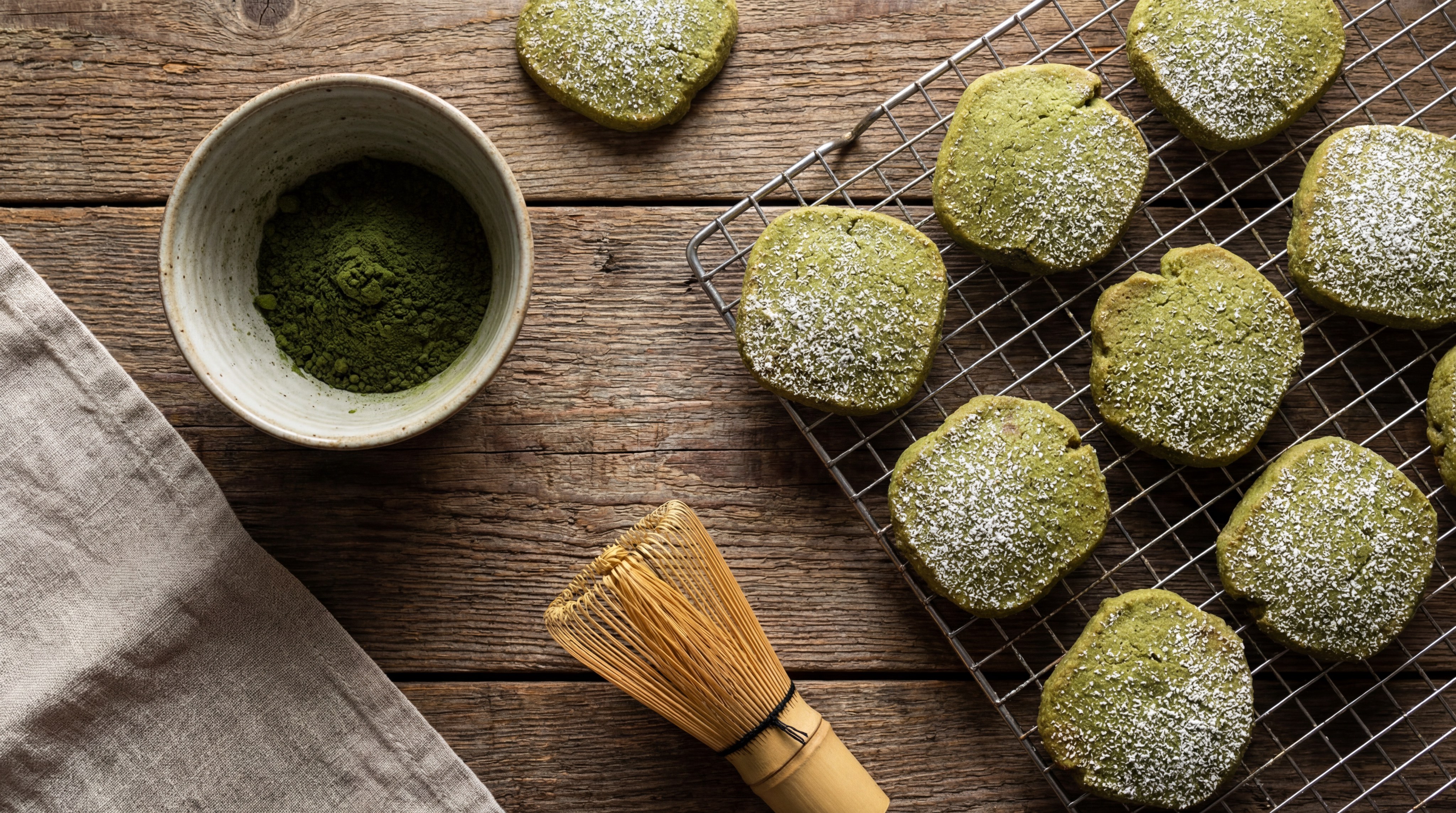
Culinary grades of matcha are intended for recipes where the powder is cooked, baked, or blended with other strong flavors like chocolate, fruit, or citrus. Because baking involves high temperatures and complex ingredient interactions, you actually need the stronger, more tannic profile that later-harvest leaves provide. Using a delicate ceremonial grade in a 350°F oven would be a waste of resources, as the heat would destroy its subtle nuances and leave you with a bland result.
The goal with culinary grade is to provide a “bold” tea flavor that can survive the competition with butter, sugar, and flour. It is also the most economical choice for manufacturers who need to buy in quantities of 100kg or more for large-scale production.
Heat stability and color retention
One of the biggest challenges in green tea baking is preventing the product from turning brown during the cooking process.
Make no mistake:
- Culinary grade has a higher concentration of tannins that resist heat.
- The color is naturally more robust, though less “neon” than drinking grades.
- Adding a pinch of acidity can help maintain the green hue.
- It is ideal for ice cream, where cold temperatures lock in the color.
Professional bakers value culinary matcha for its reliability. It provides a consistent “tea” look and taste that survives the chemistry of the oven, ensuring your cookies and cakes look as intended.
Balancing sugar with astringency
The inherent bitterness of culinary tea is actually its greatest asset when it comes to dessert formulation.
The result?
- It cuts through the cloying sweetness of white chocolate.
- It adds a sophisticated “earthy” depth to sponge cakes.
- The astringency balances the richness of heavy cream.
- It creates a complex, adult flavor profile in confections.
Without that bitter edge, your matcha-flavored treats might just taste like sugar. The stronger profile of culinary grades ensures that the characteristic tea flavor is unmistakable.
Is bulk culinary matcha sustainable?
For B2B buyers looking for long-term supply, culinary grades offer the most stable availability and pricing in the market.
Sounds simple, right?
- Later harvests are larger and less susceptible to weather fluctuations.
- The mechanical harvesting process is highly efficient.
- It allows for consistent year-round supply for major food brands.
- It is the primary grade used for “private label” supplement lines.
Key Takeaway: Culinary grade is a functional ingredient designed for resilience and bold flavor, making it the essential choice for any heat-based or industrial food application.
Application | Recommended Grade | Reason |
|---|---|---|
Cookies / Cakes | Culinary (High Astringency) | Survives heat and sugar |
Ice Cream | Premium Culinary | Maintains color in cold fats |
Protein Powder | Industrial Culinary | High antioxidant, low cost |
Culinary powder is the workhorse of the food industry, providing the necessary flavor “punch” to stand out in complex recipes.
Which grades of matcha have the most health benefits?
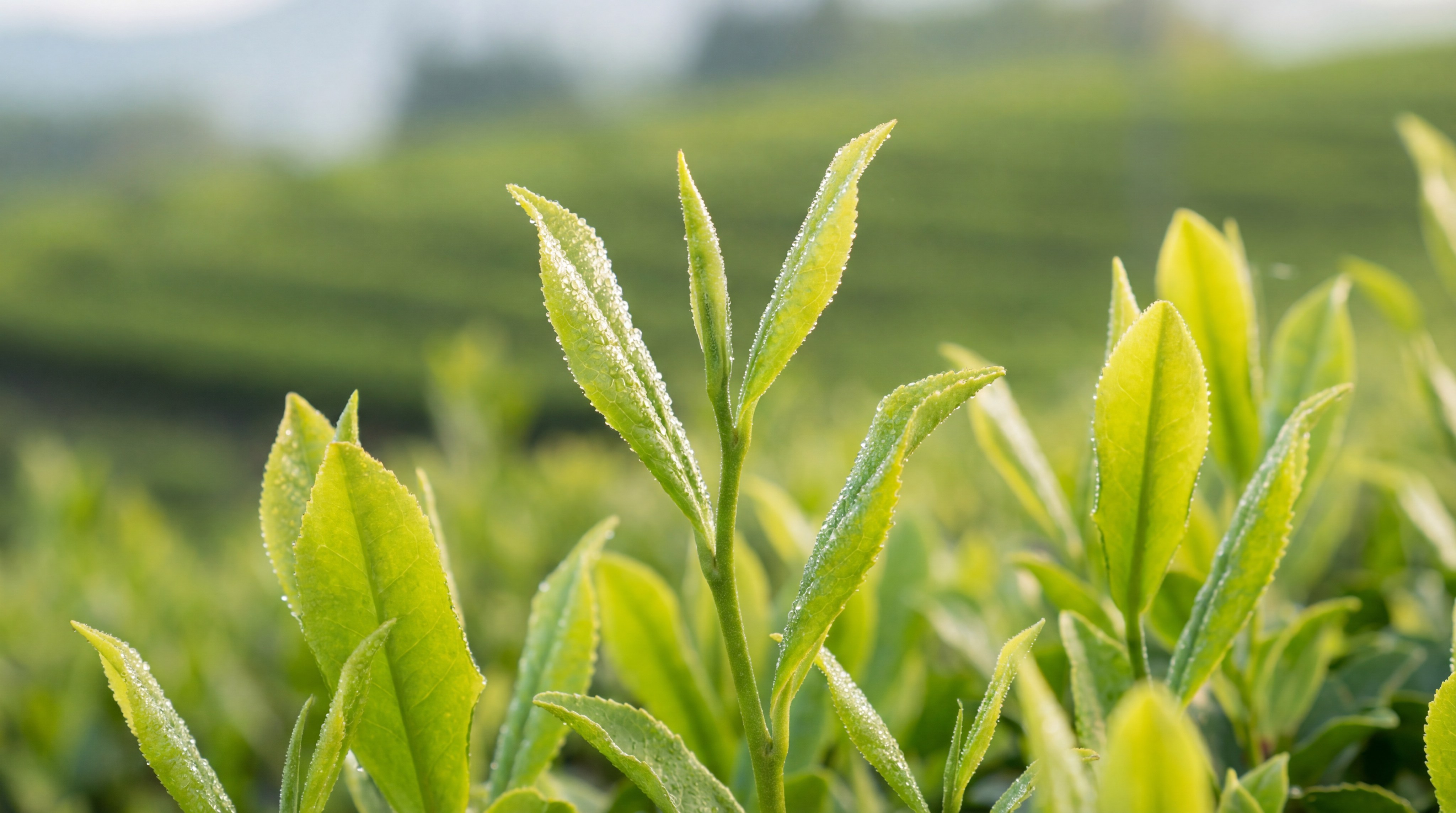
The health benefits vary across the different grades of matcha because the concentration of specific bioactive compounds changes with the harvest and shading. While all true tea powder contains antioxidants, the ratio of L-theanine to catechins shifts dramatically between spring and summer harvests. If your business focuses on the “health and wellness” sector, understanding these chemical differences allows you to market your products with scientific accuracy.
Generally, ceremonial grades are praised for their mental health benefits (focus and relaxation), while culinary grades are often higher in total catechins (metabolism and weight management). Both play a role in a balanced lifestyle, but their specific functional profiles are distinct.
Antioxidant profiles across grades
Antioxidants, specifically EGCG (epigallocatechin gallate), are often higher in leaves that have received more sunlight.
The result?
- Culinary grades can sometimes have more EGCG than ceremonial.
- Sunlight triggers the production of these protective catechins.
- This makes later-harvest tea excellent for metabolic support.
- It is the primary reason it is used in weight-loss supplements.
While ceremonial tea is smoother, the “bite” in culinary tea is actually the taste of the antioxidants working. For buyers focused on “detox” or “metabolic” branding, culinary grades are surprisingly effective.
Caffeine content: jitter vs. focus?
The synergy between caffeine and L-theanine is what makes this tea a superior energy source compared to coffee.
Why does this matter?
- Ceremonial grade has more L-theanine to smooth out the caffeine.
- It provides 4-6 hours of sustained, “jitter-free” energy.
- Culinary grades have a higher caffeine-to-theanine ratio.
- This can result in a sharper “spike” of energy suitable for pre-workout.
When you choose a grade for a “focus” supplement, the high L-theanine of a first-flush ceremonial powder is the gold standard. For a high-energy “burn” product, a late-harvest culinary grade might actually be more appropriate.
Do culinary grades lose nutrients?
A common misconception is that lower grades are “empty” or devoid of nutrients, which is factually incorrect.
Let’s dive deeper:
- They still contain the entire ground leaf, including all the fiber.
- Vitamin C and Chlorophyll are still present in significant amounts.
- The mineral content remains stable regardless of the harvest timing.
- They are a potent source of polyphenols for skin health.
Key Takeaway: Every grade offers significant health benefits, but the choice between them depends on whether you are targeting “mental clarity” or “metabolic vitality.”
Nutrient | Ceremonial Focus | Culinary Focus |
|---|---|---|
L-Theanine | Very High (Calm) | Lower (Higher Astringency) |
Catechins (EGCG) | Moderate | Very High (Metabolism) |
Caffeine | Moderate | Moderate to High |
High-end grades excel at providing a calm, focused mental state, while lower grades are powerhouses of metabolic antioxidants.
Does storage quality impact grades of matcha?
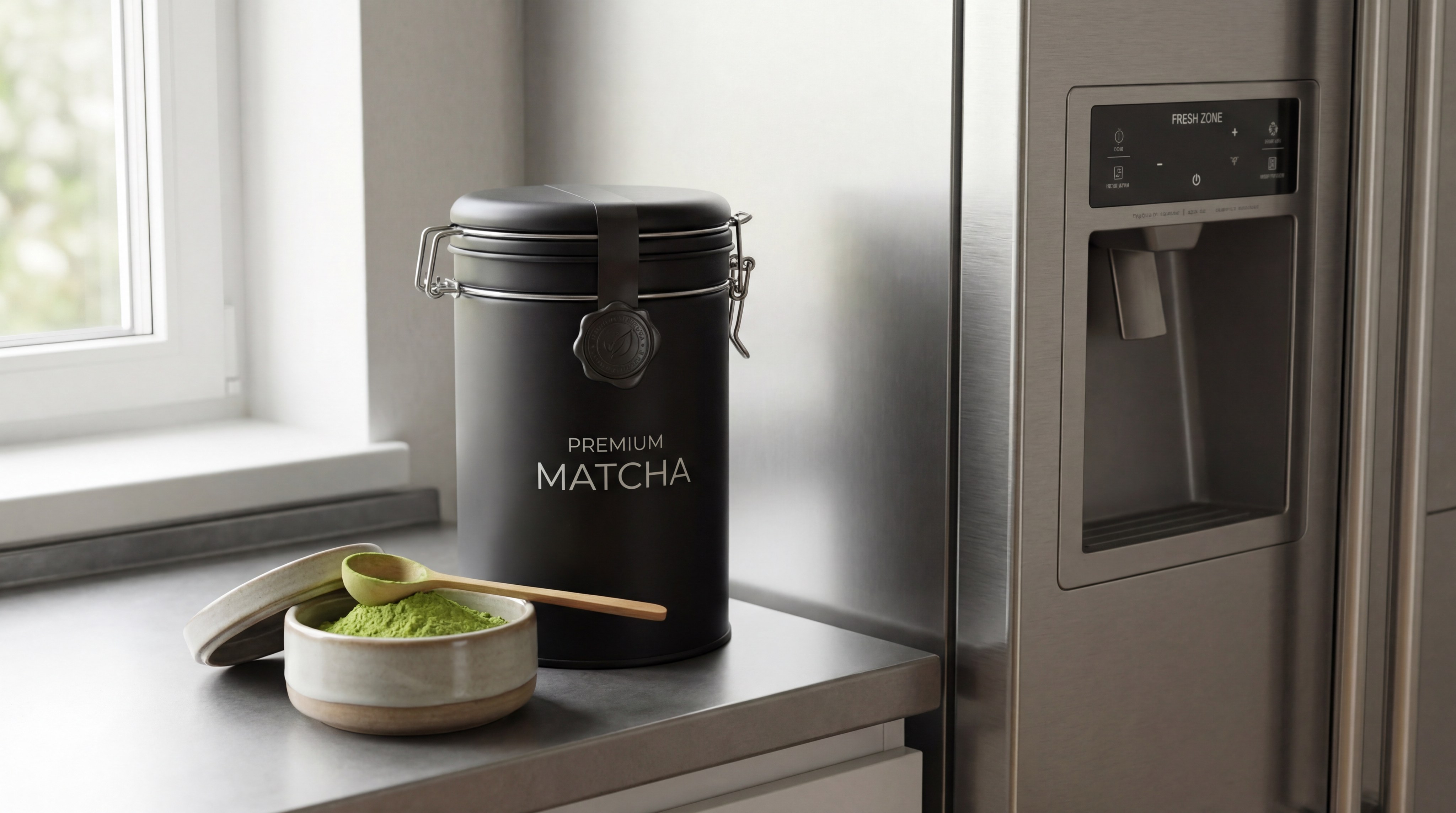
Storage quality has a profound impact on all grades of matcha , as the powder is highly susceptible to oxidation due to its massive surface area. Even the most expensive ceremonial powder will degrade into a bitter, yellow culinary-style tea within weeks if it is exposed to light, heat, or oxygen. For B2B buyers, managing the “cold chain” and ensuring airtight packaging is just as important as the initial sourcing process.
When you buy in bulk, the clock starts ticking the moment the tea is ground. Professional suppliers use nitrogen-flushed bags and vacuum sealing to ensure the product stays as fresh as the day it was stone-ground in the factory.
The enemies: Light, Heat, and Air
These three elements are the primary catalysts for the degradation of chlorophyll and the oxidation of delicate catechins.
It gets better:
- Light bleaches the vibrant green color almost instantly.
- Heat accelerates the breakdown of the aromatic compounds.
- Oxygen turns the sweet taste into a “hay-like” or “stale” flavor.
- Humidity can cause the powder to clump and develop mold.
To protect your investment, you must treat your inventory like a perishable product. Storing your bulk containers in a cool, dark, and dry environment is the only way to preserve the grade’s intended quality.
Shelf-life expectations by grade
While the powder doesn’t “expire” in a way that makes it dangerous, its sensory qualities have a definitive window of excellence.
The result?
- Unopened, nitrogen-flushed bags can last 12-18 months.
- Once opened, ceremonial tea should be used within 4-6 weeks.
- Culinary grades are slightly more stable but still fade after 3 months.
- Refrigeration can double the shelf life if the seal is perfect.
Understanding these timelines is crucial for inventory management. You should aim for a “just-in-time” ordering system to ensure you are always serving or selling the freshest possible product.
Packaging: Bags vs. Tins vs. Bulk
The way you package the tea for your customers or store it in your kitchen determines how long it remains at its peak.
Make no mistake:
- Mylar bags with zippers are excellent for blocking light and air.
- Metal tins offer the best protection against physical damage and light.
- Bulk bags must be re-sealed with as much air removed as possible.
- Transparent packaging should be avoided at all costs.
Key Takeaway: The grade on the label is only as good as the storage conditions it has lived in; proper climate control is the key to maintaining your brand’s quality standards.
Factor | Ideal Condition | Business Best Practice |
|---|---|---|
Temperature | Below 20°C (68°F) | Store in climate-controlled rooms |
Light Exposure | Zero / Opaque | Use dark tins or aluminum-lined bags |
Atmosphere | Nitrogen-flushed | Order from suppliers with modern tech |
Investing in high-quality storage and packaging is the only way to ensure the premium price you paid for high-grade tea isn’t wasted by oxidation.
How to price different grades of matcha for B2B?
Pricing the various grades of matcha for B2B requires a deep understanding of your target margins and the value proposition you are offering to the end consumer. Ceremonial grades command a significant premium due to the scarcity of first-flush leaves and the slow speed of stone-grinding. Conversely, culinary grades are priced for volume, allowing for high-margin retail products like “matcha-infused” snacks or standard supplement capsules.
As a wholesaler or brand owner, you must decide if you are competing on “prestige” or “value.” Pricing tiers should reflect the tangible quality markers—color, origin, and certification—to justify the cost to your downstream clients or retail customers.
Wholesale tiered pricing models
Most suppliers operate on a volume-based pricing structure where the “price per kilogram” drops significantly as order size increases.
Think about it:
- 1-10kg: High price for boutique cafes or small testers.
- 50-100kg: Standard wholesale for regional distributors.
- 500kg+: Industrial pricing for large-scale food manufacturers.
- Private label services often bundle packaging costs into the price.
By consolidating your orders, you can drastically reduce your landed cost. This allows you to either increase your margins or offer more competitive pricing to your own customers.
Private labeling vs. house brands
You can choose to buy pre-branded “house” products or invest in private labeling to build your own brand equity.
The best part?
- Private labeling allows you to control the retail price point.
- It builds customer loyalty to your specific brand rather than the farm.
- House brands are faster to launch and require lower MOQs.
- Custom blends can differentiate you from generic competitors.
Building your own brand around a specific grade of tea allows you to escape the “commodity trap” and charge a premium based on your unique story and quality assurance.
Evaluating MOQ and shipping costs
Minimum Order Quantities (MOQs) and international logistics can significantly impact the final “landed cost” of your inventory.
Why does this matter?
- Shipping by air is fast but can double the cost of culinary tea.
- Sea freight is essential for keeping bulk culinary tea profitable.
- Higher MOQs often unlock better “factory direct” pricing.
- Import duties and customs fees must be factored into your ROI.
Key Takeaway: Strategic pricing starts with efficient sourcing; balancing your MOQ with the right grade ensures you remain both profitable and competitive in a crowded market.
Grade Category | Typical Wholesale Price (Est.) | Target Market |
|---|---|---|
Ceremonial | 60−60 – 120+ / kg | High-end tea shops / Luxury retail |
Premium Latte | 25−25 – 50 / kg | Cafes / High-volume food service |
Culinary / Ind. | 10−10 – 20 / kg | Bakeries / Supplement brands |
Price your products according to the “quality tier” expectations of your audience to ensure your brand is perceived as a leader in its category.
Can you identify fake grades of matcha easily?
Identifying fake or misrepresented grades of matcha is a vital skill for any professional buyer to prevent being overcharged for subpar “green tea powder.” True matcha must be shaded and stone-ground; many low-cost “matcha” products on the market are actually just pulverized sencha or common green tea. These imitations lack the L-theanine levels, the vibrant color, and the fine particle size that define authentic quality.
You can often spot a fake by simply looking at the ingredient label and the price point. If a product is labeled “Ceremonial” but costs less than standard culinary tea, it is almost certainly a mislabeled product designed to deceive uneducated buyers.
The “Finger Test” for particle size
One of the most reliable ways to check the quality of your powder is to perform a simple “smear test” on a piece of white paper.
Here is the deal:
- High-grade powder should create a smooth, long line of color.
- It should feel like cornstarch or fine makeup between your fingers.
- If it feels like sand or salt, it is a low-quality industrial powder.
- Grainy texture indicates the stems and veins were not properly removed.
Fine texture is the result of slow stone-grinding. If your tea feels gritty, it will never whisk into a proper froth, and the mouthfeel will be unpleasant for your customers.
Smelling for “hay” vs. “fresh sea”
The aroma of the tea tells the story of its processing and freshness more accurately than the packaging ever will.
But that’s not all:
- Authentic high-grade tea smells like fresh grass or the ocean.
- It should have a distinct “umami” or “savory” scent.
- A “hay-like,” “dusty,” or “stale” smell indicates oxidation.
- Any fermented or sour smell is a major red flag for quality.
Aroma is the first thing a customer notices when they open a tin. If the scent is weak or unpleasant, the flavor will almost certainly be disappointing as well.
Checking for additives and fillers
Some unscrupulous suppliers add sugar, milk solids, or even artificial colors to make low-grade tea appear more appealing.
The result?
- Pure matcha should have only one ingredient: Green Tea.
- “Mixes” often contain more sugar than actual tea powder.
- Artificial dyes can be detected by mixing the tea with water and letting it sit.
- Fillers reduce the health benefits and the authentic flavor profile.
Key Takeaway: Protecting your brand requires a “trust but verify” approach; always request lab results and perform your own sensory checks on every new batch.
Quality Marker | Authentic High Grade | Imitation / Low Grade |
|---|---|---|
Ingredient List | 100% Green Tea | Added sugars, colors, or “tea powder” |
Color | Vibrant Emerald | Dull Yellow / Brownish |
Taste | Sweet, savory, creamy | Bitter, thin, metallic |
Using these verification steps ensures that the different grades of matcha you receive are exactly what you paid for, maintaining your reputation as a quality-focused business.
Frequently Asked Questions
Can I use culinary matcha for drinking?Yes, but it is generally not recommended for traditional tea preparation due to its high astringency. While it is safe to consume, the flavor will be significantly more bitter and “grassy” compared to ceremonial options, making it much better suited for recipes where other ingredients like honey or milk can balance the bite.
What’s the best grade for a high-end cafe latte?The best choice is a “Premium Latte Grade” that balances color and flavor. This specific grade offers the vibrant green hue your customers expect for visual appeal while possessing a robust enough flavor profile to remain noticeable when mixed with dairy or plant-based milks, all while maintaining a healthy profit margin.
Can I store bulk matcha in a freezer?Yes, but only if you ensure the container is 100% airtight and you allow it to reach room temperature before opening. Moisture is the ultimate enemy of powdered tea; if you open a cold bag in a warm room, the resulting condensation will rapidly oxidize the powder and destroy its quality within hours.
What’s the best way to verify an organic certificate?You should always ask your supplier for the TC (Transaction Certificate) that corresponds to your specific lot number. A simple USDA or EU logo on a bag is not enough for B2B verification; the TC proves that the specific batch you purchased was tracked and verified as organic from the farm to the shipping container.
Can I mix different grades to save money?It is a common practice among B2B clients to create custom “baking blends” by mixing different grades, but this is rarely recommended for drinking. For beverages, it is better to stick to a single, consistent grade to ensure that your flavor profile, color, and suspension characteristics remain stable and predictable for every customer.
The difference between success and stagnation in the global tea market often comes down to your ability to distinguish between the various grades of matcha. By understanding the science of the harvest, the nuances of origin, and the critical importance of storage, you position your brand as a true authority. Ready to elevate your inventory and secure a consistent supply of world-class tea? Explore our wholesale catalog and find the perfect grade for your specific business needs when you contact us today .