
The global shift toward plant-based living is not merely a passing trend; it is a profound transformation in how humanity perceives nutrition, ethics, and environmental stewardship. Statistical data indicates that the number of individuals adopting a vegan lifestyle has surged by over 300% in the last decade alone. Central to this movement is a quest for “superfoods” that provide high-density nutrition without the ethical compromise of animal-derived products.
Enter Matcha—the vibrant, emerald-green tea powder that has occupied a sacred place in Japanese culture for centuries. Today, it stands as a cornerstone of the modern vegan diet. However, as the market expands, consumers must grapple with a critical question: Is Matcha Powder Vegan? While the pure powder is derived entirely from the Camellia sinensis plant, the nuances of its production, the additives found in commercial blends, and the grades of quality available require a sophisticated understanding to ensure your choices remain truly ethical and health-optimized.
The journey of vegan matcha is one of patience and precision. Unlike standard green tea, which is grown under direct sunlight, matcha undergoes a unique “shading” process. Approximately three to four weeks before harvest, tea gardens are covered with straw or mesh to block out up to 90% of sunlight. This deprivation of light forces the plant to adapt. To survive, the leaves produce an abundance of chlorophyll, which accounts for the powder’s iconic electric-green hue. More importantly, this process significantly boosts the levels of L-theanine, an amino acid responsible for the “umami” flavor and the calm, focused energy that matcha drinkers cherish.
Once the youngest, most tender leaves are hand-picked, they undergo “fixation.” At the Riching Matcha facility, this involves a rapid steaming process. This is a critical juncture: steaming deactivates the enzymes that would otherwise cause oxidation. Without this step, the leaves would turn brown and lose their potent antioxidant profile. The result of this process is known as Tencha. The final step in creating high-grade matcha is the slow, methodical grinding of Tencha leaves using granite stone mills. These mills turn at a specific speed to prevent heat buildup, which could damage the delicate nutrients and flavor. It can take up to an hour to produce just 30 grams of the finest powder. This dedication to traditional methods ensures that the final product is a pure, unadulterated plant-based concentrate.

2. Evaluating the Vegan Status of Matcha Blends
At its core, pure matcha is 100% vegan. It is a single-ingredient product consisting of nothing but ground tea leaves. However, the modern marketplace is saturated with “matcha-flavored” products and “instant latte” mixes that often contain hidden animal-derived ingredients. When shopping for matcha, particularly in supermarkets or through mass-market retailers, you must scrutinize the ingredient labels for common non-vegan additives:
- Dairy Derivatives: Many “Matcha Latte” powders contain milk solids, whey protein, or sodium caseinate to provide creaminess.
- Honey: Often used as a natural sweetener in pre-bottled matcha drinks, honey is excluded from a strict vegan diet.
- Artificial Colorants: Some low-quality powders use carmine (derived from beetles) to mimic the vibrant green of high-grade matcha.
- Gelatin: Found in some matcha-flavored gummies or thickened tea preparations.
- Shellac: Used as a glazing agent in certain matcha-coated snacks.
To ensure your matcha is vegan, always look for “100% Pure Matcha” and prioritize suppliers that hold EU and USDA Organic certifications. These certifications not only guarantee the absence of synthetic pesticides but also ensure that no animal-based fertilizers or processing aids that violate organic standards have been utilized.

3. The Synergy of Matcha and Vegan Nutrition
For those following a plant-based diet, nutrient density is paramount. Matcha is not just a beverage; it is a functional food that offers a concentrated profile of antioxidants, vitamins, and minerals that are often more accessible than those found in whole leaf teas. Matcha is exceptionally high in catechins, specifically epigallocatechin gallate (EGCG). Studies suggest that EGCG can help reduce inflammation, aid in weight management, and potentially prevent certain chronic diseases. Because you consume the entire leaf (in powder form) rather than just the steeped water, you receive up to 137 times more EGCG than regular steeped green tea.
The high chlorophyll content developed during the shading phase serves as a natural detoxifier. It helps the body eliminate heavy metals and chemical toxins, which is particularly beneficial for vegans who consume large quantities of soil-grown vegetables that may contain trace environmental pollutants. Furthermore, vegans must be mindful of their intake of certain micronutrients. Matcha contributes significantly to the daily requirements of Vitamin C (immune support), Vitamin A (eye health), Vitamin K (bone health), and the B-Complex (energy metabolism).

4. Ethical Sourcing and Environmental Stewardship
Choosing vegan matcha is as much about the planet as it is about personal health. The cultivation of green tea, when managed through organic and sustainable practices, has a significantly lower environmental footprint than the production of animal-based beverages. Organic tea farms focus on maintaining soil vitality without the use of synthetic nitrogen fertilizers. These fertilizers are a major source of nitrous oxide, a potent greenhouse gas. By utilizing plant-based compost and natural pest management, organic matcha production supports local biodiversity and prevents chemical runoff into local water systems.
The “vegan” label extends beyond the absence of animal products; it encompasses an ethical worldview. This includes ensuring that the human beings involved in the production process are treated fairly. Buying from reputable wholesalers ensures that farmers in “Matcha Villages” are paid living wages, preserving the traditional craftsmanship of tea production for future generations. Green tea is also a relatively water-efficient crop compared to dairy production. It takes approximately 1,000 gallons of water to produce one gallon of cow’s milk, whereas tea cultivation relies heavily on natural rainfall and efficient irrigation systems that minimize waste.

5. Mastering the Hierarchy of Matcha Grades
Understanding the various grades of matcha is essential for any vegan chef or enthusiast. Using the wrong grade for a specific purpose can result in a bitter taste or a waste of premium product.
- Ceremonial Grade Matcha : This is the gold standard, intended to be whisked with hot water and enjoyed straight. It is made from the first harvest (ichibancha) leaves, which are the sweetest and most nutrient-dense. It features a sweet, umami flavor and an ultra-fine texture.
- Premium Grade Matcha: Offers a balance between luxury and robustness. It is the ideal choice for high-end cafés. It is slightly more astringent than ceremonial grade but still smooth enough for lattes and smoothies.
- Culinary Grade Matcha : Harvested later in the season, this grade has a stronger, bolder flavor that can stand up to other ingredients like flour, sugar, and plant milks. It is the essential grade for baking, cooking, and making energy balls.
Using culinary grade in a traditional tea ceremony would likely result in an unpleasantly bitter experience, while using ceremonial grade in a chocolate cake would be an expensive waste of the tea’s delicate nuances.

6. The Chemistry of Dairy-Free Milk Pairings
Creating the perfect vegan matcha latte is a delicate chemical dance. The fats, proteins, and sugars in plant-based milks interact with the tannins and catechins in matcha, altering both the flavor and the nutritional absorption. Casein in dairy milk is known to bind to the antioxidants in tea, potentially reducing their bioavailability. By choosing plant milks, you may actually be getting more out of your matcha.
Comparing Vegan Milk Alternatives for Matcha
Milk Type | Protein Content | Fat Content | Flavor Compatibility | Frothing Ability |
|---|---|---|---|---|
Oat Milk | Medium | Medium | Excellent (Natural Sweetness) | High |
Soy Milk | High | Medium | Neutral (Creamy) | High |
Almond Milk | Low | Low | Nutty (Light) | Medium |
Coconut Milk | Low | High | Tropical (Rich) | Low (unless barista blend) |
Hemp Milk | High | High | Earthy (Strong) | Medium |
For a vegan matcha latte, oat milk is widely considered the superior choice. Its natural maltiness perfectly balances the “grassy” notes of Premium Grade Matcha . Furthermore, its starch content allows it to produce a micro-foam that rivals dairy, which is essential for latte art.
7. Professional Vegan Matcha Patisserie
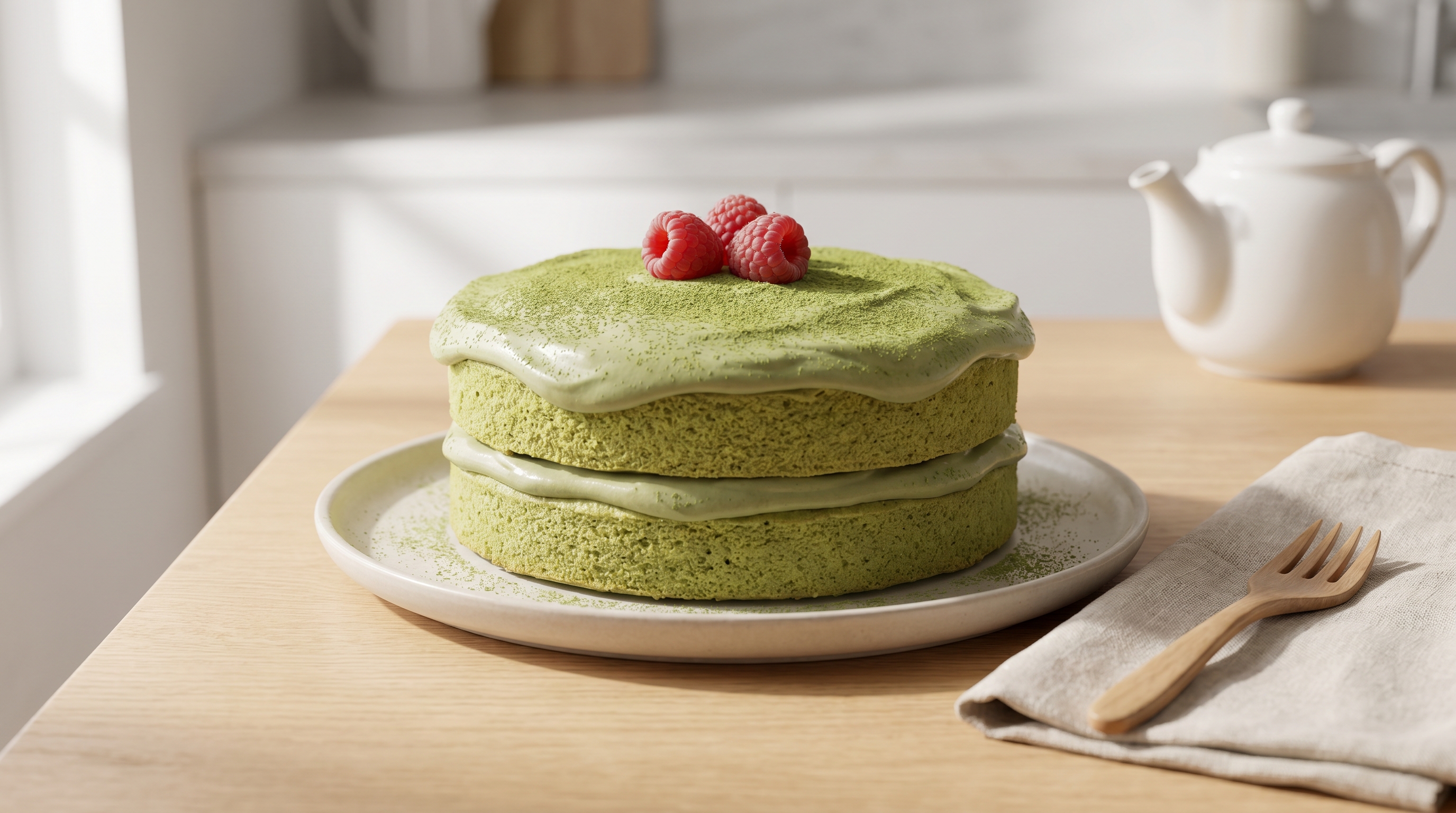
One of the most sought-after recipes in the vegan world is the “Matcha Dream Cake.” This multi-layered dessert combines the earthiness of matcha with the creaminess of plant-based fats to create a masterpiece. The secret to a perfect vegan matcha cake lies in the quality of the powder. Using a high-quality culinary grade ensures that the color stays vibrant even after baking.
The Foundation (Sponge):
- 2 cups All-purpose flour
- 1 cup Organic sugar
- 2 tbsp Culinary Matcha
- 1 tsp Baking soda & 1/2 tsp salt
- 1 cup Almond milk + 1 tbsp Apple cider vinegar (Vegan “Buttermilk”)
- 1/3 cup Melted coconut oil
The Finish (Frosting):
- 1 can Chilled full-fat coconut cream (solids only)
- 1 tbsp Matcha powder
- 1/2 cup Powdered sugar
Technique: Sift the dry ingredients multiple times to ensure the matcha is perfectly distributed. This prevents “green spots” and ensures a uniform rise. Fold the wet ingredients gently into the dry to avoid overworking the gluten, which results in a light, airy crumb.
8. Animal Welfare and Caffeine Safety
As pet owners integrate vegan health trends into their lives, many wonder if they can share their matcha-infused snacks with their dogs. The answer is nuanced and requires extreme caution. Dogs are significantly more sensitive to caffeine and theobromine than humans. Caffeine can cause restlessness, rapid breathing, heart palpitations, and muscle tremors in dogs. Even though matcha contains less caffeine than coffee, it is highly concentrated.
While some suggest that the antioxidants in green tea can be beneficial for dogs, this should only be done using decaffeinated extracts specifically formulated for pets. Never give a dog a matcha treat that contains Xylitol (a common sweetener in sugar-free vegan products), as it is highly toxic. When enjoying your vegan matcha cake, ensure it remains out of reach of your furry friends to prevent accidental ingestion.

9. Exploring Innovative Superfood Applications
While the latte is a classic, the versatility of matcha allows it to be used in savory and innovative sweet applications. For a quick energy boost, the Vegan Matcha Energy Ball is unmatched. Combine 1 cup of dates, 1 cup of walnuts, 1 tbsp of matcha, and 1/2 cup of shredded coconut in a food processor. Roll them into bite-sized spheres for a portable, nutrient-dense snack.
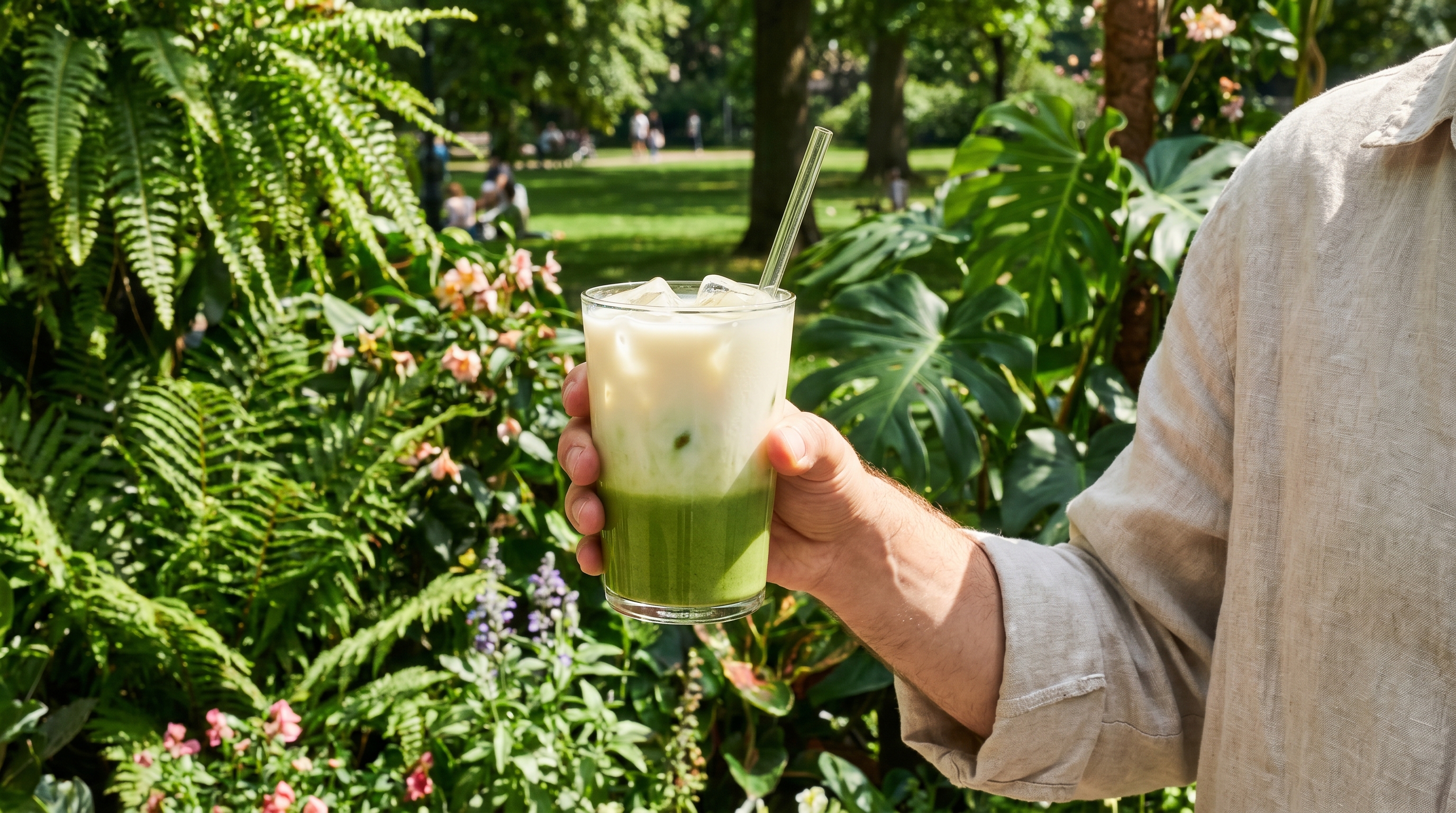
Interestingly, the “matcha” family has expanded to include Blue Matcha , which is made from Butterfly Pea Flowers. While not technically a green tea, it is used similarly for its stunning color and antioxidant properties. It is caffeine-free, making it a perfect evening alternative. Many vegan mixologists create “layered” drinks by using the different densities of green matcha lattes and blue matcha teas to create visually striking, plant-based culinary art.

10. Strategic Sourcing for Businesses and Enthusiasts
For businesses and serious enthusiasts, sourcing matcha is about finding a partner in quality. The differences between a generic “green powder” and certified organic matcha are immense. When you see the USDA Organic or EU Organic seal on a package, it signifies a rigorous audit trail involving purity (no synthetic pesticides), Non-GMO status, and full traceability back to the tea garden.
For cafés and brands, buying directly from a manufacturer offers several advantages. Freshness is key; bypassing middle-men ensures the powder hasn’t been sitting in a warehouse losing its potency. Wholesale partners can also provide customization, such as private labeling and specific grind sizes, allowing businesses to use higher-grade matcha while maintaining healthy margins.
11. Integrating Matcha into a Mindful Vegan Lifestyle
The consumption of matcha is more than just a delivery system for caffeine; it is an invitation to mindfulness. In a fast-paced world, the act of sifting the powder, heating the water to the precise temperature (around 175°F/80°C), and whisking until a fine froth appears is a meditative ritual. For many vegans, this ritual aligns with the broader philosophy of “ahimsa” (non-harm) and intentionality.
The L-theanine in matcha promotes the production of alpha waves in the brain, inducing a state of relaxation without drowsiness. This “calm alertness” is perfect for morning meditation, creative work, or simply enjoying a quiet moment in nature. By choosing a product that is grown ethically and sustainably, you enhance the spiritual satisfaction of your daily cup.
12. Technical Storage and Whisking Guidelines
To maintain the integrity of your vegan matcha, technical storage is non-negotiable. Matcha is highly sensitive to light, heat, and oxygen. Once opened, the powder begins to oxidize, losing its vibrant color and developing a hay-like, bitter taste. It should always be kept in an airtight, opaque container. For those in warmer climates, storing matcha in the refrigerator is recommended to preserve the delicate catechins.
When preparing your tea, the tools matter. A traditional bamboo whisk (chasen) is designed with dozens of delicate tines that break up clumps and aerate the tea, creating the signature micro-foam. Metal whisks often fail to achieve this texture and can sometimes react with the tea’s delicate compounds. Using a sifter before whisking is the single most effective way to ensure a smooth, clump-free drink.

Frequently Asked Questions (FAQs)
1. Does vegan matcha contain more caffeine than coffee?No, a standard serving of matcha contains about 30-70mg of caffeine, whereas a cup of coffee contains 95-200mg. However, because of L-theanine, the caffeine in matcha is released slowly, providing a 4-6 hour window of energy without the “crash” often associated with coffee.
2. Is it better to buy Japanese or Chinese matcha?Both regions produce exceptional matcha. While Japan is the traditional home, areas like Jingshan Town in China have centuries of tea history and produce world-class organic matcha that meets stringent EU and USDA standards. Quality depends on the specific farm’s practices rather than the country alone.
3. Why is my vegan matcha latte bitter?Bitterness usually results from two factors: using water that is too hot (boiling water “burns” the powder) or using a culinary grade of matcha where a ceremonial or premium grade was needed for a smooth finish. Always aim for 175°F (80°C).
4. Can I use Blue Matcha and Green Matcha together?Absolutely! Many vegan mixologists create “layered” drinks by using the different densities of green matcha lattes and Blue Matcha teas. It allows for creative, plant-based culinary art that is both healthy and beautiful.
5. Why is ceremonial matcha so much more expensive than culinary grade?The price difference reflects the labor and rarity. Ceremonial grade uses only the first-harvest leaves, which are limited in quantity. The stems and veins are meticulously removed, and the stone-grinding process is much slower to ensure the highest possible nutritional and flavor profile.