
In the rapidly evolving landscape of functional beverages, Ceremonial Grade Matcha stands as the pinnacle of green tea refinement. As the global tea market is projected to reach USD 134.96 billion by 2032, B2B buyers—ranging from boutique wellness brands to multinational beverage corporations—are increasingly prioritizing transparency, biochemistry, and origin-authenticated sourcing.
This comprehensive guide examines the intricate agronomy, chemical composition, and economic variables that define ceremonial matcha, providing a strategic framework for professional importers and Wholesale/Bulk Matcha purchasers.
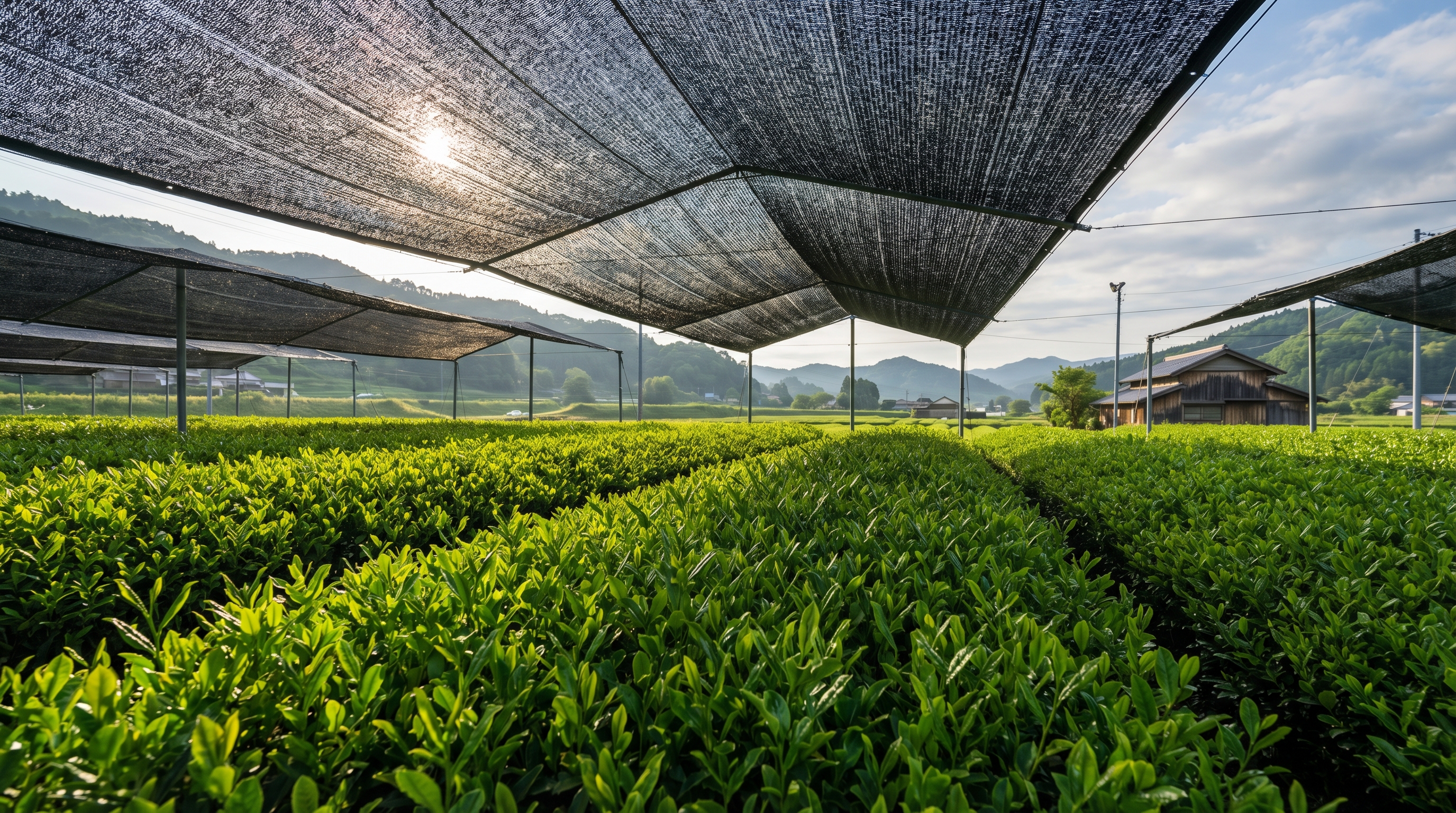
The distinction of “Ceremonial Grade” begins in the field, specifically through a process known as Tana (shading). Unlike lower grades of green tea, ceremonial matcha is produced from Tencha leaves that have undergone intensive light modulation.
The Science of Photomorphogenesis
Approximately 20 to 30 days before harvest, tea gardens are covered with black mesh or traditional straw mats. This blocks over 90% of direct sunlight, forcing the Camellia sinensis plant to undergo a physiological transformation:
- Chlorophyll Hyper-Accumulation: The plant compensates for reduced light by producing excessive chlorophyll to maximize photon capture. This results in the characteristic “electric green” hue of high-quality powder.
- Amino Acid Preservation: Sunlight usually triggers the conversion of L-theanine (an amino acid) into catechins (which contribute to bitterness). Shading halts this conversion, locking in the savory umami flavor profile essential for ceremonial use.
The Golden Latitude: 30° North
The world’s most reputable ceremonial matcha is cultivated around the 30° North latitude. This region, encompassing both traditional Japanese terroir and China’s ecological gardens in Jingshan, provides the precise diurnal temperature variations and acidic soil conditions required for high-yield, high-theanine tea cultivation. Riching Matcha, for instance, manages over 2,667 hectares of ecological tea gardens within this optimal climate zone, ensuring a stable supply of nutrient-dense raw materials for Organic Matcha production.
The Biochemistry of Ceremonial Matcha
For high-level B2B buyers, understanding the chemical markers of quality is essential for contract negotiation and product formulation. Ceremonial grade matcha is not just a flavor profile; it is a complex delivery system for bioactive compounds.
Key Nutrients: L-Theanine and EGCG
- L-Theanine: An amino acid that crosses the blood-brain barrier, promoting alpha-wave activity. It produces “calm alertness,” a primary marketing claim for premium tea brands.
- Epigallocatechin Gallate (EGCG): The most potent catechin found in matcha, known for its metabolic and anti-inflammatory benefits.
- Chlorophyll: High concentrations in ceremonial grade support natural detoxification claims.
Table 1: Chemical Profile Comparison (Per 1g Serving)
Attribute | Ceremonial Grade | Culinary Grade | Method of Analysis |
|---|---|---|---|
L-theanine Content | 20–40 mg | 5–15 mg | HPLC (High-Performance Liquid Chromatography) |
Total Catechins | Moderate (lower bitterness) | High (higher astringency) | UV-Vis Spectroscopy |
Chlorophyll Density | 12.0 – 15.0 mg/g | 6.0 – 9.0 mg/g | Solvent Extraction |
Caffeine | 25–35 mg | 28–40 mg | HPLC |
Amino Acid Ratio | High (focused on Umami) | Low (focused on Bitter) | Sensory & Chemical Analysis |
Identifying Grade Disparities – Ceremonial vs. Culinary
In the B2B sector, “Ceremonial” and “Culinary” are technical classifications that dictate application and price floor.
Fine Particle Technology
Ceremonial matcha must achieve a particle size of approximately 18 μm (800 mesh). Historically, this was achieved via granite stone mills, which ground only 40g per hour. Modern B2B leaders like Riching Matcha utilize advanced electric ball grinding and jet pulverization. This technology maintains low temperatures, preventing the oxidation of heat-sensitive nutrients while achieving the 18 μm fineness required for a silky mouthfeel.
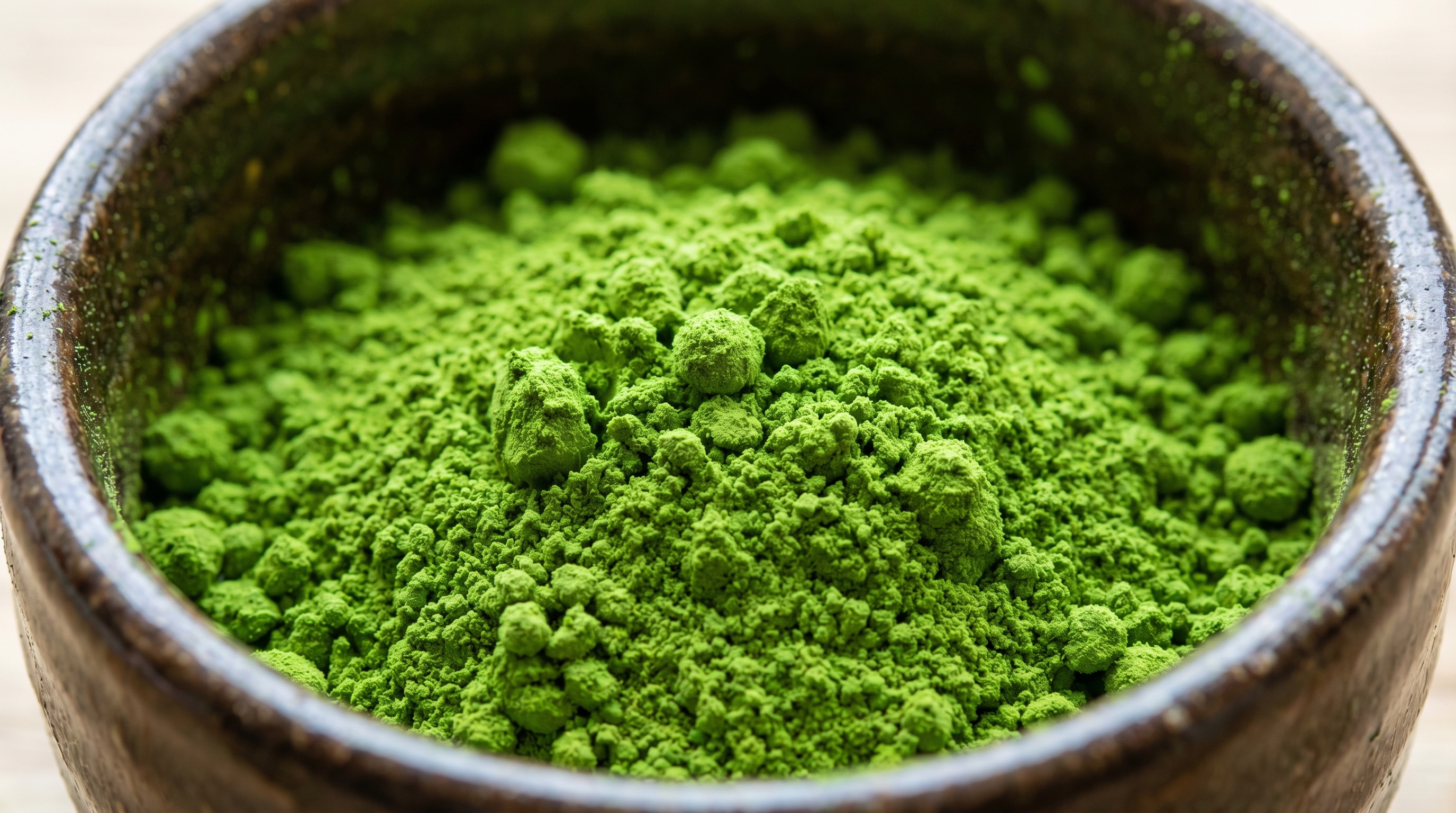
Table 2: B2B Grade Differentiation Matrix
Feature | Ceremonial Grade | Culinary Grade |
|---|---|---|
Primary Use | Straight drinking (thin or thick tea) | Baking, smoothies, lattes, ice cream |
Harvest Period | First flush (Spring) – youngest buds | Second/Third flush (Summer/Autumn) |
Taste Profile | Delicate, sweet, intensive umami | Bold, robust, astringent, grassy |
Color | Vibrant, luminous emerald green | Dull, olive or brownish-green |
Milling Method | Slow-grind stone or ball mill | High-speed industrial pulverization |
Standard B2B Pricing | 35−35 – 120+ per kg (bulk) | 12−12 – 30 per kg (bulk) |
Preparation and Sensory Analysis
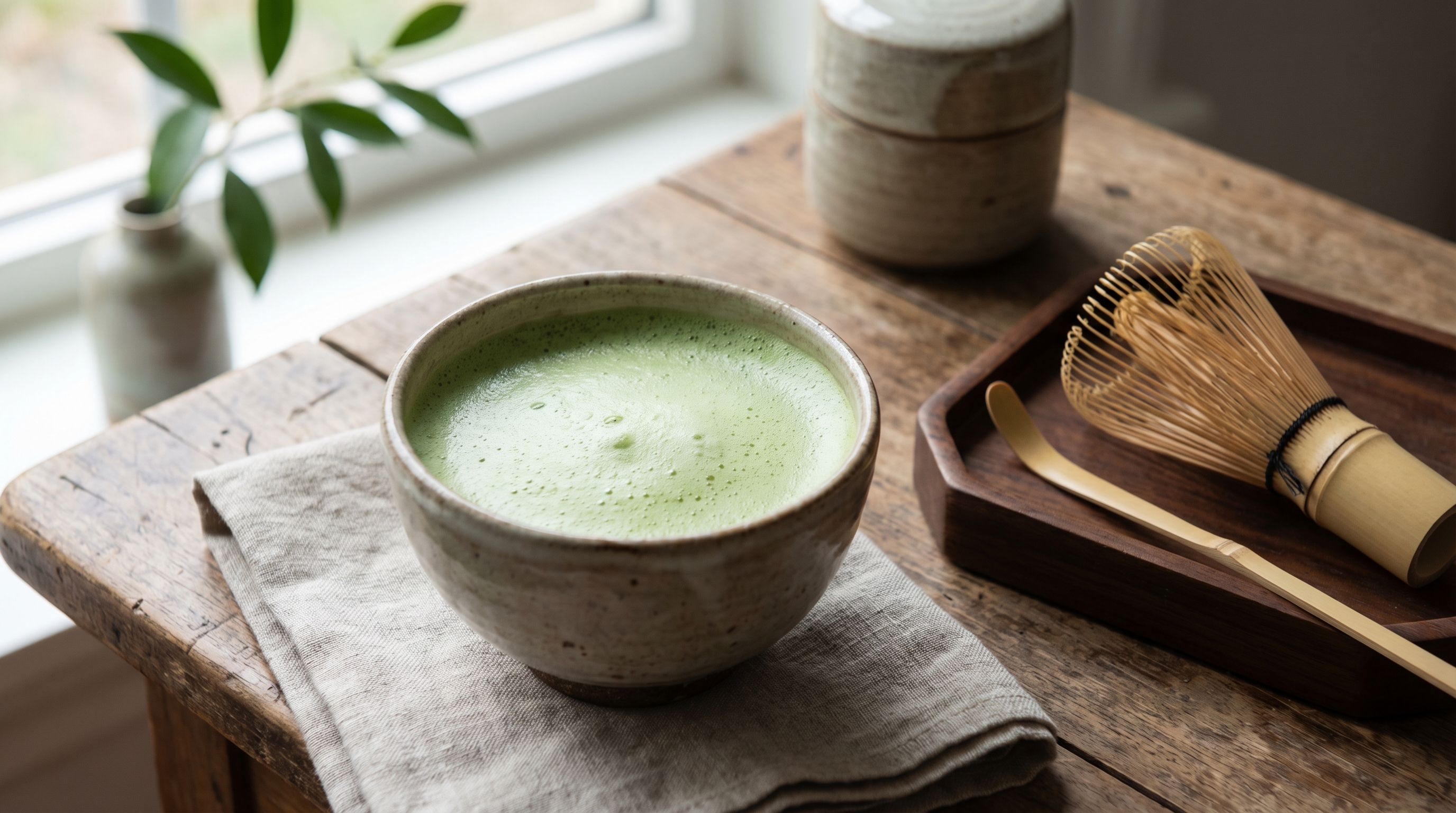
For importers providing Private Label/OEM services, sensory evaluation (cupping) is the ultimate QC protocol. Ceremonial matcha is judged on its ability to sustain a stable “crema” (micro-foam) when whisked.
“A true ceremonial grade matcha should possess enough natural sugar and L-theanine that it requires no additives to mask bitterness.”
- Olfactory Test: High-end matcha should smell of “fresh baby spinach” or “sweet ocean air.”
- Visual Test: After whisking, the foam should consist of tiny, uniform bubbles with no large “fish eyes.”
- Taste Test: The finish should be clean, with a lingering sweetness that coats the back of the palate.
Global Market Trends 2025–2026
The market for matcha is no longer confined to tea ceremonies. We are seeing a massive shift toward Functional RTD (Ready-To-Drink) beverages and Nutraceutical Supplements.
Forecasting Sourcing Shifts
- Authenticity Verification: As consumer skepticism regarding “grade inflation” rises, B2B buyers are demanding ISO/TR 21380:2022 compliance and JAS/USDA organic lineage.
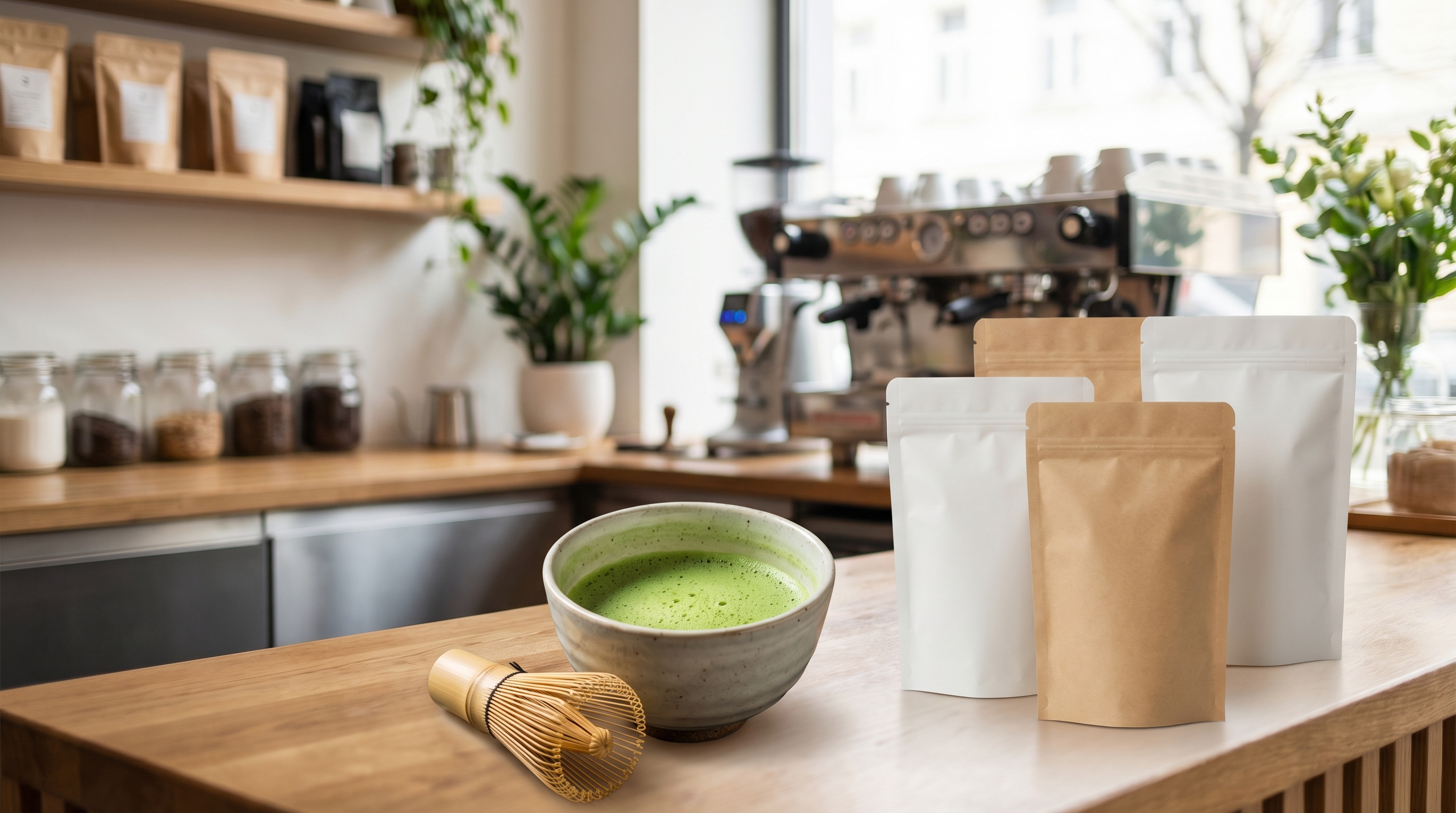
- Convenience Packaging: While bulk 20kg cartons remain the standard for manufacturers, there is an 8.41% CAGR projected for liquid matcha concentrates and single-serve sachet formats for the office coffee service (OCS) market.
- Origin Diversification: While Japan is the traditional home of matcha, highly automated, large-scale production facilities in China—such as the Matcha Village base—are dominating the 2026 sales volume (8,000 tons) by offering Japanese-quality standards at a more competitive price point.
Professional B2B Sourcing Protocol
Sourcing ceremonial matcha requires more than a price negotiation. It entails a deep dive into the supplier’s supply chain stability and compliance structure.
Quality Control and Certifications
Importers must verify that their partners use third-party testing institutions like SGS, Eurofins, or Mérieux NutriSciences. Crucial testing parameters include:
- Pesticide Residues: Screen for 500+ substances (EU/USDA standards).
- Heavy Metals: Lead (Pb), Cadmium (Cd), and Arsenic (As) must be below stringent thresholds.
- Radiation Screening: Non-negotiable for exports from specific geographic regions.
Table 3: B2B Sourcing Quality Control Checklist
Step | Requirement | Documentation Needed |
|---|---|---|
1. Origin Verification | Latitude 30°N gardens | Sourcing Map / Farm Audit |
2. Organic Integrity | USDA/EU Organic Compliance | TC (Transaction Certificate) |
3. Safety Standards | Microbiological and Metal safety | COA (Certificate of Analysis) |
4. Factory Audit | HACCP / FSSC 22000 | ISO Certification Copies |
5. Supply Stability | 30-ton daily capacity or higher | Production Capacity Statement |
Choosing the Right Partner: Riching Matcha
For brands seeking a reliable, high-volume partner, Riching Matcha offers an unmatched synergy of scale and precision. By combining traditional Japanese techniques with Industry 4.0 automation, they provide:
- Global Export Expertise: Serving over 50 countries.
- Customization: Full Contact support for bespoke grades and private label branding.
- Certification Support: Full accessibility to USDA Organic, EU Organic, Halal, and Kosher certifications.
FAQs
1. Why is ceremonial grade matcha so much more expensive than culinary?
The price reflects the labor-intensive shading process, the selective harvesting of only the first-flush “tencha” leaves (the youngest, most nutrient-dense buds), and the slow, precise milling method required to preserve the delicate emerald color and amino acid profile.
2. Is “Ceremonial Grade” a legally protected term?
No, it is an industry-standardized term rather than a government-regulated one. This is why B2B buyers must rely on chemical specifications (L-theanine levels) and certifications (ISO/TR 21380) rather than marketing labels alone to verify quality.
3. How should bulk ceremonial matcha be stored to prevent degradation?
Matcha is highly sensitive to light, heat, and oxygen. For B2B storage, it should be kept in oxygen-barrier aluminum bags, stored at temperatures below 20°C (68°F), and ideally refrigerated at 4°C for long-term inventory to prevent the degradation of chlorophyll and L-theanine.
4. Can ceremonial grade be used in lattes?
While it can be used, its delicate flavor may be overwhelmed by heavy milks. For high-end cafes, a “Premium Grade” or “TOP Series” is often more cost-effective while still providing the necessary color and umami. True ceremonial grade is best reserved for water-based whisks.
5. What are the MOQ (Minimum Order Quantities) for wholesale?
On the Riching Matcha Homepage , standard bulk orders typically begin at 1kg for trial samples, with full wholesale pricing tiers scaling up to multi-ton shipments for industrial beverage manufacturers.
ConclusionSourcing ceremonial grade matcha is a strategic decision that impacts brand reputation and consumer loyalty. By focusing on the biochemistry of shading, the precision of 18 μm milling, and the transparency of third-party testing, B2B buyers can navigate the 2026 market with confidence. For those ready to scale, partnering with a vertically integrated supplier like Riching Matcha ensures that every gram of powder meets the highest international standards of purity and performance.