
High-quality hojicha is identified by its vibrant reddish-brown color, intense nutty pyrazine aroma, and a smooth, chocolatey flavor profile devoid of bitterness. Many wholesale buyers struggle with inconsistent tea quality that ruins beverage recipes and frustrates customers. This instability agitates your operational efficiency and risks damaging your brand’s reputation for premium standards. By applying technical sensory benchmarks, you can secure a hojicha taste that elevates your product line and ensures supply chain reliability.
A warm, reddish-brown hue is the most immediate sign of a high-quality hojicha taste developed through a perfect Maillard reaction. Premium powders or leaves should never appear yellowish or dull, as these tones suggest under-processing or the use of old raw materials. When you examine the tea under natural light, look for a vibrant, chocolate-like spectrum.
The visual intensity of the tea serves as a reliable proxy for the precision of the thermal monitoring used during the roasting stage. High-grade batches display a uniform color across the entire volume of the product.
Visual Inspection Standards
Identifying the signature color ensures that the roasting temperature was consistent across the entire batch. Poor quality control often leads to charred black spots that introduce unwanted bitterness into your beverages. High-grade production requires precision thermal monitoring to maintain this specific aesthetic profile.
Check for uniformity in leaf or powder color to avoid batches with visible black carbonized particles. You should also look for a natural sheen on the surface of the tea. These visual cues are essential for professional quality assessment.
Visual Hue | Quality Grade | Indication |
|---|---|---|
Vibrant Reddish-Brown | Premium | Superior roast control and leaf freshness |
Dark Tan / Light Brown | Standard | Average processing and standard leaf age |
Dull Yellowish-Brown | Low | Poor roasting or degraded raw materials |
Key Takeaway: Premium color is a direct result of a perfectly controlled Maillard reaction during the roasting process.
2. How does fine powder texture impact hojicha taste?
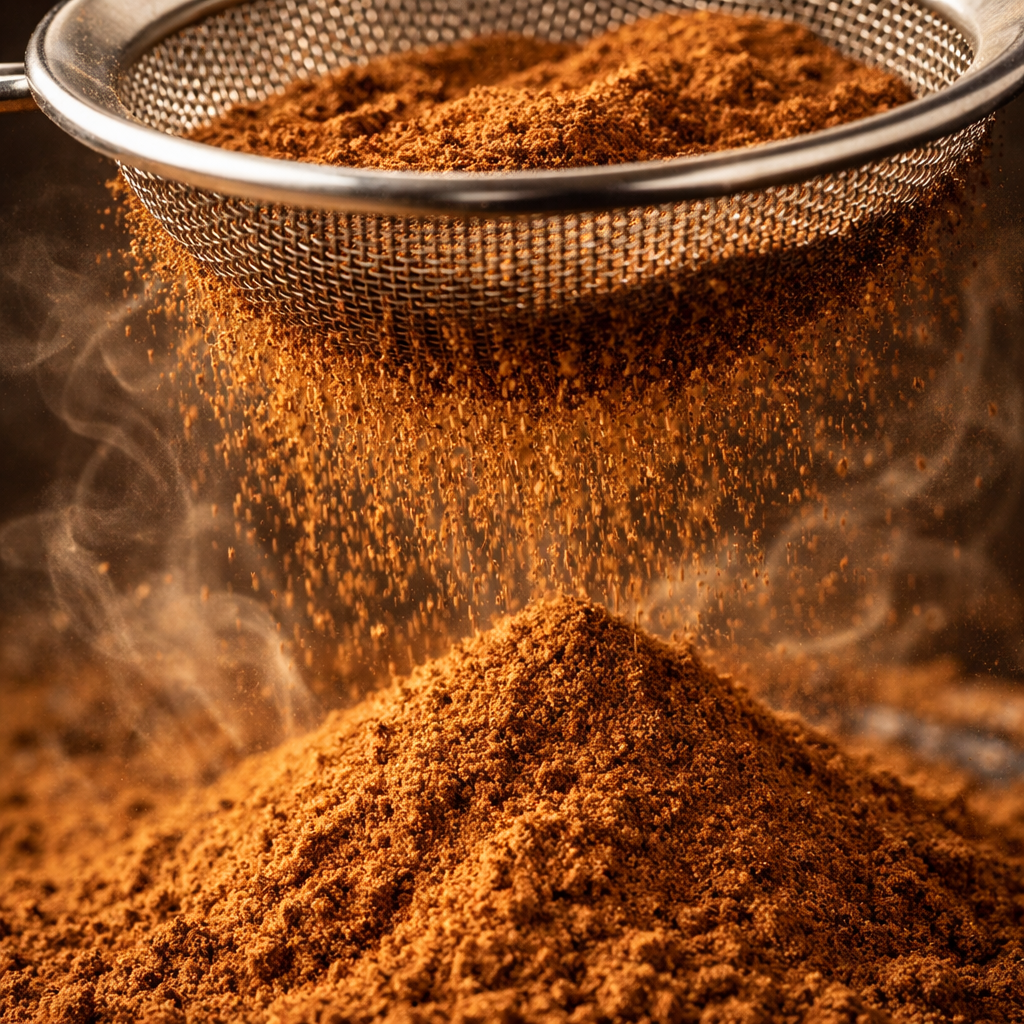
Fine powder texture is essential for creating a smooth hojicha taste that feels like velvet on the palate. High-quality hojicha powder should have a particle size under 15 microns to ensure immediate and total solubility in liquids. If you notice clumping or grittiness, it often indicates moisture infiltration or substandard milling equipment.
A refined texture prevents the tea from settling at the bottom of the cup, which is critical for maintaining consistency. This ensures that the last sip of a latte is just as enjoyable as the first one.
Milling and Particle Consistency
You can test the texture by rubbing a small amount of powder between your fingers to check for grit. Coarse particles will ruin the mouthfeel of beverages and cause uneven flavor extraction in commercial applications. Professional-grade milling is required to achieve a dust-like consistency without overheating the tea and destroying its flavor.
Perform a finger-rub test to check for abrasiveness before committing to a large wholesale order. Sift the powder to ensure zero clumps are present and observe the suspension time in a liquid. These steps guarantee the culinary performance of your tea.
Texture Metric | Premium Standard | Low-Grade Result |
|---|---|---|
Particle Size | < 15 Microns | > 30 Microns |
Solubility | Immediate / Total | Poor / High Sediment |
Mouthfeel | Velvety Smooth | Gritty / Abrasive |
Key Takeaway: Velvet-smooth powder ensures even extraction and a superior flavor distribution in every serving.
3. Will the aroma profile reveal the true hojicha taste?
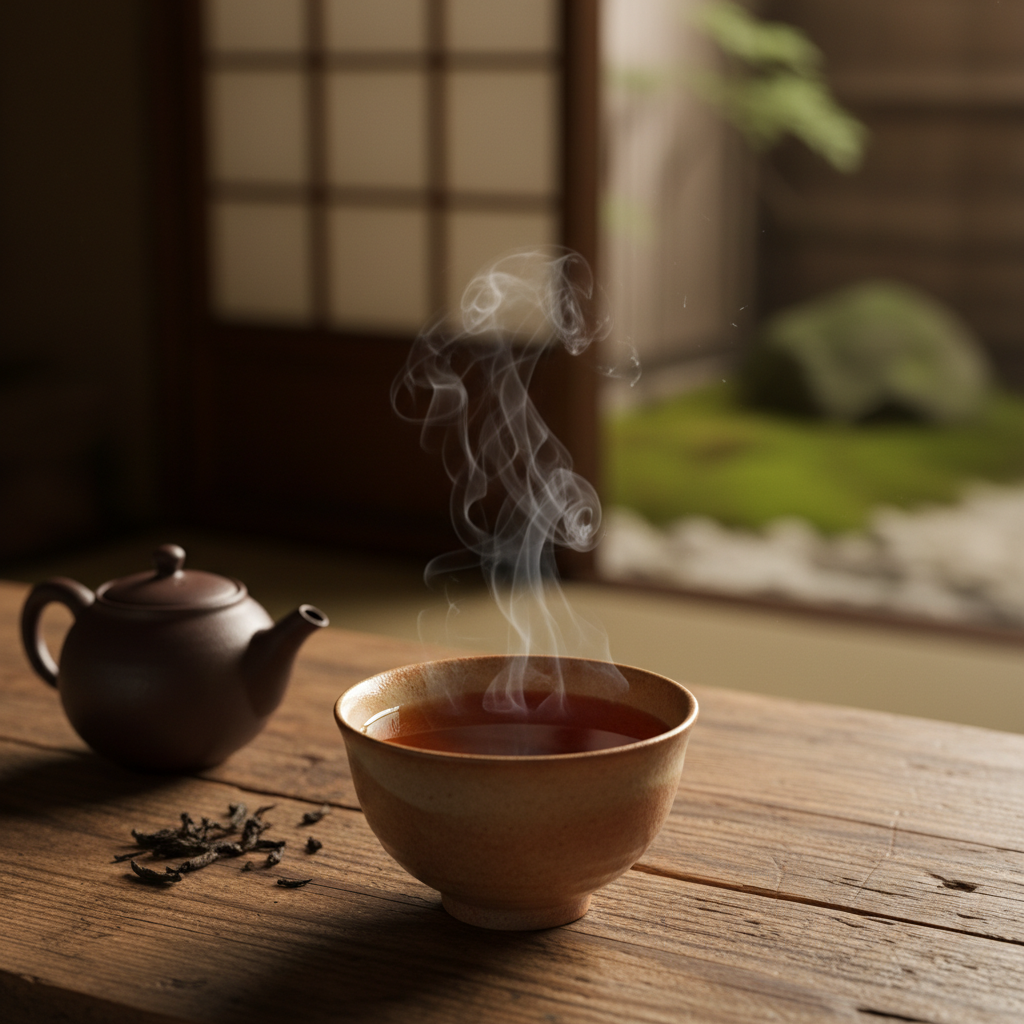
Evaluating the pyrazine levels in the aroma will predict a nutty hojicha taste before you take the first sip. The fragrance of high-quality tea should be intensely toasty with clear notes of hazelnut, warm wood, and baked bread. If the aroma is faint or smells of raw grass, the roasting depth was insufficient.
The complexity of the scent profile is a direct indicator of the chemical transitions achieved during heating. A superior roast creates aromatic compounds that linger long after the package is opened.
Aromatic Pyrazine Development
Distinguishing between a toasty scent and a burnt one is a skill every procurement manager must master. A burnt aroma indicates carbonization, which creates a harsh, acrid profile that masks the tea’s natural sweetness. A high-quality nose tells the story of the roast’s duration and temperature accuracy.
Inhale deeply immediately after opening the seal to detect the presence of chocolate or caramel undertones. Avoid any scents that resemble smoke or ash, as these are signs of poor roasting control. This sensory evaluation ensures your customers receive the premium fragrance they expect.
Aroma Note | Premium Indicator | Quality Defect |
|---|---|---|
Primary | Toasted Hazelnut | Burnt Carbon / Ash |
Secondary | Cocoa / Caramel | Raw Grass / Hay |
Longevity | Lingering and Deep | Faint and Vanishing |
Key Takeaway: The nose tells the story of the roast and predicts the aromatic longevity of the final product.
4. What defines a balanced and complex hojicha taste?
A balanced hojicha taste successfully eliminates the bitterness of traditional green tea by replacing it with chocolatey depth and maltiness. High-quality wholesale hojicha utilizes leaves rich in L-theanine to maintain a rounded profile that feels full-bodied. You should look for a natural sweetness that lingers on the tongue.
Flavor balance is achieved when the smoky notes complement rather than overpower the underlying tea base. This harmony is the hallmark of a masterfully produced roasted tea.
Flavor Layering and Complexity
Complexity arises when you can detect layers of smoke, malt, and earthiness simultaneously during the tasting process. Low-quality teas often taste one-dimensional or watery, lacking the structure needed for premium recipes. A professional roast targets specific chemical transitions to ensure the natural sugars in the leaves caramelize perfectly.
Evaluate the mid-palate for richness and body while checking for a clean finish. Identify distinct notes of cocoa or roasted grain to confirm the quality of the roast. This depth of flavor ensures your products stand out in a competitive market.
Sensory Attribute | High-Grade Profile | Low-Grade Profile |
|---|---|---|
Sweetness | Natural Caramel | Non-existent |
Bitterness | Near Zero | High / Tannic |
Aftertaste | Clean / Nutty | Dry / Astringent |
Key Takeaway: High-quality tea replaces traditional green tea bitterness with a deep, chocolatey complexity.
5. How does the roasting level influence hojicha taste?
The depth of the roast directly dictates the intensity of the hojicha taste and its suitability for specific commercial recipes. Light roasts preserve more of the original green leaf character, while dark roasts prioritize smoky and bold cocoa notes. You must select a roast level that matches your intended application perfectly.
Achieving consistency across different roast levels requires a supplier with advanced thermal control and batch monitoring. This technical precision prevents the variation that can ruin your product line.
Thermal Precision and Curves
Industrial roasting at high temperatures requires expert timing to prevent the tea leaves from scorching. Uneven roasting creates a confusing profile that lacks a clear flavor direction and consistency. Consistent wholesale selection depends on finding a supplier that masters specific roasting curves for every single batch.
Match the roast level to your specific product needs by requesting technical roast profiles. You should also test how the roast level interacts with other ingredients in your formulation. This systematic approach ensures a reliable sensory experience for your end users.
Roast Level | Flavor Intensity | Recommended Use |
|---|---|---|
Light | Delicate / Floral | Pure hot tea brewing |
Medium | Balanced / Nutty | Pastries and daily drinking |
Dark | Bold / Smoky | Lattes and ice cream |
Key Takeaway: Roast depth must be intentional and consistent to maintain the tea’s commercial character.
6. Does the tea’s origin dictate the final hojicha taste?
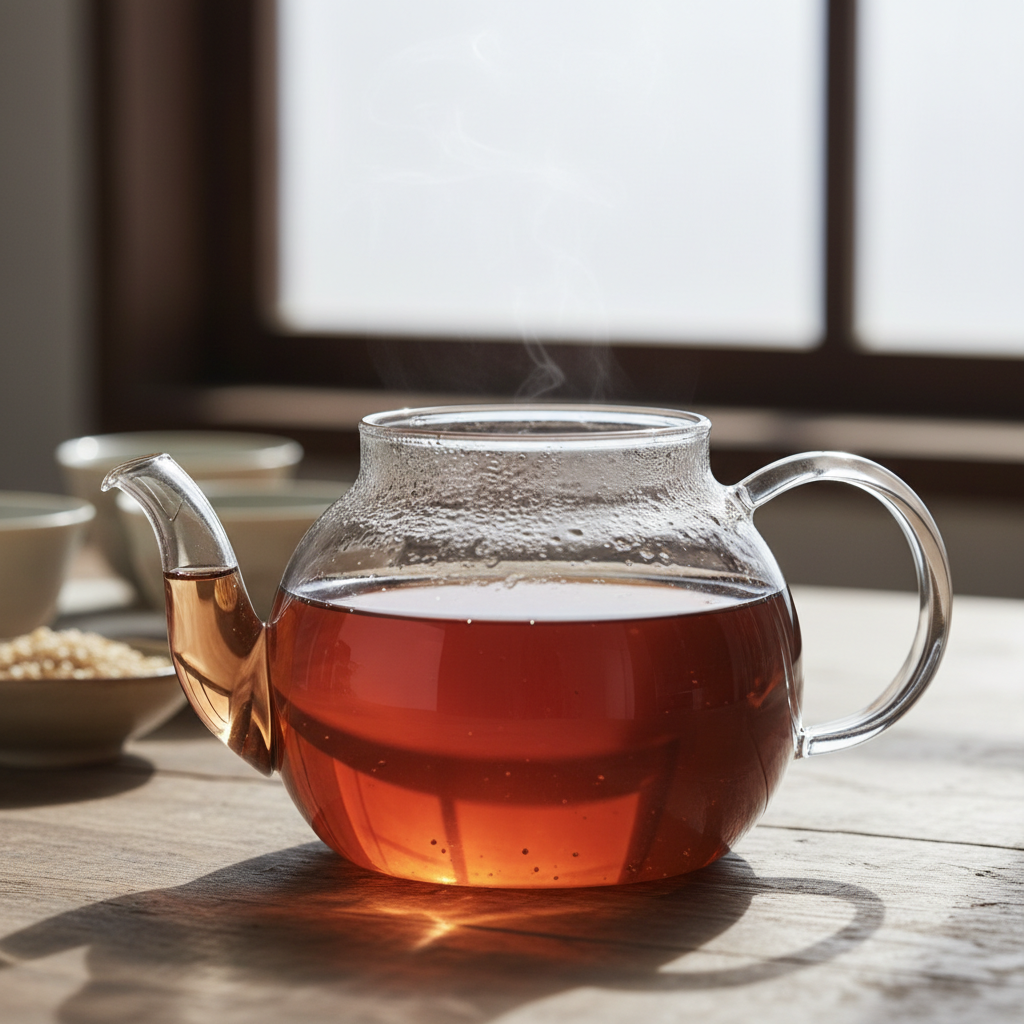
Regional variations in soil and climate provide the foundational nutrients that determine the final hojicha taste of the brew. For example, tea sourced from high-altitude gardens often possesses a more concentrated amino acid content. You should inquire about the terroir to understand its potential for private label customization.
Sourcing from a transparent origin ensures that the base raw material is capable of withstanding the intense roasting process. Without high-quality base leaves, even the best roasting technique will fail to produce a premium result.
Terroir and Raw Material Quality
Consistency is easier to achieve when sourcing from a facility with direct oversight of the harvest and primary processing. Soil composition affects how the leaves react to high heat during the crucial Maillard reaction phase. A reliable origin ensures that every shipment delivers the same foundational notes your customers expect.
Verify the regional source of the base green tea and prioritize regions known for high-altitude cultivation. You should also ask about the harvest season, as spring leaves offer more complexity. This transparency builds trust in your supply chain and final product quality.
Terroir Factor | Impact on Tea | Final Sensory Result |
|---|---|---|
Elevation | Slower growth | Denser nutrient profile |
Soil Quality | Mineral absorption | Enhanced umami depth |
Climate | Sunlight exposure | Controlled tannin levels |
Key Takeaway: Terroir provides the essential foundation for specific flavor notes and nutritional density.
7. Can foam stability help you judge the hojicha taste?
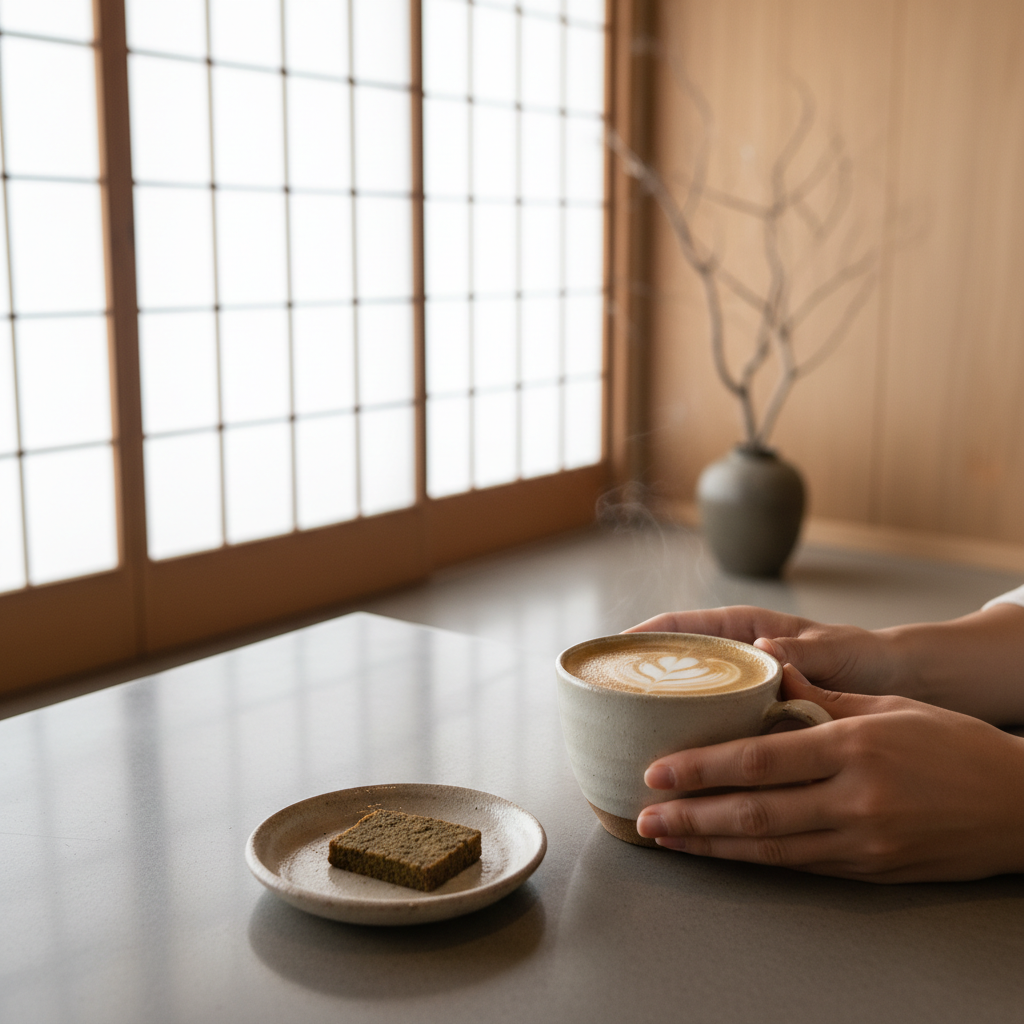
Stable micro-foam is a visual indicator of a fresh, high-lipid hojicha taste that has not been degraded by age. When you whisk premium powder, the bubbles should be tiny, dense, and stay persistent for several minutes. This foam structure enhances the perceived creaminess and aroma release of the final beverage.
The ability to create a lasting froth is a hallmark of high-quality tea that has been stored and processed correctly. This physical property is vital for baristas creating latte art and premium tea drinks.
Lipids and Frothing Science
The science of lipids and proteins in the tea leaves determines how well the powder holds air during the whisking process. Thin, soapy bubbles that disappear quickly often indicate old leaves or a product that has been over-processed. Mastering your whisking technique is useless if the raw material lacks the necessary structural components.
Observe the froth immediately after vigorous whisking and note how long the foam layer remains intact. Look for a creamy, uniform surface without large gaps to confirm the tea’s freshness. These indicators provide a quick way to verify quality in a high-volume environment.
Foam Property | Premium Indicator | Quality Warning |
|---|---|---|
Bubble Size | Micro-fine / Uniform | Large / Irregular |
Longevity | Persistent (>3 mins) | Dissipates quickly |
Texture | Creamy / Mousse-like | Thin / Watery |
Key Takeaway: Persistent micro-foam indicates fresh, high-lipid tea leaves and superior powder suspension.
8. Is the ingredient list altering your hojicha taste?
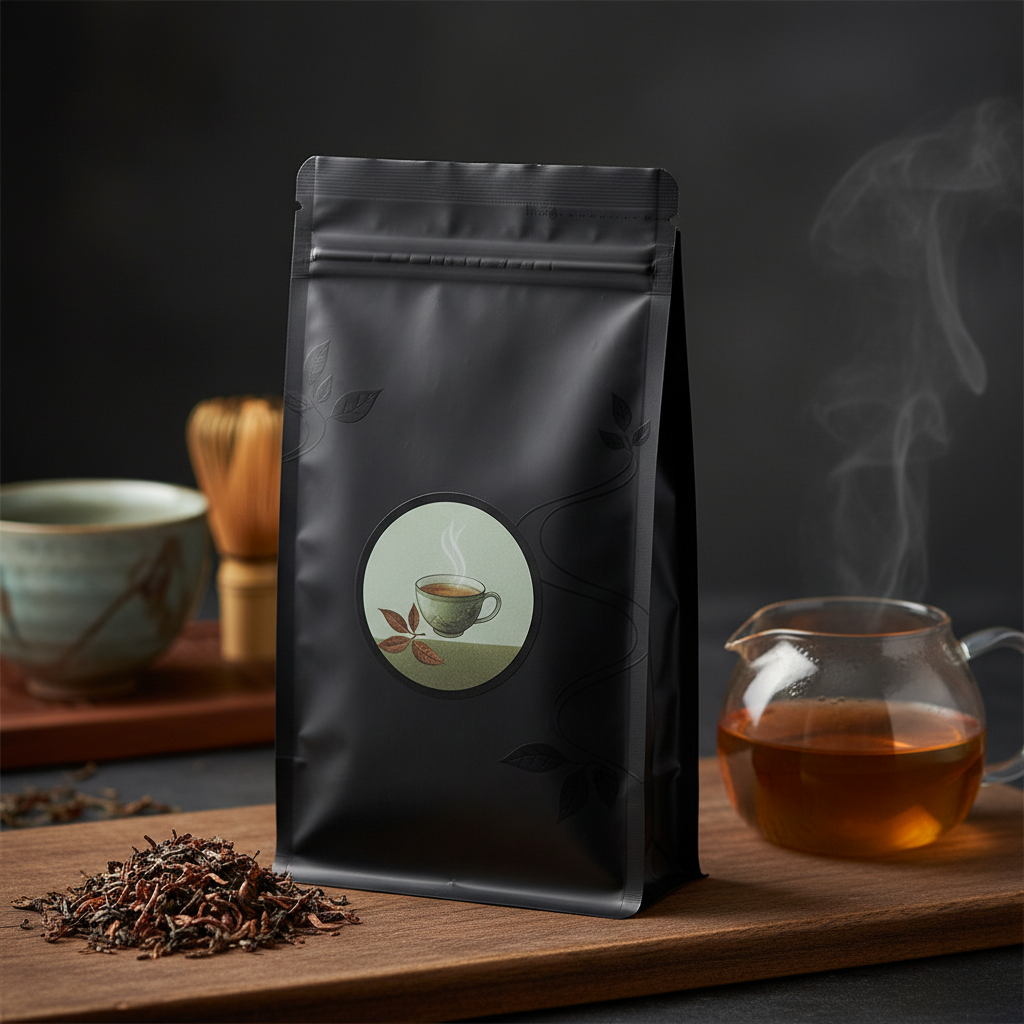
Fillers and artificial flavorings are the primary enemies of an authentic hojicha taste in professional food service settings. You should always look for 100% pure leaf products to avoid the chemical aftertaste common in lower-priced blends from OEM processors . Pure roasted tea provides a clean finish that integrates seamlessly with milks.
Transparency in the ingredient list is the only way to ensure you are receiving the full nutritional and sensory value. Pure tea solids deliver a more consistent and powerful flavor profile for your brand.
Purity and Additive Detection
Adulterated powders often use cornstarch or sugar to mask a lack of real tea solids and reduce production costs. These additives dilute the nutritional profile and ruin the smoky complexity that defines a high-quality roast. Purity is the only path to a professional-grade finish that satisfies the standards of discerning experts.
Read the label for any non-tea ingredients or fillers and test the powder for an unnaturally sweet odor. You should also compare the weight-to-volume ratio against known pure samples to detect hidden additives. This vigilance protects your brand reputation and product integrity.
Product Type | Ingredient Integrity | Flavor Result |
|---|---|---|
Pure Hojicha | 100% Roasted Tea | Authentic / Deep |
Blended Powder | Includes Maltodextrin | Diluted / Weak |
Flavored Tea | Artificial Additives | Chemical / Sticky |
Key Takeaway: Purity is the only path to a clean, professional finish and authentic roasting profile.
9. How do specific tea parts change the hojicha taste?

The anatomy of the plant, specifically the ratio of stems to leaves, defines the structural hojicha taste of your specific brew. Kukicha (stem-based) tea is famous for its natural woody sweetness and significantly lower caffeine content. In contrast, Bancha (leaf-based) provides a more robust, earthy, and traditional profile with a heavier body.
Understanding these components allows you to tailor your procurement to the specific preferences of your target market. Each part of the plant offers a different functional and sensory benefit.
Anatomy and Caramelization
Stems roast differently than leaves, creating unique caramelization points within the tea during the thermal process. A master roaster carefully balances these parts to create a product that is both naturally sweet and flavorfully strong. This expertise is what separates premium suppliers from standard commodity producers.
Identify the proportion of stems to leaves in the dry tea to match the desired caffeine level of your product. Taste for the light, woody notes characteristic of high-quality stems to ensure a balanced profile. These details allow for precise product development and menu planning.
Tea Part | Sensory Profile | Character |
|---|---|---|
Stems (Kukicha) | Sweet / Woody / Light | Refreshing and low caffeine |
Leaves (Bancha) | Robust / Earthy / Bold | Strong body and traditional |
Blend | Balanced / Complex | Versatile for most uses |
Key Takeaway: The anatomy of the tea plant defines the flavor’s structure and the degree of natural sweetness.
10. Do certifications guarantee a premium hojicha taste?
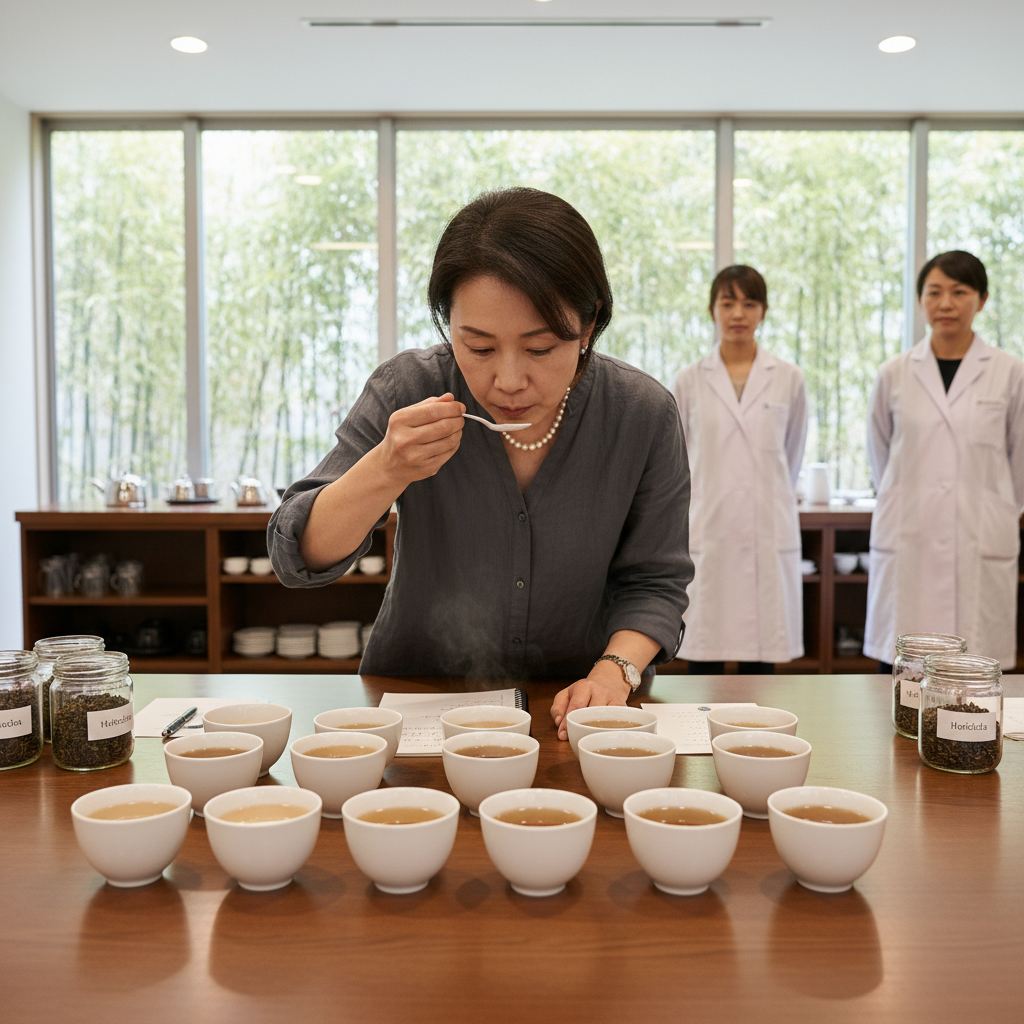
Certifications provide the safety and reliability that protect your hojicha taste investment from pesticides or heavy metal contamination. International standards ensure that the tea was grown and processed within a certified manufacturing environment. Lab testing is a non-negotiable requirement for wholesale buyers who need to prove purity.
Independent audits verify that the factory maintains rigorous manufacturing standards across every single production cycle. This formal validation is essential for scaling your business with confidence.
Audits and Manufacturing Discipline
Third-party audits verify that the factory maintains consistent processing standards regardless of batch size or seasonal changes. A certificate is not just a piece of paper; it is evidence of a commitment to manufacturing discipline. Quality is never accidental, and professional certifications are the physical proof of that corporate commitment.
Request current lab reports for heavy metals and pesticides to verify the safety of your tea supply. You should also ensure the supplier follows international manufacturing standards like ISO or HACCP. This due diligence ensures your brand remains protected from supply chain risks.
Certification | Purpose | Value to Buyer |
|---|---|---|
Organic | Chemical-free growth | Marketability and trust |
Lab Testing | Purity verification | Safety and risk management |
SGS Audit | Process consistency | Operational reliability |
Key Takeaway: Certifications provide the safety and consistency that modern B2B buyers require for long-term growth.
The perfect roasted tea experience relies on the harmony of the Maillard reaction and precise pyrazine development. Quality is not accidental; it is the result of rigorous sourcing, thermal mastery, and milling excellence. To ensure your products stand out with a world-class flavor profile and technical consistency, contact us today to discuss custom roasting and bulk supply solutions.
FAQ
Can I use culinary grade hojicha for ceremonial drinking?Culinary grade is usually too coarse and bitter for direct drinking because it is technically optimized for the high temperatures of professional baking.
What’s the best way to store hojicha to preserve its taste?Store it in an airtight, opaque container in a cool, dry place to prevent the volatile aromatic oils from oxidizing and losing their punch.
How do I know if my hojicha powder has expired?If the reddish-brown color turns dull grey or the toasty aroma disappears entirely, the flavor-giving oils and pyrazines have likely degraded.
What’s the best method to identify hidden fillers in hojicha?You should perform a water suspension test; pure hojicha will stay suspended longer, while fillers like maltodextrin will dissolve or settle differently.
How do I know if a hojicha roast is too shallow?A shallow roast will retain a raw, grassy scent and a sharp green tea bitterness that hasn’t been transformed into the desired chocolatey sweetness.