
The flavor of matcha is often described as a paradox: it is simultaneously bold and delicate, savory and sweet, vibrant and grounded. Unlike steeped green tea, where the leaves are discarded, matcha is a suspension of the entire ground leaf in water. This fundamental difference creates a complex sensory experience that many first-time tasters find difficult to categorize. To truly understand what matcha tastes like, one must explore the intricate balance of umami, astringency, and sweetness that defines this ancient superfood.
When you first sip a well-prepared bowl of matcha, your palate is hit with a wave of diverse sensations. The primary note is often described as vegetal or grassy, reminiscent of fresh-cut hay or steamed spinach. This is not the “dry” grassiness found in some herbal teas, but rather a “wet,” vibrant greenness that feels alive.
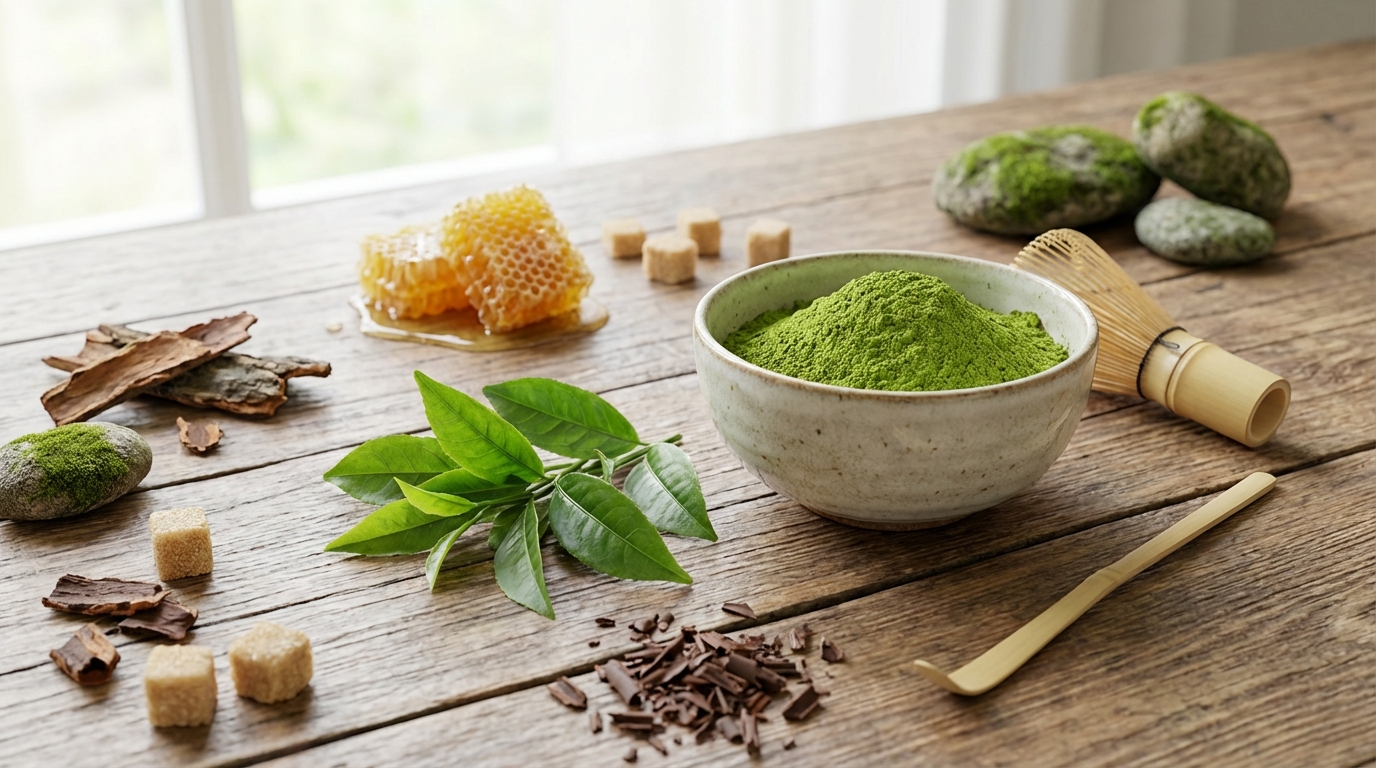
Beyond the initial vegetal hit lies the most sought-after characteristic: Umami. Often called the “fifth taste,” umami is a savory, brothy richness typically associated with seaweed, mushrooms, or slow-cooked meats. In matcha, this translates to a full-bodied mouthfeel and a lingering savory finish. Accompanying this is a subtle, natural sweetness—not a sugary sweetness, but a mellow, creamy undertone that balances a gentle, cleansing bitterness.
2. The Science of Taste: Amino Acids and Catechins
The unique flavor of matcha is not an accident of nature; it is a result of precise chemistry. The two primary compounds responsible for matcha’s taste are L-theanine and Catechins. Understanding the ratio between these two is key to identifying high-quality premium ceremonial grade matcha .

- L-theanine: This amino acid is responsible for the umami and sweetness. It provides a calming effect that balances the “jitters” often associated with caffeine.
- Catechins (EGCG): These are antioxidants that provide the tea’s characteristic bitterness and astringency.
- Chlorophyll: High levels of chlorophyll contribute to the “green” flavor and the vibrant color, which is a hallmark of the Premium Grade Matcha used in high-end cafes.
In high-grade matcha, the L-theanine content is maximized, resulting in a tea that is “creamy” and “sweet.” In lower-grade teas, the catechins dominate, leading to a harsher, more bitter profile.
3. The Role of Shading in Developing Flavor
The most critical step in the production of matcha is the shading process. About three to four weeks before harvest, tea farmers cover the plants with black netting or straw mats to block out up to 90% of sunlight.
Why does shading change the taste?When the tea plant is deprived of sunlight, it compensates by producing massive amounts of chlorophyll to capture what little light remains. More importantly, it prevents the conversion of L-theanine into catechins. In full sunlight, the savory L-theanine naturally turns into bitter catechins. By shading the leaves, the farmer “locks in” the umami and sweetness. This is why shade-grown matcha has a vastly different flavor profile compared to sun-grown green teas like Sencha.
4. Visual Indicators: What Color Tells You About Taste
You can often tell what matcha will taste like before you even take a sip. The color is the most immediate indicator of quality and flavor potential. High-quality matcha should be a vibrant, electric green, often described as “jade” or “emerald.”

A bright green color indicates that the leaves were properly shaded, harvested at the right time (usually the first flush), and processed quickly to prevent oxidation. This visual vibrance correlates directly with a sweet, umami-rich flavor. Conversely, matcha that appears yellowish, brownish, or dull grey-green has likely been oxidized, contains older leaves (lower L-theanine), or includes stems and veins. These colors are reliable predictors of a bitter, hay-like, or overly astringent taste.
5. Quality Matters: Identifying High-Quality Matcha
Differentiating between a “good” matcha and a “great” one requires an understanding of the production standards. High-quality matcha is stone-ground, which keeps the powder cool and preserves the delicate flavor compounds.
Key Indicators of High Quality:
- Texture: The powder should be as fine as baby powder (5-10 microns). If you rub it between your fingers, it should feel silky, not gritty.
- Origin: Regions like Hangzhou, China (the home of Riching Matcha) or Uji, Japan, are renowned for their soil and climate.
- Froth: When whisked, high-quality matcha produces a thick, stable foam with tiny bubbles, indicating high amino acid content.
Table 1: Quality Attributes of High-Grade Matcha
Attribute | High-Quality (Ceremonial) | Low-Quality (Culinary/Mass Market) |
|---|---|---|
Color | Electric Emerald Green | Dull Yellowish-Brown |
Aroma | Fresh, Grassy, Sweet Cream | Hay-like, Dusty, Fishy |
Texture | Silky, Ultra-Fine Powder | Gritty, Sandy, Coarse |
Taste | Sweet Umami, Smooth Finish | Bitter, Harsh, Astringent |
Aftertaste | Lingering Sweetness | Dry Mouthfeel, Lingering Bitterness |
6. Low-Quality Matcha: Red Flags and Taste Notes
Low-quality matcha is unfortunately common in the mass market. It is often harvested from the second or third flush, where the leaves are older and tougher. These leaves have spent more time in the sun, leading to a significant increase in bitterness and a decrease in the “creamy” L-theanine.
What does “bad” matcha taste like?It is often described as bitter, acrid, and metallic. Instead of a smooth, brothy umami, it may have a “fishy” or “seaweed-gone-wrong” scent. This “fishiness” is usually a result of improper storage or the use of lower-quality fertilizers. Furthermore, the lack of fine grinding means the powder won’t suspend well in water, resulting in a gritty, sandy mouthfeel that leaves a dry coating on the tongue.
7. Ceremonial vs. Culinary Grade: A Detailed Taste Comparison
One of the most frequent points of confusion is the distinction between Ceremonial and Culinary grades. These terms are not just marketing buzzwords; they represent entirely different flavor profiles intended for specific uses.

- Ceremonial Grade: Intended to be whisked with only hot water. Its flavor is delicate and nuanced. Adding milk or sugar to a true ceremonial grade is often considered a waste, as the subtle sweetness and umami are easily overwhelmed.
- Culinary Grade: Specifically designed to be mixed with other ingredients. It has a “bolder” and more astringent flavor. This is necessary so that the “matcha taste” can cut through the fats and sugars in lattes, smoothies, and baked goods. Using a versatile culinary grade matcha ensures your matcha cake or latte actually tastes like tea.
Table 2: Grade Usage and Flavor Intensity
Grade | Primary Flavor Note | Best Use Case | Mouthfeel |
|---|---|---|---|
Ceremonial | Sweet, Buttery Umami | Traditional Tea (Usucha/Koicha) | Velvety, Light |
Premium | Balanced Green, Mild Sweet | Professional Lattes | Smooth, Full-bodied |
Culinary | Strong Vegetal, Astringent | Baking, Smoothies, Cooking | Bold, Gritty (if plain) |
TOP Series | Intense Jade, Floral Notes | High-end Desserts, Ice Cream | Dense, Rich |
8. Matcha vs. Traditional Green Tea: Distinct Differences
While both come from the Camellia sinensis plant, the experience of drinking matcha is fundamentally different from drinking steeped green tea (like Sencha or Gunpowder).
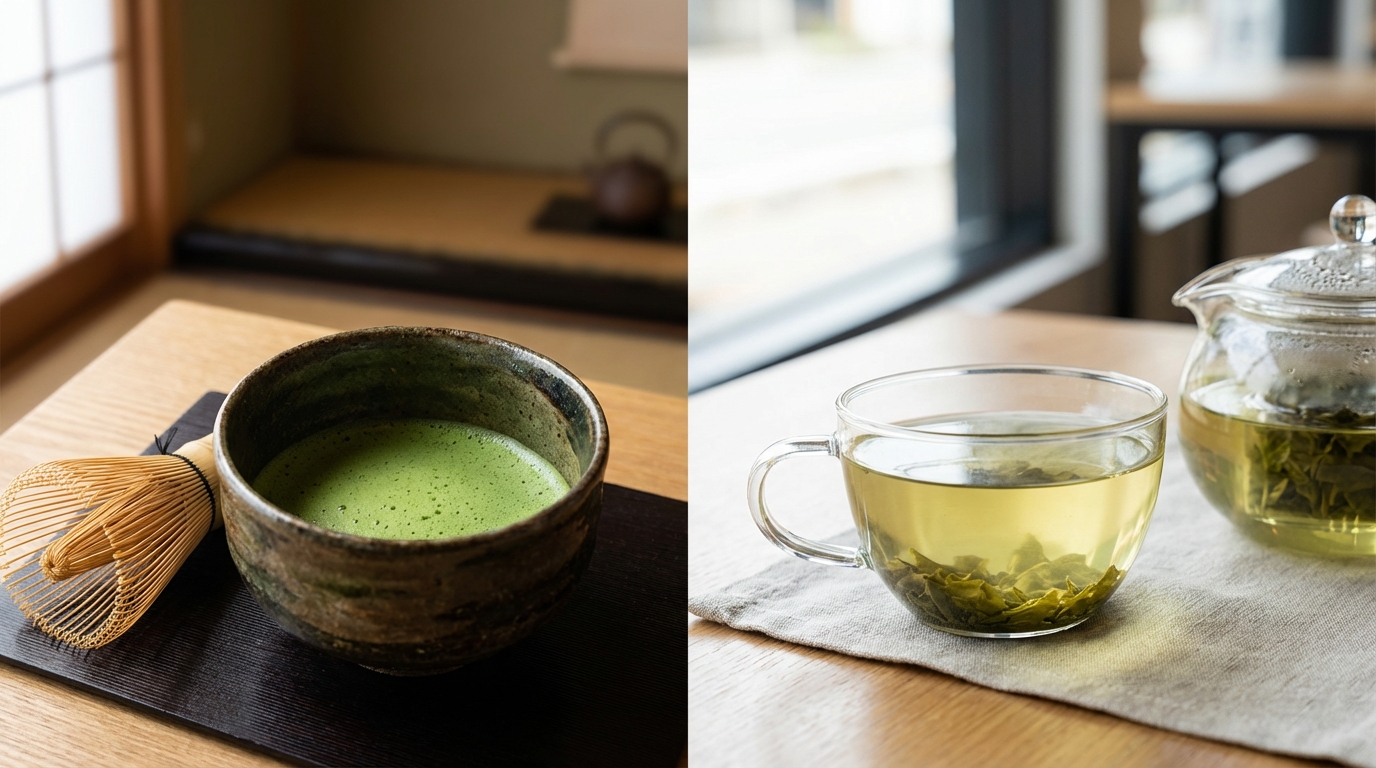
The Consumption FactorWhen you steep green tea, you are essentially making an infusion. You only consume the water-soluble components. With matcha, you are consuming 100% of the leaf. This leads to:
- Intensity: Matcha is roughly 10 times stronger in flavor than steeped tea.
- Body: Matcha has a “soup-like” or “broth-like” consistency, whereas green tea is “water-like.”
- Caffeine/Nutrients: Because you eat the leaf, you get significantly more caffeine and antioxidants, which alters the “perceived” taste through increased stimulation.
9. The Impact of Water Temperature and Preparation on Flavor
Even the most expensive matcha can taste terrible if prepared incorrectly. Matcha is highly sensitive to heat. If you use boiling water (100°C), you will scorch the delicate powder, instantly releasing all the bitterness and killing the sweet umami notes.

The ideal temperature for matcha is between 70°C and 80°C (158°F – 176°F). At this temperature, the L-theanine dissolves perfectly, but the bitter catechins are kept in check. Additionally, the use of a traditional bamboo matcha whisk (chasen) is vital. Whisking in a “W” motion incorporates air, creating a frothy layer that aerates the tea, making it taste lighter and more “creamy” on the tongue.
10. Modern Palates: Matcha in Lattes, Baking, and Desserts
In the Western world, the “matcha taste” most people recognize is that of the matcha latte. When combined with milk (dairy or oat), the astringency of the tea is mellowed by the fats, creating a flavor reminiscent of “green tea white chocolate.”
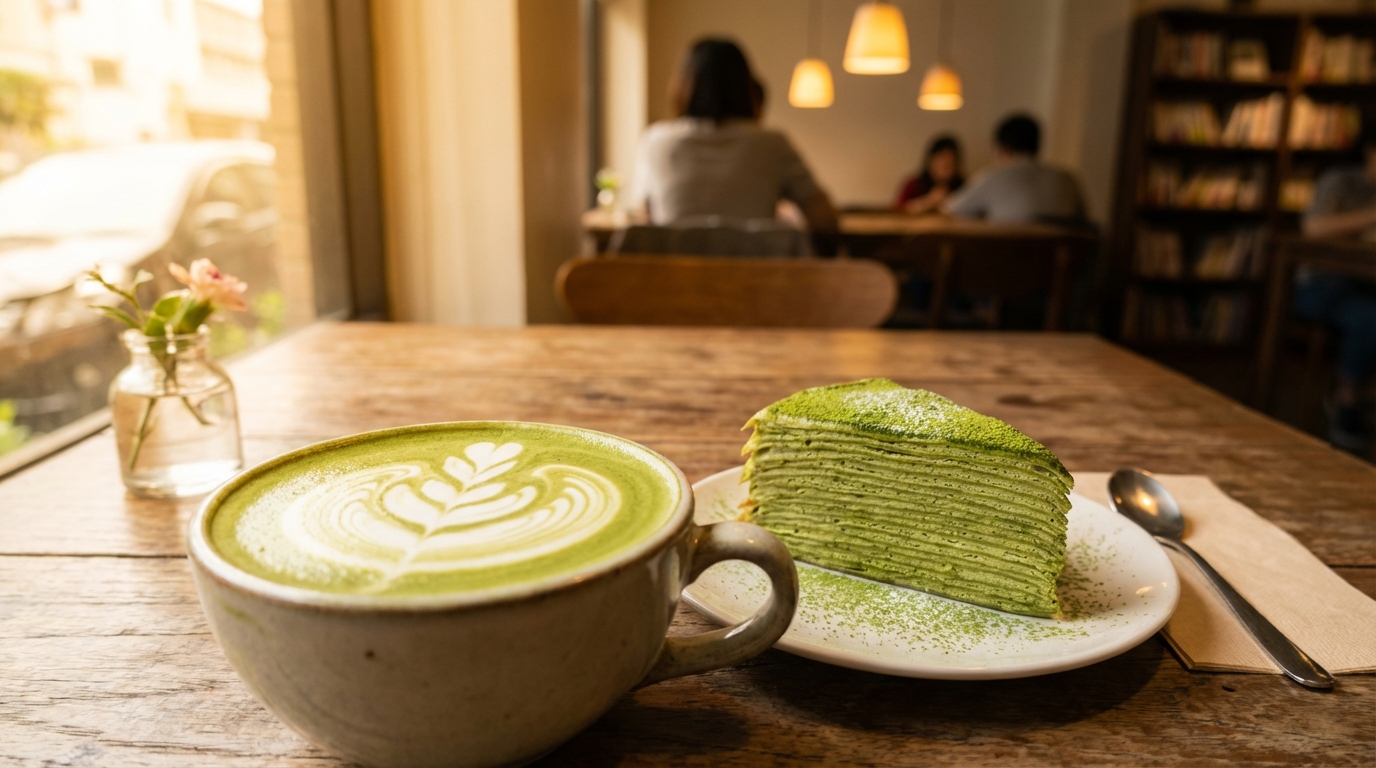
In baking, matcha provides an earthy, sophisticated counterpoint to sugar. It works exceptionally well with white chocolate, citrus, and ginger. Because culinary grade matcha has a more “robust” profile, it maintains its signature green color and vegetal flavor even after being exposed to the high heat of an oven. For high-end confectionery, manufacturers often use “TOP Series” matcha to achieve that deep jade color without needing artificial dyes.
11. Tasting Like a Pro: A Step-by-Step Sensory Guide
To truly appreciate the nuances of matcha, you should approach it like a wine or coffee tasting. This involves engaging all your senses.
- Aroma: Before whisking, smell the dry powder. It should smell fresh, like a meadow after rain. Once whisked, the aroma should turn more “nutty” or “creamy.”
- The First Sip: Take a small sip and let it coat your entire tongue. Notice the “body”—is it thin like water or thick like a cream soup?
- The Middle Notes: Do you taste the grassiness? Is there a hint of toasted nuts or seaweed?
- The Finish: This is the most important part. High-quality matcha leaves a “sweet” aftertaste that lingers for minutes. If the back of your throat feels dry or “tight,” it is a sign of high astringency and lower quality.
12. Sourcing Excellence: Why Origin and Manufacturing Matter
The final flavor of the matcha in your cup is the culmination of a year-long process involving soil management, climate, and factory precision. Choosing the right source, such as a factory with custom matcha packaging capabilities and massive annual capacity, ensures consistency in flavor profile.

Riching Matcha, based in the historic Jingshan Town (the birthplace of the tea ceremony), manages over 3,000 hectares of tea gardens. By controlling the process from farm to factory, they can produce a range of flavors—from the highly savory “TOP Series” to the balanced “Premium” grades used by global beverage brands. For businesses, the ability to source matcha that meets both EU and USDA organic standards while maintaining a specific flavor profile is the difference between a successful product and a forgotten one.
Frequently Asked Questions (FAQs)
1. Why does my matcha taste like fish?A “fishy” taste is often a sign of low-quality matcha. It can be caused by the type of fertilizers used on the tea plants, or more commonly, by oxidation. If matcha is exposed to air, light, or heat, its chlorophyll and amino acids break down, creating an unpleasant oceanic scent.
2. Can I make matcha taste less bitter?Yes. First, ensure you are not using boiling water; stick to 80°C. Second, try using a higher grade (Ceremonial or Premium). Finally, sifting the powder before whisking prevents bitter clumps from forming.
3. Does organic matcha taste different from conventional matcha?Sometimes. Organic fertilizers (like rapeseed meal or fish bone) release nutrients more slowly than synthetic ones. This can lead to a more “complex” and “earthy” flavor, though some argue that conventional matcha can achieve a higher umami “punch” through nitrogen-rich synthetic fertilizers.
4. What is the difference between “grassy” and “bitter”?“Grassy” is a vegetal flavor profile (think of the smell of a fresh lawn), which is a desirable trait in matcha. “Bitter” is a sharp, acrid sensation on the back of the tongue that makes you want to pucker your mouth. Good matcha is grassy but not overly bitter.
5. How long does matcha stay fresh?Once opened, matcha begins to lose its flavor and vibrant color within 1-2 months. To preserve the sweet, umami taste, store it in an airtight, opaque container in a cool, dark place (or the refrigerator).