
Matcha ice cream is a chilled Japanese dessert made from high-quality stone-ground green tea powder, cream, and sugar. Many people struggle to find authentic matcha ice cream flavors that aren’t overly bitter or artificially colored. It is frustrating to spend time making a batch only to end up with a gritty, dull result that lacks that signature umami punch. Fortunately, mastering the balance of ingredients and choosing the right tea grade can elevate your homemade treats to professional standards.
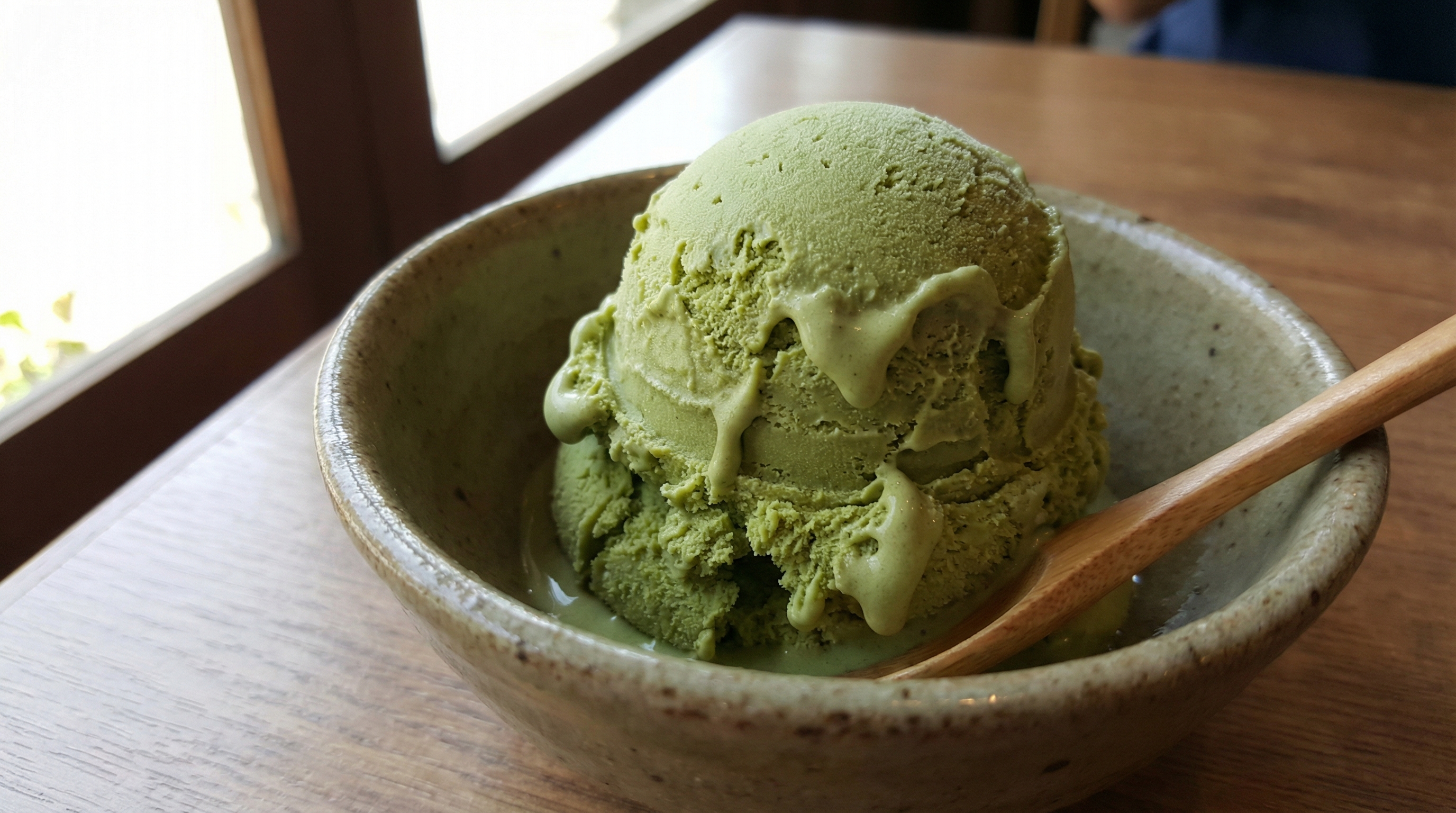
You crave these matcha ice cream flavors because they offer a unique “umami” experience that perfectly blends earthy bitterness with creamy sweetness. This complex profile provides a sophisticated depth that standard vanilla or chocolate simply cannot match. High-quality powder ensures a refreshing finish that lingers pleasantly on the palate.
What makes the taste so addictive?
The secret lies in the balance between the natural grassiness of the tea and the richness of the dairy. This creates a flavor profile that is both stimulating and comforting at the same time. Many enthusiasts find that the mild caffeine boost adds to the overall enjoyment of the dessert.
Think about this:
- The presence of L-theanine provides a “calm energy” effect.
- Natural amino acids contribute to the savory umami notes.
- High-quality fats carry the tea flavor across the tongue.
Why does the color appeal to us?
A vibrant, forest-green hue is a strong visual indicator of freshness and nutrient density. We are naturally drawn to colors that suggest vitality and high chlorophyll content. If the color is dull, our brains often perceive the flavor as stale or overly dusty.
But that’s not all:
- Visual appeal stimulates the appetite before the first bite.
- Emerald tones signify a lack of artificial fillers.
Key Takeaway: The visual and chemical profile of high-grade matcha creates a multi-sensory experience that is deeply satisfying.
Factor | Impact on Flavor | Visual Cue |
|---|---|---|
Chlorophyll | Clean, grassy finish | Vibrant green |
Amino Acids | Rich umami depth | Opaque consistency |
L-theanine | Balanced sweetness | Smooth appearance |
The combination of chemical compounds and visual brilliance is why authentic tea-based treats remain a global favorite.
Can you find vegan matcha ice cream flavors?
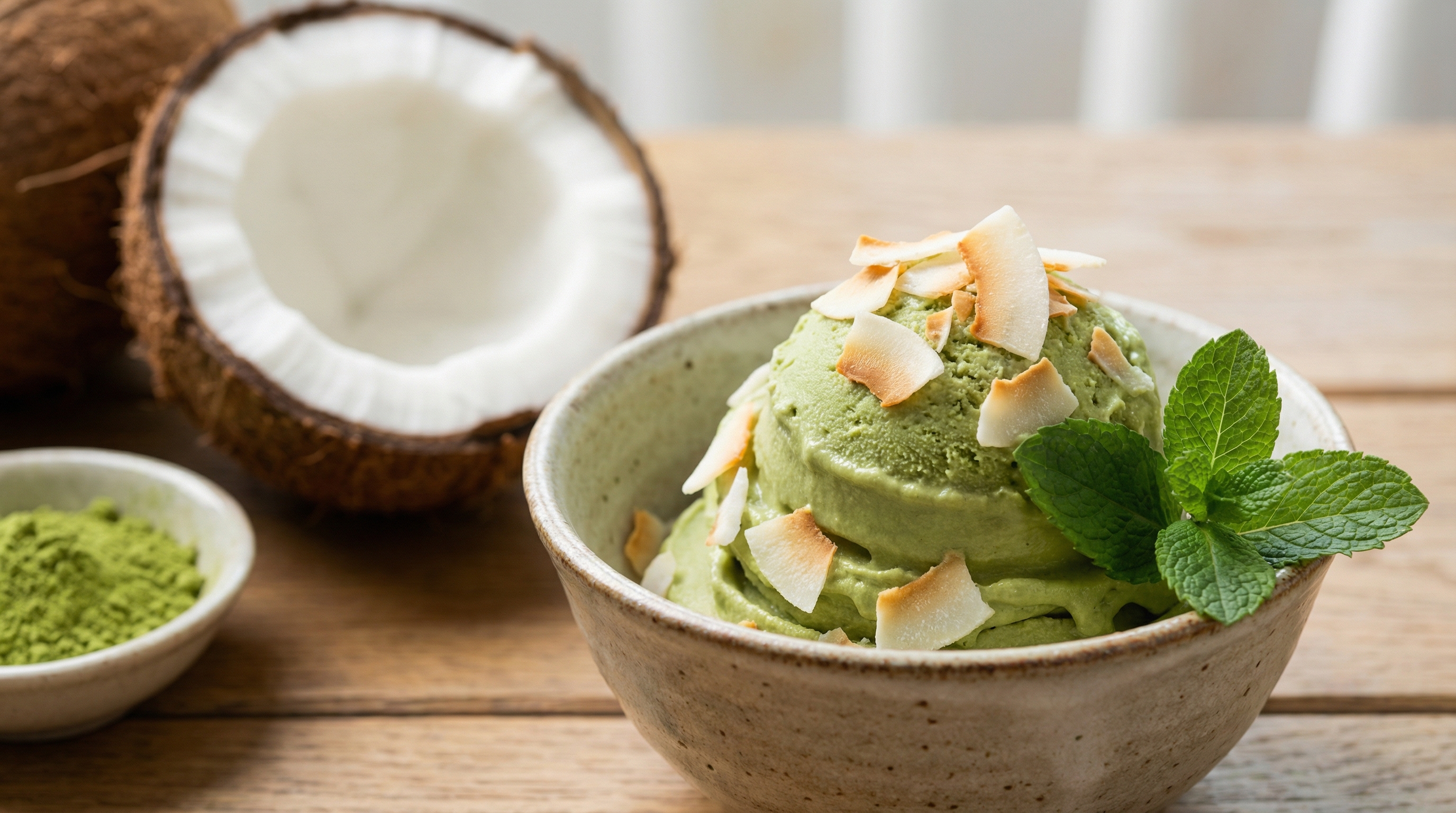
Yes, you can easily find or create plant-based matcha ice cream flavors using coconut, cashew, or oat milk as a rich base. These alternatives provide the necessary fat content to carry the bold tea notes without requiring any animal products. Modern techniques have made it possible to achieve a professional, velvety scoop that rivals traditional dairy versions.
Which plant milk is best for texture?
Coconut milk is generally considered the gold standard for vegan frozen desserts due to its high saturated fat content. This mimics the mouthfeel of heavy cream and prevents the mixture from becoming too icy. Cashew milk follows closely, offering a neutral, buttery flavor that doesn’t compete with the tea.
Listen to this:
- Full-fat coconut milk creates the densest structure.
- Cashew milk provides the most neutral flavor profile.
- Oat milk offers a light, naturally sweet finish.
How to keep it creamy without eggs?
Using natural thickeners like xanthan gum or cornstarch can help stabilize the water and fat molecules in your vegan base. These ingredients prevent large ice crystals from forming during the freezing process. This ensures your scoop remains soft and pliable even after a few days in the freezer.
Believe it or not:
- Thickening agents replace the emulsifying role of egg yolks.
- Proper aeration during churning adds essential volume.
Key Takeaway: Plant-based alternatives like coconut and cashew milk provide a perfect canvas for bold, earthy tea profiles.
Vegan Base | Texture Result | Flavor Intensity |
|---|---|---|
Coconut | Very Rich/Velvety | Moderate |
Cashew | Smooth/Buttery | High |
Oat | Light/Creamy | Subtle |
Choosing the right non-dairy base allows the natural complexity of the green tea to shine while maintaining a luxurious mouthfeel.
How do matcha ice cream flavors differ?
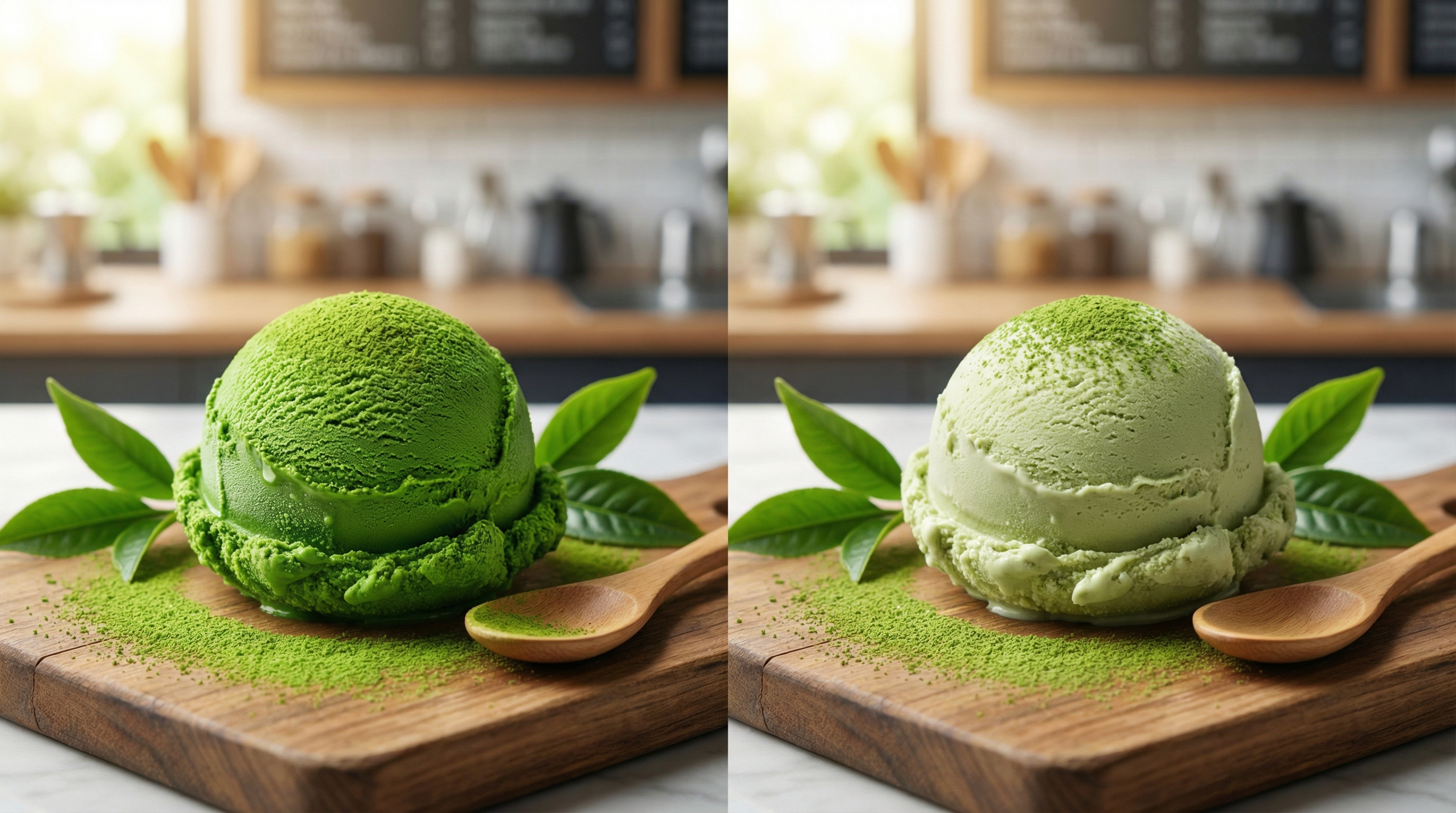
These matcha ice cream flavors differ from standard green tea ice cream because they utilize the entire ground leaf rather than a steeped infusion. This fundamental difference in processing leads to a much more concentrated flavor and a denser nutritional profile. While steeped green tea provides a light, watery essence, the powdered form integrates directly into the cream.
Is the caffeine content different?
Since you are consuming the actual tea leaves, the caffeine levels in these scoops are significantly higher than in steeped versions. This provides a more noticeable energy lift that complements the sweet nature of the dessert. However, the presence of amino acids usually prevents the “jitters” associated with coffee.
Keep this in mind:
- One scoop can contain as much caffeine as a small cup of tea.
- The energy release is sustained over a longer period.
- You get 100% of the antioxidants found in the leaf.
Why is the texture more dense?
The suspension of fine particles within the dairy fat creates a structure that feels heavier and more luxurious on the tongue. This density allows the flavor to bloom slowly as the ice cream melts in your mouth. Steeped tea often thins the base, leading to a lighter but less satisfying consistency.
But there’s more:
- Ground particles act as a natural stabilizer for the foam.
- The powder absorbs moisture, contributing to a fudgy texture.
Key Takeaway: Using whole-leaf powder results in a more intense, nutrient-dense, and structurally superior frozen treat compared to steeped tea.
Feature | Matcha Powder | Steeped Green Tea |
|---|---|---|
Particle Use | Whole leaf consumed | Liquid extract only |
Flavor Body | Robust and thick | Light and thin |
Antioxidants | Maximum retention | Minimal retention |
The physical integration of the tea powder is what gives the final product its characteristic “Japanese cafe” quality and depth.
What defines premium matcha ice cream flavors?
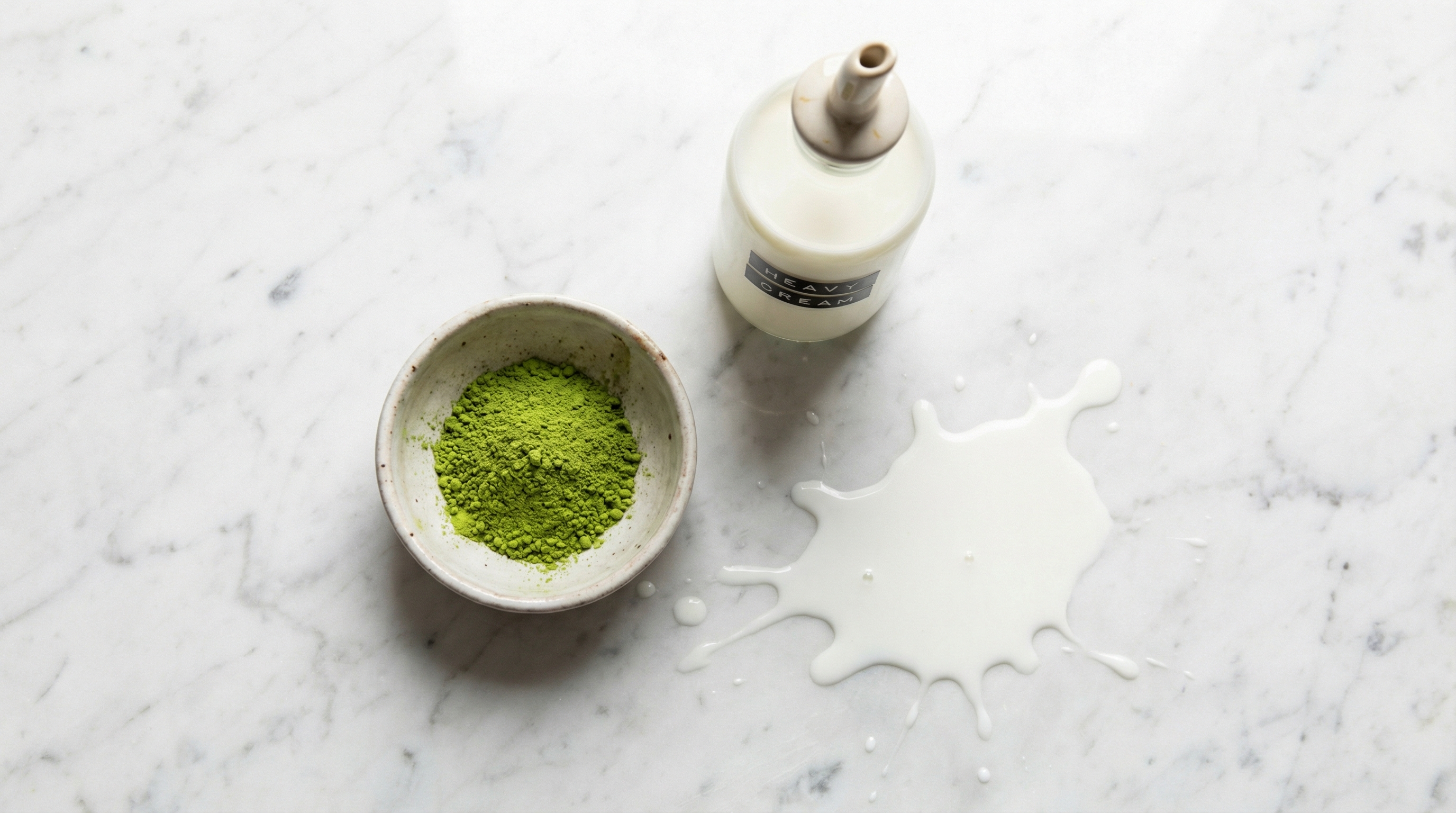
Premium matcha ice cream flavors are defined by the use of high-fat dairy and organic, stone-ground tea that has been properly shade-grown. The quality of the raw materials determines whether the final product will have a bright, clean taste or a dusty, hay-like finish. True gourmet versions avoid artificial dyes and rely solely on the natural chlorophyll of the tea.
Why is fat content so important?
Fat acts as a flavor carrier, allowing the complex volatile compounds of the tea to reach your taste buds effectively. A higher percentage of heavy cream ensures a silky texture that doesn’t freeze into a solid block. Premium recipes often use a high ratio of cream to milk to achieve a “frozen custard” style.
It’s a fact:
- Fat masks harsh bitterness while highlighting umami.
- 36% fat or higher is ideal for professional results.
- Lower fat leads to “icy” mouthfeel and muted flavor.
Does the sugar type matter?
Using refined white sugar or organic cane sugar provides a clean sweetness that doesn’t distract from the tea’s natural notes. Brown sugars or honey can introduce molasses or floral tones that might clash with the delicate earthiness of the powder. The sugar also lowers the freezing point, which is critical for a soft scoop.
Don’t forget:
- Sugar prevents the formation of large, crunchy ice crystals.
- It balances the inherent tannins found in the tea leaves.
Key Takeaway: High-grade ingredients like organic cream and pure cane sugar are essential to support the profile of premium tea.
Ingredient | Role in Quality | Ideal Specification |
|---|---|---|
Tea Powder | Flavor/Color | Organic Culinary Grade |
Heavy Cream | Mouthfeel/Fat | Minimum 36% Fat |
Sweetener | Texture/Softness | Pure Granulated Sugar |
Investing in superior raw materials is the only way to replicate the authentic, high-end taste found in specialized tea houses.
Which grade suits matcha ice cream flavors?
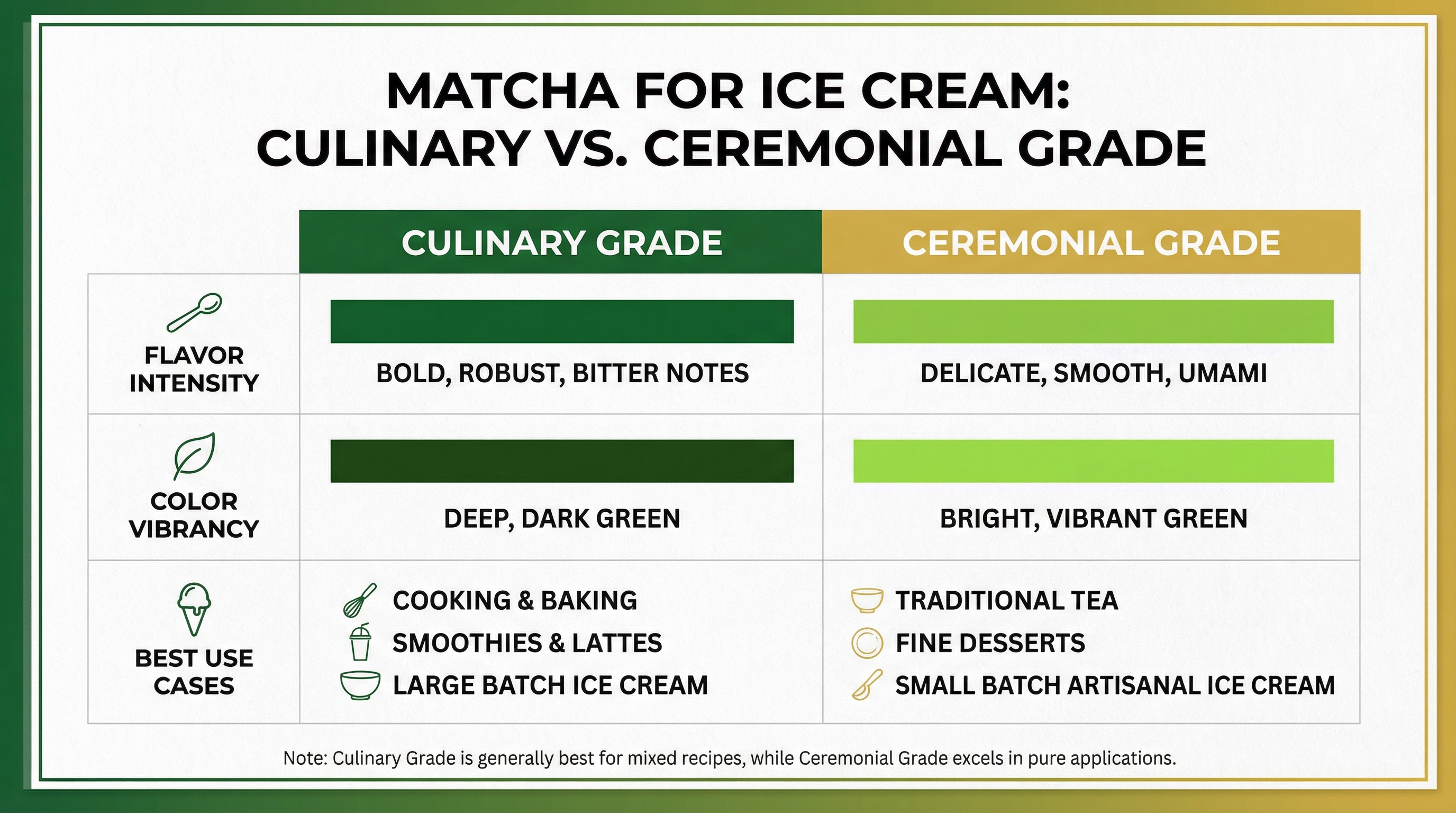
A high-quality culinary grade generally suits matcha ice cream flavors better than a delicate, expensive ceremonial grade. This is because culinary grades are specifically processed to maintain a bold “tea punch” that can cut through heavy fats and sugars. Ceremonial tea is often too subtle and can get lost when mixed with cream, leading to a waste of premium product.
Culinary vs. Ceremonial differences?
Culinary grades are harvested later in the season, which gives them a stronger, slightly more astringent flavor profile. This astringency is actually a benefit in baking and ice cream making as it balances the sweetness. Ceremonial grade is meant to be whisked with water only to appreciate its mild, nutty nuances.
Think about this:
- Culinary grade has a higher tannin content for bolder flavor.
- Ceremonial grade is too delicate for heat or dairy mixing.
- The cost-to-flavor ratio is better with culinary varieties.
How to spot the right powder?
You should look for a “Premium Culinary” grade that still maintains a bright green color rather than a brownish-yellow hue. It should feel like fine talcum powder between your fingers and have a fresh, grassy aroma. Avoid any products that list “sugar” or “milk powder” as the first ingredient on the label.
Check this out:
- Fine texture ensures smooth integration into the base.
- Vibrant green color indicates high chlorophyll and freshness.
Key Takeaway: Premium culinary grade offers the robust flavor needed to stand up to dairy without the prohibitive cost of ceremonial tea.
Grade Category | Primary Benefit | Recommended Use |
|---|---|---|
Ceremonial | Delicate/Sweet | Traditional Tea Drinking |
Premium Culinary | Bold/Vibrant | Ice Cream and Lattes |
Basic Culinary | Very Astringent | Large-scale Baking |
Using the appropriate grade ensures that your dessert has a professional appearance and a flavor that is unmistakably “matcha.”
Is texture vital for matcha ice cream flavors?
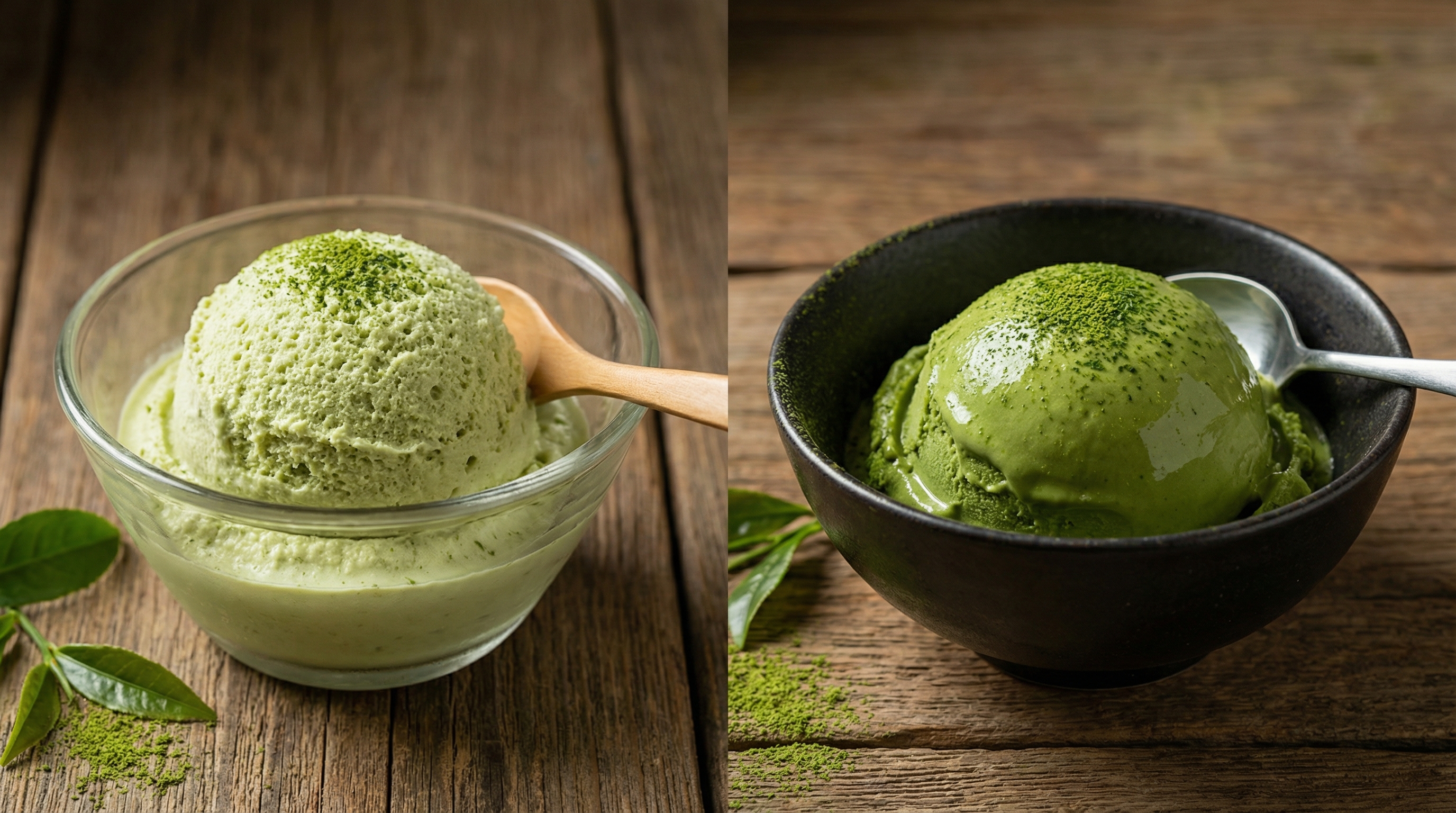
Texture is vital for matcha ice cream flavors because the fine powder must be perfectly suspended within the dairy to avoid a sandy or gritty mouthfeel. If the powder is not properly emulsified, it will settle at the bottom or create unpleasant clumps. Achieving a velvety consistency allows the flavor to be distributed evenly across every spoonful.
How to avoid the grainy sensation?
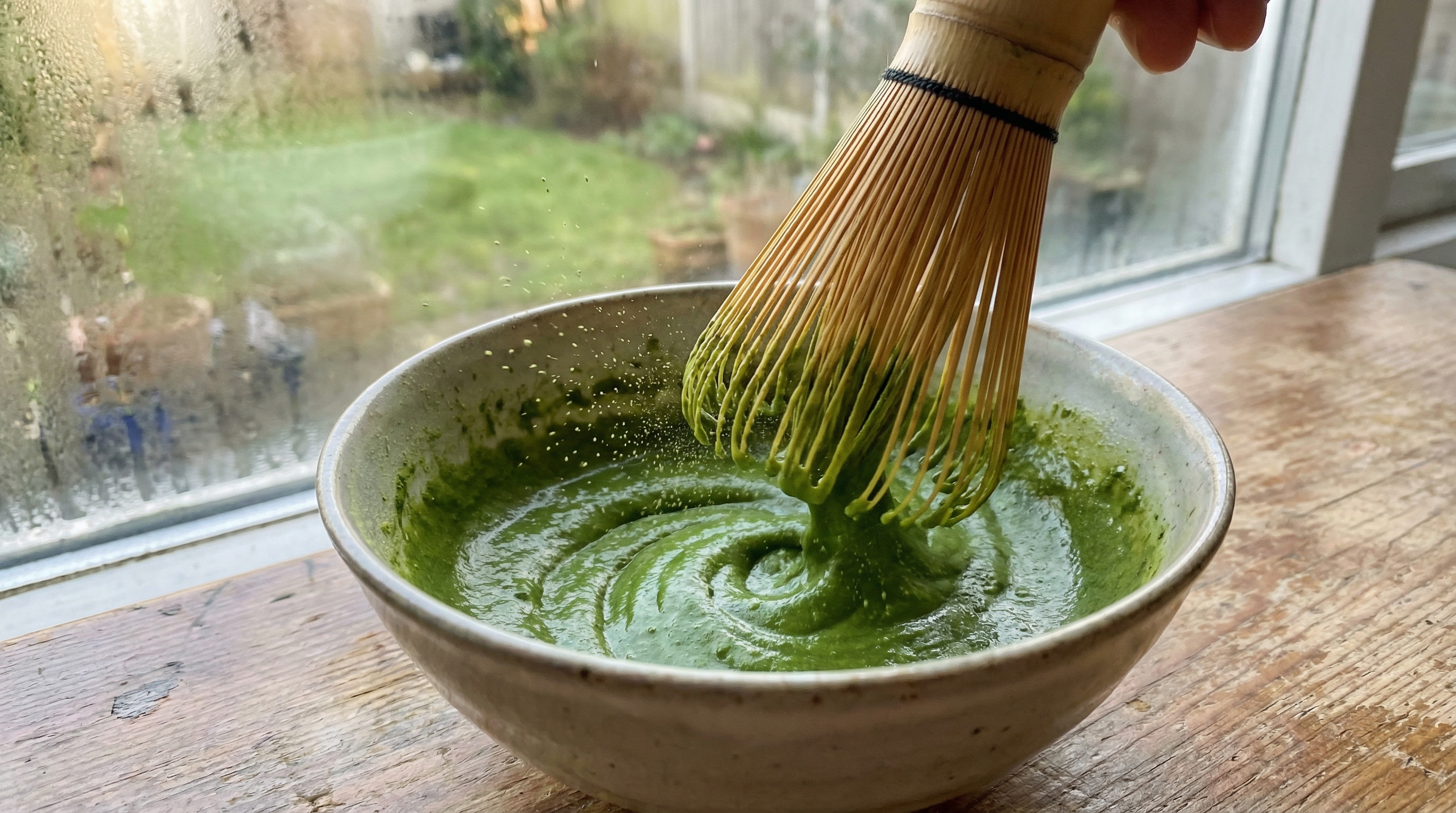
The most effective way to ensure a smooth result is to create a concentrated “slurry” or paste before adding the bulk of your liquid. By whisking the powder with a small amount of warm milk or water, you break down the microscopic clumps. Once the paste is smooth, you can slowly incorporate it into the rest of the ice cream base.
But that’s not all:
- Pre-mixing prevents the powder from floating on top.
- Using a bamboo whisk or milk frother improves dispersion.
- Warming the liquid slightly helps dissolve any stubborn bits.
Why sifting is your best friend?
Matcha is highly susceptible to static electricity, which causes the fine particles to clump together in the bag. Sifting the powder through a fine-mesh strainer is a non-negotiable step for any professional-grade recipe. This simple action ensures that every particle is separated before it ever touches the liquid.
You won’t believe it:
- Sifting takes less than a minute but saves the entire batch.
- It removes large particles that cause “bitter pockets” in the scoop.
Key Takeaway: Proper preparation through sifting and pasting is the only way to achieve the silkiness required for a gourmet dessert.
Step | Action | Benefit |
|---|---|---|
Sifting | Use fine-mesh sieve | Removes lumps and static |
Slurry | Mix with tiny liquid | Even color/flavor distribution |
Emulsifying | Whisk thoroughly | Prevents settling of particles |
A smooth texture is the hallmark of a well-made tea dessert and is essential for a premium eating experience.
How to churn bold matcha ice cream flavors?
To churn bold matcha ice cream flavors, you must start with a thoroughly chilled base and a machine bowl that has been frozen for at least 24 hours. Rapid freezing is the secret to creating the smallest possible ice crystals, which results in a professional “soft-serve” consistency. If the mixture takes too long to freeze, it will become icy and the tea flavor will lose its vibrancy.
What is the secret to a fast churn?
Patience during the “aging” phase is what separates amateur results from professional ones. You should refrigerate your completed milk and tea mixture for at least six hours, or ideally overnight. A cold base hits the frozen bowl and begins to set immediately, trapping air efficiently for a light and airy result.
But wait, there’s more:
- Chilling allows the proteins to bond with the tea particles.
- It ensures the fat stays stable during the churning process.
- The flavors deepen and meld during the resting period.
Can you make it without a machine?
While a machine provides the best results, you can use a “no-churn” method by folding matcha-infused condensed milk into stiffly whipped heavy cream. This technique relies on the air trapped in the cream to provide the volume and softness normally achieved by the churn. It creates a mousse-like texture that is incredibly easy to prepare at home.
Think about this:
- No-churn methods are perfect for beginners without equipment.
- They result in a richer, denser treat than churned versions.
Key Takeaway: Temperature control and proper aeration are the technical foundations of a successful, bold-flavored batch.
Method | Effort Level | Texture Profile |
|---|---|---|
Traditional Churn | High | Velvety and Light |
No-Churn Whipped | Low | Rich and Mousse-like |
Hand-Stirred | Medium | Dense and Fudgy |
Mastering the churning process ensures your dessert has the structural integrity to hold up its intense, earthy flavor.
Why store your matcha ice cream flavors right?
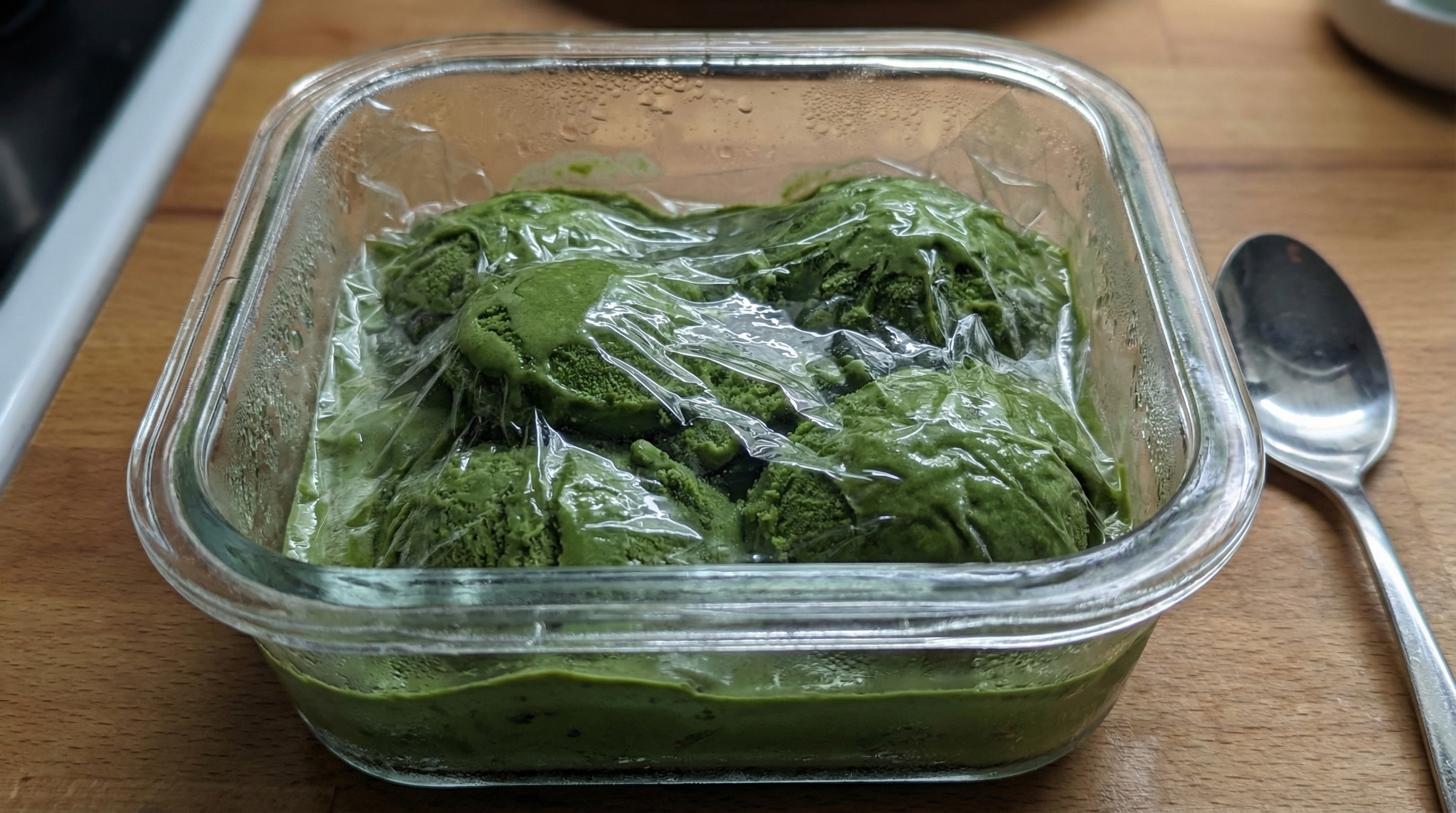
You must store your matcha ice cream flavors correctly to prevent oxidation, which turns the vibrant green color into a dull, brownish-yellow. Exposure to air and light is the primary enemy of ground green tea, even when it is frozen into a dairy base. Additionally, fluctuating freezer temperatures can cause “heat shock,” leading to a crunchy, icy texture that ruins the experience.
How to stop freezer burn?
The best defense against freezer burn is to use an airtight, shallow container and a piece of plastic wrap. Press the plastic wrap directly onto the surface of the ice cream before closing the lid to eliminate any air pockets. This barrier prevents moisture from evaporating and ice crystals from forming on the top layer.
But that’s not all:
- Shallow containers help the mixture freeze and thaw more evenly.
- Airtight seals prevent the cream from absorbing “freezer smells.”
- Storing in the back of the freezer keeps the temperature stable.
What is the best serving temperature?
Never scoop your dessert immediately after taking it out of the deep freeze; it needs to “temper” for about five to ten minutes. Letting it sit on the counter allows the fats to soften slightly, which makes the tea flavors much more accessible to your taste buds. Cold numbs the tongue, so a slightly softer scoop actually tastes more intense.
Believe it or not:
- Tempering unlocks the hidden umami notes of the tea.
- It prevents the “brain freeze” associated with rock-hard ice.
Key Takeaway: Protecting the surface from air and allowing for proper tempering ensures your treat stays fresh and flavorful.
Storage Tip | Tool Needed | Benefit |
|---|---|---|
Surface Seal | Plastic Wrap | Prevents oxidation/ice |
Placement | Back of Freezer | Stable temperature |
Serving | 10-min counter rest | Better flavor bloom |
Proper storage preserves the hard work you put into selecting the right grade and churning the perfect batch.
Can you prevent ice in matcha ice cream flavors?
You can prevent ice in matcha ice cream flavors by adding small amounts of invert sugar, like light corn syrup, or a splash of neutral alcohol to the mix. These ingredients act as “anti-freeze” agents by lowering the freezing point of the water content in the milk. This ensures that even in a standard home freezer, your scoop remains soft and creamy rather than becoming a frozen brick.
The science of non-freezing liquids?
Alcohol does not freeze at household temperatures, so adding just one tablespoon of vodka or gin can drastically improve the texture. Since it doesn’t freeze, it stays liquid within the structure, keeping the surrounding ice crystals small and manageable. This is a common professional secret for creating artisanal batches with a commercial-grade mouthfeel.
Listen to this:
- Vodka is neutral and won’t change the tea’s flavor.
- Only a tiny amount is needed to see a significant difference.
- It helps the ice cream stay scoopable even at 0°F.
How does whisking help aeration?
Vigorous whisking before churning incorporates tiny air bubbles into the base, which act as a buffer between ice crystals. The more air you can trap in the mixture, the “warmer” and softer the ice cream will feel on the tongue. This is why using a traditional bamboo whisk or an electric frother is beneficial during the initial mixing stage.
But that’s not all:
- Aeration increases the volume of your batch (overrun).
- It provides a lighter texture that melts more cleanly.
Key Takeaway: Using technical additives like alcohol or invert sugar is the most effective way to maintain a professional, ice-free consistency.
Additive | Recommended Amount | Function |
|---|---|---|
Vodka | 1 Tbsp per quart | Lowers freezing point |
Corn Syrup | 2 Tbsp per quart | Prevents crystallization |
Xanthan Gum | 1/4 Tsp per quart | Stabilizes the emulsion |
By understanding the science of freezing, you can ensure your tea-flavored treats are always ready to scoop and enjoy.
What pairing fits matcha ice cream flavors?
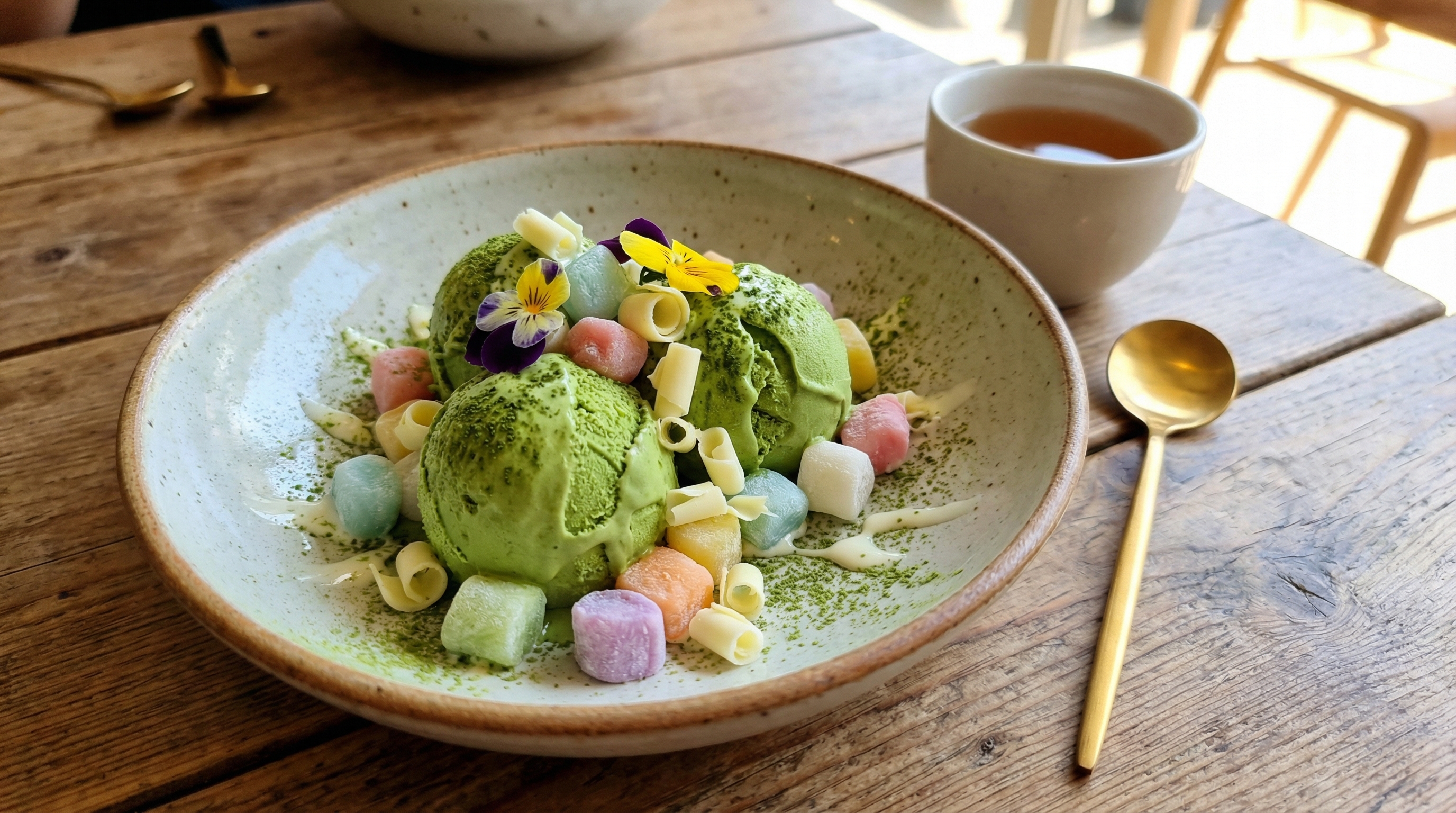
Classic Japanese toppings like chewy mochi, sweet red bean paste (anko), and toasted black sesame fit these matcha ice cream flavors perfectly. These traditional pairings offer a variety of textures and complementary tastes that enhance the earthy notes of the tea. Whether you prefer a traditional sundae or a modern fusion dish, the versatility of the green tea base is unmatched.
Why does red bean work so well?
The natural, earthy sweetness of azuki red beans provides a beautiful contrast to the slight bitterness of the green tea powder. This pairing is a staple in Japanese confectionery because it balances the palate, preventing the dessert from feeling overly sugary. The soft, slightly grainy texture of the beans also adds a pleasant mouthfeel to the smooth cream.
But wait:
- Red bean paste is high in protein and fiber.
- It acts as a natural sweetener for the overall dish.
- The color contrast makes the dessert visually striking.
Are there modern fusion pairings?
Modern chefs often pair these scoops with white chocolate shavings, fresh strawberries, or even a drizzle of balsamic glaze. White chocolate is particularly effective because its high cocoa butter content mimics the richness of the dairy while providing a sweet punch. For a refreshing twist, citrus zest can brighten the deep umami notes of the tea.
Think about this:
- Salted caramel offers a surprising salty-sweet balance.
- Chopped pistachios add a crunch that echoes the green color.
Key Takeaway: Traditional toppings like mochi and red bean remain favorites, but modern fusion ingredients offer exciting new ways to enjoy tea desserts.
Pairing Type | Specific Topping | Why it works |
|---|---|---|
Traditional | Mochi Pieces | Chewy texture contrast |
Modern | White Chocolate | Creamy sweetness boost |
Fruity | Fresh Berries | Bright acid balance |
Exploring different pairings allows you to customize the experience to suit any occasion, from casual snacks to formal dinner parties.
Frequently Asked Questions
Can I use drinking matcha for my ice cream?Yes, but the flavor may be too subtle to stand up to the cream. It is better to use a high-quality culinary grade which has a bolder profile designed for mixing with other ingredients.
Does matcha ice cream contain caffeine?Yes, it contains caffeine because it is made from the whole ground tea leaf. One serving usually contains about half the caffeine of a regular cup of brewed coffee.
How long does homemade matcha ice cream last?It is best consumed within two weeks. After this time, the tea begins to oxidize and lose its vibrant color and fresh flavor, even when frozen.
Can I make this without a machine?Yes, you can use the no-churn method by folding tea-infused condensed milk into whipped cream. This creates a light, mousse-like treat that doesn’t require any special equipment.
Why did my ice cream turn yellow or brown?This is usually caused by oxidation due to air exposure. Always press plastic wrap directly onto the surface before storing to keep the color bright green.
Conclusion
Creating the perfect scoop of matcha ice cream is an art that requires the right ingredients and a bit of technical knowledge. From selecting the proper grade of tea to mastering the churning process, every step contributes to that final, luxurious bite. If you are looking to elevate your dessert game or need to source the highest quality ingredients for your business, we are here to help. At Riching Matcha, we believe that the foundation of every great recipe is pure, authentic tea sourced with care. We invite you to explore our collection and contact us today to find the perfect blend for your next batch of frozen treats. Let us help you bring the authentic taste of a Japanese tea house into your kitchen.