
Matcha has long been celebrated as the “king of green teas,” a powerhouse of antioxidants and a source of what many call “zen energy.” Unlike the jittery, high-octane spike associated with coffee, regular matcha provides a balanced lift thanks to the synergistic relationship between caffeine and L-theanine. However, even this gentler stimulation can be problematic for a significant portion of the population. For individuals struggling with caffeine hypersensitivity, expectant mothers monitoring their daily intake, or those who simply crave a warm bowl of umami-rich tea before bed, the standard cup of matcha can lead to unwanted anxiety, heart palpitations, or disrupted sleep patterns.
Enter decaf matcha. This innovation in the tea industry addresses the primary barrier to entry for many health-conscious consumers: the stimulant content. By removing the vast majority of caffeine while attempting to preserve the vibrant chlorophyll and potent catechins, decaf matcha offers a “green energy” experience that is restorative rather than stimulating. As the global wellness market continues to shift toward “sleep hygiene” and “adrenal recovery,” decaffeinated alternatives are moving from a niche requirement to a mainstream demand. This article provides a comprehensive analysis of the science, production, and market potential of decaf matcha, serving as a definitive guide for both tea enthusiasts and B2B stakeholders looking to expand their product lines.
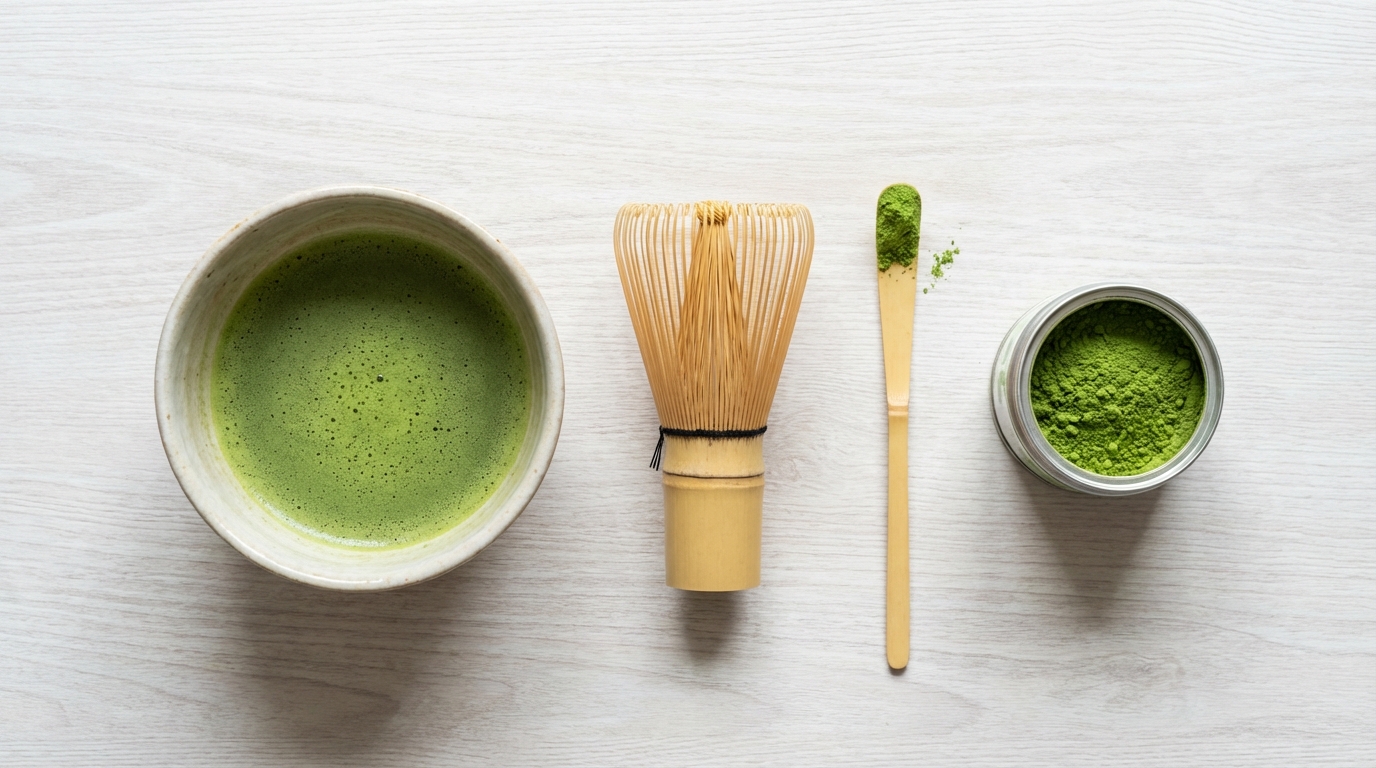
To understand what is decaf matcha, one must first understand that it is not derived from a different species of the tea plant. All matcha, whether decaf or regular, comes from the Camellia sinensis plant. The distinction lies entirely in the post-harvest processing and the specific extraction methods used to strip the caffeine molecules from the leaf material.
Decaffeinated matcha is produced using high-quality Tencha leaves (leaves that have been shaded for 3–4 weeks to increase chlorophyll and L-theanine levels) which then undergo a specialized decaffeination process before being stone-ground into the final fine powder. It is important to note that the term “decaf” refers to a reduction in caffeine, not necessarily a total absence of it. In the context of the beverage industry, decaf matcha is a premium category of green tea designed to provide the nutritional profile and flavor of traditional matcha without the psychoactive effects of caffeine.
For businesses looking to source this specialized ingredient, understanding the quality of the base material is crucial. Even though the caffeine is removed, the quality of the original Tencha determines the final color and nutrient density. High-end suppliers often utilize the same shade-growing techniques used for ceremonial grades to ensure the resulting decaf powder remains a vibrant, electric green rather than a dull olive.
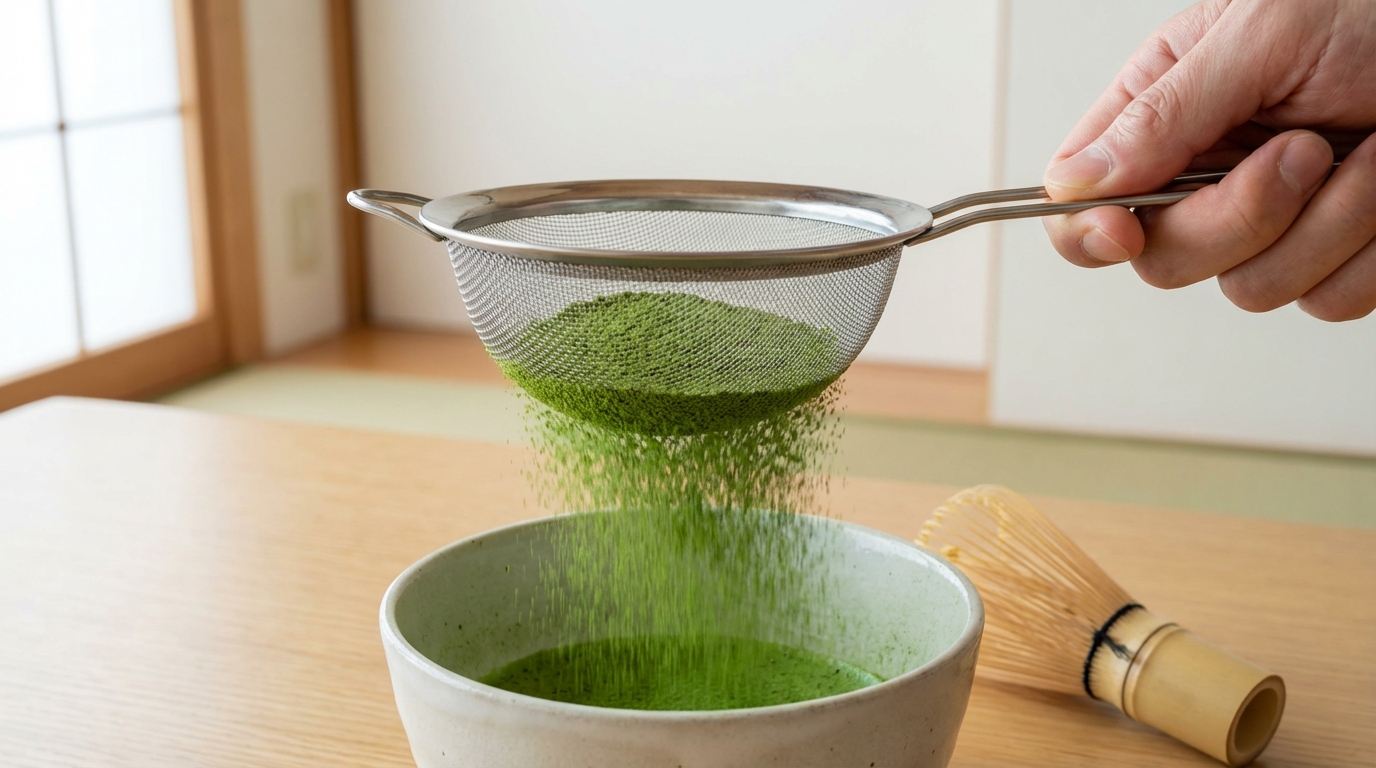
Is Decaf Matcha Completely Caffeine-Free?
In the world of tea labeling, there is a technical and legal distinction between “caffeine-free” and “decaffeinated.”
- Caffeine-Free: This term is reserved for botanicals that naturally contain zero caffeine, such as peppermint, chamomile, or rooibos.
- Decaffeinated: This describes a product that naturally contains caffeine but has had most of it removed through processing.
Decaf matcha falls into the second category. Current international standards generally require decaffeinated tea to have at least 97% to 99% of its original caffeine content removed. For a standard serving of matcha (approx. 1 gram), which usually contains between 30mg and 70mg of caffeine, a decaf version will typically contain between 1mg and 3mg.
For most people, including those with sensitivities, this residual amount is negligible and does not trigger a physiological response. However, for individuals with extreme medical contraindications to caffeine, it is vital to recognize that decaf matcha is not a “zero” caffeine product. When marketing these products, transparency regarding these residual levels is essential for building consumer trust and ensuring safety for sensitive groups.
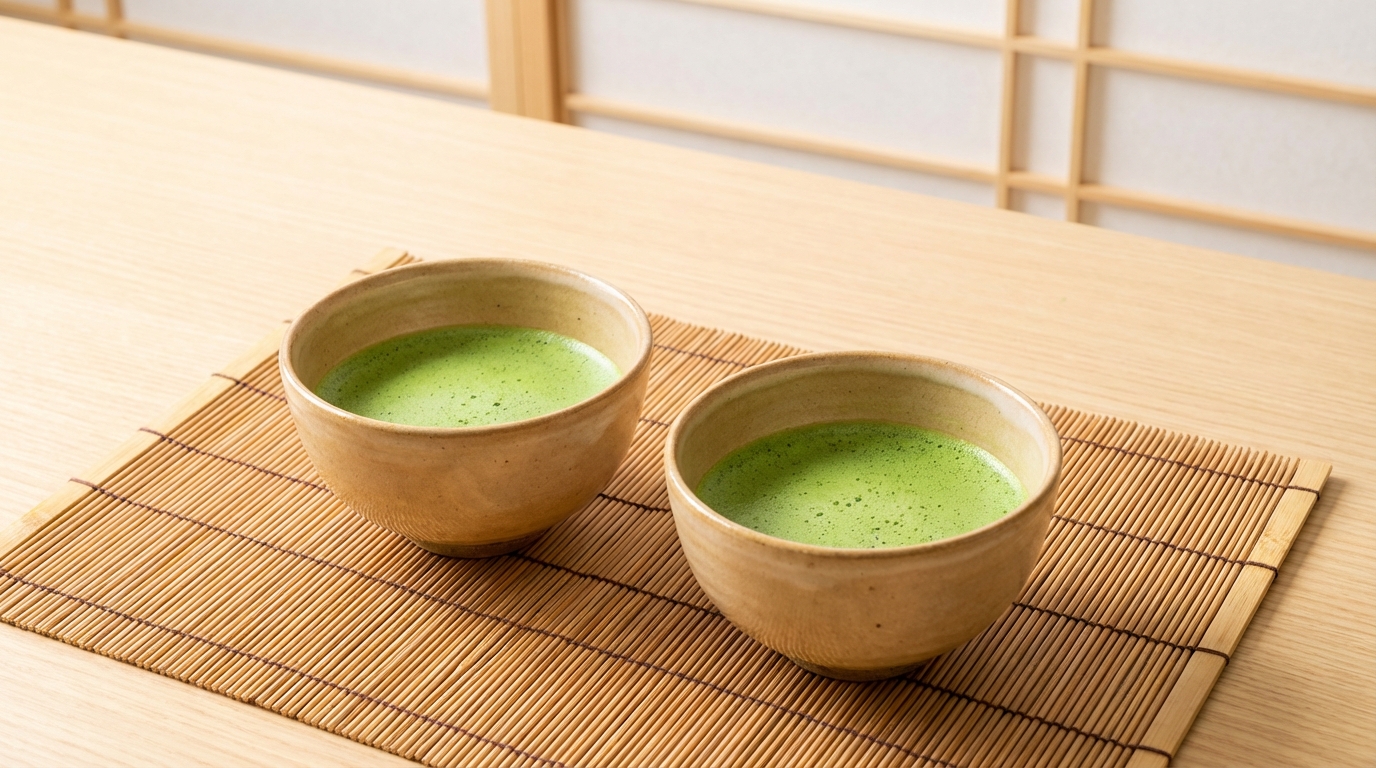
How Much Caffeine Is in Decaf Matcha?
To put the caffeine content of decaf matcha into perspective, we must compare it against other common beverages. The following table illustrates the average caffeine levels per standard serving (8 oz for liquid tea/coffee, 1g for matcha powder).
Beverage Type | Serving Size | Average Caffeine (mg) |
|---|---|---|
Decaf Matcha | 1g (approx. 1 bowl) | 1 – 5 mg |
Standard Matcha | 1g (approx. 1 bowl) | 35 – 70 mg |
Brewed Coffee | 8 oz cup | 95 – 150 mg |
Decaf Coffee | 8 oz cup | 2 – 15 mg |
Green Tea (Bagged) | 8 oz cup | 25 – 45 mg |
Espresso | 1 shot (1 oz) | 63 mg |
As shown, decaf matcha contains significantly less caffeine than even a standard cup of decaf coffee. This makes it one of the lowest-caffeine options available for those who still want to enjoy a complex, brewed beverage. The wide range in standard matcha (35-70mg) is due to variables such as the age of the leaves, the duration of shading, and the water temperature used during preparation. Because decaf matcha undergoes a standardized extraction process, its caffeine levels are often more consistent and predictable for the end consumer.
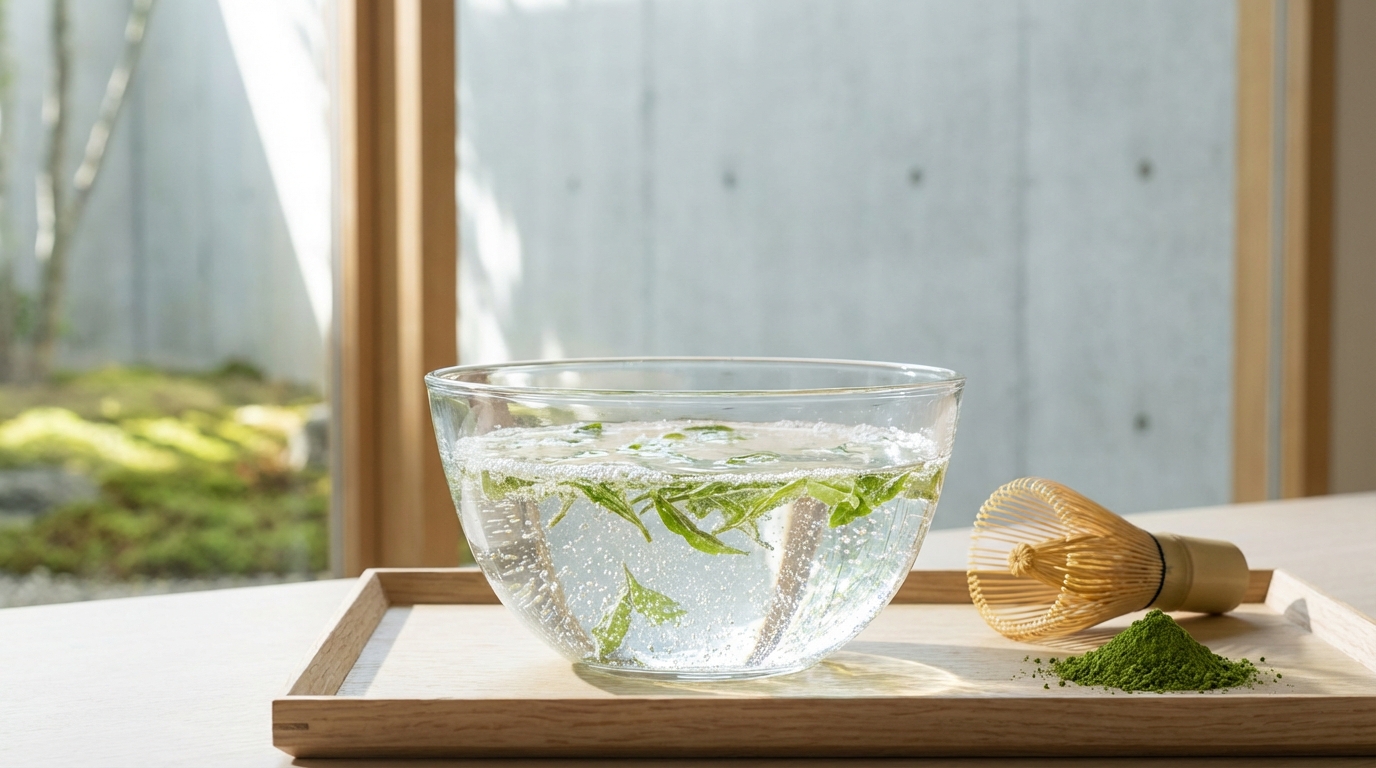
How Is Decaf Matcha Made?
The decaffeination of matcha is a delicate science. Because matcha is a “whole leaf” powder, the decaffeination must happen at the leaf stage (Tencha) before grinding. If one were to try and decaffeinate the powder itself, the surface area would be too large, leading to massive nutrient loss and clumping. There are two primary professional methods used today:
1. The Supercritical CO2 Process (The Gold Standard)
This is the preferred method for high-quality organic decaf matcha. In this process, carbon dioxide is pressurized until it reaches a “supercritical” state—behaving like both a gas and a liquid.
- The Science: The supercritical CO2 acts as a selective solvent. It is circulated through the moistened Tencha leaves, where it specifically binds to and dissolves the caffeine molecules.
- Benefits: It is highly selective, meaning it leaves the delicate catechins (EGCG) and L-theanine largely intact. Furthermore, because CO2 is a natural component of the air we breathe, it leaves no chemical residues, making it ideal for organic matcha supplier certifications.
- Impact: This method is more expensive due to the high-tech equipment required, but it yields the best flavor and color.
2. The Water Process
Often referred to as the “Swiss Water” style (though that specific brand name is usually for coffee), this involves soaking the leaves in hot water to extract the caffeine.
- The Science: The water is passed through a carbon filter that traps the caffeine molecules. The caffeine-free water, now saturated with the tea’s flavors and nutrients, is then reintroduced to the leaves.
- Benefits: It is a chemical-free, “natural” method.
- Impact: While effective, it can lead to a slight loss of the vibrant green color and some of the more volatile aromatic compounds. It is often used for culinary grade matcha intended for baking where color intensity is less critical than in ceremonial use.
3. Ethyl Acetate (Sugar Cane Process)
Less common for premium matcha but still present in the market, this involves using ethyl acetate (a natural compound found in fruit) as a solvent. While effective and relatively cheap, it can leave a very slight chemical aftertaste and is generally avoided by high-end Japanese and Chinese producers.
Does Decaffeination Change the Taste?
A common concern among purists is whether the removal of caffeine alters the “umami” profile that defines great matcha. The short answer is: yes, but subtly.
Caffeine itself has a naturally bitter profile. When it is removed, the resulting tea often tastes milder and slightly sweeter. However, the decaffeination process—even the gentle CO2 method—can inadvertently remove some of the volatile oils that contribute to the tea’s aroma.
- Umami and Body: You may notice a slight reduction in the “brothy” or savory umami taste. To compensate, high-quality decaf producers often use more intensely shaded Tencha to ensure the L-theanine levels remain high.
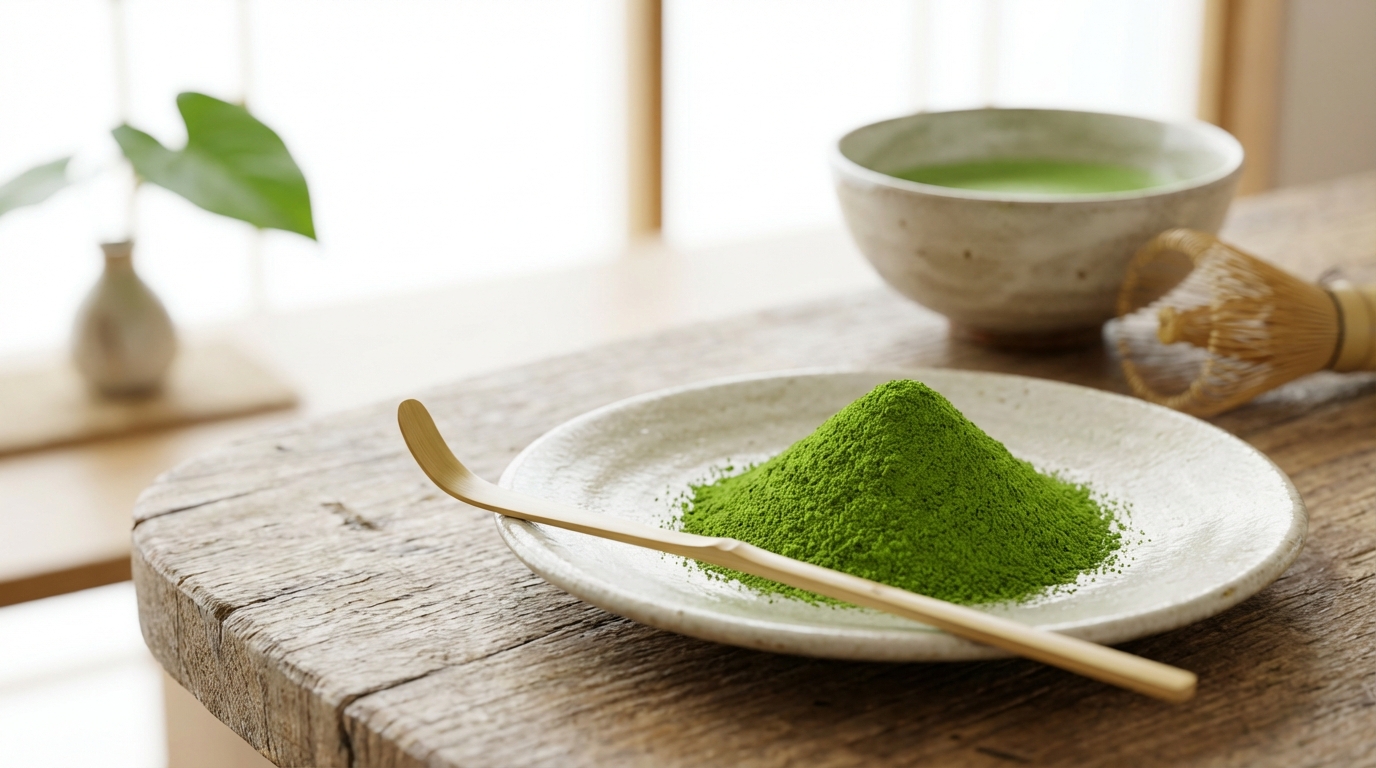
- Color: The color can shift from a vibrant “electric” green to a slightly more muted “forest” green. This is because the heat and moisture used during decaffeination can cause minor oxidation of the chlorophyll.
- Texture: The physical texture of the powder remains the same—ultra-fine and silky—provided it is ground using traditional stone mills after the decaffeination process is complete.
For most consumers using matcha in lattes or smoothies, the taste difference is imperceptible. For ceremonial drinkers, the “brightness” of the tea might be slightly diminished, but the lack of jitters is usually considered a worthwhile trade-off.
Main Decaf Matcha Benefits
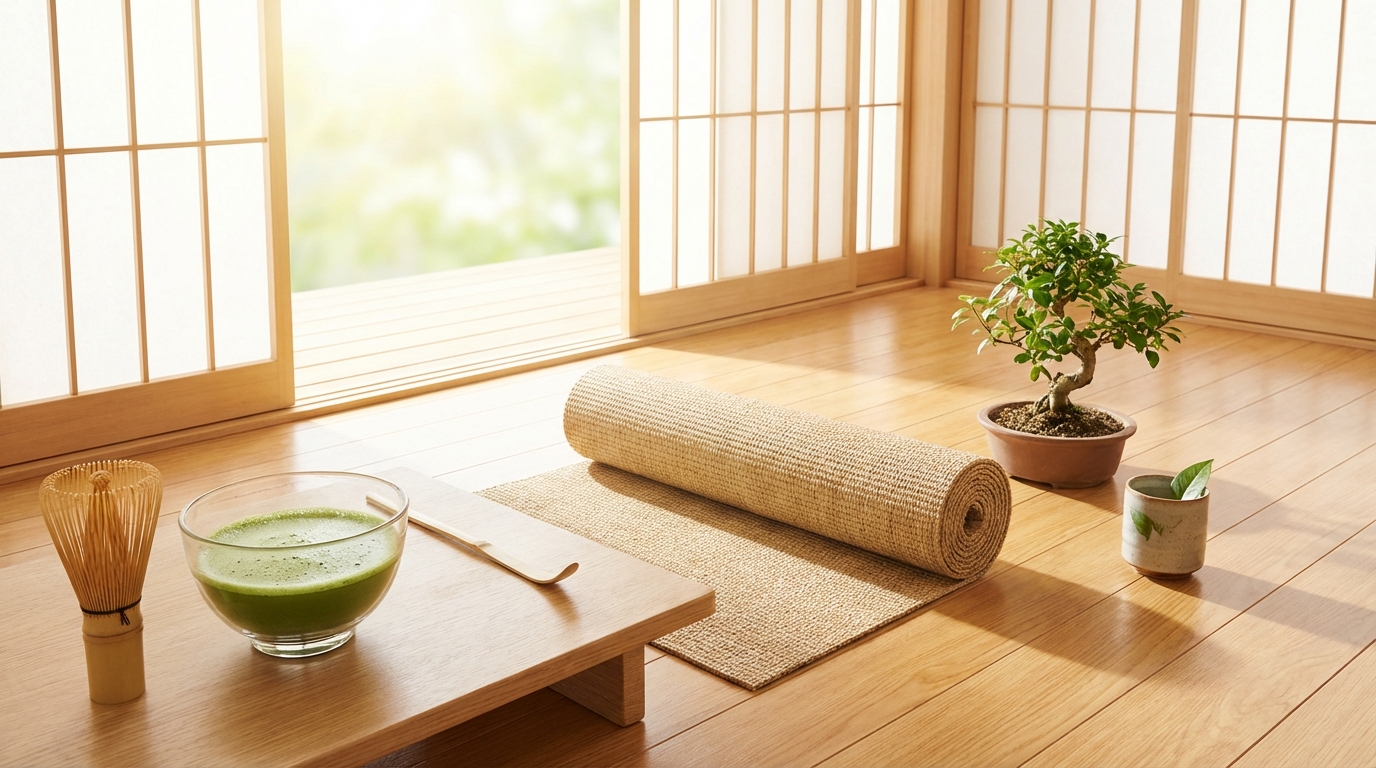
Decaf matcha is not just “matcha lite”; it offers a unique set of physiological benefits that make it a powerful tool for modern wellness.
1. Superior Sleep Support
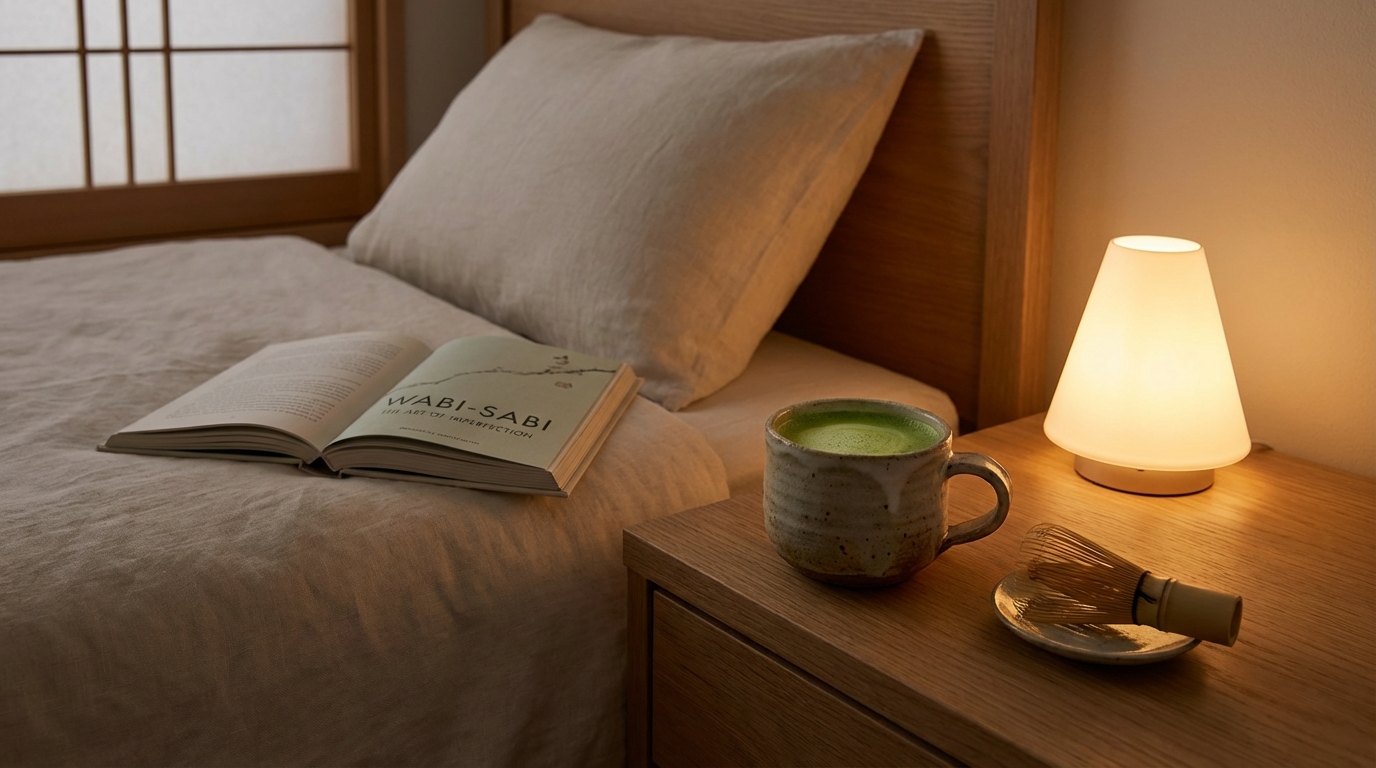
Regular matcha, even with L-theanine, can interfere with the production of melatonin if consumed late in the day. Decaf matcha allows users to enjoy the ritual and the antioxidants of tea in the evening without risking insomnia. It is an excellent choice for a “sleepy-time latte.”
2. Reduced Anxiety and “Jitters”
For those with a sensitive central nervous system, even small amounts of caffeine can trigger the “fight or flight” response. Decaf matcha provides a calming effect without the physiological stress, making it a “safe” beverage for those managing anxiety or adrenal fatigue. Learn more about these decaf matcha benefits for daily wellness.
3. High Antioxidant Retention
Despite the processing, decaf matcha retains the majority of its polyphenols and catechins. EGCG, the most famous antioxidant in green tea, is known for its role in supporting metabolism, reducing inflammation, and promoting heart health. Choosing decaf doesn’t mean sacrificing the “health” part of the tea.
4. Digestive Friendliness
Caffeine can stimulate the production of stomach acid, which may cause discomfort for individuals with acid reflux or sensitive stomachs. Decaf matcha is significantly gentler on the gastric lining.
Who Should Choose Decaf Matcha?
While anyone can enjoy decaf matcha, it is specifically recommended for four key demographic groups:
- Caffeine-Sensitive Individuals: People who experience “the shakes,” rapid heart rate, or headaches after a single cup of tea or coffee.
- Expectant and Nursing Mothers: Medical Disclaimer: Always consult with your healthcare provider before consuming any herbal or tea products during pregnancy. While the WHO and ACOG suggest limiting caffeine to 200mg/day, many women prefer to eliminate it entirely. Decaf matcha allows them to continue their tea ritual safely.
- Night Owls and Evening Relaxers: Those who enjoy the taste of matcha after dinner but need to ensure they can fall asleep by 11 PM.
- Children and Seniors: For younger children who want to participate in a tea ceremony or for seniors who may be on medications that interact with stimulants, decaf is the safest option.
By targeting these groups, brands can significantly expand their total addressable market (TAM), moving beyond the “energy” segment into the broader “relaxation and health” segment.
Decaf Matcha vs Regular Matcha
When choosing between the two, it helps to see a side-by-side comparison of the sensory and economic factors.
Feature | Regular Matcha | Decaf Matcha |
|---|---|---|
Caffeine Content | 35mg – 70mg per gram | 1mg – 5mg per gram |
Primary Effect | “Calm Alertness” (Energy) | “Restorative Calm” (Relaxation) |
Flavor Profile | Intense Umami, slight bitterness | Milder, sweeter, less bitter |
Color | Bright, vibrant “Electric” green | Slightly deeper, “Forest” green |
Price Point | Standard premium pricing | 15% – 30% Higher (Process cost) |
Antioxidants | 100% Retained | 85% – 95% Retained |
The choice often comes down to the time of day and the desired psychological outcome. If you need to finish a project at 2 PM, regular matcha is the winner. If you want to unwind after a yoga session at 7 PM, decaf is the superior choice.
Can Decaf Matcha Still Be Organic?
The short answer is yes, but the method of decaffeination matters immensely for certification.
Under USDA and EU organic regulations, the use of certain chemical solvents—like methylene chloride—is strictly prohibited. For a decaf matcha to maintain its “Certified Organic” seal, it must be processed using:
- The Supercritical CO2 Method: Since CO2 is a naturally occurring gas and leaves no synthetic residue, it is fully compliant with organic standards.
- The Water Method: This is also generally accepted as it uses no synthetic chemicals.
When sourcing from an organic matcha supplier , always ask for the Transaction Certificate (TC) and a specific report on the decaffeination method used. High-quality suppliers like Riching Matcha ensure that their organic integrity is maintained from the shade-grown farms to the final decaffeination facility. This ensures that the consumer receives a product free from pesticides, heavy metals, and chemical solvents.
What Is Decaf Matcha Used For?
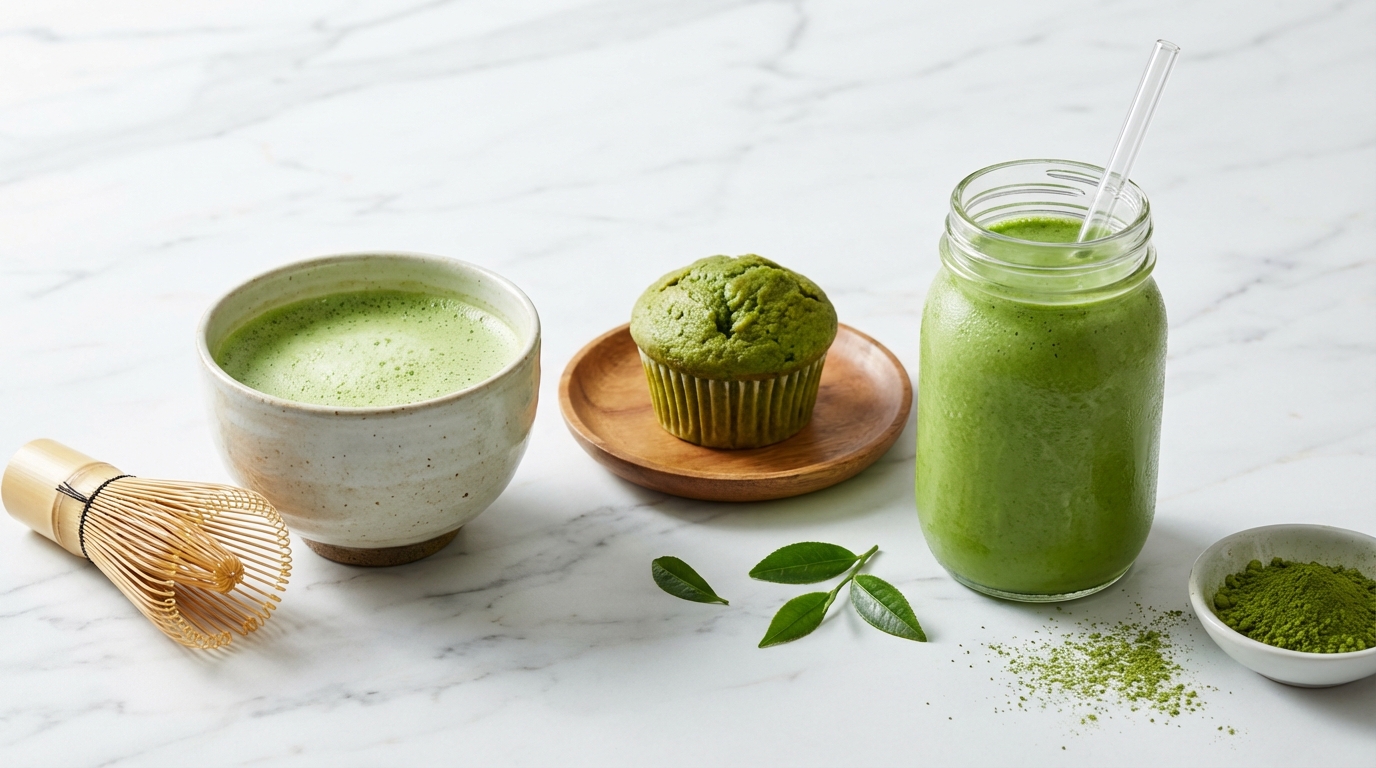
The versatility of decaf matcha makes it a favorite for product developers and home cooks alike. Because it lacks the bitterness of high-caffeine tea, it often integrates more smoothly into recipes.
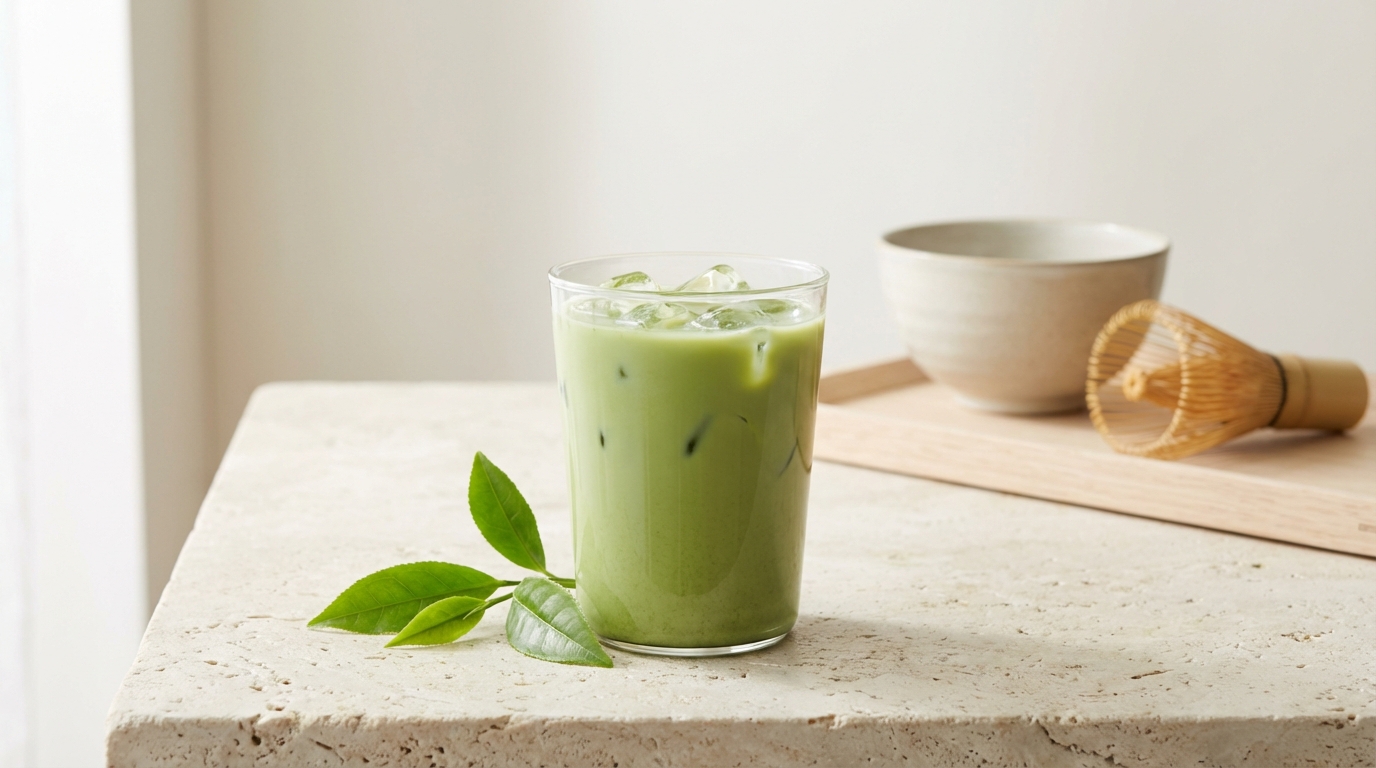
- Moon Milk and Evening Lattes: Combined with ashwagandha or magnesium, decaf matcha is the perfect base for “functional” nighttime beverages.
- Decaf Smoothies: For a nutrient boost in a late-afternoon smoothie that won’t keep you up at night.
- Baking and Pastries: Use it in cookies, cakes, and macarons. The milder flavor often complements chocolate and vanilla better than the sharp bite of regular matcha.
- Healthy Confections: Decaf matcha-infused chocolates or gummies are becoming popular in the wellness snack category.
- Supplements: It is used in “PM” antioxidant capsules or beauty supplements where sleep quality is a key part of the product’s promise.
Whether you are using it for a simple beverage or as a raw material for a complex formulation, decaf matcha provides the “green” appeal without the stimulant baggage.
How to Choose High-Quality Decaf Matcha
Not all decaf matcha is created equal. Because the process is intensive, some manufacturers cut corners, resulting in a yellow, “hay-like” powder. To find the best, look for these criteria:
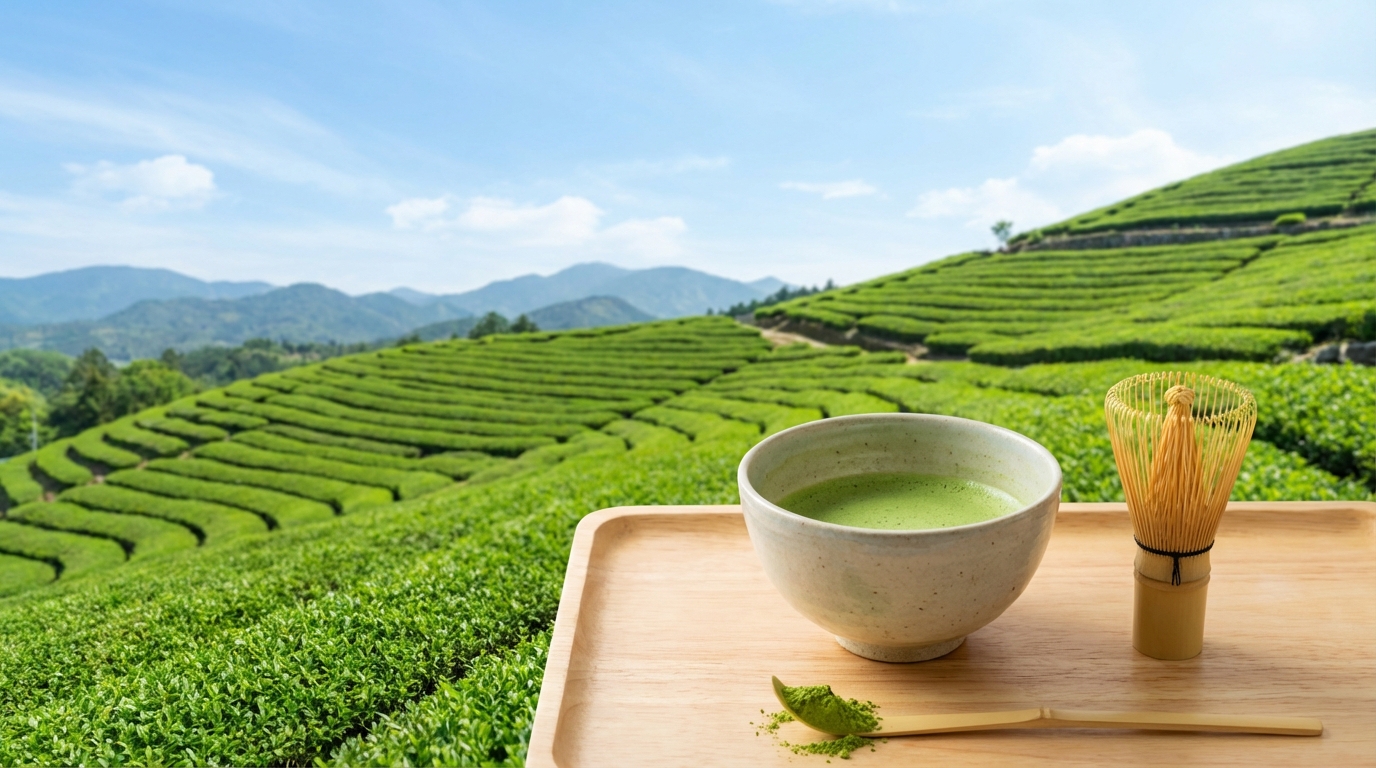
- Origin: High-quality decaf matcha typically comes from established tea regions in Japan (Uji, Kagoshima) or premium organic farms in China.
- Color Check: It should still be green. If the powder is brownish or yellow, it was either made from low-quality late-harvest leaves or the decaffeination process used too much heat.
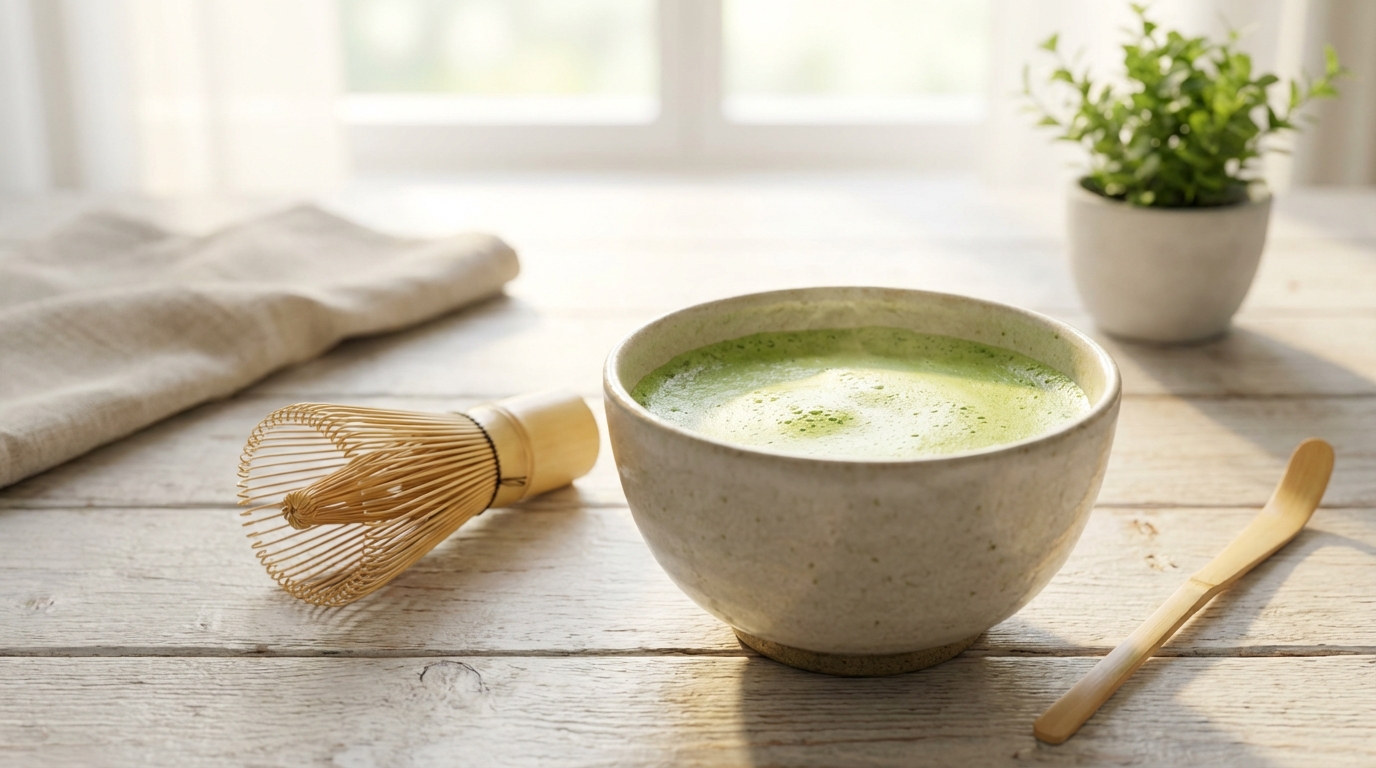
- The “Lather” Test: When whisked with water, high-quality decaf should still produce a fine, creamy froth. This indicates that the natural saponins and oils are still present.
- Certifications: Look for USDA Organic, EU Organic, and FSSC 22000. These guarantee food safety and purity.
- Lab Reports: A reputable supplier should be able to provide a COA (Certificate of Analysis) showing the residual caffeine level (it should be <0.5% or <1% depending on the grade).
Where to Buy in Bulk or Wholesale
For businesses, finding a reliable bulk matcha wholesale partner is the most critical step in launching a successful product. Buying in bulk offers significant cost savings, but it requires careful vetting of the supply chain.
At Riching Matcha, we specialize in bridging the gap between farm-fresh quality and industrial-scale requirements. We offer:
- Custom Decaffeination: We can apply the CO2 process to various grades of our organic Tencha.
- Private Labeling: For brands wanting to launch a “Nighttime Matcha” line, we offer a full-service private label matcha supplier solution, including packaging design and pouch filling.
- Scalability: With an annual capacity of over 800 tons, we can support everything from boutique cafes to international retail chains.
When buying wholesale, always inquire about the Minimum Order Quantity (MOQ). While some suppliers require hundreds of kilograms, we work with growing brands to provide flexible solutions that allow for market testing without excessive inventory risk.
Questions for B2B Suppliers
Before signing a contract with a matcha wholesaler, an expert buyer should ask the following “Interrogative” questions to ensure they are getting a premium product:
- “Can you provide a COA for the specific batch showing residual caffeine levels?” (Ensures the ‘decaf’ claim is verified).
- “What specific decaffeination method was used?” (Confirm it’s CO2 or Water, not chemical solvents).
- “Is the matcha stone-ground after the decaffeination of the Tencha leaves?” (Ensures the finest particle size and best texture).
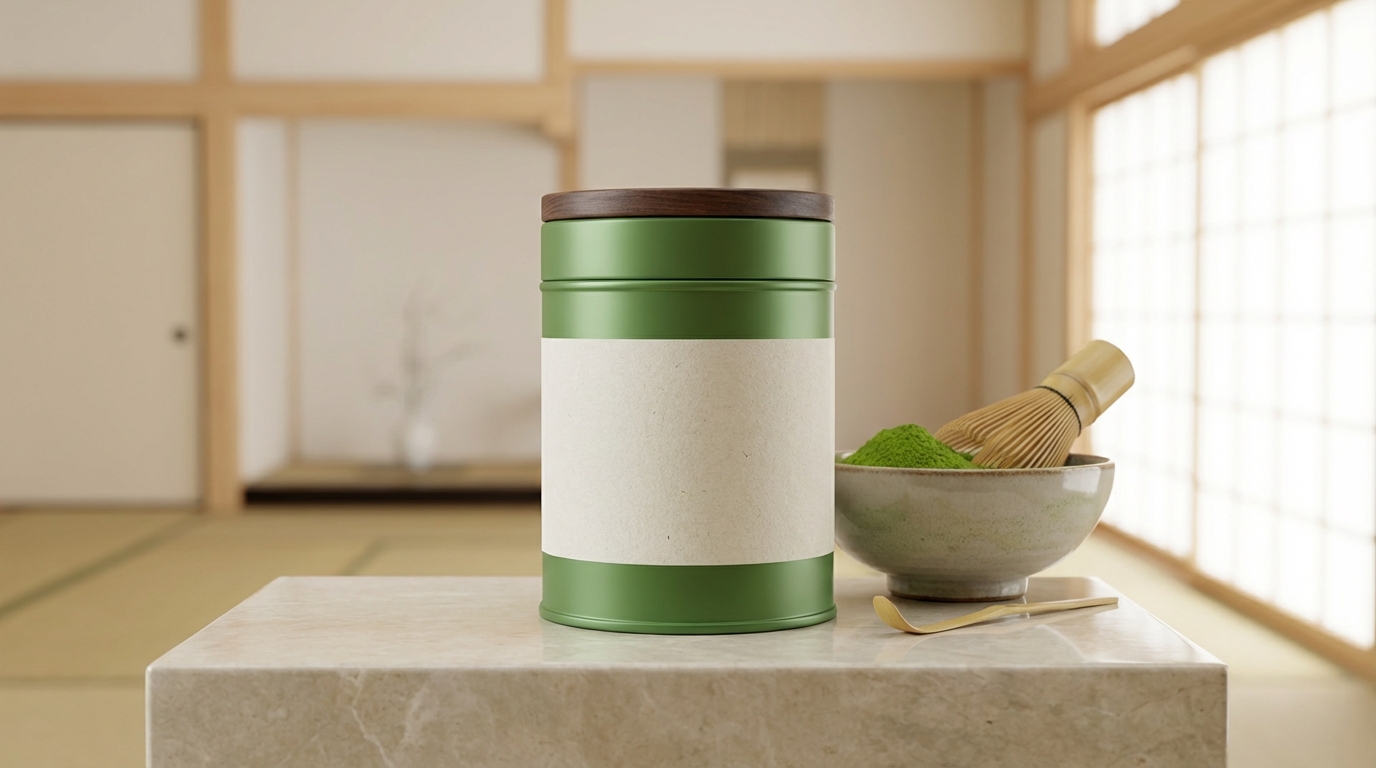
- “What is the shelf life, and what are your packaging options to prevent oxidation?” (Matcha is highly sensitive to light and air).
- “Do you have third-party pesticide and heavy metal test reports from labs like Eurofins or SGS?” (Crucial for compliance in Western markets).
Asking these questions demonstrates your expertise and forces the supplier to prove their quality standards.
Is It Worth It for Brands?
From a strategic perspective, decaf matcha represents a significant growth opportunity. The “low-to-no caffeine” beverage market is projected to grow at a CAGR of over 7% through 2030.
“Consumers are no longer just looking for a morning pick-me-up; they are looking for functional beverages that fit into every part of their 24-hour cycle.”
The Business Case for Decaf Matcha:
- Market Differentiation: Most brands only sell regular matcha. Offering a decaf version immediately sets you apart as a specialist.
- Customer Retention: You don’t lose the customer who decides to “quit caffeine” for health reasons. You simply transition them to your decaf SKU.
- High Perceived Value: Because of the specialized processing, decaf matcha commands a higher retail price, often leading to better profit margins if sourced correctly.
- Bundle Opportunities: Selling a “Day & Night” matcha set is a proven way to increase the average order value (AOV).
For any brand looking to solidify its position in the health and wellness sector, adding a high-quality decaf matcha to the lineup is a calculated, high-reward move.
Conclusion
Decaf matcha is the ultimate bridge between the ancient tradition of Japanese tea and the modern needs of a health-conscious, often over-stimulated society. By utilizing advanced technology like supercritical CO2 extraction, we can now enjoy the “green gold” of the tea world without the unwanted side effects of caffeine. Whether you are a consumer looking for a better night’s sleep or a business looking for the next big trend in functional beverages, decaf matcha offers a rare combination of taste, health, and marketability.
For more information on sourcing the highest quality matcha for your brand, visit the Riching Matcha homepage or contact our expert team today.
Frequently Asked Questions (FAQs)
1. Does decaf matcha have L-theanine?Yes. While some L-theanine may be lost during the decaffeination process, high-quality methods like CO2 extraction preserve the majority of it. This ensures the “calming” properties of the tea remain intact.
2. Can I drink decaf matcha before bed?Absolutely. With less than 5mg of caffeine per serving, it is highly unlikely to interfere with sleep for the vast majority of people.
3. Is decaf matcha good for weight loss?Yes, it still contains catechins like EGCG, which are known to support metabolic health and fat oxidation, similar to regular matcha.
4. Why is decaf matcha more expensive?The decaffeination process involves expensive high-pressure equipment (for CO2) and additional labor steps, which naturally increases the wholesale and retail price.
5. How should I store decaf matcha?Like all matcha, it should be kept in an airtight, opaque container in a cool, dark place (or the refrigerator) to prevent the loss of color and antioxidants.