
WHAT IS GENMAICHA is a traditional Japanese green tea blend consisting of high-quality tea leaves mixed with toasted and popped brown rice grains. Finding a consistent, high-margin beverage for your B2B inventory often feels like a balancing act between flavor and cost-efficiency. Most standard green teas suffer from high astringency that alienates casual drinkers, while herbal infusions often lack the professional depth required for premium cafe and retail menus. This leaves many procurement managers struggling to source a product that offers both a unique sensory experience and a robust health profile that modern consumers demand.
WHAT IS GENMAICHA solves this dilemma by offering a comforting, nutty flavor profile that masks bitterness and provides a lower caffeine alternative for health-conscious clients. By integrating this “popcorn tea” into your product line through richingmatcha.com , you can capitalize on the growing global demand for functional, traditional Japanese beverages. This guide will provide an exhaustive analysis of the production, history, and commercial benefits of this savory tea blend to help you make informed purchasing decisions.
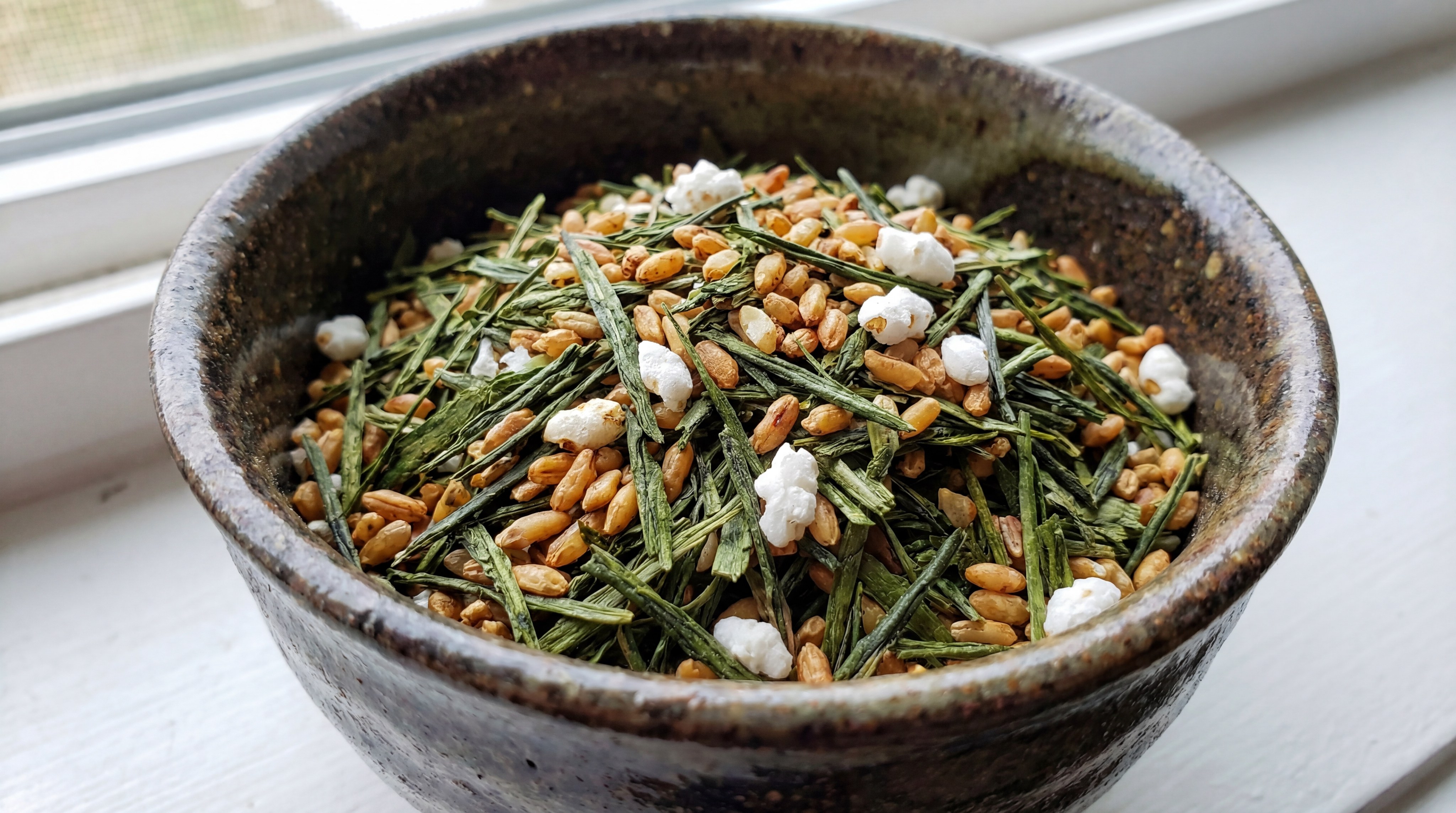
WHAT IS GENMAICHA is fundamentally a two-part composition featuring processed green tea leaves and roasted rice. The beauty of WHAT IS GENMAICHA lies in its simplicity, where the earthy notes of the tea meet the toasted warmth of the rice.
The Green Tea Foundation
You will find that the base of this tea usually consists of Sencha or Bancha leaves. Sencha provides a more refined, grassy profile, whereas Bancha offers a robust, earthy foundation that is highly cost-effective for bulk supplies. The quality of these leaves dictates the final color and antioxidant capacity of the brew.
The Roasted Rice Component
But that is not all. The rice used is typically “Uruchimai” (short-grain white rice) or “Mochigome” (sticky rice), which is soaked, steamed, and then roasted to a golden brown.
- The roasting process is what gives the tea its signature “toasty” aroma.
- Some grains pop during this phase, creating white, fluffy kernels.
- This specific ingredient is what differentiates the tea from any other green tea variety.
- The rice adds a natural sweetness that reduces the need for added sugars in commercial preparations.
The Role of Popped Grains
Believe it or not, the “popcorn” appearance is largely aesthetic and a byproduct of traditional roasting temperatures. While these popped grains don’t significantly change the chemical composition, they offer a visual cue of authenticity that customers love. You can leverage this visual appeal in your marketing to emphasize the handcrafted nature of the product.
Key Takeaway: The core ingredients of Genmaicha are a balanced ratio of green tea leaves and meticulously roasted rice, providing a unique visual and flavor contrast.
Component | Standard Usage | Impact on Final Product |
|---|---|---|
Sencha Leaf | Premium Blends | Adds umami and a vibrant green hue |
Bancha Leaf | Standard Blends | Provides earthy depth and lowers cost |
Roasted Rice | 50% of Volume | Delivers the nutty, toasted flavor profile |
Popped Rice | Aesthetic Filler | Enhances visual identity as “Popcorn Tea” |
The combination of these elements creates a versatile product that appeals to both traditional tea drinkers and those seeking a savory, grain-based beverage.
What is Genmaicha history and cultural origin?
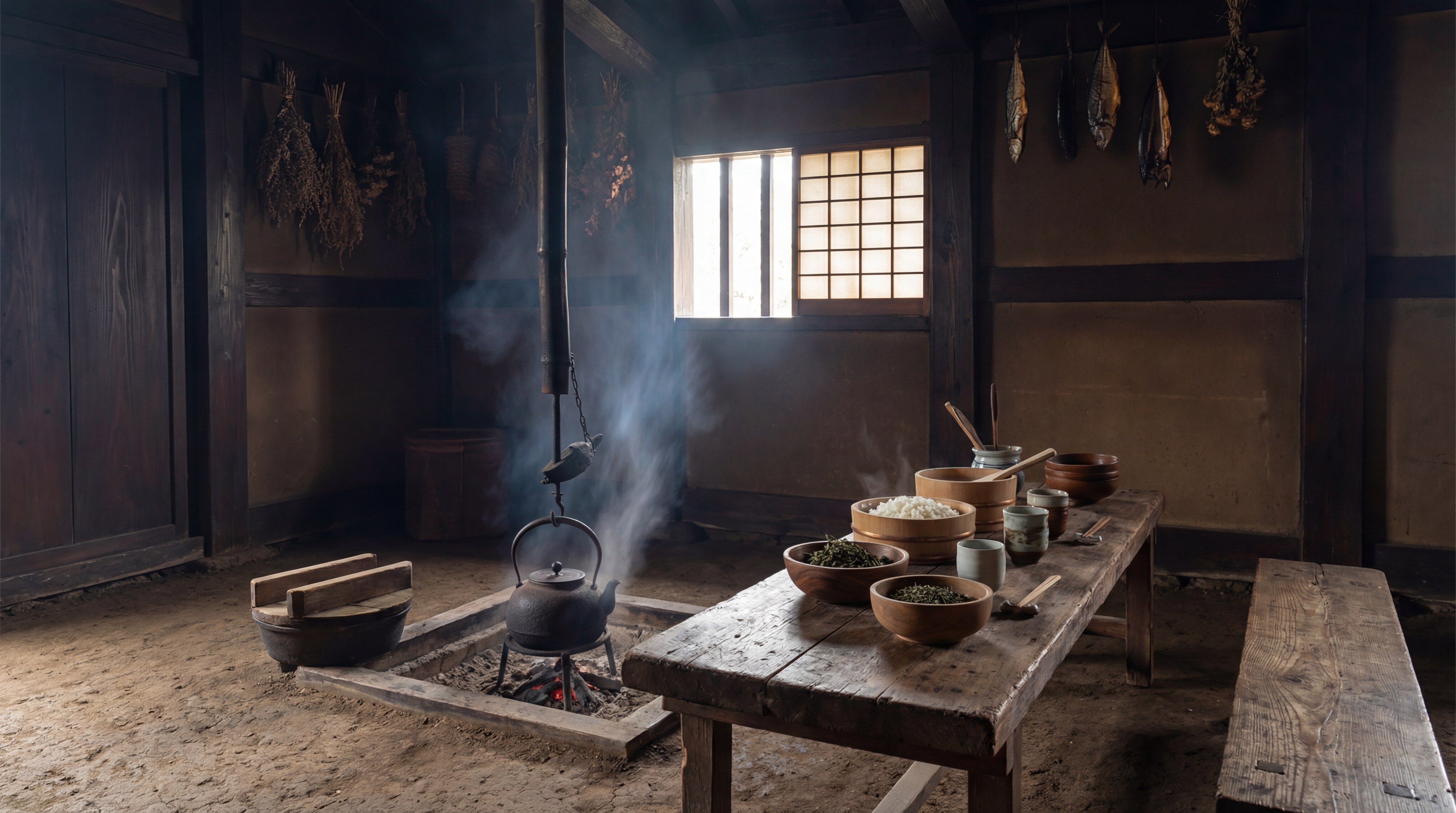
WHAT IS GENMAICHA originated in medieval Japan as a resourceful way for commoners to make expensive tea leaves last longer by adding cheap rice filler. Understanding WHAT IS GENMAICHA through a historical lens allows you to market it as a beverage with deep heritage and practical roots.
The Peasant Tea Legend
Think about it: in a time when tea was a luxury reserved for the elite, the working class needed a way to enjoy its benefits without the high cost. By adding toasted rice, they created a more filling and affordable drink that eventually became a staple in Japanese households. This history of resourcefulness resonates well with modern consumers looking for “authentic” and “humble” origins.
Transition to Gourmet Status
The truth is, what started as a budget-saving measure has transformed into a globally recognized gourmet tea.
- Post-war Japan saw the tea move from a necessity to a cultural icon.
- It became a symbol of comfort and domesticity in Japanese tea rooms.
- Modern tea masters now experiment with high-grade rice and organic leaves.
- The tea is now served in high-end hotels and cafes worldwide.
The Accidental Servant Story
Here is the kicker: a popular legend claims a servant accidentally dropped rice into a samurai’s tea, creating the first blend. While historians view this as apocryphal, it adds a layer of storytelling that you can use to engage your B2B clients. It highlights the accidental genius of Japanese culinary tradition and the value of simple, natural ingredients.
Key Takeaway: Originally a cost-saving measure for the working class, Genmaicha has evolved into a premium cultural export with a compelling story of resourcefulness.
Era | Perception | Primary Consumer |
|---|---|---|
Medieval Japan | Economical Filler | Peasants and Monks |
Edo Period | Household Staple | General Population |
Modern Era | Gourmet Health Tea | Global Wellness Market |
This historical evolution demonstrates the tea’s enduring appeal across different economic and cultural landscapes.
What is Genmaicha caffeine content for daily use?
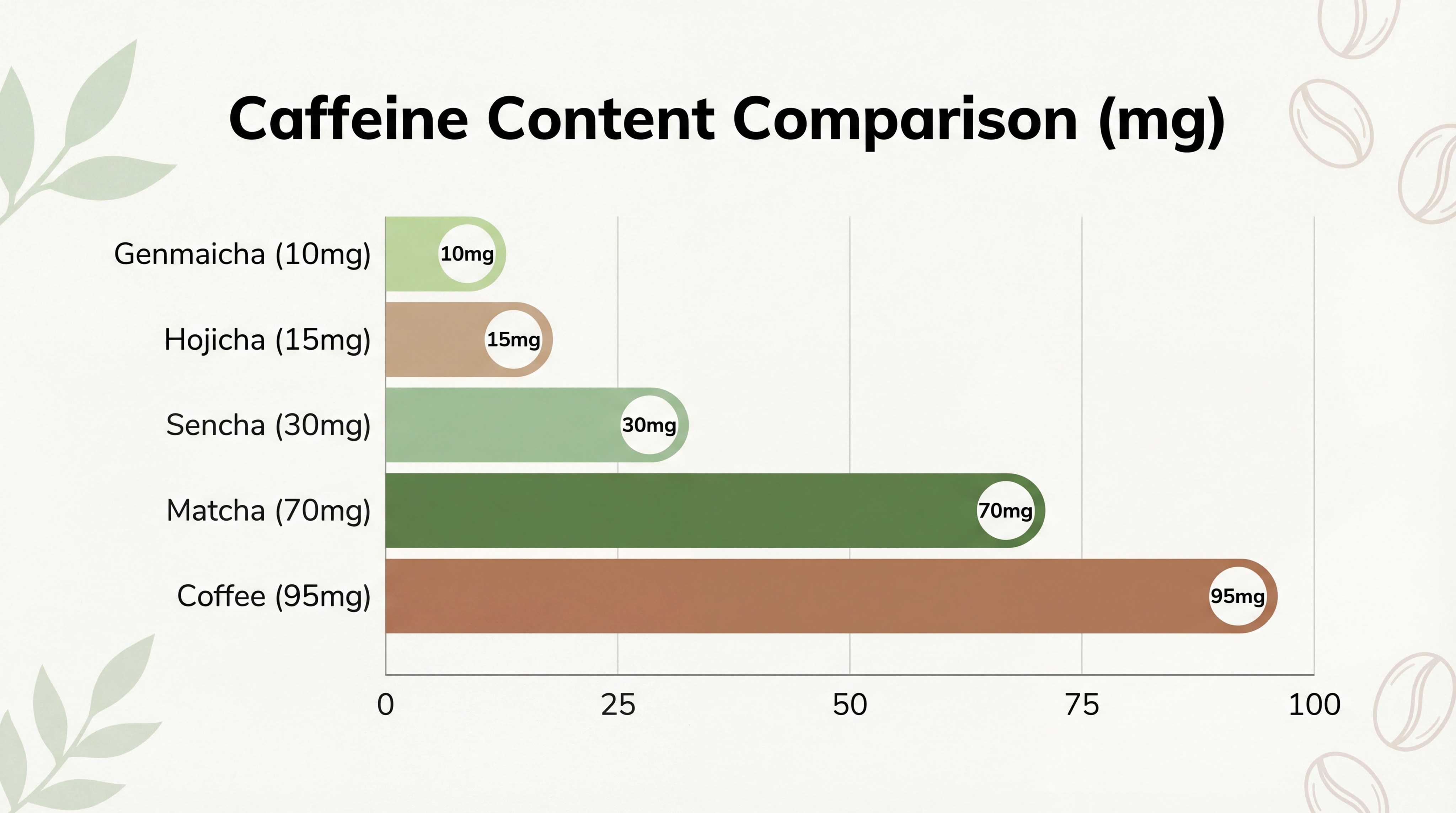
WHAT IS GENMAICHA is widely recognized for having a significantly lower caffeine content than pure green teas like Gyokuro or Sencha. This makes WHAT IS GENMAICHA a perfect choice for your clients who are sensitive to stimulants but still want the health benefits of Camellia sinensis.
Why the Caffeine is Lower
Look at it this way: since the volume of the blend is typically 50% tea leaves and 50% roasted rice, the caffeine is naturally diluted. You are essentially getting half the caffeine of a standard cup of green tea in every serving. This makes it an excellent “all-day” tea that won’t cause the jitters or sleep disruption associated with coffee.
Comparison to Other Beverages
But that is not all. When compared to other popular caffeinated options, the difference is stark.
- A cup of Genmaicha contains roughly 10mg to 15mg of caffeine.
- Compare this to 30mg-50mg in Sencha and 95mg in a standard coffee.
- It provides a gentle “lift” without the subsequent crash.
- The presence of L-theanine helps modulate the caffeine’s impact on the body.
Ideal Consumption Timing
Because the caffeine levels are so manageable, you can recommend this tea for late afternoon or even evening consumption. It serves as a calming ritual for those winding down from a busy workday. The low caffeine threshold also makes it a safe and popular choice for elderly customers and children in many cultures.
Key Takeaway: Genmaicha offers a low-caffeine alternative to traditional teas, making it a versatile option for all-day consumption without stimulant side effects.
Beverage Type | Average Caffeine (mg) | Intensity Level |
|---|---|---|
Genmaicha | 10 – 15 | Very Low |
Hojicha | 7 – 20 | Very Low |
Sencha | 20 – 40 | Moderate |
Matcha | 35 – 70 | High |
The low caffeine profile of Genmaicha is a major selling point for health-conscious and stimulant-sensitive demographic segments.
What is Genmaicha sensory taste and aroma profile?
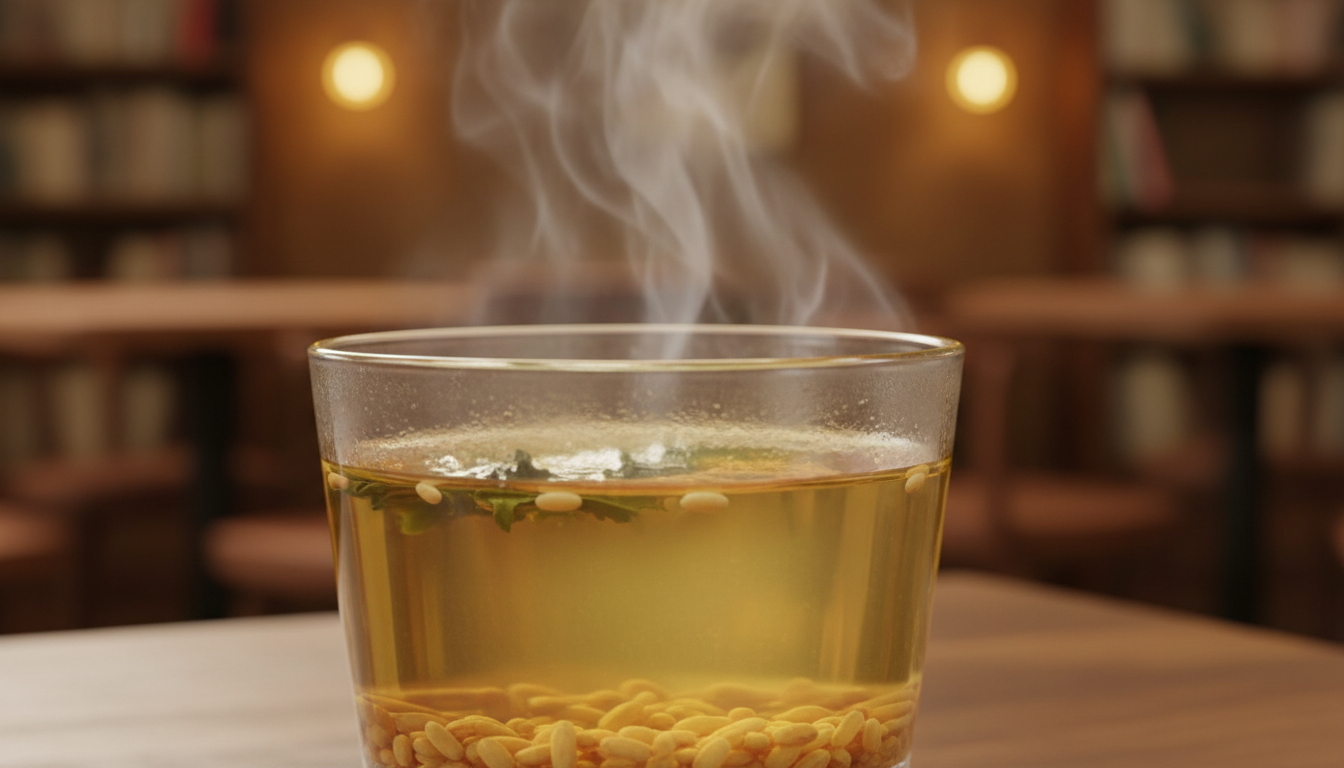
WHAT IS GENMAICHA offers a distinct sensory experience characterized by a savory, nutty, and toasted flavor profile that is immediately comforting. When you evaluate WHAT IS GENMAICHA , you will notice that it bridges the gap between the oceanic notes of green tea and the warm earthiness of grains.
The Primary Flavor Notes
The first thing you will notice is the “umami” or savory depth provided by the toasted rice starch. This is followed by a subtle, natural sweetness that lingers on the palate, reminiscent of freshly baked bread. Unlike pure green teas, the bitterness is almost entirely masked by the roasted grains, making it highly approachable for new tea drinkers.
The Warming Aroma Profile
Don’t forget the aroma, which is perhaps the most captivating part of the brewing process.
- The scent is often compared to toasted corn or roasted nuts.
- It creates a “hearth-like” atmosphere that feels grounded and rustic.
- The steam carries the grassy freshness of the tea leaves underneath the grain.
- This aroma is a key driver of repeat purchases in the hospitality sector.
Mouthfeel and Finish
The truth is, the starch from the rice adds a slight “thickness” to the liquor that you won’t find in thin herbal infusions. It coats the tongue with a smooth, non-astringent film that feels satisfying and substantial. The finish is clean, leaving a toasted grain aftertaste that pairs excellently with both sweet and savory foods.
Key Takeaway: Genmaicha is defined by its savory, nutty flavor and toasted aroma, providing a smooth and accessible drinking experience with zero bitterness.
Sensory Category | Description | Key Note |
|---|---|---|
Taste | Savory, Sweet, Nutty | Toasted Rice |
Aroma | Warm, Gready, Earthy | Roasted Corn |
Body | Light to Medium | Smooth / Starchy |
Color | Golden Yellow / Light Green | Sunlight Hue |
The approachable flavor profile makes Genmaicha an ideal entry-point tea for those who typically find green tea too “grassy” or bitter.
What is Genmaicha health benefit and nutrition list?
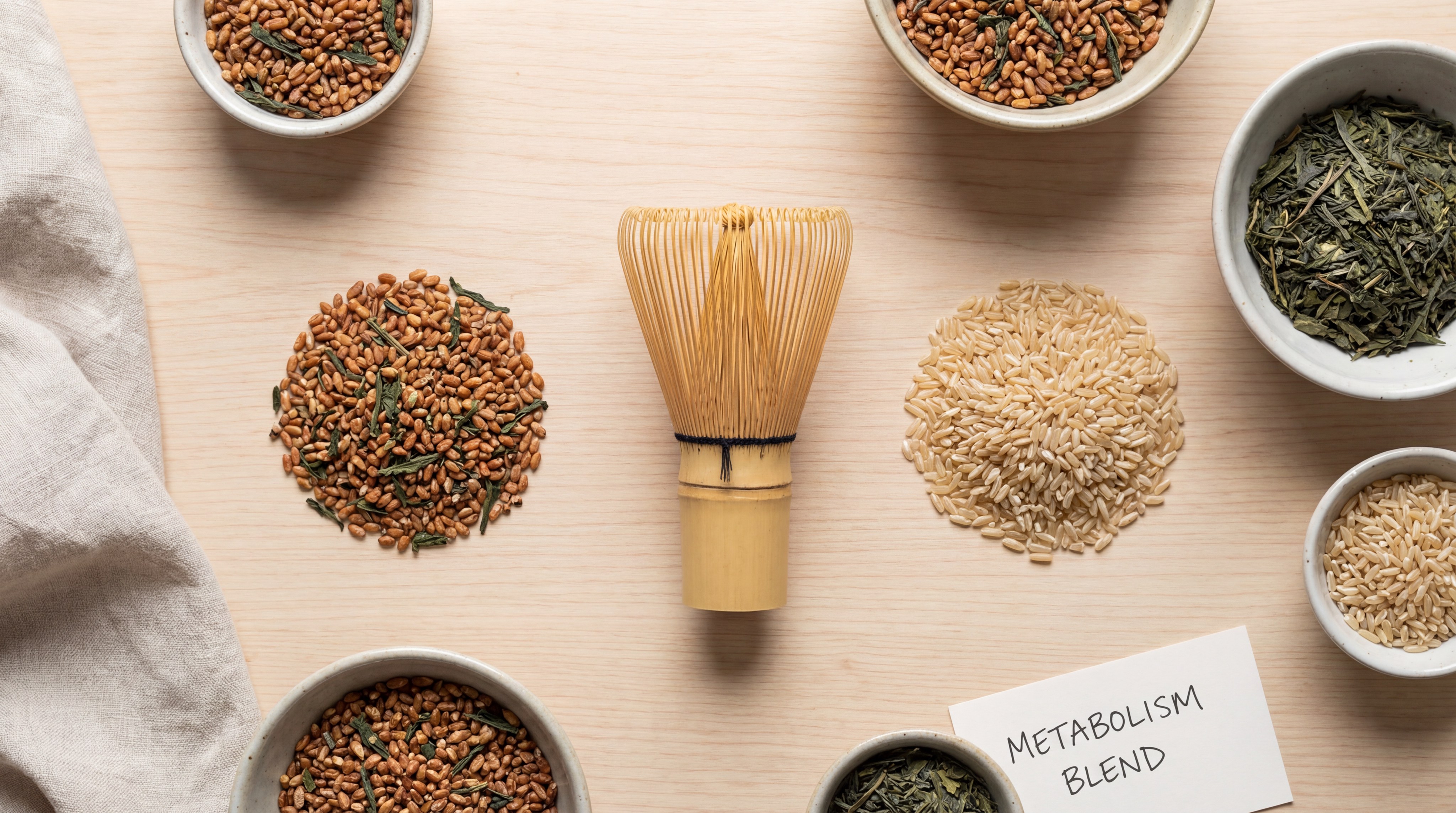
WHAT IS GENMAICHA combines the well-documented antioxidants of green tea with the unique nutritional properties of brown rice. By offering WHAT IS GENMAICHA, you are providing a functional beverage that supports metabolic health and stress management.
The Power of GABA and Theanine
Keep this in mind: roasted brown rice is a source of Gamma-Aminobutyric Acid (GABA), a neurotransmitter that promotes relaxation and reduces anxiety. When combined with the L-theanine found in the tea leaves, the result is a “calm alertness” that improves focus without stress. This dual-action mental health benefit is a significant trend in the B2B wellness market.
Metabolic and Blood Sugar Support
The best part? The tea is often praised for its ability to regulate blood sugar levels.
- The polyphenols in the tea leaves assist in glucose metabolism.
- The rice provides a sense of fullness, which can aid in weight management.
- It is a low-glycemic beverage that is safe for most dietary restrictions.
- It is frequently used in traditional medicine to soothe the digestive tract.
Antioxidant and Immune Defense
You will also benefit from the EGCG (epigallocatechin gallate) present in the green tea component. These powerful antioxidants help neutralize free radicals, supporting cardiovascular health and reducing systemic inflammation. Regular consumption can also boost the immune system, making it a valuable addition to health-focused product lines.
Key Takeaway: Genmaicha provides a unique health profile by combining tea antioxidants with rice-based GABA for a beverage that supports both physical and mental well-being.
Benefit Type | Active Component | Impact |
|---|---|---|
Mental Health | GABA / L-Theanine | Reduces stress and anxiety |
Metabolic | Catechins / Polysaccharides | Stabilizes blood sugar |
Digestive | Roasted Rice Starch | Calms stomach irritation |
Protective | EGCG Antioxidants | Fights oxidative stress |
These functional benefits make Genmaicha a strong candidate for brands targeting the health-conscious consumer.
What is Genmaicha vs other green tea types?
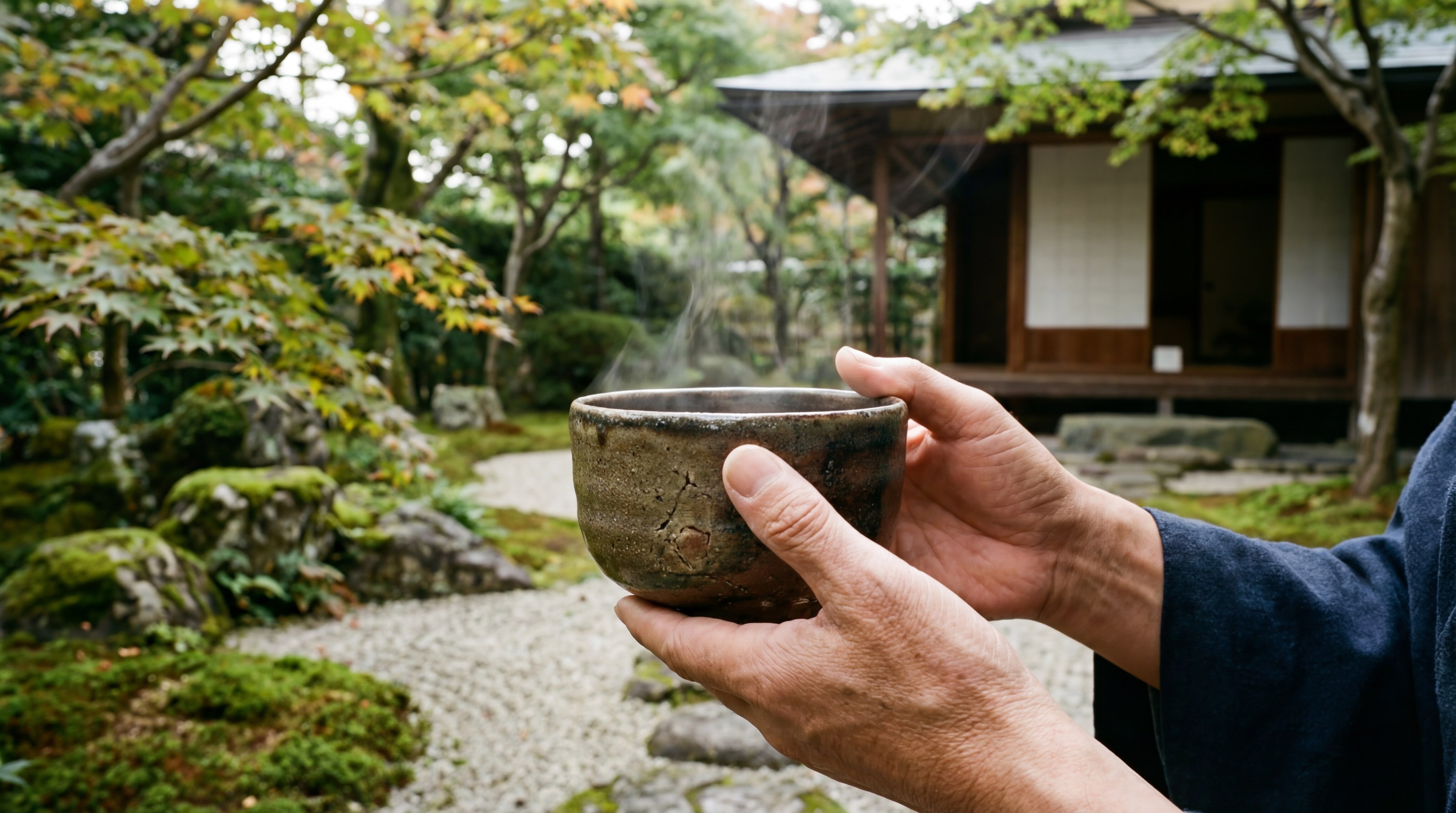
WHAT IS GENMAICHA stands apart from traditional pure green teas due to its blended nature and distinctive “popcorn” visual identity. When you compare WHAT IS GENMAICHA to Sencha or Matcha, you realize its unique position as a “comfort tea” rather than a purely medicinal or ceremonial one.
Distinction from Pure Leaf Teas
Believe it or not, the inclusion of rice completely changes the chemical and sensory profile of the brew. While Sencha is prized for its vegetal “seaweed” notes and astringency, Genmaicha actively works to suppress those characteristics in favor of nuttiness. This makes it much more forgiving to brew than delicate high-grade green teas.
Comparison to Hojicha
You might also wonder how it compares to Hojicha, another popular roasted Japanese tea.
- Hojicha is made by roasting the tea leaves themselves, removing all grassiness.
- Genmaicha retains some fresh green tea notes because the leaves are unroasted.
- Hojicha is typically darker in color and smokier in flavor.
- Genmaicha offers a brighter, yellow-green liquor with a more “grain-forward” profile.
The Versatility Advantage
The truth is, Genmaicha is often more versatile in a commercial setting than pure Matcha. While Matcha requires specific preparation tools and expertise, Genmaicha can be brewed using standard equipment with high success rates. It also carries a lower price point per serving, allowing for higher profit margins in high-volume environments.
Key Takeaway: Unlike pure green teas that focus on vegetal intensity, Genmaicha prioritizes a balanced, roasted profile that is easier to brew and more cost-effective.
Feature | Genmaicha | Sencha | Hojicha |
|---|---|---|---|
Ingredients | Tea + Rice | 100% Tea Leaves | 100% Roasted Leaves |
Flavor | Nutty / Savory | Grassy / Umami | Smoky / Woody |
Difficulty | Low | High | Low |
Visuals | Green/Yellow with Rice | Vibrant Green | Dark Brown |
This comparison highlights why Genmaicha is such a popular choice for businesses looking for an “easy-win” tea product.
What is Genmaicha brewing method for best flavor?
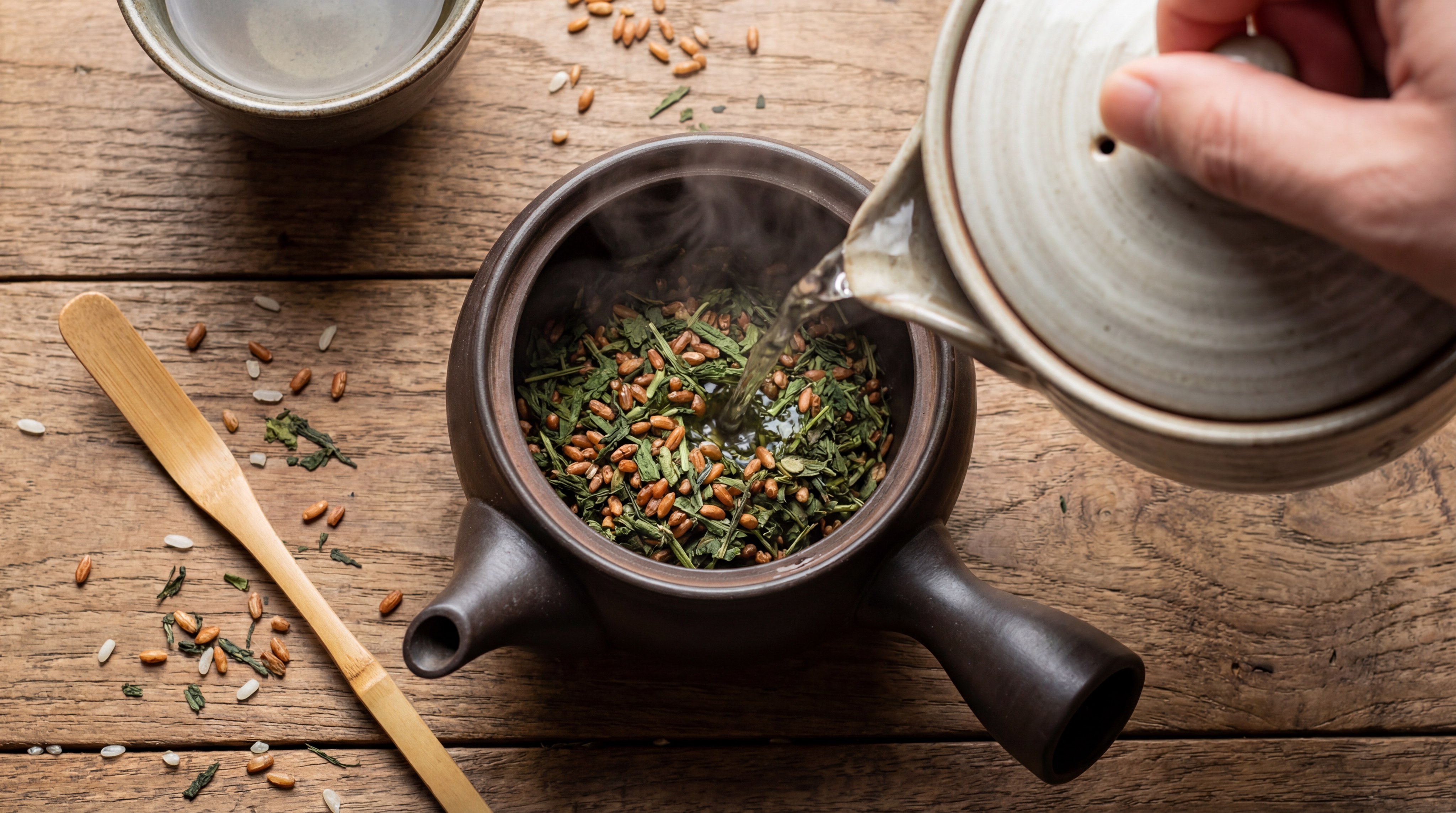
WHAT IS GENMAICHA requires a specific approach to water temperature and steeping time to extract the perfect balance of roasted grain and tea leaf. Brewing WHAT IS GENMAICHA correctly ensures that you provide your customers with a consistent, premium experience every time.
The Importance of Water Temperature
Don’t forget that unlike high-grade Gyokuro which needs cool water, Genmaicha thrives with heat. You should aim for a water temperature between 80°C and 85°C (176°F – 185°F). This temperature is high enough to release the aromatic oils from the roasted rice without scalding the green tea leaves and making them bitter.
Steeping Time Guidelines
The secret to a perfect cup is a short, controlled steep.
- For the first infusion, 60 seconds is the industry standard.
- Going beyond 90 seconds will result in over-extraction of the tea’s tannins.
- The rice can withstand longer steeps, but the tea leaves cannot.
- A second infusion is possible at 90°C for only 30-45 seconds.
Professional Equipment Tips
Here is the kicker: using a Japanese Kyusu (side-handled teapot) with a fine mesh strainer is the best way to serve this tea. The wide body of the pot allows the leaves and rice to expand fully, while the strainer ensures no rice debris ends up in the cup. This presentation adds an element of ritual and quality to your service.
Key Takeaway: High water temperature (85°C) and a short 60-second steep are essential to balancing Genmaicha’s nutty aroma with its fresh tea base.
Parameter | Recommended Value | Why it Matters |
|---|---|---|
Temperature | 80°C – 85°C | Extracts rice aroma without tea bitterness |
Steep Time | 60 Seconds | Prevents over-astringency |
Leaf Ratio | 4g per 200ml | Ensures a robust, full-bodied flavor |
Infusions | 2 Max | Maintains flavor integrity |
Following these professional brewing guidelines will ensure that your tea consistently meets the highest quality standards.
What is Genmaicha grade and leaf quality impact?
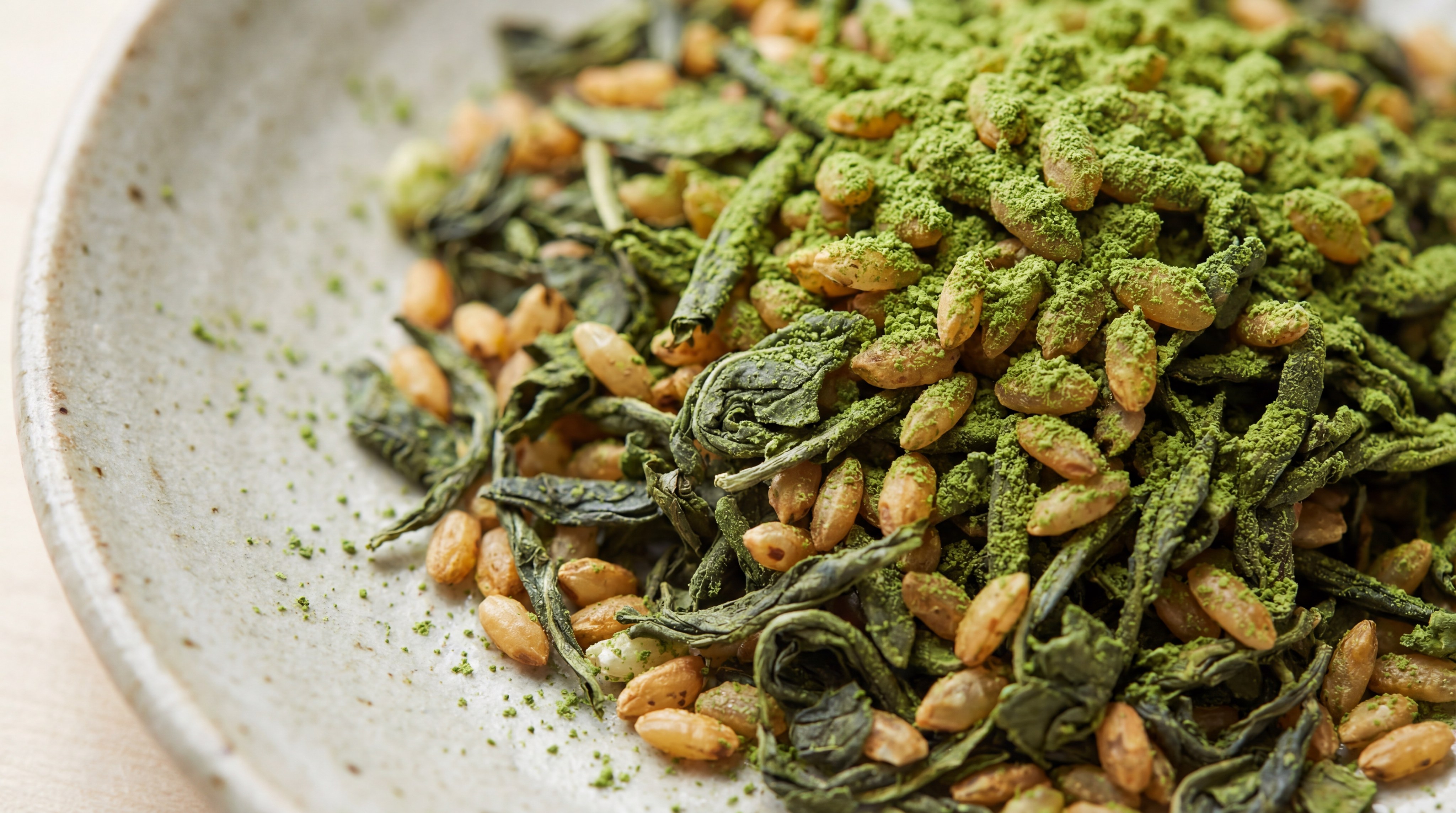
WHAT IS GENMAICHA quality is determined by the specific grade of the base tea and the precision of the rice roasting process. When you source WHAT IS GENMAICHA , understanding these grading tiers allows you to match the right product to your specific market segment.
Sencha-iri vs. Bancha-iri
You will notice a significant price and flavor difference between these two primary grades. Sencha-iri uses younger, more tender leaves, resulting in a more refined and vibrant green brew. Bancha-iri uses older, more fibrous leaves, which provide a darker, more rustic flavor that many people actually prefer for its “hometown” feel.
The Matcha-iri Variety
But wait, there is more: the most premium grade is often “Matcha-iri Genmaicha.”
- This version features leaves and rice coated in fine Matcha powder.
- It produces a stunning, opaque emerald green liquor.
- The caffeine content is slightly higher due to the added Matcha.
- It offers a much deeper umami flavor and a creamier mouthfeel.
Rice Quality and Roasting
The truth is, even the type of rice matters immensely. High-grade suppliers use Mochi rice, which has a higher sugar content and produces a more fragrant, “caramelized” aroma when roasted. You should look for rice that is consistently golden-brown rather than charred, as burnt rice will ruin the delicate balance of the tea.
Key Takeaway: Grading depends on the leaf type (Sencha vs. Bancha) and the optional addition of Matcha powder, directly impacting the tea’s color, caffeine, and price.
Grade | Base Ingredient | Visual Profile | Price Point |
|---|---|---|---|
Standard | Bancha + Rice | Golden / Rustic | Economical |
Premium | Sencha + Rice | Bright Green / Clear | Mid-range |
Super Premium | Matcha-iri | Opaque Emerald | Premium |
Choosing the right grade is essential for aligning your product offering with your customers’ expectations and budget.
What is Genmaicha culinary and latte application?
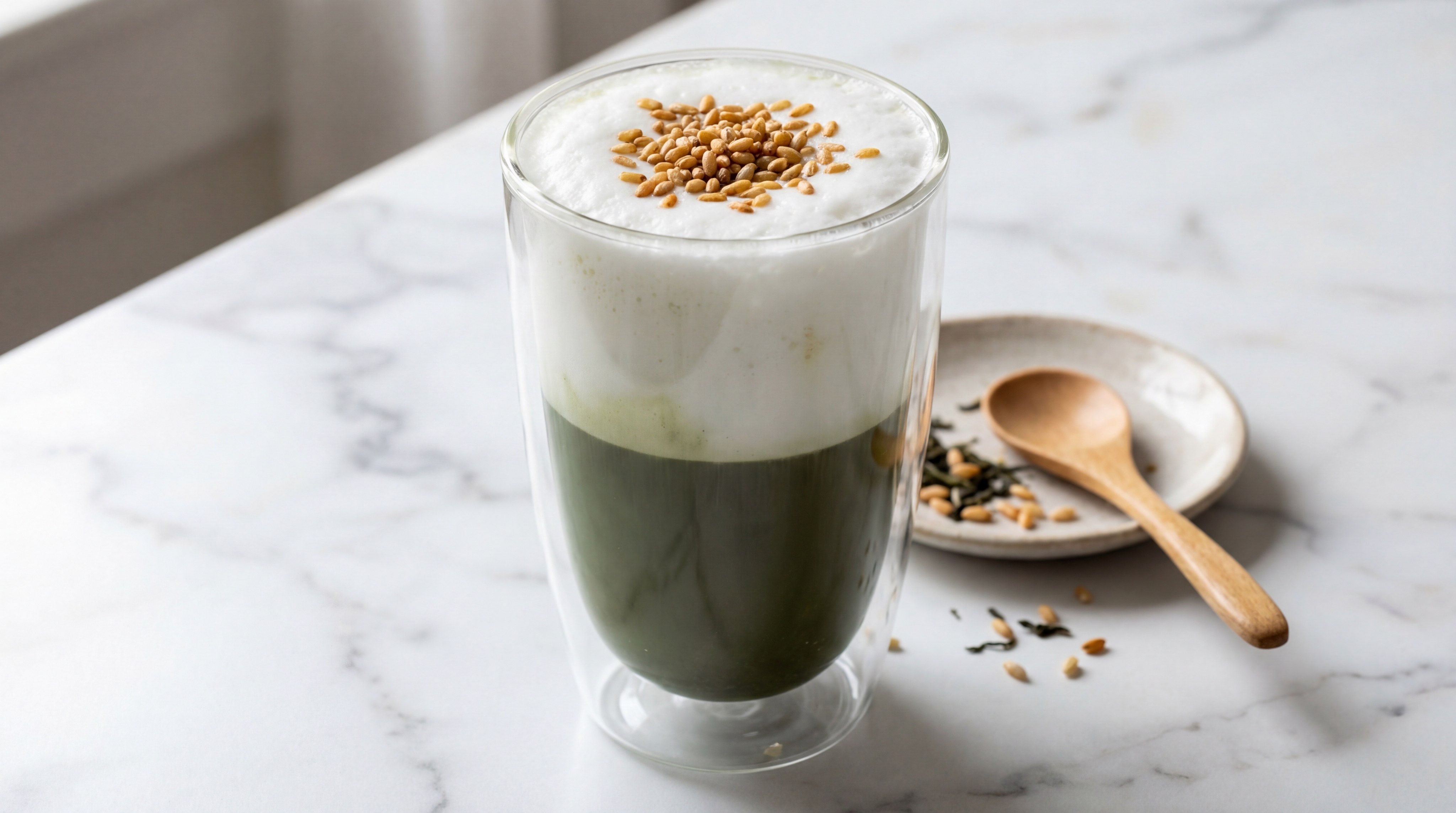
WHAT IS GENMAICHA has moved beyond the teapot and into the modern kitchen as a versatile ingredient for lattes, desserts, and even savory dishes. The unique “cereal-like” flavor of WHAT IS GENMAICHA makes it a favorite for baristas and chefs looking to innovate their menus.
The Rise of the Genmaicha Latte
It’s simpler than you think: the toasted notes of the tea pair perfectly with the creamy sweetness of milk. By using a concentrated brew or a specialized Genmaicha powder, you can create a latte that tastes like “toasted marshmallow” green tea. Oat milk is a particularly effective pairing, as it enhances the natural grain flavors of the rice.
Cold Brew and Refreshers
Don’t forget the potential for iced applications.
- Cold-brewing Genmaicha for 6 hours results in an incredibly sweet, crisp drink.
- It is less likely to become bitter when left in cold water over time.
- The toasted aroma remains vibrant even when chilled.
- It serves as a sophisticated alternative to sugary iced teas.
Culinary and Baking Uses
Believe it or not, chefs are now using finely ground Genmaicha in everything from ice cream to crusts for fish. The nutty profile acts as a natural flavor enhancer, providing a “toasty” element without the use of nuts, which is a major advantage for allergy-sensitive environments. You can market the powder form as a high-value culinary ingredient.
Key Takeaway: Genmaicha’s savory and sweet profile makes it an exceptional base for lattes, cold brews, and innovative culinary creations.
Application | Recommended Form | Flavor Result |
|---|---|---|
Hot Latte | Concentrated Infusion | Creamy / Nutty / Sweet |
Iced Tea | Loose Leaf Cold Brew | Refreshing / Toasted |
Pastries | Fine Powder | Earthy / Grainy |
Savory Crusts | Crushed Leaves/Rice | Smoky / Umami |
The versatility of Genmaicha allows businesses to expand their menu offerings well beyond traditional tea service.
What is Genmaicha wholesale and supply chain process?
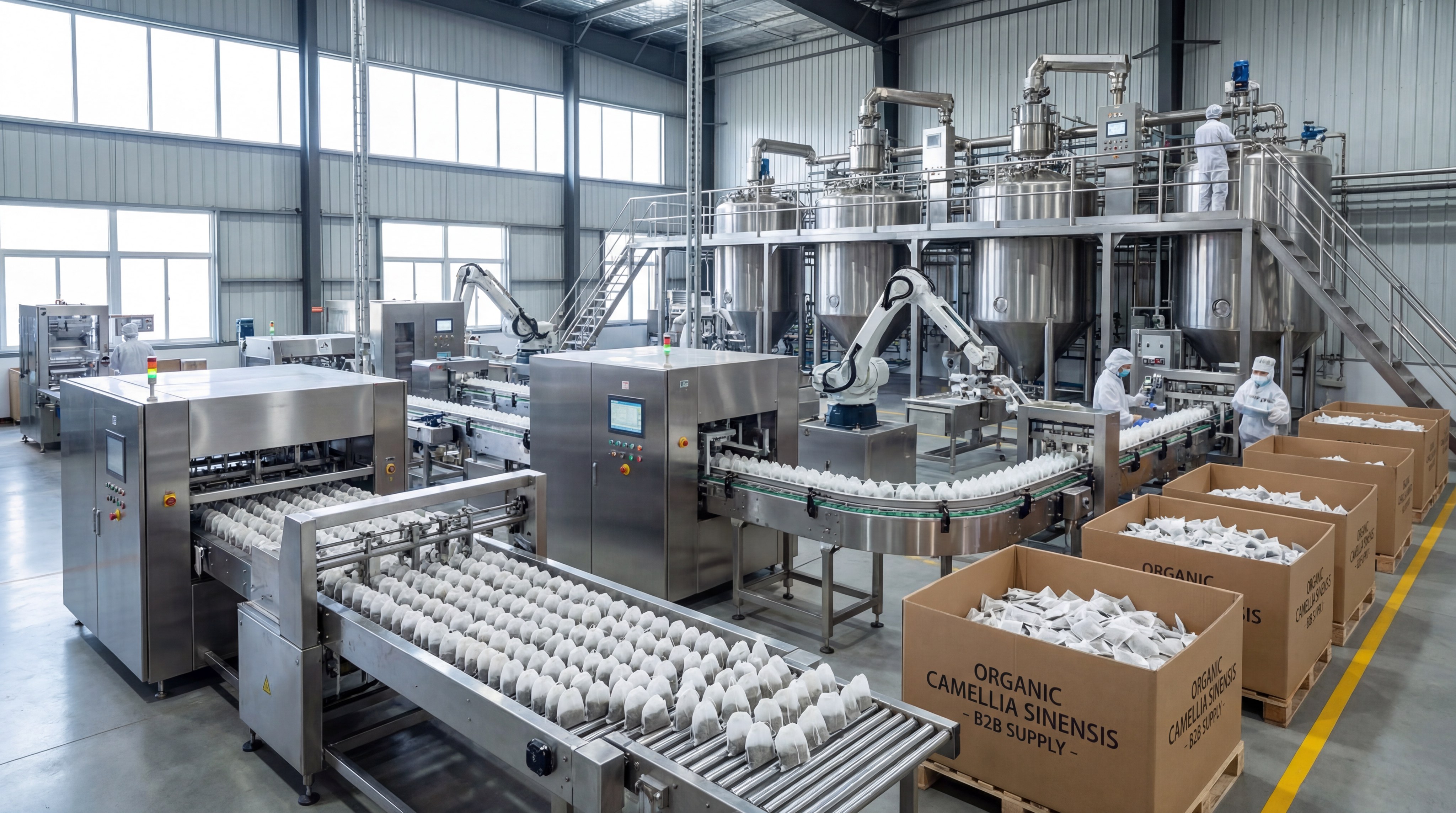
WHAT IS GENMAICHA sourcing requires a partner who can manage the complex logistics of blending green tea with precisely roasted rice. When you choose to WHAT IS GENMAICHA , you need to ensure that the supply chain adheres to strict quality and safety certifications.
Finding a Certified Factory
Think about it: the safety of both the tea and the rice is paramount. You should prioritize suppliers who hold USDA Organic, EU Organic, and JAS certifications. These ensure that no harmful pesticides were used and that the roasting facility follows international food safety standards (HACCP/ISO).
Customization and Private Labeling
The best part? Many wholesale partners offer customization.
- You can adjust the ratio of rice to tea to hit specific price points.
- Private labeling allows you to launch your own brand with professional packaging.
- Bulk ordering reduces the per-unit cost significantly for high-volume use.
- Standardized blending ensures consistent flavor across different shipments.
Lead Times and Logistics
Keep this in mind: international shipping of tea requires careful moisture control. A professional supplier will use vacuum-sealed, light-proof packaging to ensure the rice doesn’t go stale during transit. Understanding the lead times for custom blends is crucial for maintaining your inventory and satisfying your customers’ demands.
Key Takeaway: Reliable wholesale sourcing depends on finding a certified partner who can provide consistent quality, customizable blends, and secure logistics.
Selection Factor | Priority | Benefit to Your Business |
|---|---|---|
Organic Certification | High | Access to premium, health-conscious markets |
Custom Blending | Medium | Ability to differentiate your flavor profile |
Quality Control | High | Reduced risk of stale rice or rancid oils |
Scalability | High | Support for business growth and large orders |
Partnering with a sophisticated factory ensures that your Genmaicha remains a high-quality, profitable staple in your product lineup.
Conclusion
WHAT IS GENMAICHA is more than just a beverage; it is a strategic asset for any B2B tea program. By combining historical prestige with modern functional health benefits, it addresses the common problem of “green tea fatigue” and offers a savory, low-caffeine alternative that resonates with today’s consumers. Our vision at Riching Matcha is to provide the world with authentic, sustainably sourced Japanese teas that elevate the daily ritual. We solve the challenges of inconsistent quality and complex supply chains by offering certified, high-grade Genmaicha and Matcha products directly to your business.
To elevate your menu or launch your own private label brand, contact us today and let our team of experts guide you through the selection and sourcing process. We are committed to your success through transparent communication and uncompromising quality.
FAQ Section
Can I drink Genmaicha every day?Yes, it is perfectly safe for daily consumption. In fact, many people in Japan drink it throughout the day as a hydrating, low-caffeine alternative to water or coffee.
What’s the best way to store Genmaicha to keep it fresh?Keep it in an airtight, opaque container in a cool, dark place. Because it contains roasted rice, it is more susceptible to going stale or absorbing kitchen odors than pure tea leaves.
How do I know if my Genmaicha has gone bad?Check the aroma first. If the “toasty” smell has been replaced by a stale, oily, or “rancid” scent, the oils in the rice have likely oxidized.
Can I eat the rice grains in the tea?Yes, they are completely edible and quite tasty. Some people even enjoy eating the softened grains at the bottom of the cup as a small snack after finishing the liquor.
What’s the best food pairing for Genmaicha?It pairs exceptionally well with savory Asian dishes like sushi, tempura, and grilled fish. It also complements nutty desserts and simple rice crackers.