
You are likely tired of the mid-morning coffee crash and the jitters that come with your third espresso, yet you still crave a creamy, comforting pick-me-up. Walking into a modern café and seeing a vibrant green drink can be intimidating, leading you to wonder if it tastes like grass or if it truly offers the functional benefits advertised. Without knowing the precise balance of powder, water, and milk, a homemade attempt often ends up clumpy, bitter, and ultimately disappointing. Understanding What is Matcha Latte? is the first step toward mastering this antioxidant-rich beverage that serves as the ultimate clean-energy coffee alternative. This guide explores the origins, preparation secrets, and professional-grade insights that make the drink a staple in the global wellness industry.
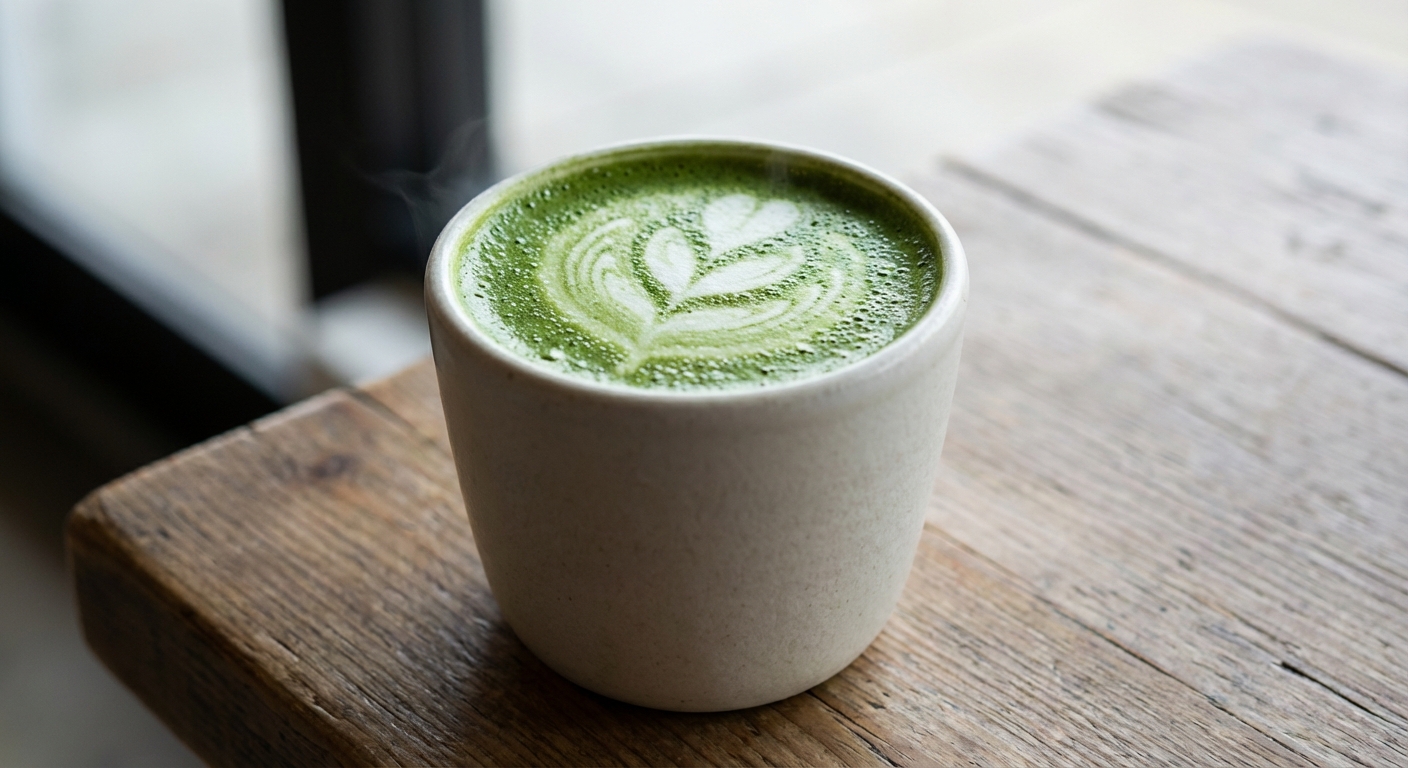
A matcha latte is a tea-based beverage made by combining stone-ground green tea powder with a small amount of water to create a paste, which is then topped with frothed milk. Every morning, thousands of people ask, “What is Matcha Latte?” and the answer lies in the sophisticated fusion of ancient Japanese tea traditions and modern specialty café culture. This drink provides a unique umami flavor profile that effectively balances the natural astringency of the tea with the creamy, velvety sweetness of dairy or plant-based milks.
A Fusion of Powdered Green Tea and Creamy Milk
Let’s be honest. You have likely seen this drink in your favorite coffee shop and wondered what makes it so distinct from a standard cup of tea. Unlike traditional tea where you steep and discard the leaves, you are consuming the entire leaf in a finely powdered form, which creates a much denser nutrient profile and a more robust flavor.
- Definition: A tea-based beverage made with stone-ground green tea powder.
- The Base: A concentrated “shot” of matcha whisked with 175°F water.
- The Finish: Topped with micro-foamed dairy or plant-based milk.
The texture is the real draw here, as the fine powder creates a suspension rather than a clear infusion, resulting in a mouthfeel that is remarkably similar to a traditional latte made with espresso. You will find that when prepared correctly, the beverage is smooth, frothy, and possesses a complex sweetness that requires very little additional sugar.
The Modern Adaptation of Ancient Tea Rites
But wait, there’s more. While the latte format is a relatively recent Western innovation, the foundation of the drink—matcha—dates back over 800 years to the Zen Buddhist monks of Japan. These monks used the concentrated powder to maintain a state of “meditative alertness” during long hours of prayer, a benefit that you can now enjoy in your professional life.
- History: Derived from Japanese tea ceremonies (Chanoyu).
- Adaptation: Modernized by adding steamed milk to cater to the Western palate.
- Innovation: Now available in various forms, including iced and flavored versions.
By blending this historical powerhouse with the comforting texture of a latte, you get a beverage that is both culturally rich and practically functional for a busy workday. You essentially bridge the gap between ancient wellness and modern convenience with every sip.
Why Are Matcha Lattes So Popular Now?

To understand What is Matcha Latte? and its meteoric rise in popularity, one must look at the global shift toward functional wellness drinks. Consumers are increasingly moving away from high-sugar energy drinks and towards natural alternatives that offer more than just a quick buzz. This drink has become a symbol of the “clean energy” movement, offering a sophisticated alternative for professionals who need to stay sharp without the negative side effects of excessive caffeine consumption.
The Clean Energy Revolution
Here is the best part. You don’t have to deal with the inevitable “crash” that follows a standard cup of coffee because of a unique amino acid found in the tea leaves. This compound, known as L-theanine, works in synergy with caffeine to provide a slow, sustained release of energy that lasts for several hours.
- L-Theanine: The amino acid responsible for “calm alertness” and focus.
- Antioxidant Power: High concentrations of EGCG catechins for cellular health.
- Aesthetic Appeal: The vibrant green hue is naturally striking and visually premium.
You will notice a sense of mental clarity that allows you to power through meetings or deep-work sessions without the distraction of physical tremors. This functional benefit is precisely why the beverage has moved from niche health stores to the menus of global coffee conglomerates.
A Nutritional Powerhouse for Professionals
You might be wondering. Is there actually a measurable difference in how this drink impacts your body compared to other caffeinated beverages? The answer is a resounding yes, as the tea is packed with chlorophyll and catechins that support your metabolic health and immune system.
- Catechins: Supports metabolic health and provides potent anti-inflammatory effects.
- Chlorophyll: Offers natural detoxification properties due to shade-grown cultivation.
- Vitamins: Contains Vitamin C, Selenium, and Zinc in every serving.
The kicker is that you are essentially taking a liquid supplement that tastes like a treat, making it one of the easiest health upgrades you can implement. You are not just drinking a beverage; you are investing in your long-term cognitive and physical performance.
Key Takeaway
The popularity of the drink stems from its dual role as a high-performance functional beverage and a premium lifestyle choice that avoids the coffee crash.
Benefit | Impact on Drinker |
|---|---|
L-Theanine | Prevents caffeine jitters and mid-day energy crashes |
Catechins | Supports metabolic health and long-term immunity |
Chlorophyll | Provides natural detoxification and vibrant color |
This table illustrates why professionals are increasingly choosing this green alternative to maintain peak productivity throughout the workday.
How Does Matcha Differ From Green Tea?
If you are wondering What is Matcha Latte? compared to a standard cup of steeped green tea, the fundamental difference starts at the farm and ends in your cup. While both beverages originate from the Camellia sinensis plant, the cultivation, harvesting, and preparation methods create two entirely different chemical and flavor profiles. In a latte, the powder acts as a concentrated essence, providing far more body and nutrition than a clear, steeped liquid ever could.
Whole Leaf vs. Steeped Infusion
Think of it this way. When you brew standard green tea, you are essentially making a “tea broth” and throwing away the most nutritious part—the leaves. With this powdered version, you are ingesting 100% of the leaf material, which has been stone-ground into a microscopic silk-like powder.
- Consumption: You ingest the whole leaf, not just a water-soluble infusion.
- Cultivation: The plants are shade-grown for weeks to boost chlorophyll.
- Nutrient Density: One serving can equal the antioxidants of ten cups of steeped tea.
This means you receive a much higher dose of antioxidants, minerals, and vitamins in every single sip you take. You are choosing a “superfood” version of tea that has been specifically engineered through traditional farming to be as potent as possible.
The Impact of Shading on Flavor and Chemistry
But wait, there’s more. The unique shading process used for these tea plants forces them to produce massive amounts of chlorophyll and amino acids, specifically L-theanine. This process is what gives the powder its bright neon green color and its signature umami flavor, which is much sweeter than regular green tea.
- Chlorophyll: Increased levels provide the vibrant green color and detox benefits.
- Amino Acids: Shading prevents the conversion of theanine to bitter tannins.
- Flavor: Resulting powder is creamy and savory rather than thin and bitter.
You will find that this umami quality is what allows the tea to stand up so well against the fat and sweetness of milk. It creates a complex, balanced beverage that feels substantial and satisfying on the palate, unlike steeped tea which can often feel watery.
Key Takeaway
The primary difference lies in the total consumption of the leaf and the shade-growing process, which maximizes both the nutrient density and the savory umami flavor profile.
Feature | Traditional Green Tea | Matcha (Latte Base) |
|---|---|---|
Preparation | Steeping dried leaves in hot water | Whisking fine powder into water |
Nutrient Intake | Only water-soluble nutrients are consumed | 100% of the leaf’s nutrients are ingested |
Appearance | Clear yellow or light green liquid | Opaque, vibrant, and frothy green |
This comparison highlights why the powdered version is considered a superior source of functional nutrition and a more robust base for creamy lattes.
Which Matcha Grade Is Best for Lattes?
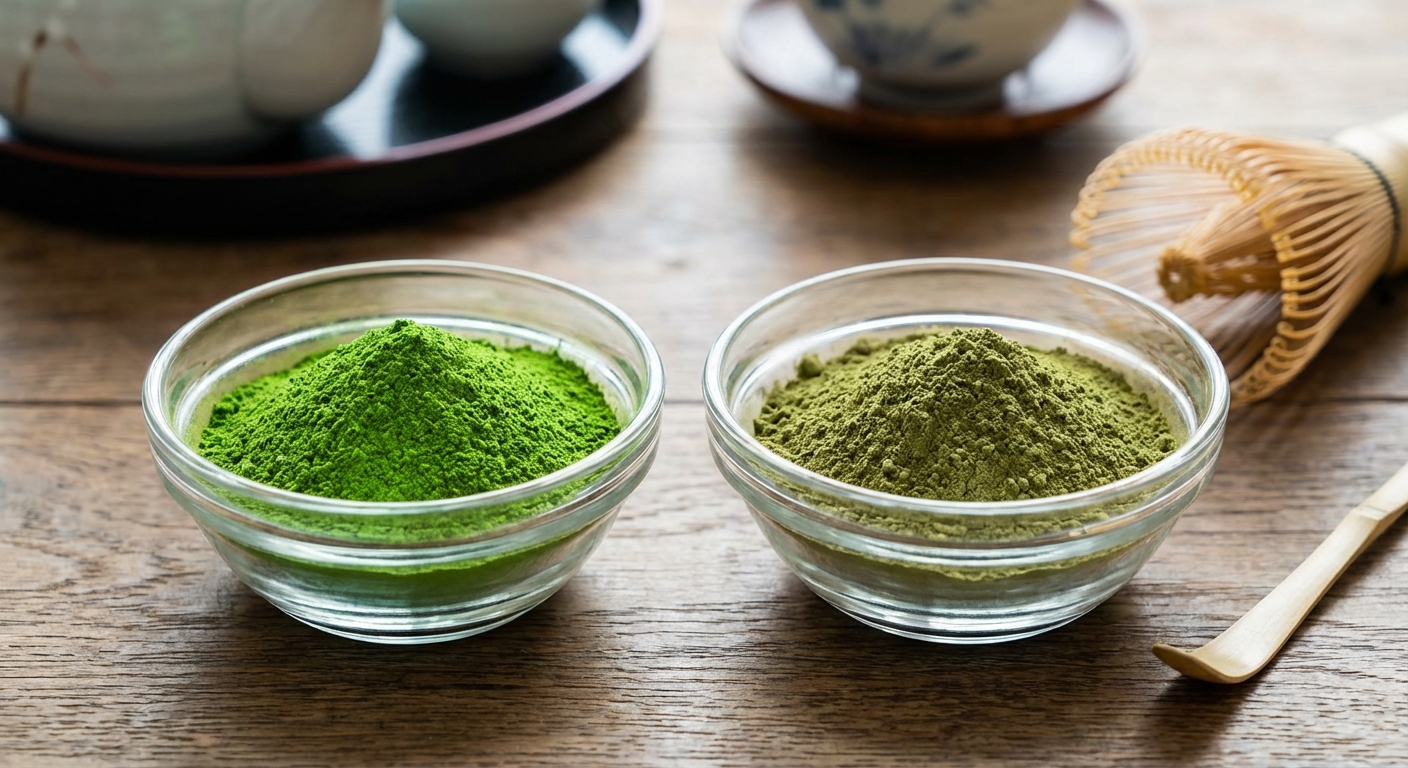
Choosing the right powder is essential when defining What is Matcha Latte? in terms of quality, profit margins, and final taste. Not all green powders are created equal, and using the wrong grade can lead to a beverage that is overly bitter, sandy in texture, or dull in color. For a professional or home barista, understanding the hierarchy of tea grades is the difference between a luxury experience and a mediocre one.
Ceremonial vs. Culinary Grades
But wait, there’s more. You will often see labels for “Ceremonial,” “Premium,” and “Culinary” grades, and these terms actually refer to the harvest time and the part of the plant used. Ceremonial grade is made from the youngest, most tender leaves of the first harvest, providing a naturally sweet and delicate flavor that is perfect for high-end lattes.
- Ceremonial: Highest quality, naturally sweet, best for “pure” luxury lattes.
- Premium: A balance of quality and price, ideal for standard daily lattes.
- Culinary: Bolder, more bitter flavor intended for baking or high-sugar mixes.
If you use a culinary grade for a latte without a lot of sweetener, you will likely find the taste to be unpleasantly “grassy” and sharp. You should ideally opt for a ceremonial or premium grade to ensure that the natural sweetness of the tea can shine through the milk.
Sourcing for Consistency and Color
Here is the kicker. The color of your powder is the most reliable indicator of its quality and its potential for a beautiful latte. A high-quality powder should be a vibrant, electric green, which indicates high chlorophyll content and proper stone-grinding techniques that haven’t overheated the leaves.
- Color: Look for bright green; avoid dull, brownish, or yellowish powders.
- Texture: The powder should be as fine as cornstarch, not gritty like sand.
- Origin: High-quality Japanese tea regions like Uji or Nishio are preferred.
You will find that investing in a higher grade actually saves you money on sweeteners and flavorings because the tea itself is delicious. Furthermore, your customers or guests will be much more impressed by the stunning visual presentation of a bright green, premium-grade drink.
Key Takeaway
Using Ceremonial or Premium grade powder is non-negotiable for a high-quality latte, as it provides the necessary sweetness and vibrant color without excess bitterness.
Grade | Best Use Case | Flavor Profile |
|---|---|---|
Ceremonial | High-end lattes / Pure tea | Naturally sweet, delicate umami |
Premium | Daily lattes / Professional menus | Balanced, slight astringency, bright |
Culinary | Smoothies and baking | Strong, bitter, robust, duller green |
This breakdown serves as a guide for selecting the appropriate raw material based on your specific beverage goals and budget.
Does a Matcha Latte Have More Caffeine?
A common question regarding What is Matcha Latte? is how much of a “kick” it actually provides compared to a traditional espresso-based drink. While it is true that this tea is highly concentrated, the way your body processes its caffeine is fundamentally different from how it handles coffee. This makes it a strategic choice for people who need high-level cognitive performance without the physical agitation often caused by beans.
Comparing the Caffeine Kick
You might be wondering. If you are drinking the whole leaf, does that mean the caffeine content is off the charts? Generally, a standard serving contains between 35mg and 70mg of caffeine, which is comparable to a single shot of espresso but significantly more than a cup of steeped green tea.
- Typical Content: 35mg to 70mg per 8oz serving of the latte.
- Release Speed: Slower absorption due to the presence of tea tannins.
- Duration: Sustained energy that typically lasts 4 to 6 hours.
The real difference is the “quality” of the energy you feel, which users often describe as a state of “zenergy.” You get the alertness you need to start your day, but it feels like a smooth incline rather than a jarring jolt to your nervous system.
The Role of L-Theanine in Energy Regulation
Look. The secret weapon here is once again the amino acid L-theanine, which acts as a natural relaxant to balance the stimulatory effects of caffeine. This combination promotes alpha brain wave activity, which is associated with a state of relaxed focus and creativity.
- Alpha Waves: Promotes the state of mind often achieved through meditation.
- Synergy: L-theanine prevents the “jittery” side effects of caffeine.
- Metabolism: The energy is metabolized slowly over several hours.
You will find that you don’t feel the need for a second or third cup as quickly as you would with coffee. This makes the drink an excellent tool for maintaining a steady workflow throughout the afternoon when your productivity might otherwise start to dip.
Key Takeaway
While the total caffeine is similar to espresso, the slow-release mechanism and L-theanine content provide a more stable and longer-lasting energy boost.
Drink | Caffeine (Avg) | Energy Duration |
|---|---|---|
Matcha Latte | 60mg | 4-6 Hours (Steady) |
Espresso Latte | 63-120mg | 1-2 Hours (Spiky) |
Steeped Tea | 25-35mg | 2-3 Hours (Mild) |
Understanding these metabolic differences allows you to choose the right fuel for your specific cognitive and physical requirements throughout the day.
What Tools Do You Need for a Latte?
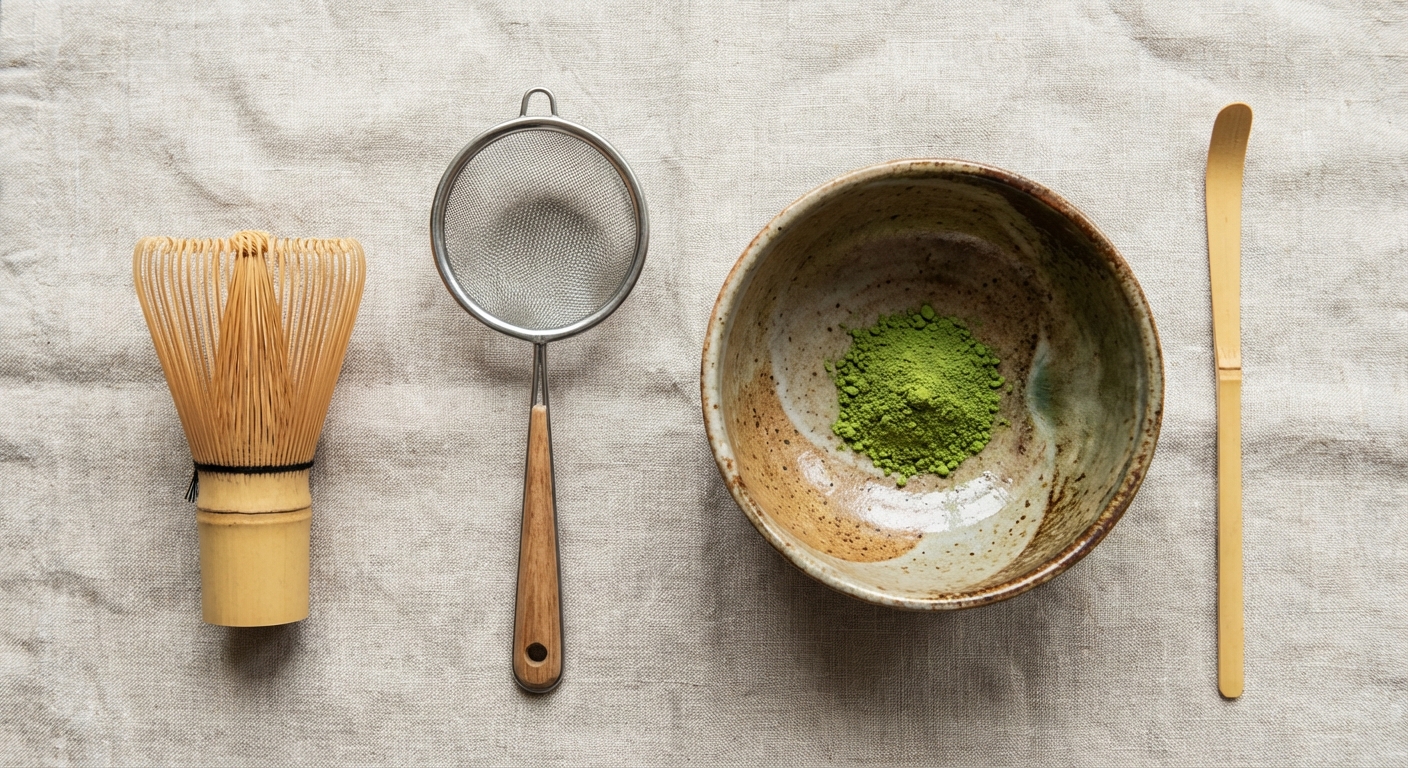
To master What is Matcha Latte? at home or in a professional setting, you need to move beyond a standard kitchen spoon. Because the powder is so fine, it has a natural tendency to clump when it hits water, which can ruin the texture of your drink. Using the correct hardware ensures that your tea is perfectly suspended in the water, creating a smooth, crema-like layer that integrates seamlessly with frothed milk.
Essential Hardware for the Perfect Froth
It’s easier than you think. While you can use modern electric tools, the traditional bamboo whisk, or chasen, remains the gold standard for achieving a truly lump-free, frothy consistency. These whisks are carved from a single piece of bamboo and feature dozens of delicate tines designed to aerate the tea and break down clumps.
- Chasen: The traditional bamboo whisk essential for proper suspension.
- Sifter: A fine mesh sieve used to aerate the powder before whisking.
- Chawan: A wide-bottomed bowl that provides space for the whisking motion.
You will find that sifting your powder is a step you should never skip, as it significantly reduces the effort required to whisk. When you sift the powder into the bowl, you ensure that every particle is separated and ready to be hydrated by the hot water.
Modern Alternatives for High-Volume Settings
But wait, there’s more. If you are running a busy café or simply don’t have the time for a traditional ceremony, modern tools can produce excellent results with much less effort. Handheld milk frothers or high-speed blenders can be used to create the matcha “shot” quickly and efficiently.
- Electric Whisk: A handheld tool that mimics the chasen’s action.
- Steam Wand: Used on professional espresso machines to froth the milk.
- Thermometer: Ensures your water doesn’t exceed 175°F and burn the tea.
The key is to maintain the integrity of the tea by not using boiling water, which can scorch the delicate powder and create a bitter taste. You want to aim for a “micro-foam” texture in your milk to match the velvety nature of the whisked tea base.
Key Takeaway
Proper tools like a sifter and a whisk (bamboo or electric) are critical for preventing clumps and achieving the signature creamy texture of a professional latte.
Tool | Primary Function | Essential? |
|---|---|---|
Bamboo Whisk | Perfectly suspends powder in water | Highly Recommended |
Fine Mesh Sieve | Removes clumps before whisking | Yes |
Milk Frother | Creates the essential latte micro-foam | Yes (for lattes) |
Investing in these few basic pieces of equipment will immediately elevate the quality of your beverages from amateur to café-standard.
How Do You Make a Perfect Matcha Latte?
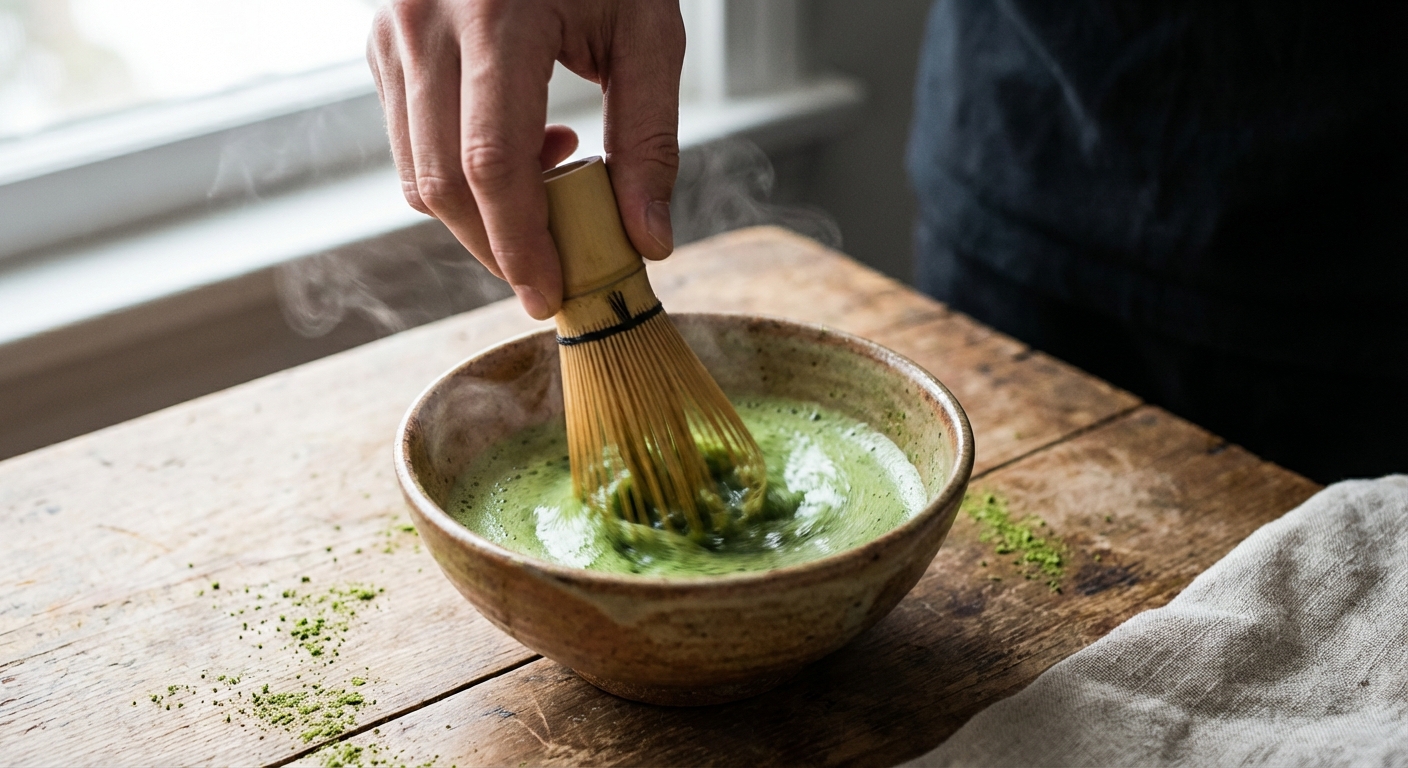
The process of defining What is Matcha Latte? involves a specific sequence of temperature control and whisking technique to ensure a balanced flavor. It is not as simple as stirring powder into a cup of hot milk; you must first create a concentrated tea base that is free of clumps. Following a standardized method will ensure that every cup you make is consistent, creamy, and visually appealing.
The Step-by-Step Preparation Guide
Now, let’s get to work. You start by sifting one to two teaspoons of high-quality powder into your bowl to remove any lumps that formed during storage. Then, add a very small amount of hot (not boiling) water to create a thick, smooth paste before adding the rest of your water.
- Sifting: Sift 1-2 tsp of matcha into a wide-bottomed bowl.
- Whisking: Add 2oz of 175°F water; whisk in a vigorous “W” motion.
- Combining: Pour the frothy tea into a cup and top with 8oz of steamed milk.
You should aim for a “W” or “M” motion with your wrist rather than a circular stirring motion to create the most foam. This technique aerates the tea and creates a thick layer of tiny bubbles on the surface, which is the hallmark of a well-prepared beverage.
Troubleshooting Your Technique
Here is the kicker. If your latte tastes too bitter, you likely used water that was too hot or used a lower-grade culinary powder. If the texture is thin and watery, you might not have whisked vigorously enough or used enough powder for the volume of milk you added.
- Water Temp: Never use boiling water; aim for 175°F (80°C) to keep it sweet.
- Proportions: Use approximately 1 gram of powder for every 4 ounces of liquid.
- Sweetening: Add honey or syrup to the tea paste before adding the milk.
You will find that once you master the “W” whisking motion, the process becomes second nature and takes less than two minutes. The result is a professional-grade beverage that looks and tastes exactly like what you would buy at a high-end specialty tea shop.
Key Takeaway
Consistency is achieved through temperature control and the specific “W” whisking motion to create a clump-free, frothy tea base.
Step | Action | Key Professional Tip |
|---|---|---|
Water Temp | 175°F (80°C) | Do not use boiling water or you will burn the tea |
Whisking | Zig-zag/W motion | Use your wrist, not your whole arm, for speed |
Sifting | Fine mesh sieve | Sifting is the only way to guarantee a smooth texture |
Mastering these small technical details is what separates a grainy, bitter home experiment from a truly luxurious and creamy latte experience.
What Is the Best Milk for Matcha Lattes?
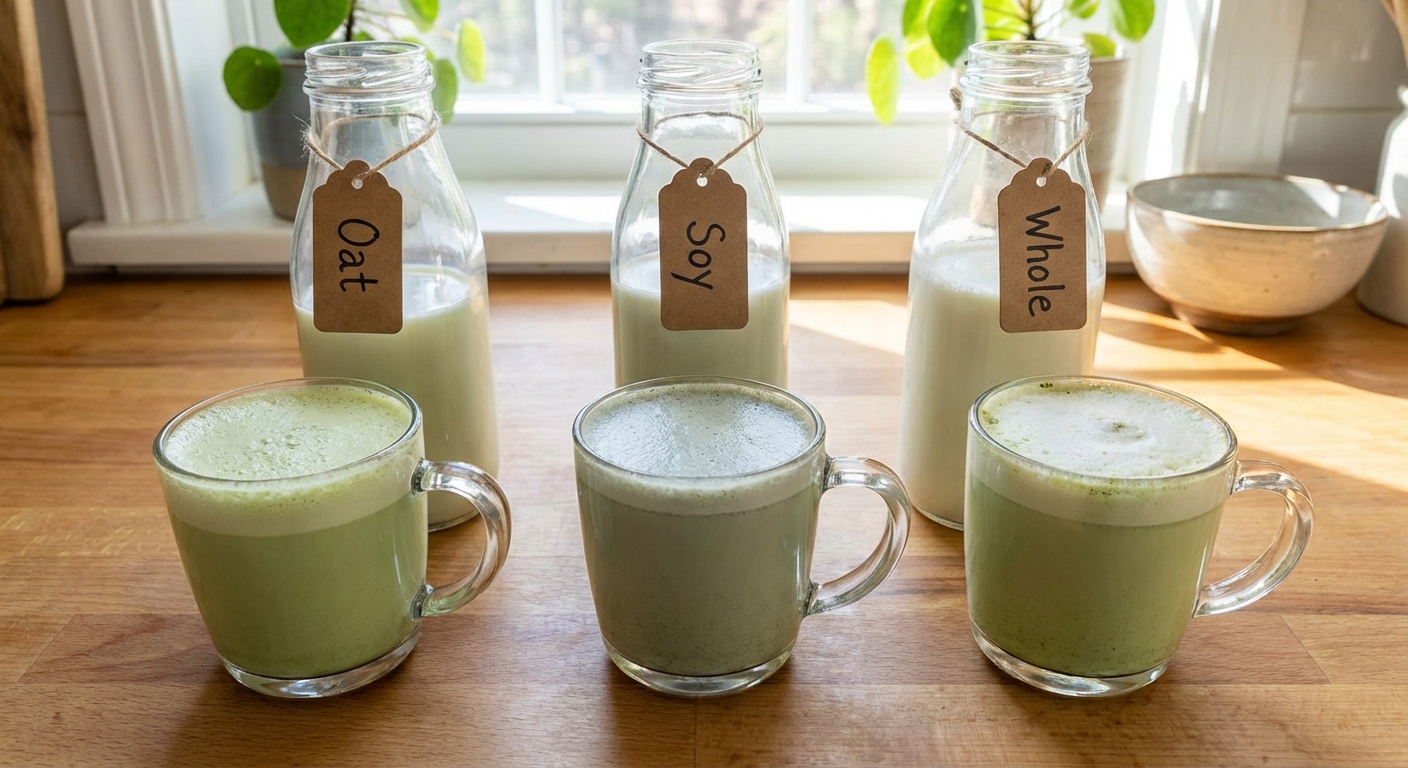
Since milk makes up roughly 80% of the beverage, your choice of dairy or plant-based alternative significantly alters What is Matcha Latte? in terms of its final flavor profile and nutritional value. The goal is to find a milk that complements the grassy, umami notes of the tea without overpowering them. Different milks also froth differently, which will impact the “mouthfeel” and the overall aesthetic of the drink’s foam.
Dairy vs. Plant-Based Options
But here is the kicker. While whole dairy milk was the original standard for lattes, oat milk has quickly become the “gold standard” in the tea community because of its natural creaminess and subtle sweetness. Oat milk has a neutral flavor that allows the tea’s complex notes to shine while providing a texture that is nearly identical to dairy.
- Oat Milk: The industry favorite for its superior frothing and natural sweetness.
- Coconut Milk: Adds a tropical, nutty layer that pairs well with iced versions.
- Whole Milk: Provides the most traditional “latte” mouthfeel and high protein content.
You should experiment with different brands of plant milk, as some are specifically formulated for baristas to froth better. Avoid milks that are too thin, like standard almond milk, as they can result in a “watery” latte that lacks the satisfying body you expect from a premium drink.
The Science of Frothing Different Milks
You might be wondering. Why do some milks create beautiful latte art while others fall flat immediately? It comes down to the protein and fat content of the milk, which are responsible for stabilizing the air bubbles created during the steaming or frothing process.
- Proteins: Essential for creating the initial structure of the foam.
- Fats: Provide the “glossy” finish and a rich, creamy mouthfeel.
- Temperature: Most milks froth best between 140°F and 155°F.
You will find that “Barista Edition” plant milks often contain added stabilizers or higher fat content to mimic the behavior of dairy. If you are looking for the most professional result at home, these specific versions are worth the small extra cost for the texture they provide.
Key Takeaway
Oat milk is currently the preferred choice for its balance of sweetness and frothing capability, though whole dairy milk remains the most traditional option.
Milk Type | Flavor Impact | Frothing Quality |
|---|---|---|
Oat | Sweet & Neutral | Excellent |
Soy | Nutty/Bean-like | Good |
Almond | Thin & Nutty | Average |
Selecting the right milk is just as important as selecting the tea powder, as it defines the base texture and flavor balance of your final beverage.
Can You Make a Healthy Matcha Latte?
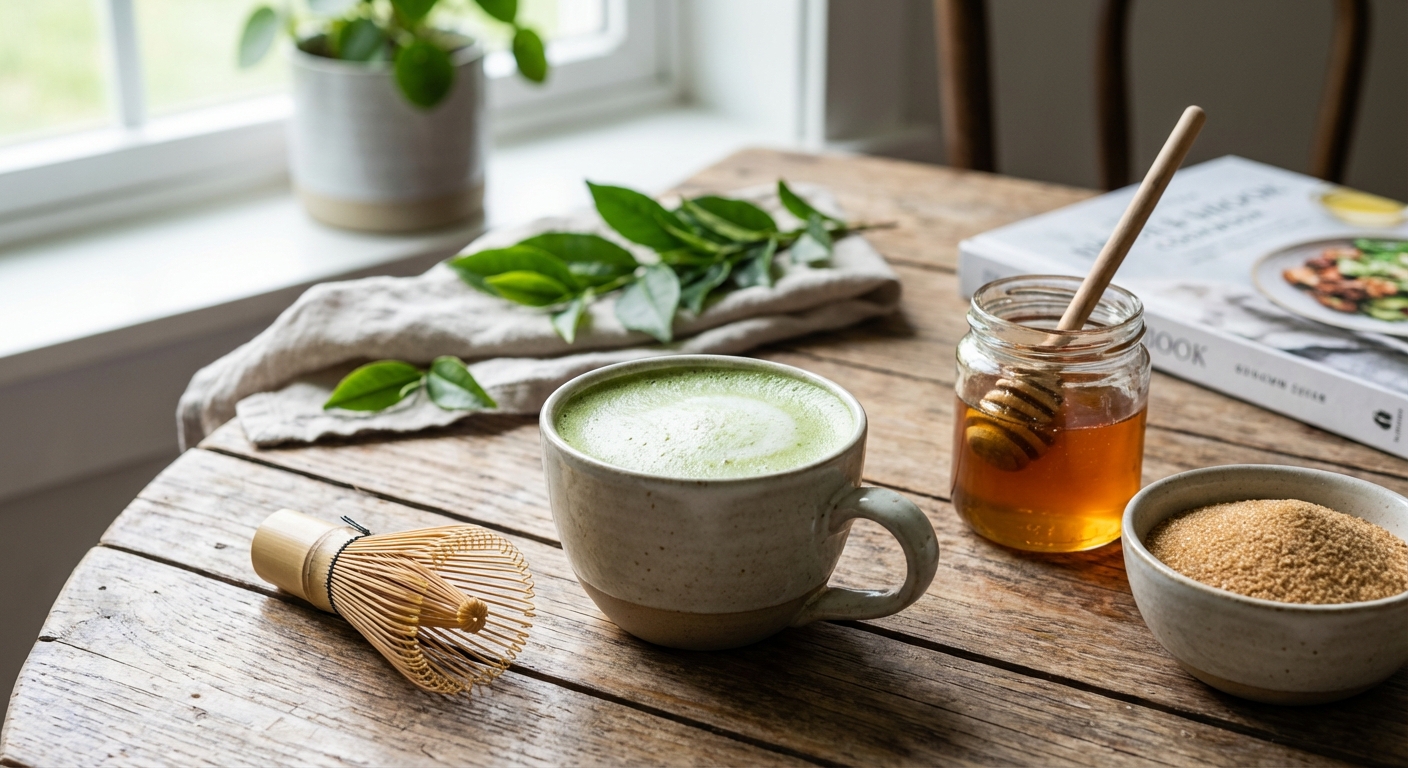
If your goal for What is Matcha Latte? is weight loss, detoxification, or general wellness, you must be careful about the additives often found in café versions. Many commercial “matcha mixes” are actually up to 50% sugar, which can quickly negate the health benefits of the tea. To keep your drink truly healthy, you should focus on using pure, organic powder and controlled amounts of natural sweeteners.
Avoiding the Sugar Trap
Look. The biggest mistake you can make is assuming that every green drink is inherently healthy, especially when many chain coffee shops use pre-sweetened powders. You should always check the ingredient label of your powder to ensure it contains only one thing: 100% stone-ground green tea.
- Natural Sweeteners: Use small amounts of honey, maple syrup, or monk fruit.
- Unsweetened Milks: Always opt for “Original” or “Unsweetened” versions.
- Pure Matcha: Avoid “latte mixes” that list cane sugar as the first ingredient.
By controlling the sweetness yourself, you can enjoy the functional benefits of the antioxidants without the blood sugar spikes associated with refined sugars. You will find that as your palate adapts, you actually start to prefer the natural, savory sweetness of high-quality tea over sugary alternatives.
Maximizing Nutrient Absorption
But wait, there’s more. Did you know that adding a small amount of healthy fat can actually help your body absorb the fat-soluble antioxidants found in the tea leaves? This is another reason why using a milk with a decent fat content, like oat or coconut, can be a strategic health choice.
- Bioavailability: Fats help your body process the catechins more effectively.
- Organic Sourcing: Choose organic powder to avoid pesticides and synthetic fertilizers.
- Water Quality: Use filtered water to ensure no chlorine or minerals interfere with the tea.
You are essentially creating a functional tonic that supports your body’s natural defense systems while also providing a moment of luxury in your day. Keeping the ingredients “clean” ensures that you are getting the maximum return on your investment in premium tea.
Key Takeaway
A healthy latte is defined by the use of 100% pure organic tea and the elimination of refined sugars and artificial additives.
Ingredient | Healthy Choice | Unhealthy Choice |
|---|---|---|
Tea Base | Pure Organic Matcha | Pre-mixed Sugary Powder |
Sweetener | Monk Fruit / Honey | Refined White Sugar / Corn Syrup |
Milk | Unsweetened Oat/Almond | Flavored Non-Dairy Creamers |
By making these simple substitutions, you transform a potentially high-calorie treat into a powerful wellness tool that supports your long-term health goals.
How Much Does a Matcha Latte Cost?
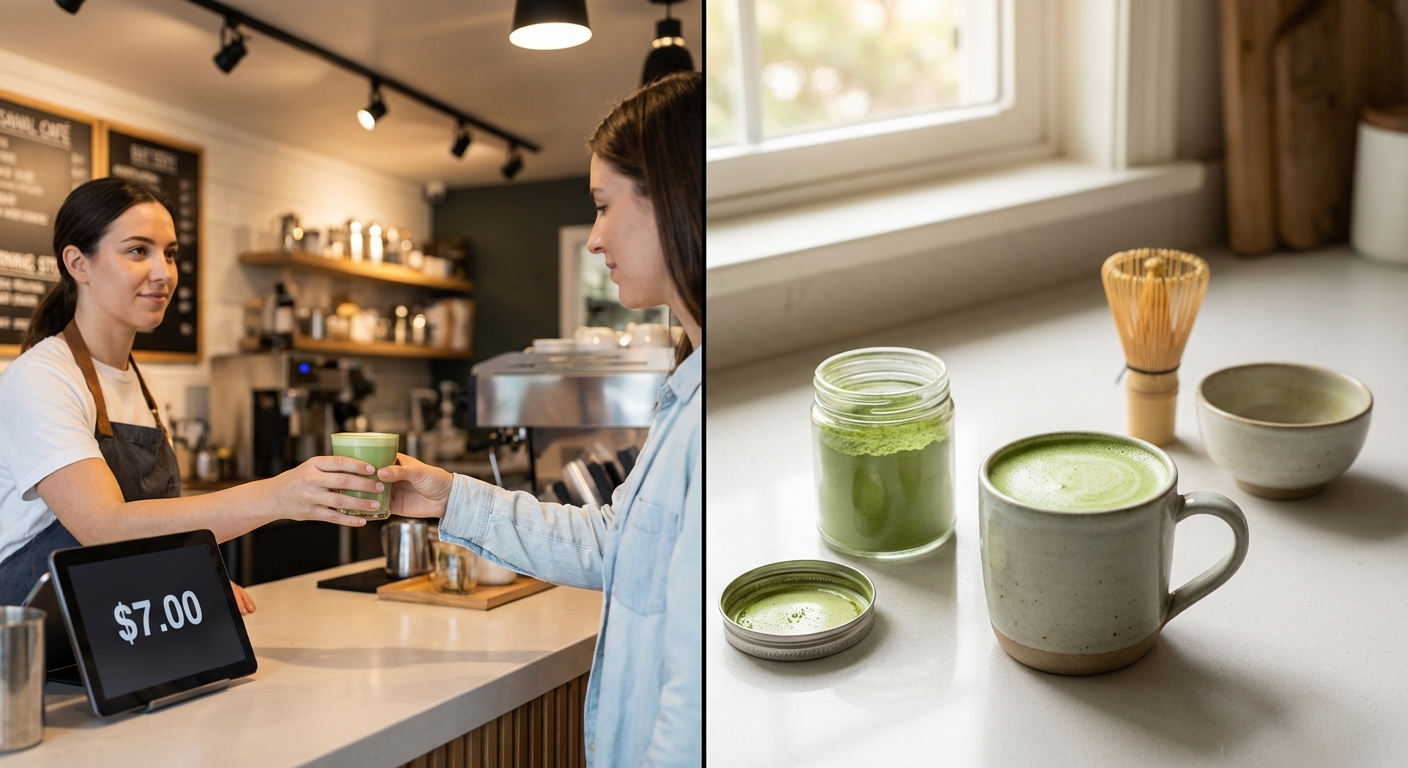
Finally, understanding What is Matcha Latte? and its value proposition depends on whether you are purchasing it from a specialty café or brewing it yourself. Because high-quality tea is a labor-intensive product to harvest and process, it carries a higher price tag than standard black or green tea. However, when you break down the cost per serving, making it at home is remarkably affordable compared to the daily café habit.
Café Pricing vs. Home Brewing
The bottom line is this. When you walk into a specialty coffee shop, you can expect to pay anywhere from
5.00to5.00 to
7.50 for a well-prepared latte, especially if you add a plant-based milk. This price reflects the labor of the barista, the cost of the premium powder, and the overhead of the retail space.
- Café Price: Usually 5.00−5.00 –
7.00 per cup depending on location.
- Home Cost: Approximately 0.80−0.80 –
1.20 per cup for premium materials.
- Quality Control: Brewing at home allows you to use higher-grade ceremonial powder.
You will find that even if you buy a
30tinofhigh−endceremonialtea,itwillprovideyouwithroughly30servings,bringingyourcostpercupdowntojustonedollar.Overthecourseofamonth,youcouldsaveover30 tin of high-end ceremonial tea, it will provide you with roughly 30 servings, bringing your cost per cup down to just one dollar. Over the course of a month, you could save over
150 simply by whisking your own tea before you head to the office.
The Value of Professional Sourcing
But wait, there’s more. If you are a business owner looking to add this to your menu, you need to consider the cost-benefit of different powder grades to maintain your margins. While ceremonial grade is the best, a high-quality “Premium” grade often provides the best balance of vibrant color and cost-effectiveness for a commercial setting.
- Bulk Sourcing: Purchasing 1kg bags significantly reduces the cost per serving.
- Waste Reduction: Powder has a long shelf life if stored in an airtight, cool place.
- Customer Value: High-quality tea allows you to charge a premium “wellness” price.
You essentially have the opportunity to offer a high-margin product that appeals to health-conscious consumers who are willing to pay for quality. Whether for personal use or professional service, understanding the economics of the drink is key to long-term sustainability.
Key Takeaway
Making your own beverage at home is roughly 80% cheaper than buying it at a café, while allowing for superior quality control and ingredient selection.
Factor | Specialty Café | Home Preparation |
|---|---|---|
Price per cup | $$$ ( 7) | ( ( 0.80 – $1.20) |
Tea Quality | Variable (often unknown) | Total Control (Ceremonial) |
Convenience | High (Ready to drink) | Medium (Requires 2 mins) |
This economic breakdown demonstrates that a daily habit is entirely sustainable when you invest in the right tools and source your own high-quality tea powder.
Conclusion
So, What is Matcha Latte? It is far more than just a fleeting social media trend; it is a versatile, health-conscious alternative to traditional coffee that provides sustained energy, mental clarity, and a wealth of antioxidants. Whether you prefer it iced with creamy oat milk or hot and ceremonial, the key to success lies in the quality of your powder and the precision of your whisking technique. By mastering the delicate balance of savory umami and smooth creaminess, you can enjoy a café-quality wellness experience in your own kitchen or office every single day. We invite you to explore our selection of premium, stone-ground powders to elevate your daily ritual and contact us today for wholesale inquiries or expert brewing advice.
Frequently Asked Questions
Can I make a matcha latte without a bamboo whisk?Yes, you can use a handheld electric milk frother or even a small kitchen whisk to achieve a similar results, though the bamboo whisk is best for fine froth.
What’s the best temperature for the water in a matcha latte?The optimal temperature is 175°F (80°C) because boiling water will scorch the delicate powder and cause it to taste unpleasantly bitter and grassy.
Can I drink a matcha latte every day?Yes, most people can safely enjoy one or two servings daily to benefit from the high antioxidant content and sustained energy without the coffee crash.
How do I know if my matcha powder has gone bad?You can tell by the color and smell; if the powder has turned a dull brownish-yellow or lost its fresh, grassy aroma, it has likely oxidized.
What’s the best way to sweeten a matcha latte naturally?The most effective natural sweeteners are honey, maple syrup, or stevia, as they blend well with the tea’s umami profile without adding refined sugars.