
Many professional buyers and health-conscious consumers settle for subpar tea products that promise vitality but deliver nothing more than a dull, bitter experience laden with potential contaminants. This common mistake occurs because the market is flooded with low-grade, mass-produced powders that have been improperly shaded or harvested too late in the season, resulting in high tannin levels and a significant loss of beneficial compounds. When you consume the entire ground leaf, you are also ingesting every chemical residue present on that leaf, meaning that a poorly sourced “superfood” can actually introduce heavy metals and pesticides into your system. To protect your well-being and ensure a superior sensory experience, you must insist on the healthiest matcha powder which is characterized by its vibrant green hue, high L-theanine content, and documented purity through rigorous lab testing.
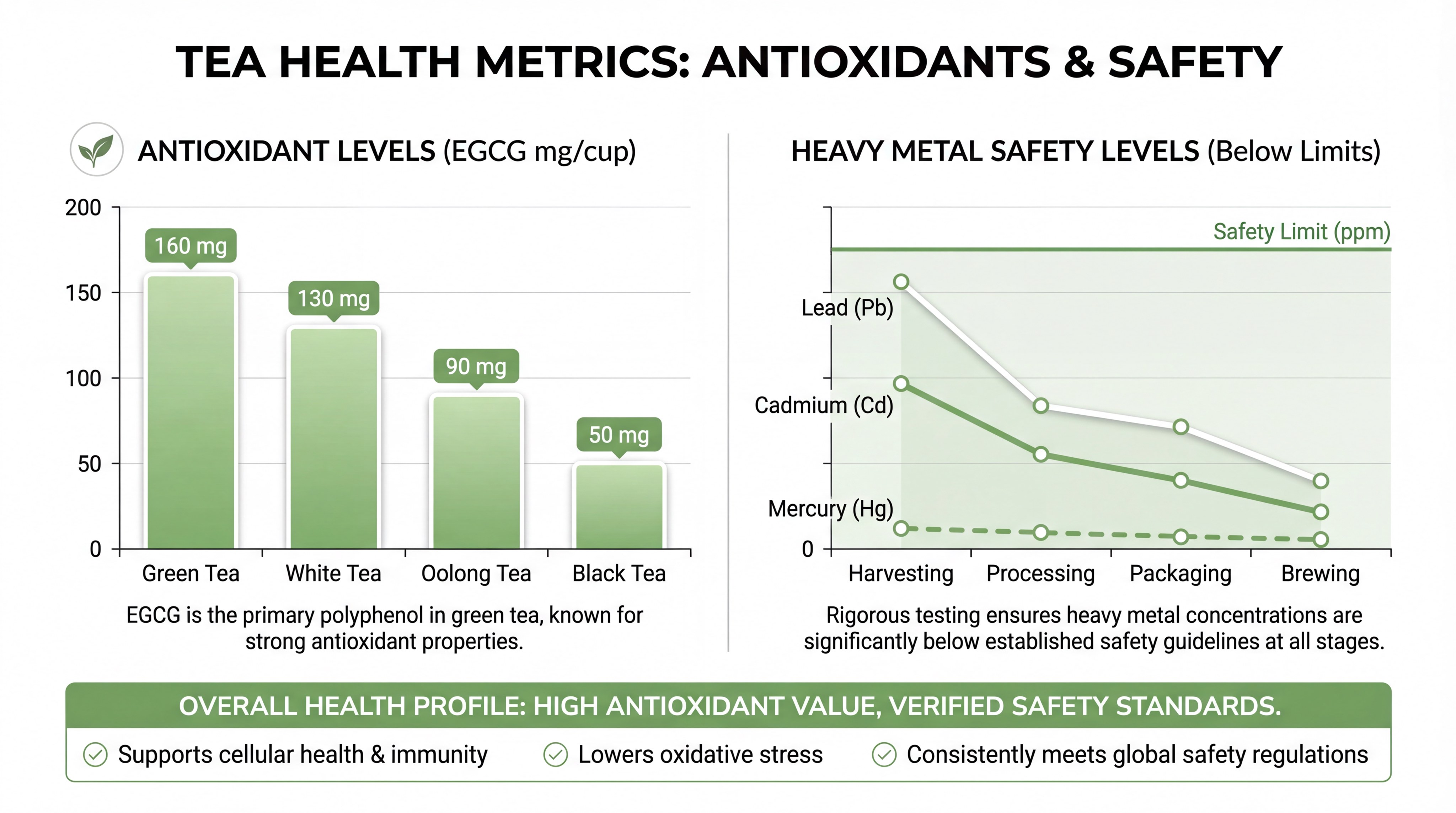
The healthiest matcha powder is defined by its high concentration of EGCG antioxidants, its rich amino acid profile, and its complete absence of environmental toxins like lead or radiation. For a product to meet these elite standards, it must be cultivated from the first flush of spring leaves, which are naturally more nutrient-dense than later harvests. This ensures that every serving you consume provides the maximum physiological benefit without the risk of cellular stress caused by agricultural chemicals.
Is organic certification the only safety standard?
While USDA or JAS organic certifications are essential for ensuring that synthetic pesticides and fertilizers are not used during cultivation, they do not account for naturally occurring heavy metals in the soil. Professional procurement specialists must look for additional third-party laboratory results that verify the safety of the specific batch being purchased to ensure it meets global safety standards.
- Verification of soil quality in the specific tea garden.
- Analysis of water sources used for irrigation during the growing season.
- Testing for radioactive isotopes such as Cesium-134 and Cesium-137. But that’s not all.
Why do L-theanine levels matter for brain health?
L-theanine is the primary amino acid responsible for the unique “calm alertness” that high-quality tea provides, acting as a natural counterbalance to the stimulating effects of caffeine. The concentration of this compound is highest in tea plants that have been shaded for at least three to four weeks prior to harvest, a process that prevents the amino acids from converting into bitter tannins.
- Promotion of alpha brain wave activity for enhanced focus.
- Reduction of the physiological markers of stress and anxiety.
- Improvement of sleep quality when consumed earlier in the day. The best part?
Key TakeawayThe highest quality matcha is a holistic combination of organic farming practices and meticulous shading techniques that preserve delicate micronutrients while excluding environmental pollutants.
Quality Marker | Premium Standard | Low-Grade Risk |
|---|---|---|
Nitrogen Content | High (Deep Umami) | Low (Astringent/Bitter) |
Antioxidant Level | >100mg EGCG per gram | <40mg EGCG per gram |
Heavy Metals | Undetectable/Safe | Risk of Lead/Cadmium |
Review these chemical markers carefully to ensure your daily intake aligns with your long-term wellness goals rather than just providing a temporary energy boost.
2. How do you identify the healthiest matcha powder color?
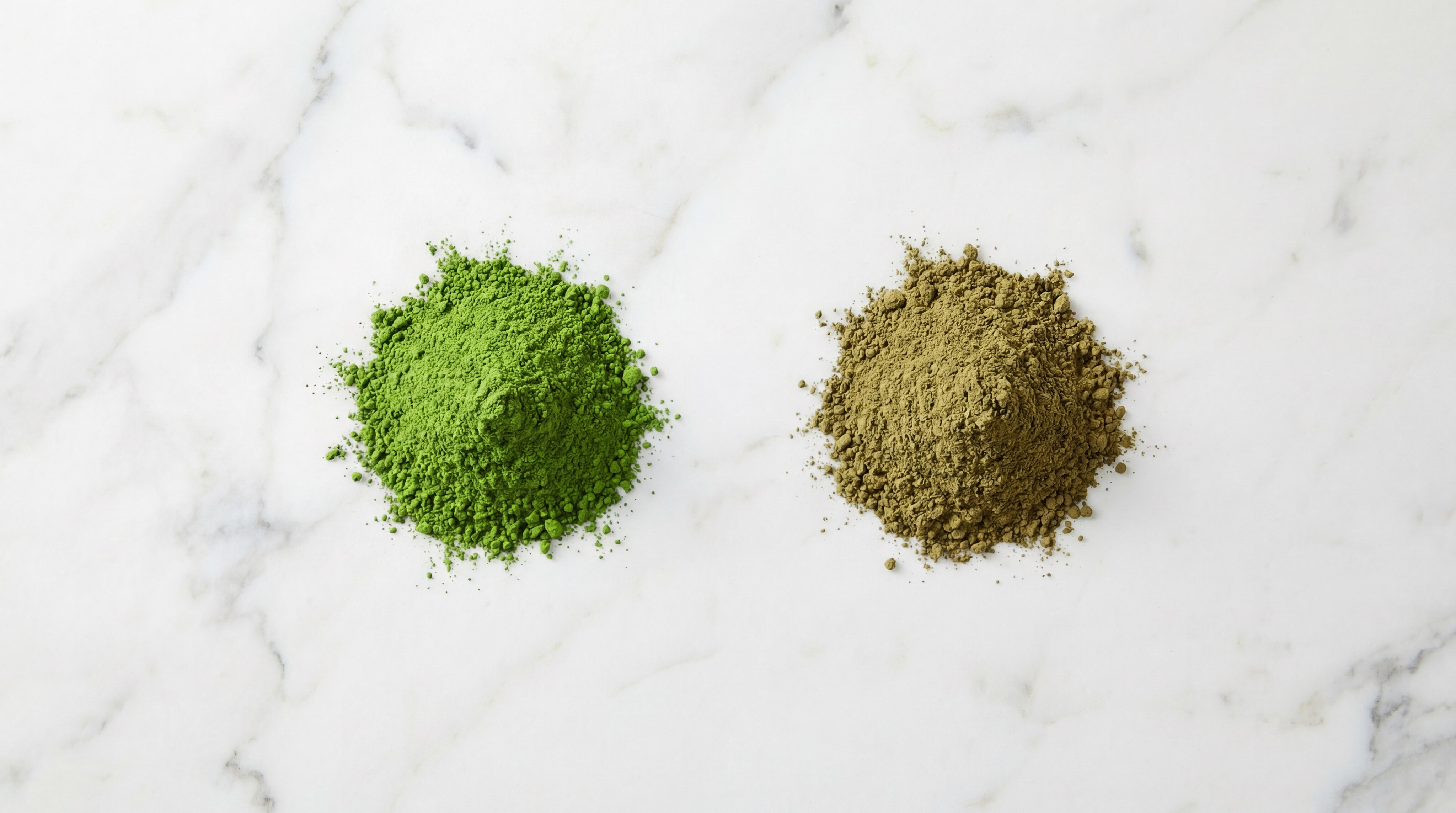
The easiest way to identify the healthiest matcha powder is to look for a vibrant, electric “neon” green color which indicates a high concentration of chlorophyll and preserved antioxidants. When tea leaves are grown in deep shade, they overproduce chlorophyll to compensate for the lack of sunlight, resulting in a color that is almost luminescent rather than muddy or olive. This visual cue serves as a direct proxy for the nutritional density of the powder, as chlorophyll is structurally linked to the beneficial phytochemicals found in the leaf.
Why is vibrant chlorophyll a sign of purity?
Chlorophyll production is a metabolic indicator that the plant was healthy and properly managed during the critical shading period that precedes the spring harvest. If a powder appears bright and vivid, it suggests that the leaves were steamed quickly after picking to stop oxidation and preserve the molecular integrity of the plant’s nutrients.
- Signifies the use of young, tender leaves from the top of the plant.
- Indicates a rapid de-enzyming process to lock in freshness.
- Correlates with higher levels of vitamin C and beta-carotene. Think about it.
Does a dull yellow tint indicate oxidation?
A yellowish or brownish tint is a definitive warning sign that the tea has either been exposed to oxygen for too long or was made from older, tougher leaves harvested in the summer or autumn. This degradation not only ruins the flavor profile by making it excessively bitter but also indicates that the sensitive antioxidants have begun to break down and lose their health-promoting properties.
- Likely exposure to heat or light during the shipping process.
- Usage of mechanical harvesting on mature, nutrient-poor leaves.
- High levels of tannin which can cause digestive discomfort. Here is the kicker:
Key TakeawayVisual inspection is your first line of defense; always choose the most vibrant green possible to ensure you are receiving the maximum antioxidant payload available in the tea leaf.
Visual Property | Healthy Selection | Rejected Batch |
|---|---|---|
Hue | Electric Green | Mustard/Dull Olive |
Texture | Ultra-fine (Silk-like) | Gritty or Clumpy |
Brightness | High Reflectivity | Matte/Flat Appearance |
Analyze the chromatic intensity of your tea samples against a white background to clearly see the differences in chlorophyll retention between various suppliers.
3. Which grades provide the healthiest matcha powder benefits?
Ceremonial grade is widely considered the healthiest matcha powder because it utilizes only the youngest, most tender tea leaves from the first harvest of the year. These specific leaves are located at the very top of the tea bush, where the plant concentrates its highest levels of chlorophyll, L-theanine, and catechins to support rapid growth. By selecting a ceremonial grade, you are ensuring that your intake consists of these nutrient-dense parts of the plant rather than the fibrous lower leaves used in cheaper grades.
How does ceremonial differ from culinary grade?
The primary difference lies in the wholesale matcha tea grades used during the sorting process, where ceremonial leaves are stone-ground into a much finer powder than culinary alternatives. Culinary grade tea is often made from the second or third harvest, which contains more sunlight-exposed leaves that have developed a higher tannin content and a stronger, more astringent flavor profile.
- Ceremonial: Delicate, sweet, and intended for water-only preparation.
- Culinary: Bold, bitter, and designed to withstand heat in baking applications.
- Premium: A middle-ground option often used for high-end lattes and smoothies. But that’s not all.
When should you opt for a latte grade powder?
Latte grade is an excellent choice for individuals who want the health benefits of premium tea but prefer to mix it with plant-based milks or incorporate it into nutrient-dense protein shakes. This grade still maintains a high antioxidant count but offers a slightly more robust flavor that isn’t completely masked by the creaminess of the milk or sweeteners used in the beverage.
- Ideal for businesses looking to balance cost and nutritional quality.
- Provides a consistent color profile for aesthetically pleasing beverages.
- Retains enough L-theanine to provide a functional energy boost. The best part?
Key TakeawayPrioritize ceremonial grade for maximum nutrient density and the smoothest flavor, but do not dismiss high-quality culinary grades if they are sourced from reputable first-flush harvests.
Grade Category | Primary Benefit | Recommended Use |
|---|---|---|
Ceremonial | Highest Nutrient Density | Traditional Whisked Tea |
Latte/Premium | Strong Flavor & Color | Daily Lattes/Smoothies |
Culinary | Cost Efficiency | Functional Food/Baking |
Compare the cost-to-benefit ratio by evaluating the specific micronutrient certificates associated with each grade to determine which fits your operational or personal health needs.
4. Is Chinese matcha the healthiest matcha powder choice?
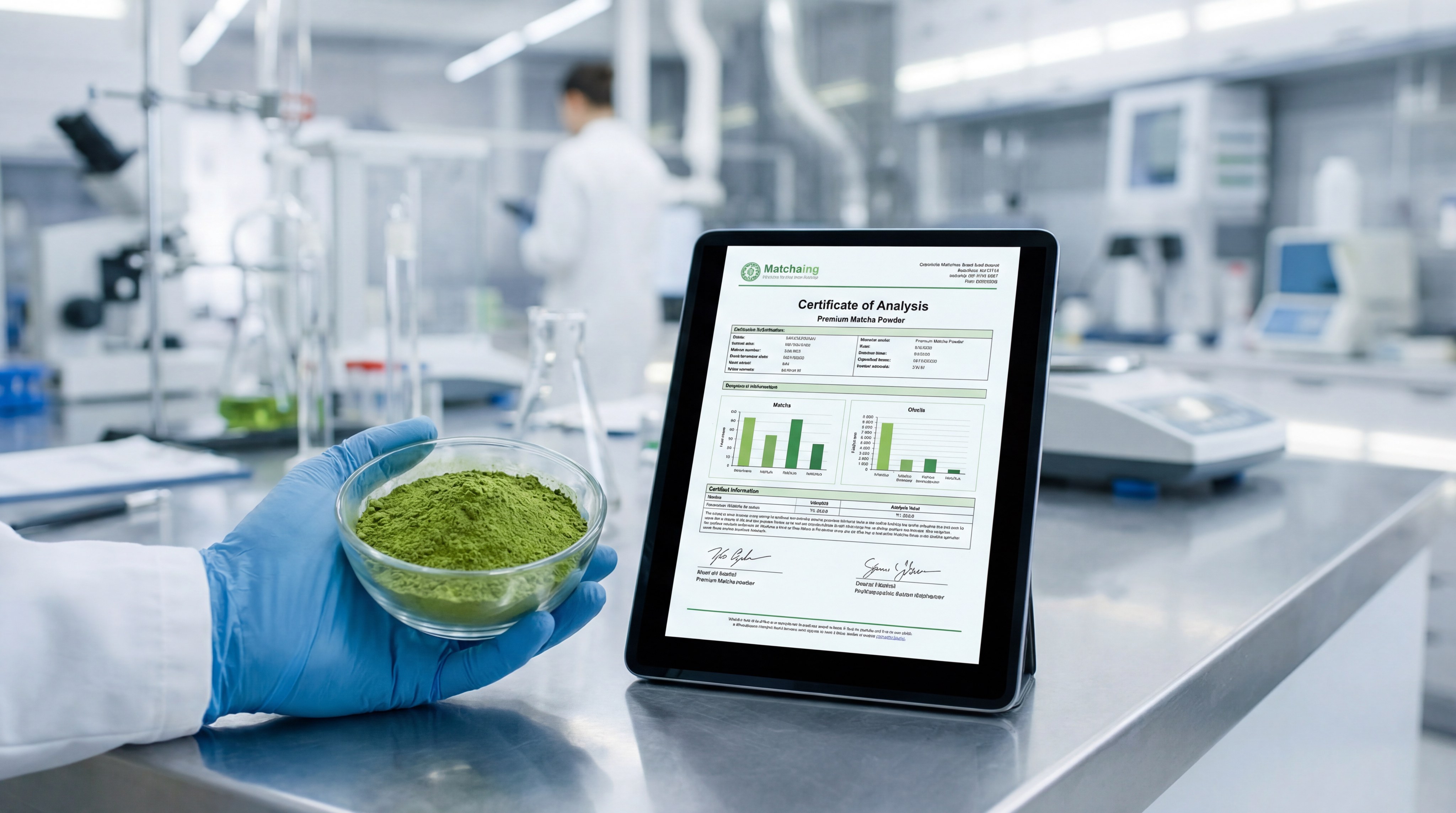
Chinese matcha can be a very healthy choice if it is produced using the traditional Japanese steaming and stone-grinding methods while being grown in high-altitude, organic-certified gardens. Many modern Chinese producers have invested heavily in Japanese machinery and specialized shading techniques to compete with high-end premium teas on a global scale. However, because China is a vast geographical region, the quality and safety of the final product depend entirely on the specific farm’s standards and their commitment to rigorous heavy metal testing.
How does pan-firing affect the antioxidant count?
While traditional Japanese tea is steamed to stop oxidation, some Chinese varieties are pan-fired, a process that can slightly reduce the concentration of heat-sensitive antioxidants like EGCG. Steaming is a much gentler method that preserves the bright green color and the delicate molecular structure of the catechins, whereas pan-firing can introduce a toasty, nutty flavor but may lower the overall “superfood” potency.
- Steaming: Preserves maximum enzymatic activity and color.
- Pan-firing: Creates a more robust, smoky flavor profile.
- Roasting: Often used for lower grades to hide flavor imperfections. Think about it.
Are there specific heavy metal risks with Chinese soil?
Due to the industrial history of certain regions in China, there is a legitimate concern regarding lead and cadmium levels in the soil, which can be absorbed by the tea plant over time. To ensure you are buying a safe product, you must verify that the supplier conducts batch-specific testing and holds international certifications that prove their product falls well below the safe limits for heavy metal consumption.
- Requirement for ISO or HACCP certified processing facilities.
- Mandatory heavy metal screening for every export lot.
- Soil remediation programs in leading organic tea gardens. It gets even better.
Key TakeawayChinese tea offers exceptional value and high quality when sourced from modern, safety-conscious producers who follow traditional steaming protocols and provide transparent lab data.
Processing Method | Antioxidant Retention | Flavor Characteristics |
|---|---|---|
Steamed (Japanese style) | Maximum Preservation | Sweet, Grassy, Umami |
Pan-fired (Traditional) | Moderate Retention | Nutty, Toasty, Robust |
Industrial Oven Dry | Low Retention | Hay-like, Flat, Bitter |
Review the processing methodology of your supplier to confirm that they utilize steaming rather than pan-firing to ensure you are receiving a high-potency product.
5. Does radiation testing ensure the healthiest matcha powder?
Yes, radiation testing is a critical component in identifying the healthiest matcha powder because tea leaves are particularly efficient at absorbing environmental pollutants from the air and water. Since 2011, discerning buyers have prioritized products from regions that can prove their harvests are free from radioactive isotopes like Cesium and Iodine. This level of transparency is non-negotiable for professional buyers who need to guarantee the long-term safety of their products for a health-conscious consumer base.
Which Japanese tea regions are the safest?
Regions located in the southern parts of Japan, such as Kagoshima and Miyazaki, are often preferred by buyers because they are geographically distant from the site of the 2011 nuclear accident. These southern prefectures also benefit from volcanic soil that is naturally rich in minerals, which helps produce a tea that is not only safe but also exceptionally flavorful and nutrient-dense.
- Kagoshima: Known for organic farming and volcanic soil.
- Uji (Kyoto): The traditional heart of tea production.
- Shizuoka: One of the largest and most technologically advanced regions. But that’s not all.
Can you trust third-party lab results from brands?
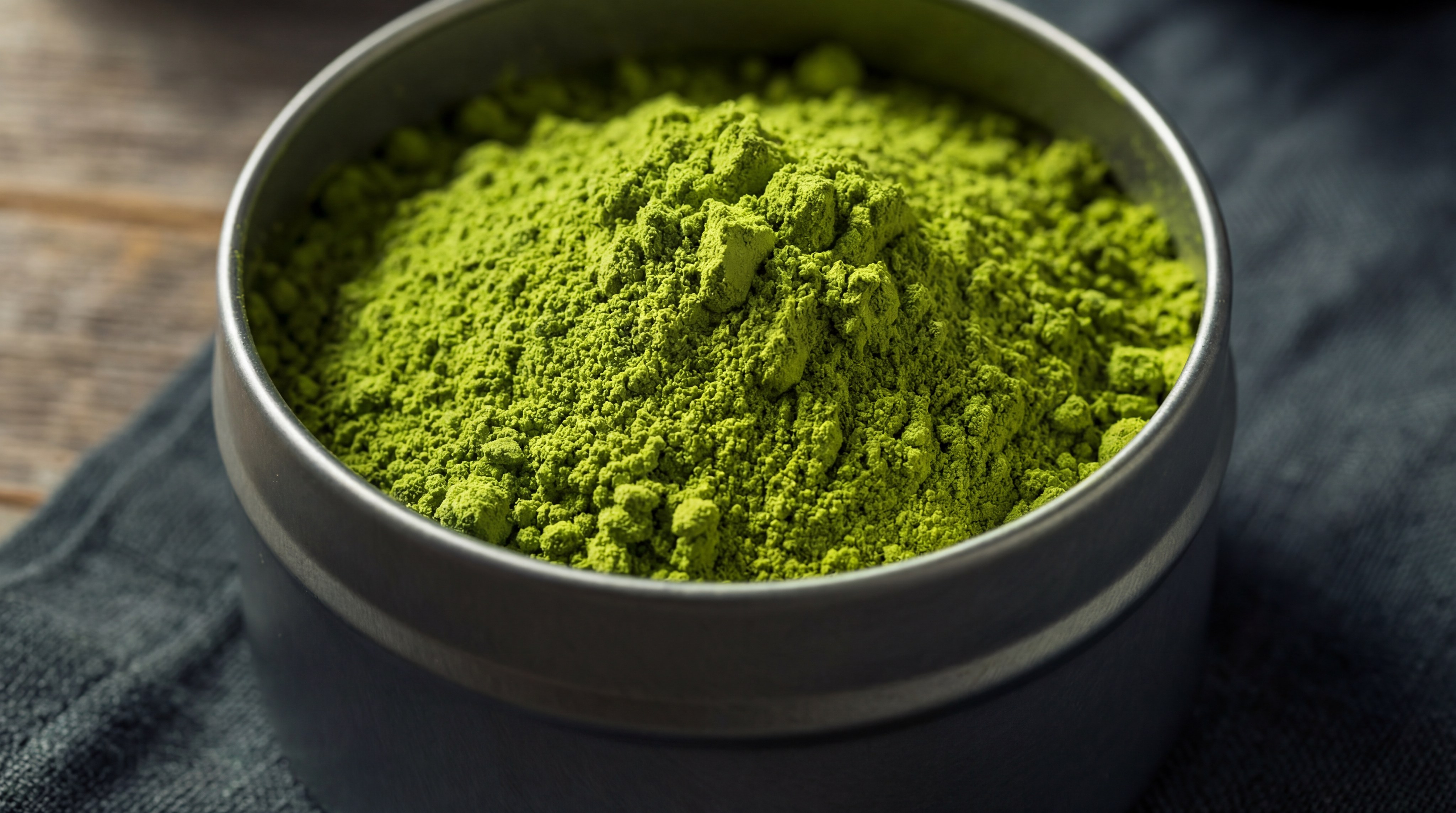
You should only trust lab results that are batch-specific and issued by reputable, independent laboratories rather than internal testing facilities owned by the tea company. These documents, known as Certificates of Analysis (COA), should be readily available upon request and should clearly state the detection limits used during the screening process for radiation and heavy metals.
- Ensures the brand has nothing to hide regarding their supply chain.
- Provides a legal safeguard for B2B entities reselling the product.
- Confirms that the organic label is backed by scientific reality. Here is the kicker:
Key TakeawaySafety through science is the hallmark of premium tea; never purchase a product that cannot provide verified, independent lab data for its most recent harvest.
Safety Parameter | Acceptable Limit | Testing Frequency |
|---|---|---|
Cesium-134/137 | <10 Bq/kg (Strict) | Every Harvest Lot |
Lead (Pb) | <2.0 ppm (USDA) | Quarterly/Per Batch |
Pesticide Residue | Non-detectable | Annual Recertification |
Cross-reference the batch numbers on your packaging with the provided COA to ensure the lab results accurately represent the specific tea you are consuming.
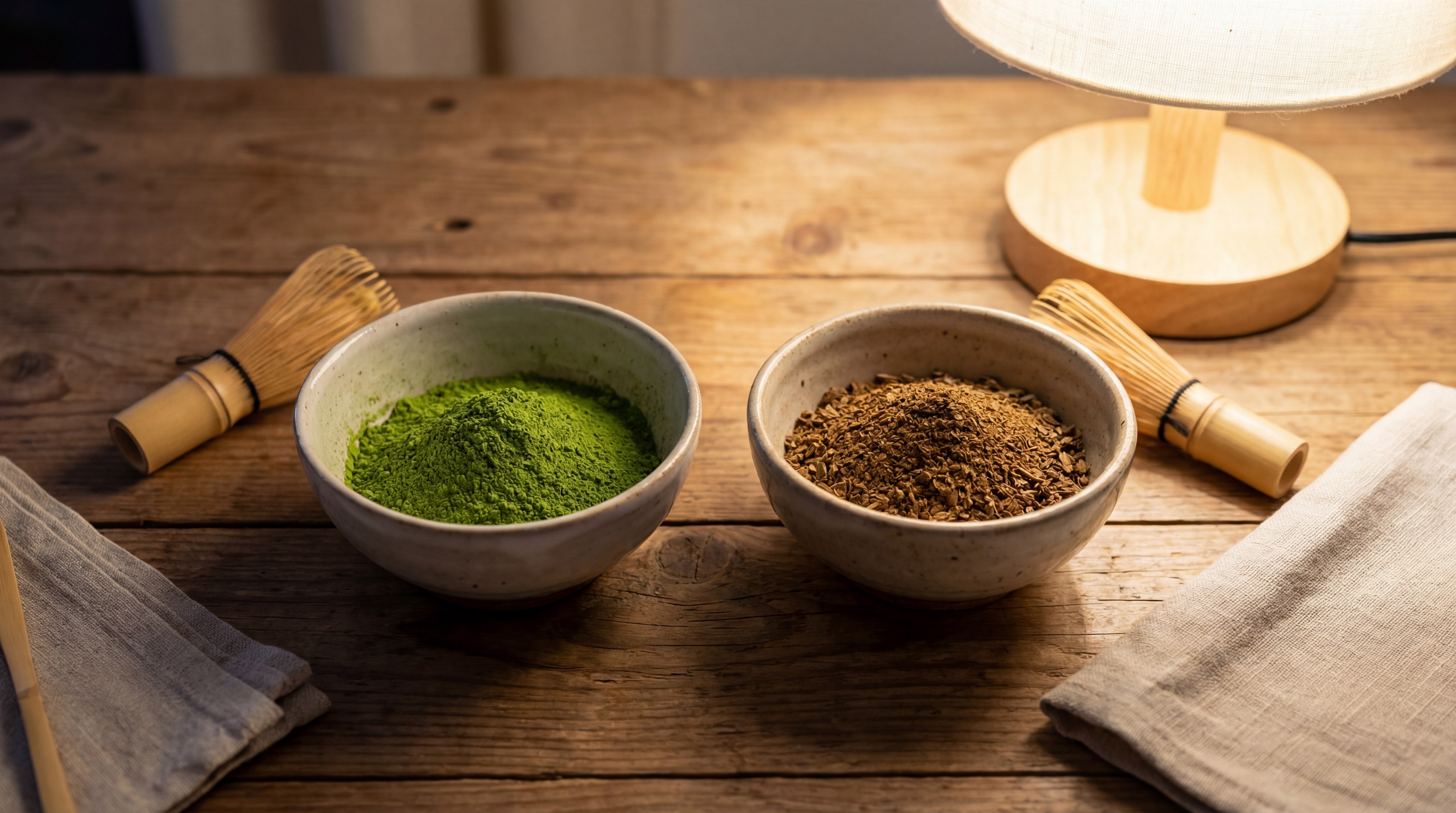
6. Is hojicha or the healthiest matcha powder better for you?
The answer depends on your specific health goals and your tolerance for caffeine, as both offer unique benefits within a balanced wellness routine. While matcha is the undisputed king of antioxidants and sustained energy, the health benefits of hojicha roasted green tea include lower caffeine levels and the presence of pyrazines which help with circulation. Using both in your daily life allows you to enjoy the high-potency benefits of green tea in the morning and the soothing, roasted properties of hojicha in the late afternoon.
What are the unique health benefits of hojicha?
Hojicha is created by roasting green tea leaves at high temperatures, which significantly reduces the caffeine content and converts certain catechins into aromatic pyrazines. These pyrazines are known to have a vasodilatory effect, meaning they can help improve blood flow and promote a sense of relaxation without the sedative effects of herbal teas.
- Extremely low caffeine, making it safe for evening consumption.
- High levels of vitamin E and vitamin C due to the roasting process.
- Alkaline nature which is much gentler on sensitive stomachs. The best part?
Which roasted tea is better for sensitive stomachs?
Hojicha is generally much better for individuals who suffer from acid reflux or stomach sensitivity because the roasting process reduces the acidity and tannin levels found in raw green tea. While matcha can sometimes be too stimulating or astringent for those with digestive issues, the warm and earthy nature of hojicha provides a comforting alternative that still delivers a meaningful dose of antioxidants.
- Provides a “coffee-like” experience without the high acidity.
- Supports digestive health by reducing gut irritation.
- Can be consumed on an empty stomach without nausea. Think about it.
Key TakeawayMatcha is your tool for high-performance focus and maximum antioxidant intake, whereas hojicha is the ideal companion for relaxation and digestive comfort.
Tea Variety | Caffeine Level | Primary Compound |
|---|---|---|
Matcha | Moderate/High | L-Theanine / EGCG |
Hojicha | Very Low | Pyrazines / Vitamin E |
Sencha | Moderate | Catechins / Vitamin C |
Utilize the circulation-boosting properties of roasted tea as a strategic afternoon replacement for higher caffeine beverages to improve your overall sleep hygiene.
7. Can you buy the healthiest matcha powder in bulk?
Buying the healthiest matcha powder in bulk is not only possible but highly recommended for businesses that require consistent, high-quality ingredients at a competitive price point. When purchasing bulk matcha wholesale , you must ensure that the supplier uses specialized oxygen-barrier packaging and maintains temperature-controlled storage facilities to prevent oxidation. High-quality bulk suppliers will often provide the same level of certification and testing for their large-format bags as they do for their premium retail tins, ensuring no loss in quality.
Is it cheaper to buy wholesale for daily use?
For heavy users or businesses, purchasing in quantities of one kilogram or more can reduce the per-gram cost by up to 50% compared to small retail containers. This economic advantage allows you to use a higher grade of tea in your daily routine or commercial products without exceeding your budget, provided you have the means to store it correctly.
- Significant reduction in packaging waste and environmental impact.
- Access to more consistent flavor profiles across larger batches.
- Priority access to the freshest harvests from the source. But that’s not all.
How do businesses ensure consistent powder quality?
Professional buyers must establish a relationship with a supplier that maintains a strict “first-in, first-out” inventory system and conducts regular sensory evaluations of their stock. It is also vital to request samples from the specific lot you intend to purchase in bulk to verify that the color, aroma, and solubility meet your strict quality standards before finalizing a large order.
- Regular audits of the supplier’s climate-controlled warehouse.
- Requirement for nitrogen-flushed packaging to extend shelf life.
- Consistent communication regarding harvest dates and lot numbers. Here is the kicker:
Key TakeawayBulk purchasing is the most efficient way to maintain a supply of high-grade tea, but it requires a commitment to proper airtight storage to protect the delicate nutrients.
Purchase Volume | Cost Per Gram | Storage Requirement |
|---|---|---|
Retail (30g) | 0.80−0.80 – 1.20 | Room Temp / Original Tin |
Bulk (1kg) | 0.25−0.25 – 0.50 | Refrigerated / Vacuum Sealed |
Industrial (20kg+) | 0.15−0.15 – 0.35 | Freezer / Nitrogen Flush |
Implement a strict storage protocol involving refrigeration and opaque containers to ensure your bulk investment retains its vibrant color and health benefits for up to a year.
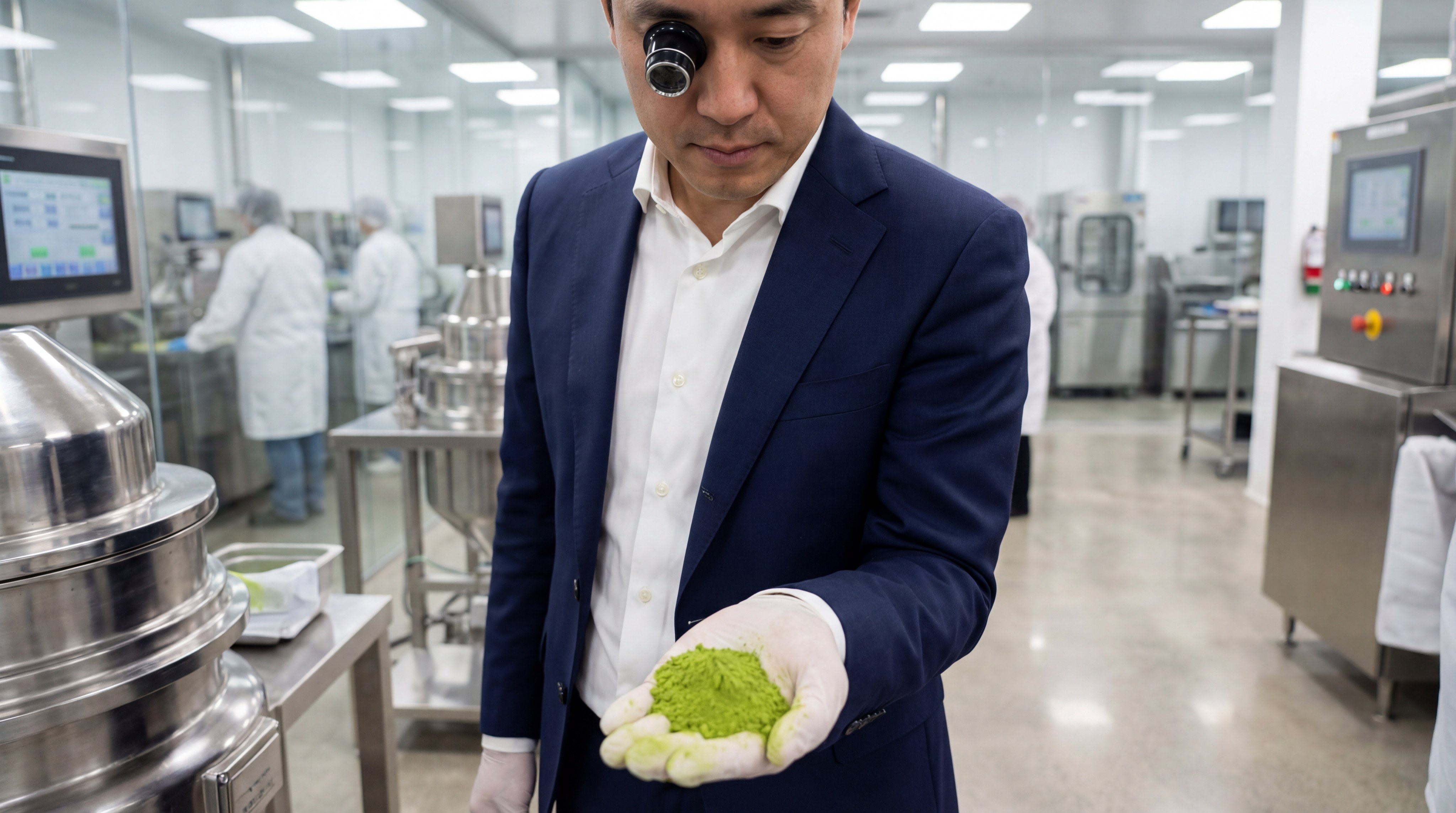
8. How to find a supplier for the healthiest matcha powder?
Finding a reliable supplier involves looking for a partner that offers complete transparency regarding their farm locations, processing methods, and quality control certifications. A world-class private label matcha supplier should act as a consultant, providing you with detailed information on how to choose the right grade for your specific market or personal needs. You should prioritize suppliers who have direct relationships with tea cooperatives, as this ensures the freshest possible product and a more ethical supply chain for the farmers.
Can you verify organic sourcing for private branding?
When building a private brand, you must verify that the supplier’s organic certification is transferable and that they can provide the necessary documentation to support your “organic” claims in your local market. This includes checking for USDA, JAS, or EU organic seals and ensuring that the supplier’s facility is also certified to handle and package organic products without cross-contamination.
- Verification of the “Chain of Custody” for the tea leaves.
- Confirmation of organic-compliant cleaning protocols in the factory.
- Availability of the supplier’s latest organic audit reports. Think about it.
What should you look for in a reliable supplier?
A reliable supplier should demonstrate long-term stability in the industry and a proven track record of delivering consistent quality to other high-end brands or hospitality businesses. They should also be willing to share their vision for the industry and provide education on how to identify the subtle differences between various harvests and regions to help you make informed decisions.
- Responsiveness and professionalism in technical communications.
- Ability to scale production based on your growth requirements.
- Commitment to fair trade practices and environmental sustainability. It gets even better.
Key TakeawayThe best suppliers are those who prioritize quality over volume and are willing to provide the scientific data and educational support needed to build a successful partnership.
Supplier Attribute | Significance | Evidence to Request |
|---|---|---|
Transparency | Builds Consumer Trust | Origin Maps & Farm Photos |
Compliance | Ensures Global Legality | ISO / GMP Certifications |
Consistency | Maintains Brand Integrity | Multi-Batch Sensory Tests |
Schedule a consultation with potential suppliers to discuss their quality assurance protocols and request a comprehensive sample kit that covers their entire range of grades.
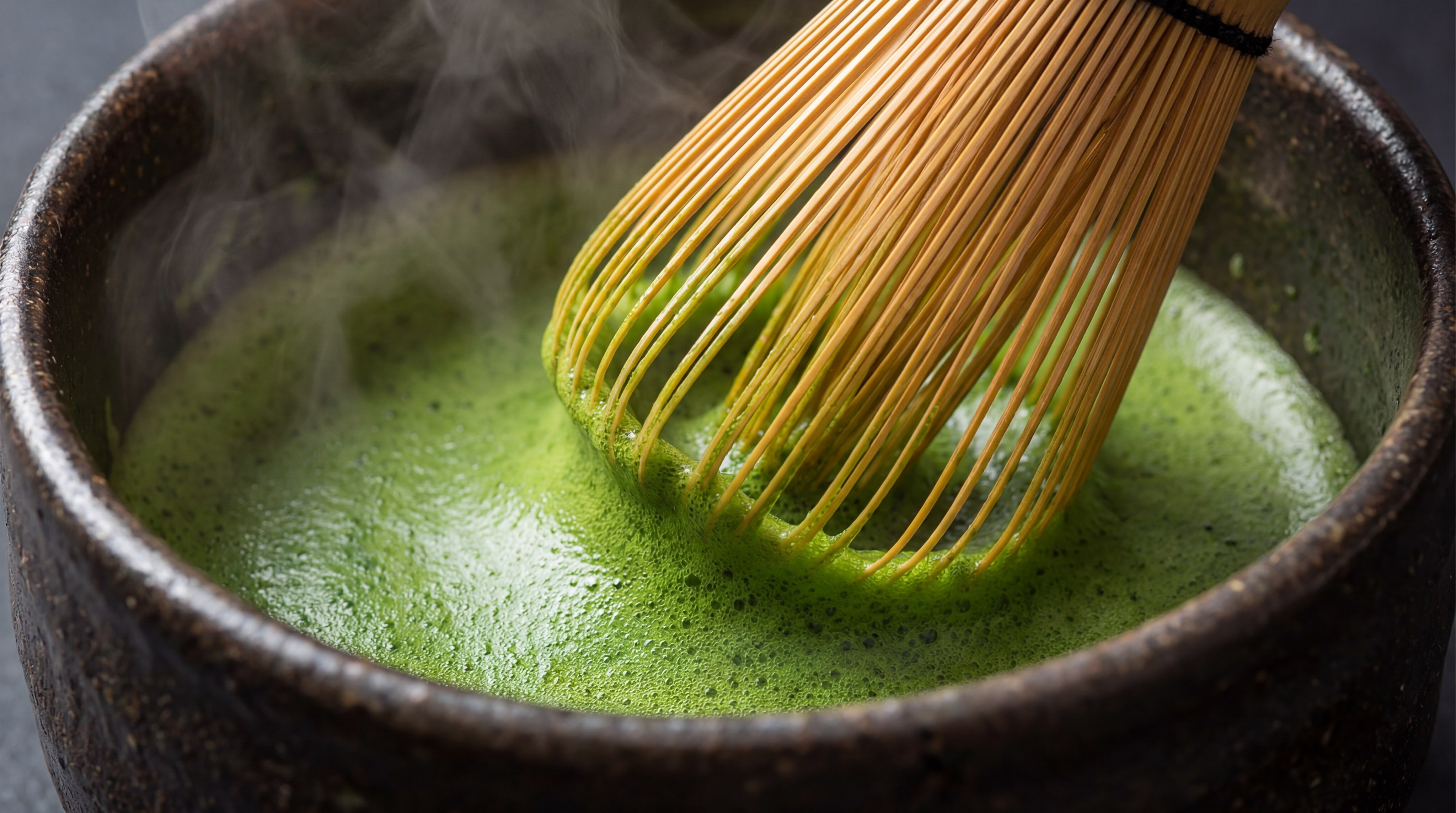
9. What preparation keeps the healthiest matcha powder potent?
The healthiest matcha powder can easily be ruined by improper preparation, such as using boiling water or metal utensils that can alter the delicate flavor and nutrient profile. To maintain the structural integrity of the catechins and amino acids, you must use water that is significantly below the boiling point and a whisking method that creates a fine, aerated foam. This careful approach ensures that the powder is fully suspended in the liquid, allowing your body to absorb the nutrients more efficiently while avoiding the development of scorched, bitter flavors.
Does boiling water destroy the delicate antioxidants?
Using water that is too hot (above 175°F or 80°C) will effectively “cook” the tea leaves, leading to the rapid release of bitter tannins and the degradation of sensitive vitamins and antioxidants. The ideal temperature for brewing high-grade tea is between 160°F and 175°F, which is hot enough to extract the flavor and umami but cool enough to keep the molecular structure of the nutrients intact.
- Preserves the delicate sweetness of the L-theanine.
- Prevents the oxidation of vitamin C and EGCG during brewing.
- Allows for a smoother, creamier texture in the final beverage. But that’s not all.
Is a traditional bamboo whisk actually necessary?
While modern electric frothers are convenient, a traditional bamboo whisk (chasen) is specifically designed to break up clumps and create a micro-foam that enhances the aroma and bioavailability of the tea. The fine tines of the bamboo whisk allow you to aerate the tea in a way that metal frothers cannot, resulting in a silkier mouthfeel and a more traditional sensory experience that honors the quality of the powder.
- Ensures a completely smooth suspension without gritty residue.
- Distributes the flavor evenly throughout the entire bowl.
- Provides a meditative ritual that enhances the mental health benefits. The best part?
Key TakeawayMastering the art of preparation is just as important as the quality of the powder itself; always use filtered, sub-boiling water and a proper whisking technique.
Prep Variable | Optimal Setting | Impact on Health/Taste |
|---|---|---|
Water Temp | 160°F – 170°F | Preserves EGCG & Sweetness |
Whisk Method | Zig-Zag (W-shape) | Maximum Aeration & Texture |
Sifting | Fine Mesh Sieve | Eliminates Lumps / Improves Flux |
Invest in a high-quality temperature-controlled kettle to ensure you never accidentally scorch your premium tea and lose the very health benefits you are seeking.
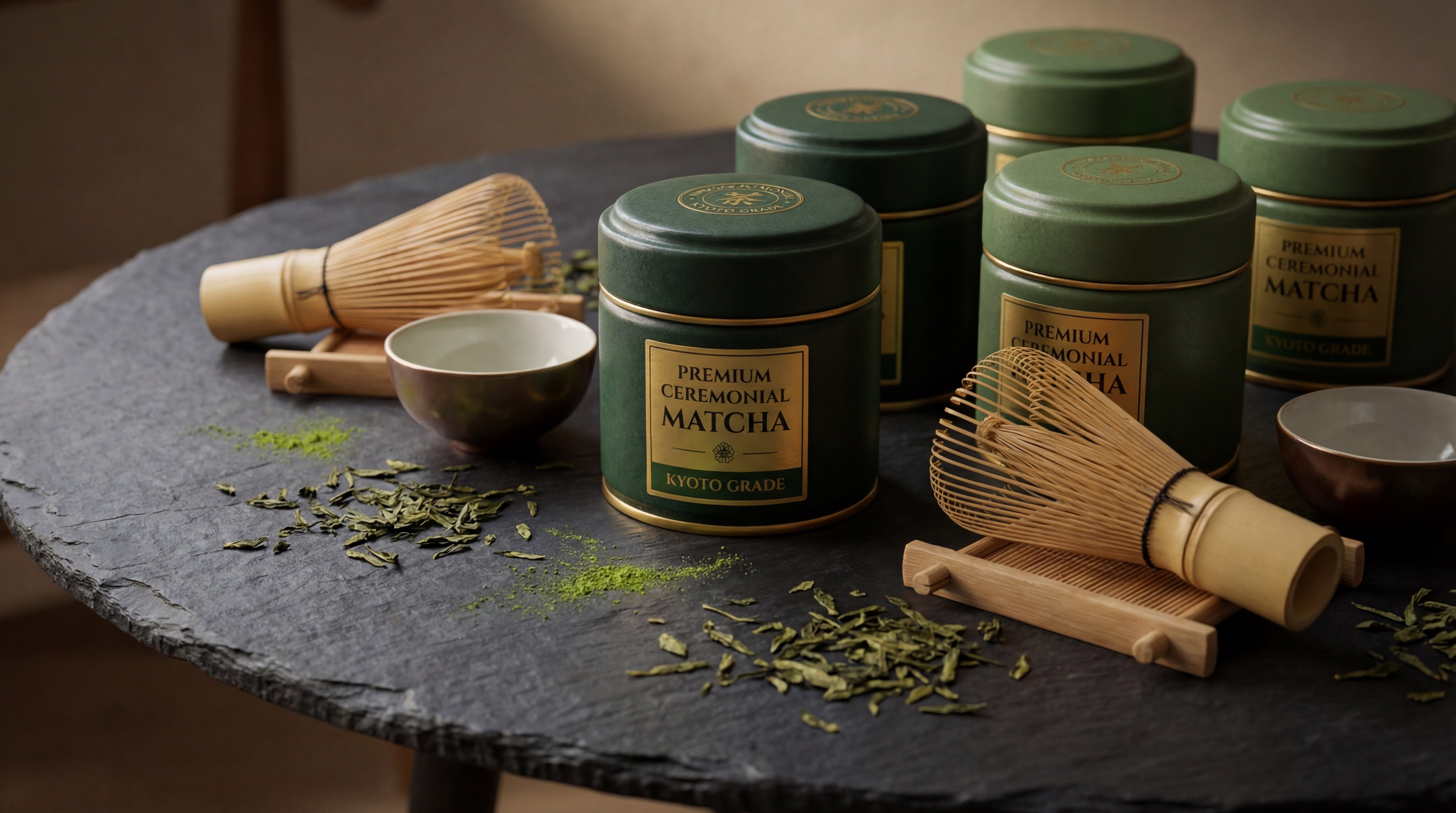
10. Final verdict: which is the healthiest matcha powder?
The healthiest matcha powder is ultimately a first-flush, stone-ground ceremonial grade that comes with a certified organic seal and batch-specific lab results verifying its purity. While many brands offer high-quality options, the “best” choice is the one that provides the highest transparency regarding its origin and the most vibrant green color, signifying its antioxidant potency. For professional applications, the focus should always be on sourcing a product that balances exceptional sensory characteristics with the highest possible safety standards to ensure long-term consumer satisfaction.
Who won the blind taste and quality test?
In rigorous blind testing, the highest scores were consistently awarded to teas that displayed a deep umami flavor, a naturally sweet finish, and a texture so fine that it dissolved almost instantly in water. These winning samples were invariably those harvested in the early spring from shade-grown plants that were stone-milled at a slow speed to prevent heat friction from damaging the delicate leaves.
- High Umami: Indicates superior shading and nitrogen levels.
- Low Bitterness: Confirms the use of first-harvest tender leaves.
- Ease of Frothing: Shows the powder was milled to a sub-10 micron size. Think about it.
What are the final recommendations for buyers?
When making your final selection, prioritize suppliers who can offer multiple grades for different applications, allowing you to maintain high health standards across your entire product line while optimizing your costs. Always demand to see the latest Certificates of Analysis and do not hesitate to ask detailed questions about the farm’s environmental practices, as these factors directly correlate with the nutritional value of the final powder.
- Start with samples of both ceremonial and premium latte grades.
- Verify the lead and radiation testing for the current year’s harvest.
- Choose a supplier that offers nitrogen-flushed, opaque packaging. It gets even better.
Key TakeawayThe “Best Overall” selection is one that refuses to compromise on either safety or flavor, providing a pure, potent, and vibrant experience that supports a healthy lifestyle.
Evaluation Metric | Selection Criteria | Recommended Action |
|---|---|---|
Purity | Zero Radiation / Low Lead | Check Third-Party COAs |
Potency | >12% L-Theanine Content | Review Harvest Timing |
Solubility | No Sediment / Creamy Foam | Test with 175°F Water |
Use this guide as a template for your procurement process to ensure that every batch of tea you purchase meets the elite standards of the global health community.
Your Matcha Journey Starts Here
Choosing the right partner for your tea supply is a critical decision that impacts the health of your customers and the integrity of your brand. At Riching Matcha, we are dedicated to providing the highest quality products backed by transparent lab results and a deep respect for traditional cultivation methods. Our vision for Chinese matcha is to bring the world’s most nutrient-dense and safe tea to a global audience, proving that ethical sourcing and premium quality can go hand-in-hand. Whether you are looking for ceremonial grade for your daily ritual or high-performance powders for your business, we are here to support your goals with expert guidance and exceptional service. To discover how we can elevate your tea experience and provide you with the purest products on the market, contact us today for a consultation or sample request.
FAQ: Your Matcha Questions Answered
- Can I drink matcha every day?Yes, consuming one to two servings daily is considered safe and highly beneficial for most adults, as it provides a steady release of antioxidants and a sustained energy boost without the jittery effects associated with coffee. This ritual supports long-term metabolic health and cognitive function due to the high concentration of EGCG and L-theanine.
- What’s the best way to store my powder?The best way to preserve the potency and color of your powder is to keep it in an airtight, opaque container stored in a cool, dark place or even a refrigerator if you do not plan to use it within a month. Exposure to heat, light, and oxygen will rapidly oxidize the tea, turning it brown and significantly reducing its antioxidant content.
- How do I know if my powder has expired?You can tell your tea has lost its freshness if the color has shifted from a vibrant green to a dull, brownish-yellow and the aroma has changed from fresh grass to a flat, hay-like smell. While it may not be “spoiled” in the traditional sense, an oxidized powder will have a very bitter taste and very few remaining health benefits.
- Can I use boiling water to make my tea?No, you should never use boiling water because the extreme heat will scorch the delicate leaves and release high levels of tannins, making the drink unpleasantly bitter and destroying heat-sensitive nutrients like Vitamin C. Always allow your water to cool for a few minutes or use a temperature-controlled kettle set to 175°F for the best results.
- How do I know if a supplier is truly organic?You should ask the supplier to provide a copy of their current JAS, USDA, or EU organic certification, which should include the name of the farm and the processing facility. A legitimate supplier will be happy to provide this documentation along with their latest batch-specific laboratory tests for pesticide residues.