
The global beverage and functional food market is currently witnessing a paradigm shift. As consumers move away from synthetic dyes and towards clean label ingredients, procurement officers and product developers are increasingly turning to botanical powders that offer both vibrant color and “better-for-you” functionality. Within this landscape, two titans have emerged: Green Matcha and Blue Matcha.
While they share a name, their botanical origins, chemical compositions, and market applications are worlds apart. For B2B buyers—ranging from high-end café chains to multinational cosmetic brands—understanding the technical nuances between these two ingredients is essential for optimizing supply chains and ensuring product efficacy. This guide provides a comprehensive, professional analysis of the bulk matcha wholesale landscape, comparing the traditional powerhouse with the innovative newcomer.
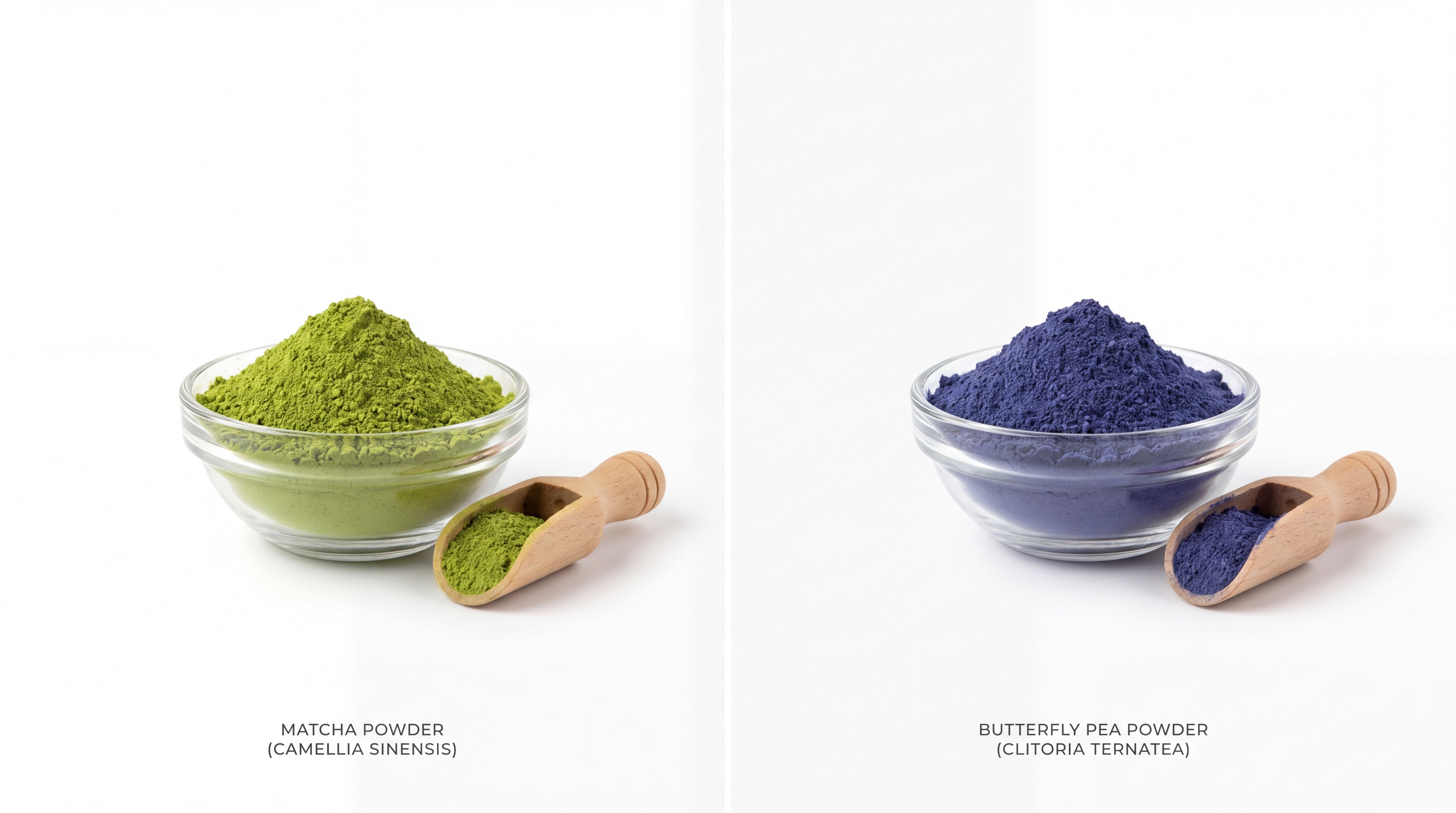
To understand these powders, one must first look at their biological foundations. Green Matcha is the product of Camellia sinensis, the same plant responsible for all true teas. However, its production is highly specialized. The plants are shade-grown for 20-30 days before harvest to boost chlorophyll levels and L-theanine content, resulting in a powder that is nutritionally dense and strikingly green.
In contrast, “Blue Matcha” is a marketing term for Butterfly Pea Flower Powder, derived from the Clitoria ternatea plant. Native to Southeast Asia, this vibrant blue legume has been used for centuries in traditional Ayurvedic and Thai medicine. Unlike the whole-leaf consumption of green tea, blue matcha is produced by dehydrating and milling the petals of the butterfly pea flower.
Historical Context and Evolution
The history of Green Matcha is rooted in the Tang Dynasty in China, later refined in Japan through the Zen Buddhist tradition. It was prized as a meditative aid and a luxury medicinal tonic. Butterfly Pea Flower has a similarly storied history in tropical climates, used as a natural dye for rice dishes like pulut tai tai and as a calming herbal infusion. Today, both have transitioned from traditional cultural staples to cornerstone ingredients in the B2B matcha supply chain.
2. Production Mechanics: From Farm to Fine Powder
The milling process defines the quality of both powders. At the Riching Matcha factory , we utilize advanced jet-milling and traditional stone-grinding techniques to achieve a mesh size of 800-1000+, ensuring maximum solubility for beverage applications.
Harvesting and Processing Differences
- Green Matcha: Requires labor-intensive shading, hand-picking (for ceremonial grades), steaming to stop oxidation, and de-veining to create tencha.
- Blue Matcha: The flowers are harvested daily, sorted by hand, and dried at low temperatures to preserve the delicate anthocyanin pigments.
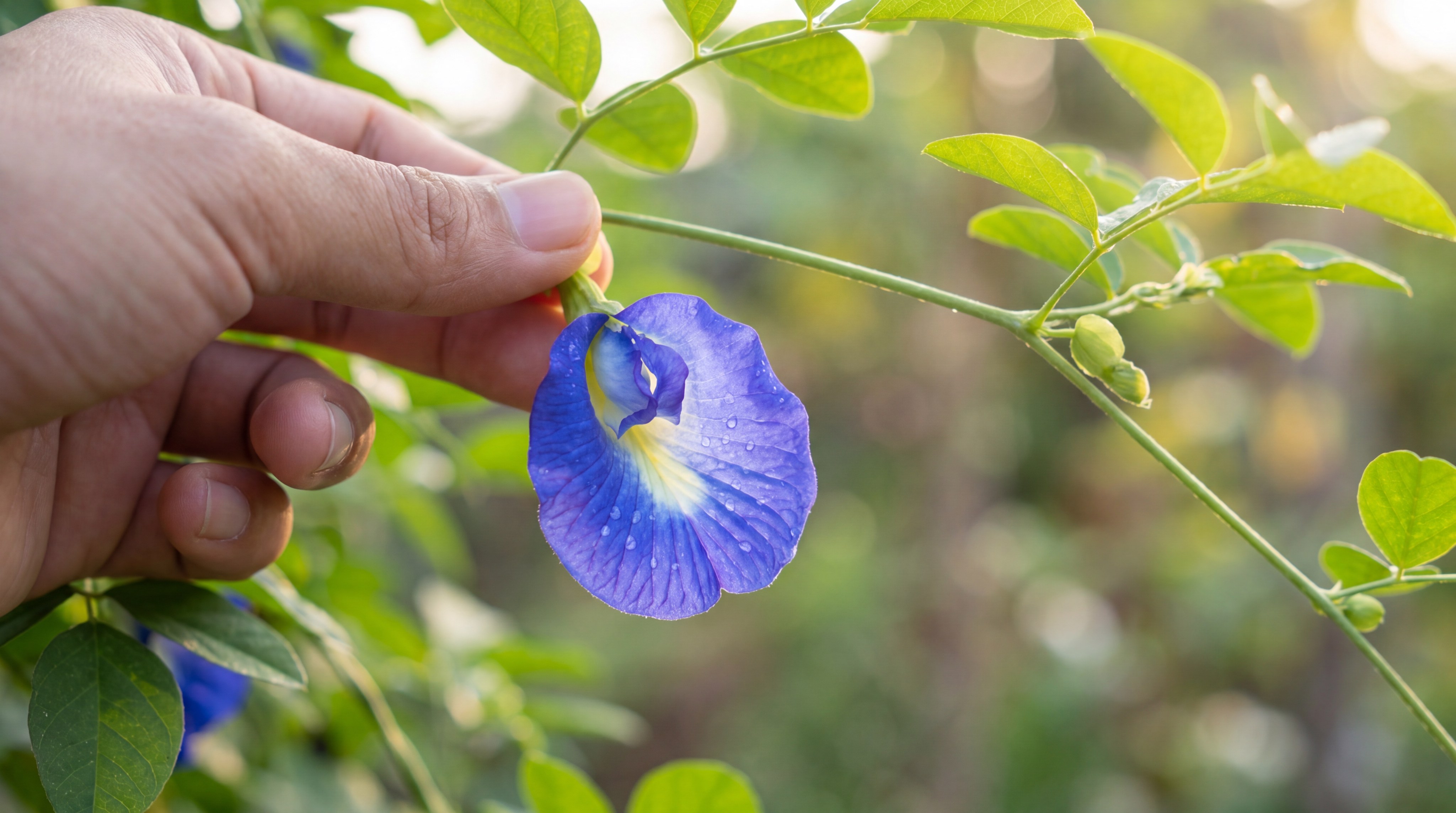
Table 1: Botanical and Production Comparison
Feature | Green Matcha | Blue Matcha (Butterfly Pea) |
|---|---|---|
Scientific Name | Camellia sinensis | Clitoria ternatea |
Origin Region | China (Hangzhou) / Japan | Southeast Asia (Thailand/Vietnam) |
Caffeine Content | 30–35mg per gram | 0% (Caffeine-Free) |
Production Method | Shade-grown, Steamed, Stone-ground | Sun-dried or Dehydrated, Jet-milled |
Texture | Ultra-fine, silky powder | Fine, slightly more fibrous texture |
Aroma | Fresh grass, oceanic, umami | Earthy, mild, woody |
3. The Science of Color: PH Sensitivity and Anthocyanins
The most striking feature of butterfly pea flower powder is its color-changing ability. This is not a gimmick but a fascinating chemical reaction involving anthocyanins, specifically ternatin D1.
pH-Dependent Transformation
As an expert supplier, we often consult with R&D teams on the stability of Blue Matcha in liquid formulations.
- Neutral (pH 7.0): The liquid remains a deep, vibrant cobalt blue.
- Acidic (pH 3.0 – 4.0): Upon adding citric acid (lemon juice, hibiscus), the molecule structure shifts, reflecting light in the purple/magenta spectrum.
- Alkaline (pH 8.0+): The color can shift toward a teal or green hue.
This functionality makes Blue Matcha an incomparable tool for the “experience economy” in hospitality, allowing brands to create interactive, “Instagrammable” beverages that change color in front of the consumer.
4. Nutritional Analysis and Bioactive Compounds
While both are marketed as “superfoods,” they provide entirely different functional benefits. Green Matcha is a powerhouse of EGCG (Epigallocatechin gallate) and L-theanine, focusing on metabolic health and cognitive focus. Blue Matcha is prized for its high concentration of antioxidants that support skin health and inflammatory response.
Table 2: Nutritional and Bioactive Compound Comparison
Compound | Green Matcha (per gram) | Blue Matcha (per gram) | Professional Insight |
|---|---|---|---|
Antioxidants | Catechins (EGCG) | Anthocyanins | Green = Metabolic; Blue = Anti-aging |
Amino Acids | High L-Theanine | Proanthocyanidins | L-Theanine promotes “calm alertness.” |
Vitamins | Vit A, C, E, K | Vit A, C, E | Both support immune function. |
Minerals | Potassium, Calcium | Zinc, Magnesium | Essential for electrolyte balance. |
Chlorophyll | Exceptionally High | Low | High chlorophyll is a marker of premium Matcha. |
5. Market Applications: Culinary, Beverage, and Beyond
For a B2B matcha supply partner, the choice between green and blue often depends on the final product’s sensory profile. Green Matcha provides a complex umami flavor that stands up well to fats (milks, creams), whereas Blue Matcha is virtually neutral, making it an ideal “clean label” colorant that doesn’t interfere with delicate flavor profiles like vanilla or lychee.
Industry Use Cases
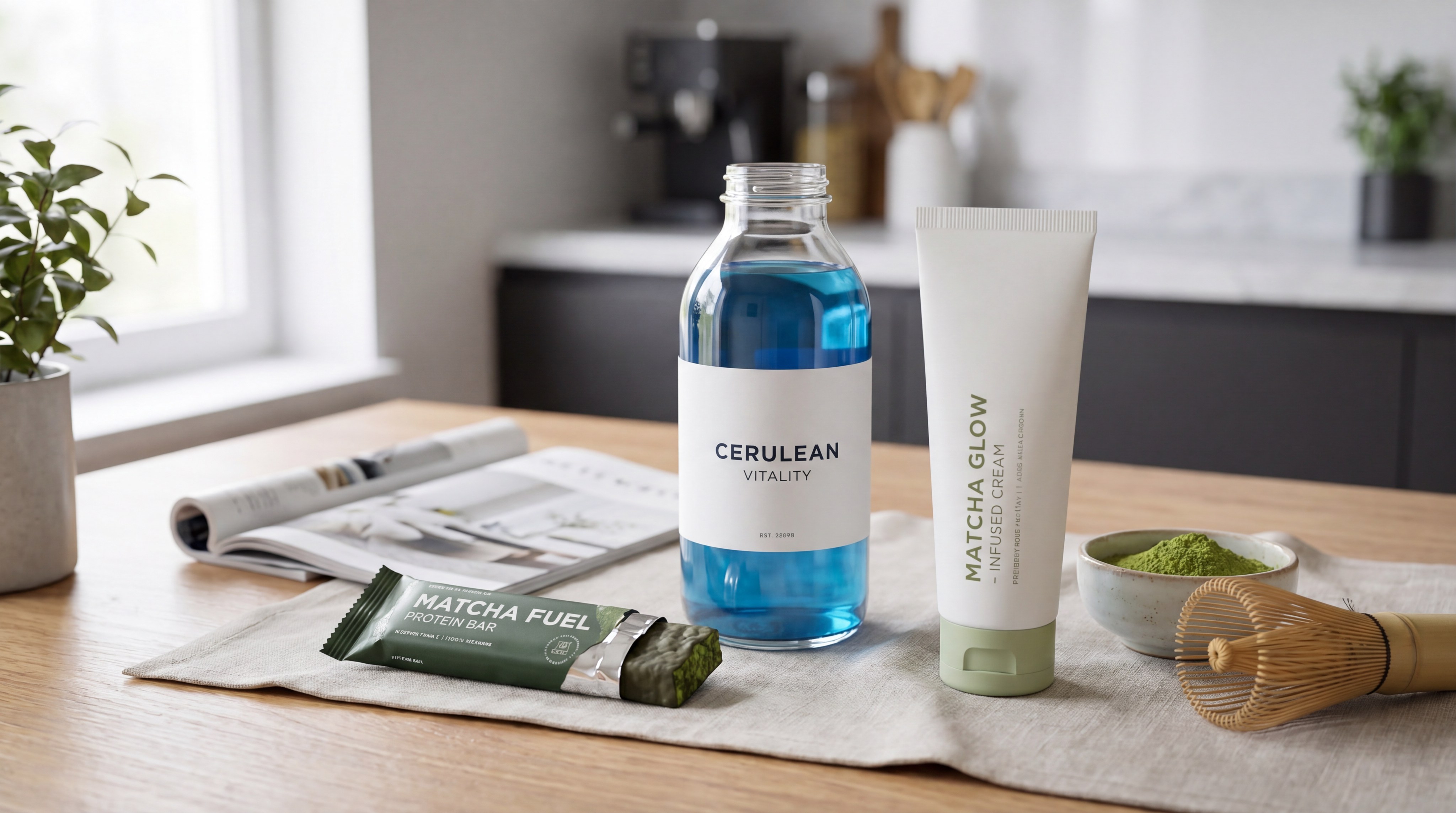
- Café Chains: Green Matcha for traditional lattes; Blue Matcha for “Cloud” lattes and caffeine-free evening drinks.
- Cosmetics: Both are used in “Green Beauty” and “Blue Beauty” lines for their anti-inflammatory and antioxidant properties in masks and serums.
- Nutraceuticals: Green Matcha in pre-workout blends; Blue Matcha in “Beauty-from-within” collagen powders.
6. Beverage Formulation Strategies
When developing a matcha latte powder , solubility and “mouthfeel” are the primary KPIs. Green Matcha requires whisking to suspend the particles in liquid. Blue Matcha, being more soluble, integrates more easily into instant drink mixes.
Table 3: Culinary and Market Application Guide
Application | Best Choice | Reasoning |
|---|---|---|
Classic Lattes | Green Matcha | Traditional flavor profile; provides natural caffeine kick. |
Signature Mocktails | Blue Matcha | pH sensitivity creates “theatre”; neutral taste allows fruit to shine. |
Protein Bars | Green Matcha | Earthy notes complement chocolate and nut flavors. |
Pastries/Macarons | Both | Use Green for flavor; Blue for vibrant, heat-stable natural coloring. |
Functional Skincare | Both | Green for detoxifying masks; Blue for soothing, aesthetic serums. |
7. Sourcing for Brands: Quality, Stability, and Shelf Life
In the B2B sector, consistency is king. When sourcing bulk matcha wholesale, brands must consider the stability of the powder over its commercial life.
Shelf Life and Storage
- Green Matcha: Highly sensitive to light, heat, and oxygen. It must be vacuum-sealed and stored in a cool environment (ideally refrigeration) to prevent oxidation. At Riching Matcha, we utilize nitrogen-flushed packaging to extend freshness.
- Blue Matcha: Significantly more stable than green matcha. While it should still be kept in a cool, dark place, it does not lose its color as rapidly when exposed to ambient temperatures, making it a lower-risk ingredient for retail shelf-exposure.
Logistics and MOQ
Purchasing directly from an established factory allows for lower MOQs for custom blends and more competitive pricing for 100kg+ orders. We provide comprehensive COAs (Certificates of Analysis) for every batch, ensuring heavy metal and pesticide compliance.
8. Certification Standards: Organic, ISO, and Clean Label
As the market moves toward transparency, certifications are non-negotiable for high-end brands. Riching Matcha maintains rigorous standards to meet global export requirements.
Key Certifications for B2B Procurement:
- USDA & EU Organic: Essential for brands targeting health-conscious consumers. We provide Transaction Certificates (TC) to verify the organic chain of custody.
- ISO 22000 / HACCP: Ensures the highest food safety standards during the milling and packaging process.
- Clean Label Integrity: Our powders are 100% pure botanical matter with no added fillers, maltodextrin, or artificial colors.
For the latest updates on international trade regulations and certification trends, visit our market news section .
9. Case Study: Product Innovation in the Ready-to-Drink (RTD) Sector
A leading European functional beverage brand recently sought to launch a “Dual Energy” line. They utilized our Premium Grade Green Matcha for a morning “Focus” beverage and our Blue Matcha for an afternoon “Calm” elixir.
The Challenge
The brand needed a blue color that remained stable in a shelf-stable glass bottle without fading under retail lights.
The Solution
By utilizing a specific particle size of our butterfly pea powder and optimizing the pH levels with a natural buffer, we achieved a vibrant blue that remained consistent for 12 months. This innovation allowed the brand to capture a 15% increase in market share within the “clean label” energy segment.
10. Economic Outlook: Market Trends for 2026-2030
The compound annual growth rate (CAGR) for the matcha market is projected to stay above 9%. However, the “Alternative Matcha” sub-sector (including Blue and Hojicha) is growing at an even faster rate of 12% as brands look for points of differentiation.
Future Projections
- Micro-Dosing: We see a trend toward including small amounts of Blue Matcha in daily multivitamins for its anthocyanin content.
- Hyper-Personalization: Customized matcha latte powder blends that incorporate adaptogens like Ashwagandha or Lion’s Mane.
11. Conclusion: Strategic Recommendations for B2B Buyers
Choosing between Green and Blue Matcha is not an “either/or” decision but a strategic one based on brand positioning.
- Choose Green Matcha if your brand focuses on traditional wellness, high-performance energy, and the classic “tea culture” experience.
- Choose Blue Matcha if you are targeting the innovation-led, visual-heavy social media market, or if you need a caffeine-free, clean-label natural dye for food and cosmetics.
At Riching Matcha, we provide the expertise and scale to support your brand’s journey from sample to scale. Whether you need 10kg or 10 tons, our factory-direct model ensures the highest quality at the best price point.
12. B2B Frequently Asked Questions
Q1: Can I get a Transaction Certificate (TC) for both Blue and Green Matcha?Yes. As an organic-certified facility, we provide TCs for both products to verify their organic status under USDA and EU standards.
Q2: What is the minimum order quantity (MOQ) for bulk matcha wholesale?Our standard MOQ for wholesale is 10kg per grade, though we offer 1kg samples for initial R&D testing and formulation.
Q3: Is Blue Matcha (Butterfly Pea) considered a “Novel Food” in the EU?Current regulations for Butterfly Pea Flower vary by region. In the EU and UK, it is widely used in infusions and as a colorant, but we recommend consulting with your local compliance officer for specific labeling requirements.
Q4: How does the “TOP” series of Green Matcha differ from standard grades?Our TOP series focuses on extreme green color and high-aroma profiles, specifically designed for high-end dessert and ice cream manufacturers where visual impact is the primary driver.
Q5: What is the lead time for private label packaging?Typically, private label projects take 4–6 weeks from design approval to shipping, depending on the complexity of the packaging (tins vs. stick packs).