
Many modern professionals start their day with a high-stakes gamble: the third cup of coffee. By 11:00 AM, the initial surge of energy has often transformed into the dreaded “caffeine jitters”—a state of hand-trembling anxiety paired with a gnawing sensation of stomach acid. This physiological volatility is why a growing global community of wellness-conscious consumers is turning toward the sophisticated world of Japanese green tea.
However, entering this world presents a new dilemma: the choice between the vibrant, electric-green energy of Matcha and the soothing, smoky, amber-hued embrace of Hojicha. While both originate from the same botanical source, they represent opposite ends of the tea-processing spectrum. Understanding the nuances between these two is not just about taste; it is about mastering your personal chemistry.
At Riching Matcha , we have spent over 20 years perfecting the cultivation and processing of premium tea powders. As a leading manufacturer and wholesale supplier, we combine traditional Japanese techniques with rigorous modern lab testing to ensure that every gram of tea—whether it’s a ceremonial Matcha or a deeply roasted Hojicha—meets the highest global standards for purity and potency.
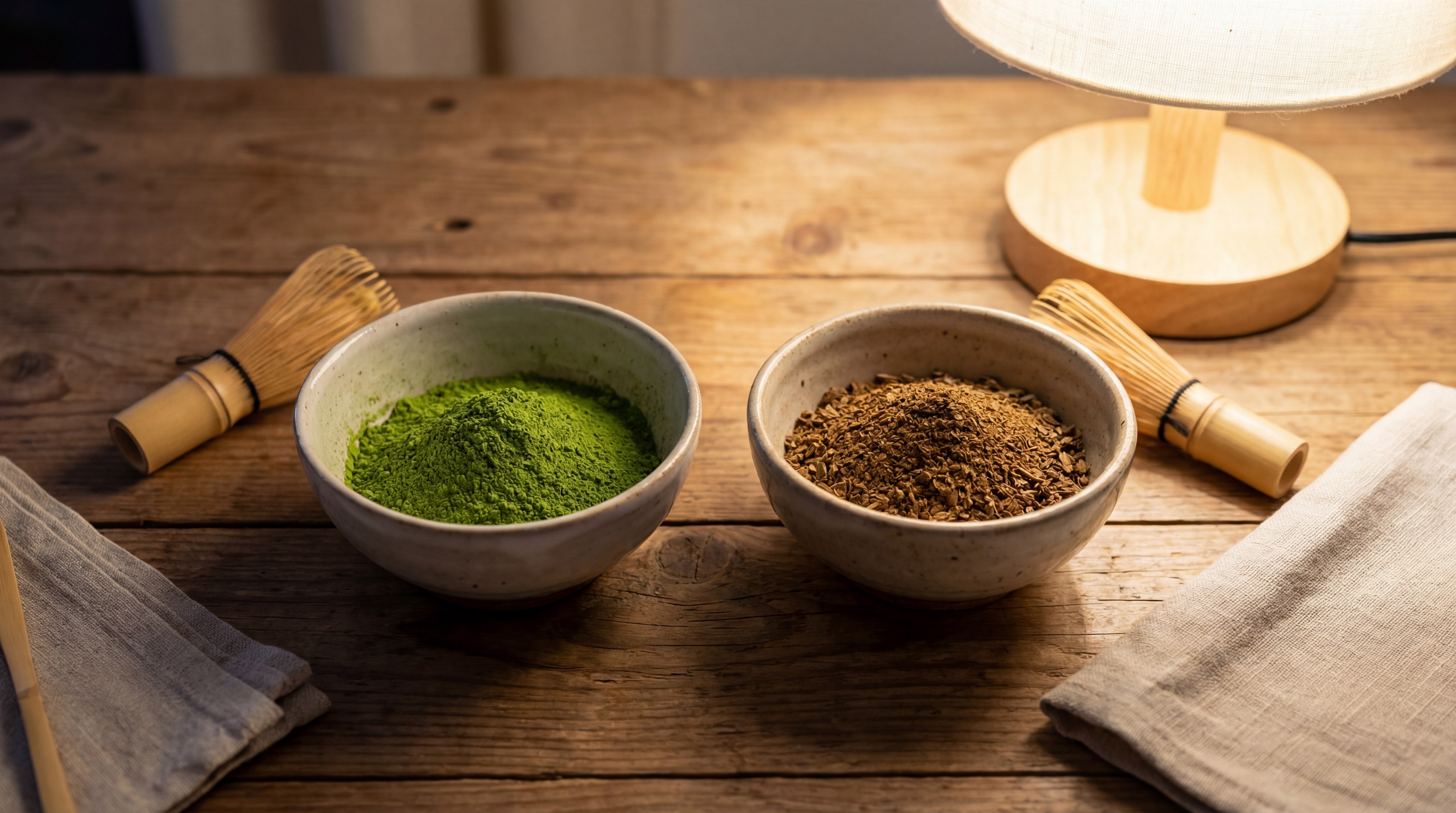
To understand hojicha vs matcha , one must first appreciate the diverging philosophies of their production.
Matcha is the celebration of the “Fresh.” Its goal is to preserve the raw, unadulterated essence of the tea leaf in its most potent state. Through careful shading and steaming, the tea’s natural chlorophyll and amino acids are locked into the leaf, resulting in a product that feels “alive”—grassy, umami-rich, and vibrantly green. Historically, this preservation of life-force was essential for Zen monks during long meditation sessions.
Hojicha is the celebration of the “Roasted.” It represents a transformation through fire. By taking tea leaves (often the more mature leaves and stems) and subjecting them to high-heat roasting, the tea undergoes a chemical metamorphosis. The “greenness” is sacrificed to create something entirely new: a tea that is warm, toasted, and exceptionally gentle on the digestive system. Invented in Kyoto in the 1920s, it was a masterclass in resourcefulness, turning the late-harvest Bancha into a premium, aromatic experience.
2. Origins and Terroir: The Camellia Sinensis Plant
Both Matcha and Hojicha are born from the Camellia sinensis plant. However, their paths diverge long before they reach your cup. The concept of terroir—the environment in which the tea grows—is paramount to the final quality of the powder.
Terroir and Harvesting
The quality of the tea is fundamentally dictated by the soil, climate, and altitude of the plantation. Riching Matcha sources its leaves from high-altitude gardens where the cool nights and misty mornings slow the growth of the plants, resulting in a more concentrated flavour profile.
- Matcha (The First Flush): The highest grades of Matcha, such as ceremonial grade matcha , are harvested during the first flush (spring harvest). These are the youngest, most tender buds, bursting with the highest concentrations of L-theanine and caffeine.
- Hojicha (The Summer and Autumn Harvests): While Hojicha can be made from spring leaves, it is traditionally crafted from Bancha (late-harvest tea) or Kukicha (stem tea). These leaves have spent more time under the sun and contain more minerals and fewer tannins than the delicate spring buds, making them the perfect candidates for the intense roasting process.

3. The Art of Shading: The Science of Matcha’s Vibrancy
The most critical technical difference in Matcha cultivation is the process of shading. Approximately 21 to 30 days before harvest, the tea bushes are covered with black vinyl nets or traditional straw mats (tana). This is a delicate operation; too much light results in bitterness, while too little can weaken the plant.
Chlorophyll and L-Theanine Synthesis
Shading intentionally stresses the plant by blocking up to 90% of direct sunlight. In response, the tea plant undergoes several fascinating biological adaptations:
- Chlorophyll Overproduction: The plant compensates for the lack of light by producing massive amounts of chlorophyll to capture every available photon. This is what gives high-quality Matcha its signature “electric green” colour.
- Amino Acid Accumulation: In full sunlight, the amino acid L-theanine (produced in the roots) moves to the leaves and is converted into catechins (tannins) through photosynthesis. Shading prevents this conversion.
- Umami Development: By keeping L-theanine levels high, shading ensures the tea has a deep, savory “umami” flavour rather than the bitterness found in unshaded green teas.
Without this precise 21-day shading period, the resulting powder would be yellow-toned, bitter, and lacking the cognitive-boosting properties that make Matcha a “superfood.”
4. The Roasting Process: Hojicha’s Thermal Transformation
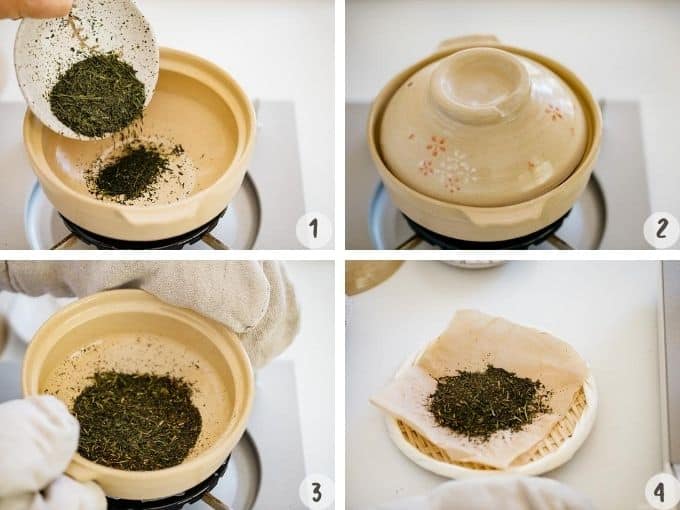
If shading is the soul of Matcha, then roasting is the heart of Hojicha. Unlike other green teas that are simply steamed and dried, Hojicha undergoes a high-temperature “porcelain roasting” or drum roasting process. This stage requires master-level precision to ensure the leaves are toasted uniformly without burning.
The Chemistry of 200°C
When the tea leaves are heated to approximately 200°C (392°F), a series of complex chemical reactions occur, most notably the Maillard reaction. This is the same process that gives seared steak and toasted bread their irresistible aroma.
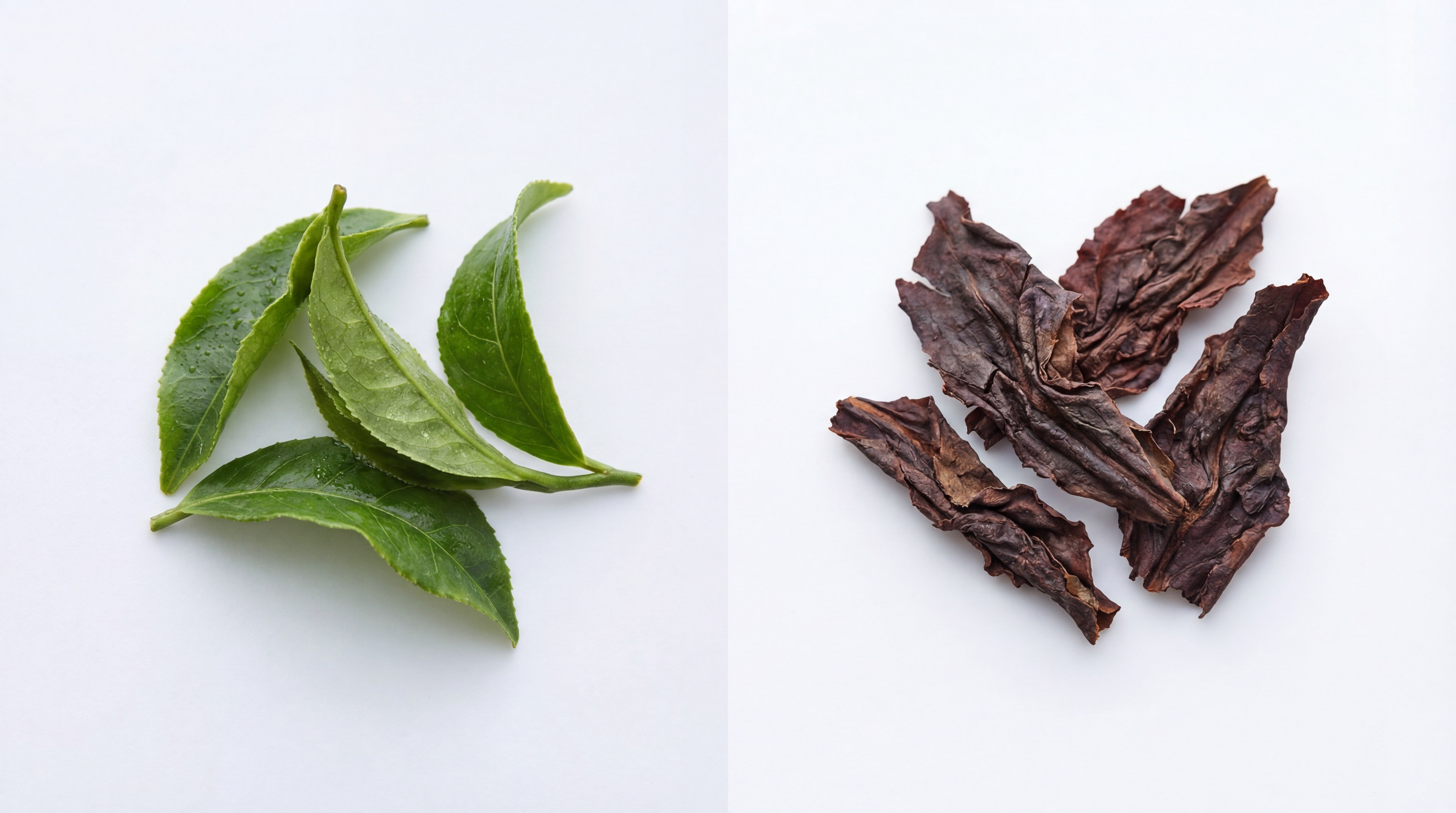
- Sugar Caramelization: The natural sugars within the tea leaves and stems caramelize, turning the leaves from green to a rich, reddish-brown.
- Pyrazine Formation: The intense heat leads to the formation of pyrazines, volatile aromatic compounds that provide Hojicha’s distinctive nutty, woody, and toasted scent.
- Caffeine Sublimation: Crucially, the roasting process causes caffeine to sublimate (turn from a solid to a gas), significantly reducing the caffeine content of the final tea. This makes Hojicha an ideal beverage for children, the elderly, and those with caffeine sensitivities.
5. Flavor Profile Deep Dive: Umami vs. Smoky
The sensory experience of these two teas could not be more different. A technical Matcha vs Hojicha comparison reveals a fascinating contrast in taste architecture.
Matcha: The Oceanic Powerhouse
High-quality Matcha is characterized by:
- Vegetal/Grassy Notes: Freshly cut grass or baby spinach.
- Marine/Seaweed: A subtle saltiness reminiscent of the ocean.
- Sweet Umami: A rich, creamy mouthfeel with a lingering sweetness.
- Subtle Astringency: A clean, slightly tart finish that refreshes the palate.
Hojicha: The Earthy Comfort
Hojicha offers a profile that many coffee drinkers find more familiar and approachable:
- Nutty: Notes of toasted hazelnuts or roasted chestnuts.
- Smoky: A gentle, wood-fired aroma without being overpowering.
- Caramel/Chocolate: Dark, toasted sugar notes with a hint of cocoa.
- Zero Bitterness: The roasting process virtually eliminates the tannins that cause bitterness in green tea.
6. Aromatherapy of Tea: Volatile Aromatic Compounds
The benefits of tea begin long before the first sip; they start with the aroma. The volatile compounds released when hot water hits the powder interact directly with the olfactory bulb, sending signals to the brain.
- Matcha’s Volatiles: Matcha is high in leaf alcohol (cis-3-hexenol), which is associated with feelings of freshness and alertness. It mimics the scent of nature, helping to clear “brain fog” and sharpen focus.
- Hojicha’s Volatiles: The pyrazines in Hojicha are scientifically proven to have a sedative effect on the central nervous system. In Japan, the scent of roasting tea is often used in aromatherapy to reduce stress and improve blood circulation through relaxation.

7. Caffeine & L-Theanine Dynamics
The most significant functional difference between the two teas lies in how they affect your energy levels. Matcha provides a “steady-state” energy, while Hojicha provides a “gentle-state” relaxation.
The Matcha “Calm Alertness”
Matcha contains a high concentration of caffeine, but it doesn’t behave like coffee. This is due to L-theanine, an amino acid that crosses the blood-brain barrier. It promotes the production of alpha-waves in the brain, which are associated with “relaxed alertness” (the state monks use for meditation). L-theanine slows the absorption of caffeine, providing a 4-to-6-hour window of focus without the spike and crash.
The Hojicha “Evening Soothe”
Because of the roasting process and the use of more mature leaves/stems, Hojicha contains only a fraction of the caffeine found in Matcha. This makes it the perfect beverage for post-dinner relaxation or for individuals who find that even a small amount of caffeine disrupts their sleep.
Table 1: Caffeine and Amino Acid Comparison (per 1g of powder)
Feature | Matcha (Ceremonial) | Hojicha Powder |
|---|---|---|
Caffeine Content | 30mg – 70mg | 5mg – 15mg |
L-Theanine | 15mg – 40mg | < 5mg |
Chlorophyll | Very High | Negligible |
Pyrazines | None | High |
Primary Effect | Sustained Focus / Energy | Relaxation / Digestion |
8. Brewing Mastery: Tools and Techniques
To extract the full potential of these powders, one must use the correct tools and temperatures. Preparing Matcha with boiling water, for instance, is a recipe for a bitter, scorched drink.
The Essential Tools
For both teas, the goal is to create a suspended emulsion of tea particles in water.
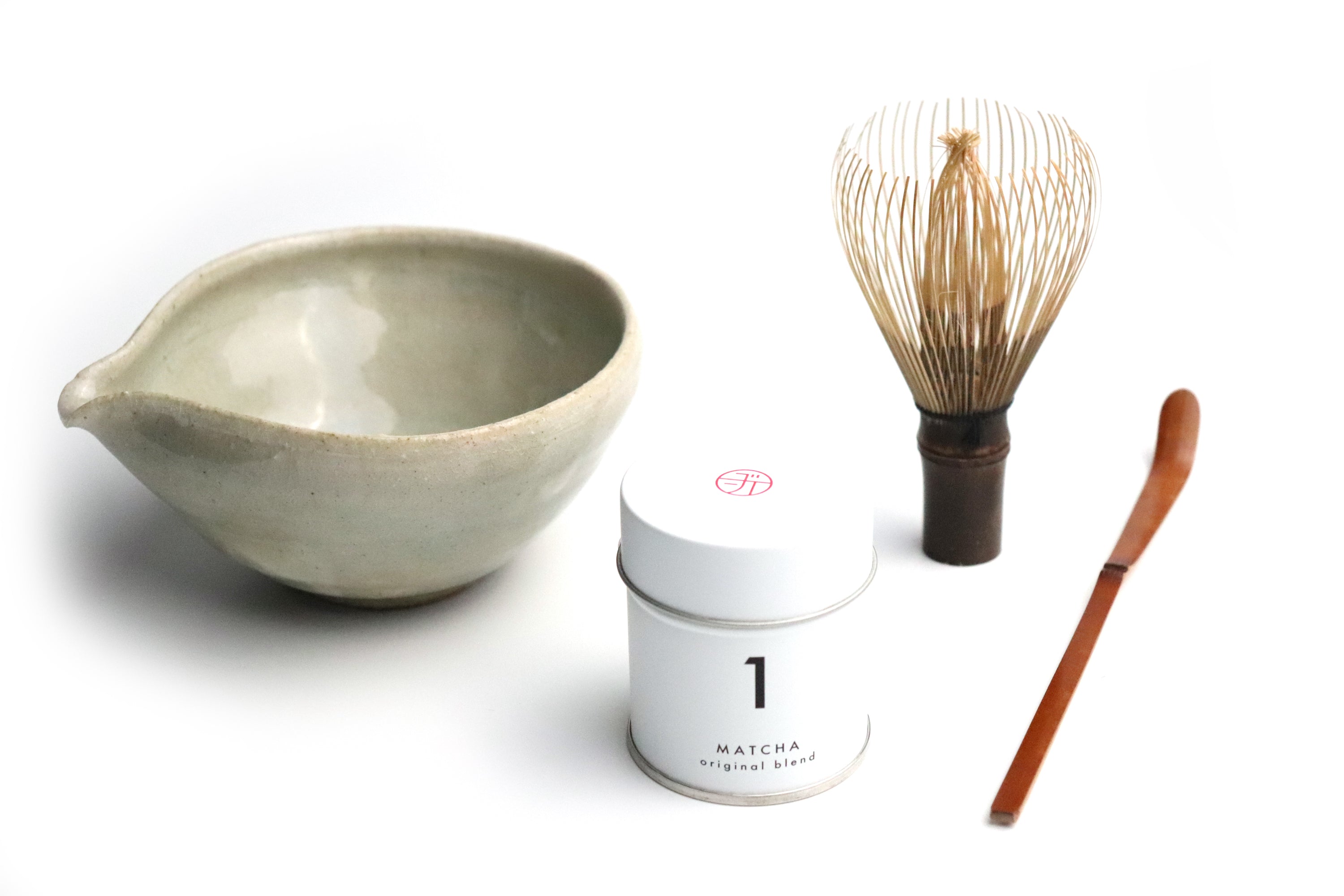
- Chasen (Bamboo Whisk): Essential for breaking up clumps and creating a fine, creamy froth. You can find high-quality options in our matcha whisk set .
- Chawan (Tea Bowl): A wide-bottomed bowl allows the whisk to move freely in a ‘W’ motion.
- Kyusu (Teapot): While Hojicha powder is whisked like Matcha, loose-leaf Hojicha is best prepared in a clay Kyusu to retain heat.
Table 2: Optimal Brewing Guide
Tea Type | Water Temp | Powder Amount | Water Volume | Technique |
|---|---|---|---|---|
Ceremonial Matcha | 70°C – 80°C | 1.5g (2 scoops) | 60ml – 80ml | Vigorous ‘W’ whisking |
Culinary Matcha | 80°C | 2g – 3g | Varied | Best for lattes/baking |
Hojicha Powder | 85°C – 95°C | 2g (1 tsp) | 100ml – 150ml | Gentle whisking |
Loose Leaf Hojicha | 95°C – 100°C | 5g (2 tbsp) | 200ml | Steep for 30-60 sec |

9. Visual and Aesthetic Standards: Grading Quality
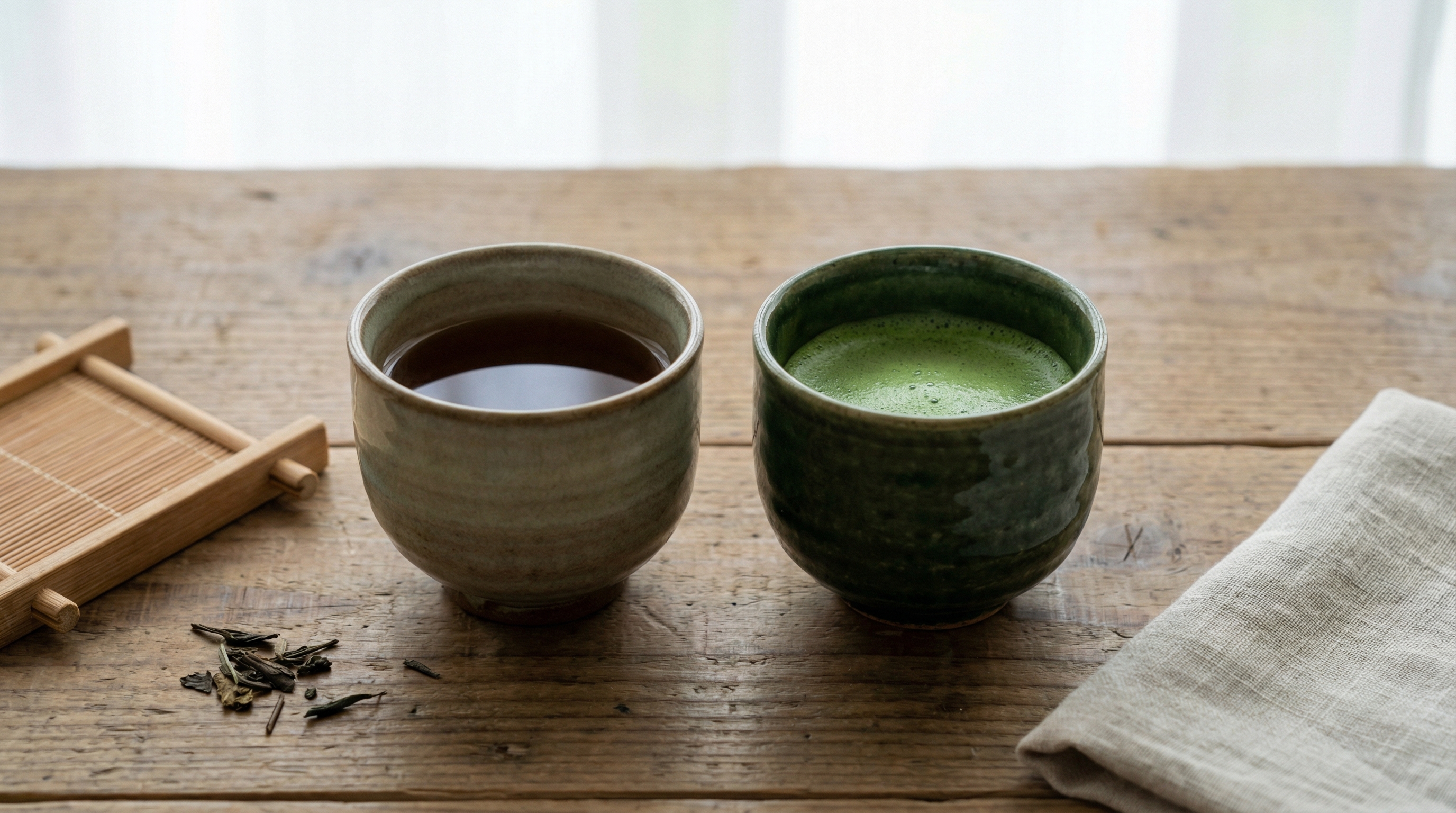
When purchasing tea in bulk or for private labels, visual inspection is your first line of defense against low-quality products. At Riching Matcha, our lab-tested batches are graded based on three primary visual factors:
- Color Vibrancy:
- Matcha: Should be a “Jade” or “Electric” green. Yellow or brownish tints indicate old leaves, poor shading, or oxidation.
- Hojicha: Should be a uniform, deep reddish-brown. If it looks like light tan dust, it may contain too many fillers or stems without enough leaf material.
- Particle Size:
- Premium Matcha and Hojicha powders are stone-ground to a size of 5–10 microns. This is finer than baby powder. When rubbed between two fingers, it should feel like silk, not sand.
- Frothability:
- Due to the high concentration of saponins (natural foaming agents) in shaded tea, premium Matcha should produce a thick, micro-bubble froth that lasts for several minutes. Hojicha produces a lighter froth due to the roasting process.
10. Physiological and Holistic Health Perks
While both teas are healthy, they support the body in different ways. The choice often depends on whether your body requires a metabolic boost or a digestive reset.
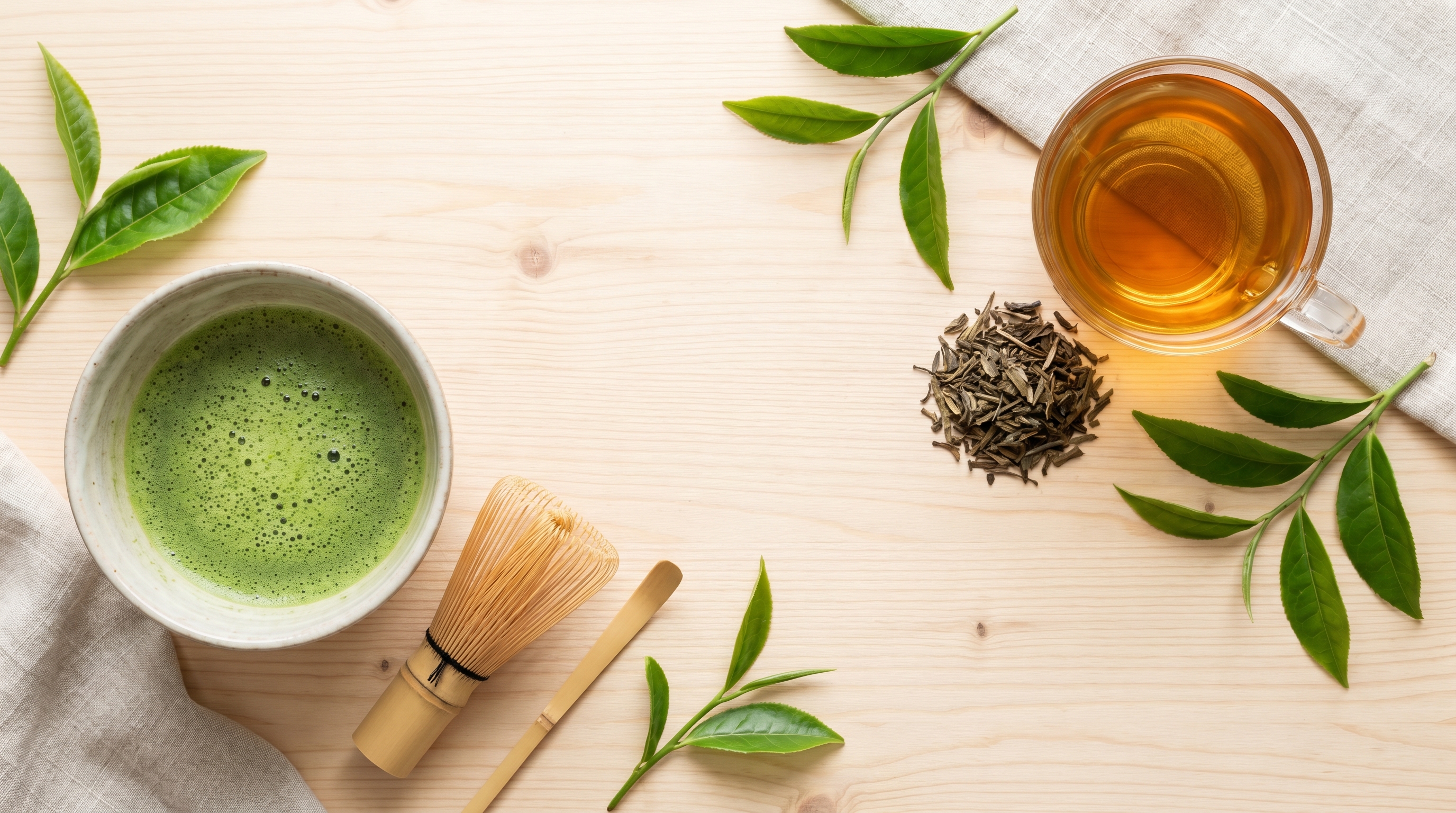
Matcha: The Antioxidant Powerhouse
Matcha is legendary for its concentration of EGCG (Epigallocatechin gallate), a potent catechin. Because you consume the entire leaf, you get 10 times the antioxidants of a standard cup of steeped green tea.
- Metabolism: Studies have shown EGCG can increase fat oxidation by 17%.
- Cognitive Health: The combination of L-theanine and caffeine improves memory and reaction time.
- Skin Health: The high chlorophyll content helps detoxify the body and protect against UV damage.
Hojicha: The Digestive Hero
Hojicha is the unsung hero of gut health. Its benefits are primarily linked to its low acidity and unique roasting compounds.
- Stomach Soothing: Unlike coffee or high-grade Matcha, which can be harsh on an empty stomach, Hojicha is alkaline and incredibly gentle.
- Circulation: The pyrazines in Hojicha are known to expand blood vessels, which can help those who suffer from cold extremities (a common issue in winter).
- Post-Meal Aid: In Japan, Hojicha is traditionally served after oily meals because it helps cleanse the palate and aids in the breakdown of fats without the astringency of green tea.
Table 3: Nutritional Breakdown (per 1 cup serving)
Nutrient | Matcha | Hojicha |
|---|---|---|
Antioxidants (ORAC) | ~1384 units | ~200 units |
Vitamin C | High | Low (lost in roasting) |
Fiber | 0.3g | 0.4g (higher stem content) |
Acidity (pH) | Slightly Acidic | Neutral / Alkaline |
Tannins | Moderate | Low |
11. Strategic Choice: Integrating Both into a Circadian Lifestyle
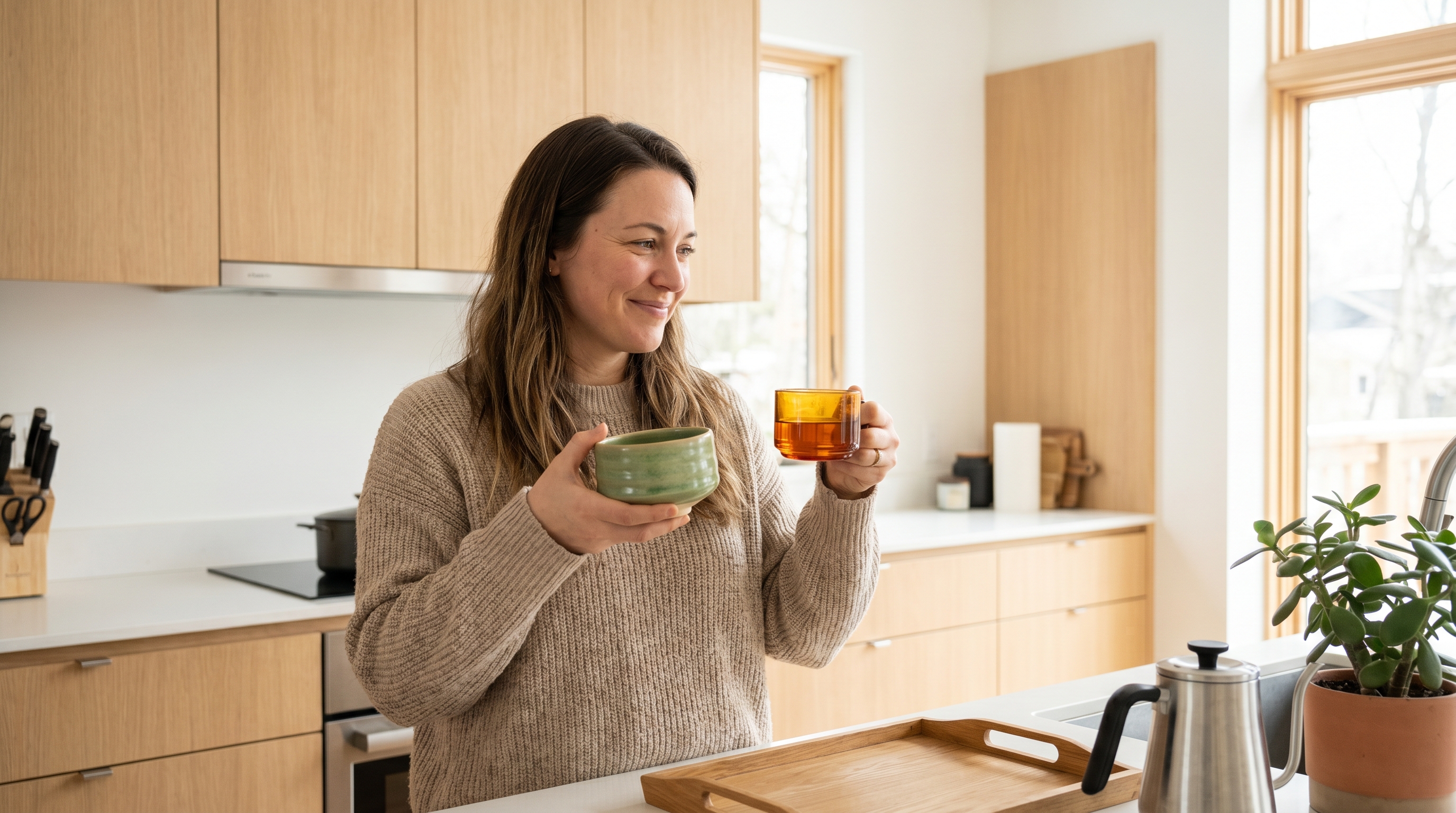
You do not have to choose between Matcha and Hojicha. In fact, the most effective wellness routine utilizes both to align with the body’s natural circadian rhythm. This method ensures optimal energy during the day and deep restorative sleep at night.
- 07:00 AM – 10:00 AM (The Morning Momentum): Use a high-quality Matcha to kickstart your brain. The L-theanine will provide the focus needed for deep work sessions without the mid-morning anxiety.
- 01:00 PM – 03:00 PM (The Afternoon Transition): A Matcha Latte can help overcome the “afternoon slump” caused by post-lunch glucose spikes.
- 07:00 PM – 09:00 PM (The Evening Wind-Down): Switch to Hojicha. The roasted aroma signals to your nervous system that the day is ending. Its digestive benefits help process dinner, and its low caffeine content ensures your melatonin production remains undisturbed.
FAQs: Expert Answers to Common Questions
The Original 5
1. Is Matcha healthier than Hojicha?Technically, Matcha contains more antioxidants (EGCG) and vitamins. However, Hojicha is “healthier” for individuals with sensitive stomachs or those who need to avoid caffeine to maintain healthy sleep patterns.
2. Can I use Hojicha powder for baking?Absolutely! Hojicha powder is becoming a favorite in the pastry world. It provides a “toasted” flavor that pairs beautifully with chocolate, caramel, and nutty desserts.
3. Why is ceremonial Matcha so expensive?It is a labour-intensive product. From the 21-day shading to the hand-picking of the first-flush leaves and the slow stone-grinding (which takes one hour to produce just 30g of powder), the cost reflects the craftsmanship.
4. Does Hojicha taste like coffee?It shares coffee’s roasted, nutty characteristics but without the acidity or heavy body. Many people use Hojicha as a “gateway” tea to transition away from coffee.
5. How should I store my tea powder?Both Matcha and Hojicha are sensitive to light, heat, and oxygen. Store them in an airtight, opaque tin in a cool, dark place. For Matcha, refrigeration is recommended to preserve the vibrant green colour.
Conclusion: Your Perfect Ritual
Choosing between Matcha and Hojicha is not a matter of which tea is “better,” but which tea is right for your current state of being. Whether you need the focused, chlorophyll-rich energy of a 21-day shaded Matcha or the warm, pyrazine-heavy embrace of a 200°C roasted Hojicha, both teas offer a path to a more balanced, mindful lifestyle.
At Riching Matcha, we are proud to be the bridge between these ancient traditions and your modern daily ritual. By prioritizing quality, transparency, and the science of tea, we ensure that every bowl you whisk is a step toward better health.
Ready to elevate your tea game? Explore our professional-grade matcha vs hojicha collections and find the perfect match for your lifestyle today.