
Procuring consistent tea inventory often presents significant hurdles for modern beverage directors or retail procurement managers who find themselves struggling with erratic flavor profiles. Subpar inventory leads to wasted capital and diminished brand reputation among discerning consumers who demand a specific matcha taste like experience every single time. By partnering with Riching Matcha, your business gains access to premium cultivation expertise and advanced processing standards that guarantee vibrant color and balanced umami for every shipment.
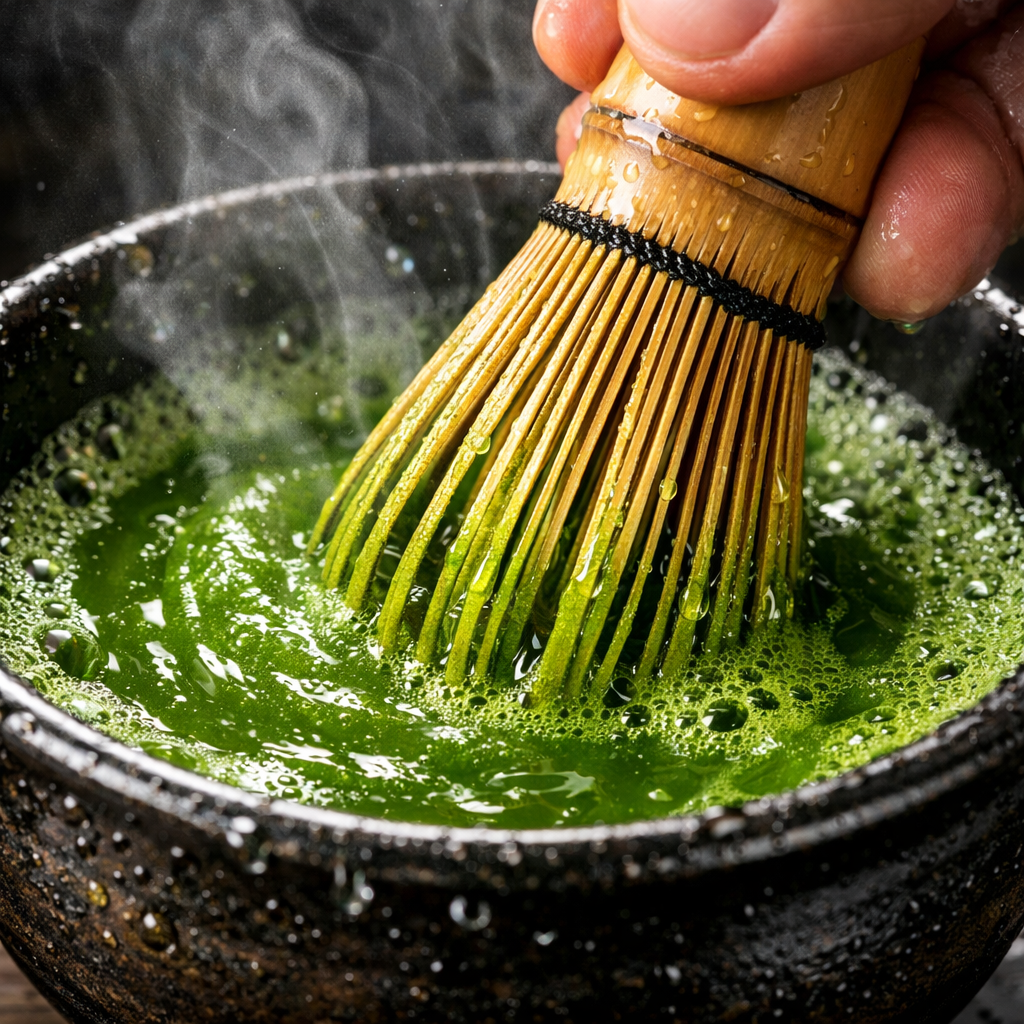
Ceremonial matcha offers a delicate balance of creamy sweetness and refined vegetal notes with a smooth, lingering finish that lacks harsh bitterness.
Is ceremonial tea naturally sweet?
High-grade leaves contain high levels of L-theanine which creates natural sweetness during the intensive shading process. This amino acid profile provides a thick mouthfeel reminiscent of melted butter or heavy cream across the tongue. Professional tasters often identify subtle hints of baby spinach or young wheatgrass in these premium batches. Here is the deal.
- Vibrant jade green color
- Creamy and buttery texture
- Intense umami savory notes
- Substantial natural sweetness
How is the texture achieved?
Our factory utilizes traditional stone-grinding technology to maintain low temperatures during production to preserve volatile aromatic compounds. This meticulous care prevents the oxidation that turns vibrant powders into dull yellow or brown substances. Buyers frequently report notes of fresh ocean air in our top-level selections. But that is not all.
- Velvet mouthfeel
- Zero sandy grit
- Fine particle size
- Stable froth formation
Key Takeaway: Ceremonial grade serves as the gold standard for pure applications due to its complex, non-bitter sweetness and refined profile.
Attribute | Intensity | Sensory Note |
|---|---|---|
Natural Sweetness | High | Sweet peas/Raw sugar |
Bitterness | Very Low | Minimal snap |
Mouthfeel | Heavy | Viscous and creamy |
Use this data to calibrate your menu descriptions for high-end clientele who expect a luxury sensory experience.
2. Does culinary matcha taste like grass?
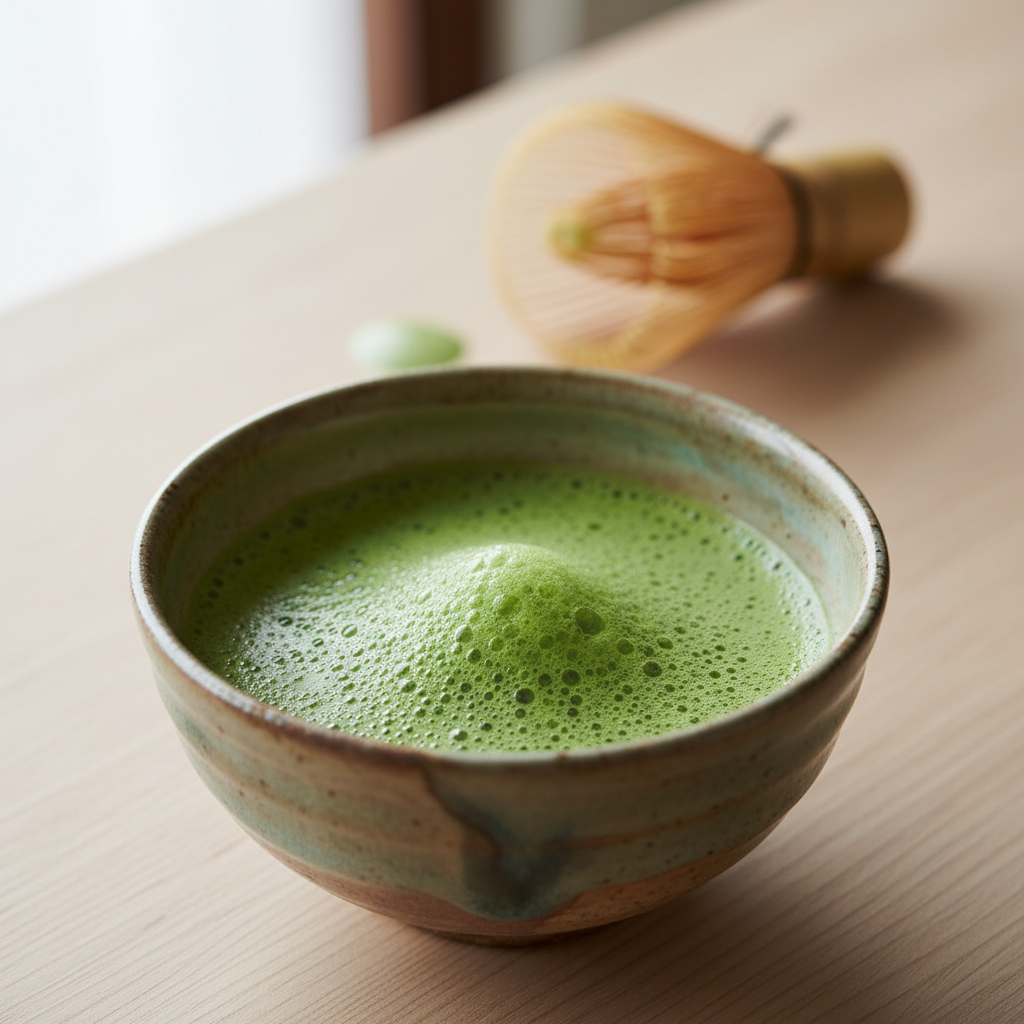
Culinary matcha taste like bold, astringent vegetal notes designed to withstand heat and balance with heavy ingredients like milk or sugar.
Why is culinary grade more bitter?
Lower harvest leaves grow lower on the stem and receive more direct sunlight which converts sweet amino acids into bitter antioxidants. This chemical shift creates a punchy flavor that cuts through fat and sugar easily in commercial recipes. Bakers prefer this profile because it maintains a clear tea presence in finished goods. But wait, there is more.
- Strong astringent kick
- High antioxidant content
- Deep forest green hue
- Sharp vegetal presence
Can culinary powder work in smoothies?
Culinary applications rely on this increased potency to prevent the tea flavor from disappearing when mixed with fruits or proteins. High-quality culinary powder should still look green rather than brown or grey to maintain visual appeal. This grade works perfectly for large-scale production of ice cream or flavored syrups. Take a look.
- Excellent heat stability
- Cost-effective for baking
- Robust flavor base
- Vivid color retention
Key Takeaway: Culinary grade is a strategic tool for recipes where a bold tea flavor must compete with other strong functional ingredients.
Metric | Value | Business Purpose |
|---|---|---|
Bitter Profile | High | Balances sugar/fats |
Color | Dark Green | Visual food impact |
Texture | Slightly Grainy | Better for mixing |
Analyze these metrics to determine if your recipes require more punch or a smoother finish for the final product.
3. What does bad quality matcha taste like?
Poor quality matcha tastes like stale hay or dusty cardboard and often leaves a metallic or unpleasantly fishy aftertaste on the palate.
Can old powder ruin the flavor?
Oxidized powder loses its vibrant aromatic profile and develops a flat, sour sensation that ruins the consumer experience. You might notice a yellow or brownish tint which signals a complete lack of freshness in the inventory. This low-grade material often feels gritty and fails to froth correctly during professional preparation. The reality is simple.
- Dull brownish-yellow color
- Stale, dusty aroma
- Metallic aftertaste
- Gritty and sandy texture
Why does some tea smell fishy?
A fishy aroma usually indicates low-quality fertilizer usage or improper steaming during the initial processing phase at the farm. Bad batches often contain stems and veins which add a woody, unpleasant texture to the liquid. Your customers will notice a dry, chalky sensation in the back of their throats after drinking. Ready for the good part?
- woody texture inclusions
- fail to produce foam
- harsh chemical bitterness
- zero aromatic depth
Key Takeaway: Inferior matcha compromises your brand integrity by offering a muddy, unpleasant sensory experience that drives customers away.
Defect | Taste Impact | Root Cause |
|---|---|---|
Yellow Color | Sour/Flat | Oxidation/Age |
Fishy Smell | Unpleasant | Poor Fertilizer |
Gritty Texture | Chalky | Low-end Grinding |
Compare your current inventory against these red flags to ensure total product excellence across all your serving locations.
4. How does heat change what matcha taste like?
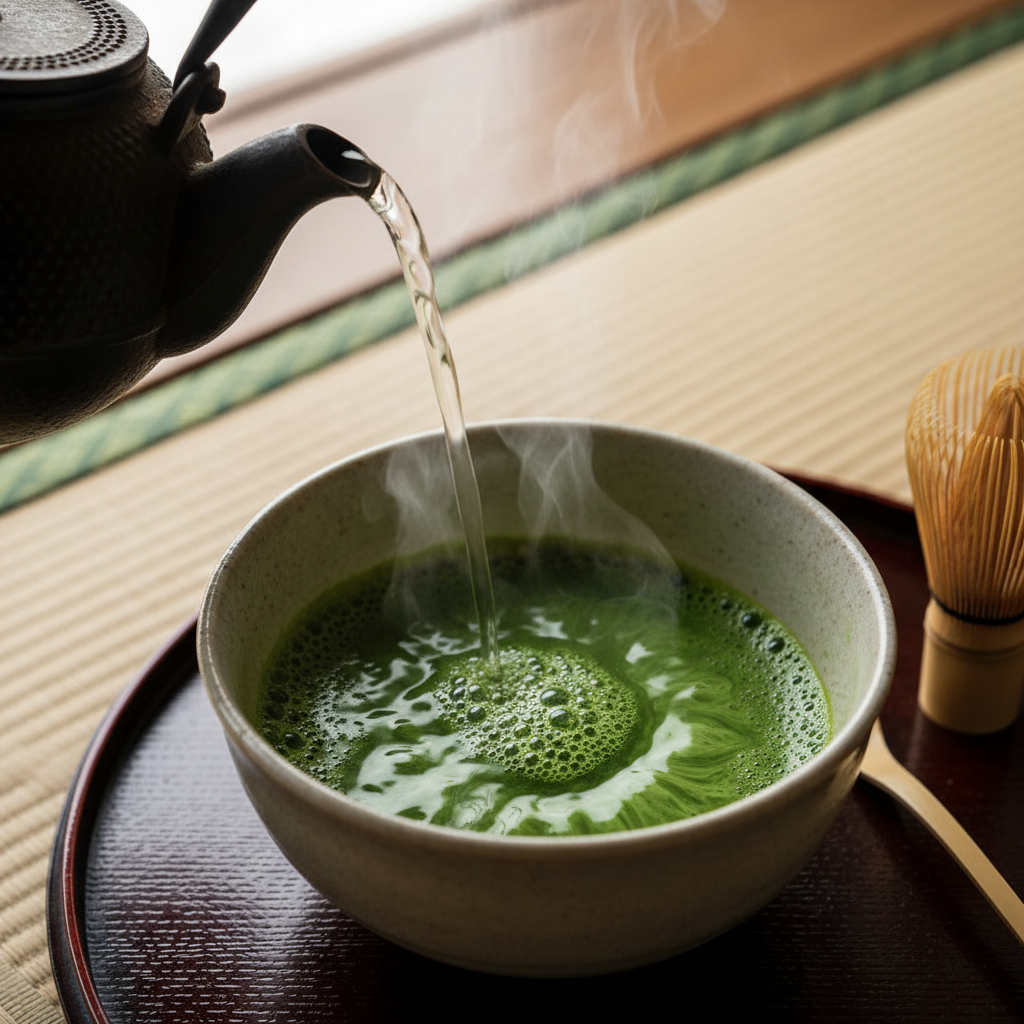
Excessive water temperature releases unwanted tannins that make even the finest matcha taste like unpleasantly bitter and scorched liquid.
What is the ideal brewing temperature?
Water should never exceed 175 degrees Fahrenheit to protect the delicate amino acids from being destroyed by heat. Boiling water literally cooks the powder and destroys the nuanced sweetness of the L-theanine profile. Professional baristas use temperature-controlled kettles to maintain a strict 160 to 170-degree range. Here is the secret.
- Optimal umami at 165°F
- Amino acid preservation
- Tannin release at 212°F
- Volatile oil protection
Does cold water change the flavor?
Cold water preparation yields a much sweeter, though less aromatic, beverage for bottled products or iced tea applications. Heat also affects the solubility and frothing capabilities of the tea particles during the mixing process. Hotter water creates a thicker foam but risks damaging the flavor profile if not managed carefully. So, listen closely.
- Sweeter cold profile
- Reduced aroma extraction
- Foam stability variance
- Repeatable staff standards
Key Takeaway: Temperature control is the most critical variable in turning high-quality powder into a delicious, drinkable beverage for clients.
Temp Range | Result | Recommendation |
|---|---|---|
200°F+ | Harsh Bitterness | Avoid completely |
165°-175°F | Balanced Umami | Best for hot tea |
Under 100°F | Sweet & Mild | Ideal for iced tea |
Monitor your brewing stations to ensure no one is using boiling water on your precious ceremonial or premium inventory.
5. What does organic matcha taste like?
Organic matcha tastes cleaner and more “true to the leaf” without the chemical interference or lingering sharpness of synthetic fertilizers.
Is organic tea actually better tasting?
Natural farming methods focus on soil health which results in a more complex mineral profile and persistent floral aroma. While organic plants grow slower, they often develop a higher concentration of beneficial compounds for the final product. This slow growth leads to a more concentrated flavor that lingers longer on the palate. Basically, it is better.
- Clean and crisp finish
- Deep mineral complexity
- Enhanced floral aromas
- No chemical aftertaste
Why choose organic cultivation?
Organic cultivation requires specialized knowledge to manage pests and nutrient levels without the use of harsh industrial chemicals. Some tasters describe organic versions as having a “dewy” or “crisp” character that feels lighter to drink. It lacks the aggressive, sharp bite sometimes found in high-nitrogen conventional teas from standard suppliers. But here is the kicker.
- Sustained palate presence
- Authentic “green” flavor
- High purity levels
- Transparent sourcing proof
Key Takeaway: Organic certification guarantees a purity of flavor that aligns with the expectations of health-conscious, premium tea buyers globally.
Feature | Organic Taste | Conventional Taste |
|---|---|---|
Cleanliness | High purity | Occasional sharp bite |
Aroma | Floral/Earth | Grassy/Nitrogen |
Complexity | Multilayered | Often one-dimensional |
Evaluate your target demographic to see if the refined organic profile justifies the investment for your specific brand.
6. Does milk alter what matcha taste like?
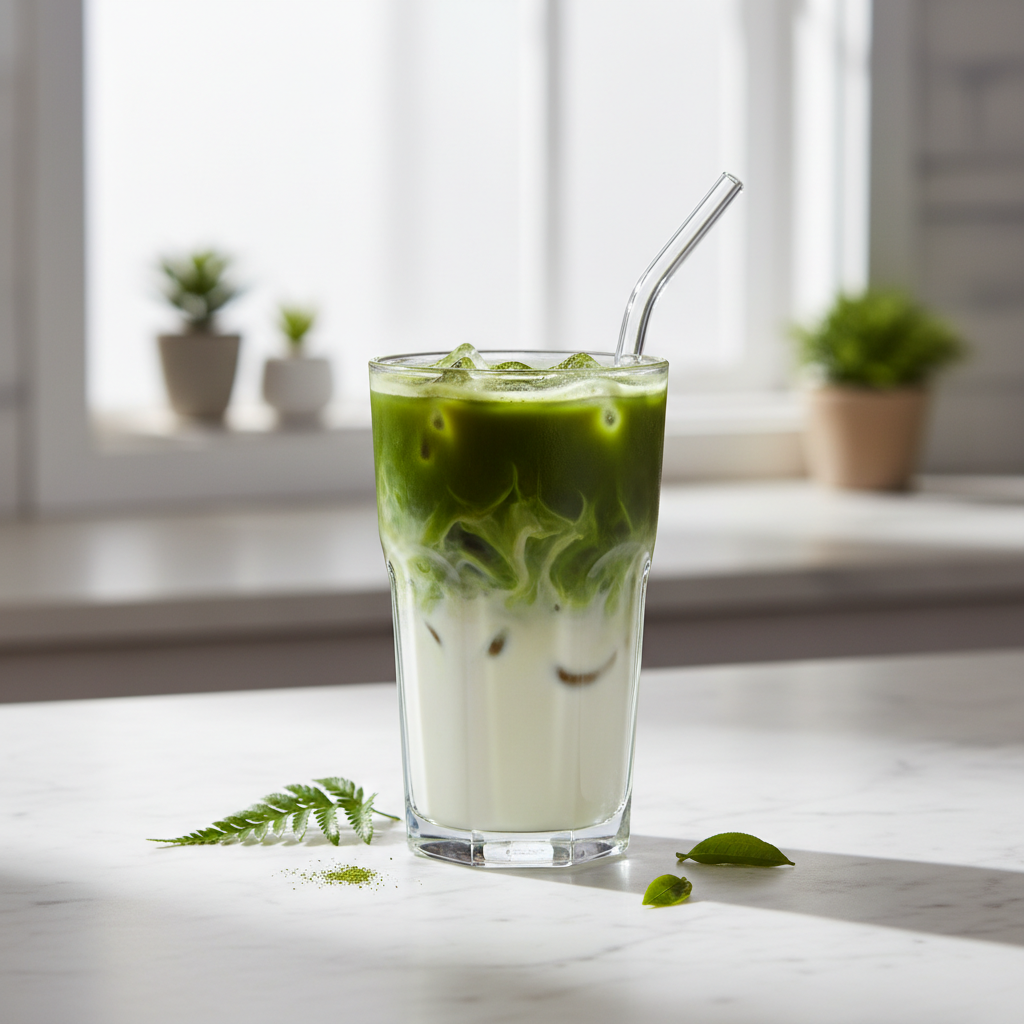
Milk introduces fats and proteins that coat the tongue and mellow out the natural astringent matcha taste like profile.
Which milk works best with tea?
Oat milk remains the industry favorite because its natural sweetness complements the umami of the powder perfectly in lattes. Dairy milk provides a heavy, creamy texture but can sometimes mask the more subtle floral notes of ceremonial grades. Soy milk adds a nutty dimension that works well with lower-grade culinary powders for a robust drink. Well, here is why.
- Reduced perceived bitterness
- Enhanced creamy mouthfeel
- Masking of subtle notes
- Synergistic nuttiness
How does milk affect the mouthfeel?
The proteins in milk bind with tea polyphenols to reduce the sensation of bitterness significantly for the average consumer. Your baristas should focus on creating a micro-foam that incorporates the powder evenly to avoid a patchy experience. Poorly mixed lattes result in a flavor where the bottom of the cup is too strong and gritty. Wait, there is more.
- Temperature buffering
- Improved visual appeal
- Even flavor distribution
- Stable micro-foam texture
Key Takeaway: Milk is a transformative ingredient that turns a bold tea into a smooth, dessert-like beverage experience for customers.
Milk Type | Flavor Impact | Best Grade to Use |
|---|---|---|
Whole Dairy | Very Creamy | Culinary/Premium |
Oat Milk | Sweet/Toasty | Ceremonial/Premium |
Almond Milk | Light/Nutty | Culinary |
Test these combinations to find a signature house latte that sets your brand apart in the local marketplace.
7. What does umami in matcha taste like?
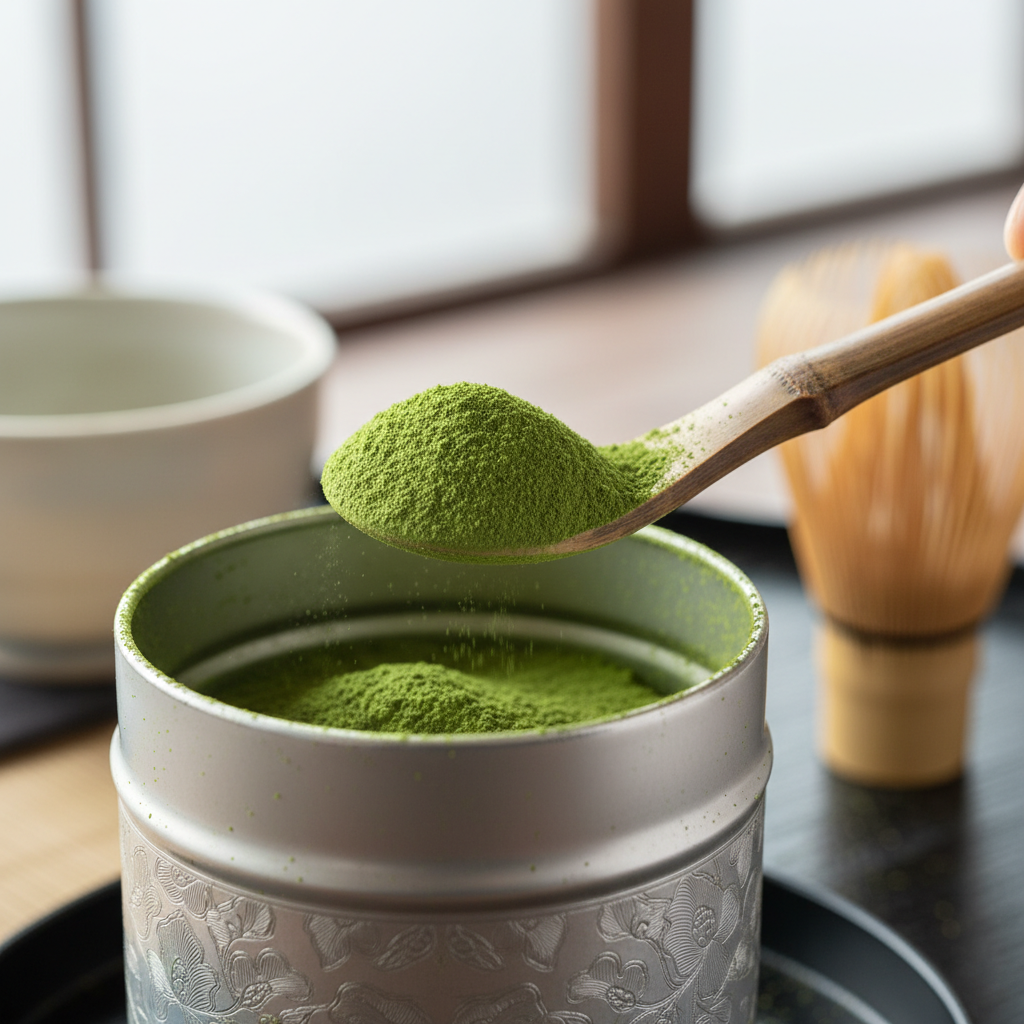
Umami in matcha tastes like a savory, brothy richness similar to seaweed, miso soup, or even a hint of cooked shellfish.
Why is umami so important?
This “fifth taste” provides the addictive quality that keeps customers returning for more every single day to your shop. High-quality shading creates the glutamates responsible for this deep, savory sensation on the back of the tongue during drinking. This savory depth balances the natural bitterness and sweetness to create a complete sensory experience in the cup. Here is the secret.
- Savory broth sensation
- Mouth-watering effect
- Deep palate richness
- Seaweed-like notes
How do farmers maximize umami?
Achieving this profile requires perfect timing during the spring harvest window when leaves are young and nutrient-dense. Younger leaves contain the highest concentration of the savory compounds your customers crave for a premium experience. Savory notes are what differentiate authentic high-end powder from generic green tea dust found in budget stores. Ready for the good part?
- Miso-style complexity
- Balanced bitter-sweet
- High amino density
- Soulful nourishment feel
Key Takeaway: Umami is the defining characteristic of high-end tea and serves as the primary indicator of quality for experts.
Quality Marker | Umami Presence | Consumer Perception |
|---|---|---|
High End | Intense/Brothy | Sophisticated/Luxury |
Mid Range | Subtle/Vegetal | Pleasant/Daily |
Low End | Absent/Bitter | Cheap/Harsh |
Look for “brothy” notes during your next cupping session to identify superior inventory from your global tea supplier.
8. Does sweetener change what matcha taste like?
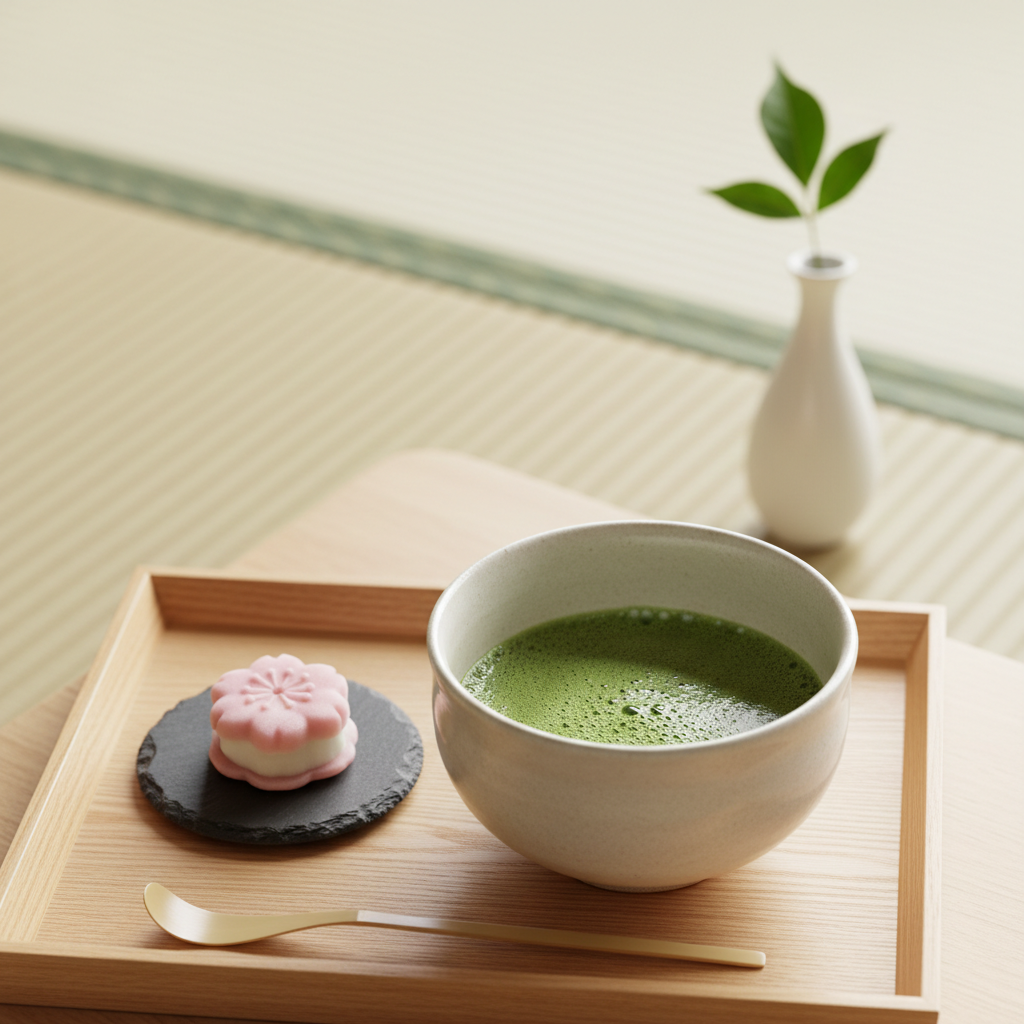
Sweeteners act as a flavor bridge that hides bitterness while amplifying the creamy and floral aspects of the matcha taste like base.
Should you use sugar or honey?
Liquid cane sugar provides a neutral sweetness that does not interfere with the natural tea aroma for the customer. Honey adds its own floral notes but can sometimes clash with the “oceanic” umami of high-grade ceremonial powder batches. Agave nectar offers a low-glycemic option that mixes easily into cold beverages for retail smoothie bars. So, listen closely.
- Bitterness suppression
- Mouthfeel enhancement
- Flavor bridging
- Aroma masking risk
How does sugar affect the texture?
Adding sugar changes the viscosity of the drink and creates a “heavier” sensation on the palate during the consumption. This helps mimic the mouthfeel of more expensive grades when using culinary-level powders in your basic recipes. However, too much sugar will completely obliterate the healthy, “green” taste your customers expect from your brand. This is where it gets interesting.
- Viscosity increases
- Customer accessibility
- Balanced recipe creation
- Caloric profile change
Key Takeaway: Strategic sweetening is a powerful way to make the complex flavors of matcha more approachable for the general public.
Sweetener | Profile | Best For |
|---|---|---|
Simple Syrup | Neutral | Classic Lattes |
Honey | Floral/Bold | Healthy Smoothies |
Monk Fruit | Zero Calorie | Wellness Drinks |
Analyze your sales data to see which sweetener options resonate most with your target market during the morning rush.
9. What does aged powder matcha taste like?
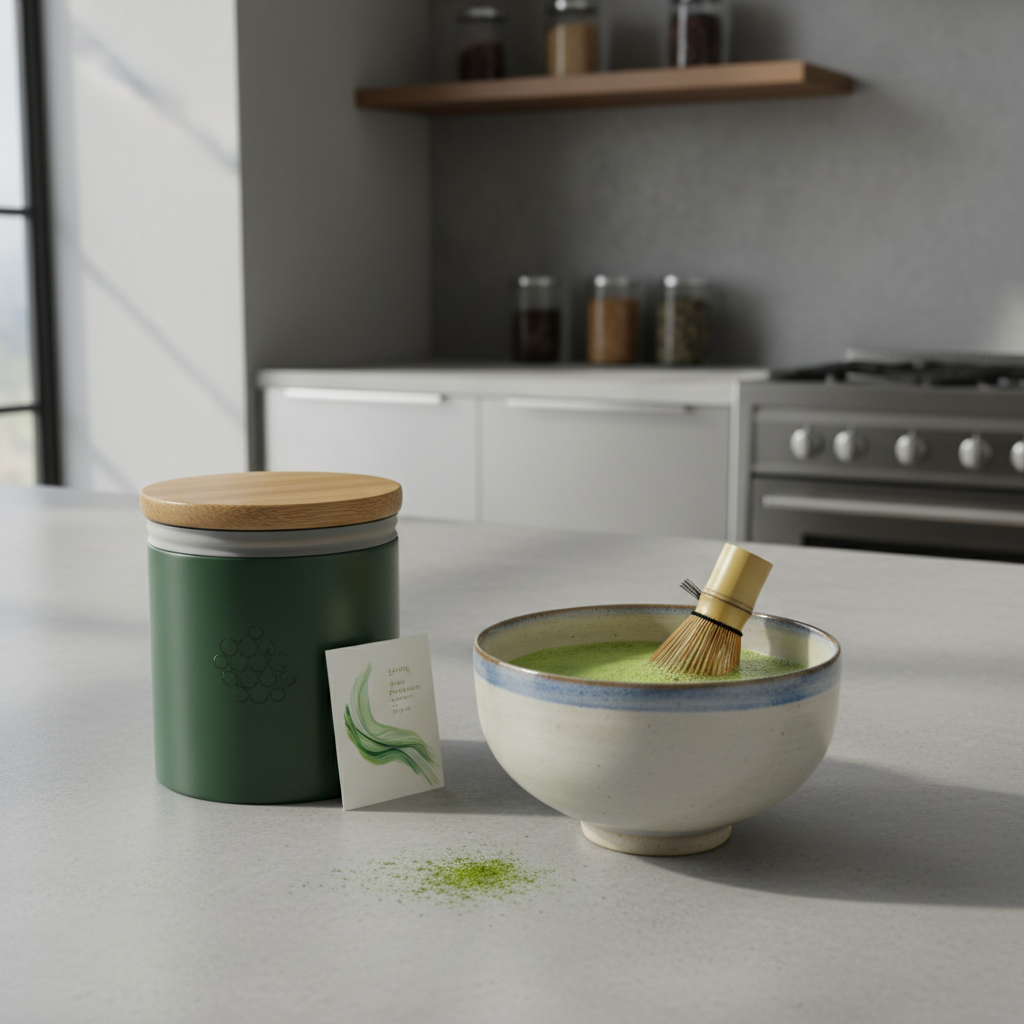
Aged or “stale” matcha tastes metallic, acidic, and unpleasantly sour, lacking all the vibrant freshness of a new spring harvest.
Does matcha have a shelf life?
The powder is highly sensitive to oxygen and should be consumed within six months of grinding for peak flavor. Once you open the container, the clock starts ticking on the volatile aromatic oils that define the tea’s character. You will notice the bright green color fading to a duller, yellowish hue over time as oxidation occurs. The deal is simple.
- Acidic or sour notes
- Lack of aroma
- Flat, dull palate
- Metallic aftertaste
How can you prevent aging?
Maintaining freshness requires a strict “first-in, first-out” inventory management system in your warehouse or retail shop. Heat and light also accelerate the aging process significantly, so store your stock in a cool, dark place. Investing in smaller, more frequent shipments is better than sitting on a year of inventory that goes flat. But that is not all.
- Yellow-brown color shift
- Poor foam structure
- Volatile oil loss
- Storage tin necessity
Key Takeaway: Freshness is a non-negotiable requirement for delivering the vibrant, energetic flavor profile that modern tea consumers demand.
Age | Flavor Status | Action |
|---|---|---|
0-3 Months | Peak Vibrancy | Ideal for retail |
3-6 Months | Good Stability | Use for lattes |
6+ Months | Significant Loss | Discount or discard |
Check your batch dates today to ensure you are not serving “dead” inventory to your loyal clients.
10. How does shade make matcha taste like?
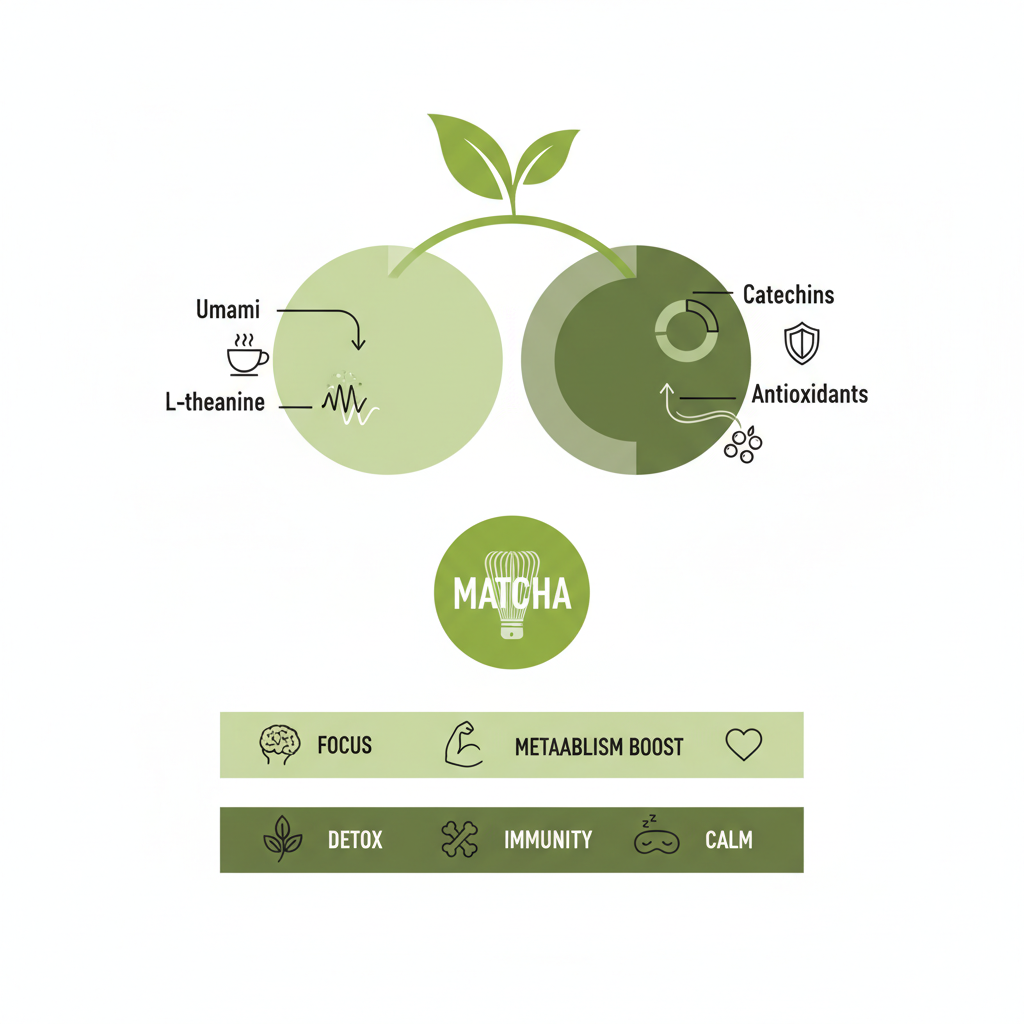
Shading tea plants creates a “stress response” that dramatically increases chlorophyll and amino acid production for a sweeter matcha taste like result.
Why do they cover the plants?
Blocking 90% of the sunlight forces the leaves to become thinner and wider to capture more energy from the environment. This physical change results in a much higher concentration of L-theanine and a deeper green color for the powder. Without shading, the tea would simply be standard green tea powder with a much harsher, bitter profile. Basically, it is essential.
- Increased L-theanine
- Deep jade color
- Thinner leaf structure
- Reduced catechins
How long should the shading last?
The timing of the shading is a critical factor in the final flavor profile for ceremonial versus culinary grades. Most high-end farms shade for 20 to 30 days before the first spring harvest to maximize the sweetness. Shorter periods result in a more “vegetal” and less “creamy” tea experience for the professional user. But wait, there is more.
- Enhanced umami depth
- Silky mouthfeel
- Technical harvest timing
- Quality grade distinction
Key Takeaway: Shading is the “secret sauce” of matcha production that transforms a bitter leaf into a sweet, savory superfood.
Shade Duration | Resulting Profile | Market Position |
|---|---|---|
25+ Days | Sweet/Elite Umami | Ceremonial Grade |
14-21 Days | Balanced/Grassy | Premium/Culinary |
0-7 Days | Bitter/Sharp | Standard Tea Dust |
Use this guide to verify the production methods of your current suppliers to ensure you are buying true matcha.
Frequently Asked Questions
Q1: Can I use boiling water for a stronger cup?No, boiling water only makes the tea more bitter by releasing harsh tannins rather than strengthening the tea. To increase strength, you should add more powder rather than increasing the temperature of the water.
Q2: What’s the best way to store my bulk inventory?The best method is keeping the powder in an airtight, opaque container inside a cool, dark environment to prevent oxidation. For long-term storage of unopened bags, refrigeration can help maintain the vibrant color and aromatic profile.
Q3: How do I know if the powder is real ceremonial grade?You should look for a vibrant, electric green color and a fine, flour-like texture that produces a thick froth. Perform a taste test; a true ceremonial grade will have a creamy mouthfeel and a natural sweetness.
Q4: Can I mix this powder with citrus like lemon?Yes, citrus can brighten the flavor and provide a refreshing kick, but it will increase the overall acidity. This combination is particularly popular for iced tea products and functional wellness beverages for health shops.
Q5: What’s the best milk for a professional latte?Oat milk is widely considered the best choice due to its creamy texture and natural sweetness which complements the tea. It froths better than most other plant-based milks, creating a superior drink presentation for customers.
Conclusion
Understanding the diverse nuances of what matcha tastes like is the foundation of a successful, high-margin tea program for your business. From the silky umami of ceremonial powders to the robust kick of culinary grades, each variety serves a specific strategic purpose in your menu. By mastering variables like temperature and storage, you protect your investment and build lasting brand loyalty through consistent sensory excellence. If you are ready to secure a reliable supply of premium, lab-tested tea, please contact us today for a custom quote. We are dedicated to delivering the world’s finest organic matcha to support your brand’s growth and vision.