
This blueprint provides a comprehensive analysis of the matcha production lifecycle. Designed specifically for wholesale buyers, private label entrepreneurs, and food industry professionals, it explores the technical journey of Camellia sinensis from soil to stone-ground powder. Understanding these nuances is critical for securing a stable supply chain and ensuring product excellence in a competitive global market.
Problem: Many B2B buyers struggle with inconsistent matcha quality, leading to poor customer reviews and wasted inventory. Without a deep understanding of production nuances, you may find it impossible to distinguish high-value powder from low-grade industrial green tea that lacks the necessary vibrancy and flavor.
Agitate: Choosing the wrong supplier or failing to verify production methods can ruin your brand’s reputation. A “bitter” or “dull” matcha isn’t just a flavor issue—it’s a direct consequence of skipped shading, improper steaming, or rushed grinding. These shortcuts destroy the delicate nutrients and the signature emerald color that your customers demand.
Solution: This guide provides a deep dive into how matcha plants are cultivated and processed. By mastering the technical aspects of the production lifecycle, you gain the transparency needed to make informed procurement decisions and ensure the long-term success of your product line.
Where do the best matcha plants originate?
The quality of the final powder begins with the genetic lineage of the Camellia sinensis plant. While all tea comes from this same species, specific varietals have been selectively bred over centuries to maximize the traits desired in matcha: high chlorophyll, high amino acids, and a vibrant green hue.
In the modern B2B landscape, identifying the right varietal is essential for consistency. You should look for standard industry varietals such as Samidori, Okumidori, and Yabukita. While these originated in Japan, high-end Chinese plantations have successfully integrated these cultivars into their local terroir, providing a scalable alternative for the global market.
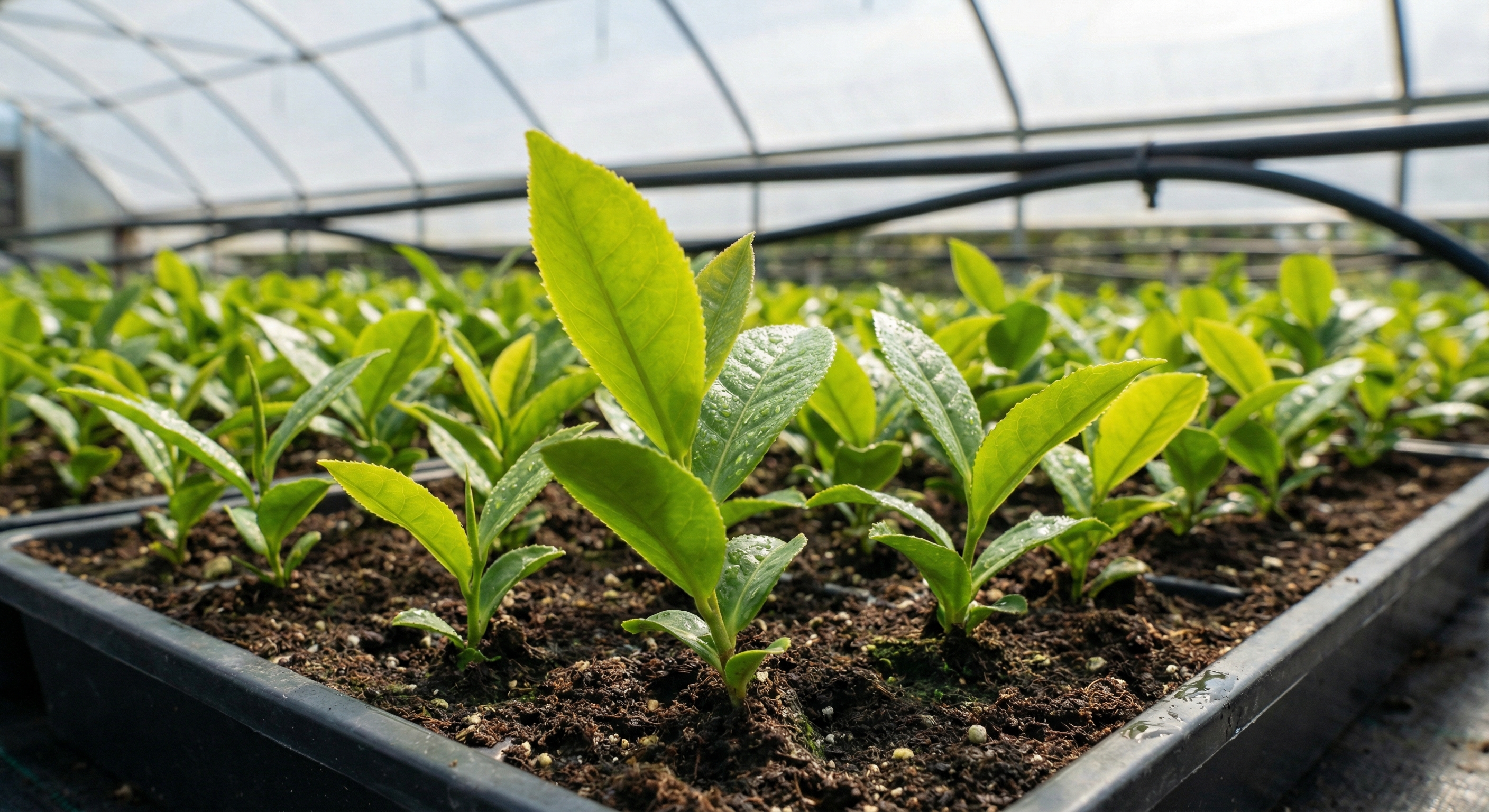
The Impact of Terroir on Flavor ProfilesTerroir—the combination of soil composition, altitude, and climate—dictates the complexity of the tea. High-altitude gardens often produce tea with more concentrated flavors due to the slower growth rate of the plants. For buyers, understanding the origin helps in learning about Matcha Tea Grades and selecting the right profile for your specific application.
Table 1: Comparison of Primary Matcha Varietals
Varietal | Key Characteristic | Flavor Profile | B2B Application |
|---|---|---|---|
Samidori | High Chlorophyll | Intense Sweetness | Ceremonial Grade |
Okumidori | Deep Color | Balanced Umami | Premium/Wholesale |
Yabukita | High Yield | Robust/Nutty | Culinary/Industrial |
Why is shading critical for healthy matcha plants?
Shading is the single most important differentiator between standard green tea and true matcha. Approximately 20 to 30 days before harvest, the tea fields are covered using the Tana method—a scaffolding system that supports black vinyl or straw mats.
This process reduces sunlight by up to 90%, forcing the matcha plants into a state of stress. To survive, the leaves compensate by overproducing chlorophyll (resulting in the deep green color) and L-theanine (the amino acid responsible for sweetness and umami).
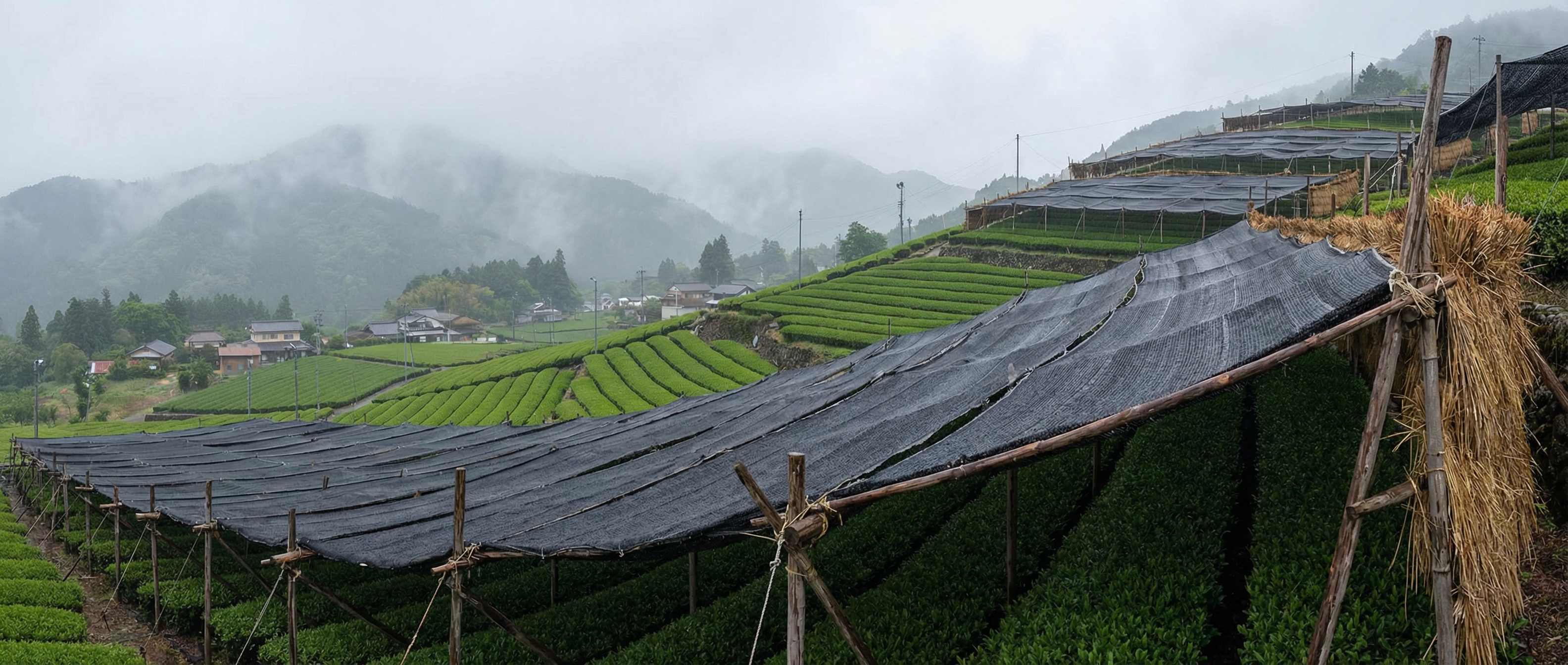
If you are evaluating Private Label Matcha Supplier Options , you must verify the shading duration. Insufficient shading results in a yellowish powder with high catechin content, which translates to a bitter, astringent taste profile unsuitable for premium branding.
Key Takeaway: Shading transforms the chemical composition of the leaf, elevating the nutrient profile that defines high-quality matcha.
How are premium matcha plants harvested for quality?
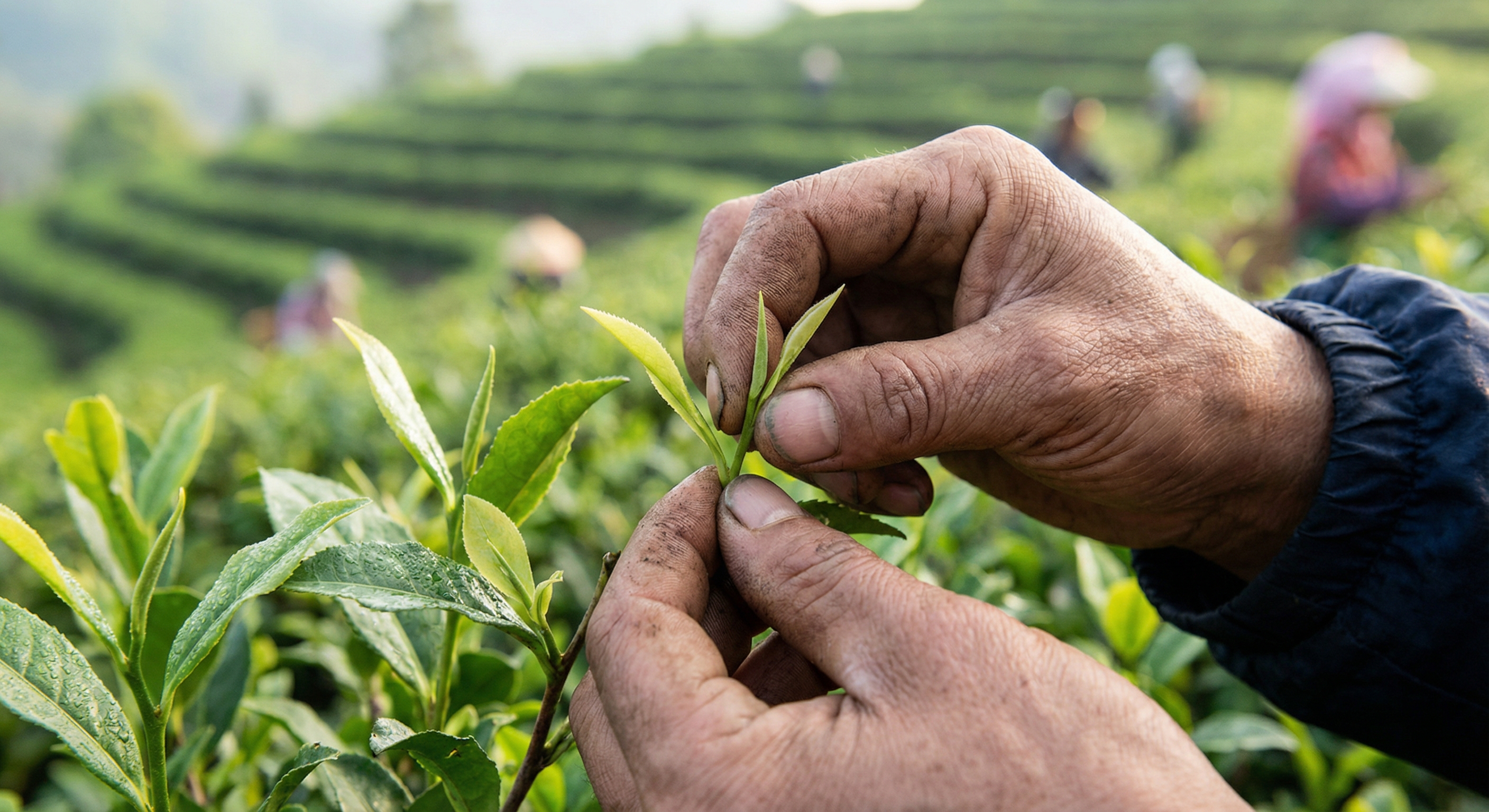
The timing and method of the harvest dictate the market value and grade of the matcha. The “first flush,” occurring in early May, represents the pinnacle of quality. During this window, the leaves are at their most tender and nutrient-dense.
For the highest grades, only the top two leaves (the bud and the first leaf) are selected. These young leaves contain the highest concentration of L-theanine. While hand-picking is the traditional gold standard for ceremonial grades, modern mechanical harvesting in large-scale Chinese and Japanese plantations has evolved to maintain high quality while ensuring the volume required for Bulk Matcha Wholesale Solutions .
Summary: Harvest Impact on Grade
- First Flush (May): Highest grade, intense umami, vibrant green.
- Second Flush (June/July): Lower amino acids, increased bitterness, suitable for culinary use.
- Autumn Harvest: Industrial grade, duller color, used primarily in mass-produced food items.
Does steaming preserve the color of matcha plants?
Once harvested, the tea leaves must be processed immediately to prevent oxidation. Unlike black tea, where leaves are allowed to ferment, matcha requires an immediate “kill-green” step. This is achieved through high-temperature steaming.
Steaming halts the enzymatic activity (enzymatic browning) that would otherwise turn the leaves brown. This 15 to 20-second process locks in the emerald hue and preserves the delicate antioxidants. For those Sourcing Culinary Grade Matcha , the precision of this step is what ensures your baked goods or lattes maintain a bright, appealing color.
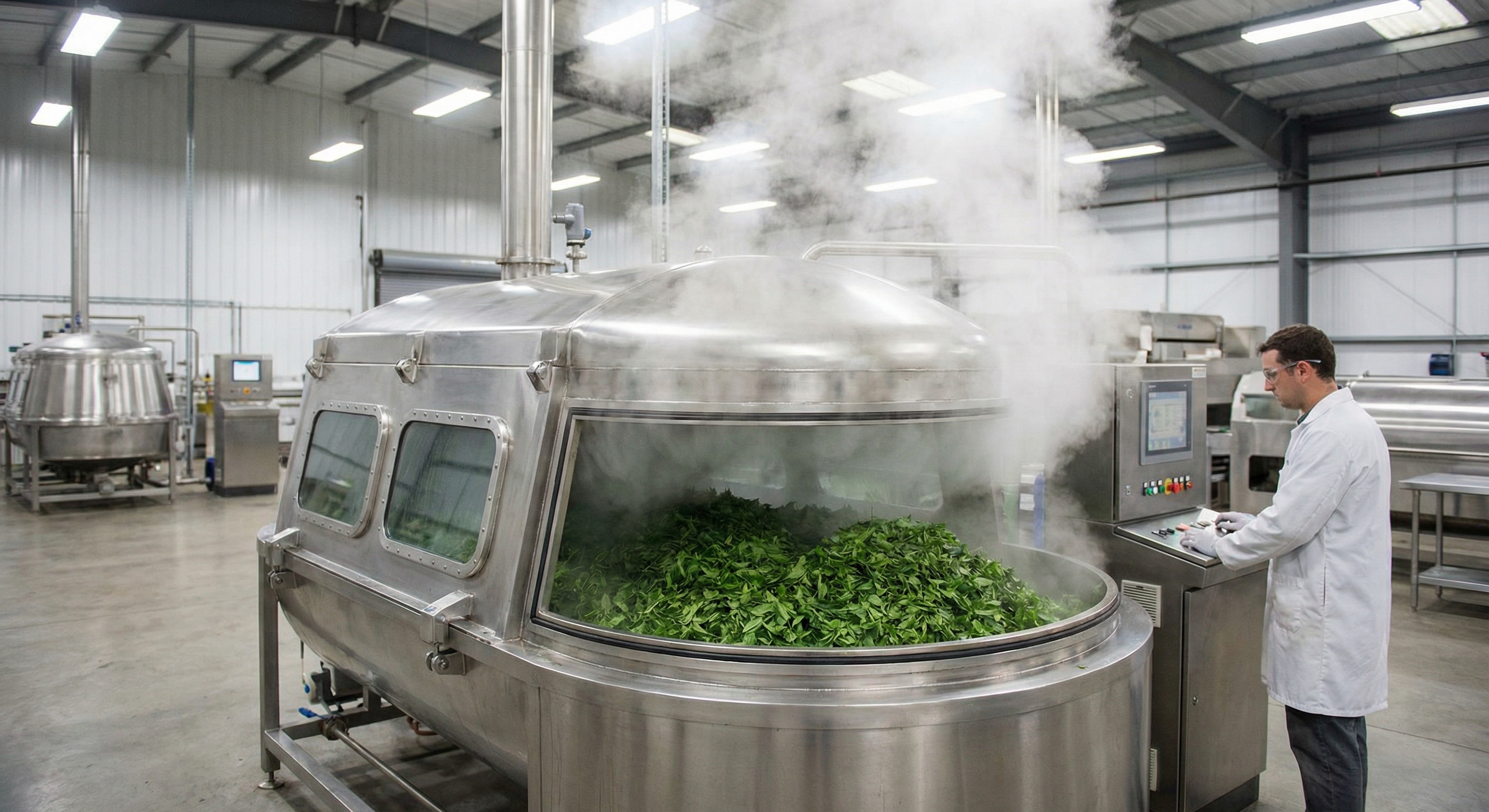
Strategic Consideration: Rushed or uneven steaming can lead to “off-flavors” or a grassy scent that is too aggressive for most consumer palates.
How does drying transform harvested matcha plants?
After steaming, the leaves are moved to multi-stage drying chambers. This is a delicate phase; the goal is to remove moisture without “toasting” the leaves. Traditional drying uses wind tunnels where the leaves are blown upward to ensure even exposure to heat.
The result of this process is an intermediate product called Tencha. Before it can be ground, the Tencha must undergo a rigorous de-stemming and de-veining process. Only the pure “meat” of the leaf remains, which is essential for achieving the silk-like texture of the final powder.
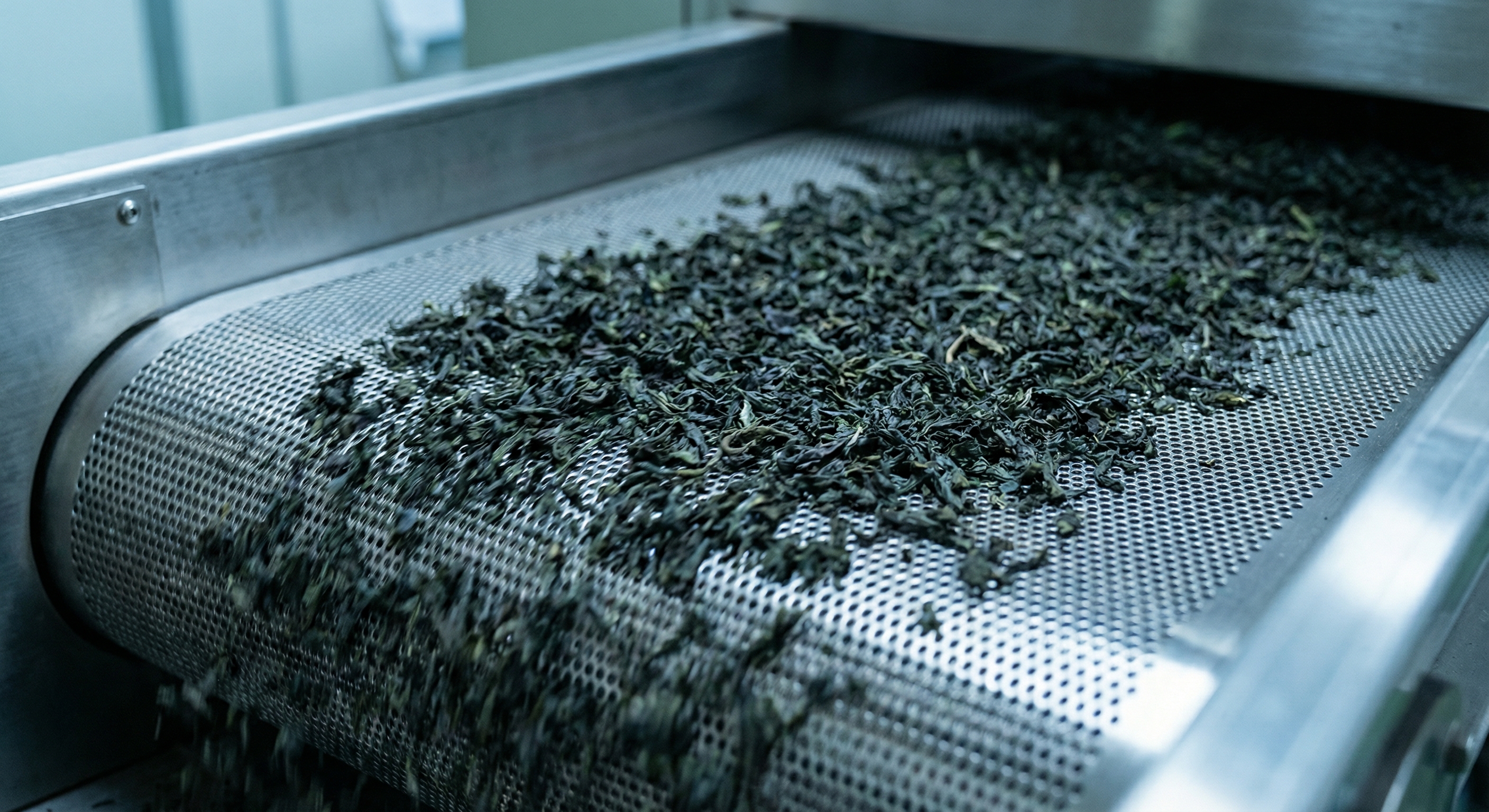
When you Order Premium Grade Matcha , you are essentially paying for the precision of this Tencha preparation. High-quality Tencha is brittle, deep green, and free of any fibrous stem material.
Why is slow grinding vital for matcha plants?
The final transformation from Tencha to matcha powder occurs through milling. In the premium sector, granite stone mills are the industry standard. These mills rotate slowly—often producing only 30 grams of powder per hour.
The Physics of Friction HeatIf the mills spin too fast, the friction generates heat. This heat scorches the powder, destroying the delicate chlorophyll and turning the matcha from emerald to a dull army green. Slow grinding ensures the powder remains cool, preserving its nutritional integrity and flavor.
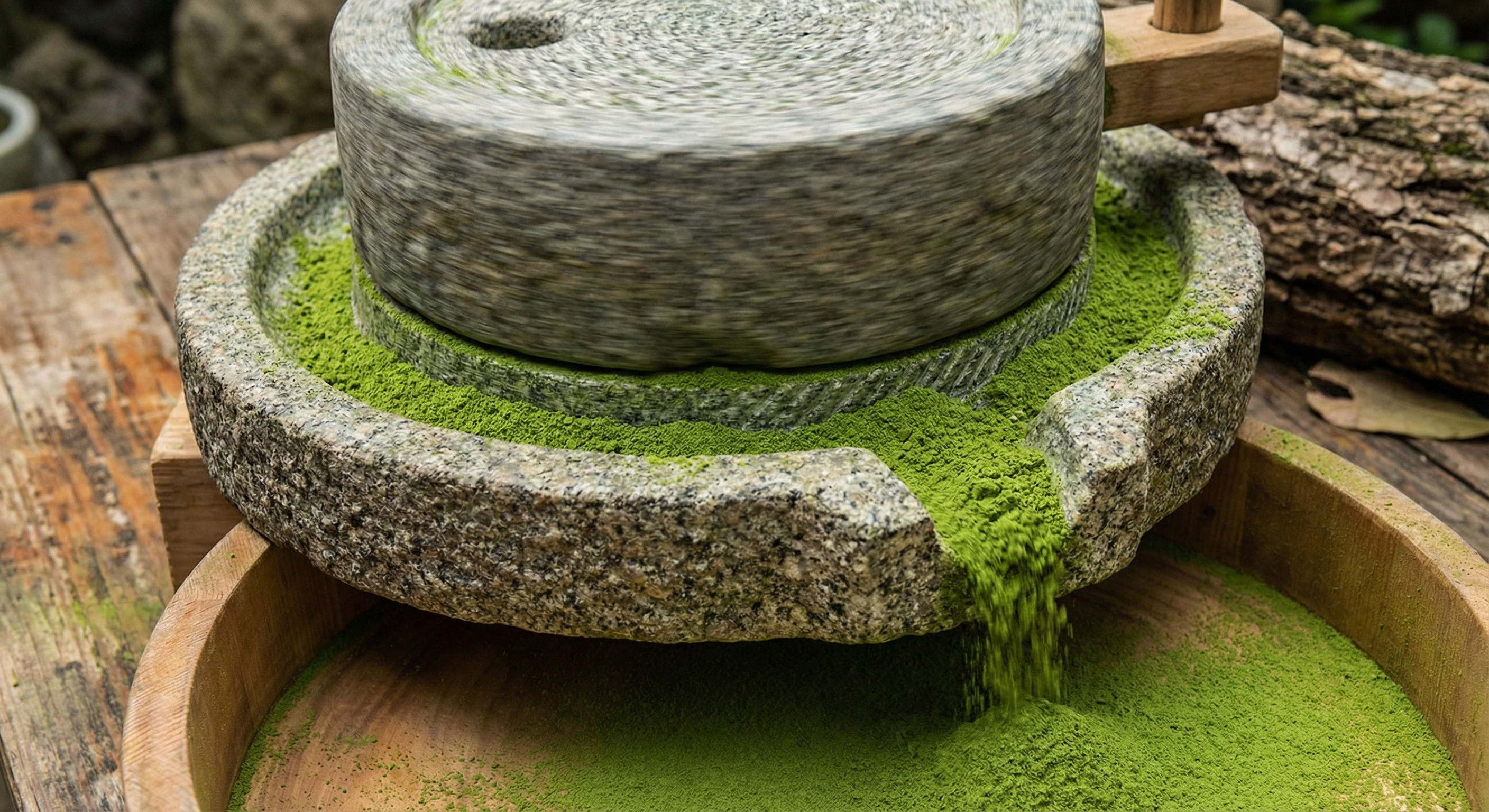
While ball milling is used for lower-grade culinary powders to increase efficiency, you should consult a Comprehensive Matcha Tea Grades Guide to understand when stone-ground quality is necessary for your brand.
How does Chinese matcha differ from other matcha plants?
The global market has seen a significant rise in Chinese matcha production. China offers unique advantages in terms of scalability and cost-effectiveness, particularly for the food and beverage industry.
Scale and EfficiencyChinese plantations, particularly in provinces like Zhejiang, utilize vast terraced landscapes that allow for larger-scale operations. While Japan focuses on traditional small-batch ceremonial grades, Chinese producers have mastered the art of high-volume processing. This makes Chinese matcha an ideal candidate for Private Label Branding for Chinese Matcha where competitive pricing and consistent supply are paramount.
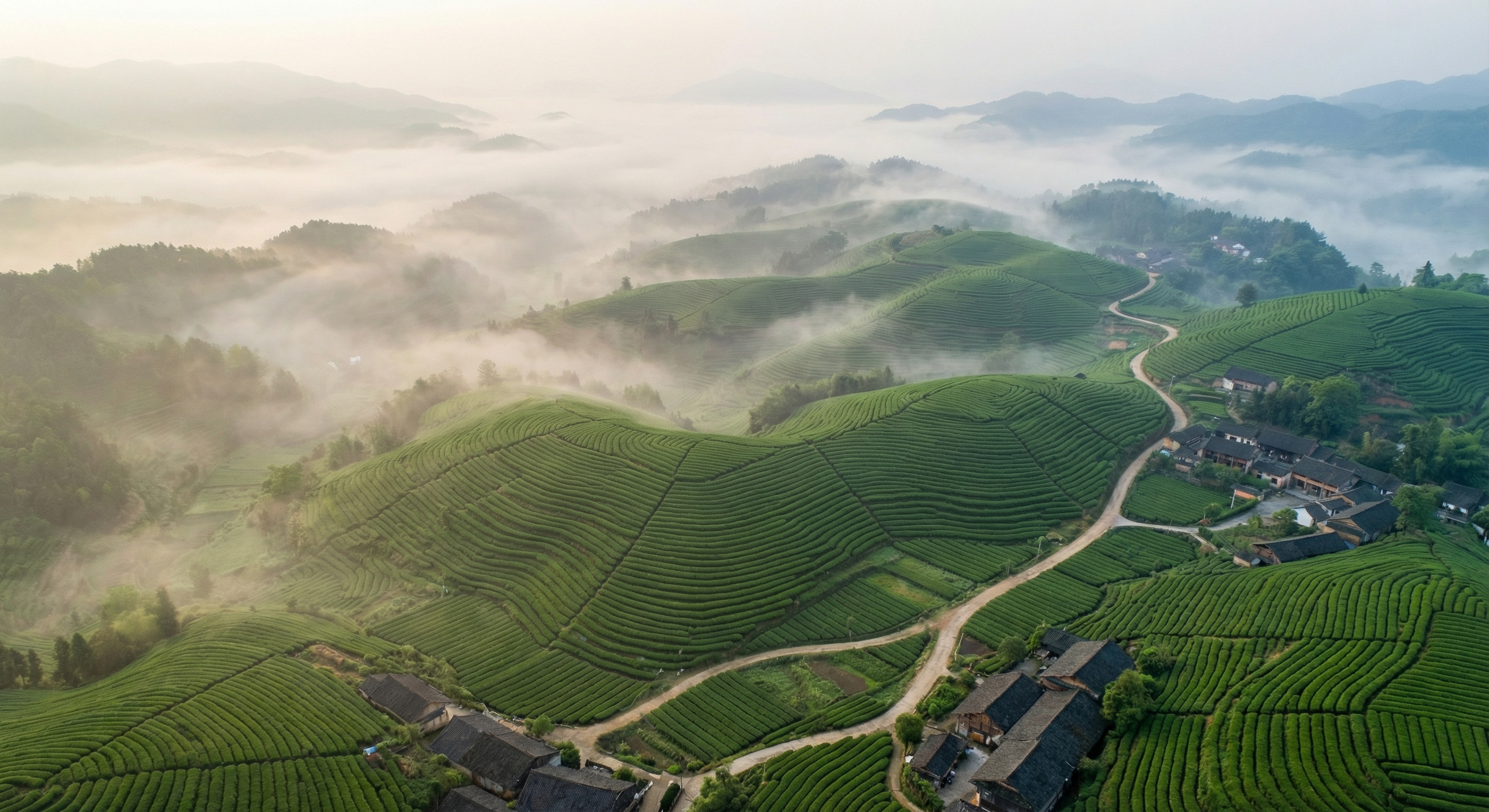
Table 2: Regional Comparison for B2B Sourcing
Feature | Japanese Origins | Chinese Origins |
|---|---|---|
Typical Scale | Small to Medium | Large / Industrial |
Price Point | Premium / High | Competitive / Value |
Best Use | Traditional Tea Ceremony | Lattes, Baking, Supplements |
Scalability | Limited | High |
How to master quality selection for matcha plants?
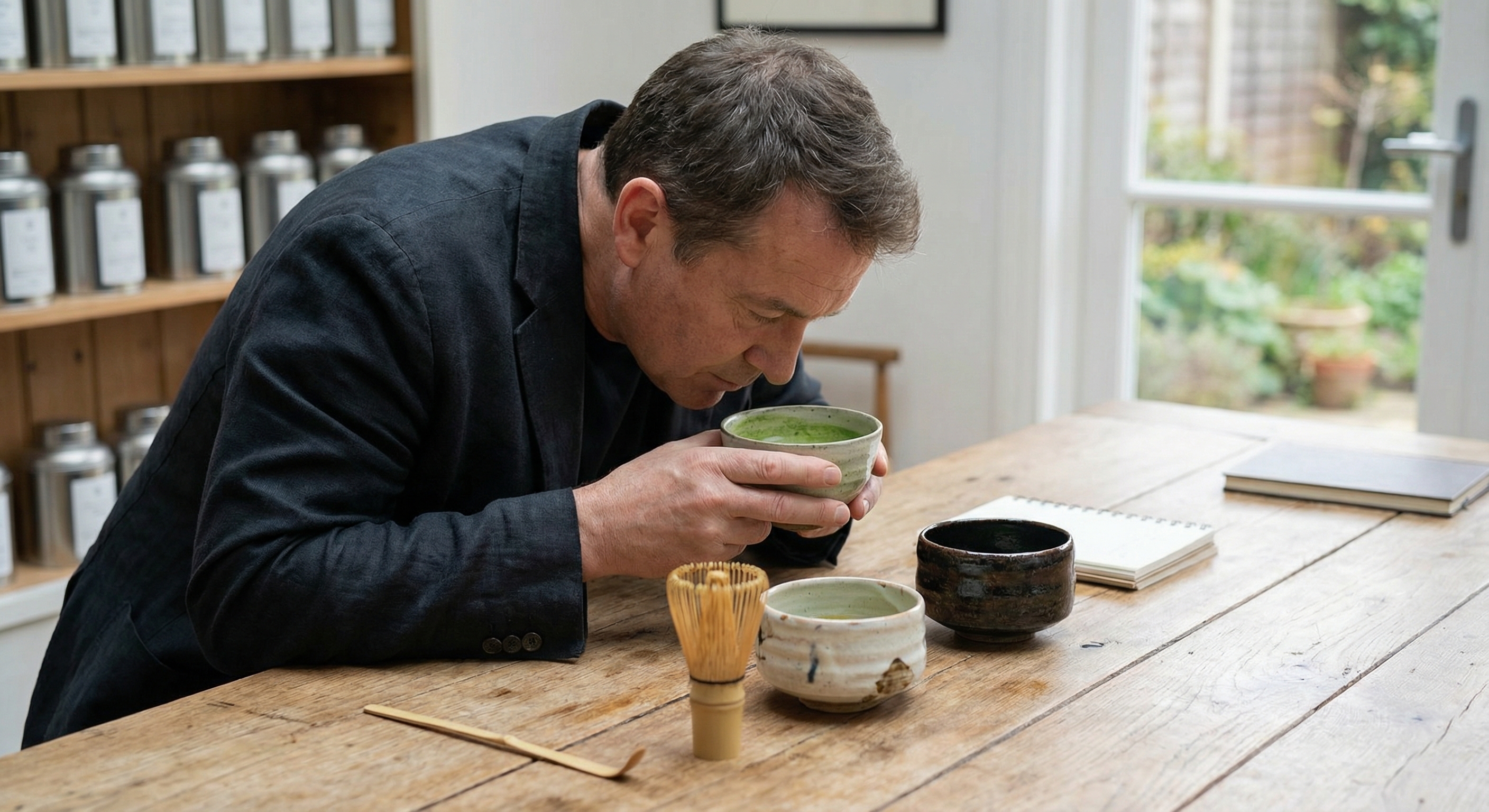
As a B2B buyer, you must move beyond marketing claims and rely on sensory and analytical benchmarks. When you Inquire About Bulk Matcha Wholesale , always request samples and a recent Certificate of Analysis (COA).
Sensory Benchmarks for Buyers:
- Color: Look for a vibrant “electric” green. Avoid anything with yellow or brown undertones.
- Texture: The powder should be between 5-10 microns. It should feel like fine cornstarch or eyeshadow, not gritty.
- Frothability: When whisked, high-quality matcha should produce a thick, creamy foam with tiny, uniform bubbles.
- Flavor: The initial taste should be umami-rich and savory, followed by a lingering sweetness.
Which grades are produced from matcha plants?
Not all matcha is created equal, and using the wrong grade can lead to unnecessary costs. Businesses must match the grade to the application to optimize their ROI.
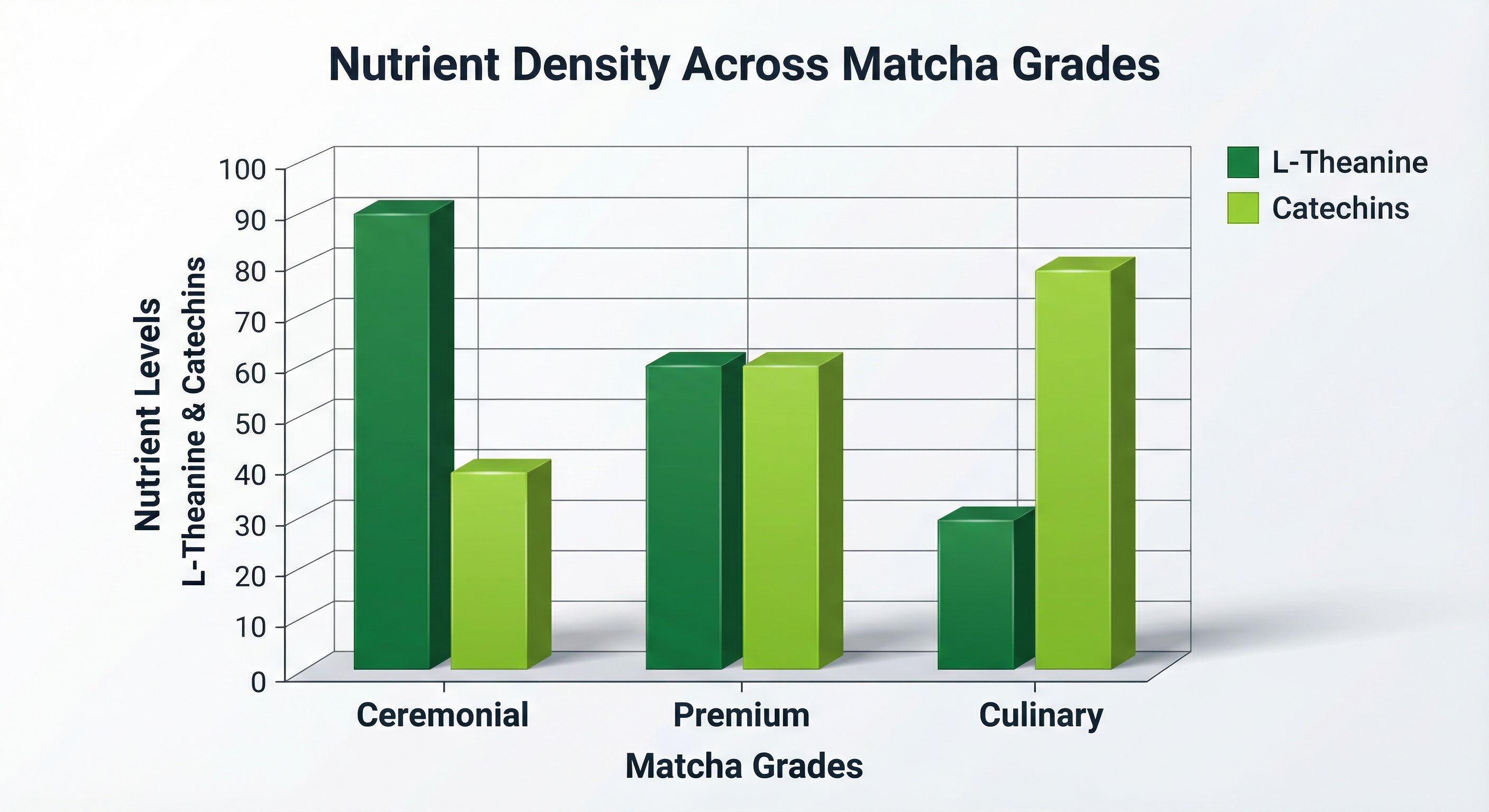
- Ceremonial Grade: Highest quality, intended for drinking with water only. Maximum L-theanine and color.
- Premium Grade: A versatile “middle” tier. Excellent for high-end lattes where the matcha flavor must cut through milk without being bitter.
- Culinary Grade: Higher in catechins (antioxidants) and more astringent. Designed to be paired with sugar and fats in baking or smoothies.
Understanding the Best Uses for Culinary Grade Matcha can save you significant overhead while still delivering a product that meets consumer expectations for color and “green tea” flavor.
What is the future of sustainable matcha plants?
Sustainability is no longer a luxury; it is a market requirement. Modern consumers, particularly in the EU and US, demand transparency regarding pesticide use and environmental impact.
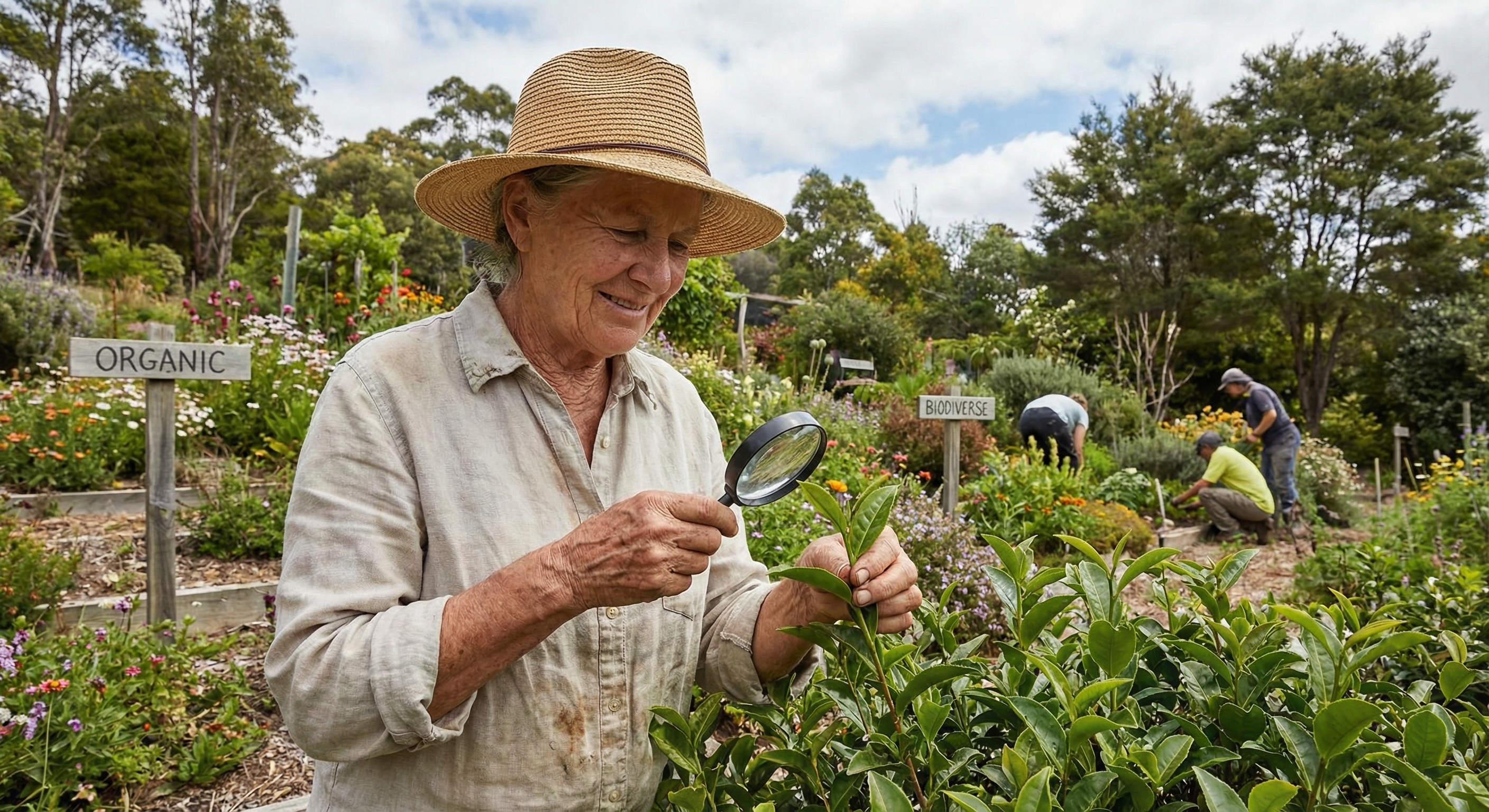
The industry is currently transitioning toward organic cultivation methods. This involves using natural fertilizers and biological pest control to protect the genetic diversity of the tea gardens. When sourcing, look for Premium Grade Matcha and Sustainability certifications to future-proof your brand against evolving regulations.
Key Takeaway: Ethical sourcing and organic certification are becoming the primary drivers for high-end retail placement.
FAQ: Professional Procurement
Can I verify if the matcha was stone-ground or ball-milled?Yes. Stone-ground matcha has a more uniform particle size (approx. 5-10 microns) and will feel significantly smoother between the fingers. Ball-milled powder often feels slightly more abrasive.
Can I request specific moisture levels for bulk culinary orders?Absolutely. For industrial applications, moisture levels are typically kept below 5% to ensure shelf stability and prevent clumping in dry mixes.
Can I get custom packaging for private label matcha plants?Most B2B suppliers offer custom nitrogen-flushed tins, pouches, or sticks to preserve freshness from the factory to the end consumer.
Can I source organic-certified matcha from Chinese plantations?Yes. Many Chinese regions have adopted rigorous EU and USDA organic standards to meet the growing demand for sustainable, clean-label products.
Can I test for heavy metals and radiation before the product ships?Reputable wholesalers provide a Certificate of Analysis (COA) for every batch, detailing tests for lead, arsenic, mercury, and radiation levels.
Final Summary Table: The Production Journey
Stage | Process Name | Objective | B2B Impact |
|---|---|---|---|
1 | Shading | Chlorophyll & L-theanine boost | Dictates Color/Umami intensity |
2 | Harvesting | Selective first flush picking | Determines Grade & Purity level |
3 | Steaming | Enzymatic oxidation halt | Locks in Freshness & Nutrients |
4 | Drying | Tencha creation | Ensures Stability & Shelf life |
5 | Grinding | Stone milling micronization | Creates signature Texture & Mouthfeel |
If you are ready to elevate your product line with high-quality, sustainably sourced matcha, please contact us for detailed specifications and wholesale pricing.