
Picture yourself standing in line at a bustling cafe, staring at the menu board. You see “Sencha,” “Matcha Latte,” and “Green Tea” listed. They are all green, they all originate from the Camellia sinensis plant, but the price points and descriptions vary wildly.
It is frustrating to invest in a premium drink or health supplement only to find it doesn’t offer the flavor profile or the nutrient density you were expecting. Choosing the wrong type can mean missing out on the potent antioxidants or the calm energy boost you need to get through the day.
Understanding the nuances of these superfoods is key to unlocking their full potential. While they share a genetic origin, their cultivation, processing, and consumption methods create two entirely distinct products. This guide breaks down the critical differences to answer the question: What’s the Difference Between Matcha and Green Tea? so you can make informed choices for your palate and your health.
1. What Is the Fundamental Difference Between Matcha and Green Tea?
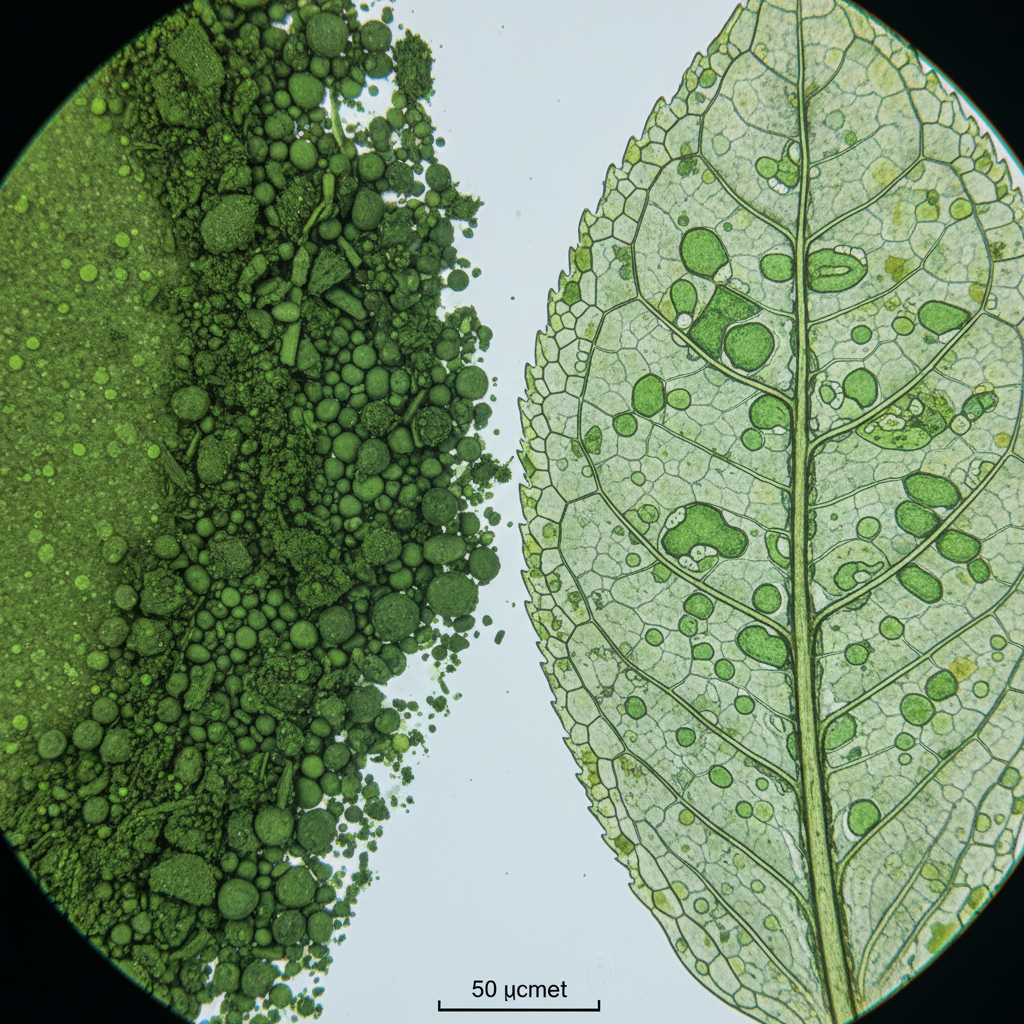
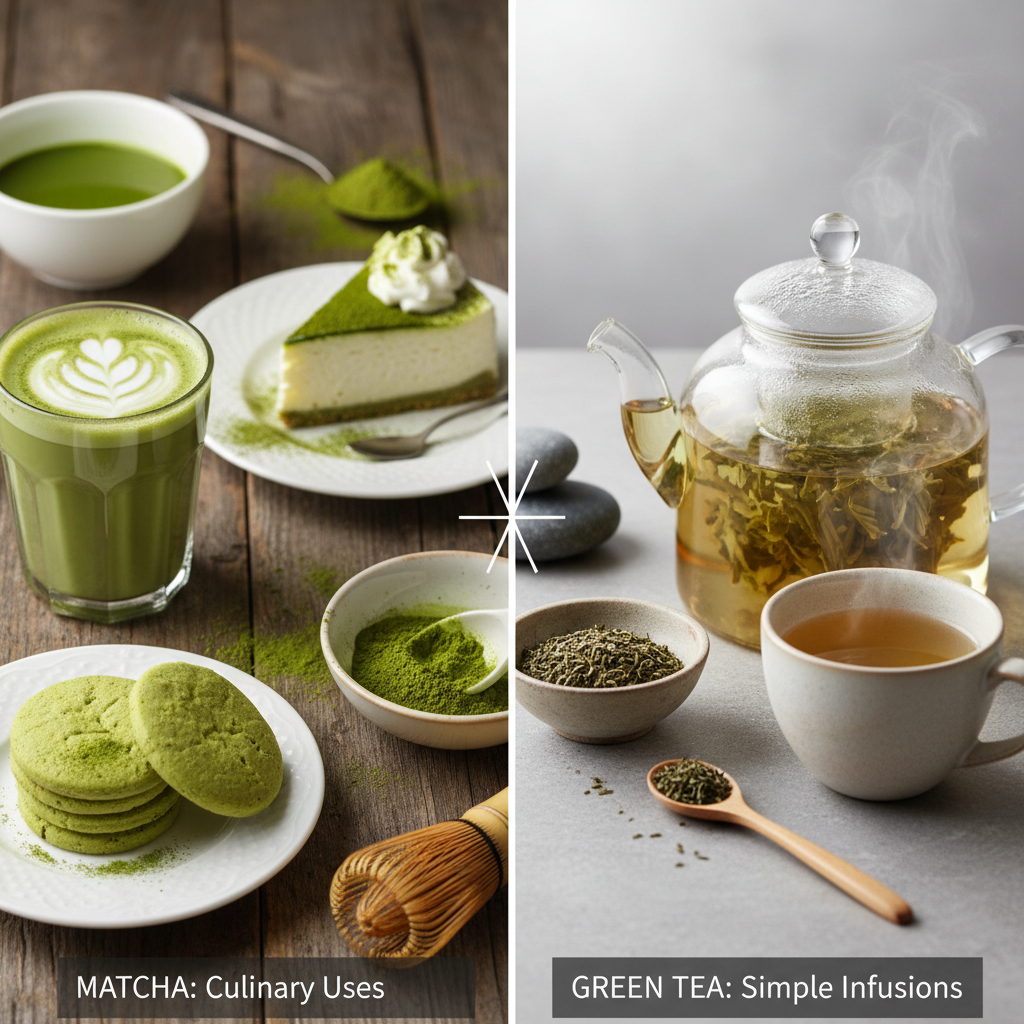
The primary distinction between matcha and standard green tea lies in how you consume the plant. When you drink traditional green tea (like Sencha), you are drinking an infusion. The leaves are steeped in hot water, extracting only the water-soluble compounds, after which the leaves—and the majority of their nutrients—are discarded.
Matcha, conversely, is the consumption of the whole leaf. The name “Matcha” literally translates to “ground tea.” The leaves are stone-ground into a microscopic powder that is whisked into water. This means you ingest 100% of the leaf’s components, including insoluble fibers and nutrients that would otherwise be left in the teapot.
Texture and Suspension
Because matcha is a suspension rather than a solution, the texture is fundamentally different. Green tea is a clear, light-bodied liquid. Matcha, when prepared correctly, is a full-bodied, opaque beverage with a creamy mouthfeel and a layer of froth. This difference in physical state dictates how the body absorbs the nutrients, leading to a more potent physiological effect from matcha.
2. How Does Shading Affect the Growth of the Plant?
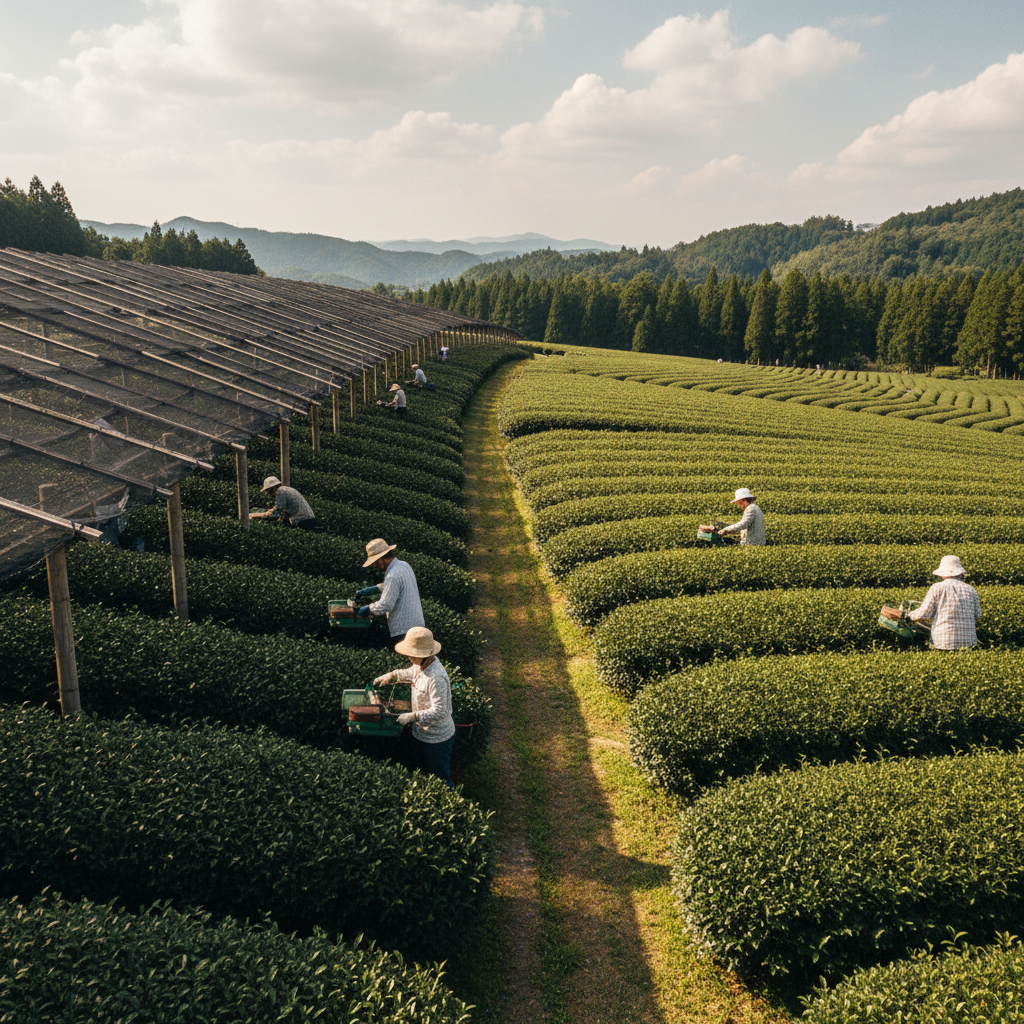
While standard green tea is typically grown under the full sun, matcha undergoes a rigorous shading process that fundamentally alters its chemical composition.
The 3-Week Shading Process
Approximately three weeks (20 days) before harvest, matcha tea plants are covered with shade nets, bamboo mats, or tarps to block out direct sunlight. This forces the plant to struggle for survival, triggering a massive overproduction of chlorophyll as it attempts to capture as much light as possible. This is why high-quality ceremonial grade matcha possesses an electric, vibrant green color, whereas standard green tea often appears duller with brownish tones.
Boosting L-Theanine Levels
The darkness does more than just change the color; it changes the chemistry. The lack of sunlight prevents the amino acid L-Theanine from converting into catechins (which are responsible for bitterness). Consequently, shade-grown matcha retains high levels of L-Theanine, which contributes to the tea’s savory “umami” flavor and its ability to induce relaxation. Sun-grown green tea, having converted more of its amino acids, tends to have a more astringent, earthy profile.
3. How Does Processing Change the Final Product?
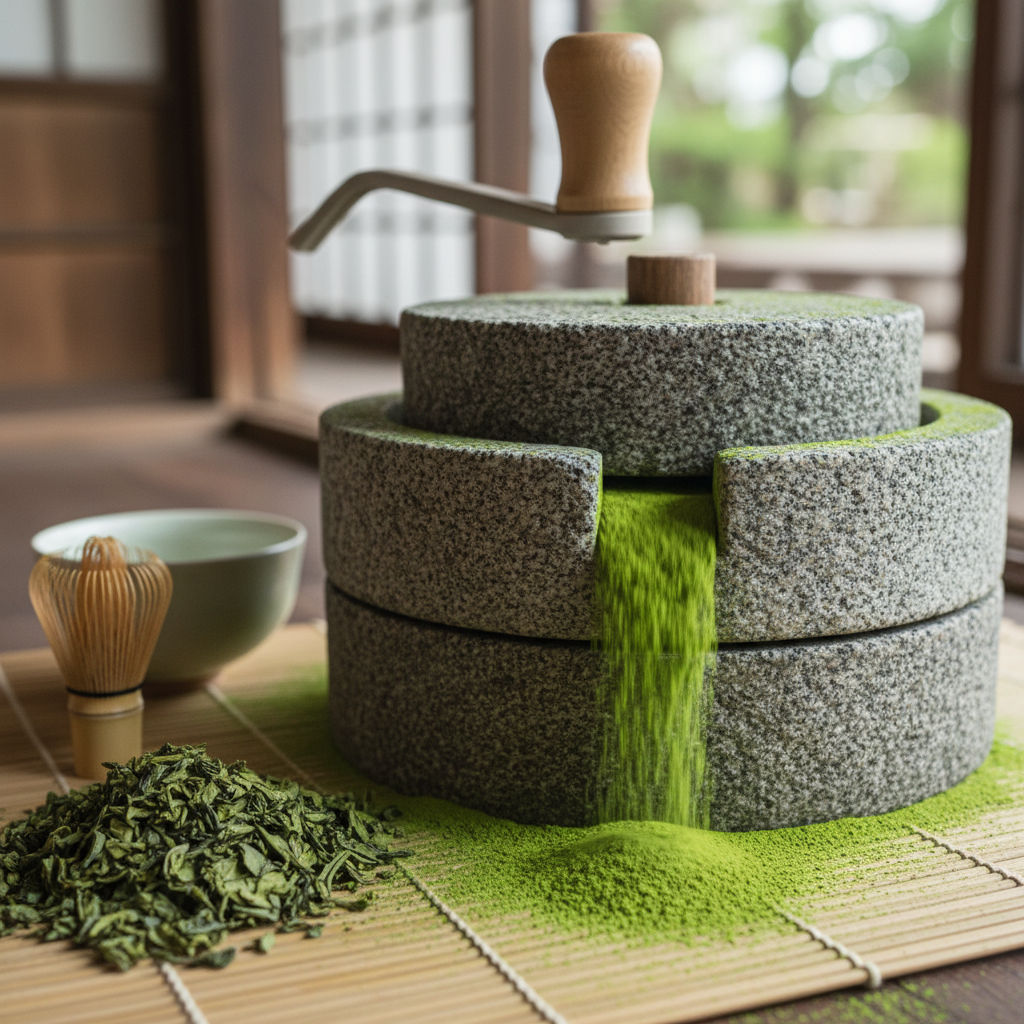
Once harvested, the processing pathways for green tea and matcha diverge immediately to preserve their distinct characteristics.
Steaming to Halt Oxidation
Both teas are steamed immediately after harvesting to stop the enzymatic oxidation process (fermentation). This locks in the green color and nutritional profile. However, while loose-leaf green tea is then rolled and dried to shape the leaves, matcha undergoes a more labor-intensive process.
De-stemming and De-veining (Tencha)
For matcha, the steamed leaves are dried and then stripped of all stems and veins, leaving only the pure, fleshy part of the leaf. This raw material is known as Tencha. The removal of fibrous stems ensures the final powder is smooth and not gritty.
Stone Grinding Technology
The Tencha is then ground into a fine powder using granite stone mills. This is a slow, delicate process; grinding too fast would generate heat and burn the delicate leaves, ruining the flavor. Advanced electric ball grinding technologies are also used in modern production to maintain low temperatures while achieving a particle size of 5 to 10 microns. This results in a powder fine enough to dissolve seamlessly into water or milk.
4. Which Option Packs More Antioxidants and EGCG?
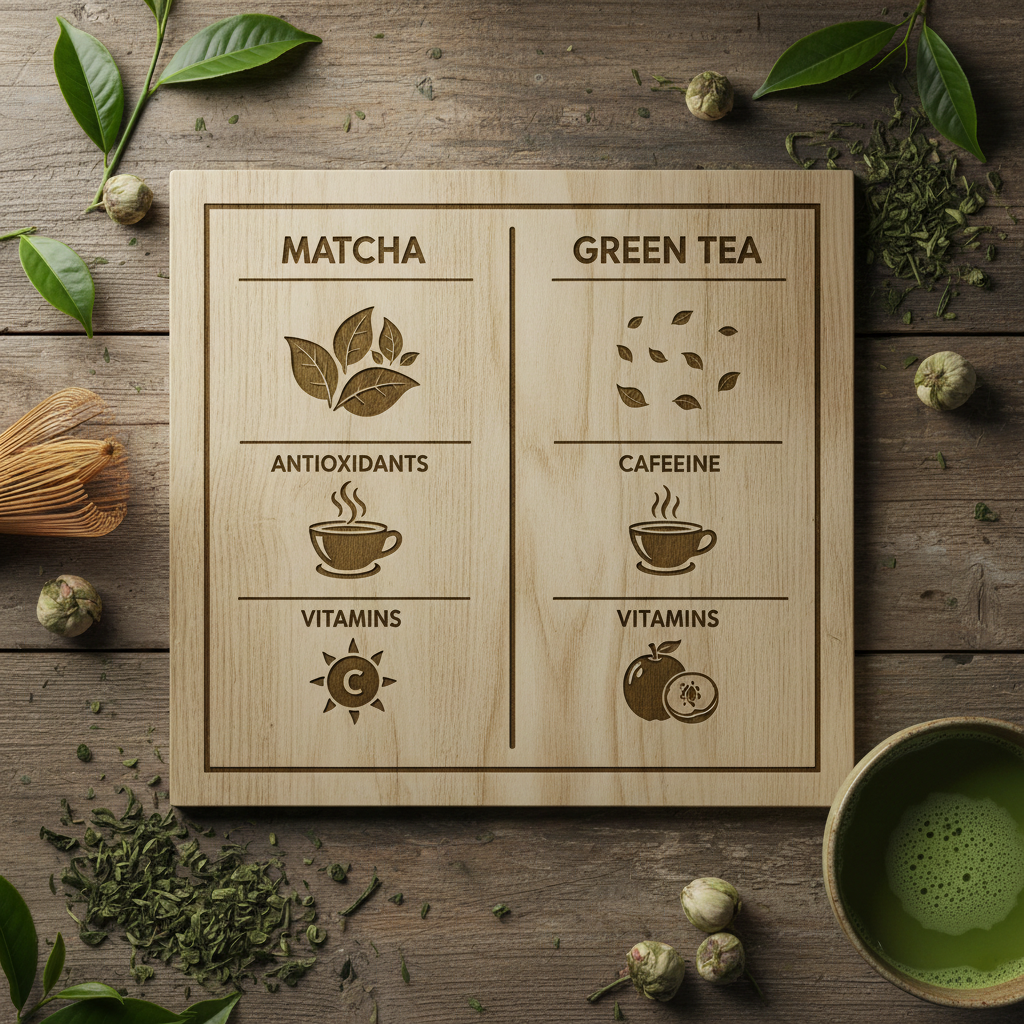
If you are drinking tea for health benefits, the difference in potency is staggering. Because you consume the entire leaf with matcha, the nutrient intake is exponentially higher than that of steeped tea.
Consuming 100% of the Nutrients
Scientific analysis compares the nutrient yield of matcha against steeped green tea:
- Antioxidants: One cup of matcha can contain up to 134 milligrams of antioxidants, compared to roughly 63 milligrams in green tea.
- Tannins: Matcha contains approximately 99 mg vs. 7 mg in green tea.
- Amino Acids: Matcha offers around 45 mg vs. 3 mg in green tea.
The Power of Catechins
Matcha is particularly rich in EGCG (epigallocatechin gallate), a catechin known for its cancer-fighting, metabolism-boosting, and anti-inflammatory properties. When you steep green tea, many of these fat-soluble nutrients and antioxidants remain trapped in the discarded leaf. By drinking the suspended powder of matcha, you maximize the bioavailability of these compounds.
5. How Does the Caffeine Kick Differ Between Them?

For those seeking an energy boost, matcha is the superior choice, though it operates differently than coffee or standard tea.
Calm Alertness vs. Jitters
A typical 8oz cup of green tea yields between 15-48mg of caffeine. In contrast, a bowl of matcha can contain approximately 280mg of caffeine (depending on concentration), which is significantly higher. However, the experience of this caffeine is modified by L-Theanine.
The Synergy of Caffeine and L-Theanine
L-Theanine is an amino acid that promotes alpha brain wave activity, which induces a state of relaxation without drowsiness. When combined with caffeine, it smoothes out the “jitters” often associated with high caffeine intake. This results in a state of “calm alertness”—a sustained period of focus and energy that can last 4-6 hours, rather than the spike-and-crash cycle associated with coffee or lower-grade teas.
6. What Distinguishes the Flavor Profile and Aroma?
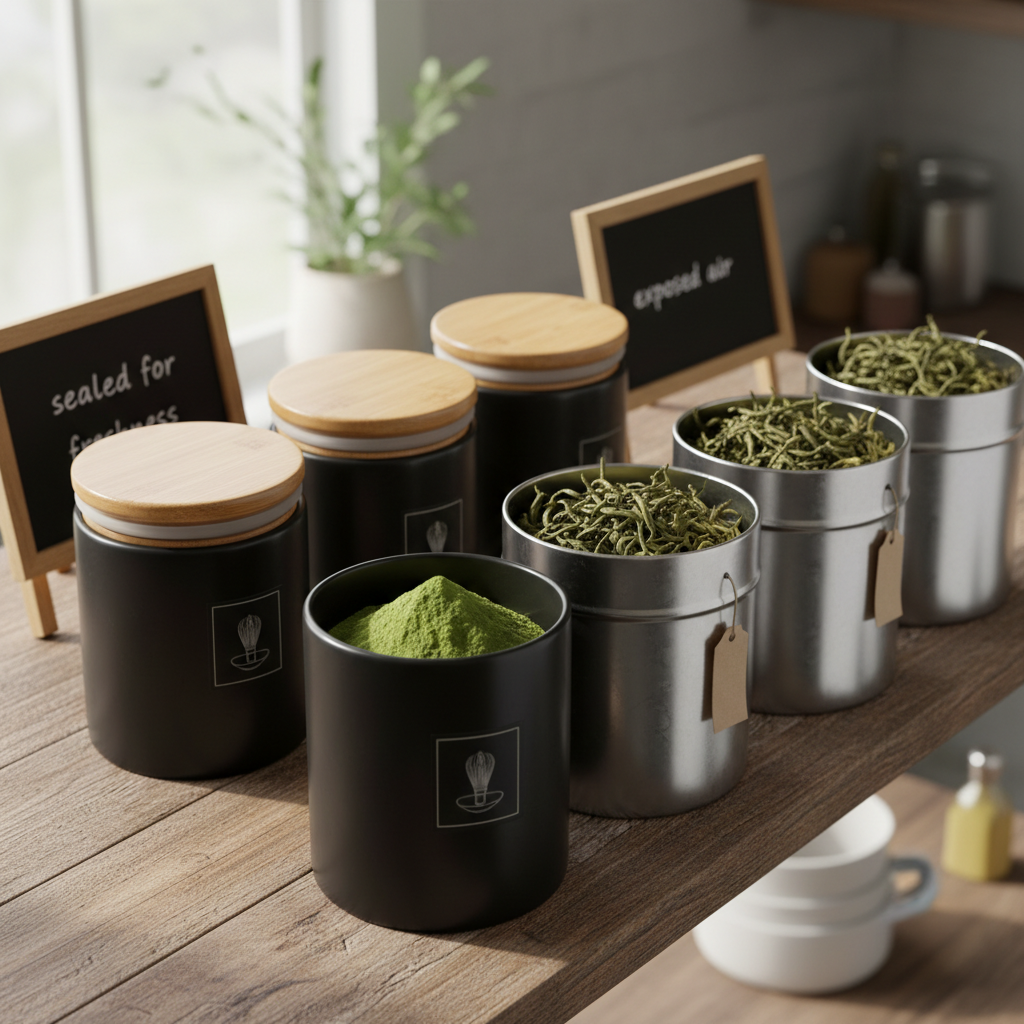
The flavor profiles of matcha and green tea are as distinct as their processing methods.
Umami vs. Astringency
- Green Tea: Generally possesses a light, fresh profile. Depending on the variety (e.g., Gunpowder vs. Sencha) and steep time, it can have grassy, floral, or earthy notes. If steeped too long or at too high a temperature, tannins are released, causing astringency and bitterness.
- Matcha: High-quality matcha is defined by Umami—a savory, rich, almost broth-like creaminess. It should have a vegetal sweetness and very little bitterness. The texture is thick and frothy.
Sweetness from Amino Acids
The shading process used for matcha preserves the amino acids that provide sweetness. Lower quality matcha, often harvested from leaves lower on the bush or harvested later in the season (Second Harvest), will lack this sweetness and taste significantly more bitter, often requiring sweeteners to be palatable.
7. How Do Preparation Rituals Vary?
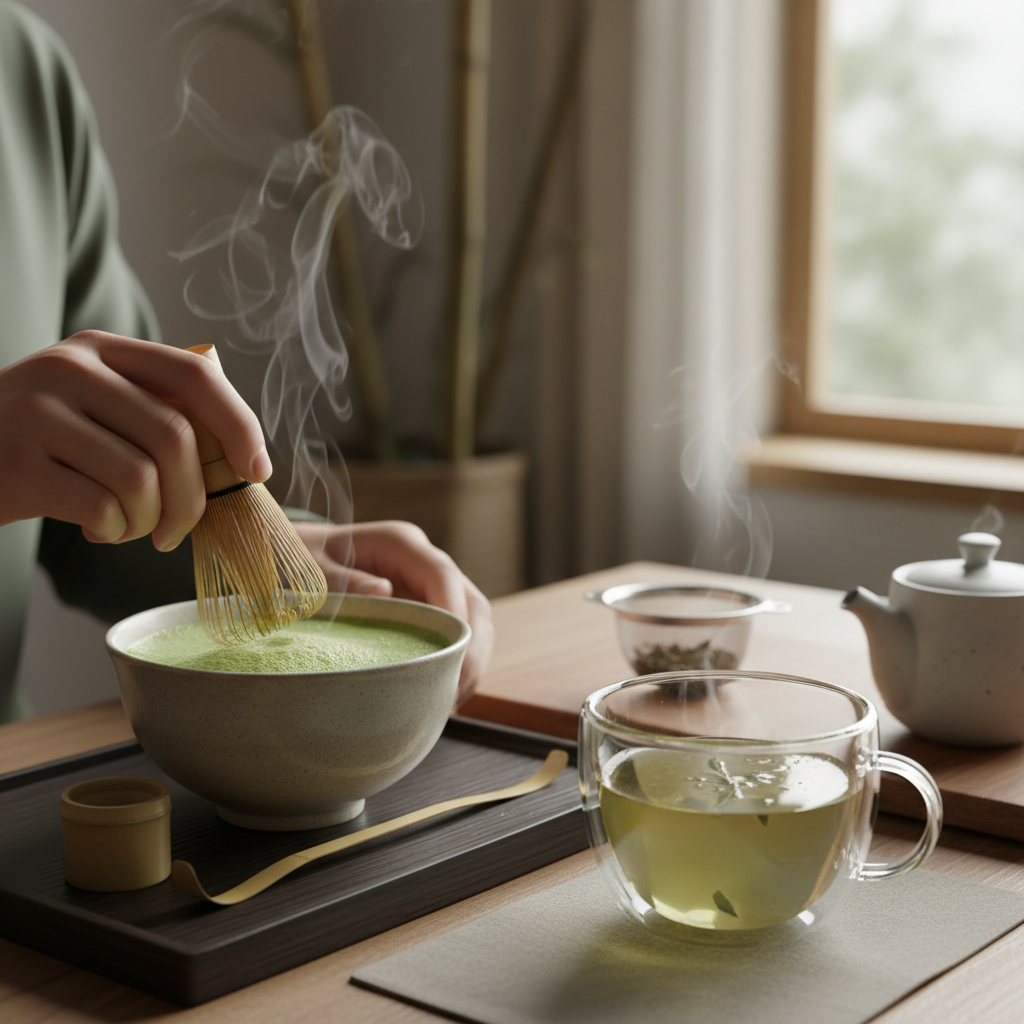
The preparation of these teas reflects their cultural and physical differences.
The Art of Whisking (Chasen)
Matcha requires specific tools, most notably the Chasen (bamboo whisk). The powder is sifted into a bowl, hot water (never boiling, usually 175°F/80°C) is added, and it is whisked vigorously in a “W” motion to aerate the tea and create a thick froth. This suspension ensures the powder is evenly distributed. You can explore various matcha accessories to perfect this ritual.
Steeping Temperatures and Times
Green tea preparation is more passive. Leaves are submerged in hot water (180°-185°F) for about 3 minutes. Precision is key; water that is too hot will burn the leaves, releasing excessive tannins. Unlike matcha, high-quality green tea leaves can often be re-steeped 2-3 times, with the flavor profile evolving with each infusion.
8. How Do Tea Grades Impact Your Experience?
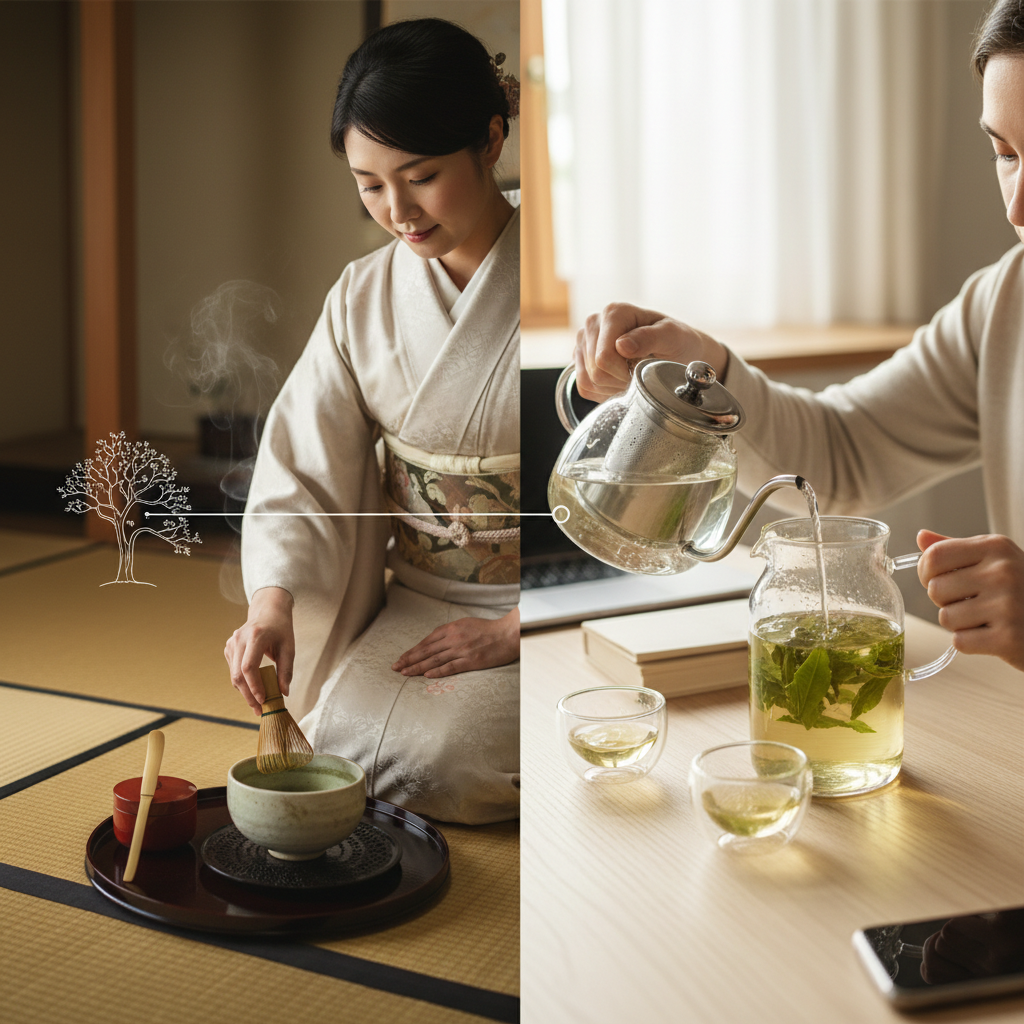
While “green tea” is a broad category, matcha is strictly graded based on quality, intended use, and harvest time.
Ceremonial vs. Culinary Grades
- Ceremonial Grade: Harvested from the youngest, most tender leaves at the very top of the plant during the first harvest. It is meant to be drunk pure, whisked with water. It is vibrant green and naturally sweet.
- Culinary Grade: Harvested from older leaves lower on the stem. It has a more robust, astringent flavor and a duller green color. It is designed to be mixed with other ingredients in baking, smoothies, or lattes where the strong flavor can cut through sugar and dairy.
For businesses looking to source specific types, understanding wholesale matcha tea grades is essential to ensuring the right product is used for the right application.
9. Can These Teas Help Slow Down Aging?
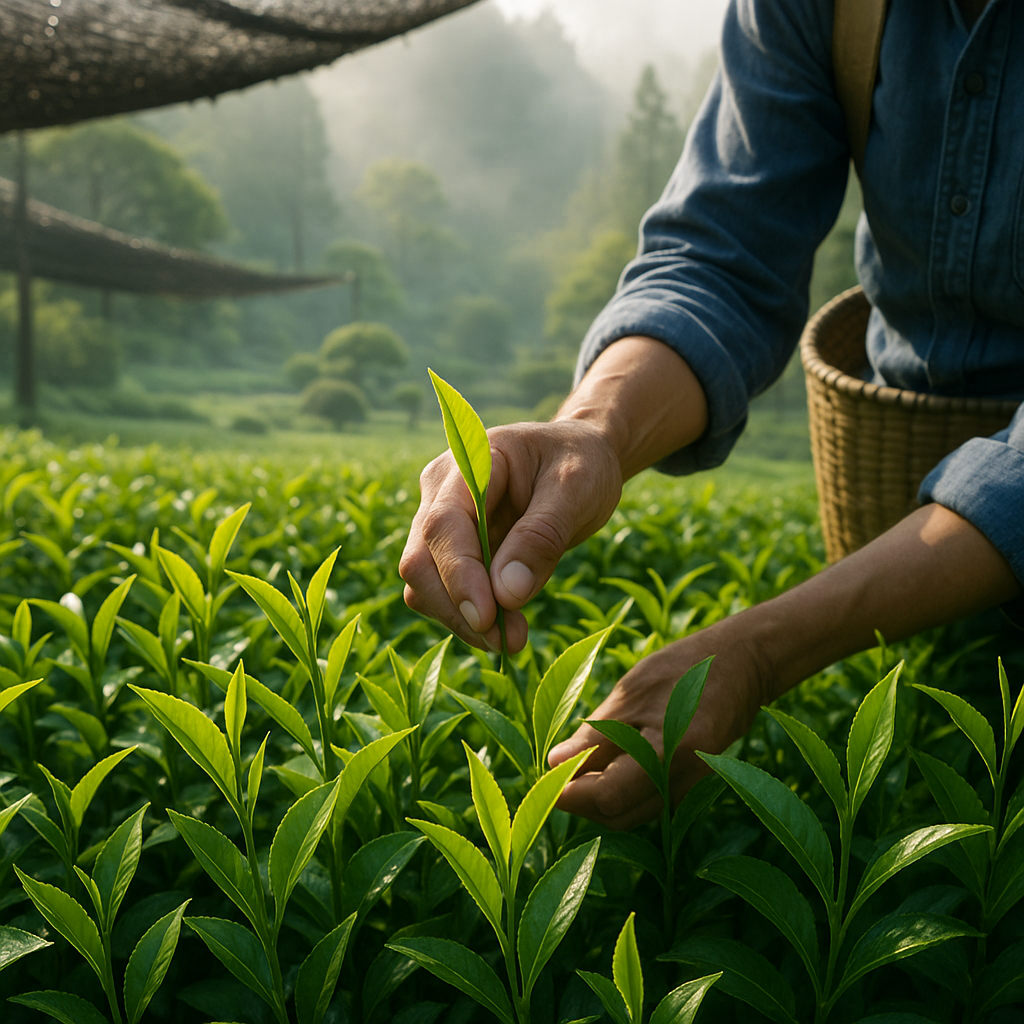
Both teas are often marketed as “fountains of youth,” but matcha’s concentration makes it a more effective anti-aging superfood.
Fighting Free Radicals
Oxidative stress caused by free radicals is a primary driver of aging skin and cellular breakdown. The catechins in matcha, specifically EGCG, act as scavengers that neutralize these free radicals. By reducing inflammation and oxidative stress, matcha supports cellular integrity.
Skin Elasticity and Collagen Support
Matcha’s high antioxidant profile aids in protecting the skin against UV damage and pollution. Furthermore, components in matcha have been linked to supporting collagen production, which maintains skin elasticity and firmness. The high chlorophyll content also aids in detoxification, helping the body eliminate heavy metals and chemical toxins that can contribute to premature aging.
10. Did Matcha Originate in China or Japan?
A common misconception is that matcha is exclusively Japanese. While the Japanese perfected the Tea Ceremony, the roots of powdered tea lie in China.
Roots in the Sui and Tang Dynasties
The practice of consuming powdered tea began in China during the Sui and Tang dynasties and flourished in the Song Dynasty. It was brought to Japan by Zen Buddhist monks like Eisai. Over time, as China moved toward steeping loose leaves (the method used for modern green tea), Japan maintained and refined the powdered tea tradition.
The Revitalization of Chinese Tradition
Today, China has revitalized its matcha production, combining ancient history with modern shading and grinding technologies. Regions located at the “golden latitude” of 30° North provide ideal growing conditions. Companies like Riching Matcha are now leading suppliers of organic matcha , offering premium products that rival Japanese counterparts, often with certified organic standards (EU/USDA).
Conclusion
While standard green tea and matcha both originate from the Camellia sinensis plant, they are distinct experiences. Green tea is an infusion—a light, refreshing beverage where nutrients are extracted and leaves are discarded. Matcha is a suspension—a nutrient-dense, whole-food experience where shading and stone-grinding preserve 100% of the leaf’s potential.
From the significant difference in antioxidant levels (134mg in matcha vs. 63mg in green tea) to the unique “calm alertness” provided by the synergy of L-Theanine and caffeine, matcha offers a functional advantage for those seeking health benefits. However, taste is subjective; the grassy lightness of a high-quality Sencha may be preferable to some over the rich, creamy umami of a ceremonial matcha.
You no longer need to be confused at the counter or the grocery store. Whether you choose the “whole leaf” benefit of matcha or the lighter infusion of green tea, you are taking a step toward holistic wellness.
Ready to experience the difference firsthand? Explore the premium selection of organic options or contact us today to request a sample for your business and discover the true depth of high-quality tea.
FAQ
Can I substitute matcha for green tea in recipes?Yes, but with adjustments. Because matcha is a powder and green tea is usually liquid or leaves, matcha adds color and a stronger flavor to baked goods without adding excess moisture.
Which one is better for weight loss?Matcha is generally considered more effective. Since you ingest the entire leaf, you receive a higher concentration of EGCG and catechins, which are compounds linked to boosting metabolism and fat oxidation.
Do they need to be stored differently?Yes, matcha is more sensitive. Matcha should be stored in an airtight container, preferably in the fridge, to preserve its vibrant color and nutrients, while loose green tea leaves are more stable in a cool, dark cupboard.
Is the caffeine content the same?No, matcha has significantly more caffeine. Because you are consuming the whole leaf powder suspended in water rather than a diluted infusion, a cup of matcha provides a much stronger energy boost than steeped green tea.