The best time to take matcha collagen is in the morning for sustained metabolic energy and daytime skin protection, or at night to facilitate deep cellular repair and tissue regeneration during your sleep cycle. Many wellness professionals and consumers feel frustrated by “collagen confusion,” where high-end supplements fail to deliver visible results simply because the timing of consumption is misaligned with the body’s natural rhythms. It is disheartening to invest in premium powders only to see fine lines persist or joint stiffness remain, especially when the root cause is often as simple as poor nutrient timing or competitive absorption. By mastering the chronobiology of your wellness routine, specifically the best time to take matcha collagen , you can finally synchronize bioactive peptides and antioxidants with your body’s peak physiological windows for maximum efficacy and transformation. Is morning the best time to take matcha collagen for energy?
Yes, the morning is widely considered the best time to take matcha collagen because it leverages the synergistic relationship between caffeine and L-theanine to provide a stable, long-lasting energy boost. Choosing the best time to take matcha collagen in the AM allows you to replace your standard acidic coffee with a nutrient-dense alternative that supports skin health from the moment you wake up. How does L-theanine enhance your morning focus?
Check this out: When you consume matcha in the early hours, the L-theanine works to modulate the brain’s alpha waves, providing a focused state without the jitters. This amino acid ensures that the caffeine release is slow and steady, preventing the mid-morning crash typical of other stimulants.
- Sustained cognitive performance.
- Reduced anxiety and stress levels.
- Improved alpha-wave brain activity.
You will find that this mental clarity is further supported by the protein content in the collagen peptides. These peptides provide the structural building blocks your brain and body need to start the day with physical resilience.
Can you replace coffee with matcha collagen daily?
Believe it or not: Switching your morning espresso for a matcha-infused collagen drink can significantly reduce the acid load on your digestive system. While coffee can cause a spike in cortisol, the antioxidants in matcha help stabilize your hormonal response as you begin your workday.
- Lower acidity for gut health.
- Richer antioxidant profile (EGCG).
- Balanced electrolyte delivery.
You should consider that collagen peptides are highly satiating, helping you manage morning hunger more effectively. This makes the morning ritual not just a beauty habit, but a functional weight management tool.
Key Takeaway: The morning is the ideal window for those seeking a functional energy source that doubles as a comprehensive skin and metabolic support system.
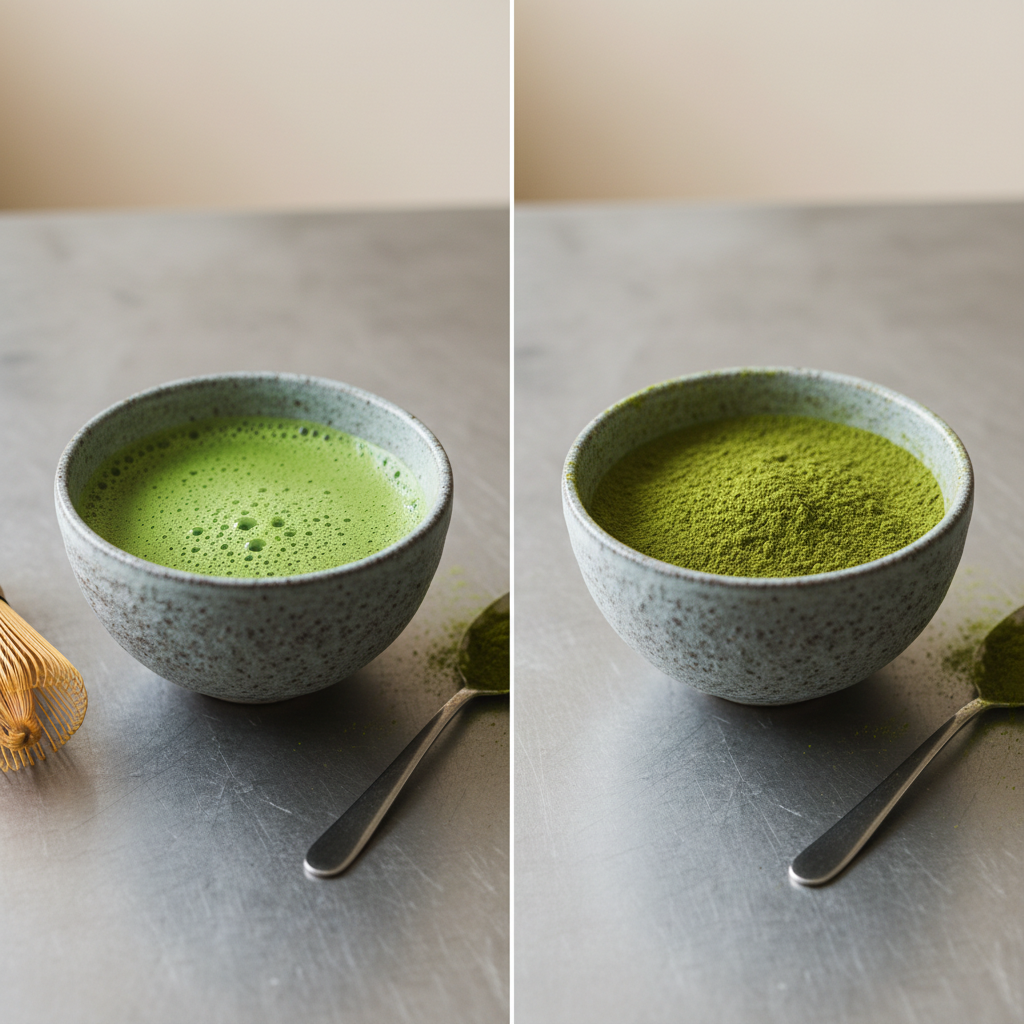
This comparison highlights why shifting your intake to the early hours maximizes both mental productivity and structural skin integrity.
How does the best time to take matcha collagen improve sleep?
The best time to take matcha collagen for sleep improvement is actually in the early evening, as this allows the L-theanine to promote relaxation before bed while the collagen supports nighttime tissue repair. Understanding the best time to take matcha collagen involves balancing the caffeine half-life with the time your body enters its primary growth hormone secretion phase.
Is matcha caffeine too strong for your evening?
Think about this: Matcha contains roughly one-third of the caffeine found in a cup of coffee, and its effects are significantly mitigated by its high L-theanine content. If you consume your supplement before 4:00 PM, you allow enough time for the caffeine to clear your system while retaining the relaxation benefits.
- Gradual caffeine metabolization.
- Non-disruptive to sleep latency.
- Promotes a calm nervous system.
You must listen to your personal caffeine sensitivity to ensure that your evening routine remains restorative. For many, a late-afternoon matcha provides the perfect transition from a high-stress workday to a peaceful evening.
Why does collagen need sleep to work properly?
The truth is: Your body performs the majority of its structural repair and collagen synthesis during the REM stages of sleep. By having peptides available in your bloodstream as you drift off, you provide the “raw materials” exactly when your fibroblasts are most active.
- Enhanced growth hormone synergy.
- Optimized dermal cell turnover.
- Improved hydration during rest.
You will likely notice that a consistent evening ritual leads to a more refreshed and “plump” appearance upon waking. This is the result of the body’s natural repair cycle being fully fueled by high-quality amino acids.
Key Takeaway: Timing your intake to the early evening ensures that the caffeine does not disrupt rest while the peptides are present for peak regeneration.
Managing this delicate balance allows you to enjoy the cognitive benefits of matcha without sacrificing the deep sleep required for true beauty results.
Can the best time to take matcha collagen boost your skin glow?
Yes, the best time to take matcha collagen to maximize your skin’s radiance is roughly 30 to 60 minutes before you face environmental stressors like UV rays and pollution. Integrating the best time to take matcha collagen into your pre-commute routine ensures that the potent antioxidants are circulating in your skin cells when they are most needed for protection. How do antioxidants protect your skin during the day?
Check this out: Matcha is exceptionally high in catechins, particularly EGCG, which act as a biological shield against oxidative stress caused by the sun. When you take these antioxidants in the morning, they work from the inside out to neutralize free radicals before they can damage your existing collagen fibers.
- Protection against UV damage.
- Reduced inflammation from pollution.
- Stabilization of the dermal matrix.
You can think of this as an internal sunscreen that complements your topical skincare regimen. By timing your intake strategically, you reinforce your skin’s first line of defense during the most active hours of the day.
Does Vitamin C pairing matter for your glow?
Wait, there’s more: To truly unlock that radiant glow, you should pair your matcha collagen with a source of Vitamin C. This nutrient is a vital co-factor in the process of collagen cross-linking, meaning your body cannot build new skin tissue effectively without it.
- Faster synthesis of new fibers.
- Improved skin tone and clarity.
- Enhanced antioxidant recycling.
You will see the best results if your matcha collagen ritual includes a squeeze of lemon or a side of berries. This simple addition multiplies the bioavailability of the peptides and ensures your skin remains resilient and bright.
Key Takeaway: Morning consumption provides the antioxidant defense needed to preserve skin elasticity and prevent premature aging from daily environmental factors.
This integrated approach ensures that you are not just adding collagen, but protecting it and building it more efficiently every single day.
Is there a best time to take matcha collagen for muscle repair?
The best time to take matcha collagen for muscle and joint recovery is approximately 45 to 60 minutes before your workout or physical activity. This specific window allows the amino acids to reach peak concentration in your bloodstream just as your connective tissues are being loaded, which stimulates higher levels of synthesis.
Can pre-workout timing save your joints?
Check this out: When you engage in exercise, your joints and tendons undergo significant stress that can lead to micro-traumas over time. Consuming collagen before you start moving ensures that proline and glycine are available to cushion and repair these vital structures during the activity.
- Reduced joint discomfort.
- Faster tendon strengthening.
- Improved exercise endurance (Matcha).
You should realize that the “loading” of the joint actually signals the body to pull these circulating amino acids into the tissue. This makes pre-exercise timing more effective than post-exercise consumption for structural joint health and longevity.
Why is post-workout recovery still important?
Here’s the deal: If your goal is purely muscle repair and reducing soreness, taking your matcha collagen immediately after a session can also be beneficial. The antioxidants in the matcha help to flush out exercise-induced lactic acid and reduce overall systemic inflammation.
- Lower levels of muscle soreness.
- Rapid delivery of recovery protein.
- Hydration support for muscle cells.
You will find that the versatility of matcha collagen allows it to function as both a performance enhancer and a recovery aid. Depending on your primary fitness goal, you can adjust your timing to focus on either joint resilience or muscle comfort.
Key Takeaway: Prioritize pre-workout consumption for joint and tendon health, or post-workout use if your main concern is reducing inflammation and soreness.
By aligning your supplement intake with your exercise schedule, you transform a simple beverage into a powerful tool for athletic longevity and physical performance.
Does breakfast affect the best time to take matcha collagen?
Yes, breakfast can significantly influence the best time to take matcha collagen, as taking it on an empty stomach often results in faster peptide absorption. When identifying the best time to take matcha collagen , you must decide between the speed of nutrient uptake and the digestive comfort provided by a light meal. Is an empty stomach better for your results?
Check this out: Taking collagen as soon as you wake up ensures that there is no competition from other proteins for transport across the intestinal wall. This allows the bioactive peptides to flood your system quickly and begin their work on skin and joint repair.
- Zero protein competition.
- Rapid bloodstream delivery.
You might find, however, that the concentrated catechins in matcha are a bit strong for a sensitive stomach first thing in the morning. If you experience any nausea, it is always better to transition to taking it alongside a healthy, fiber-rich breakfast.
Can you mix matcha collagen into your bowl?
Believe it or not: Mixing your matcha collagen directly into a yogurt bowl or smoothie doesn’t significantly degrade the peptides, but it can slow down their transit time. This slower absorption can actually be a benefit for weight management, as it keeps you feeling full for a longer duration.
- Prolonged satiety and fullness.
- Stable blood sugar response.
- Enhanced nutrient synergy.
You should try incorporating it into recipes that contain healthy fats, such as avocado or coconut, as these help the body process the fat-soluble components of the matcha. This creates a balanced morning meal that fuels both your brain and your beauty goals.
Key Takeaway: While an empty stomach offers the fastest absorption path, consuming matcha collagen with breakfast is often superior for digestive comfort and sustained satiety.
Choosing the right approach depends on whether you value immediate biological signaling or long-term morning energy and appetite control.
Is midday the best time to take matcha collagen for focus?
Midday is often the best time to take matcha collagen for individuals who experience a post-lunch energy dip or a significant drop in mental focus. Taking your supplement at this hour provides a clean energy lift that bridges the gap between lunch and dinner without interfering with your sleep hygiene later.
How does matcha beat the 2 PM slump?
Check this out: Instead of reaching for a sugary snack or another heavy coffee, a midday matcha collagen latte provides the amino acids necessary to keep your brain sharp. The EGCG and L-theanine work together to provide a gentle, non-jittery stimulation that carries you through the afternoon.
- No afternoon sugar crashes.
- Sustained cognitive endurance.
- Mood stabilization and calm.
You will likely find that your productivity remains high even during the traditionally “slow” hours of the workday. This makes the midday window a strategic choice for high-performing professionals who need to maintain mental acuity.
Can a mid-day dose reduce your snack cravings?
Wait, check this: The high protein content of collagen peptides helps to regulate ghrelin, which is the hormone responsible for signaling hunger to your brain. By consuming this during the afternoon, you can effectively manage those late-day cravings for unhealthy processed foods.
- Improved appetite regulation.
- Reduced “stress eating” tendencies.
- Higher metabolic thermogenesis.
You can enjoy a delicious wellness drink that actually helps you stick to your nutritional goals for the rest of the day. This dual benefit of focus and satiety makes the 1:00 PM to 3:00 PM window a favorite for many wellness enthusiasts.
Key Takeaway: Midday consumption is an excellent strategy for overcoming mental fatigue and managing late-afternoon hunger through functional nutrition.
Using this midday window allows you to optimize your cognitive output while simultaneously supporting your skin’s structural integrity during peak work hours.
What is the best time to take matcha collagen for gut health?
The best time to take matcha collagen for gut health is typically on an empty stomach, either first thing in the morning or two hours after your last meal. Focusing on the best time to take matcha collagen for digestion allows the amino acids to directly support the repair of the intestinal lining without the interference of bulkier food particles. Can collagen actually heal your gut lining?
Check this out: Collagen is incredibly rich in glycine and glutamine, two amino acids that are critical for maintaining the integrity of the stomach and intestinal walls. When you take it on an empty stomach, these nutrients can be used more specifically to “patch” and strengthen the gut barrier.
- Support for “leaky gut” issues.
- Reduced systemic inflammation.
- Improved nutrient absorption.
You will find that a healthier gut often leads to clearer skin and better immune function over time. This foundational benefit is why many practitioners recommend a consistent, fasted intake window for those with digestive sensitivities.
Why does matcha support your microbiome?
Believe it or not: The polyphenols in matcha act as a prebiotic, which means they provide the essential “food” that your beneficial gut bacteria need to thrive. Combining these with collagen creates a powerful one-two punch for both the structure and the environment of your digestive system.
- Balanced gut flora levels.
- Improved digestive regularity.
- Enhanced metabolic health.
You should consider that a healthy microbiome is the secret to maximizing the benefits of any supplement you take. By timing your matcha collagen for gut health, you ensure that your body is actually capable of processing and utilizing all the premium ingredients you provide.
Key Takeaway: Fasted consumption optimizes the ability of collagen peptides to repair the gut lining and allows matcha polyphenols to effectively fuel beneficial bacteria.
This strategic timing ensures that your digestive system remains a strong foundation for your overall health, beauty, and wellness goals.
Why is the best time to take matcha collagen key for joints?
The best time to take matcha collagen for joint health is consistently about one hour before you engage in any form of movement or weight-bearing exercise. This timing ensures that the collagen-building amino acids are at their highest concentration in your synovial fluid exactly when your joints are under the mechanical stress that triggers repair.
Does movement help your joints absorb peptides?
Check this out: Connective tissues like tendons and ligaments have poor blood flow, so they rely on mechanical “pumping” during movement to draw in nutrients from the surrounding fluid. If you take your collagen an hour before moving, you ensure that the peptides are waiting and ready to be absorbed as you exercise.
- Enhanced cartilage protection.
- Stronger ligament structure.
- Reduced long-term wear and tear.
You must be proactive with joint care, especially as natural collagen production begins to dip in your late twenties. Using the pre-movement window is the most scientifically sound way to deliver structural support to the areas that need it most.
Why is ceremonial grade better for your joints?
Here’s the deal: Higher grades of matcha contain more potent anti-inflammatory compounds that help to soothe the inflammation often associated with joint pain and stiffness. While culinary grades are fine for flavor, the ceremonial grade provides a higher concentration of the bioactive molecules that support mobility.
- Lower systemic inflammation.
- Higher antioxidant protection.
- Superior purity and taste.
You will likely experience better physical comfort when you prioritize the quality of your powder alongside the timing of your intake. Investing in premium sources ensures that every dose is working toward your long-term mobility and comfort.
Key Takeaway: Pre-movement timing combined with high-quality powder creates the optimal environment for maintaining flexible, pain-free joints as you age.
Consistent application of this timing rule can significantly improve your recovery times and keep you active and vibrant throughout every stage of life.
Does the best time to take matcha collagen vary by your age?
Yes, the best time to take matcha collagen can change as you age, as younger individuals may prioritize metabolic energy while older adults often need to focus on nighttime repair and bone density support. For those in their 20s and 30s, the best time to take matcha collagen is often the morning to maximize performance and preventative care. Should your 20s be focused on prevention?
Check this out: When you are in your 20s, your body is still producing significant amounts of its own collagen, so your goal should be preserving what you have while fueling a busy lifestyle. A morning dose provides the antioxidants needed to prevent UV damage and the focus required for career or academic success.
- Sustained energy for long days.
- Habit formation for future health.
You can think of this as a “wellness insurance policy.” By starting early and timing your intake for protection, you delay the onset of fine lines and maintain your natural glow for much longer.
Why do your 50s require a nighttime focus?
The fact is: As you enter your 50s and beyond, the rate of collagen breakdown significantly accelerates, and nighttime recovery becomes the most critical window for maintaining skin and bone integrity. Shifting your primary dose to the early evening ensures your body has the resources for deep, restorative synthesis during sleep.
- Bone mineral density support.
- Intensive wrinkle reduction.
- Joint lubrication and recovery.
You will find that your body’s ability to recover from daily stress slows down as you age, making nutrient timing even more influential. Prioritizing the nighttime repair window allows you to work in harmony with your body’s changing physiological needs.
Key Takeaway: Young adults should focus on morning protection and energy, while older adults should prioritize evening repair to counteract accelerated collagen loss.
Adapting your routine as you move through different life stages ensures that your wellness ritual remains relevant and effective for your evolving body.
When is the best time to take matcha collagen to see results?
Ultimately, the best time to take matcha collagen to see real results is the time of day that you can consistently stick to for at least 8 to 12 weeks. While biological timing offers specific advantages, the cumulative effect of daily peptide intake is the most important factor in seeing visible improvements in your skin, hair, and nails.
Is consistency really more important than timing?
Check this out: Collagen peptides work by signaling your body to increase its own production, a process that takes time to manifest physically. If you take it perfectly at 8:00 AM but only twice a week, you will see fewer results than someone who takes it “imperfectly” but every single day.
- Cumulative amino acid buildup.
- Regular fibroblast stimulation.
- Long-term structural changes.
You should find a “habit trigger” that works for you, such as placing your tin next to your coffee maker or your bedside carafe. This ensures that you never miss a dose, regardless of which biological window you are trying to hit.
What is the transformation timeline you should expect?
Wait, don’t forget: Most clinical studies show that the first signs of improvement—usually skin hydration and nail strength—appear around the 4-week mark. The more dramatic results, like reduced wrinkle depth and joint comfort, typically require a full 90 days of consistent use.
- Week 4: Better hydration.
- Week 8: Smoother skin texture.
- Week 12: Joint and hair vitality.
You will be amazed at the progress if you stay patient and persistent with your daily ritual. The transformation is slow and steady, but the results of a well-timed, consistent routine are truly profound and lasting.
Key Takeaway: While specific windows offer edges, the absolute best time to take your supplement is whenever it fits into your daily life consistently.
This long-term perspective allows you to stop stressing about the exact minute and start focusing on the quality and regularity of your wellness journey.
Can I take matcha collagen if I am intermittent fasting?Yes, but with caveats. If you take it during your fasting window, the collagen peptides (which contain calories and protein) will technically break your fast; however, if you are fasting for metabolic health rather than strict autophagy, a small dose of matcha collagen is generally considered acceptable and can even help manage hunger.
What’s the best way to prepare matcha collagen for maximum absorption?The best way is to whisk the powder with warm (not boiling) water using a handheld frother or a traditional bamboo whisk to ensure no clumps remain. Avoid using boiling water, as extreme heat can degrade some of the delicate antioxidants in the matcha, though the collagen peptides themselves are relatively heat-stable.
How do I know if my matcha collagen is of professional grade?Concise Judgment: Look for transparency. High-quality matcha collagen should have a vibrant, bright green color (never dull or brownish) and should be certified organic; check for third-party lab results that confirm the absence of heavy metals and fillers to ensure you are getting a pure, bioactive product.
Can I mix matcha collagen with milk or only water?Judgment: Both are fine. While water allows for the fastest absorption, mixing with a plant-based or dairy milk can make the drink more satiating and provide a creamier texture; just be aware that some studies suggest high levels of dairy calcium might slightly slow down the uptake of certain antioxidants.
What’s the best age to start a matcha collagen routine?Judgment: Mid-20s. This is the period when your body’s natural collagen production begins to decline by about 1% each year, making it the ideal time to start a preventative routine that protects your structural integrity and maintains your youthful glow.
The debate over the “perfect” hour is secondary to the foundational requirement of high-quality ingredients and unwavering consistency. Whether you choose the morning for its metabolic spark and daytime defense or the evening for its regenerative synergy, the most important step is choosing a routine that you can maintain for the long term. At Riching Matcha, our vision is to simplify your wellness journey by providing pure, science-backed blends that harmonize ancient traditions with the rigorous demands of modern life. We solve the problem of “collagen confusion” by delivering professional-grade, organic powders that are as effective as they are enjoyable to consume. Start your transformation by aligning your daily ritual with your body’s natural needs, and feel the difference that true quality makes. To learn more about how our premium wholesale options can elevate your brand or personal routine, please contact us today and let our team of experts guide you toward your most radiant and energized self.