
In the last decade, the global health and wellness industry has witnessed a paradigm shift toward “functional aesthetics.” Consumers no longer seek nutrition alone; they demand sensory experiences that align with clean-label transparency. This intersection has birthed the “Blue Superfood” movement, with Butterfly Flower Powder (frequently marketed as Blue Matcha) leading the charge.
Historically relegated to Southeast Asian folk medicine and traditional herbal teas, the vibrant cobalt pigment of the Clitoria ternatea flower has become a staple for international beverage developers, nutraceutical manufacturers, and artisanal culinary creators. Valued for its rare natural blue hue—a shade notoriously difficult to stabilize in the food industry—butterfly pea flower powder offers a plant-based alternative to synthetic dyes like Blue No. 1.
As the market for natural food colorants is projected to grow at a CAGR of over 5% through 2030, the demand for high-purity, sustainably sourced Wholesale Butterfly Pea Powder has reached an all-time high. This rise is driven by a sophisticated consumer base that prioritizes “Instagrammable” visual appeal without compromising on antioxidant density or ethical sourcing.
What is Butterfly Flower Powder? Botanical Origins and Production Methods
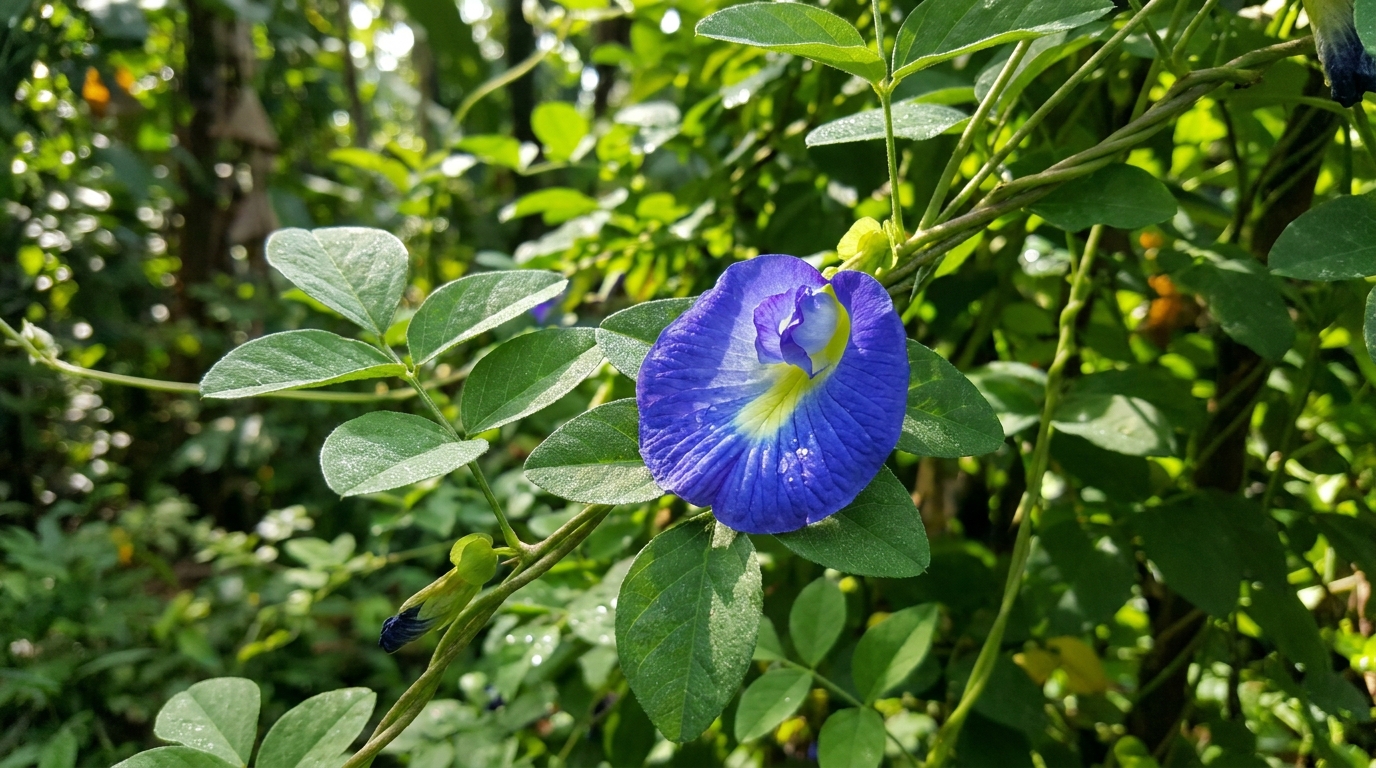
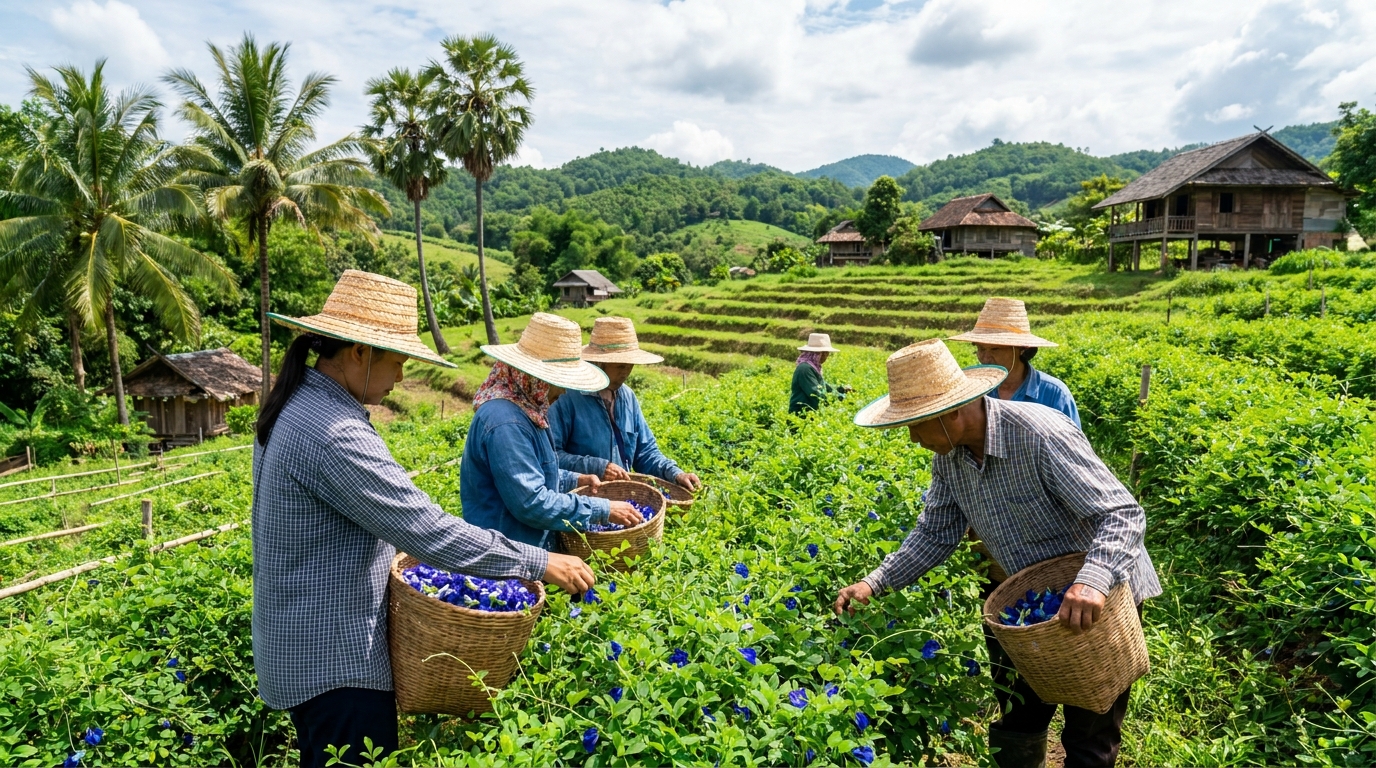
Butterfly Flower Powder is the finely milled result of the dried petals of the Clitoria ternatea plant, a perennial leguminous herb native to tropical Asia. Belonging to the Fabaceae family, this plant is characterized by its vivid, deep-blue flowers and its ability to fix nitrogen in the soil, making it a sustainable choice for regenerative agriculture.
The Production Lifecycle: From Bloom to Powder
The journey from a tropical vine to a premium culinary powder requires rigorous precision to preserve its delicate bioactive compounds.
- Sustainable Harvesting: Flowers are hand-picked at peak bloom, typically in the early morning when the moisture content is optimal and the antioxidant concentration is at its zenith.
- Solar vs. Dehydration Drying: While traditional methods involve sun-drying, premium-grade powders utilize controlled low-temperature dehydration. This prevents the thermal degradation of anthocyanins.
- Ultrafine Milling: To achieve the “Blue Matcha” texture, the dried petals are pulverized using jet-milling technology. This creates a particle size of less than 20 microns, ensuring the powder suspends perfectly in liquids without a gritty residue.
- Sterilization: Advanced steam sterilization or microwave vacuum drying ensures the product is free from pathogens while maintaining its vibrant navy hue.
Nutritional Excellence: A Deep Dive into Anthocyanins and Bioactive Compounds
The primary value proposition of butterfly flower powder lies in its phytochemical profile. Unlike many other botanical pigments, the blue color of Clitoria ternatea is derived from a unique class of anthocyanins known as Ternatins (specifically Ternatins A1–C5). These are acylated anthocyanins based on delphinidin, which provide significantly higher stability against light and heat compared to the anthocyanins found in blueberries or red cabbage.
Beyond aesthetics, these compounds serve as powerful scavengers of free radicals. Research indicates that the phenolic content in butterfly pea flower contributes to its role as a “metabolic shield,” protecting cells from oxidative stress.
Detailed Nutritional Profile (Per 100g of Premium Powder)
Nutrient/Compound | Concentration | Primary Biological Function |
|---|---|---|
Total Anthocyanins | 1,200 – 1,800 mg | Potent antioxidant; UV protection |
Quercetin Glycosides | 450 mg | Anti-inflammatory; Cardiovascular health |
Kaempferol | 120 mg | Neuroprotection; Anti-cancer potential |
Cyclotides | Trace Amounts | Antimicrobial and Peptide stability |
Dietary Fiber | 18 – 22 g | Digestive health and glycemic control |
Proanthocyanidins | High | Skin elasticity and collagen support |
Comprehensive Health Benefits
The Clitoria ternatea benefits extend far beyond its nutritional data points. In Ayurvedic tradition, the plant is classified as a Shanka Pushpi, a category of herbs dedicated to neurological and systemic rejuvenation.
Antioxidant & Anti-aging Properties
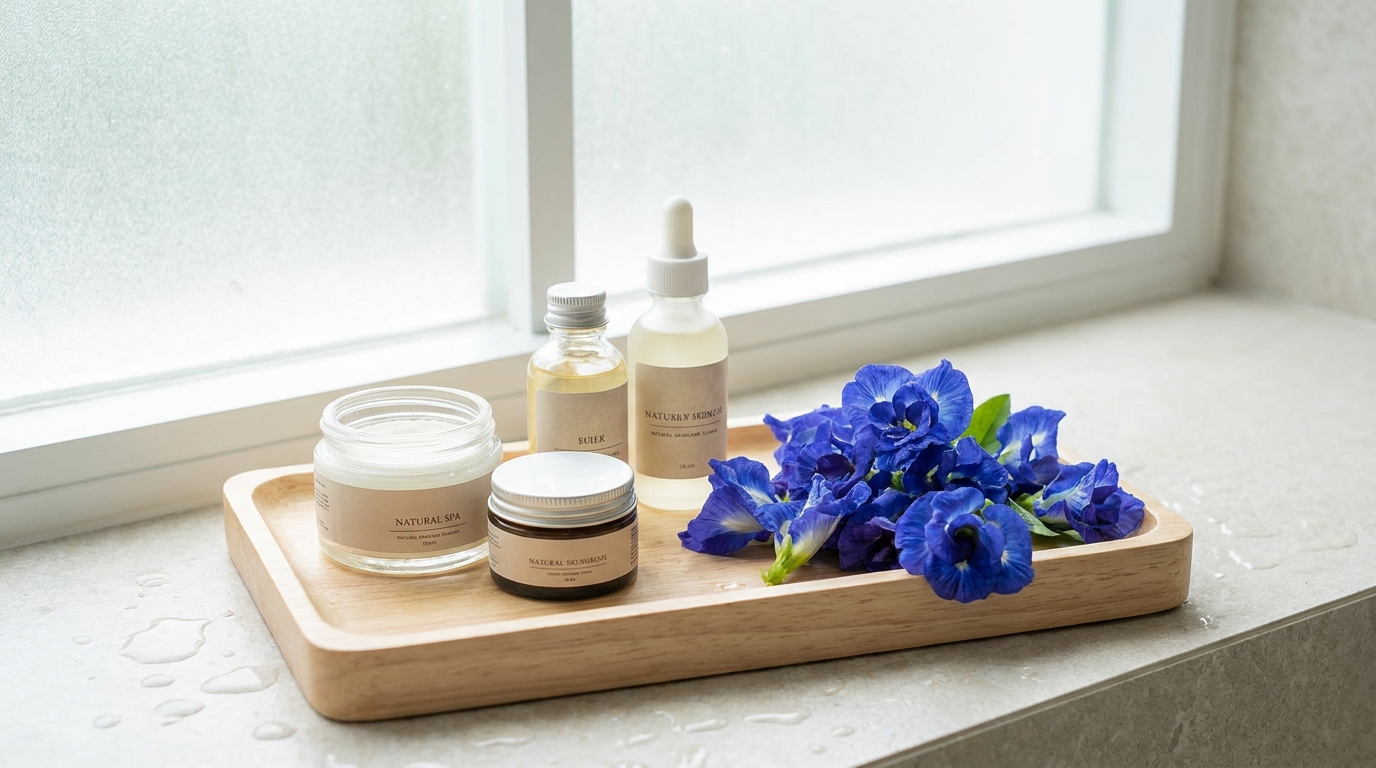
The high concentration of proanthocyanidins makes butterfly flower powder a favorite in the “beauty-from-within” sector. These compounds stimulate the natural production of collagen and elastin, the two structural proteins responsible for skin firmness and youthfulness. By neutralizing lipid peroxidation, the powder helps mitigate the signs of photo-aging caused by UV exposure.
Cognitive Support and Nootropic Effects
One of the most compelling reasons for the powder’s popularity in the biohacking community is its effect on the brain. Clinical studies have shown that Clitoria ternatea extract can increase levels of acetylcholine, a critical neurotransmitter involved in memory, focus, and learning. This makes it a natural, caffeine-free nootropic that supports long-term brain health without the “crash” associated with stimulants.
Stress Relief and Cortisol Regulation
As an adaptogen, butterfly pea flower helps the body manage the physiological response to stress. It has been observed to modulate the HPA (hypothalamic-pituitary-adrenal) axis, potentially lowering serum cortisol levels. In traditional practices, it is often consumed in the evening to promote a sense of calm and improve sleep quality.
Health Benefits Summary
Benefit Category | Action Mechanism | Target Outcome |
|---|---|---|
Dermatological | Collagen synthesis induction | Reduced fine lines; increased elasticity |
Neurological | Acetylcholine modulation | Enhanced memory and cognitive clarity |
Metabolic | Alpha-glucosidase inhibition | Stabilized blood sugar levels |
Ocular | Improved capillary blood flow | Reduced eye strain; retinal health |
Emotional | Anxiolytic properties | Stress reduction and better sleep |
Butterfly Flower Powder vs. Blue Spirulina and Matcha: Which to Choose?
In the world of superfood powders, nomenclature can often lead to confusion. While both Butterfly Flower Powder and Blue Spirulina Powder are used to achieve blue hues, they are biologically and functionally distinct. Similarly, while it is often called “Blue Matcha,” it shares more in common with herbal infusions than with traditional Matcha Powder .
Comparative Analysis: The “Blue” Spectrum
Feature | Butterfly Flower Powder (Blue Matcha) | Blue Spirulina (Phycocyanin) | Green Matcha (Camellia Sinensis) |
|---|---|---|---|
Source | Terrestrial Flower ( Clitoria ternatea ) | Blue-Green Algae ( Arthrospira ) | Green Tea Leaves ( Tencha ) |
Flavor Profile | Earthy, mild, woody | Neutral to slightly “sea-like” | Umami, grassy, bitter |
Caffeine | 0 mg (Caffeine-free) | 0 mg | 30 – 70 mg per serving |
pH Sensitivity | Changes color (Blue to Purple) | Heat sensitive; pH stable blue | pH stable green |
Best Use | Tea, baking, interactive drinks | Smoothies, raw desserts, bowls | Energy drinks, ceremonial tea |
The Science of PH Sensitivity: Mastering the Color-Changing Magic
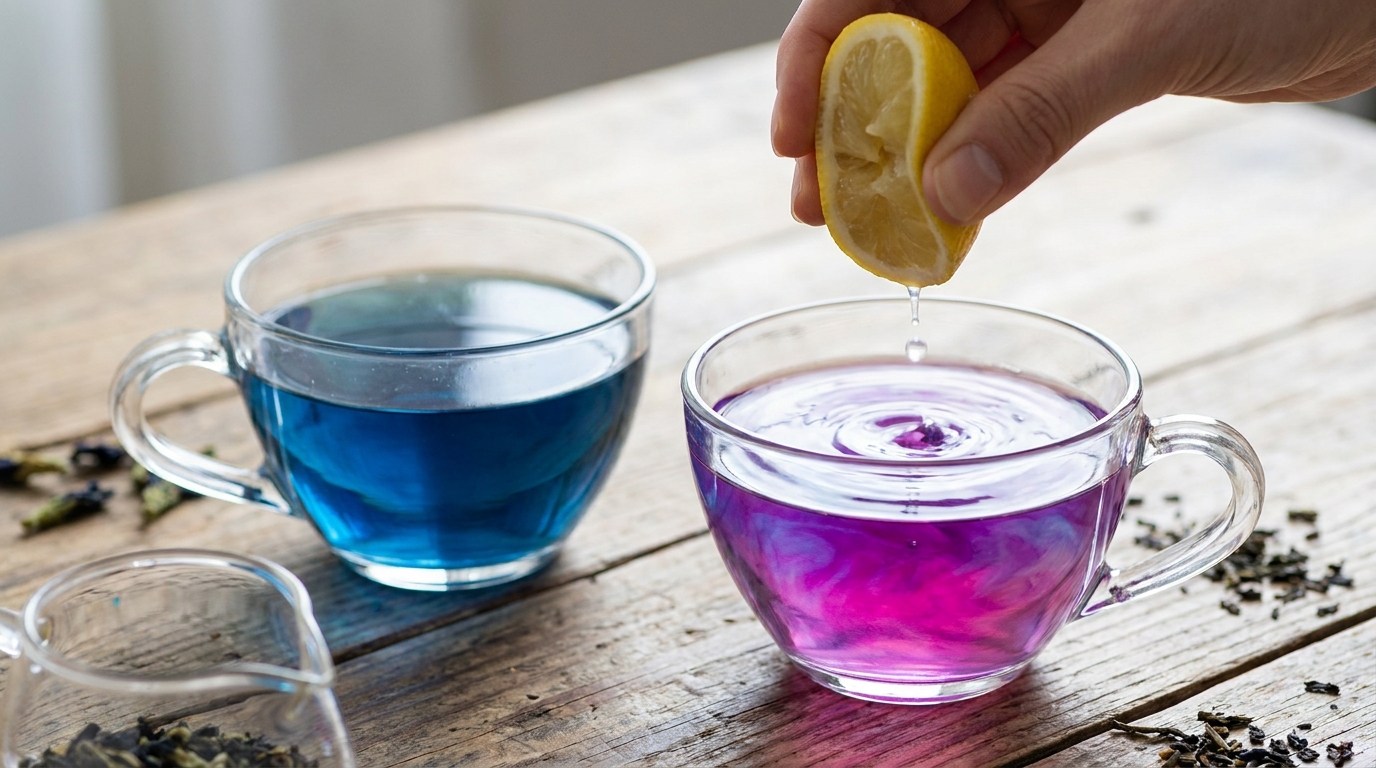
The most “magical” aspect of butterfly flower powder is its halochromism. This is a chemical phenomenon where the molecular structure of the anthocyanins (specifically the delphinidin base) shifts in response to the acidity or alkalinity of its environment.
When the powder is dissolved in neutral water (pH ~7), it remains a deep, royal blue. However, when an acid—such as lemon juice or hibiscus—is added, the protons interact with the ternatin molecules, causing a visible shift toward the magenta and purple spectrum.
PH Color Scale Guide
PH Level | Environment Example | Resulting Color |
|---|---|---|
pH 8.0 – 9.0 | Alkaline water / Baking soda | Teal to Green |
pH 7.0 | Pure filtered water | Royal Blue |
pH 5.0 – 6.0 | Low-acid fruit juice | Indigo / Dark Purple |
pH 3.0 – 4.0 | Lemon or Lime juice | Vivid Purple / Violet |
pH 2.0 | High-concentration Citric Acid | Bright Pink |
Culinary Applications: From Artisan Lattes to Industrial Food Coloring
The versatility of butterfly flower powder has made it a darling of the modern culinary world. Its mild, pea-like flavor profile—often described as “earthy and unassuming”—allows it to blend seamlessly into various recipes without overpowering other ingredients.
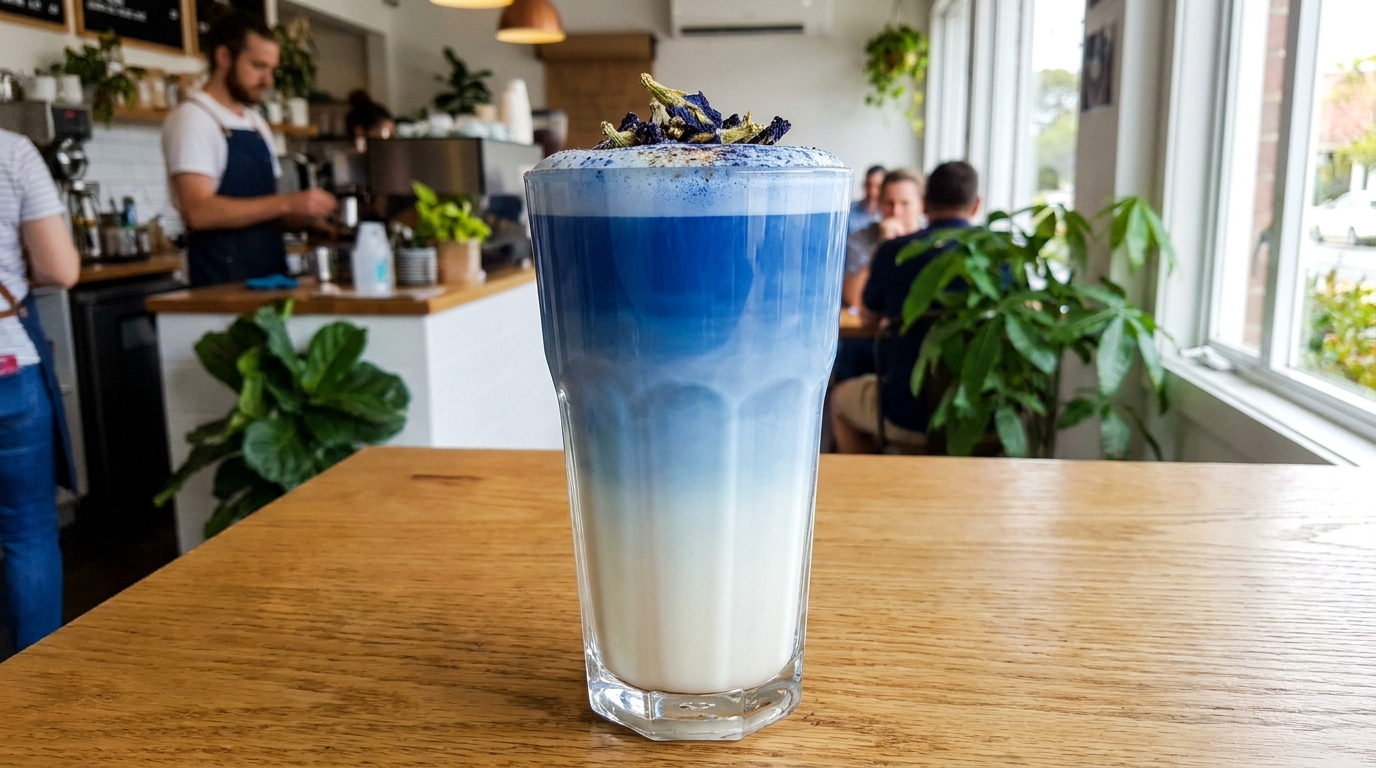
- The “Blue Latte” (Blue Matcha Latte): This is the most iconic application. By whisking the powder with hot water and adding frothed coconut or oat milk, baristas create a stunning, caffeine-free beverage that serves as a functional alternative to coffee.
- Bakery and Pastry: Because the ternatin pigments are relatively heat-stable, the powder can be used in sponge cakes, macarons, and bread. Pro tip: Adjusting the pH of the batter can result in purple or even green baked goods.
- Mixology: High-end bars use butterfly pea flower to create “transformation cocktails.” A blue gin-based drink that turns bright purple when the server pours in a side of tonic or citrus is a powerful table-side experience.
- Industrial Food Coloring: Large-scale manufacturers are increasingly using the liquid extract of the powder to color yogurts, ice creams, and functional gummy supplements, satisfying the demand for non-synthetic ingredients.
Sourcing Excellence: Why Organic Certification and Minimal Processing Matter
For procurement officers and health-conscious consumers, the quality of butterfly flower powder is defined by what is not in it. Many lower-tier products on the market are diluted with maltodextrin (a cheap filler) or treated with harsh pesticides during cultivation.
To ensure safety and potency, sourcing must focus on:
- Organic Certification: Ensuring the flowers are grown without synthetic fertilizers or neurotoxic pesticides.
- Microbiological Testing: Every batch must be tested for mold, yeast, and pathogens like E. coli, especially given the tropical climate where the plant thrives.
- Minimal Processing: Over-processing or high-heat milling can “burn” the delicate pigments, leading to a dull, grayish-blue color instead of the vibrant navy required for premium applications.
At Riching Matcha, we implement a rigorous quality control framework that tracks the product from the small-holder farms to the final vacuum-sealed package.
Industrial & Wholesale Outlook: Butterfly Pea Flower in B2B Sectors
The B2B market for Wholesale Butterfly Pea Powder is expanding into several key sectors:
- Nutraceuticals: Formulated into “Beauty Blends” or “Sleep Aids” in capsule or gummy form.
- Cosmetics: Used in “Blue Tansy” style face masks and hair serums for its anti-inflammatory properties.
- Beverage Manufacturing: Large-scale production of RTD (Ready-to-Drink) “Purple Lemonades” and functional wellness shots.
For businesses, the challenge lies in supply chain consistency. Working with a dedicated supplier like Riching Matcha ensures that the particle size and color intensity remain uniform across multi-ton orders, which is critical for product formulation and brand trust.
Riching Matcha: A Global Leader in Premium Superfood Powders
As a pioneer in the superfood space, Riching Matcha has mastered the art of botanical processing. We don’t just supply powder; we provide a bridge between ancient botanical wisdom and modern industrial standards. Our commitment to the “Clean Label” movement means our Butterfly Flower Powder is 100% pure, non-GMO, and processed in facilities that meet the highest international safety standards (ISO, HACCP).
Learn more about our mission and our journey into the world of functional botanicals on our About Us page. We take pride in our “farm-to-cup” transparency, ensuring that every gram of blue matcha contributes to the health of the consumer and the prosperity of the farming communities we partner with.
Buying Guide: How to Identify High-Quality Butterfly Flower Powder
With the market flooded with “Blue Matcha” options, how can you tell the difference between a premium powder and an inferior one?
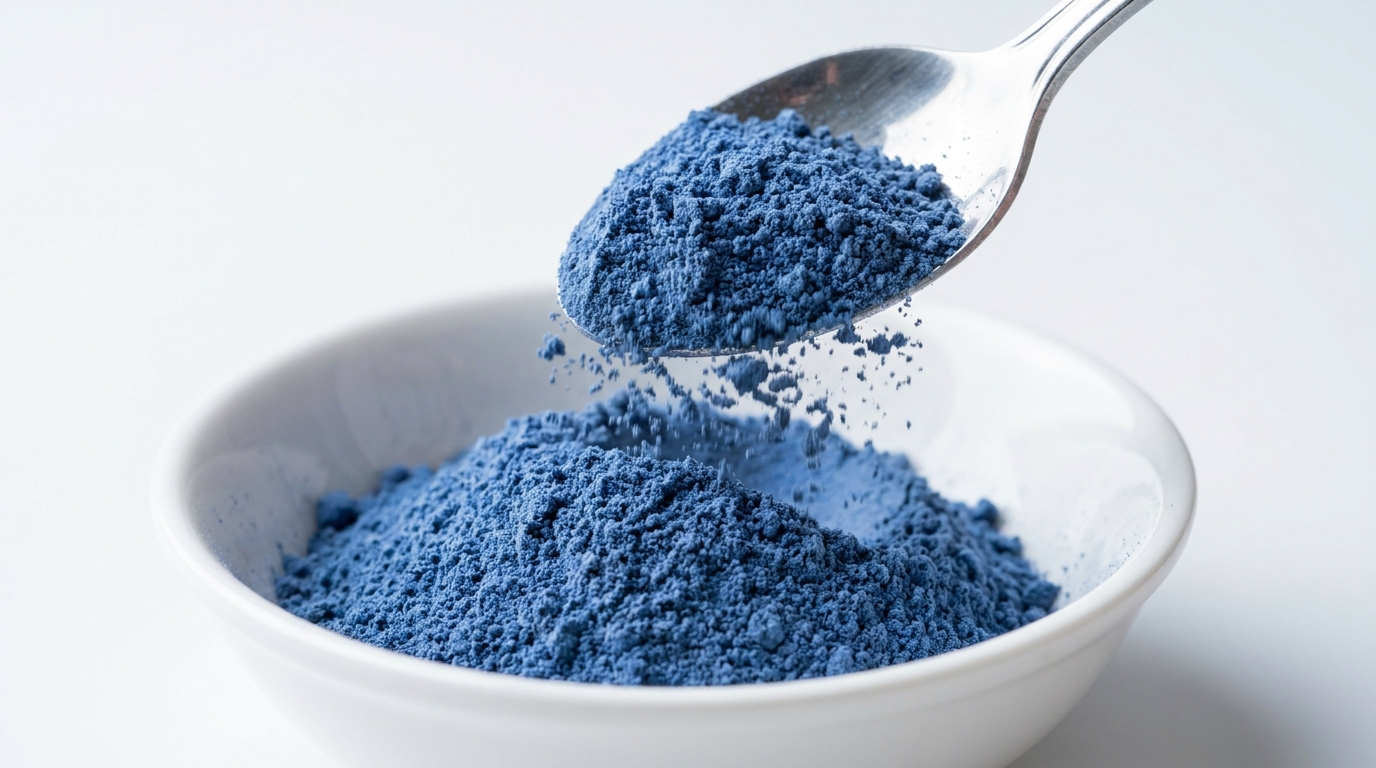
The Color Test: A high-quality powder should be a deep, saturated navy blue. If it looks pale, grayish, or has a brownish tint, it indicates either age, poor drying techniques, or the inclusion of stems and leaves (the “green” parts of the plant).
The Texture Test: Premium powder should have a “flour-like” consistency (15-20 microns). If you can feel grains between your fingers, it will not dissolve well in beverages.
Quality Checklist for Buyers
Criteria | Premium Standard | Red Flag |
|---|---|---|
Ingredient List | 100% Clitoria ternatea | Maltodextrin, “Natural Flavors,” Sugar |
Color | Electric Navy Blue | Dull Teal or Brown-Blue |
Aroma | Lightly floral, like young peas | Musty, “hay-like,” or odorless |
Solubility | Suspends easily; minimal sediment | Clumps; heavy grit at bottom |
Certifications | Organic, Non-GMO, COA available | No documentation or traceability |
Preservation and Storage: Maintaining Vibrant Color and Potency
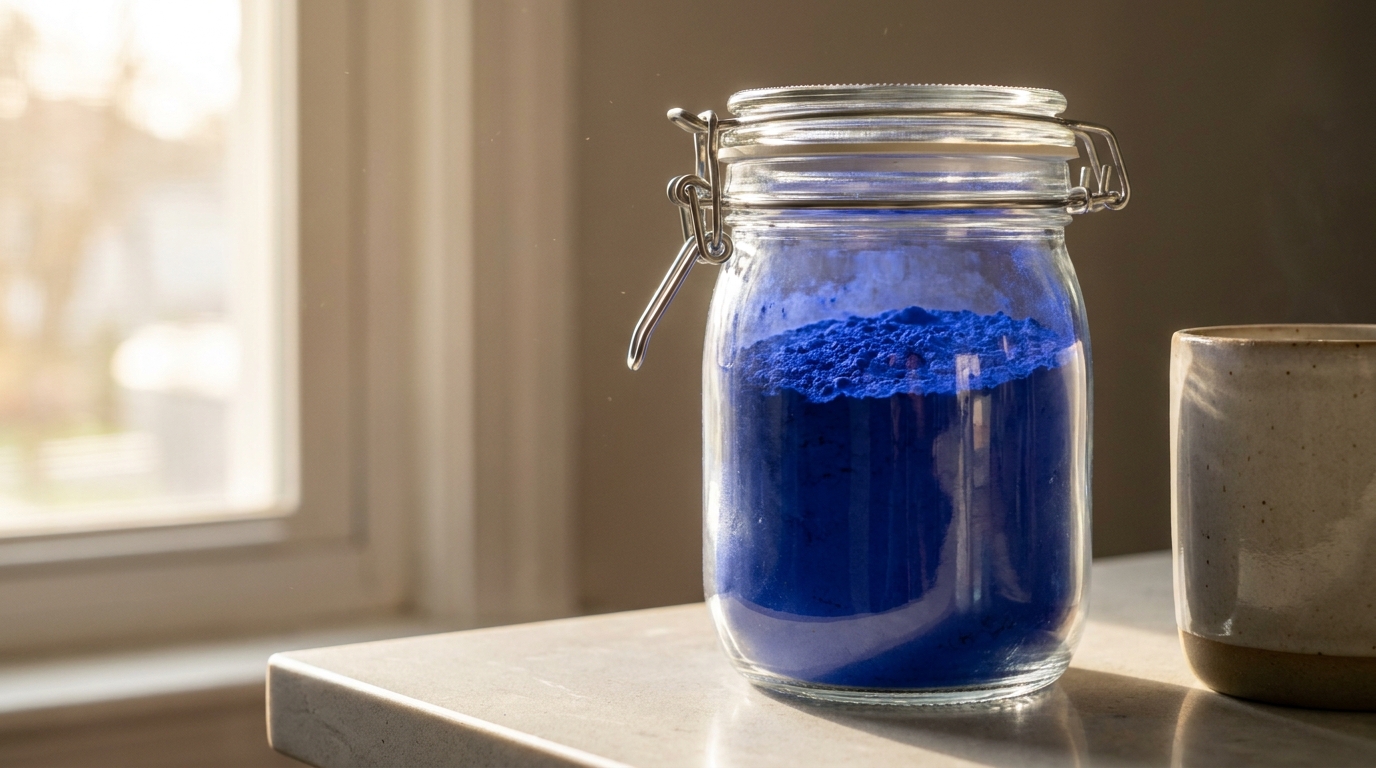
Because the anthocyanins in butterfly flower powder are light-sensitive, improper storage is the fastest way to lose the product’s value. When exposed to direct sunlight for extended periods, the vibrant blue will degrade into a dull, unappealing shade.
Best Practices for Storage:
- Airtight Containers: Use glass or ceramic jars with a rubber seal to prevent oxidation.
- UV Protection: Store the powder in a dark cupboard or use amber/opaque glass.
- Temperature Control: Keep in a cool, dry place. While refrigeration isn’t strictly necessary, it can extend the shelf life in humid tropical climates.
- Moisture Prevention: Always use a dry spoon. Even a tiny amount of moisture can lead to clumping or mold growth.
Conclusion: The Future of Butterfly Pea Flower in Wellness
As we look toward the future of nutrition, the “Butterfly Flower” is no longer a niche curiosity. It represents the perfect synergy of natural beauty and functional science. Whether used to boost the antioxidant profile of a morning smoothie or to create a mesmerizing color-changing cocktail, this botanical powerhouse is set to remain a cornerstone of the global superfood market.
For the savvy consumer and the industrial formulator alike, the key to unlocking the full potential of Clitoria ternatea lies in sourcing. By prioritizing purity, sustainability, and scientific rigor, we can harness the “magic” of this blue flower to create a healthier, more vibrant world.
Frequently Asked Questions (FAQ)
1. Is Butterfly Flower Powder safe for everyone?Generally, yes. It has been consumed for centuries in Southeast Asia. However, because it can have mild effects on blood flow and uterine contractions in traditional high doses, pregnant or lactating women should consult a physician before regular use.
2. Does “Blue Matcha” have a strong flavor?No. Its flavor is very subtle, often described as “earthy,” “bean-like,” or “mildly floral.” It is much more neutral than green tea matcha, making it easier to hide in sweet recipes.
3. Why did my blue tea turn purple?This is due to the pH sensitivity of the anthocyanins. You likely added something acidic, like lemon juice, honey, or certain fruits. This is a natural reaction and does not change the nutritional benefits.
4. Can I use this as a natural dye for clothes?Yes, it is a potent pigment. However, without a mordant (a substance to “fix” the dye), the color will likely fade or wash out over time.
5. How much should I use per serving?For a standard latte or tea, 1/2 to 1 teaspoon (approx. 1-2 grams) is sufficient to achieve a deep blue color and provide a functional dose of antioxidants.