
The best way to store your matcha and Japanese green tea is in an airtight, opaque container kept in a cool, dark place, such as a dedicated refrigerator section. Storage and packaging of matcha is a critical consideration because the powder is exceptionally delicate and prone to rapid degradation when exposed to the atmosphere. Many enthusiasts and businesses face the problem of their premium tea turning brown, bitter, and losing its characteristic umami flavor within just a few weeks of purchase. This loss of quality agitates the experience, leading to wasted inventory for businesses and a disappointing cup for the daily drinker who seeks the health benefits of fresh catechins. We provide the professional solution by outlining the rigorous storage standards and packaging requirements needed to maintain the “electric green” vibrancy and nutritional potency of your tea for months.
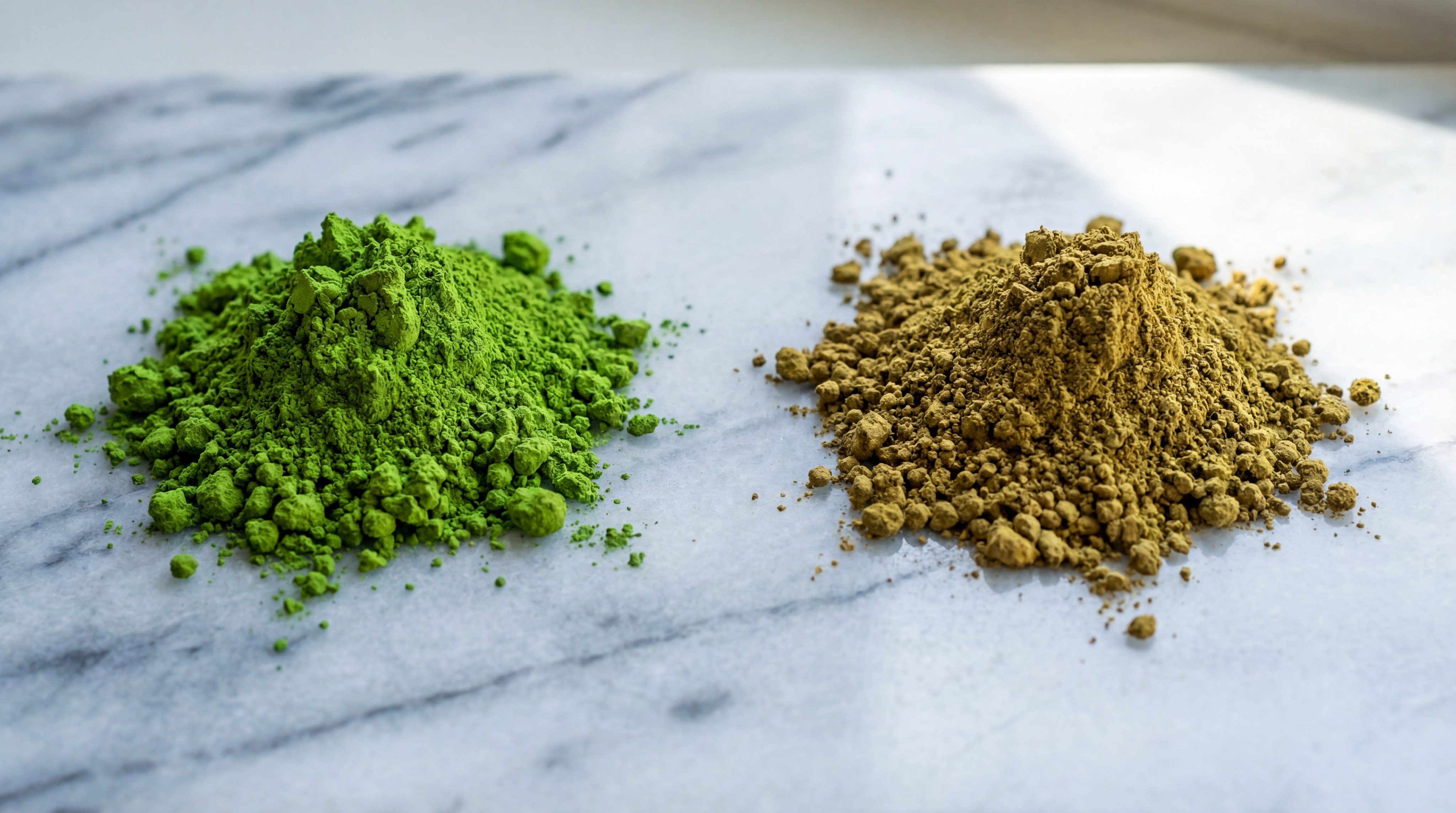
Storage and packaging of matcha is the single most influential factor in determining the shelf life and quality of your Private Label Matcha products. Because matcha is a stone-ground powder rather than a whole leaf, it possesses a massive surface area that facilitates immediate chemical reactions with oxygen and light. If you fail to provide a barrier against the environment, the volatile organic compounds that give the tea its grassy aroma will evaporate almost instantly. Protecting the chemical integrity of the tea ensures that the end consumer receives the full spectrum of antioxidants and amino acids promised by high-quality Japanese exports.
A robust storage strategy is not merely a suggestion; it is a fundamental requirement for anyone handling bulk quantities of powdered tea. The vibrancy of the powder is linked to its chlorophyll content, which is a highly unstable molecule that breaks down under the slightest environmental stress. For businesses, poor storage leads to significant financial losses as the product becomes unpalatable and loses its market value. By prioritizing high-barrier materials and climate-controlled environments, you can preserve the “fresh-from-the-mill” taste that defines the premium Japanese tea experience.
What Happens to Matcha at the Molecular Level?
Think about it: matcha is essentially a living product that remains chemically active long after it has been processed and packaged. When the powder is left in a suboptimal environment, the polyphenols and catechins undergo a process known as oxidation, which fundamentally alters the tea’s molecular structure. This shift not only impacts the flavor profile by increasing bitterness but also significantly reduces the bioavailable health benefits. You must treat every gram of powder as a sensitive biological specimen that requires a stable, protective atmosphere.
The primary culprit in the degradation of flavor is the breakdown of L-theanine. This amino acid is responsible for the unique “sweet-savory” umami profile of high-grade tea. When exposed to heat or air, L-theanine undergoes structural changes that strip the tea of its calming properties and characteristic richness. Simultaneously, the powerhouse antioxidant Epigallocatechin gallate (EGCG) begins to oxidize. As EGCG levels drop, the tea’s ability to scavenge free radicals diminishes, rendering it less nutritionally effective.
The Role of Chlorophyll and Enzymes
The visual transition from electric green to dull yellow is not just an aesthetic concern; it is a marker of profound chemical failure. Chlorophyll is highly susceptible to photo-oxidation. When light photons strike the chlorophyll molecule, they displace magnesium ions at its core, converting it into pheophytin, which is olive-brown in color. This process is irreversible. Furthermore, residual enzymes in the powder, such as polyphenol oxidase, can remain active if the tea isn’t kept at low temperatures, further accelerating the browning process.
Molecular Factor | Impact on Quality | Recommended Solution |
|---|---|---|
Surface Area | 10x reactivity vs leaf | Vacuum/Nitrogen sealing |
L-Theanine | Loss of umami sweetness | Sub-zero storage |
EGCG Potency | Reduced antioxidant count | Oxygen-free barriers |
Chlorophyll | Conversion to pheophytin | 100% Opaque materials |
2. Advanced Packaging Materials: Analyzing Foil, Tin, and Multi-Layer Barriers
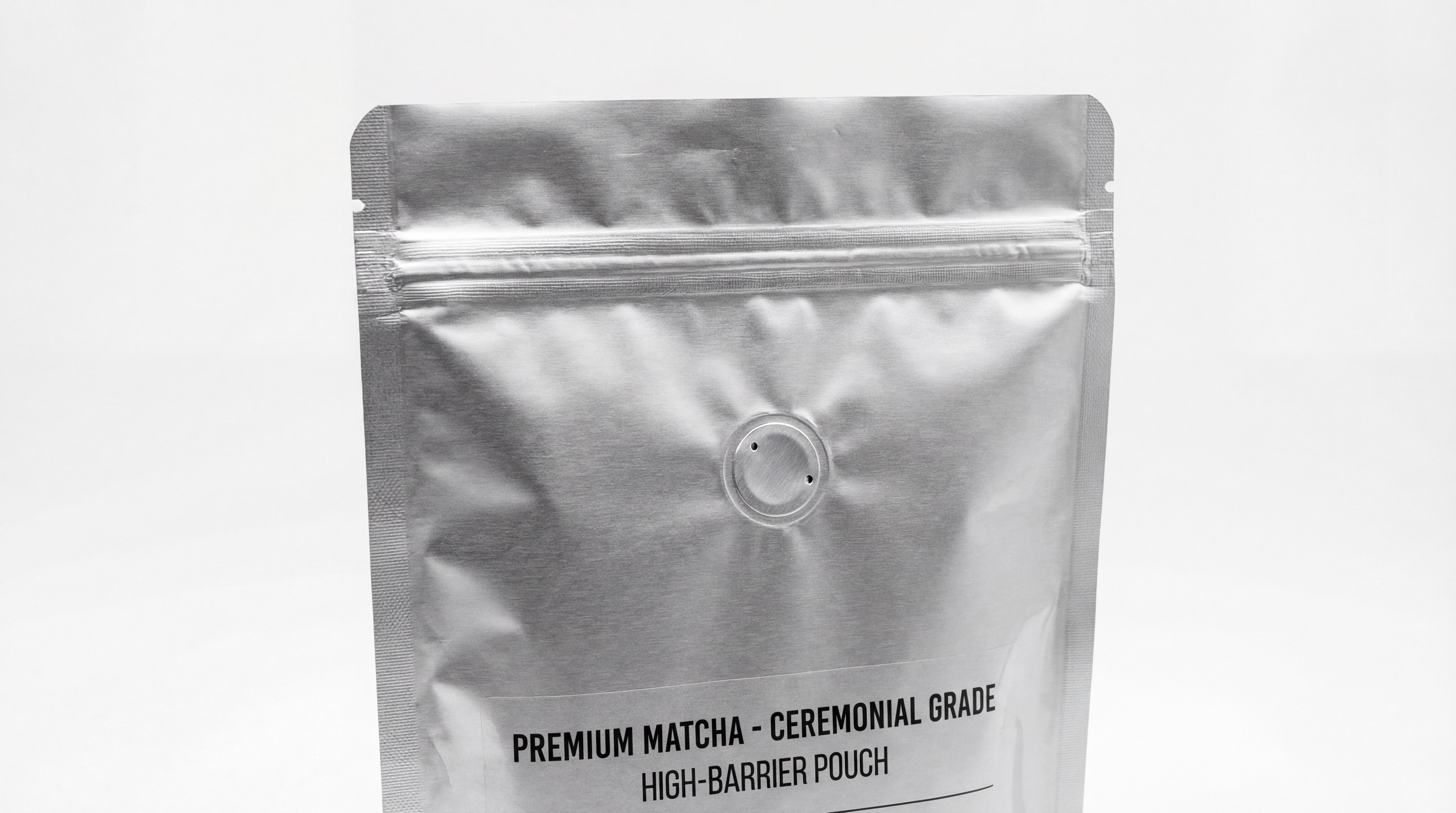
Why does packaging matter so much? In the competitive world of tea, the first thing a customer notices is the color and scent of the powder upon opening the seal. If the packaging allows even a microscopic amount of light or air to enter, the product will appear “old” even if it was recently harvested. High-quality packaging signals to your clients that you value the craftsmanship involved in the tea’s production. It builds a bridge of trust between the supplier and the consumer, ensuring repeat business and brand loyalty.
Look at it this way: your packaging is the only thing standing between a premium product and a total loss of value. When sourcing Matcha Tea Grades , the physical container is as important as the tea itself. The industry standard has shifted toward complex, multi-layered structures designed to create a total environmental “blackout.”
The Engineering of the Modern Matcha Pouch
Modern foil-lined pouches are not merely “plastic bags.” They are sophisticated laminates, often consisting of three or four distinct layers:
- Outer Layer (PET/BOPP): Provides structural strength and a high-gloss or matte surface for high-resolution branding.
- Barrier Layer (Aluminum Foil): The most critical component. Aluminum provides a 100% barrier against oxygen, moisture, and light. Unlike metalized films (VMPET), true aluminum foil is a solid metal sheet that stops all photon and molecule transmission.
- Core Layer (Nylon): Adds puncture resistance, which is vital for vacuum-sealed products that might be subjected to rough handling during international transit.
- Inner Layer (LLDPE): A food-grade, heat-sealable resin that ensures the bag remains airtight and does not impart any chemical odors to the delicate powder.
Tinplate Steel vs. Aluminum Tins
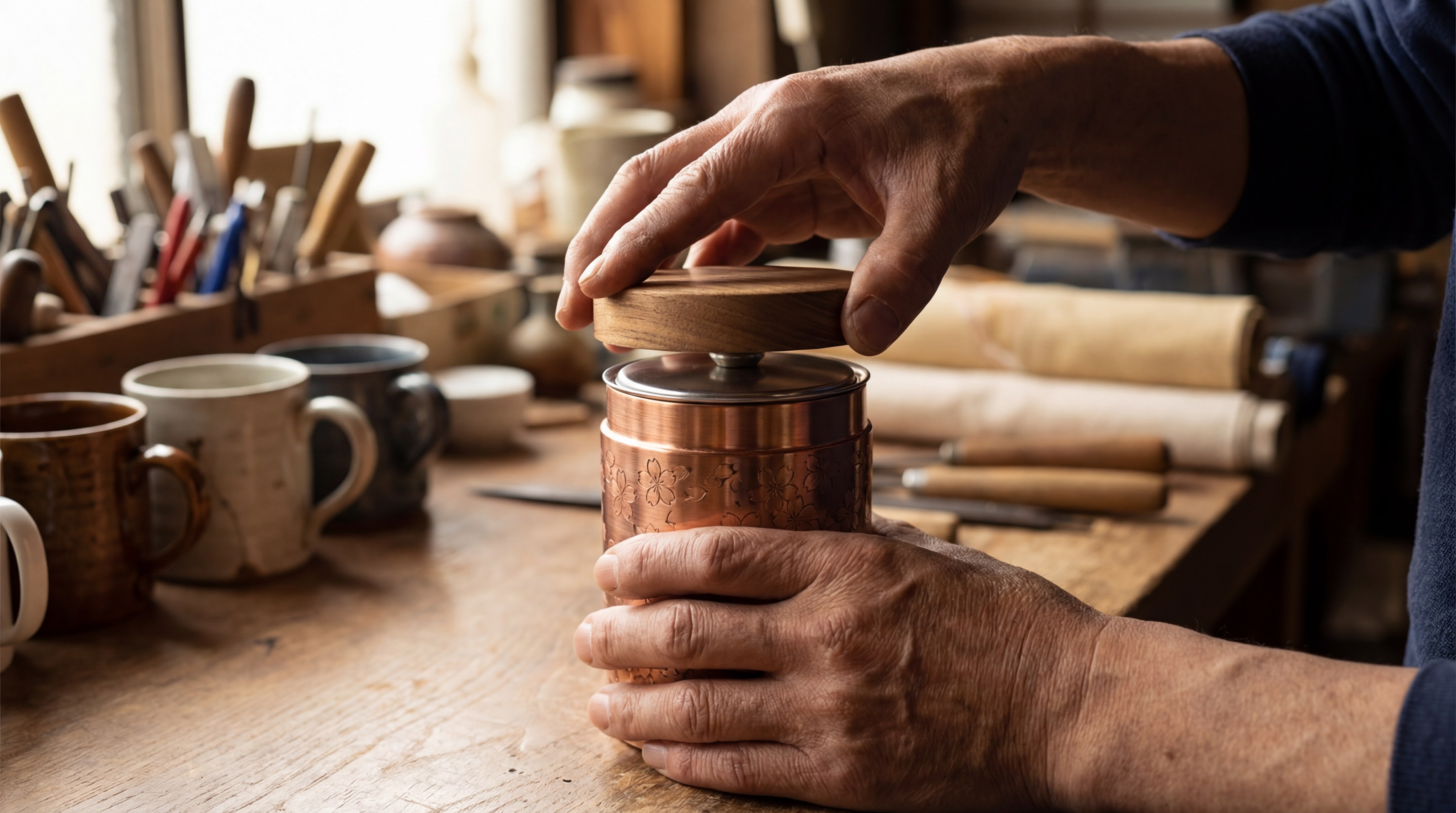
While pouches are excellent for shipping, tin canisters remain the gold standard for Ceremonial Grade Matcha . Tinplate steel is preferred because of its superior rigidity and thermal mass. A thick-walled tin provides better insulation against minor temperature spikes compared to a thin pouch. Furthermore, professional tins often feature a double-lid system. The inner “plug” lid creates a secondary seal that minimizes the air headspace directly above the powder, while the outer cap provides a second layer of atmospheric protection.
Material Type | Oxygen Transmission Rate (OTR) | UV Protection | Best Use Case |
|---|---|---|---|
Standard Plastic | High (Semi-permeable) | Poor | Not recommended |
Metalized Film | Moderate | Good | Entry-level retail |
Foil-Lined Pouch | Near Zero | Excellent | Wholesale/Refills |
Tinplate Steel | Zero | Total | Premium Ceremonial |
3. Cold Chain Logistics: Managing Temperature from Origin to Consumer
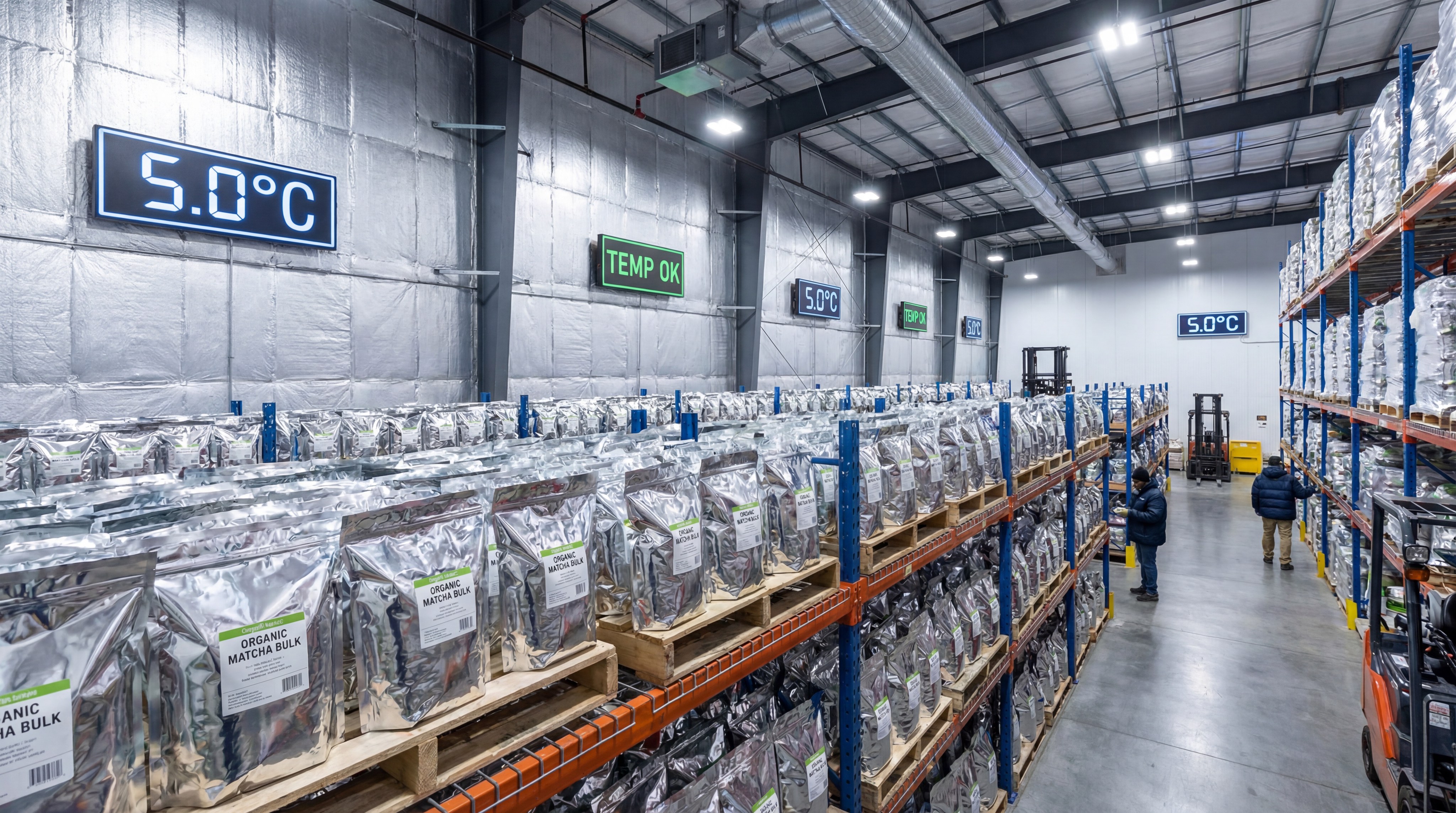
Storage and packaging of matcha must account for the destructive nature of heat, which acts as a catalyst for every negative chemical reaction within the tea. Heat accelerates the oxidation process, causing the delicate amino acids to break down into less desirable compounds much faster than they would in a cool environment. If you store your tea near a stove, on a sunny windowsill, or in a warehouse without climate control, you are effectively “cooking” the tea before it ever hits the water. Maintaining a consistent, low temperature is the most effective way to slow down the biological clock of your matcha powder.
Consistency is the key word when discussing temperature because fluctuations can be just as damaging as sustained heat. When the temperature of the storage area rises and falls, it can cause the air inside the container to expand and contract, potentially drawing in moisture via microscopic leaks in the seal. For long-term preservation, a stable environment between 2°C and 10°C is widely considered the gold standard for maintaining peak freshness.
The Professional Cold Chain Strategy
For businesses involved in Bulk Matcha Wholesale , the “Cold Chain” must be unbroken. This begins in Japan, where tencha (the raw material for matcha) is stored in specialized sub-zero refrigeration units. Once ground into powder, the tea is ideally shipped in refrigerated containers (Reefers) that maintain a constant 5°C throughout the trans-oceanic journey. Upon arrival, the tea should be moved immediately into climate-controlled third-party logistics (3PL) warehouses.
The “Last Mile” Temperature Challenge
The greatest risk to tea quality occurs during the final delivery phase. A package sitting in a delivery truck during a 35°C summer day can experience quality loss equivalent to three months of standard shelf storage in just a few hours. High-end tea merchants combat this by:
- Using thermal-insulated mailers that reflect radiant heat.
- Integrating gel refrigerants for high-grade ceremonial shipments.
- Limiting shipping days to Monday-Wednesday to avoid packages sitting in unconditioned depots over weekends.
Phase | Ideal Temperature | Risk Level | Mitigation |
|---|---|---|---|
Production | < 0°C (Tencha storage) | Low | Industrial Freezers |
Shipping | 5°C to 10°C | Moderate | Refrigerated Containers |
Wholesale Whse | 10°C to 15°C | Low | HVAC Control |
Retail/Last Mile | 20°C to 30°C | High | Insulated Packaging |
4. Atmospheric Control: The Battle Against Oxygen and Oxidation
Storage and packaging of matcha is effectively a battle against the air we breathe, which contains the oxygen responsible for the “rusting” of tea. When you purchase high-quality tea, you are receiving a product that has been carefully managed to avoid air contact. However, the moment you break that factory seal, a countdown begins. Oxygen molecules immediately begin to bond with the tea’s catechins and vitamins, turning the vibrant green powder into a dull, oxidized substance that tastes like cardboard.
This process is called oxidation, and it is the same reason why a sliced apple turns brown when left on the counter. Because matcha is a fine powder, its surface area-to-volume ratio is incredibly high, meaning every single molecule of tea is potentially exposed to oxygen. To prevent this, you must use containers that minimize the “headspace” or the amount of air trapped inside with the tea.
Nitrogen Flushing: The Industrial Solution
Professional manufacturers often use a process called nitrogen flushing (MAP – Modified Atmosphere Packaging) to replace the oxygen in the packaging with an inert gas. Nitrogen does not react with the tea, effectively “freezing” the product in its freshest state for up to a year. When you open a nitrogen-flushed bag, you might notice a slight “hiss” of gas escaping; this is the sound of your tea being protected from the atmosphere. This technology allows for the long-term storage of unopened stock without sacrificing the “electric” color.
Vacuum Sealing and Air Displacement
For daily use, vacuum-sealed canisters are the most practical solution. These devices work by physically pumping the air out of the canister every time you close it. Another effective method is the “plunger” style lid, which is pushed down until it sits directly on top of the powder, physically displacing the air.
- Oxygen levels below 2% are required to significantly slow oxidation.
- Each 10% increase in oxygen concentration doubles the rate of catechin degradation.
- Nitrogen flushing can extend shelf life from 6 months to 18 months for unopened products.
Control Method | Mechanism | Effectiveness | Best For |
|---|---|---|---|
Screw-Top Lid | Physical barrier | Low | Short-term usage |
Silicone Gasket | Compression seal | Medium | Daily consumption |
Vacuum Pump | Air extraction | High | High-end home use |
Nitrogen Flush | Gas displacement | Maximum | Factory packaging |
5. Humidity Management and the Prevention of Powder Clumping
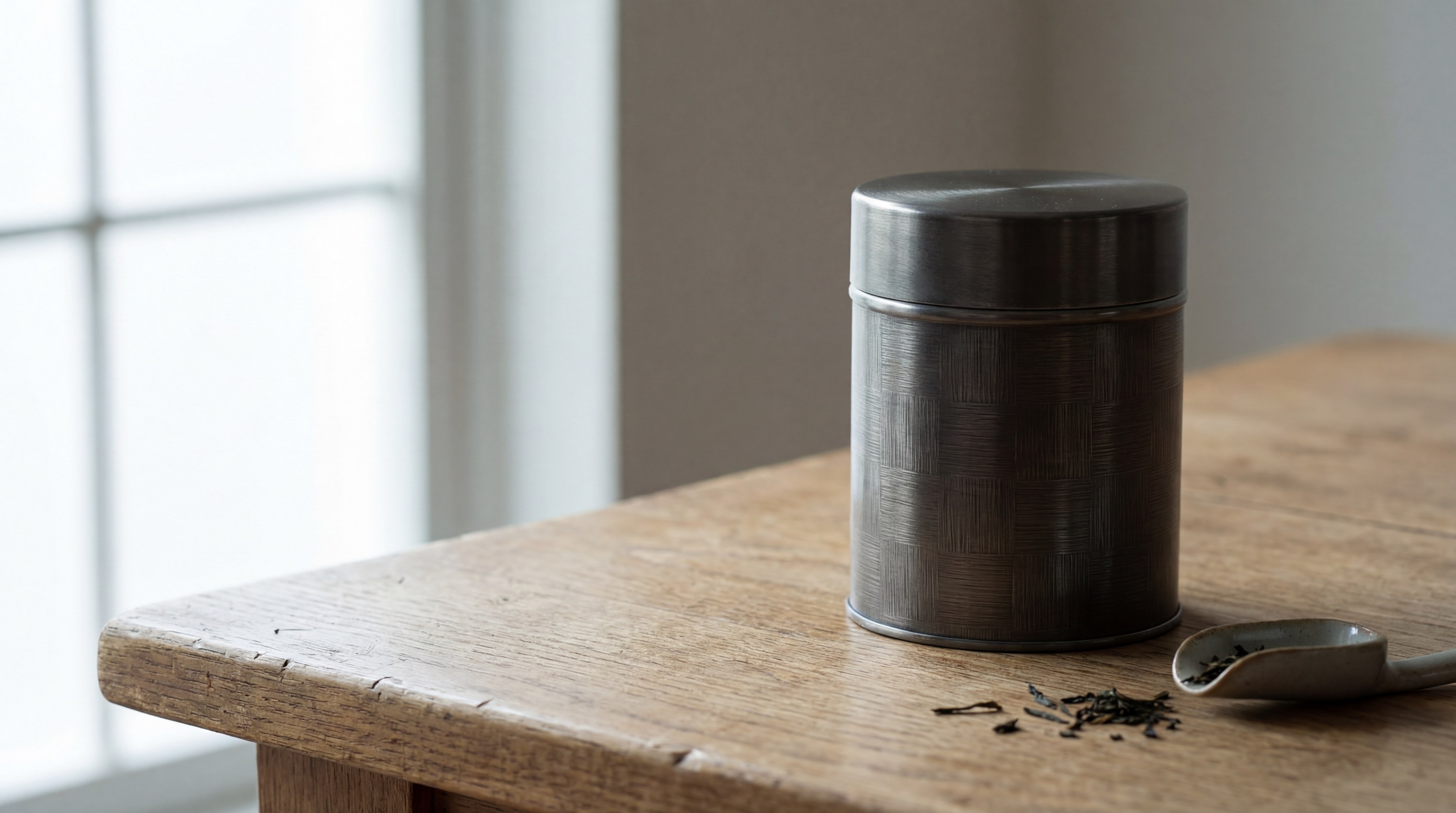
Storage and packaging of matcha must prioritize a moisture-free environment because matcha powder is highly hygroscopic, meaning it greedily absorbs water from the air. When the powder comes into contact with humidity, it begins to clump together, making it difficult to whisk into a smooth, frothy bowl of tea. Even worse, moisture provides the necessary environment for oxidation to occur at an exponential rate. If your storage area is damp or if you open your tea container in a humid kitchen, you are introducing the number one catalyst for spoilage.
Humidity doesn’t just affect the texture; it fundamentally ruins the “nose” or aroma of the tea. A damp environment can cause the tea to develop a musty or stale smell that completely masks the fresh, vegetal notes of high-quality Japanese greens. For businesses, moisture ingress during storage can lead to the growth of mold, which is a significant health safety risk and can lead to total inventory loss.
The Role of Desiccants and Moisture Barriers
Many professional suppliers include food-grade desiccant packets in their packaging to combat residual humidity. These small silica gel or clay packs are designed to pull any stray moisture molecules out of the air inside the container.
- Silica Gel: Can absorb up to 40% of its weight in water vapor.
- Bentonite Clay: A natural alternative often used in organic tea packaging.
- Color Indicators: Some packets change from blue to pink, signaling they are saturated and need replacement.
Texture and the “Static” Problem
A dry powder is a “living” powder. Freshly ground matcha has a subtle static charge that causes the particles to behave like a fluid. When moisture is introduced, this charge is neutralized, and the particles bind into hard “pebbles.” These clumps are notoriously difficult to sift, leading to a gritty texture in the final beverage. Maintaining a relative humidity (RH) below 35% in the storage environment is essential for preserving the “sifter-friendly” nature of the product.
Humidity Level | Physical Effect | Quality Risk | Mitigation |
|---|---|---|---|
> 65% RH | Rapid clumping/Mold | Critical | Dehumidifiers required |
50% – 60% RH | Gradual hardening | High | Airtight seals only |
35% – 45% RH | Standard stability | Moderate | Silica gel packets |
< 30% RH | Ideal flowability | Low | Optimal storage |
6. Light Protection: Preventing Irreversible Photo-Oxidation
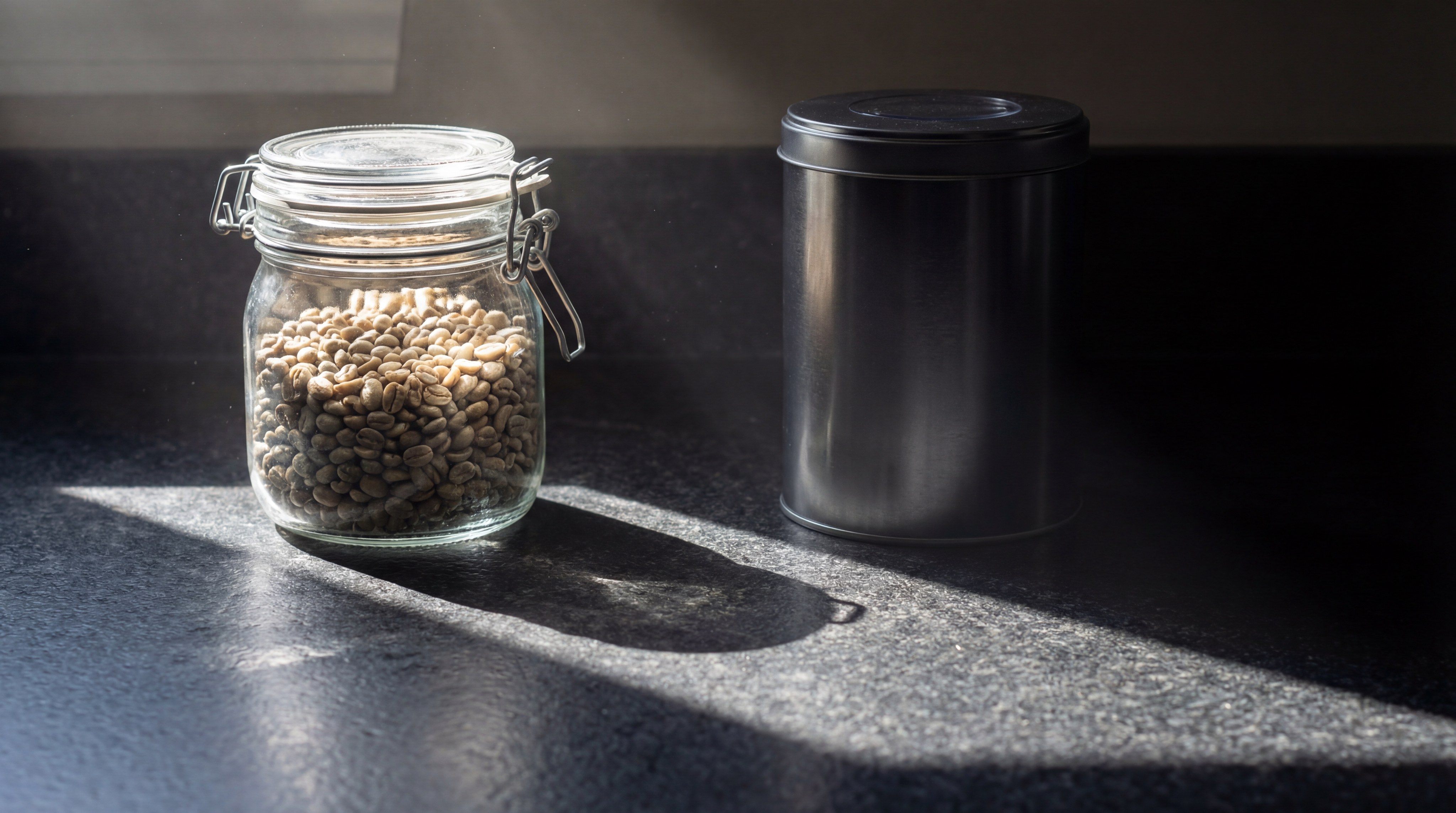
Storage and packaging of matcha requires a total “blackout” approach because light is the primary driver of chlorophyll destruction. When you purchase premium tea, you are paying for the intense shading process that happens in the tea fields. This shading forces the plant to produce massive amounts of chlorophyll and L-theanine. However, as soon as that powder is exposed to UV rays or even standard indoor lighting, the chlorophyll begins to break down, turning the powder into a dull, yellowish-gray substance.
The damage caused by light is not just aesthetic; it creates a chemical transformation that results in a distinct metallic taste. This phenomenon is often referred to as “light-struck” tea. If you store your matcha in glass jars or clear plastic bags, you are inviting photons to destroy the molecular bonds that hold the tea’s flavor profile together.
The Physics of UV Penetration
It is a common misconception that keeping a glass jar in a “dark cupboard” is sufficient. Every time the cupboard is opened, the tea is hit with a blast of light. Furthermore, many types of glass (even amber glass) allow certain wavelengths of light to pass through. The only way to be 100% sure is to use materials that are physically incapable of transmitting photons.
- UV-A and UV-B: High-energy waves that trigger rapid lipid oxidation.
- Visible Light: Even the 400-700nm spectrum can degrade delicate pigments over time.
- Thermal Radiation: Infrared light from sun-facing windows adds heat stress.
Best-in-Class Opaque Solutions
To ensure total protection, professionals use:
- Triple-Laminated Mylar: Layers of plastic and aluminum that provide a 0% light transmission rate.
- Powder-Coated Stainless Steel: Blocks all light and provides structural durability.
- Washi-Wrapped Tinplate: The traditional Japanese method, where thick paper provides an additional layer of thermal and light insulation.
Material | Light Transmission | UV Protection | Suitability |
|---|---|---|---|
Clear Glass | 90% + | 0% | Forbidden |
Amber Glass | 20% – 30% | 70% | Emergency use only |
Ceramic (Glazed) | 0% | 100% | Good |
Aluminum/Tin | 0% | 100% | Professional standard |
7. Aromatic Integrity and the Prevention of Cross-Contamination
Storage and packaging of matcha must consider the tea’s porous nature, which makes it act like a sponge for any smells in the vicinity. Green tea contains high levels of chlorophyll and a fine physical structure that easily traps volatile aromatic molecules from the environment. If you store your matcha in a cupboard next to garlic, onions, or strong spices, your tea will eventually taste like those items. This cross-contamination is one of the most common reasons why people think their tea has “gone bad” when it has simply absorbed external odors.
This sensitivity to smells is why the choice of storage location is just as important as the container itself. For businesses, this means that tea must be stored in a dedicated area far away from any aromatic goods or chemical cleaners. Maintaining “aromatic purity” is a hallmark of high-end tea storage.
The Refrigerator Aroma Trap
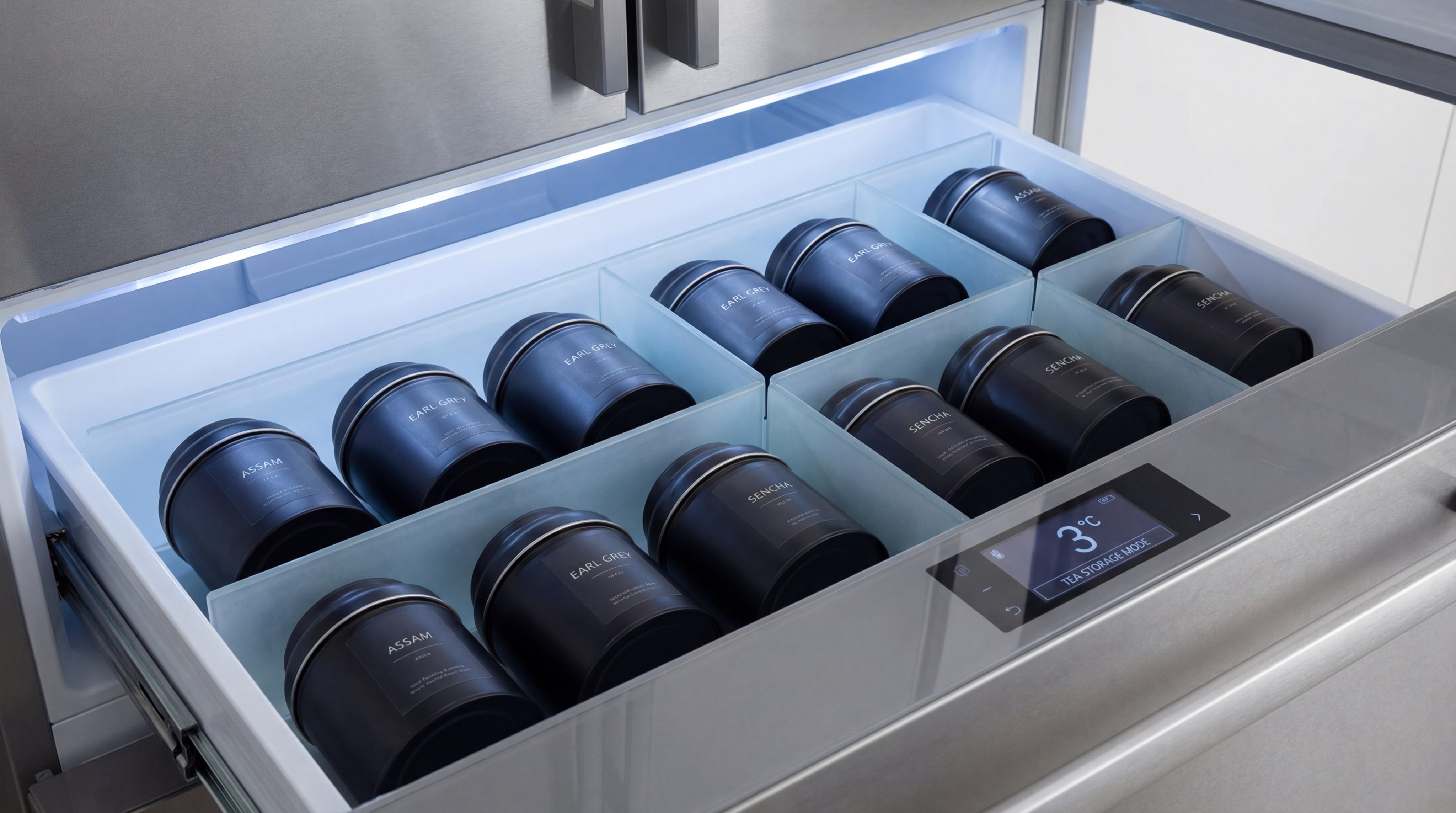
The refrigerator is often the smelliest place in the house, filled with everything from leftover fish to pungent cheeses. While the cold temperature is good for the tea, the odors found in a typical fridge can be disastrous for an open tin of matcha. If your seal is not 100% airtight, the tea will absorb the “fridge smell” in just a matter of days.
- Double-Barrier Approach: Store your tin inside a secondary Ziploc bag when in the fridge.
- Silicone Gaskets: Essential for blocking gas exchange.
- Activated Carbon: Some high-end tea fridges use carbon filters to keep the air neutral.
Porosity of Materials
Plastic is actually surprisingly permeable to odors over long periods of time. Odor molecules can migrate through thin plastic membranes via a process called permeation. For the ultimate aromatic protection, non-porous materials like metal, glass (if in total darkness), and high-density ceramic are required. These materials provide a molecular wall that scent molecules cannot penetrate.
Location | Odor Risk Level | Recommended Barrier |
|---|---|---|
Kitchen Pantry | Moderate | Standard airtight tin |
Spice Rack | Very High | Do not store here |
Home Refrigerator | High | Double-bagging + Airtight tin |
Dedicated Tea Fridge | Low | Standard airtight tin |
8. Container Mechanics: Technical Analysis of Sealing Systems
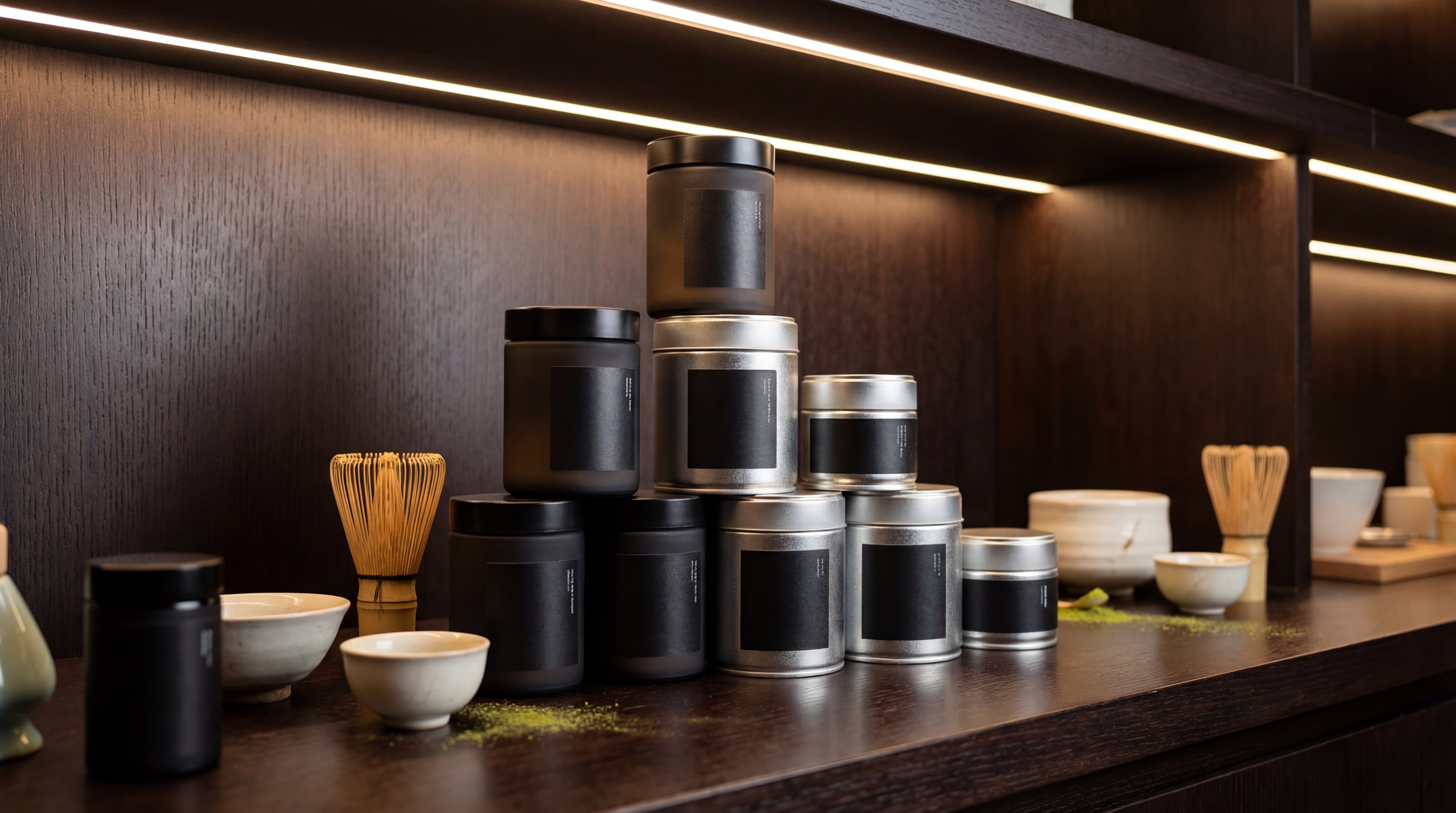
Storage and packaging of matcha is only as good as the seal on the container you choose. A high-quality matcha container must perform three functions perfectly: it must be opaque, it must be non-porous, and it must be airtight. The market is flooded with “tea canisters,” but many of them are designed for aesthetics rather than the rigorous requirements of powdered green tea. For professional use, you should look for containers that utilize a double-lid system or a high-compression silicone gasket to ensure no air exchange occurs.
Understanding the Double-Lid Mechanism
A double-lid system creates a secondary “dead air” space that acts as a buffer zone, protecting the main body of the tea from the outside atmosphere. When you press the inner lid down, it creates a slight vacuum effect by displacing the air in the neck of the tin. This traditional Japanese design has been used for centuries because it works exceptionally well at keeping fine powders dry and fresh.
- Inner Plug: Often made of plastic or soft metal to provide a friction-fit seal.
- Outer Cap: Protects the inner seal and provides a secondary light and air barrier.
- Tolerance: In professional tins, the fit is so precise that the lid will slowly slide down on its own weight as the air escapes.
Advanced Gasket Technology
Modern containers often use food-grade silicone gaskets. Unlike rubber, silicone does not degrade or emit “rubbery” odors that can taint the tea. A high-compression gasket is superior to a simple screw-top because it applies even pressure across the entire sealing surface, filling in microscopic imperfections in the container rim.
- BPA-Free Plastics: Ensure no chemical leaching.
- Stainless Steel Latches: Provide the physical force needed to compress the gasket.
- One-Way Valves: Allow CO2 or air to escape without allowing oxygen back in (primarily for bulk bags).
Seal Type | Mechanical Principle | Air Integrity | Usage |
|---|---|---|---|
Screw-Top | Threaded friction | Moderate | Low-grade retail |
Push-Fit | Friction displacement | High | Traditional Japanese |
Latch & Gasket | Mechanical compression | Very High | Modern home storage |
Vacuum Valve | Active suction | Maximum | Premium preservation |
9. Professional Inventory Management: Optimizing Wholesale Shelf Life
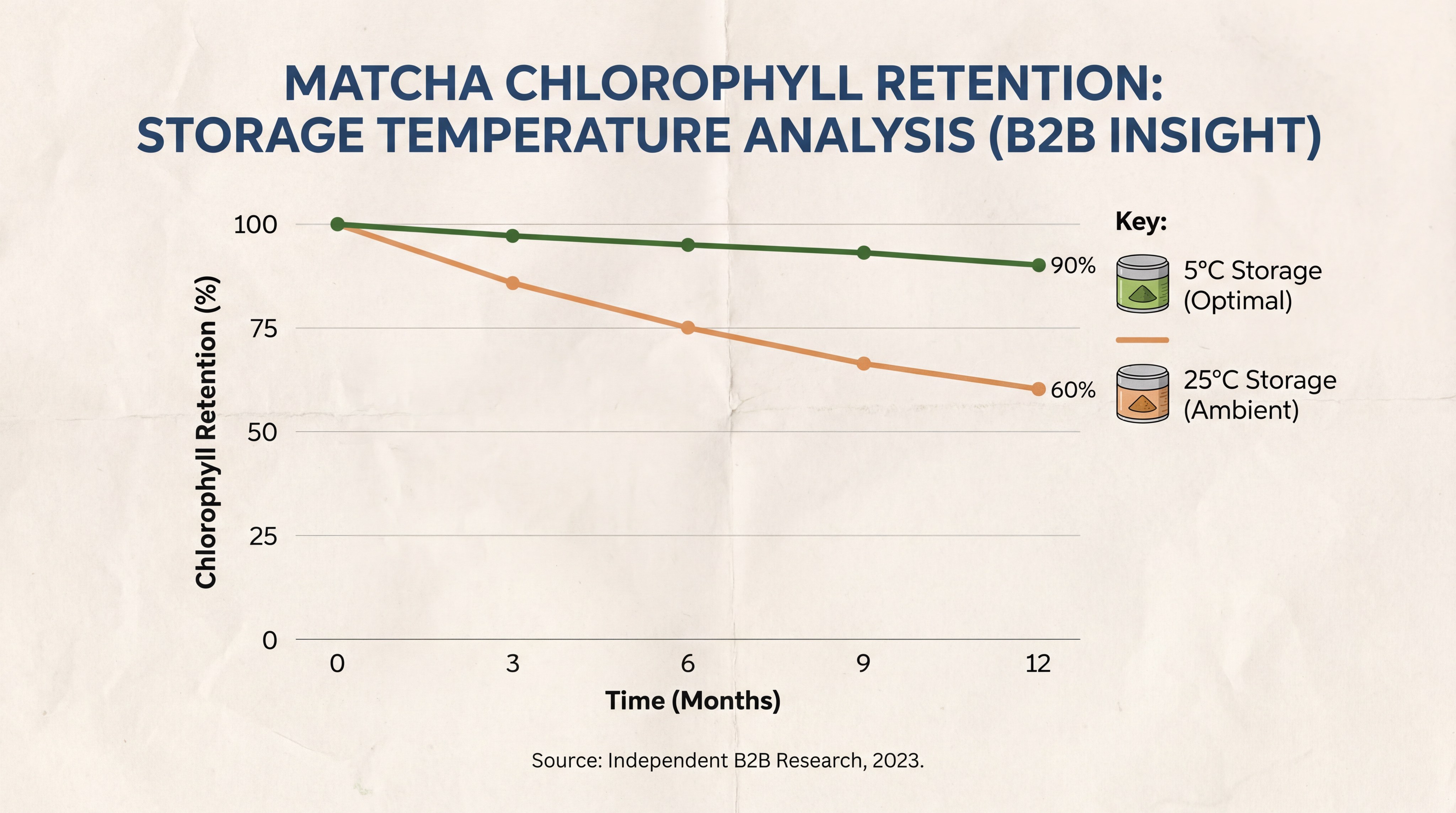
Storage and packaging of matcha in a business context requires a clear understanding of wholesale grades and their respective expiration dates. Generally, unopened matcha has a shelf life of approximately one year from the date of grinding, provided it has been stored in a climate-controlled environment. However, once the seal is broken, the “freshness window” shrinks dramatically. For the best taste and nutritional value, it is widely recommended that the tea be consumed within 30 to 60 days of opening.
Managing inventory turnover is the most effective way to ensure that your customers always experience the best that Japanese tea has to offer. For the Culinary Grade Matcha market, where volumes are higher, the risk of “stale” stock is a constant threat.
The FIFO Method and Batch Tracking
Retailers must practice “First-In, First-Out” (FIFO) inventory management. This involves:
- Date Labeling: Every incoming shipment must be clearly marked with the Arrival Date and the Manufacturer’s Grind Date.
- Rotation: Newer stock is placed behind older stock on shelves and in coolers.
- Small Batch Sourcing: Instead of ordering a six-month supply, savvy businesses order monthly to ensure the product on their shelves is as close to the grinding date as possible.
Repurposing “Past-Peak” Inventory
Matcha doesn’t “spoil” in the way milk does, meaning it won’t necessarily make you sick if it’s old, but it will become deeply unpleasant to drink as a ceremonial beverage.
- 0-3 Months: Ideal for ceremonial drinking.
- 3-6 Months: Best used for high-end lattes where the flavor is still strong.
- 6-12 Months: Perfect for baking, ice cream, and smoothies.
- 12+ Months: Non-food uses (e.g., natural dyes, face masks, or plant fertilizer).
Grade Category | Primary Usage | Freshness Window (Opened) | Freshness Window (Closed) |
|---|---|---|---|
Ceremonial | Whisked tea | 30 Days | 6-9 Months |
Premium | Lattes/Drinks | 45 Days | 12 Months |
Culinary | Baking/Cooking | 60 Days | 12 Months |
Bulk/Industrial | Supplements | 90 Days | 18 Months |
10. Strategic Business Considerations: Packaging as a Brand Asset
Storage and packaging of matcha is not just a technical requirement; it is a powerful marketing tool for your brand. When you invest in premium Bulk Matcha Wholesale , the packaging is the physical manifestation of your quality standards. It tells the customer that you have taken every precaution to protect the “green gold” inside.
The Psychology of Premium Presentation
In the luxury tea market, weight and texture matter. A beautifully designed, double-lidded tin feels like a luxury item, whereas a thin, clear plastic bag feels like a commodity.
- Matte Finishes: Suggest a modern, sophisticated brand identity.
- Embossing: Provides a tactile experience that increases perceived value.
- Transparency in Labeling: Including the harvest region (e.g., Uji, Kagoshima) and the harvest season (First Flush vs. Second Flush) builds consumer trust.
Sustainability vs. Functionality
The modern consumer is increasingly concerned about the environmental impact of their purchases. Moving toward compostable films and recyclable tins is a major trend. However, the challenge is finding sustainable materials that offer the same high-barrier properties as traditional foil.
- Recyclable Aluminum: The gold standard for sustainability as it can be recycled indefinitely without loss of quality.
- Bio-Plastics: Emerging compostable films are improving, but currently offer shorter shelf-lives than foil-lined pouches.
- Minimalist Shipping: Reducing the size of the outer shipping box reduces the carbon footprint and shipping costs for wholesale clients.
Brand Element | Functional Role | Strategic Value |
|---|---|---|
Tin Canister | Reusable storage | High perceived luxury |
QR Code on Label | Traceability | Authenticity and trust |
Foil-Lined Bag | Low-cost refill | Environmental efficiency |
Insulated Mailer | Temperature safety | Professional reliability |
FAQ: Professional Standards for Matcha Storage
Is it better to store matcha in the fridge or at room temperature?For unopened containers, the fridge (or even the freezer) is superior for long-term preservation. For opened containers used daily, a cool, dark cupboard is often more practical to avoid the risk of condensation damage.
Why does my matcha turn brown so quickly after I open it?This is typically due to oxidation and photo-oxidation. Once the seal is broken, oxygen and light destroy the chlorophyll and catechins. If you aren’t using an airtight, opaque container, this process can happen in as little as two weeks.
Can I use silica gel packets from other food products?No. Only use food-grade desiccants specifically designed for dry goods. Reusing packets from shoes or electronics is unsafe and may introduce chemical odors to your tea.
How do I prevent “fridge smell” from tainting my tea?Use a “double-barrier” method. Keep your matcha in a high-quality airtight tin, and then place that tin inside a vacuum-sealed bag or a high-quality freezer bag before putting it in the refrigerator.
What is the “hissing” sound when I open a professional tea bag?That is the sound of nitrogen escaping. Professional suppliers use nitrogen flushing to remove all oxygen from the bag, creating a slightly pressurized environment that keeps the tea in its freshest possible state.
Conclusion
Mastering the storage and packaging of matcha is an essential skill for any tea lover or business professional. By controlling the four primary enemies—light, heat, air, and moisture—you ensure that every gram of tea retains its health-giving properties and exquisite flavor. Whether you are managing a large-scale wholesale operation or simply enjoying a daily bowl at home, the principles remain the same: keep it cool, keep it dark, and keep it sealed. If you have any further questions about choosing the right grade for your needs or professional packaging solutions, please feel free to contact us today .