
Yes, adding collagen to matcha is a scientifically sound way to boost your wellness routine while maintaining the integrity of both ingredients. Many professionals struggle to find time for multiple supplements, leading to a cluttered morning routine and inconsistent results. You might worry that the heat of your tea will denature the proteins or that the antioxidants in matcha might interfere with collagen absorption, potentially wasting your investment in premium ingredients. If you are wondering, “ Can You Put Collagen in Matcha? ” without compromising its efficacy, the confusion can stop you from reaping the combined rewards of sustained energy and structural support. This guide explores the expert-backed synergy between these two powerhouses, providing you with the exact protocols to optimize your intake for maximum bioavailability and business-grade results.
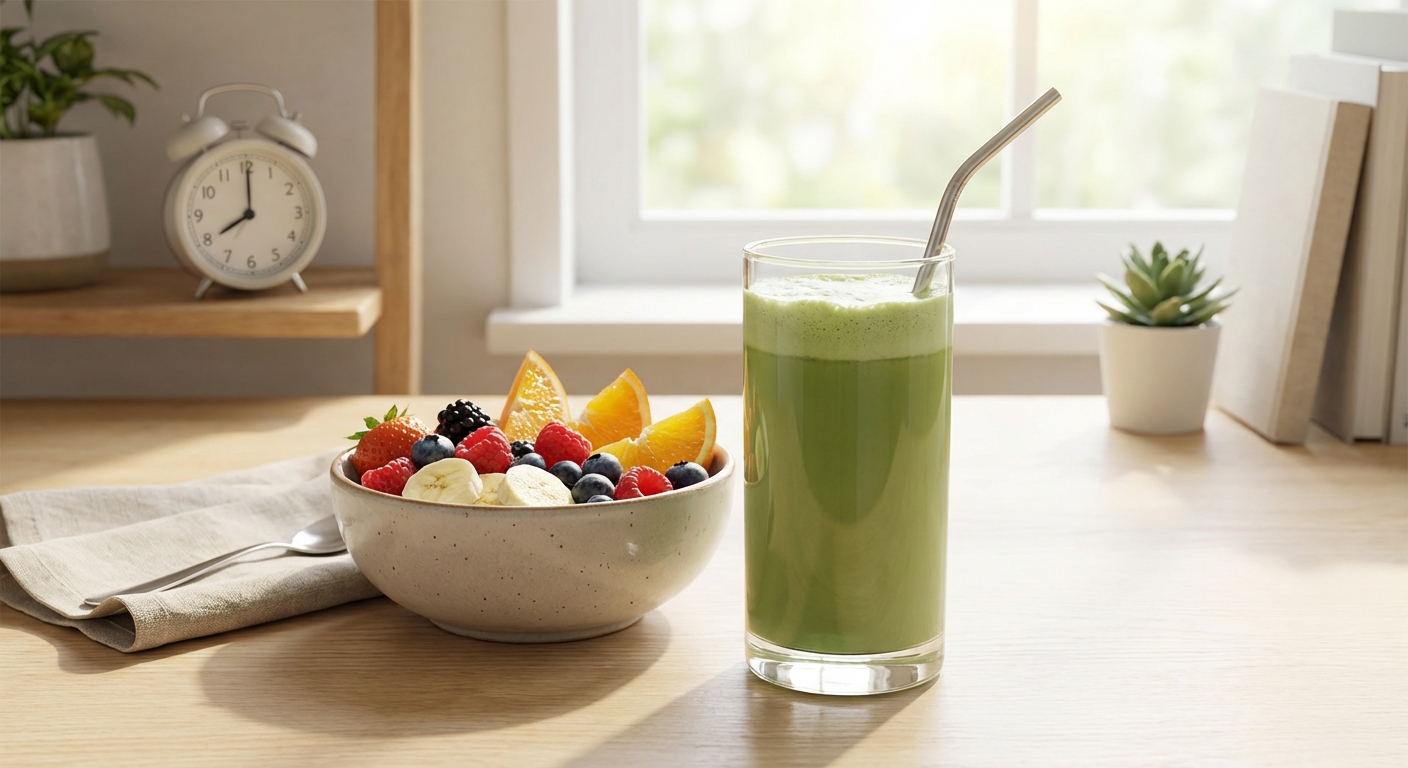
You can absolutely add collagen to matcha without losing the specific health benefits of either substance, provided you use hydrolyzed peptides. When considering if Can You Put Collagen in Matcha?, the primary concern is molecular stability; however, both ingredients remain bioactive when mixed correctly. Matcha provides the stable antioxidant base while collagen provides the structural protein necessary for tissue repair. This combination ensures that you receive a balanced delivery of nutrients that target both cognitive performance and physical aesthetics.
Are Collagen Peptides Heat Stable in Tea?
Hydrolyzed collagen peptides are remarkably resilient to the temperatures typically used for steeping ceremonial grade matcha . These proteins are processed to withstand temperatures up to 300°F, which is far beyond the boiling point of water used in traditional tea preparation.
Think about it:
- Standard matcha water is 175°F.
- Collagen maintains its structure at this level.
- The amino acid profile remains completely intact.
- Bioavailability is not compromised by the warmth.
Does Matcha Antioxidant Content Protect Collagen?
The high concentration of catechins in premium grade matcha actually serves to protect your body’s collagen from oxidative stress. These antioxidants neutralize free radicals that otherwise accelerate the breakdown of your natural collagen stores.
The best part?
- EGCG reduces collagenase activity in the skin.
- Vitamin C in matcha aids collagen synthesis.
- Anti-inflammatory properties protect joint cartilage.
- Synergistic effects improve overall skin elasticity.
Key TakeawayCombining these two preserves the L-theanine in matcha and the amino acids in collagen, creating a stable, nutrient-dense beverage.
Feature | Matcha Benefit | Collagen Benefit | Synergistic Result |
|---|---|---|---|
Antioxidants | High EGCG | Protective Barrier | Reduced Aging Rate |
Protein | Minimal | High Amino Acid Content | Tissue Repair |
Energy | L-Theanine Focus | Metabolic Support | Sustained Vitality |
Analysis shows that the chemical stability of both compounds allows for a highly functional drink that supports long-term longevity.
How Does This Duo Support Professional Skin and Joint Health?

The combination of matcha and collagen provides a dual-action approach to wellness by fighting oxidative stress while supplying the building blocks for tissue repair. Can You Put Collagen in Matcha? Yes, and doing so allows the catechins in the tea to shield your body’s existing collagen from environmental degradation. Professionals often face high levels of blue light and environmental pollutants that damage skin integrity. By pairing bulk matcha wholesale with pure peptides, you create an internal defense mechanism that operates throughout the workday.
Can Catechins Prevent Collagen Breakdown?
Catechins specifically target the enzymes responsible for breaking down the structural matrix of your skin and joints. By inhibiting these enzymes, the matcha allows the ingested collagen to be more effective in its rebuilding process.
Here is the kicker:
- UV protection is enhanced from within.
- Elastin fibers are better preserved over time.
- Glycation processes are significantly slowed down.
- Your skin barrier remains hydrated and plump.
How Does This Support Joint Lubrication?
Joint health relies on both the presence of collagen and the reduction of inflammatory markers that cause stiffness. Matcha’s anti-inflammatory profile works perfectly with collagen’s ability to replenish synovial fluid and cartilage density.
Look:
- Collagen provides the Type II peptides needed for joints.
- Matcha reduces the swelling associated with long hours of sitting.
- Mobility is maintained through consistent daily consumption.
- Recovery from professional strain or exercise is accelerated.
Key TakeawayThe synergy between vitamin C (often found in fortified matcha) and collagen peptides significantly enhances skin elasticity and joint resilience.
Target Area | Primary Ingredient | Supporting Ingredient | Visible Outcome |
|---|---|---|---|
Epidermis | Collagen Peptides | Matcha Polyphenols | Improved Radiance |
Cartilage | Collagen Type II | Matcha Catechins | Reduced Stiffness |
Hydration | Hyaluronic Stimulants | Green Tea Nutrients | Dewy Appearance |
Scientific evidence supports the claim that these ingredients work better together than when consumed in isolation for structural health.
Will the High Temperature of Hot Matcha Destroy Collagen?
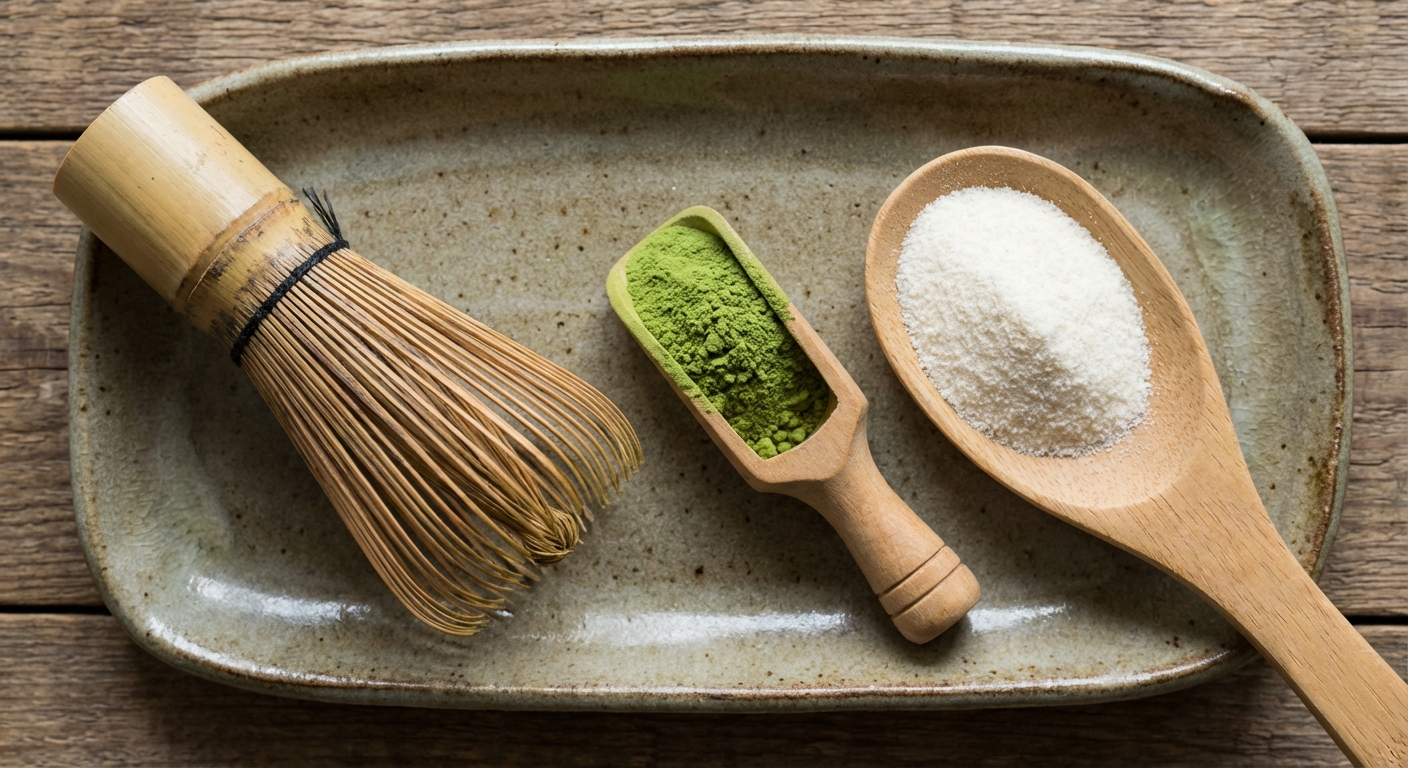
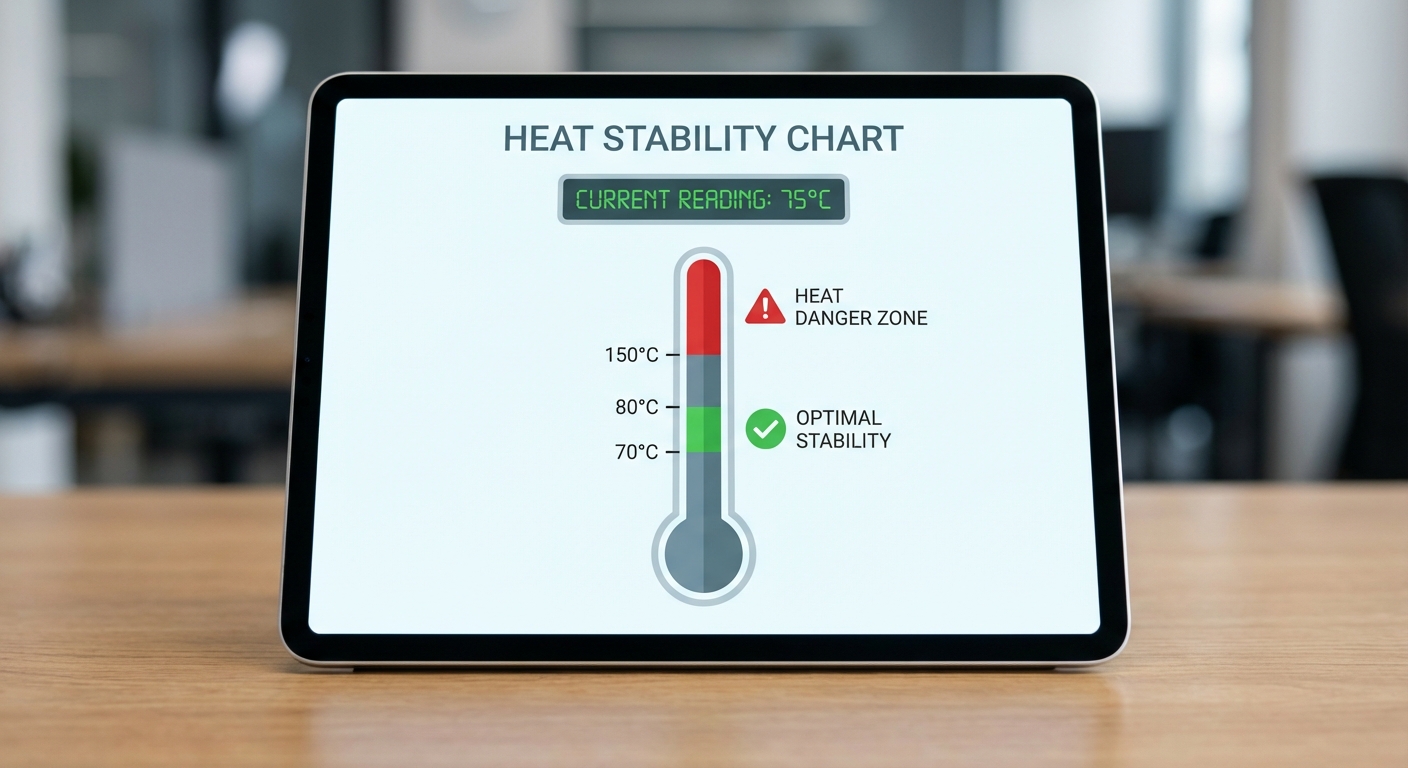
Standard matcha preparation temperatures, usually between 70°C and 80°C, are far below the threshold that would denature hydrolyzed collagen peptides. Many users ask Can You Put Collagen in Matcha? specifically regarding hot lattes; science confirms that collagen is heat-stable up to 150°C. Maintaining the correct temperature is more about preserving the delicate flavor of your premium organic matcha than protecting the collagen. If you use water that is too hot, you may burn the tea leaves, resulting in a bitter beverage. However, the collagen will remain chemically unaffected even if the water reaches a slight boil.
What Is the Ideal Temperature for Mixing?
For the perfect balance of flavor and function, you should aim for water that is roughly 175°F or 80°C. This temperature ensures that the matcha dissolves into a frothy texture without releasing excessive tannins.
But wait, there is more:
- High heat helps collagen dissolve faster.
- It prevents the clumping often seen in cold liquids.
- The warmth activates the calming properties of L-theanine.
- You achieve a smoother mouthfeel for professional catering.
Should You Add Collagen Before or After Whisking?
The sequence of your preparation can influence the final texture and presentation of your functional latte. Most baristas recommend whisking your wholesale matcha tea grades into a paste first to ensure no clumps remain.
Listen to this:
- Sift your matcha powder into the bowl.
- Add a small amount of 80°C water to create a slurry.
- Whisk until the signature froth appears on the surface.
- Stir in your collagen peptides at the very end.
Key TakeawayKeep your water below boiling to protect the delicate flavor of the matcha, knowing your collagen is perfectly safe at that heat.
Temp Range | Matcha Status | Collagen Status | Recommendation |
|---|---|---|---|
Under 70°C | Poor Dissolution | Slow Dissolution | Too cold for lattes |
70°C – 80°C | Optimal Flavor | Perfect Stability | Expert Recommended |
100°C+ | Bitter Taste | Perfectly Stable | Avoid for tea quality |
The thermal stability of collagen makes it a robust addition to any hot tea program without nutritional degradation.
What Is the Best Ratio for a Matcha Collagen Blend?

The most effective ratio for a daily functional beverage is 1–2 grams of ceremonial matcha paired with 10 grams of collagen peptides. If you wonder Can You Put Collagen in Matcha? for a meal replacement, increasing the collagen to 20 grams provides a more substantial protein boost. Finding the right balance ensures that neither ingredient overpowers the other in terms of texture or taste. Too much collagen can make the drink feel heavy or slightly chalky if not mixed correctly. Conversely, too little collagen might not provide the clinical dose needed to see visible improvements in hair or skin health.
How to Achieve a Smooth Texture?
Consistency is the hallmark of a high-quality B2B beverage offering, especially when mixing powders of different densities. Using a motorized handheld frother is often more efficient for bulk preparations than a traditional bamboo whisk.
It gets better:
- You save time during busy morning rushes.
- The high-speed rotation emulsifies the collagen instantly.
- Micro-foam stays stable for a longer period.
- Customers appreciate the “velvet” texture of the drink.
Does the Flavor Profile Change Significantly?
High-quality collagen is designed to be neutral, but a slight savory undertone can sometimes be detected in lower-grade versions. When you use top matcha , the natural umami notes of the tea complement the protein perfectly.
Look:
- Matcha provides a grassy, sweet base.
- Collagen adds a creamy body to the liquid.
- The combination reduces the need for added sweeteners.
- A dash of plant milk can further blend the flavors.
Key TakeawayHigh-quality collagen is virtually tasteless, allowing the umami notes of the matcha to remain the hero of the drink.
Serving Size | Matcha (g) | Collagen (g) | Use Case |
|---|---|---|---|
Standard Cup | 1.5 | 10 | Daily wellness ritual |
Beauty Boost | 2.0 | 12 | Enhanced skin support |
Performance | 2.0 | 20 | Post-workout recovery |
Adhering to these ratios ensures a professional-grade beverage that balances nutritional density with consumer-friendly flavor profiles.
Should You Choose Marine or Bovine Collagen for Your Matcha?
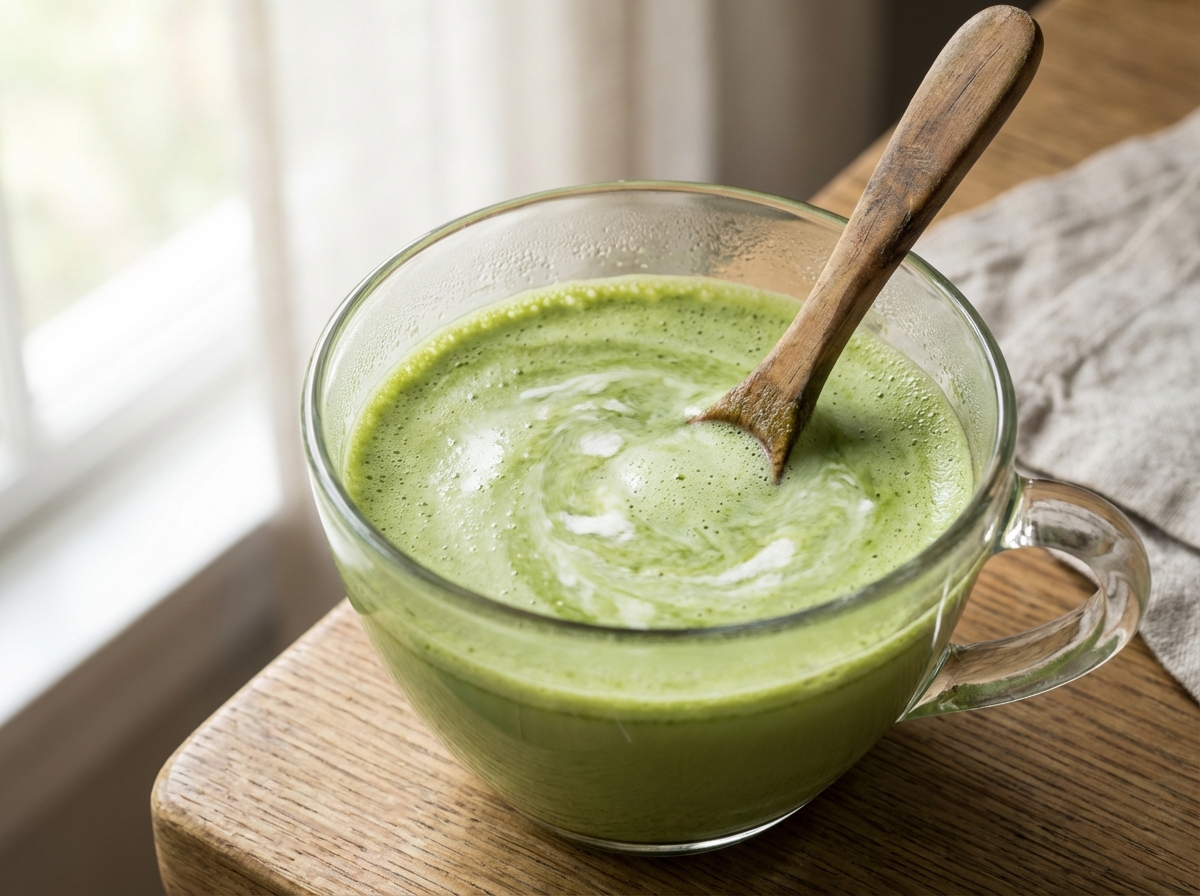
Marine collagen is often preferred for matcha lattes because its smaller particle size allows for superior dissolution in tea-based liquids. When deciding Can You Put Collagen in Matcha?, your choice of source depends on your specific health goals and dietary restrictions. Bovine collagen is typically more cost-effective for large-scale private label matcha projects but may require warmer water to dissolve completely. Marine collagen is widely regarded as the “beauty choice” due to its high concentration of Type I collagen. Businesses must weigh the cost-benefit ratio of each source to match their target demographic’s preferences.
Which Source Offers Better Bioavailability?
Marine collagen peptides are absorbed up to 1.5 times more efficiently by the body compared to bovine sources. This is due to their lower molecular weight, which allows them to cross the intestinal barrier more readily.
Now, let’s dive deeper:
- Bioavailability means faster results for the user.
- Skin radiance can be seen in as little as four weeks.
- Marine sources are often perceived as more “premium.”
- It fits better with pescatarian dietary lifestyles.
Are There Sustainability Differences to Consider?
Sustainability is a growing concern for modern B2B buyers who prioritize ethical sourcing in their supply chains. Marine collagen made from fish scales that would otherwise be discarded is an excellent example of upcycling.
The bottom line is this:
- Bovine collagen is a byproduct of the beef industry.
- Grass-fed bovine is the industry standard for quality.
- Marine sources must be checked for heavy metal purity.
- Transparency in sourcing increases brand trust.
Key TakeawayMarine collagen Type I is ideal for skin radiance, while Bovine Types I and III are better for overall muscle and gut support.
Collagen Source | Molecular Weight | Best For | Diet Compatibility |
|---|---|---|---|
Marine | Very Low | Skin/Beauty | Pescatarian |
Bovine | Low | Joints/Gut | Halal/Paleo |
Vegan | N/A (Peptide builders) | Support | 100% Plant-based |
Choosing the right collagen source is critical for aligning your matcha product with the values and biological needs of your customers.
Does Matcha Caffeine Impact How Well Collagen Works?
The caffeine in matcha does not inhibit collagen absorption; in fact, the L-theanine in matcha may help mitigate the cortisol spikes that can lead to collagen breakdown. Can You Put Collagen in Matcha? Yes, and you may find it more effective than coffee-collagen mixes because matcha is less acidic on the digestive system. Coffee can sometimes cause gastric distress which might interfere with the optimal absorption of proteins. Matcha’s alkaline nature provides a much gentler environment for the digestive enzymes to process the incoming amino acids. This makes the duo an ideal choice for people with sensitive stomachs who still want a protein-packed morning kick.
Can L-Theanine Reduce Cortisol-Related Damage?
High cortisol levels are a primary driver of collagen degradation in the skin, often leading to premature wrinkles and a dull complexion. The L-theanine in culinary grade matcha promotes alpha brain waves, inducing a state of relaxation.
Think about it:
- Lower stress equals better collagen preservation.
- You avoid the “jittery” spike found in coffee.
- Sleep quality is preserved, allowing for nightly repair.
- The mind stays sharp without the physical crash.
Does Acidity Affect Protein Digestion?
Digestive efficiency is paramount when consuming high-value supplements like hydrolyzed collagen. Highly acidic environments can sometimes prematurely break down peptides before they reach the absorption sites.
The best part?
- Matcha has a pH level that is closer to neutral.
- It supports a healthy gut microbiome for better uptake.
- The chlorophyll in matcha aids in detoxification.
- Your body utilizes the collagen more effectively.
Key TakeawayThe “calm energy” from matcha ensures your body stays in a restorative state, which is optimal for protein synthesis.
Metric | Matcha Collagen | Coffee Collagen | Impact on Body |
|---|---|---|---|
pH Level | Alkaline/Neutral | Highly Acidic | Digestive Comfort |
Stress Response | Calming (Theanine) | Stimulating | Collagen Preservation |
Energy Curve | 4-6 Hours (Steady) | 1-2 Hours (Spiky) | Metabolic Stability |
Switching to a matcha-based protein ritual can protect the body’s structural integrity by managing the physiological stress response.
Is This Combination Profitable for Beverage Businesses?
Adding collagen as a premium “boost” to matcha menus is an excellent way for cafes and wellness brands to increase average transaction value. Business owners investigating Can You Put Collagen in Matcha? should note the growing consumer demand for functional, multi-benefit beverages. By offering a “Beauty Matcha” or “Joint Support Latte,” you can command a higher price point than a standard tea. The cost of a 10g serving of collagen is relatively low compared to the perceived value it adds for the health-conscious customer. This allows for significant margin expansion in both retail and service-based business models.
How to Market Functional Lattes to B2B Clients?
When selling to corporate offices or wellness centers, focus on the productivity benefits of the “calm alertness” provided by the matcha. The addition of collagen makes it a complete “biohacking” tool for the modern professional.
Here is the kicker:
- You target the high-spending wellness demographic.
- It differentiates your menu from standard coffee shops.
- It encourages repeat daily visits for the “ritual.”
- Bundled packages increase the total basket size.
What Are the Cost-Per-Serving Implications?
Managing inventory for two high-value powders requires a focus on shelf-life and moisture control. Fortunately, hojicha powder and matcha both have excellent longevity when stored in airtight containers.
Look:
- Wholesale collagen costs are decreasing as demand rises.
- Matcha yields a high number of servings per kilogram.
- Waste is minimal compared to fresh produce ingredients.
- The ROI on functional boosters is typically 300% or more.
Key TakeawayFunctionality is the biggest trend in the B2B beverage sector, making the matcha-collagen duo a high-margin menu addition.
Revenue Stream | Standard Matcha | Collagen Matcha | Profit Delta |
|---|---|---|---|
Retail Cup | $5.00 | $7.00 | +$2.00 |
Add-on Price | N/A | $1.50 | 80% Margin |
Subscription | Low | High | Increased Loyalty |
Integrating collagen into a matcha-focused business plan significantly enhances the financial viability and market appeal of the brand.
When Is the Optimal Time to Consume This Superfood Mix?
Morning consumption is ideal to take advantage of matcha’s cognitive benefits and the body’s natural protein processing rhythms. Can You Put Collagen in Matcha? Doing so at mid-morning can provide a satiating bridge between breakfast and lunch, reducing afternoon cravings. Because collagen is a protein, it helps stabilize blood sugar levels when combined with the caffeine from the tea. This prevents the “hunger crash” that often follows a sugary breakfast or a plain black coffee. Consuming it early also ensures that the caffeine has plenty of time to leave your system before you need to sleep.
Is It Better on an Empty Stomach?
Many wellness experts suggest that taking collagen on an empty stomach allows for maximum absorption without competition from other dietary proteins. However, matcha can be slightly astringent for some if they have not eaten anything.
You might be wondering:
- Should I drink it before or after breakfast?
- Does milk slow down the absorption?
- Can I take it pre-workout?
- Will it break my intermittent fast?
Should You Avoid It Before Bedtime?
Even though the L-theanine is relaxing, the caffeine content in matcha is still significant enough to disrupt deep sleep cycles for sensitive individuals. For this reason, it is best to avoid this combination after 3:00 PM.
The bottom line is this:
- Peak cortisol occurs in the morning.
- Matcha helps manage that early stress spike.
- Protein synthesis is high during the daytime.
- Evening use may cause unwanted restlessness.
Key TakeawayAvoid drinking it with high-iron meals, as the tannins in matcha can slightly reduce the absorption of non-heme iron.
Time Window | Energy Goal | Beauty Goal | Verdict |
|---|---|---|---|
7 AM – 10 AM | Focus & Clarity | Peak Absorption | Highly Recommended |
1 PM – 3 PM | Afternoon Pick-up | Skin Maintenance | Good Alternative |
8 PM – 10 PM | Not Applicable | Nightly Repair | Avoid (Caffeine) |
Timing your intake to match your biological clock maximizes the efficacy of both the caffeine and the protein peptides.
Are There Any Potential Side Effects or Precautions?
While generally safe for most, individuals with seafood allergies should avoid marine-based collagen in their matcha. If you are unsure Can You Put Collagen in Matcha? due to existing health conditions, it is always wise to monitor your caffeine intake levels. High doses of green tea extract can sometimes impact liver enzymes, though this is rarely an issue with traditional whole-leaf powder consumption. Always ensure that your ingredients are free from fillers, artificial sweeteners, or heavy metal contaminants. Quality control is the best way to prevent the digestive upset sometimes associated with low-grade supplements.
Can You Overconsume Collagen or Matcha?
The recommended daily intake for collagen is typically between 5g and 15g, while matcha should be limited to 2–3 servings per day. Exceeding these limits can lead to caffeine jitters or a feeling of bloating from the high protein intake.
Think about it:
- Consistency is more important than quantity.
- A single daily cup is sufficient for most.
- Listen to your body’s digestive feedback.
- Adjust your serving size based on activity levels.
What Are the Digestive Considerations?
Some individuals may experience mild bloating when first introducing collagen into their diet. This is usually temporary as the gut microbiome adjusts to the new amino acid profile being introduced.
Look:
- Pure hydrolyzed peptides are easier on the gut.
- Sifting the powders prevents air-pocket clumps.
- Drinking plenty of water helps process the protein.
- Matcha’s fiber content actually aids regular digestion.
Key TakeawayModeration is key; 1–2 cups of matcha per day is the recommended limit for most healthy adults to avoid caffeine jitteriness.
Potential Issue | Root Cause | Solution |
|---|---|---|
Jitters | High Caffeine Intake | Reduce matcha to 1g |
Bloating | Poor Dissolution | Use a frother/warm water |
Allergy | Fish Source | Switch to Bovine source |
Safety and purity should be the foundation of any long-term supplementation strategy to avoid adverse reactions.
How Should You Select Quality Bulk Ingredients for Your Brand?
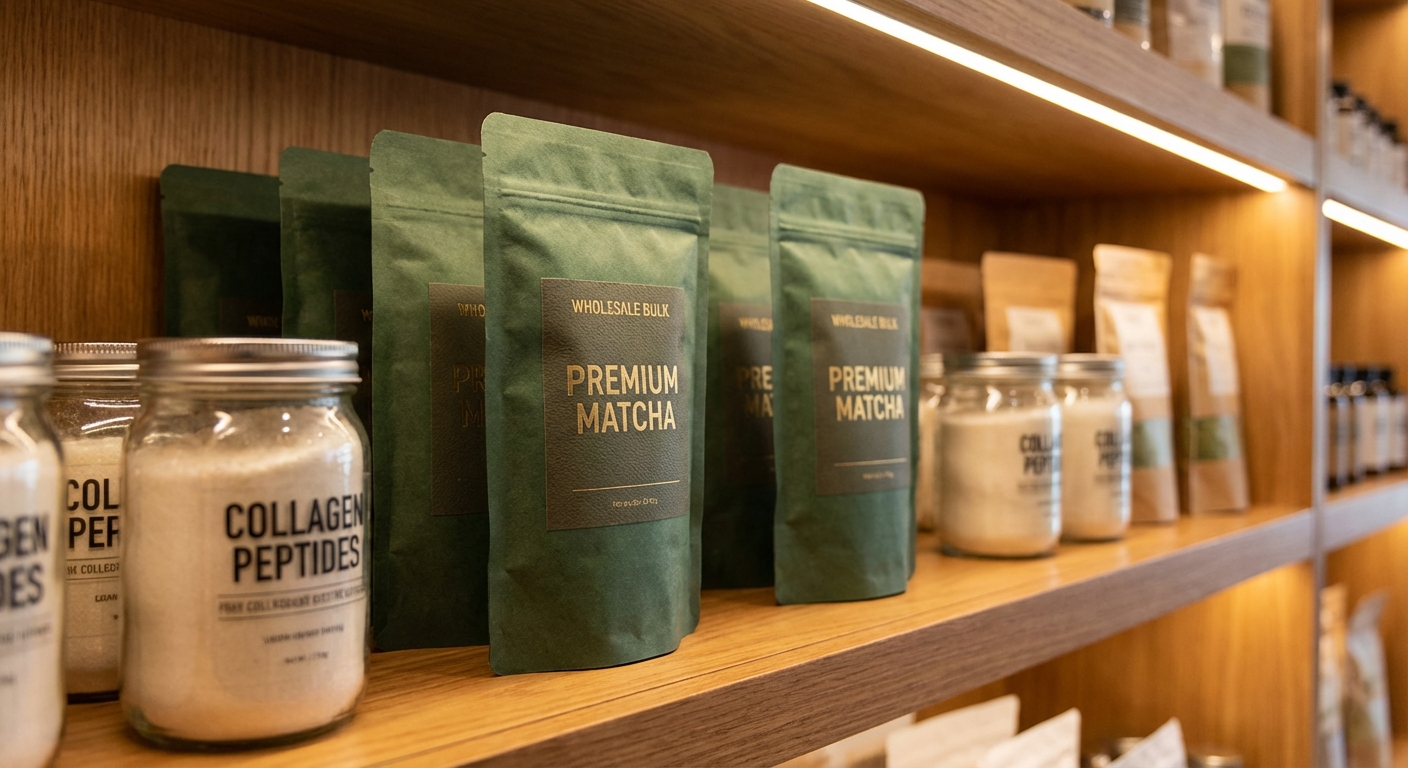
Selecting the right ingredients requires a focus on transparency, third-party testing for heavy metals, and organic certifications. Can You Put Collagen in Matcha? Only if you ensure the powders are free from fillers that could clump or alter the beverage’s delicate texture. As a buyer for a matcha factory , you must verify that the sourcing origins are clearly stated and that the certificates of analysis (COAs) are current. Lower-quality matcha often has a brownish tint and a bitter smell, indicating it was not properly shade-grown or stone-ground. Similarly, high-quality collagen should be a snow-white powder with no discernible odor or taste.
What Certifications Should You Look For?
In the B2B world, certifications are the language of trust and quality assurance. Organic labels like USDA or EU Organic are essential for high-end matcha products to ensure they are pesticide-free.
But wait, there is more:
- Non-GMO status is a baseline requirement.
- Heavy metal testing (Lead/Arsenic) is non-negotiable.
- Radiation testing for Japanese sources is standard.
- GFSI or ISO certifications for the manufacturing plant.
How to Verify Heavy Metal Testing?
The soil in which tea is grown can naturally contain trace metals, which the plant absorbs. Professional suppliers will provide detailed lab reports for every batch of wholesale matcha tea grades they ship.
It gets better:
- Request the most recent lab results.
- Compare values against international safety standards.
- Ensure the testing was done by a third party.
- Consistency across batches proves supplier reliability.
Key TakeawayA reliable partner will provide COAs (Certificates of Analysis) for every batch of matcha and collagen they supply.
Quality Marker | High-End Choice | Budget Choice | Risk |
|---|---|---|---|
Color | Electric Green | Dull Olive/Brown | Oxidation/Poor Growth |
Texture | Ultra-Fine (Silky) | Grainy/Gritty | Machine-ground heat |
Scent | Fresh/Sweet/Grassy | Hay-like/Musty | Age/Improper Storage |
Establishing a rigorous selection process ensures that your final product meets the high expectations of the modern wellness consumer.
FAQs
Can I mix collagen into cold matcha iced tea?Direct answer: Yes, but marine collagen or highly agglomerated bovine collagen dissolves better in cold liquids. For best results, whisk the powders with a small amount of warm water first to create a slurry before adding ice and cold milk to prevent clumping.
What’s the best type of matcha to use with collagen?Direct answer: Ceremonial grade is best for pure tea drinkers who want a smooth, non-bitter flavor. If you are making a latte with sweeteners and milk, a premium culinary grade provides a stronger “tea” flavor that stands up well to other ingredients without getting lost.
Can I add other superfoods like MCT oil to this mix?Direct answer: Absolutely. This combination is often referred to as a “Keto Matcha,” where the healthy fats from MCT oil work with the proteins in collagen and the antioxidants in matcha for a sustained, slow-burning energy source that keeps you full for hours.
What’s the best way to prevent the collagen from clumping?Direct answer: Always add your liquid to the powder, not the other way around. Using a motorized handheld frother or a traditional bamboo whisk is the most effective method for achieving a perfectly smooth, clump-free consistency that feels professional.
How do I know if the collagen I’m using is high quality?Direct answer: It should be a pure white powder that dissolves almost instantly and has no strong smell or taste. If the powder is yellowed or has a “beefy” or “fishy” scent, it is likely a lower-grade product that hasn’t been properly hydrolyzed or filtered.
The Professional Verdict
Combining collagen and matcha is a powerful, science-backed ritual that supports both mental clarity and physical structure without any loss of potency. By selecting high-quality, pure ingredients and following proper preparation temperatures, you can create a daily beverage that serves your longevity goals as much as your taste buds. This functional duo represents the future of the health-conscious beverage market, offering a sophisticated alternative to basic protein shakes or caffeine-heavy coffees. Whether you are a consumer looking to enhance your routine or a business seeking to elevate your menu, this combination is a proven winner.
If you have further questions or need to source premium ingredients for your business, feel free to contact us today .