
The global matcha market has transitioned from a niche ceremonial tea to a multi-billion dollar industrial powerhouse. For the modern procurement officer, product developer, or beverage brand owner, the binary choice between “Japanese quality” and “Chinese affordability” is no longer a sufficient framework for a competitive strategy. In the professional bulk matcha wholesale environment, the landscape is now defined by rigorous technical specifications, parts-per-billion residue limits, and application-specific performance rather than just origin stories.
Historically, the industry has been plagued by two major misconceptions. The first is the “Origin Supremacy Myth,” which suggests that any tea labeled “Product of Japan” is inherently superior to its Chinese counterpart. In reality, a low-grade Japanese industrial powder—often produced from late-season harvests or poorly shaded leaves—can be significantly inferior in color, aroma, and nutrient density to a high-end, early-spring, shade-grown Chinese “Ceremonial” grade. The second is the “Chinese Generic Myth,” which views Chinese production as a monolith of low-quality “green tea powder.” Modern Chinese matcha manufacturers have invested billions into Japanese-style steaming lines and stone-milling technology, creating a high-performance middle market that Japan often struggles to price-match.
For a business, the most expensive mistake in sourcing is not paying a higher price per kilo, but rather selecting a matcha that fails in its specific application. A ceremonial grade with high L-theanine might be perfect for a $10 traditional tea service, but its delicate flavor profile will vanish in a baked good or be overwhelmed by the acidity of a specialized coffee blend. Conversely, a cheap, sun-grown powder used in a “Premium Latte” will result in a muddy, brownish beverage that destroys brand equity and fails to meet consumer expectations for “vibrant green” matcha. This guide deconstructs the technical, chemical, and economic realities of both origins to help you build a resilient, high-margin supply chain.
As we move deeper into this analysis, we will explore why the “Total Landed Value” is the most critical metric for your business. We are currently seeing a paradigm shift where transparency in manufacturing processes and chemical stability are overriding the prestige of regional labels. For the strategic importer, understanding the nuances of the “Kill-green” phase, the physics of micro-milling, and the economic drivers of the Zhejiang vs. Shizuoka tea trades is essential for long-term growth.

2. Beyond Origin: Defining Modern Chinese and Japanese Supply Models
To understand the Japanese vs Chinese matcha quality debate, one must first look at the underlying business models and their impact on scalability. Japan operates on a “Heritage & Cooperative” model, whereas China has rapidly moved toward an “Integrated Industrial” model.
In Japan, production is often fragmented into small, family-owned plots that have been passed down for generations. These farmers typically belong to local cooperatives (JA – Japan Agriculture) that process the tea in a central, community-owned facility. While this ensures high artisanal standards and deep cultural knowledge, it results in higher overheads, fragmented traceability, and less flexibility for custom blending at the farm level. The limited land availability in prestigious regions like Uji or Nishio creates a natural ceiling on production volume, leading to high scarcity pricing that is disconnected from the actual cost of production.
China, particularly in provinces like Zhejiang and Fujian, has adopted a vertical integration strategy. A single matcha manufacturer may control the entire value chain: the plantation, the primary processing (steaming and drying), the micro-milling, and the final packaging. This “farm-to-bag” integration allows for tighter control over pesticide residue testing and more aggressive pricing for commercial matcha for lattes. For B2B buyers, this model provides a “Single Point of Truth” for quality control and the ability to scale from hundreds of kilograms to hundreds of tons without the supply volatility often found in the Japanese cooperative system.
Commercial Supply Model Comparison
Feature | Japanese Supply Model | Chinese Supply Model | B2B Implication |
|---|---|---|---|
Land Ownership | Small family plots / Cooperatives | Large-scale corporate plantations | China offers better scalability for massive contracts. |
Pricing Structure | High (Premium for labor/land) | Moderate to Low (Scale efficiency) | Japan is for brand prestige; China is for margin. |
Customization | Low (Standardized grades) | High (OEM/Bespoke blending) | China is superior for . |
Pesticide Control | High (Strict domestic regs) | Variable (Requires 3rd party lab) | Essential to verify COA for both origins. |
Export Focus | High-end retail/Ceremonial | Industrial/Ingredient/Private Label | Japan dominates the $100/kg+ market segment. |
For a procurement director, the choice between these models depends on the brand’s core value proposition. If your brand is built on “Authentic Japanese Heritage,” the Japanese model is the only choice. However, if your brand is built on “Daily Performance” and “Accessible Wellness,” the Chinese integrated model offers the stability and price points necessary to dominate the food service and retail sectors.
3. Terroir and Cultivation: Climate, Soil, and Farm Scale Impacts
Terroir is the silent partner in matcha production, dictating the chemical potential of the leaf before it ever enters a factory. The chemical composition of the leaf—specifically the delicate balance of catechins (which provide bitterness and health benefits) and amino acids (which provide sweetness and the “calm energy” effect)—is a direct result of the local soil pH, mineral content, and climate.
Japanese Terroir: The Micro-Climate AdvantageRegions like Uji (Kyoto) and Nishio (Aichi) are characterized by misty climates, river-deposited soils, and significant diurnal temperature swings (the difference between day and night temperatures). This natural “stress” on the tea plant encourages it to produce more aromatic compounds. The soil in Shizuoka is often rich in volcanic minerals, contributing to a “nutty” or “creamy” finish. However, the geographic constraints are severe. Japanese tea gardens are often located on slopes or in small pockets of land, which limits the use of large-scale machinery and drives up labor costs significantly.
Chinese Terroir: Geographic Diversity and ScaleChina’s advantage lies in its vast geographic diversity. High-altitude plantations (above 800m-1200m) in provinces like Guizhou and Zhejiang provide a natural defense against many pests, as cooler temperatures at high altitudes slow down insect life cycles. This often allows for “organic by default” cultivation. The soil in many Chinese matcha regions is slightly more acidic (pH 4.5–5.5), which can result in a more robust, “grassy” flavor profile. This profile, while different from the “umami-heavy” Japanese style, is often preferred by Western consumers in dairy-based lattes because the stronger grassy notes “cut through” the milk more effectively.
For a wholesale matcha supplier , the scale of the farm directly impacts the consistency of the “Lot.” In the Japanese system, a single 1-ton order might be composed of leaves from 20 different small farms, leading to slight seasonal variances. In the Chinese model, a 1-ton order often comes from a single block of a massive estate, ensuring near-perfect sensory uniformity across the entire batch—a critical requirement for global franchises that need their Matcha Latte to taste identical in London, New York, and Shanghai.
4. The Technical Edge of Shading: Chlorophyll, Amino Acids, and Visual Appeal
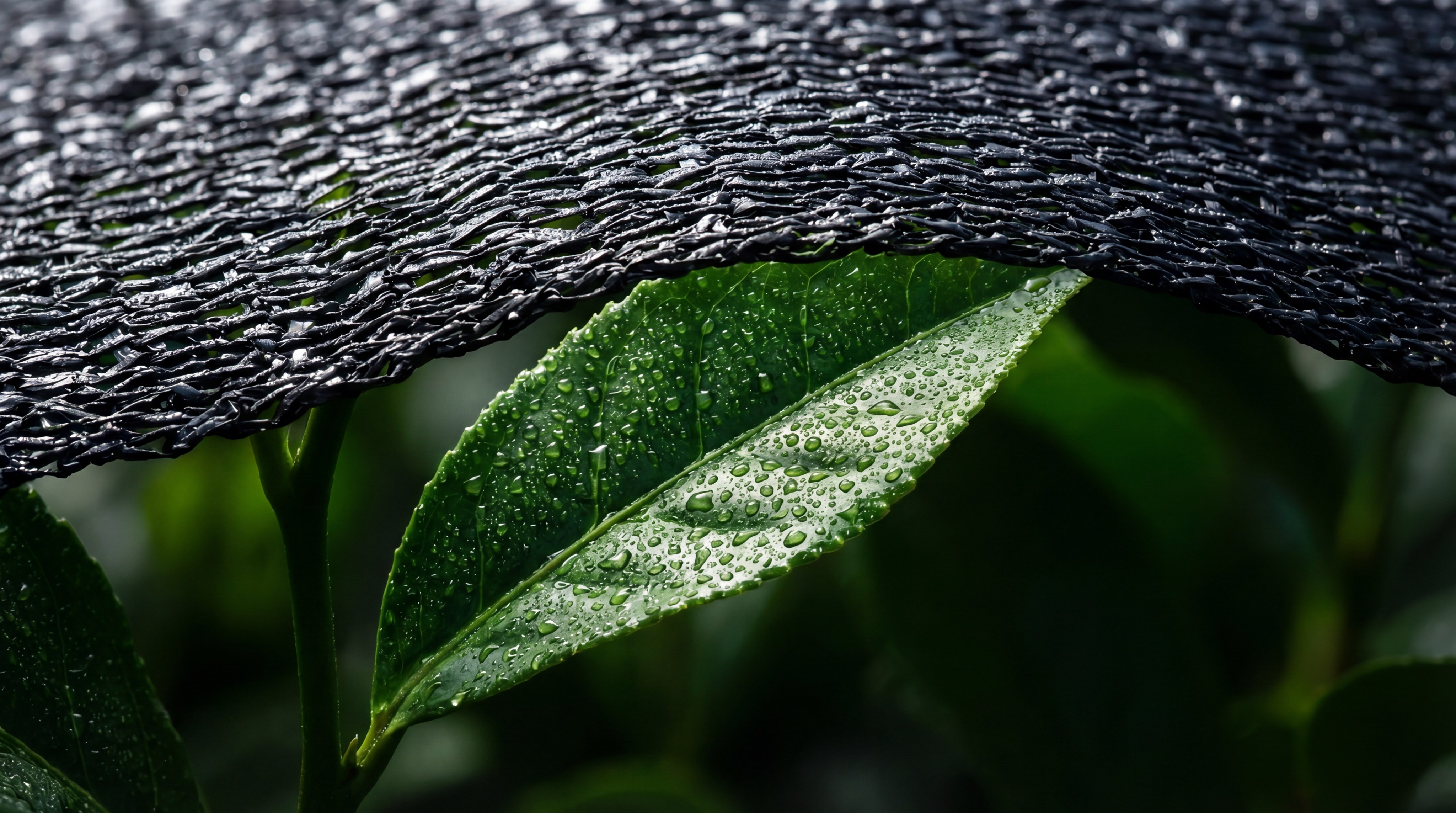
The defining characteristic of true matcha is “shading.” Without shading, you simply have green tea powder. The process involves covering the tea bushes with black vinyl nets or traditional straw mats to block 60% to 90% of sunlight for 20–30 days before the spring harvest.
Technically, shading forces the plant to undergo a biochemical transformation. Deprived of light, the plant compensates by producing massive amounts of chlorophyll to maximize what little photosynthesis is possible. This results in the “neon green” color that defines premium matcha. Simultaneously, the plant boosts its production of L-theanine, an amino acid that provides the “umami” or savory-sweet taste. Under normal sunlight, L-theanine naturally converts into polyphenols and catechins, which are bitter and astringent. By “stopping” this conversion through shading, manufacturers produce a leaf that is chemically sweet and visually vibrant.
Shading Impact on Bio-actives (Average Values)
Bio-active Compound | Unshaded (Green Tea Powder) | 90% Shaded (Ceremonial Matcha) | Impact on Beverage |
|---|---|---|---|
Chlorophyll | ~3-4 mg/g | ~12-18 mg/g | Vibrancy of green color; shelf stability. |
L-theanine | <10 mg/g | 30-45 mg/g | Umami flavor; “Calm energy” effect. |
Catechins (EGCG) | High (Bitter) | Moderate (Balanced) | Astringency and antioxidant levels. |
Caffeine | Moderate | High | Energy boost; metabolic support. |
When sourcing matcha OEM private label products, the shading duration is one of the most important technical questions to ask. A 10-day shaded “matcha” will always be cheaper to produce because the plant grows faster, but it will have a yellowish tint and a bitter finish. A 25-day shaded version will have the “Instagram-worthy” green color and smooth flavor that drives social media engagement and justifies a premium retail price. The cost of shading is not just the labor of the nets, but the “yield loss”—shaded plants produce 20-30% less leaf material than unshaded ones, which is why ceremonial grades command such high prices.
5. Manufacturing Excellence: Steaming, Drying, and Micro-milling Processes
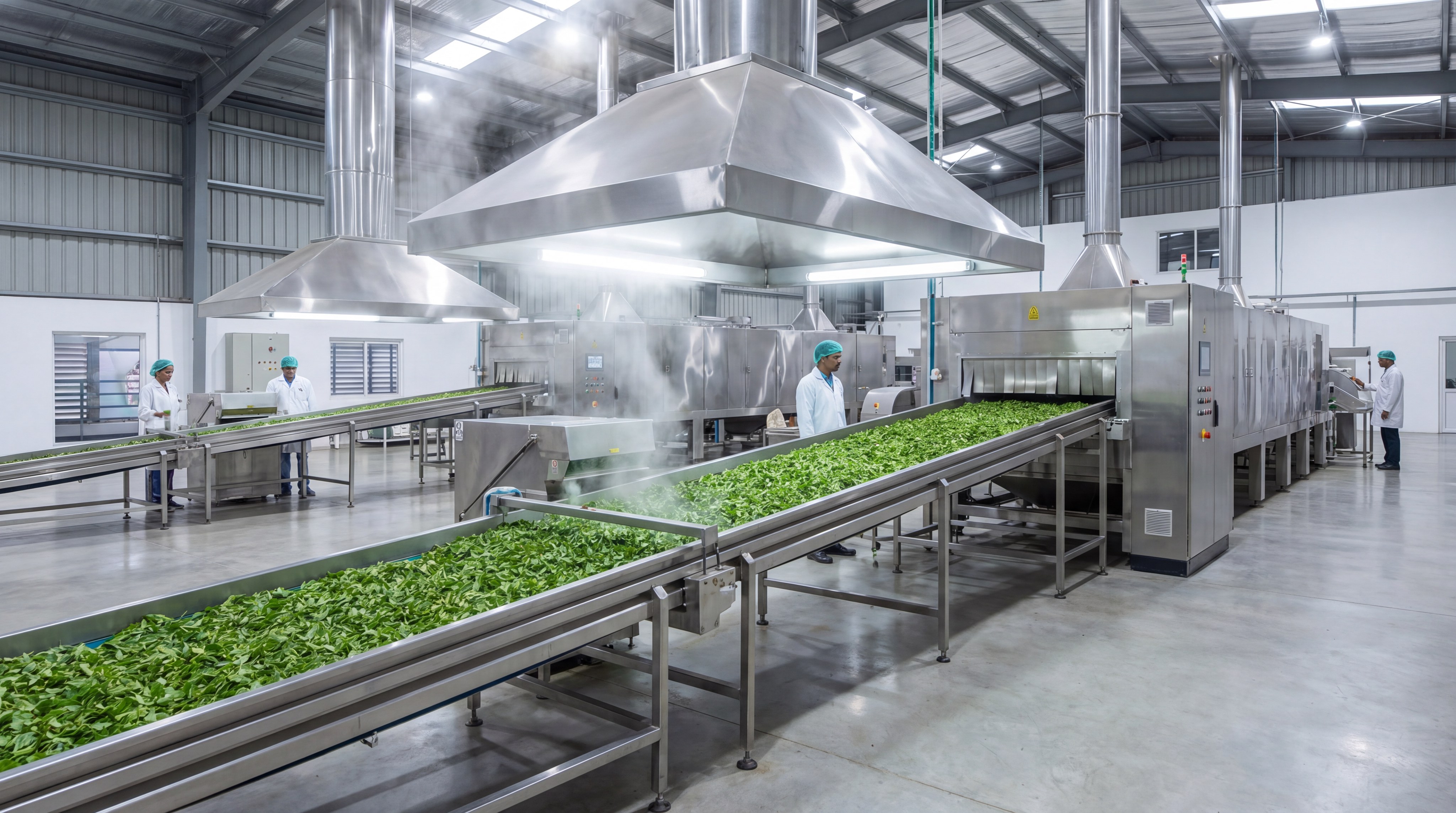
The path from a fresh green leaf to a 5-micron powder is a masterpiece of modern food engineering. The primary difference in quality between a generic green tea powder and a premium matcha often comes down to two highly technical steps: the “Kill-green” (de-enzyming) process and the milling method.
1. The Kill-green (Steaming) PhaseAuthentic matcha must be steamed, not pan-fried. Steaming for 15-20 seconds at high temperatures halts the enzyme activity that cause oxidation, effectively “locking in” the bright green color and the integrity of the chlorophyll. Some low-end producers in various regions use pan-firing (traditional for Chinese green tea), which results in a yellow/brown hue and a “toasty” flavor that is unacceptable for matcha. Top-tier matcha manufacturers in both Japan and China use vertical steaming chambers that process leaves instantly.
2. The Tencha Phase: De-veining and De-stemmingAfter steaming and drying, the leaves are referred to as “Tencha.” These leaves are kept flat and then put through a “winnowing” machine or air-separation system to remove the veins and stems. Only the “meat” of the leaf (the parenchyma) becomes matcha. The stems and veins are bitter and fibrous; their presence in the final powder is a sign of lower culinary grades. In a B2B environment, you should ask for the “Tencha recovery rate”—higher quality grades have a lower recovery rate because more of the leaf (the stems) is discarded.
3. Micro-milling (Micron Size and Particle Physics)This is where B2B buyers must be extremely precise in their specifications. The size of the particle dictates how the matcha feels on the tongue and how it interacts with liquids.
- Stone Milling: The traditional method using granite mills. It is slow (producing only 30-40g per hour) and keeps the tea cool. It produces a particle size of 5–10 microns. This size is so small that the powder actually “melts” into water, creating a velvety mouthfeel.
- Jet Milling: Uses high-pressure compressed air to cause tea particles to collide and shatter. It is much faster and more cost-effective. Modern jet mills with cooling systems can achieve 10–15 microns, which is perfectly acceptable for bulk culinary matcha and lattes.
Anything above 20-25 microns will feel “gritty” on the tongue and will settle rapidly at the bottom of the cup—a major “red flag” for any premium café brand.
6. The Color Spectrum: Using Visual Benchmarks to Verify Quality
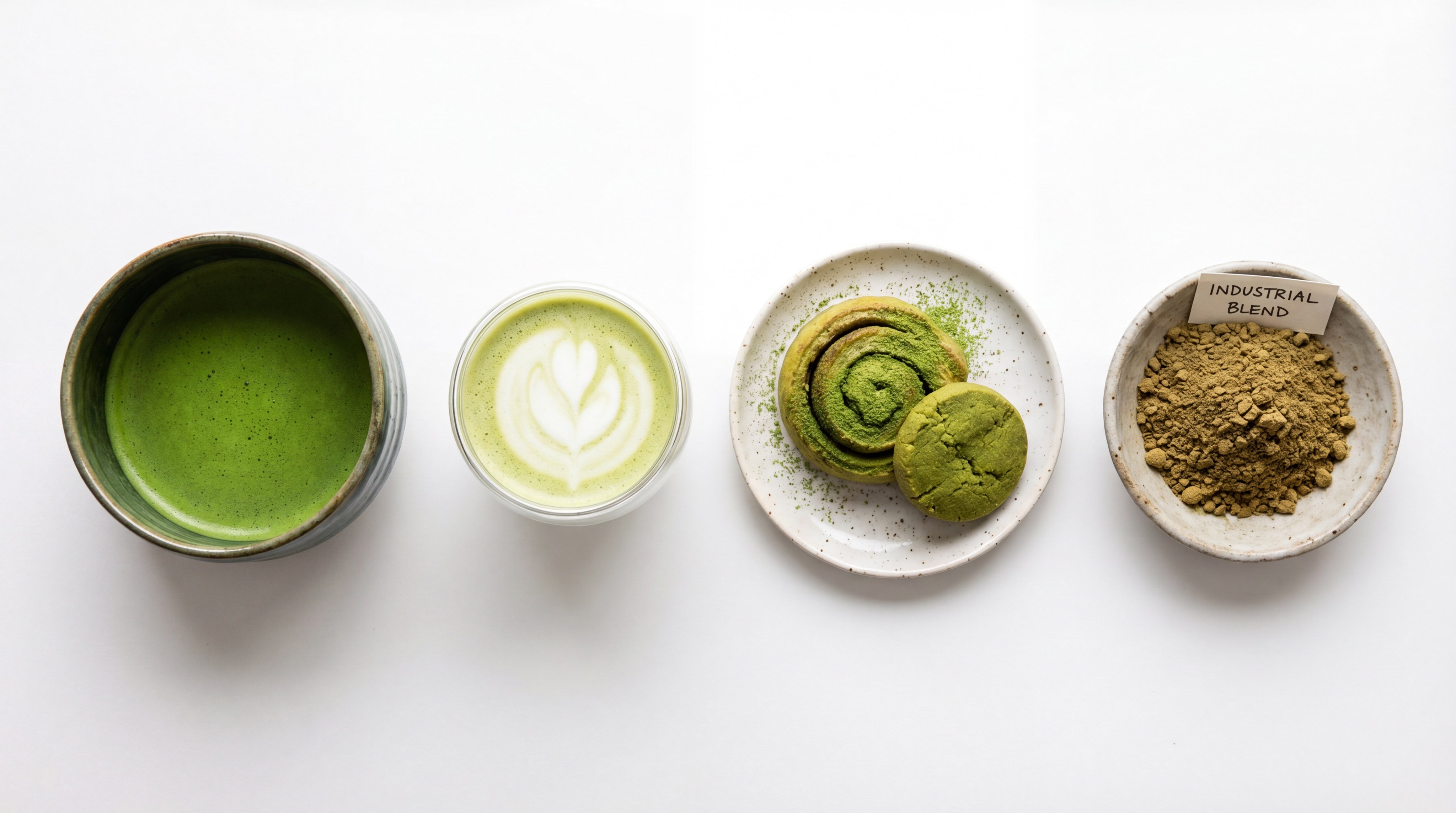
Color is the most immediate proxy for quality in the matcha trade. It represents the health of the plant at harvest and the skill of the manufacturer in preventing oxidation during processing and storage. For B2B buyers, color isn’t just an aesthetic choice; it’s a functional requirement that dictates the “perceived value” of the final product.
Color vs. Application Matrix
Visual Grade | Chlorophyll Level | Recommended B2B Application | Suggested Pricing Tier |
|---|---|---|---|
Vibrant Neon Green | Extremely High | Traditional whisked tea, high-end “Iced Matcha” shots | Tier 1 (Ceremonial) |
Deep Forest Green | High | Premium Lattes, Matcha Chocolates, Fine Pastry | Tier 2 (Premium/Latte) |
Dull Sage Green | Moderate | Baked goods, protein shakes, ice cream | Tier 3 (Culinary) |
Yellowish-Green | Low | Dietary supplements, capsules, cheap food coloring | Tier 4 (Industrial) |
Brownish-Yellow | Minimal | Avoid for food/beverage use (Oxidized) | N/A |
When evaluating samples from a bulk matcha wholesale partner, always perform a “smear test.” Place a small amount of powder (approx. 2 grams) on a piece of bright white paper and smear it with your finger in a long stroke. If the smear is smooth, consistent, and leaves a vibrant neon green streak, the milling and shading are high-quality. If it feels grainy, has “dots” of yellow, or leaves a dull streak, it contains too much stem material or has been stored poorly.
7. Sensory Profiles: Mapping Taste and Aroma to Customer Preferences
While color sells the first cup, the flavor profile is what builds customer loyalty and drives repeat sales. The sensory profile of matcha is a complex interplay of three main notes that must be balanced according to the end-use.
- Umami (Sweet/Savory): Derived from L-theanine. This is the hallmark of “Ceremonial” grades. It is often described as “brothy” or “oceanic.”
- Astringency (The “Bite”): Derived from catechins. A small amount is necessary for a “clean” finish, but too much is perceived as harsh bitterness.
- Vegetal (Grassy/Floral): The natural aroma of steamed green tea.
The Japanese Profile: Typically focuses on a “deep umami” and a “buttery” mouthfeel. It is often described as having a “seaweed” or “nori” aroma. This is highly prized in the US and European markets for premium positioning and traditional tea experiences.
The Chinese Profile: Often leaner and more “grassy” or “floral.” High-end Chinese matcha can have a toasted nuttiness that pairs exceptionally well with alternative milks like oat or almond. Because oat milk is naturally sweet, the slightly higher astringency of a “Latte Grade” Chinese matcha provides a necessary flavor balance that prevents the drink from becoming cloying. For a wholesale matcha supplier , offering both profiles allows a brand to cater to both the “Purist” and the “Modern Latte” drinker.
8. Technical Performance: Solubility, Dispersion, and Formula Stability
In a B2B context, “solubility” is technically a misnomer. Matcha does not dissolve like sugar; it is a suspension of tiny leaf particles. Therefore, the technical performance of your powder depends on its ability to stay in suspension without clumping or settling.
- Electrostatic Charge: Freshly milled matcha has a high static charge, which causes particles to stick together (“clumping”). This is why sifting is required in a café. For industrial food production (RTD bottled drinks), you must specify “de-clumped” or “sifted” powder.
- Foam Stability: For a barista, the “froth” is essential. High-quality ceremonial grades produce a dense, creamy foam with tiny bubbles (micro-foam). This is due to the presence of natural surfactants (saponins) in the tea leaf. If your matcha doesn’t froth, it likely has high stem content or was harvested too late in the season.
- Heat Stability: If you are sourcing for a commercial bakery, you need a “heat-stable” culinary grade. Lower-quality powders turn brown at high temperatures. High-chlorophyll, first-harvest culinary powders maintain their green hue even after 20 minutes in a 350°F oven.
Refer to our matcha grade guide for a deeper dive into which technical specs suit different manufacturing environments, from artisanal bakeries to massive RTD (Ready-to-Drink) bottling plants.
9. Grade Deconstruction: Standardizing Ceremonial, Premium, and Culinary
The global matcha industry currently lacks a legal definition for “Ceremonial” vs. “Culinary.” This allows for significant “grade inflation” in the wholesale market, where a low-quality second-harvest powder might be labeled as “Ceremonial” to justify a higher price. At Riching Matcha, we use a functional grading system to provide clarity for our B2B partners.
Functional Grade System
Grade Name | Harvest Timing | Milling Method | Best Used For |
|---|---|---|---|
Super Ceremonial | 1st Harvest (April) | Stone Mill (5μm) | Traditional tea service; high-end gifting. |
Standard Ceremonial | 1st Harvest | Stone/Jet Mill (8μm) | Premium cafes; “Iced Matcha” shots. |
Barista/Premium | Early 2nd Harvest | Jet Mill (10μm) | |
Culinary A | 2nd Harvest | Jet Mill (15μm) | Ice cream; fine pastry; premium chocolates. |
Culinary B | 3rd/Autumn Harvest | Ball Mill (20μm+) | Smoothies; bulk baking; dietary supplements. |
For a company looking to launch a retail line or a café chain, the “Barista/Premium” grade is the strategic sweet spot. It offers approximately 80% of the ceremonial color and aroma at 50% of the cost, making it the ideal candidate for a wholesale matcha supplier agreement that balances quality with margin protection.
10. Risk Mitigation: Certifications, Lab Testing, and Traceability
For a B2B buyer, the “Origin” is less important than the “COA” (Certificate of Analysis). A professional matcha manufacturer should provide a multi-page, batch-specific report covering four critical safety and quality pillars:
- Microbial Safety: (TPC, Yeast/Mold, E. coli, Salmonella). Matcha is a “raw” product that is not boiled before consumption. If the steaming/drying process is insufficient, microbial growth is a high risk.
- Heavy Metals: Lead, Cadmium, and Arsenic. Tea plants are bio-accumulators. Sourcing from regions with documented clean soil and air is mandatory for long-term brand safety.
- Pesticide Residues: This is the most significant hurdle for Chinese imports. To meet EU or USDA Organic standards, the tea must be tested for 500+ compounds. A reputable supplier will have an “EU Standard” or “USDA Standard” lot available at all times.
- Radiation Testing: Specifically for Japanese matcha. Since 2011, many global regions require a “Radiation-Free” certificate for tea originating from Shizuoka or Northern Japan.
Always ensure your supplier holds ISO 22000, HACCP, and Organic (USDA/EU) certifications. Without these, your brand is one random FDA/EU customs inspection away from a total recall, which can be catastrophic for a growing business.
11. Economic Strategy: Pricing Structures, Landed Value, and Margin Protection
The price of matcha is influenced by “The Four Horsemen of Cost”: Harvest Timing, Shading Duration, Milling Speed, and Origin-linked Labor.
- Japanese Pricing: In Japan, you are often paying for a “Brand” and a high cost of living. A decent ceremonial grade from Japan will cost between 45and45 and
90 per kg at the wholesale level. This leaves very little margin for retail brands unless they position themselves as an ultra-luxury player.
- Chinese Pricing: In China, you are paying for “Efficiency.” A comparable ceremonial grade might cost 25to25 to
45 per kg. For a high-volume café chain, this $20/kg difference translates to hundreds of thousands of dollars in annual profit.
Total Landed Cost Factors
Cost Element | Impact (Low to High) | Strategy for Mitigation |
|---|---|---|
Ex-Works Price | 60% | Negotiate multi-ton annual contracts for 15% discounts. |
Ocean/Air Freight | 10-20% | Use Ocean Freight (FCL) for culinary; Air for ceremonial. |
Import Duties | 5-15% | Check specific country tariffs (e.g., US Section 301 for China). |
Warehousing | 5% | Use a “Just-in-Time” delivery model from a local hub. |
For businesses looking to scale, focusing on the landed value—the quality you get for every dollar spent including shipping and duties—is the only way to protect your margins in a competitive market.
12. Sector Analysis: Sourcing for High-End Tea vs. Lattes & Food Service
Sourcing requirements vary wildly by sector, and “Over-speccing” is a common way to waste money:
- The Specialty Café: You need a “Hybrid” grade. It must be green enough to look vibrant in a clear glass but strong enough to cut through cow’s milk or oat milk. Look for “First Harvest Premium” with 15-20 days of shading.
- The RTD (Ready-to-Drink) Manufacturer: You need “Clarity and Stability.” RTD matcha often separates or turns brown due to the Maillard Reaction during heat sterilization. You may need to source a specifically treated, ultra-fine powder that remains stable in liquid for 6–12 months.
- The Industrial Baker: You need “Flavor Impact.” Use a high-quality bulk culinary matcha . Don’t waste money on ceremonial grades; the high heat of baking (350°F+) will destroy the delicate L-theanine anyway. You need the “robust” catechins of a second harvest to ensure the matcha flavor is actually detectable in the final cake or cookie.
13. Private Label & OEM Synergy: Scaling Brands with Manufacturing Partners
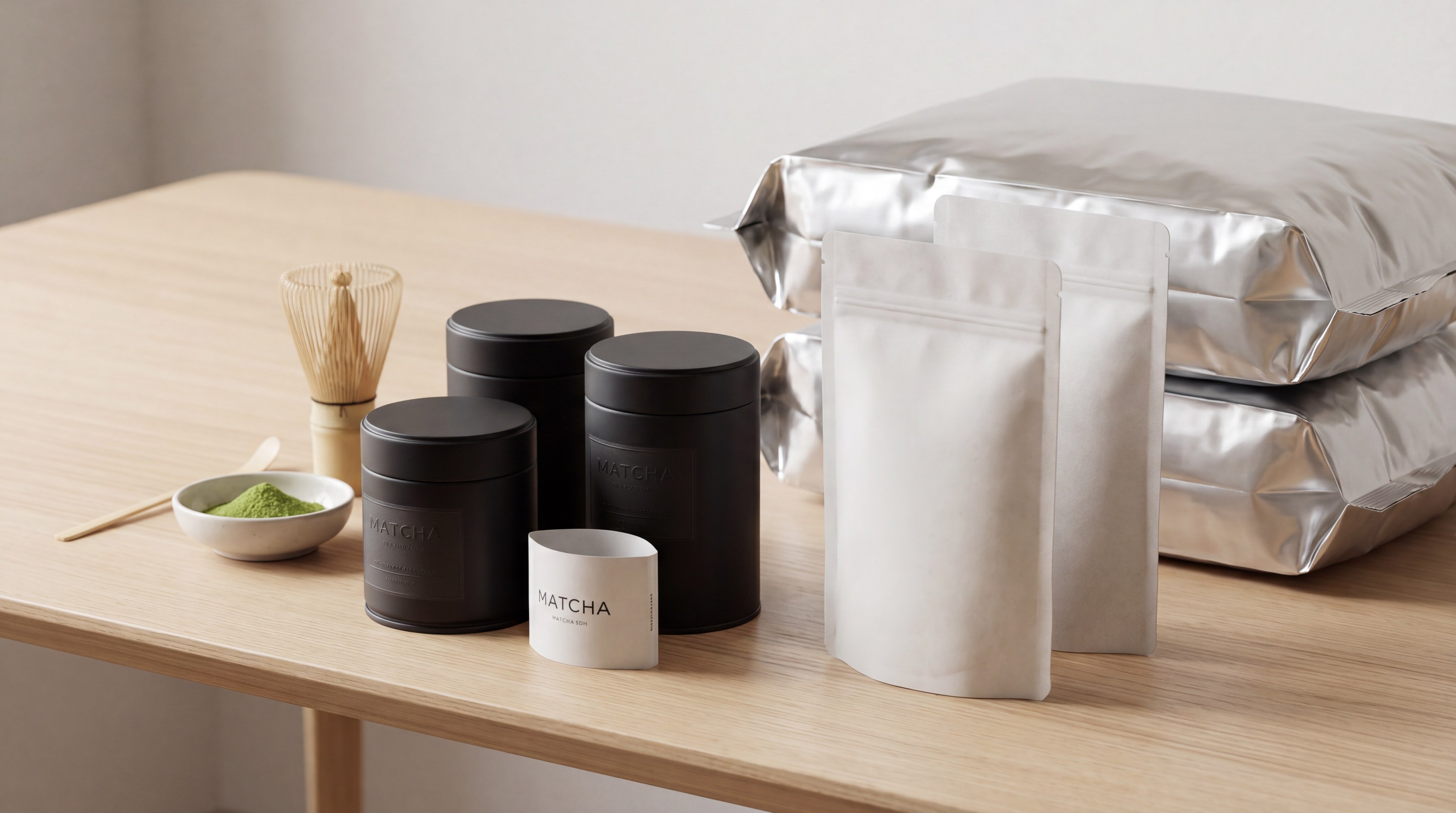
Starting a matcha brand from scratch is capital-intensive and logistically complex. The solution for 90% of successful new brands is a matcha OEM private label partnership. A good partner doesn’t just sell you powder; they provide a turnkey solution that includes regulatory compliance, packaging design, and logistics.
OEM Support Comparison
Service | Basic Wholesaler | Strategic OEM Partner (e.g., Riching) |
|---|---|---|
Packaging | Standard 1kg bags only | Tins, Pouches, Sticks, Sachet packs |
Design | None | In-house label compliance & structural design |
Blending | No | Custom recipes (e.g., Matcha Collagen, Mushroom Matcha) |
Fulfillment | Shipping to you | Drop-shipping or 3PL support |
Working with a private label matcha page expert allows you to focus 100% on marketing and sales while the manufacturer handles the complexities of food safety, batch consistency, and international shipping.
14. Strategic Conclusion: A Balanced Sourcing Roadmap
The “Ultimate Sourcing Guide” doesn’t tell you to pick one origin over the other. Instead, for modern businesses, it advocates for a bimodal supply chain strategy:
- For Brand Image & Flagship Products: Source a small-batch, stone-ground Japanese Ceremonial grade. This is your “hero” product that establishes your authority and E-E-A-T in the tea space.
- For Volume, Profit, & Ingredients: Source a high-spec, steamed, and jet-milled Chinese Premium grade. This is your “workhorse” that powers your lattes, smoothies, and wholesale food service contracts with 40%+ better margins.
By diversifying your origin and focusing on technical metrics—chlorophyll levels, micron size, and certified safety—you build a brand that is both authentic and highly profitable. Whether you are looking for a wholesale matcha supplier or a specialized matcha manufacturer , the key is transparency. Demand the data, test the samples, and choose the origin that serves your specific business goal.
FAQs for B2B Buyers
Q1: Why is there such a massive price gap between Chinese and Japanese matcha?A: It is primarily driven by land and labor costs. Japan’s tea-growing regions are limited, often on expensive, terraced land, and labor costs are among the highest in the world. China has massive land availability and integrated industrial systems that reduce the cost of steaming and milling at scale. However, when comparing top-tier “Ceremonial” grades, the price gap is narrowing as Chinese quality reaches Japanese standards.
Q2: Can Chinese matcha be truly ‘Ceremonial’ grade?A: Yes. “Ceremonial” is a quality standard, not a geographic protection. It refers to the quality of the leaf (1st harvest, 20+ day shaded, de-veined) and the fineness of the powder. If a Chinese matcha manufacturer uses identical 25-day shading and stone milling on 1st harvest leaves, the resulting powder is technically ceremonial, regardless of the origin.
Q3: How long does bulk matcha stay fresh in a warehouse?A: Matcha is highly sensitive to light, heat, and oxygen. In unopened, vacuum-sealed industrial foil bags (usually 1kg or 5kg), it stays fresh for 18–24 months if kept in a cool, dark environment (ideally <15°C). Once a bag is opened, it should be used within 2 months for optimal color and flavor.
Q4: Is Jet-milling inferior to Stone-milling for B2B applications?A: Not necessarily. For commercial matcha for lattes, jet-milling is often superior because it is more cost-effective and produces a consistent 10-micron particle that suspends perfectly in milk. Stone-milling is only “necessary” for high-end traditional tea service where the creamy mouthfeel and ultra-slow production are part of the luxury story.
Q5: What are the biggest ‘Red Flags’ when looking at a new supplier?A: Avoid suppliers who cannot provide a batch-specific COA, sell “Ceremonial” matcha at “Culinary” prices (it’s likely mislabeled), or provide samples that are yellowish or dull in color. Furthermore, ensure their organic certifications can be verified via a public database like the USDA Integrity database or EU TRACES.