A standard 2-gram serving of pure matcha contains approximately 3 to 5 calories. You carefully track every gram of food, but hidden liquid calories often ruin your progress or leave you questioning every label on the shelf. This frustration forces many professionals to settle for drinks that spike insulin and stall their metabolic goals. calories in matcha powder provide a reliable source of clean energy that fits your strict dietary requirements without the hidden math. 1. Are the low calories in matcha powder real?
Yes, these low caloric counts are accurate because pure powder consists entirely of stone-ground tea leaves without fillers. The density of calories in matcha powder remains low because the human body does not fully digest the plant’s cellulose fibers. You can enjoy multiple servings throughout the day without exceeding your target macronutrient ratios. Is it safe for strict calorie counting?
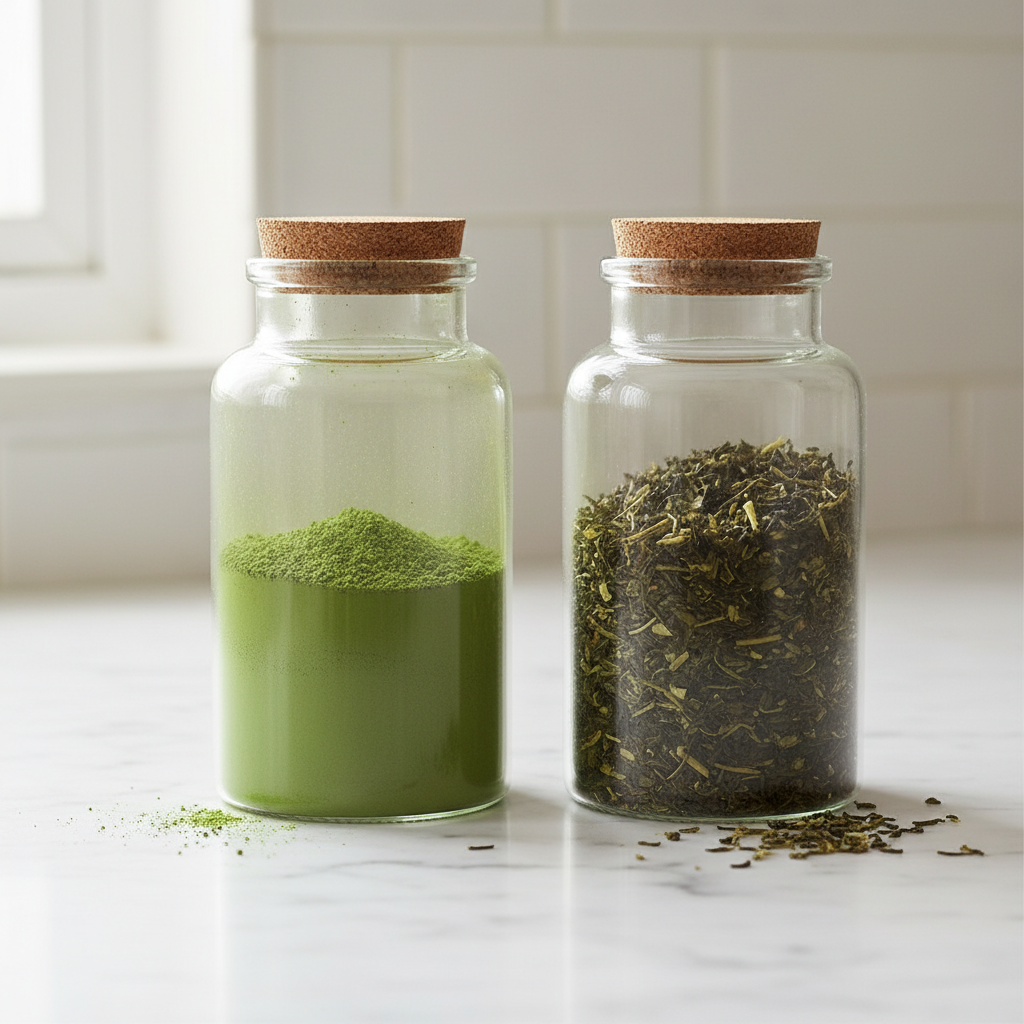
But here’s the kicker… Unlike instant tea mixes that use corn syrup solids, our pure powder contains only leaf matter.
- Zero added sugars or sweeteners.
- Negligible fat content per serving.
- High bioavailability of antioxidants.
This data confirms that choosing pure organic sources is vital for maintaining a strict deficit.
Key Takeaway: Pure stone-ground powder ensures your beverage stays under the 5-calorie threshold for maximum metabolic control.
2. Why do calories in matcha powder vary by grade?
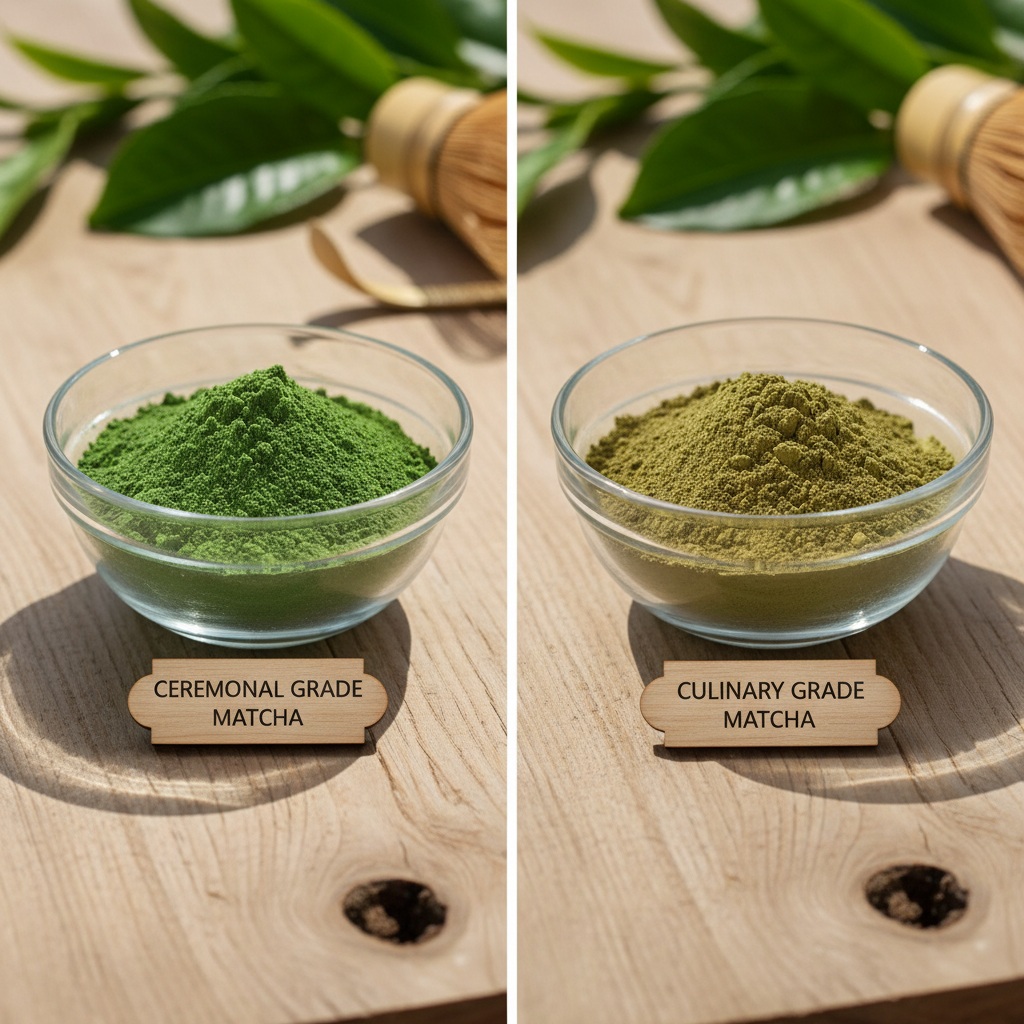
Variation occurs because younger leaves used in ceremonial grades have different fiber-to-protein ratios compared to mature culinary leaves. High-quality calories in matcha powder are derived from tender top leaves that contain more L-theanine and fewer woody tannins. You will find that ceremonial grade matcha offers the lightest caloric footprint while delivering a superior flavor profile. Does harvest timing affect energy density?
What’s the real story? Late-harvest leaves store more starch for plant survival, which slightly raises the carbohydrate bulk.
- First-flush leaves are the most nutrient-dense.
- Culinary grades contain more insoluble fiber.
- Energy variation remains within a 2-calorie range.
Understanding these slight differences allows you to select the best grade for your specific dietary needs.
Key Takeaway: Higher grades like ceremonial offer the best flavor-to-calorie ratio for zero-calorie preparation.
3. Does the origin impact calories in matcha powder?
Geographic location and specialized shading techniques directly influence the final nutritional density of the tea bushes. Shaded growth cycles in our specialized plantations ensure that calories in matcha powder remain minimal by forcing the plant to prioritize chlorophyll production. You receive a cleaner product that avoids the carbohydrate storage common in sun-grown green teas. Does shading change the carbohydrate load?
You might be wondering… Does the lack of sunlight prevent the plant from developing sugars?
- Shading boosts amino acid concentration.
- Restricted photosynthesis limits starch buildup.
- Chlorophyll levels increase significantly.
The environmental data shows that traditional shading methods are superior for maintaining low caloric counts.
Key Takeaway: Shaded growth optimizes the nutrient-to-calorie ratio by prioritizing amino acids over simple starches.
4. What is the macro profile of calories in matcha powder?
Pure powder consists primarily of dietary fiber alongside trace amounts of protein and negligible fat. The calories in matcha powder are so low because the human body does not fully digest all tea cellulose. You are essentially consuming a pulverized vegetable that provides vitamins and minerals without a heavy caloric load.
Is fiber the main calorie contributor?
Ready for the good part? Most of the powder volume is non-digestible fiber, which aids digestion and promotes satiety.
- Protein content is roughly 0.6g per serving.
- Fat content is less than 0.1g.
- Net carbohydrates are virtually zero.
The macronutrient breakdown demonstrates that most of the powder remains functional fiber rather than energy-dense fuel.
Key Takeaway: High fiber content ensures that the energy from matcha is released slowly without insulin spikes.
5. Are calories in matcha powder lower than coffee?
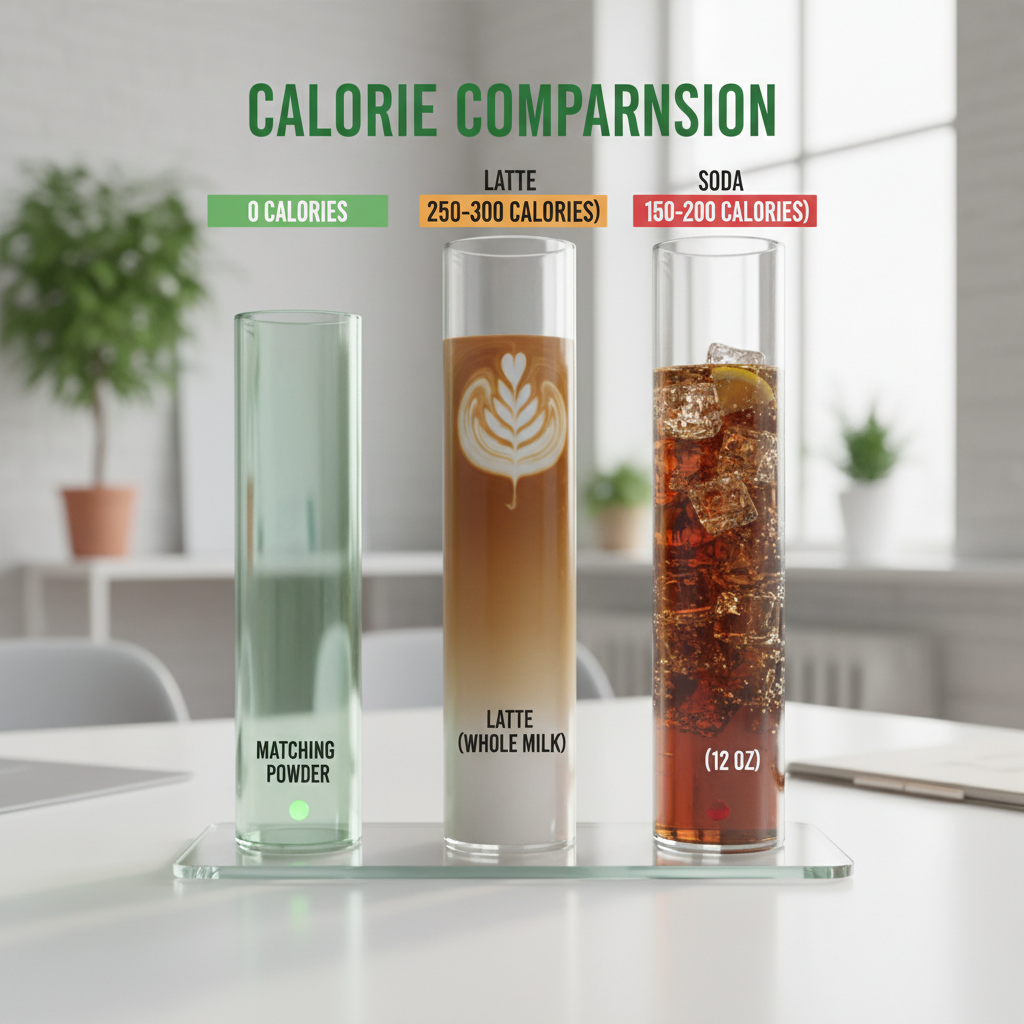
While black coffee contains about 2 calories per cup, pure matcha sits slightly higher at 3 to 5 calories per serving. The calories in matcha powder offer much higher nutritional value, including 10 times the antioxidants found in a standard cup of coffee. You get sustained mental clarity through L-theanine without the jittery crash that often leads to sugar cravings. Why is tea more satiating than espresso?
Think about this… Consuming the whole leaf powder provides a physical “fullness” that filtered liquids lack.
- Matcha contains dietary fiber for satiety.
- Stable energy prevents mid-day snacking.
- Catechins support fat oxidation.
This comparison highlights why tea is a more efficient tool for those managing long-term energy and weight.
Key Takeaway: Matcha provides superior satiety and nutritional returns for a negligible increase in caloric count.
6. How do additives spike calories in matcha powder?
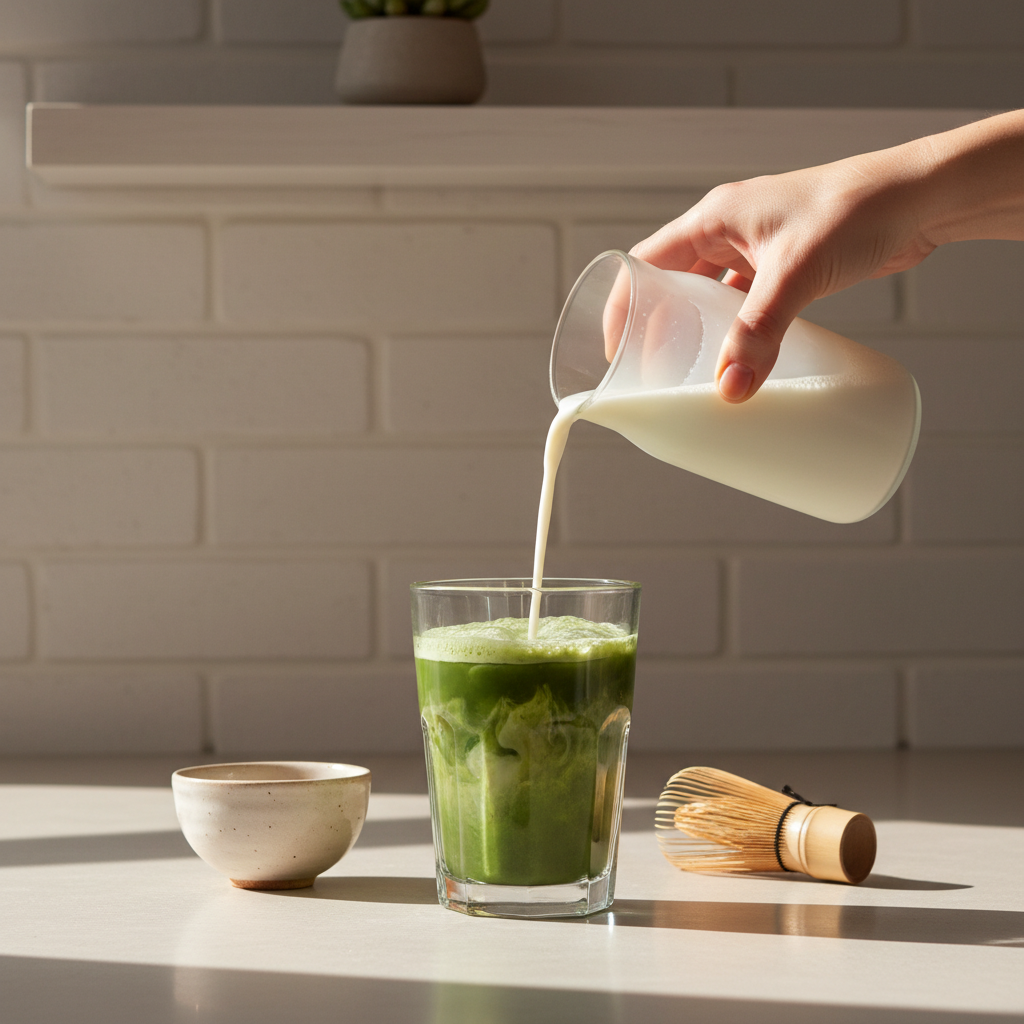
The moment you add milk or sweeteners, the caloric profile of your beverage shifts from 5 calories to over 200. Choosing high-quality calories in matcha powder ensures you do not need excessive sugar to mask bitterness. You must remain vigilant about “cafe-style” mixes that are often 50% sugar by weight to reduce manufacturing costs.
Can you keep lattes low-calorie?
This is where it gets interesting… Using plant-based milks and natural sweeteners can keep your total count under 50 calories.
- Unsweetened almond milk adds 30 calories.
- Oat milk can add 120 calories or more.
- Cane sugar adds 16 calories per teaspoon.
Monitoring these additions is the most critical step in maintaining the health benefits of your green tea.
Key Takeaway: Always use pure, unsweetened powder and low-calorie plant milks to preserve the metabolic integrity of your drink.
7. Can calories in matcha powder help weight loss?
It seems counterintuitive to eat calories to lose them, but the thermogenic properties of tea make it possible. The calories in matcha powder act as a catalyst for fat oxidation by increasing your resting metabolic rate. You can maximize these benefits by choosing culinary matcha powder for smoothies or pre-workout shakes. Does EGCG promote fat oxidation?
But here’s the kicker… Clinical studies show that green tea catechins can increase the body’s fat-burning rate by 17% during exercise.
- Thermogenesis increases caloric expenditure.
- Antioxidants reduce post-workout inflammation.
- Caffeine boosts intensity and focus.
Thermodynamic data indicates that the tea provides a net-negative caloric effect due to metabolic stimulation.
Key Takeaway: Matcha acts as a metabolic accelerator, helping you burn more energy than the powder itself provides.
8. What are calories in matcha powder per teaspoon?
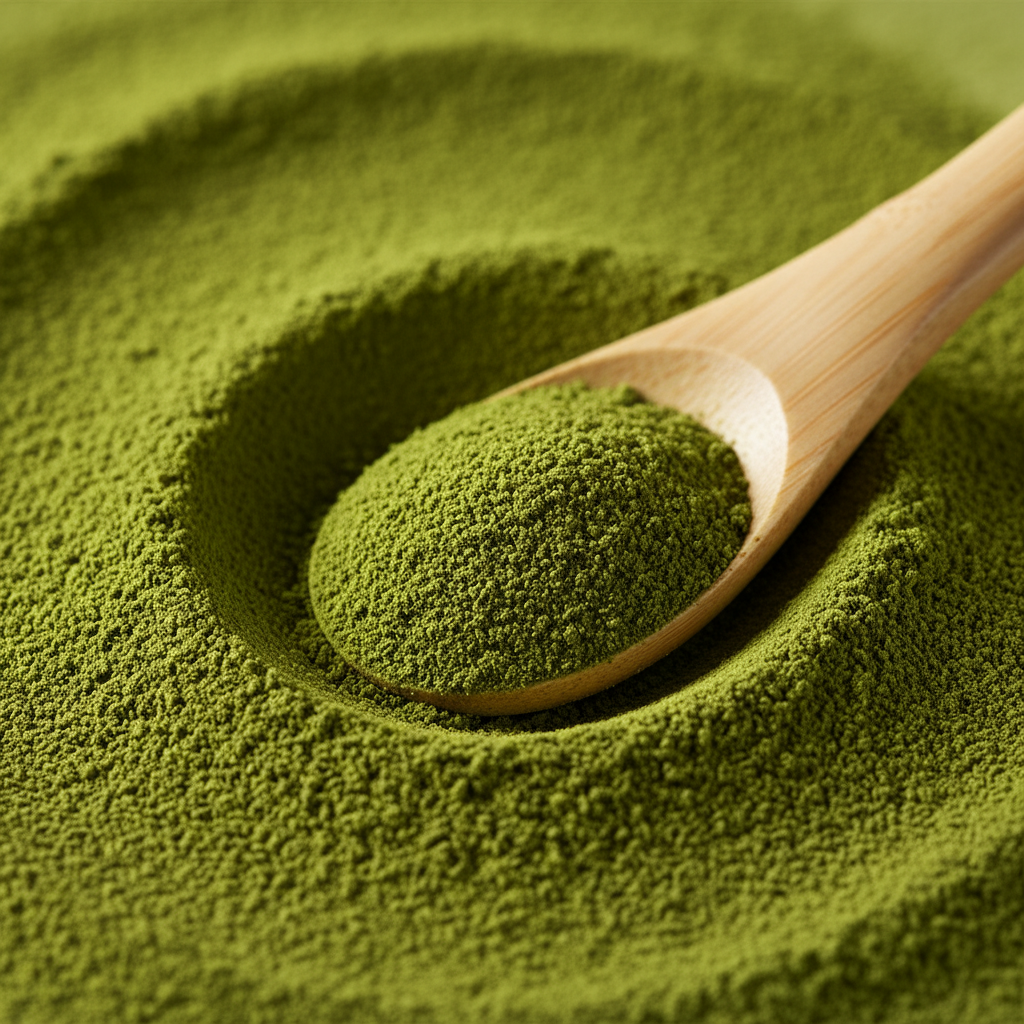
A level teaspoon contains roughly 5 calories, but weight is always more accurate than volume for professional tracking. Consistency is the foundation of any professional diet plan, and the calories in matcha powder should be measured carefully to ensure accuracy. Sifting the powder changes how it packs, so using a gram scale is the best practice for elite performance.
Is weight measurement more accurate?
What’s the real story? Packing a spoon too tightly can double your intake from 1 gram to 2 grams without you noticing.
- 1 gram equals roughly 1.5 calories.
- 2.5 grams fills a standard teaspoon.
- 7.5 grams provides a massive dose of antioxidants.
Precise weighing ensures that your nutritional logs remain flawless for long-term health monitoring.
Key Takeaway: Use a gram scale to ensure you are consuming exactly 2 grams of powder for a consistent 4-calorie serving.
9. Should you track calories in matcha powder daily?
You only need to track these calories if you consume multiple cups daily or use it as a primary ingredient in private label matcha formulations. While the calories in matcha powder are low, they can contribute up to 25 calories daily for heavy drinkers. You should understand your cumulative intake to ensure it aligns with your intermittent fasting windows. Does frequency affect fasting states?
You might be wondering… Does a 5-calorie bowl of tea break a strict autophagy-focused fast?
- Trace amino acids might trigger a response.
- EGCG supports longevity and cell repair.
- Low insulin response makes it fast-friendly.
For most health-conscious leaders, the cellular benefits of the tea far outweigh the negligible caloric cost.
Key Takeaway: Most practitioners find that the metabolic boost of matcha compensates for the few calories ingested.
10. Are the calories in matcha powder worth it?
Matcha offers more nutrients per calorie than almost any other functional beverage on the market today. When you look at the nutrient-to-calorie ratio, the calories in matcha powder win because they provide essential vitamins and minerals. You can rely on our why-riching-matcha standards to ensure your powder is free from calorie-spiking additives. What is the long-term health return?
Ready for the good part? You are essentially consuming a whole vegetable in liquid form with every whisked bowl.
- Rich in Vitamin A and Vitamin C.
- High in potassium and calcium.
- Clean energy without a glycemic load.
Evaluating the beverage by nutrient density proves it is the most valuable addition to a professional diet.
Key Takeaway: Matcha offers the highest return on investment regarding health benefits per calorie consumed.
Frequently Asked Questions
Can I drink matcha while on a strict keto diet? Yes. Pure matcha contains negligible carbohydrates and does not trigger an insulin spike, making it ideal for ketosis.
What’s the best way to keep matcha calories low in a latte? It depends. You should use unsweetened almond or macadamia milk and replace sugar with stevia or monk fruit to keep the total count under 40 calories.
Can I consume matcha powder raw in a protein shake? Yes. Adding it to a shake provides a significant antioxidant boost with only 3 to 5 additional calories per serving.
What’s the best time of day to drink matcha for calorie burning? It depends. Drinking it about 30 minutes before a workout or in the morning on an empty stomach maximizes its thermogenic fat-burning potential.
How do I know if my matcha powder has hidden calories? No. You must check the label for “cane sugar,” “maltodextrin,” or “milk solids,” as these fillers significantly increase the caloric count.
Struggling to manage your daily caloric intake can feel like an endless battle against hidden sugars in your favorite drinks. When your energy levels crash and your progress stalls, it is easy to reach for high-calorie beverages that sabotage your hard work. You deserve a solution that provides clean, sustained focus without the energy burden of a standard snack. By switching to our premium organic powder, you gain access to a powerful superfood that fits perfectly into any strict performance plan. Please contact us today to find the perfect grade for your health and business goals.