
The best way to store matcha is in an opaque, airtight vessel to prevent oxidation and moisture absorption, ensuring the powder retains its vibrant color and nutritional value. Matcha is incredibly sensitive to its environment, so using proper matcha containers is the single most effective step you can take to preserve its quality. 30 seconds of exposure to the wrong elements can ruin your tea. Here’s the definitive guide to storing your matcha and green tea perfectly every time.
The Nature of Powdered Leaves
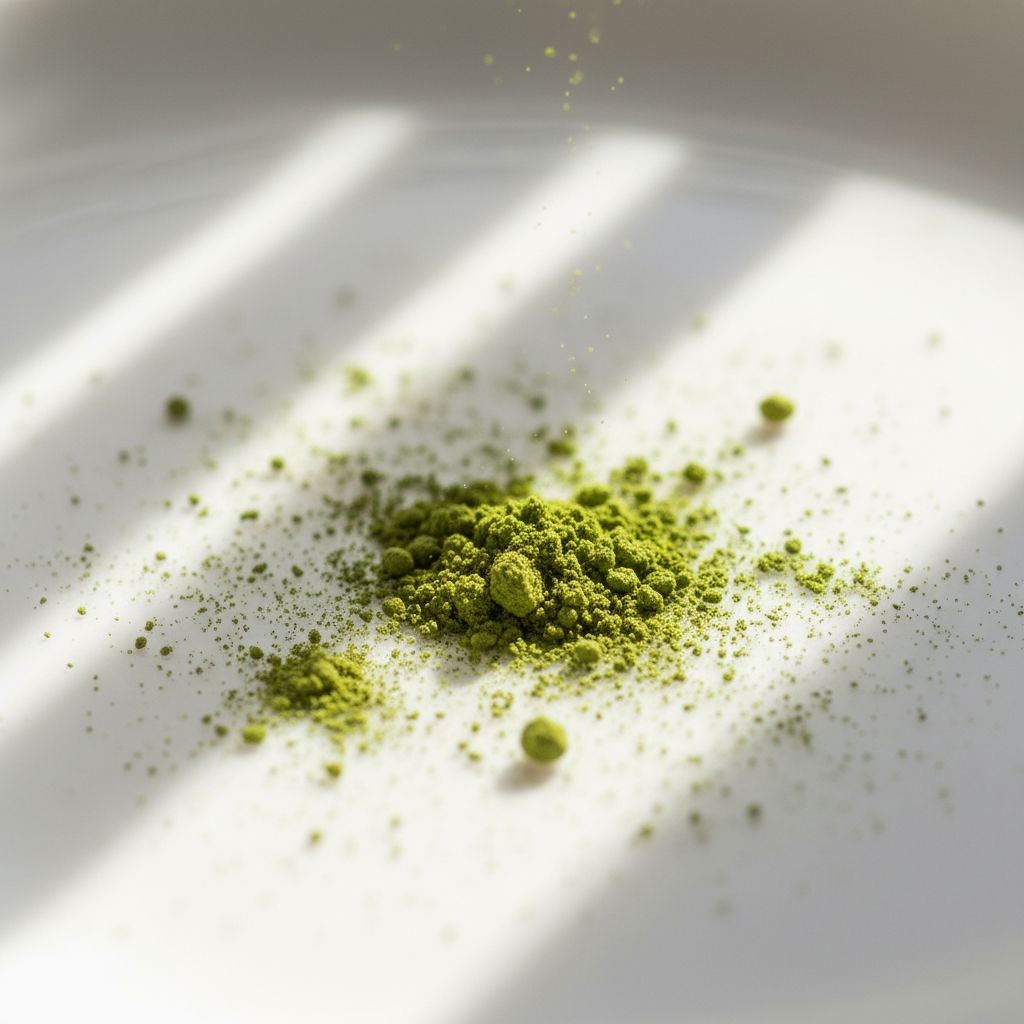
Matcha is fundamentally different from loose-leaf tea because the entire leaf is ground into a microscopic powder, which dramatically increases the surface area exposed to the air. When you pulverize a tea leaf into particles that are only a few microns wide, you effectively strip away its natural defenses, leaving the delicate internal compounds vulnerable to rapid degradation. This massive increase in surface area means that oxidation happens at an accelerated rate compared to rolled or twisted tea leaves, where only the outer surface interacts with the environment. Here’s the deal: if you treat this fine powder with the same casualness as a bag of dried herbs, you will lose the complex flavor profile and health benefits that make culinary grade matcha so valuable in the first place.
Chlorophyll and Catechin Stability
The vibrant green color of high-quality matcha is derived from high chlorophyll levels achieved through shading the tea plants before harvest, but this pigment is particularly unstable. Upon exposure to oxygen and light, chlorophyll breaks down rapidly, turning the powder dull or yellow. Furthermore, the amino acids like L-theanine and beneficial antioxidants known as catechins begin to degrade immediately. This chemical breakdown results in a loss of the sweet, umami flavor profile, replacing it with bitterness and a stale aroma. Proper storage in specialized matcha containers is not just a suggestion; it is a chemical necessity to halt these reactions.
Key Takeaway:Matcha’s microscopic particle size creates a massive surface area that accelerates oxidation, requiring strict protection to preserve its chlorophyll and antioxidants.
Factor | Loose Leaf Tea | Matcha Powder |
|---|---|---|
Surface Area | Low (Outer leaf only) | Extremely High (Microscopic particles) |
Oxidation Rate | Slow and gradual | Rapid and immediate |
Light Sensitivity | Moderate | Critical (High chlorophyll content) |
Storage Need | Standard airtight tin | Specialized airtight & opaque vessel |
Because matcha powder has such a high surface area, it degrades exponentially faster than loose leaf tea, making airtight storage non-negotiable.
2. What Are The Four Main Enemies of Fresh Matcha?
Oxygen and Light Exposure
To preserve the integrity of your green tea, you must actively defend it against specific environmental factors that work relentlessly to destroy its quality. Oxygen is the most pervasive threat, causing the oils and catechins to oxidize, which leads to a flat flavor and a significant loss of nutritional value. Light, specifically ultraviolet (UV) radiation from sunlight or even strong fluorescent lighting, attacks the chlorophyll directly in a process known as photodegradation. This turns the powder a sad, brownish-yellow and introduces a metallic, stale taste. You might be wondering, does indoor light really matter? Yes, even brief exposure to kitchen lighting can degrade the quality of your matcha over time if it is stored in clear matcha containers.
Heat and Moisture Risks
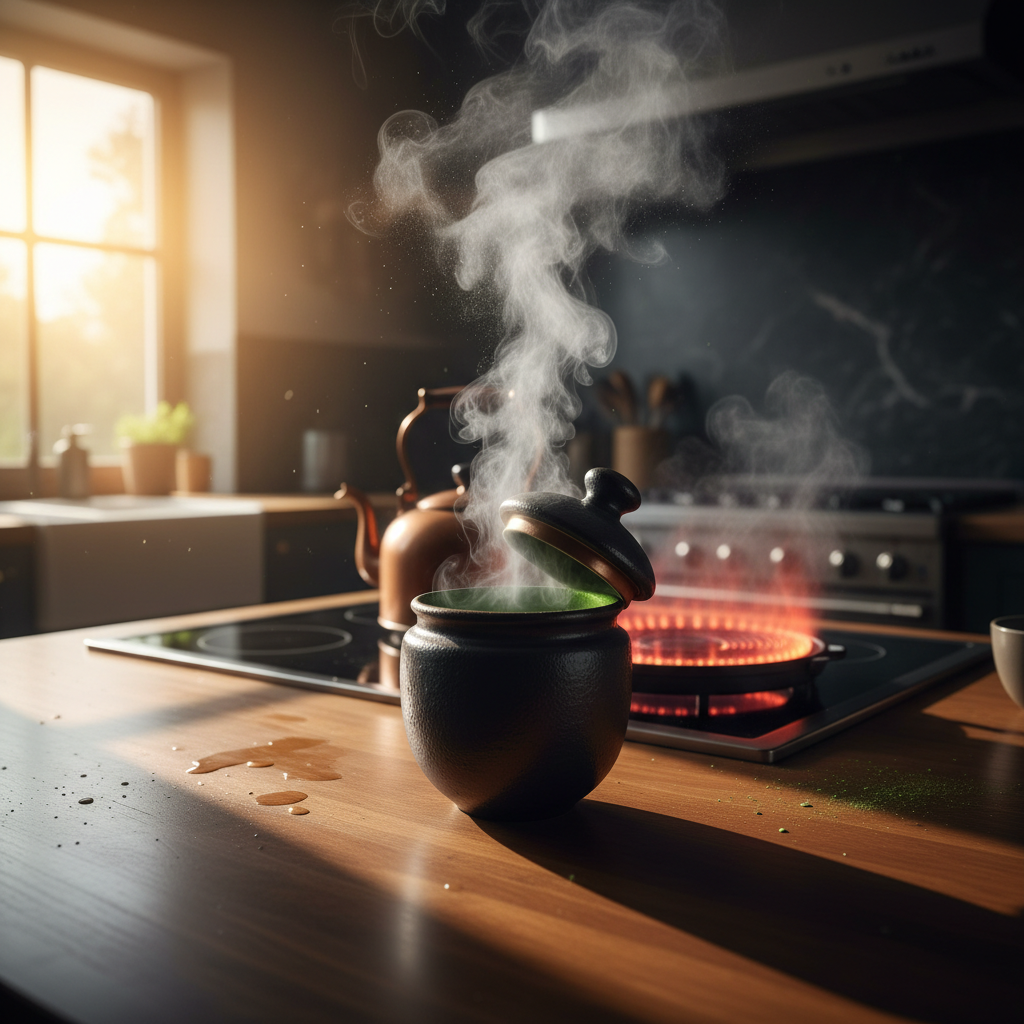
Heat accelerates chemical reactions, meaning a warm kitchen counter near a stove is essentially a graveyard for high-end tea. High temperatures cause the amino acids to break down, destroying the savory umami flavor you expect. Finally, moisture is perhaps the most immediate danger; because matcha is a dry powder, it is hygroscopic and will aggressively absorb humidity from the air. This leads to clumping, spoilage, and potentially mold growth. Tea leaves are also natural deodorizers, meaning they will absorb the smell of onions, spices, or coffee if stored nearby, effectively ruining your delicate tea.
Key Takeaway:The four enemies—Oxygen, Light, Heat, and Moisture—work together to destroy matcha’s flavor and color, with moisture and oxygen being the most immediate threats to quality.
Enemy of Matcha | Impact on Quality | Prevention Method |
|---|---|---|
Oxygen | Dull color, loss of antioxidants (catechins) | Airtight/Vacuum-sealed container |
Light | Faded green color, metallic taste | Opaque or UV-protected container |
Heat | Stale, bitter flavor profile | Store in a cool, dark place (pantry or fridge) |
Moisture | Clumping, mold growth, shorter shelf life | Airtight seal, allow to reach room temp before opening |
Odors | Absorbs smells of nearby foods | Isolate from spices and strong aromas |
Controlling these four variables is the only way to ensure your expensive matcha powder retains its value and taste.
3. What Are The Best Materials for Matcha Containers?
Tinplate and Ceramic Options
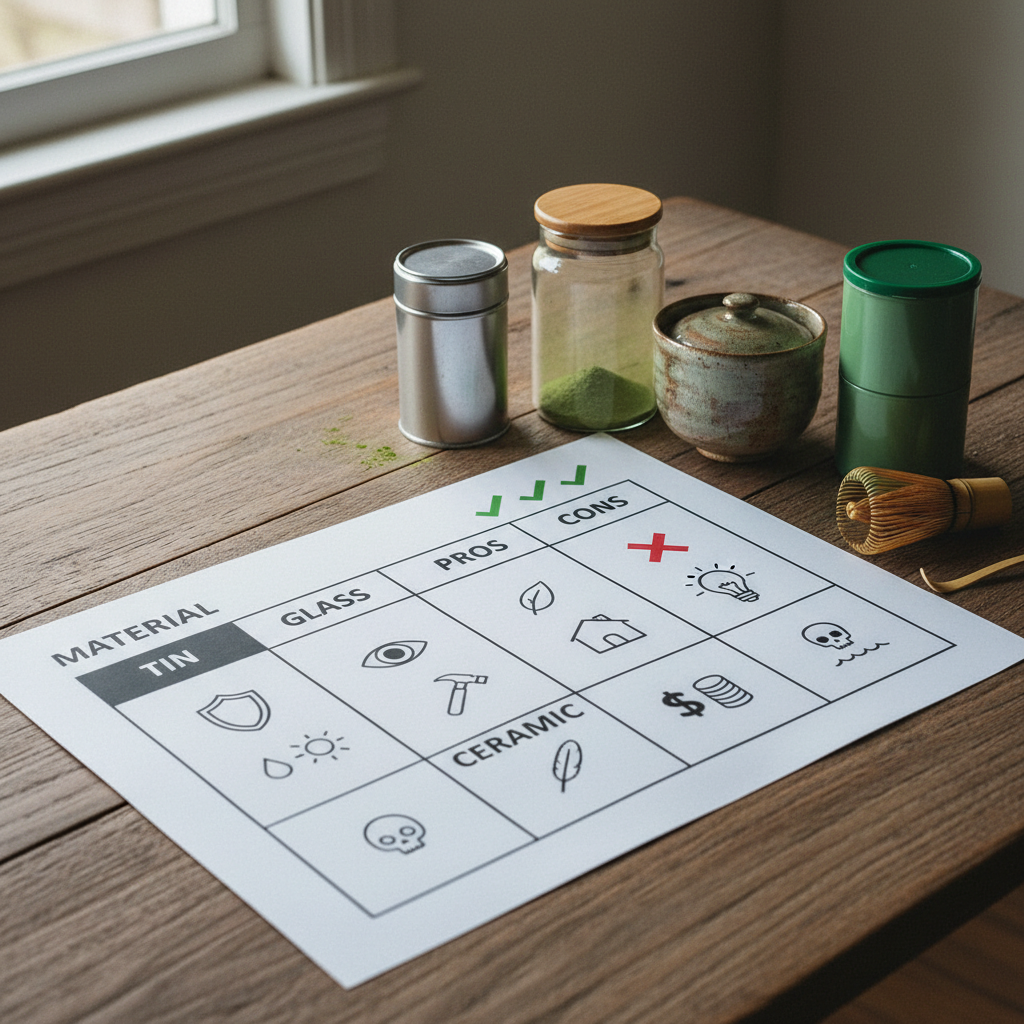
Selecting the right vessel for your tea is not just about aesthetics; it is a critical decision that impacts the longevity of the product. Tinplate canisters, often double-lidded, are the industry gold standard because they are completely opaque, lightweight, and can form an excellent seal against air exchange. These metal tins prevent any light from reaching the powder and are durable enough for daily use. Ceramic matcha containers are another viable option, offering a heavy, cool environment that naturally blocks light. However, you must check the lid carefully, as many traditional ceramic jars do not have a rubber gasket and may require an inner foil bag to be truly airtight.
UV-Protected Glass vs Clear Glass
A more modern innovation is UV-protected biophotonic glass, such as Miron violet glass, which filters out damaging visible light while allowing beneficial violet light to pass through, theoretically enhancing preservation. While plastic pouches are common for shipping, they are generally poor for long-term storage as they are permeable to air over time and static electricity can cause the powder to stick to the sides. But here’s the kicker… using clear glass jars is one of the worst things you can do, as it invites light to destroy the chlorophyll you paid for. Using premium grade matcha in a clear jar turns your vibrant green powder into a dull, bitter disappointment within days.
Key Takeaway:Opaque materials like tinplate and UV-glass are superior for storage, while clear glass and simple plastics should be avoided to prevent photodegradation.
Material | Light Protection | Air Seal Quality | Durability |
|---|---|---|---|
Tinplate (Double Lid) | Excellent (100% Opaque) | High (with inner lid) | High |
UV-Violet Glass | Excellent (Filters UV) | High (Screw top) | Moderate (Breakable) |
Ceramic | Excellent | Variable (Check seal) | High |
Clear Glass | Poor (Zero protection) | High | Moderate |
Plastic Pouch | Moderate | Low (Permeable over time) | Low |
Investing in a high-quality tin or UV-glass jar is a small cost that saves your matcha from rapid spoilage.
4. Should I Refrigerate or Freeze My Matcha?
Refrigeration Best Practices
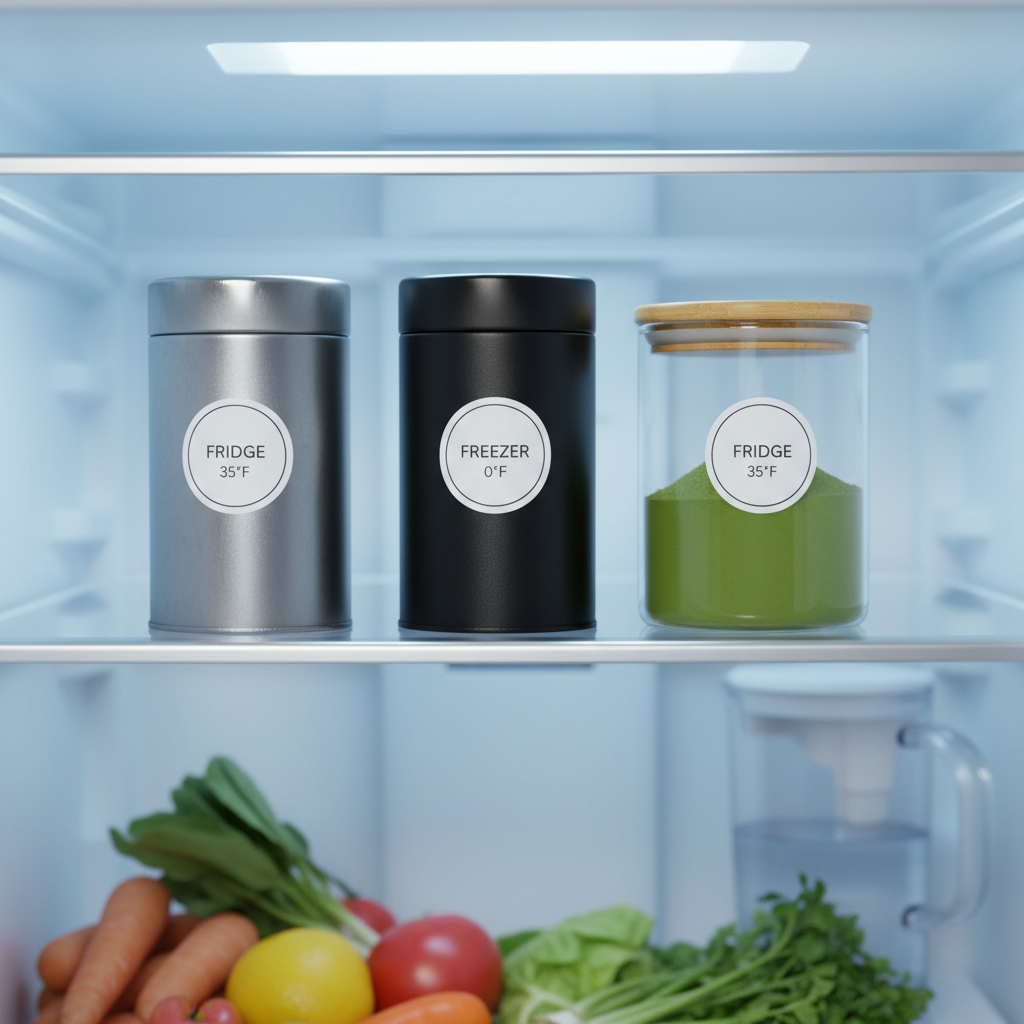
Temperature control is a powerful tool in your storage arsenal, but it requires strict discipline to avoid backfiring. Refrigeration is highly recommended for unopened cans or matcha that you intend to keep for several months, as the low temperature significantly slows down the rate of oxidation. If you live in a hot or humid climate, the fridge becomes even more essential to protect your matcha containers from ambient heat. However, because refrigerators are full of food odors, you must place your tea canister inside a sealed bag to prevent it from tasting like last night’s leftovers.
Freezing for Long-Term Storage
Freezing is even better for long-term bulk storage, effectively pausing the aging process of the tea for up to a year. However, the danger lies in the transition from cold to warm; if you open a cold canister in a warm room, condensation will instantly form on the powder. What’s the catch? You must let the container sit at room temperature for at least 24 hours before breaking the seal to ensure the tea and the air inside have equalized. Introducing moisture through condensation leads to immediate clumping and degradation, ruining the very freshness you were trying to preserve.
Key Takeaway:Refrigeration and freezing extend shelf life significantly, but preventing condensation during the thawing process is critical to avoiding moisture damage.
Storage Method | Ideal For | Key Consideration | Risk Factor |
|---|---|---|---|
Room Temperature | Daily use, cool climates | Keep in a dark, cool pantry | Heat and humidity |
Refrigeration | Unopened bulk storage, hot climates | Allow container to warm up before opening | Condensation, odor absorption |
Freezer | Long-term storage (6+ months) | Use multiple airtight layers | Condensation is a high risk |
Cool Dark Cabinet | Standard daily consumption | Keep away from stove/oven | Temperature fluctuation |
Always allow cold matcha to reach room temperature before opening to prevent fatal condensation damage.
5. What Is a Traditional Natsume Container?
Role in Tea Ceremony
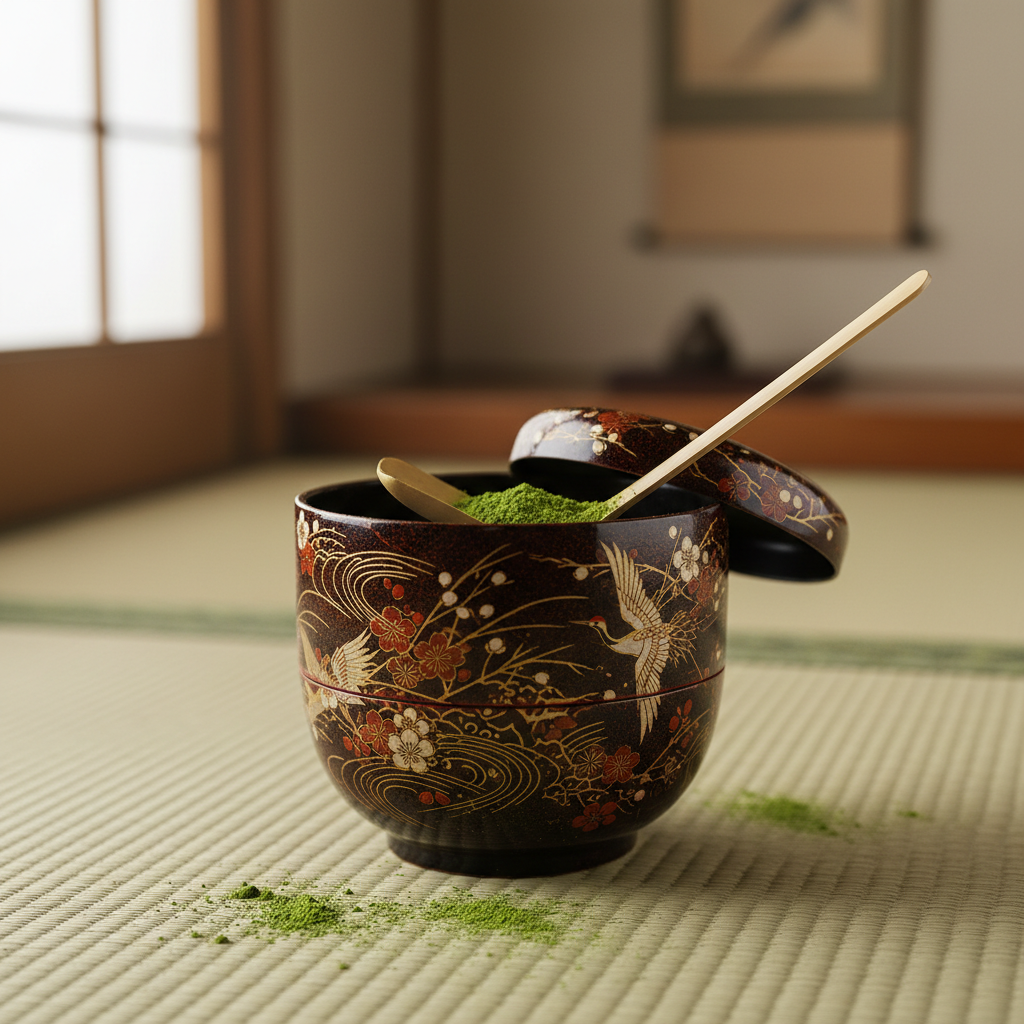
The Natsume is a beautiful, small tea caddy used specifically during the Japanese tea ceremony (chado) to hold the matcha that will be served to guests. Traditionally crafted from lacquered wood and often adorned with intricate hand-painted designs known as maki-e, these containers are works of art that symbolize the reverence held for the tea. A Natsume is designed for the aesthetics of the ceremony, holding a small amount of sifted ceremonial grade matcha that has been prepared specifically for that seating. It is the vessel that guests admire, not a utility item for the pantry.
Functionality Limitation
Unlike the metal tins used for long-term storage, a Natsume is not airtight and is not designed to keep matcha fresh for weeks or months. Its purpose is purely ceremonial and temporary; the host transfers matcha into the Natsume just before the gathering to ensure it is fluffy and free of clumps. Here’s the thing: while a Natsume adds an undeniable element of elegance and tradition to your tea ritual, you should never use it as your primary storage vessel. Once the ceremony is over, any remaining powder should be returned to an airtight tin or used immediately, as the lack of a seal allows air to degrade the tea rapidly.
Key Takeaway:The Natsume is a ceremonial vessel for serving, not storing; it lacks the airtight seal required to keep matcha fresh for more than a few hours.
Feature | Metal Storage Tin | Traditional Natsume |
|---|---|---|
Primary Use | Long-term preservation | Ceremonial presentation |
Airtight Seal | Yes (Rubber/Double lid) | No (Loose fit) |
Material | Tinplate/Steel | Lacquered Wood |
Capacity | 20g – 100g+ | Small serving size |
Use a Natsume for the beauty of the ritual, but rely on an airtight tin for the longevity of your tea.
6. How Do I Choose The Right Airtight Matcha Container?
Evaluating Seal Mechanisms
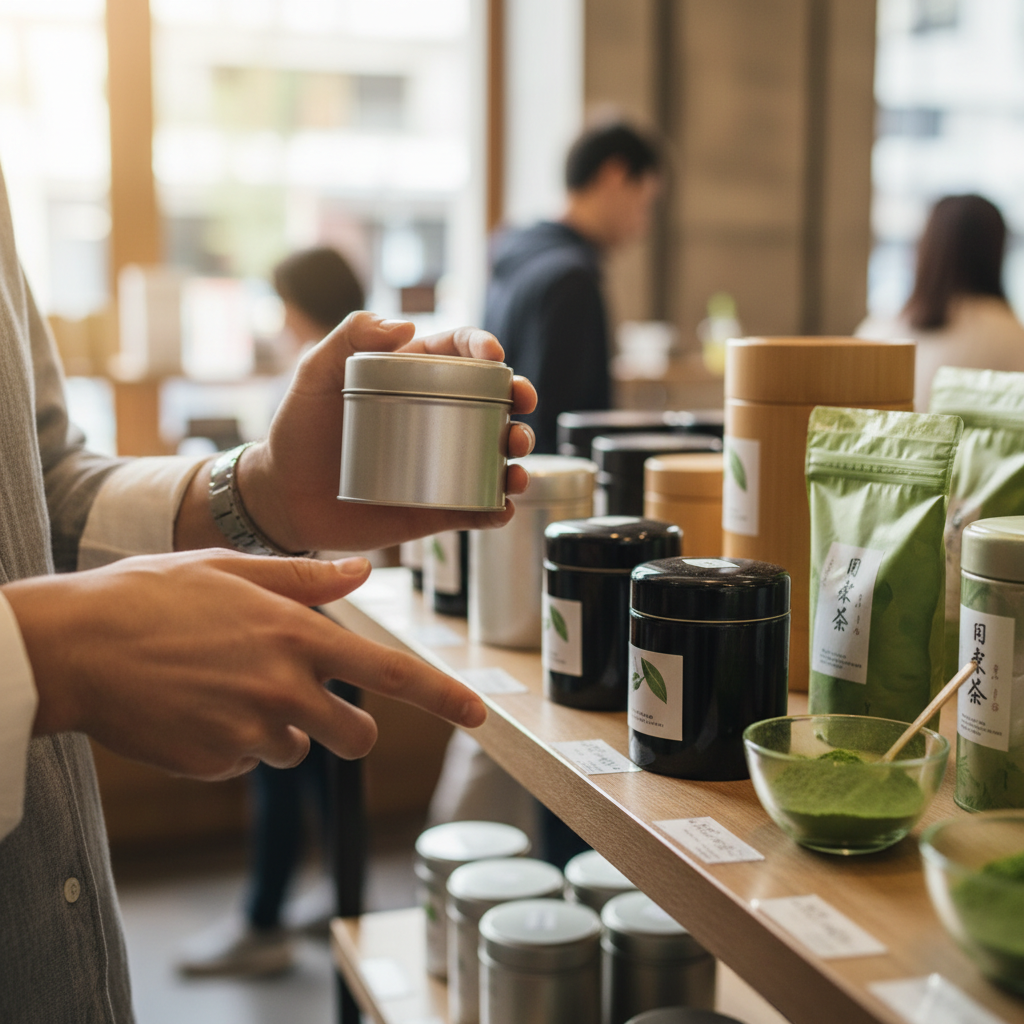
When evaluating matcha containers, your primary focus must be on the mechanism that creates the seal against the outside world. Superior options often feature a double-lid system—common in Japanese tea tins—where a tight-fitting internal lid sits flush inside the canister, providing a first line of defense before the outer lid is even applied. Rubber gaskets on screw-top lids are also vital for creating a hermetic seal that prevents humidity and odors from seeping in. If a container’s lid feels loose or slides off too easily, it is not tight enough to protect the delicate powder from oxidation.
Vacuum Seals and Sizing
For those seeking modern solutions, vacuum-sealed canisters that actively force air out as you push down a plunger are incredibly effective at minimizing the “headspace” of air that sits above the tea. Think about it: the size of the container matters just as much as the seal; if you buy a massive jar for a small amount of tea, the large volume of trapped air inside will oxidize the matcha regardless of how tight the lid is. Always choose a container that fits the quantity of tea you have, keeping the air gap to an absolute minimum to preserve freshness.
Key Takeaway:A double-lid system or vacuum mechanism is essential for a true seal, and the container size must match the tea quantity to minimize trapped air.
Container Feature | Purpose | Best For |
|---|---|---|
Inner Lid | Creates a second barrier against air and moisture | Daily use, traditional tins |
Vacuum Seal | Actively removes air from the container | Long-term freshness, bulk storage |
Opaque Material | Blocks light to prevent chlorophyll degradation | All matcha storage |
Screw-Top Lid | Provides a tight, secure seal against odors | Refrigerated or pantry storage |
Proportionate Size | Reduces air headspace inside container | Small batches of premium tea |
Minimizing headspace inside the container is just as important as the seal itself to prevent internal oxidation.
7. What Are Common Mistakes in Storing Green Tea?
Packaging and Location Errors
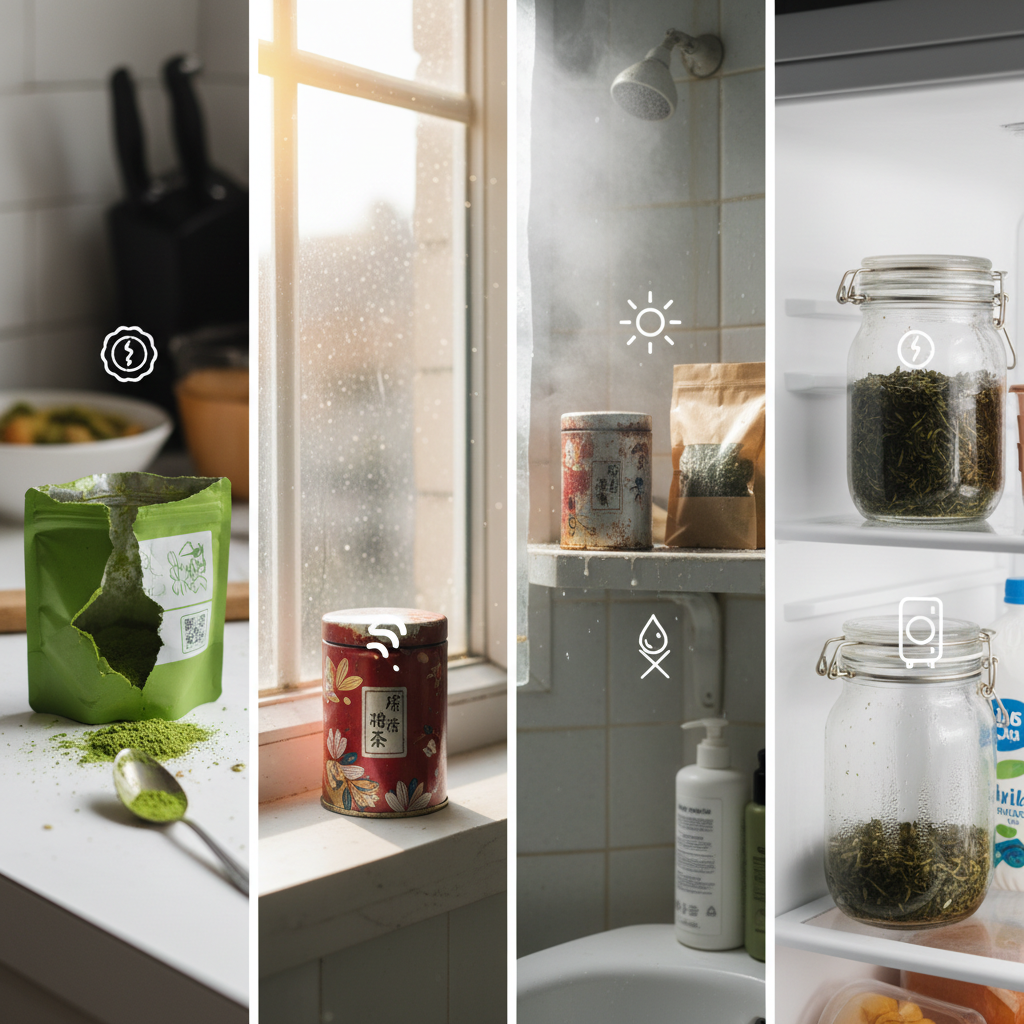
Even seasoned tea drinkers often unknowingly commit errors that shorten the lifespan of their favorite beverage. One of the most frequent mistakes is leaving the tea in the original packaging after the seal has been broken, especially if it is a simple foil bag that does not reseal perfectly. Another major error is storing the matcha containers on a spice rack or near the stove for convenience; the fluctuations in heat from cooking will degrade the flavor oils, and the steam from pots will introduce fatal moisture. Sunlight hitting the jar, even for an hour a day, will bleach the powder and ruin the taste.
Moisture and Odor Contamination
Using a wet spoon or a matcha whisk set that hasn’t fully dried to scoop powder introduces water directly into the supply, creating a breeding ground for bacteria and mold. It gets worse: many people store their delicate green tea right next to their roasted coffee beans in the pantry. Since tea is highly absorbent, your expensive ceremonial matcha will start to taste like a dark roast espresso within a week, completely masking the subtle grassy and umami notes you paid for.
Key Takeaway:Avoid heat sources, sunlight, and strong odors like coffee; never introduce moisture by using damp utensils or leaving the bag unsealed.
Mistake | Consequence | Correction |
|---|---|---|
Original Bag Storage | Air leaks, oxidation | Transfer to airtight tin immediately |
Near Stove/Oven | Heat damage, flavor loss | Move to cool pantry or drawer |
Wet Scoop | Mold growth, clumping | Use only bone-dry utensils |
Near Coffee | Flavor contamination | Store in separate cabinet/shelf |
Small habits, like where you place the tin or how you scoop, can have a massive impact on the tea’s shelf life.
8. How Long Does Matcha Stay Fresh Once Opened?
Consumption Windows
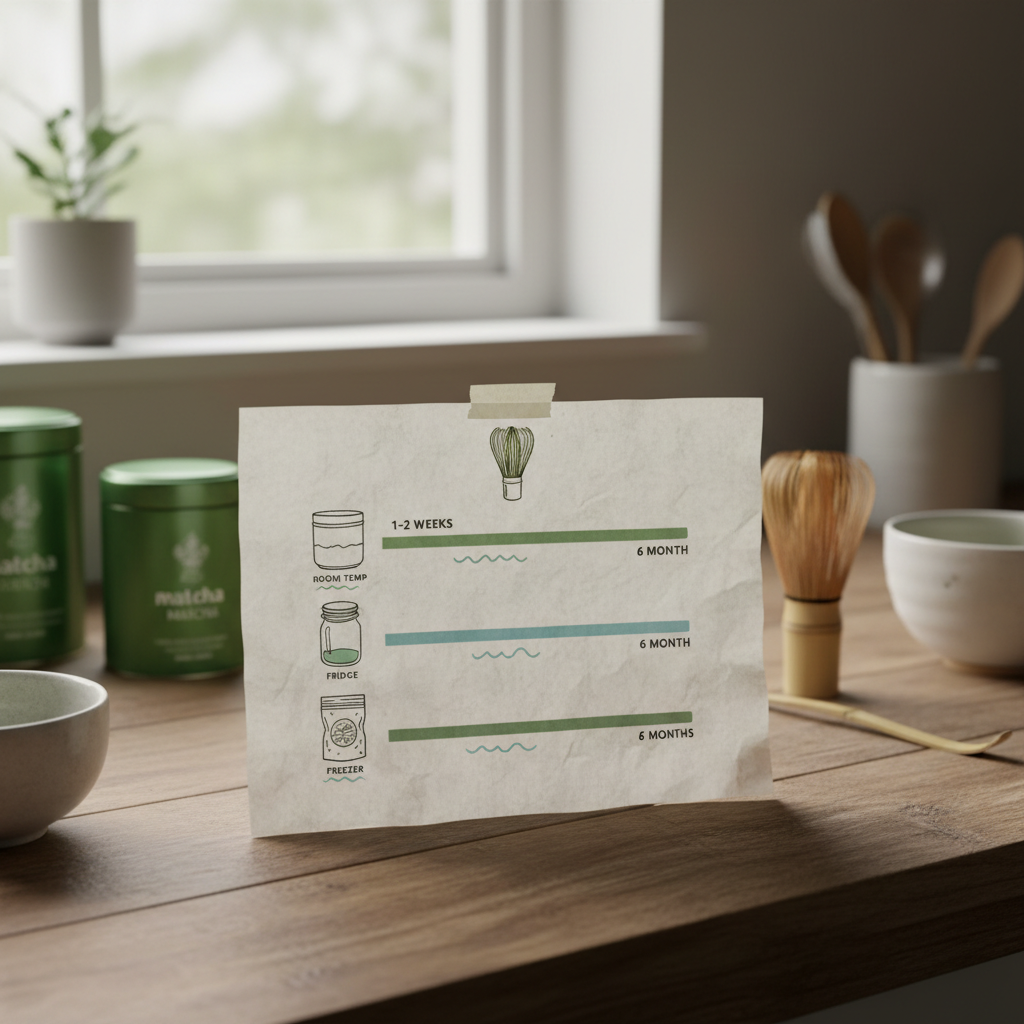
Once you break the seal on a tin of matcha, the clock starts ticking much faster than it does for other pantry items. While an unopened, vacuum-sealed package kept in cool conditions can remain fresh for up to a year, an opened container is exposed to oxygen every time you make a drink. The general consensus among tea masters is that for optimal flavor and vibrant color, you should consume the tea within 4 to 8 weeks (about 60 days) of opening. After this window, the tea is safe to drink, but it will lose its “sparkle”—the foam will be less stable and the color less electric green.
Identifying Stale Matcha
You need to be able to recognize when your tea has passed its prime so you don’t serve a subpar cup. Here is the bottom line: trust your senses over the printed date. If the powder looks yellowish or olive-drab instead of bright green, or if it smells like stale hay rather than fresh vegetation, it has degraded. The taste will become flatter and more bitter as the catechins oxidize. While not harmful, stale matcha lacks the vitality and health benefits that make fresh matcha so special.
Key Takeaway:Opened matcha peaks within 60 days; look for visual cues like yellowing or a loss of grassy aroma to identify stale powder.
Matcha State | Recommended Shelf Life | Key Indicators of Freshness |
|---|---|---|
Unopened | 6-12 months (in a cool, dark place) | Packaging is sealed and intact |
Opened | 1-2 months for optimal quality | Vibrant green color, sweet grassy aroma |
Expired/Stale | N/A | Yellow/brownish hue, flat or musty smell |
Refrigerated (Unopened) | 12+ months | No condensation, seal intact |
Consume your matcha quickly after opening to enjoy the full spectrum of its flavor and health properties.
9. Can I Reuse Old Tea Tins for My Matcha?
Cleaning Protocols
Recycling old tins is an environmentally friendly practice, but it comes with specific caveats when it involves a substance as sensitive as matcha. If you plan to reuse a tin, it must be cleaned with absolute rigor to remove any oils or residues from the previous tea, which could turn rancid and taint the new batch. After washing, the tin must be completely, 100% dry; even a microscopic droplet of water trapped in the seam can ruin your fresh powder. It is often best to let the tin air dry for a full 48 hours to ensure no moisture remains in the crevices.
Risk of Contamination
You must verify that the old tin still creates a perfect seal—gaskets can dry out and metal rims can warp over time, compromising airtightness. Let’s be honest: if the tin previously held a strong flavored tea like Earl Grey or a spiced chai, the scent is likely embedded in the material and will transfer to your delicate private label matcha . In such cases, the cost of a new tin is far less than the cost of the ruined matcha. It is far safer to invest in a new, dedicated container rather than risking the contamination of your fresh supply.
Key Takeaway:Reuse tins only if they are odorless, airtight, and completely dry; avoid tins that held strong spices or flavored teas.
Step | Importance | Risk if Skipped |
|---|---|---|
Deep Clean | Removes oils/residue | Rancid flavor transfer |
Total Drying | Prevents moisture pockets | Mold and clumping |
Seal Check | Ensures airtightness | Rapid oxidation |
Odor Check | Prevents scent contamination | Tea tastes like previous contents |
A reused tin must be pristine; any lingering smell or moisture creates a high risk of ruining fresh matcha.
10. What Is The Best Way to Store Bulk Matcha for Business Use?
Inventory Management (FIFO)
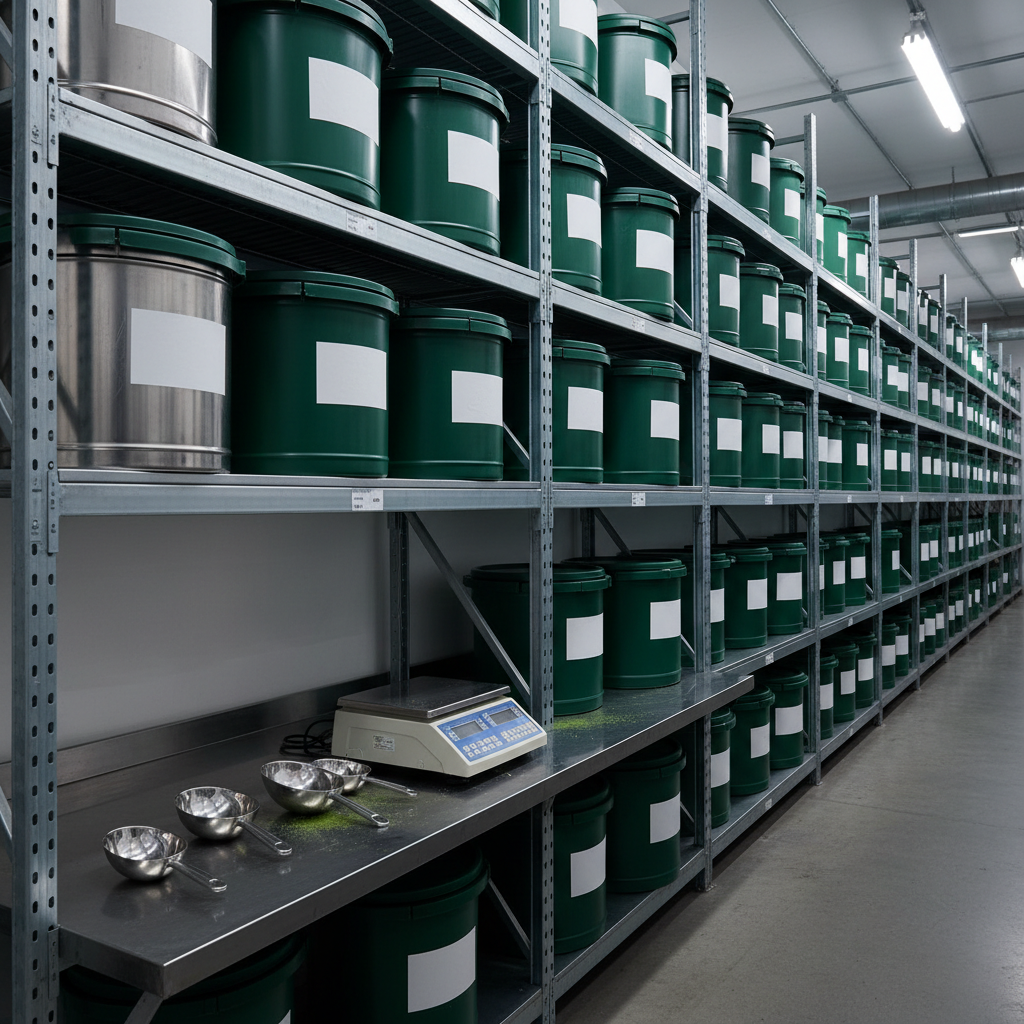
For cafes and businesses handling large volumes, storage protocols must be scaled up without sacrificing quality. The First-In, First-Out (FIFO) inventory method is non-negotiable; newer stock should always be placed behind older stock to ensure nothing sits on the shelf past its prime. Backstock that won’t be used for weeks should be kept in a deep freezer, sealed in heavy-duty bags to prevent freezer burn and odor absorption. This ensures that you are always pulling from a fresh supply rather than letting valuable inventory degrade in the back of a cupboard.
Packaging Solutions for Cafes
The most effective strategy is to break down large wholesale bags (often 1kg) into smaller, daily-use matcha containers to prevent the main supply from being exposed to air repeatedly. Every time a large bag is opened, the entire contents are exposed to oxygen. Why does this matter? Consistency is key to customer retention. By strictly labeling every container with its opening date and sourcing from a supplier that provides robust packaging, you ensure that the latte served today tastes just as excellent as the one served last month.
Key Takeaway:Businesses must use FIFO protocols and break bulk supplies into smaller daily containers to minimize air exposure and maintain consistency.
Action | Purpose | B2B Benefit |
|---|---|---|
Portioning | Minimize air exposure to the main supply | Ensures consistent quality for every customer |
Freezing | Preserve large quantities of backstock | Reduces waste and protects inventory investment |
Labeling | Track freshness and enforce FIFO | Guarantees product quality and customer satisfaction |
Airtight Tins | Protect daily-use matcha from cafe elements | Maintains flavor and vibrant color in service |
Supplier Choice | Secure reliable, quality packaging | Prevents supply chain damage |
Proper inventory rotation and portioning are the hallmarks of a professional matcha operation.
Conclusion
To wrap it up, protecting your matcha from its four enemies—oxygen, light, heat, and moisture—is the secret to lasting freshness. Using an opaque, airtight matcha container and storing it properly preserves its flavor and health benefits. Whether you are a home enthusiast or a business owner, these small steps make a massive difference in the cup. If you need bulk solutions, contact us today at Riching Matcha . Are you ready to perfect your matcha storage?
FAQ Section
Q1: What is the absolute best container for matcha?An opaque, airtight, or vacuum-sealed container is best. Stainless steel tins with an inner lid are excellent, as are specialized UV-blocking glass jars or vacuum canisters that remove air.
Q2: How can I tell if my matcha has gone bad?Stale matcha will lose its vibrant green color and turn a dull, yellowish-brown. It will also lack the fresh, grassy aroma and may taste flat or bitter.
Q3: Does refrigerating matcha really make a difference?Yes, for unopened packages or in hot climates, refrigeration significantly slows oxidation and preserves freshness. The key is to prevent condensation by letting the container reach room temperature before you open it.
Q4: Why can’t I just keep matcha in the bag it came in?Most original packaging, unless it’s a high-quality resealable foil pouch, is not designed for long-term airtight storage. Transferring it to a proper matcha container is crucial after opening.
Q5: Can I store my loose-leaf green tea the same way as matcha?Yes, the same principles apply. Loose-leaf tea is also sensitive to light, air, heat, and moisture, though it is slightly more forgiving than powdered matcha. An airtight, opaque container is still the best choice.