
Many professionals start their morning with a standard, bitter cup of coffee that eventually leads to a mid-afternoon energy crash. This repetitive routine often lacks the sensory excitement and nutritional depth required to sustain a high-performance lifestyle. Relying on synthetic energy drinks or sugary cafe beverages can leave you feeling sluggish and unsatisfied by noon.
The frustration of choosing between a healthy drink and a flavorful one is a common dilemma in the modern workspace. You might find yourself craving a tropical escape, yet you cannot justify the empty calories found in most commercial fruit smoothies. Plain lattes have become a monotonous chore rather than a rewarding ritual, leaving a gap for a more sophisticated, antioxidant-rich alternative.
Mango matcha is the definitive solution, offering a perfect synergy of clean energy and vibrant tropical flavor. By combining the earthy complexity of premium Japanese green tea with the natural sweetness of ripe mango, this layered beverage provides a sustained cognitive boost. A Mango Matcha Latte is a sophisticated fusion drink that serves as both a functional superfood and a premium aesthetic experience for the discerning palate.
What is a Mango Matcha Latte?
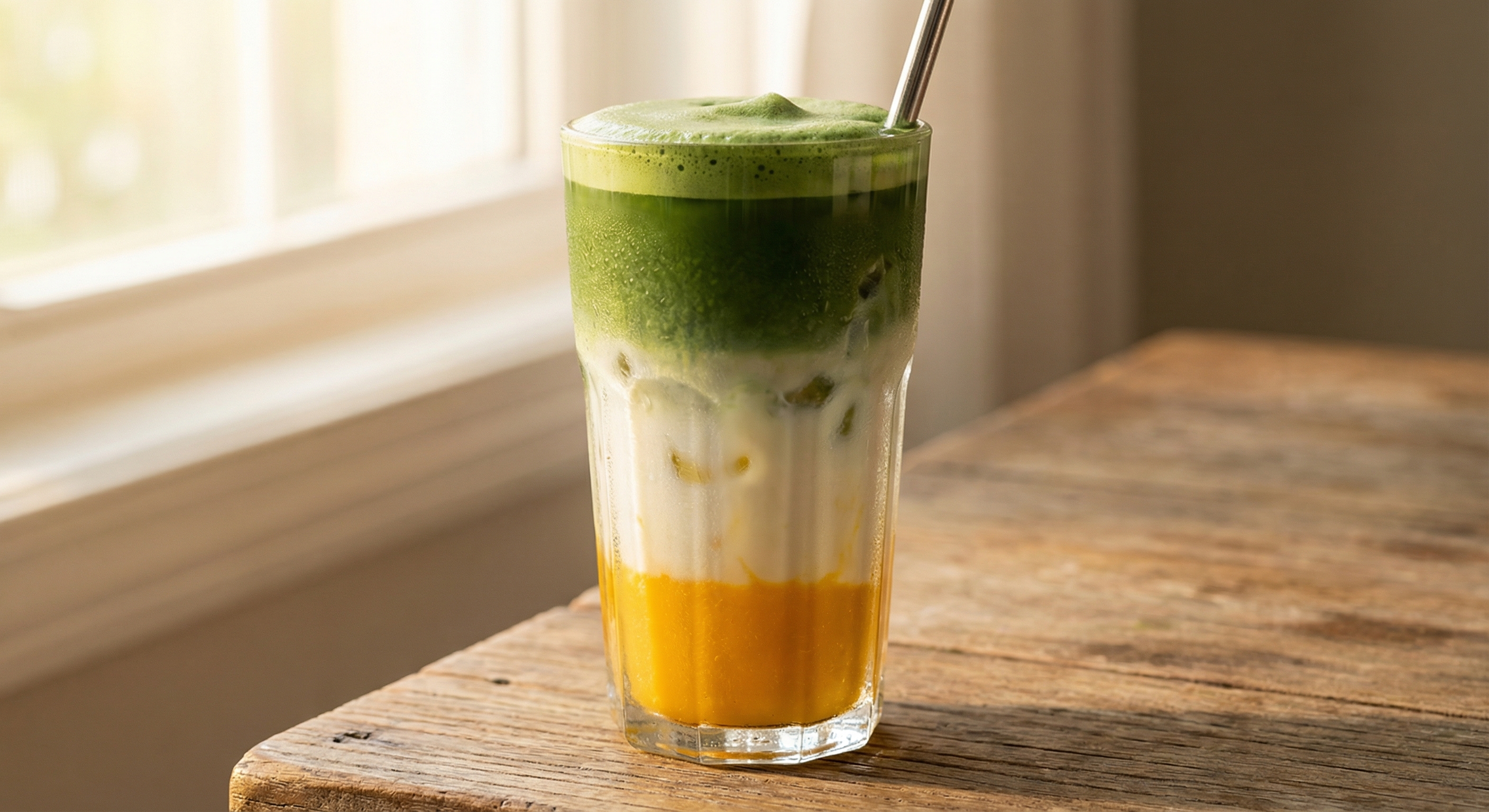
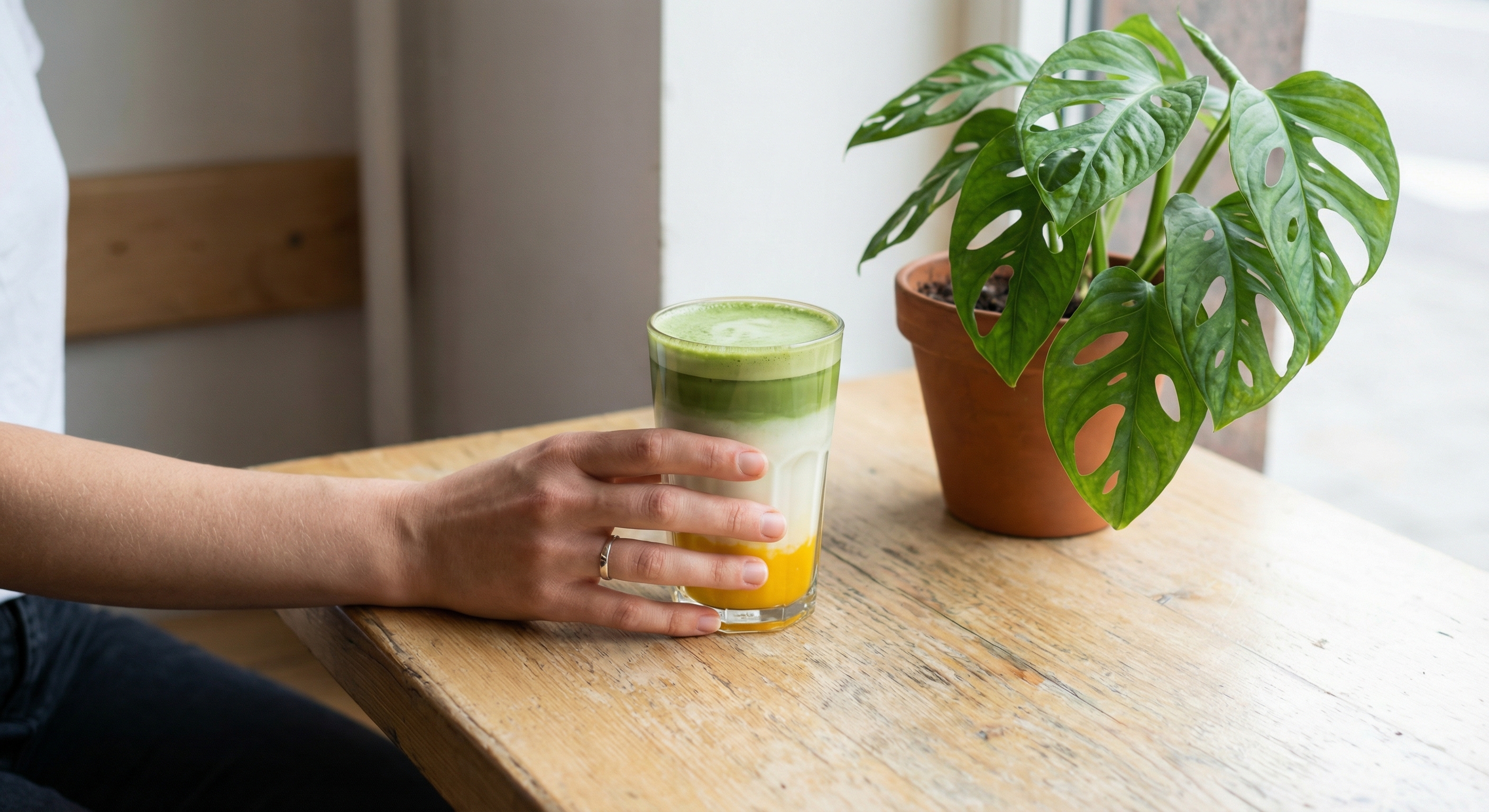
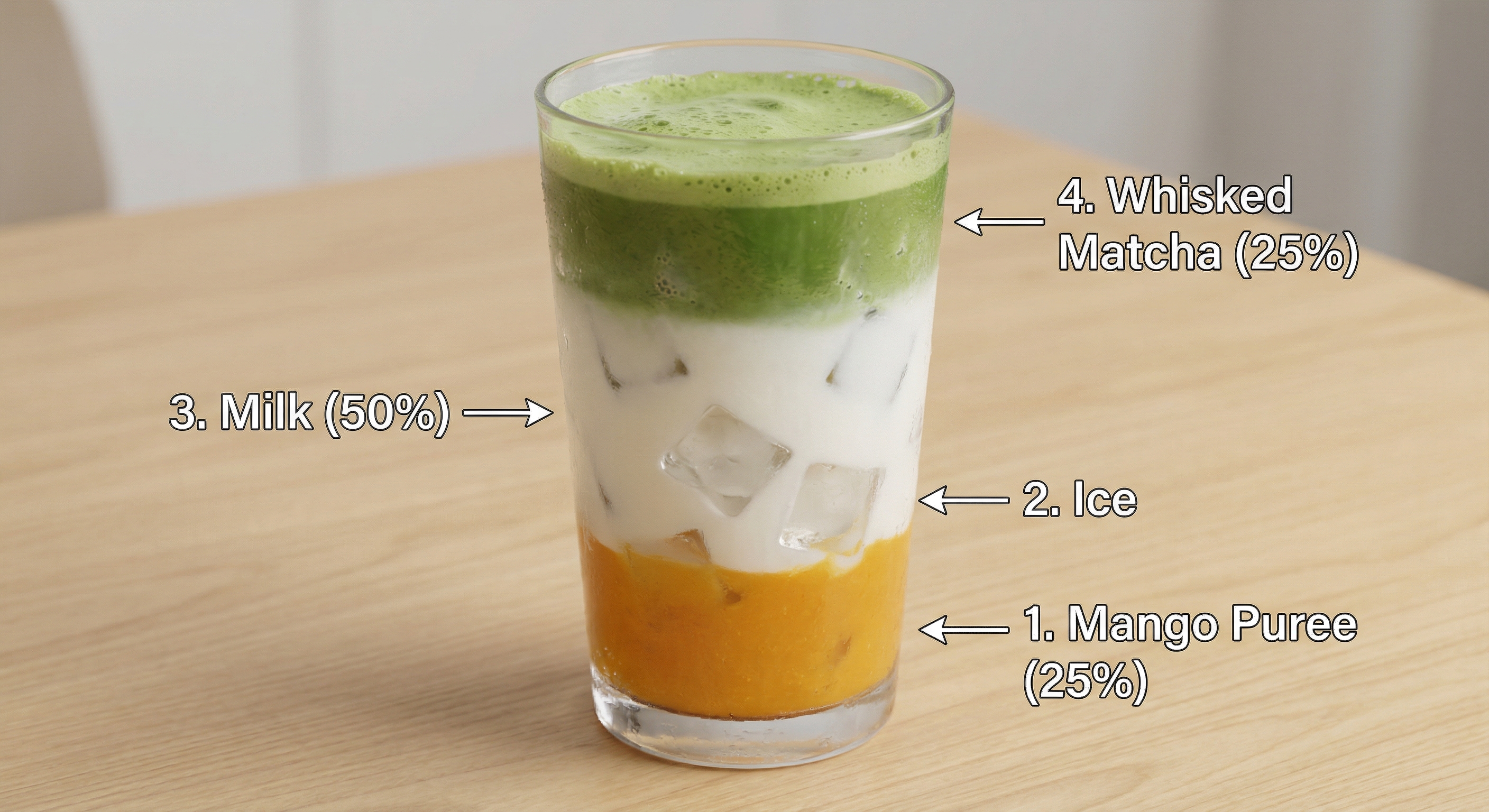
A Mango Matcha Latte is a contemporary beverage that features distinct layers of fresh fruit puree, chilled milk, and whisked green tea powder. The drink is celebrated for its striking visual appeal, transitioning from a golden yellow base to an emerald green crown. Understanding the Matcha Tea Grades used in this preparation is essential for achieving the correct flavor balance. This drink has moved from niche boutique cafes into the mainstream B2B beverage sector due to its high profit margins and consumer demand.
Why is this drink trending?
The rise of the “aesthetic beverage” on social media platforms has propelled this drink into the spotlight for younger demographics. Consumers are increasingly seeking out “functional indulgence,” where a drink provides health benefits without sacrificing taste. The vibrant color contrast makes it a centerpiece for digital marketing, driving organic engagement for beverage brands. Additionally, the shift toward plant-based diets has made the customizable nature of this latte highly attractive to health-conscious professionals.
What defines the flavor profile?
The core of the experience is the interplay between the umami-rich, slightly grassy notes of the tea and the succulent sweetness of the fruit. High-quality matcha provides a sophisticated bitterness that prevents the drink from becoming cloying or overly sugary. Chilled milk acts as the bridge, softening the intensity of both the fruit and the tea for a creamy finish. This creates a multi-dimensional tasting experience that evolves with every sip as the layers begin to integrate.
How does the layering affect the experience?
Maintaining the separation between the fruit, milk, and tea is crucial for the premium presentation that customers expect. When served, the drinker can choose to sip the layers individually or stir them together for a unified flavor profile. This interactive element adds a layer of engagement that standard coffee beverages simply cannot replicate. Professional baristas focus on the density of each liquid to ensure the layers remain stable until the moment of consumption.
Flavor Profile Breakdown
Component | Dominant Flavor | Texture Role | Secondary Notes |
|---|---|---|---|
Matcha Shot | Umami / Earthy | Light / Frothy | Seaweed, Nutty |
Fresh Mango | Tropical Sweet | Thick / Velvety | Floral, Tart |
Whole Milk | Creamy / Sweet | Silky / Smooth | Dairy, Rich |
Oat Milk | Toasted / Grain | Dense / Smooth | Nutty, Vanilla |
Honey/Agave | Pure Sweet | Binding Agent | Wildflower, Amber |
Why use mango matcha for your morning?
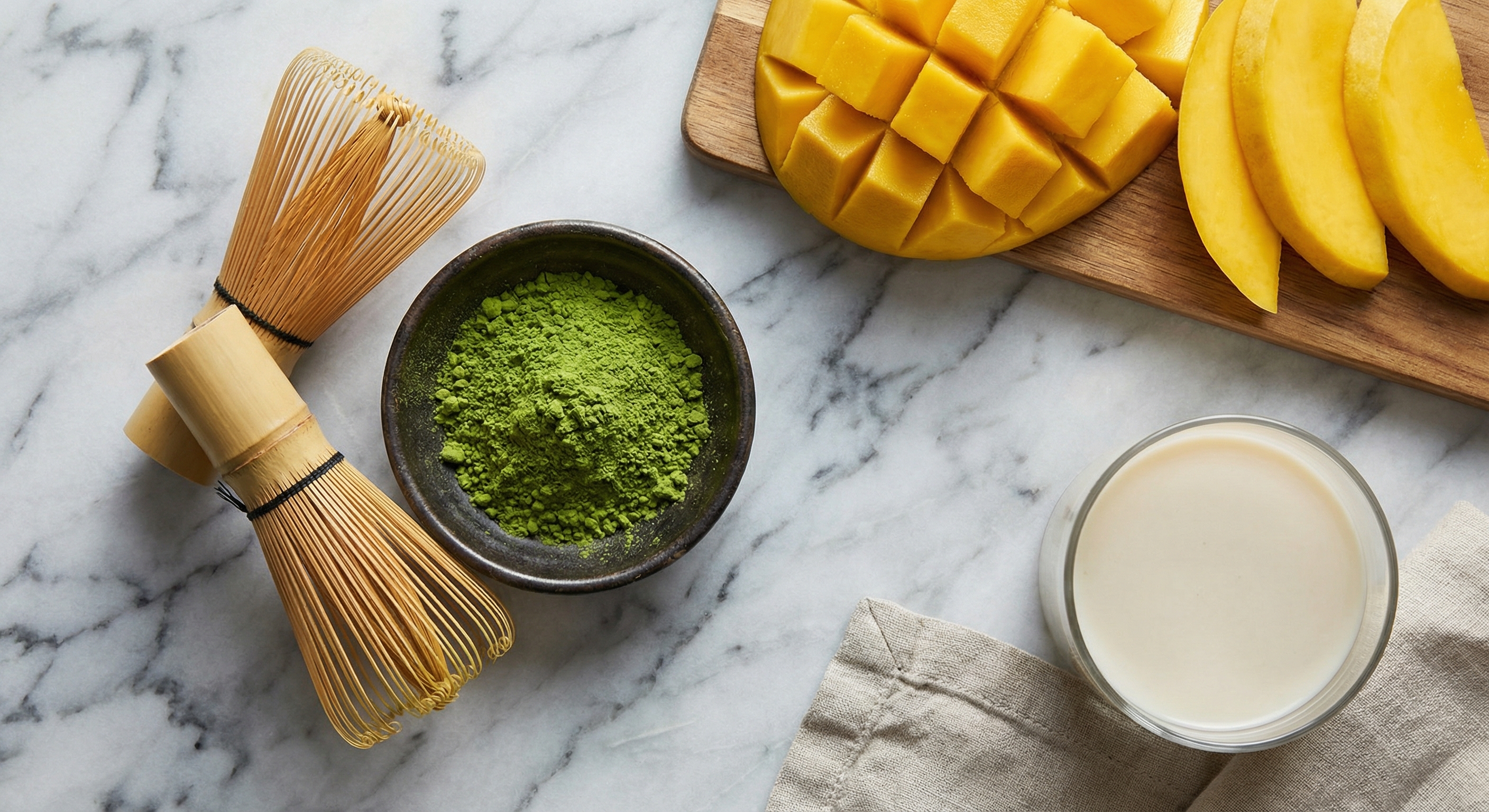
Switching your morning caffeine source to a tea-based latte can fundamentally change your productivity levels throughout the day. Unlike the quick spike and subsequent crash associated with roasted coffee beans, tea provides a more regulated release of stimulants. Here is the kicker: the combination of fruit vitamins and tea antioxidants creates a dual-threat superfood beverage. Incorporating this into your morning routine ensures you are fueling your body with more than just basic caffeine.
Is it healthier than coffee?
While coffee is rich in certain antioxidants, matcha contains a unique class of polyphenols known as catechins, specifically EGCG. These compounds are linked to improved metabolic health and enhanced cellular protection against oxidative stress. Mango adds a significant dose of Vitamin C and Vitamin A, which are often missing from a standard coffee-based breakfast. Choosing this latte means you are starting your day with a comprehensive profile of micronutrients.
Does it provide sustained energy?
The energy from this latte comes from a synergistic relationship between caffeine and L-theanine, an amino acid found in green tea. L-theanine promotes relaxation without drowsiness, which mitigates the “jittery” side effects often caused by coffee. This results in a state of “calm alertness” that is ideal for deep-focus work or long corporate meetings. You will find that your focus remains sharp for four to six hours, rather than just one or two.
Can it improve digestive health?
Mangoes contain digestive enzymes like amylases, which help break down complex carbohydrates into smaller sugar molecules. The fiber content in fresh fruit puree also supports a healthy gut microbiome and regular digestion. Unlike highly acidic coffee, green tea is generally more gentle on the stomach lining for many individuals. This makes the drink an excellent choice for those who experience digestive discomfort after their morning brew.
Sustained Energy Comparison
Metric | Roasted Coffee | Mango Matcha Latte | Difference |
|---|---|---|---|
Caffeine Release | Rapid (15-30 mins) | Gradual (1-3 hours) | +2 hours stability |
L-Theanine Content | Trace/None | High (20-40mg) | Significant focus |
Acidic Level | High (pH 4.8) | Low/Medium (pH 6.0) | Easier on stomach |
Antioxidant Type | Quinic Acid | EGCG Catechins | Superior potency |
Vitamin Content | Minimal | High (A, C, E) | Nutritional boost |
How to choose the best mango matcha grade?
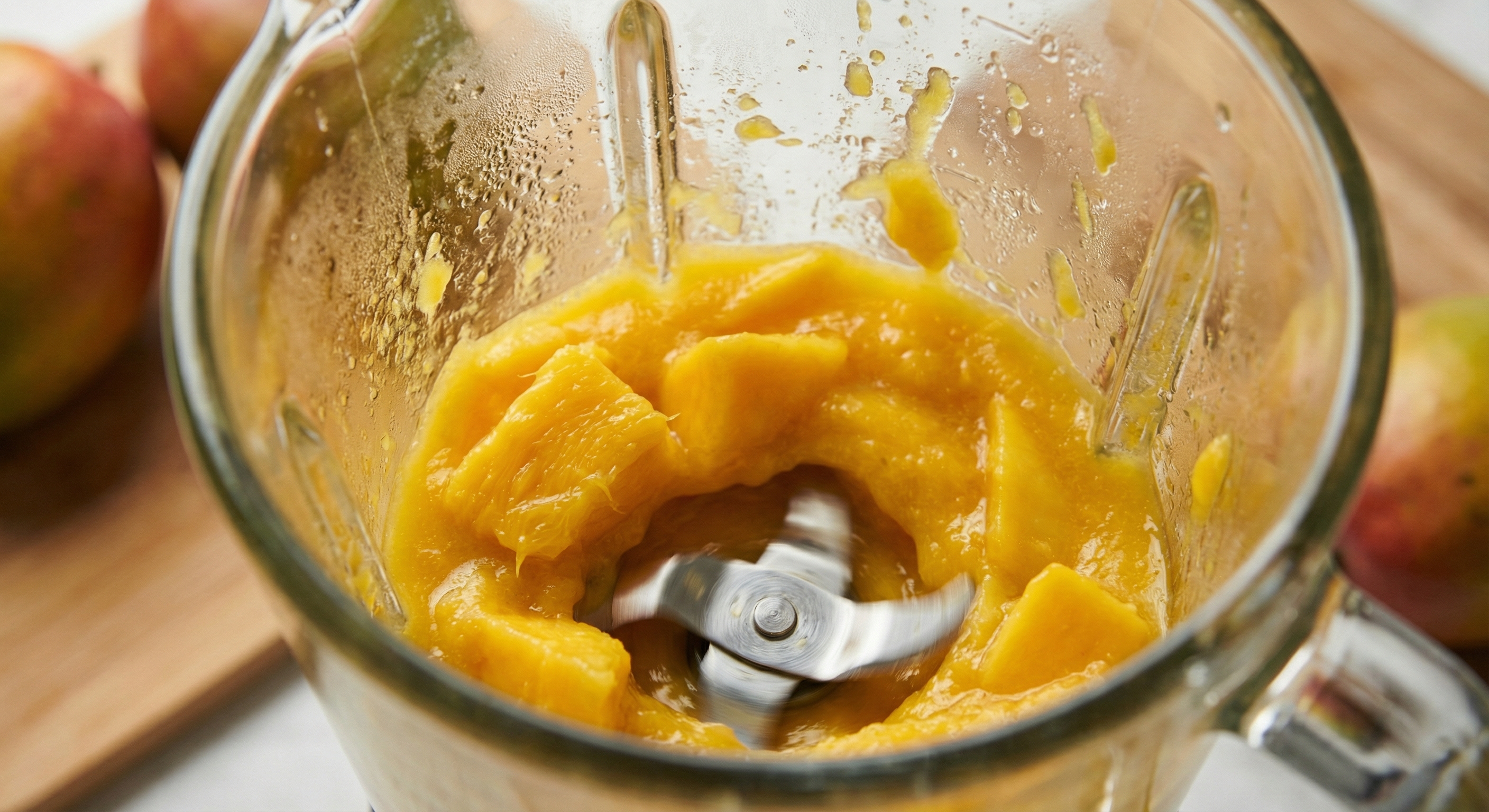
The quality of your raw materials will determine the success of your final beverage, especially in a professional setting. If you are looking to launch a unique brand, investigating a Private Label Matcha partner can help you source the specific flavor profile you need. Selecting the right grade is not just about price; it is about the color, aroma, and solubility of the powder. Using a sub-par grade will result in a muddy color that ruins the visual appeal of the mango layers.
Should you use ceremonial grade?
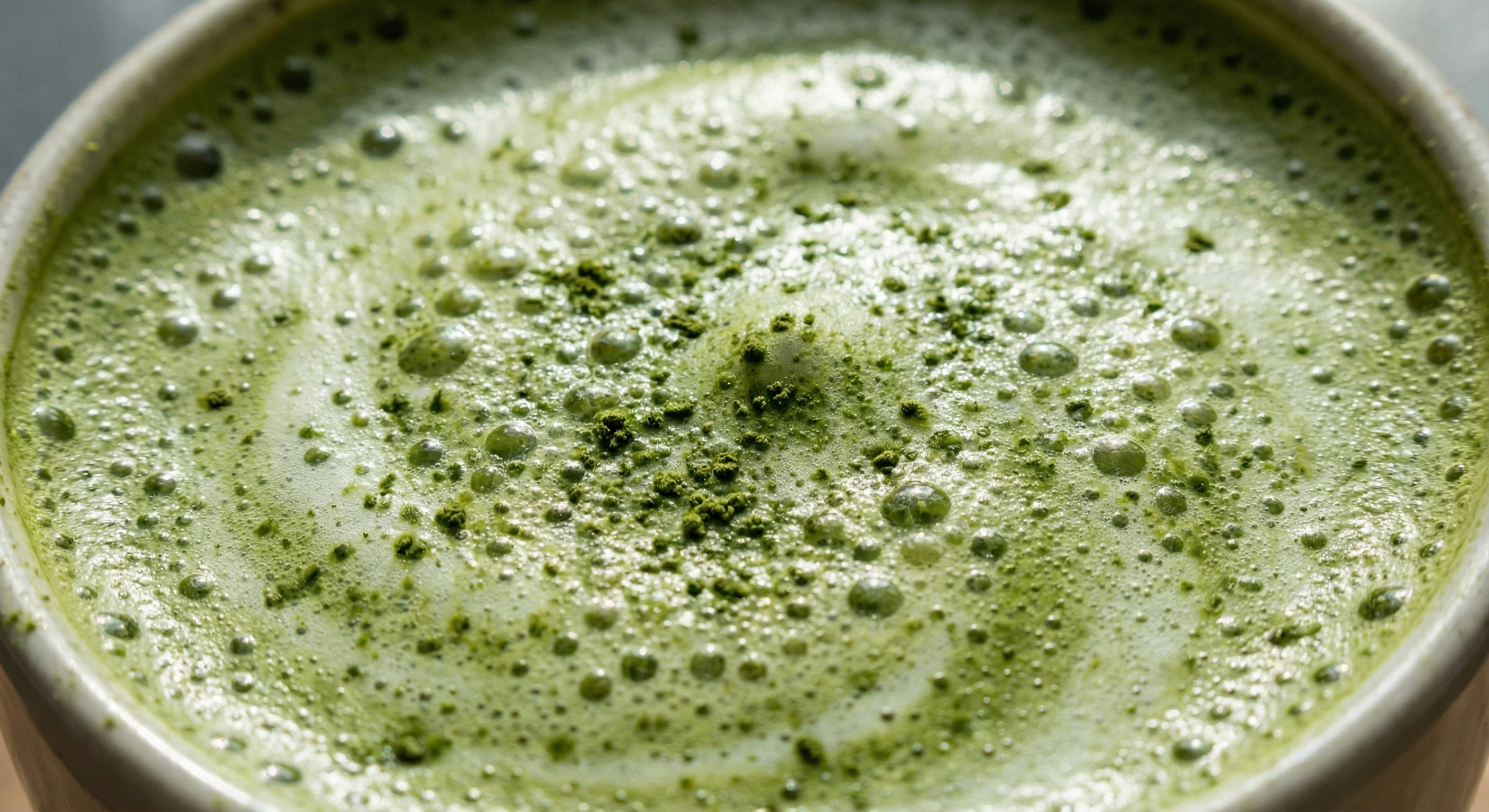
Ceremonial grade is the highest quality available, made from the youngest tea leaves harvested during the first flush. It possesses a vibrant, electric green color and a naturally sweet, delicate flavor that pairs beautifully with fruit. Because it is stone-ground into an extremely fine powder, it whisks into a smooth, froth-heavy liquid without any grit. For a premium latte that commands a higher price point, ceremonial grade is the industry standard.
Can culinary grade work?
Culinary grade matcha is harvested later in the season, resulting in a stronger, more astringent flavor and a duller green hue. While it is excellent for baking where heat is involved, it can often overpower the subtle notes of the mango in a cold latte. However, some “premium culinary” blends are specifically designed for lattes, offering a bolder tea taste that stands up well to heavy creamers. If you use culinary grade, you may need to increase your sweetener to balance the increased bitterness.
How do harvest dates affect flavor?
The time of year the tea is picked significantly influences the chemical composition of the leaves. First-harvest leaves are packed with chlorophyll and L-theanine, providing the sought-after sweetness and bright color. Subsequent harvests contain more tannins, which contribute to a dryer, more bitter mouthfeel. Professionals always check the “harvest window” to ensure consistency in their beverage programs across different seasons.
Matcha Grade Comparison Chart
Feature | Ceremonial Grade | Premium Culinary | Standard Culinary |
|---|---|---|---|
Color | Bright Emerald | Forest Green | Dull Olive/Brown |
Texture | Ultra-Fine Silk | Fine Powder | Slightly Gritty |
Taste | Sweet / Umami | Nutty / Bold | Bitter / Astringent |
Best Use | Traditional Tea / Lattes | Mixed Drinks / Smoothies | Baking / Confectionery |
Cost Scale | $$$$ | $$$ | $$ |
Can you make mango matcha at home?
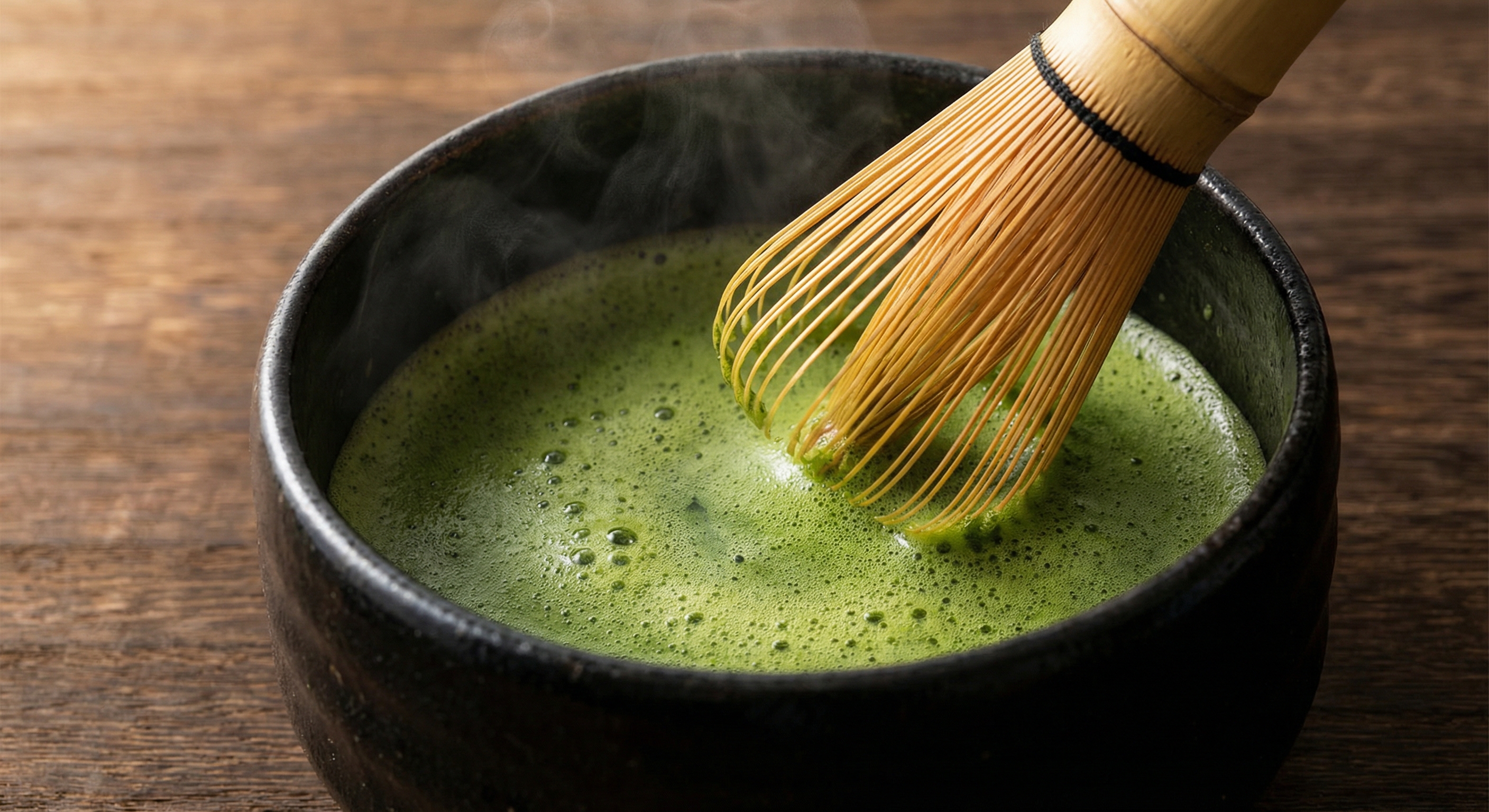
Recreating this cafe-style beverage in your own kitchen is surprisingly simple with the right technique. The process relies on preparing each component separately before assembling them into the final glass. But wait, there is more: making this at home allows you to control the sugar content and fruit quality far better than a commercial shop. Once you master the basic whisking technique, you can prepare this drink in under five minutes.
What tools do you need?
A traditional bamboo whisk, known as a chasen, is the most effective tool for aerating the tea and removing clumps. You will also need a fine-mesh sifter to ensure the powder is as light as possible before adding water. For the fruit component, a high-speed blender or a simple immersion blender is necessary to achieve a velvety puree. Finally, a tall glass and a long spoon will help you manage the layering process effectively.
Is a blender required for puree?
While a blender provides the smoothest results, you can manually mash very ripe mangoes through a fine-mesh sieve. This “hand-pressed” method retains a bit more texture, which some enthusiasts prefer for a more rustic feel. However, for the iconic layered look, a smooth, liquid-like puree is required to prevent the milk from mixing too quickly. If your mangoes are slightly firm, a quick blitz in a personal blender is always the better choice.
How do you achieve the perfect layers?
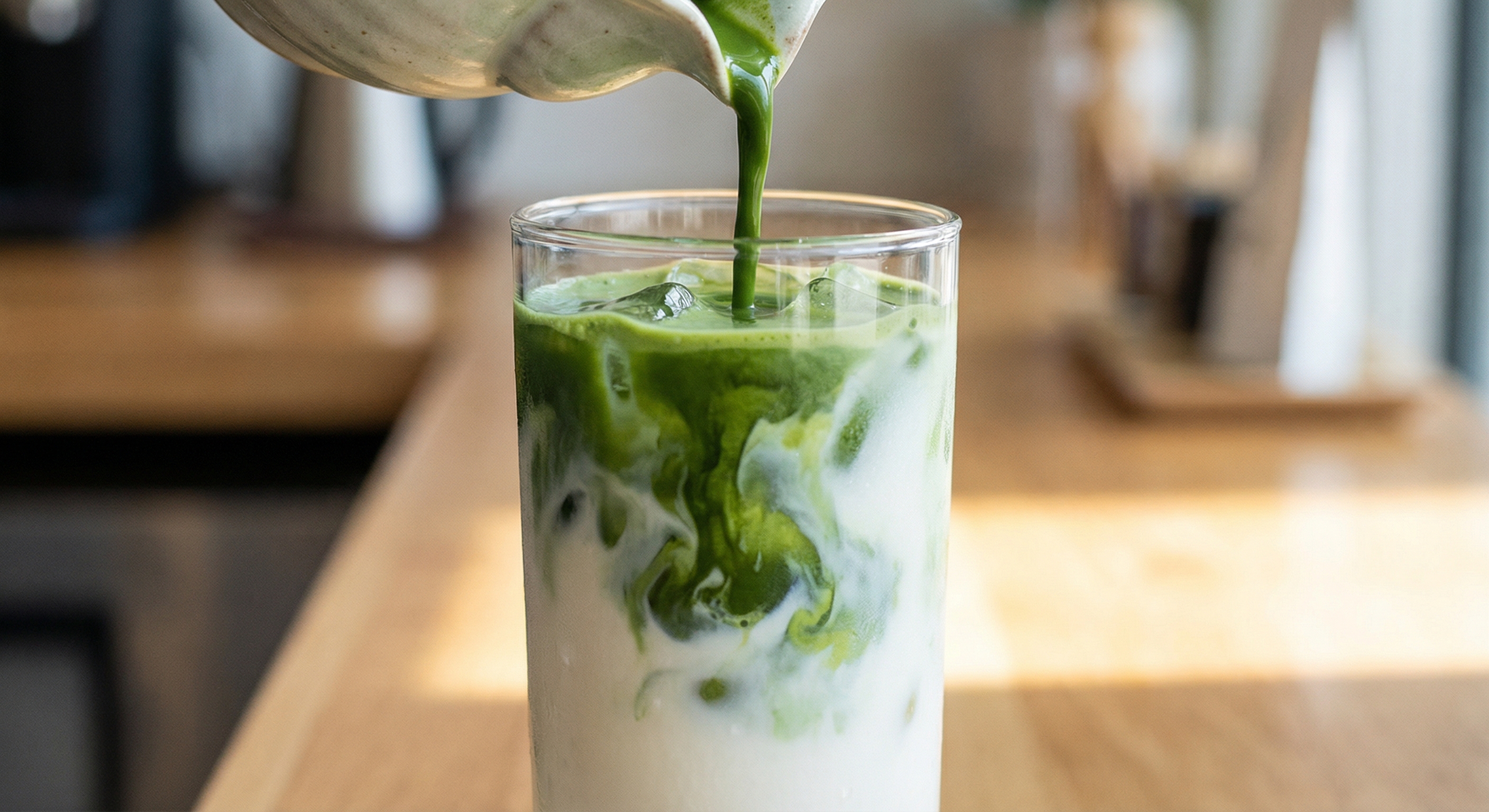
The secret to layering lies in the density of the liquids and the use of ice as a structural buffer. Start by pouring the thick mango puree into the bottom of the glass, followed by a generous amount of ice. Pour the milk slowly over the back of a spoon or directly onto an ice cube to break its fall. Finally, gently pour the whisked tea on top, allowing it to settle into the upper third of the glass.
Essential Equipment Checklist
Tool Name | Purpose | Professional Alternative |
|---|---|---|
Bamboo Whisk | Create micro-foam | Electric Milk Frother |
Fine Sifter | Remove clumps | Fine Mesh Tea Strainer |
High-Speed Blender | Smooth puree | Food Processor |
Measuring Scale | Consistency | Measuring Spoons |
Glass Tumbler | Visual presentation | Double-Walled Cup |
What are the benefits of mango matcha?
This drink is more than just a refreshing beverage; it is a concentrated source of wellness for the body and mind. Sourcing your supplies through Bulk Matcha Wholesale allows you to maintain a consistent intake of these health benefits at a lower cost. The combination of fruit-based vitamins and tea-based antioxidants creates a comprehensive health profile. It addresses multiple aspects of physical performance, from immune support to cognitive function.
Is it high in antioxidants?
Matcha is famous for having one of the highest ORAC (Oxygen Radical Absorbance Capacity) ratings of any food. One serving can provide the antioxidant equivalent of ten cups of regularly brewed green tea. These antioxidants help neutralize free radicals, which are responsible for aging and various chronic conditions. Adding mango introduces carotenoids and polyphenols that further enhance the drink’s protective qualities.
How does it support immunity?
A single ripe mango can provide nearly 75% of your daily Vitamin C requirement, which is essential for white blood cell production. When combined with the antimicrobial properties found in tea catechins, this drink becomes a powerful ally during flu season. The presence of Vitamin A also supports the health of epithelial tissues, which act as the body’s first line of defense. Drinking this latte regularly can help fortify your natural immune response.
Can it boost metabolic rate?
Green tea has been shown to increase thermogenesis, the rate at which your body burns calories. The specific catechins in the tea can help mobilize fat from fat cells by inhibiting an enzyme that breaks down norepinephrine. While it is not a “magic pill” for weight loss, it serves as an excellent metabolic stimulant without the crashes of synthetic supplements. The natural fiber in the mango also helps regulate blood sugar levels, preventing insulin spikes.
Nutritional Value per Serving
Nutrient | Amount | % Daily Value | Primary Benefit |
|---|---|---|---|
Vitamin C | 65 mg | 72% | Immune Defense |
Vitamin A | 1200 IU | 24% | Eye & Skin Health |
Matcha EGCG | 120 mg | N/A | Antioxidant Power |
Fiber | 3.5 g | 14% | Digestive Regularity |
Potassium | 350 mg | 10% | Muscle Function |
Which milk pairs best with mango matcha?
The choice of milk serves as the foundation for the entire drink and determines the final mouthfeel. Think about it: the fat content and natural sweetness of your milk choice will either highlight or mask the delicate tea notes. For many professional establishments, offering a variety of milks is the key to catering to a diverse B2B clientele. Each type of milk interacts differently with the acidity of the mango and the tannins of the tea.
Does oat milk enhance mango?
Oat milk has quickly become the preferred choice for baristas because its creamy texture mimics dairy without the lactose. Its natural, grain-like sweetness pairs exceptionally well with the tropical profile of the mango. Because oat milk is relatively dense, it also helps maintain the structural integrity of the layers better than thinner alternatives. It provides a “cookie-like” finish that rounds out the earthy bitterness of the green tea.
Is coconut milk too tropical?
Using coconut milk leans into the tropical theme of the drink, creating a flavor profile reminiscent of a “matcha colada.” The high fat content in coconut milk provides a luxurious, velvety mouthfeel that coats the palate. However, the strong flavor of coconut can sometimes compete with the subtle nuances of high-quality tea. If you use coconut milk, ensure you are using a light version or a blend to keep the drink from feeling too heavy.
Can traditional dairy still work?
Whole milk remains a classic choice for those who prefer a neutral, rich background that lets the ingredients shine. The natural lactose in dairy milk provides a balanced sweetness that doesn’t require additional syrups. For a lighter version, 2% milk offers a good compromise between creaminess and calorie count. Avoid non-fat milk, as it often lacks the body needed to support the layering and can make the drink feel “watery.”
Milk Pairing Matrix
Milk Type | Creaminess | Flavor Impact | Layering Stability | Best Sweetener |
|---|---|---|---|---|
Oat Milk | High | Toasted/Sweet | Excellent | Maple Syrup |
Coconut Milk | Very High | Tropical/Strong | Good | Agave Nectar |
Whole Milk | High | Neutral/Rich | Excellent | Honey |
Almond Milk | Low | Nutty/Thin | Fair | Simple Syrup |
Soy Milk | Medium | Bean/Neutral | Good | Brown Sugar |
Is mango matcha better with boba?
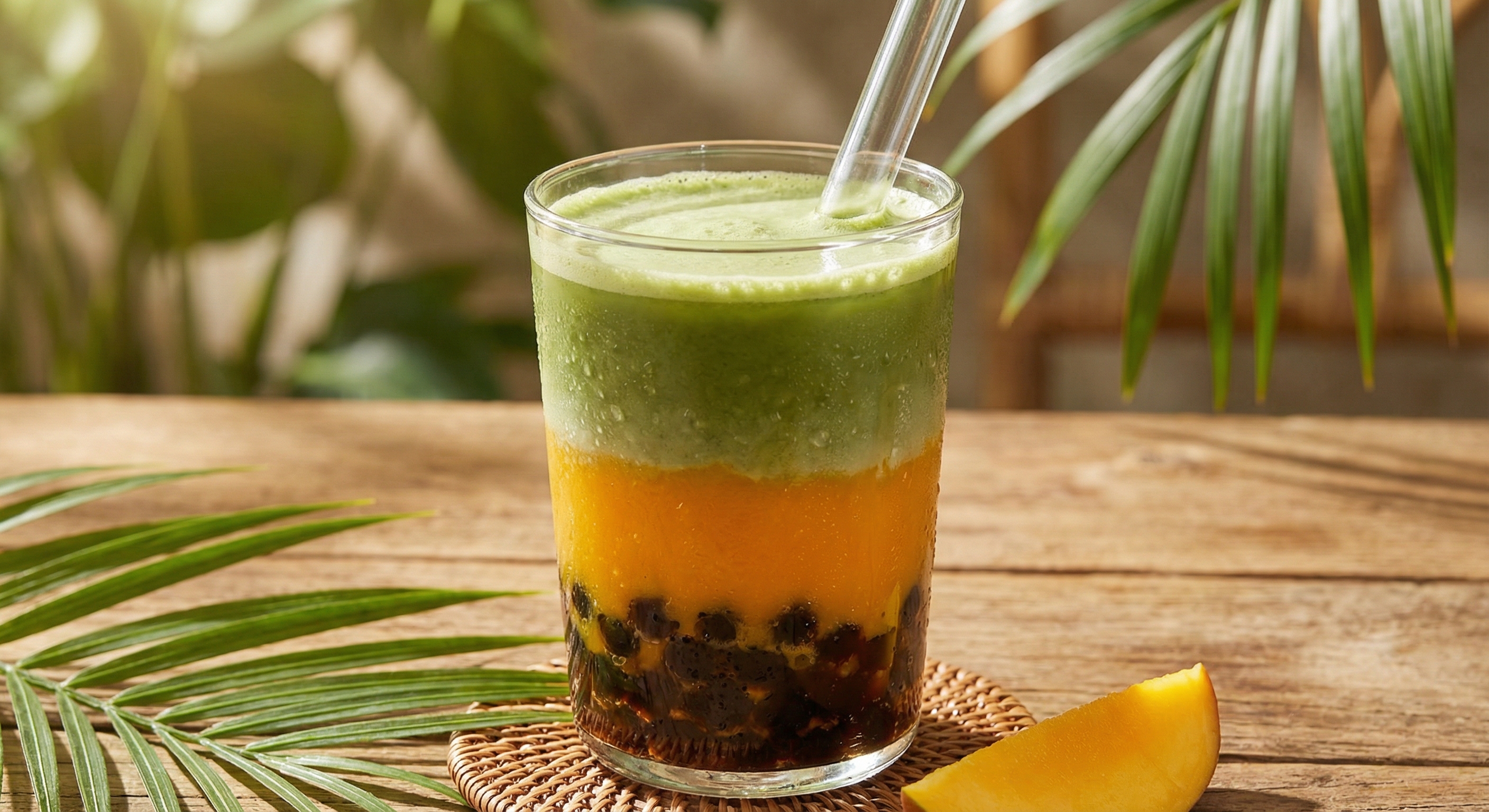
The addition of tapioca pearls transforms this latte into a full-scale dessert experience. If you are interested in this variation, checking out a Matcha Bubble Tea Recipe can provide the technical details for professional preparation. Adding boba introduces a chewy texture that complements the smoothness of the fruit and tea. It elevates the drink from a simple morning beverage to a sophisticated afternoon treat.
Can you add tapioca pearls?
Traditional black tapioca pearls, often slow-cooked in brown sugar syrup, add a deep molasses note to the drink. These pearls sit at the very bottom, beneath the mango puree, creating a four-layer visual masterpiece. The chewiness of the boba provides a satisfying “snack” element that makes the drink more filling. For a more cohesive look, you can even find “golden boba” that matches the mango puree.
Does it work as a bubble tea?
This drink naturally fits into the bubble tea category because it uses the same layering principles and wide-straw delivery system. The fruit puree acts as the “jam” or “syrup” typically found in premium fruit bubble teas. Because the tea is freshly whisked rather than pre-brewed, it offers a much higher quality than standard bubble tea shops. This makes it a popular choice for high-end “boba boutiques” looking to differentiate themselves.
What are popping boba options?
Popping boba, which are thin-skinned spheres filled with fruit juice, can add an “explosion” of flavor to the latte. Mango-flavored popping boba reinforces the fruit profile, while passionfruit or strawberry can provide a tart contrast. These are generally less filling than tapioca pearls but offer a fun, interactive sensory experience. They are particularly popular in self-serve beverage stations and modern cafe environments.
Popular Topping Pairings
Topping | Texture | Flavor Note | Best For |
|---|---|---|---|
Brown Sugar Boba | Chewy | Molasses / Sweet | Traditional Lovers |
Mango Popping Boba | Liquid Burst | Extra Mango | Intense Fruit Fans |
Coconut Jelly | Firm Gel | Mild Coconut | Texture Variation |
Cheese Foam | Creamy / Salty | Savory / Dairy | Modern Trendsetters |
Crystal Boba | Crunchy/Snap | Neutral | Lower Calorie |
How to naturally sweeten mango matcha?
While ripe mangoes provide a substantial amount of natural sugar, some palates may require a touch more sweetness. It gets better: using natural sweeteners allows you to enhance the flavor without the health drawbacks of refined white sugar. In a professional beverage program, the type of sweetener used is often a key selling point for health-conscious customers. The goal is to find a sweetener that complements the earthy tea rather than masking it.
Is honey a good match?
Honey is perhaps the most popular natural sweetener for tea-based lattes due to its floral complexity. It dissolves best when whisked directly into the warm tea concentrate before layering. Different varieties of honey, such as clover or orange blossom, can add subtle secondary notes to the drink. However, be aware that honey is not vegan, which may be a consideration for certain B2B markets.
Does agave nectar work better?
Agave nectar is an excellent vegan alternative that has a lower glycemic index than many other sweeteners. It has a very neutral flavor profile, which means it provides sweetness without altering the taste of the mango or tea. Because it is a thin liquid, it mixes effortlessly into cold preparations, making it ideal for iced lattes. Many professionals prefer agave because it doesn’t “clump” when it hits cold milk.
Can you use maple syrup?
Maple syrup provides a unique woodsy sweetness that surprisingly complements the grassy notes of green tea. It is particularly effective when used with oat milk, as the flavors naturally harmonize. While it has a distinct taste, it doesn’t overpower the fruit as much as one might expect. Use a Grade A Amber syrup for the most balanced flavor that won’t darken the vibrant green of the tea.
Sweetener Comparison Table
Sweetener | Source | Sweetness Intensity | Solubility in Cold | Dietary Note |
|---|---|---|---|---|
Honey | Bee Nectar | High | Medium | Non-Vegan |
Agave Nectar | Agave Plant | High | High | Vegan / Low GI |
Maple Syrup | Tree Sap | Medium | High | Vegan / Mineral Rich |
Stevia | Stevia Leaf | Very High | High | Zero Calorie |
Monk Fruit | Melon | Very High | Medium | Keto Friendly |
Should you buy bulk mango matcha supplies?
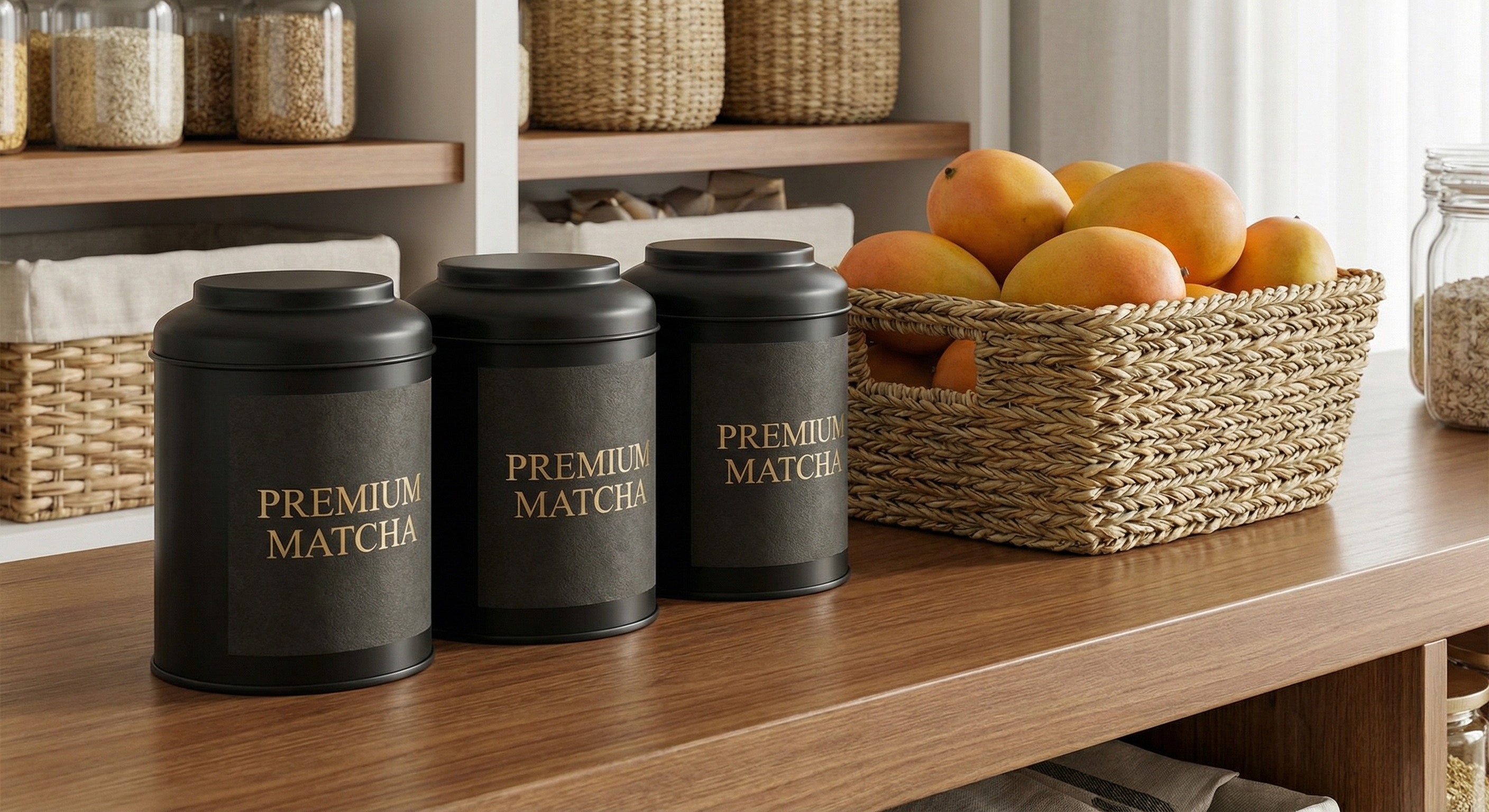
For businesses or daily drinkers, purchasing ingredients in larger quantities is the most economical strategy. Understanding the relationship between Matcha and Honey for Latte ingredients helps in planning your inventory effectively. Bulk purchasing significantly reduces the cost per serving, allowing for higher margins or more frequent enjoyment. However, storing these delicate ingredients correctly is vital to maintaining their nutritional potency.
Is it cheaper for daily use?
Purchasing tea in 500g or 1kg bags can reduce your price per gram by up to 40% compared to small retail tins. For a cafe or a busy office, these savings translate into thousands of dollars over a fiscal year. Even for home users, buying a larger bag every few months is far more sustainable than buying weekly. The key is ensuring your consumption rate matches the shelf life of the opened product.
How to store bulk matcha?
Matcha is highly sensitive to light, heat, and oxygen, all of which cause the chlorophyll to break down and the flavor to turn stale. Always store bulk supplies in airtight, opaque containers, ideally in a cool, dark pantry or a dedicated refrigerator. If you buy a very large quantity, consider dividing it into smaller “working” tins to minimize exposure for the main stash. Proper storage can extend the peak flavor of your tea from a few weeks to several months.
How do you manage fruit inventory?
While you can buy mangoes in bulk, they have a very short ripeness window that must be managed carefully. Many professional kitchens puree large batches of ripe mangoes and freeze them in portion-controlled containers. This ensures a consistent supply of perfectly sweet fruit without the risk of spoilage. Frozen puree retains its flavor and vitamin content exceptionally well, making it a reliable bulk strategy.
Cost-Per-Serving Analysis
Purchase Type | Ingredient Cost | Est. Servings | Cost per Latte | Annual Savings* |
|---|---|---|---|---|
Retail Tin (30g) | $25.00 | 15 | $1.66 | $0.00 |
Bulk Bag (500g) | $120.00 | 250 | $0.48 | $430.00 |
Wholesale (2kg) | $380.00 | 1000 | $0.38 | $467.00 |
Frozen Puree (Bulk) | $15.00 | 20 | $0.75 | N/A |
Fresh Mango (Indiv) | $2.50 | 2 | $1.25 | N/A |
*Based on 1 serving per day.
Where to find mango matcha ingredients?
Sourcing the highest quality components requires looking beyond the local supermarket to specialized suppliers. The best part? Establishing a relationship through our Contact Us page can give you access to professional-grade ingredients not found on retail shelves. Finding a reliable supplier ensures that your tea is always fresh and your fruit is of the correct variety. Quality sourcing is the invisible ingredient that separates a good drink from a truly exceptional one.
Are fresh mangoes necessary?
Fresh mangoes offer the most vibrant flavor and the highest concentration of live enzymes and vitamins. Varieties like Ataulfo (Honey) or Kent are preferred for their lack of fiber and buttery texture. However, fresh fruit can be inconsistent in sweetness depending on the season and origin. For year-round consistency in a B2B setting, high-quality frozen chunks or aseptic purees are often the more practical choice.
Can you use frozen fruit?
Frozen mangoes are typically picked at the peak of ripeness and flash-frozen to preserve their nutritional integrity. Using frozen fruit also helps keep the drink cold without requiring as much ice, which prevents dilution. To make the puree, simply thaw the chunks slightly or blend them with a tiny splash of water. Many professional baristas actually prefer frozen mangoes because they offer a more predictable sugar content (Brix level).
How do you verify tea quality?
When sourcing tea, always look for a vibrant green color, which indicates high chlorophyll content and proper storage. The aroma should be fresh and grassy, with a hint of sweetness, rather than smelling like hay or straw. Check for organic certifications and origin details, specifically looking for reputable Japanese regions like Uji or Kagoshima. A reputable supplier will always provide a Certificate of Analysis (COA) for their bulk products.
Sourcing Checklist
Component | Target Variety | Quality Indicator | Avoid |
|---|---|---|---|
Matcha Powder | Ceremonial Grade | Electric Green Color | Yellow/Brown Hues |
Mango | Ataulfo / Honey | Fragrant / Soft Squeeze | Fibrous / Sour Fruit |
Milk | Barista Edition | High Protein Content | “Thin” or Skim Milk |
Sweetener | Raw / Unfiltered | Origin Tracked | High Fructose Corn Syrup |
Water | Filtered / Alkaline | Neutral pH | Tap Water with Chlorine |
Frequently Asked Questions
- How do I prevent my mango matcha from tasting bitter?Always use water heated to 80°C (176°F) rather than boiling water, as scorching the leaves causes bitterness. Additionally, choosing a ceremonial grade powder ensures a naturally sweeter, smoother finish.
- Can I make a hot version of the mango matcha latte?Yes, simply steam your milk and warm the mango puree before layering; however, the “layered” visual effect is most stable in cold preparations with ice.
- What is the best mango variety for this recipe?Ataulfo (Honey) mangoes are preferred because they are non-fibrous, buttery, and exceptionally sweet, which creates a smoother puree.
- How long does the mango puree stay fresh?Freshly made puree lasts for up to 3 days in the refrigerator when stored in an airtight container, though it is best used within 24 hours for peak flavor.
- Is it necessary to sift the matcha powder?Sifting is highly recommended to remove clumps, ensuring the powder dissolves fully into a frothy liquid that layers perfectly over the milk.
Mastering the mango matcha latte at home or in a professional setting allows you to enjoy a café-quality superfood beverage that is both visually stunning and nutritionally dense. By selecting high-quality ingredients and following the proper layering techniques, you can customize this tropical treat to suit your dietary needs perfectly. Ready to elevate your tea experience with premium ingredients? Explore our full range of professional-grade supplies at Riching Matcha to start your journey toward the perfect brew.