
To maintain peak quality, you must protect your tea from oxygen, light, heat, and moisture by using airtight, opaque containers in a cool environment. This professional framework explains how to store matcha to prevent the rapid oxidation that ruins flavor profiles and visual appeal.
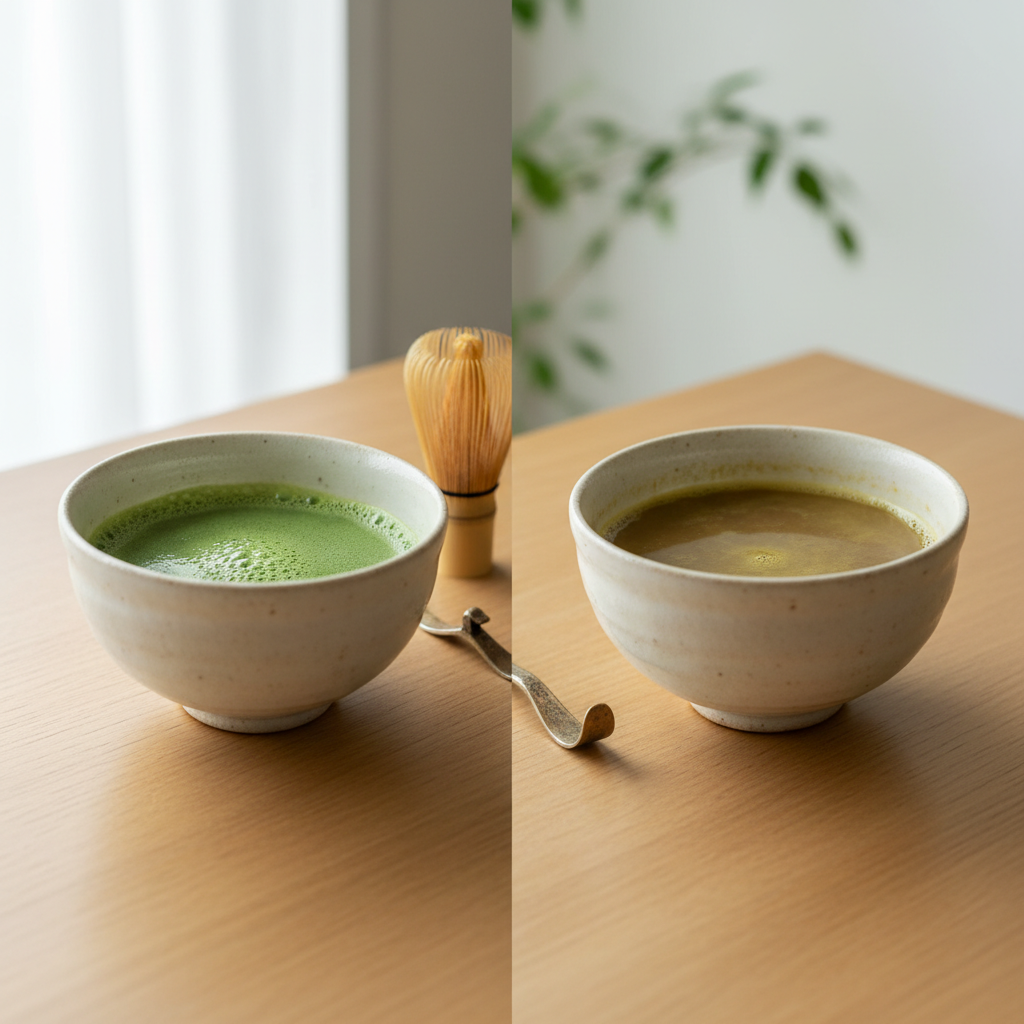
Preserving the vibrant emerald hue is the primary goal for anyone learning how to store matcha correctly in a commercial or home setting. Chlorophyll is highly sensitive to environmental stress, and exposure to light or air quickly turns the powder into a dull, brownish-yellow shade.
The Science of Pigment Loss
Ready for the good part? Proper environmental control stops the chemical transition from bright green to unappealing khaki.
- Chlorophyll molecules break down into pheophytin when exposed to catalysts.
- UV radiation acts as a silent bleach for organic tea pigments.
- Airtight barriers maintain the structural integrity of the leaf particles.
Key Takeaway: Vibrant color is the most reliable indicator of freshness and must be protected through light-exclusion protocols.
Feature | Preservation Impact |
|---|---|
Chlorophyll | Maintains Neon Green |
Light Protection | Prevents Bleaching |
The visual vibrancy of your tea directly correlates with the concentration of healthy antioxidants remaining in the powder.
Why is air a threat when learning how to store matcha?
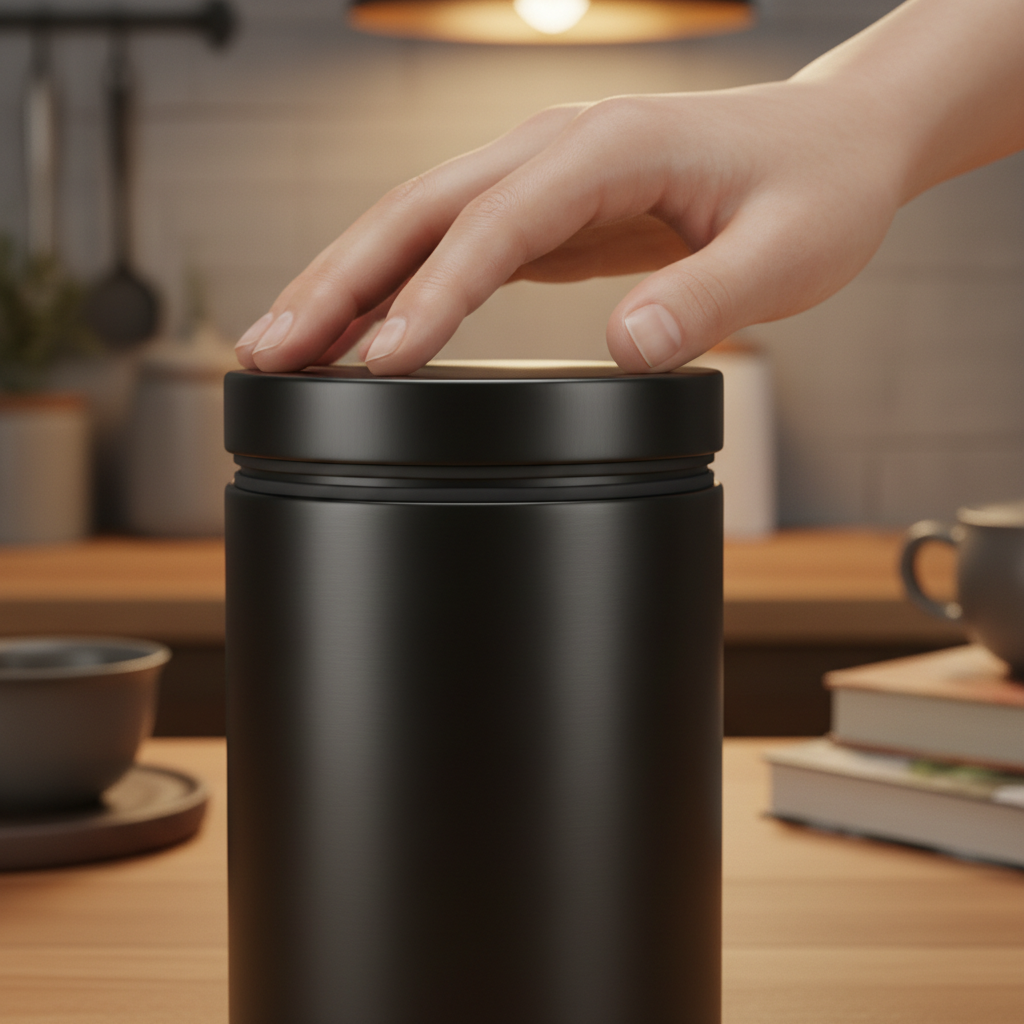
Oxygen exposure causes delicate lipids and amino acids to oxidize, which inevitably leads to a flat and metallic taste profile. When you understand how to store matcha in hermetically sealed vessels, you prevent the theft of electrons from volatile aromatic compounds.
Controlling Atmospheric Exposure
Make no mistake: even a few hours of air exposure can significantly diminish the “umami” notes that define premium tea.
- Oxygen reacts with the powder to create rancid secondary metabolites.
- Hermetic seals prevent the evaporation of natural tea oils.
- Nitrogen-flushed packaging offers the best protection for unopened stock.
Key Takeaway: Eliminating air contact is the single most effective way to prevent the loss of sweet aromatic oils.
Threat | Chemical Result |
|---|---|
Oxygen | Lipid Oxidation |
Open Lids | Aromatic Loss |
Atmospheric stability is required to ensure that the final beverage retains its characteristic sweetness and smooth finish.
Can the right vessel improve how to store matcha?
Selecting high-quality storage hardware provides the physical foundation for successful protocols regarding how to store matcha within busy kitchen environments. Opaque materials like stainless steel or tinplate are vastly superior to glass because they provide a total barrier against damaging UV rays.
Selecting Professional Hardware
Believe it or not: the design of your container can double the usable lifespan of your ceremonial inventory.
- Double-lidded tins create a secondary air pocket for extra protection.
- Non-reactive metals ensure that no strange odors leach into the tea.
- Silicone gaskets provide the necessary compression to block gas exchange.
Key Takeaway: Opaque metal containers featuring precision-fit lids provide the maximum defense against environmental degradation.
Material | Light Blocking | Durability |
|---|---|---|
Stainless Steel | 100% | High |
Clear Glass | 0% | Low |
Investing in specialized tea canisters represents a proactive strategy to reduce financial waste and maintain consistent product quality.
Should you use cold zones for how to store matcha?
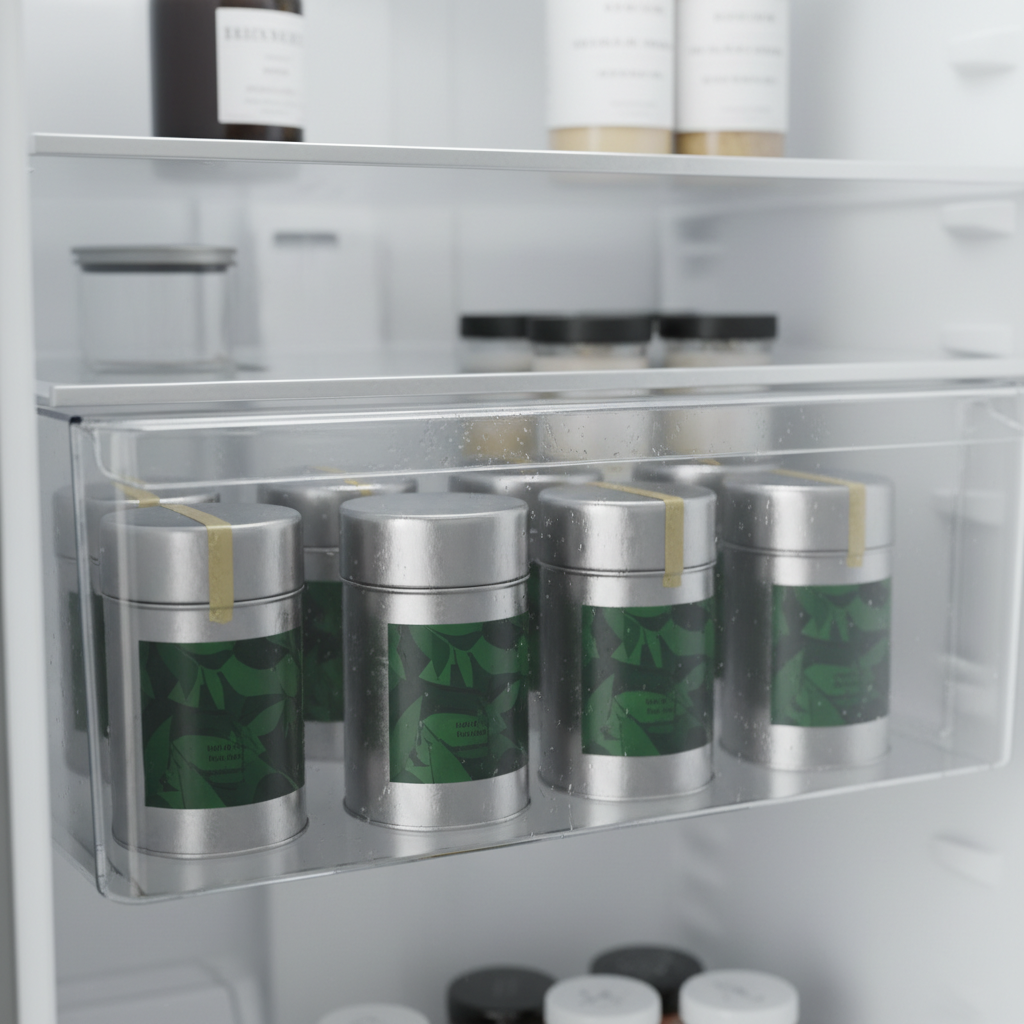
Chilled environments effectively slow down the molecular aging and chemical oxidation associated with how to store matcha correctly over long periods. Keeping your inventory in a dedicated refrigerator “pauses” the breakdown of L-theanine, which is the amino acid responsible for the calm focus tea provides.
Managing Thermal Stability
Wait, there is more: you must manage the transition from cold to warm to avoid catastrophic moisture accumulation.
- Low temperatures cut the rate of enzymatic browning by nearly half.
- Refrigeration preserves the “fresh grass” aroma of spring-harvested leaves.
- Tins must reach room temperature before opening to prevent condensation.
Key Takeaway: Cold storage is essential for preserving chemical potency but requires careful temperature management during daily use.
Zone | Ideal Temperature | Use Case |
|---|---|---|
Fridge | 3°C – 5°C | Wholesale Stock |
Pantry | Below 25°C | Daily Service |
Utilizing a cold-chain approach ensures that your bulk supplies remain as fresh as the day they were stone-ground.
How does light affect how to store matcha correctly?

Light energy acts as a catalyst for photodegradation, a destructive process that ruins both the flavor and the nutritional profile of how to store matcha successfully. Even artificial indoor lighting contains enough energy to excite electrons and break down the complex organic molecules within the tea leaf.
The Danger of UV Radiation
The hard truth is: leaving a clear jar of tea in a sunny window can ruin a premium grade in mere hours.
- Light triggers the breakdown of healthy catechins and vitamins.
- Photodegradation leads to a “hay-like” smell and a bitter taste.
- Dark cabinets or drawers provide the simplest passive defense system.
Key Takeaway: Absolute darkness is required to prevent light-induced chemical decay and the loss of healthy antioxidants.
Light Type | Damage Level | Prevention |
|---|---|---|
Sunlight | Extreme | Opaque Tins |
Fluorescent | Moderate | Closed Drawers |
Managing light exposure is a cost-effective way to preserve the financial value of your high-end ceremonial tea assets.
Is moisture the enemy of how to store matcha?
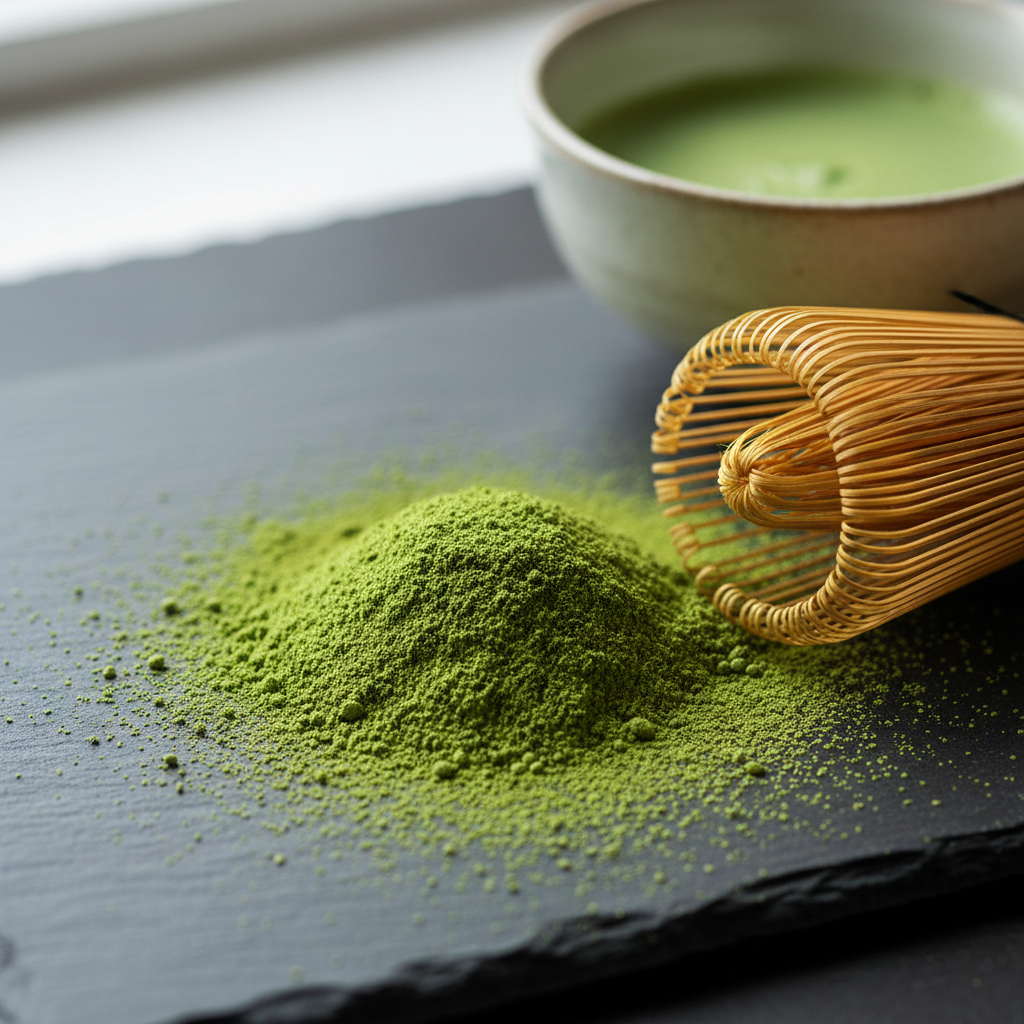
Liquid contact and high humidity are the fastest ways to destroy a batch of tea when you are learning how to store matcha for professional use. The powder is highly hygroscopic, meaning it greedily absorbs water from the air, which leads to unappealing clumping and eventual mold growth.
Preventing Humidity Damage
Here is the deal: moisture facilitates the very oxidation reactions that you are working so hard to avoid.
- Water molecules create “bridges” between particles, ruining the fine texture.
- Humidity accelerates the loss of color and the development of bitterness.
- Desiccant packs can be used to pull stray moisture from the container.
Key Takeaway: Keeping your powder completely dry is essential for maintaining solubility and preventing rapid microbial spoilage.
Issue | Physical Result | Solution |
|---|---|---|
Clumping | Grainy Texture | Dry Storage |
Oxidation | Bitter Flavor | Tight Seals |
Ensuring that every scoop and sifting tool remains bone-dry is a critical step in your daily quality control routine.
What role does heat play in how to store matcha?
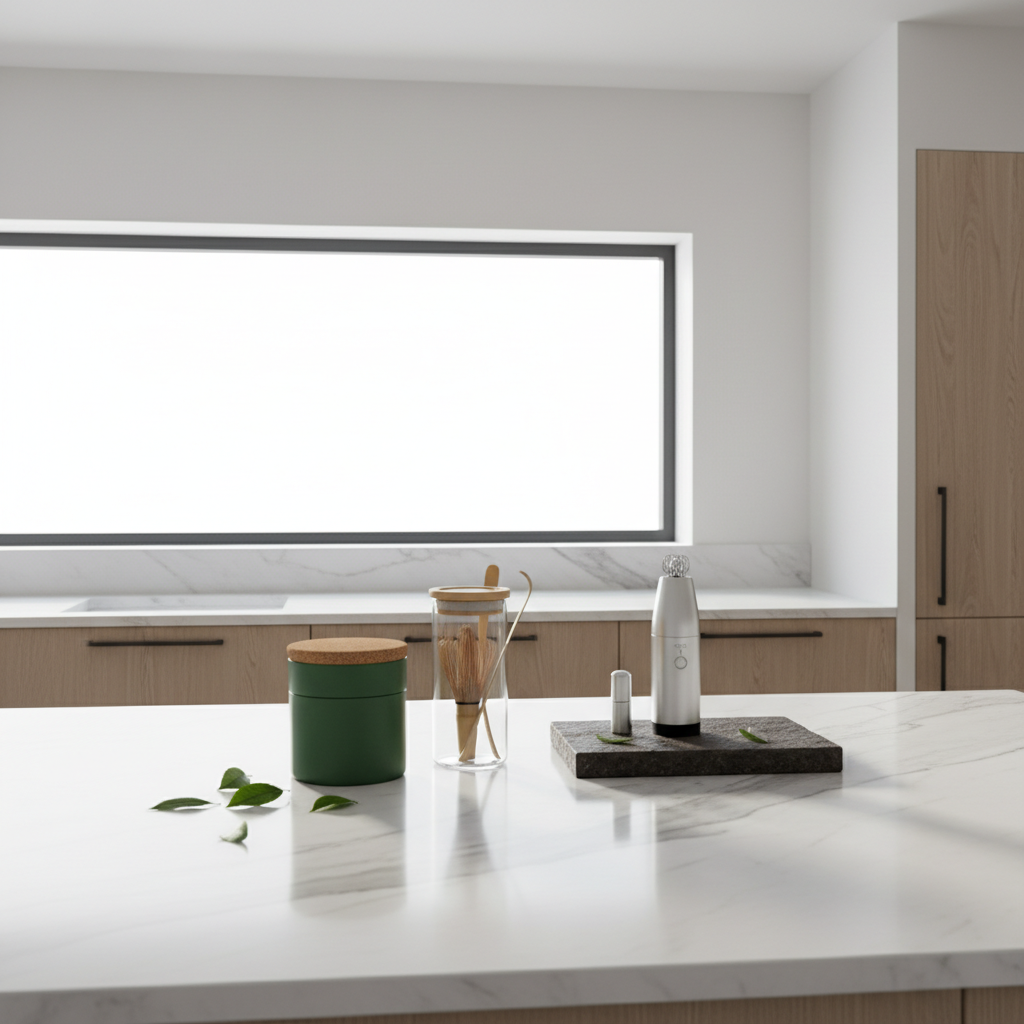
High ambient temperatures accelerate the chemical reactions that degrade the quality of your tea when managing how to store matcha in a kitchen. Heat provides the kinetic energy needed for enzymes to interact more aggressively with leaf particles, resulting in a rapid loss of freshness.
Thermal Control Protocols
This is where it gets interesting: storing your tins near an oven or a steaming espresso machine can halve their shelf life.
- Volatile aromatic compounds evaporate much faster in warm environments.
- Heat sensitive amino acids break down, causing the tea to lose sweetness.
- Stable, cool locations like lower cabinets provide the best micro-climate.
Key Takeaway: Thermal stability is crucial for preserving the complex and sweet flavor notes of high-quality tea products.
Factor | Threshold | Action |
|---|---|---|
Max Temp | 25°C | Move to Cool Spot |
High Risk | Near Ovens | Relocate Stock |
A consistent temperature environment prevents the “sweating” that leads to internal moisture and subsequent degradation of the tea powder.
Does grade change how to store matcha efficiently?
The specific quality of your powder dictates the strictness of the protocols you must follow regarding how to store matcha properly. Ceremonial grades contain far higher levels of sensitive nutrients and amino acids, making them significantly more volatile than more robust culinary versions.
Grade-Specific Storage Needs
Ready for the good part? Tailoring your storage based on grade allows you to allocate your resources where they matter most.
- Ceremonial grade requires absolute cold and darkness to justify its price.
- Culinary grade has more tannins, providing a slight buffer against heat.
- Both grades will turn brown if they are exposed to air for too long.
Key Takeaway: Higher grades require more stringent climate controls to maintain the delicate umami notes that clients expect.
Grade | Sensitivity | Primary Focus |
|---|---|---|
Ceremonial | Extreme | Cold Storage |
Culinary | Moderate | Airtight Seal |
Prioritizing your most expensive stock for the best storage locations ensures a higher return on your inventory investment.
How do odors impact how to store matcha in kitchens?
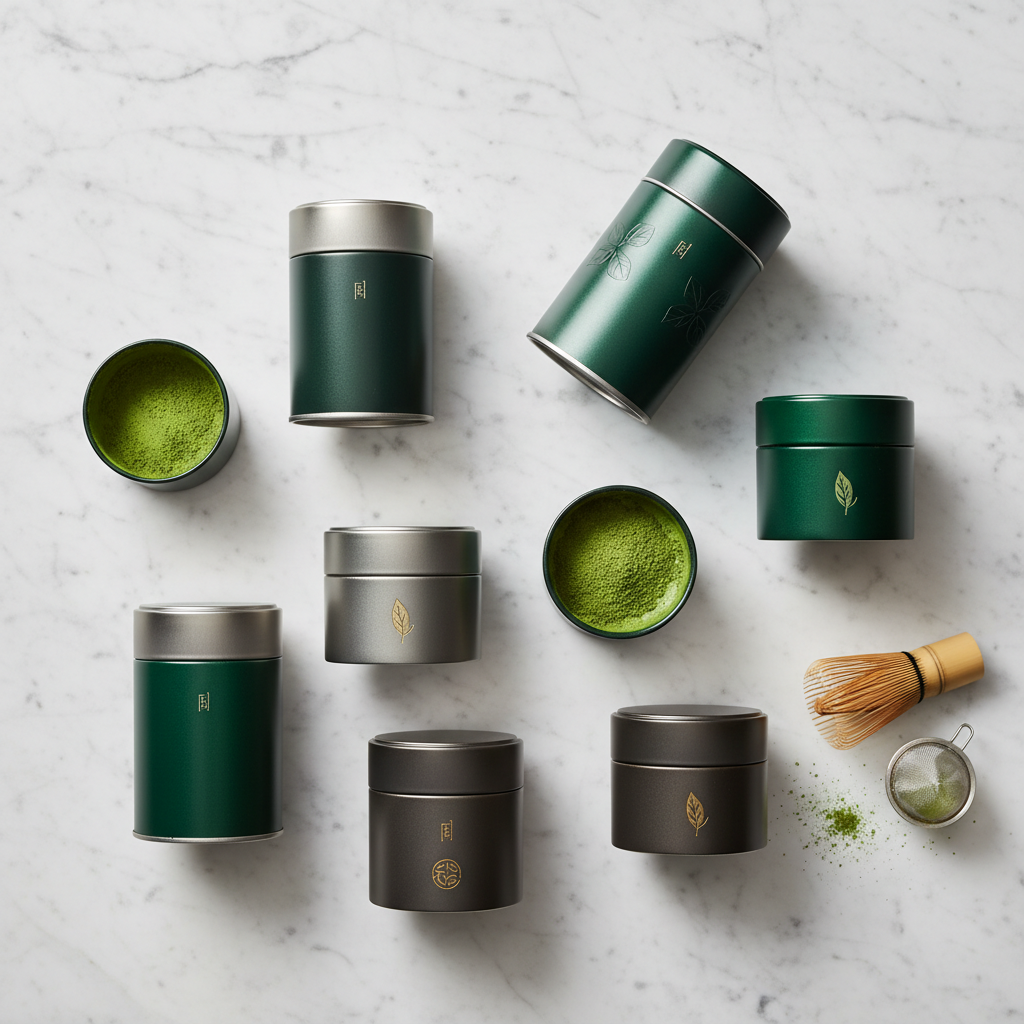
The porous nature of finely ground tea allows it to act as an organic sponge, absorbing pungent scents during how to store matcha tasks. Storing your powder near coffee beans, spices, or garlic can permanently alter the flavor profile of an entire batch within hours.
Protecting the Aroma Profile
But wait, there is more: once a batch absorbs an external odor, there is no chemical way to remove that unwanted scent.
- Volatile aromatic molecules from the kitchen can penetrate weak seals.
- Dedicated cupboards far from the cooking line provide the best safety.
- Silicone gaskets create an impenetrable barrier against floating odors.
Key Takeaway: Strong kitchen odors will ruin the pure profile of your tea if the storage vessel is not isolated.
Source | Risk Level | Defense |
|---|---|---|
Coffee | High | Isolation |
Spices | Extreme | Airtight Tin |
Maintaining a neutral olfactory environment is just as important as controlling light and heat for sensory excellence.
Can turnover speed help how to store matcha better?
Managing your inventory turnover ensures that you spend less time worrying about how to store matcha and more time serving fresh product. Ideally, an opened container should be consumed within thirty to sixty days to ensure that the customer experiences the peak vitality of the tea.
Optimizing Stock Rotation
The best part? Fresh batches stored moderately well often taste better than old batches stored perfectly for several months.
- “First-In, First-Out” (FIFO) systems prevent older stock from going stale.
- Frequent ordering of smaller batches reduces the risk of bulk spoilage.
- Labeling every tin with its opening date helps track quality over time.
Key Takeaway: Rapid turnover serves as the ultimate insurance policy against the inevitable decline of organic tea quality.
Metric | Target | Method |
|---|---|---|
Consumption | 30 – 45 Days | Date Labeling |
Inventory | Small Batches | FIFO System |
Efficient logistics and smart ordering habits minimize the time your sensitive tea spent sitting on a shelf.
Q1: What is the best way to store matcha long term?Unopened nitrogen-flushed bags should be kept in a freezer to maintain freshness for up to one year. Once the seal is broken, move it to the refrigerator to avoid the moisture risks associated with freezing and thawing.
Q2: Can I use plastic containers for storage?You should avoid plastic containers because they are slightly porous and can allow odors or oxygen to seep in over time. Metal or ceramic vessels with airtight seals provide much better protection for the delicate powder.
Q3: How do I know if my tea is still fresh?Fresh tea will have a vibrant, neon-green color and a sweet, grassy aroma. If the powder looks dull, forest green, or khaki, and smells like hay, it has likely oxidized and lost its premium quality.
Q4: Why does my tea clump together?Clumping is usually caused by moisture exposure from the air or a damp measuring scoop. To fix this, simply use a fine-mesh sifter before whisking to restore the smooth texture required for a high-quality drink.
Q5: Should I leave the powder in the original foil bag?Yes, keeping the powder inside its original foil pouch and then placing that pouch inside an airtight tin provides an extra layer of protection against light and air.
Consistent excellence in your tea service builds customer trust and justifies the premium pricing that drives your business growth. By controlling the environmental variables of light, air, and heat, you ensure that every cup you serve is a testament to the care of your brand. At Riching Matcha, we provide the wholesale expertise and high-quality supplies you need to master the art of preservation. To upgrade your inventory or receive professional guidance on stock management, contact us today for a consultation.