
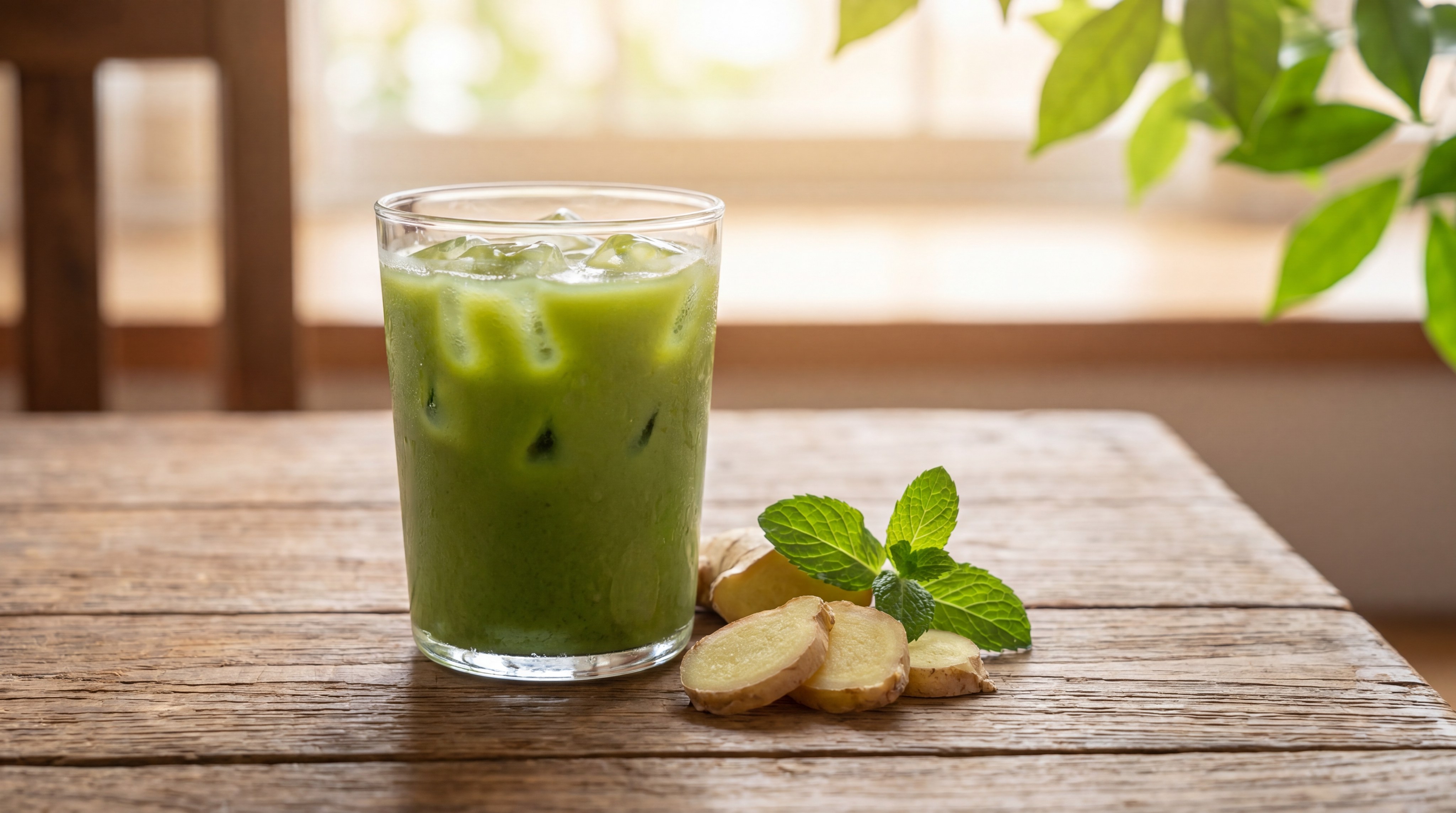
Yes, drinking iced matcha is exceptionally good for you. It provides a potent dose of antioxidants like EGCG, promotes “calm energy” via L-theanine, and supports metabolic health. When prepared without excessive sugars, it is a nutrient-dense, hydrating beverage that offers sustained focus without the typical coffee jitters.
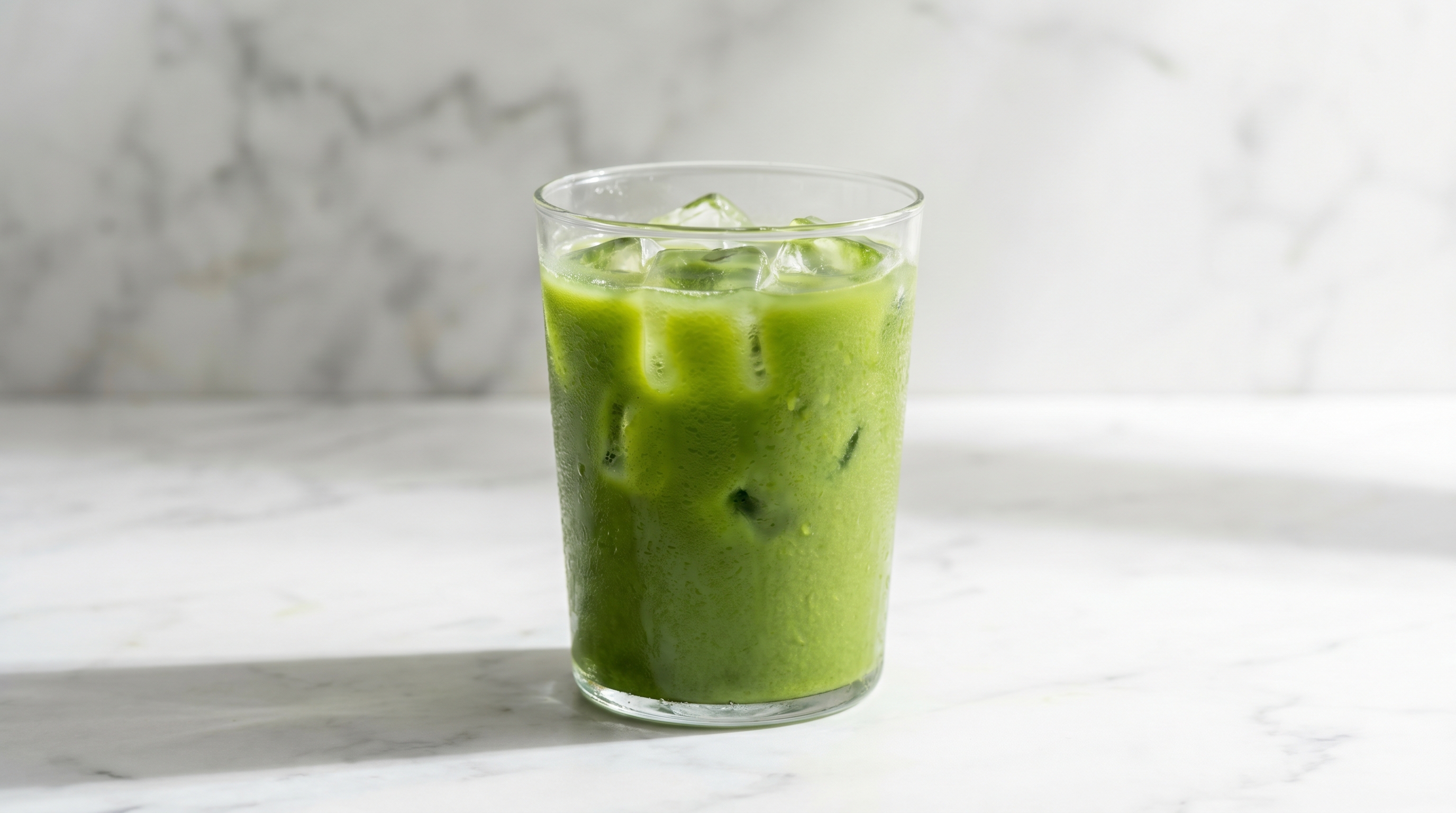
In recent years, the vibrant green hue of matcha has taken over social media feeds and wellness cafes alike. But beyond its aesthetic appeal lies a complex nutritional profile that has been revered for centuries in Japanese culture. As we transition into warmer months, the question often arises: does serving this ancient tea over ice diminish its health properties, or is it a superior way to stay hydrated and energized?
To understand if iced matcha is truly “good” for you, one must look at the synergy of its compounds. Unlike regular green tea, where you steep the leaves and then discard them, matcha involves consuming the entire leaf ground into a fine powder. This means you are ingesting 100% of the vitamins, minerals, and antioxidants contained within the plant. When served iced, matcha becomes a refreshing vehicle for these nutrients, offering a cooling effect on the body while providing a steady stream of biological benefits.
At its core, iced matcha is a simple concoction, yet the quality of its components determines its health value. Traditionally, matcha starts as Tencha—green tea leaves that have been shaded for three to four weeks before harvest. This shading process is crucial; it forces the plant to overproduce chlorophyll and amino acids, resulting in the signature deep green color and umami flavor.
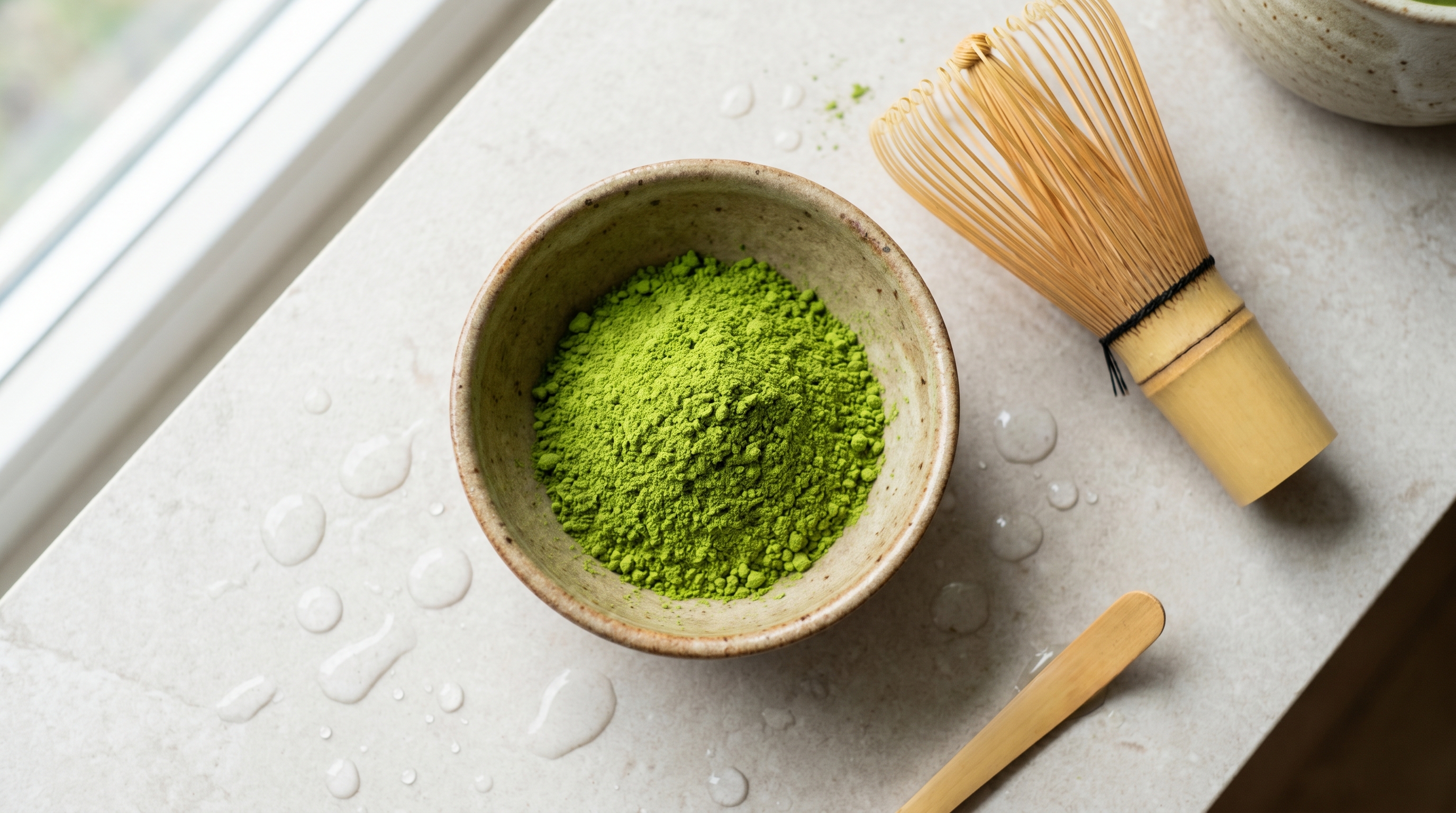
When preparing iced matcha, there are two primary variations: the Iced Matcha Tea and the Iced Matcha Latte.
- Iced Matcha Tea: This is the purest form. It consists of high-quality matcha powder whisked into a small amount of warm water (to ensure it dissolves properly) and then poured over cold water and ice. This version is virtually calorie-free and provides the most direct access to the tea’s plant compounds.
- Iced Matcha Latte: This popular variation adds a creamy element. After whisking the matcha, it is combined with a milk of choice (such as oat, almond, or dairy) and ice. While delicious, the health profile changes based on the milk and sweeteners used. For instance, using a premium matcha green tea ensures you are getting the highest density of nutrients regardless of the base.
It is important to distinguish between “matcha powder” and “matcha mix.” Many commercial cafe mixes contain high amounts of cane sugar or powdered creamer, which can transform a healthy tea into a high-calorie dessert. Authentic iced matcha should ideally contain only pure, stone-ground green tea leaves.
What Nutrients and Plant Compounds Are in Iced Matcha?
The nutritional density of iced matcha is staggering when compared to other beverages. Because you are consuming the whole leaf, the concentration of bioactive compounds is significantly higher than in traditional steeped teas.
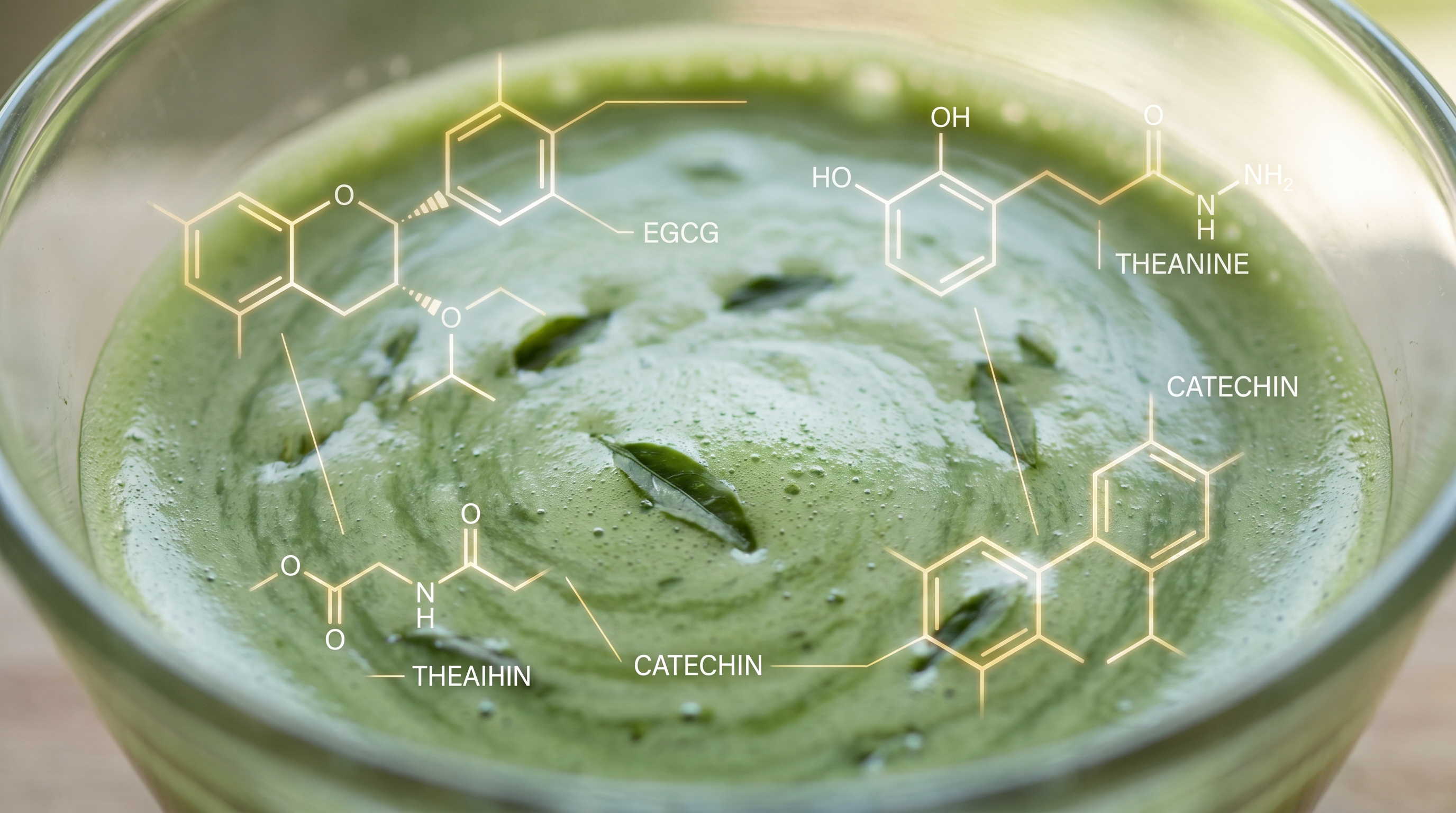
The most notable group of compounds in matcha are the catechins, a subcategory of polyphenols. The most potent of these is Epigallocatechin Gallate (EGCG), which has been linked to everything from improved cardiovascular health to potential cancer-preventative properties. Furthermore, the matcha tea comprehensive guide highlights the presence of dietary fiber and essential vitamins that are often absent in other caffeinated drinks.
Compound | Primary Benefit | Concentration Level |
|---|---|---|
EGCG (Catechins) | Powerful antioxidant; fights oxidative stress and inflammation. | Extremely High (up to 60% of total catechins) |
L-theanine | Amino acid that promotes relaxation and focus; counters caffeine jitters. | High (due to shading process) |
Caffeine | Provides sustained energy and boosts metabolic rate. | Moderate (approx. 35-70mg per gram) |
Chlorophyll | Natural detoxifier; supports skin health and immune function. | High (gives matcha its green color) |
Polyphenols | Supports gut health and provides anti-aging benefits. | High |
Vitamin C & A | Boosts immunity and supports eye/skin health. | Moderate |
Beyond these, matcha contains trace minerals like potassium, magnesium, and calcium. The presence of chlorophyll is particularly interesting in the context of “iced” drinks, as it is a natural deodorizer and can help refresh the breath—a perfect companion for a midday summer cooler.
Does Iced Matcha Have the Same Benefits as Hot Matcha?
A common myth in the tea world is that cold water “kills” the nutrients in tea. In reality, the opposite is often true regarding certain delicate compounds. Most of the primary health benefits of matcha—the antioxidants, the amino acids, and the caffeine—remain stable whether served hot or cold.
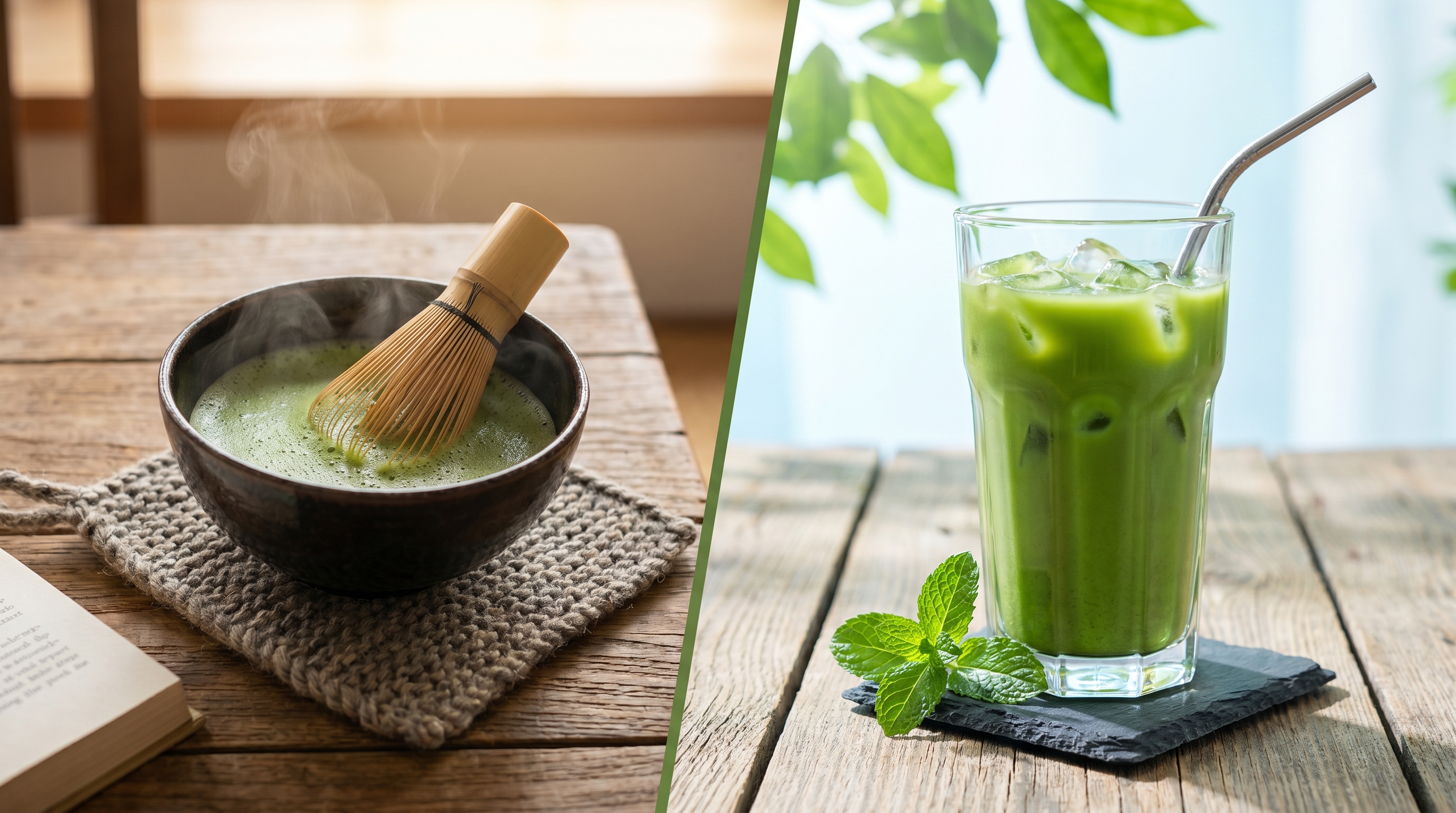
- Antioxidant Stability: Catechins like EGCG are quite resilient. While boiling water can sometimes degrade certain delicate vitamins (which is why you should never use boiling water to whisk matcha), cold water actually helps preserve these nutrients over a longer period.
- L-Theanine Retention: The amino acid L-theanine is highly soluble and remains fully active in iced preparations. This ensures that the “calm alert” state is maintained regardless of temperature.
- Bioavailability: Some studies suggest that certain polyphenols are actually more “bioavailable” (easier for the body to absorb) when extracted at lower temperatures, though the difference is marginal for a powdered product like matcha.
One practical difference is the “bloom.” Traditional hot preparation helps release the aromatic oils of the tea leaf, which can enhance the sensory experience. However, iced matcha offers superior hydration. On a hot day, the body loses fluids through sweat; an iced matcha provides both the functional benefits of tea and the necessary fluid intake to prevent dehydration.
Is Iced Matcha Good for Energy and Focus?
If you are looking for a beverage that supports a high-performance lifestyle without the “crash-and-burn” cycle of coffee, iced matcha is the gold standard. This is due to the unique pharmacological interaction between caffeine and L-theanine.

In the ultimate guide to matcha benefits , experts explain that while coffee hits the bloodstream quickly and causes a sharp spike in cortisol, matcha’s caffeine is released slowly over 4 to 6 hours.
- Alpha Brain Waves: L-theanine promotes the production of alpha waves in the brain. These waves are associated with a state of “relaxed alertness”—the same state achieved through deep meditation.
- No Jitters: Because L-theanine acts as a natural relaxant, it mitigates the vasoconstrictive effects of caffeine. This means you get the mental clarity and energy without the shaky hands or heart palpitations.
- Sustained Focus: For workers or students, an iced matcha on the desk provides a steady drip of energy that prevents the mid-afternoon slump. Unlike sugary energy drinks that lead to a massive insulin spike, pure iced matcha keeps blood sugar levels stable.
How Much Caffeine Is in Iced Matcha?
Understanding caffeine content is essential for maintaining a balanced nervous system. While matcha is often thought of as a “low-caffeine” alternative, it actually contains a significant amount because you are consuming the entire leaf. However, it is much lower than a standard cup of coffee or a concentrated energy drink.
The caffeine in matcha is also bound to larger molecules (tannins), which requires the body more time to break down, further contributing to that “slow-release” effect.
Beverage (8 oz / 240ml) | Caffeine Content (Avg) | Energy Type |
|---|---|---|
Iced Matcha (1.5g powder) | 40 – 70 mg | Sustained, Calm Focus |
Iced Coffee (Standard) | 95 – 150 mg | Sharp Spike, Fast Crash |
Commercial Energy Drink | 80 – 160 mg | Artificial Spike, High Sugar Risk |
Iced Bottled Green Tea | 15 – 25 mg | Very Low Energy Boost |
As seen in the table, iced matcha sits in the “Goldilocks zone”—enough caffeine to be functional and effective, but not so much that it disrupts sleep patterns or causes anxiety. It is the perfect bridge for those trying to reduce their coffee intake.
Is Iced Matcha Good for Weight Management and Digestion?
For those on a fitness journey, iced matcha is more than just a refreshing drink; it is a metabolic catalyst. The combination of EGCG and caffeine has been shown in clinical studies to increase thermogenesis—the rate at which the body burns calories.
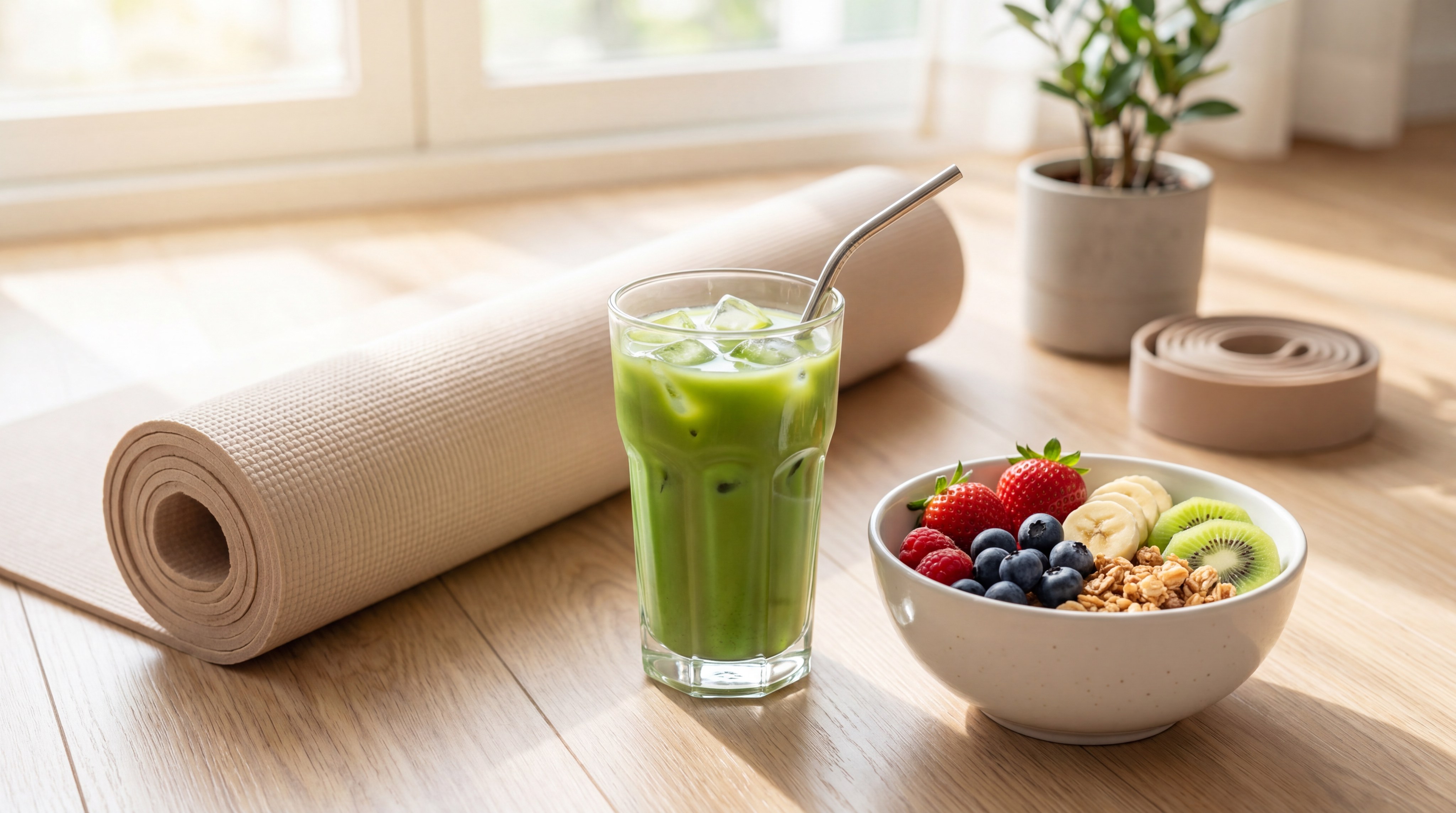
- Fat Oxidation: Research suggests that consuming matcha before a workout can increase fat oxidation (burning) by up to 17%. The iced version is particularly effective as a pre-workout drink because it aids in cooling the core body temperature while providing energy.
- Gut Microbiome Support: The polyphenols in matcha act as prebiotics, feeding the “good” bacteria in your gut. A healthy gut is essential for efficient digestion and a strong immune system.
- Fiber Content: Since matcha is a whole-leaf powder, it contains a small amount of insoluble fiber. This helps with regularity and promotes a feeling of fullness, which can prevent overeating during meals.
Furthermore, matcha is alkaline. While coffee is highly acidic and can irritate the lining of the stomach (leading to acid reflux), iced matcha is much gentler on the digestive tract. This makes it an ideal choice for people with sensitive stomachs who still need a morning or afternoon lift.
Can Iced Matcha Be Bad for You?
While matcha is a superfood, it is not immune to the pitfalls of modern food processing. The “healthiness” of your iced matcha depends entirely on how it is prepared and the quality of the source.
There are three main concerns:
- Added Sugars: A standard iced matcha latte from a major coffee chain can contain over 30 grams of sugar. This creates an insulin spike that negates the weight management benefits of the tea.
- Heavy Metals: Because tea plants absorb what is in the soil, low-quality matcha can contain lead or fluoride. It is vital to source matcha from reputable Japanese regions like Uji or Nishio, where testing is rigorous.
- Low Grade: Culinary-grade matcha is meant for baking and can be very bitter if drunk as a tea. This bitterness often leads people to add more sugar to mask the taste.
Healthier Choice | Less Healthy Choice |
|---|---|
Pure Ceremonial Grade Matcha | Low-quality “Matcha Mix” |
Unsweetened Nut Milk or Water | Whole Milk with Cane Sugar Syrup |
Natural Sweeteners (Stevia, Monk Fruit) | Artificial Flavors and Syrups |
Sifted and Whisked Fresh | Pre-bottled with Preservatives |
By choosing high-quality ingredients, you ensure that your iced matcha remains a tool for wellness rather than a hidden source of empty calories.
What Is the Healthiest Way to Make Iced Matcha?
The secret to a perfect, healthy iced matcha is in the preparation. You want to preserve the nutrients while creating a smooth, clump-free texture. Even though it is an iced drink, using a small amount of warm (not boiling) water is essential for “activating” the powder.
The Ultimate Healthy Iced Matcha Recipe
Ingredients:
- 1 tsp (approx. 1.5g) Ceremonial Grade Matcha
- 2 oz warm water (175°F / 80°C)
- 6 oz cold filtered water or unsweetened oat milk
- A handful of ice cubes
- Optional: A splash of strawberry matcha latte puree for a natural fruit twist.
Instructions:
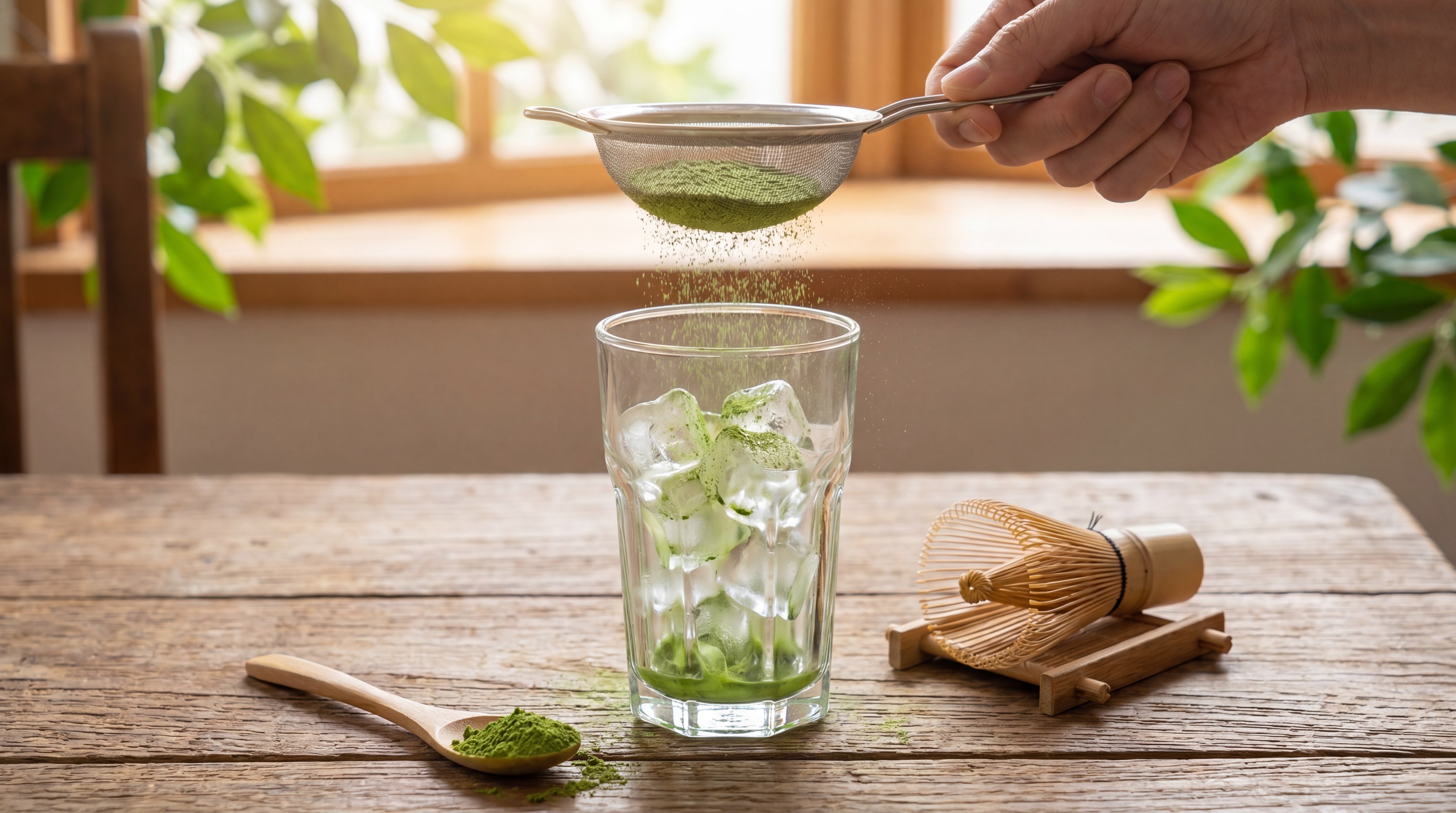
- Sift: Always sift your matcha powder into a bowl to remove any clumps. This ensures a velvety mouthfeel.
- Whisk: Add the warm water. Use a bamboo whisk (Chasen) or a handheld frother to whisk in a “W” motion until a thick froth forms on top. This aeration releases the umami flavor.
- Combine: Fill a tall glass with ice. If you want a latte, pour your milk over the ice first.
- Pour: Slowly pour the whisked matcha over the ice. The vibrant green liquid will swirl beautifully through the milk or water.
- Enjoy: Drink immediately to enjoy the peak antioxidant activity.
Who Should Be Careful & Daily Limits
Even the best things should be consumed in moderation. Because matcha is so concentrated, it is possible to overdo it.

- Caffeine Sensitivity: If you are highly sensitive to caffeine, avoid drinking iced matcha after 2 PM to ensure it doesn’t interfere with your sleep cycle.
- Pregnancy: While matcha is generally safer than coffee, the American College of Obstetricians and Gynecologists recommends limiting caffeine to 200mg per day. This equates to about 2-3 cups of matcha.
- Iron Absorption: Polyphenols can slightly inhibit the absorption of non-heme iron (from plant sources). If you are anemic, try to drink your matcha between meals rather than with them.
Daily Limits: For the average adult, 2 to 3 cups of iced matcha per day is the “sweet spot.” This provides ample antioxidants without exceeding the recommended caffeine threshold. As discussed in the article on whether drinking pure matcha every day is beneficial , consistency is key to seeing long-term results in skin health and metabolic rate.
Frequently Asked Questions
Is iced matcha healthier than iced coffee?
In most cases, yes. While both provide antioxidants, matcha offers the unique benefit of L-theanine, which prevents the jitters and anxiety often caused by coffee. Additionally, matcha contains more chlorophyll and is less acidic, making it better for your teeth and stomach.
Is it okay to drink iced matcha every day?
Absolutely. Drinking iced matcha daily can provide a cumulative effect on your health, including improved skin clarity, better focus, and a more resilient immune system. Just ensure you are using a high-quality, pure powder.
Does iced matcha help with weight loss?
Yes, matcha contains EGCG, which is scientifically proven to boost metabolism and increase fat burning during exercise. When substituted for high-calorie sodas or sweetened coffees, it can be a significant aid in weight management.
Is iced matcha latte still healthy?
It depends on the milk and sweetener. An iced matcha latte made with unsweetened almond or oat milk and a touch of honey or stevia is very healthy. However, store-bought lattes with heavy cream and sugar syrups are much less beneficial.
Can I drink iced matcha on an empty stomach?
Some people find that the concentrated tannins in matcha can cause slight nausea if drunk on a completely empty stomach. If you have a sensitive stomach, try having a small snack before your morning matcha or choose a latte version to buffer the tea.
In conclusion, iced matcha is a rare trifecta in the world of beverages: it is delicious, refreshing, and backed by a mountain of nutritional science. By understanding what goes into your glass and choosing high-quality sources, you can turn a simple iced drink into a powerful daily ritual for long-term health.