
Do you start every morning with a vibrant green cup of energy, only to worry if your healthy habit might silently be causing issues like kidney stones? It is a common fear that navigating the world of “superfoods” can sometimes lead to unintended health consequences, especially with conflicting advice floating around about oxalates and caffeine. But here is the deal: understanding the science behind how matcha interacts with your renal system transforms that anxiety into empowerment, allowing you to enjoy your tea without the guilt. Is matcha good or bad for your kidneys?
For the vast majority of people, matcha is a powerful ally for health, provided you choose the right quality and consume it mindfully. As a dedicated provider of premium tea, we rely on rigorous testing and organic certification to ensure that what you drink supports your body rather than burdens it.

Yes, for most healthy adults, matcha is beneficial for overall renal function due to its high concentration of protective antioxidants. Determining if is matcha good or bad for your kidneys starts with looking at the nutrient profile and how it aids the filtration process.
How Does Nutrient Density Impact Renal Function?
Your kidneys are essentially advanced filtration systems, and like any filter, they perform better when not clogged with toxins. Matcha is packed with chlorophyll and vitamins that support natural detoxification pathways.
You might be wondering… how does a simple powder do all this? The secret lies in consuming the whole leaf. Unlike steeped tea, where you discard the nutrients with the bag, matcha gives you 100% of the leaf’s potential. This means you are getting a concentrated dose of antioxidant-rich teas that actively fight cellular degradation.
- Chlorophyll: Helps bind heavy metals, reducing the load on kidneys.
- Vitamin C & E: Protect renal cells from oxidative damage.
- Potassium: Essential for electrolyte balance (in moderation).
What Is the Verdict on Daily Consumption?
Drinking matcha daily can create a consistent shield against inflammation, a key driver of kidney stress.
Here’s the deal: consistency is key to unlocking the benefits.
- Steady Defense: Daily intake maintains steady antioxidant levels in the bloodstream.
- Hydration Boost: Hydration is improved when matcha is consumed with adequate water.
- Metabolic Aid: Metabolic support helps prevent conditions like diabetes that damage kidneys.
Nutrient | Benefit for Kidneys | Analysis |
|---|---|---|
Chlorophyll | Toxin binding | Reduces filtration workload for renal tissues. |
Potassium | Fluid Balance | Supports healthy blood pressure levels. |
Vitamin C | Antioxidant | Prevents oxidative stress in kidney cells. |
Analysis: The dense nutrient profile of matcha supports the kidney’s natural ability to filter blood and manage fluids, making it a “good” choice for baseline health.
Key Takeaway:Matcha is generally good for your kidneys because it delivers a potent package of detoxifying chlorophyll and cell-protecting vitamins. While it supports overall function, the key to keeping it “good” lies in moderation and ensuring you are maintaining a balanced diet alongside your tea habit.
2. Do Oxalates Make Matcha Good or Bad for Your Kidneys?
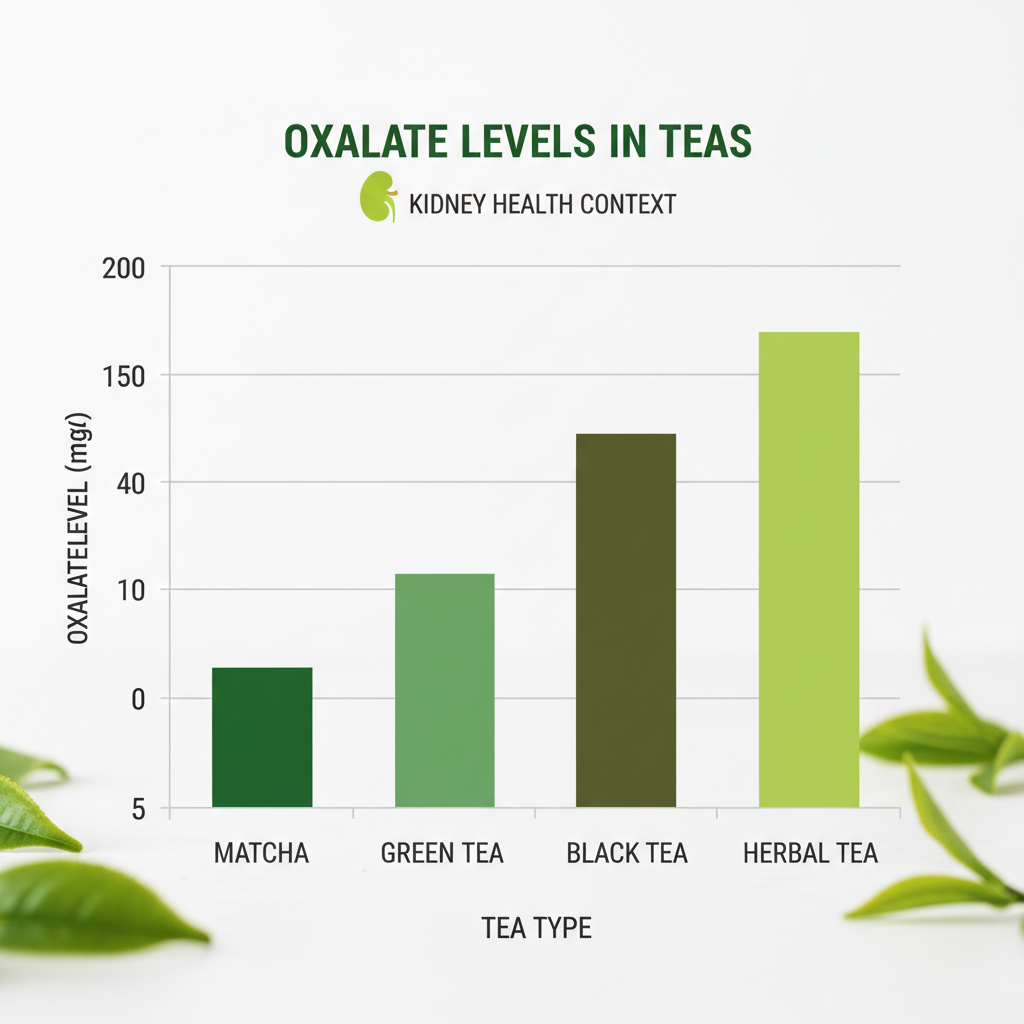
Oxalates are present in matcha, which might make it “bad” for those prone to stones, but for the general population, it is safe when consumed correctly. The question of is matcha good or bad for your kidneys often hinges entirely on this compound.
What Is the Truth About Calcium Oxalate Stones?
Kidney stones are often formed when calcium binds with oxalates in the urine, creating crystals. Since green tea leaves contain oxalates, there is a valid concern for those with a history of stones.
But here’s the kicker: matcha has fewer oxalates than spinach or rhubarb.
- Concentration: While higher than water, it’s not the highest oxalate food.
- Preparation: The amount you consume (1 tsp) is relatively small compared to a bowl of greens.
- Bioavailability: Not all oxalates are absorbed equally by the body.
How Can You Neutralize Oxalate Absorption?
You can significantly reduce the risk of stone formation by changing how you drink your matcha.
What’s the real story? It’s about basic chemistry.
- Add Milk: Calcium in milk binds to oxalates in your stomach, not your kidneys.
- Stay Hydrated: Water dilutes urine, preventing crystal formation.
- Limit Sugar: Excess sugar can exacerbate stone risk.
Beverage/Food | Oxalate Level | Risk Level |
|---|---|---|
Spinach (Raw) | Very High | High risk for susceptible individuals. |
Black Tea | Moderate-High | Moderate risk if consumed in excess. |
Matcha | Moderate | Low-Moderate (mitigated by calcium). |
Coffee | Low | Low risk. |
Analysis: While matcha contains oxalates, consuming it with calcium-rich milk and plenty of water neutralizes the risk for most people, preventing it from becoming a kidney hazard.
Key Takeaway:While the presence of oxalates is a risk factor for a specific group of people, it does not make matcha inherently bad for kidneys. By pairing your latte with dairy or fortified plant milk, you bind the oxalates in the gut, letting you enjoy the benefits without the fear of stones.
3. How Do Antioxidants Determine If Matcha Is Good for Kidneys?
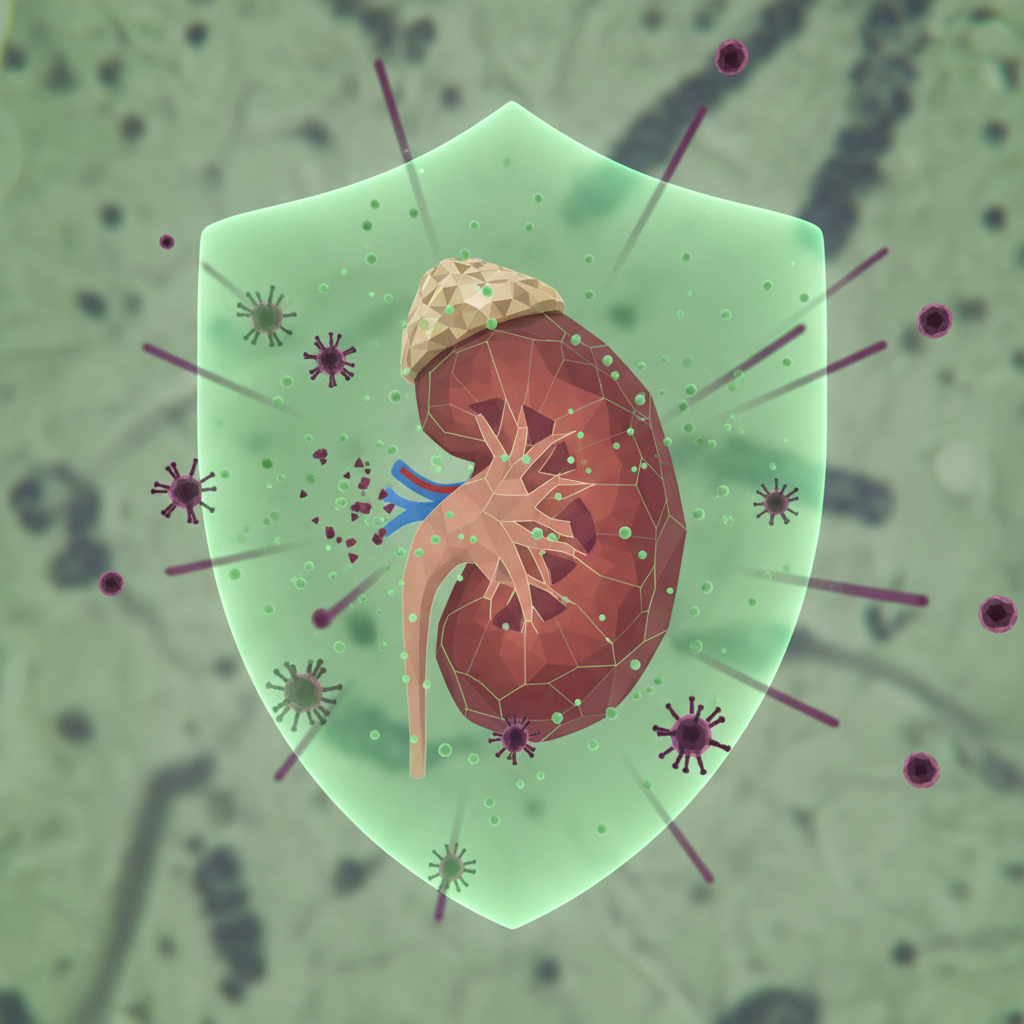
The immense antioxidant profile, specifically EGCG, is the primary reason matcha is considered good for kidney health. When asking is matcha good or bad for your kidneys, the protective power of catechins tips the scale heavily toward “good.”
Why Is EGCG So Powerful for Renal Protection?
Epigallocatechin gallate (EGCG) is a superhero compound found in abundance in matcha. It is widely studied for its ability to scavenge free radicals that cause tissue damage. To ensure you are getting these benefits without harmful pesticides, prioritizing certified organic purity is essential.
Think about this… your kidneys are constantly filtering blood, which exposes them to high stress.
- Anti-inflammatory: EGCG reduces inflammation in renal tissues.
- Anti-fibrotic: It helps prevent scarring in kidney cells.
- Detox Support: Assists enzymes that clear toxins.
Does Matcha Reduce Oxidative Stress in Tissue?
Oxidative stress is a leading cause of kidney aging and failure. Matcha acts as a buffer against this inevitable wear and tear.
Here is the interesting part: the effects occur at a cellular level.
- Stress Reduction: Lowers systemic oxidative stress markers.
- Cellular Repair: Encourages autophagy (cleaning out damaged cells).
- Longevity: Protects the structural integrity of nephrons (filtering units).
Antioxidant Source | EGCG Concentration | Kidney Protection Potential |
|---|---|---|
Matcha | Very High (137x reg. tea) | Excellent |
Bagged Green Tea | Low-Moderate | Good |
Black Tea | Low | Low |
Analysis: The concentration of EGCG in matcha provides superior protection against oxidative stress compared to other teas, actively preserving functional kidney tissue.
Key Takeaway:The high levels of EGCG in matcha provide a defensive shield for your kidneys, fighting off inflammation and oxidative stress. This makes matcha not just a beverage, but a functional food that actively supports renal longevity.
4. Can Blood Pressure Effects Make Matcha Good for Kidneys?

By helping to regulate blood pressure, matcha addresses one of the root causes of kidney failure, making it good for long-term renal health. High blood pressure is a silent killer of kidneys, so is matcha good or bad for your kidneys in this context? It is generally good.
How Does Hypertension Risk Renal Strain?
High blood pressure damages the delicate blood vessels in the kidneys, reducing their ability to filter waste.
Let’s face it… managing blood pressure is non-negotiable for kidney health.
- Vessel Damage: High pressure hardens arteries in the kidneys.
- Fluid Retention: Damaged kidneys can’t regulate fluid, raising pressure further.
- Cycle of Damage: It creates a dangerous feedback loop.
Can Catechins Improve Endothelial Function?
Matcha helps relax blood vessels (vasodilation), which eases the flow of blood and reduces strain on the kidneys.
You might be wondering… doesn’t caffeine raise blood pressure?
- L-theanine Effect: It counteracts the caffeine jitter, promoting relaxation.
- Nitric Oxide: Catechins help produce nitric oxide, opening blood vessels.
- Smooth Flow: Improves the flexibility of artery walls.
Factor | Impact on Kidneys | Matcha’s Role |
|---|---|---|
Hypertension | Severe Damage | Helps lower/regulate via vasodilation. |
Stress | Constricts Vessels | L-theanine reduces stress response. |
Inflammation | Arterial Stiffness | Anti-inflammatory compounds improve flow. |
Analysis: By improving endothelial function and reducing stress, matcha helps break the cycle of high blood pressure that destroys kidney function.
Key Takeaway:Hypertension is a major enemy of healthy kidneys. Matcha’s unique combination of catechins and L-theanine supports healthy blood flow and vascular relaxation, indirectly protecting your kidneys from the mechanical damage of high blood pressure.
5. Is Matcha Good or Bad for Your Kidneys With CKD?

For those with Chronic Kidney Disease (CKD), matcha can be “bad” if not carefully monitored due to potassium and caffeine levels. The answer to is matcha good or bad for your kidneys changes significantly once renal function is compromised.
Should You Worry About Potassium and Phosphorus Levels?
Kidneys with CKD cannot filter excess minerals effectively. A buildup of potassium can be dangerous for the heart. For CKD patients, it is often vital to moderate caffeine intake to prevent putting extra load on the renal system.
Here is the bottom line… you must know your numbers.
- Potassium Content: Matcha is a plant food, so it contains potassium.
- Concentration: Because you drink the powder, you ingest all the minerals.
- Dietary Limit: It counts toward your daily allowance.
Why Is Moderation the Key to Safety?
Having CKD doesn’t always mean you have to ban matcha, but you must adjust your intake.
What’s the real story? It comes down to medical advice.
- Consultation: Always ask your nephrologist.
- Portion Control: Half a teaspoon might be safe, whereas two is not.
- Lab Results: Base your decision on your current blood work.
Mineral | Content in Matcha (1g) | CKD Concern Level |
|---|---|---|
Potassium | ~27 mg | Moderate (Accumulates in late stages). |
Phosphorus | Low | Low-Moderate. |
Caffeine | ~35 mg | Moderate (Diuretic effect). |
Analysis: While not extremely high in potassium, matcha contributes to the daily load. CKD patients must balance this against other dietary sources to remain safe.
Key Takeaway:If you have CKD, matcha moves from a “healthy drink” to a “calculated dietary component.” It is not strictly forbidden for everyone, but high potassium levels mean you must consult a doctor to ensure it fits within your specific renal restrictions.
6. Does Caffeine Make Matcha Good or Bad for Your Kidneys?
The caffeine in matcha is a mild diuretic, which can be “bad” if you are dehydrated, but generally “good” because it is cleaner than coffee. Evaluating is matcha good or bad for your kidneys requires looking at how it stimulates fluid loss.
How Do Diuretic Effects Impact Filtration?
Caffeine encourages the kidneys to release more sodium and water.
But here’s the kicker… the effect in matcha is different.
- Gentle Release: Bound to phytonutrients, caffeine absorbs slowly.
- Net Hydration: You are consuming it with water (usually 6-8oz).
- No Adrenal Shock: Doesn’t hit the kidneys with a sudden cortisol spike.
How Does the Caffeine Crash Compare to Coffee?
Coffee can cause a “jitters” effect that stresses the body, whereas matcha promotes calm.
Think about this… stress affects your entire system.
- Cortisol: High caffeine spikes cortisol, stressing kidneys.
- Flow State: Matcha keeps you alert without the physical panic response.
- Sustainability: Easier on the adrenals and renal system long-term.
Drink | Caffeine Type | Renal Impact |
|---|---|---|
Espresso | Free/Rapid | High acute diuretic effect. |
Energy Drink | Synthetic | High stress/Possible toxicity. |
Matcha | Slow-Release | Mild diuretic/Net hydrating. |
Analysis: Matcha provides a gentler form of stimulation that avoids the sharp diuretic spikes associated with coffee, making it a kidney-friendlier energy source.
Key Takeaway:While caffeine does increase urine production, the slow-release nature of matcha combined with the water used to prepare it means it generally does not dehydrate the kidneys. It offers a smoother energy boost that avoids the renal stress of synthetic caffeine or strong coffee.
7. Is High Quality Matcha Better for Your Kidneys?
Yes, high-quality matcha is significantly better because low-quality tea can contain heavy metals that damage kidneys. When asking is matcha good or bad for your kidneys, the origin and grade are critical variables.
What Are the Dangers of Heavy Metals and Pesticides?
The tea plant is a “bio-accumulator,” meaning it sucks up everything from the soil, including lead and fluoride. Quality matcha supports hydration and recovery without introducing toxins that the kidneys have to filter out.
Here is the deal… your kidneys filter these toxins, and they can accumulate.
- Lead: Accumulates in the body and damages renal tubules.
- Fluoride: Excess fluoride can lead to kidney impairment.
- Pesticides: Adds to the toxic load your kidneys must process.
Why Do Origin and Testing Matter for Safety?
Where your matcha comes from determines its safety profile.
You might be wondering… how do I know it’s safe?
- Organic Certification: Ensures no synthetic pesticides.
- Lab Testing: Brands should test for heavy metals.
- Origin: Japanese soil is often strictly regulated for tea cultivation.
Contaminant | Source | Kidney Risk |
|---|---|---|
Lead | Polluted Soil | High (Cumulative damage). |
Pesticides | Non-Organic Farming | Moderate (Increases filtration load). |
Pure Matcha | Clean Soil | None (Supports health). |
Analysis: Drinking non-organic, low-grade matcha can introduce lead and pesticides directly into your system, turning a healthy habit into a toxic burden for your kidneys.
Key Takeaway:Your kidneys are your body’s filter; do not clog them with contaminants from cheap tea. Investing in organic, lab-tested matcha is the only way to ensure the answer to “is it good for my kidneys” remains a resounding yes.
8. Is Matcha Good or Bad for Your Kidneys Compared to Coffee?

Matcha is generally considered better for kidneys than coffee due to its alkalinity and lower acidity. Comparing is matcha good or bad for your kidneys often involves weighing it against the world’s other favorite morning drink.
Do Acidity Levels Increase Renal Stress?
Coffee is acidic, which can alter the body’s pH balance, forcing kidneys to work harder to buffer the acid.
Here is the interesting part… matcha is naturally alkaline.
- pH Balance: Helps neutralize dietary acids.
- Stomach Acid: Less likely to cause reflux or digestive stress.
- Buffer System: Reduces the acid load the kidneys must manage.
What Is the Long-Term Impact of Habitual Consumption?
Switching from coffee to matcha can reduce the cumulative stress on your renal system.
What’s the real story? It is about adrenal health too.
- Adrenal Fatigue: Coffee strains adrenals (sitting atop kidneys).
- Cortisol: Chronic cortisol elevation affects kidney function.
- Calm Energy: Matcha supports the adrenals rather than draining them.
Feature | Coffee | Matcha | Winner for Kidneys |
|---|---|---|---|
Acidity | Acidic (pH ~5) | Alkaline (pH ~9) | Matcha |
Caffeine Hit | Sharp Spike | Smooth Curve | Matcha |
Nutrients | Low | High | Matcha |
Analysis: The alkaline nature of matcha reduces the acid buffering workload on the kidneys, offering a significant advantage over the acidic profile of daily coffee consumption.
Key Takeaway:If you are looking to reduce renal stress, swapping coffee for matcha is a smart move. Its alkaline properties and gentler caffeine delivery system protect your kidneys from the acid load and adrenal fatigue associated with heavy coffee drinking.
9. What is the Daily Safe Limit of Matcha for Kidneys?
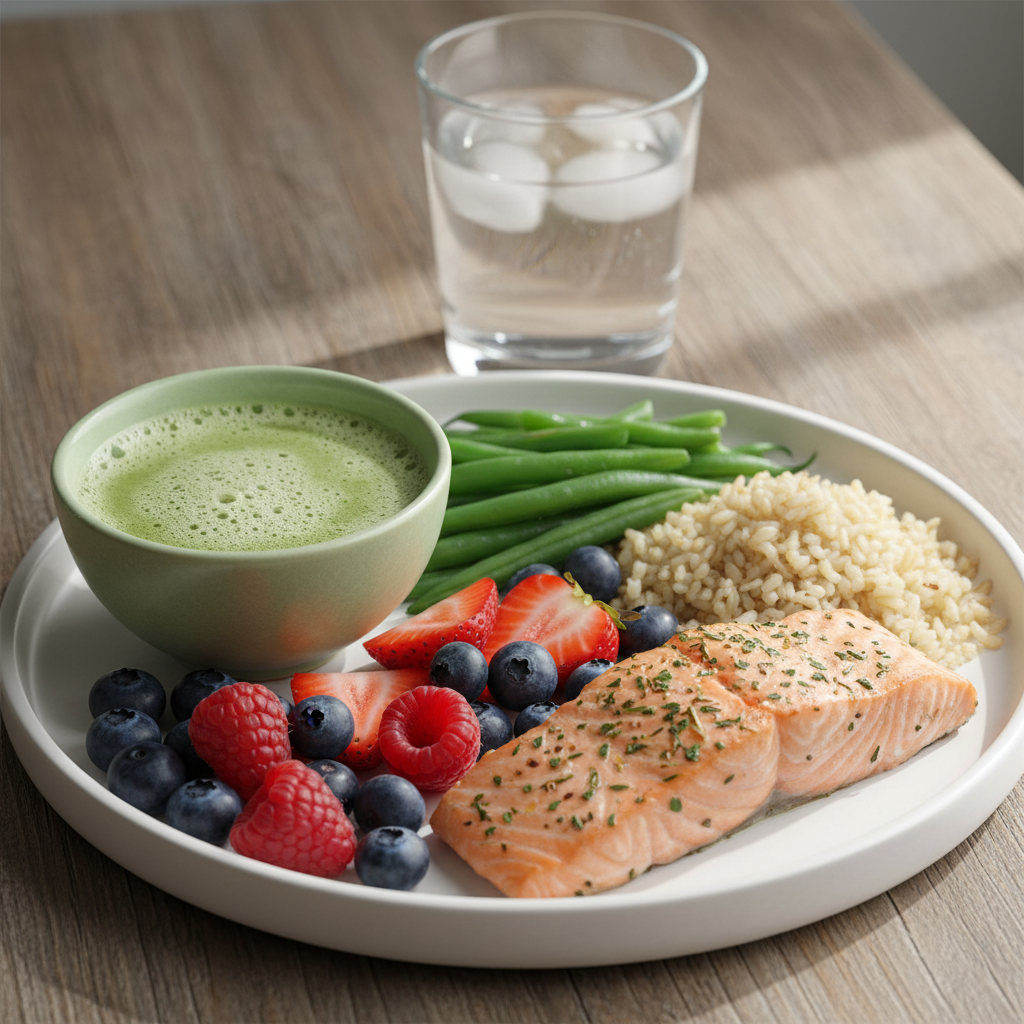
Consuming 1-2 cups (2-4 grams) of matcha daily is generally considered the “sweet spot” that is good for kidneys without overloading them. Even good things can be bad in excess, so is matcha good or bad for your kidneys if you drink too much? It can be stressful.
Can You Avoid Toxicity Through Moderation?
While matcha is safe, extremely high doses of green tea extracts have been linked to liver and kidney toxicity in rare cases.
Let’s face it… more isn’t always better.
- Liver/Kidney Axis: Overloading the liver stresses the kidneys.
- Concentration: 5+ cups a day is a massive amount of potent compounds.
- Balance: Stick to culinary norms, not supplement extremes.
What Are the Signs You Are Overconsuming?
Your body will tell you if you are pushing the limits.
Watch out for:
- Nausea: A sign of too many tannins/alkaloids on an empty stomach.
- Insomnia: Too much caffeine affecting sleep and recovery.
- Dizziness: Could indicate blood pressure drops or dehydration.
Consumption Level | Impact | Recommendation |
|---|---|---|
1 Cup (2g) | Optimal Health | Perfect for daily use. |
3 Cups (6g) | High Antioxidants | Max for most people. |
5+ Cups | Potential Toxicity | Not recommended. |
Analysis: Sticking to 1-2 servings ensures you get maximum antioxidant benefits without approaching the threshold where plant compounds become difficult for the kidneys to process.
Key Takeaway:Moderation is the golden rule. Drinking 1-2 cups of matcha daily provides all the renal benefits you need. Exceeding this limit yields diminishing returns and could potentially stress your filtration system.
10. How Can Preparation Make Matcha Good for Your Kidneys?

Preparing matcha with sufficient water and avoiding excessive sugar ensures it remains good for your kidneys. The answer to is matcha good or bad for your kidneys often lies in the recipe you use.
What Are the Optimal Water Ratios for Hydration?
You must drink matcha as a hydrating beverage, not a thick paste or sugary dessert.
But here’s the kicker… water is the kidney’s fuel.
- Dilution: Use at least 6-8oz of water per gram of powder.
- Chaser: Drink a glass of plain water alongside your tea.
- Quality Water: Use filtered water to avoid adding chlorine/fluoride.
When Should You Time Intake for Maximum Benefit?
When you drink it matters just as much as how you make it.
Here is the bottom line… timing affects absorption.
- With Food: Reduces stomach acid and slows caffeine absorption.
- Not Before Bed: Sleep is when kidneys repair; don’t disrupt it with caffeine.
- Morning/Mid-day: Ideal times for metabolic support.
Add-in | Kidney Impact | Verdict |
|---|---|---|
Water | Hydrating | Essential. |
Dairy Milk | Binds Oxalates | Recommended. |
Refined Sugar | Inflammatory | Avoid. |
Analysis: The healthiest matcha for kidneys is a latte made with calcium-rich milk and low sugar, or a traditional tea accompanied by a glass of water to ensure net hydration.
Key Takeaway:Your preparation method dictates the health value. A sugary, concentrated matcha syrup strains the kidneys, while a well-hydrated, milky latte actively protects them by binding oxalates and preventing dehydration.
Conclusion
So, is matcha good or bad for your kidneys? The evidence points to a clear verdict: for the average person, matcha is a powerful tool for renal health. Its high concentration of EGCG fights the oxidative stress and inflammation that damage kidneys over time, while its ability to regulate blood pressure protects the delicate vessels within your filtration system. However, like any potent food, it commands respect. Moderation, hydration, and adding a splash of milk are simple strategies that neutralize risks like kidney stones.
At Riching Matcha, our vision is to supply only the purest, lab-tested matcha that you can trust with your health. We understand that your wellness journey depends on clean, contaminant-free fuel, and we are dedicated to providing exactly that.
Ready to support your health with the highest quality tea? Contact us today to secure your supply of organic, lab-tested matcha.
FAQ
Q1: Is matcha high in potassium for kidney patients?Matcha contains moderate amounts of potassium (approx 27mg per gram). While this is safe for most, individuals with late-stage Chronic Kidney Disease (CKD) on strict potassium restrictions should count it towards their daily limit and consult a doctor.
Q2: Does adding milk to matcha prevent kidney stones?Yes, this is highly effective. The calcium in milk binds to the oxalates in the matcha while they are still in your digestive tract, preventing them from being absorbed into the bloodstream and reaching the kidneys where they could form stones.
Q3: Can I drink matcha if I have a history of kidney stones?Generally, yes, but with caution. You should limit your intake to 1 cup per day, ensure you are well-hydrated, and always consume it with a calcium source (like dairy or fortified almond milk) to neutralize the oxalates.
Q4: Is ceremonial grade matcha better for kidneys than culinary?Yes. Ceremonial grade matcha is made from younger leaves which typically have higher antioxidant levels and are often grown in more controlled environments, reducing the risk of fluoride or pesticide accumulation compared to lower-quality culinary grades.
Q5: How do I know if matcha is dehydrating my kidneys?If you feel thirsty, dizzy, or have very dark urine after drinking matcha, you may be dehydrated. While matcha is less diuretic than coffee, you should always drink a glass of plain water alongside it to maintain optimal renal hydration.