
Premium matcha powder possesses a delicate, natural sweetness derived from its high amino acid content and careful cultivation. Imagine you are curating a premium beverage menu, only to find that your signature green tea drink tastes unpleasantly bitter and metallic. This inconsistency in flavor profile often leads to customer dissatisfaction and wasted inventory in high-volume food service operations. By understanding the sensory nuances of high-quality tea, you can source products that offer a balanced sweetness and ensure repeat business with every cup served. You can find more details on this profile by exploring Is Matcha Powder Sweet? to guide your procurement decisions.
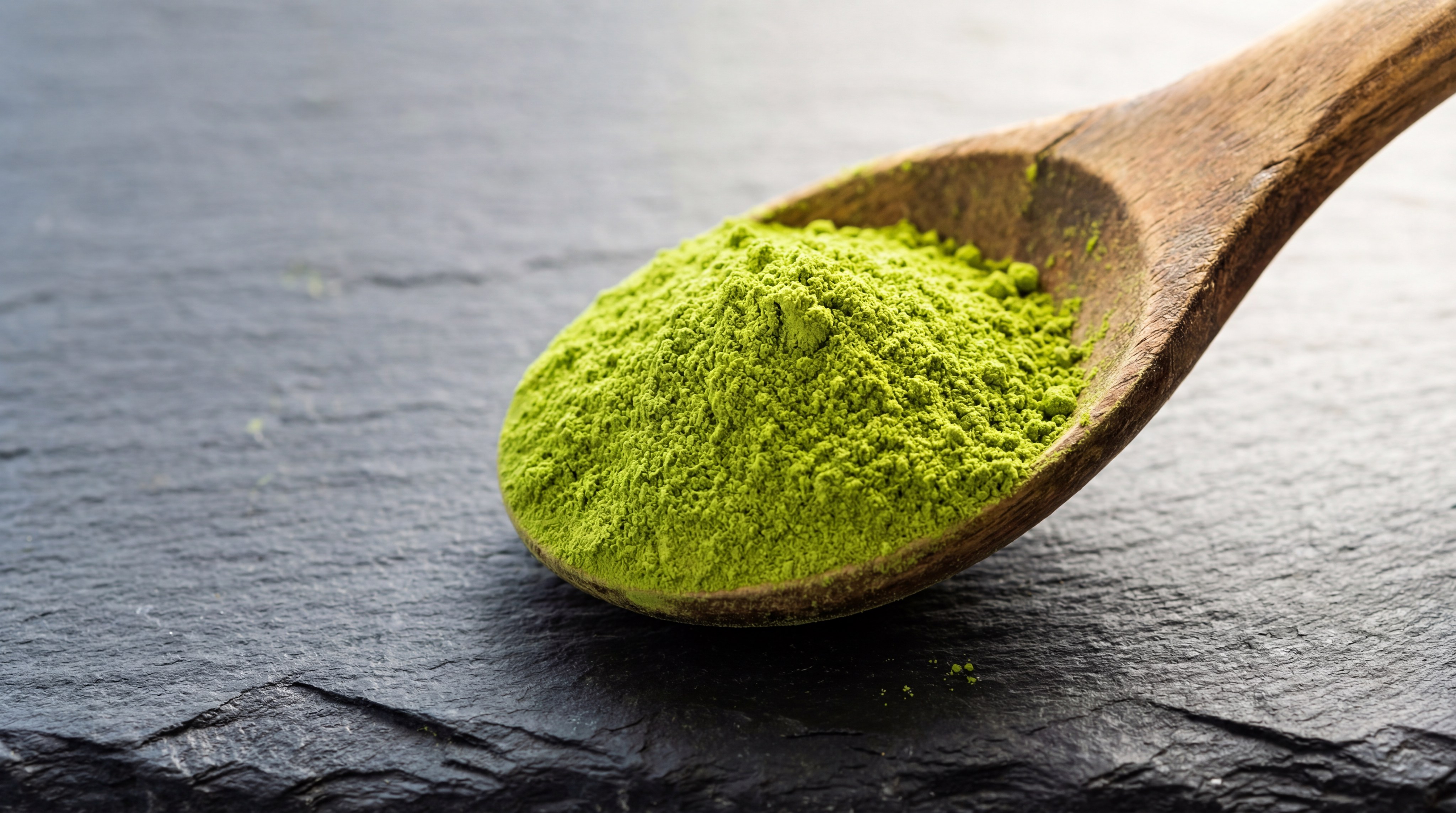
High-quality matcha is naturally sweet due to the presence of L-theanine, an amino acid that develops during the shading process. When evaluating Is Matcha Powder Sweet? , B2B buyers must distinguish between the harsh bitterness of low-grade leaves and the refined, sweet undertones of premium harvests.
How does chlorophyll create sweetness?
- Chlorophyll concentrations increase significantly during the final weeks of shading.
- Increased chlorophyll levels are directly linked to higher concentrations of sweet-tasting amino acids.
- The shading process forces the plant to overproduce nutrients to compensate for limited sunlight.
- Premium harvests maintain a bright green color which visually signals this chemical sweetness.
The best part?
The physiological changes within the tea leaf during its growth cycle define the final sugar-free sweetness you experience. Shading the tea bushes for three weeks before harvest prevents the conversion of L-theanine into catechins, which are responsible for bitterness. This preservation of amino acids results in a powder that provides a smooth, mellow finish without the need for added sugars. By focusing on matcha powder that has been properly shaded, you ensure a superior taste profile for your customers.
The chemical balance of the leaf is the primary driver of perceived sweetness in the final cup. L-theanine not only provides sweetness but also contributes to the savory umami flavor that characterizes authentic Japanese tea. When you source from producers who prioritize these traditional methods, the resulting powder is remarkably palatable in its pure form. This natural sweetness is what differentiates a premium ingredient from a standard industrial substitute.
Factor | Influence on Sweetness | Resulting Flavor Note |
|---|---|---|
Shading Duration | Prevents catechin formation | Mellow and Sweet |
Chlorophyll Level | Increases with L-theanine | Refreshing and Bright |
Amino Acid Profile | High L-theanine content | Deep Umami Sweetness |
Key Takeaway: Natural sweetness in matcha is a direct result of the shading process which preserves L-theanine and prevents bitterness.
Why is harvest timing critical for sweetness?
- First-flush leaves are the youngest and contain the highest natural sugar precursors.
- Second and third harvests typically contain more fiber and less amino acid density.
- Spring harvests benefit from the winter dormancy period where nutrients accumulate in the roots.
- Early picking ensures the leaves remain tender and easy to grind into a fine, sweet powder.
Here is the kicker:
The timing of the harvest is perhaps the most significant logistical factor in determining the cost and flavor of your wholesale supply. Younger leaves picked in the early spring have not yet been exposed to the harsh summer sun, which can increase astringency. These “first-flush” leaves are the gold standard for anyone seeking a naturally sweet product that requires minimal masking. Investing in wholesale matcha from these early seasons provides a competitive advantage in flavor quality.
Maintaining a strict harvest schedule allows tea masters to categorize the powder based on its inherent sweetness. As the plant matures throughout the season, the flavor shifts from sweet and creamy to bold and astringent. For B2B applications, selecting the right harvest window ensures that your lattes or pastries have the exact flavor intensity required. Early harvests are best for drinks, while later harvests provide the punch needed for baking.
Harvest Period | Amino Acid Content | Flavor Profile |
|---|---|---|
Early Spring (1st Flush) | Extremely High | Naturally Sweet & Creamy |
Late Spring (2nd Flush) | Moderate | Balanced & Vegetal |
Summer/Autumn | Low | Bold & Astringal |
Key Takeaway: Early spring harvests provide the maximum natural sweetness, making them ideal for high-end beverage applications.
What Does Matcha Taste Like?
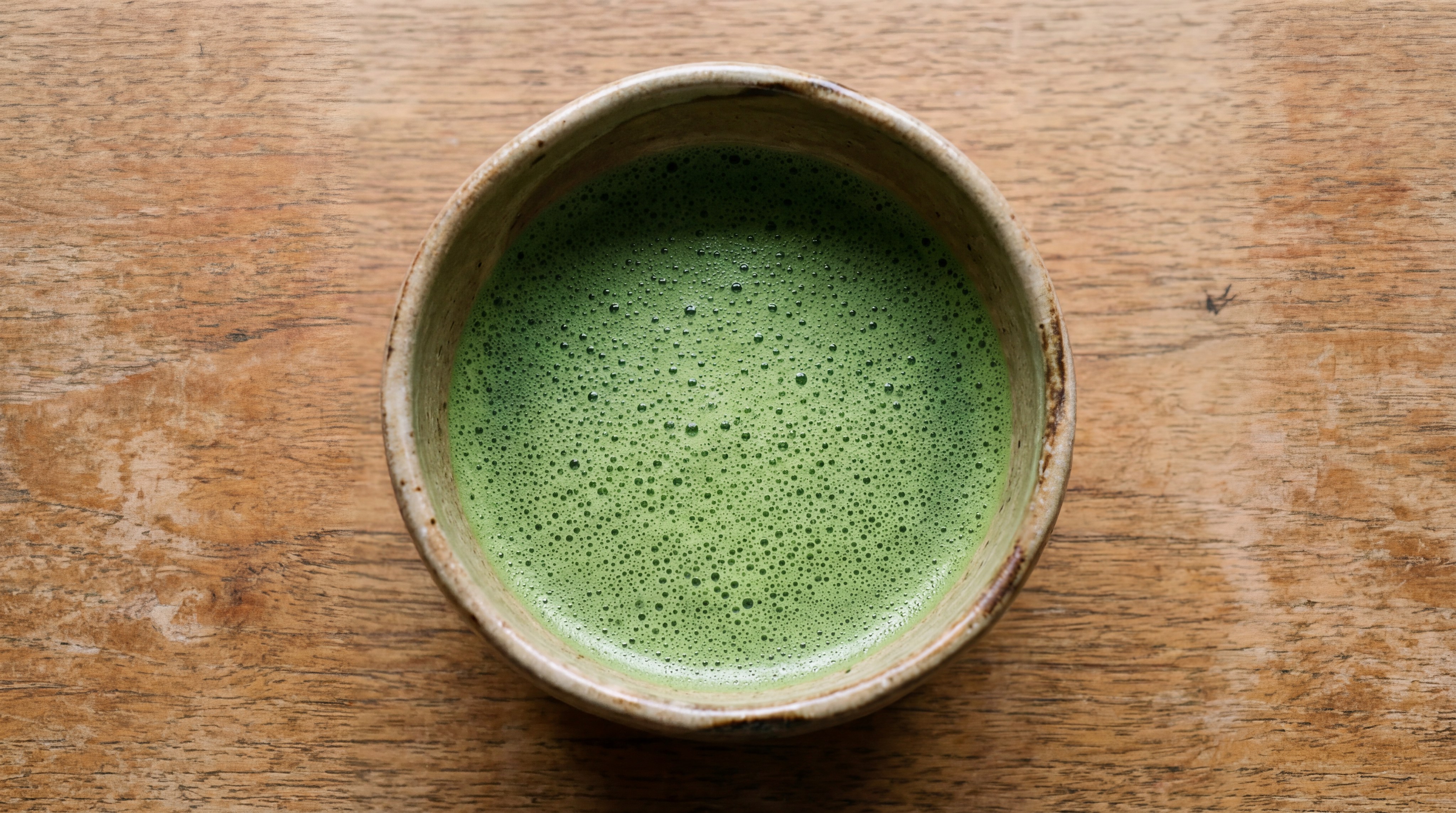
Authentic matcha offers a complex flavor profile characterized by a harmony of savory umami, fresh vegetal notes, and a subtle, lingering sweetness. When businesses ask Is Matcha Powder Sweet? , they are often looking for a balance that doesn’t overwhelm the palate with grassiness or sharp tannins.
Is the umami flavor perceived as sweet?
- Umami is often described as a savory sweetness or a “meaty” depth.
- The richness of the foam in a whisked bowl enhances the perception of creaminess.
- L-theanine creates a mouth-watering sensation that mimics the effects of sugar.
- High umami levels indicate a high-quality tea that has been carefully processed.
Believe it or not:
The sensation of umami is often mistaken for sweetness by those new to high-grade green tea. This “fifth taste” provides a savory backbone that prevents the tea from tasting thin or watery. When you use a high-umami powder, the beverage feels substantial on the tongue, creating a luxurious experience for the consumer. It is this depth of flavor that makes ceremonial matcha so sought after in the specialty tea market.
The interaction between savory and sweet notes is what makes this tea a versatile ingredient for modern menus. A high-quality powder will start with a vegetal note, transition into a rich umami body, and finish with a sweet aftertaste. This progression is a hallmark of excellence and proves that no artificial additives are necessary for a great taste. Your customers will appreciate the clean, sophisticated flavor profile that only authentic processing can provide.
Taste Element | Sensory Description | Market Perception |
|---|---|---|
Umami | Savory, Broth-like | Premium Quality |
Vegetal | Fresh Spinach, Grass | Natural/Organic |
Sweetness | Lingering, Smooth | High Palatability |
Key Takeaway: The umami flavor provides a savory depth that complements and enhances the perceived sweetness of the powder.
Can vegetal notes be naturally sweet?
- Young tea leaves possess a sweetness similar to fresh garden peas or baby spinach.
- Steam-processing the leaves locks in the natural sugars and vibrant color.
- The absence of oxidation prevents the development of hay-like or woody flavors.
- Fine grinding increases the surface area, releasing sweet aromatics instantly.
You might be wondering:
How can something that looks so green and “grassy” actually taste sweet to the average consumer? The answer lies in the specific type of vegetal notes found in premium harvests, which are fresh rather than dried. Think of the difference between a sweet, fresh snap pea and dried hay; the former has a crisp sweetness that is very appealing. This “green sweetness” is exactly what you should look for when sampling matcha powder for your business.
Vegetal sweetness is a sign of freshness and proper storage throughout the supply chain. If the tea is allowed to oxidize, these sweet vegetal notes turn into bitter, brown flavors that are difficult to mask. Maintaining a cold-chain or using airtight, light-protected packaging is essential for preserving this delicate balance. When you serve a drink with these bright notes, it tastes refreshing and vibrant rather than heavy or old.
Vegetal Note | Sweetness Level | Application |
|---|---|---|
Fresh Snap Pea | High | Traditional Whisked Tea |
Baby Spinach | Medium | Premium Lattes |
Kale/Grass | Low | Culinary/Baking |
Key Takeaway: Fresh, vibrant vegetal notes in premium tea carry a natural crispness that contributes to the overall sweet profile.
Does Matcha Have a Distinctive Aroma?
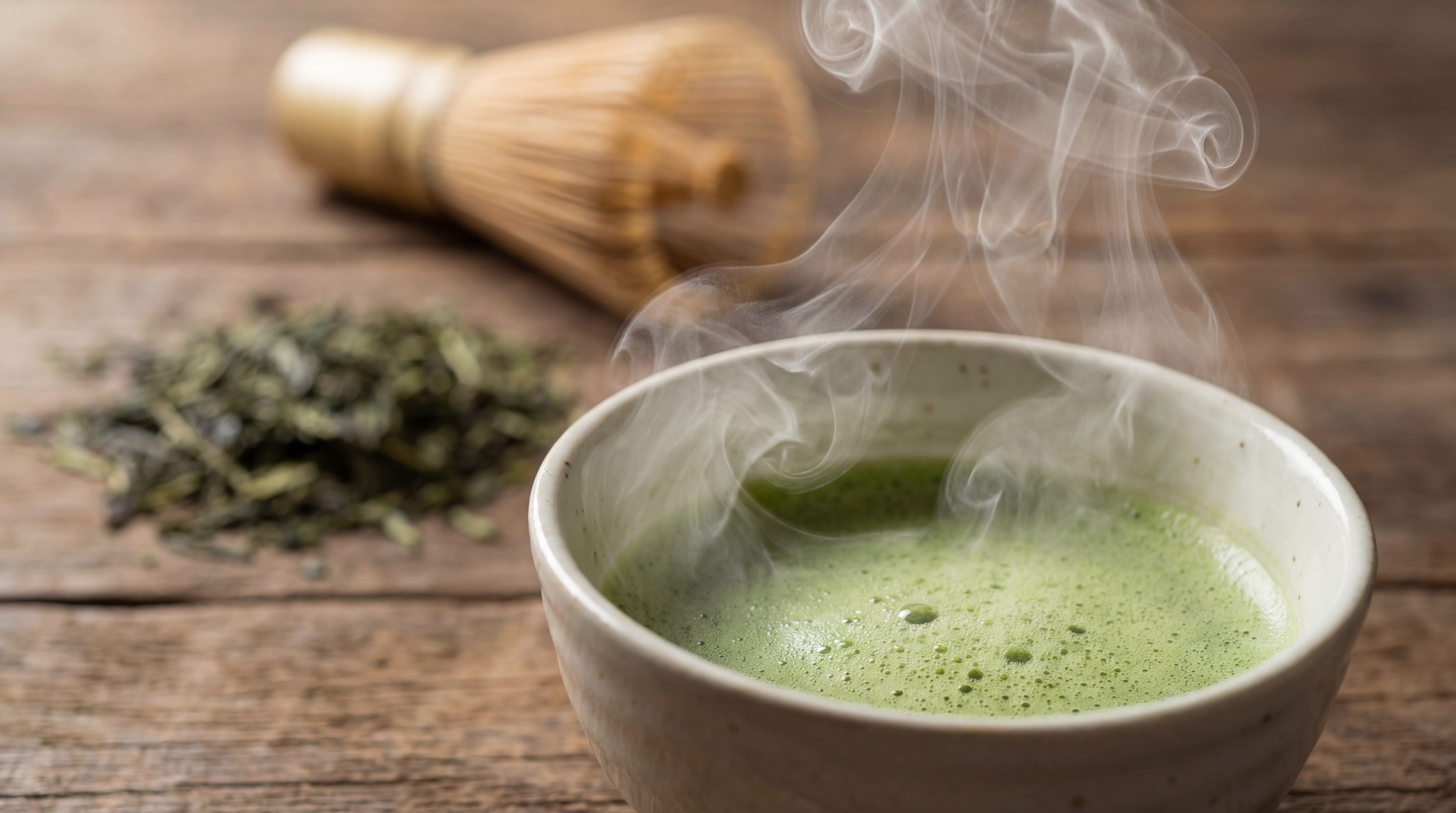
Yes, the aroma of high-quality matcha is a distinct blend of fresh grass, toasted nuts, and a sweet, floral undertone that invites the drinker. When evaluating Is Matcha Powder Sweet? , the olfactory experience is the first indicator of the chemical composition and quality of the batch.
What are the primary scent profiles?
- High-quality powder smells like fresh rain on a green meadow.
- Notes of white chocolate or sweet cream are common in top-tier ceremonial grades.
- A “toasted” or “nutty” aroma suggests traditional stone-grinding methods.
- The absence of a “fishy” or “seaweed” smell is a primary indicator of freshness.
The best part?
The scent of the dry powder can tell you almost everything you need to know about the flavor before you even add water. A sweet, inviting aroma usually correlates with a high amino acid content and a lack of bitterness. If the powder smells dull or dusty, it is likely old or made from lower-grade leaves that will taste unpleasantly astringal. Businesses should prioritize wholesale matcha that maintains its aromatic intensity through superior packaging.
The aroma also plays a psychological role in how customers perceive the sweetness of the drink. Our sense of smell and taste are closely linked, and a sweet-smelling tea will naturally be perceived as sweeter on the tongue. This is why the “whisking” process is so important, as it releases these volatile aromatic compounds into the air. Creating an aromatic experience at the point of service can justify a premium price point for your beverage offerings.
Aroma Category | Specific Notes | Quality Indicator |
|---|---|---|
Sweet | Vanilla, Cream, Honey | Excellent Shading |
Fresh | Cut Grass, Spring Air | High Freshness |
Nutty | Toasted Almond, Walnut | Proper Processing |
Key Takeaway: A sweet and fresh aroma is a reliable indicator that the powder will have a high-quality, naturally sweet flavor.
Does the aroma change when whisked?
- Hot water releases deeper umami and sweet floral scents.
- The foam acts as a carrier for aromatic molecules, intensifying the experience.
- Steam carries the scent to the drinker before the first sip is even taken.
- The aroma becomes more complex, revealing layers of earthiness and sweetness.
Think about this:
When you whisk the powder into a froth, you are essentially aerating the tea and creating a bouquet of scents. This process transforms the scent from a concentrated “green” smell into a nuanced, multi-layered fragrance. The tiny bubbles in the foam trap the sweet aromatics, releasing them slowly as the customer drinks. It is this sensory journey that makes ceremonial matcha a unique and sought-after luxury item.
The change in aroma during preparation is also a great way to verify the authenticity of your supply. Artificial colors or flavors often smell overly chemical when heated, whereas pure tea remains clean and natural. If the scent becomes overly “cooked” or yellow-smelling, the water temperature might be too high or the leaves were improperly dried. Teaching your staff to recognize these aromatic shifts ensures consistent quality control in your establishment.
Preparation Stage | Aromatic Intensity | Dominant Note |
|---|---|---|
Dry Powder | Moderate | Grassy/Sweet |
Initial Whisk | High | Fresh/Vegetal |
With Steam | Very High | Floral/Umami |
Key Takeaway: Whisking releases and intensifies the sweet and floral aromatics, enhancing the overall sensory perception of the tea.
How Can You Enhance the Matcha Experience?
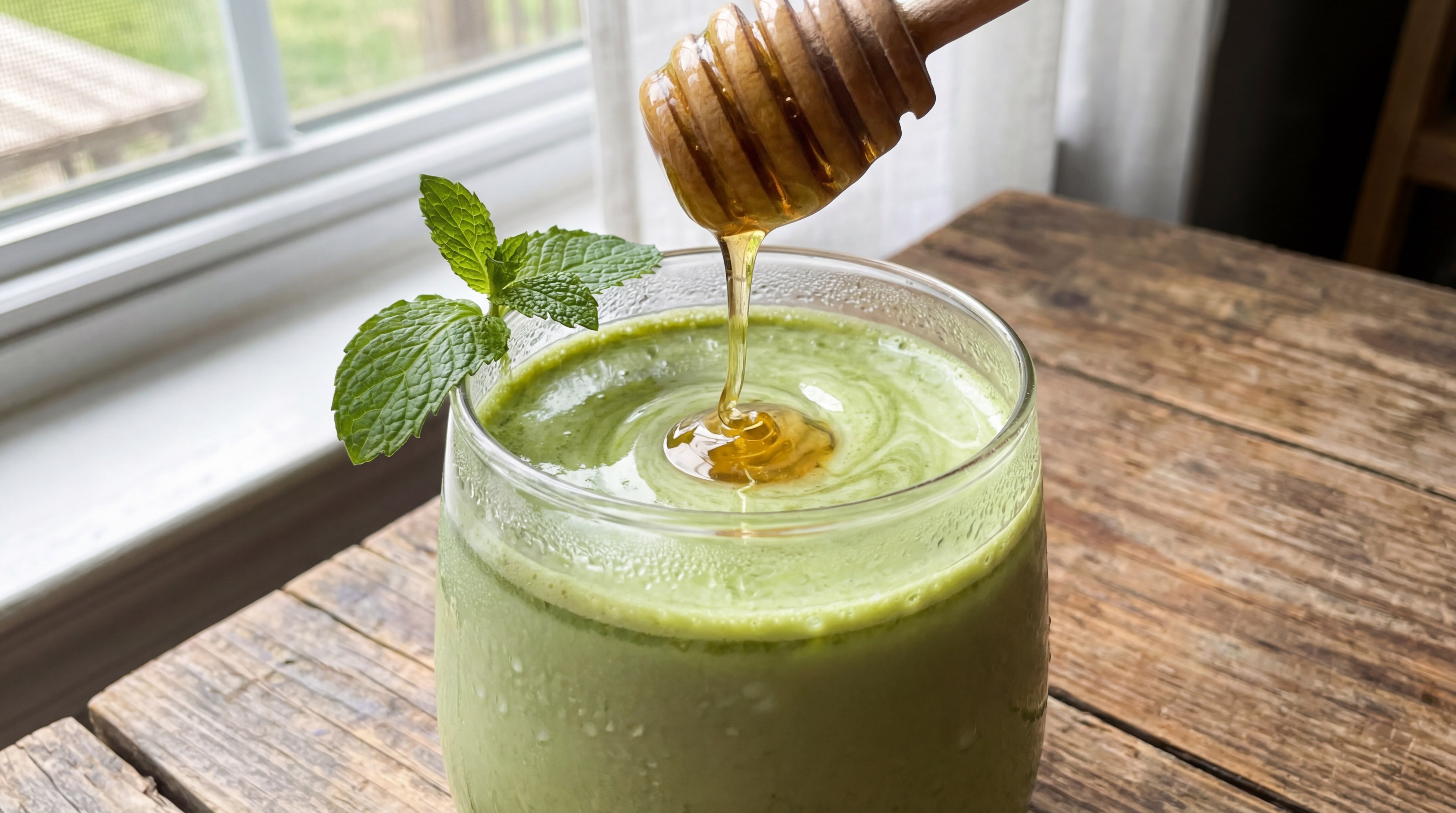
You can enhance the experience by pairing the powder with ingredients that highlight its natural sweetness while balancing its earthy depth. While we often ask Is Matcha Powder Sweet? , the addition of external elements can transform a simple tea into a sophisticated, multi-layered beverage.
Which sweeteners pair best with tea?
- Honey adds a floral sweetness that complements the tea’s natural botanicals.
- Maple syrup provides a woody depth that pairs well with the earthiness of the leaf.
- Agave nectar offers a neutral sweetness that doesn’t mask the delicate umami notes.
- Coconut sugar brings a caramel-like richness that works perfectly in hot lattes.
The best part?
Using natural sweeteners allows you to enhance the drink without relying on processed white sugars that can create a “crash.” These alternatives often have their own unique flavor profiles that can actually make the tea taste more complex and expensive. For a B2B operator, offering a “natural sweetener menu” can be a great way to attract health-conscious consumers. This approach aligns perfectly with the clean-label trend currently dominating the matcha powder market.
Choosing the right sweetener depends largely on the grade of tea you are using. A very high-quality ceremonial grade may only need a tiny drop of honey to shine, whereas a culinary grade might require something bolder like maple syrup. The goal is always to support the tea’s flavor, not to hide it under a mountain of sugar. Experimenting with different pairings can help you develop a signature house style that keeps customers coming back.
Sweetener | Flavor Impact | Best Application |
|---|---|---|
Organic Honey | Floral & Bright | Iced Tea/Light Lattes |
Maple Syrup | Earthy & Rich | Hot Lattes/Baking |
Agave | Neutral & Clean | Smoothies/Syrups |
Key Takeaway: Natural sweeteners like honey and maple syrup enhance the tea’s inherent sweetness while adding their own sophisticated flavor layers.
How does milk selection affect flavor?
- Oat milk provides a natural grain sweetness that is the gold standard for lattes.
- Coconut milk adds a tropical creaminess that masks any lingering bitterness.
- Almond milk offers a nutty profile that complements the toasted notes of the tea.
- Dairy milk provides a traditional, rich mouthfeel that enhances the umami sensation.
Here is the kicker:
The type of “milk” you use can completely change the answer to the question, Is Matcha Powder Sweet? . Oat milk, for example, is naturally quite sweet due to the enzymatic breakdown of starches, making it the perfect partner for tea. When paired correctly, the fats in the milk bind to the tannins in the tea, smoothing out the flavor and making it much more approachable for the general public. This is why wholesale matcha programs often include recommendations for specific plant-based milk brands.
For businesses, the milk-to-tea ratio is a critical component of recipe standardization. Too much milk will drown out the expensive tea flavor, while too little can leave the drink tasting overly intense. Finding the “sweet spot” ensures that the natural characteristics of the powder are amplified by the creaminess of the milk. This creates a balanced beverage that tastes like a premium treat rather than a health supplement.
Milk Type | Sweetness Level | Creaminess Level |
|---|---|---|
Oat Milk | High | High |
Coconut Milk | Medium | Very High |
Almond Milk | Low | Moderate |
Key Takeaway: Selecting the right milk, particularly oat or coconut, can naturally sweeten and smooth the overall flavor of a latte.
Which Matcha Recipes Are Most Popular?
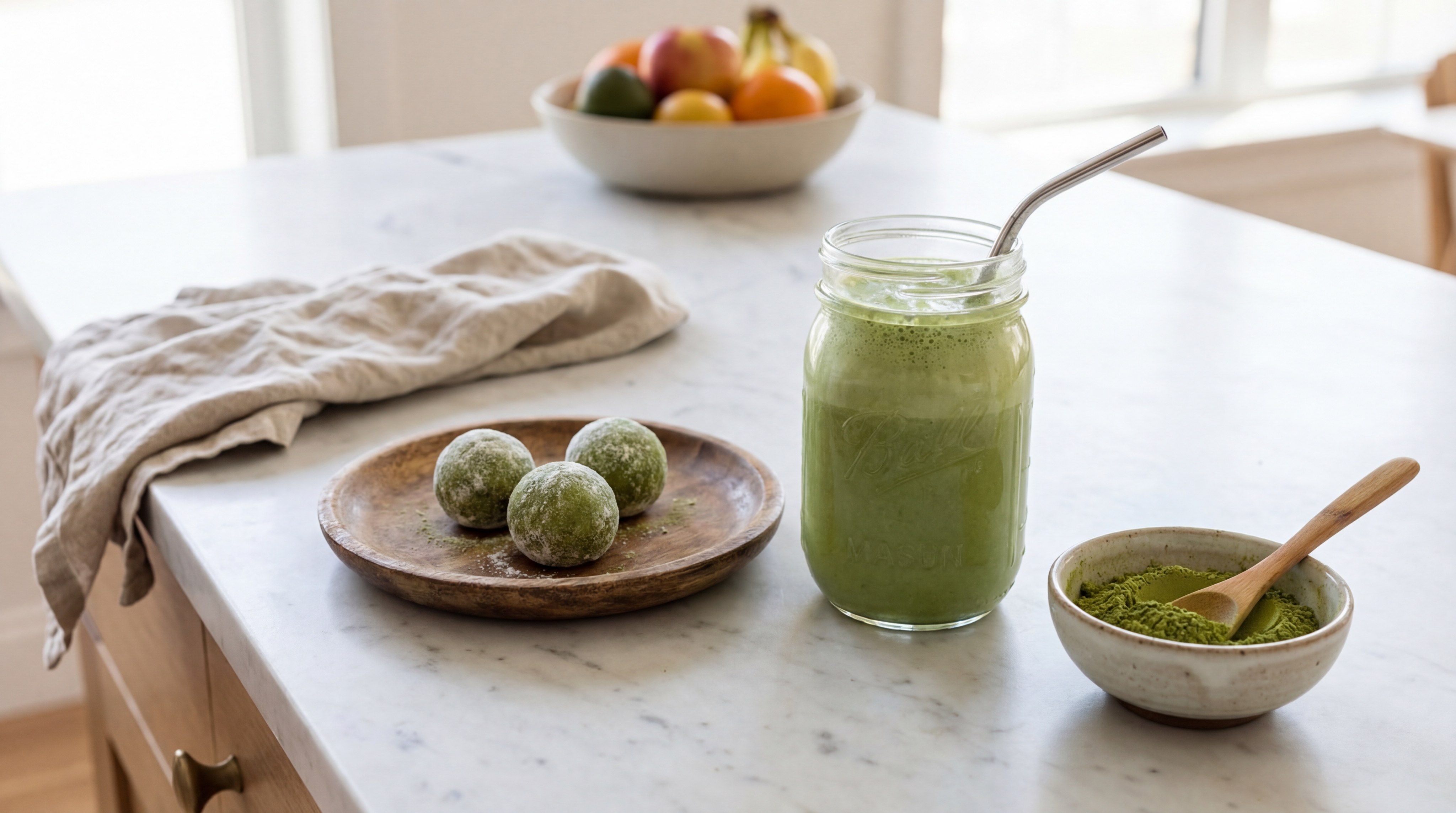
The most popular recipes focus on versatility, ranging from traditional whisked preparations to modern, health-focused snacks like smoothies and energy balls. In the B2B world, knowing Is Matcha Powder Sweet? is the first step toward developing a menu that satisfies both purists and trendy consumers.
How do you make a perfect latte?
- Sift the powder first to ensure a smooth, clump-free texture in the final drink.
- Whisk with a small amount of hot water to create a concentrated “shot.”
- Steam the milk to a temperature that brings out its natural sweetness without scorching.
- Pour the milk slowly over the tea shot to maintain a beautiful, layered appearance.
Believe it or not:
The order in which you combine ingredients can actually affect how sweet the final drink tastes to the customer. By whisking the tea into a concentrated paste before adding milk, you ensure that every drop of tea is fully integrated and aerated. This prevents “clumps” of powder which can be bitter and ruin the drinking experience. Providing your staff with high-quality ceremonial matcha makes this process much easier, as the powder dissolves more readily.
A perfect latte should be a balance of visual appeal and refined taste. Many cafes now add a “signature touch,” such as a dusting of powder on top or a drizzle of local honey, to enhance the perceived value. This attention to detail turns a simple drink into a premium experience that customers are willing to pay more for. When the base ingredient is naturally sweet, you have more room to play with these creative additions.
Step | Importance | Impact on Sweetness |
|---|---|---|
Sifting | High | Prevents bitter clumps |
Whisking | Very High | Aerates and releases flavor |
Steaming Milk | High | Releases lactose sweetness |
Key Takeaway: A well-executed latte relies on proper technique to integrate the powder smoothly and highlight its natural sweetness.
Why are smoothies and snacks so popular?
- The powder acts as a natural energy booster without the jitters of coffee.
- Vibrant green colors make snacks highly “Instagrammable” and visually appealing.
- The earthy flavor pairs perfectly with sweet fruits like bananas and mangoes.
- Matcha energy balls provide a portable, high-protein snack for busy professionals.
Here is the kicker:
The health-conscious market is the fastest-growing segment for matcha powder consumption globally. Customers are looking for ways to incorporate superfoods into their daily routines without sacrificing taste or convenience. By offering smoothies and energy bites, you provide a low-sugar, nutrient-dense alternative to traditional pastries and snacks. This diversification of your product line can significantly increase your average transaction value.
When formulating these recipes, the inherent sweetness of the powder helps reduce the need for added refined sugars. Bananas, dates, and nuts provide a natural base that lets the tea flavor shine through as a sophisticated top note. This “clean eating” approach is a major selling point for modern consumers who are increasingly wary of artificial ingredients. Using a consistent, high-quality supply ensures that every batch of snacks tastes exactly the same.
Recipe Type | Key Benefit | Sweetening Agent |
|---|---|---|
Smoothie | Quick Energy | Fresh Fruit |
Energy Ball | High Protein | Dates/Honey |
Chia Pudding | Fiber Rich | Maple Syrup |
Key Takeaway: Incorporating the powder into healthy snacks and smoothies targets the high-growth wellness market while utilizing its natural flavor.
Is Matcha Bitter by Nature?
While all tea contains some level of catechins, high-quality matcha is not bitter by nature; rather, it is characterized by a “pleasant astringency.” When investigating Is Matcha Powder Sweet? , it is important to understand that bitterness is often a sign of low quality or improper preparation.
How does leaf maturity impact bitterness?
- Older leaves contain higher levels of tannins and catechins which cause bitterness.
- Tougher stems and veins in mature leaves are difficult to remove and add harshness.
- Leaves grown in direct sunlight without shading are significantly more bitter.
- Late-season harvests are primarily used for industrial food production where bitterness is masked.
You might be wondering:
If the powder isn’t meant to be bitter, why do so many people have a negative first experience with it? The answer is almost always the use of “culinary grade” tea in applications that require a smoother, sweeter profile. Many budget-friendly brands source mature leaves that have been harvested mechanically, leading to a much higher catechin count. For your business, choosing a reliable wholesale matcha supplier who guarantees harvest quality is the best way to avoid this issue.
The bitterness in mature leaves is a defense mechanism for the plant, protecting it from insects and UV rays. When you harvest the young “tencha” leaves, you are catching the plant at its most nutrient-dense and least bitter stage. These tender leaves are then steamed and dried carefully to preserve their delicate chemical balance. Understanding this lifecycle helps you explain to your customers why your premium product tastes so much better than the standard options.
Leaf Stage | Catechin Level | Perceived Bitterness |
|---|---|---|
Young Buds | Very Low | Minimal/Sweet |
Mature Leaves | High | Noticeable/Sharp |
Stems/Veins | Very High | Intense/Metallic |
Key Takeaway: Bitterness is primarily a result of using mature, unshaded leaves; premium harvests avoid this by using only the youngest buds.
Can processing methods reduce bitterness?
- De-veining the leaves (tencha) removes the bitter structural components.
- Stone-grinding at slow speeds prevents heat from damaging the sweet amino acids.
- Rapid steaming after harvest stops oxidation, which can lead to sour or bitter notes.
- Strict temperature control during storage maintains the “fresh” chemical state of the leaf.
The best part?
Modern technology combined with ancient traditions has allowed producers to virtually eliminate unwanted bitterness from the final product. By removing the stems and veins before grinding, the resulting powder is 100% pure leaf tissue, which is where the sweetness resides. This labor-intensive process is why ceremonial matcha is more expensive, but it is also why it tastes so much better. The investment in quality processing pays off in the form of a superior customer experience.
The speed of the grinding process is also a silent factor in the flavor profile of your powder. If the granite stones turn too quickly, they generate friction heat that “cooks” the tea, turning it yellow and making it taste bitter. Traditional mills produce only about 30 to 40 grams of powder per hour to ensure the temperature stays low. This meticulous attention to detail ensures that the natural sweetness you expect is preserved from the field to the cup.
Processing Step | Objective | Flavor Result |
|---|---|---|
Steaming | Halt Oxidation | Preserves Sweetness |
De-veining | Remove Fiber | Smooths Texture |
Stone Grinding | Micronize Leaf | Prevents Heat Damage |
Key Takeaway: Traditional processing techniques like de-veining and slow stone-grinding are essential for preserving sweetness and minimizing bitterness.
How Does Quality Affect Matcha Sweetness?
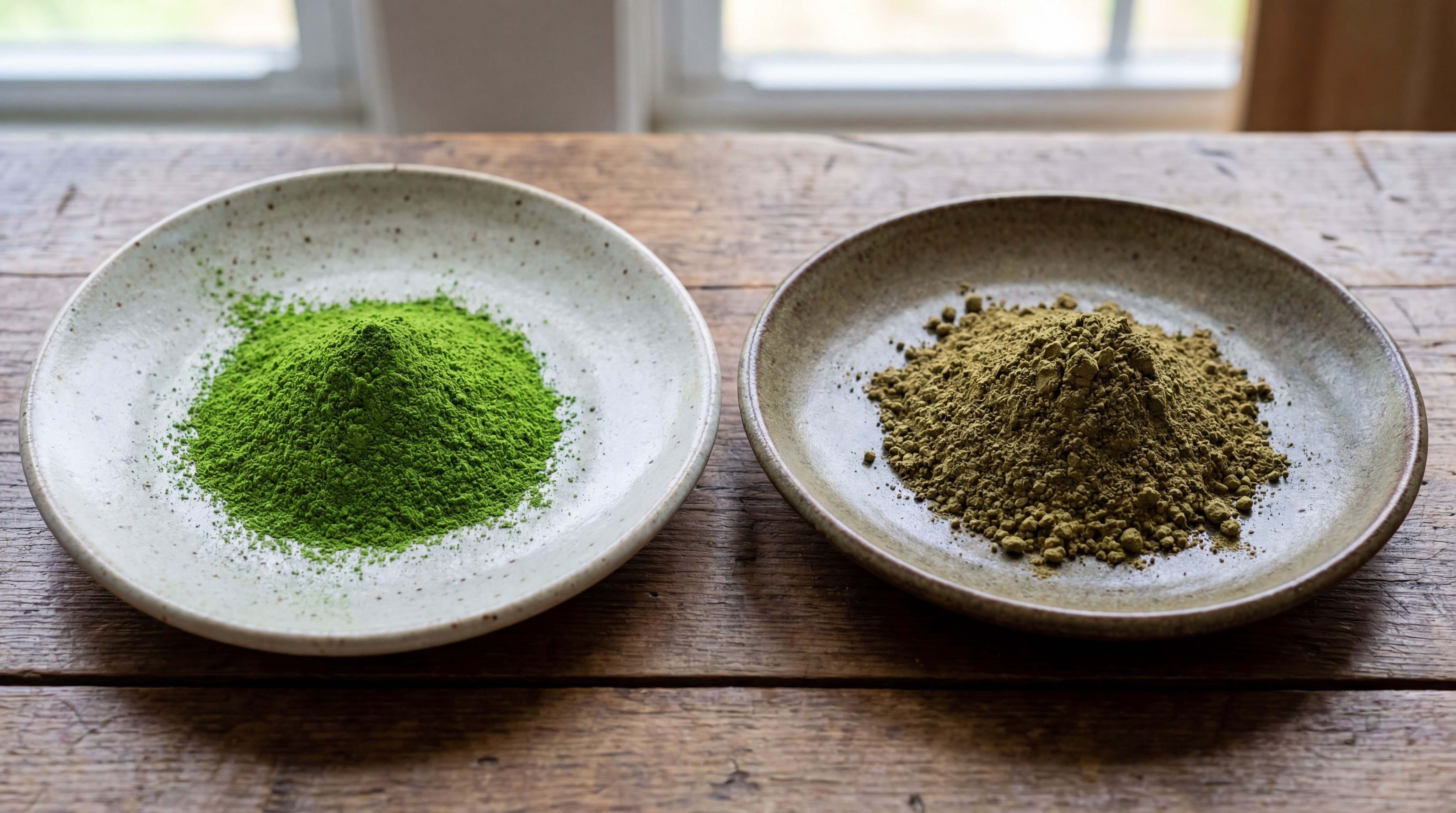
Quality is the single most important factor in determining sweetness, as higher grades are specifically cultivated to maximize amino acids and minimize tannins. When businesses ask Is Matcha Powder Sweet? , the answer is almost always tied to whether they are using a true ceremonial matcha or a lower culinary grade.
What are the ceremonial grade benefits?
- Highest concentration of L-theanine for a naturally sweet, creamy finish.
- Sourced exclusively from the first harvest of the year for maximum freshness.
- Stone-ground to a fine 5-10 micron size for immediate dissolution and sweetness.
- Vibrant emerald green color that indicates a high chlorophyll and nutrient count.
Believe it or not:
The price difference between grades is not just about marketing; it reflects the actual chemical composition of the tea. Ceremonial grade is designed to be whisked with water and drank straight, meaning its natural sweetness must be high enough to be enjoyed without any additives. For B2B buyers, using a ceremonial grade in premium drinks can actually save money by reducing the amount of sugar or syrup needed. This results in a cleaner, more authentic product that appeals to discerning tea lovers.
Quality control in high-end production involves testing for color, texture, and flavor profile before a batch is ever released. This consistency is vital for wholesale partners who need to ensure that their signature recipes taste identical across different locations. When you source a premium grade, you are buying peace of mind along with a superior flavor profile. Your customers will notice the difference in the smooth, sweet finish that only top-tier tea can provide.
Grade | Color | Primary Use | Sweetness |
|---|---|---|---|
Ceremonial | Bright Emerald | Drinking/Whisking | High |
Premium | Forest Green | Lattes/Smoothies | Medium |
Culinary | Olive/Brown | Baking/Cooking | Low |
Key Takeaway: High-quality ceremonial grade tea is naturally the sweetest, as it is produced from the most nutrient-dense leaves.
Why does stone-grinding preserve sweetness?
- Large granite stones maintain a low temperature during the grinding process.
- The fine particle size allows the tongue to perceive sweetness more quickly.
- Uniform grinding ensures a consistent release of flavor in every serving.
- Traditional methods avoid the metallic contamination often found in industrial mills.
Here is the kicker:
The texture of the powder directly influences how your brain perceives its sweetness. A powder that is ground too coarsely will feel “sandy” on the tongue, which our brains often associate with a dry or bitter taste. Stone-grinding creates a powder so fine that it feels like silk, allowing the sweet and umami notes to coat the palate evenly. This is why high-quality matcha powder has such a long, pleasant aftertaste compared to cheaper, industrially-milled versions.
While stone-grinding is slow and expensive, it is the only way to achieve the specific particle shape required for a perfect froth. The jagged, irregular shapes created by the stones help trap air during whisking, creating a creamy foam that further enhances the perception of sweetness. In a B2B setting, this foam is not just for aesthetics; it is a functional part of the flavor delivery system. Investing in stone-ground products ensures that your beverages have the luxury feel that consumers expect.
Grinding Method | Speed | Particle Size | Flavor Impact |
|---|---|---|---|
Granite Stone | Slow | Ultra-Fine | Preserves Sweetness |
Ball Mill | Fast | Varied | Heat Damage Risk |
Air Jet Mill | Very Fast | Coarse | High Astringency |
Key Takeaway: Slow stone-grinding is the gold standard for preserving the delicate sweet aromatics and creating a smooth mouthfeel.
What Are the Best Food Pairings for Matcha?
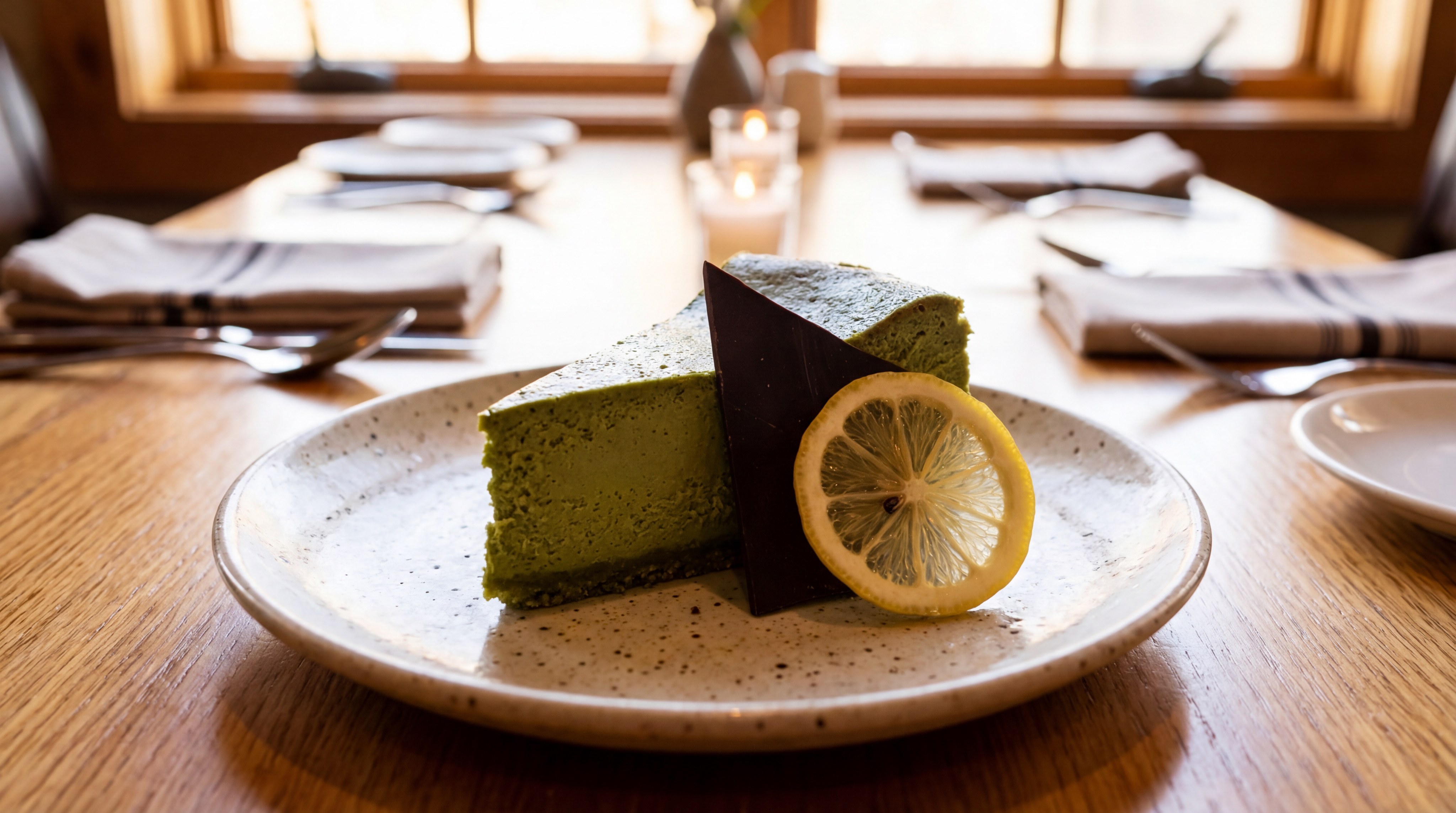
The best food pairings use contrast to highlight the tea’s sweetness, such as pairing it with tart citrus, rich dark chocolate, or creamy fats. Understanding Is Matcha Powder Sweet? allows chefs and product developers to create menus where the tea acts as a sophisticated flavor enhancer rather than just a coloring agent.
How does citrus enhance the tea?
- The acidity in lemons and limes cuts through the tea’s earthy umami notes.
- Vitamin C in citrus can actually help increase the absorption of antioxidants.
- Zesty aromatics brighten the “green” flavor and make the tea taste more refreshing.
- Citrus-matcha combinations are incredibly popular in iced teas and summer cocktails.
The best part?
Pairing tea with citrus is one of the easiest ways to make the flavor more approachable for those who are new to it. The “sharpness” of the lemon acts as a palate cleanser, allowing the natural sweetness of the matcha powder to stand out more clearly. For a B2B menu, a “Matcha Lemonade” is often a top seller because it is both familiar and exotic. This combination is a perfect example of how two different flavor profiles can work together to create something greater than the sum of its parts.
In baking, lemon zest can be added to cakes or cookies to prevent them from tasting too “vegetal” or “heavy.” The bright citrus oils balance the deep notes of the tea, resulting in a dessert that tastes light and sophisticated. This pairing is especially effective in high-fat items like cheesecakes or buttercreams, where the acid helps break down the richness. It is a classic culinary technique that never fails to impress.
Pairing | Interaction | Result |
|---|---|---|
Lemon Juice | Acid vs. Umami | Refreshing & Bright |
Lime Zest | Aromatic vs. Earthy | Exotic & Sharp |
Yuzu | Sweet/Sour vs. Savory | Complex & Premium |
Key Takeaway: Citrus fruits like lemon and lime provide a bright acidity that highlights and cleanses the tea’s sweet and earthy notes.
Why do chocolate and tea go together?
- Dark chocolate’s bitterness mimics and then resolves the tea’s astringency.
- The fats in cocoa butter provide a creamy mouthfeel that enhances umami.
- White chocolate is the perfect “blank canvas” for the tea’s vibrant color and sweetness.
- The combination is perceived as a luxury pairing, similar to wine and cheese.
Here is the kicker:
When you pair high-quality tea with white chocolate, you are creating a “sweetness bomb” that is almost universally loved. White chocolate provides the sugar and fat that some people find missing in pure tea, while the tea provides the complexity and color that white chocolate lacks. This synergy is why matcha-flavored chocolates are one of the most successful wholesale matcha categories worldwide. It turns a health-focused ingredient into a decadent treat.
For more sophisticated palates, pairing the powder with 70% dark chocolate creates a complex, bitter-sweet experience. The earthy notes of the cocoa bean resonate with the vegetal notes of the tea leaf, creating a deep and satisfying flavor profile. This is an excellent choice for high-end patisseries looking to offer something unique and less sugary. The contrast between the dark brown chocolate and the vibrant green tea is also visually stunning on a plate.
Chocolate Type | Synergy | Best Use |
|---|---|---|
White Chocolate | Complementary | Truffles/Frosting |
Milk Chocolate | Balancing | Cookies/Bark |
Dark Chocolate | Contrasting | Ganache/Fine Desserts |
Key Takeaway: Chocolate provides a rich, fatty base that either complements or contrasts the tea’s flavor, creating a luxurious culinary experience.
Can Proper Preparation Reduce Bitterness?
Yes, proper preparation is the most effective way to minimize bitterness and unlock the natural sweetness hidden within the powder. Even if you have the best Is Matcha Powder Sweet? knowledge, using boiling water or improper tools can ruin the flavor instantly.
Why is water temperature so important?
- Boiling water (212°F) scorches the delicate leaves and releases bitter tannins.
- The ideal temperature is between 165°F and 175°F for a sweet, balanced cup.
- Lower temperatures preserve the vibrant green color and delicate aromatic oils.
- Too-cold water will not fully dissolve the powder, leading to a thin, weak flavor.
You might be wondering:
Why does a few degrees make such a massive difference in how the tea tastes? At higher temperatures, the chemical bonds in the tea break down too quickly, releasing catechins (bitterness) faster than amino acids (sweetness). By using cooler water, you allow the sweet L-theanine to dissolve at a steady rate while keeping the bitter elements locked away. For a high-volume business, using a temperature-controlled kettle is a vital piece of wholesale matcha equipment.
Teaching your staff to never use water straight from a boiling coffee machine is the first step in quality control. If a thermometer isn’t available, simply letting the water sit for two minutes after boiling will usually bring it down to the correct range. This small adjustment can transform a customer’s perception of your tea from “too strong” to “perfectly sweet.” Consistency in temperature leads to consistency in taste, which is the hallmark of a professional operation.
Temperature | Flavor Result | Color Impact |
|---|---|---|
212°F (Boiling) | Very Bitter | Dull/Yellow |
175°F (Ideal) | Sweet & Umami | Vibrant Emerald |
140°F (Cool) | Mellow/Thin | Bright Green |
Key Takeaway: Using water around 175°F is critical for extracting sweetness while preventing the release of bitter tannins.
How does the whisking technique help?
- A bamboo whisk (chasen) breaks up clumps that can cause bitter “explosions” of flavor.
- The zigzag motion creates a micro-foam that increases the surface area of the tea.
- Oxygenation during whisking mellows the flavor and enhances the sweet aromatics.
- The traditional method ensures the powder is fully suspended in the water, not settled at the bottom.
The best part?
A well-whisked bowl of tea has a creamy, “melt-in-your-mouth” texture that mimics the sweetness of a latte without any milk. The tiny air bubbles in the froth act as a buffer for the tongue, making the flavor feel lighter and more delicate. This is why the traditional bamboo whisk is still superior to electric frothers for pure tea preparation. For B2B clients, providing ceremonial matcha along with the proper tools ensures the best possible end-product for their guests.
Whisking also serves as a visual performance that can justify a higher price for the drink. When customers see the care taken to prepare their tea, they are more likely to appreciate the nuanced flavor profile. The sound of the whisk and the sight of the rising foam create a sensory experience that begins before the first sip. This ritualistic approach reinforces the idea that the tea is a premium, artisanal product rather than a fast-food beverage.
Tool | Effectiveness | Texture Result |
|---|---|---|
Bamboo Whisk | Excellent | Silky Micro-foam |
Electric Frother | Good | Large Bubbles |
Spoon/Fork | Poor | Clumpy/Thin |
Key Takeaway: Proper whisking aerates the tea and ensures a smooth, clump-free texture that enhances the perception of sweetness.
Why Is Umami Important for Matcha Flavor?
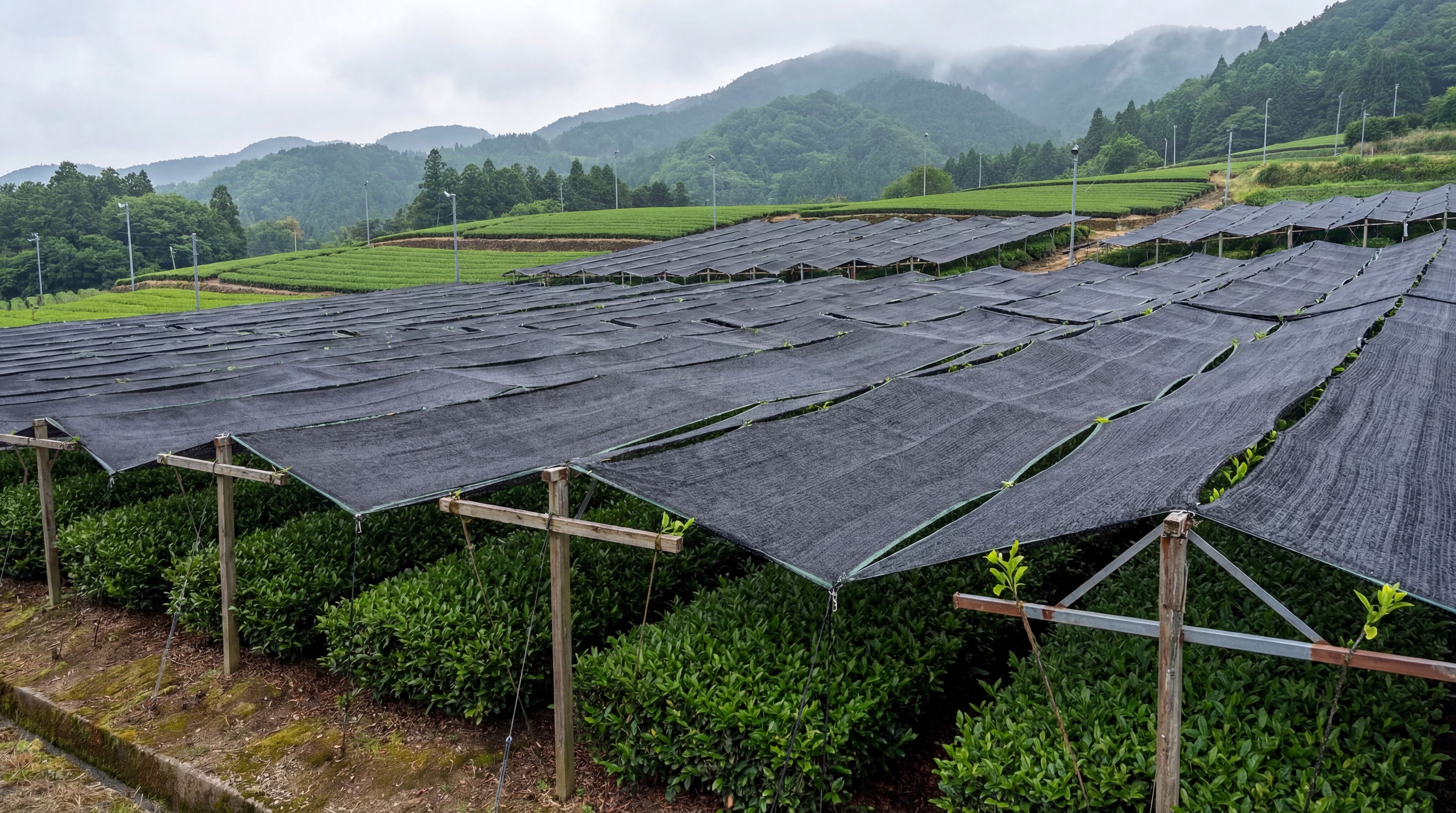
Umami is the “savory backbone” of matcha that balances the vegetal and sweet notes, creating a rich, satisfying mouthfeel that lingers. When investigating Is Matcha Powder Sweet? , it becomes clear that the highest-quality powders are those with the perfect ratio of umami to sweetness.
How does shading increase umami?
- Blocking 90% of sunlight forces the plant to retain its amino acid stores.
- High nitrogen levels in shaded leaves directly correlate with deep umami flavor.
- The shading period (tana) usually lasts for 20 to 30 days before harvest.
- This process is unique to Japanese green teas like matcha and gyokuro.
Think about this:
Shading is a deliberate “stressor” that makes the tea plant work harder, resulting in a more nutrient-dense and flavorful leaf. Without this process, the tea would taste like standard green tea—refreshing, but lacking that deep, savory “miso-like” complexity. For a B2B operator, being able to explain the “shading secret” is a powerful way to market the value of your ceremonial matcha . It is what makes the product truly unique in the world of tea.
The intensity of the umami flavor is often used by tea tasters to determine the grade and price of a batch. A “thin” umami profile suggests that the shading was too short or the soil was lacking in nutrients. Conversely, a powerful umami punch indicates a masterfully grown tea from a top-tier farm. This depth of flavor is what allows the tea to hold its own when mixed with heavy ingredients like milk or chocolate.
Shading Method | Duration | Umami Intensity |
|---|---|---|
Tana (Frame) | 25-30 Days | Extremely High |
Jikagabusa (Direct) | 15-20 Days | High |
Unshaded | 0 Days | Low (Standard) |
Key Takeaway: Traditional shading is the primary driver of umami, providing the savory depth that defines premium Japanese tea.
Is umami the reason for the long aftertaste?
- Amino acids linger on the palate longer than simple sugars or bitter tannins.
- A “sweet umami” finish is a sign of a perfectly processed, high-quality powder.
- This lingering sensation creates a feeling of satisfaction and “fullness” in the mouth.
- High-umami teas require less frequent sipping to enjoy the flavor.
Here is the kicker:
The hallmark of a great cup of tea is an aftertaste that lasts for several minutes after the final sip. This is almost entirely due to the L-theanine and glutamic acid preserved through the shading and steaming processes. In the wholesale matcha industry, this “long finish” is a key metric for quality and customer satisfaction. If the flavor disappears instantly, the product is likely a lower-grade culinary powder.
A long aftertaste also makes the tea a more “economical” luxury for the consumer. Because the flavor is so intense and long-lasting, a single serving provides a prolonged sensory experience. This helps justify the higher price point of premium beverages in a retail or cafe setting. When your customers leave with a sweet, savory taste still on their tongue, they are much more likely to return for another cup.
Aftertaste Note | Duration | Quality Level |
|---|---|---|
Sweet/Creamy | Long (5+ mins) | Super-Premium |
Vegetal/Fresh | Moderate (2-3 mins) | Premium/Daily |
Bitter/Metallic | Short/Harsh | Low/Industrial |
Key Takeaway: The lingering umami aftertaste is a primary indicator of high amino acid content and superior tea quality.
The journey into the flavor profile of matcha reveals that natural sweetness is not an accident but a result of meticulous Japanese craftsmanship. From the shading of the leaves to the precision of the stone-grinding, every step is designed to maximize the sweet umami notes that you and your customers crave. By understanding these nuances, you can solve the common problems of inconsistent taste and bitter beverages that plague many food service businesses. Our mission is to provide you with the highest quality, most reliable supply of tea to elevate your brand and delight your clientele. We are dedicated to the vision of making premium, naturally sweet tea accessible to every professional kitchen. Whether you are developing a new beverage menu or looking for the perfect ingredient for your bakery, we are here to support your growth. Please contact us today to discuss how we can customize a wholesale solution for your specific needs.
Frequently Asked Questions
Can I use culinary grade for a naturally sweet tea?It is not recommended because culinary grade is specifically harvested from more mature leaves which contain higher levels of bitter catechins. While it is perfect for baking where sugar is added, using it for drinking will result in a harsh, astringent flavor that lacks the natural sweetness of higher grades.
What’s the best way to sweeten matcha without sugar?The best way is to use a high-quality ceremonial grade prepared at the correct temperature (175°F) to unlock its inherent L-theanine sweetness. If additional sweetness is needed, natural options like oat milk or a small amount of raw honey are excellent because they complement the tea’s floral and earthy notes without masking them.
How do I know if my matcha powder has gone bad?You will know it has degraded if the vibrant emerald green color has turned to a dull olive or brownish-yellow. Additionally, if the sweet, grassy aroma has disappeared or smells like old hay, the chemical compounds have oxidized, and the tea will taste bitter and flat rather than sweet and fresh.
Can proper whisking really make the tea taste sweeter?Yes, because whisking aerates the tea and creates a micro-foam that changes the texture and mouthfeel of the beverage. This aeration helps release the volatile aromatic compounds and distributes the amino acids evenly, which significantly softens the flavor and enhances the perception of sweetness on the palate.
Is it normal for the bottom of the cup to be bitter?No, this usually happens when the powder has not been sifted or whisked properly, causing it to settle and clump at the bottom. These concentrated pockets of powder are too intense for the palate; ensuring a thorough whisking process will keep the powder suspended and the flavor consistently sweet until the last sip.