
Matcha and collagen peptides work synergistically by providing the body with both the raw protein building blocks and the antioxidant protection necessary to optimize structural health in the skin and joints. Many health-conscious individuals find that their current supplement routines fail to yield visible results, leading to frustration with the natural aging process and declining skin elasticity. If you are struggling with the gradual loss of skin firmness or joint discomfort, the combined power of matcha collagen benefits offers a scientifically backed solution. By integrating premium stone-ground tea with bioavailable peptides, you address the root causes of collagen degradation while stimulating new synthesis.
The biological relationship between these two substances is rooted in the “protect and provide” mechanism where collagen provides the amino acids and matcha protects the resulting structures. Understanding matcha collagen benefits requires looking at how the body handles protein synthesis under the influence of potent phytonutrients.
How do collagen peptides function in the body?
Collagen peptides are short-chain amino acids derived from full collagen proteins through a process called hydrolysis. These smaller molecules are highly bioavailable, allowing them to pass through the digestive system and enter the bloodstream efficiently.
Once absorbed, they act as messengers to your cells, signaling the fibroblasts in your skin to produce more of the body’s natural structural proteins. This process is essential because our natural production begins to decline significantly after the age of 25.
Why is matcha considered a catalyst for synthesis?
Matcha contains high concentrations of epigallocatechin gallate (EGCG), a polyphenol that has been shown to protect existing collagen fibers from environmental damage. It effectively creates a “shield” around the protein matrix, preventing premature breakdown.
Think about it:
- EGCG inhibits collagenase, the enzyme responsible for breaking down collagen.
- The high chlorophyll content supports healthy blood oxygenation.
- L-theanine promotes a stress-free internal environment conducive to repair.
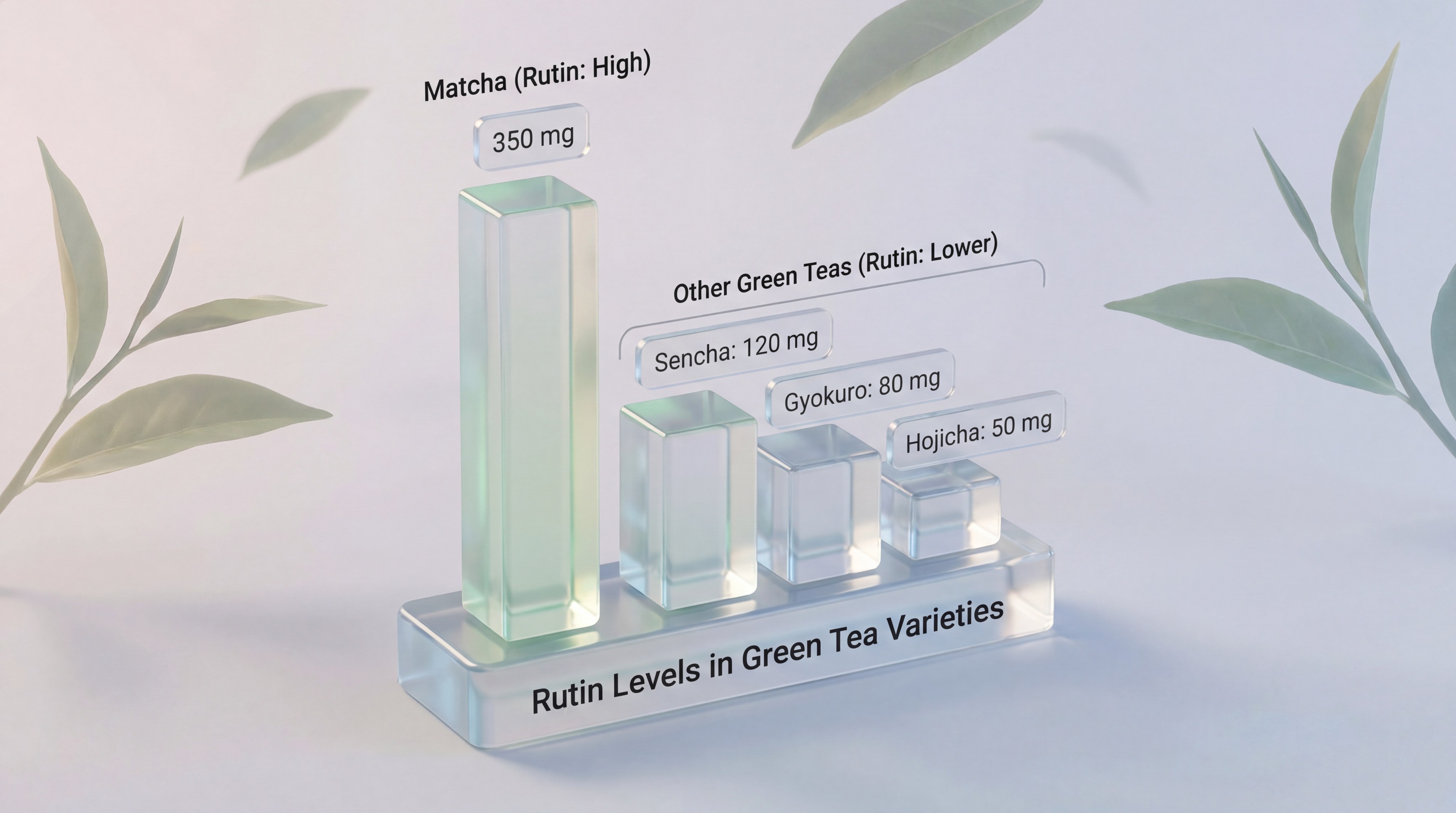
- Flavonoids like rutin strengthen the structural integrity of the skin.
Is the combination more effective than taking them alone?
When you consume collagen alone, your body may use the amino acids for various metabolic functions rather than specific tissue repair. However, the antioxidants in matcha guide these nutrients toward the skin and joints by reducing localized oxidative stress.
Key Takeaway: The synergy between these two components ensures that the raw materials provided by the peptides are shielded and utilized effectively by the body’s natural repair mechanisms.
Feature | Collagen Peptides | Matcha Green Tea |
|---|---|---|
Primary Function | Provides structural building blocks | Protects structures from oxidation |
Key Compound | Proline, Glycine, Hydroxyproline | EGCG, L-Theanine, Rutin |
Tissue Impact | Increases density and elasticity | Reduces inflammation and degradation |
The evidence suggests that dietary intervention is most successful when it combines protein replenishment with cellular protection.
How do matcha collagen benefits transform your skin from within?
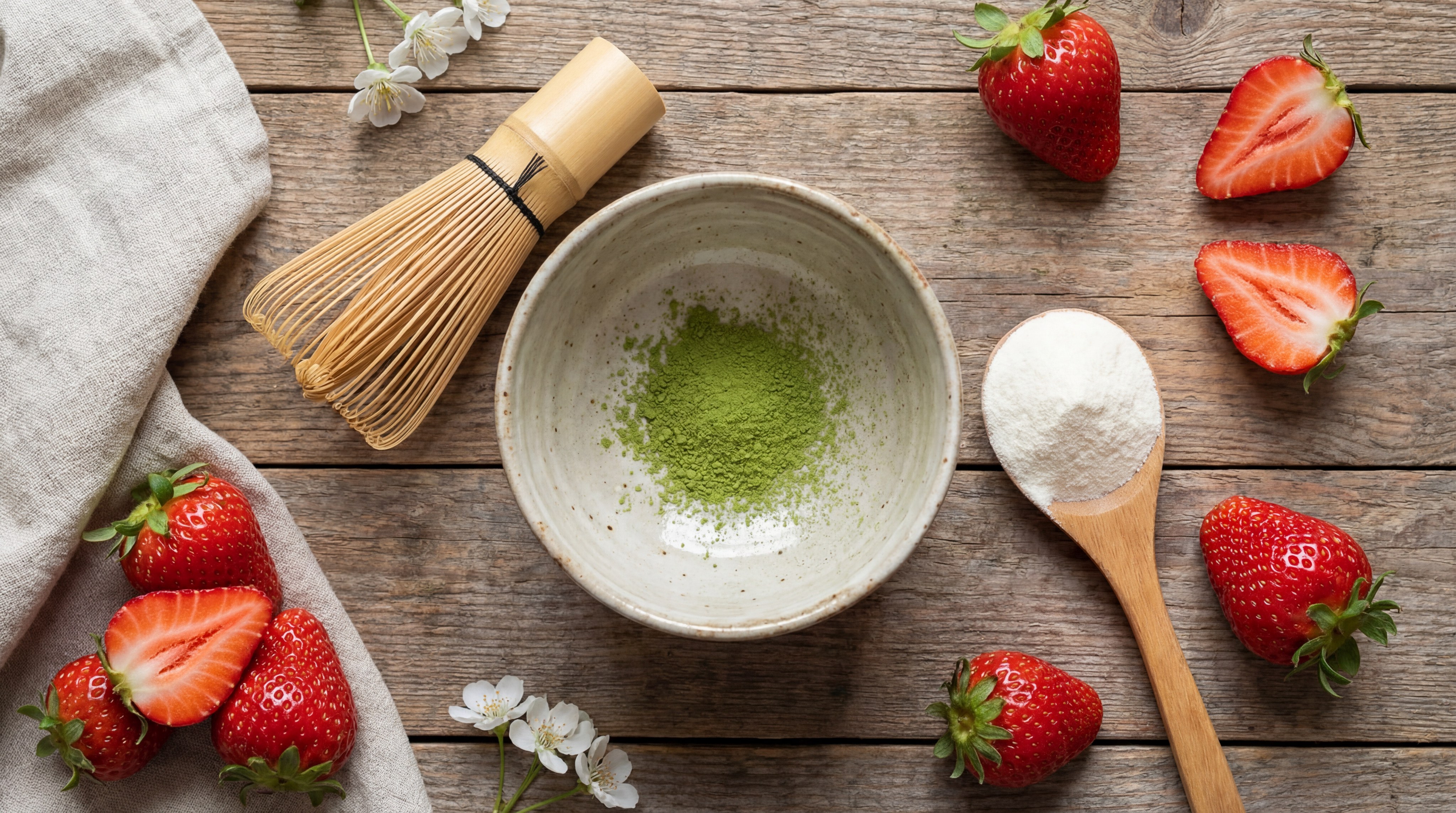
Matcha and collagen transform your skin by increasing dermal density and neutralizing the free radicals that cause premature fine lines and wrinkles. Utilizing matcha collagen benefits consistently can lead to a visible “glow” that reflects a healthier internal cellular environment.
Can drinking matcha increase skin elasticity?
Research indicates that the catechins found in high-quality matcha can improve blood flow to the skin, which enhances the delivery of nutrients like collagen peptides. Improved microcirculation is the foundation of firm, elastic skin that resists sagging.
By providing a steady supply of hydroxyproline through peptides, you are essentially giving your skin the “glue” it needs to stay taut. When this is combined with matcha’s anti-inflammatory properties, the result is a significant reduction in puffiness and texture irregularities.
How does the “glow” effect work at a cellular level?
The iconic radiance associated with regular matcha drinkers comes from the high concentration of polyphenols that combat photo-aging. These compounds neutralize the damage caused by UV exposure, which is responsible for up to 80% of visible skin aging.
Believe it or not:
- Matcha’s chlorophyll helps detoxify the blood, leading to clearer skin.
- Peptides fill in the “gaps” in the dermal matrix.
- Antioxidants prevent the yellowing of skin caused by glycation.
- Hydration is maintained more effectively by a healthy protein barrier.
What is the timeline for visible skin results?
Most clinical studies suggest that it takes approximately 8 to 12 weeks of daily consumption to see significant changes in skin hydration and elasticity. This timeline aligns with the natural turnover rate of skin cells and the time required for new collagen fibers to mature.
Key Takeaway: Consistency is the most critical factor in achieving dermatological results, as the body requires a sustained supply of nutrients to rebuild the dermal layer.
Metric | Short-term (1-4 weeks) | Long-term (8-12 weeks) |
|---|---|---|
Hydration | Noticeable increase in moisture | Sustained barrier function |
Elasticity | Minimal change | Visible firming of the jawline |
Clarity | Reduction in redness | Significant evening of skin tone |
Achieving professional-grade skin health requires a systemic approach that treats the body as a holistic unit.
Does matcha’s vitamin C content stimulate natural production?
Matcha contains natural Vitamin C, which acts as a vital cofactor in the enzymatic reactions required for collagen cross-linking and stabilization. The presence of this vitamin is essential for realizing the full potential of matcha collagen benefits in any wellness routine.
Why is Vitamin C essential for collagen cross-linking?
Without sufficient Vitamin C, the body cannot effectively “stitch” amino acids together to form the triple-helix structure of a functional collagen fiber. This vitamin serves as a catalyst for the enzymes prolyl hydroxylase and lysyl hydroxylase.
These enzymes are responsible for stabilizing the collagen molecules so they can provide strength to your tissues. If you consume collagen peptides without enough antioxidants or cofactors, the efficiency of your protein synthesis will remain suboptimal.
Is one cup of matcha enough to meet your daily needs?
While a single cup of matcha provides a concentrated dose of nutrients, the goal is to maintain a steady state of antioxidants in the bloodstream. Premium ceremonial grades contain higher levels of bioactive compounds than standard green tea.
Consider these facts:
- Matcha leaves are shaded, increasing their nutrient density.
- You consume the whole leaf, not just a water extract.
- The combination with peptides improves the absorption of both.
- Vitamin C in matcha is highly bioavailable compared to synthetic versions.
How does Vitamin C interact with collagen supplements?
When you ingest collagen peptides alongside the natural Vitamin C in matcha, you are providing the factory (your cells) with both the raw materials and the tools needed for construction. This prevents the “bottleneck” effect where synthesis is limited by a lack of cofactors.
Key Takeaway: Utilizing a natural source of Vitamin C like matcha is far superior to using isolated supplements, as the tea provides a complex matrix of supporting phytonutrients.
Component | Role in Synthesis | Source in Matcha |
|---|---|---|
Vitamin C | Enzyme cofactor for cross-linking | Natural leaf content |
Amino Acids | Raw material building blocks | Collagen Peptides (supplemented) |
Rutin | Stabilizes Vitamin C | High-density flavonoid |
The strategic combination of these elements ensures that your body has everything it needs to maintain a youthful structural framework.
Why are matcha collagen benefits superior to traditional coffee?
Matcha provides a stable energy boost without the cortisol spikes associated with coffee, which is a major factor in protecting your protein stores from stress-induced degradation. Choosing matcha collagen benefits over a standard morning coffee can significantly impact your long-term skin and joint health.
Does coffee-induced cortisol damage your collagen levels?
Elevated cortisol, the body’s primary stress hormone, is known to stimulate the breakdown of skin proteins and inhibit the formation of new fibers. Coffee often triggers a rapid release of cortisol, which can lead to a “thinning” of the skin over time.
By contrast, matcha contains L-theanine, an amino acid that promotes relaxation and alpha-brain wave activity. This compound counteracts the jittery effects of caffeine, allowing you to stay energized while keeping your stress hormones in a healthy range.
How does L-Theanine protect your skin and joints?
L-Theanine acts as a neuroprotective agent that reduces the systemic inflammation often caused by chronic stress. When the body is in a relaxed state, it can allocate more resources to “housekeeping” tasks like tissue repair and protein synthesis.
It’s a simple choice:
- Coffee: High acidity and high cortisol.
- Matcha: Alkalizing properties and calming L-theanine.
- Peptides: Rebuilding what stress has destroyed.
- Results: A more resilient and youthful appearance.
Why is the energy profile of matcha better for B2B professionals?
For those in high-pressure environments, the “calm alertness” of matcha prevents the energy crashes that lead to poor dietary choices. Stable blood sugar is essential for preventing the glycation of collagen fibers.
Key Takeaway: Switching from coffee to a matcha-collagen blend removes a significant source of metabolic stress, creating a biological environment where your skin can thrive.
Metric | Coffee Impact | Matcha + Collagen Impact |
|---|---|---|
Cortisol Levels | Frequent spikes | Balanced and stable |
Skin Integrity | Potential for degradation | Proactive reinforcement |
Energy Duration | 1-2 hours (with crash) | 4-6 hours (sustained) |
The transition to a tea-based ritual is not just about caffeine; it is about choosing a chemical profile that supports your body’s longevity.
Can matcha prevent skin sagging through anti-glycation?
Matcha acts as a powerful anti-glycation agent, preventing sugar molecules from bonding to and weakening the collagen fibers in your skin. The primary goal of utilizing matcha collagen benefits in an anti-aging context is to keep the protein matrix flexible and resilient against “cross-linking.”
What is glycation and how does it destroy collagen?
Glycation is a process where excess sugar in the bloodstream attaches to proteins, forming harmful new molecules called Advanced Glycation End-products (AGEs). These AGEs make collagen fibers brittle, stiff, and prone to breaking.
This stiffness is what leads to the deep wrinkles and “leathery” texture often seen in aging skin. Matcha contains specific polyphenols that inhibit this bonding process, effectively keeping your skin’s internal structure youthful and supple.
Is the flavonoid Rutin the secret weapon against aging?
Rutin is a bioflavonoid found in high concentrations in matcha that has been scientifically linked to the prevention of collagen degradation. It works by strengthening the capillaries and improving the overall health of the extracellular matrix.
The facts are clear:
- Matcha contains more rutin than any other common beverage.
- Rutin enhances the effectiveness of Vitamin C.
- It provides a direct defense against the formation of AGEs.
- Stronger capillaries mean better nutrient delivery to the dermis.
How does EGCG interfere with the aging process?
EGCG specifically targets the pathways that lead to cellular senescence, or “zombie cells,” which secrete inflammatory markers that damage nearby healthy tissue. By clearing these markers, matcha allows your collagen peptides to work on a clean slate.
Key Takeaway: Preventing the damage caused by glycation is just as important as supplying new peptides, as it ensures the new fibers remain functional and flexible.
Process | Effect on Skin | Matcha Defense |
|---|---|---|
Glycation | Stiffening and deep wrinkles | Polyphenols block sugar bonding |
Oxidation | Fine lines and spots | EGCG neutralizes free radicals |
Enzyme Damage | Rapid sagging | Catechins inhibit collagenase |
An interrogative look at skin aging reveals that protection is the most underutilized strategy in modern skincare routines.
What are the matcha collagen benefits for joint and bone health?
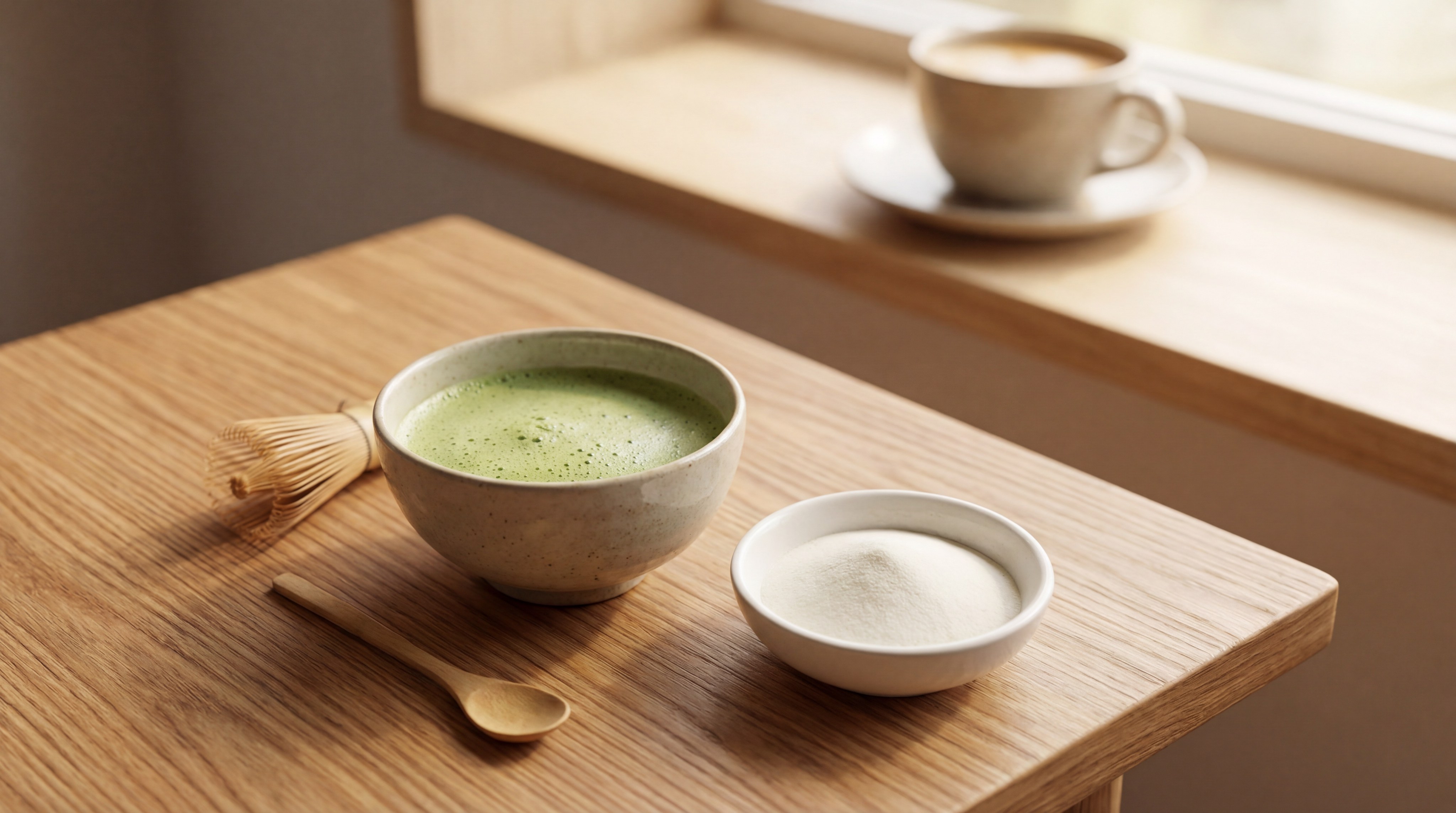
The combination of matcha and collagen supports joint and bone health by reducing systemic inflammation and providing the specific amino acids required for cartilage repair. Leveraging matcha collagen benefits is an excellent strategy for athletes and aging individuals who want to maintain mobility.
Can this combination reduce inflammation in the ligaments?
Ligaments and tendons are composed primarily of Type I and Type III collagen, which require a constant supply of proline and glycine for maintenance. When these tissues become inflamed due to overexertion, the EGCG in matcha helps to dampen the inflammatory response.
This dual action allows the body to move from a state of “defense” to a state of “repair” more quickly. For those suffering from joint stiffness, the increase in lubrication provided by healthy collagen levels can be life-changing.
How does EGCG support the repair of connective tissues?
EGCG has been shown to modulate the expression of genes involved in inflammation and joint degradation. It essentially “turns off” the signals that tell the body to break down cartilage during periods of stress.
Think about the benefits:
- Reduced soreness after physical activity.
- Improved bone mineral density through antioxidant support.
- Faster recovery from minor ligament strains.
- Protection against age-related joint wear and tear.
Is it beneficial for bone density?
While collagen provides the flexible framework for bones, matcha provides the antioxidants that protect bone-forming cells (osteoblasts) from oxidative damage. This makes the duo a powerful ally against the gradual loss of bone strength.
Key Takeaway: Joint health is a matter of maintaining the balance between tissue breakdown and tissue synthesis, a balance that is perfectly supported by this combination.
Benefit Area | Role of Collagen | Role of Matcha |
|---|---|---|
Cartilage | Restores volume and cushion | Reduces inflammatory markers |
Ligaments | Provides tensile strength | Prevents oxidative fraying |
Bone | Maintains structural matrix | Supports osteoblast activity |
The synergy between these two components offers a comprehensive solution for those looking to protect their physical autonomy as they age.
Is matcha a reliable source of collagen-building amino acids?
While matcha is not a protein supplement by itself, it contains a unique profile of amino acids that complement the peptides found in collagen powders. High-quality matcha collagen benefits are enhanced by the presence of L-theanine and other plant-based proteins found in the whole tea leaf.
Proline and Glycine: Are they present in high-quality matcha?
Matcha contains small amounts of the precursor amino acids needed for protein synthesis, but its primary contribution is the biological environment it creates. By providing a rich source of L-theanine, matcha ensures that the body’s metabolic pathways are optimized for absorbing the larger doses of proline and glycine found in peptides.
When you consume “whole leaf” matcha, you are getting the full spectrum of the plant’s nutritional profile, which includes essential minerals that act as secondary cofactors for protein metabolism.
Why should you choose “whole leaf” powder over extracts?
Standard green tea extracts often isolate only the EGCG, leaving behind the supporting fibers and amino acids that make the whole plant so effective. Matcha is stone-ground, meaning you consume the entire leaf and all its integrated nutrients.
Consider the following:
- Whole leaf consumption yields 10x the antioxidants of brewed tea.
- The fiber content supports gut health, which is where absorption happens.
- Natural chlorophyll provides a gentle detox effect.
- The amino acid L-theanine is only found in significant amounts in the leaf.
How does the amino acid profile affect bioavailability?
The combination of plant-based amino acids and hydrolyzed animal-based peptides creates a diverse “pool” of nutrients for your cells to draw from. This diversity is often more effective than relying on a single source of protein.
Key Takeaway: Matcha provides the nuanced nutritional support that allows the “heavy lifting” of collagen peptides to be more effective at a cellular level.
Nutrient Type | Found in Matcha | Found in Collagen Peptides |
|---|---|---|
Structural Aminos | Trace amounts | High concentrations (Proline/Glycine) |
Functional Aminos | High (L-Theanine) | None |
Bioavailability | High (Whole leaf) | Maximum (Hydrolyzed) |
By looking at the complete nutritional picture, we see that these two ingredients were practically made to be consumed together.
Which matcha grade maximizes your matcha collagen benefits?
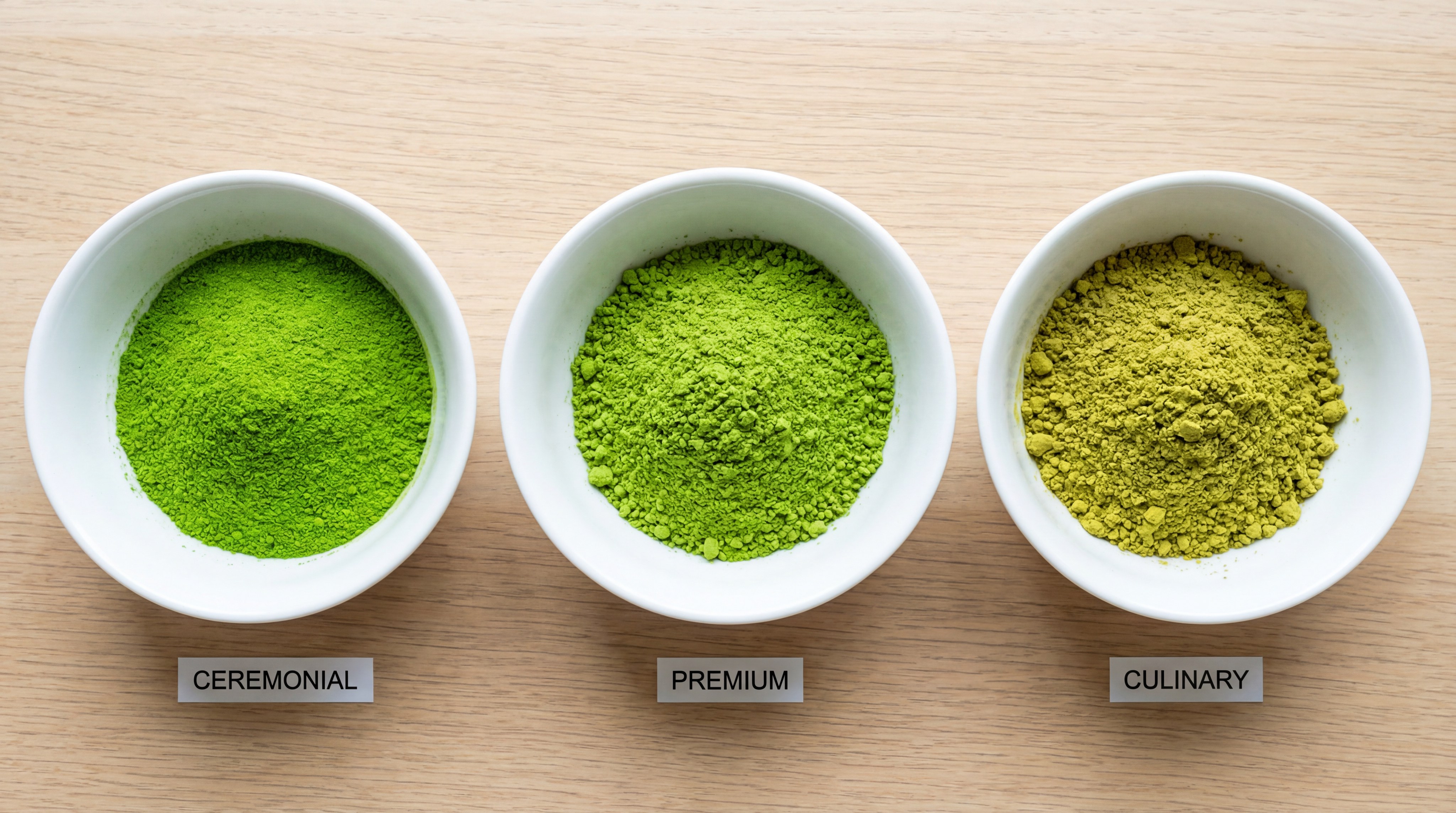
The grade of matcha you choose directly impacts the concentration of antioxidants and L-theanine available to support your collagen synthesis. To get the most from your matcha collagen benefits , it is essential to understand the differences between ceremonial and culinary grades.
Why ceremonial grade is the gold standard for bioavailability?
Ceremonial grade matcha is harvested from the youngest tea leaves, which contain the highest levels of chlorophyll and L-theanine. These leaves are handled with extreme care to prevent oxidation, ensuring that the EGCG remains potent and active.
Because it is stone-ground into an extremely fine powder, the surface area is maximized for absorption in the digestive tract. If you are serious about skin and joint results, ceremonial grade provides the highest “density” of protective compounds per gram.
When should you use culinary grade for your recipes?
Culinary grade is harvested later in the season and has a more robust, astringent flavor that holds up well when mixed with other ingredients like smoothies or baked goods. While it still contains beneficial antioxidants, the levels of L-theanine are typically lower.
Think about it:
- Use ceremonial for pure tea or simple lattes.
- Use culinary for protein shakes and “matcha bowls.”
- Premium grade offers a balanced middle ground for daily use.
- Always look for a vibrant green color, regardless of the grade.
Does the origin of the matcha matter for your health?
The soil quality and farming practices of the manufacturer determine the mineral content and purity of the final powder. Certified organic matcha ensures that you are not consuming pesticides that could actually trigger the oxidative stress you are trying to avoid.
Key Takeaway: Investing in a higher grade of matcha ensures that the “protection” side of the collagen equation is as strong as possible.
Grade | Color | Flavor Profile | Best Use Case |
|---|---|---|---|
Ceremonial | Vibrant Neon Green | Sweet, Umami, Delicate | Pure whisked tea |
Premium | Bright Green | Balanced, Smooth | Daily lattes and lattes |
Culinary | Dull, Olive Green | Bold, Bitter, Grassy | Smoothies and baking |
Choosing the right grade is the first step in designing a wellness ritual that actually delivers on its promises.
How do you create the perfect matcha and collagen ritual?
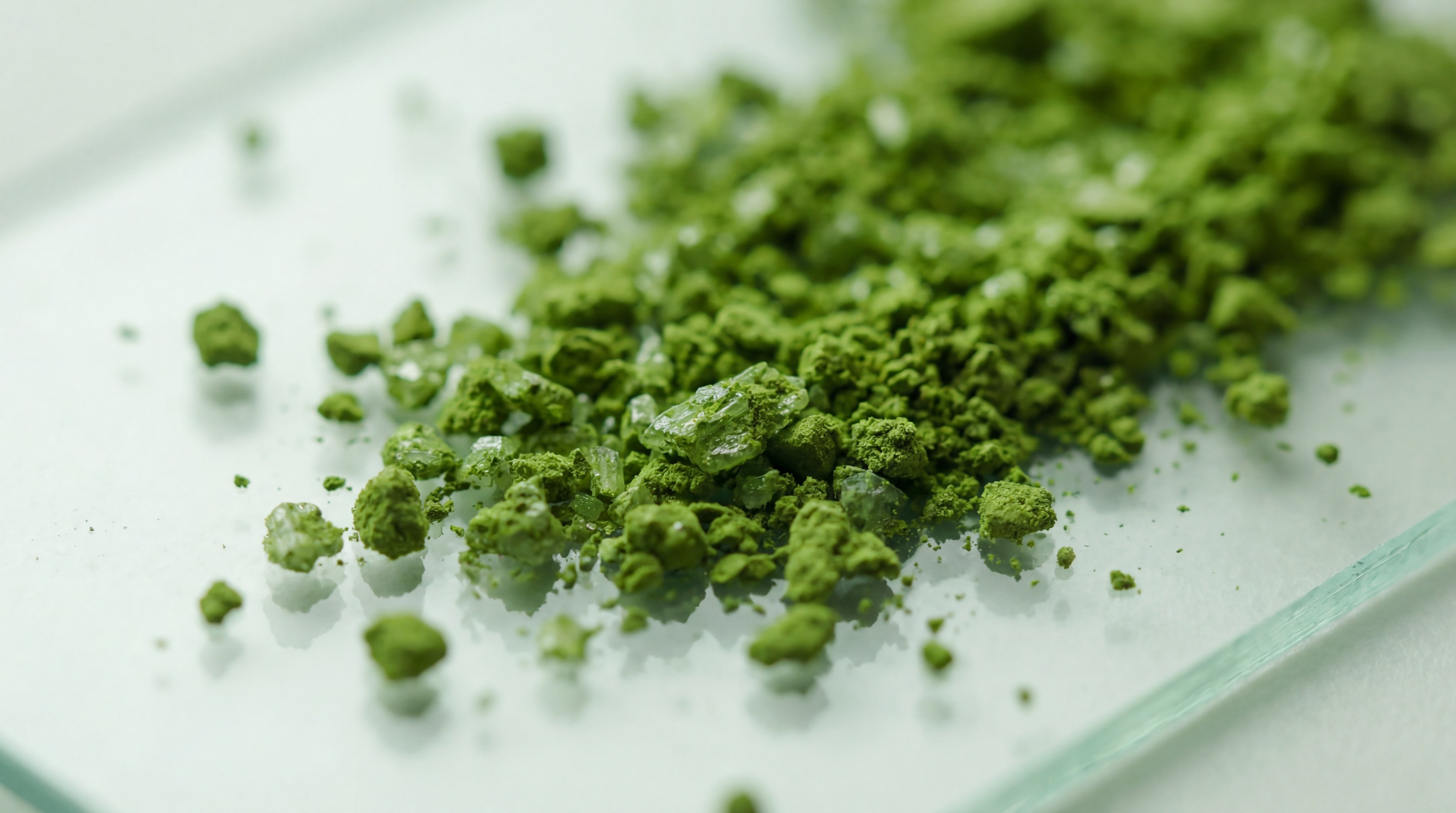
Creating the perfect ritual involves balancing the delicate temperatures required to preserve antioxidants with the proper mixing techniques to ensure peptide solubility. Mastering the daily application of matcha collagen benefits can turn a simple drink into a powerful health intervention.
What is the ideal temperature for preparation?
You should never use boiling water for matcha, as excessive heat can denature the delicate polyphenols and create a bitter taste. The ideal temperature is between 160°F and 175°F (70°C – 80°C).
Collagen peptides are generally heat-stable, but they dissolve most easily in warm liquids. By using the correct temperature for the tea, you are simultaneously protecting the matcha’s nutrients and ensuring a smooth, clump-free texture for your collagen.
Can you add collagen to a strawberry matcha latte?
Yes, adding collagen to a fruit-based matcha drink is an excellent way to boost the Vitamin C content through natural fruit additions. The sweetness of the strawberries complements the earthy notes of the matcha, making it a delicious B2B networking or wellness drink.
Follow these steps:
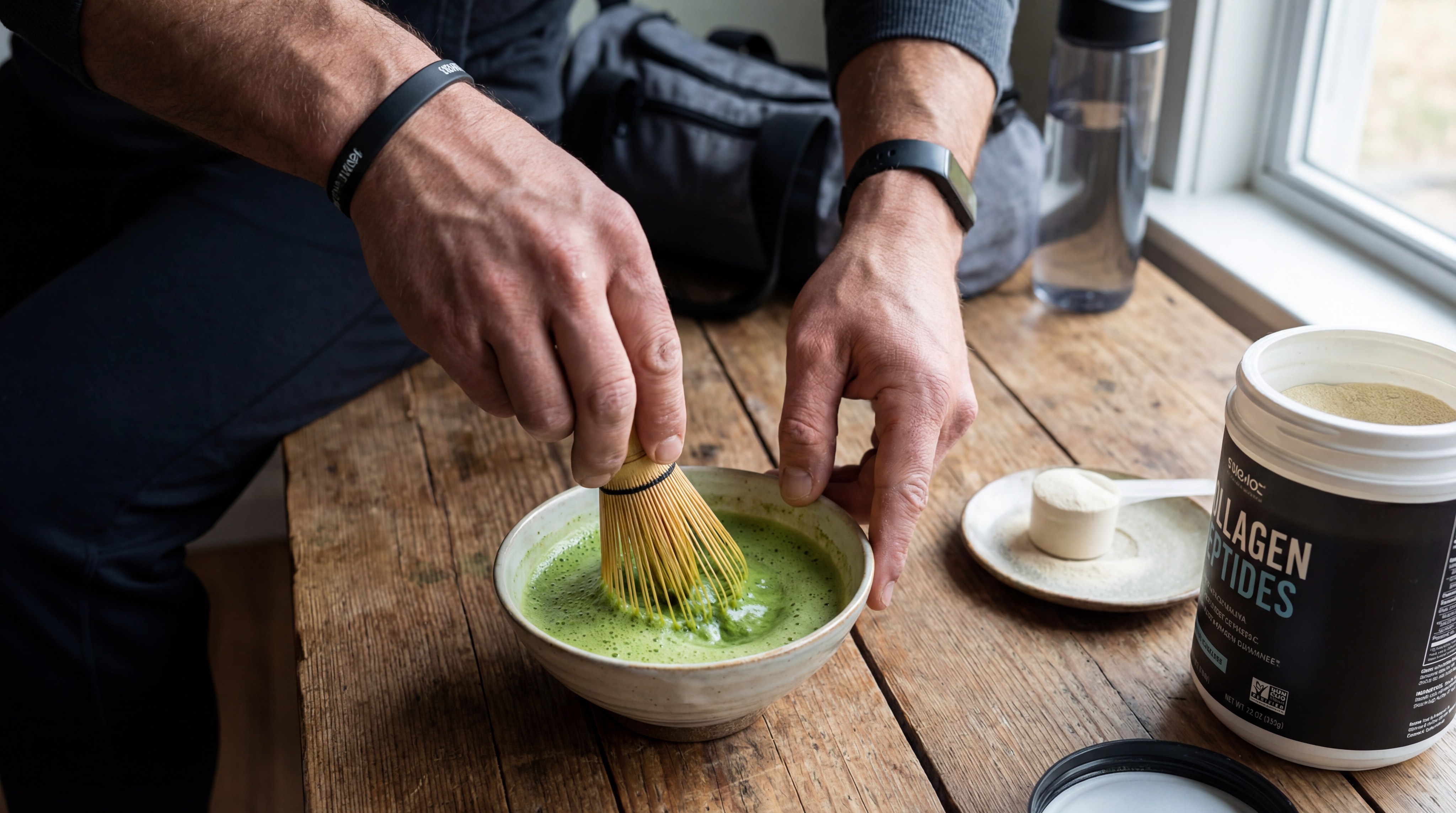
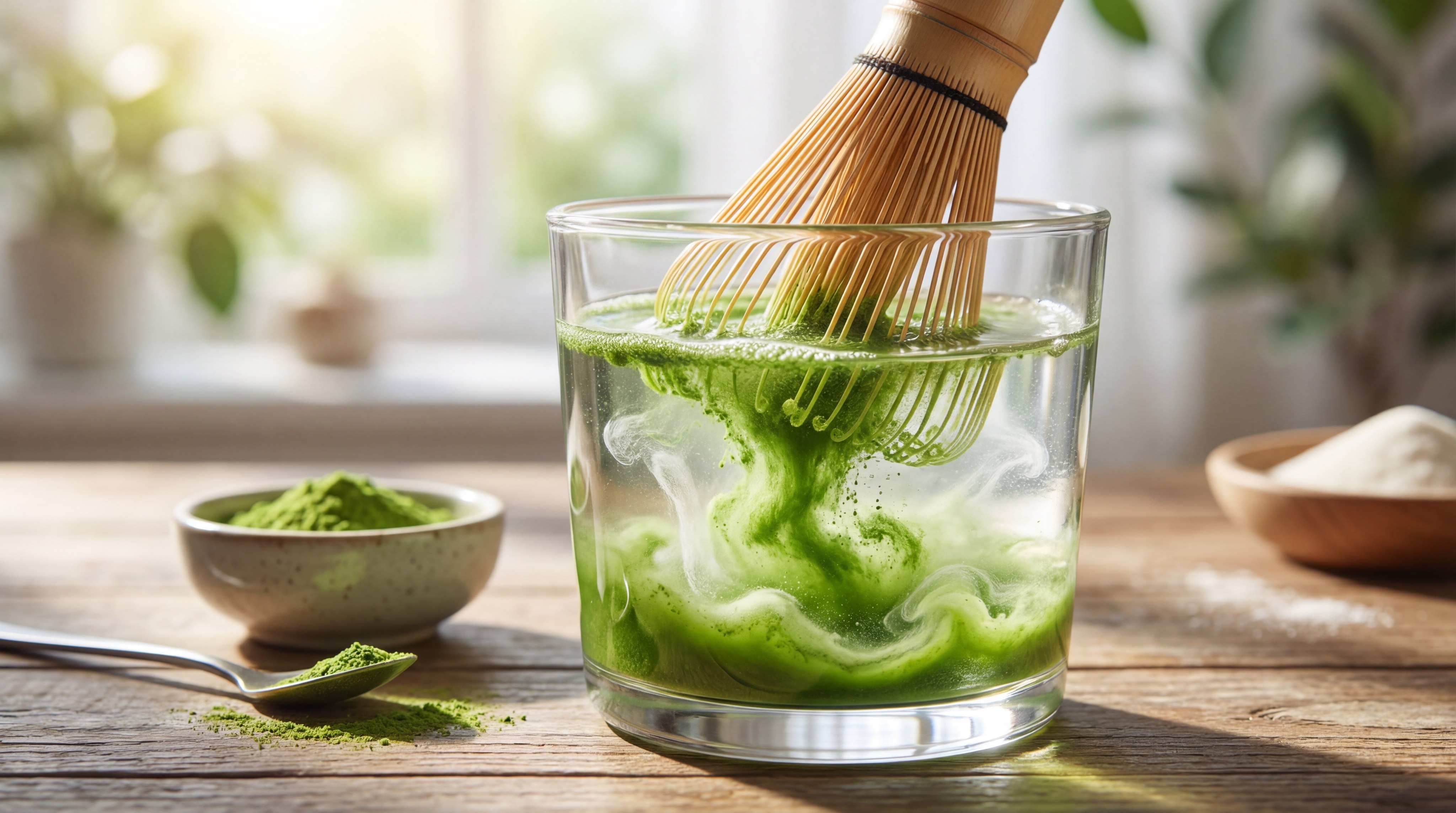
- Sift 1-2 tsp of matcha into a bowl.
- Add one scoop of collagen peptides.
- Whisk with 2oz of warm water until frothy.
- Pour over your choice of milk and fresh strawberry purée.
What tools do you need for a professional result?
While a spoon works in a pinch, a traditional bamboo whisk (chasen) or a high-quality electric frother is necessary to fully suspend the matcha particles and integrate the collagen powder. This creates the “micro-foam” that characterizes a premium experience.
Key Takeaway: Proper preparation technique is the difference between a gritty supplement and a luxurious wellness ritual that you will actually look forward to every day.
Tool | Purpose | Benefit |
|---|---|---|
Bamboo Whisk | Aeration and suspension | Optimal texture and froth |
Fine Sifter | Removes clumps | Smooth, consistent drink |
Thermometer | Temperature control | Preserves EGCG and flavor |
Refining your preparation method ensures that every milligram of nutrient is bioavailable and enjoyable to consume.
How can businesses leverage matcha collagen benefits for branding?
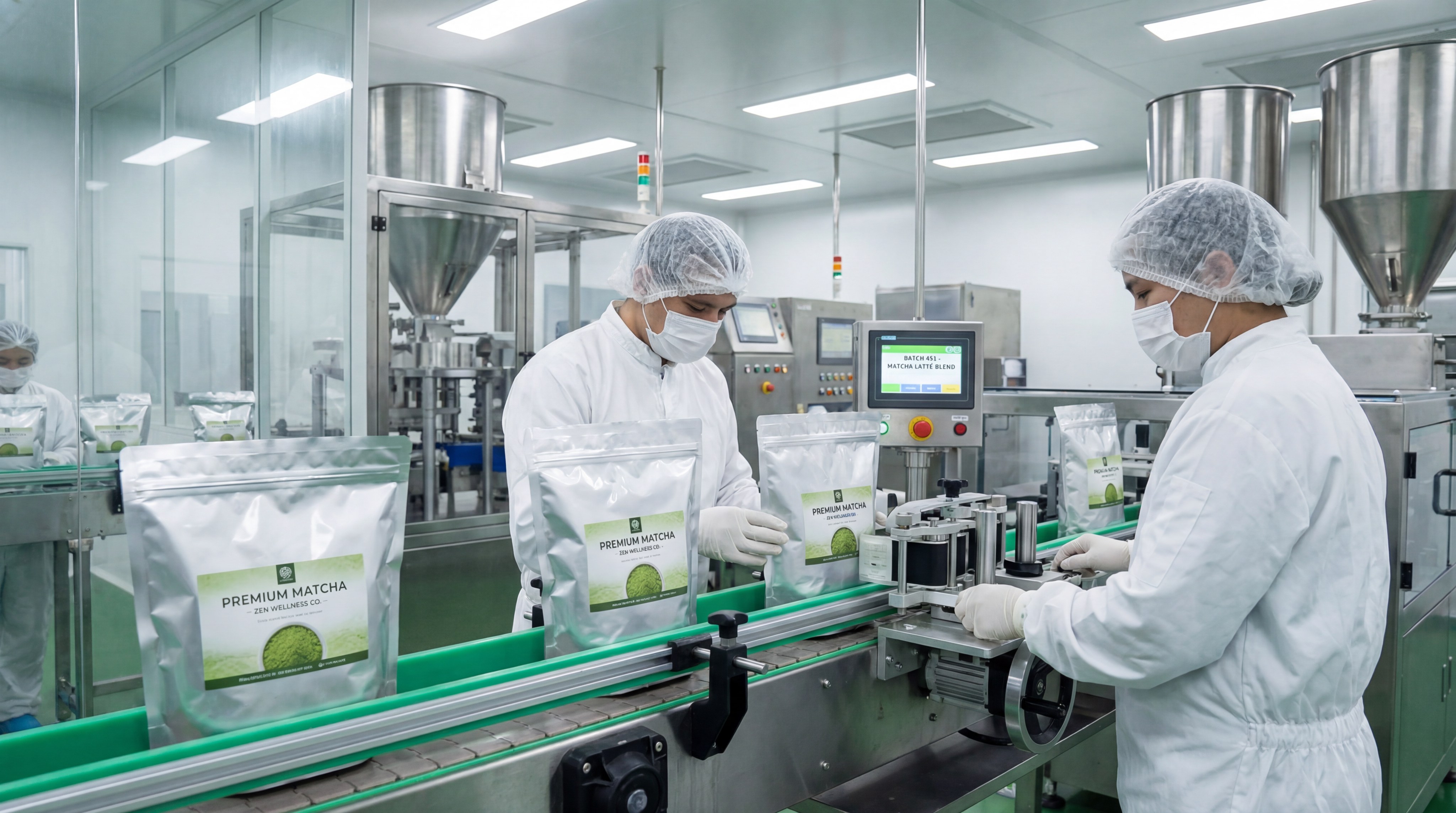
Businesses can leverage the growing demand for functional “beauty from within” products by offering private-label blends that highlight the synergy between tea and peptides. Sourcing from a reliable manufacturer is key to capturing the matcha collagen benefits market, which is projected to expand significantly by 2026.
Is the “Matcha + Collagen” market the next big trend?
The convergence of the tea market and the nutricosmetics industry has created a massive opportunity for brands to offer high-value, functional beverages. Modern consumers are moving away from sugary energy drinks and toward products that offer tangible health outcomes like skin and joint support.
By combining these two “super-ingredients,” brands can position themselves at the intersection of wellness, beauty, and performance. This multi-benefit approach justifies a premium price point and fosters high customer loyalty.
Why is sourcing from a certified manufacturer critical?
Brand trust is built on transparency and quality control. When dealing with products intended for long-term consumption, ensuring that the matcha is free from heavy metals and the collagen is ethically sourced is non-negotiable.
Consider the advantages:
- EU and USDA organic certifications build consumer confidence.
- Bulk wholesale options allow for scalable growth.
- Custom formulations can differentiate your brand in a crowded market.
- Reliable lead times are essential for B2B stability.
How do you market these benefits to a B2B audience?
Focus on the science of bio-synergy and the reduction of workplace stress through L-theanine. Highlighting the “clean energy” aspect of the product makes it attractive to corporate wellness programs and high-performance lifestyle brands.
Key Takeaway: Success in the wellness market requires a partner who can provide high-grade raw materials and the technical expertise to maintain product integrity.
Market Segment | Primary Driver | Strategy |
|---|---|---|
Luxury Wellness | Aesthetic and purity | Ceremonial grade with bovine peptides |
Fitness / Sports | Recovery and performance | Premium grade with high-leucine peptides |
Corporate / Office | Focus and anti-stress | Convenient “on-the-go” sachet formats |
The future of functional beverages lies in the intelligent combination of ancient wisdom and modern nutritional science.
The integrated use of matcha and collagen peptides represents the pinnacle of modern “inside-out” nutrition. By providing the structural framework of collagen and the protective shield of matcha’s unique antioxidants, you create a biological environment where the body can maintain its youthfulness and vitality. At Riching Matcha, our vision is to empower both individual consumers and global brands with the highest quality organic tea, ensuring that every cup contributes to long-term health and resilience. Whether you are seeking to revitalize your personal skincare routine or develop a market-leading wellness product, the evidence for this duo is undeniable. If you are ready to experience the difference that expert-sourced ingredients can make, contact us today to start your journey.
FAQ
Can I take matcha and collagen every day?Yes. Consuming this combination daily is recommended because the body needs a consistent supply of antioxidants and amino acids to maintain a steady rate of tissue repair and protection.
What’s the best time of day to drink a matcha collagen blend?The morning is the ideal time because the L-theanine and caffeine in matcha provide sustained focus for the day, while the collagen peptides can be processed by the body throughout your active hours.
Can I mix collagen into my matcha if I have a sensitive stomach?Yes, most people find this combination very gentle. Matcha is less acidic than coffee, and hydrolyzed collagen peptides are specifically designed for easy digestion and rapid absorption.
What is the best type of collagen to mix with matcha?Marine or bovine Type I and III collagen are the best choices because they are the most abundant in human skin and connective tissues, aligning perfectly with matcha’s protective properties.
Can I see results from just one cup a week?Unlikely. Like any nutritional intervention, the benefits for skin elasticity and joint health are cumulative and require daily consumption over a period of 8 to 12 weeks to become visible.