
The global tea market is currently witnessing a paradigm shift. While traditional green tea has been a staple of wellness for centuries, a vibrant, powdered contender has surged to the forefront of the functional beverage industry: Matcha. To the uninitiated, the two might seem interchangeable—after all, they are both green, both tea, and both synonymous with health. However, for the connoisseur, the health-conscious consumer, and the strategic beverage brand, the differences are as profound as those between a raw grape and a fine vintage wine.
The core confusion often stems from a simple botanical fact: both matcha and regular green tea originate from the exact same plant, Camellia sinensis. Yet, despite this shared DNA, their cultivation, processing, chemical composition, and sensory profiles diverge so sharply that they offer entirely different physiological and economic value propositions. This guide provides an exhaustive analysis of these differences, exploring why matcha has become the “green gold” of the 21st century.
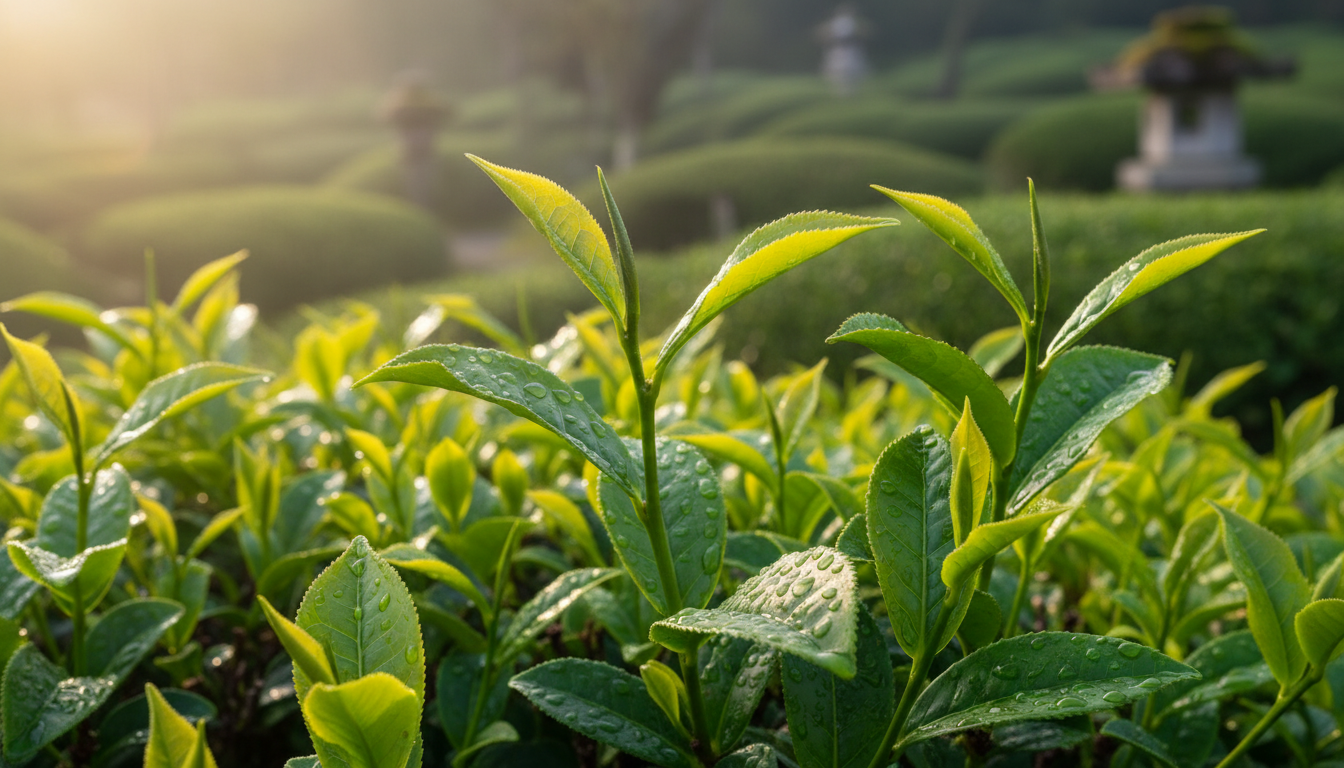
At the genetic level, every cup of matcha and every pot of green tea begins its life as Camellia sinensis. This evergreen shrub is the progenitor of all “true” teas, including black, oolong, and white varieties. The diversity in the final product is not a result of different species, but rather a combination of terroir, varietal selection (cultivars), and human intervention.
The Camellia Sinensis Context
The Camellia sinensis plant is remarkably hardy, thriving in acidic soils and climates with high humidity and significant rainfall. However, within this species, there are two primary varieties:
- Camellia sinensis var. sinensis: Typically used for Chinese and Japanese green teas, including matcha. It features smaller leaves and a higher tolerance for cold.
- Camellia sinensis var. assamica: Generally used for robust black teas (like those from India), featuring larger leaves and higher tannin content.
The Role of the Cultivar
While any green tea plant could technically be turned into matcha, certain cultivars are prized for their ability to produce the high chlorophyll and amino acid levels required for premium powder. Cultivars like Yabukita, Okumidori, and Saemidori are meticulously selected by producers like Riching Matcha to ensure the vibrant color and “umami” flavor that define the category. This botanical foundation is the canvas upon which the complex art of tea production is painted.
The Art of Processing – Shading vs. Sun-Drying
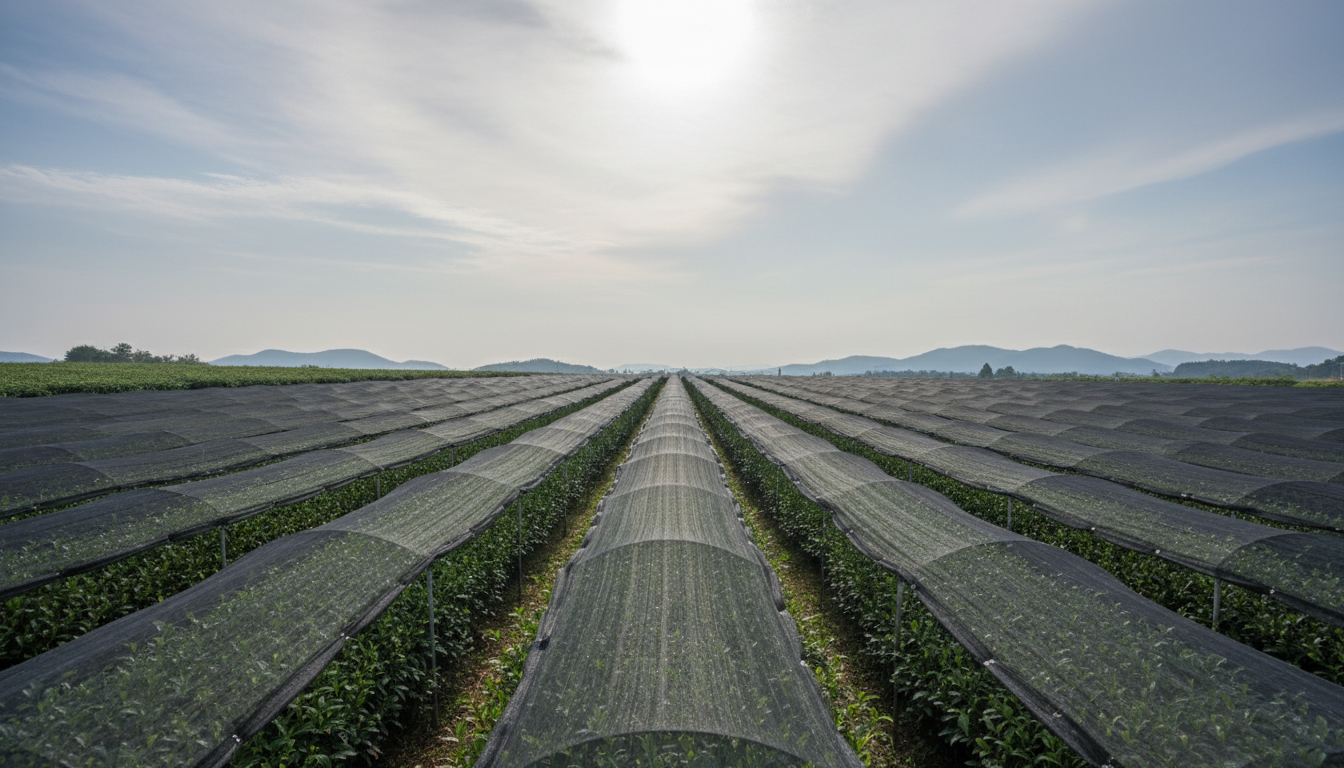
The most critical divergence between matcha and regular green tea occurs long before the leaves reach the factory. It begins in the field, specifically through a process known as Tana shading.
The Shading Phenomenon (Matcha)
Approximately 20 to 30 days before harvest, matcha tea bushes are covered with straw mats or black vinyl netting. This reduces sunlight by up to 90%. This intentional environmental stress forces the plant to undergo a radical physiological transformation:
- Chlorophyll Surge: Deprived of light, the plant overproduces chlorophyll to maximize its photosynthetic efficiency. This results in the intense, “electric” green color characteristic of high-quality matcha.
- Amino Acid Accumulation: Shading prevents the conversion of L-theanine (an amino acid) into polyphenols (catechins). In sun-grown tea, sunlight triggers this conversion, leading to more bitterness. By shading the plant, producers preserve the L-theanine, resulting in a sweeter, more “umami” flavor profile.
Sun-Drying and Firing (Regular Green Tea)
In contrast, standard green teas like Sencha or Gunpowder are grown in full sunlight until the moment of harvest. This promotes the development of antioxidants like EGCG but also increases the astringency of the leaf.
Feature | Matcha Processing | Regular Green Tea Processing |
|---|---|---|
Light Exposure | 20-30 days of shade | Full sun exposure |
Harvesting | Primarily the youngest, first-flush buds | Can include older leaves and stems |
Steaming | Quick steam to stop oxidation | Steamed or pan-fired (Chinese style) |
Drying | Dried flat (Tencha) | Rolled and twisted (Sencha) |
Final State | Stone-ground into a <10-micron powder | Whole or broken dried leaves |
Once harvested, the leaves for matcha are steamed to halt fermentation, then dried flat. At this stage, the tea is called Tencha. The veins and stems are meticulously removed, leaving only the pure leaf “meat,” which is then slowly stone-ground into the fine powder we recognize as matcha.
Nutritional Comparison – The Power of the Whole Leaf
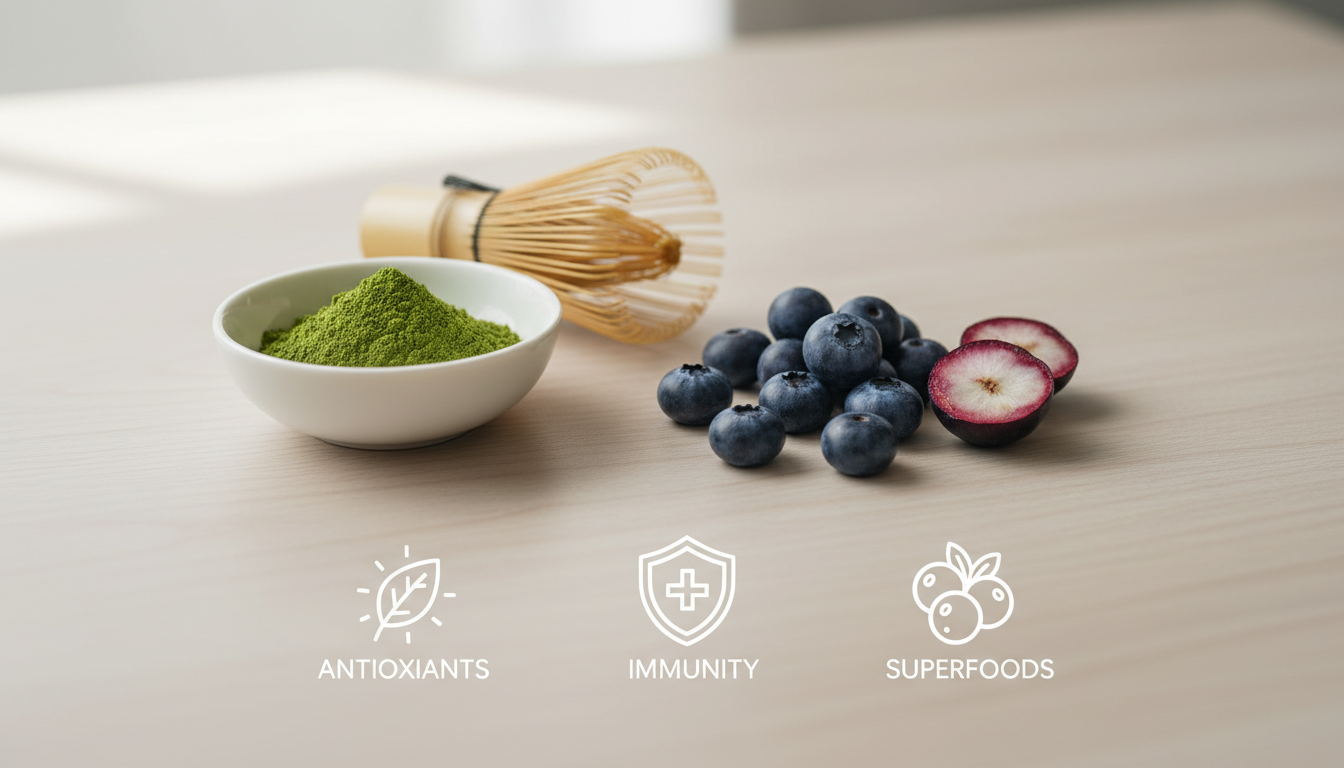
The fundamental nutritional difference between the two lies in the method of consumption. When you steep regular green tea, you are creating an infusion. You soak the leaves, extract a fraction of the water-soluble nutrients, and discard the solid leaf material. When you drink matcha, you are consuming the entire leaf in powdered form.
The 10x Rule
Research indicates that consuming one bowl of matcha provides the nutritional equivalent of approximately 10 cups of regularly brewed green tea. This “whole food” approach significantly amplifies the intake of key bioactive compounds.
Antioxidant Density (ORAC Value)
Matcha is a powerhouse of antioxidants, specifically a class known as catechins. The most potent of these is Epigallocatechin gallate (EGCG), which has been studied for its potential roles in metabolism boosting, cancer prevention, and cardiovascular health.
- ORAC (Oxygen Radical Absorbance Capacity): Matcha boasts one of the highest ORAC ratings in the superfood world—significantly higher than goji berries, dark chocolate, or spinach.
- Chlorophyll Content: Because of the shading process, matcha contains vastly higher levels of chlorophyll than regular green tea. Chlorophyll is prized in the wellness community for its potential detoxifying properties and its ability to support blood health.
Fiber and Minerals
Because you eat the leaf, matcha provides dietary fiber, Vitamin C, Selenium, Chromium, Zinc, and Magnesium—nutrients that are largely left behind in the teapot when brewing loose-leaf tea.
Caffeine and L-Theanine – Exploring the ‘Zen’ Energy Boost
Both matcha and green tea contain caffeine, but the experience of that energy is remarkably different due to a unique chemical synergy.
The “Alert Calm”
Matcha contains significantly more caffeine than regular green tea (roughly 35-70mg per gram compared to 15-30mg in a cup of green tea). However, matcha is also exceptionally rich in L-theanine, an amino acid that crosses the blood-brain barrier.
L-theanine promotes the production of alpha waves in the brain, which are associated with a state of “relaxed alertness.” More importantly, L-theanine slows the body’s absorption of caffeine. This results in a sustained, 4-to-6-hour energy boost without the “jitters,” “spikes,” or “crashes” typically associated with coffee or energy drinks. This is the physiological basis for the “Zen” state historically sought after by meditating monks.
Cognitive Benefits
The combination of caffeine and L-theanine has been shown to improve:
- Focus and Concentration: Enhanced ability to switch between tasks.
- Memory: Improved working memory performance.
- Stress Reduction: Lowered cortisol response during high-pressure activities.
Flavor Profiles – Umami Depth vs. Grass-Like Freshness
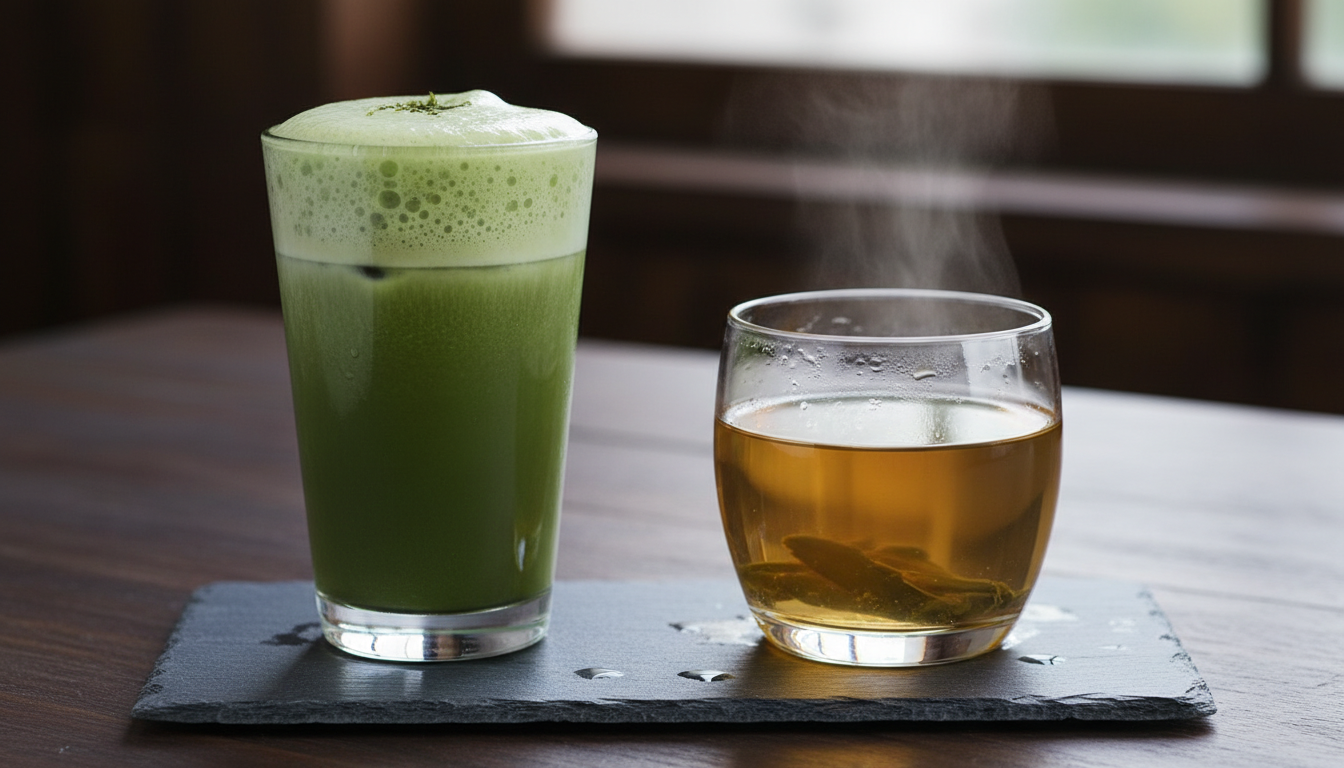
The sensory experience of matcha versus green tea is distinct, driven by the chemical changes induced during cultivation.
The Matcha Flavor Spectrum
Matcha is characterized by its Umami—the savory “fifth taste.” This is a direct result of the high L-theanine and glutamate content.
- Ceremonial Grade: Offers a delicate balance of natural sweetness, creamy texture, and a lingering floral finish with almost zero bitterness.
- Culinary Grade: Provides a bolder, more astringent, and “grassy” flavor that can stand up to fats and sugars in baking or latte applications.
The Green Tea Flavor Spectrum
Regular green tea (like Sencha) tends to be much lighter and thinner in body. Its flavor profile is often described as:
- Grassy or Vegetal: Reminiscent of steamed spinach or seaweed.
- Astringent: A “puckering” sensation on the tongue caused by the higher tannin/catechin content developed in the sun.
- Nutty or Toasty: Particularly in Chinese pan-fired varieties like Longjing (Dragon Well).
While regular green tea is refreshing and cleansing, matcha is rich, indulgent, and broth-like.
Preparation Rituals – Whisking Matcha vs. Steeping Green Tea
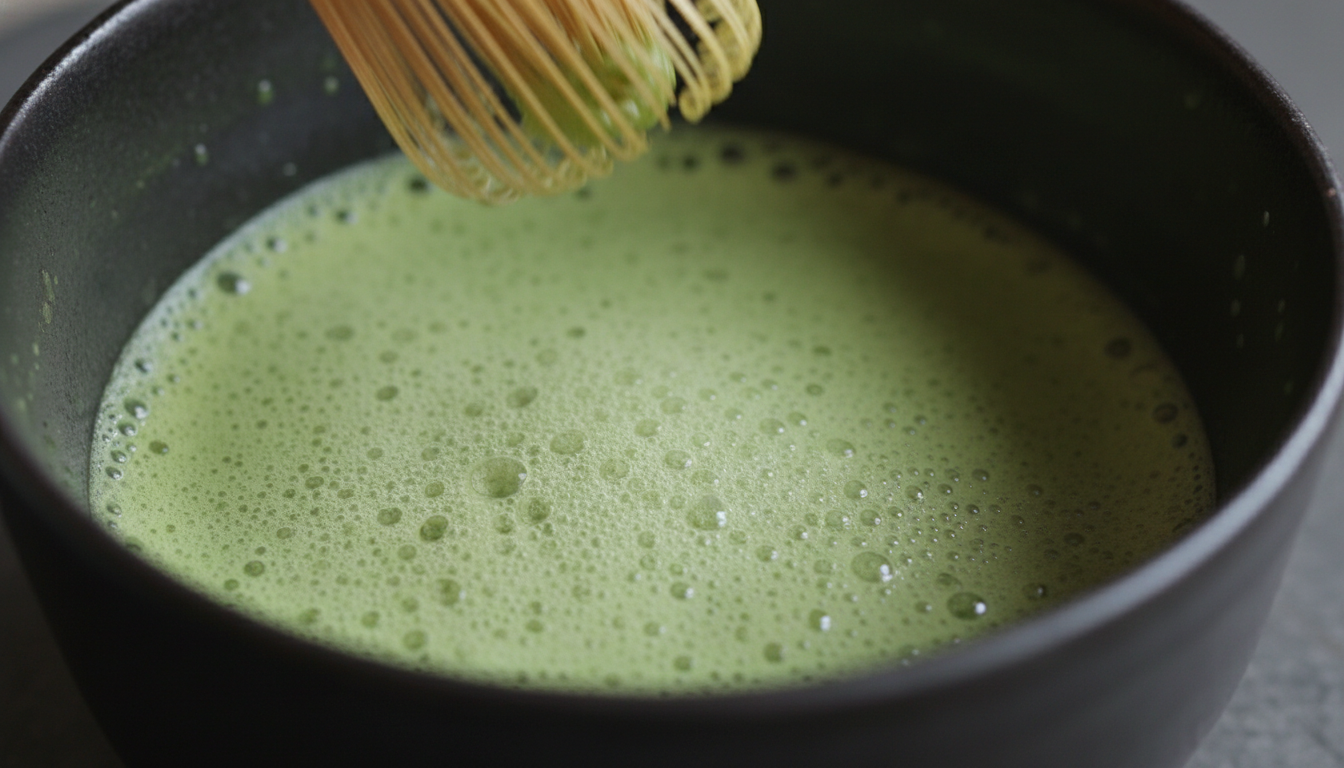
The preparation of these two teas requires entirely different toolsets and techniques.
The Steeping Method (Green Tea)
Preparing green tea is an exercise in temperature and time control.
- Water Temp: Ideally 75°C to 80°C (167°F to 176°F). Boiling water burns the delicate leaves, releasing excess tannins and creating bitterness.
- Time: 1 to 3 minutes.
- Result: A clear, yellowish-green liquid (solute) while the leaves remain in the strainer.
The Whisking Ritual (Matcha)
Matcha preparation is a physical process of suspension. Since the powder does not dissolve in water, it must be aerated to create a stable emulsion.
- Sifting: The fine powder is sifted to remove clumps.
- Water Temp: Similar to green tea (80°C).
- Whisking: Using a Chasen (bamboo whisk), the tea is vigorously whisked in a “W” motion until a thick, frothy “micro-foam” forms on the surface.
- Result: A vibrant, opaque, creamy beverage where you consume the actual tea particles.
Market Applications – Why Beverage Brands Prefer Matcha
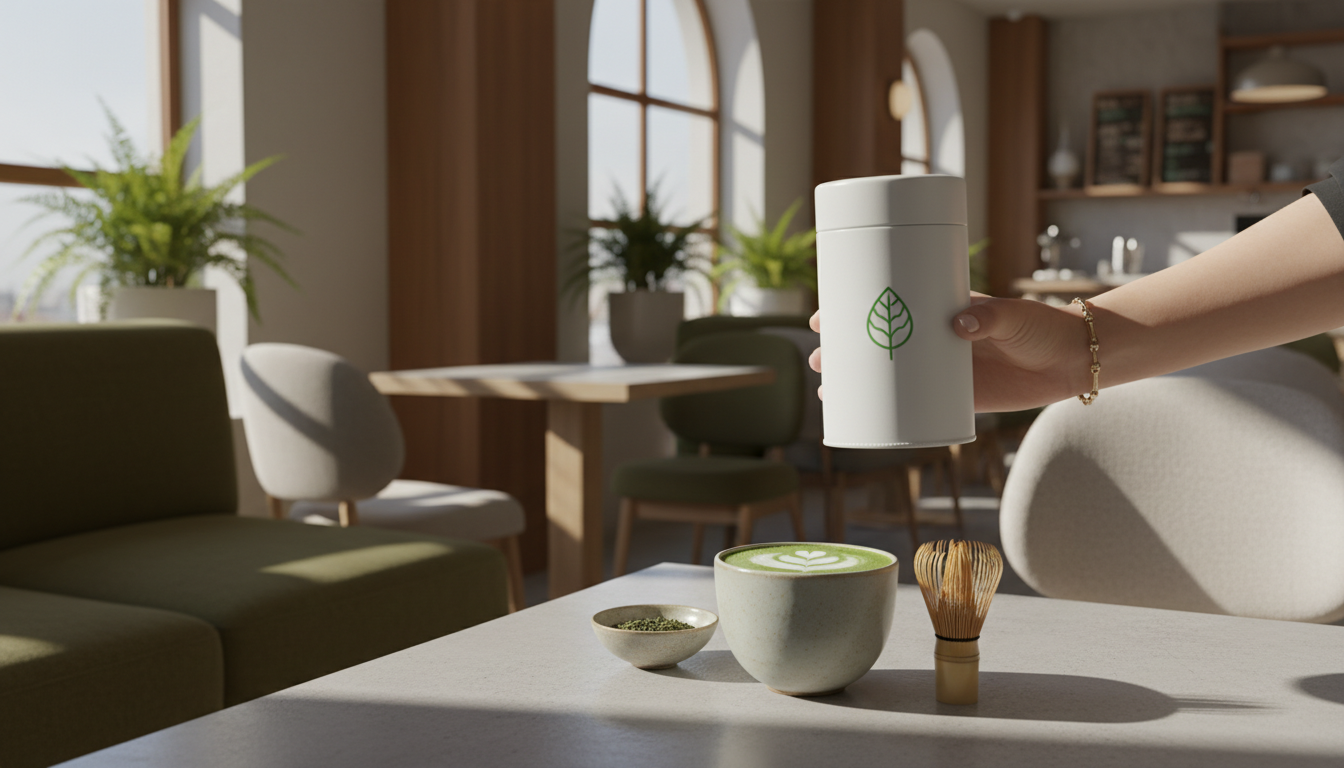
From a B2B perspective, matcha has become the preferred ingredient for global beverage and food brands. Its versatility and aesthetic appeal provide a significant competitive advantage.
Versatility in Formulation
Unlike loose-leaf tea, which requires a brewing step that can be inconsistent in a fast-paced retail environment, matcha powder can be integrated directly into a variety of bases:
- Lattes and Smoothies: The powder blends easily with dairy and plant-based milks.
- Functional Powders: It is a staple in protein blends and “greens” powders.
- Ready-to-Drink (RTD): Brands use matcha for its “clean label” caffeine source and vibrant visual identity.
The Aesthetic Factor
In the age of social media, the visual appeal of a product is paramount. Matcha’s intense green hue is natural and highly “Instagrammable,” signaling health and freshness to the consumer without the need for artificial dyes. Furthermore, its ability to act as a natural food coloring makes it invaluable for bakeries and confectionaries.
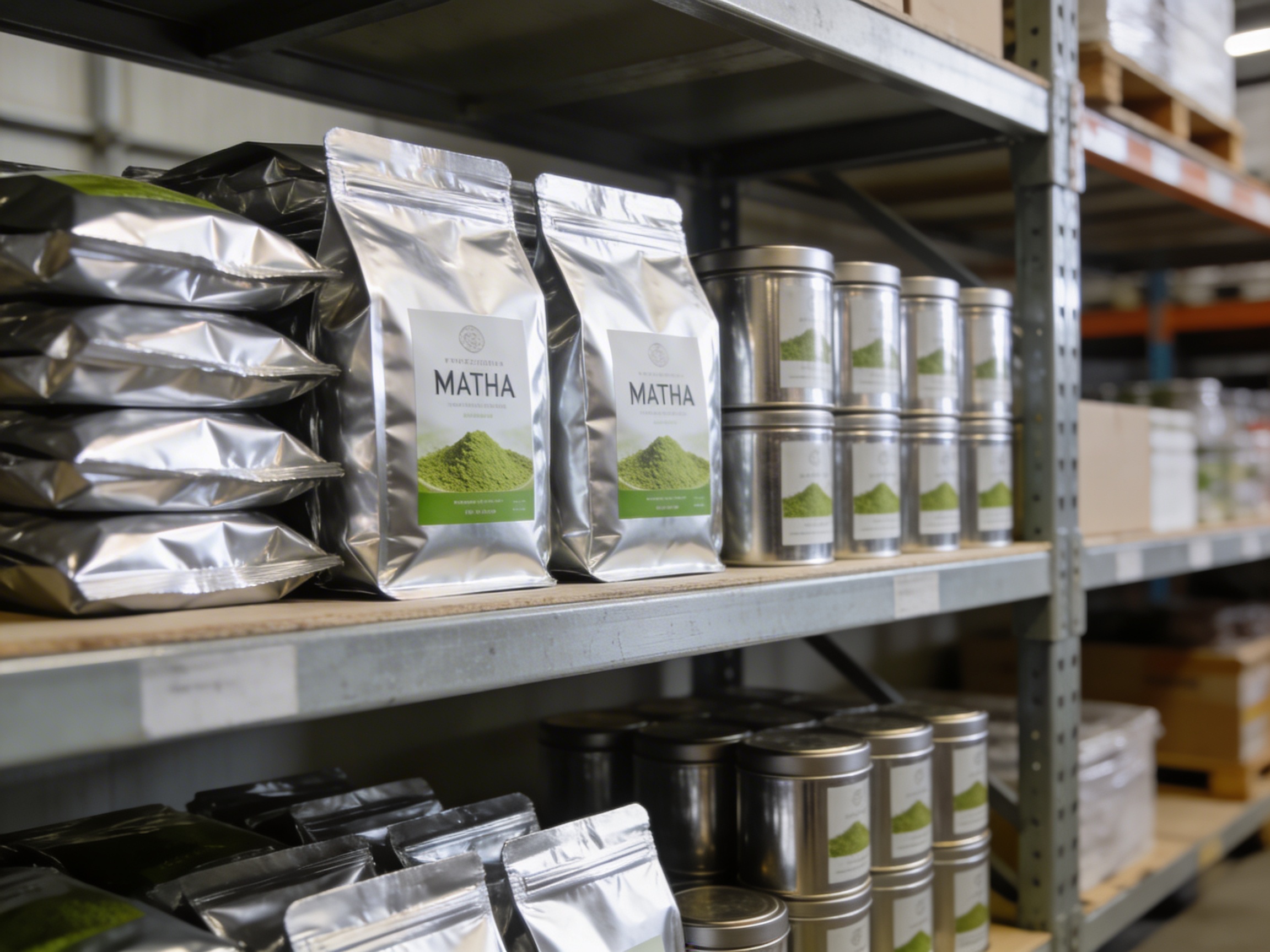
For companies looking to scale, leveraging bulk matcha wholesale allows for the development of high-margin products like matcha ice cream, energy bars, and bottled shots that appeal to the modern, health-conscious demographic.
Understanding Matcha Grades for Sourcing
One of the most critical aspects of sourcing matcha is understanding that “matcha” is not a monolithic product. It exists in a hierarchy of quality based on harvest timing and leaf position. Navigating the different matcha tea grades is essential for both cost-efficiency and product quality.
1. Ceremonial Grade
This is the highest quality available. It is made from the youngest, first-harvest tea leaves (first flush). The stems and veins are completely removed, and the leaves are stone-ground to an ultra-fine consistency.
- Usage: Intended to be whisked with only water and enjoyed pure.
- Characteristics: Vibrantly green, naturally sweet, zero bitterness.
- Sourcing: Brands looking for the ultimate luxury experience should seek out ceremonial grade matcha .
2. Premium Grade
Often used in high-end cafes, premium grade is a bridge between ceremonial and culinary. It has a vibrant color and a clean flavor that holds up well when mixed with milk but is still smooth enough to drink plain.
3. Culinary Grade
Culinary grade is harvested later in the season (second or third flush). Because the leaves have spent more time in the sun, they have a higher catechin content, which results in a more robust, slightly bitter flavor.
- Usage: Baking, smoothies, chocolates, and cooking.
- Characteristics: Dullish green color, stronger “tea” flavor, more cost-effective.
- Sourcing: For industrial applications or large-scale food production, culinary grade matcha provides the necessary flavor profile to cut through other ingredients.
Quality Control – How to Identify High-Quality Matcha
As the popularity of matcha grows, the market has been flooded with low-quality “green tea powders” masquerading as authentic matcha. Identifying true quality requires a multi-sensory evaluation.
The Five Indicators of Quality
- Color: High-quality matcha should be a vibrant, “electric” green. Dull, brownish, or yellowish tones indicate old leaves, poor shading, or oxidation.
- Texture: It should feel like fine talcum powder (5-10 microns). If it feels gritty or sandy between your fingers, it was not ground properly.
- Scent: Premium matcha has a “fresh” smell—grassy, sweet, and slightly nutty. A stale or hay-like smell indicates poor storage.
- Taste: The primary note should be umami followed by a slight sweetness. Intense bitterness is a sign of low-quality leaves or “industrial” grade powder.
- Froth: When whisked, high-quality matcha produces a fine, stable micro-foam. Low-quality matcha will have large, unstable bubbles that dissipate quickly.
Sourcing and Traceability
For businesses, the risks of pesticide residues and heavy metals are a major concern. Partnering with a reputable private label matcha supplier like Riching Matcha ensures that the product is backed by international certifications (USDA Organic, EU Organic) and rigorous lab testing (SGS, Eurofins). This level of quality control is what separates a world-class brand from a generic one.
Conclusion – Making the Right Choice for Your Brand or Lifestyle
In the battle of Matcha vs. Green Tea, there is no objective “winner,” but there is a “correct” choice depending on the context.
- For the Daily Ritual: Regular green tea (Sencha) is an excellent, affordable, and hydrating beverage for those who enjoy a light, refreshing tea throughout the day.
- For the Health Optimizer: Matcha is the superior choice. Its concentration of EGCG, L-theanine, and fiber makes it a functional powerhouse that regular green tea cannot match.
- For the Business Owner: Matcha offers higher versatility, better margins, and a stronger “superfood” marketing angle. Whether you are launching a cafe or a line of functional snacks, the distinct grades of matcha allow for precise product positioning.
The transition from being a casual tea drinker to a matcha enthusiast—or from a standard beverage brand to a premium one—requires an appreciation for the details. From the shading of the leaves to the precision of the stone grinding, every step in the matcha process is designed to create a product that is more than just a drink; it is a concentrated essence of wellness.
Frequently Asked Questions (FAQs)

1. Is matcha really that much healthier than regular green tea?
Yes, from a concentration standpoint. Because you ingest the entire leaf, you receive 100% of the nutrients. With steeped green tea, you only consume the water-soluble elements, leaving the majority of antioxidants and fiber behind in the leaves. To match the EGCG levels in one serving of matcha, you would need to drink approximately 10 to 15 cups of regular green tea.
2. Why is matcha so much more expensive than regular green tea?
The price reflects the labor-intensive production process. Matcha requires:
- Manual Shading: Setting up and maintaining tea covers for 3 weeks.
- Selective Harvesting: Hand-picking only the youngest buds.
- De-veining: Removing all non-leaf material to ensure a smooth powder.
- Stone Grinding: To prevent heat damage, granite mills grind the tea very slowly (often only 30g per hour). Regular green tea is often machine-harvested and processed in bulk, leading to much lower production costs.
3. Can I use green tea powder as a substitute for matcha in baking?
While they may look similar, “green tea powder” is often just ground-up Sencha that hasn’t been shaded or de-veined. Using it as a substitute for matcha will result in a much more bitter, brownish-yellow product that lacks the creamy texture and vibrant color of authentic matcha. For the best results, always use a dedicated culinary-grade matcha for food applications.
4. How does matcha benefit my business compared to loose-leaf tea?
Matcha is a “value-added” ingredient. It allows you to create high-demand items like “Matcha Lattes,” which typically command a higher price point than a standard cup of tea. Additionally, its powdered form makes it highly efficient for kitchen operations—there are no wet tea leaves to dispose of, and the preparation time (once mastered) is very fast.
5. Will the caffeine in matcha make me feel anxious like coffee does?
Generally, no. While matcha has a high caffeine content, it also contains high levels of L-theanine. This amino acid promotes relaxation and counteracts the “jittery” side effects of caffeine. Most users report a “calm energy” that lasts for several hours, without the heart palpitations or “crash” associated with coffee or standard energy drinks.