
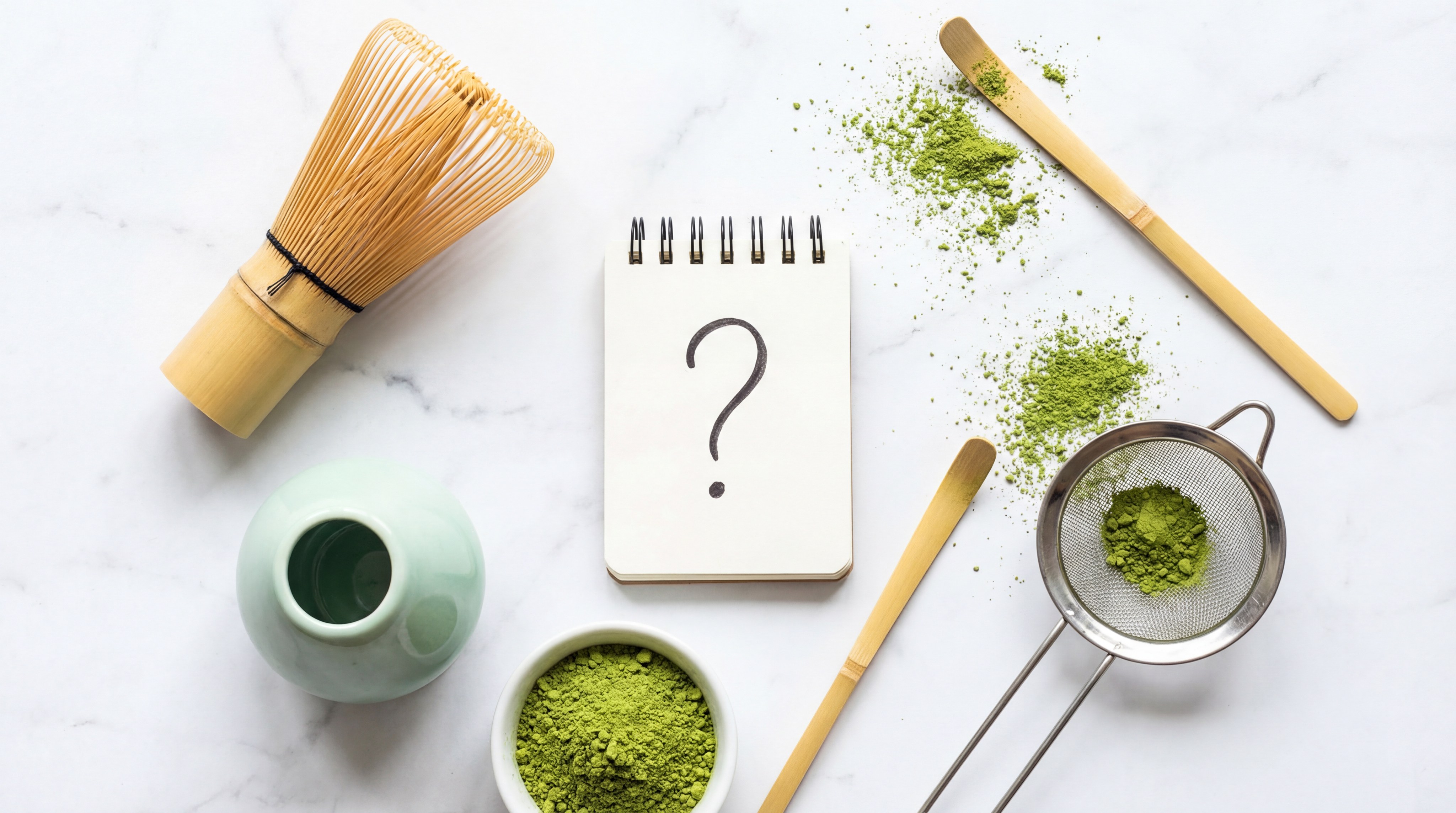
Matcha is a finely ground powder of specially grown and processed green tea leaves that offers a unique combination of sustained energy and meditative focus. Unlike traditional tea, where the leaves are steeped and then discarded, matcha involves consuming the entire leaf, providing a more concentrated profile of nutrients and flavors. This ancient Japanese tradition has transcended its ceremonial roots to become a cornerstone of contemporary health, prized for its ability to provide a “calm alertness” that coffee simply cannot replicate.
How does matcha differ nutritionally from standard steeped green tea?
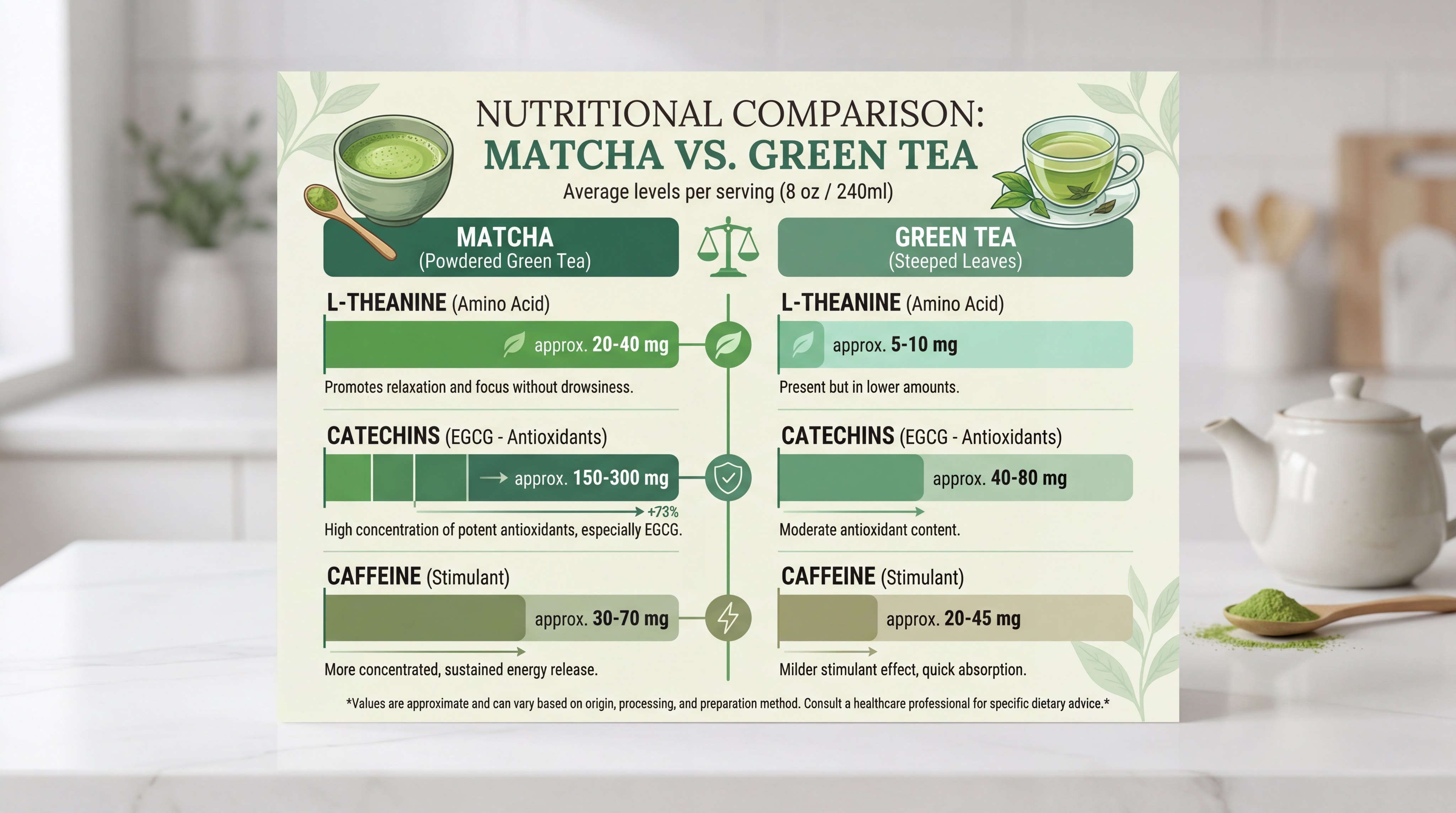
Nutritionally, matcha is significantly more potent than steeped green tea because it contains higher concentrations of antioxidants, vitamins, and minerals. While a cup of steeped tea provides a gentle infusion of water-soluble nutrients, matcha delivers the full spectrum of the tea plant’s benefits, including fiber and chlorophyll. For those seeking variety in their green tea journey, understanding the health benefits of Hojicha can provide a lower-caffeine alternative that still offers a rich, roasted nutritional profile.
What are the primary health benefits of consuming matcha regularly?

Regular matcha consumption provides a formidable dose of EGCG (epigallocatechin gallate), a catechin known for its metabolic support and cellular protection properties. Beyond the physical, the presence of the amino acid L-theanine promotes the production of alpha waves in the brain, inducing a state of relaxation without the accompanying drowsiness. This synergy of caffeine and L-theanine creates a steady release of energy, preventing the “crash” often associated with other stimulants and supporting long-term cognitive health.
How much matcha is safe to consume on a daily basis?
Most health experts suggest that consuming one to two servings of matcha per day is ideal for most healthy adults to reap benefits without over-consuming caffeine. While it may be tempting to indulge frequently, it is helpful to consider how much matcha powder cafés use to gauge your own intake at home, as commercial servings often contain 2 to 4 grams per cup. Moderation ensures that the body remains sensitive to its beneficial compounds while avoiding the potential for digestive or sleep-related side effects.
When is the most effective time of day to drink matcha?
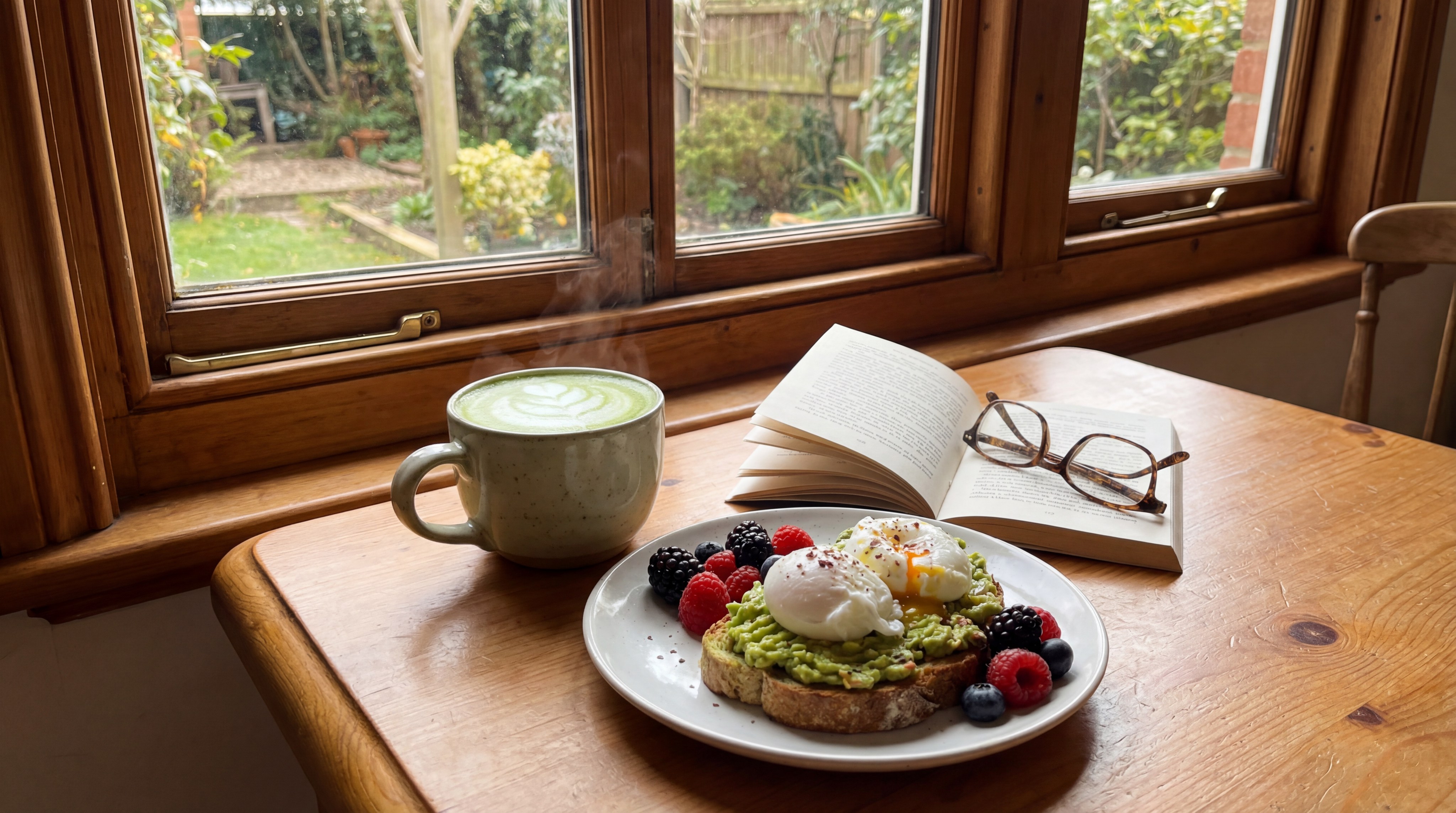
The ideal time to drink matcha is during the mid-morning or early afternoon, roughly one to two hours after a meal. Consuming it during these windows allows the caffeine to provide a cognitive boost when natural energy levels often dip, without interfering with the body’s cortisol production early in the morning. Additionally, avoiding matcha in the late evening is recommended to ensure that the sustained energy release does not disrupt your natural circadian rhythm or sleep quality.
Can you drink matcha on an empty stomach without issues?
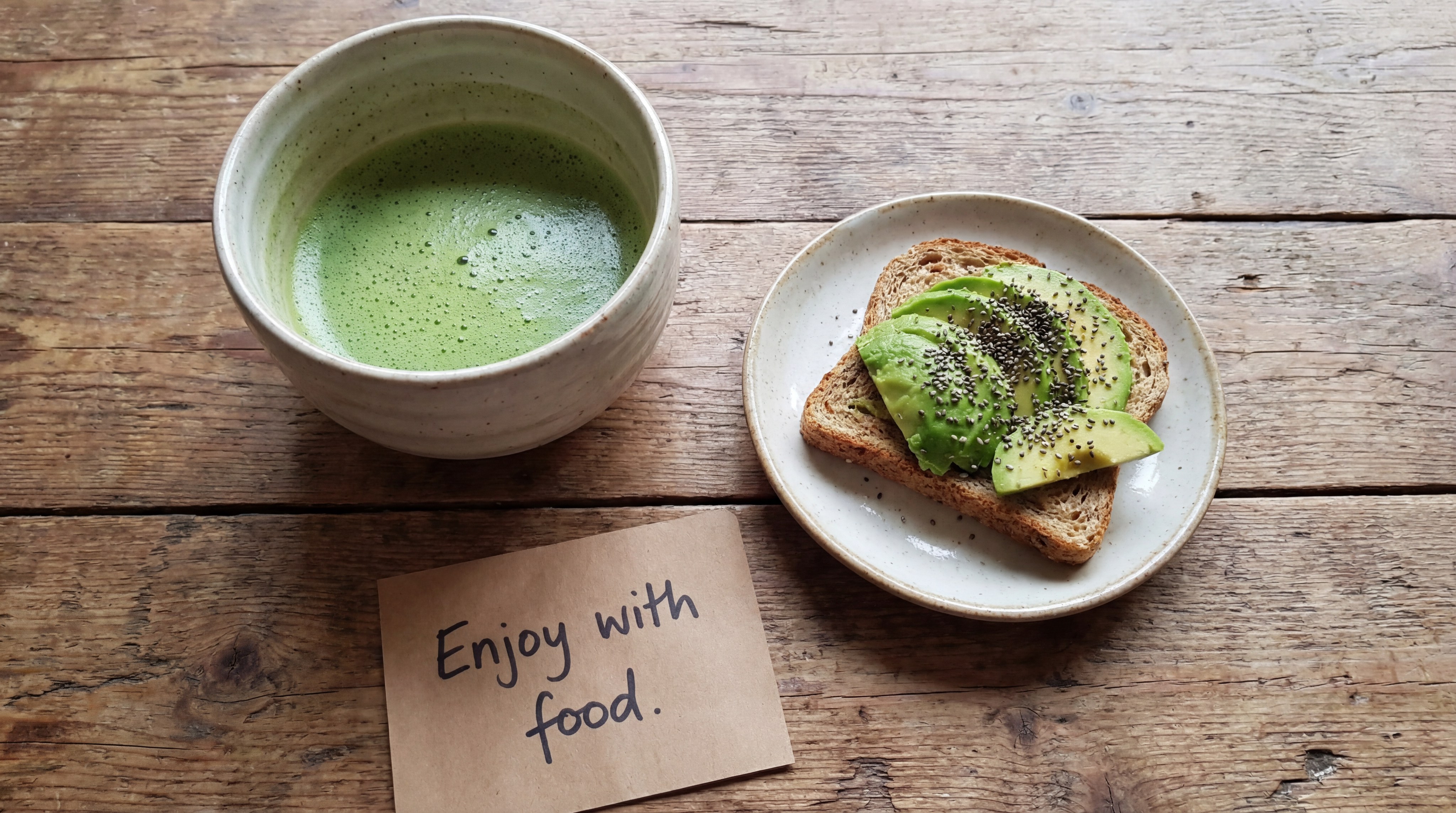
Drinking matcha on a completely empty stomach can occasionally lead to stomach upset or nausea due to its high tannin content and acidic nature. While many practitioners of intermittent fasting wonder, “ does matcha break a fast ,” the answer generally depends on your specific goals; however, for comfort, it is often best paired with a small snack or a balanced meal. The presence of food helps buffer the stomach lining against the tea’s potent polyphenols.
Why do some people experience nausea after drinking matcha?

Nausea associated with matcha is typically a biological reaction to the concentrated tannins, which can increase stomach acid and irritate the digestive tract. This sensitivity is often exacerbated if the tea is prepared with water that is too hot or if the matcha is consumed too quickly. To mitigate this, ensure you are using high-quality ceremonial powder and consider lowering the water temperature to roughly 175°F (80°C) to prevent the over-extraction of bitter, irritating compounds.
Does matcha interfere with the absorption of iron from your meals?
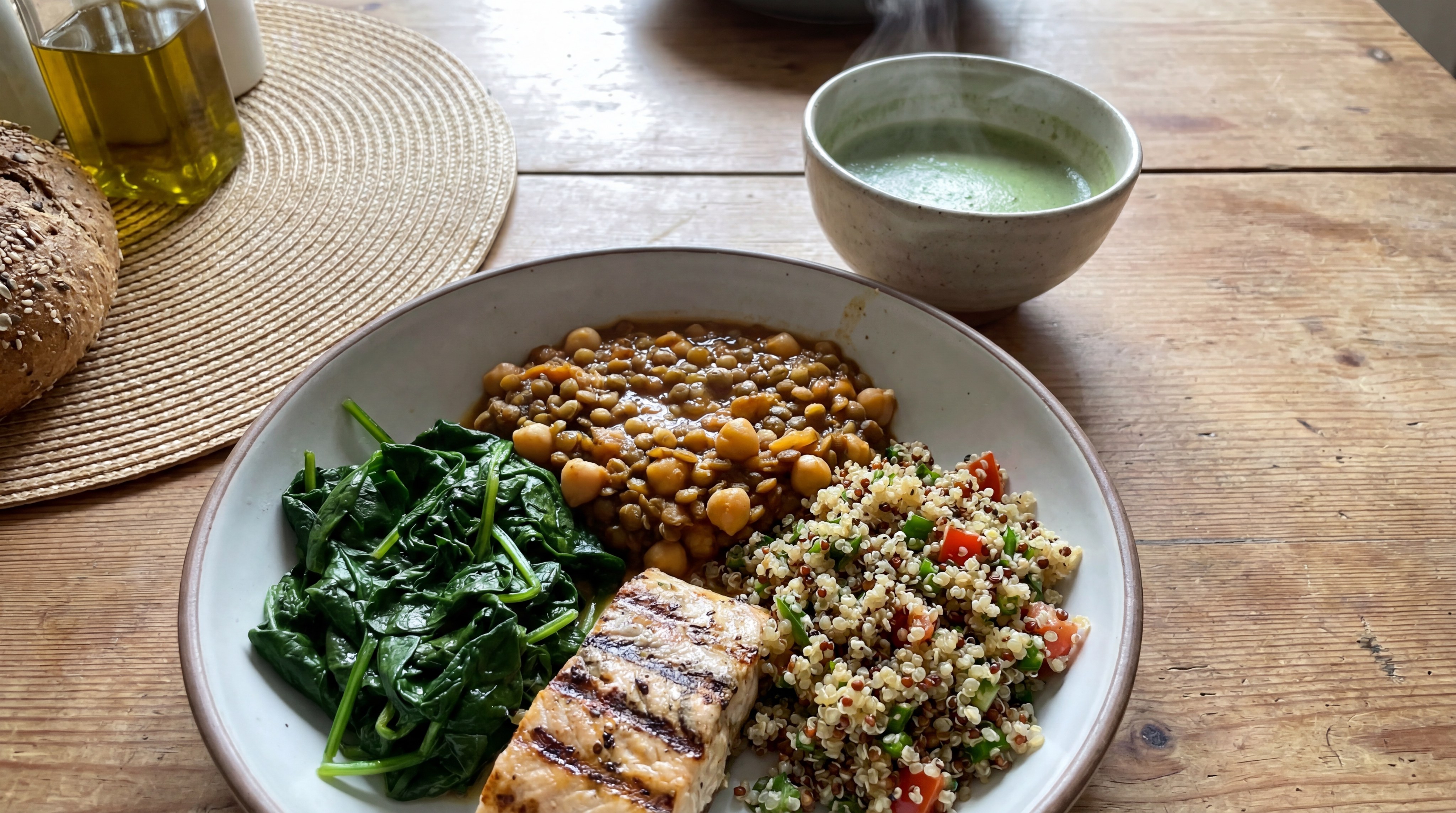
Yes, the polyphenols and tannins in matcha can inhibit the absorption of non-heme iron, which is the type of iron found in plant-based foods. This interaction occurs primarily when matcha is consumed simultaneously with an iron-rich meal. To maintain optimal mineral levels, particularly for those on vegetarian or vegan diets, it is sophisticated practice to wait at least an hour after eating before enjoying your matcha bowl, allowing your body to process the nutrients from your food first.
What are the potential risks of consuming too much caffeine through matcha?

Excessive intake of matcha can lead to symptoms of caffeine overload, such as palpitations, restlessness, and increased anxiety in sensitive individuals. Because matcha is a whole-leaf product, it contains more caffeine per gram than steeped tea, meaning its effects can be deceptively strong. Monitoring your body’s response is essential; if you find yourself feeling overly stimulated or unable to focus, it may be a sign to reduce the quantity of powder used in your daily preparation.
How can you achieve the perfect flavor balance in your matcha cup?
Achieving a harmonious flavor profile involves balancing the natural umami and bitterness of the tea with precise water temperature and high-quality additives. For many, experimenting with matcha and honey for a latte provides a gentle sweetness that rounds out the earthy notes of the tea without overpowering its delicate aroma. Using a proper ratio—typically one teaspoon of powder to two ounces of water for a concentrated “koicha” or more for a “usucha”—is the foundation of a well-balanced drink.
What is the traditional way to prepare a ceremonial bowl of matcha?
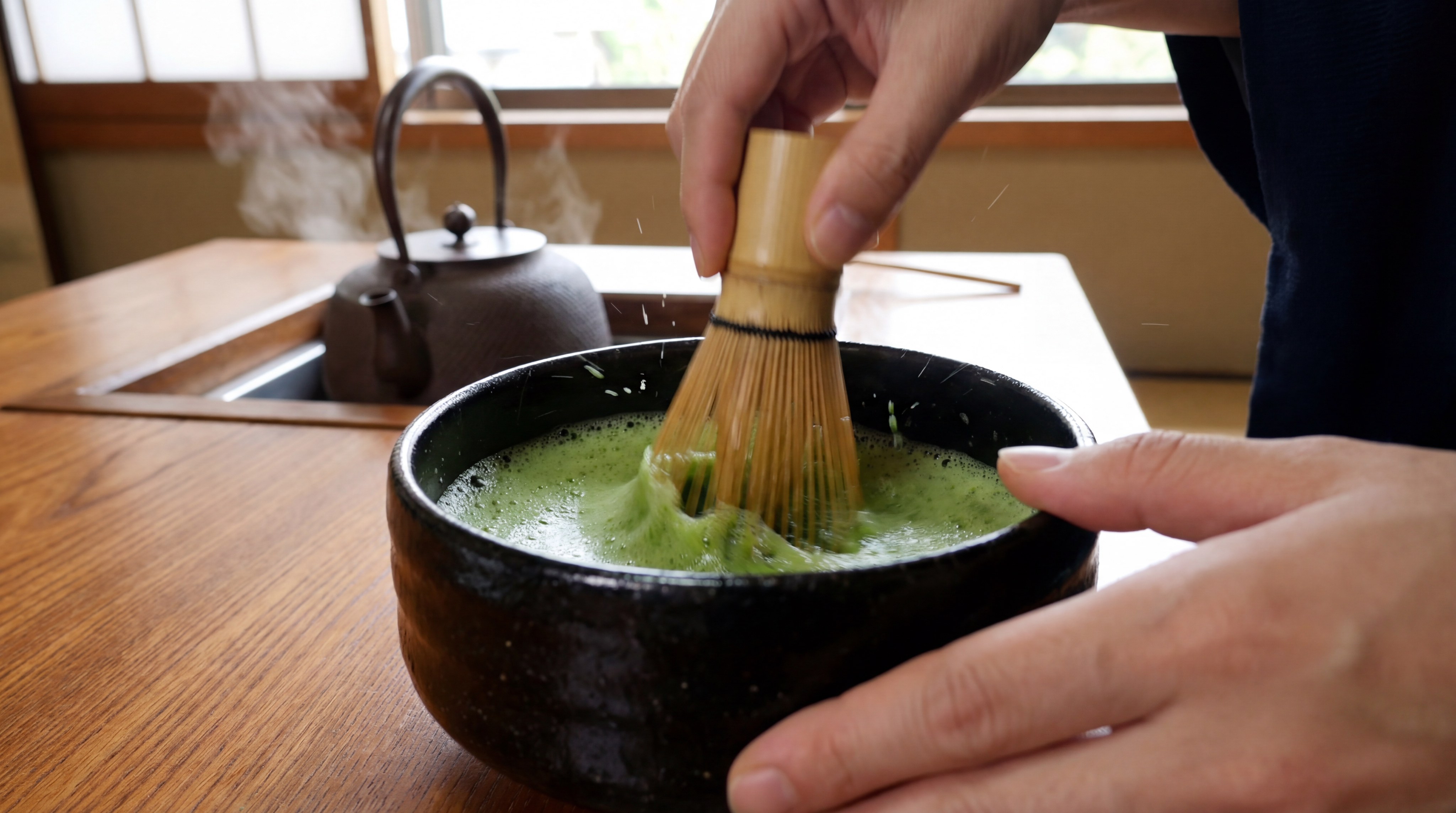
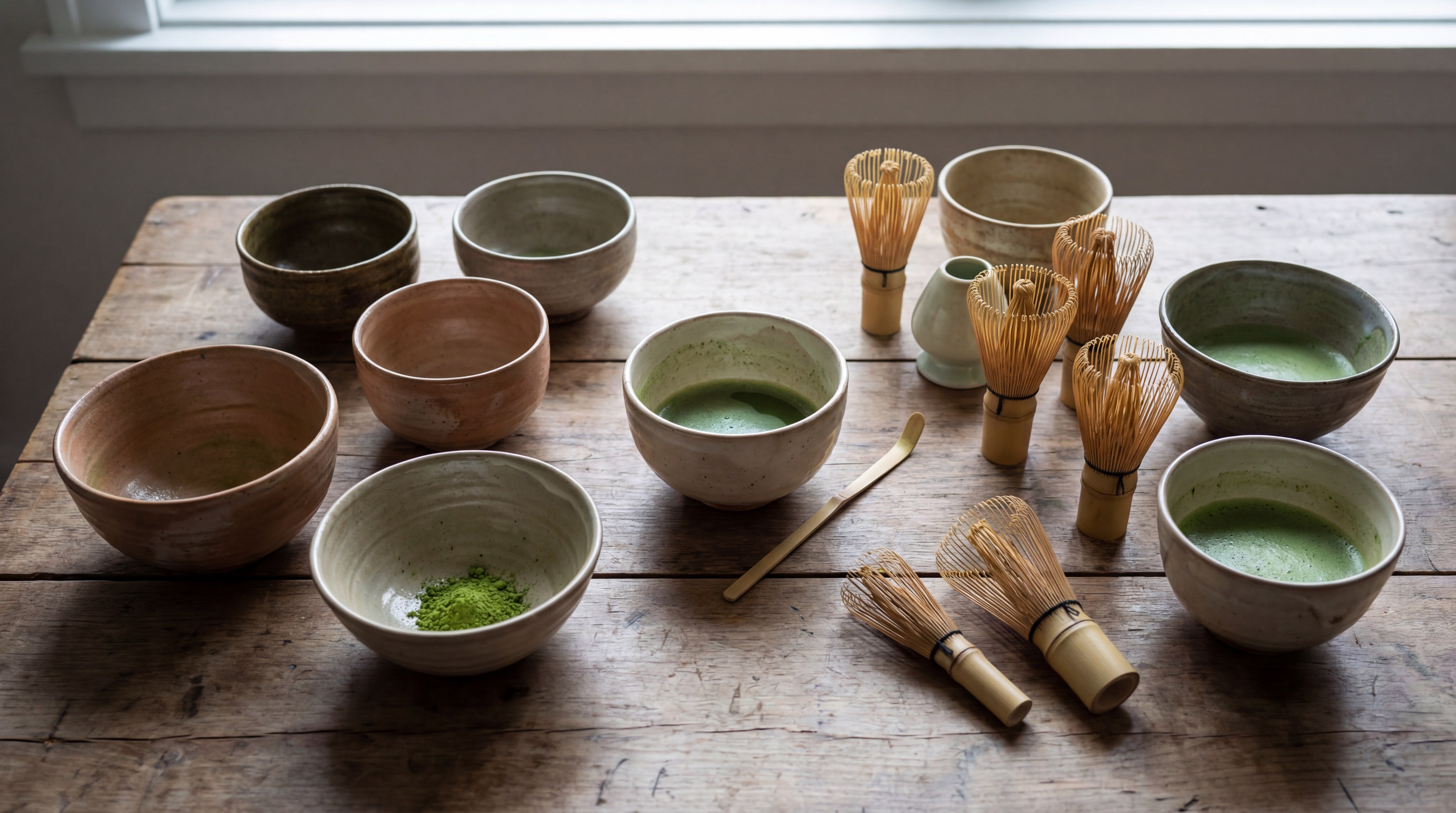
The traditional preparation of matcha, known as “temae,” involves whisking the powder with a bamboo chasen in a zig-zag motion until a thick, frothy foam develops on the surface. This process is not merely about mixing; it is a meditative act that aerates the tea, softening its texture and releasing its complex aromatic profile. Using a warmed ceramic bowl (chawan) and a bamboo scoop (chashaku) ensures that the temperature remains stable and the measurements remain precise.
Which groups of people should exercise caution when drinking matcha?
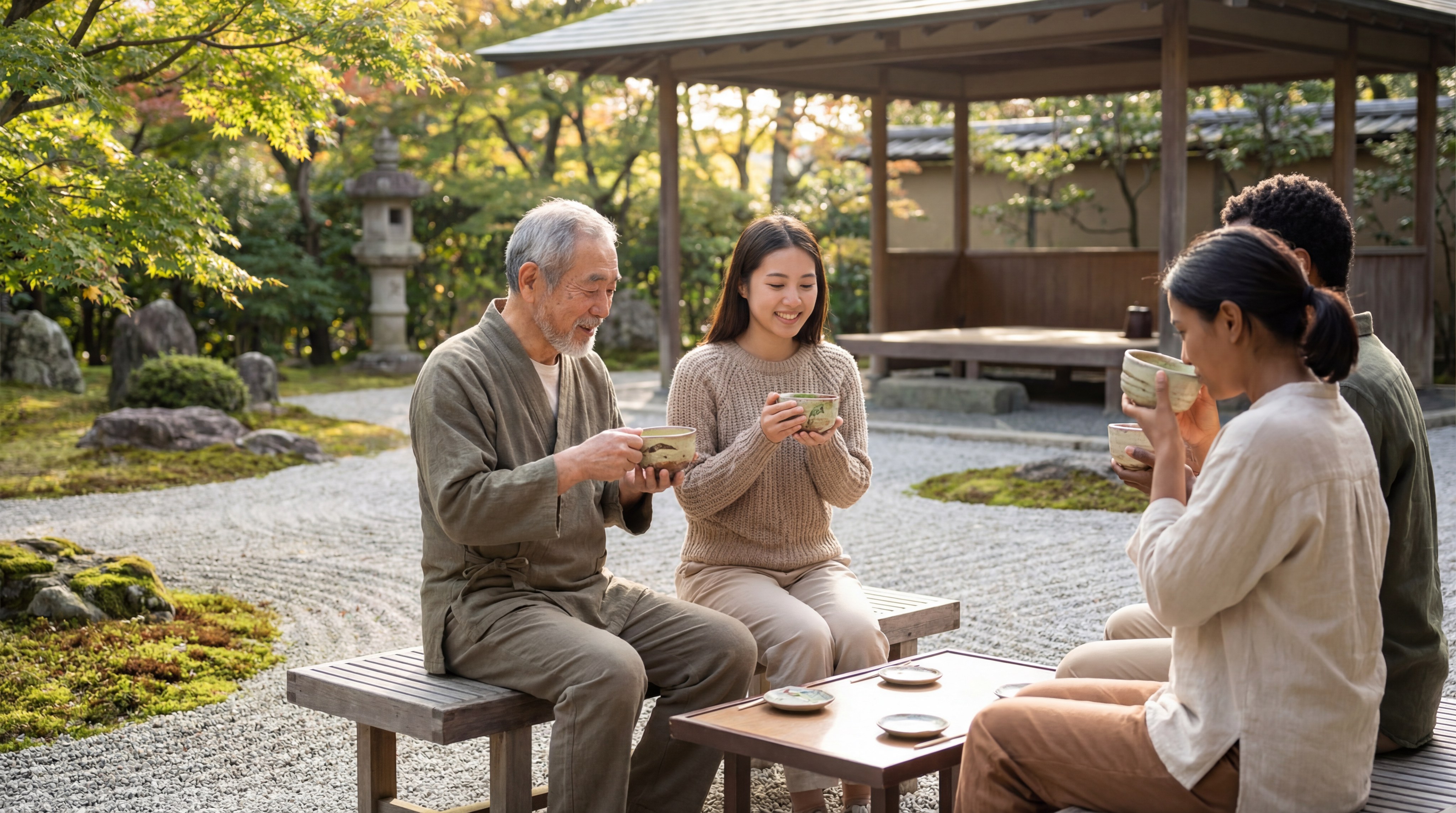
Individuals who are pregnant, breastfeeding, or those with diagnosed iron-deficiency anemia should consult with a healthcare provider before making matcha a daily habit. Furthermore, those with severe caffeine sensitivities or certain heart conditions may find the stimulatory effects of matcha too intense. For these groups, enjoying the tea in smaller, less frequent quantities or opting for lower-caffeine green tea varieties may be a more suitable path to harmony.
What are the most frequently asked questions regarding matcha preparation?
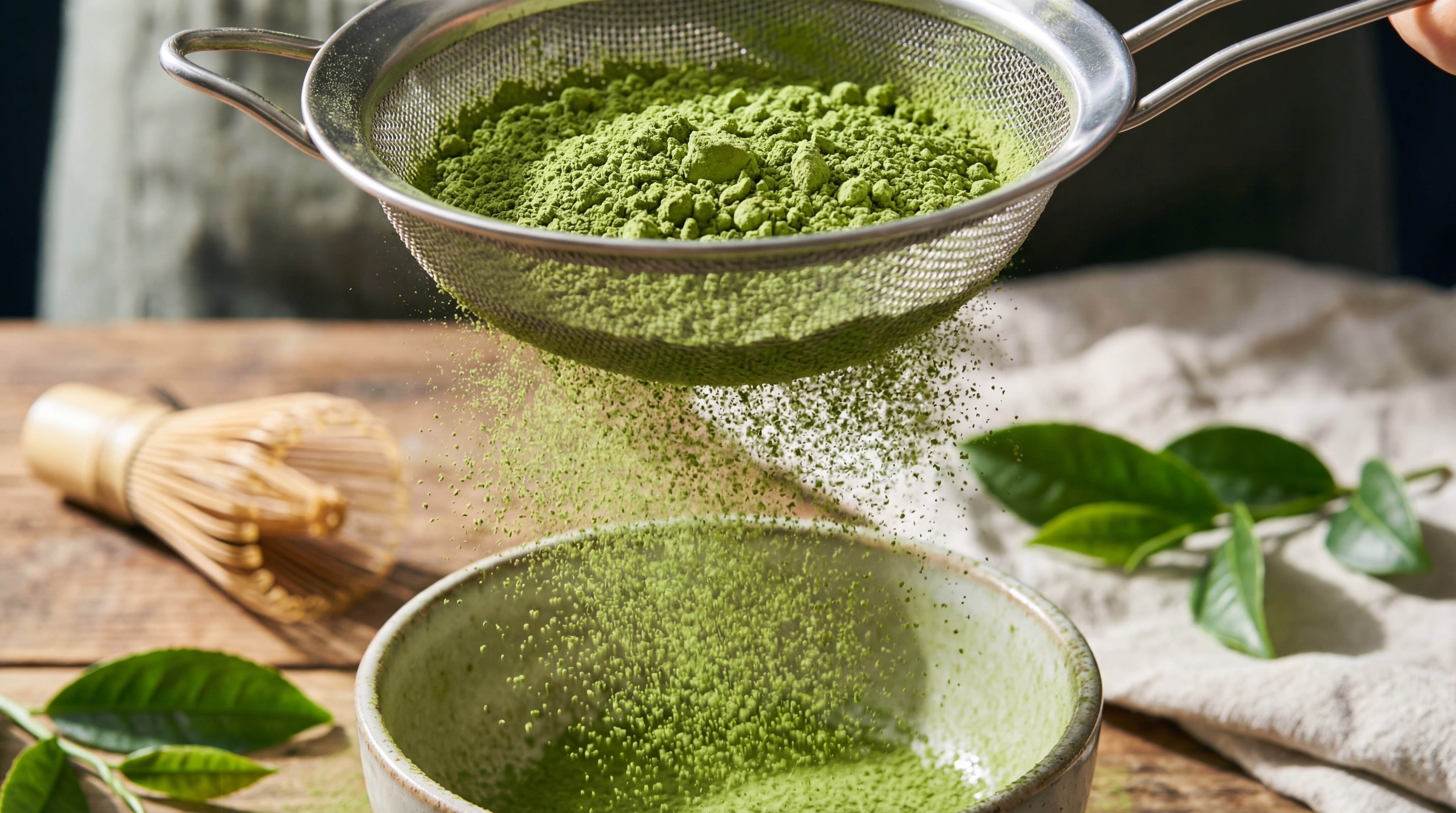
Common questions often focus on how to prevent clumping and whether the powder can be used in cold applications. Sifting the matcha through a fine-mesh strainer before adding water is the most effective way to ensure a smooth, lump-free beverage. While traditionalists prefer warm water, matcha is incredibly versatile and can be incorporated into refreshing iced drinks or even culinary creations, provided the quality of the powder is high enough to stand up to other ingredients.
How can you distinguish between ceremonial grade and culinary grade matcha?
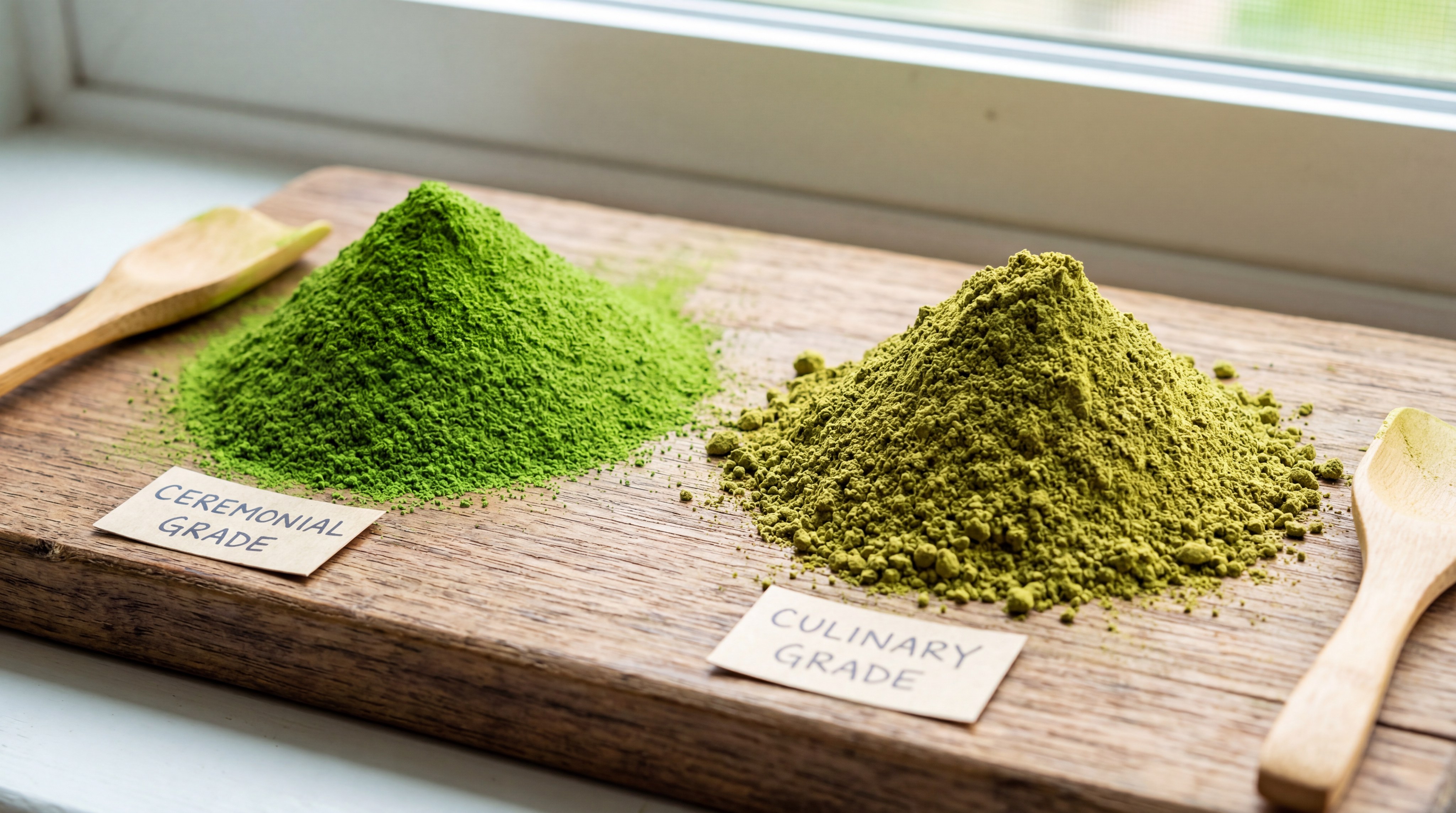
Distinguishing between grades requires an eye for color and an appreciation for aroma; ceremonial grade is characterized by a vibrant, “electric” green hue and a silky-fine texture. Learning how to judge ceremonial grade matcha involves evaluating the taste for a balance of sweetness and umami, whereas culinary grade tends to be more yellow-toned and bitter. While culinary grade is excellent for baking, only ceremonial grade should be used for drinking plain with water to ensure a sophisticated experience.
How do you integrate matcha into a lifestyle of harmony and health?
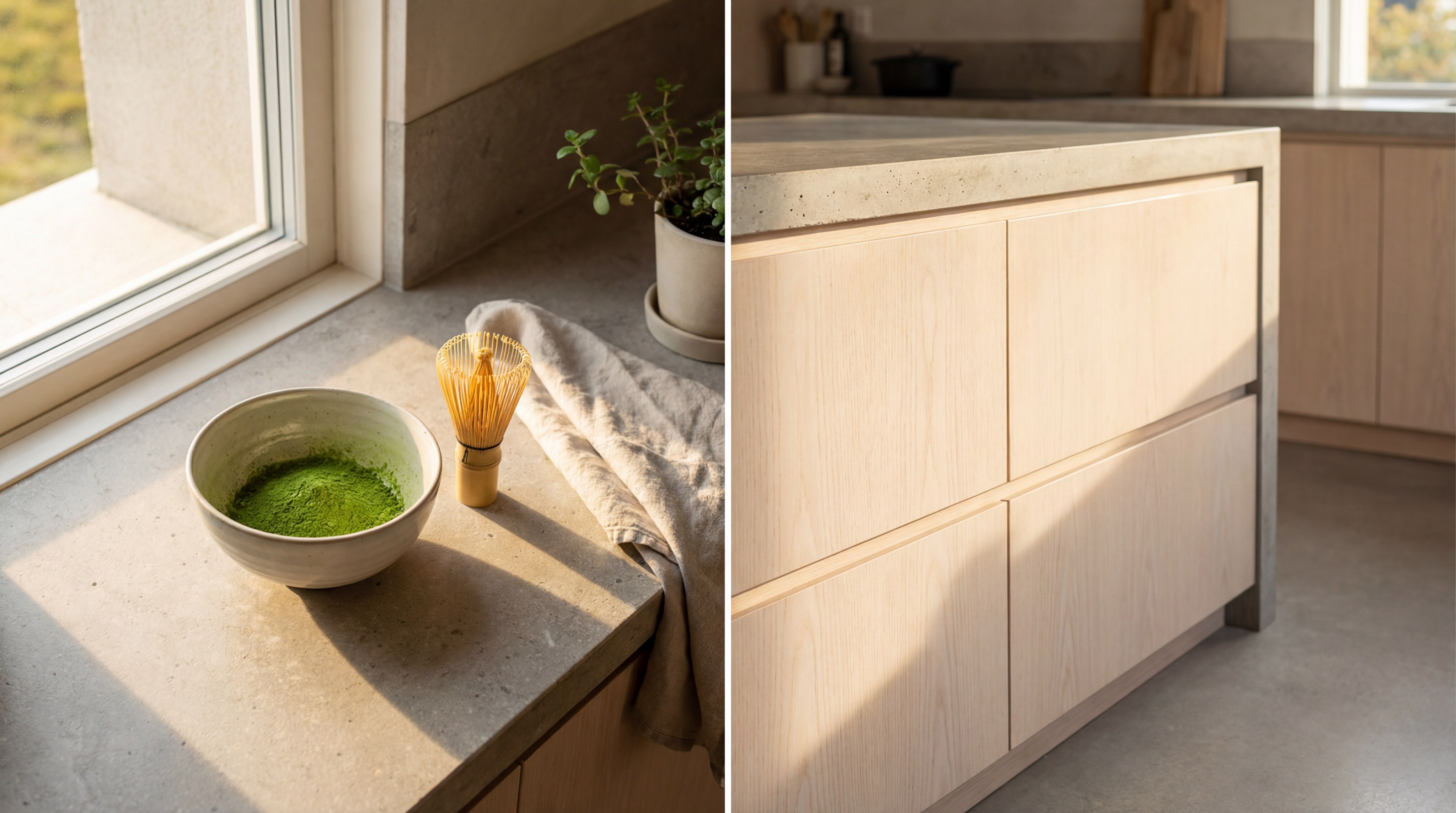
Integrating matcha into your life is about more than just nutrition; it is about creating a dedicated moment of stillness in an otherwise chaotic day. By selecting the right grade, preparing it with care, and respecting your body’s unique timing and digestive needs, you transform a simple beverage into a powerful tool for wellness. Whether you are whisking a traditional bowl or crafting a modern latte, the key is consistency and mindfulness. To begin your journey with the finest organic selections, contact us today and discover the difference that quality makes.