
Achieving a vibrant, lump-free cup of green tea is often more difficult than it looks, leading many enthusiasts to settle for a bitter, clumpy mess. This frustration often causes people to give up on their health journey, wasting premium powder and missing out on the sustained energy and mental clarity promised by this ancient superfood. The best way to drink matcha is to use high-quality ceremonial grade powder whisked into hot water at exactly 80°C to unlock its natural umami sweetness. By mastering a few professional techniques, you can transform this powder from a gritty chore into a luxurious daily ritual that powers your focus for hours.
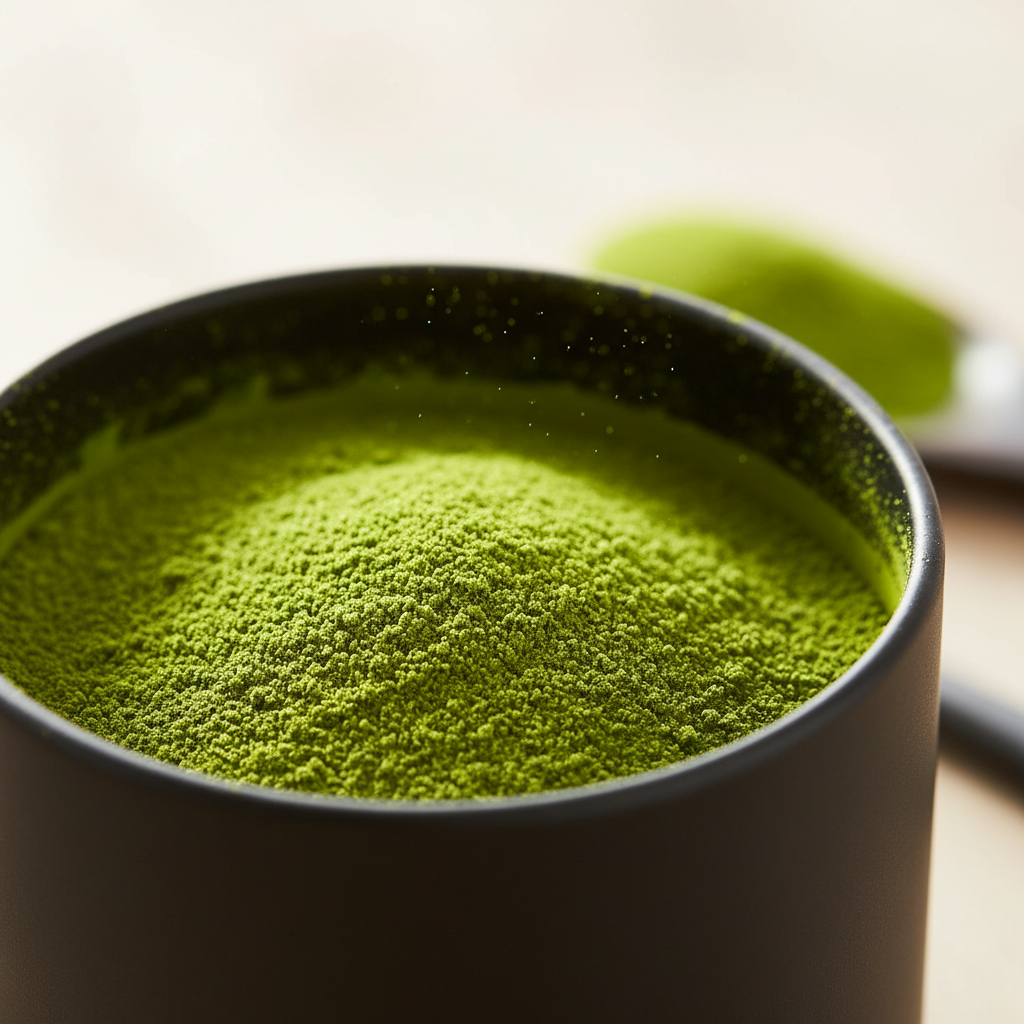
Ceremonial grade is the gold standard for pure drinking because it utilizes the youngest, most tender tea leaves harvested during the first flush of spring to provide a naturally sweet, umami-rich flavor. The best way to drink matcha in its purest form is to utilize stone-ground ceremonial powder which provides the maximum concentration of L-theanine for focused energy.
Why does leaf age matter for quality?
The timing of the harvest is the single most important factor in determining the final taste and nutritional density of the powder. Younger leaves contain significantly less caffeine-related bitterness and more of the savory umami notes that enthusiasts crave.
Think about it:
- First-flush leaves are stone-ground slowly to prevent heat friction.
- Shade-growing for three weeks before harvest boosts amino acid content.
- The stems and veins are meticulously removed to ensure a silky texture.
How does the color indicate purity?
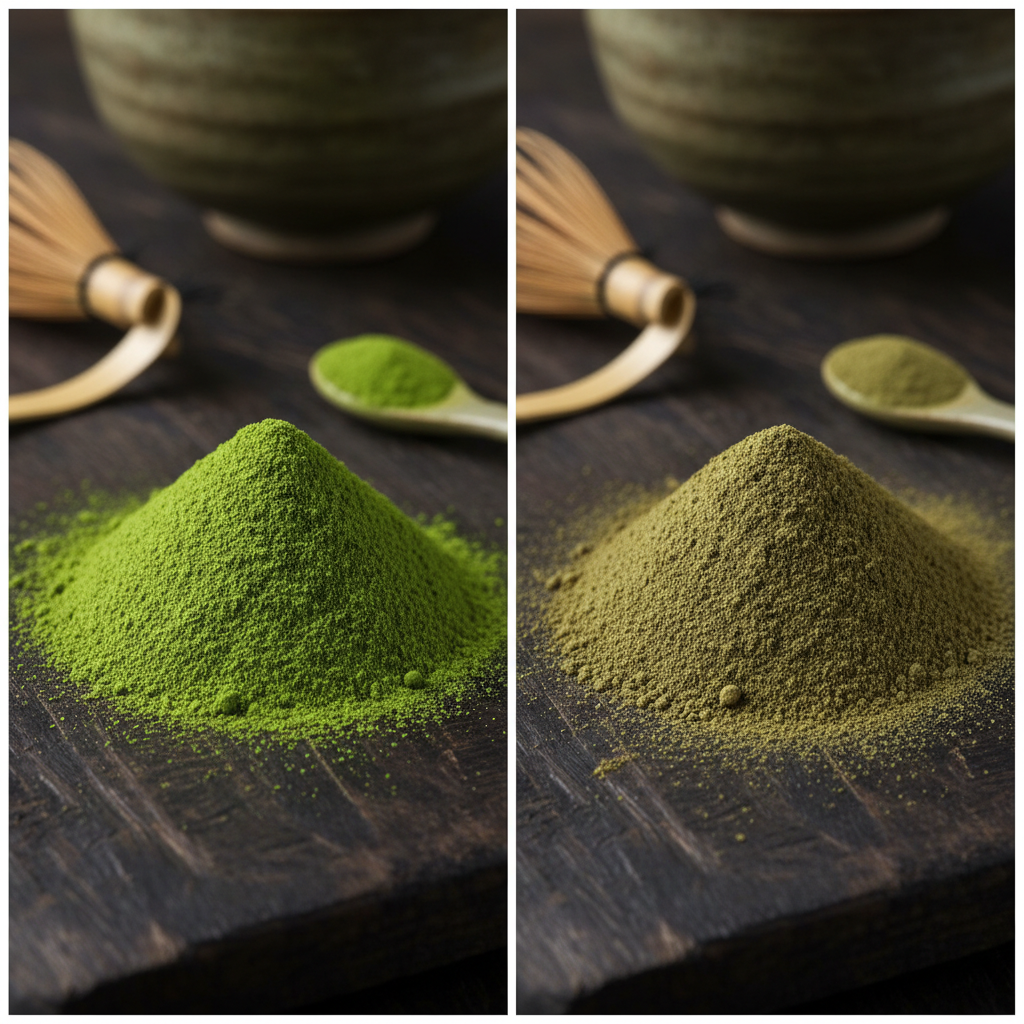
A brilliant, electric green hue is the hallmark of a high-quality ceremonial powder, signaling a high concentration of antioxidants and fresh nutrients. Dull, yellow, or brownish tints usually indicate older leaves or poor storage conditions that have led to oxidation.
Key Takeaway for Grade Selection: The choice between grades determines whether your drink will be a smooth experience or an astringent struggle. While other grades have their place in the kitchen, ceremonial remains the gold standard for pure drinking.
Grade Type | Primary Use | Taste Profile | Color Profile |
|---|---|---|---|
Ceremonial | Traditional Tea | Naturally Sweet/Umami | Vibrant Electric Green |
Premium | Lattes & Blends | Balanced/Light Bitterness | Bright Green |
Culinary | Baking & Cooking | Strong/Robust/Bitter | Olive or Dull Green |
2. Is whisking the best way to drink matcha for texture?
Whisking with a traditional bamboo chasen is the essential technique for aerating the tea to create a creamy micro-foam that enhances both mouthfeel and aroma. Traditional tools are not just for show; they serve a functional purpose in aerating the tea to create a creamy froth that a mechanical stirrer simply cannot replicate.
What is the role of the bamboo whisk?
A bamboo whisk features dozens of fine, flexible prongs designed specifically to break up micro-clumps that a standard spoon simply cannot reach. This mechanical agitation ensures that every particle of the powder is fully suspended in the water, preventing a gritty residue at the bottom of your cup.
Believe it or not:
- The “W” or “M” whisking motion is more effective than circular stirring.
- Softening the whisk in warm water before use prevents the prongs from snapping.
- High-speed whisking for 20 seconds creates a stable, velvety head of foam.
Does an electric frother work as well?
While an electric frother is a convenient modern tool for making lattes, it often fails to produce the same stable, velvety micro-foam found in traditional preparation. It is useful for high-volume environments, but the texture is generally thinner and contains larger air bubbles.
Key Takeaway for Whisking Techniques: Mastering the whisking process is essential for achieving the signature texture that separates professional tea from amateur attempts. The tools you choose directly impact the suspension and mouthfeel of the final beverage.
Tool | Aeration Quality | Speed | Skill Required |
|---|---|---|---|
Bamboo Whisk | High (Micro-foam) | 20-30 seconds | Moderate |
Electric Frother | Medium (Large bubbles) | 10-15 seconds | Low |
Metal Spoon | None (Clumpy) | 60+ seconds | High |
3. Is a latte the best way to drink matcha for beginners?
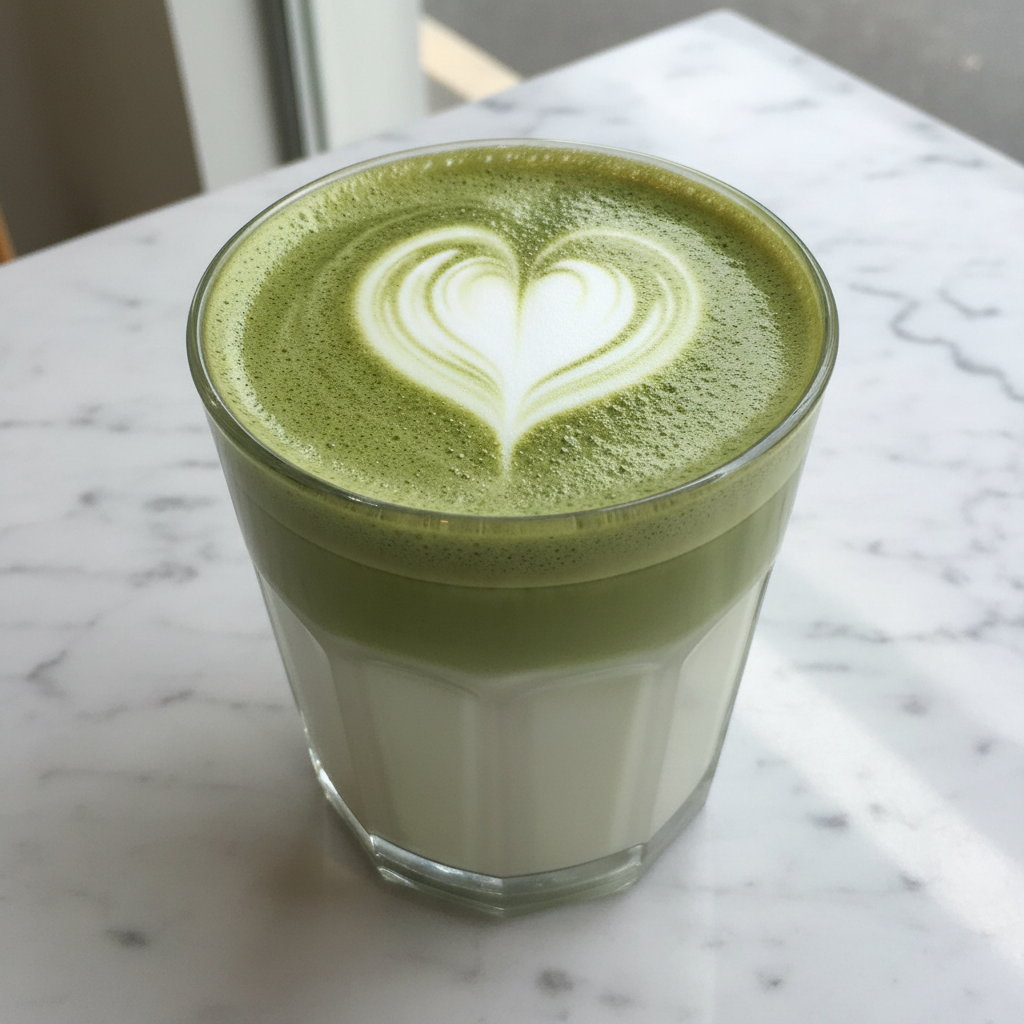
Lattes are the most approachable method for beginners because the fats in milk mellow out the tea’s earthy notes while providing a comforting, creamy texture. For those just starting, the best way to drink matcha is often in a latte where the fats in the milk bind to the tea’s tannins, significantly reducing any perceived bitterness.
Which milk creates the best flavor?
Oat milk is widely considered the favorite pairing for green tea because its natural creaminess and subtle sweetness complement the vegetal profile perfectly. Other plant-based options like almond or soy can work, but they may occasionally introduce competing nutty or beany flavors.
Here’s the kicker:
- Full-fat dairy milk provides a heavy, traditional mouthfeel.
- Coconut milk adds a tropical twist that pairs well with iced versions.
- Cashew milk offers a neutral base that lets the tea flavor shine through.
Should you use sweeteners in a latte?
While a high-quality powder is naturally sweet, many beginners prefer adding a touch of agave, honey, or vanilla syrup to bridge the flavor gap. Using liquid sweeteners is preferred because they dissolve instantly in the hot tea base, ensuring a consistent flavor from the first sip to the last.
Key Takeaway for Latte Preparation: The latte format provides a versatile canvas that can be adjusted to suit any palate, making it the most popular way to consume the tea in Western cafes. Balancing the tea-to-milk ratio is the secret to success.
Milk Type | Frothing Ability | Taste Compatibility | Best Temperature |
|---|---|---|---|
Oat Milk | Excellent | Very High | 65°C (Steamed) |
Whole Dairy | Excellent | High | 65°C (Steamed) |
Almond Milk | Low | Moderate | 60°C (Warm) |
4. Can cold brewing be the best way to drink matcha in summer?
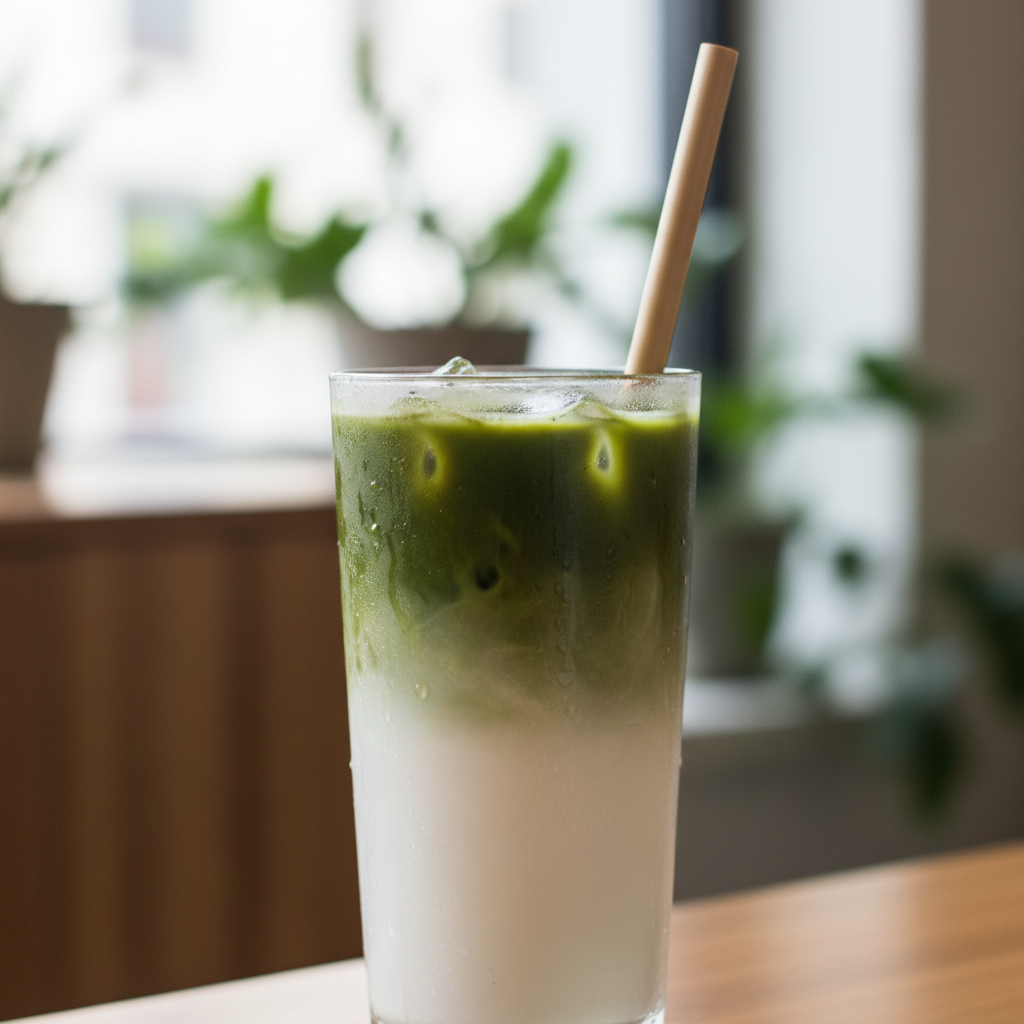
Cold brewing or shaking with ice is a refreshing alternative that prevents tannin release, resulting in a smoother, more refreshing profile that is ideal for hot weather. This method highlights the crisp and floral notes of the leaf without the bitterness often associated with heat.
How do you make an iced version quickly?
The most efficient way to prepare a cold serving is by using a dedicated shaker bottle with a mixing ball or a tight-fitting lid. Simply combine the powder with cold filtered water and ice, then shake vigorously for thirty seconds to achieve an instant, frothy beverage.
It gets better:
- Cold preparations are ideal for pre-workout energy boosts.
- Ice helps to break up any stubborn clumps during the shaking process.
- Shaking creates a thick, frothy head that mimics the texture of hot tea.
Is cold water better for nutrients?
Using cold water is more effective at preserving heat-sensitive vitamins like Vitamin C and certain delicate antioxidants. While hot water is traditional, cold extraction ensures that the nutritional integrity of the leaf remains completely intact from preparation to consumption.
Key Takeaway for Cold Preparations: Cold-brewed tea is the ultimate functional beverage for active lifestyles, offering a quick and cooling way to consume daily antioxidants. The shaker method is the most practical solution for drinkers on the move.
Method | Prep Time | Portability | Flavor Profile |
|---|---|---|---|
Shaker Bottle | 1 minute | High | Crisp & Mellow |
Iced Latte | 3 minutes | Medium | Rich & Creamy |
Cold Whisking | 2 minutes | Low | Smooth & Traditional |
5. Why is sifting the best way to drink matcha without clumps?
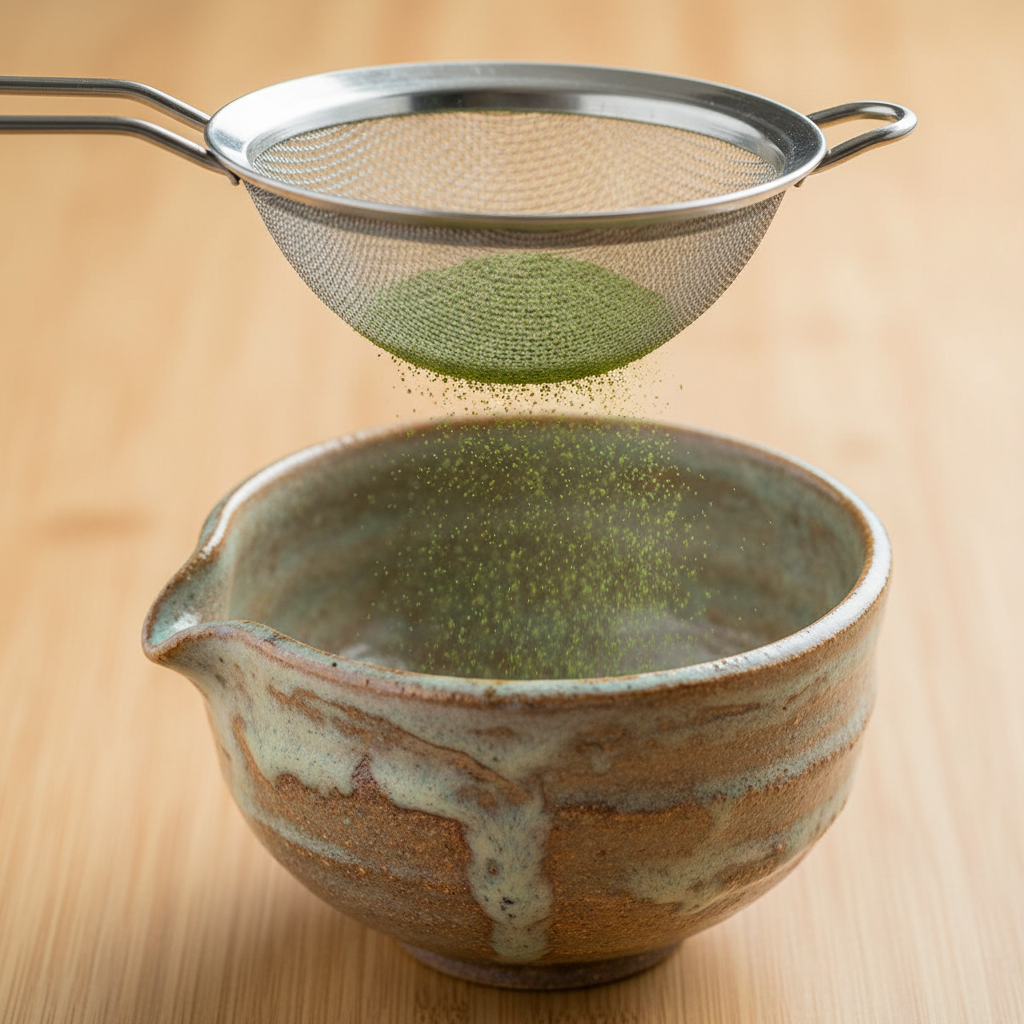
Sifting powder through a fine-mesh sieve is the mandatory step for achieving a smooth, professional consistency without encountering dry, unpleasant clumps of powder. Using a best way to drink matcha kit that includes a fine-mesh sifter ensures every particle is separated before it ever touches water.
Does sifting improve the whisking process?
Sifting transforms the dense nodules into a light, airy dust that dissolves almost instantly upon contact with water. This significantly reduces the amount of physical effort required during whisking and ensures that the final foam is composed of tiny, uniform bubbles.
Check this out:
- Sifting takes less than ten seconds but saves minutes of whisking.
- A stainless steel fine-mesh sifter is the most durable tool for the job.
- Using the back of a scoop helps push the powder through the mesh efficiently.
What happens if you skip the sifting?
Skipping this step often results in small “explosions” of dry powder in the mouth, which can be quite jarring and ruin the enjoyment of the drink. Even the highest quality ceremonial powders will clump over time due to static electricity and ambient moisture.
Key Takeaway for Sifting Habits: Developing the habit of sifting before every preparation is the hallmark of a true tea enthusiast. It is the simplest way to upgrade the quality of your drink without spending more money on ingredients.
Preparation Step | Importance | Result of Skipping |
|---|---|---|
Sifting | Critical | Gritty texture and dry clumps |
Whisking | High | Weak flavor and flat texture |
Measuring | Medium | Inconsistent strength |
6. Is adding honey the best way to drink matcha for sweetness?
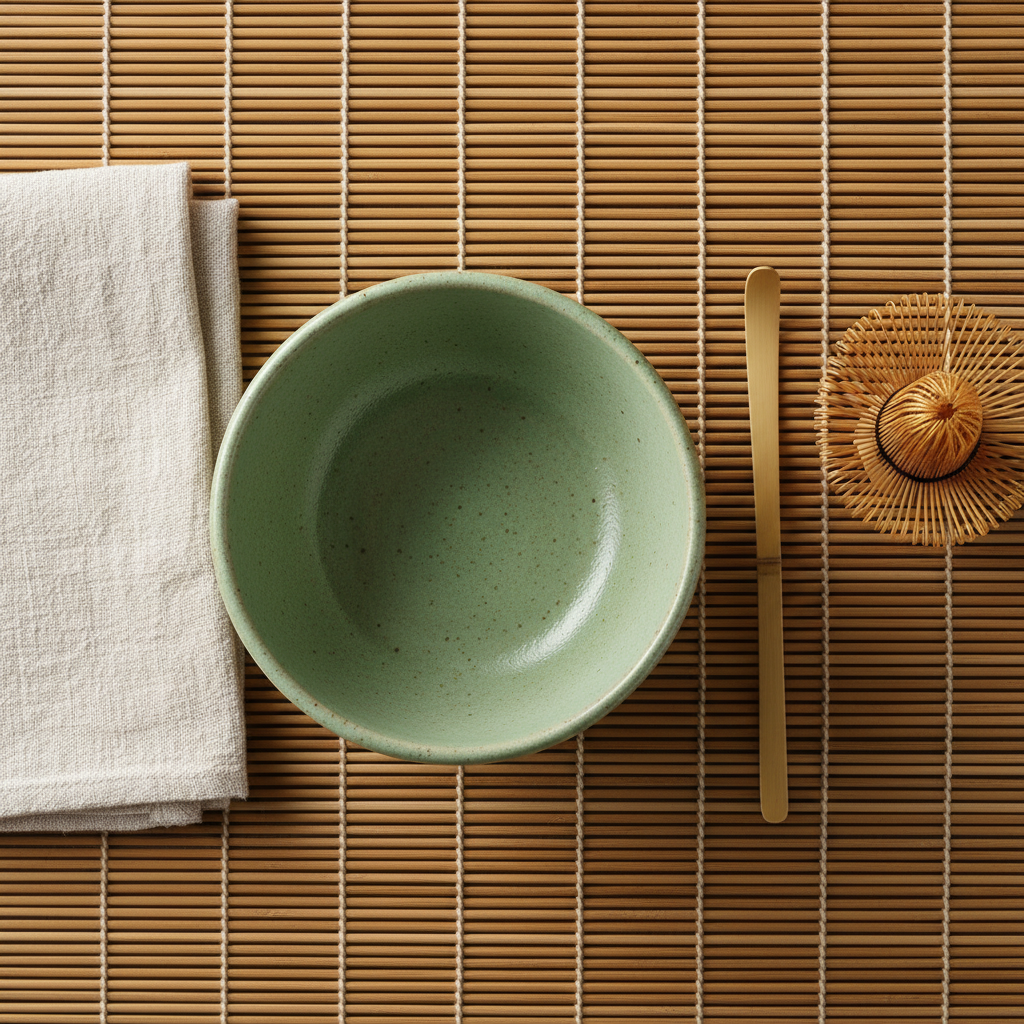
Adding a touch of natural honey is a sophisticated way to balance the tea’s vegetal profile with floral sweetness without using processed white sugars. Honey provides a complex, floral sweetness that harmonizes with the grassy notes of the tea, creating a sophisticated flavor profile.
Why is honey better than white sugar?
Honey contains trace minerals and enzymes that add nutritional value to your drink while offering a lower glycemic index than processed sugars. Its liquid state allows it to blend seamlessly into both hot and cold tea, preventing the gritty texture found with granulated sweeteners.
Bottom line?
- Manuka honey can provide additional antibacterial properties.
- Raw honey retains more of the floral aromatics that complement the tea.
- The natural viscosity of honey contributes to a slightly richer mouthfeel.
Can you use alternative liquid sweeteners?
If you are looking for a vegan option or a different flavor profile, agave nectar and maple syrup are excellent alternatives that provide their own unique benefits. Agave is particularly useful because it has a very neutral taste, allowing the pure green tea flavor to remain the star.
Key Takeaway for Sweetening Strategies: Using liquid, natural sweeteners is the most effective way to enhance the flavor of your tea without compromising its health benefits. The choice of sweetener can drastically change the mood and profile of your beverage.
Sweetener | Flavor Profile | Health Benefit |
|---|---|---|
Honey | Floral & Rich | Antioxidants & Minerals |
Maple Syrup | Woody & Caramel | Manganese & Zinc |
Agave Nectar | Neutral & Sweet | Low Glycemic Index |
7. Does the water temp affect the best way to drink matcha?
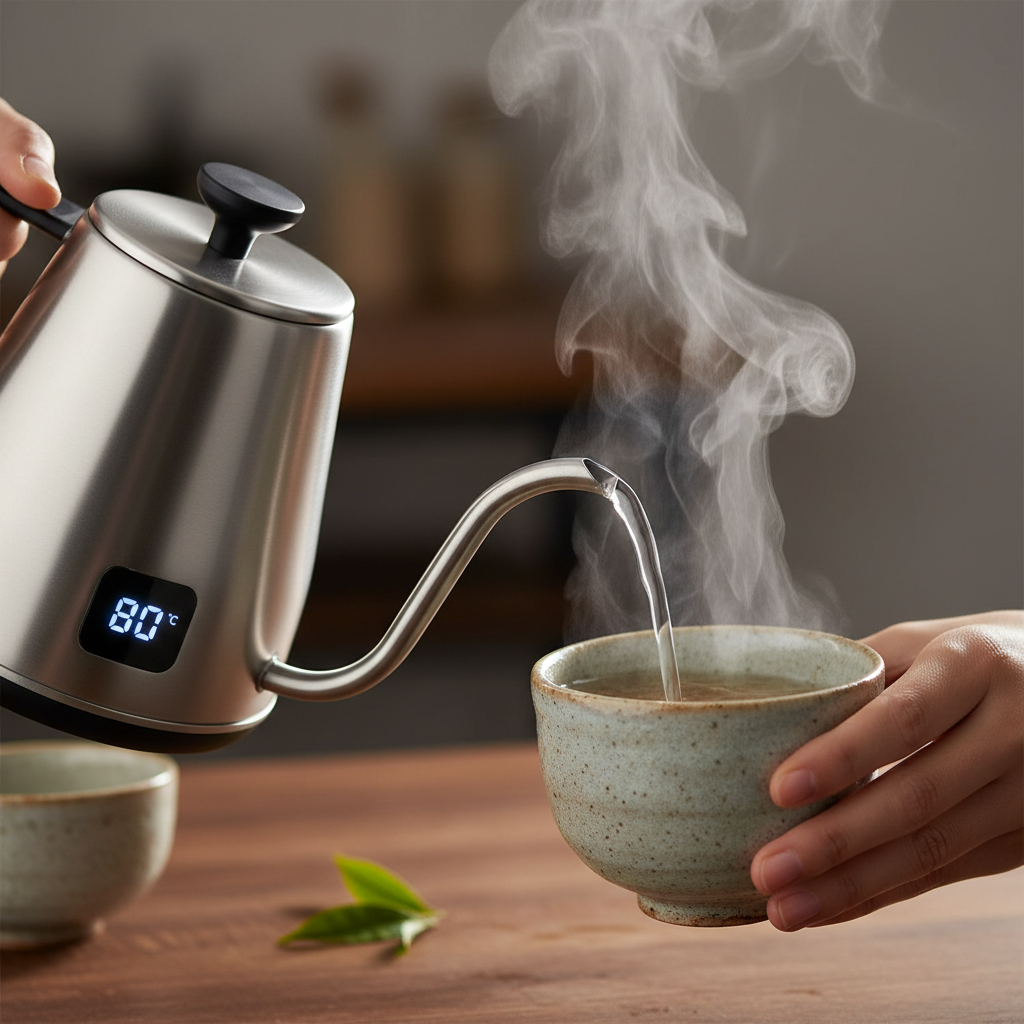
Water heated to exactly 80°C (176°F) is the optimal temperature to extract sweet amino acids without scorching the leaves and causing excessive bitterness. When the best way to drink matcha is prioritized, using temperature-controlled water preserves the delicate L-theanine that provides calm focus.
Why is 80°C considered the sweet spot?
At this specific temperature, the water is hot enough to fully extract the sweet amino acids and antioxidants without triggering the release of harsh bitter compounds. This results in a balanced cup that features the signature “umami” flavor unique to high-quality tea.
Here is the kicker:
- Boiling water (100°C) scorches the powder and turns it a dull olive color.
- Digital kettles with temperature control are the most reliable tool for this.
- If you don’t have a digital kettle, let boiling water sit for two minutes.
Does the temperature affect the health benefits?
Heat-sensitive compounds like Vitamin C and EGCG are significantly preserved when using lower temperatures, ensuring you get the maximum wellness benefit. High heat can effectively “cook” the tea, breaking down the molecular structure that provides metabolic boosts.
Key Takeaway for Temperature Control: Precise temperature management is what separates a professional tea master from a casual drinker. It is the foundation upon which all other preparation techniques are built.
Temperature | Result on Tea | Recommendation |
|---|---|---|
100°C (Boiling) | Scorched, bitter, and dull | Avoid entirely |
80°C (Ideal) | Sweet, umami-rich, and vibrant | Best for daily use |
60°C (Warm) | Very sweet but lacks foam | Good for sensitive palates |
8. Is culinary powder the best way to drink matcha in baking?
Culinary grade powder is the most cost-effective and flavorful choice for baking and blending because its robust profile can withstand high heat and strong ingredients. Culinary grade is specifically processed to have a stronger, more assertive flavor that remains prominent when mixed with flour, eggs, or protein powders.
Can you use culinary grade for smoothies?
In a blender environment, the delicate nuances of ceremonial grade would be lost amongst the taste of bananas, berries, and milk. A high-quality culinary powder provides a potent “green” flavor and a boost of antioxidants without the high price tag associated with premium drinking grades.
Make no mistake:
- Culinary grade is harvested later in the season for deeper flavor.
- It provides a more intense green color to cakes and cookies.
- The higher tannin content helps it stand out against sugars and fats.
Is it acceptable to drink culinary grade plain?
While it is technically possible, drinking culinary grade whisked only with water is usually too bitter and astringent for most people to enjoy. It is designed to be a “functional” ingredient rather than a “ritual” beverage, making it the workhorse of the kitchen.
Key Takeaway for Culinary Applications: Knowing when to use culinary grade can save you significant money while still providing all the health benefits of green tea. It is the ideal choice for any recipe where the tea is not the sole ingredient.
Recipe Type | Recommended Grade | Reason |
|---|---|---|
Smoothies | Culinary | Robust flavor stands up to fruit |
Baking | Culinary | High heat resistance and deep color |
Traditional Tea | Ceremonial | Delicate sweetness and smooth finish |
9. Can fruit juice be the best way to drink matcha for flavor?
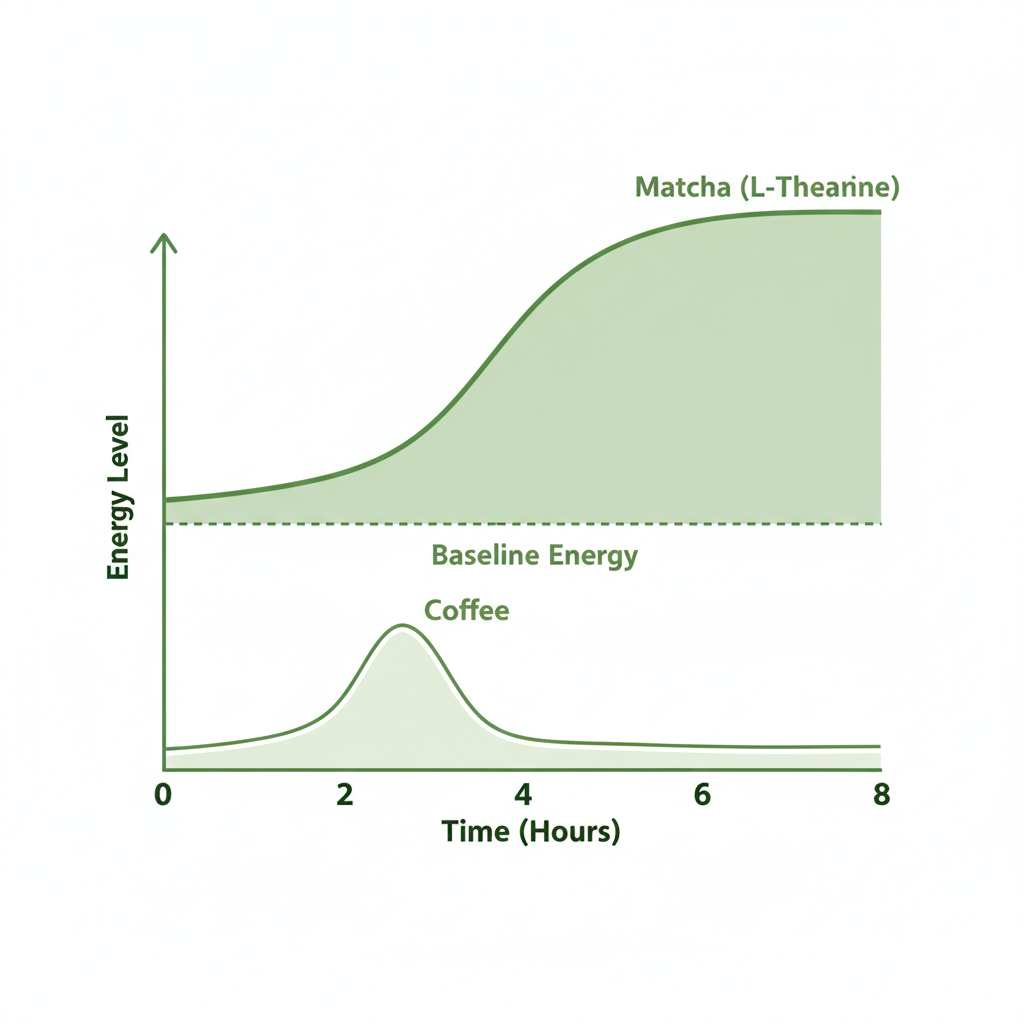
Mixing matcha with fruit juice, such as lemonade or orange juice, provides a high-energy beverage that synergizes vitamin C with tea antioxidants for a refreshing lift. The best way to drink matcha for active soft-drink alternatives is to whisk it into a tart citrus base to mask any residual earthiness.
Does lemonade pair well with green tea?
The “Matcha Lemonade” is one of the most popular summer beverages worldwide because the citric acid in the lemons cuts through the earthiness of the tea. This combination creates a crisp, tart, and revitalizing drink that is perfect for hydration during outdoor activities.
You might be wondering:
- Vitamin C in juice actually helps the body absorb the tea’s antioxidants.
- The tartness of the juice completely masks any residual bitterness.
- It can be served over crushed ice for a sophisticated non-alcoholic cocktail.
Can you mix it with orange juice?
Orange juice provides a bright, citrusy base that creates a unique “creamsicle” flavor profile when combined with green tea and a splash of milk. This mix is often used by athletes as a natural pre-workout drink because it provides both immediate glucose and sustained caffeine.
Key Takeaway for Juice Blending: Fruit juice blends are the most accessible way for those who dislike the taste of tea to still reap its massive health benefits. The synergy between fruit nutrients and tea polyphenols creates a powerhouse beverage.
Juice Type | Flavor Impact | Best Time to Drink |
|---|---|---|
Lemonade | Tart & Refreshing | Afternoon Slump |
Orange Juice | Bright & Energizing | Early Morning |
Apple Juice | Sweet & Subtle | Mid-Day Refreshment |
10. Is ceremonial ritual the best way to drink matcha for focus?
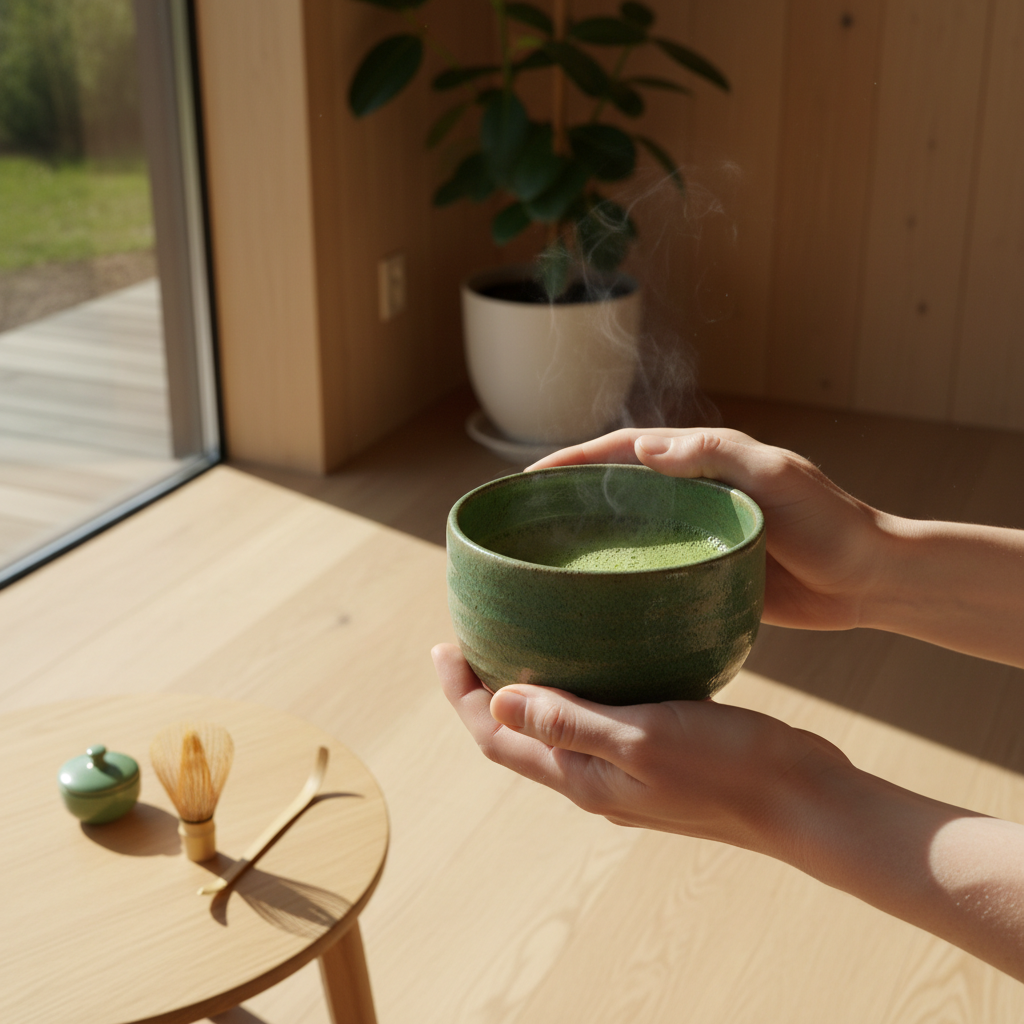
Engaging in the traditional Japanese ritual is the ultimate way to achieve mental clarity and stress reduction through intentional, mindful preparation steps. The process of slowing down, measuring the powder, and whisking the tea serves as a form of moving meditation that prepares the mind for a productive day.
How does the ritual affect mental focus?
The intentionality of the ritual signals to the brain that it is time to transition into a state of “alert calm,” a unique psychological state. By focusing on the sounds of the whisk and the aroma of the steam, you effectively lower cortisol levels before starting your professional tasks.
Think about it:
- A traditional ceramic bowl (chawan) is designed to be held with both hands for warmth.
- The bamboo scoop (chashaku) ensures you use the exact same amount every time.
- Taking five minutes to prepare your tea creates a mental buffer against stress.
Is the equipment necessary for focus?
While you can technically make the tea in a mug, using the traditional tools enhances the sensory experience and reinforces the habit of mindfulness. The physical beauty of the handmade accessories contributes to a sense of luxury and self-care that makes the routine more sustainable.
Key Takeaway for Mindful Preparation: The value of the tea is found not just in the liquid, but in the time you take to prepare it for yourself. Embracing the ritual is the most effective way to integrate tea benefits into a high-performance life.
Ritual Element | Psychological Benefit | Physical Benefit |
|---|---|---|
Hand Whisking | Stress reduction | Better aeration/texture |
Deep Breathing | Alert calm state | Increased oxygenation |
Using a Chawan | Mindfulness | Better heat retention |
FAQ
Can I drink matcha on an empty stomach?Yes, but some people find it too strong. If you have a sensitive stomach, try having a small snack first or preparing it as a latte with milk to buffer the intensity of the tannins.
What’s the best way to store my powder to keep it fresh?The best way is to keep it in its original airtight, opaque tin in a cool, dark place, such as a refrigerator. Exposure to light, air, and heat will quickly turn the powder brown and bitter.
What’s the best temperature for the water?Exactly 80°C (176°F) is the perfect temperature. Boiling water will burn the powder and create a very bitter taste, while too cold water won’t extract the flavor and foam correctly.
Can I use a regular spoon if I don’t have a whisk?A spoon will usually leave clumps of dry powder. If you don’t have a bamboo whisk, use a tightly sealed shaker bottle or a small hand-held electric frother to get a smoother result.
Can I drink it every day?Absolutely. Consuming 1–2 cups per day is the recommended amount to experience long-term health benefits like improved metabolism, sustained energy, and higher antioxidant levels.
Choosing the right preparation method is the difference between a daily chore and a life-changing health ritual. At our core, we believe that every person deserves the focused energy and vibrant health that comes from authentic, high-quality green tea. We are dedicated to providing the world’s finest organic powders and traditional tools to help you master your own tea journey. If you are ready to experience the highest grade of purity and taste, we invite you to explore our collections or contact us today for expert guidance on selecting the perfect grade for your lifestyle.