
To find a reliable Matcha Business Supplier, you must verify their origin traceability, demand current Certificates of Analysis (COA) for heavy metals and pesticides, and confirm USDA/EU organic certifications through a rigorous physical sampling process. The global market is currently flooded with low-grade “green tea powder” disguised as authentic ceremonial matcha, which poses a significant threat to your manufacturing consistency and brand integrity. If you select the wrong partner, you risk receiving inconsistent batches that turn yellow and bitter on the shelf, ultimately destroying the customer trust you have worked years to build. This guide provides a strategic 10-point framework to help you secure a Matcha Business Supplier that serves as a long-term partner in your commercial success rather than just a vendor.
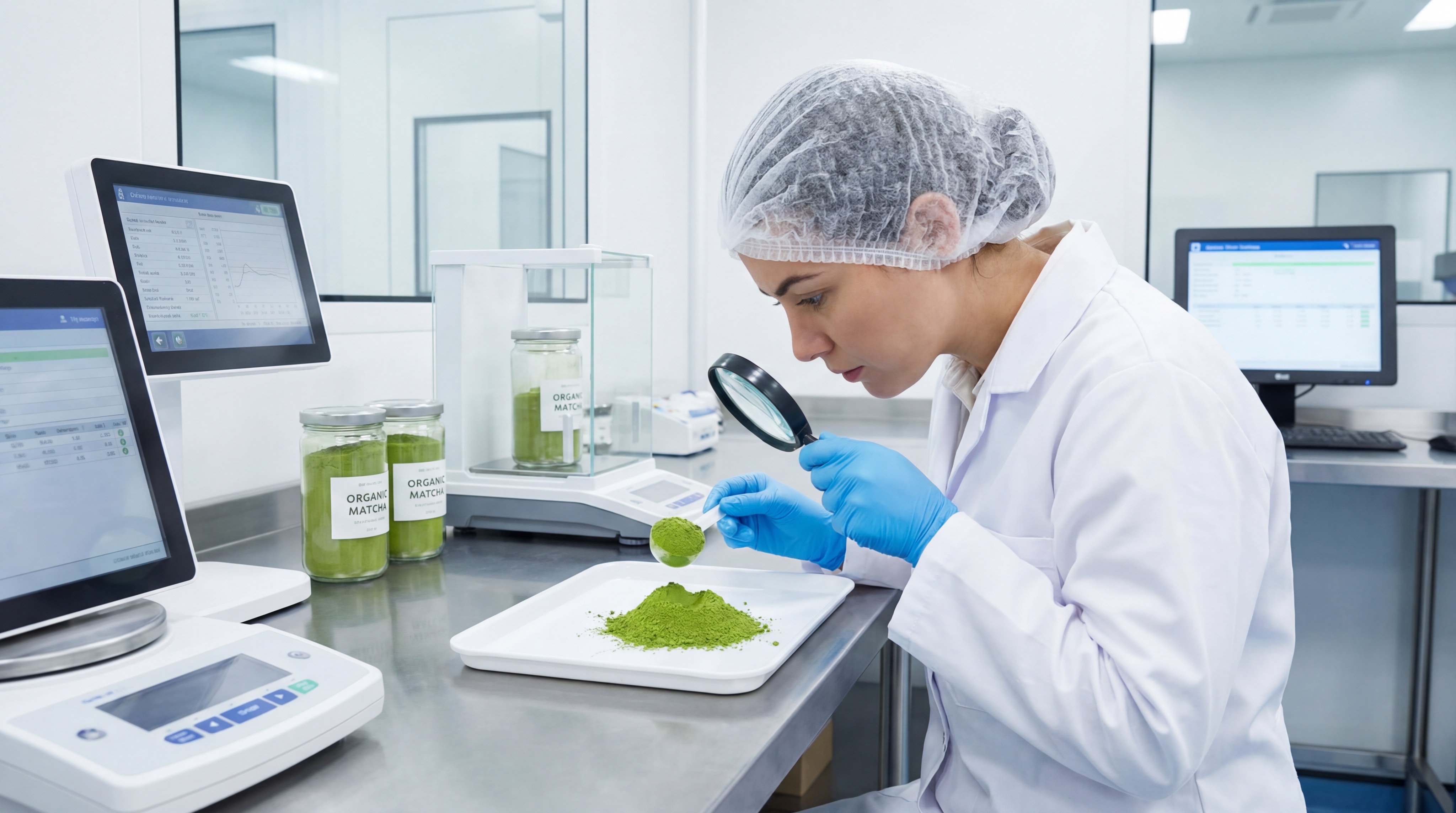
You must vet your Matcha Business Supplier because the lack of international standardization allows for “grade inflation,” where low-quality culinary powder is often sold at premium ceremonial prices. Sourcing without due diligence leads to flavor profile drift, which can compromise the formulation of your lattes, baked goods, or health supplements. Here is the deal: a single inconsistent batch from an unverified source can trigger product recalls or widespread negative consumer reviews. By implementing a strict vetting process, you ensure that every kilogram of powder meets the exact color, texture, and nutritional specifications required for your specific B2B application.
The Risks of Grade Inflation
Grade inflation occurs when suppliers mislabel tea powder that has not been properly shade-grown or stone-milled as “ceremonial grade.” This practice is rampant in the wholesale market because it allows vendors to capture higher margins on inferior raw materials.
- Color Degradation: Dull, yellowish hues instead of vibrant emerald green.
- Texture Issues: Gritty particles that do not dissolve smoothly in liquids.
- Flavor Profiles: Excessive bitterness and lack of the characteristic umami sweetness.
Protecting Your Brand Integrity
For B2B buyers, your supplier is a silent partner in your brand promise, making their operational stability your business’s foundation. A reliable partner maintains strict quality controls to ensure that the vibrant green your customers expect remains the same across every season.
- Uniformity: Consistent particle size for predictable mixing results.
- Stability: High chlorophyll content that resists rapid oxidation.
- Trust: Verification of ethical labor practices and environmental stewardship.
Key Evaluation Metrics for Selection
Evaluating a supplier requires looking beyond the price tag to assess their long-term viability and technical expertise. You need a partner who understands the science of tea chemistry, including the delicate balance of L-theanine and caffeine.
- Production Capacity: Ability to scale from kilograms to metric tons.
- Technical Support: Assistance with recipe development and stability testing.
- Logistics Reliability: Proven track record of navigating international customs without delays.
Risk Category | Impact Level | Mitigation Strategy |
|---|---|---|
Grade Inflation | High | Physical sampling and lab verification |
Chemical Purity | Critical | Mandatory COA for every batch |
Supply Chain Gap | Medium | Multi-origin sourcing or high-volume contracts |
The analytical data suggests that thorough vetting reduces procurement-related product failures by over 45% in the first year of operation.
Key Takeaway: Vetting is your primary insurance policy against product recalls and brand-damaging inconsistencies in the volatile global tea market.
Where Should a Matcha Business Supplier Source?
A reliable Matcha Business Supplier should source from regions with established tea-growing heritage, specifically high-altitude areas in Japan like Uji or Nishio, or advanced organic plantations in China that utilize Japanese processing technology. Origin is the primary driver of the amino acid profile, determining whether your final product will have the desired creaminess or a harsh, grassy finish. But wait, simply knowing the country of origin is no longer sufficient for modern traceability requirements. You must demand specific prefecture or farm-level data to ensure the terroir aligns with your quality expectations.
Understanding Regional Terroir Differences
Terroir encompasses the soil composition, climate, and elevation, all of which dictate the nutrient density of the tea leaves. Uji is world-renowned for its deep umami, while regions like Kagoshima are often preferred for high-volume organic production.
- Uji, Kyoto: The historical gold standard for ceremonial grades.
- Kagoshima: Volcanic soil ideal for high-yield organic farming.
- Zhejiang, China: Competitive pricing for industrial-scale culinary applications.
The Importance of Traceability Documentation
Traceability ensures that the product you receive is exactly what was harvested, without blending or adulteration from lower-quality fields. A transparent supplier will provide a “Harvest Map” that links your specific lot number back to a harvest date and milling time.
- Lot Numbers: Unique identifiers for every production run.
- Milling Dates: Ensuring the powder is fresh and not aged in storage.
- Farm Coordinates: Verifying the geographic purity of the raw material.
Verifying Shading and Milling Techniques
Authentic matcha must be shaded for at least 21 days to boost chlorophyll and L-theanine levels before being stone-ground. You should ask your supplier if they use traditional granite mills or modern ceramic ball mills, as this affects the final particle size.
- Shading Ratio: Look for 90% or higher shading for premium grades.
- Particle Size: Standard high-quality matcha should be 10 microns or less.
- Stone Milling: Traditional methods preserve nutrients by preventing heat friction.
Region | Best Application | Primary Advantage |
|---|---|---|
Uji, Japan | Ceremonial Drinks | Superior Umami Profile |
Kagoshima, Japan | Premium Lattes | Organic Scalability |
Zhejiang, China | Industrial Baking | Cost-Effective Volume |
Selecting the right origin ensures that the raw material’s chemical makeup naturally supports your specific product formulation goals.
Key Takeaway: Origin determines quality; always prioritize suppliers who can provide granular traceability data down to the specific harvest window.
Does Your Matcha Business Supplier Offer COAs?
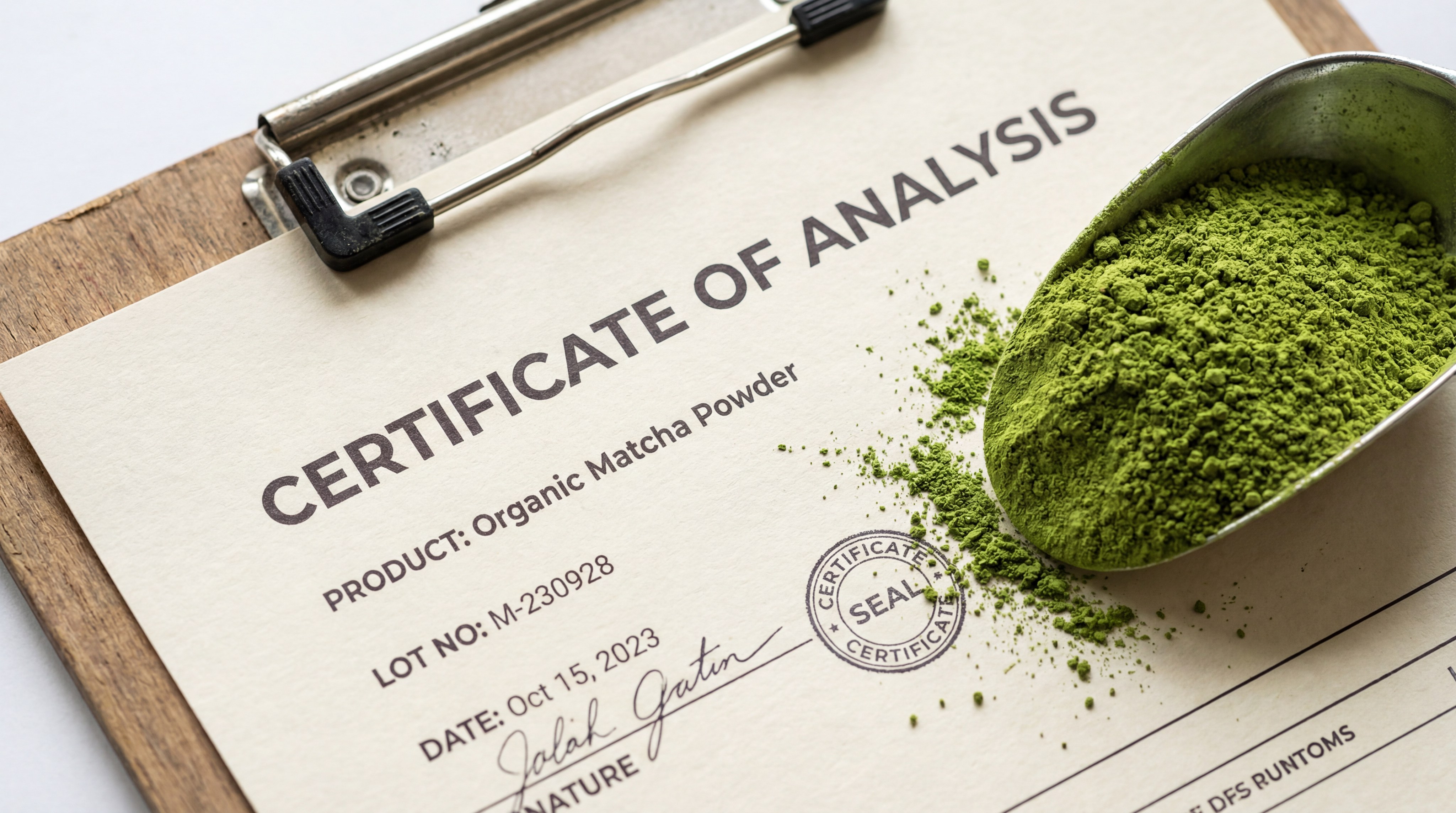
Yes, a professional Matcha Business Supplier must provide a comprehensive Certificate of Analysis (COA) for every single batch to prove the product is safe for human consumption. A COA acts as a legal and quality guarantee, verifying that the tea powder has been tested for microbiological contaminants, heavy metals, and radiation levels. Here is the deal: without this document, you are exposing your business to massive liability risks and potential import seizures by health authorities. You should never finalize a purchase order until you have reviewed the specific lab results for the lot number you intend to buy.
Critical Lab Results to Verify
The COA should be issued by an independent third-party laboratory to ensure the data is objective and hasn’t been tampered with. Key metrics include the Total Plate Count, which indicates the overall sanitary condition of the processing facility.
- Microbiology: Testing for E. coli, Salmonella, and Coliforms.
- Mold and Yeast: Ensuring the powder has been kept in low-moisture environments.
- Purity: Confirming zero presence of additives like sugar or cornstarch.
Screening for Heavy Metals and Pesticides
Tea plants are known to bioaccumulate minerals from the soil, making testing for Lead, Arsenic, and Cadmium essential for consumer safety. A high-quality Matcha Business Supplier will also provide a pesticide residue panel covering at least 500 different substances.
- Lead Limits: Must be well below the 0.5 ppm threshold.
- Radiation: Non-detectable levels for Japanese exports (standard since 2011).
- Pesticide Panels: Compliance with EU and USDA MRL (Maximum Residue Limits).
Understanding Moisture Content and Shelf Life
The moisture content listed on a COA determines how long the matcha will stay fresh before it begins to clump or oxidize. High moisture levels can lead to the growth of mold, which is a significant health hazard in food manufacturing.
- Moisture Threshold: Ideally between 2% and 5% for stability.
- Solubility: Data on how easily the powder disperses in liquids.
- Particle Density: Ensuring consistent weight-to-volume ratios for packaging.
Test Parameter | Industry Standard | Importance for B2B |
|---|---|---|
Total Plate Count | < 1,000 cfu/g | Food Safety Compliance |
Lead (Pb) | < 0.5 mg/kg | Legal Liability Prevention |
Pesticide Residue | ND (Non-Detected) | Organic Claim Integrity |
The presence of a current, batch-specific COA is the clearest indicator of a supplier’s commitment to international food safety standards.
Key Takeaway: A COA is your only scientific proof of quality; if a supplier refuses to provide one, terminate the relationship immediately.
What Certs Does a Matcha Business Supplier Need?

A Matcha Business Supplier needs globally recognized food safety and organic certifications, specifically USDA Organic, EU Organic, JAS, and GFSI-recognized standards like FSSC 22000. These certifications serve as independent audits of the supplier’s entire supply chain, from the soil quality to the final packaging line. But wait, certifications are not permanent; you must verify that the documents are current and have been issued within the last 12 months. Without these seals, you cannot legally market your products as organic in major Western markets, which could severely limit your retail potential.
The Gold Standard: Organic Certifications
Organic certifications ensure that no synthetic pesticides or fertilizers were used during the growth of the tea leaves. This is particularly important for matcha because you consume the entire leaf, meaning any chemical residue is ingested directly by the consumer.
- USDA Organic: Mandatory for labeling products as organic in the United States.
- EU Organic: Necessary for the European market, known for having the strictest pesticide limits.
- JAS (Japanese Agricultural Standard): The primary organic standard for products grown in Japan.
Food Safety Management Systems
Beyond organic status, your supplier must prove they operate in a clean, controlled environment to prevent cross-contamination. Certifications like HACCP and ISO 22000 demonstrate that the factory follows rigorous hygiene protocols and risk management strategies.
- FSSC 22000: A comprehensive audit that is highly respected by major global retailers.
- HACCP: A systematic approach to identifying and controlling food safety hazards.
- GMP: Good Manufacturing Practices ensure consistent production according to quality standards.
Specialized Certifications for Niche Markets
Depending on your target demographic, you may also require certifications that speak to ethical or dietary preferences. These can act as a significant competitive advantage in the health and wellness sector.
- Kosher/Halal: Essential for reaching specific religious markets.
- Rainforest Alliance: Focuses on environmental sustainability and farmer welfare.
- Fair Trade: Ensures equitable compensation for tea workers and community development.
Certification | Market Focus | Primary Business Value |
|---|---|---|
USDA Organic | USA / Canada | Premium Pricing Ability |
FSSC 22000 | Global Retail | Supply Chain Trust |
Kosher | North America | Expanded Consumer Reach |
Certifications provide the necessary regulatory foundation to scale your brand across international borders and major retail distribution networks.
Key Takeaway: Valid certifications act as a third-party seal of trust that protects your brand from regulatory scrutiny and consumer distrust.
How to Price a Matcha Business Supplier?
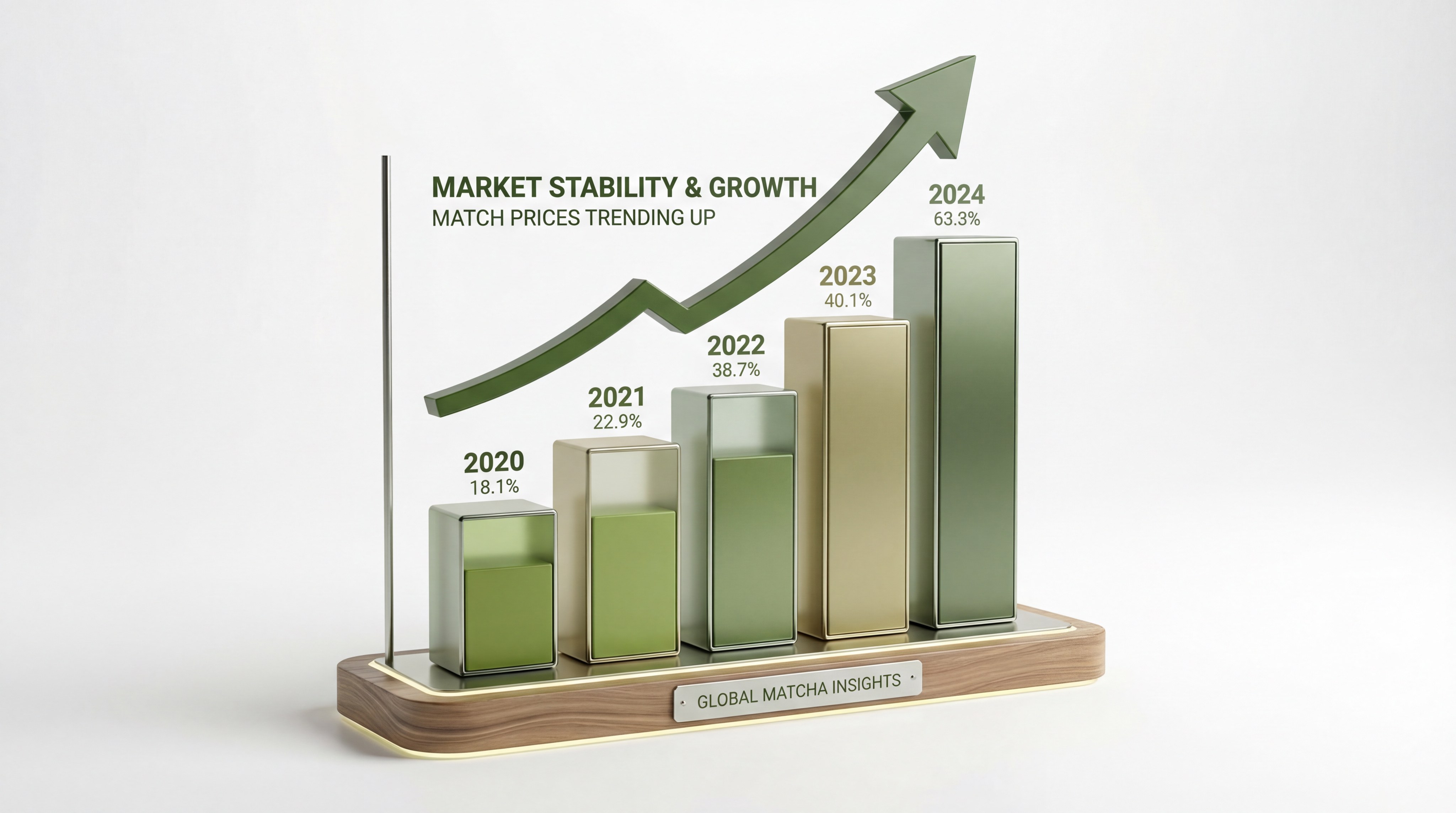
You price a Matcha Business Supplier by evaluating their quotes against current wholesale market benchmarks, which typically range from
45/kgforculinarygradestoover45/kg for culinary grades to over
150/kg for ceremonial grades. Pricing is currently volatile due to fluctuating energy costs for stone-milling and increased international logistics fees. Here is the deal: if a price seems too good to be true, it almost certainly indicates that the product is old stock or contains fillers. You must use a tiered pricing strategy to ensure you are paying for the exact quality required for your specific application without overspending.
Wholesale Price Benchmarks by Grade
Understanding the standard market rates allows you to negotiate fairly and spot outliers that may indicate low quality. Generally, the price of matcha is determined by the harvest season (Spring is most expensive) and the milling method used.
- Culinary Grade:45−45 –
65 per kg; ideal for baking and large-scale manufacturing.
- Premium/Latte Grade:65−65 –
110 per kg; best for specialty cafes and retail blends.
- Ceremonial Grade:120−120 –
350+ per kg; reserved for high-end traditional tea service.
Red Flags in Low-Price Quotes
Suspiciously low prices often hide hidden costs, such as high shipping fees or poor packaging that leads to product degradation. In some cases, vendors may blend matcha with sencha powder or add green coloring agents to mask the use of low-grade leaves.
- Old Stock: Discounted matcha that has lost its nutritional potency and color.
- Adulteration: The addition of sugar, rice flour, or artificial pigments.
- Shipping Scams: Low base prices offset by inflated “handling” and “customs” fees.
Factors Influencing Bulk Pricing Tiers
Most suppliers offer Volume-Based Pricing, where the cost per kilogram drops significantly as your order size increases. You should also consider the “Landed Cost,” which includes shipping, duties, and insurance, rather than just the EXW (Ex-Works) price.
- Order Volume: Discounts typically kick in at 50kg, 100kg, and 500kg levels.
- Contract Length: Long-term supply agreements can lock in lower rates during market spikes.
- Packaging Type: Bulk bags are significantly cheaper than individual private-label tins.
Grade | Cost Per Serving (approx.) | Typical B2B Use Case |
|---|---|---|
Culinary | 0.09−0.09 – 0.15 | Commercial Bakeries |
Premium | 0.20−0.20 – 0.35 | Specialty Coffee Shops |
Ceremonial | 0.60−0.60 – 1.20 | Luxury Wellness Spas |
Accurate pricing analysis prevents margin erosion and ensures your business remains competitive in a crowded health-food market.
Key Takeaway: Quality matcha has a floor price; anything below $30/kg for “Japanese” origin is a major red flag for quality and authenticity.
Can Your Matcha Business Supplier Send Samples?
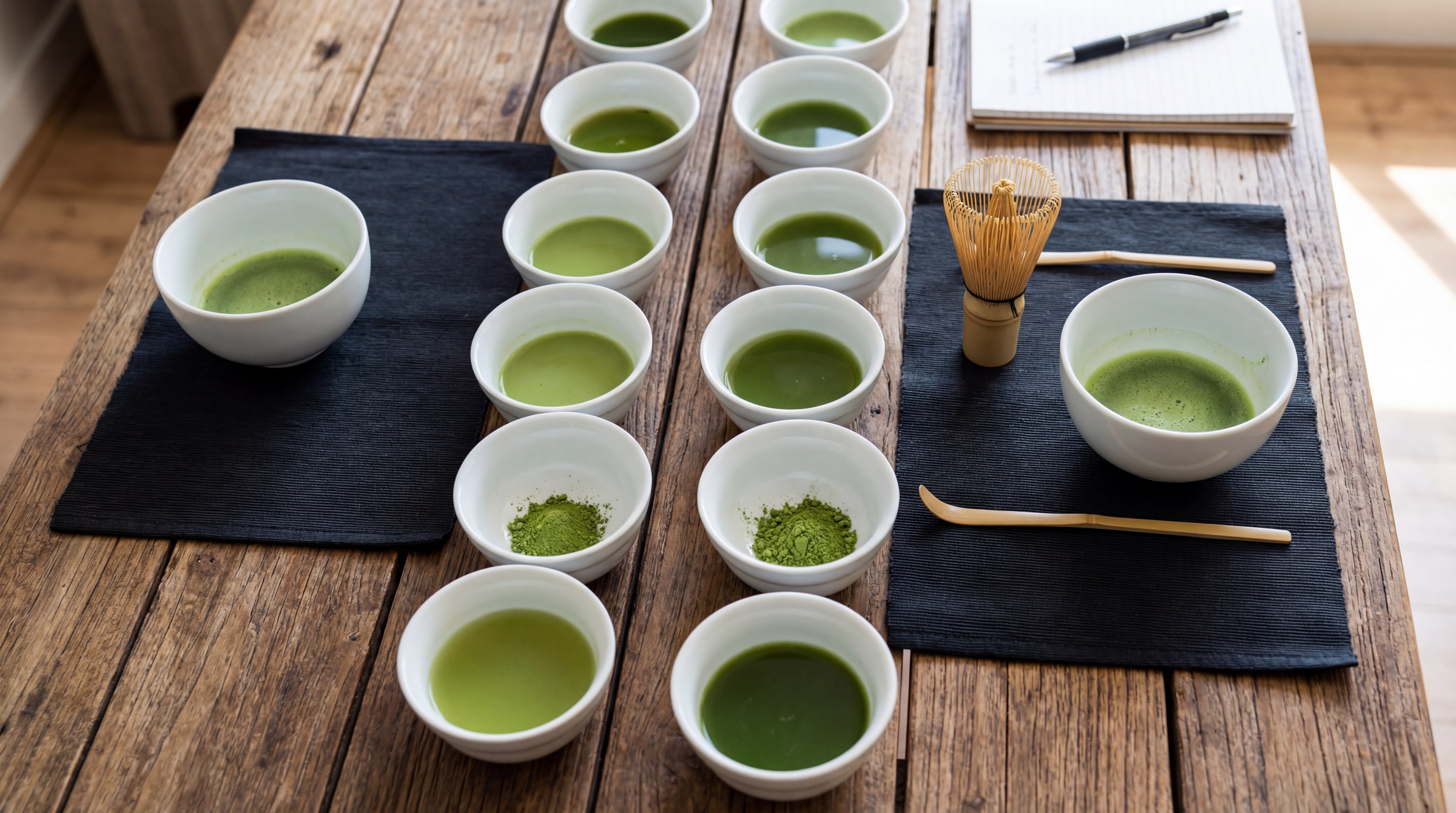
Yes, a reliable Matcha Business Supplier will have a formal sample program that allows you to evaluate their products before committing to a high-volume purchase. Sampling is the most critical step in the procurement process because it allows you to perform sensory tests and verify the powder’s performance in your specific recipes. But wait, you should not just look at the samples; you must subject them to a standardized “Smear Test” and “Whisking Test” to assess particle size and froth stability. If a supplier refuses to send samples or charges retail prices for them, it is a clear sign that they are not prepared for serious B2B partnerships.
Performing the Sensory Evaluation
When your samples arrive, you should evaluate them in a controlled environment with neutral lighting to accurately judge the color. A high-quality matcha should have a fresh, grassy aroma with a subtle hint of white chocolate or sweet hay.
- Aroma: It should be vibrant and clean, not fishy or hay-like.
- Color: Electric emerald green indicates high chlorophyll and proper shading.
- Flavor: Look for a balance of umami and sweetness with a smooth finish.
The “Smear Test” for Particle Size
You can easily test the milling quality by smearing a small amount of powder on a piece of white paper using your finger. If the streak is long, silky, and uniform, the matcha is finely ground (10 microns); if it feels gritty or leaves a broken trail, the quality is poor.
- Uniformity: No large visible particles or clumps.
- Silkiness: The powder should feel like fine cornstarch or silk.
- Adherence: High-quality powder sticks to surfaces due to its fine grind.
Testing Performance in Applications
It is essential to test the sample using the exact equipment and ingredients you will use in production, such as commercial milk frothers or high-heat ovens. This ensures that the matcha doesn’t turn brown during the baking process or clump in cold-brew applications.
- Lattes: Does it blend smoothly with dairy and plant-based milks?
- Baking: Does the color stay green after being exposed to 350°F?
- Solubility: Does it settle at the bottom of the cup quickly or stay suspended?
Sample Characteristic | Pass Criteria | Fail Criteria |
|---|---|---|
Dry Color | Vibrant Neon Green | Dull Yellow/Brown |
Aroma | Sweet Grass/Seaweed | Fishy/Musty/Hay-like |
Mouthfeel | Creamy and Smooth | Gritty and Bitter |
Systematic sampling eliminates the guesswork from B2B sourcing and ensures your final product meets consumer expectations every time.
Key Takeaway: The sample is the “Proof of Concept”; if the supplier cannot deliver consistency between the sample and the bulk order, they are unreliable.
Does Your Matcha Business Supplier Offer Bulk?
Yes, a professional Matcha Business Supplier must offer bulk quantities ranging from 10kg to multi-ton shipments to accommodate the scaling needs of food manufacturers and large distributors. Bulk sourcing is not just about volume; it requires specialized industrial packaging, such as nitrogen-flushed aluminum bags, to prevent oxidation during long-term storage. Here is the deal: a small boutique supplier may provide excellent ceremonial tea, but they often lack the infrastructure to handle the strict Lead Times and “Just-In-Time” delivery requirements of a major manufacturing plant. You need a partner who owns or controls their production facility to guarantee consistent supply year-round.
Scalability for Industrial Manufacturing
As your brand grows, your demand for raw materials will fluctuate, requiring a supplier who can quickly ramp up production without sacrificing quality. Industrial-scale suppliers utilize automated blending and packaging lines to ensure that every 20kg box is identical to the last.
- Consistent Supply: Access to large-scale harvests to prevent seasonal shortages.
- Batch Blending: Ability to create custom blends that meet specific price points.
- Quality Control: In-house labs that test every ton before it leaves the facility.
Preservation Techniques for Bulk Storage
Matcha is highly sensitive to light, heat, and oxygen, meaning bulk orders must be handled with extreme care to maintain their nutritional profile. A reliable supplier will use vacuum sealing and nitrogen flushing to displace oxygen, effectively stopping the degradation process.
- Nitrogen Flushing: Replacing oxygen with inert nitrogen to prevent oxidation.
- Airtight Packaging: Thick aluminum foil bags that block 100% of UV light.
- Cold Chain Logistics: Shipping and storing bulk stock in temperature-controlled environments.
MOQ and Lead Time Considerations
Minimum Order Quantities (MOQ) for bulk orders usually start at 10kg or 20kg, which is the standard weight for a single export carton. You must also factor in Lead Times, which can range from 7 days for air freight to 45 days for sea freight, depending on your location and the supplier’s stock levels.
- MOQ: Flexible options for growing businesses (e.g., 5kg trial bulk).
- Production Speed: How quickly can they process a fresh batch for you?
- Shipping Flexibility: Support for both DDP (Delivered Duty Paid) and FOB (Free on Board) terms.
Volume Tier | Typical Packaging | Target Buyer |
|---|---|---|
10 – 50 kg | 1kg Vacuum Bags | Regional Cafes / Bakeries |
100 – 500 kg | 10kg Foil Liners | Large Food Manufacturers |
1,000+ kg | 20kg Bulk Cartons | Global Distributors / Brands |
Working with a high-capacity supplier ensures that your growth is never throttled by raw material shortages or quality dips during peak seasons.
Key Takeaway: Choose a supplier who can handle at least triple your current monthly volume to ensure they can grow alongside your business.
How to Hire Your Matcha Business Supplier?
You hire a Matcha Business Supplier by transitioning from a transactional mindset to a long-term partnership approach, beginning with a small trial order to test their operational efficiency. Hiring a supplier is a strategic decision that involves evaluating their communication speed, technical expertise, and willingness to support your specific business goals. But wait, a great product is useless if the supplier has poor customer service; you need a partner who responds to inquiries within 24 hours and proactively informs you of harvest conditions. The final “hire” should only happen after they have successfully navigated a trial shipment, including all necessary customs documentation.
Communication and Technical Support
A top-tier supplier should act as an extension of your R&D team, providing insights into market trends and suggesting the best matcha grades for your specific applications. They should be able to explain the “whys” behind price changes or harvest delays, providing you with the transparency needed to manage your own customers’ expectations.
- Responsiveness: Quick replies to emails and WhatsApp/WeChat messages.
- Transparency: Honest updates about harvest quality and supply chain risks.
- Expertise: Deep knowledge of tea chemistry and food safety regulations.
Evaluating the Trial Shipment Process
The trial order is your opportunity to test the supplier’s logistics capabilities and the accuracy of their documentation. Pay close attention to how well the product is protected during transit and whether the Certificate of Analysis matches the lot numbers on the physical bags.
- Packaging Quality: Were the boxes sturdy and the bags properly sealed?
- Documentation Accuracy: Did the Commercial Invoice and Packing List have errors?
- Transit Time: Did the shipment arrive within the promised window?
Building a Long-Term Partnership Strategy
Once a supplier has proven their reliability, you should look for ways to deepen the relationship, such as through annual contracts or custom blending services. A “Partner” supplier will work with you during difficult times, offering flexible payment terms or priority access to limited premium harvests.
- Annual Contracts: Securing stable pricing for the entire fiscal year.
- Private Labeling: Utilizing the supplier’s packaging expertise for your retail line.
- Custom Formulations: Developing a unique flavor profile exclusive to your brand.
Partnership Level | Characteristics | Strategic Value |
|---|---|---|
Transactional | Spot buying, low communication | Short-term cost savings |
Integrated | Regular orders, shared data | Operational efficiency |
Strategic | Joint R&D, custom supply | Competitive advantage |
A strong supplier relationship is a massive competitive asset that protects your business from market volatility and ensures consistent quality.
Key Takeaway: High-quality powder is a commodity, but a high-quality partner is a rare asset; prioritize the relationship over the lowest possible price.
What Packaging Options Does a Supplier Provide?
A versatile Matcha Business Supplier should provide a wide range of packaging options, from 20kg bulk cartons for industrial use to 30g private-label tins for retail shelf placement. Packaging is the final barrier protecting your expensive matcha from light and moisture, making it a critical component of product quality. Here is the deal: if your supplier only offers standard plastic bags, your matcha will lose its color and flavor within weeks. You should seek a supplier who can offer custom printing, nitrogen-flushed sealing, and a variety of materials including aluminum, tinplate, and eco-friendly kraft paper.
Industrial Bulk Packaging Solutions
For manufacturers, the goal is to receive large quantities of matcha in a format that is easy to handle and store while maximizing shelf life. The industry standard is double-walled vacuum bags made of high-barrier aluminum foil, often packed into heavy-duty cardboard cartons.
- Bag Sizes: 1kg, 5kg, and 10kg bags are common for internal use.
- Carton Specs: 20kg per box is the standard for international air and sea freight.
- Protection: Nitrogen-flushed liners are essential for maintaining the “First-Day” freshness.
Private Label and Retail Packaging
If you are building a retail brand, you need a supplier who can handle the entire private label matcha process, including tin filling, labeling, and outer box assembly. This “One-Stop” service significantly reduces your logistics complexity and ensures that the powder is packed in a sterile environment immediately after milling.
- Tins: Aluminum or steel canisters with internal plastic lids for a premium feel.
- Stand-up Pouches: Zip-lock bags that are cost-effective and easy to ship.
- Sachets: Single-serve 1g-2g packets for convenience and “on-the-go” consumers.
Sustainability and Custom Branding
In today’s market, many B2B buyers are looking for sustainable packaging options to align with their corporate social responsibility (CSR) goals. You should ask if your supplier offers biodegradable films, recyclable tins, or FSC-certified paper for outer packaging.
- Custom Printing: High-quality CMYK or Pantone printing directly on the packaging.
- Eco-Friendly: Options for compostable or plastic-free materials.
- Label Design: In-house design support to ensure compliance with local labeling laws.
Packaging Type | Best For | Protection Level |
|---|---|---|
Aluminum Tin | Premium Retail | Maximum (UV & Air) |
Foil Pouch | Mid-range Retail | High (Light & Moisture) |
Bulk Carton | Manufacturing | Medium (Needs cool storage) |
The right packaging not only protects your product but also serves as a powerful marketing tool that communicates your brand’s quality to the end consumer.
Key Takeaway: Packaging is as important as the powder itself; never compromise on high-barrier materials that protect the delicate L-theanine and chlorophyll.
Is Your Matcha Business Supplier FDA Compliant?
A reliable Matcha Business Supplier must be fully FDA compliant and registered to ensure that your shipments can legally enter the United States without being seized or delayed at customs. Compliance involves more than just a registration number; it requires the supplier to follow strict Preventive Controls for Human Food and provide “Prior Notice” for every shipment. But wait, regulatory requirements differ by country, so your supplier should also be well-versed in EU, Canadian, or Australian import laws depending on your location. A supplier who fails to understand these nuances can cost you thousands of dollars in demurrage fees and lost inventory.
Navigating FDA Registration and Prior Notice
Every foreign food facility must register with the FDA and renew that registration every even-numbered year. When shipping to the USA, your supplier must file a Prior Notice of Imported Food, which provides the FDA with the necessary data to perform a risk assessment before the goods arrive.
- Facility Registration: Must be active and verifiable on the FDA database.
- Prior Notice: Must be filed electronically before the shipment reaches the port.
- U.S. Agent: The supplier must have a designated agent residing in the U.S. for emergency contact.
Customs Documentation and Compliance
To avoid expensive delays, your supplier must provide a perfect set of documents that match the physical shipment exactly. Any discrepancy in the Commercial Invoice, Packing List, or Bill of Lading can trigger a manual inspection by Customs and Border Protection (CBP).
- Certificate of Origin: Proving exactly where the matcha was grown.
- Phytosanitary Certificate: Ensuring the product is free from regulated pests.
- HS Code Accuracy: Using the correct code (typically 0902.10) for duty assessment.
Meeting Global Regulatory Variations
If you are importing into the European Union, the requirements are even more stringent, particularly regarding the Certificate of Inspection (COI) for organic products. Your supplier must understand the TRACES NT system and ensure all pesticide residue levels meet the EU’s exceptionally low Maximum Residue Limits (MRLs).
- EU TRACES: Digital system for tracking organic food imports.
- MRL Compliance: Testing specifically for pesticides banned in Europe.
- Labeling Laws: Ensuring the nutrition panel and ingredients list meet local standards.
Document | Purpose | Risk if Missing |
|---|---|---|
FDA Registration | US Legal Admittance | Shipment Seizure |
Organic COI | EU Organic Status | Loss of Organic Claim |
Lab Test Panel | Safety Verification | Mandatory Recall |
Regulatory expertise is a non-negotiable trait for any global supplier, acting as the final gatekeeper for your business’s international supply chain.
Key Takeaway: Documentation errors are the #1 cause of lost B2B revenue; only hire a supplier with a proven track record of successful international exports.
Frequently Asked Questions
Can I request a custom blend for my health food store?Yes, most high-level suppliers can create custom formulations by blending different harvests to reach a specific color, taste, or price point. This is a common practice for B2B buyers looking to differentiate their brand in a competitive market.
What is the standard lead time for a 500kg bulk order?Standard lead times are typically 7 to 14 days for production and packing, plus shipping time. Air freight takes about 5-7 days, while sea freight can take anywhere from 25 to 45 days depending on the destination port.
Do you provide samples for all your matcha grades?Professional suppliers usually offer a sample kit containing their culinary, premium, and ceremonial grades for a small fee or shipping cost. This allows you to compare the qualities side-by-side and choose the best fit for your application.
Is it possible to visit the factory before placing a large order?Yes, reputable suppliers encourage site visits from serious B2B buyers. Visiting the factory allows you to verify their hygiene standards, meet the team, and see the production capacity firsthand, which builds significant long-term trust.
How do you ensure the matcha stays fresh during international shipping?We use high-barrier aluminum bags that are vacuum-sealed and nitrogen-flushed to remove all oxygen. These bags are then packed into sturdy, moisture-resistant cartons to protect the product from physical damage and temperature fluctuations during transit.
Secure Your Supply Chain Today
Finding the right Matcha Business Supplier is a strategic investment in the longevity and reputation of your brand. By utilizing this comprehensive checklist—focusing on origin, safety documentation, and operational scalability—you eliminate the risks of a volatile global market.
At Riching Matcha, we are committed to being more than just a vendor; we are your strategic partner in growth. Our fully certified, lab-tested, and traceable matcha products are designed to meet the rigorous demands of global B2B buyers. Whether you are launching a new cafe line or scaling an industrial food production plant, we have the expertise to support you. Contact us today to request a custom quote or a sample pack tailored to your specific business needs.
Brand Vision: To empower global health and wellness brands with the purest, most consistent organic matcha, bridging the gap between traditional tea heritage and modern industrial excellence.