
The high cost of matcha is primarily due to the labor-intensive cultivation, specialized shading techniques, and slow stone-grinding required to produce a high-quality powder. You might feel a sharp sting in your wallet when you compare the price of a small tin of vibrant green powder to standard tea bags. This significant price gap exists because authentic matcha is not a simple commodity; it is a meticulously crafted agricultural product requiring months of expert handling. By understanding the complexity of its production at richingmatcha.com , you can learn to distinguish between genuine artisanal value and overpriced marketing. Why is matcha so expensive?
The specific geography and climate of Japan are primary reasons why is matcha so expensive? because the tea requires nutrient-rich volcanic soil and precise mist-heavy environments found only in regions like Uji and Nishio. These areas provide the perfect foundation for the Camellia sinensis plant to thrive under very specific stress conditions. You cannot simply plant these seeds anywhere in the world and expect the same results. The scarcity of suitable land in Japan creates a natural supply bottleneck that increases the market value of every gram harvested.
Why is Volcanic Soil Essential for Quality?
Volcanic soil provides a high mineral content that significantly enhances the leaf’s complex flavor profile. This type of earth offers natural drainage which is vital for preventing root rot in the delicate tea bushes. Trace elements found in the soil also contribute to the signature vibrant green color you expect from premium products. Without these specific minerals, the tea lacks the depth and character found in high-end varieties.
How Does the Local Climate Impact Growth?
Cool morning mists are essential because they protect the leaves from harsh direct sunlight during the early growing stages. Controlled humidity levels in these Japanese valleys prevent the leaves from drying out or becoming too brittle before the harvest. Seasonal temperature shifts are also necessary to encourage the plant to store more nutrients for the spring growth.
Think about it.
The climate isn’t just a backdrop; it is a precision tool used by nature to craft the chemical composition of the leaf.
- Nutrient-rich soil allows for higher L-theanine production.
- Mist-heavy environments soften the leaf texture.
- Specific altitudes prevent the growth of bitter-tasting pests.
Is Regional Authenticity Worth the Price?
Buying from historic regions like Uji ensures you are getting a product backed by centuries of geological and agricultural refinement. Farmers in these areas have mastered the art of working with their unique landscape to maximize the “umami” flavor. While other countries attempt to replicate this, the lack of volcanic history in their soil often results in a flatter, more bitter taste.
Key Takeaway: The rarity of ideal cultivation zones in Japan serves as a foundational pillar of the global pricing structure for high-quality matcha.
Region Type | Soil Quality | Flavor Impact | Price Factor |
|---|---|---|---|
Uji (Traditional) | Volcanic/Rich | Intense Umami | Highest |
Coastal Regions | Sandy/Saline | Brisk/Salty | Medium |
Non-Japanese | Varied | Bitter/Earthy | Lowest |
This table illustrates how the scarcity of ideal cultivation zones in Japan serves as a foundational pillar of its global pricing structure.
How does shading determine why is matcha so expensive?
The shading process is a major factor in why is matcha so expensive? as it involves manually covering tea fields for 20-30 days before harvest to significantly boost chlorophyll and amino acid levels. This technique forces the plant to struggle, which paradoxically creates a much more nutritious and flavorful leaf. You are paying for the hundreds of man-hours required to erect and manage these shading structures across vast hillsides. It is a high-stakes gamble for the farmer, as one mistake in timing can ruin the entire season’s output.
How Does Sun Deprivation Change Chemistry?
Limiting sunlight forces the tea plant to produce massive amounts of chlorophyll to compensate for the lack of energy. This process prevents the natural conversion of sweet L-theanine into bitter catechins, preserving the tea’s prized sweetness. The resulting increase in amino acids creates the “umami” sensation that defines the world’s best powders.
Why is the Timing of Shading So Critical?
Shading the plants too early can stunt the overall growth of the bush, leading to a weak harvest. Conversely, shading too late in the season results in a yellow-tinted powder that lacks the necessary nutritional density. Farmers must monitor weather patterns daily to decide exactly when to remove the covers for the final picking.
But wait, there’s more.
The physical labor required to build these “Tana” frames using traditional bamboo and straw adds significant overhead to the production cycle.
- Shading boosts L-theanine levels by up to 50%.
- Traditional straw mats allow for better airflow than plastic.
- Manual adjustments are made multiple times a day based on light intensity.
What is the Labor Cost of Shading?
Each field must be covered by hand, often using large-scale frames that require a team of specialized workers. This is not a process that can be easily automated without damaging the fragile tea bushes below. The maintenance of these structures throughout the 3-week shading period requires constant vigilance against wind and rain.
Key Takeaway: Shading transforms the plant’s biology, turning a standard leaf into an amino-acid powerhouse through sheer manual effort and botanical stress.
Shading Method | Duration | Nutritional Result | Cost Level |
|---|---|---|---|
Tana (Frame) | 20-30 days | Max Umami / High L-Theanine | Premium |
Direct Cover | 14-20 days | Moderate Umami | Mid-Range |
No Shading | 0 days | High Bitterness | Low (Sencha) |
The increased chemical complexity achieved through shading directly correlates with the premium price demanded by master tea producers.
Does hand-picking show why is matcha so expensive?
The choice between hand-picking and machine harvesting is a critical determinant of why is matcha so expensive? because manual labor ensures only the youngest, most tender buds are selected for the final product. Skilled harvesters can distinguish between a perfect spring bud and a slightly older, bitter leaf in a fraction of a second. This level of precision is impossible for a machine, which would indiscriminately cut stems and older foliage into the mix. You are paying for the human eye’s ability to curate the harvest for maximum quality.
Why are Only the Top Two Leaves Picked?
The youngest leaves at the very tip of the plant contain the highest concentration of theanine and chlorophyll. Older leaves further down the stem are tougher and contain more fibrous material that would create a gritty texture. By selecting only the “first flush” or spring harvest, farmers are intentionally limiting their annual yield to prioritize excellence.
What is the Real Cost of Skilled Labor?
Professional pickers in Japan are highly trained artisans who understand the exact maturity required for a ceremonial-grade bud. Manual harvesting is significantly slower than machine-aided methods, often taking ten times longer to clear a single field. High labor standards and fair wages in Japan further contribute to the higher production overhead compared to other regions.
Here is the deal:
A machine cannot distinguish between a perfect bud and a bitter stem, but a human harvester can guarantee a pure product.
- Hand-picking reduces the presence of bitter stems by 90%.
- Spring harvest occurs only once a year, limiting global supply.
- Skilled labor ensures the plant is not damaged, allowing for future quality growth.
Is Selective Harvesting Necessary for Taste?
Selective harvesting is the only way to ensure the powder remains smooth and sweet without the need for added sugar. When machines are used, the inclusion of stems and veins introduces a “grassy” or “hay-like” bitterness to the tea. For those who enjoy drinking tea straight, this difference in quality is immediately apparent on the first sip.
Key Takeaway: Hand-harvested matcha is essentially a “limited edition” agricultural product, reflecting the high cost of human expertise and selective yield.
Harvest Method | Selectivity | Yield Speed | Final Quality |
|---|---|---|---|
Hand-Picked | 100% Precision | Very Slow | Ceremonial |
Hand-Held Machine | 70% Precision | Moderate | Premium/Culinary |
Tractor Machine | 40% Precision | Very Fast | Mass Market |
This comparison highlights that the precision of the harvest is a non-negotiable factor in determining the final grade and price of the tea.
Does slow grinding reveal why is matcha so expensive?
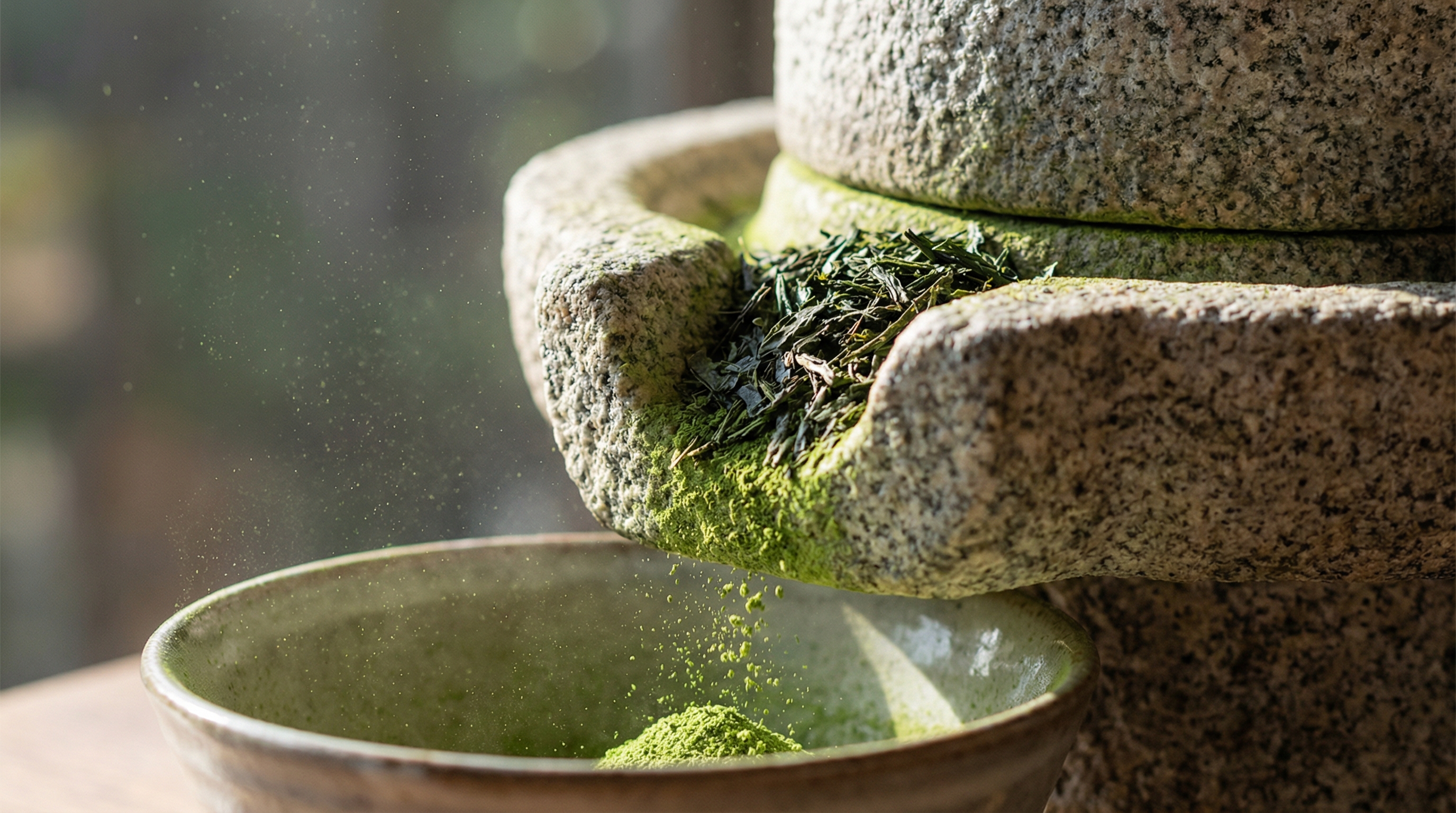
Stone-grinding remains a major bottleneck in production and explains why is matcha so expensive? because a single granite mill can only produce about 30 to 40 grams of powder per hour. This intentional slowness is not a lack of technology but a necessary requirement for preserving the delicate compounds of the leaf. If the grinding process is rushed, the friction creates heat that literally “cooks” the tea, destroying its flavor and nutrients. You are paying for the time the equipment must spend carefully turning leaves into micro-fine dust.
How Does Heat Management Affect Quality?
Granite mills are used specifically because they stay cool during the grinding process, preventing the oxidation of delicate oils. High-speed industrial grinders generate excessive heat that turns the vibrant green powder into a dull, brownish color. Cold-grinding ensures that the “raw” nutritional profile of the tea remains intact until it reaches your cup.
Why is Particle Size Important for Texture?
Stone mills produce particles that are only 5 to 10 microns thin, which is finer than the human eye can see. These incredibly small particles allow the powder to stay suspended in water rather than sinking to the bottom of the bowl. This creates the silky mouthfeel and thick, creamy froth that characterizes high-end ceremonial tea.
Think about it.
The physical limitations of traditional stone-grinding ensure that authentic powder remains a rare luxury commodity.
- One mill produces just one tin of tea per hour.
- Micro-fine particles increase the surface area for nutrient absorption.
- Granite is non-reactive and does not alter the tea’s chemical balance.
Is Traditional Grinding Superior to Modern Mills?
Traditional stone mills are increasingly being replaced by ceramic or metal grinders, but the results are never quite the same. Ceramic mills can be faster, but they often produce a more jagged particle shape that feels “sandy” on the tongue. Master producers stick to granite because it is the only way to achieve the perfect, spherical particle shape for frothing.
Key Takeaway: The intentional slowness of the stone-grinding process is a quality-control measure that ensures the tea remains “alive” and flavorful.
Grinding Method | Speed | Heat Generation | Particle Texture |
|---|---|---|---|
Granite Stone | 40g / hour | Low (Safe) | Silky / Micro-fine |
Ceramic Mill | 200g / hour | Medium | Grainy |
Industrial Pulverizer | 10kg / hour | High (Damaging) | Coarse |
The physical limitations of traditional stone-grinding ensure that authentic matcha remains a rare commodity rather than a mass-produced staple.
Why is matcha so expensive for ceremonial grades?
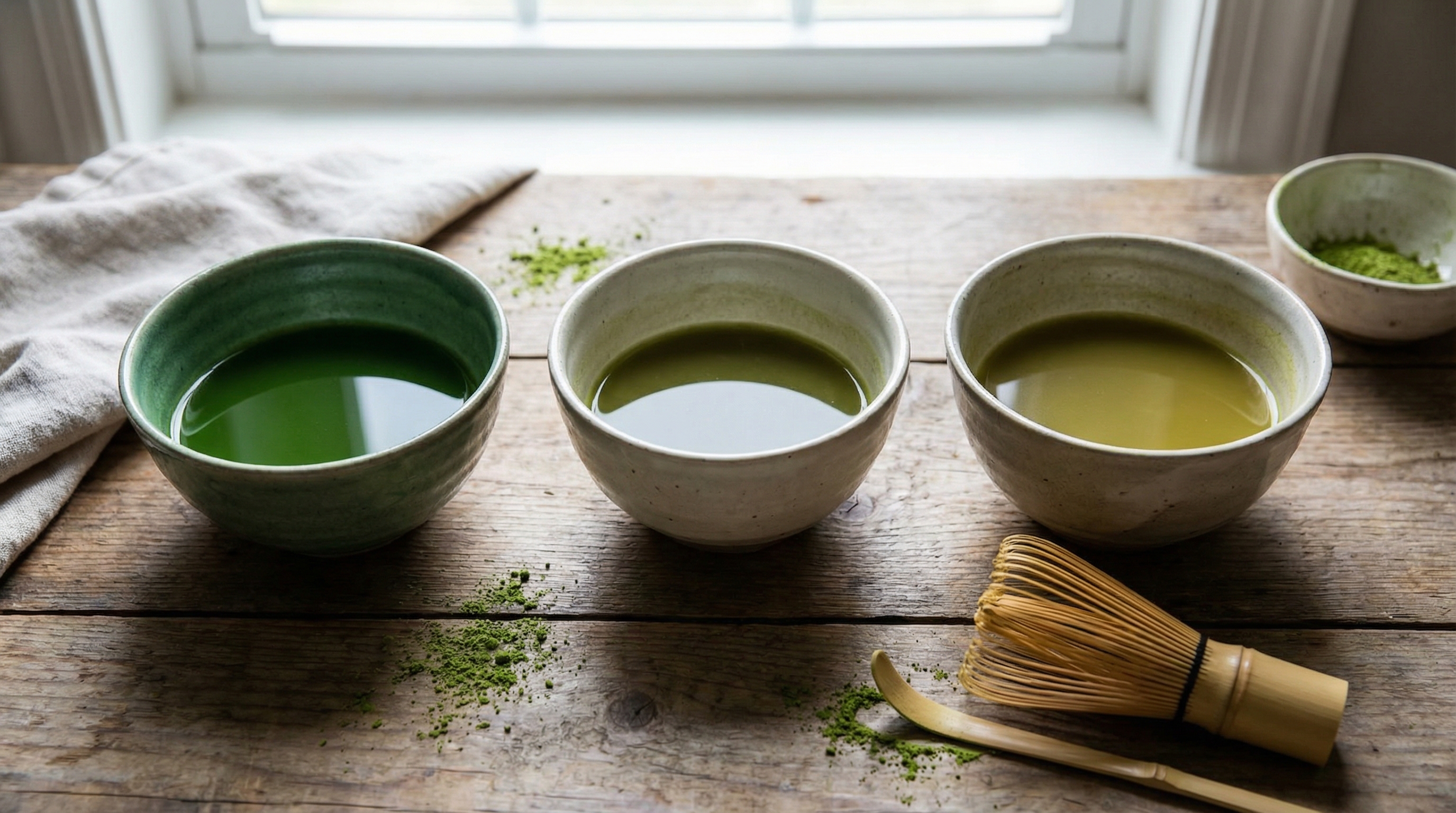
The classification of tea into different tiers is a major reason why is matcha so expensive? as ceremonial products require a perfect synergy of color, taste, and texture. Only the absolute best leaves from the first harvest are eligible to be labeled as “Ceremonial Grade.” These leaves have the highest concentration of L-theanine and the lowest levels of astringent catechins. When you purchase this tier, you are buying the top 1% of the entire global tea harvest.
How is the Grading System Defined?
Grades are strictly determined by the leaf’s position on the bush and its specific harvest timing. Color vibrancy is a primary indicator of amino acid density, with the brightest greens indicating the highest quality. The degree of natural sweetness determines whether a powder can be enjoyed as a traditional tea or must be relegated to baking.
Why is First Flush Tea So Rare?
First flush tea is harvested only once a year during a very narrow window in early spring. During the winter, the tea plants remain dormant and store a massive amount of nutrients specifically for these first leaves. This limited supply means that once the spring harvest is sold out, there is no more ceremonial-grade tea until the following year.
The bottom line?
When you buy the highest tier, you are competing for a very small percentage of the world’s total tea output.
- Ceremonial grade is designed to be whisked with water only.
- First flush leaves are softer and easier to grind into fine dust.
- Lower grades use later harvests which are more fibrous and bitter.
What Makes “Culinary” Grade Different?
Culinary grade is harvested later in the season when the leaves have been exposed to more sunlight and have developed more bitterness. While it is more affordable, it lacks the delicate nuance and bright color required for a traditional tea ceremony. It is excellent for baking or smoothies, where the bold flavor can stand up to other ingredients like sugar or milk.
Key Takeaway: Higher grades represent the pinnacle of the harvest, where only the most perfect leaves are selected for the final blend.
Grade Category | Primary Use | Taste Profile | Price Point |
|---|---|---|---|
Ceremonial | Traditional Tea | Sweet / Umami | $$$ |
Premium | Lattes / Smoothies | Balanced | $$ |
Culinary | Baking / Cooking | Bitter / Astringent | $ |
The distinct separation of grades allows consumers to choose based on their needs, though the top-tier costs reflect their extreme rarity.
Does organic farming impact why is matcha so expensive?
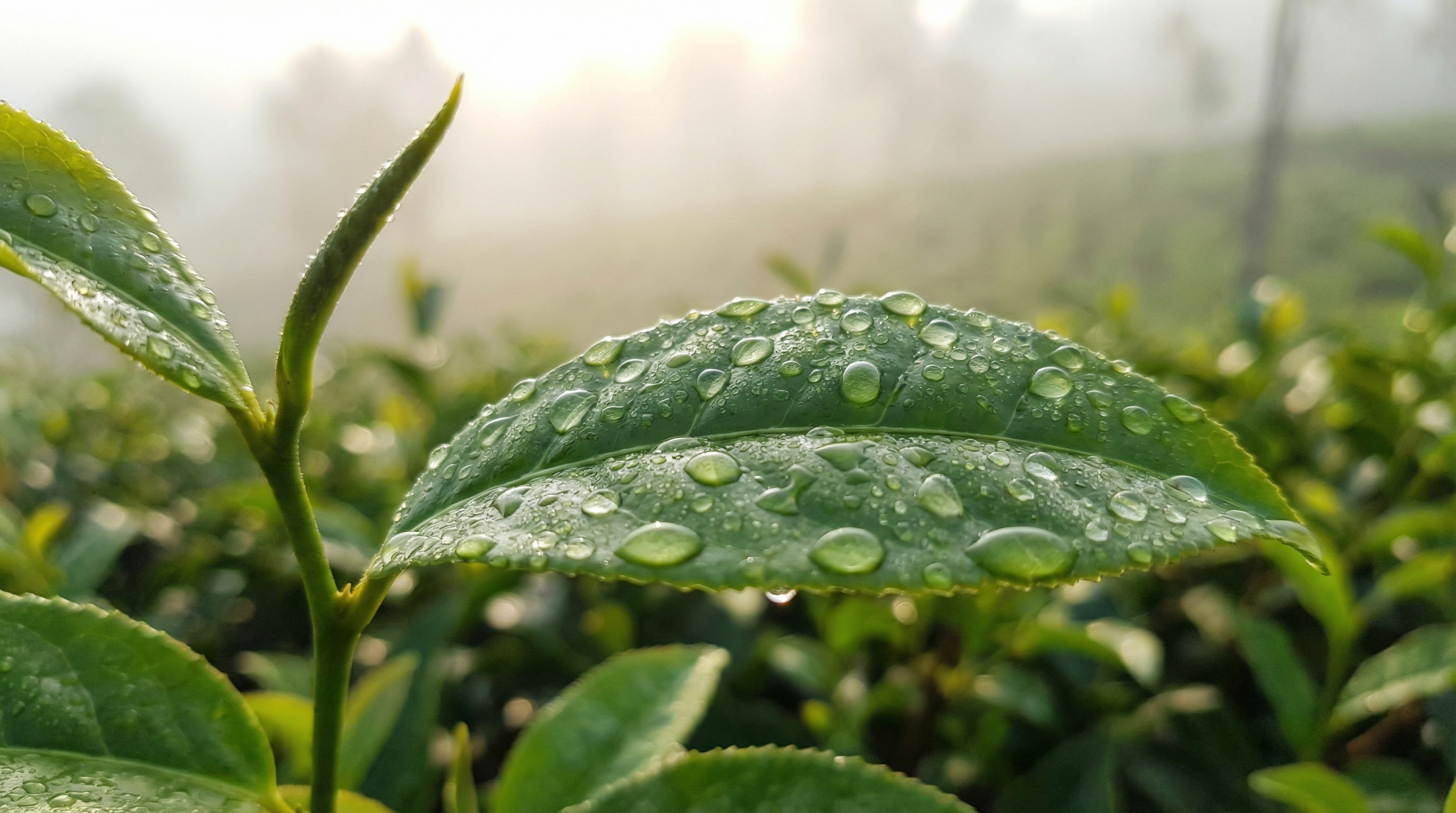
Organic certification further explains why is matcha so expensive? because it removes the use of synthetic fertilizers, which are traditionally used to force high-umami flavors in tea leaves. To achieve the same flavor profile without chemicals, farmers must use more expensive natural compost and spend more time on soil management. The risk of crop loss due to pests or disease is also much higher when you aren’t using industrial pesticides. You are paying for a cleaner product that requires significantly more land and labor to produce.
What are the Challenges of Organic Fertilization?
Organic fertilizers act much slower than their synthetic counterparts and are less efficient at boosting nitrogen levels quickly. Farmers must apply larger volumes of natural mulch and compost to achieve the same nutrient density in the leaves. Maintaining the signature vibrant green color without chemical aids is twice as difficult and requires constant soil monitoring.
How Does Certification Add to the Cost?
International organic certifications require rigorous testing, frequent audits, and high administrative fees that are passed on to the consumer. Dedicated processing facilities are often required to avoid cross-contamination with non-organic tea leaves. This logistical complexity adds another layer of expense to the supply chain before the tea even leaves Japan.
But wait, there’s more.
Organic plants often grow slower, meaning the yield per acre is significantly lower than conventional farms.
- Organic farming promotes long-term soil health and biodiversity.
- Natural compost is more expensive to source and transport.
- Pest management must be done manually or with natural deterrents.
Is Organic Quality Comparable to Conventional?
For a long time, organic versions were considered less flavorful than conventional ones because they lacked the nitrogen boost of synthetic fertilizers. However, modern organic farmers have mastered new techniques to bridge this gap, though at a much higher cost. You are essentially paying a premium for the safety of a chemical-free product and the sustainable labor behind it.
Key Takeaway: Organic matcha represents a commitment to sustainability that requires more land, more time, and more financial risk for the farmer.
Farming Type | Fertilizer Source | Flavor Difficulty | Price Increase |
|---|---|---|---|
Conventional | Synthetic Nitrogen | Easy (Controlled) | 0% |
Organic | Compost / Natural | Hard (Manual) | +25% – 50% |
Bio-Dynamic | Closed Ecosystem | Very Hard | +70% |
The added cost of organic matcha is a direct reflection of the increased complexity in maintaining crop health and flavor without chemical aids.
Does de-veining prove why is matcha so expensive?
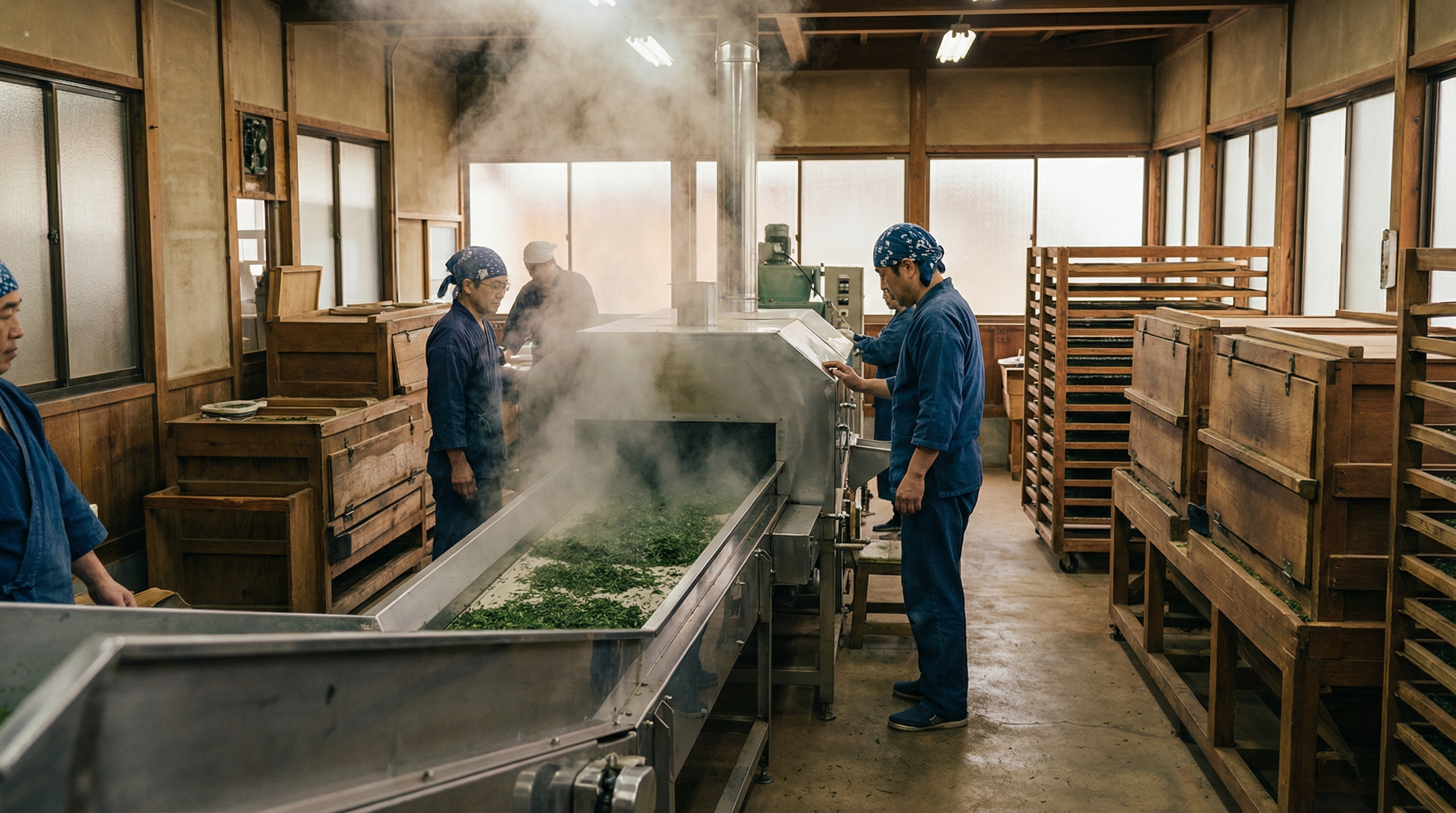
Post-harvest processing is a critical stage that answers why is matcha so expensive? because it involves the complete removal of all veins and stems to create “Tencha.” If these fibrous parts were left in, the final powder would be gritty, bitter, and lose its vibrant green color. This refining process requires specialized machinery and skilled technicians to ensure that only the “meat” of the leaf remains. You are paying for a highly refined product where up to 30% of the raw material is discarded to achieve perfection.
Why Must Veins and Stems Be Removed?
Stems contain almost no chlorophyll and would significantly dilute the bright green color of the final powder. Veins are made of cellulose and fiber, which do not grind easily and would create a sandy texture in the finished drink. Removing these parts ensures that the powder is 100% pure leaf tissue, which dissolves more easily into water.
How Does Steaming Affect Value?
Immediately after harvest, the leaves are steamed to stop the natural oxidation process and “lock in” their nutritional profile. This step is time-sensitive; if delayed by even a few hours, the leaves will begin to turn brown and lose their sweetness. High-tech “Tencha Roasters” are then used to dry the leaves evenly without burning them, a process that requires expensive, specialized equipment.
Here is the deal:
Any small error during these technical stages can turn a premium harvest into low-value waste in just a few minutes.
- De-veining reduces the final weight of the product, increasing the price per gram.
- Steaming preserves up to 95% of the leaf’s original antioxidants.
- Proper drying is essential to prevent mold and ensure shelf stability.
What is “Tencha” and Why Does it Matter?
Tencha is the name for the processed tea leaves before they are ground into the fine powder we know as matcha. It is a unique form of tea that is rarely sold to consumers because its only purpose is to be the raw material for grinding. The energy costs and technical expertise required to produce high-quality Tencha are among the highest in the entire tea industry.
Key Takeaway: The transformation from a raw leaf to pure “Tencha” is a high-tech refining process that requires specialized facilities and years of expertise.
Process Step | Goal | Impact if Failed | Value Addition |
|---|---|---|---|
Steaming | Halt Oxidation | Brown Color / Bitter | Essential |
De-veining | Texture Refinement | Gritty / Sandy | High |
Drying | Moisture Control | Mold / Spoilage | Essential |
The precision required in these processing steps ensures that the final product meets the exacting standards of international buyers.
Does nutrition explain why is matcha so expensive?
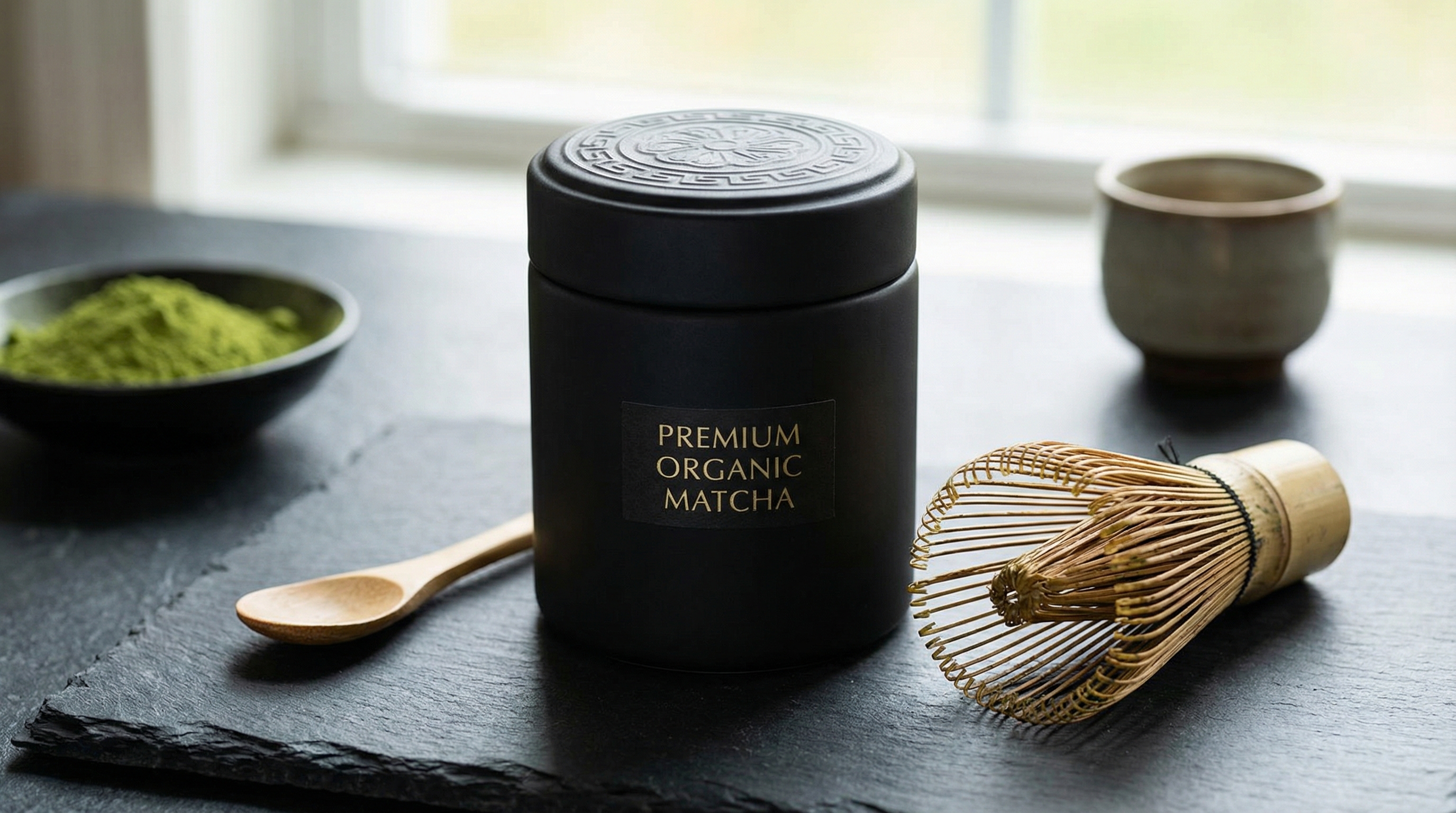
The extreme concentration of health benefits is a major justification for why is matcha so expensive? as one cup of this tea provides the nutritional equivalent of ten cups of regularly brewed green tea. Because you are consuming the entire leaf rather than just a water extract, you receive 100% of the plant’s fat-soluble vitamins and fiber. This density makes it more of a “superfood concentrate” than a simple beverage. You are paying for a high dose of antioxidants, specifically EGCG, which is significantly more potent in shaded tea.
Why is Whole-Leaf Consumption Different?
Standard tea bags only allow the water to extract about 10% of the nutrients found in the leaf before the bag is discarded. With this powder, you are ingesting the actual leaf fibers, providing access to Vitamin A, Vitamin E, and Vitamin K. This delivery system is the most efficient way to absorb the plant’s natural bioactive compounds.
What is the Value of L-Theanine?
L-Theanine is a rare amino acid that promotes a state of “calm alertness” by crossing the blood-brain barrier to increase alpha-wave activity. This specific chemical balance prevents the “caffeine crash” often associated with coffee or energy drinks. The higher the price of your tea, the more L-theanine it typically contains, as this compound is the most expensive for the plant to produce.
Think about it.
You aren’t just paying for a flavor; you are paying for a functional supplement that enhances mental clarity and focus.
- Matcha has 137 times more EGCG than standard green tea.
- The high fiber content aids in digestion and blood sugar regulation.
- Chlorophyll acts as a natural detoxifier within the body.
Does Processing Affect Nutritional Value?
The slow stone-grinding process we discussed earlier is specifically designed to protect these heat-sensitive nutrients from degradation. If you buy cheap, industrially-ground powder, many of these benefits are lost due to high-temperature friction during manufacturing. Investing in premium tea ensures that you are actually receiving the health benefits you are looking for.
Key Takeaway: Matcha is essentially a “superfood concentrate,” and its price reflects its extreme potency compared to standard tea.
Benefit | Matcha (1g) | Green Tea (1 cup) | Comparison |
|---|---|---|---|
Antioxidants | Very High | Low | 137x EGCG |
Amino Acids | High | Trace | Enhanced Focus |
Fiber | Yes | No | Digestive Aid |
This data confirms that from a nutritional standpoint, the higher cost of matcha is offset by its significantly higher concentration of healthy components.
Does storage affect why is matcha so expensive?
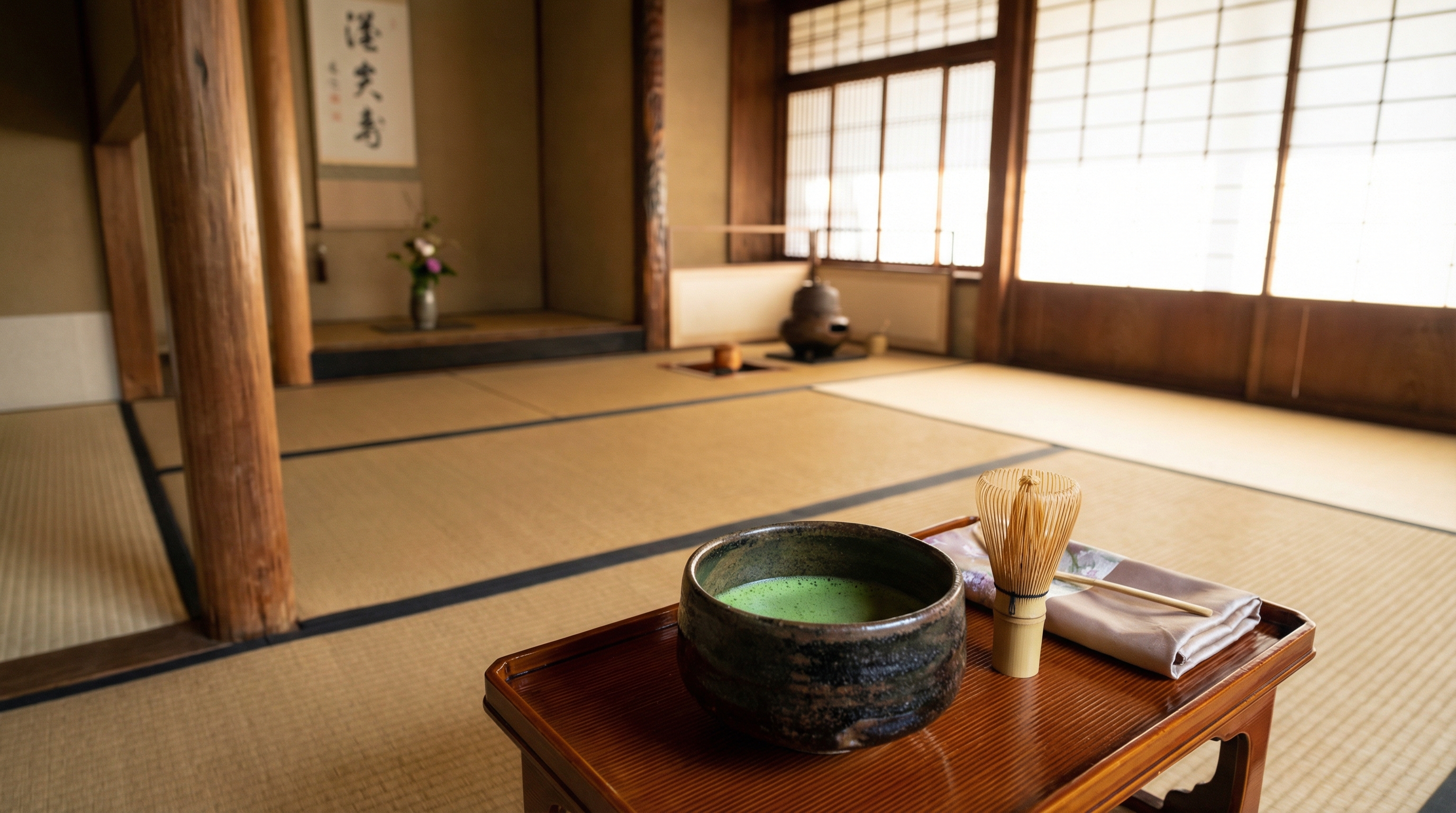
The logistics of keeping a highly sensitive product fresh explains why is matcha so expensive? because the powder begins to oxidize the moment it is exposed to light, heat, or air. Unlike black tea, which can stay stable for years, this green powder is effectively a “perishable” product that requires a premium supply chain. From refrigerated storage in Japan to airtight, nitrogen-flushed packaging, every step of the journey is designed to fight environmental degradation. You are paying for the speed and protection required to deliver a volatile product across the world.
Why is Specialized Packaging Required?
Airtight tins or heavy-duty mylar bags are necessary to block 100% of UV light, which would otherwise turn the tea yellow and bitter. Many producers use nitrogen flushing during the sealing process to remove all oxygen from the container, preventing oxidation. These specialized materials and processes are significantly more expensive than standard paper tea bags or cardboard boxes.
How Does Shelf-Life Pressure Affect Pricing?
The powder has a very short “peak” freshness window, typically lasting only 6 to 12 months after grinding. Retailers must manage their inventory with extreme precision to avoid selling a degraded product that has lost its color and aroma. Any expired stock represents a total financial loss for the supplier, a risk that must be factored into the final retail price.
Let’s dive deeper.
The cost of maintaining a “cold chain”—shipping and storing the powder in refrigerated environments—adds a massive layer of logistics.
- Refrigerated shipping can double the transportation cost of the tea.
- Small-batch grinding ensures that the product doesn’t sit in a warehouse for months.
- High-quality tins are reusable and provide the best barrier against humidity.
Why Does Oxidation Ruin the Product?
Oxidation turns the vibrant green chlorophyll into a dull brown color and converts sweet amino acids into bitter compounds. This happens rapidly; even leaving a tin open for a few hours can noticeably change the flavor profile of a ceremonial-grade tea. Protecting the product from these elements is a non-stop battle that adds cost at every stage of the distribution network.
Key Takeaway: The fragility of matcha requires a premium supply chain that protects the product from environmental degradation at every step.
Factor | Risk to Product | Solution | Cost Impact |
|---|---|---|---|
UV Light | Color Fading | Opaque Tins | Medium |
Oxygen | Bitterness | Vacuum Sealing | High |
Temperature | Nutrient Loss | Refrigeration | Very High |
By investing in specialized storage, producers ensure that the expensive cultivation efforts are not wasted by the time the product reaches your kitchen.
Does global demand clarify why is matcha so expensive?

Market economics finally answer why is matcha so expensive? by showing that the global craze for green tea products has far exceeded the production capacity of traditional Japanese farms. There is only a limited amount of suitable land in the historic tea prefectures, and tea bushes take 5 to 7 years to reach maturity for high-quality harvests. As the demand for “Authentic Japanese Matcha” grows in the West, the bidding wars for the best harvests drive prices up for everyone. You are competing with cafes, bakeries, and health-conscious consumers worldwide for a finite resource.
Why Can’t Production Simply Be Scaled Up?
Scaling up production is difficult because the aging population of Japanese tea farmers has led to a shortage of skilled labor. Many small, family-owned farms are closing because the younger generation is not taking over the physically demanding work of shaded cultivation. This decreasing number of farms, combined with rising global interest, creates a classic “low supply, high demand” price spike.
What is the Impact of Social Media Trends?
The rise of “aesthetic” green lattes on social media has cleared out wholesale stocks faster than farmers can replant. Luxury branding has repositioned the tea as a lifestyle status symbol, allowing high-end retailers to command even higher premiums. Import duties, international shipping costs, and fluctuating currency exchange rates add an extra 20% to 30% to the base price of the tea.
But wait, there’s more.
As global demand rises, lower-quality “fake” versions are entering the market, making authentic Japanese powder even more valuable.
- Global demand has grown by over 10% annually for the last decade.
- Japanese tea exports hit record highs every single year.
- Limited land in Uji makes expansion impossible without sacrificing quality.
How Does Rarity Influence Future Pricing?
As climate change makes weather patterns less predictable, the risk of a “bad harvest” increases, which can cause prices to fluctuate wildly. Collectors and high-end tea houses often buy up the best “first flush” lots as soon as they are processed, leaving less for the general market. This exclusivity ensures that genuine, ceremonial-grade tea will remain a premium luxury for the foreseeable future.
Key Takeaway: As a rare agricultural product with a fixed production cycle and limited geography, matcha is subject to the classic economic laws of high demand and low supply.
Market Driver | Impact on Supply | Impact on Price | Trend |
|---|---|---|---|
Global Health Trend | Decreases | Increases | Rising |
Aging Farmers | Decreases | Increases | Rising |
Land Scarcity | Static | Stable/High | Permanent |
This economic reality ensures that while cheaper alternatives may appear, genuine high-quality matcha will remain a premium luxury for the foreseeable future.
Conclusion
The journey from a shaded leaf in a Japanese valley to the fine powder in your bowl is a masterpiece of agricultural engineering and tradition. Every step—from the selection of volcanic soil and the manual labor of shading to the slow, cool grinding in granite mills—is designed to preserve a level of quality that cannot be mass-produced. While the price might seem high, it reflects the true cost of an artisanal product that offers unmatched health benefits and flavor nuance. If you are ready to experience the difference that authentic quality makes for your health or your business, contact us today to explore our curated selections.
Frequently Asked Questions (FAQ)
1. Can I find high-quality matcha at a lower price?Generally, price is a reliable indicator of quality because it reflects the labor-intensive shading and stone-grinding processes. While you can find affordable options, they are typically “culinary grade,” which is harvested later and lacks the sweetness of ceremonial varieties.
2. What’s the best way to tell if my expensive matcha is fresh?The most immediate sign is the color; fresh, high-quality powder should be a vibrant, electric green. If the powder looks dull, yellowish, or brownish, it has likely oxidized due to poor storage or age, regardless of its original price.
3. Can I use ceremonial matcha for baking to get better results?You can, but it is often considered a waste of money because the delicate “umami” notes of ceremonial grade are usually lost when mixed with sugar, flour, and high heat. Culinary grade is specifically designed to have a bolder, more astringent flavor that stands up better to baking.
4. What’s the best way to store my matcha to protect my investment?You should keep your tea in an airtight, opaque tin in a cool, dark place, or ideally, in the refrigerator. Always ensure the lid is sealed immediately after use to prevent oxygen and humidity from degrading the delicate powder.
5. Can I expect the same health benefits from cheaper powders?Lower-priced powders are usually made from later harvests that have lower levels of L-theanine and chlorophyll. While they still contain antioxidants, the “calm alertness” and nutrient density are significantly higher in the more expensive, first-flush ceremonial grades.