
The best matcha containers are those featuring airtight seals and opaque walls made from non-reactive materials like stainless steel or high-grade tinplate to provide a total barrier against light, heat, and oxygen. When you manage a high-volume beverage business, the rapid degradation of tea powder quality is a constant threat to your profit margins. Buying premium ceremonial grades only to have them lose their vibrant color and umami flavor due to poor storage results in inconsistent products and dissatisfied customers. Investing in professional matcha containers solves this problem by creating a controlled micro-environment that preserves the chemical integrity of the tea from the wholesale bag to the final whisked serving.
Table of Contents
ToggleWhat Makes Matcha Powder So Delicate?
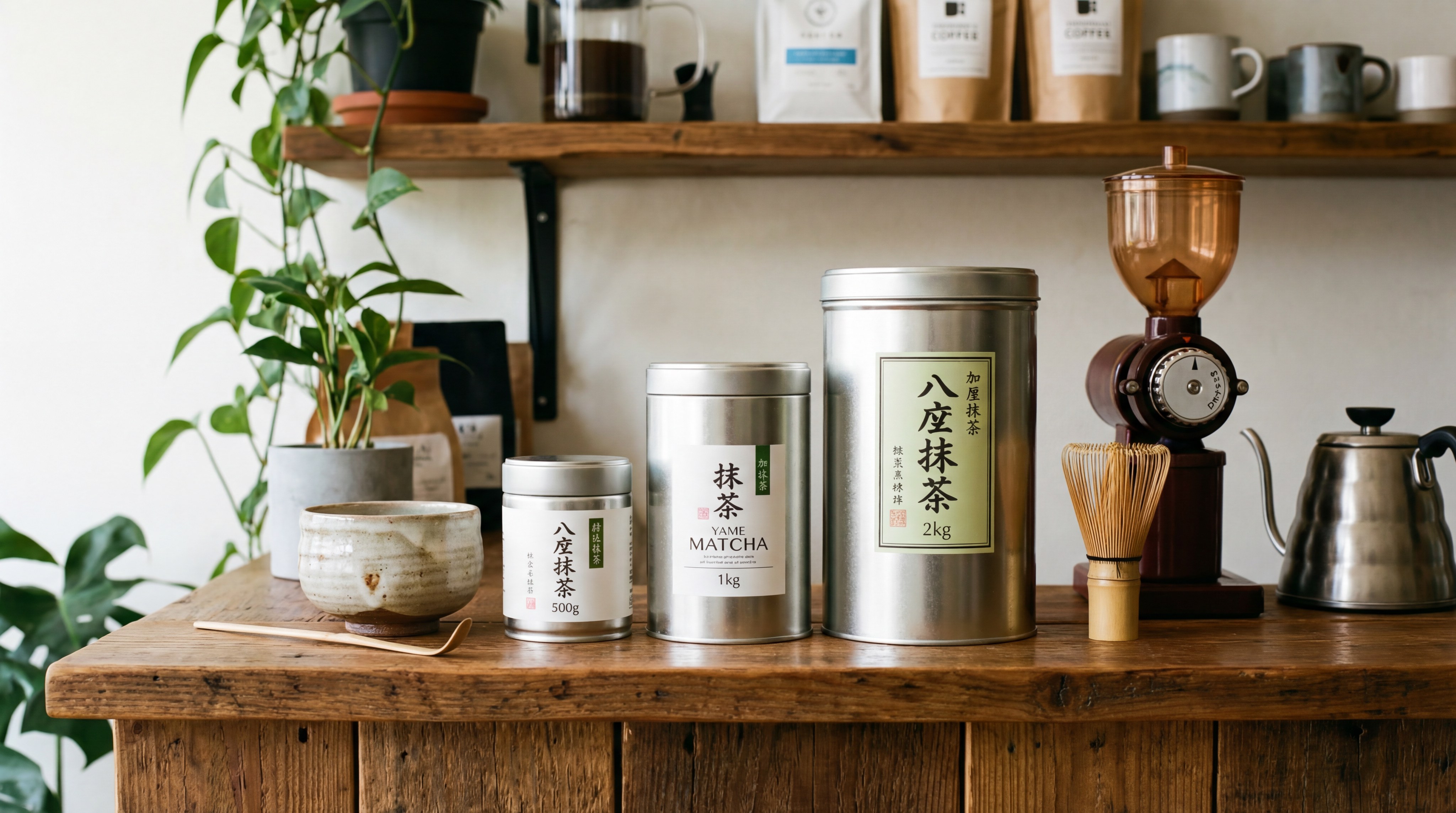
Matcha powder is exceptionally delicate because its high surface area exposes the inner cellular components of the tea leaf directly to environmental degradation. Unlike whole-leaf green teas, the finely milled nature of these powdered leaves means that every microscopic particle is susceptible to immediate oxidation when placed in inferior matcha containers. This extreme sensitivity requires a storage approach that treats the powder more like a fresh produce item than a shelf-stable dry good.
The Nature of Powdered Leaves
The structural integrity of matcha is compromised the moment the Tencha leaves are stone-ground into a fine silt. Because the protective cell walls are essentially shattered to create the powder, the volatile aromatic oils are no longer shielded from the atmosphere. This makes the selection of storage vessels a critical decision for any cafe owner looking to maintain a premium sensory profile.
Think about this:
- Tencha leaves are ground to a size of 5-10 microns.
- This creates thousands of times more surface area than standard tea.
- Increased surface area leads to logarithmic increases in oxidation speed.
- Professional-grade canisters must compensate for this physical vulnerability.
The best part? By understanding the physics of the powder, you can better appreciate why standard pantry storage fails to protect your investment.
Chlorophyll and Catechin Stability
Chlorophyll and catechins are the primary compounds responsible for the vibrant green color and health benefits, yet they are notoriously unstable when exposed to light or heat. Without specialized matcha containers, these molecules undergo rapid photo-oxidation, turning the once-bright powder into a dull, yellowish-brown substance. This chemical shift not only ruins the visual appeal of your lattes but also significantly alters the nutritional value of the product.
But that’s not all:
- UV light provides the energy needed to break down delicate chlorophyll bonds.
- Catechins, though powerful antioxidants, are highly reactive to oxygen molecules.
- Temperature fluctuations act as a catalyst for these destructive chemical reactions.
- Stable storage conditions are the only way to lock in the “fresh-milled” quality.
Key TakeawayMatcha is a living chemical system that requires total isolation from environmental catalysts to remain commercially viable.
Component | Role in Quality | Sensitivity Level |
|---|---|---|
Chlorophyll | Provides vibrant emerald color | Extremely High (Light) |
L-Theanine | Contributes sweet umami flavor | High (Heat/Oxygen) |
Catechins | Source of antioxidant benefits | Moderate (Oxygen/Moisture) |
Strategic storage management is the difference between a world-class beverage program and a mediocre one that loses money to spoilage.
What Are The Four Main Enemies of Fresh Matcha?
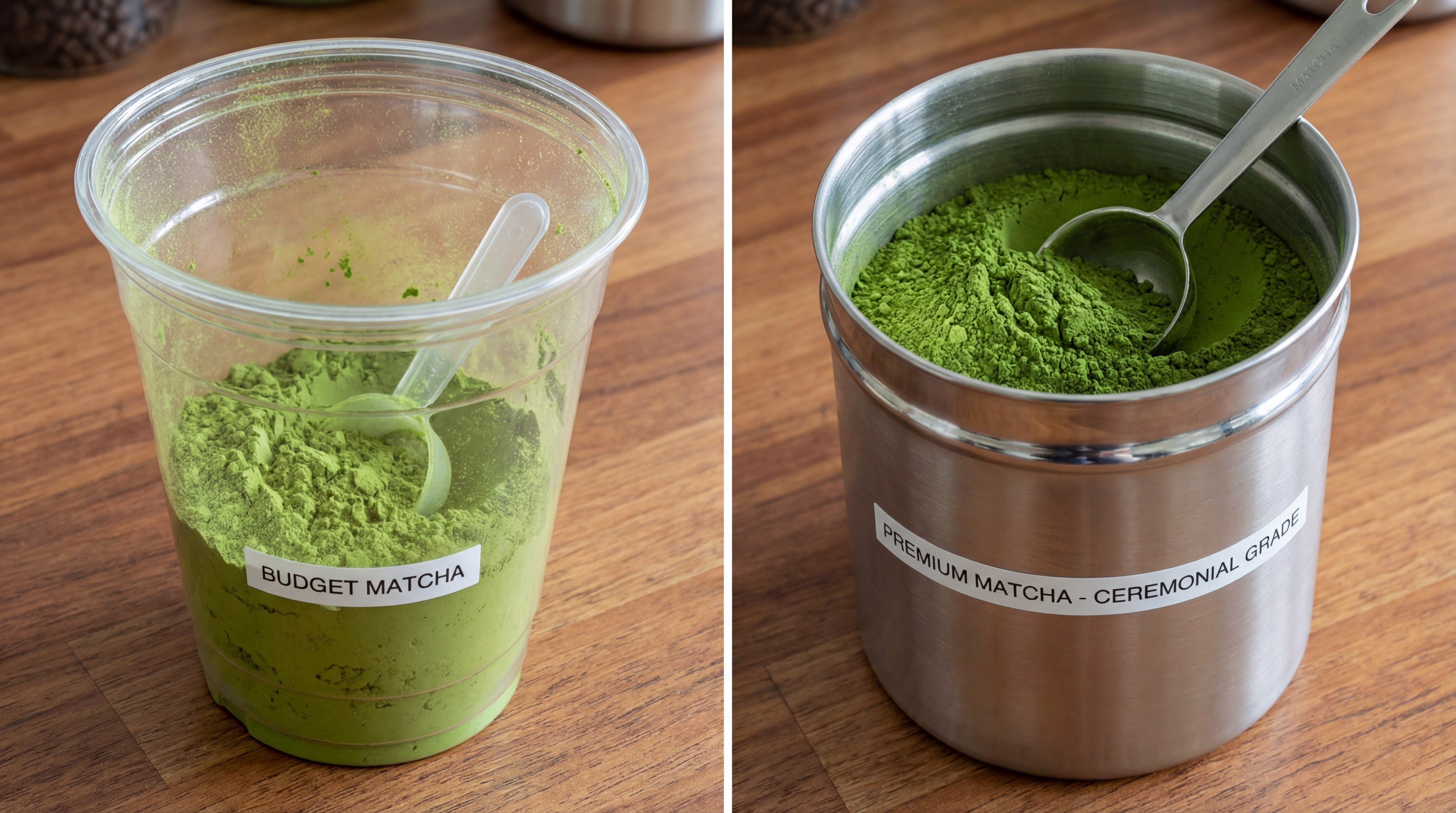
The four main enemies of fresh matcha are oxygen, light, heat, and moisture, all of which act together to accelerate the natural aging and degradation process of the tea. In a busy commercial environment, these elements are often present in abundance, making the choice of matcha containers the primary line of defense for your inventory. Protecting your stock from these variables ensures that your cost-per-serving remains low while your product quality remains high.
Oxygen and Light Exposure
Oxygen is perhaps the most persistent threat, as it initiates the oxidation process the second a container is opened for service. Light exposure, particularly ultraviolet rays, works in tandem with oxygen to bleach the powder and destroy the volatile oils that provide its signature aroma. If you are using clear or poorly sealed vessels, you are essentially allowing these elements to strip away the value of your tea in real-time.
Here is the deal:
- Photo-oxidation can occur in as little as 30 minutes of direct light exposure.
- Oxygen causes the tea to develop a metallic, “stale” flavor profile.
- Light-damaged matcha cannot be restored to its original vibrancy.
- Opaque, airtight barriers are non-negotiable for retail and wholesale storage.
You might be wondering: Is it possible to completely eliminate these threats in a high-traffic cafe?
Heat and Moisture Risks
Heat speeds up every chemical reaction involved in spoilage, while moisture causes the powder to clump and encourages the growth of bacteria or mold. When matcha is stored near steam wands or ovens, the rising temperatures and humidity levels can turn a fresh bag of tea into a clumpy, bitter mess in days. Professional matcha containers must offer a thermal barrier and a moisture-proof seal to combat these common kitchen hazards.
The bottom line is:
- High humidity levels make the powder difficult to sift and whisk.
- Heat exposure leads to the breakdown of L-theanine into bitter compounds.
- Moisture absorption can introduce off-odors from other kitchen ingredients.
- A dry, cool environment is the baseline for any quality-focused operation.
Key TakeawayComprehensive protection against all four environmental enemies is required to maintain the commercial value of ceremonial tea.
Enemy | Primary Effect | Best Defense |
|---|---|---|
Oxygen | Flavor flatness and oxidation | Hermetic silicone seals |
Light | Color loss and bleaching | Opaque metal or dark glass |
Heat | Bitterness and oil breakdown | Refrigeration or cool pantry |
Moisture | Clumping and microbial risk | Moisture-proof gaskets |
Understanding these threats allows you to implement standard operating procedures that safeguard your inventory against avoidable loss.
What Are The Best Materials for Matcha Containers?
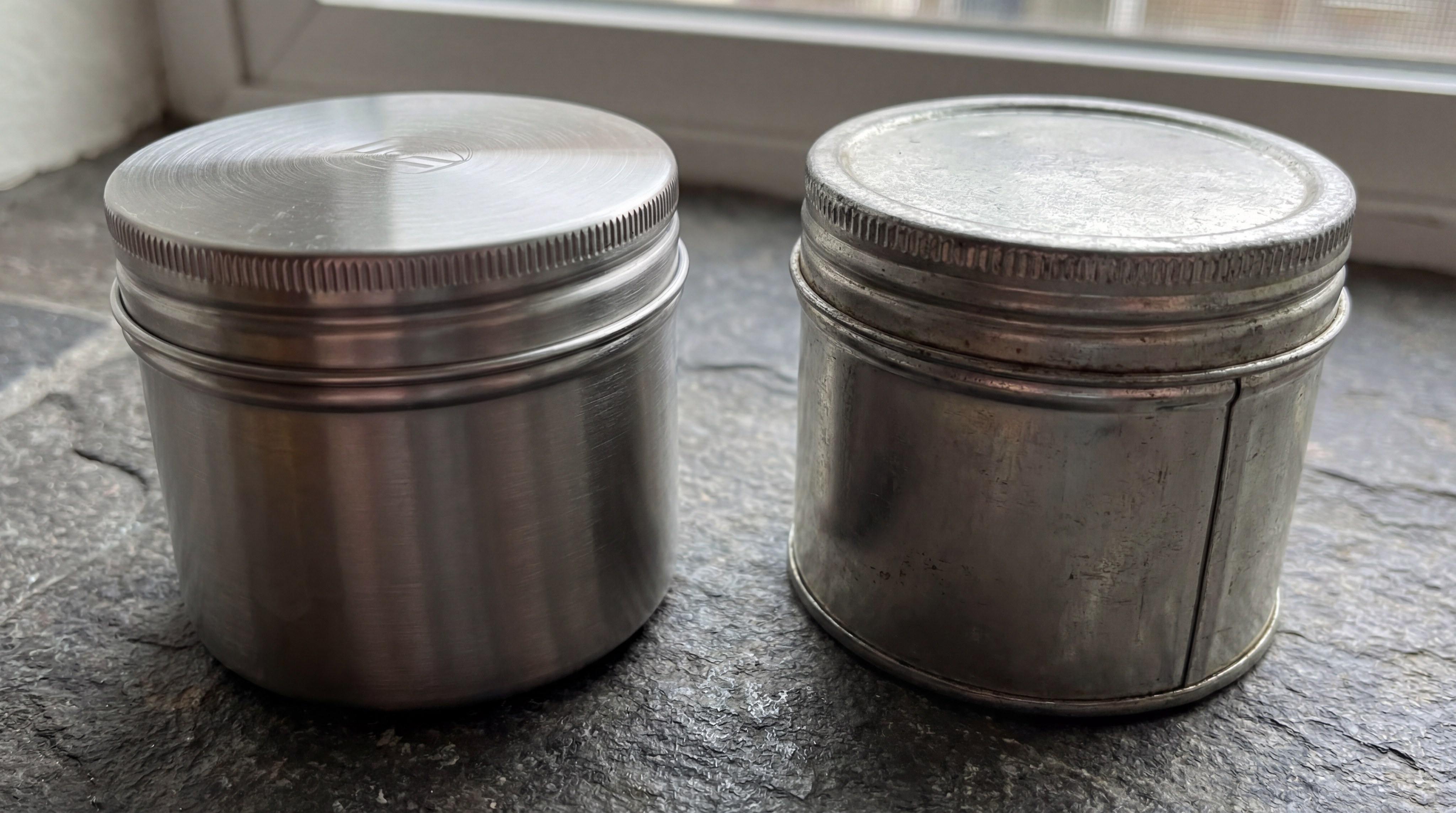
The best materials for matcha containers are high-grade stainless steel and tinplate because they offer a 100% light block and are completely non-reactive with the tea’s delicate chemistry. These materials are durable enough to withstand the rigors of a professional kitchen while being easy to sanitize and maintain. When you select your hardware, prioritizing these metals ensures that no external odors or chemicals leach into your expensive powder.
Tinplate and Ceramic Options
Tinplate is a traditional favorite because it is lightweight, cost-effective, and provides an excellent seal when manufactured with a double-lid system. Ceramic, when glazed properly, offers high thermal mass which helps maintain a steady internal temperature, though it is more prone to breakage in a fast-paced environment. Both materials are far superior to plastic, which can be porous and may retain static, causing the fine powder to cling to the interior walls.
Make no mistake:
- Stainless steel (Grade 304) is the gold standard for food-safe storage.
- Tinplate canisters are ideal for wholesale distribution and retail sales.
- Ceramic vessels add a touch of traditional elegance to front-of-house service.
- Each material must be paired with an airtight lid to be effective.
But wait, there is more: The choice of material also impacts the ease of cleaning and the overall longevity of your storage equipment.
UV-Protected Glass vs Clear Glass
While clear glass is often used for display purposes, it is functionally useless for preserving the quality of the powder. If you prefer the aesthetic of glass, you must choose UV-protected varieties, such as dark amber or violet glass, which filter out the harmful rays of the light spectrum. This allows you to maintain visual appeal without compromising the molecular stability of the catechins and chlorophyll within the matcha containers.
It gets better:
- Violet glass actually preserves the “bio-energy” of natural products.
- Amber glass provides a vintage look while blocking 90% of UV light.
- Clear glass should only be used for samples that are replaced daily.
- Glass is non-porous and will never absorb the scent of previous contents.
Key TakeawayMetal and UV-protected glass are the only materials that meet the rigorous standards of professional tea preservation.
Material | Light Blocking | Durability | Best For |
|---|---|---|---|
Stainless Steel | 100% | High | Heavy Daily Use |
Tinplate | 100% | Medium | Wholesale/Retail |
Violet Glass | 98%+ | Low | Premium Displays |
Choosing the right material is the first step in building a storage system that protects your business from unnecessary waste.
Should I Refrigerate or Freeze My Matcha?
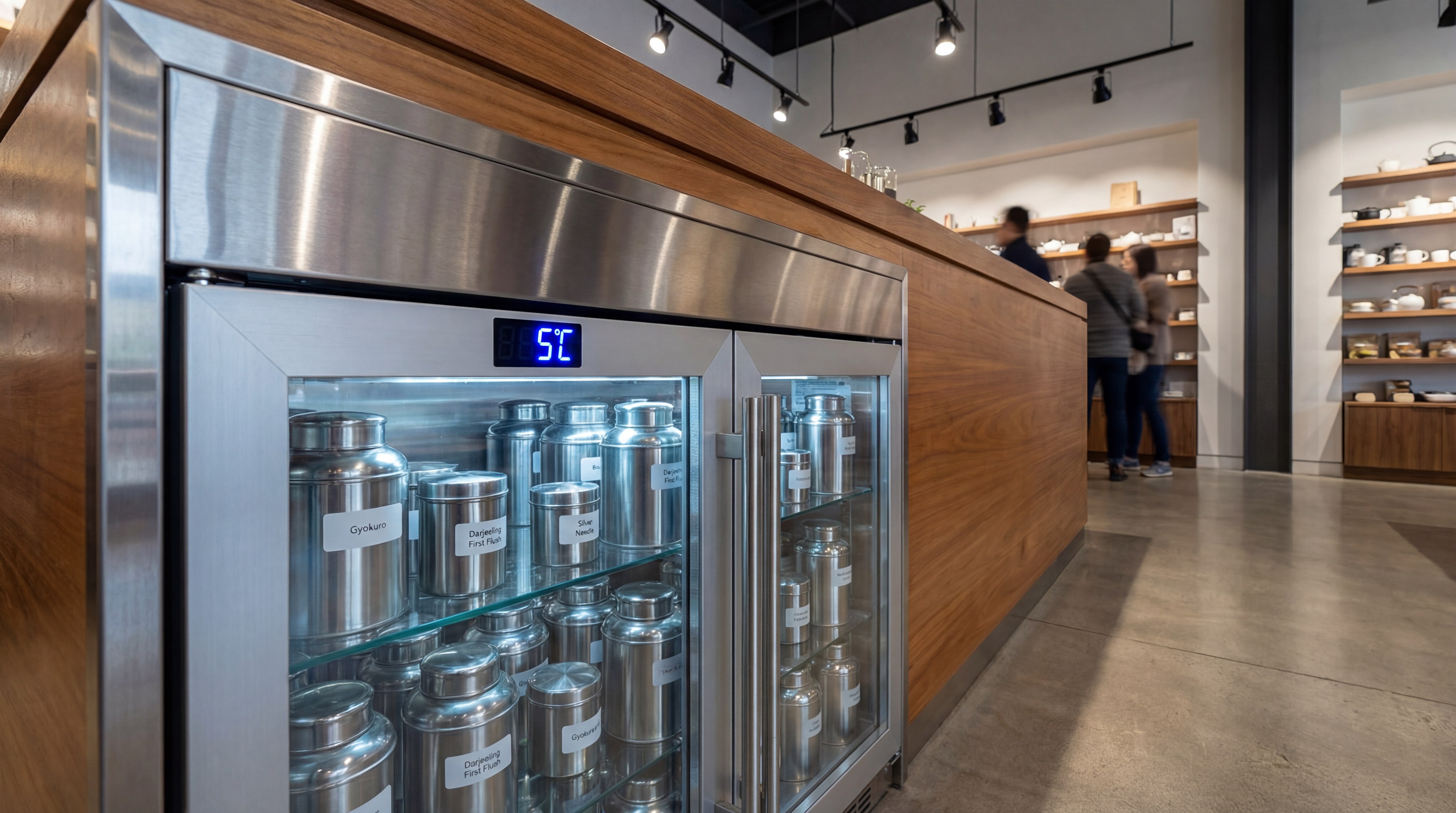
You should refrigerate your matcha if you intend to store it for more than a few weeks, as the low temperature significantly slows the oxidative reactions that lead to flavor loss. Cold storage is the most effective way to maintain the “fresh-milled” characteristics of high-end wholesale stock over a longer period. However, this method requires specialized matcha containers that can provide a total seal against the humidity and odors common in commercial refrigerators.
Refrigeration Best Practices
When using a refrigerator, the most critical step is allowing the container to reach room temperature before opening it to avoid condensation. If warm, humid air hits cold powder, moisture will immediately condense on the surface, causing clumping and rapid spoilage. For a busy cafe, this means keeping only a small daily-use portion at the bar while the bulk surplus remains chilled and sealed.
Consider this:
- Chilled storage can extend shelf life by up to six months.
- Dedicated tea fridges prevent the absorption of food smells.
- Always use a secondary airtight bag or container inside the fridge.
- Label every vessel with the “date opened” and “date removed from cold.”
The results speak for themselves: Properly managed cold storage ensures that your last scoop of the month is as vibrant as the first.
Freezing for Long-Term Storage
Freezing is generally reserved for unopened, factory-sealed bags that you do not plan to use for several months. While it offers the highest level of preservation, the risk of moisture damage upon thawing is even greater than with standard refrigeration. If you choose to freeze your stock, it must be double-wrapped and allowed to thaw gradually in the refrigerator before moving to the counter to ensure the powder remains dry and fluffy.
The truth is:
- Freezing is only recommended for surplus wholesale inventory.
- Once a bag is thawed and opened, it should never be refrozen.
- Temperature shocks can damage the delicate cellular structure of the leaf.
- Most businesses find that standard refrigeration is more than sufficient.
Key TakeawayTemperature control is a powerful preservation tool that requires strict handling protocols to avoid moisture-related disasters.
Storage Type | Temperature | Best Use Case | Risk Factor |
|---|---|---|---|
Refrigerator | 3°C – 5°C | Opened bulk stock | Condensation |
Freezer | -18°C | Long-term surplus | Moisture damage |
Cool Pantry | 15°C – 20°C | Daily active use | Gradual oxidation |
Mastering the cold chain is a hallmark of the world’s most successful matcha brands and cafes.
What Is a Traditional Natsume Container?
A traditional Natsume is a lacquerware container specifically designed to hold the thin matcha used in the Japanese tea ceremony. While these vessels are beautiful and culturally significant, they are often designed for short-term display rather than long-term preservation in professional matcha containers. Understanding the role of the Natsume helps you distinguish between storage intended for ritual beauty and storage intended for commercial freshness.
Role in Tea Ceremony
In the context of Chanoyu (the tea ceremony), the Natsume is valued for its shape—resembling the jujube fruit—and its artistic lacquer designs. It is meant to be a transient home for the tea, usually filled just before the ceremony begins and cleaned immediately after. For a business, the Natsume serves as an excellent tool for table service or premium tasting events where presentation is the priority.
Think about this:
- Traditional lacquerware is breathable and not 100% airtight.
- Natsume are prized for their tactile feel and visual elegance.
- They are typically used for Usucha (thin tea) preparations.
- Using them for bulk storage will lead to rapid product degradation.
The best part? Incorporating traditional elements can elevate your brand’s perceived value and authenticity.
Functionality Limitation
The primary limitation of the Natsume is the lack of a modern sealing mechanism, such as a silicone gasket or a screw-top lid. Because they rely on a simple friction fit, they cannot provide the hermetic barrier needed to stop oxygen exchange over several days. For this reason, a professional operation should always keep the bulk of its powder in metal canisters and only use the Natsume for the “theatre” of preparation.
But that’s not all:
- Wood and lacquer can be sensitive to extreme temperature changes.
- These containers are difficult to sanitize to modern health codes.
- They are best used as a secondary vessel for immediate service.
- Modern “hybrid” Natsume now exist with inner metal or plastic linings.
Key TakeawayNatsume are essential for ceremonial presentation but lack the technical specifications for high-volume commercial storage.
Feature | Natsume | Modern Canister |
|---|---|---|
Material | Lacquered Wood/Resin | Stainless Steel/Tin |
Seal Type | Friction Fit | Gasket/Screw Top |
Purpose | Ceremony/Artistry | Long-term Preservation |
Balancing tradition with technology allows you to honor the origins of tea while maintaining modern quality standards.
How Do I Choose The Right Airtight Matcha Container?
You choose the right airtight container by looking for a combination of heavy-duty sealing gaskets and a size that minimizes internal headspace. When you select your matcha containers , the goal is to eliminate as much air contact as possible every time the lid is closed. A truly airtight vessel will create a slight “hiss” of air when opened, indicating that the internal environment has remained isolated from the outside atmosphere.
Evaluating Seal Mechanisms
Not all seals are created equal; you should prioritize medical-grade silicone gaskets over simple plastic or rubber rings. Silicone is more durable, does not absorb odors, and maintains its shape even with frequent opening and closing during a busy shift. Latch-style or “bale” jars provide the most consistent pressure, ensuring that the gasket is fully compressed against the rim for a perfect hermetic seal.
Think of it this way:
- The seal is the most important mechanical component of your hardware.
- Screw-top lids can sometimes be cross-threaded, leading to leaks.
- Removable gaskets are easier to clean and replace if damaged.
- High-quality seals prevent the ingress of kitchen humidity and steam.
You might be surprised: A superior seal can extend the peak flavor of your tea by as much as four weeks.
Vacuum Seals and Sizing
Vacuum-seal containers, which allow you to pump out excess air, offer the ultimate level of protection but may be too slow for high-speed cafe service. Instead, many businesses opt for a variety of canister sizes, matching the container volume to the amount of tea used daily. By keeping the “headspace” (the empty air at the top of the jar) to a minimum, you significantly reduce the amount of oxygen that can interact with the powder during storage.
Here is why it matters:
- 500g canisters are the most efficient size for standard cafe bars.
- Smaller 100g tins are better for premium single-origin powders.
- Using a container that is too large traps unnecessary air with the tea.
- Vacuum systems are perfect for “back stock” that isn’t opened daily.
Key TakeawayThe combination of a high-quality silicone gasket and appropriate sizing is the most effective way to eliminate oxygen-based spoilage.
Feature | Impact on Freshness | Importance for B2B |
|---|---|---|
Silicone Gasket | Blocks air and moisture | Critical |
Latch Lock | Consistent sealing pressure | High |
Vacuum Pump | Removes internal oxygen | Moderate |
Investing in the right mechanical features ensures that your staff can maintain quality without slowing down their workflow.
What Are Common Mistakes in Storing Green Tea?
The most common mistakes in storing green tea include using clear glass jars for display and keeping matcha containers too close to heat sources like espresso machines or ovens. These errors are often made in the pursuit of “cafe aesthetics,” but they rapidly destroy the very product being showcased. Recognizing and correcting these habits is the fastest way to improve the consistency of your beverage offerings and reduce expensive product waste.
Packaging and Location Errors
Many businesses make the mistake of leaving matcha in its original foil bag without a secondary airtight container. While foil bags provide a good barrier when sealed, they are difficult to re-close perfectly once opened, and they offer no protection against being crushed or punctured. Additionally, storing tea on high shelves where heat rises, or near windows where sunlight is intense, will cause the powder to “cook” inside its packaging.
Let’s be honest:
- Convenience often comes at the cost of product quality.
- Bags that are merely folded over or clipped are not airtight.
- Heat from kitchen equipment can reach 30°C+ on nearby shelves.
- Proper storage requires a dedicated, cool, and dark workstation.
Think about this: How much money are you losing each month to tea that has gone dull before it can be served?
Moisture and Odor Contamination
Storing tea in a location where it can absorb the smell of coffee beans, spices, or cleaning chemicals is a frequent but fatal mistake for flavor purity. Because matcha is a ground leaf, it acts like a sponge for ambient odors, which will ruin the delicate umami profile of a ceremonial grade. Furthermore, using a wet scoop or failing to dry a container after washing introduces moisture that can lead to mold and clumping within hours.
But that’s not all:
- Cross-contamination is a major risk in multi-purpose kitchens.
- Even the “smell of the fridge” can permeate poorly sealed canisters.
- Moisture from steam wands is the #1 cause of clumping at the bar.
- Standardized cleaning and drying protocols are essential for safety.
Key TakeawayAvoiding location-based heat and ensuring total odor isolation are simple steps that yield massive improvements in product longevity.
Mistake | Resulting Damage | Simple Solution |
|---|---|---|
Clear Jars | UV bleaching and yellowing | Switch to opaque metal |
Proximity to Heat | Bitter flavor and oil loss | Move to a cool, low shelf |
Poor Sealing | Stale, cardboard-like taste | Use silicone-gasketed lids |
A few small changes to your storage habits can dramatically increase the perceived value of your matcha menu.
How Long Does Matcha Stay Fresh Once Opened?
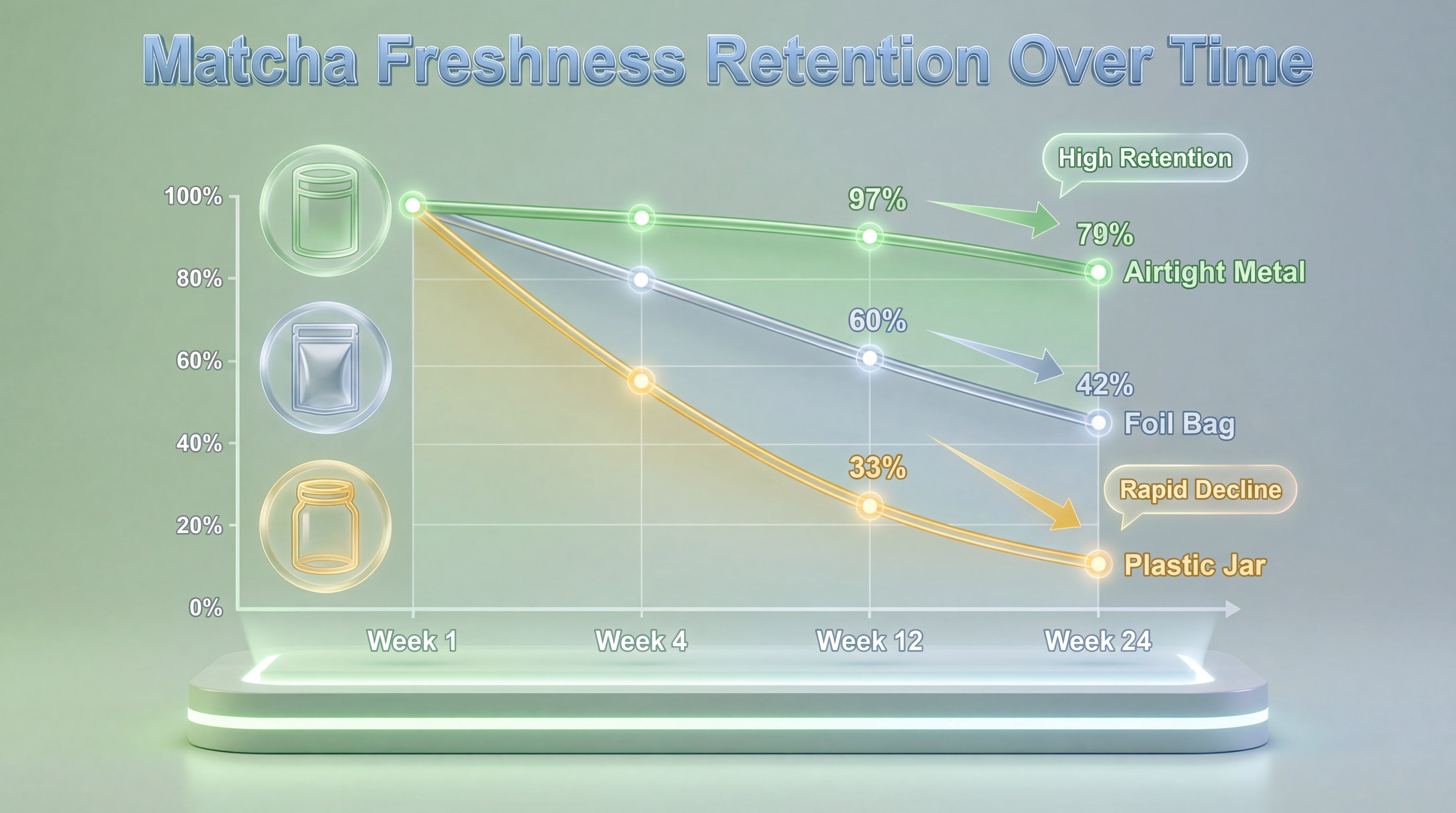
Once opened, matcha stays at its peak freshness for approximately 4 to 8 weeks, provided it is kept in high-quality matcha containers and stored in a cool, dark environment. After this window, the tea doesn’t necessarily “expire” in a safety sense, but its vibrant color will begin to fade and its sweet, creamy flavor will be replaced by increasing bitterness. For a business, this 2-month window should be the maximum turnover target for any opened inventory to ensure customer satisfaction.
Consumption Windows
For high-volume cafes, the goal should be to rotate through a container every 1 to 2 weeks, as frequent opening of the lid introduces a fresh supply of oxygen and humidity each time. If you find that a particular grade of tea is sitting for more than a month, you should consider purchasing smaller wholesale units to ensure you are always serving the freshest possible product. The difference between a “month-old” and “week-old” opened matcha is clearly discernible to even casual drinkers.
Keep this in mind:
- Unopened, factory-sealed bags can last 12+ months in a fridge.
- The “clock” starts ticking the moment the vacuum seal is broken.
- High-grade ceremonial matcha degrades faster than culinary grades.
- Use a FIFO (First-In, First-Out) system to manage your stock.
The truth is: Freshness is the most important “ingredient” in a premium matcha latte.
Identifying Stale Matcha
You can identify stale matcha by looking for a shift in color from electric green to army green or brownish-yellow. Additionally, stale powder will have a “hay-like” or metallic smell rather than a fresh, grassy, and slightly sweet aroma. If the powder has clumped into hard balls that don’t easily break apart, it has likely absorbed too much moisture and should be relegated to culinary use rather than served as a standalone tea.
You might be surprised:
- Stale matcha loses up to 50% of its antioxidant potential.
- The texture of stale powder becomes gritty and harder to whisk.
- Bitterness in stale tea is often mistaken for “low quality.”
- Regular staff “tastings” can help identify when a batch has turned.
Key TakeawayA strict 4-to-8-week consumption window is necessary to guarantee the premium sensory experience your customers expect.
Time Since Opening | Quality Status | Recommended Use |
|---|---|---|
0 – 2 Weeks | Peak Freshness | Ceremonial Tea / Pure Drinks |
2 – 6 Weeks | High Quality | Lattes / Flavored Beverages |
6 – 10 Weeks | Fading Quality | Baking / Culinary Purposes |
Managing your inventory turnover is as critical to your success as the quality of the tea itself.
Can I Reuse Old Tea Tins for My Matcha?
You can reuse old tea tins for your matcha, but only if they are made of non-reactive metal and have been meticulously cleaned and dried to remove all traces of previous contents. Reusing matcha containers is an excellent way to reduce waste and lower your equipment costs, but it requires a disciplined approach to sanitation to avoid cross-contamination. If an old tin previously held a strong-smelling tea like Earl Grey or a flavored blend, it may never be suitable for the delicate profile of premium green tea.
Cleaning Protocols
The most important step in reusing a container is ensuring it is 100% dry; even a single drop of trapped moisture can ruin a fresh batch of powder by causing mold growth. You should wash the tins with unscented, food-safe detergent and allow them to air dry for at least 24 hours before refilling. Avoid using abrasive scrubbers that could scratch the interior lining, as these scratches can harbor bacteria and microscopic tea particles that oxidize over time.
This is the secret:
- Use warm water and a soft cloth for all interior surfaces.
- Pay close attention to the rim and the gasket where powder builds up.
- Never use a container that shows signs of rust or oxidation.
- A final rinse with high-proof food-grade alcohol can speed up drying.
The bottom line is: A “clean” container is only half the battle; it must also be a “neutral” container.
Risk of Contamination
The primary risk of reusing old tins is the “flavor memory” of previous ingredients, which can easily overpower the nuanced notes of high-quality matcha. If you are a B2B operator, the last thing you want is for your premium latte to taste faintly of bergamot or peppermint because of an old storage tin. Furthermore, check the integrity of the old seal; if the gasket is cracked or brittle, the tin will no longer provide the airtight barrier necessary for preservation.
But that’s not all:
- Static charge in old plastic components can be difficult to neutralize.
- Labeling must be completely removed to prevent staff confusion.
- Inspect the seams of old tins for any trapped powder from previous years.
- When in doubt, it is always safer to invest in new, dedicated hardware.
Key TakeawayReuse is possible and sustainable, but it requires rigorous cleaning and a “neutral scent” test to be successful.
Reuse Step | Action Required | Why It Matters |
|---|---|---|
Deep Clean | Unscented soap + warm water | Removes oils and old flavor |
Drying | 24-hour air dry | Prevents clumping and mold |
Seal Check | Inspect gasket for cracks | Ensures airtight integrity |
Sustainable business practices should never come at the expense of your product’s flavor integrity.
What Is The Best Way to Store Bulk Matcha for Business Use?
The best way to store bulk matcha for business use is to maintain a “two-tier” system where unopened wholesale bags are kept in dedicated refrigeration while active bar stock is held in small, airtight matcha containers. This approach minimizes the number of times the bulk inventory is exposed to the environment, effectively extending the lifespan of your entire stock. For a wholesale operation or a busy cafe, this systematic control is the only way to ensure consistency across multiple locations and shifts.
Inventory Management (FIFO)
A “First-In, First-Out” (FIFO) system is essential for managing bulk inventory, ensuring that the oldest stock is always used first to prevent any bag from sitting past its peak window. Every wholesale unit should be clearly labeled with its arrival date and its “best before” date, and these should be checked weekly during inventory counts. By tracking your usage rates, you can adjust your ordering frequency to match your actual sales, reducing the amount of capital tied up in aging stock.
Consider this:
- Bulk bags should remain factory-sealed until the very last moment.
- Keep a log of when each bulk bag was moved from the fridge to the bar.
- Store bulk boxes off the floor in a climate-controlled area.
- Train all staff on the importance of the FIFO system.
The results speak for themselves: Proper inventory management can reduce spoilage-related losses by up to 15% annually.
Packaging Solutions for Cafes
For active service, using 500g or 1kg stainless steel canisters with latch-locks provides the best balance of capacity and protection. These containers should be kept in a designated “cool zone” on the bar, away from heat-generating equipment like grinders and espresso machines. If you operate multiple stations, each should have its own dedicated set of canisters to prevent unnecessary movement of tea powder across the kitchen, which increases the risk of spills and contamination.
Here is why it matters:
- Standardized containers make training easier for new baristas.
- Stackable designs help maximize limited counter space.
- Uniform canisters provide a clean, professional aesthetic for customers.
- Opaque walls allow you to store the tea exactly where it is needed.
Key TakeawayA two-tier storage system combined with a strict FIFO protocol is the gold standard for commercial matcha management.
Tier | Storage Method | Purpose |
|---|---|---|
Surplus | Chilled, factory-sealed bags | Long-term preservation |
Active | Small, gasketed metal canisters | Daily service efficiency |
Display | UV-glass or Opaque jars | Brand aesthetics and trust |
Implementing these professional standards will safeguard your reputation as a provider of the highest quality tea.
Frequently Asked Questions
Can I use plastic containers for my matcha?No, because plastic is often porous and can absorb odors that taint the tea’s flavor. Furthermore, plastic tends to build up a static charge, causing the fine powder to cling to the sides, which leads to unnecessary waste and difficult cleaning.
What’s the best temperature for storing bulk matcha?The best temperature is between 3°C and 5°C (standard refrigeration) for unopened bags, as this significantly slows down the chemical oxidation of the leaves. For active use at the bar, room temperature (around 20°C) is acceptable, provided the tea is consumed within a few weeks.
Can I store my matcha near my coffee beans?No, you should never store matcha near coffee because the tea powder is highly hygroscopic and will quickly absorb the powerful oils and aromas of the coffee. This will result in a “coffee-flavored” tea that lacks the delicate sweetness of a pure ceremonial grade.
What’s the best way to prevent clumping in the container?The best way is to use a container with a high-quality silicone gasket that blocks all moisture ingress and to always use a completely dry scoop. Additionally, keeping the container away from steam-heavy areas like the dishwasher or espresso machine is essential for maintaining a dry environment.
Can I freeze my matcha to make it last longer?Yes, but only for unopened, factory-sealed bags that you do not plan to use for many months. Once you decide to use the tea, it must be moved to the refrigerator for 24 hours and then to room temperature for another 12 hours before opening to prevent catastrophic condensation.
Our brand vision is centered on providing the highest quality ceremonial and culinary teas to businesses that refuse to compromise on flavor or integrity. We believe that proper education on storage and handling is just as important as the quality of the harvest itself, as it ensures that the end consumer receives the full spectrum of health benefits and sensory joy that matcha offers. We invite you to partner with us to elevate your beverage program and join the global movement toward authentic, sustainable tea culture. To learn more about our wholesale opportunities or to discuss a customized supply plan for your business, please contact us today .