
These 15 healthy green tea recipes provide a sophisticated roadmap for integrating high-antioxidant, functional beverages into both personal wellness routines and professional café menus. You may find yourself struggling with the mid-afternoon energy slump or feeling weighed down by the hidden sugars found in commercial “healthy” bottled drinks. It is incredibly frustrating to invest in your well-being only to be met with uninspired beverage options that lack both flavor depth and genuine nutritional value. By mastering these curated Green Tea Healthy Recipes , you can finally bridge the gap between indulgent taste and clinical-grade health benefits.
You should choose these specific recipes because they utilize the synergy of L-theanine and caffeine to provide a sustained, focused energy boost without the jittery side effects common in coffee-based alternatives. Incorporating Green Tea Healthy Recipes into your daily routine ensures that you are receiving a consistent dose of epigallocatechin gallate (EGCG), which is scientifically linked to improved cellular health.
What are the core benefits of green tea?
Green tea is fundamentally a powerhouse of bioactive compounds that support everything from cardiovascular health to cognitive clarity.
- Catechin Concentration: These recipes maximize the extraction of polyphenols that fight oxidative stress throughout the body.
- Amino Acid Profile: The presence of L-theanine promotes a state of “calm alertness,” which is essential for professional productivity.
- Metabolic Optimization: Regular consumption of these beverages can subtly increase your resting metabolic rate and improve insulin sensitivity.
Believe it or not.
How do these recipes enhance nutrient density?
By combining premium tea leaves with whole-food ingredients like ginger, citrus, and herbs, you create a beverage that functions as a liquid supplement.
- Vitamin C Synergy: Adding citrus fruits not only improves flavor but significantly increases the bioavailability of tea antioxidants.
- Anti-inflammatory Additions: Ingredients like fresh ginger and mint provide digestive relief and reduce systemic inflammation.
- Natural Hydration: These recipes encourage higher fluid intake by providing a sensory experience that far exceeds plain water.
The best part?
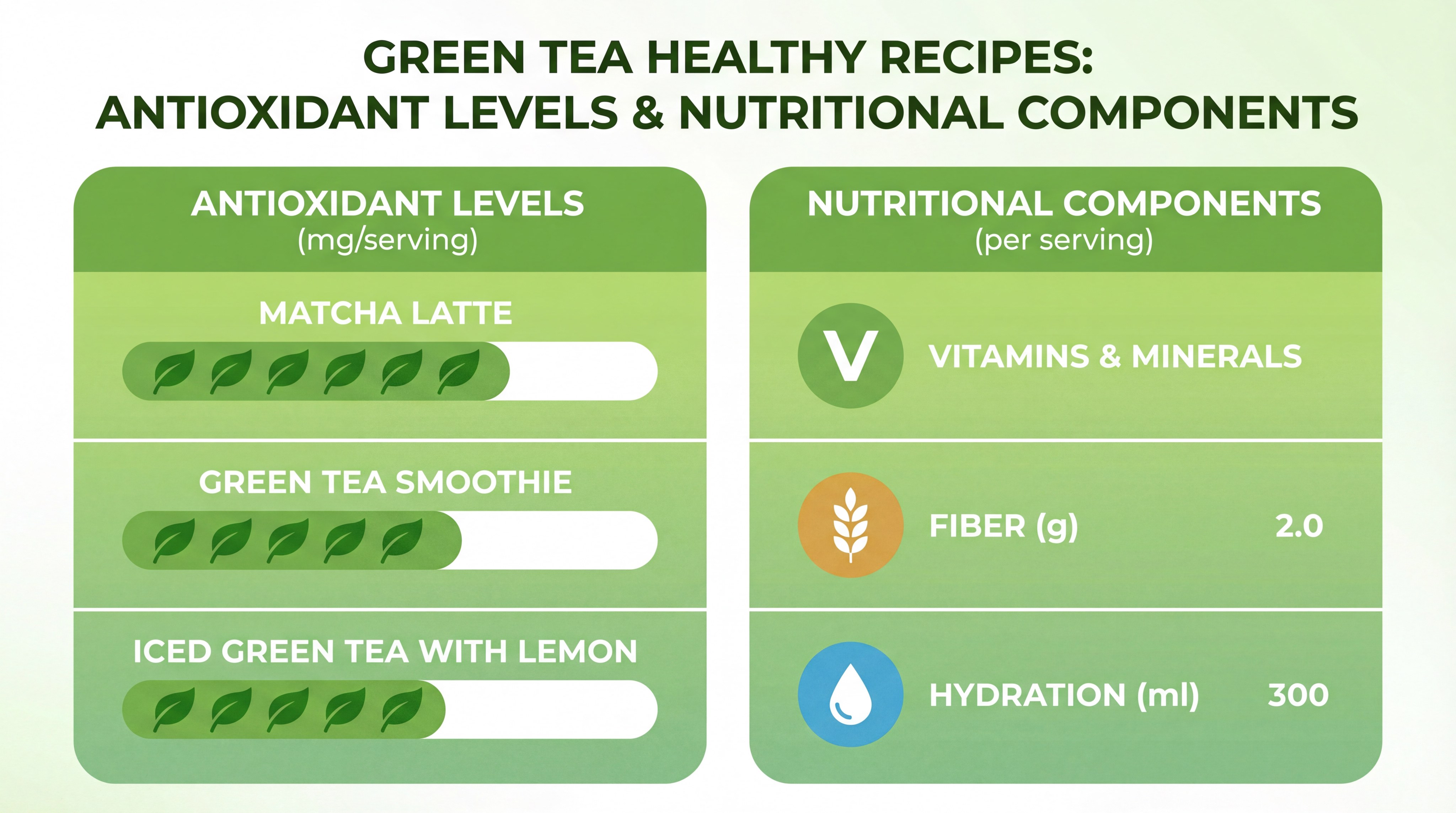
Why is tea quality critical for wellness?
The efficacy of your wellness journey depends entirely on the grade of the tea leaves you select for your daily preparation.
- Minimal Processing: High-quality green tea undergoes gentle steaming or pan-firing to preserve the delicate chemical structure of the leaves.
- Purity Standards: Premium sources ensure that your drinks are free from heavy metals, pesticides, and artificial fillers.
- Flavor Complexity: Authentic tea provides a natural sweetness and umami profile that eliminates the need for refined sugar.
Think about it.
Key Takeaway: Choosing professional-grade recipes ensures you receive a balanced profile of energy-boosting amino acids and disease-fighting antioxidants in every serving.
Benefit Category | Specific Advantage | Impact on Daily Life |
|---|---|---|
Cognitive | L-Theanine & Caffeine | Enhanced focus and reduced anxiety throughout the workday. |
Physical | EGCG Polyphenols | Improved recovery from oxidative stress and metabolic support. |
Sensory | Natural Terpenes | A refreshing, aromatic experience that reduces sugar cravings. |
This table illustrates how the chemical composition of green tea directly translates into tangible health outcomes for the consumer.
Can Green Tea Healthy Recipes help you stay hydrated?
Yes, these recipes are incredibly effective for hydration because they consist primarily of water infused with essential minerals and electrolytes that support cellular fluid balance. Many people mistakenly believe that the mild caffeine content in Green Tea Healthy Recipes leads to dehydration, but research confirms that the fluid volume far outweighs any minor diuretic effect.
Is iced mint green tea better for thirst?
Iced mint green tea is arguably the most refreshing option for rapid hydration, especially during high-temperature months or after physical exertion.
- Cooling Properties: Menthol in fresh mint leaves provides a physiological cooling sensation that helps regulate body temperature.
- Digestive Support: Mint combined with tea tannins can soothe the digestive tract and reduce bloating.
- Zero-Calorie Hydration: This recipe allows for high-volume consumption without the caloric burden of juices or sodas.
But wait, there’s more.
How do you brew the perfect iced tea?
Achieving a crisp, clear iced tea requires a specific temperature control strategy to prevent the release of bitter, astringent compounds.
- Cold Brewing Method: Steeping leaves in cold water for 6-12 hours results in a smoother, sweeter profile with less bitterness.
- Flash Chilling: Brewing a double-strength hot concentrate and immediately pouring it over ice locks in the volatile aromatics.
- Water Quality: Using filtered water ensures that no chlorine or mineral odors interfere with the delicate grassy notes of the tea.
Make no mistake.

What role do electrolytes play in tea?
While tea is not a traditional sports drink, it naturally contains small amounts of potassium and magnesium that assist in hydration.
- Mineral Infusion: The brewing process extracts trace minerals from the soil where the tea plants were cultivated.
- Fluid Retention: The presence of these minerals helps the body retain water more effectively than pure distilled water.
- Sustained Hydration: Sipping tea throughout the day provides a steady stream of fluids rather than the “flush” effect of rapid water gulping.
Here is the kicker.
Key Takeaway: Proper hydration through tea involves more than just water; it is about the mineral balance and the temperature-controlled brewing process that preserves refreshing properties.
Hydration Metric | Green Tea Performance | Comparison to Water |
|---|---|---|
Absorption Rate | High | Comparable to plain water due to low solute concentration. |
Palatability | Excellent | Superior flavor profile encourages more frequent consumption. |
Nutrient Delivery | Added Value | Delivers antioxidants and minerals while hydrating. |
Integrating tea into your hydration strategy provides a multi-dimensional approach to wellness that plain water simply cannot match.
What are the best Matcha Green Tea Healthy Recipes?
The best matcha recipes prioritize the use of ceremonial-grade powder to ensure a smooth texture and a vibrant, nutrient-dense profile that maximizes health benefits. When you prepare Green Tea Healthy Recipes using matcha, you are consuming the entire leaf in powdered form, which provides significantly more fiber and chlorophyll than steeped leaves.
How do you prepare a traditional latte?
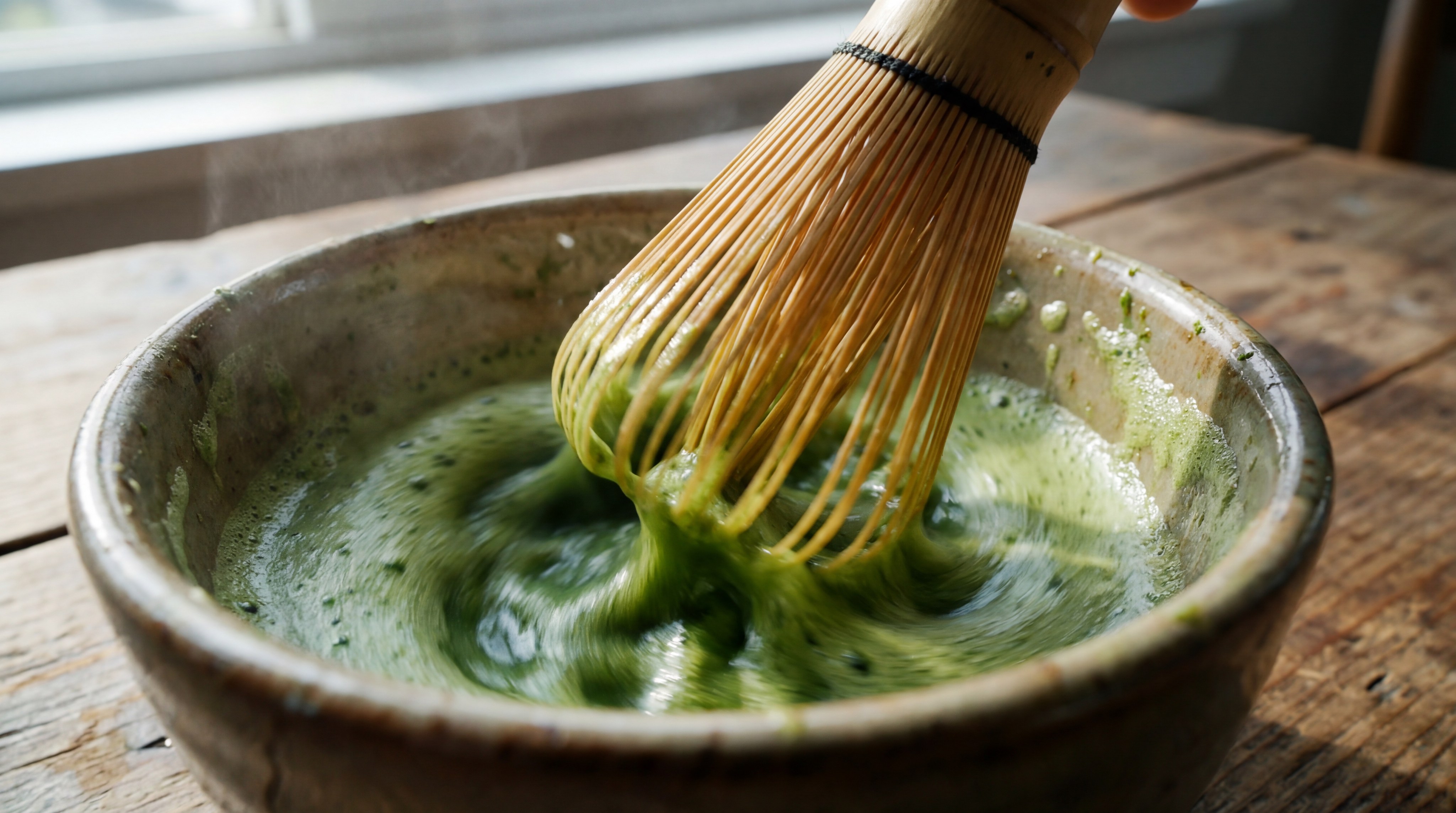
A professional-grade matcha latte requires careful whisking to create the suspension of tea particles that results in a creamy, luxurious mouthfeel.
- Sifting Procedure: Always push your matcha through a fine-mesh strainer to eliminate clumps and ensure a velvety drink.
- Temperature Precision: Use water at approximately 175°F (80°C) to avoid scorching the delicate powder and creating a burnt flavor.
- Aeration Technique: Use a bamboo whisk in a “W” motion to create a micro-foam that enhances the aroma and texture.
Here is the secret.
Why is matcha considered a superfood?
Matcha contains up to ten times the antioxidant concentration of standard steeped green tea, making it an unparalleled tool for cellular protection.
- Chlorophyll Content: The shading process before harvest boosts chlorophyll levels, which supports natural detoxification pathways.
- High EGCG Levels: One serving of matcha provides a massive dose of catechins compared to a standard tea bag.
- Slow-Release Energy: The fiber in matcha slows the absorption of caffeine, providing an even more stable energy curve.
It gets better.
Can matcha be used in cold drinks?
Matcha is highly versatile and can be easily integrated into iced beverages, smoothies, and even healthy boba tea alternatives for a refreshing twist.
- Matcha Shakerato: Shaking matcha with ice and a touch of natural sweetener creates a frothy, cold beverage perfect for summer.
- Smoothie Integration: Adding a teaspoon of matcha to your morning green smoothie provides an instant nutritional upgrade.
- Layering Techniques: Modern cafes often layer matcha over milk or fruit juices to create visually stunning and healthy multi-textured drinks.
Think about the possibilities.
Key Takeaway: Matcha recipes represent the ultimate form of green tea consumption, offering a concentrated dose of nutrients that support both physical performance and mental clarity.
Prep Method | Texture Profile | Best Use Case |
|---|---|---|
Traditional Whisk | Frothy & Light | Morning ritual or meditative mid-day break. |
Blender Mix | Creamy & Homogenized | Post-workout recovery smoothies or large-batch service. |
Cold Shaken | Crisp & Refreshing | High-energy afternoon hydration or summer menus. |
Utilizing different preparation techniques allows you to customize the matcha experience to fit specific nutritional needs and lifestyle preferences.
How do Green Tea Healthy Recipes improve your metabolism?
These recipes improve metabolism by leveraging the thermogenic properties of catechins and caffeine, which work together to increase the body’s rate of fat oxidation. Green Tea Healthy Recipes that feature metabolic catalysts like ginger or lemon juice can further enhance these effects, making them a strategic addition to any weight management protocol.
Does ginger tea boost fat burning?
Ginger acts as a warming spice that increases body temperature slightly, which in turn requires more energy expenditure from your metabolism.
- Thermogenesis: The combination of tea caffeine and gingerols can elevate the metabolic rate for several hours after consumption.
- Blood Sugar Regulation: Ginger helps improve insulin sensitivity, which is crucial for maintaining a healthy weight and preventing energy crashes.
- Appetite Suppression: The pungent compounds in ginger can help you feel fuller for longer, reducing the temptation to snack between meals.
You might be wondering how.
How does lemon juice assist metabolic health?
Lemon juice provides a concentrated source of Vitamin C and citric acid, both of which support efficient energy production within the cells.
- pH Balance: Despite being acidic, lemon juice has an alkalizing effect on the body after metabolism, supporting overall systemic health.
- Enhanced Catechin Absorption: The acid in lemons stabilizes tea antioxidants in the digestive tract, allowing more of them to reach the bloodstream.
- Liver Support: Lemons stimulate bile production, which is essential for the digestion and metabolism of dietary fats.
Here is the kicker.

Can tea replace commercial fat burners?
While not a magic pill, these natural recipes offer a safer and more sustainable alternative to synthetic metabolic supplements.
- No Heart Palpitations: Unlike high-stimulant fat burners, green tea provides a gentle metabolic lift without stressing the cardiovascular system.
- Long-Term Sustainability: You can consume these recipes indefinitely as part of a healthy lifestyle, unlike many cycle-based supplements.
- Whole-Body Wellness: These recipes support metabolic health while simultaneously providing anti-aging and cognitive benefits.
But that’s not all.
Key Takeaway: Strategic ingredient pairings like ginger and citrus transform a standard cup of tea into a functional metabolic tool that supports natural fat oxidation.
Metabolic Agent | Primary Mechanism | Complementary Ingredient |
|---|---|---|
Tea Catechins | Fat oxidation increase | Vitamin C (Lemon) |
Gingerols | Thermogenic effect | Caffeine (Green Tea) |
Citric Acid | Energy production support | L-Theanine (Matcha) |
By understanding the synergy between these ingredients, you can create a daily ritual that actively supports your metabolic and weight-loss goals.
Which Green Tea Healthy Recipes are best for summer?
The best summer recipes focus on fruit-infused iced teas and botanical blends that offer a cooling sensory experience without the high sugar content of traditional lemonades. Utilizing Green Tea Healthy Recipes during the warmer months allows you to stay refreshed while maintaining your commitment to a low-glycemic, anti-inflammatory diet.
Is peach green tea lemonade healthy?
A homemade version of peach green tea lemonade is far superior to store-bought options because you can control the quality of the fruit and the level of sweetness.
- Real Fruit Puree: Using muddled fresh peaches provides natural vitamins and fiber that commercial syrups lack entirely.
- Controlled Sweetness: By using a touch of raw honey or stevia, you avoid the insulin spikes associated with high-fructose corn syrup.
- Hydration Boost: The high water content of both tea and peaches makes this an excellent drink for preventing heat-related fatigue.
Believe it or not.
How do you make botanical tea infusions?
Combining green tea with herbs like basil, rosemary, or lavender creates a sophisticated flavor profile that is perfect for summer garden parties.
- Cold Steeping: Infusing herbs alongside tea leaves in cold water for several hours results in a delicate, floral aroma.
- Muddling Techniques: Gently bruising fresh herbs before adding them to your tea releases essential oils without making the drink bitter.
- Visual Presentation: Garnishing with edible flowers and fresh herb sprigs elevates the beverage to a professional culinary standard.
The results are stunning.

What makes fruit-infused tea so effective?
Fruit-infused teas provide a “flavor-first” experience that helps transition people away from sugary soft drinks and processed juices.
- Aromatic Satisfaction: The scent of fresh fruit can satisfy sweet cravings even when the actual sugar content is very low.
- Secondary Nutrients: Different fruits add specific benefits, such as the anthocyanins in berries or the bromelain in pineapple.
- Versatility for All Ages: These recipes are palatable for children and adults alike, making them a staple for family gatherings.
Here is the best part.
Key Takeaway: Summer tea recipes should prioritize fresh, seasonal produce and cold-brewing techniques to create refreshing, low-calorie beverages that outperform commercial alternatives.
Summer Flavor | Health Highlight | Best Preparation |
|---|---|---|
Peach & Basil | Anti-inflammatory | Muddled and cold-steeped. |
Watermelon & Mint | Electrolyte-rich | Blended and strained over ice. |
Cucumber & Lime | Maximum cooling | Sliced thin and flash-chilled. |
Seasonal ingredients not only provide the best flavor but also ensure you are receiving the specific nutrients your body needs to thrive in warmer weather.
Can Green Tea Healthy Recipes be made with honey?
You can absolutely use honey in these recipes to add a layer of complex, floral sweetness that also provides significant antimicrobial and anti-inflammatory benefits. Green Tea Healthy Recipes that incorporate high-quality raw honey are particularly effective for soothing the throat and providing a bioavailable source of energy that doesn’t cause a rapid crash.
Why is raw honey better than sugar?
Raw honey is a living food containing enzymes, minerals, and antioxidants that refined white sugar simply cannot offer.
- Enzymatic Activity: Honey contains enzymes that assist in digestion and the absorption of other nutrients.
- Lower Glycemic Index: Compared to sucrose, honey has a more moderate impact on blood sugar levels, providing more stable energy.
- Immune Support: The natural antibacterial properties of honey make it a functional ingredient for seasonal wellness and recovery.
It’s a game changer.
How should you add honey to hot tea?
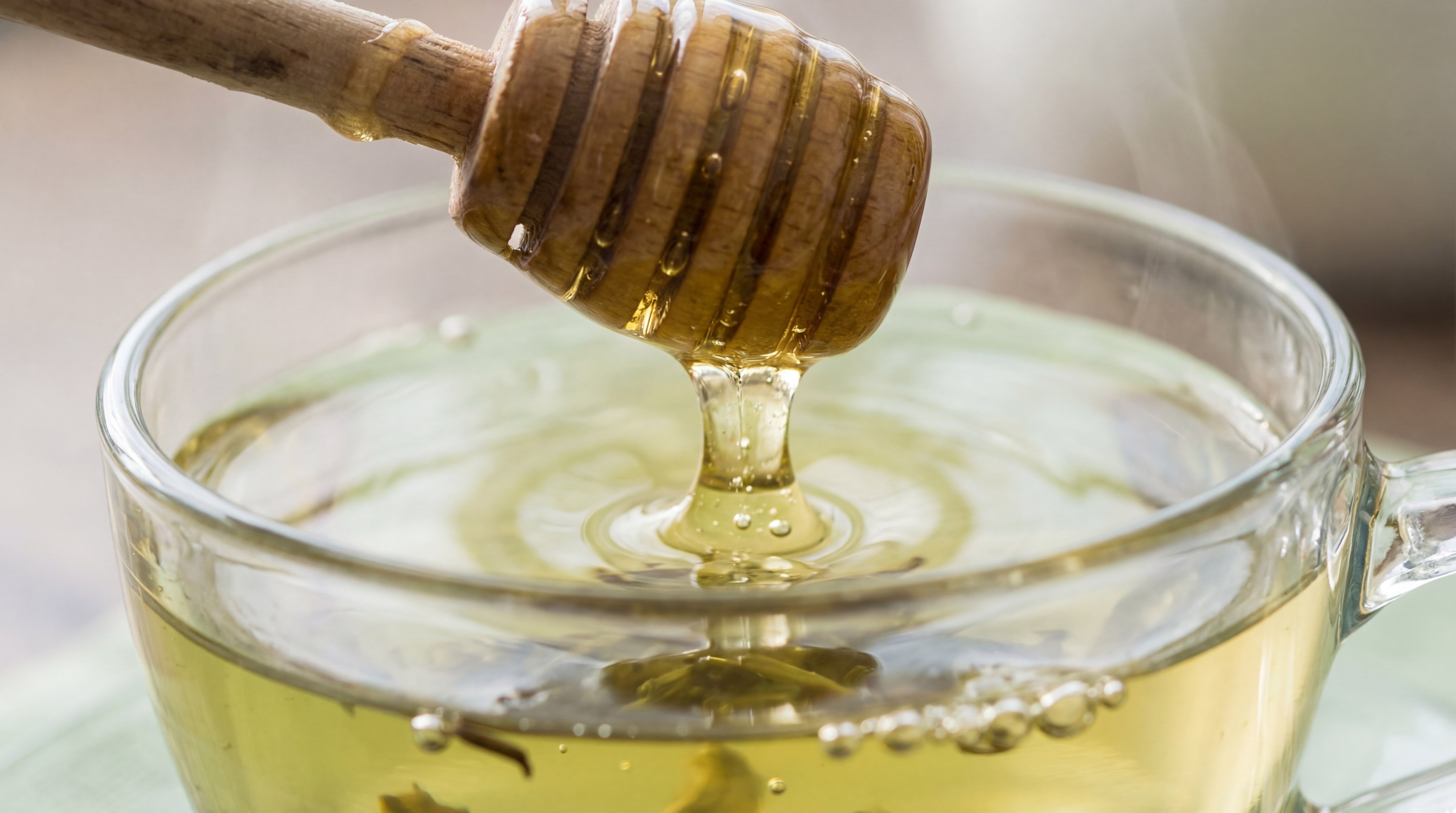
To preserve the delicate enzymes and beneficial compounds in honey, you must never add it to boiling water or tea that is too hot.
- Optimal Temperature: Wait until your tea has cooled to about 140°F (60°C) before stirring in your honey.
- Stirring Technique: Use a wooden or ceramic spoon to gently incorporate the honey until it is fully dissolved.
- Proportion Control: Because honey is sweeter than sugar, you can often use significantly less to achieve the same level of satisfaction.
Just wait and see.
Does honey change the flavor of tea?
Different varieties of honey, such as Manuka, Clover, or Wildflower, will impart distinct flavor notes that can complement or contrast with your tea choice.
- Floral Notes: Light honeys like Clover work beautifully with delicate green teas like Sencha or Dragonwell.
- Robust Profiles: Darker honeys like Buckwheat provide a rich, earthy sweetness that can stand up to bold matcha or roasted hojicha.
- Flavor Synergy: Combining honey with lemon and ginger creates a classic flavor triad that is both delicious and therapeutic.
Think about the variety.
Key Takeaway: Using honey as a sweetener transforms your tea into a functional tonic, provided you add it at the correct temperature to preserve its biological activity.
Honey Variety | Flavor Profile | Recommended Pairing |
|---|---|---|
Acacia | Very light & sweet | Delicate Japanese Sencha. |
Manuka | Earthy & medicinal | Hot ginger green tea for wellness. |
Orange Blossom | Citrusy & bright | Iced green tea with mint. |
Choosing the right honey allows you to fine-tune the sensory profile of your tea while maximizing the specific health benefits you wish to achieve.
Are there Green Tea Healthy Recipes for weight loss?
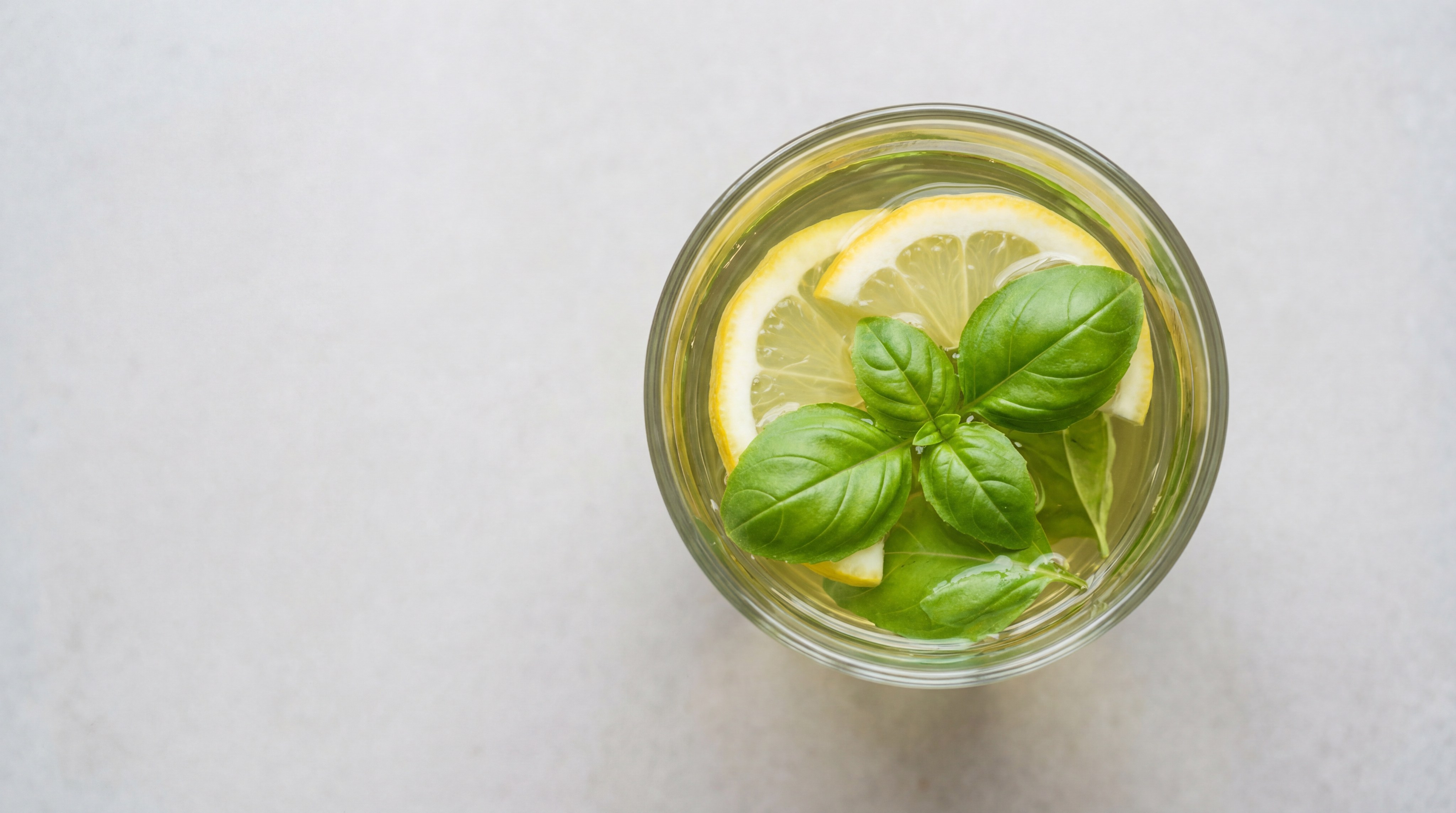
Yes, specific recipes such as Lemon Basil Iced Tea or Honey Ginseng blends are engineered to support weight loss by maximizing satiety and metabolic efficiency. By substituting these Green Tea Healthy Recipes for high-calorie commercial coffees or sodas, you can significantly reduce your daily caloric intake while providing your body with the tools it needs to burn fat.
Can lemon basil tea reduce bloating?
The combination of lemon’s digestive acids and the carminative properties of basil can help settle the stomach and reduce the appearance of water retention.
- Digestive Stimulation: Lemon juice encourages the production of stomach acid and bile, ensuring food is processed efficiently.
- Natural Diuretic: Both green tea and certain herbs act as mild diuretics, helping the body flush out excess sodium and water.
- Aromatic Satiety: The strong scent of basil can help curb emotional eating and reduce cravings for salty or sweet snacks.
It really works.
Why is ginseng added to green tea?
Ginseng is an adaptogen that helps the body manage stress, which is often a primary driver of weight gain and abdominal fat storage.
- Cortisol Management: By balancing stress hormones, ginseng makes it easier for the body to access and burn stored fat.
- Energy Endurance: Ginseng provides a physical energy boost that can improve performance during workouts and daily activity.
- Metabolic Support: There is evidence that ginseng can help regulate blood sugar levels, preventing the insulin spikes that lead to fat storage.
Here is the kicker.
How do you structure a tea-based detox?
A tea-based detox focuses on replacing processed beverages with clean, antioxidant-rich infusions that support the liver and kidneys.
- Consistency is Key: Drinking 3-4 cups of these specialized recipes throughout the day keeps your metabolism active.
- Whole-Food Focus: These recipes should be used to complement a diet rich in vegetables, lean proteins, and healthy fats.
- Hydration Focus: Ensuring you drink plenty of water alongside your tea helps the body move toxins through the system more effectively.
Believe it or not.
Key Takeaway: Weight loss tea recipes work best when they incorporate adaptogens like ginseng and digestive aids like lemon to address the root causes of weight gain.
Weight Loss Ingredient | Primary Role | Secondary Benefit |
|---|---|---|
Green Tea Extract | Increases thermogenesis | Provides steady energy focus. |
Fresh Basil | Reduces bloating/gas | Adds unique aromatic profile. |
Ginseng Root | Balances cortisol levels | Increases physical stamina. |
By addressing metabolic rate, stress, and digestion simultaneously, these recipes provide a comprehensive approach to achieving and maintaining a healthy weight.
What makes these Green Tea Healthy Recipes so refreshing?
The refreshing nature of these recipes comes from the balance of astringent tea tannins with cooling botanical elements and natural acids that cleanse the palate and hydrate the body. Green Tea Healthy Recipes often utilize ingredients like coconut water or lime to provide essential electrolytes and a bright flavor profile that instantly revitalizes the senses.
Why use coconut water in green tea?
Coconut water is nature’s equivalent to an isotonic drink, containing a perfect balance of potassium, sodium, and magnesium to replenish the body.
- Natural Sweetness: It provides a subtle, nutty sweetness that eliminates the need for any added sugars or syrups.
- Electrolyte Balance: The minerals in coconut water are highly bioavailable, making it an ideal base for post-workout tea.
- Refreshing Texture: The slight viscosity of coconut water creates a more satisfying and mouth-coating drink than water alone.
Think about it.
How does lime juice improve tea?
Lime juice offers a sharper, more tropical acidity than lemon, which can cut through the earthiness of certain green tea varieties.
- Palate Cleansing: The high citric acid content leaves the mouth feeling clean and refreshed, making it a perfect meal accompaniment.
- Vitamin C Boost: Like all citrus, lime significantly increases the stability and absorption of the tea’s beneficial catechins.
- Zesty Aroma: The essential oils in the lime peel provide an uplifting scent that can improve mood and mental clarity.
But wait, there’s more.

What are the best “mocktail” tea recipes?
You can use green tea as a sophisticated base for healthy non-alcoholic cocktails that are perfect for social events or evening relaxation.
- Sparkling Green Tea: Combining chilled green tea with soda water and fruit bitters creates a refreshing, bubbly experience.
- Muddled Fruit Infusions: Using berries, cucumber, or pineapple creates a complex drink that rivals any high-end cocktail.
- Garnish Mastery: Using large ice spheres and fresh botanicals makes these healthy drinks feel like a special indulgence.
The best part?
Key Takeaway: Refreshment is a combination of physiological hydration through electrolytes and sensory stimulation through bright, acidic, and aromatic ingredients.
Refreshment Factor | Ingredient Choice | Sensory Result |
|---|---|---|
Electrolytes | Coconut Water | Improved physical recovery and hydration. |
Acidity | Fresh Lime Juice | Sharp, clean finish that resets the palate. |
Aroma | Fresh Mint/Botanicals | Immediate psychological cooling effect. |
Focusing on these three factors allows you to create beverages that are as functional for the body as they are delightful for the mind.
Do Green Tea Healthy Recipes work for intermittent fasting?
Most of these recipes are perfectly suited for intermittent fasting, as long as you stick to the versions that contain zero calories and no added sweeteners or fruit juices. Pure Green Tea Healthy Recipes are widely recommended by fasting experts because they can help suppress hunger and increase the autophagy-related benefits of the fast.
Can blackberry mint tea be fasting-friendly?
A blackberry mint tea can be fasting-friendly if you use a “cold-infusion” method where the fruit is steeped for flavor without being crushed or consumed.
- Flavor Without Calories: Whole blackberries steeped in cold tea provide an aromatic essence and color without releasing significant sugars.
- Appetite Control: The compounds in green tea and the scent of mint can help manage hunger pangs during a long fasting window.
- Antioxidant Support: Drinking tea during a fast provides the body with polyphenols that support cellular repair processes.
Believe it or not.
Why is tea better than coffee for fasting?
Many people find that the high acidity and intense caffeine of coffee can irritate an empty stomach, whereas green tea is often much gentler.
- L-Theanine Synergy: The calming effect of tea helps prevent the “fasting jitters” that can occur with high caffeine consumption.
- Stomach Comfort: Green tea tannins can have a soothing effect on the lining of the digestive tract when no food is present.
- Metabolic Advantage: Both beverages support fat burning, but tea offers a more diverse range of polyphenols for overall health.
It’s a smarter choice.

How do you brew tea to avoid breaking a fast?
To ensure your tea remains truly zero-calorie, you must avoid any additives that trigger an insulin response or provide caloric energy.
- Avoid Sweeteners: Even natural sweeteners like honey or maple syrup must be avoided during the fasting window.
- Check Your Matcha: Ensure your matcha powder is pure and doesn’t contain hidden maltodextrin or sugar fillers.
- Botanical Focus: Use calorie-free additions like cinnamon sticks, ginger root, or fresh herbs to add variety and flavor.
Make no mistake.
Key Takeaway: Green tea is a premier tool for intermittent fasting, providing metabolic support and hunger suppression without introducing calories that disrupt the fasted state.
Fasting Phase | Recommended Recipe | Goal |
|---|---|---|
Early Fast | Pure Sencha or Matcha | Energy focus and appetite suppression. |
Mid-Fast | Ginger Green Tea | Digestive comfort and thermogenic support. |
Late Fast | Mint Green Tea | Refreshment and mental clarity for the finish. |
Strategic tea consumption can make the fasting experience more comfortable and effective, helping you reach your health goals with less effort.
Why should businesses offer Green Tea Healthy Recipes?
Businesses should offer these innovative recipes because they cater to the rapidly growing market of health-conscious consumers who are willing to pay a premium for functional, high-quality beverages. Integrating professional Green Tea Healthy Recipes into your menu allows your café, restaurant, or wellness center to differentiate itself through quality, transparency, and nutritional value.
How do these recipes improve café ROI?
Functional tea drinks often have a higher perceived value than standard coffee, allowing for better margins and increased customer loyalty.
- Premium Pricing: Customers are increasingly happy to pay more for drinks that offer specific benefits like “energy” or “glow.”
- Low Waste: Dried tea leaves and powders have a long shelf life compared to dairy or fresh produce, reducing inventory loss.
- Social Media Appeal: The vibrant colors of matcha and fruit-infused teas are highly “Instagrammable,” providing free marketing for your brand.
Think about the growth.
What equipment is needed for professional service?
Scaling these recipes for a commercial environment requires a few specialized tools to ensure consistency, speed, and quality.
- Precision Water Boilers: Temperature-controlled kettles are essential for brewing different types of tea without bitterness.
- High-Speed Blenders: These are necessary for creating perfectly emulsified matcha lattes and smoothies in a high-volume setting.
- Artisanal Glassware: Serving these beautiful drinks in clear, high-quality glass enhances the customer’s sensory experience.
Here is the secret to success.
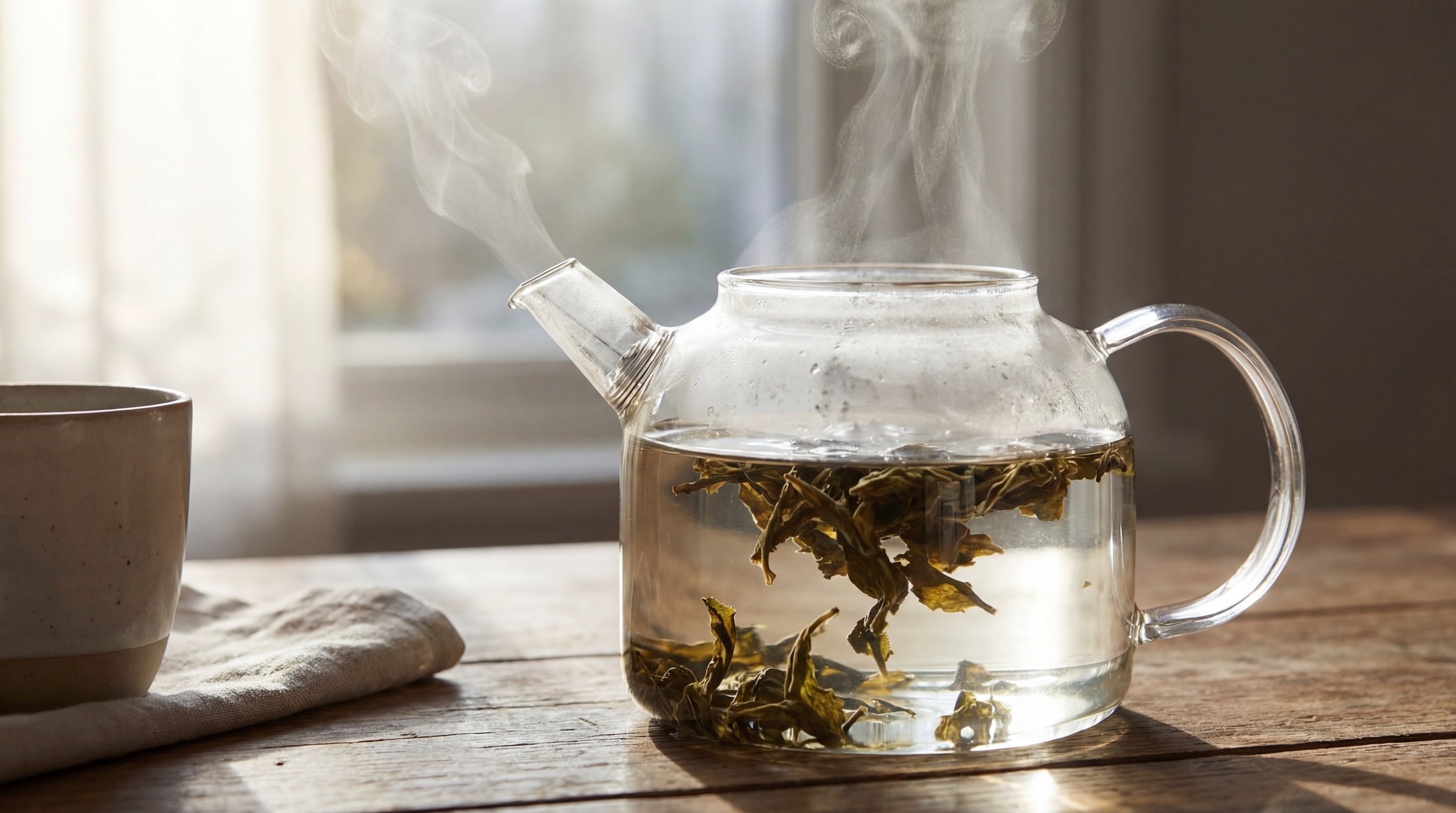
Can tea drinks build a community?
Offering a specialized tea menu can help you build a dedicated community of wellness enthusiasts who view your business as a partner in their health journey.
- Educational Events: Hosting tea tastings or matcha preparation workshops can engage your customers on a deeper level.
- Seasonal Menus: Regularly updating your tea offerings with seasonal ingredients keeps your menu fresh and exciting for regulars.
- Wellness Partnerships: Collaborating with local gyms or yoga studios to offer “post-workout tea specials” can drive targeted traffic to your door.
But wait, there’s more.
Key Takeaway: Transitioning to a tea-forward menu is a strategic business move that aligns with global wellness trends while offering superior profit margins and marketing potential.
Business Benefit | Metric for Success | Implementation Tip |
|---|---|---|
Brand Identity | Customer Perception | Market your tea as “Functional” or “Wellness” focused. |
Profitability | Gross Margin % | Use high-quality powder to reduce the amount needed per cup. |
Customer Retention | Return Visit Rate | Offer a “Tea Club” or loyalty program for healthy drinks. |
By prioritizing these recipes, businesses can tap into the intersection of taste, health, and lifestyle, ensuring long-term success in a competitive market.
Frequently Asked Questions
Can I use bottled green tea for these recipes?No, it is highly recommended to avoid bottled teas as they are often stripped of their antioxidants during the high-heat pasteurization process. For genuine health benefits, you should always use fresh-brewed loose-leaf tea or high-grade matcha powder to ensure maximum catechin retention.
What’s the best time of day to drink green tea?Morning or early afternoon is the optimal time to consume these recipes to take full advantage of the focused energy boost. Due to the caffeine content, you should generally avoid drinking green tea within 6 hours of your intended bedtime to ensure high-quality sleep.
Can I make these recipes in bulk for a party?Absolutely, these recipes are highly scalable and can be prepared in large glass carafes for events. Just ensure you add the ice to individual glasses rather than the main pitcher to prevent the tea from becoming diluted over time.
Can I use frozen fruit instead of fresh?Yes, frozen fruit is an excellent alternative and can actually serve as a “nutritional ice cube” that slowly releases flavor as it melts. Using frozen berries or peaches is often more cost-effective and ensures year-round availability for your favorite recipes.
What is the shelf life of homemade iced green tea?For the best flavor and nutritional potency, you should consume your homemade tea within 24 to 48 hours. Always store the tea in a sealed glass container in the refrigerator to prevent it from absorbing other food odors.
Conclusion
At the core of a vibrant life lies the decision to nourish your body with ingredients that provide both pleasure and protection. These 15 healthy green tea recipes are more than just beverages; they are a commitment to a lifestyle defined by clarity, energy, and sustainable wellness. Whether you are seeking to optimize your personal health or looking to elevate your business offerings with high-margin functional drinks, the power of premium tea is undeniable. We believe that every individual and business deserves access to the finest ingredients to facilitate this transformation. To explore how our premium matcha and green tea selections can revolutionize your menu or daily ritual, contact us today and let us help you lead the way in the functional beverage revolution.