
As we navigate the mid-2020s, the global landscape of functional beverages has undergone a seismic shift. Matcha is no longer merely a “superfood trend” or a niche alternative for health enthusiasts; in 2026, it stands as a cornerstone of the high-performance lifestyle. The modern consumer has moved beyond the “green tea latte” of the past, now seeking an uncompromising intersection of ancient craftsmanship and rigorous modern transparency.
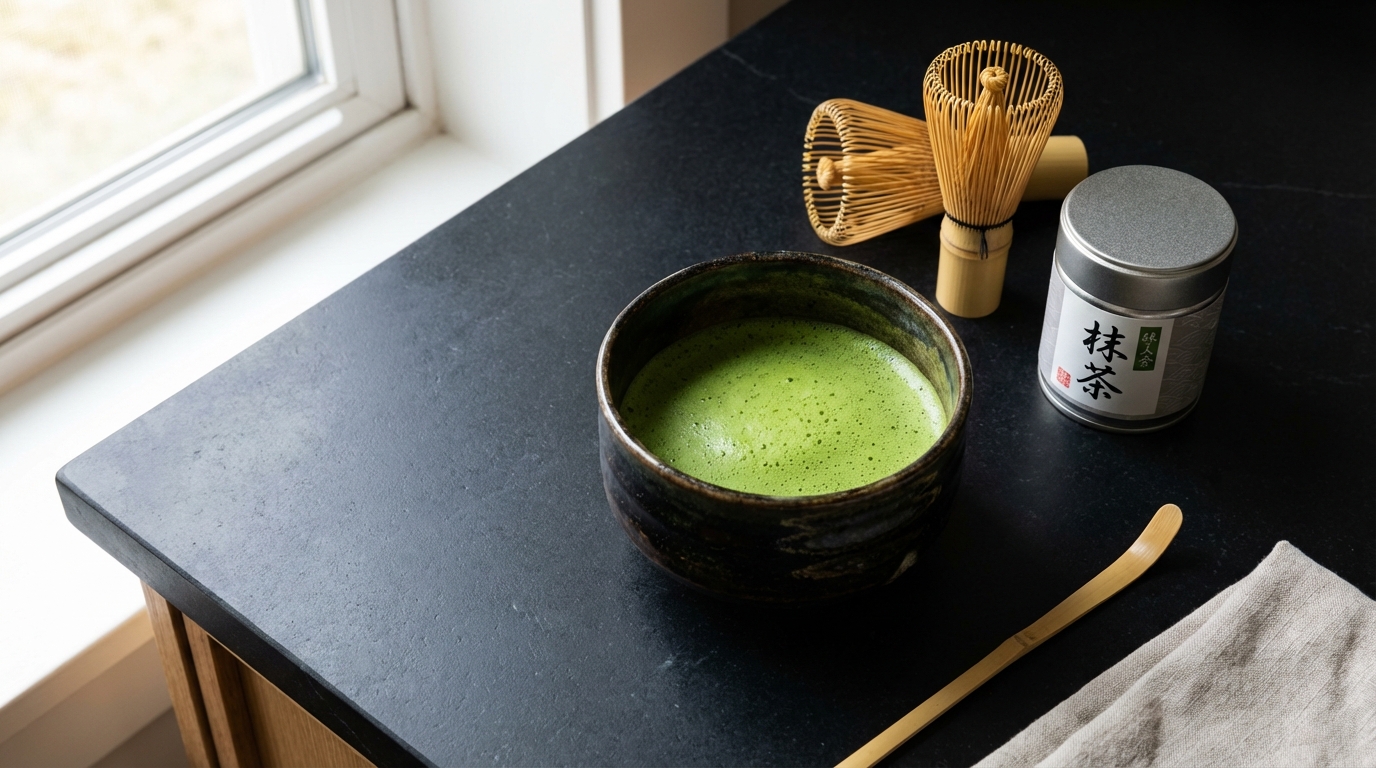
The 2026 Market LandscapeThe current market is defined by “The Great Clarification.” Consumers are increasingly savvy, rejecting artificial colors and fillers. They demand “farm-to-whisk” traceability, often using blockchain or QR codes to verify the exact harvest date and field coordinates of their tea. This shift has forced brands to move away from generic “Premium” labeling toward specific, data-backed claims regarding amino acid profiles and milling techniques.
Defining “The Best”In 2026, “the best” matcha is characterized by three non-negotiable pillars:
- Vibrancy: A neon, electric green hue that indicates high chlorophyll content and minimal oxidation.
- Origin-Specific Terroir: A move toward single-estate or single-cultivar powders that offer a “sommelier-level” tasting experience.
- Milling Precision: A focus on the micron size of the particles, ensuring a suspension that stays frothy rather than settling into grit.
Matcha has successfully decoupled from the “coffee crash” narrative. High-performance individuals—from Silicon Valley executives to professional athletes—now utilize matcha as a cognitive enhancer. The presence of L-Theanine allows for a “Zenergy” state: a calm, focused alertness that sustains productivity for 4 to 6 hours without the cardiovascular stress associated with synthetic energy drinks or heavy espresso consumption.
The Anatomy of Premium Matcha: Leaf to Powder
To understand the best matcha powder, one must look at the biological metamorphosis of the Camellia sinensis plant. Authentic matcha is not simply “ground green tea.” It is the result of a highly technical agricultural process that begins weeks before the harvest.
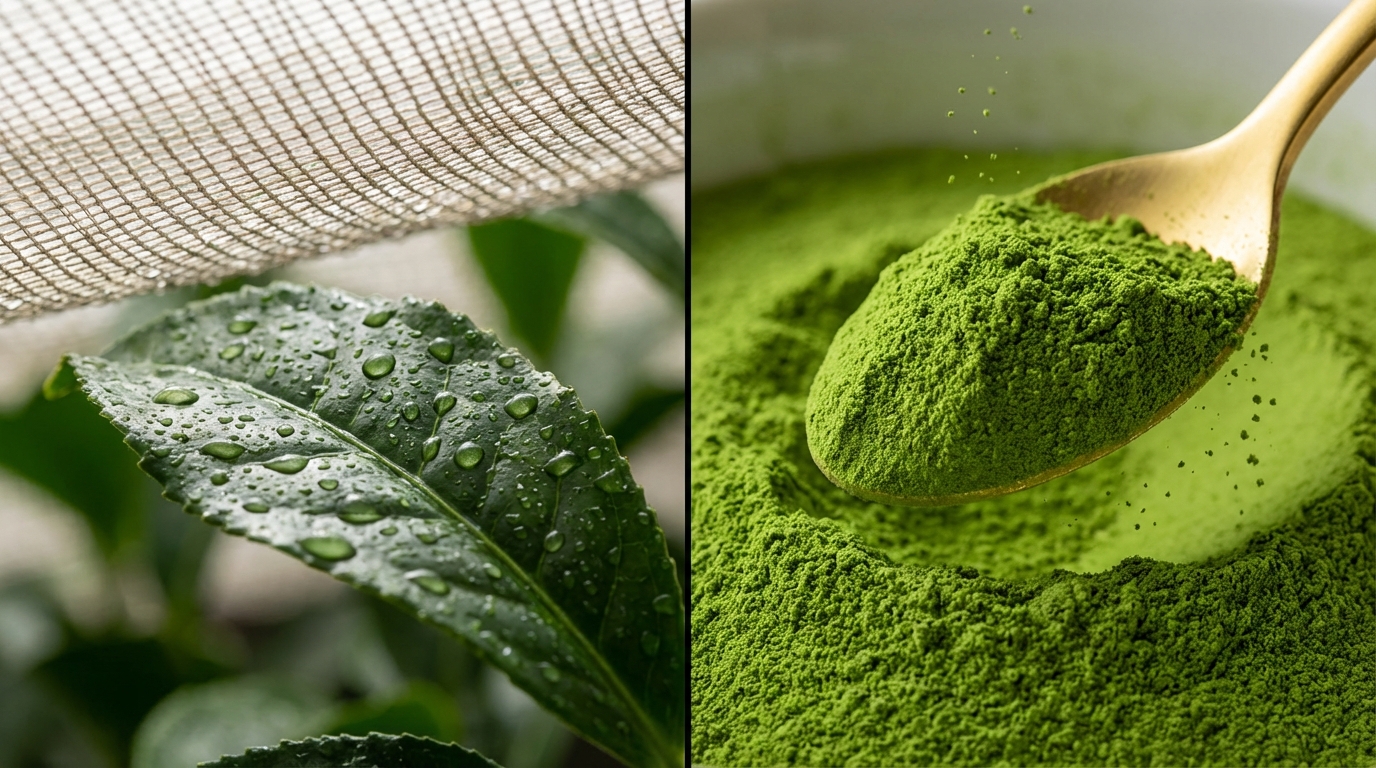
The Critical Shading PeriodThe most defining phase in the manufacturing process is the 20 to 30-day “Tana” shading period. Using black netting or traditional straw mats, farmers block up to 90-95% of sunlight. This induces severe stress in the plant, forcing it to compensate by overproducing chlorophyll (to capture what little light remains) and amino acids—specifically L-Theanine.
During this period, the chemical composition of the leaf shifts:
- L-Theanine Rises: This provides the “Umami” and sweetness.
- Catechins Decrease: Direct sunlight converts L-Theanine into catechins (tannins). By blocking the sun, we prevent the tea from becoming bitter and astringent.
Tencha: The Raw MaterialAfter harvest, the leaves are steamed to stop oxidation, then dried in a large “Ten-cha” oven. Crucially, the stems and veins are removed through a series of air-classification and mechanical sorting. What remains is the “meat” of the leaf, known as Tencha. Only Tencha can be ground into matcha. If you grind the whole leaf (including veins), you get generic green tea powder, which is grittier and more bitter.
Stone-Milling vs. Jet-MillingThe 2026 gold standard remains the traditional granite stone mill. These mills rotate slowly to prevent heat friction, which would otherwise “cook” the delicate oils and turn the powder yellow. A single stone mill typically produces only 30 grams of powder per hour—about the size of one small tin. Modern jet-milling, while more efficient, must be carefully climate-controlled to maintain the same structural integrity and 5–10 micron particle size.
Ceremonial vs. Culinary: Navigating the Grading System
In the international market, “Ceremonial Grade” has often been used as a vague marketing term. In 2026, professional buyers and connoisseurs use a more forensic approach to distinguish between various matcha tea grades .
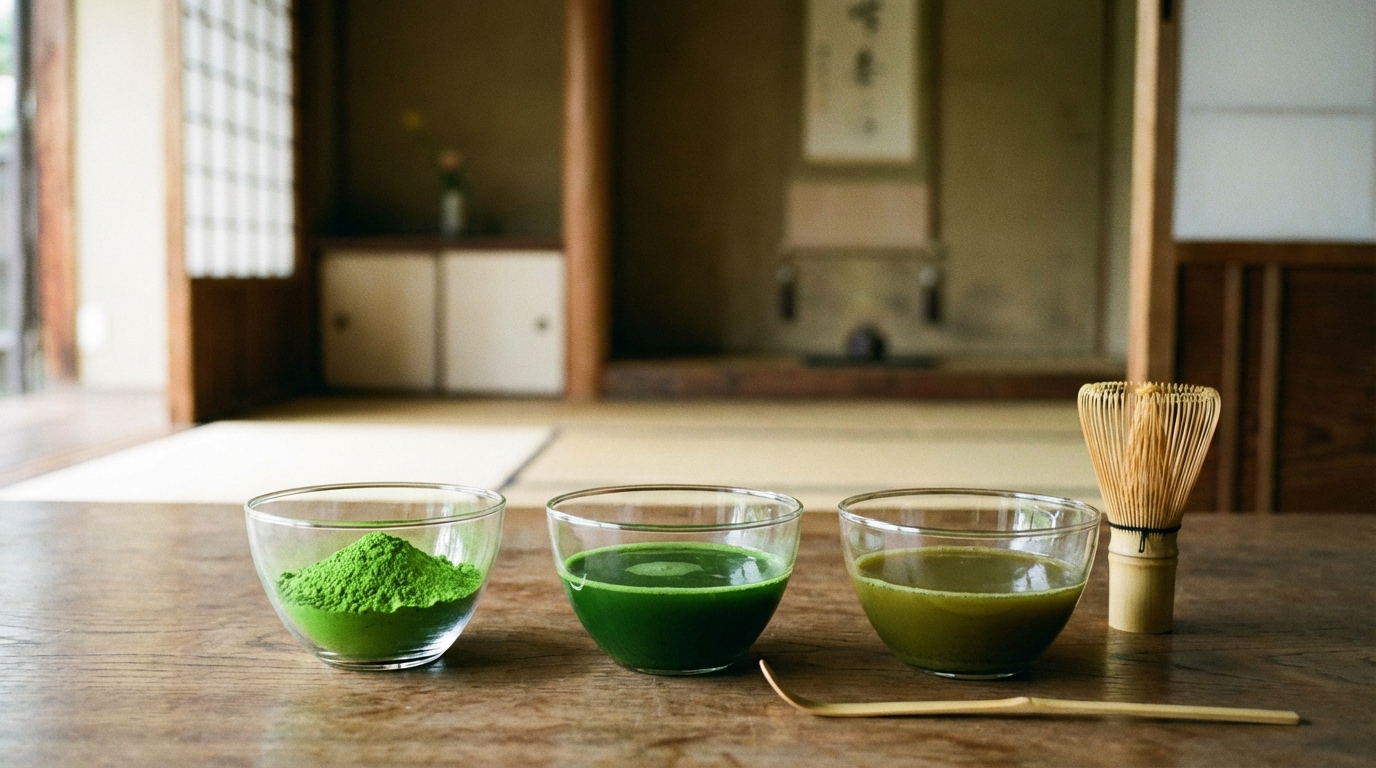
Table 1: 2026 Matcha Grade Comparison Matrix
Feature | Ceremonial Grade | Premium/Latte Grade | Culinary Grade |
|---|---|---|---|
Harvest Timing | First Flush (Spring) | Second Flush (Summer) | Late Harvest (Autumn) |
Leaf Selection | Top 2-3 tender leaves | Mid-stalk leaves | Full-grown, older leaves |
Color Profile | Electric/Vibrant Green | Deep/Forest Green | Yellowish/Dull Olive |
Primary Taste | Umami, Sweet, Creamy | Balanced, Nutty, Mild | Bold, Astringent, Bitter |
Ideal Use | Whisked with water (Usucha) | Lattes and Smoothies | Baking, Sauces, Confectionery |
Texture | Ultra-fine (5-8 microns) | Fine powder | Slightly grittier |
The Grading Myth and Ingredient IntegrityThe “Ceremonial” designation should theoretically be reserved for powders intended for traditional whisking with water. However, as the 2026 market matures, we see the rise of “Ceremonial Latte” grades—higher-quality first-flush leaves that have slightly more astringency to cut through the fat of oat or dairy milk.
When sourcing, the ingredient label is your first line of defense. Premium matcha should contain exactly one ingredient: 100% Green Tea Powder (Camellia sinensis). Avoid products containing sugar, fruit pectin, or powdered milk solids, as these are often used to mask low-grade, bitter leaves harvested late in the season.
Terroir and Tradition: Japan’s Elite Growing Regions
The concept of “terroir”—the environmental factors that affect a crop’s phenotype—is as vital to matcha as it is to fine wine. While many countries now produce green tea powder, the elite, high-umami matcha still originates from specific Japanese prefectures.
Uji (Kyoto): The Historic EpicenterUji is widely considered the “Napa Valley” of matcha. With its misty climate and mineral-rich soil near the Uji River, this region produces the most sought-after ceremonial powders. Uji matcha is famous for its “deep umami”—a savory, broth-like richness that is unparalleled. The 800-year history of cultivation here has resulted in specialized cultivars and masters who have inherited secret shading and steaming techniques over generations.
Nishio (Aichi): The Color SpecialistNishio produces roughly 25% of Japan’s matcha. The region’s unique coastal weather and fertile soil result in leaves that are exceptionally high in chlorophyll. If you are looking for a powder that provides an incredibly vibrant green for a high-end pastry or a visual-first latte, Nishio is often the preferred origin.
The Rising Stars: Shizuoka and Kagoshima
- Shizuoka: Known as Japan’s largest tea producer, it has innovated in 2026 with organic cultivation. The soil here is diverse, producing a “crisp” and “refreshing” profile.
- Kagoshima: Located on the southern island of Kyushu, this volcanic-rich soil creates a “bright” and “fruity” matcha. Because of its warmer climate, Kagoshima often harvests earlier than other regions, providing the first “New Crop” (Shincha) of the year.
The Bioactive Powerhouse: Health Benefits and Science
The health profile of matcha is its most significant driver of global adoption. Because you consume the whole leaf rather than just the infusion, the nutritional density is 10 to 15 times higher than traditional steeped green tea.
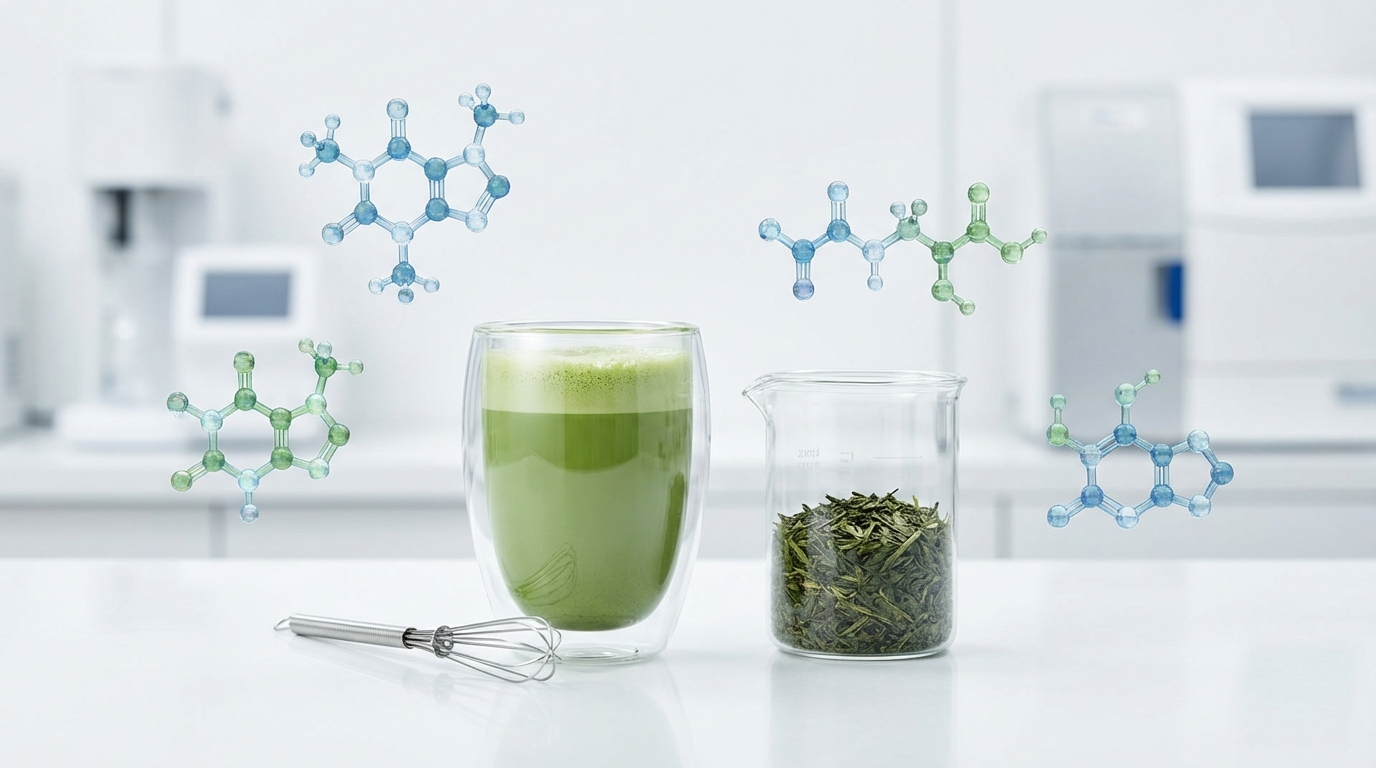
Table 2: Nutritional & Bioactive Compounds in Premium Matcha
Compound | Function | Benefit to Consumer |
|---|---|---|
EGCG (Catechins) | Potent Antioxidant | Cellular protection and thermogenic fat oxidation. |
L-Theanine | Amino Acid | Crosses blood-brain barrier; promotes Alpha waves. |
Chlorophyll | Natural Pigment | Binds to heavy metals; supports skin clarity. |
Caffeine | Methylxanthine | Sustained energy; metabolic stimulant. |
Vitamin C & A | Essential Vitamins | Immune support and retinal health. |
Clinical Insights: Metabolism and Cognitive FunctionA 2025 study published in the Journal of Functional Foods highlighted that the combination of caffeine and L-theanine in ceremonial matcha significantly improved “attentional switching” and memory recall compared to caffeine alone. Furthermore, the high concentration of Epigallocatechin gallate (EGCG) has been shown to increase metabolic rate by up to 17% during moderate exercise, making it a staple in 2026 weight-management protocols.
The “Zenergy” effect is not just a marketing term; it is neurobiology. L-Theanine increases the production of GABA and dopamine in the brain. This counteracts the jittery, cortisol-spiking effects of caffeine, creating a state of “relaxed productivity.”
Sensory Evaluation: How to Taste Matcha Like a Sommelier
In 2026, professional “matcha cupping” has become a standardized practice for distributors and chefs. Learning to evaluate matcha through sensory analysis allows you to justify the price point of premium powders.
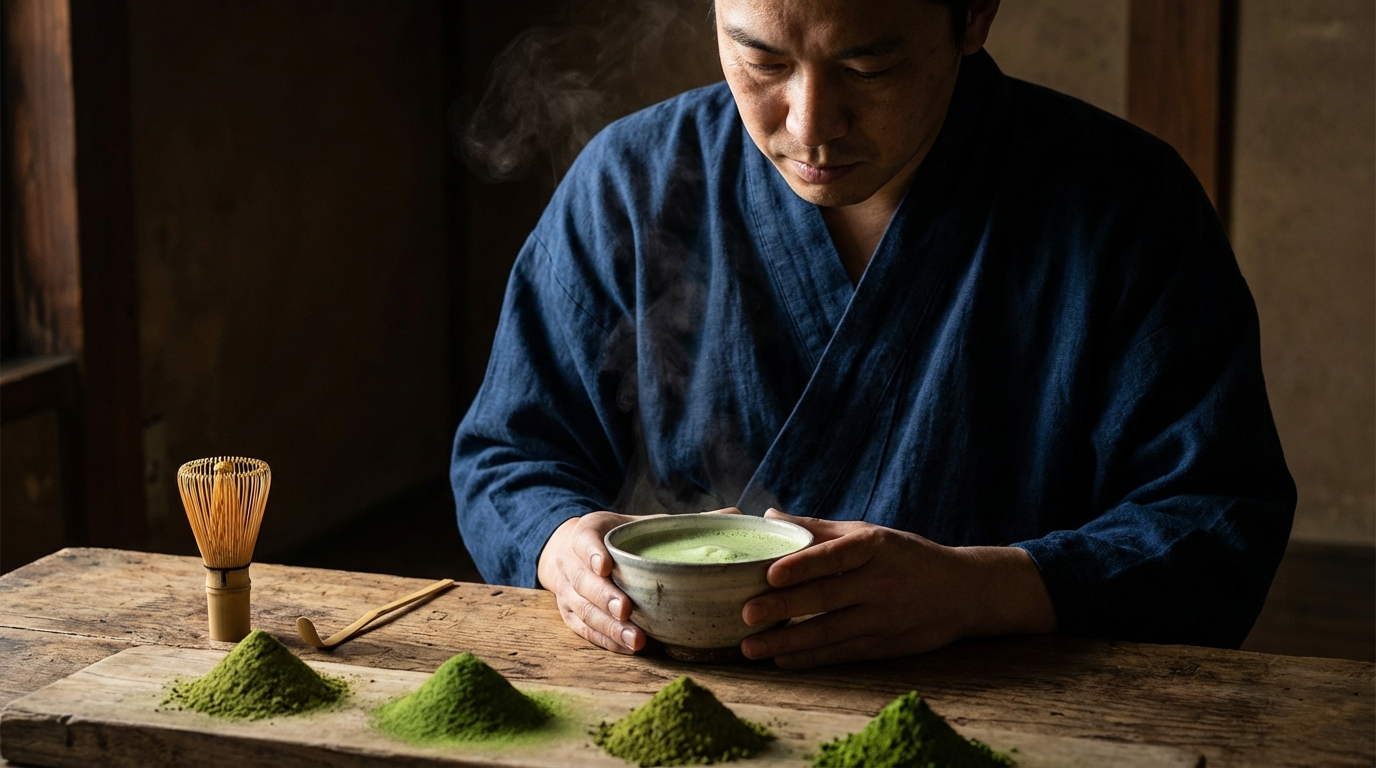
The Visual InspectionThe powder should be a “Neon Green.” If the powder looks like dried grass, hay, or mustard, it has oxidized. This happens when the tea is exposed to heat, light, or oxygen. High-quality matcha is ground so fine that it actually “smears” like silk when pressed against a piece of white paper.
The Aroma Profile
- Ceremonial: Notes of fresh-cut grass, dark chocolate, and a “marine” or “seaweed” saltiness (indicative of L-theanine).
- Culinary: More “toasted” or “nutty” scents, sometimes leaning into a sharp, hay-like aroma.
The Mouthfeel and “Umami”When whisked, a high-quality matcha creates a thick, velvety micro-foam (crema). On the palate, you should experience a “broth-like” savory quality—this is Umami. There should be a natural sweetness at the back of the throat. If the primary sensation is a dry, puckering bitterness on the tongue, the tea was likely not shaded long enough or contains too many stems.
The Professional Toolkit: Preparation & Ritual
The preparation of matcha is a 2-minute “digital detox” that has become a vital part of the morning ritual for millions. To achieve the professional results seen in high-end cafes, you need the correct tools and technique.
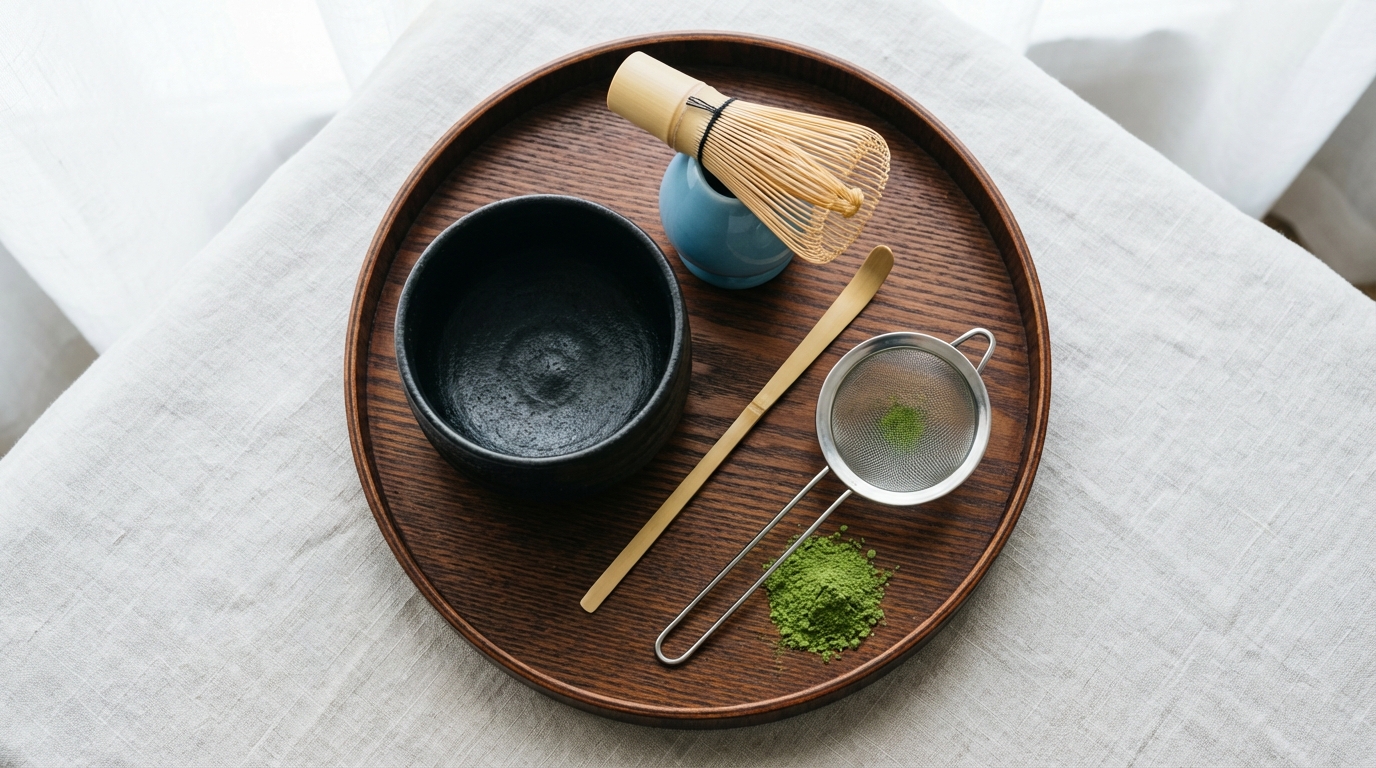
The Sifting StepBecause matcha is an ultra-fine powder, the particles naturally clump together due to static electricity. Sifting through a fine-mesh strainer is non-negotiable. Without it, your tea will have “flavor bombs” of dry powder that ruin the mouthfeel.
The Golden Rule of TemperatureNever use boiling water. Boiling water (100°C) will scorch the delicate amino acids and tannins, resulting in an unnecessarily bitter cup. The optimal temperature is 80°C (175°F). This temperature is hot enough to extract the flavor but cool enough to preserve the sweet L-theanine.
The Whisking TechniqueUsing a bamboo whisk (Chasen), move your wrist in a rapid “W” or “M” motion, rather than a circle. This aerates the liquid, creating a dense layer of bubbles. In the 2026 professional scene, many also use handheld electric milk frothers for speed, which are effective but struggle to achieve the same “micro-bubble” texture as a 100-prong bamboo tool.
Trust Signals: Certifications and Organic Integrity
As the demand for matcha grows, so does the risk of “green-washing.” In 2026, certifications are the primary way to verify that your powder is free from environmental contaminants.
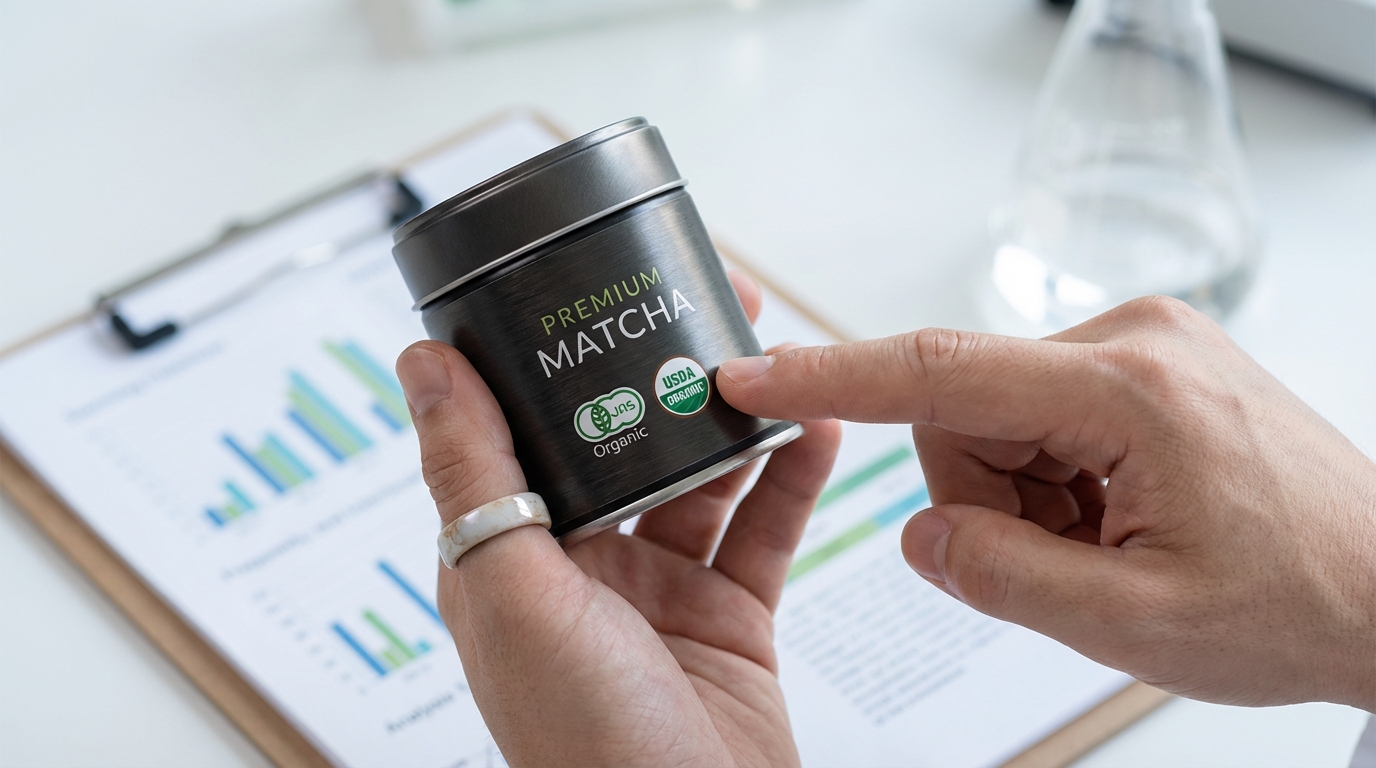
The Gold Standard: JAS OrganicWhen sourcing organic matcha , look for the Japanese Agricultural Standard (JAS) seal. This is one of the world’s most rigorous organic certifications. Because tea is a “sponge” for soil minerals, it can also absorb heavy metals like lead or arsenic if grown in polluted regions.
Safety Protocols in 2026Post-2011 safety concerns have led Japanese producers to implement the most transparent testing in the industry. Reputable brands in 2026 will provide:
- Radiation-Free Guarantees: Third-party lab results showing non-detectable levels.
- Heavy Metal Testing: Specifically checking for Lead, Arsenic, and Cadmium.
- Pesticide Residue Analysis: Ensuring compliance with both EU and USDA standards.
Buying directly from estates or specialized manufacturers ensures that the “Chain of Custody” is short, reducing the risk of contamination during long-term warehouse storage.
The Buyer’s Decision Matrix: Selecting Your Match
For those looking to purchase in volume, either for personal use or for a business, understanding the specific cultivar is the next level of expertise. Much like “Cabernet” or “Merlot,” tea cultivars have distinct personalities.
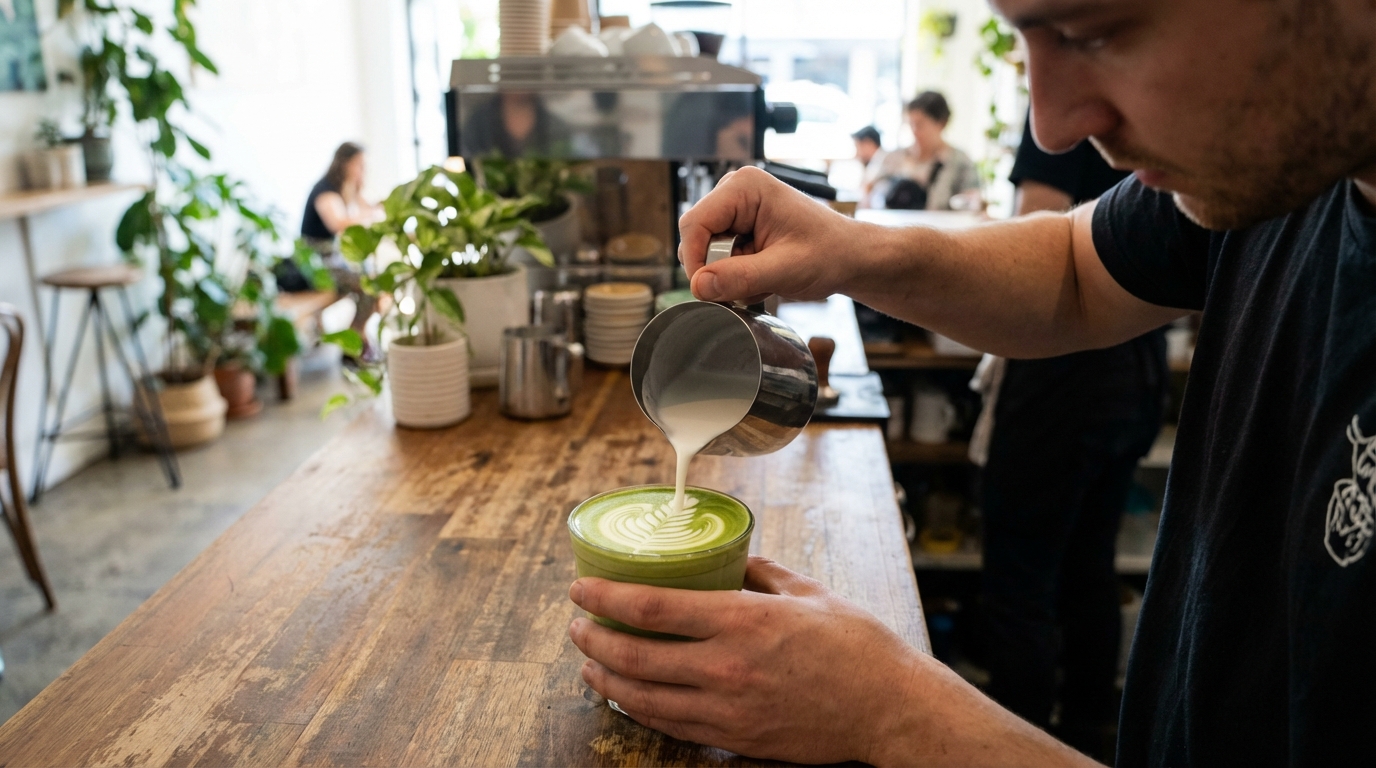
Table 3: Taste Profiles by Cultivar and Origin
Region | Primary Cultivar | Flavor Profile | Recommended For |
|---|---|---|---|
Uji | Samidori / Okumidori | Deep Umami, Velvety, Rich | Traditionalists, Koicha |
Shizuoka | Yabukita | Grassy, Crisp, Refreshing | Daily drinkers, Iced Matcha |
Kagoshima | Asatsuyu | Sweet, Fruity, Bright | Beginners, Milk-based lattes |
Nishio | Blend | Nutty, Earthy, Bold | Culinary applications, Lattes |
Packaging ScienceMatcha’s greatest enemies are Light, Heat, and Oxygen. In 2026, the best matcha powder is always sold in airtight, opaque tins. If you see matcha in a clear glass jar or a thin plastic bag on a shelf, it is likely already dead. The powder should be vacuum-sealed or nitrogen-flushed to preserve its “First Flush” freshness. For those purchasing bulk matcha wholesale , ensure the supplier uses foil-lined, oxygen-barrier bags and ships via temperature-controlled logistics.
Culinary Innovations: The Modern Matcha Menu
The versatility of matcha has exploded in 2026. It is no longer restricted to a bowl; it is a key ingredient in “Functional Fine Dining” and the global bakery industry.
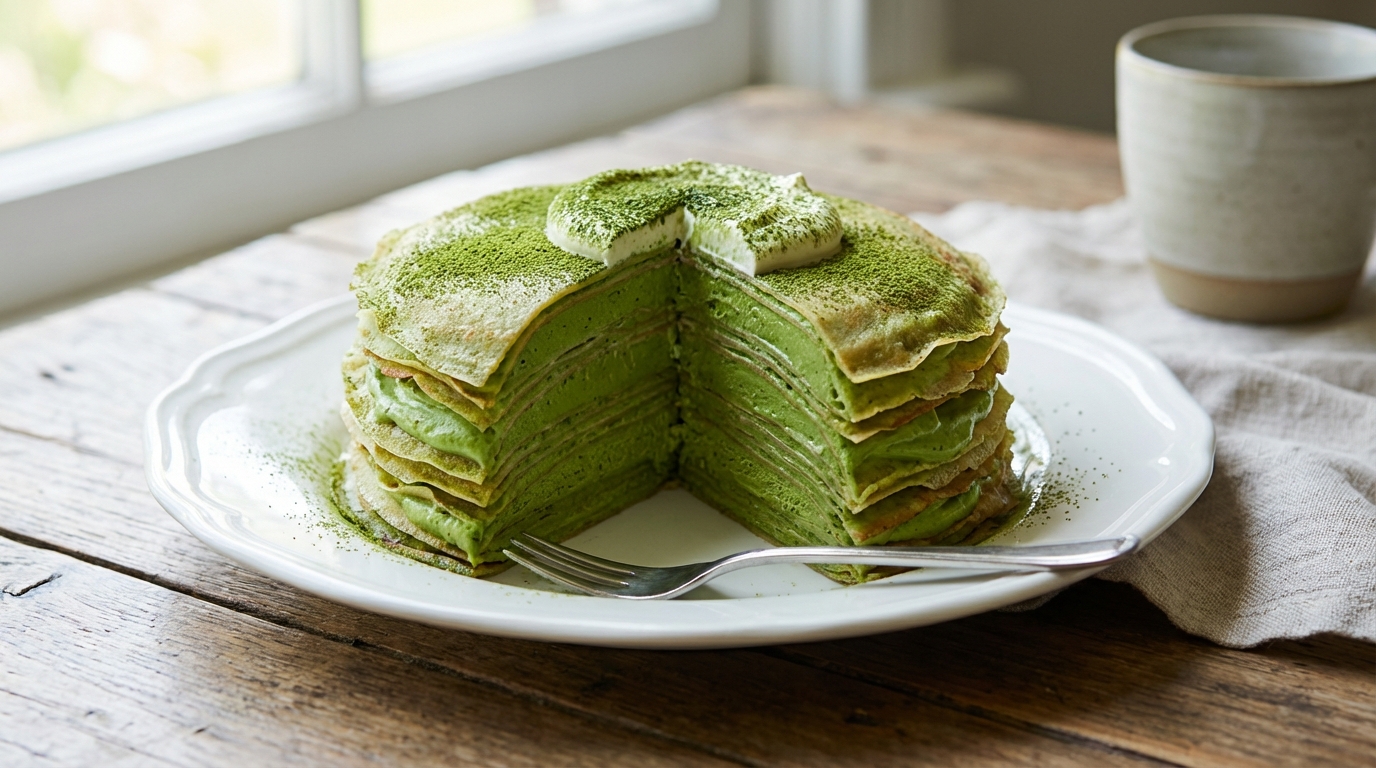
The Business Case for Premium MatchaFor cafe owners, the ROI of using a slightly higher-grade matcha is significant. While a “Culinary” grade might be cheaper per gram, it requires more sugar to mask the bitterness. By using a “Premium Latte” grade, you can reduce sugar content, catering to the 2026 wellness-conscious demographic, and charge a premium price.
ROI Analysis for Tea Shops (Estimated 2026)
- Low-Grade Matcha Cost:0.15perserving.RetailPrice:0.15 per serving. Retail Price:
4.50.
- High-Grade Matcha Cost:0.45perserving.RetailPrice:0.45 per serving. Retail Price:
6.50.
- Profit Increase: Despite the higher ingredient cost, the “Premium” branding and superior taste allow for a $1.70 higher net profit per cup.
For entrepreneurs looking to enter this space, private label matcha services have become highly sophisticated, allowing brands to customize their blend’s “Umami-to-Astringency” ratio to perfectly match their target market’s palate.
Expert Insights: Frequently Asked Questions
1. Does matcha expire, and how can I tell?Matcha doesn’t “expire” in a safety sense, but it loses its soul after 6–12 months. Once opened, use it within 60 days. If the vibrant green has turned to “army surplus brown” and it smells like old hay, it has oxidized and lost its health benefits.
2. Why does my matcha always taste bitter?It is almost always one of two things: your water was too hot (boiling) or your powder is a low-grade culinary harvest being used for a drink. Try dropping your temperature to 80°C.
3. Is it safe to drink matcha every day?Absolutely. 1–2 servings a day is the optimal range. However, because you consume the entire leaf, always ensure you are drinking lab-tested, organic matcha to avoid cumulative exposure to pesticides.
4. Can I make matcha without a bamboo whisk?Yes. You can use an electric milk frother or even a protein shaker bottle with a blender ball. While the traditional foam won’t be as fine, the health benefits remain identical.
5. How much caffeine is in a bowl of matcha compared to coffee?A standard bowl (1 tsp) has ~70mg of caffeine, compared to ~100-150mg in coffee. However, the L-Theanine in matcha slows the absorption, providing 4-6 hours of steady energy instead of a 1-hour spike.
6. Matcha vs. Coffee: Which is better for focus?Matcha is superior for sustained focus. Coffee provides a high-intensity “hit” that often ends in a crash and “brain fog.” Matcha’s L-Theanine induces Alpha brain waves, which are associated with “flow states.”
7. How should I store my matcha?In an airtight, opaque container in a cool, dark place. For long-term storage (unopened), you can keep it in the refrigerator, but let the tin reach room temperature before opening to prevent condensation.
8. Is matcha safe during pregnancy?Generally, yes, but you must monitor your total caffeine intake. Doctors usually recommend staying under 200mg of caffeine per day. One bowl of matcha is well within this limit, but always consult your physician.
9. What is the difference between Matcha and Green Tea Powder?Matcha is made from shaded Tencha leaves with veins removed. Green tea powder is usually made from unshaded Sencha leaves ground whole. Matcha is brighter, sweeter, and more nutrient-dense.
10. How do I stop my matcha from clumping?Use a sifter! If you don’t have one, make a “slurry” first by mixing the powder with a tiny amount of water to create a paste before adding the rest of the liquid.
Conclusion: Investing in Your Ritual
As we look toward the next decade of wellness, the “Best Matcha Powder” is more than just a beverage; it is an investment in your cognitive longevity and daily mental clarity. By choosing high-quality, transparently sourced powders, you are supporting a sustainable 800-year-old agricultural tradition while fueling your body with the most potent antioxidant profile available in nature.
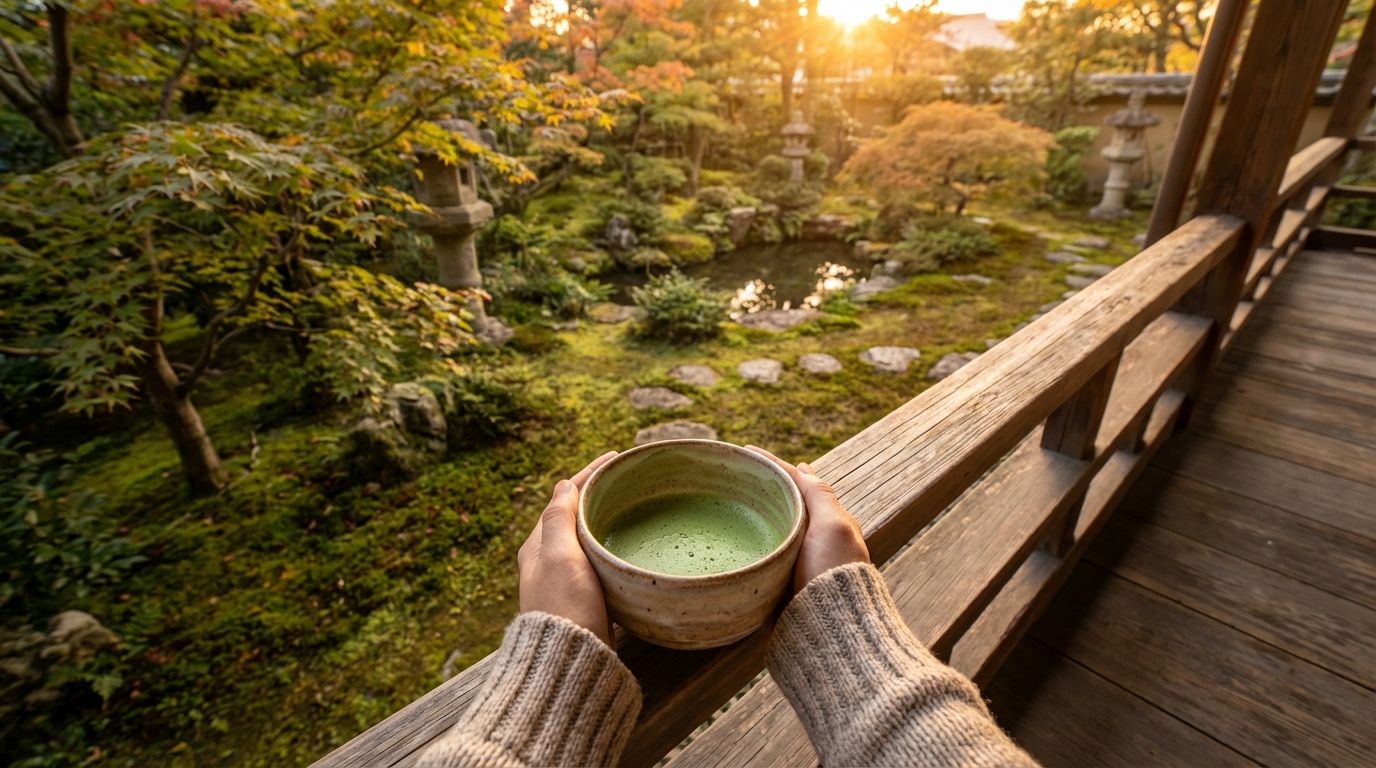
The Future of MatchaThe next decade will see even more personalization. We are already seeing “DNA-synced” tea recommendations and the integration of adaptogens like Lion’s Mane into matcha blends. However, the heart of the experience remains the same: a quiet moment, a vibrant bowl of green, and a clear, focused mind.
Whether you are a consumer looking for the perfect morning cup or a business owner seeking a reliable supply chain, prioritize transparency, origin, and theanine-rich harvests. The ritual of preparation is as important as the drink itself—a 2-minute meditation that sets the tone for a high-performance, healthy life in 2026 and beyond.