
In the contemporary high-stakes corporate environment, “energy” has become the primary currency of productivity. From Silicon Valley developers to London’s financial analysts, the quest for a sustainable, focused, and non-jittery cognitive edge is relentless. For decades, coffee has been the undisputed king of the workplace, fueled by the “grind culture” and the immediate, visceral punch of its caffeine delivery. However, as the limitations of coffee—namely the anxiety-inducing peaks and the debilitating afternoon crashes—become more apparent, a significant shift toward functional alternatives is underway.
The modern professional no longer just wants to be “awake”; they want to be “optimized.” This distinction is where the debate between coffee and matcha finds its resonance. While coffee provides a blunt force stimulant effect, matcha represents a sophisticated, synergistic approach to neuro-enhancement. This article provides a comprehensive, data-driven analysis of these two titans of the beverage world, examining their chemical profiles, physiological impacts, and the burgeoning business opportunities surrounding the transition to green-tea-based focus.
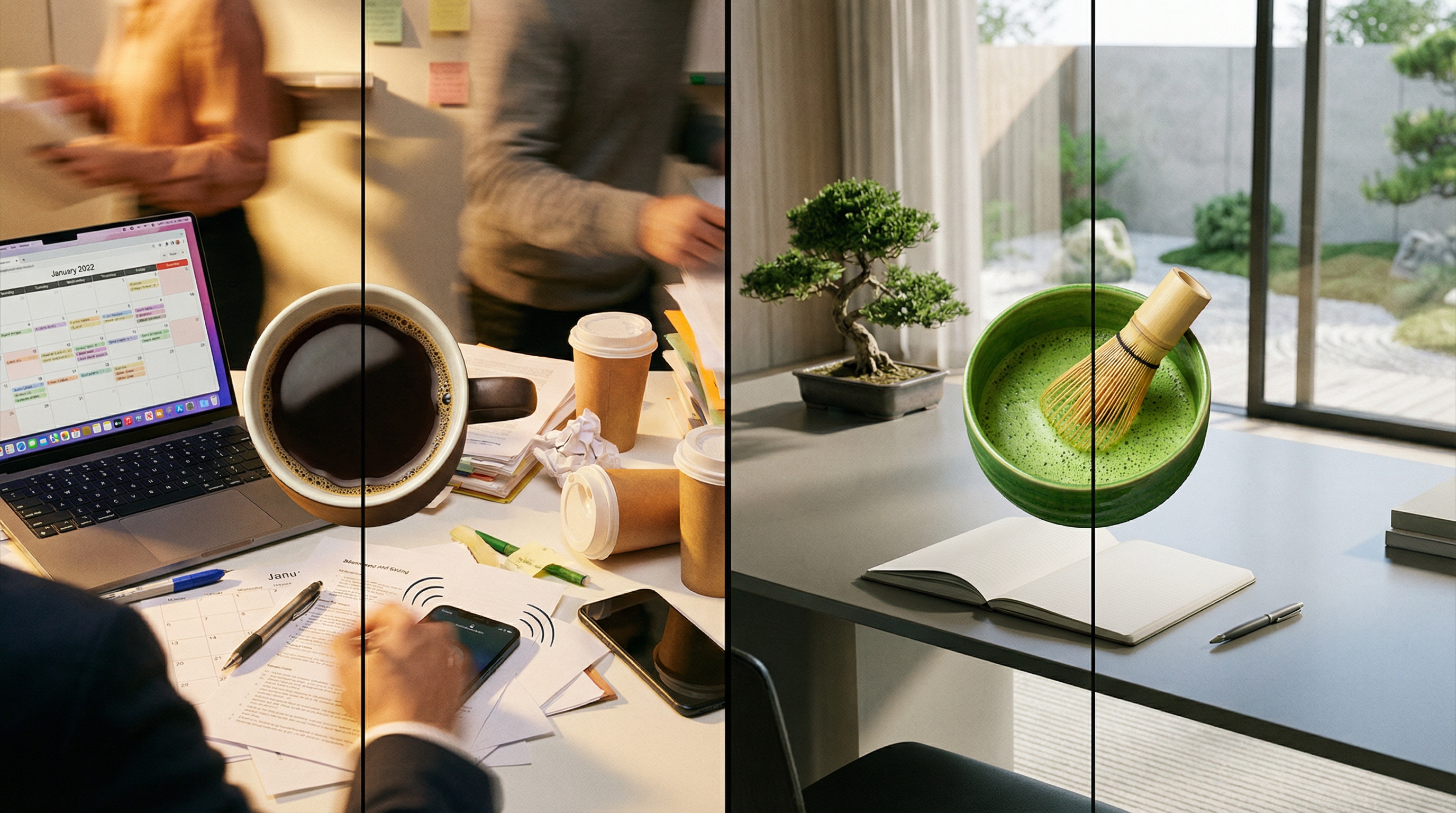
To understand the energy profiles of these beverages, we must first look at the quantitative data. Many professionals assume coffee is vastly superior in caffeine content, but the reality is more nuanced when we look at serving sizes and bioavailability.
Feature | Standard Drip Coffee (8 oz) | Matcha (1 tsp / 2g in 8 oz) |
|---|---|---|
Caffeine Content | 95 – 150 mg | 60 – 80 mg |
Primary Method | Extraction (Water passed through) | Ingestion (Whole leaf powder) |
Absorption Speed | Rapid (Immediate spike) | Moderate (Gradual release) |
Secondary Actives | Chlorogenic acids, Cafestol | L-Theanine, EGCG |
While a standard cup of coffee contains higher absolute caffeine levels, matcha offers a higher caffeine density per gram. Because matcha involves consuming the entire stone-ground leaf, you are not merely drinking an infusion; you are ingesting the source material. This fundamental difference in consumption method is critical. In coffee, many bioactive compounds remain in the discarded grounds. In matcha, nothing is lost.
For businesses and cafes, understanding these Matcha Tea Grades is essential for tailoring the caffeine experience to the customer’s needs. A high-quality ceremonial grade will provide a potent yet smooth caffeine delivery, whereas lower-grade culinary powders are better suited for blended beverages where other ingredients mitigate the caffeine intensity.
The L-Theanine Synergy: Understanding ‘Calm Energy’
The “secret weapon” of matcha is L-Theanine, an amino acid almost exclusively found in tea plants. In the shade-growing process used for high-quality matcha—a process perfected by manufacturers like Riching Matcha—the plant is deprived of sunlight for weeks before harvest. This stressor forces the tea leaves to overproduce chlorophyll and L-Theanine, resulting in the vibrant green color and the unique neurological profile.
L-Theanine is a known relaxant that does not induce drowsiness. Instead, it promotes Alpha brain waves, which are associated with a state of “relaxed alertness” or “flow.” When combined with caffeine, L-Theanine acts as a modulator. It inhibits the “fight or flight” response often triggered by coffee’s rapid caffeine absorption, effectively smoothing out the “jitters.”
“The synergy between caffeine and L-Theanine creates a cognitive state that coffee simply cannot replicate: the ability to remain intensely focused without the physiological stress of a stimulant overdose.”
For the professional, this means that the “Calm Energy” provided by matcha allows for complex problem-solving and sustained attention. In contrast, coffee often leads to “scattered energy,” where the individual is highly alert but struggles to direct that alertness toward a single, complex task.
Analyzing the Energy Curve: Peak Performance vs. The Dreaded Crash
The most common complaint among coffee drinkers is the “afternoon slump.” This is a physiological certainty caused by coffee’s pharmacokinetic profile. Coffee’s caffeine is absorbed quickly in the stomach and small intestine, reaching peak concentrations in the blood within 30 to 60 minutes. This causes a massive release of adrenaline and cortisol.
Once the caffeine is metabolized, the body experiences a “rebound effect” where adenosine (the neurotransmitter that signals sleepiness) floods the receptors that were previously blocked by caffeine. This results in a sharp crash.
Matcha operates differently:
- Binding to Tannins: The caffeine in matcha binds to larger phytonutrient molecules (tannins).
- Slower Breakdown: These bonds must be broken down by the digestive system, leading to a slow, time-released delivery of caffeine over 4 to 6 hours.
- No Slump: Because the descent is gradual, the body has time to adjust, preventing the sudden “wall” of fatigue.
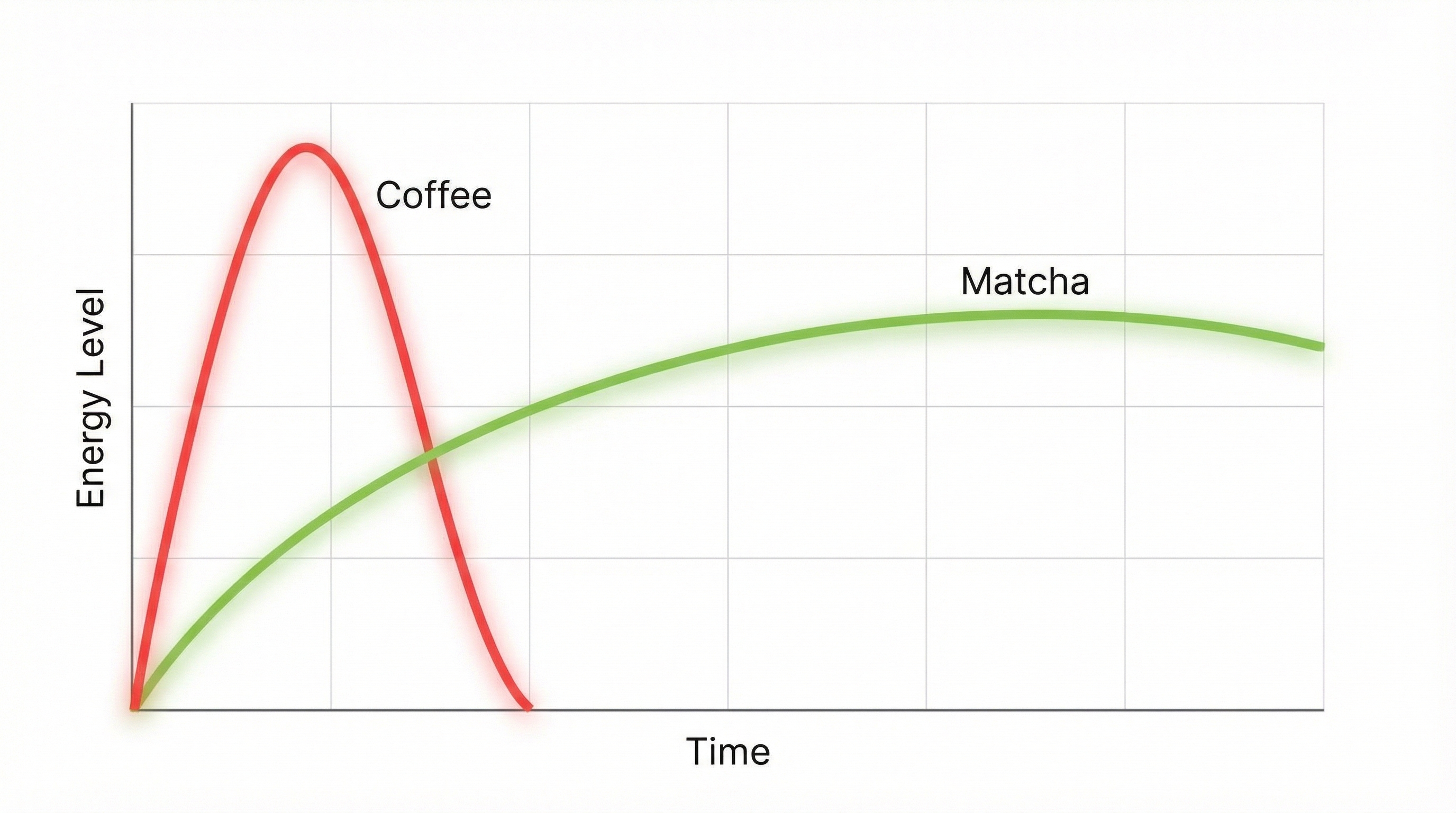
This energy stability is a major selling point for Private Label Matcha Services , as brands can market their products specifically for “sustained productivity” rather than just a “quick fix.”
Cognitive Impact: Is Matcha Better for Deep Work?
Deep work—the ability to focus without distraction on a cognitively demanding task—is the “superpower” of the 21st century. Coffee, while great for routine “busy work” (like answering emails), can actually be detrimental to deep work because it increases heart rate and can induce physical restlessness.
Matcha, however, supports the “flow state.” The Benefits of Ceremonial Matcha extend beyond the physical; they are deeply mental. The presence of L-Theanine has been shown in clinical studies to improve reaction time and memory while reducing the susceptibility to distractions.
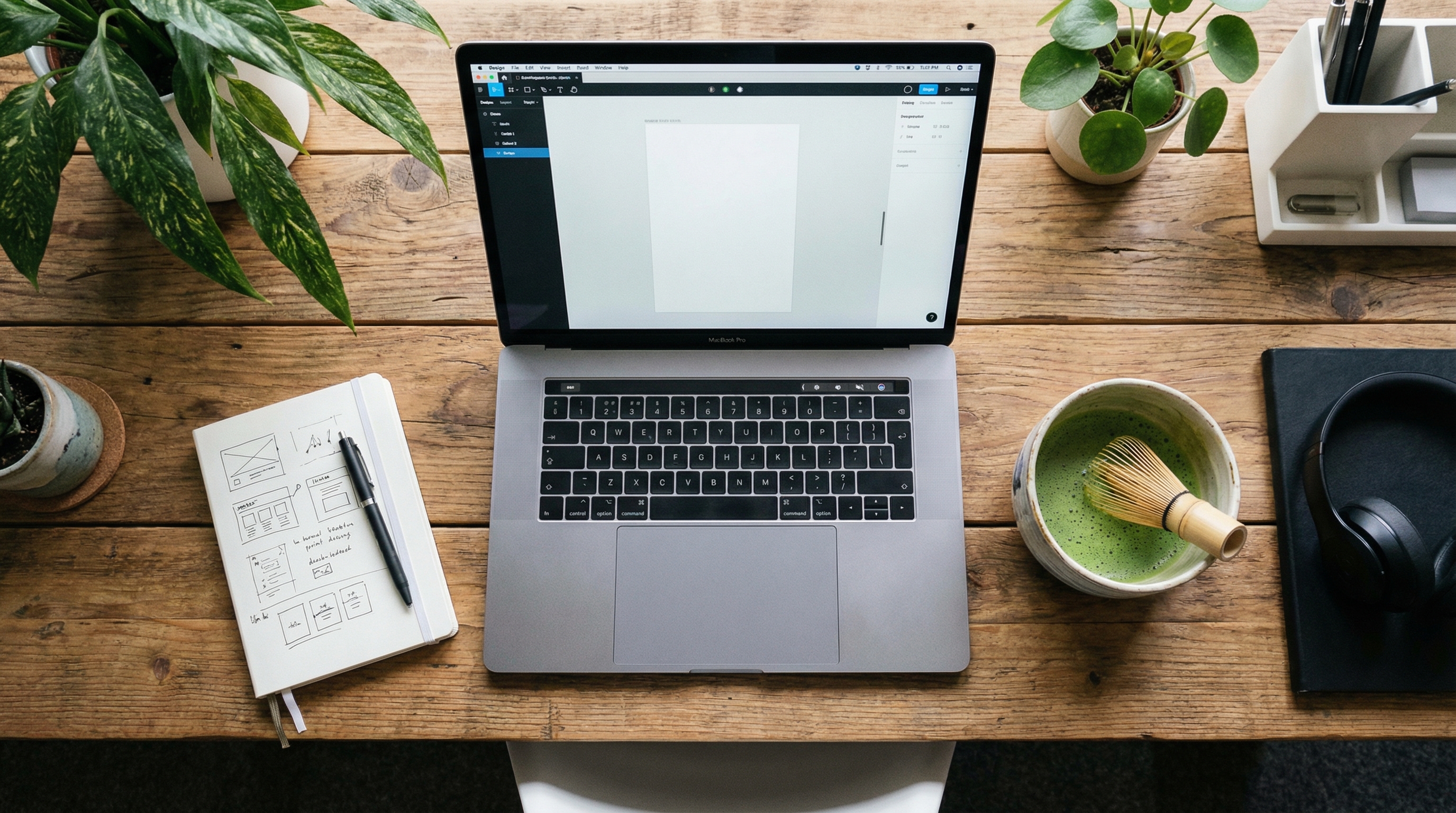
For creative professionals—graphic designers, writers, and software architects—the ability to sit for four hours in a state of quiet, intense concentration is vital. Coffee often forces these professionals to take “jitter breaks” or deal with the anxiety of a racing heart. Matcha provides the fuel for the marathon, not just the sprint.
The Antioxidant Advantage: Beyond Just Caffeine
While caffeine is the primary driver of the coffee-vs-matcha debate, the secondary health benefits are increasingly influencing consumer choice. Coffee contains antioxidants (notably chlorogenic acid), but matcha is in a category of its own.
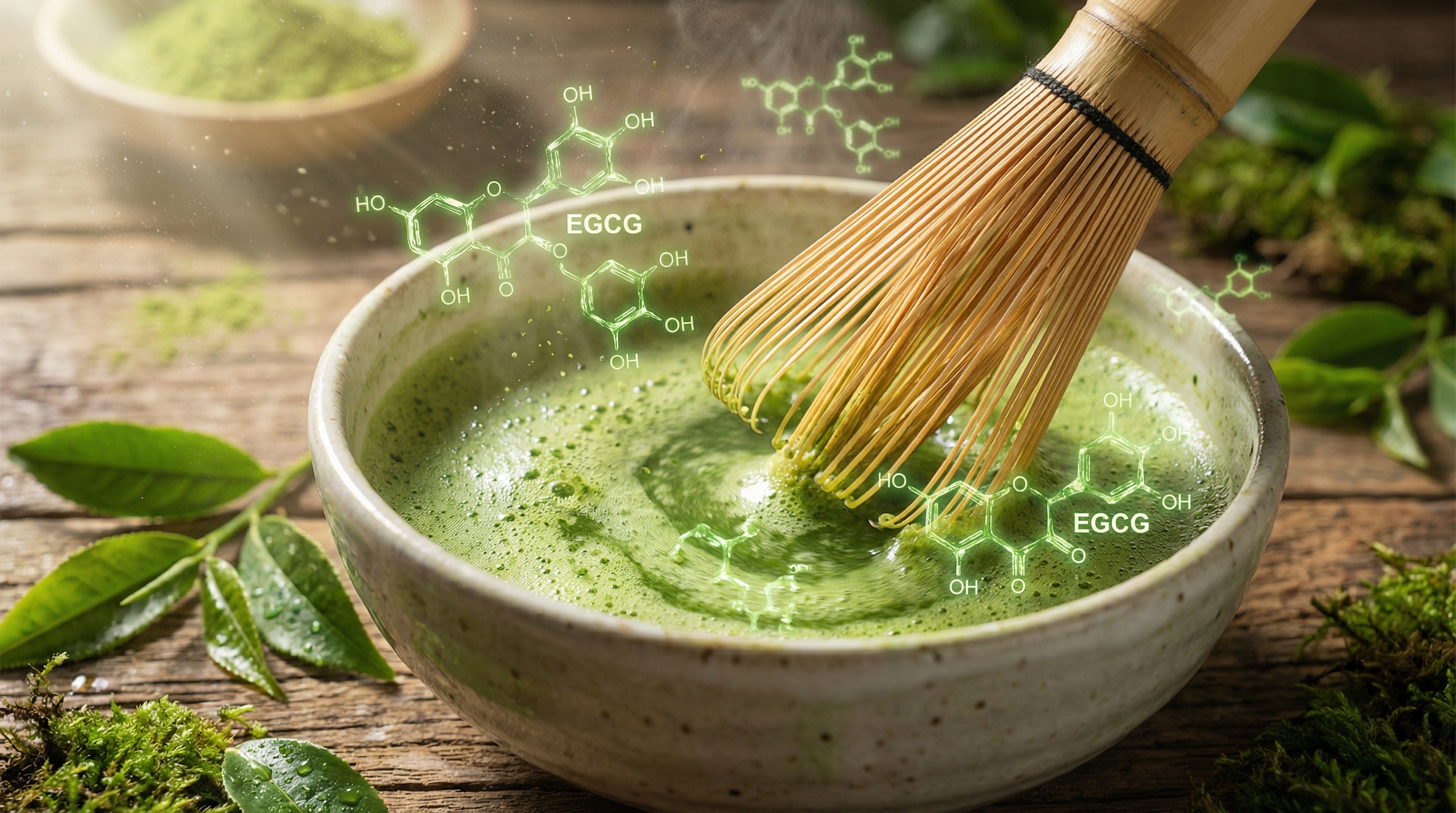
Matcha is the richest source of EGCG (Epigallocatechin gallate), a powerful catechin linked to:
- Thermogenesis: Boosting metabolism and fat oxidation.
- Cellular Protection: Neutralizing free radicals that cause oxidative stress.
- Detoxification: Due to its high chlorophyll content, matcha helps the body eliminate heavy metals and toxins.
Using the ORAC (Oxygen Radical Absorbance Capacity) scale, matcha significantly outperforms goji berries, dark chocolate, and even regular brewed green tea. For businesses, this “health halo” is a powerful marketing tool. Consumers are willing to pay a premium for a beverage that they perceive as an investment in their long-term wellness.
Market Evolution: The Rise of Functional Beverages
The global beverage market is witnessing a “Great Transition.” Traditional soda and high-sugar energy drinks are in decline, replaced by “functional beverages.” Matcha sits at the nexus of this trend. It is no longer a niche Japanese product; it is a global commodity.
According to market insights, the matcha market is expected to grow at a CAGR of over 8% through 2030. This growth is driven by:
- Clean Label Demand: Consumers want recognizable, plant-based ingredients.
- Ready-to-Drink (RTD) Innovation: Canned matcha lattes and sparkling matcha energy drinks are becoming staples in convenience stores.
- The “Sober Curious” Movement: Many are replacing alcohol and heavy stimulants with ceremonial grade tea rituals.
Manufacturers like Riching Matcha are at the forefront, providing Bulk Wholesale Matcha Supply to international beverage brands that require consistent, high-potency powder for large-scale production.
Business Strategy: Premium Positioning and Profitability for Cafes
From a business perspective, matcha offers a superior margin profile compared to traditional coffee. While the cost per gram of high-quality matcha is higher than coffee beans, the preparation requires less expensive machinery and less waste.
Strategic Advantages for Cafes:
- Premium Pricing: Customers are accustomed to paying 5–5–
7 for a high-quality matcha latte, often a 20-30% premium over a standard latte.
- Speed of Service: Whisking a bowl of matcha can be faster than pulling a perfect double shot of espresso and steaming milk for a complex drink.
- Versatility: A single inventory item (matcha powder) can be used for hot teas, lattes, iced beverages, and even seasonal pastries (culinary grade).
To maximize profitability, cafes should focus on the “experience.” Traditional bamboo whisks (chasen) and ceramic bowls (chawan) add a level of theater and ritual that justifies the premium price point and encourages social media sharing, which serves as free marketing.
B2B Sourcing: Consistency, Safety, and Supply Stability
For any business integrating matcha into its supply chain, the biggest risk is quality variance. Unlike coffee beans, which have a relatively long shelf life when unroasted, matcha is highly sensitive to oxygen, light, and heat.
Why Sourcing Matters:
- Pesticide Control: Since you consume the whole leaf, organic certification (USDA/EU Organic) is non-negotiable for premium brands.
- Color Consistency: A dull, yellow-green powder indicates oxidation or low-quality harvesting, which will alienate customers.
- Particle Size: True matcha must be ground to 5-10 microns to ensure it suspends perfectly in liquid without grittiness.
As detailed in the Matcha Sourcing Guide , partnering with a factory that owns its tea farms—like Riching Matcha’s 1,000,000 ㎡ organic farm—ensures a direct chain of custody. This eliminates middleman markups and guarantees that the “Ceremonial” grade you receive in January is the same quality as the one you receive in June.
Navigating the Grades: Ceremonial, Premium, and Culinary Matcha
Understanding the hierarchy of matcha is the most critical step for any buyer. Using the wrong grade for the wrong application is the fastest way to lose margins and customer trust.
- Ceremonial Grade: Harvested from the youngest first-flush leaves. It has a delicate, naturally sweet flavor and should only be mixed with water.
- Premium Grade: A versatile “middle” grade. It possesses enough body to stand up to milk in lattes but retains the vibrant color needed for aesthetics.
- Culinary Grade: Harvested later in the season. It has a bolder, more astringent flavor profile. This is ideal for baking, smoothies, and ice cream where the matcha flavor needs to “cut through” fats and sugars.
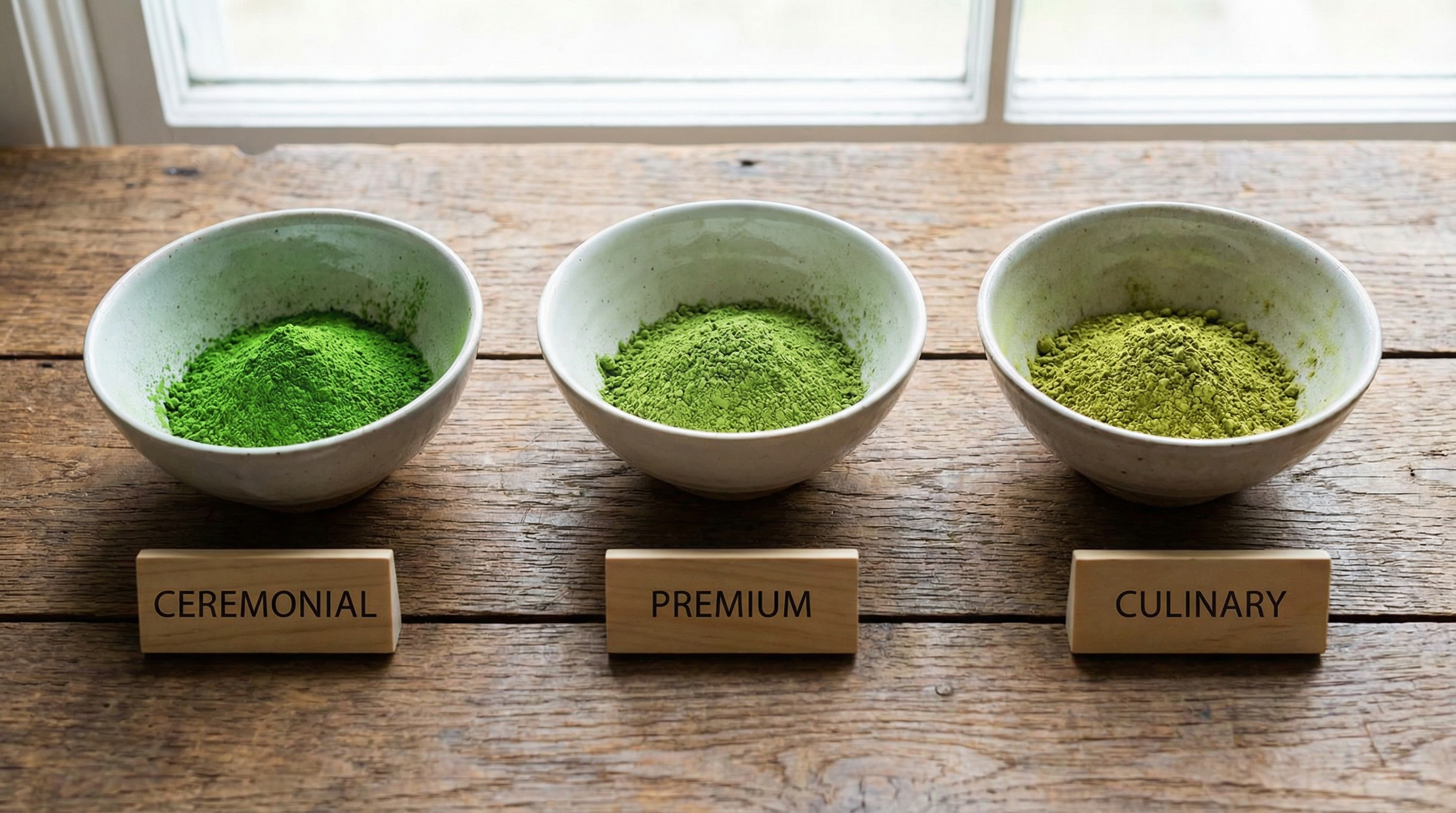
Choosing the right grade depends on your business model. High-end tea houses require Ceremonial, while large-scale bakeries and smoothie bars should focus on the cost-efficiency of Culinary or Premium blends.
Strategic Integration: Choosing the Right Fuel for Your Business
For a business owner or a high-performing professional, the choice between coffee and matcha isn’t necessarily about choosing one and abandoning the other. It is about strategic integration.
- The Morning Kick: Coffee remains an excellent tool for breaking the initial morning fog and providing a fast-acting metabolic jumpstart.
- The Deep Work Phase: Transitioning to matcha at 10:30 AM or 11:00 AM provides the sustained focus needed for the heavy lifting of the workday, without the afternoon crash.
- The Customer Offer: For service businesses, offering a high-end matcha option signals a commitment to wellness and modern trends, attracting a higher-spending demographic.

Integrating matcha into your daily routine or your business menu is a move toward a more sustainable, focused, and healthy future.
Conclusion: The Verdict on Energy and Focus
The data is clear: while coffee is an effective stimulant, matcha is a superior cognitive enhancer. For the modern professional, the ability to avoid the “jitter-and-crash” cycle is a competitive advantage. For the business owner, the “health-first” premium branding of matcha offers a more lucrative and stable path than the increasingly commoditized coffee market.
Matcha provides a 4-to-6-hour window of “Zanshin” (a Japanese term for a state of relaxed awareness). In a world of constant notifications and digital fatigue, this ability to remain calm yet vigilant is more than just a preference—it’s a necessity for peak performance.
FAQ: Frequently Asked Questions
1. Does matcha contain more caffeine than coffee?
Per gram, yes. However, a typical serving of coffee (8 oz) contains more caffeine (approx. 95-150mg) than a typical serving of matcha (approx. 70mg). The key difference is the delivery: matcha’s caffeine is released slowly over 4-6 hours, whereas coffee’s caffeine is released almost all at once.
2. Why is matcha so much more expensive than regular green tea?
Matcha is a labor-intensive product. It requires shade-growing for 3-4 weeks, hand-picking the finest leaves, removing stems and veins, and stone-grinding the remaining “tencha” into a fine powder. This process preserves the high levels of L-Theanine and EGCG that regular tea lacks.
3. Can I use culinary grade matcha for lattes?
You can, but it is not recommended for premium menus. Culinary grade is more bitter and has a duller color. For a high-quality latte that looks and tastes “top-tier,” a Premium or Beverage grade is the standard.
4. How should businesses store bulk matcha?
Matcha must be kept away from light, heat, and air. Bulk orders should be stored in airtight, opaque containers in a cool, dry place. For long-term storage, refrigeration is ideal, provided the container is perfectly sealed to prevent moisture absorption.
5. Is all Chinese matcha lower quality than Japanese?
No. While Japan has the “tradition,” many Chinese manufacturers like Riching Matcha use advanced Japanese technologies and strict EU/USDA organic standards. Because of China’s larger landmass and diverse climates, factories can often produce high-quality, organic-certified matcha at a more competitive price point for the global market.
6. What is the MOQ for wholesale orders?
At Riching Matcha, the MOQ is negotiable depending on the specific grade and packaging requirements. We offer everything from 25kg bulk cartons for industrial use to 30g private label tins for retail. Contact us directly to discuss your specific needs.