
Hojicha ice cream is a premium roasted Japanese green tea dessert known for its smoky, caramel-like flavor profile and smooth, creamy texture. You may often find yourself searching for a sophisticated treat that offers deep complexity without the grassy bitterness of standard green tea. Many gourmet enthusiasts feel frustrated by uninspired dessert menus that fail to deliver unique, adult-friendly sweetness in every scoop. Integrating high-quality roasted tea bases provides an elegant solution for those seeking a refined culinary experience that stands out from the crowd. By sourcing ingredients from hojicha ice cream specialists, businesses and home cooks alike can transform basic dairy into remarkable artisanal creations.
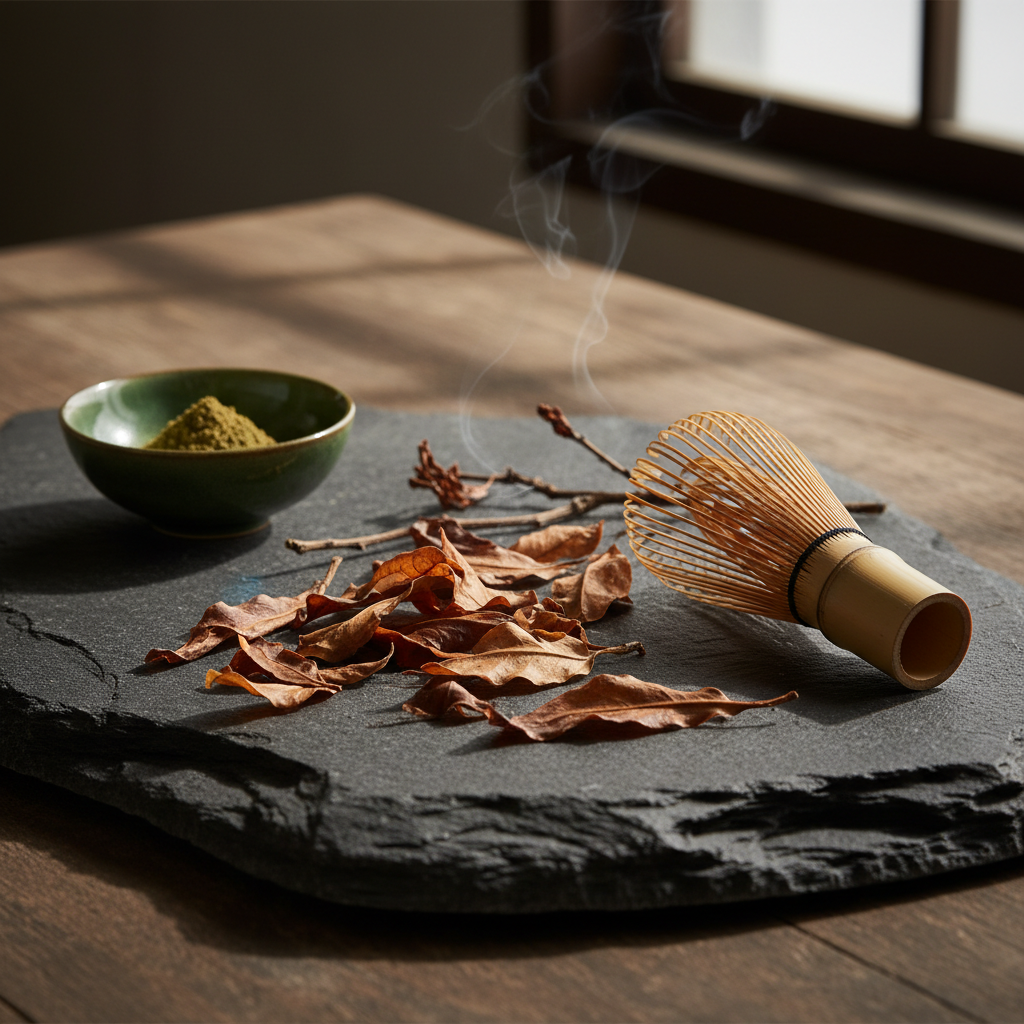
The fascinating chronicle of this dessert began in Kyoto during the 1920s when tea merchants first experimented with charcoal roasting. This innovative heating process removed the astringency of green tea leaves while imparting a distinctive nutty aroma to the final product. You will find that the transition into frozen confections gained significant momentum as chefs sought alternatives to ubiquitous matcha flavors. Modern artisans now utilize these traditional toasted profiles to bridge the gap between ancient tea ceremonies and contemporary Western dairy techniques.
How did charcoal roasting begin?
Charcoal firing was originally a way for Japanese merchants to repurpose older tea leaves and stems into a valuable, aromatic beverage. This process transformed green leaves into a vibrant brown color, removing harsh tannins through high temperatures while creating a deeply comforting profile.
But here is the catch: the success of the roast depends entirely on the precision of the heat source and the duration of the firing. This traditional method later became the perfect foundation for modern frozen dairy products because the roasted notes pair effortlessly with rich cream.
- Kyoto merchants first roasted leftover stems.
- Heat transformed green leaves into brown.
- Bitterness vanished through high-temperature firing.
- Aroma became reminiscent of toasted grains.
Key Takeaway: Understanding the heritage of roasted tea allows you to market your dessert as an authentic product of Japanese craftsmanship.
Period | Milestone | Impact on Dessert |
|---|---|---|
1920s | Kyoto Innovation | Discovery of charcoal roasting for tea leaves. |
1970s | Dairy Infusion | First commercial attempts at roasted tea soft serve. |
2020s | Global Mainstream | Adoption in luxury gelato and artisanal shops. |
Analyzing these historical milestones reveals how roasted tea evolved from a simple beverage into a cornerstone of the global confectionery industry.
Why does hojicha ice cream taste so unique?
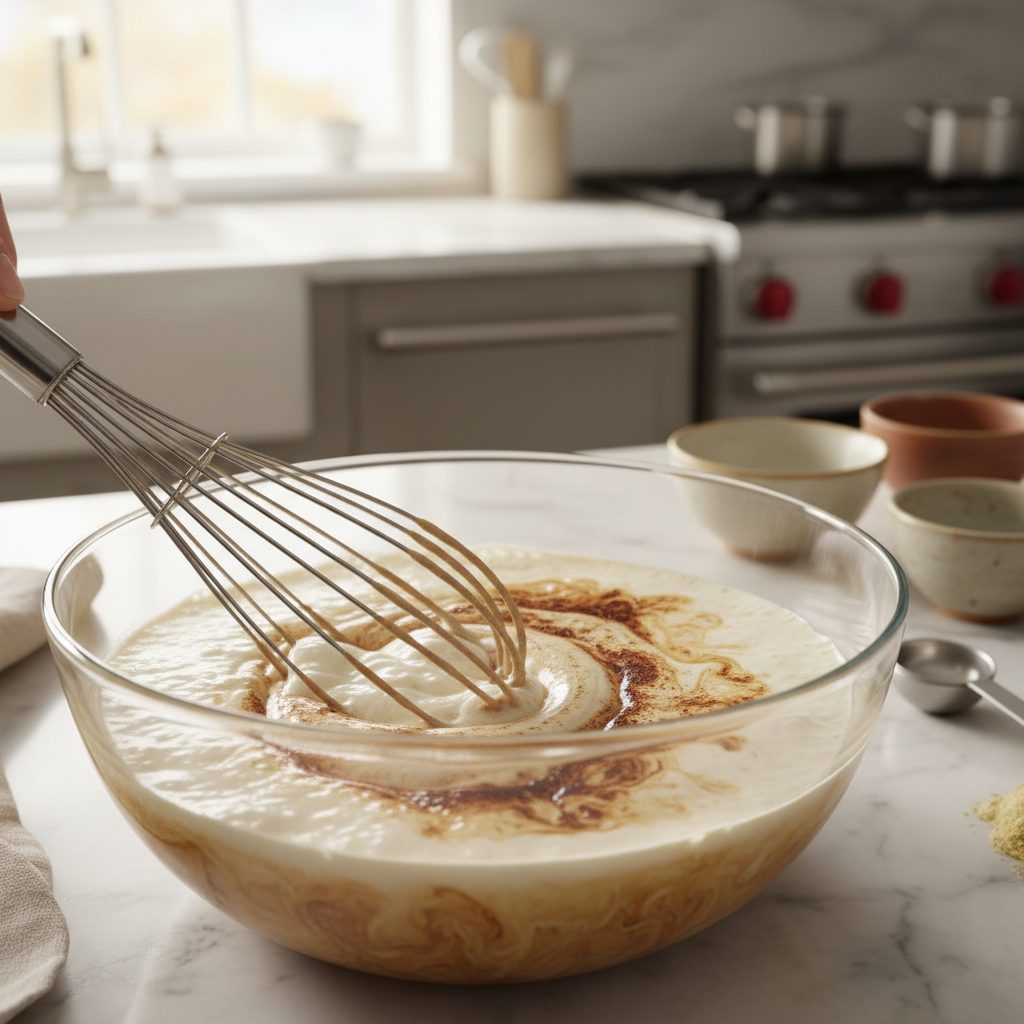
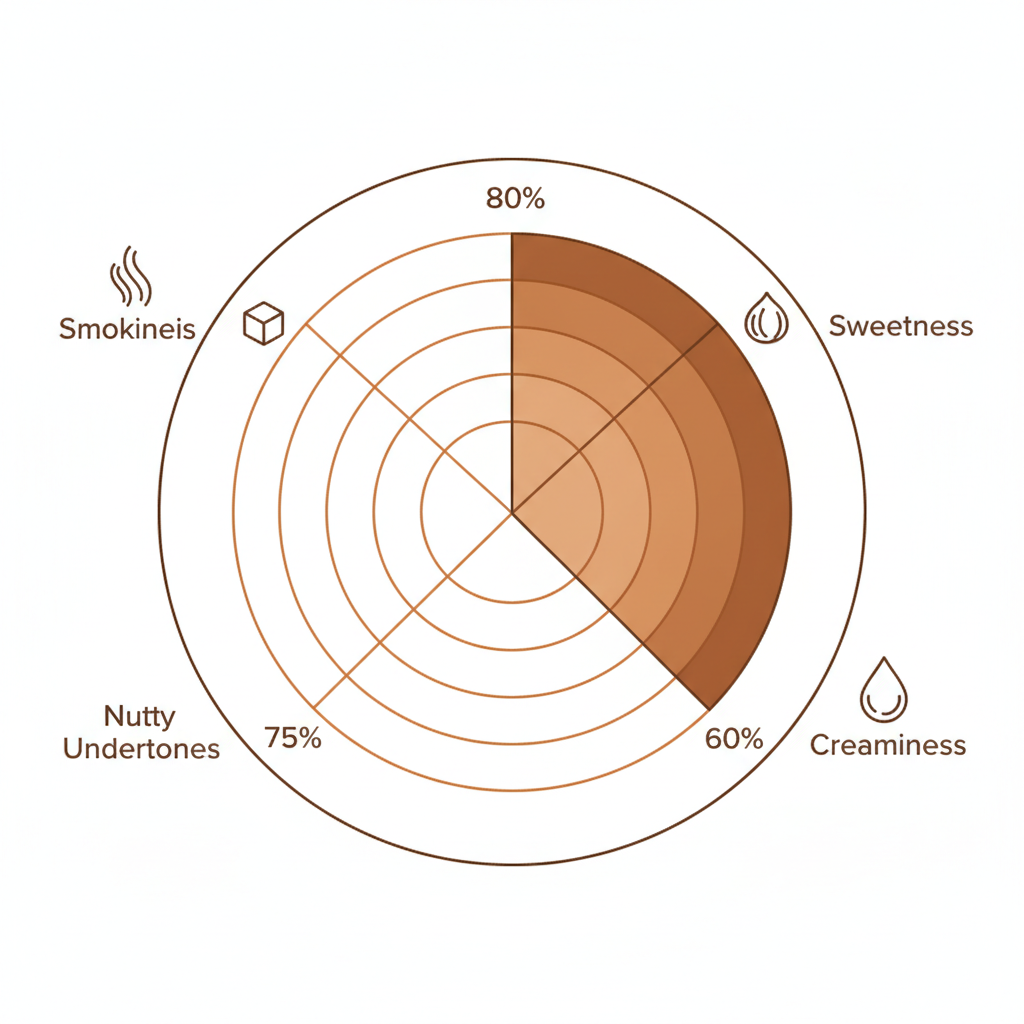
The distinctive flavor of hojicha ice cream stems from pyrazines created during high-temperature roasting, which provide deep cocoa and caramel-like aromatic notes. You will notice that these toasted profiles lack the grassy bitterness typically associated with raw green tea powders used in standard gelato bases. This absence of tannins allows the natural sweetness of your dairy to shine through while providing a sophisticated, smoky finish. Many professional tasters compare this experience to a combination of roasted hazelnuts and dark chocolate as the Maillard reaction alters every leaf.
Are pyrazines really that important?
Pyrazines are specific chemical compounds responsible for the entire aromatic profile that makes roasted tea so addictive for modern palates. These molecules produce the signature toasted scent that hits your nose before you even take a single bite of the cold cream.
Think about it: without these compounds, the dessert would lack the savory-sweet depth that differentiates it from every other tea-flavored treat. Earthy profiles appeal to savory dessert lovers who find traditional fruit-based flavors far too sweet for their refined tastes.
- Pyrazines produce that signature toasted scent.
- Caramelization occurs during the heating phase.
- Nutty undertones complement rich milk fats.
- Earthy profiles appeal to savory dessert lovers.
Key Takeaway: The chemical transformation during roasting ensures your dessert provides a multi-layered sensory experience that standard flavors cannot match.
Flavor Note | Origin | Pairing Suggestion |
|---|---|---|
Roasted Nut | Pyrazine Compounds | Caramel Drizzle |
Caramel | Maillard Reaction | Sea Salt Flakes |
Smokiness | Charcoal Firing | Dark Chocolate |
Comparing these distinct taste components helps pastry chefs understand how to balance their recipes for maximum consumer appeal.
Which powder grade suits hojicha ice cream?
Choosing the correct powder grade for your recipe involves evaluating particle size and roast intensity to ensure a perfectly smooth mouthfeel. You should avoid coarse leaf dust which leaves a gritty residue that ruins the luxurious experience of a premium batch-frozen artisanal dessert. Micro-milled culinary grades provide the best dispersion because they stay suspended within your custard base without settling during the freezing cycle. Investing in a high-quality, finely ground powder guarantees a consistent brown hue that looks stunning when scooped into a minimalist ceramic bowl.
Does particle size affect texture?
Particle size is the most critical factor in achieving a professional texture that feels like silk on the tongue. You must prioritize a consistency where the tea particles are so small they become one with the heavy cream and sugar mixture.
Here is the deal: using a powder that hasn’t been micro-milled will result in a sandy texture that customers will immediately find unappealing. This level of fineness allows for a more intense flavor release since the surface area of the roasted tea increases significantly within the base.
- Micro-milled powders ensure a silky mouthfeel.
- Finer particles provide more consistent color.
- Sifting prevents clumps in the custard base.
- Higher grades offer a more balanced aroma.
Key Takeaway: Selecting a micro-milled powder ensures your final product has the professional texture and visual consistency expected in luxury markets.
Powder Grade | Particle Size | Flavor Intensity |
|---|---|---|
Standard Culinary | Coarse | Moderate |
Premium Fine | Micro-milled | High |
Ceremonial | Ultra-fine | Delicate |
Choosing the right grade requires a balance between cost and quality, as demonstrated by the technical specifications of various tea powder options.
How to achieve creamy hojicha ice cream?
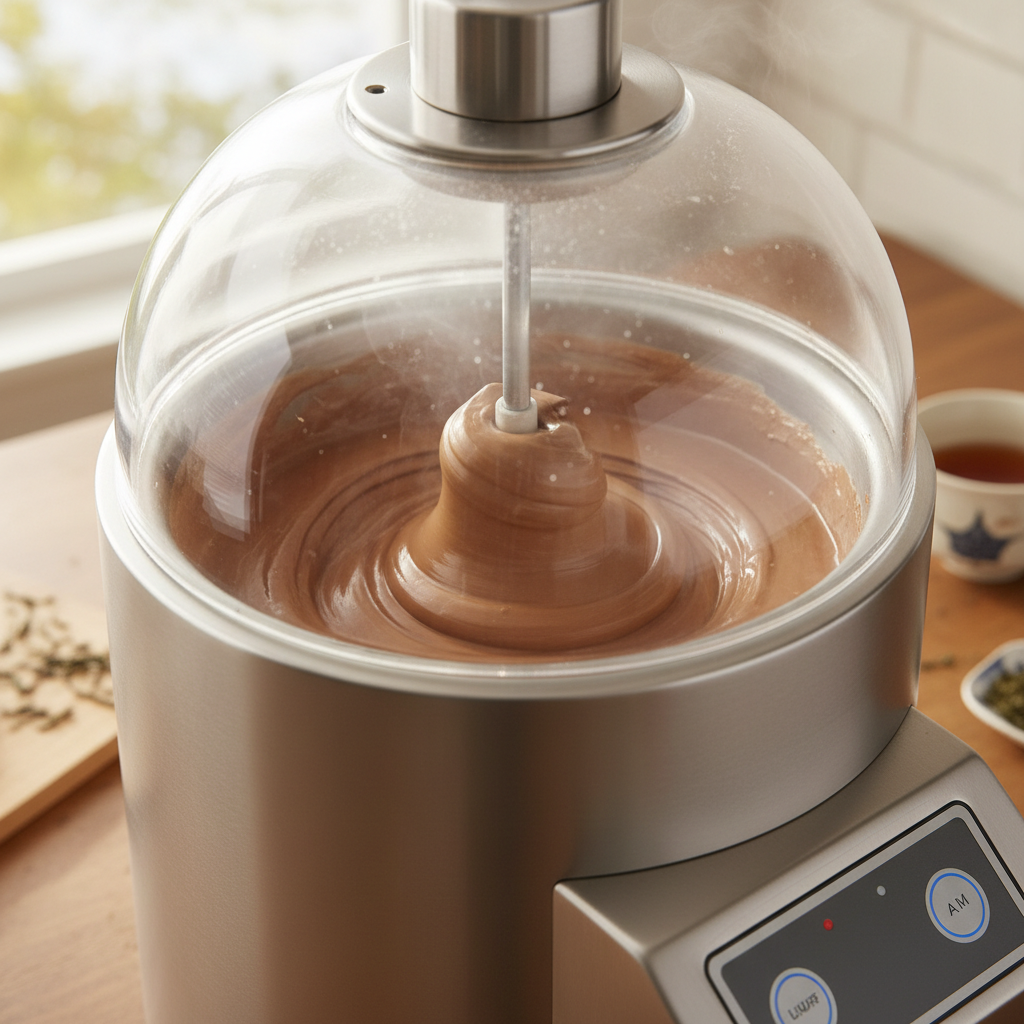
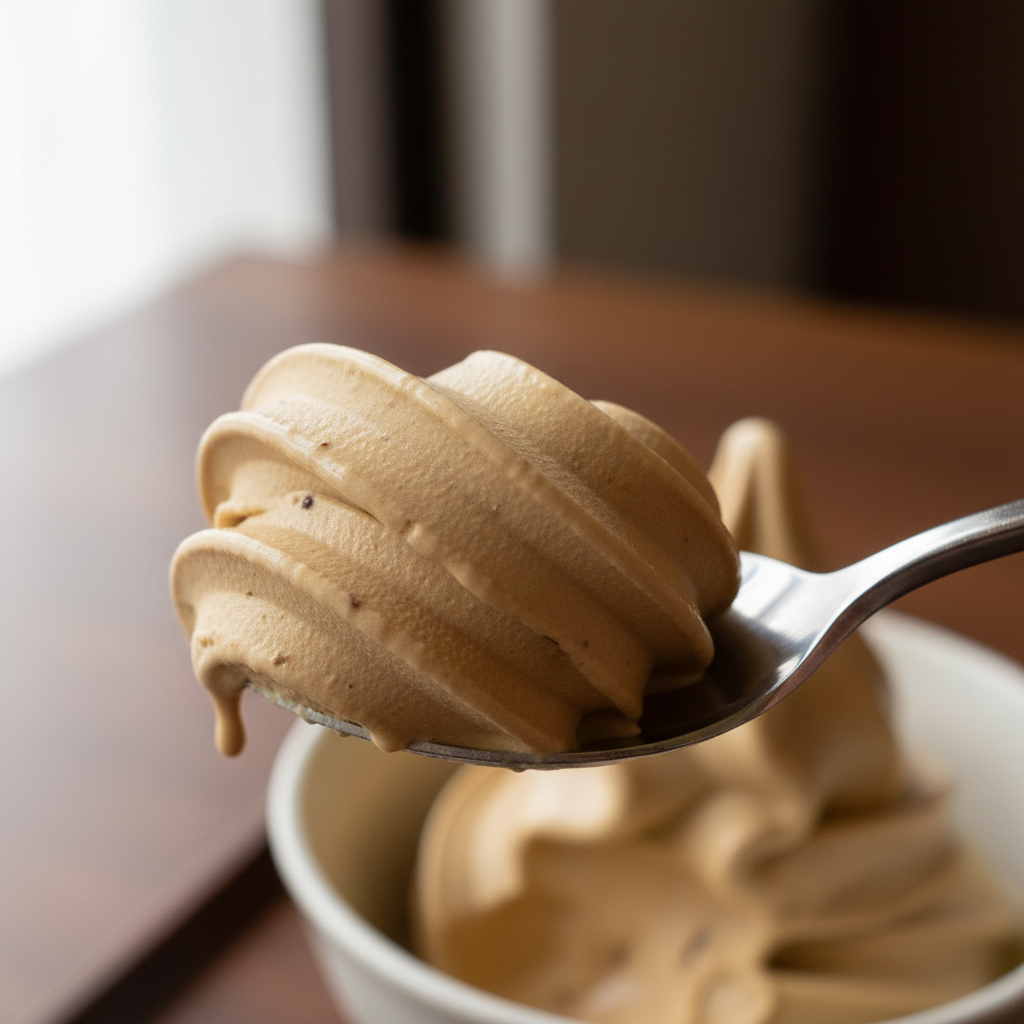
Achieving a perfectly creamy hojicha ice cream requires a high butterfat content and a slow tempering process to prevent the tea from clumping. You should utilize a custard-based recipe featuring egg yolks which act as natural emulsifiers to bind the tea particles with the dairy fats. Churning the mixture at the correct temperature introduces just enough air to create a light texture without sacrificing the density of the flavor. Proper aging of your base for at least twelve hours in a refrigerator allows the proteins to hydrate, resulting in a much smoother scoop.
Why is tempering so critical?
Tempering your egg yolks with the warm tea-infused milk prevents them from cooking too quickly and creating unwanted lumps in your custard base. You want a smooth, liquid gold consistency that flows through your batch freezer without any obstruction from coagulated proteins or sugar crystals.
Ready for the good part? This technique ensures that the roasted tea flavor is evenly distributed throughout the entire batch, providing a consistent taste from start to finish. Patience during this stage pays off with a professional-grade finish that resists ice crystal formation even after days in storage.
- Use high-fat heavy cream for richness.
- Temper egg yolks slowly for smoothness.
- Age the base to improve hydration.
- Maintain cold temperatures during churning.
Key Takeaway: Precise temperature control and high-quality emulsification are the secrets to producing a commercial-grade dessert with an unbeatable creamy texture.
Step | Target Temp | Duration |
|---|---|---|
Infusion | 175°F | 10 Minutes |
Aging | 40°F | 12 Hours |
Churning | 20°F | 20 Minutes |
Following these specific production parameters will help your kitchen team maintain the highest standards of quality control during the manufacturing process.
Does hojicha ice cream have much caffeine?
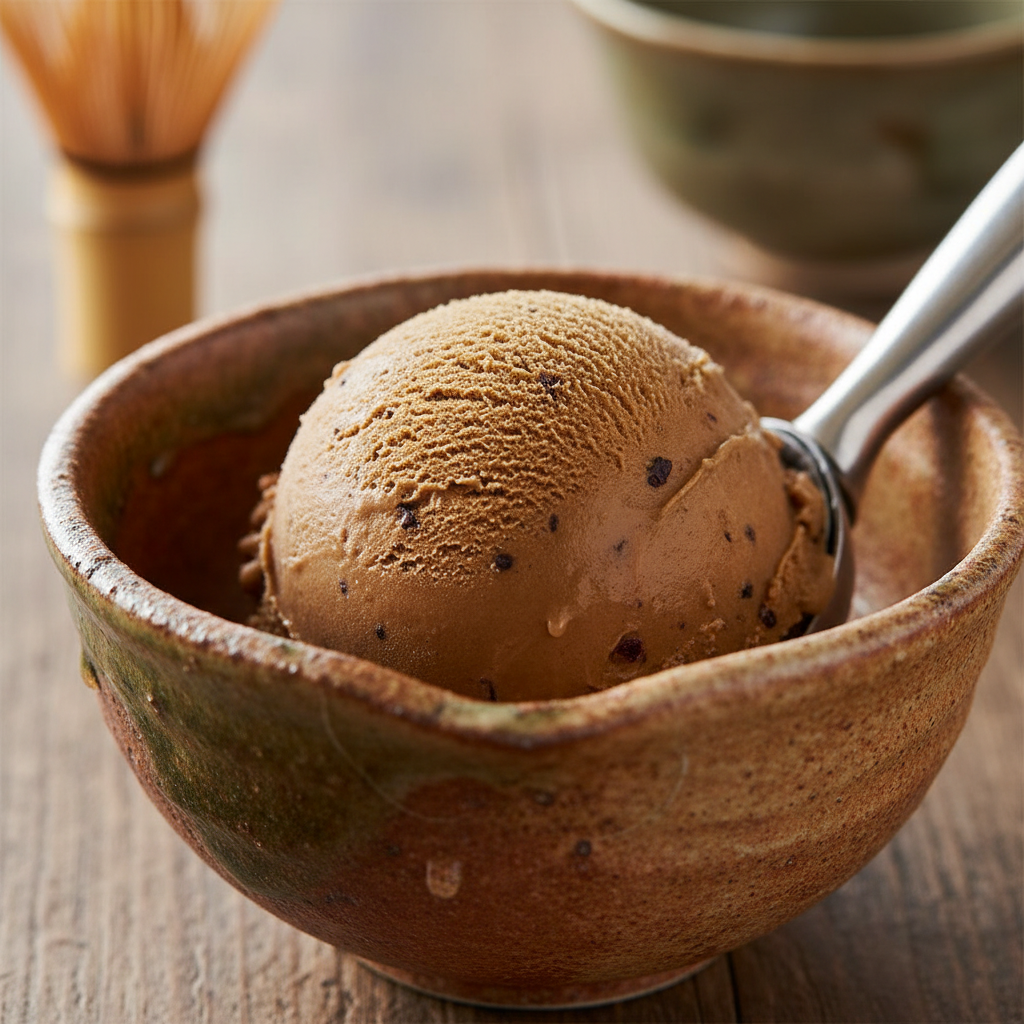
A major benefit of this dessert is its remarkably low caffeine content, which occurs naturally during the high-heat roasting of the tea leaves. You can serve this treat to children or caffeine-sensitive guests because the roasting process causes much of the stimulant to sublimate before packaging. This makes it an ideal choice for a post-dinner treat in a high-end restaurant where guests might want to avoid late-night jitters. Most people find they can enjoy several scoops without any of the heart palpitations or insomnia often associated with concentrated coffee-based sweets.
Is it safe for evening dining?
Roasted tea is incredibly safe for evening consumption because the sublimation of caffeine happens at such high temperatures during processing. You can market this specific feature to health-conscious parents or elderly customers who are looking for a sophisticated flavor without the physical side effects.
But here’s the kicker: the remaining levels of caffeine are often lower than what you would find in a single square of dark chocolate. This low-stimulant profile allows your establishment to capture a wider demographic of diners who usually skip the dessert course.
- High heat roasting removes most caffeine.
- Suitable for late-night dessert menus.
- Appeals to caffeine-sensitive demographics.
- Lower stimulant levels than dark chocolate.
Key Takeaway: The naturally low caffeine content of roasted tea provides a unique selling point that allows your brand to reach a more diverse customer base.
Dessert Flavor | Caffeine Per Serving | Stimulant Level |
|---|---|---|
Matcha | 35mg | Moderate |
Hojicha | 5mg | Very Low |
Espresso | 65mg | High |
Comparing caffeine levels across popular frozen dessert flavors highlights why roasted tea is the superior choice for inclusive, all-day menu planning.
Is hojicha ice cream beneficial for health?
While it is a decadent treat, hojicha ice cream still contains many of the polyphenols and antioxidants found in traditional Japanese green tea leaves. You will find that this variety provides a concentration of L-theanine, an amino acid known for promoting relaxation and reducing stress without causing drowsiness. This unique combination of earthy flavor and health-conscious compounds makes it a guilt-reduced option for modern consumers who prioritize wellness even when indulging. The roasting process also makes the tea gentler on the stomach, which is a significant advantage for diners with sensitive digestion issues.
Can tea antioxidants survive heat?
Many of the most stable antioxidants remain intact during the roasting process and provide protective benefits for your body’s cells even after freezing. You are still receiving a dose of tea-based nutrients that help fight inflammation and support your overall cardiovascular system with every delicious spoonful.
What’s the real story? Even though the temperature is high, the functional benefits of the tea leaves remain a core part of the final dessert’s nutritional value. Highlighting these benefits in your marketing materials can attract a more discerning clientele who value quality ingredients and long-term health outcomes.
- L-theanine promotes mental relaxation.
- Polyphenols fight cellular inflammation.
- Gentle on the digestive system.
- Lower acidity than raw green tea.
Key Takeaway: Leveraging the health benefits of roasted tea allows your brand to tap into the massive wellness-focused consumer market.
Component | Health Benefit | Presence After Roast |
|---|---|---|
L-Theanine | Stress Reduction | High |
Catechins | Antioxidant Support | Moderate |
Pyrazines | Blood Circulation | High |
The nutritional value of roasted tea components provides a strong foundation for health-conscious marketing strategies in the competitive dessert sector.
Can you create hojicha ice cream without churns?
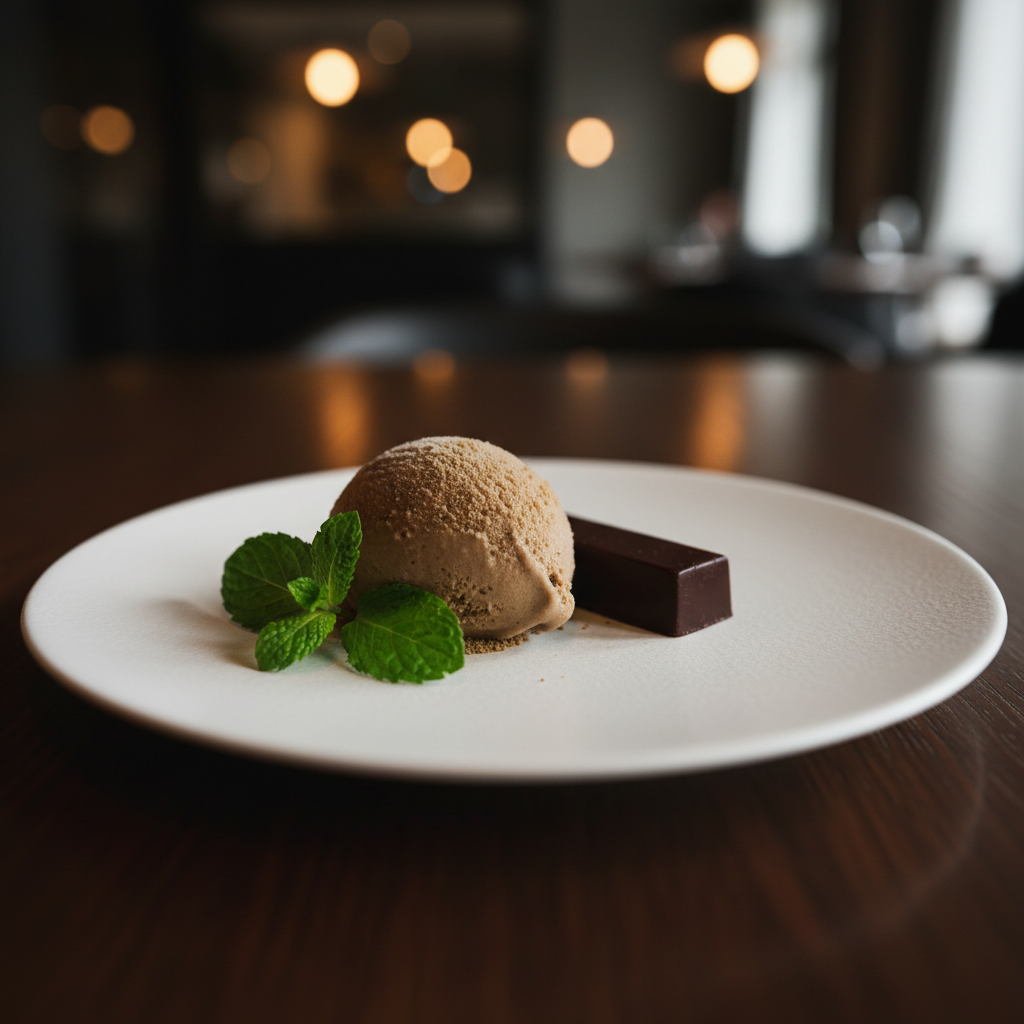
You can easily produce a high-quality treat using a no-churn method that relies on whipped heavy cream and sweetened condensed milk. This technique allows smaller kitchens or home-based businesses to create a professional product without investing in expensive, high-maintenance commercial batch freezing equipment. By folding the fine roasted tea powder into the whipped base, you maintain a light and airy texture that mimics traditional gelato. This accessible approach ensures that anyone can experiment with unique tea-based recipes regardless of their current budget or the size of their kitchen facility.
Is the texture still professional?
The high fat content from the whipped cream provides enough structure to prevent the formation of large, crunchy ice crystals in the freezer. You will achieve a velvety mouthfeel that rivals many machine-churned brands, especially if you ensure the tea powder is perfectly sifted and evenly distributed.
This is where it gets interesting: the no-churn method allows for faster production times since you skip the lengthy cooling cycles required by traditional methods. It is a fantastic way to test new flavor profiles in a small-batch environment before committing to a larger production run.
- No expensive machinery is required.
- Fast production for small batches.
- Whipped cream provides airy structure.
- Easy to scale for limited menus.
Key Takeaway: The no-churn method offers a low-cost entry point for businesses looking to experiment with roasted tea flavors without a major capital investment.
Method | Equipment Needed | Preparation Time |
|---|---|---|
Traditional Churn | Batch Freezer | 24 Hours |
No-Churn | Hand Mixer | 6 Hours |
Soft Serve | Continuous Freezer | 1 Hour |
This simplified production method maintains high quality while reducing overhead, as shown by the comparison of equipment and time requirements.
Which toppings complement hojicha ice cream?
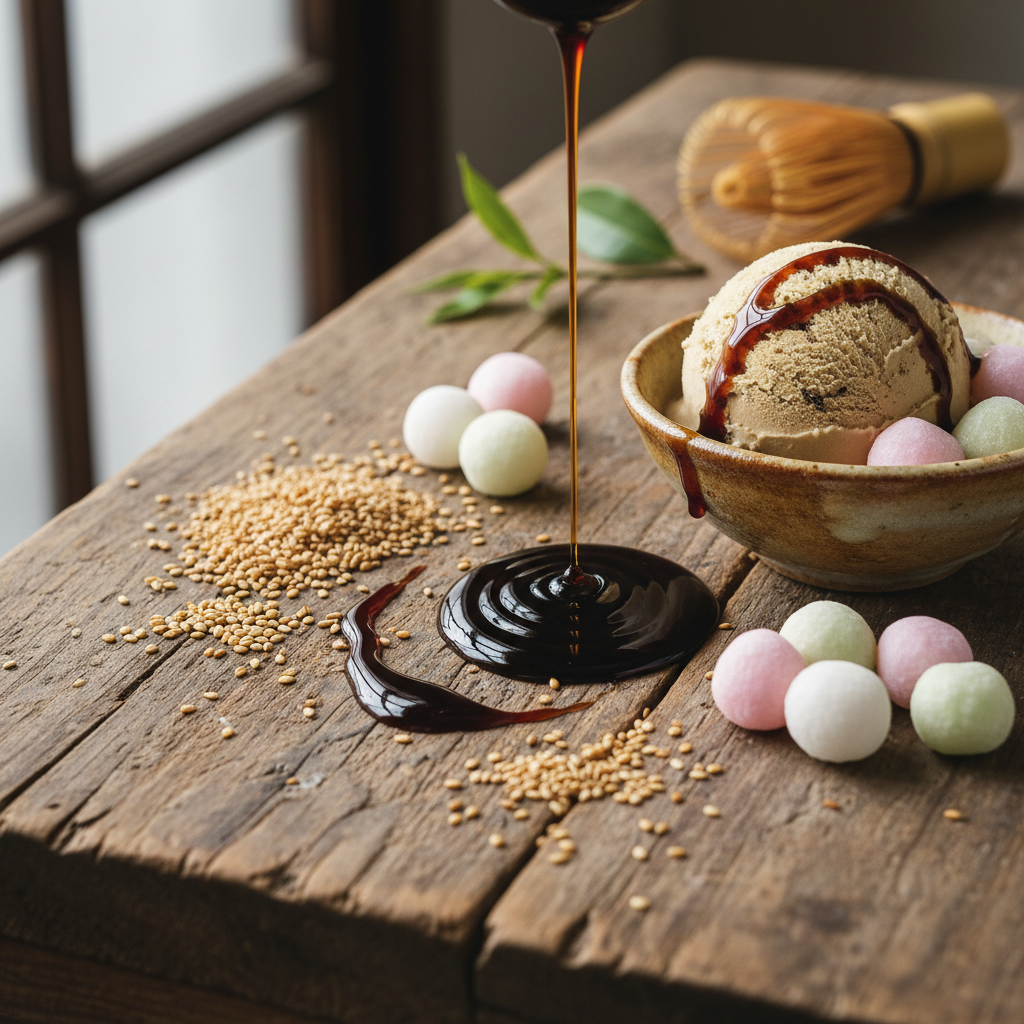
The best toppings for hojicha ice cream are those that provide a contrast in texture while enhancing the smoky and nutty undertones of the tea. You should consider adding a drizzle of kuromitsu, a Japanese black sugar syrup, which brings out the hidden cocoa and molasses notes within the base. Toasted nuts, such as hazelnuts or pecans, also work exceptionally well to amplify the roasted aroma and provide a satisfying crunch for the diner. For a more traditional experience, adding chewy mochi pieces creates a playful textural contrast that Japanese dessert lovers will immediately recognize.
Does sea salt improve flavor?
A pinch of flaky sea salt acts as a flavor enhancer that cuts through the richness of the dairy while brightening the deeper notes of the tea. This simple addition transforms a basic sweet treat into a sophisticated culinary experience that appeals to a more adult palette looking for complexity.
You might be wondering: why so many high-end pastry chefs are suddenly adding salt to their roasted tea creations. The salt balances the savory pyrazines, making the sweetness feel more balanced and refined rather than overwhelming the senses with sugar.
- Kuromitsu syrup adds smoky sweetness.
- Toasted nuts enhance the nutty aroma.
- Mochi provides a chewy texture.
- Sea salt brightens the earthy notes.
Key Takeaway: Carefully selected toppings can elevate a simple scoop of tea ice cream into a premium, multi-sensory dessert that commands a higher price point.
Topping Category | Example Ingredient | Sensory Impact | |
|---|---|---|---|
Sweetener | Kuromitsu Syrup | Depth of Flavor | |
Texture | Chewy Mochi | Palate Interest | |
Flavor Booster | Flaky Sea Salt | Aroma Enhancement |
Selecting the right flavor pairings involves understanding the chemical interaction between ingredients, as summarized in the following strategy table.
How many cafes offer hojicha ice cream now?
There is a significant upward trend in the number of specialty cafes offering this flavor as a way to differentiate their menus from competitors. You will see this variety appearing in high-traffic urban areas where customers are constantly looking for the next big artisanal food trend from Japan. Market research indicates that roasted tea products are growing faster than traditional matcha because they offer a more approachable, less bitter flavor profile. This surge in popularity represents a massive opportunity for B2B suppliers to provide high-quality wholesale powders to an ever-expanding list of trendy dessert shops.
Is the market getting crowded?
While more shops are adding tea flavors, the demand for truly high-quality, authentic roasted tea remains largely underserved in many regional markets. You have the chance to become a leader in this niche by focusing on superior ingredient sourcing and unique recipe development that stands out.
What’s the real story? The growth is not just limited to ice cream, as roasted tea lattes and baked goods are also seeing a parallel increase in consumer interest. Position your business as an expert in this specific category to capture the attention of food bloggers who drive modern dining trends.
- Market demand for roasted tea is rising.
- Approachability leads to higher sales.
- B2B opportunities are expanding rapidly.
- Social media drives brand awareness.
Key Takeaway: Entering the roasted tea market now allows your business to capitalize on a major culinary trend while competition for premium quality remains relatively low.
Market Segment | Annual Growth Rate | Consumer Priority | |
|---|---|---|---|
Specialty Cafes | 18% | Unique Experience | |
Gourmet Gelato | 12% | Authentic Ingredients | |
Retail Pints | 9% | Healthy Indulgence |
The growth of this category is reflected in the increasing volume of tea powder consumed by specialty establishments across the global food service industry.
What makes hojicha ice cream a B2B staple?
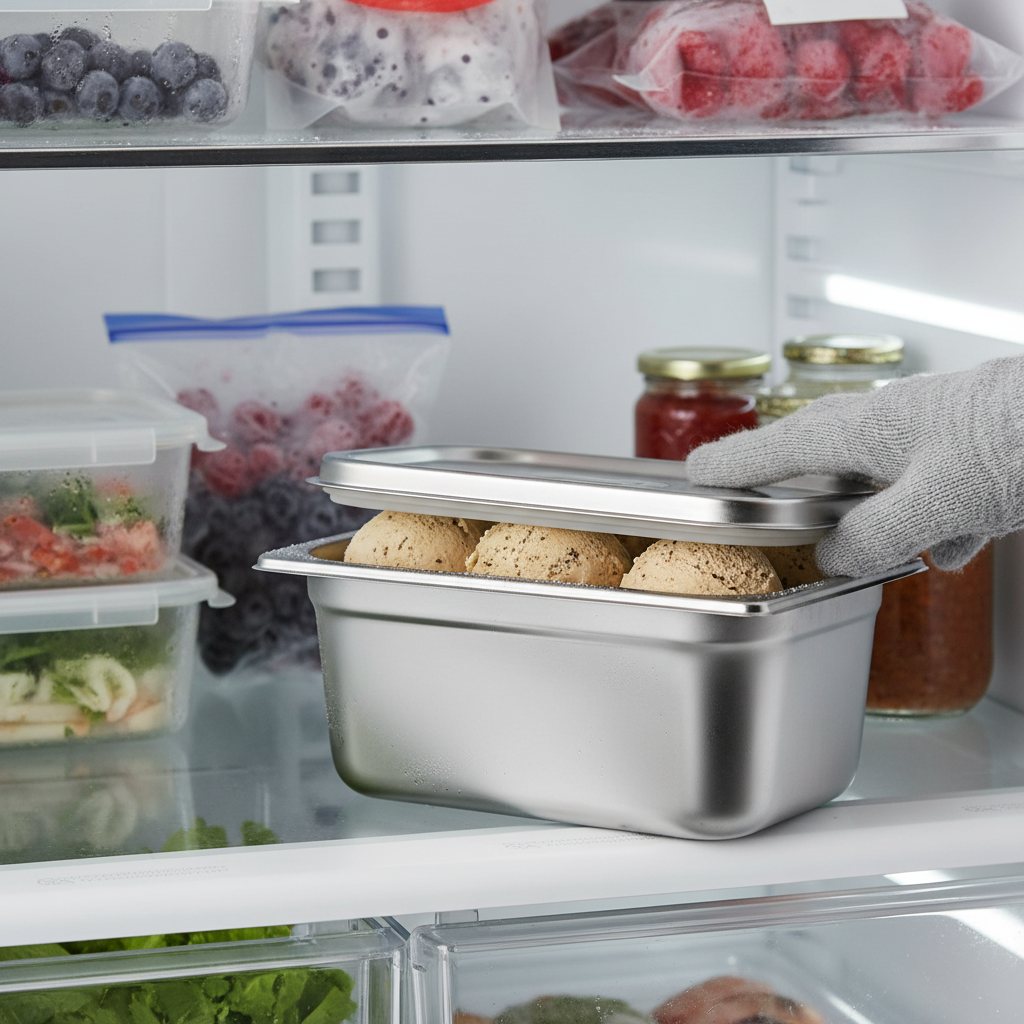
This dessert has become a staple in the B2B sector because it offers a stable flavor profile and a lower cost per serving than ceremonial matcha. You can rely on the fact that hojicha ice cream maintains its deep, roasted aroma even after long-term storage in commercial freezers. This durability makes it a favorite for large-scale manufacturers and wholesale distributors who need a product that can withstand the rigors of the global supply chain. Its unique brown color also provides an organic aesthetic that resonates with modern consumers who are looking for natural, minimally processed food options.
Why is stability so important?
Stability is crucial because if your primary flavor fades or changes color within a few weeks of production, your brand’s reputation for quality will suffer. Roasted tea powder is incredibly resilient to light and temperature fluctuations, ensuring that every pint maintains its professional standard from the factory to the consumer.
You might be surprised: this reliability reduces waste and improves your bottom line, making it a highly profitable addition to any commercial dessert lineup or distribution network. You can plan long-term production schedules with confidence, knowing that your signature flavor will remain consistent and delicious for months.
- Roasted tea is more shelf-stable than matcha.
- Natural color appeals to health-conscious buyers.
- Lower ingredient costs improve profit margins.
- Consistent quality across large-scale batches.
Key Takeaway: The technical stability and economic efficiency of roasted tea powder make it one of the most reliable and profitable ingredients for the B2B market.
Advantage Category | Business Impact | Long-Term Benefit | |
|---|---|---|---|
Shelf Life | Reduced Product Waste | Consistent Brand Quality | |
Cost Control | Higher Profit Margins | Competitive Pricing | |
Market Appeal | Wider Customer Base | Increased Market Share |
Analyzing the economic and logistical advantages reveals why roasted tea is a superior choice for long-term commercial success in the global frozen dessert industry.
Frequently Asked Questions
Can I use regular tea bags to make this?No, because micro-milled powder provides a much more intense flavor and a smoother texture than steeped liquid. Powder allows the roasted tea to integrate fully into the fat molecules of the cream for a superior finish.
What’s the best way to store the powder?You should keep it in an airtight, opaque container in a cool, dark place to prevent any moisture from affecting the flavor. While roasted tea is stable, protecting it from light and heat ensures the pyrazines remain vibrant for longer.
Can I make this dessert vegan?Yes, you can substitute the heavy cream and milk with high-fat coconut milk or cashew cream for a dairy-free version. Ensure you use a natural stabilizer like xanthan gum to mimic the creamy texture provided by traditional egg yolks.
How long does the flavor last in the freezer?When stored correctly, the roasted tea flavor remains vibrant for up to three months in a commercial freezer environment. This stability is significantly better than matcha, which can lose its bright green color and vegetal taste much faster.
What is the typical cost for wholesale powder?Wholesale pricing varies based on the grade and volume, but roasted tea powder is generally more affordable than high-grade matcha. This lower entry price makes it an excellent choice for businesses looking to increase their profit margins on specialty items.
Conclusion
Mastering the art of roasted tea desserts represents a significant leap forward in frozen culinary innovation. We have addressed the frustration of boring dessert menus by providing a smoky-sweet solution that bridges tradition with modern luxury. Our vision is to empower global brands with the highest quality tea powders to transform the dessert landscape one scoop at a time. If you are ready to elevate your menu with these unique profiles, please contact us today to discuss our premium wholesale solutions.