
Scenario: You are staring at a positive pregnancy test, or perhaps you are diligently tracking your cycle hoping for one, and suddenly your morning green latte feels like a potential risk factor. Pain: The internet is flooded with scary headlines and conflicting advice about caffeine and conception, making it stressful to determine if your favorite superfood is helping or hurting your reproductive goals. Solution: No, moderate matcha consumption does not cause infertility; in fact, it offers essential nutrients and antioxidants that can actively support a healthy reproductive system.
For those concerned about sourcing the purest ingredients during this delicate time, Riching Matcha offers certified organic options that ensure safety and quality.
Matcha is a vibrant green tea powder made from shade-grown tea leaves, offering a nutrient profile that is significantly more potent than standard steeped tea. Unlike traditional tea bags where the leaves are discarded, drinking matcha means you ingest the entire leaf and all its beneficial compounds.
But here is the kicker: because you consume the whole leaf, the concentration of vitamins, minerals, and antioxidants is substantially higher. This distinction is vital when considering nutritional intake for reproductive health.
The Shade-Grown Process
- Farmers cover the tea bushes weeks before harvest to block sunlight.
- This process boosts chlorophyll levels and increases amino acid production.
Whole Leaf Potency
- You receive 100% of the soluble and insoluble nutrients found in the plant.
- This includes higher concentrations of vitamins that support general wellness.
Cultural Significance
- Matcha is the centerpiece of the traditional Japanese tea ceremony.
- It represents purity, harmony, and respect, aligning with a holistic lifestyle.
Key Takeaway: Matcha provides concentrated nutrition because you consume the whole leaf rather than just an infusion.
Feature | Matcha | Steeped Green Tea | |
|---|---|---|---|
Form | Whole leaf powder | Leaf infusion | |
Nutrient Intake | 100% of leaf | Water-soluble only | |
Antioxidants | ~137x more EGCG | Moderate levels | |
Fiber Content | High | None |
Can Matcha Cause Infertility or Actually Aid Conception?
No, scientific evidence suggests that the question “can matcha cause infertility” is answered with a reassuring negative when the tea is consumed in moderation. In fact, the high antioxidant levels may actually protect reproductive cells from damage, potentially aiding your efforts to conceive.
You might be wondering: how does caffeine play into this? While matcha does contain caffeine, its unique combination with L-theanine creates a balanced energy boost without the jitters associated with coffee. For a deeper dive into these compounds, check out our guide on L-theanine in matcha vs green tea .
Addressing Caffeine Concerns
- Excessive caffeine is the main worry regarding fertility and miscarriage risk.
- Matcha generally contains less caffeine than a standard cup of coffee.
Separating Myths from Facts
- No credible human study links moderate green tea consumption to infertility.
- Most fears originate from studies using extremely high-dose concentrated extracts.
The Role of Antioxidants
- EGCG fights oxidative stress that can damage cellular DNA.
- This protection extends to egg and sperm integrity, supporting conception.
Key Takeaway: Moderation is safe, and antioxidants provide cellular protection that may benefit fertility.
Myth | Scientific Fact | |
|---|---|---|
“Matcha causes infertility” | No evidence supports this for moderate intake. | |
“It is too high in caffeine” | It has less than coffee; safe limits exist. | |
“It damages eggs” | Antioxidants actually protect egg cells. |
What Key Nutrients in Matcha Support Reproductive Health?
Matcha is packed with folate, Vitamin C, and essential minerals that are often recommended by doctors for prenatal health. These micronutrients are vital for hormonal regulation and the early development of a healthy fetus.
Here is the deal: bioavailability matters just as much as the nutrient count. Because matcha is a powder suspended in liquid, your body can absorb these nutrients efficiently. For the highest nutrient density, consider using Premium Grade Matcha .
Folate and Vitamin C
- Folate is crucial for preventing neural tube defects in early pregnancy.
- Vitamin C improves the absorption of iron, preventing anemia.
Zinc and Magnesium
- Zinc supports ovulation and healthy testosterone production in partners.
- Magnesium helps reduce muscle cramps and manages stress levels.
Bioavailability Factors
- Liquid consumption aids rapid nutrient absorption in the digestive tract.
- The powder form ensures you ingest the fiber, aiding digestion.
Key Takeaway: Matcha acts as a natural food-source multivitamin supporting reproductive systems.
Nutrient | Benefit for Fertility | |
|---|---|---|
Folate | Critical for fetal DNA and neural development. | |
Zinc | Essential for ovulation and sperm health. | |
Vitamin C | Boosts immunity and iron absorption. | |
Magnesium | Regulates stress hormones and muscle function. |
How Does Matcha Impact Female Hormones and Ovulation?
Matcha helps regulate estrogen levels and improves insulin sensitivity, which is crucial for those asking “can matcha cause infertility” due to hormonal imbalances like PCOS. What is the real story? The dietary fiber in matcha assists the body in binding and excreting excess hormones that can disrupt your cycle.
To ensure you are getting a product free from hormonal disruptors like pesticides, it is vital to understand the strict production technologies used to guarantee purity.

Regulating Estrogen Levels
- EGCG helps modulate estrogen metabolism pathways in the liver.
- This can reduce estrogen dominance related to conditions like fibroids.
Benefit of Dietary Fiber
- Fiber binds to waste products and excess estrogen in digestion.
- It helps clear old hormones from the system to prevent recycling.
Insulin Sensitivity
- Stable blood sugar supports regular ovulation and cycle predictability.
- Green tea improves the body’s response to insulin, aiding PCOS management.
Key Takeaway: Hormonal balance is improved through fiber intake and insulin regulation.
Mechanism | Effect on Hormones | |
|---|---|---|
Metabolism | Helps process and clear excess estrogen. | |
Insulin Control | Reduces spikes that can disrupt ovulation. | |
Digestion | Fiber aids in the physical removal of waste. |
Can Matcha Consumption Boost Male Sperm Quality?
Yes, the polyphenols in matcha have been shown to improve sperm motility and reduce oxidative damage to DNA. Men can benefit significantly from replacing excessive coffee with green tea to support their reproductive vitality.
This is where it gets interesting: businesses are increasingly recognizing this benefit, leading to a rise in demand for Private Label Matcha supplements targeting male wellness.

Fighting Oxidative Stress
- Sperm cells are highly sensitive to oxidation and free radicals.
- Catechins in matcha neutralize free radicals effectively.
Improving Motility and Count
- Better cellular health leads to more active and viable sperm.
- Nutrients support overall energy production within cells.
Testosterone Maintenance
- Healthy lifestyle choices contribute to optimal testosterone levels.
- Matcha supports a balanced metabolic rate and weight management.
Key Takeaway: Male fertility is protected and enhanced by the powerful antioxidants in green tea.
Factor | Impact of Matcha | |
|---|---|---|
Sperm Count | potentially protected by antioxidants. | |
Motility | Enhanced energy metabolism. | |
DNA Integrity | Reduced oxidative damage. |
Does Matcha Reduce Stress to Create a Fertility-Friendly Body?
Yes, the amino acid L-Theanine promotes relaxation and counters the jitters often associated with caffeine intake. Reducing cortisol is essential because high stress is a known factor that complicates conception efforts for many couples.
Ready for the good part? This “alert calm” helps you maintain focus without the anxiety that coffee might induce, creating a more serene environment for conception.
Can matcha cause infertility? Not likely, especially when it helps lower the stress hormones that actually do interfere with fertility.

Calming Magic of L-Theanine
- It increases alpha brain waves which induce a state of calm.
- It balances the stimulating effect of caffeine to prevent anxiety.
Lowering Cortisol Levels
- Chronic stress disrupts the communication between brain and ovaries.
- Tea rituals provide a mindful break that lowers stress hormones.
Improving Sleep Quality
- Better sleep regulates reproductive hormones like LH and FSH.
- Lower caffeine content compared to energy drinks helps sleep hygiene.
Key Takeaway: A calm body with lower cortisol is more physiological receptivity to conception.
Stress Factor | Matcha Benefit | |
|---|---|---|
Anxiety | L-Theanine promotes relaxation. | |
Cortisol | Ritualistic consumption lowers stress. | |
Jitters | Balanced energy release vs. coffee spikes. |
What Do Clinical Studies Reveal About Matcha and Infertility?
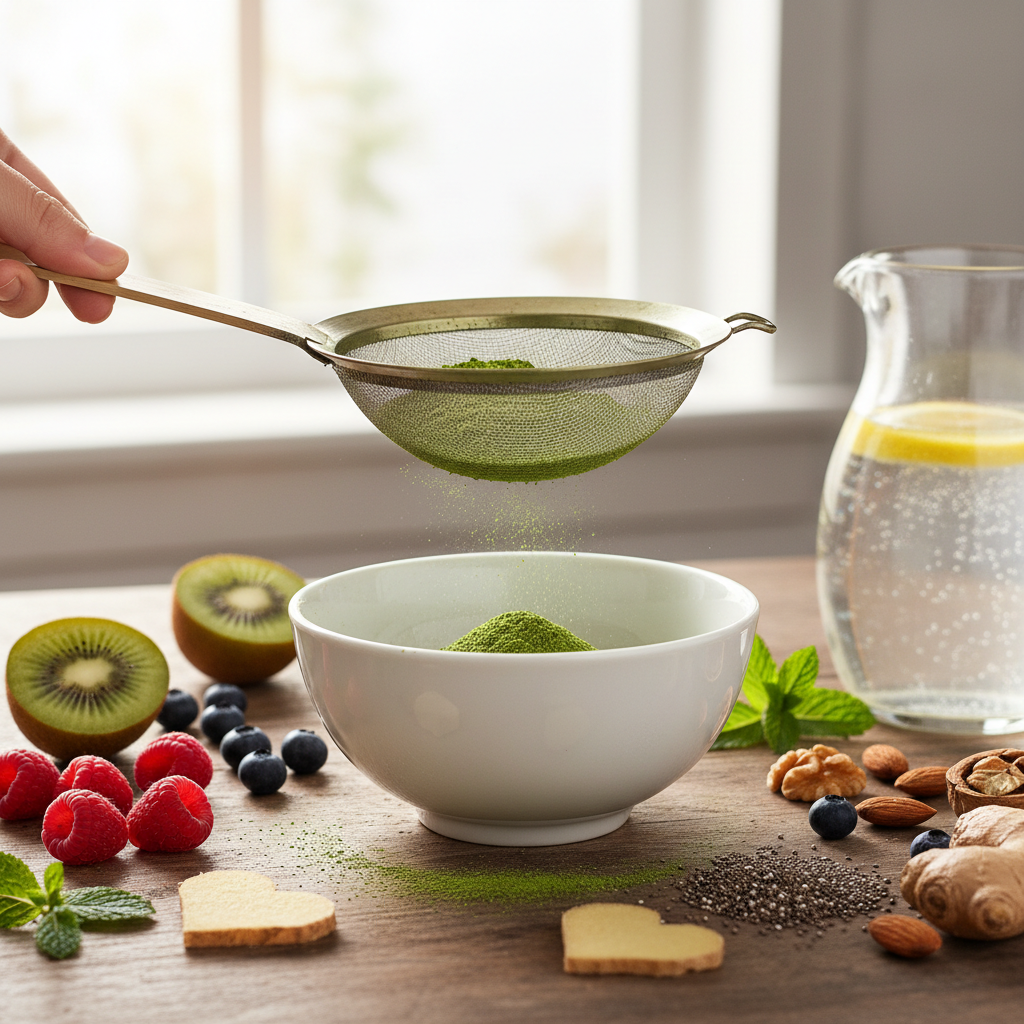
Clinical reviews generally indicate that moderate green tea consumption is safe and does not negatively impact fertility outcomes. While animal studies on massive doses exist, human data supports the health benefits of standard intake.
What is the bottom line? Most negative findings are associated with extreme quantities that no human would consume via tea drinking.
The 2018 Polyphenol Study
- Research often focuses on isolated, high-dose extracts in animals.
- Normal tea drinking was not the culprit in these findings.
Evidence on Egg Quality
- Antioxidants may prolong the reproductive window by protecting cells.
- Cellular aging is slowed by the presence of catechins.
Need for Human Research
- Most negative data comes from studies on fruit flies or mice.
- Human trials generally show positive associations with health.
Key Takeaway: Science supports moderate consumption for health benefits, not infertility risks.
Study Type | Findings | Relevance | |
|---|---|---|---|
Animal (High Dose) | Potential toxicity | Low (unrealistic intake) | |
Human (Dietary) | Health benefits | High | |
Clinical Review | Safe in moderation | High |
How Much Matcha Is Safe to Drink When Trying to Conceive?
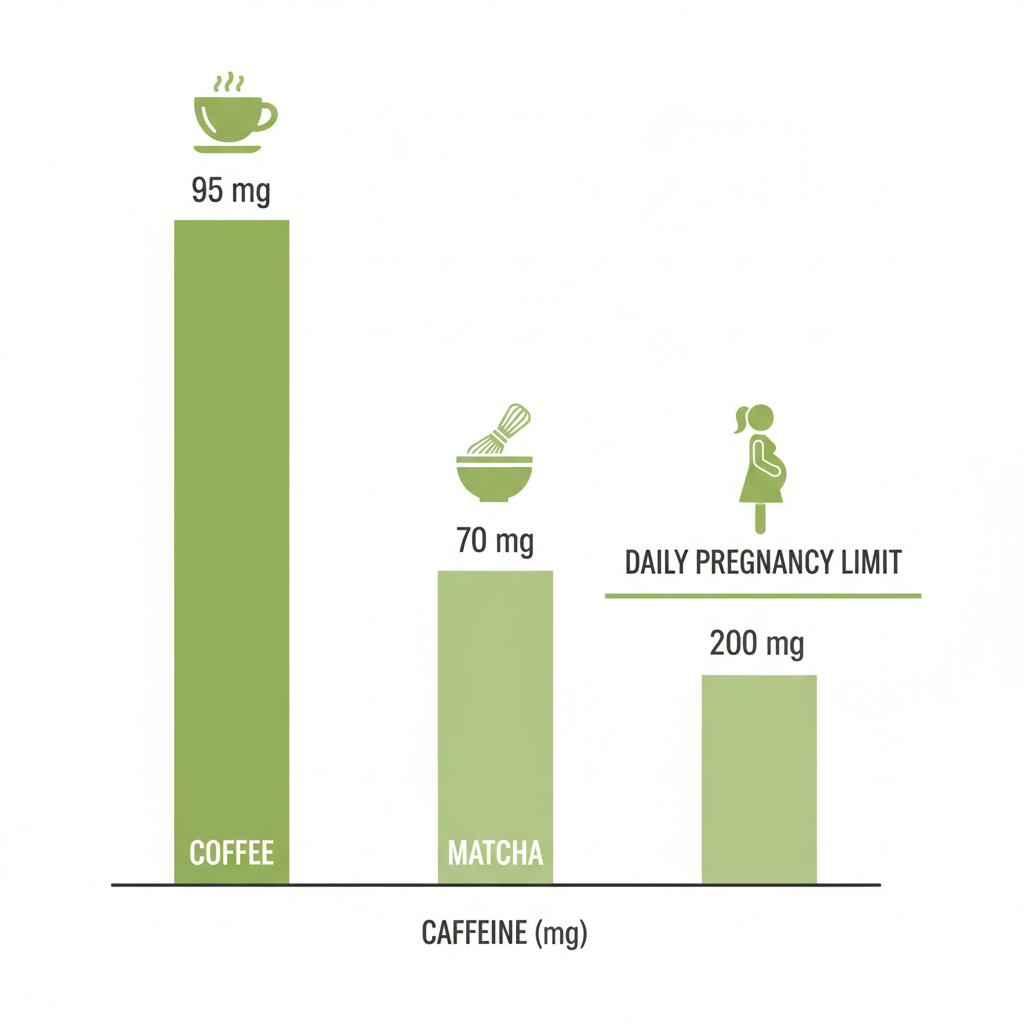
Medical guidelines state that up to 200mg of caffeine daily is safe, which equates to about one or two cups of matcha depending on the preparation. It is important to ask “can matcha cause infertility” only when exceeding these safe limits significantly.
But wait, there is more: you need to account for all sources of caffeine. To understand how matcha compares to other teas, see How Much Caffeine is in Jasmine Tea?
The 200mg Rule
- This is the standard limit recommended by obstetricians.
- It includes caffeine from chocolate, soda, and other teas.
Monitoring Total Intake
- One gram of matcha typically has around 35mg of caffeine.
- Standard servings are usually two grams (approx. 70mg).
Listening to Your Body
- Every metabolism handles caffeine differently.
- Reduce intake if you feel jittery or have sleep issues.
Key Takeaway: Stick to 1-2 cups a day to stay comfortably within safe zones.
Beverage (8oz) | Caffeine Content (Approx) | Safe Daily Cups | |
|---|---|---|---|
Coffee | 95-165 mg | 1-2 | |
Matcha (2g) | 70 mg | 2-3 | |
Black Tea | 47 mg | 4 |
How Can You Incorporate Matcha into a Fertility Diet?
You can add matcha to smoothies or make lattes to ensure you get nutrients without spiking blood sugar. Using a proper Matcha Whisk ensures a smooth texture and better drinking experience, making your daily ritual something to look forward to.
Why does this matter? Enjoying your diet makes it easier to stick to healthy habits long-term.
Can matcha cause infertility? Not if you are using it to replace unhealthy sugary drinks!
Superfood Smoothies
- Blend matcha with spinach, berries, and almond milk.
- This masks the earthy taste if you are sensitive to it.
Replacing High-Sugar Drinks
- Swap sugary soda for an iced matcha latte with stevia.
- Reduces insulin spikes that are harmful to fertility.
Timing Your Tea
- Drink it between meals to maximize nutrient absorption.
- Avoid drinking with iron-rich supplements to prevent blocking absorption.
Key Takeaway: Versatile preparation makes it easy to boost nutrition daily without boredom.
Idea | Method | Benefit | |
|---|---|---|---|
Latte | Whisk with warm oat milk. | Comforting, low sugar. | |
Smoothie | Blend with fruits. | High fiber, extra vitamins. | |
Oatmeal | Stir powder into oats. | Sustained energy release. |
What Grade of Matcha Is Best for Pre-Pregnancy Health?
Organic ceremonial grade is the superior choice to avoid pesticides that could be harmful during conception. If you ask “can matcha cause infertility,” the answer might be “no,” but the pesticides on non-organic tea definitely could be a risk factor.
For businesses looking to supply safe products, finding a Certified Organic Matcha Bulk Supplier is essential.

Why Organic Matters
- Tea leaves are not washed before grinding into powder.
- You ingest whatever was sprayed on the leaf directly.
Avoiding Heavy Metals
- Quality sourcing involves testing for lead and arsenic.
- Cheap tea often lacks these critical safety checks.
Ceremonial vs Culinary
- Ceremonial is made from younger, safer, and sweeter leaves.
- Culinary is better suited for baking, not daily drinking.
Key Takeaway: Purity is non-negotiable when preparing your body for pregnancy.
Grade | Usage | Purity Focus | |
|---|---|---|---|
Ceremonial | Drinking straight | Highest | |
Premium | Lattes/Blending | High | |
Culinary | Baking/Cooking | Moderate |
Conclusion
To summarize, the fear that matcha causes infertility is largely a myth unsupported by human clinical evidence. When consumed in moderation—keeping caffeine intake under 200mg daily—matcha can actually be a powerful ally in your fertility journey, offering vital antioxidants, stress relief, and hormonal support.
We envision a journey to parenthood that is supported by nature’s finest superfoods, free from unnecessary fear. By choosing high-quality, organic matcha, you are nurturing your body with purity and care.
If you are looking for a reliable source of premium organic matcha for your business or personal health journey, Contact Us today to explore our certified safe options.
Frequently Asked Questions
Q1: Can matcha cause infertility in women?No, current scientific evidence suggests it does not cause infertility. In fact, the antioxidants in matcha may support egg health and reduce oxidative stress when consumed in moderation.
Q2: Is it safe to drink matcha while pregnant?Yes, it is generally safe if you limit your total caffeine intake to 200mg per day. This usually allows for 1-2 cups of matcha, but always consult your doctor.
Q3: Does matcha improve sperm count?It can help. The high concentration of polyphenols and antioxidants helps reduce oxidative stress, which is a known cause of sperm DNA damage and reduced motility.
Q4: How does matcha affect hormones?It aids in balance. L-theanine reduces stress hormones like cortisol, and the dietary fiber helps the body excrete excess estrogen, promoting a healthier cycle.
Q5: What is the best time to drink matcha for fertility?Drink it in the morning or early afternoon to avoid sleep disruption. It is also best to consume it apart from iron-rich meals to ensure you absorb all the iron your body needs.