
Drinking matcha on an empty stomach is generally considered safe for the majority of healthy adults, though individual digestive sensitivity plays a crucial role in the experience. You may find that starting your morning with this vibrant green elixir provides an unparalleled sense of calm focus, yet for others, the high concentration of bioactive compounds can trigger temporary discomfort. Many business professionals and wellness enthusiasts are concerned about the potential for acidity or nausea when consuming matcha on empty stomach during their early routines. By understanding the biochemical interaction between green tea polyphenols and an unoccupied digestive tract, you can optimize your morning ritual for both productivity and physical comfort. This guide explores the intricate balance of caffeine, L-theanine, and tannins to ensure your first beverage of the day supports your health goals without side effects.
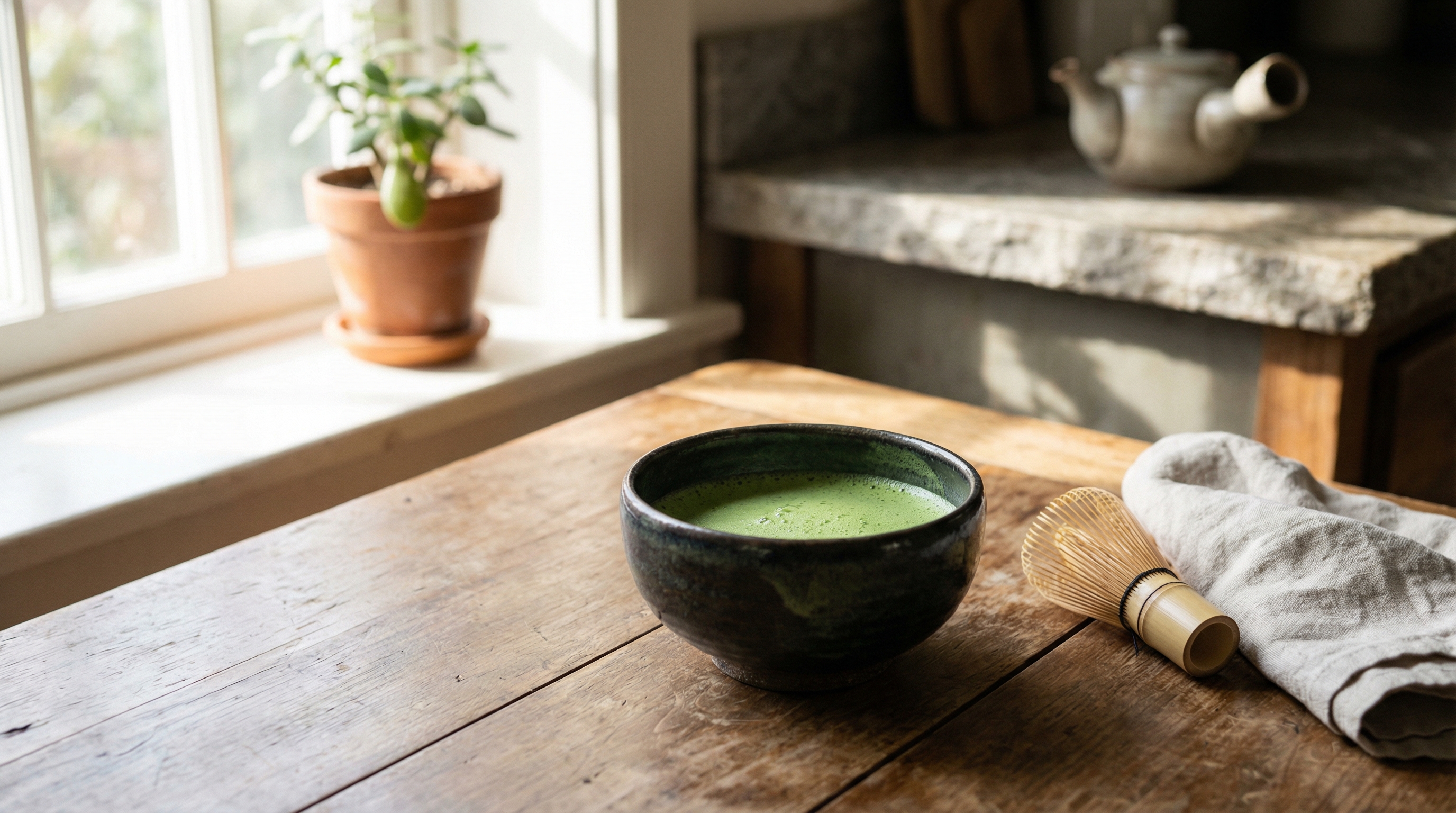
Morning matcha is safe for most people, but its alkalinity and tannin content can affect your gastric lining depending on your unique physiology. When you consume matcha on empty stomach, you are introducing a concentrated source of antioxidants that your body begins to process immediately without the buffer of food. This rapid interaction can sometimes lead to a stimulation of gastric acid which might feel intense for those with sensitive stomachs.
The bottom line?
- Matcha contains a moderate pH level.
- Gastric acid production increases upon ingestion.
- The absence of food speeds up metabolic processing.
While coffee is notoriously acidic and harsh, high-quality matcha offers a more balanced profile that typically causes less irritation. You should monitor how your body responds during the first thirty minutes after drinking to determine if a fasted state works for you. If you experience a slight gnawing sensation, it is a clear signal that your digestive system might prefer a small snack alongside your tea.
Understanding the pH levels of green tea
The pH level of matcha is generally between 5.5 and 6.0, making it significantly less acidic than your average cup of black coffee. When you drink this early in the day, the mild acidity interacts with your stomach’s natural environment to kickstart metabolic enzymes. This can be highly beneficial for waking up your internal systems, provided you don’t already suffer from excessive acid issues.
Think about it:
- Lower acidity reduces the risk of enamel erosion.
- The beverage acts as a gentle metabolic catalyst.
- It provides a smoother transition than highly acidic drinks.
You will find that the alkaline-forming nature of green tea after digestion helps maintain a more stable internal environment. This is a primary reason why many people switch from coffee to matcha for their morning energy. By choosing a high-grade powder, you ensure that the pH remains in the optimal range for comfortable consumption.
How tannins interact with your stomach lining
Tannins are the polyphenolic compounds responsible for the slightly astringent taste in green tea and they can cause protein precipitation in your stomach. On an empty stomach, these tannins can irritate the sensitive mucous membranes that line your digestive tract. This irritation is often the root cause of that “queasy” feeling some drinkers report when they haven’t eaten breakfast.
But that is not all.
- Tannins bind to proteins and enzymes.
- Fasted consumption leads to direct contact with the lining.
- Higher concentrations are found in lower-quality grades.
You can mitigate this effect by opting for younger tea leaves which naturally contain fewer bitter tannins. If you feel a wave of nausea, it is usually because the tannins are working too quickly on an empty vessel. Drinking a glass of water before your tea can provide a much-needed liquid buffer to dilute these compounds.
Assessing your individual tolerance levels
Every individual has a unique threshold for how much caffeine and tannin their system can handle before responding with discomfort. You might be the type of person who can drink three bowls of matcha before noon without a single issue. Conversely, your colleague might find that even a small cup of thin tea causes a fluttery stomach or mild nausea.
Here is the deal:
- Genetic factors influence caffeine metabolism.
- Gut microbiome diversity affects tannin processing.
- Daily stress levels can heighten gastric sensitivity.
It is essential to listen to your body’s specific bio-feedback rather than following a generic health trend. Start with a very small serving size to test your limits before making it a permanent fixture of your morning. Over time, you may find that your tolerance increases as your body adapts to the regular influx of green tea antioxidants.
Key Takeaway: Your digestive safety depends on balancing the mild acidity and tannin levels of the tea with your personal gastric sensitivity.
Factor | Impact on Empty Stomach | Recommended Strategy |
|---|---|---|
pH Level | Mild stimulation of gastric acid | Drink room temperature water first |
Tannins | Potential for nausea or queasiness | Use higher ceremonial grade powder |
Metabolism | Rapid nutrient absorption | Start with a smaller 1g serving |
This analysis demonstrates that while the chemical composition of matcha is gentle, its concentrated nature requires a mindful approach to avoid temporary digestive disruptions.
Why do some feel nauseous after drinking matcha?
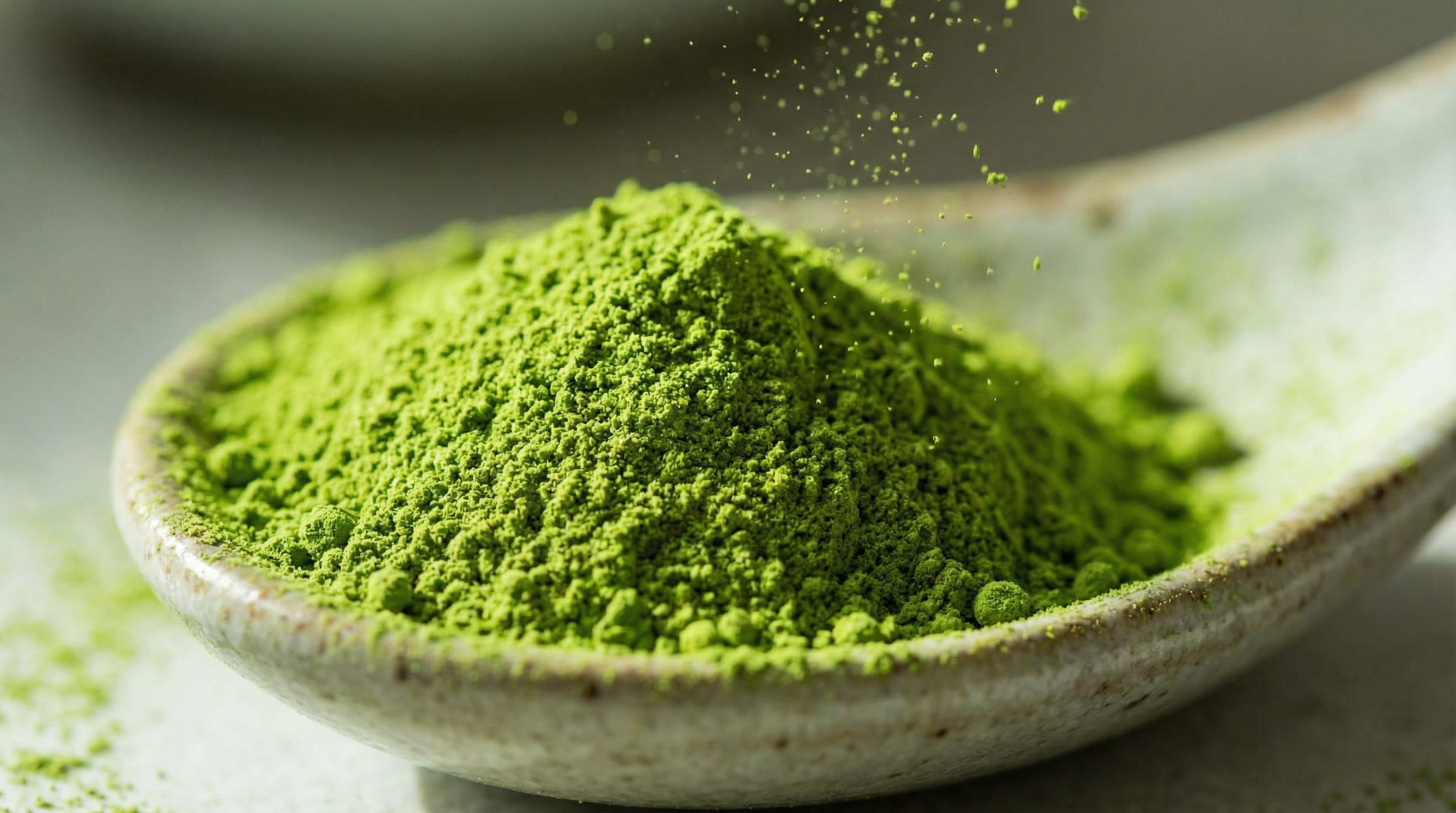
Nausea is often the result of a sudden surge in stomach acid triggered by the catechins and tannins present in the tea powder. When you consume matcha on empty stomach , these compounds have nothing to bind to except your stomach lining, which can cause a temporary feeling of sickness. This reaction is usually short-lived but can be quite unpleasant if you are not prepared for the rapid absorption rate.
The truth of the matter:
- EGCG stimulates the secretion of digestive juices.
- Fasted states leave the lining vulnerable to irritation.
- Dehydration can exacerbate the feeling of nausea.
You should consider that your body is effectively receiving a “superdose” of antioxidants all at once. For some, this is an invigorating cleanse, but for others, it is a shock to the system. Understanding the mechanics of this reaction allows you to adjust your preparation style to ensure a smoother experience every morning.
The impact of concentrated catechins
Catechins, specifically EGCG, are the star antioxidants in matcha that provide most of its famous health benefits. However, in a concentrated form on an empty stomach, they can act as a potent stimulant for the vagus nerve, which can induce nausea. You are essentially giving your body a highly active biological signal to start digesting when there is nothing there to process.
Consider this:
- EGCG is highly bioavailable in a fasted state.
- It can trigger a “cleaning” response in the gut.
- Too much at once can lead to a dizzy sensation.
You will benefit from these catechins more significantly when they are absorbed quickly, but you must balance this with comfort. If the nausea is persistent, it may be a sign that you are using too much powder for your current tolerance level. Reducing the dosage can help you enjoy the antioxidant boost without the physical drawback.
Managing the surge in stomach acid
Matcha naturally encourages your stomach to produce hydrochloric acid, which is necessary for breaking down proteins. Without any food present, this acid sits in the stomach and can cause a burning or gnawing sensation that leads to nausea. This is particularly common in individuals who already have a high baseline level of stomach acidity or those prone to reflux.
The best part?
- Proper hydration can dilute the excess acid.
- Controlled whisking reduces the ingestion of air.
- Drinking slowly allows the stomach to adjust gradually.
You can manage this surge by ensuring you are fully hydrated before your first sip of the day. A large glass of water ten minutes prior to your matcha can significantly reduce the concentration of the acid. This simple habit often solves the nausea problem for most regular drinkers.
Signs you should wait until after breakfast
If you consistently feel unwell after your morning tea, it is important to recognize the signs that a fasted state is not right for you. Chronic nausea or stomach cramps are clear indicators that the tannins and caffeine are too aggressive for your current gut health. There is no shame in waiting until after a light breakfast to enjoy your bowl of green tea.
Watch for these signs:
- Sharp, localized pain in the upper abdomen.
- Persistent lightheadedness that lasts over an hour.
- A sour taste in the mouth shortly after drinking.
Make no mistake: forcing yourself to drink it on an empty stomach when your body is protesting will not lead to better health outcomes. Pairing your matcha with a small handful of nuts or a piece of fruit can provide the necessary buffer. This small adjustment ensures you still get the energy you need without the digestive tax.
Key Takeaway: Nausea is a common but avoidable reaction caused by the rapid stimulation of gastric juices by concentrated polyphenols.
Symptom | Primary Cause | Immediate Fix |
|---|---|---|
Queasiness | Tannin irritation | Drink 8oz of warm water |
Stomach Burn | Excess hydrochloric acid | Eat a piece of plain toast |
Dizziness | Fast catechin absorption | Reduce powder amount to 1/2 tsp |
Understanding these symptoms helps you refine your morning ritual to ensure that your energy boost doesn’t come at the cost of your comfort.
How does caffeine affect you without food?
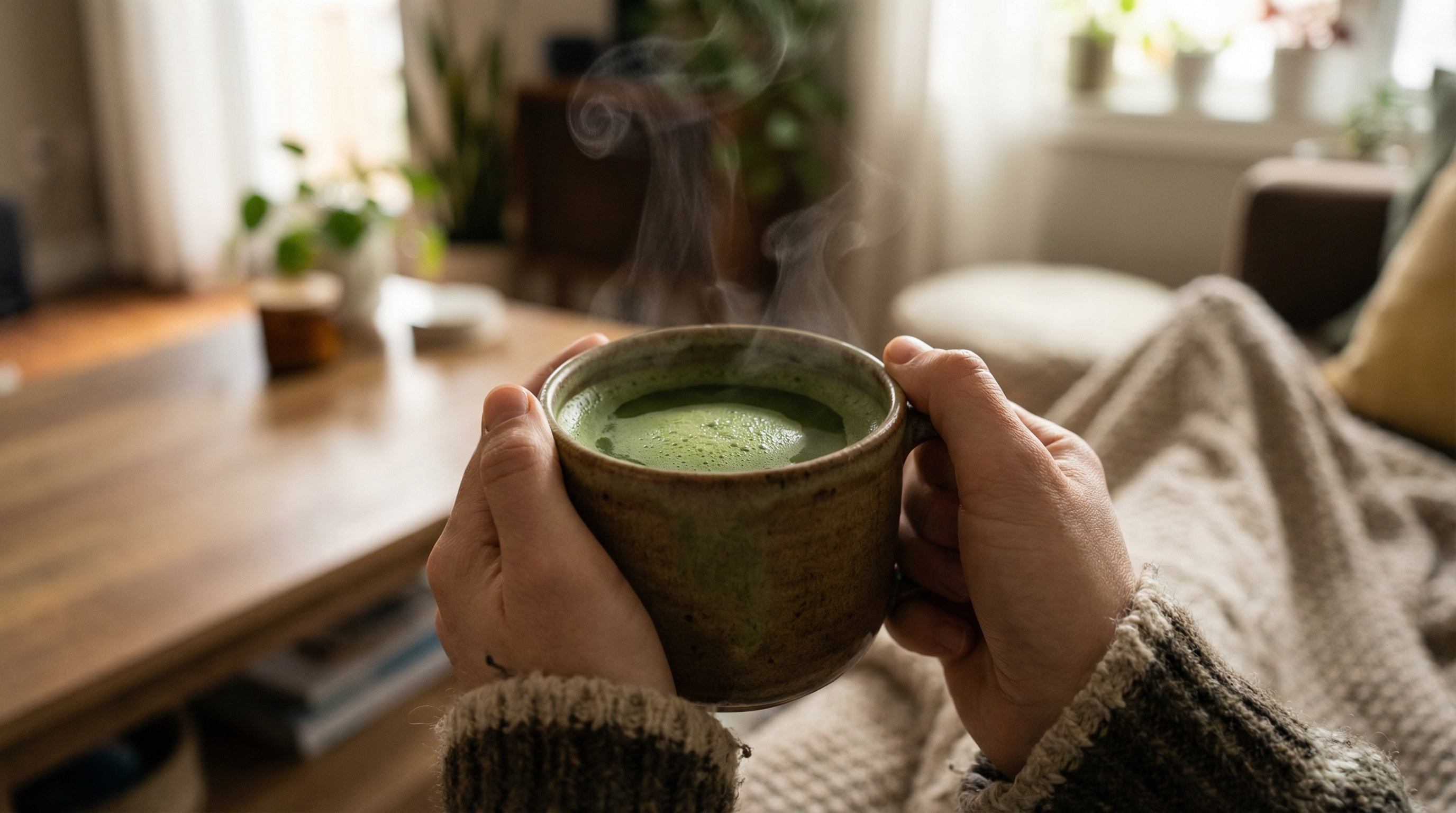
Caffeine is absorbed significantly faster into the bloodstream when there is no food in the stomach to slow down the process. When you take matcha on empty stomach , the onset of alertness is much more rapid than it would be after a meal. This can be a major advantage for those needing an immediate cognitive jumpstart, but it also increases the risk of the “jitters” if you are caffeine-sensitive.
The reality check:
- Peak blood levels are reached within 30 minutes.
- Gastric emptying is faster in a fasted state.
- L-theanine helps modulate the speed of uptake.
You will likely feel the “kick” of the caffeine much sooner, which can be beneficial for early morning meetings or deep work sessions. However, you must be cautious about the total dose you consume in one sitting. Without food, the margin for error with caffeine is much smaller, meaning a double-strength matcha might feel overwhelming.
Comparing absorption rates with and without meals
When food is present, it acts as a physical and chemical barrier that slows down the passage of caffeine into the small intestine. This results in a gradual release of energy that lasts longer but feels less intense. On an empty stomach, the caffeine passes through the stomach lining and enters the blood almost immediately, providing a sharper peak.
Now consider this:
- Fasted absorption creates a more noticeable “spike.”
- Post-meal absorption leads to a “steady plateau.”
- Fat and fiber are the most effective at slowing uptake.
You should decide which effect you need based on your schedule for the day. If you have a high-pressure morning, the fasted spike might be exactly what you need to perform at your best. If you have a long, grueling day ahead, waiting until after breakfast might provide more sustained endurance.
Avoiding the dreaded caffeine crash
While matcha is famous for not causing a crash, the risk increases when you consume it on an empty stomach. The rapid rise in energy can sometimes be followed by a sharper dip as your body clears the caffeine quickly. This is particularly true if you are also dehydrated or have been neglecting your overall nutrition.
Here is the deal:
- Rapid absorption can lead to rapid metabolism.
- Blood sugar levels play a role in the “crash” sensation.
- Hydration is the key to preventing post-caffeine fatigue.
You can avoid this by following your morning matcha with a nutrient-dense meal within an hour or two. This provides your body with the actual fuel it needs to maintain the mental clarity the tea provided. Think of matcha as the spark and your food as the slow-burning wood that keeps the fire going.
L-theanine’s role in balancing the energy spike
One of the greatest benefits of matcha is the high concentration of L-theanine, an amino acid that promotes relaxation without drowsiness. Even on an empty stomach, L-theanine works to cross the blood-brain barrier and smooth out the effects of the caffeine. This creates a state of “calm alertness” that is unique to high-quality green tea.
The best part?
- L-theanine slows the “rush” of caffeine.
- It promotes alpha brain wave activity.
- It prevents the heart rate from spiking too high.
You will find that even when consumed fasted, matcha feels much more stable than an espresso shot. The L-theanine acts as a natural brake system, ensuring that the caffeine doesn’t overwhelm your nervous system. This is why many professionals prefer matcha for its sophisticated, steady energy profile.
Key Takeaway: Fasted caffeine consumption provides a faster onset of energy, but the presence of L-theanine ensures this energy remains productive rather than jittery.
Metric | Fasted Consumption | Post-Meal Consumption |
|---|---|---|
Onset of Action | 10 – 15 Minutes | 30 – 45 Minutes |
Energy Intensity | High / Sharp | Moderate / Steady |
Risk of Jitters | Moderate | Low |
The synergistic relationship between caffeine and L-theanine is what makes matcha a viable option even when you haven’t had time for breakfast.
Can matcha improve your morning gut health?
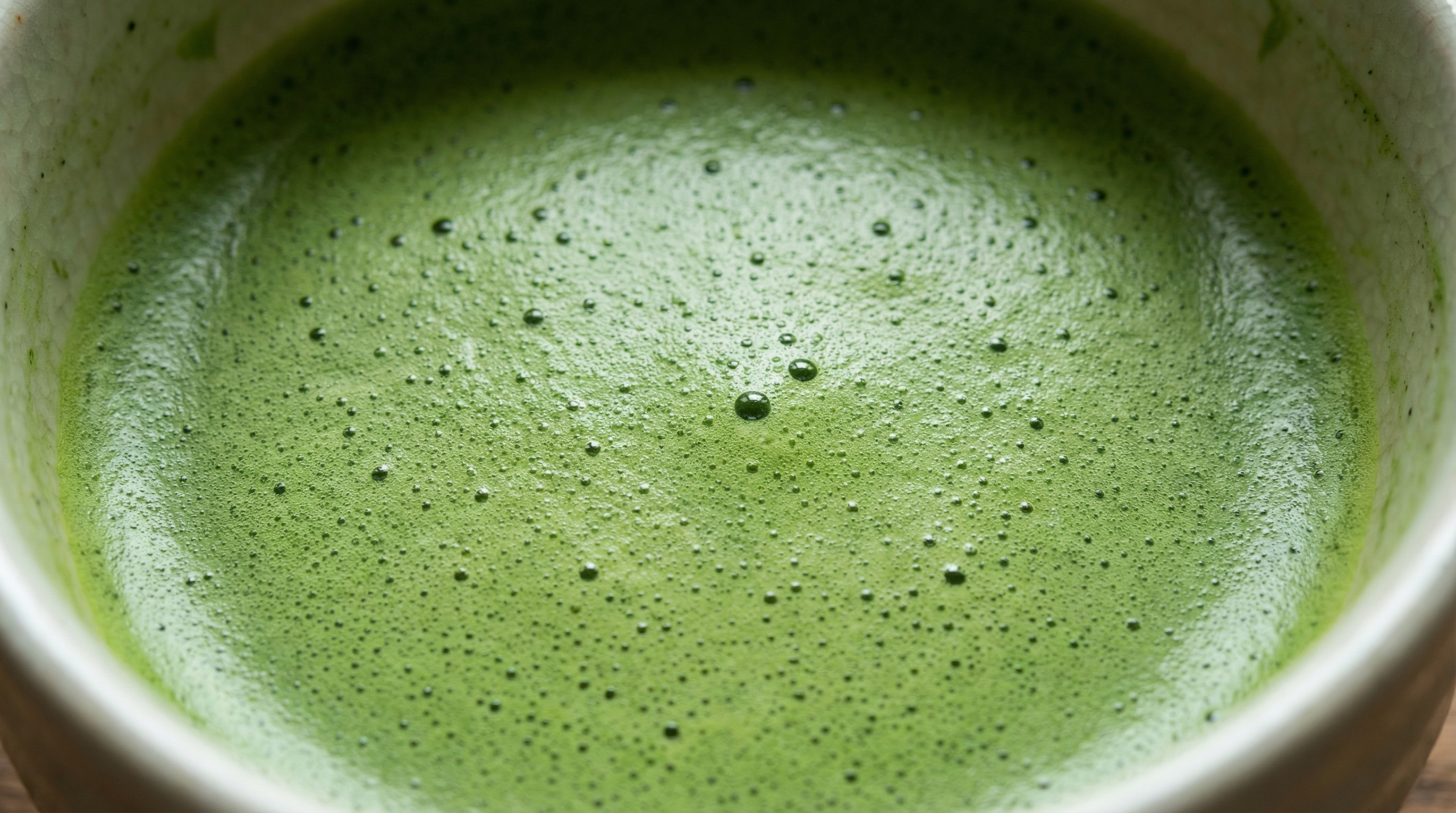
Matcha can be a powerful ally for your gut microbiome when consumed consistently, as it provides a dense source of polyphenols. When you drink matcha on empty stomach , these polyphenols reach your gut bacteria without being interfered with by other food compounds. This allows for a more direct interaction between the tea’s prebiotics and your internal flora, potentially enhancing your digestive health over time.
Think about it:
- Matcha contains more fiber than steeped green tea.
- Polyphenols act as fuel for beneficial bacteria.
- It helps maintain a healthy inflammatory response.
You are effectively “feeding” your gut first thing in the morning with high-quality nutrients. While some might worry about irritation, many find that a regular matcha routine actually improves their overall regularity and bloating. The key is consistency and ensuring you are using a clean, high-grade product.
Prebiotic benefits of green tea powder
Because matcha is a ground-up whole leaf, you are ingesting the actual plant fiber along with the liquid. This fiber acts as a prebiotic, which is a type of non-digestible carbohydrate that supports the growth of healthy bacteria like Lactobacillus. In a fasted state, these fibers move efficiently through the digestive tract to where they are needed most.
It gets better:
- Beneficial microbes thrive on tea polyphenols.
- A healthy gut improves your mood and immunity.
- Matcha fiber helps bulk the stool for better transit.
You will likely notice a difference in your digestive comfort after a few weeks of consistent morning use. By fostering a diverse microbiome, you are building a stronger foundation for your overall well-being. This is a subtle but profound benefit of making matcha your primary morning beverage.
Stimulating healthy digestion early in the day
The combination of warm water and caffeine acts as a natural stimulant for the bowels, helping to promote morning regularity. For many people, this “wake-up call” for the digestive system is a vital part of their morning productivity. Unlike harsh laxatives or even some coffees, matcha provides a gentle nudge to the system that feels natural and controlled.
But that is not all.
- Warm liquid stimulates the gastrocolic reflex.
- Caffeine increases peristalsis in the colon.
- L-theanine keeps the smooth muscles of the gut relaxed.
You should find that this routine helps you feel “lighter” and more prepared for the day ahead. It establishes a rhythm for your body that can reduce the frequency of constipation and sluggishness. It is an excellent way to clear the slate before your first meal of the day.
Why matcha is gentler than traditional coffee
Coffee is a significant trigger for many people’s digestive issues due to its high acidity and its ability to stimulate the hormone gastrin. Matcha, while still stimulating, has a much lower acid profile and contains compounds that can actually help soothe the gut lining. This makes it a far superior choice for those who want a morning boost without the risk of heartburn or indigestion.
Here is the deal:
- Matcha has a more alkaline effect after digestion.
- It doesn’t relax the esophageal sphincter like coffee.
- The energy is delivered without the “gut rot” sensation.
You will likely find that your stomach feels “quieter” when you choose matcha over coffee in the morning. This lack of irritation allows you to focus on your work rather than your digestion. It is a common reason why many high-performing executives have made the switch to green tea.
Key Takeaway: Matcha serves as a potent prebiotic and a gentle digestive stimulant that supports long-term gut health when consumed in the morning.
Gut Health Benefit | Mechanism | Result |
|---|---|---|
Microbiome Support | High polyphenol/fiber content | Increased beneficial bacteria |
Regularity | Gentle caffeine/warmth stimulus | Improved morning transit |
Reduced Heartburn | Lower acidity than coffee | Less gastric irritation |
The prebiotic and stimulant properties of matcha make it an ideal “first fuel” for a healthy and efficient digestive system.
What is the best way to prepare morning matcha?
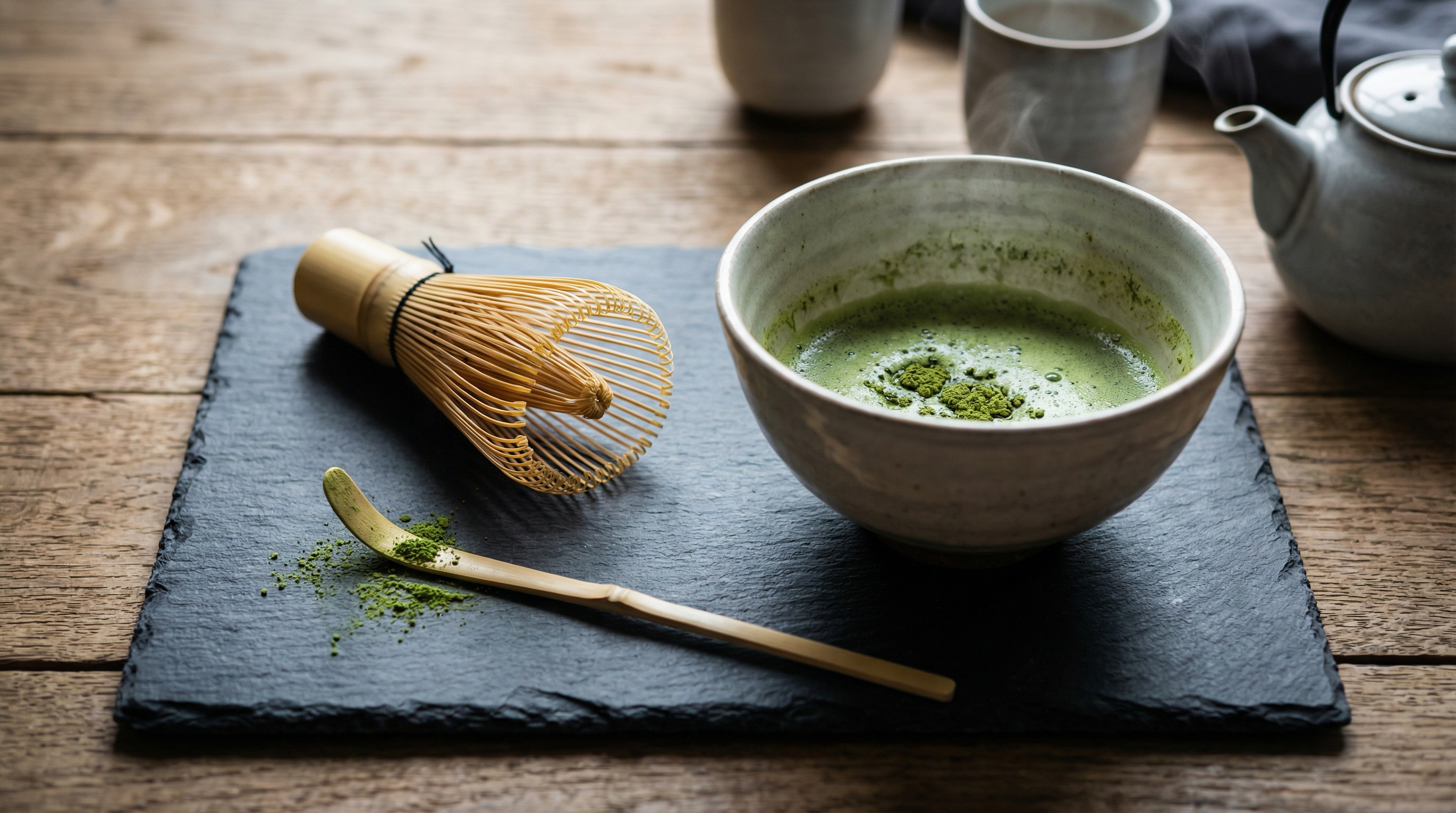
The best way to prepare your tea for a fasted state is to use a lower powder-to-water ratio and ensure the water temperature is strictly controlled. When you prepare matcha on empty stomach , your goal should be to maximize flavor while minimizing the extraction of bitter, stomach-irritating tannins. A more diluted, well-whisked bowl will be significantly easier for your digestive system to process than a thick, concentrated paste.
The bottom line?
- Temperature control is the most important variable.
- Proper aeration through whisking improves digestion.
- Sifting prevents lumps of concentrated powder.
You should aim for a “Thin Tea” (Usucha) style rather than the thick “Koicha” style used in formal ceremonies. This allows you to enjoy the full volume of the drink, providing hydration alongside the nutrients. Taking the time to prepare it correctly also serves as a mindful meditation to start your day.
Finding the right powder-to-water ratio
For a morning session where you haven’t eaten, we recommend using about 1 gram of powder (roughly half a teaspoon) to 4-6 ounces of water. This lower concentration ensures that your stomach isn’t overwhelmed by a sudden influx of catechins. As your body becomes more accustomed to the routine, you can gradually increase the amount to 1.5 or 2 grams.
Think about it:
- A milder brew reduces the risk of initial nausea.
- More water helps hydrate your cells immediately.
- It allows you to savor the subtle umami notes.
You will find that a lighter brew is actually more refreshing in the early hours. It provides a gentle lift that feels clean and clear. If you find the taste too weak, focus on using a higher quality of tea rather than simply adding more powder.
The importance of water temperature
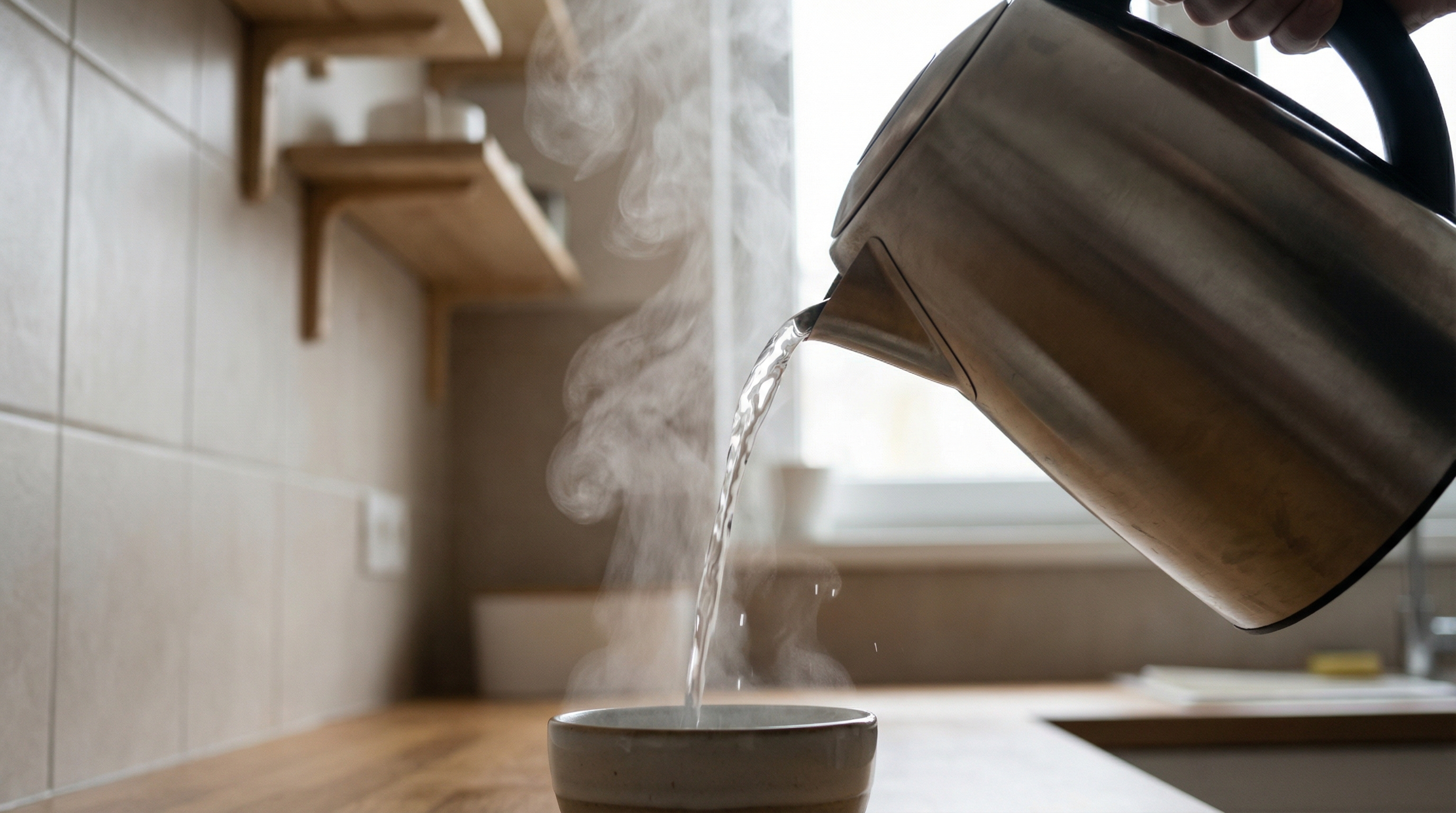
You must never use boiling water when preparing matcha, especially for an empty stomach, as high heat scalds the leaves and releases excessive bitterness. The ideal temperature range is between 70°C and 80°C (158°F to 176°F). This specific range extracts the sweet L-theanine and savory amino acids while leaving the harsher tannins behind.
Now consider this:
- Boiling water increases the release of bitter catechins.
- Too-cool water won’t properly dissolve the powder.
- Consistent temperature leads to a consistent experience.
You can achieve this by using a temperature-controlled kettle or simply letting your boiling water sit for two to three minutes before pouring. This small step can be the difference between a delicious morning ritual and a bowl of tea that makes your stomach turn. Consistency in temperature is the hallmark of a true matcha expert.
Whisking techniques for a smooth texture
Using a traditional bamboo whisk (chasen) is not just for show; it is the most effective way to suspend the tea particles evenly in the water. A well-whisked matcha has a layer of fine froth on top, which helps to aerate the drink and make it feel lighter on the stomach. If the powder is clumped, those clumps can hit your stomach lining as concentrated “packets” of tannins.
The best part?
- Aeration softens the flavor profile.
- Froth creates a creamy mouthfeel without dairy.
- Whisking ensures every drop is perfectly blended.
You should always sift your matcha through a fine-mesh strainer before adding water to remove any lumps formed by static electricity. This ensures that the whisking process is fast and effective. A smooth, frothy bowl is not only more enjoyable to drink but also much more “digestible” for your early morning system.
Key Takeaway: Masterful preparation—focusing on sifting, temperature control, and proper dilution—is the best defense against stomach discomfort.
Preparation Step | Morning Goal | Technical Detail |
|---|---|---|
Sifting | Eliminate clumps | Use a fine-mesh metal sifter |
Temperature | Minimize bitterness | Keep water at 75°C (167°F) |
Whisking | Aerate for comfort | Whisk in a “W” motion for 30s |
By refining these technical aspects, you ensure that your morning bowl is as gentle on your body as it is stimulating for your mind.
Which matcha grade is best for an empty stomach?
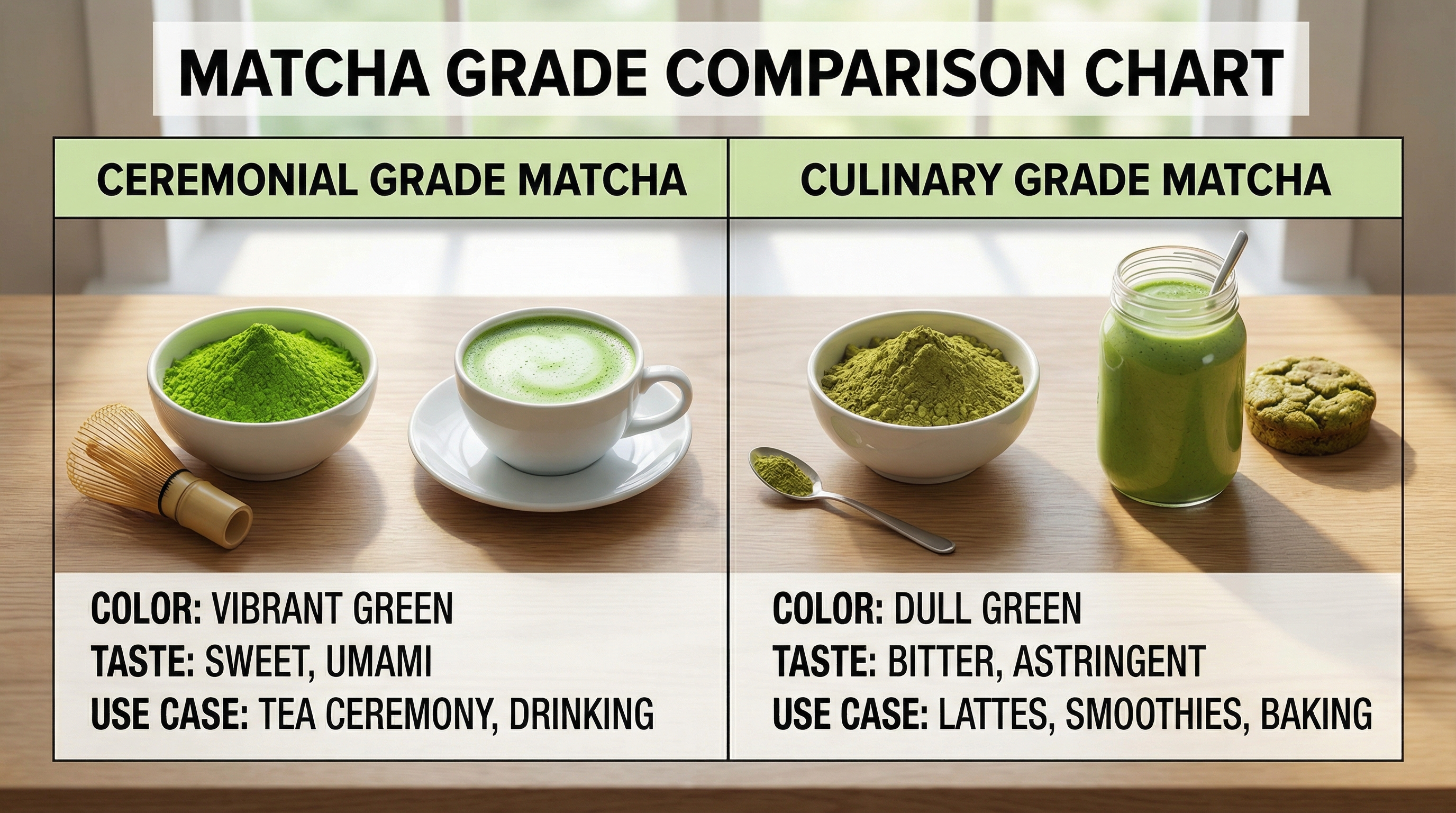
Ceremonial grade matcha is the only real choice for drinking on an empty stomach due to its lower tannin content and higher L-theanine levels. When you choose a lower-quality matcha on empty stomach , you are ingesting leaves that were harvested later in the season and contain more bitter compounds. These lower grades are designed for baking (culinary grade) where sugar and fat mask their astringency, but they can be very harsh when consumed plain.
The bottom line?
- Ceremonial grade comes from the first harvest.
- It contains the highest levels of soothing L-theanine.
- Lower grades are much more likely to cause nausea.
You should view high-quality matcha as an investment in your daily productivity and comfort. While ceremonial grade carries a higher price point, the lack of stomach irritation and the superior flavor profile make it far more valuable. If you are drinking it for health and focus, do not compromise on the quality of the powder.
Evaluating color and texture for purity
The easiest way to identify a high-quality matcha is by its vibrant, almost neon green color. This color indicates a high concentration of chlorophyll and L-theanine, which are the components that make the tea gentle on your stomach. The powder should also be extremely fine, similar to the texture of makeup or cocoa powder, indicating it was stone-ground.
Think about it:
- Dull or brownish green indicates oxidation and age.
- Gritty texture means the stems were not properly removed.
- Vibrant color is a direct marker of nutrient density.
You will find that a brighter green powder tastes naturally sweet and creamy with almost no bitterness. This “umami” flavor is a sign that the tea will be kind to your digestive tract. Avoid any powders that look yellow or khaki, as these are likely older leaves that will be very astringent.
Why ceremonial grade reduces bitterness
Ceremonial grade is made from the youngest, most tender leaves at the top of the tea plant, which are naturally lower in tannins than older leaves. These leaves are also shaded for several weeks before harvest, a process that boosts the production of L-theanine and chlorophyll. This shading is what gives ceremonial matcha its signature sweetness and its “calm” energy.
It gets better:
- Shading reduces the conversion of theanine to tannins.
- First-harvest leaves have the most delicate cellular structure.
- Higher L-theanine levels counteract caffeine-induced anxiety.
You are effectively getting the “cream of the crop,” which is processed with the most care. This leads to a chemical profile that is optimized for drinking straight with water. For those who enjoy a fasted morning routine, this specific chemical balance is what prevents the stomach from feeling acidic.
Identifying high-quality sourcing markers
When purchasing your matcha, look for specific markers of quality such as Japanese origin (specifically regions like Uji or Kagoshima) and stone-ground processing. These traditional methods ensure the leaf’s integrity is maintained and the powder is ground slowly to prevent heat from damaging the delicate antioxidants. Check for airtight, opaque packaging which protects the powder from light and oxygen.
Here is the deal:
- Stone-grinding preserves the “fresh” nutrient profile.
- Japanese standards for matcha are the highest in the world.
- Proper packaging prevents the bitterness of oxidation.
You should always verify the harvest date if possible, as matcha is best consumed within a few months of grinding. Freshness plays a massive role in how the tea interacts with your body. By sourcing from a reputable supplier that focuses on ceremonial standards, you ensure a safe and enjoyable experience every morning.
Key Takeaway: Investing in premium ceremonial grade matcha is non-negotiable for those who wish to drink it before eating.
Matcha Grade | Harvest Time | Best Use Case | Stomach Impact |
|---|---|---|---|
Ceremonial | 1st Harvest (Spring) | Drinking plain | Very Gentle |
Premium | 2nd Harvest (Summer) | Lattes / Smoothies | Moderate |
Culinary | Late Harvest (Autumn) | Baking / Cooking | Harsh |
This comparison highlights that the quality of the leaf directly dictates the comfort of your fasted morning ritual.
How can you prevent stomach irritation?
Preventing irritation is largely a matter of proactive hydration and subtle adjustments to your preparation technique. If you find that even ceremonial matcha on empty stomach causes a bit of sensitivity, you can use these “buffer” strategies to protect your stomach lining. These methods allow you to keep your fasted state for metabolic benefits while ensuring your comfort remains high.
The reality check:
- Water is the best natural buffer for acidity.
- Small amounts of plant milk can stabilize the brew.
- Drinking over a longer period reduces the “shock.”
You don’t have to give up your morning ritual just because you have a sensitive system. By implementing these simple tips, you can enjoy your tea without fear of discomfort. It is all about finding the right “middleware” for your digestive tract to handle the influx of antioxidants.
Hydrating with water before your tea
One of the most effective ways to prevent nausea is to drink 8 to 12 ounces of room-temperature water as soon as you wake up. This hydrates your cells and provides a liquid layer in the stomach that dilutes the gastric acid and tea tannins once you drink your matcha. Most people who experience nausea are often subtly dehydrated to begin with.
Consider this:
- Dehydration makes the stomach lining more sensitive.
- Water “primes” the digestive system for intake.
- It helps flush out metabolic waste before adding nutrients.
You will find that your tea tastes better and feels smoother when you are properly hydrated. Make it a rule to finish a glass of water before you even touch your matcha whisk. This single habit can eliminate 90% of the common side effects associated with morning tea.
Adding a splash of plant-based milk
If you are not strictly fasting for autophagy, adding just a tablespoon or two of almond, oat, or coconut milk can make a huge difference. The small amount of fat and protein in the milk binds to the tannins in the tea, preventing them from irritating your stomach wall. It also creates a creamier texture that is very soothing in the morning.
Now consider this:
- Fats slow down the absorption of caffeine.
- Milk proteins help neutralize the astringency.
- A “light latte” is much gentler than a pure water brew.
You can still maintain the weight-loss benefits of matcha while using a tiny bit of plant milk. If you are intermittent fasting, check if your specific protocol allows for a small number of calories (usually under 50). For most people, this small addition is a worthy trade-off for a comfortable and happy stomach.
Reducing the concentration of your brew
Instead of making a traditional 4-ounce bowl, try whisking your matcha in a larger 10-ounce mug with more water. This doesn’t change the total amount of nutrients you receive, but it dilutes the concentration as it hits your stomach. This “long” version of the tea is much less likely to trigger a rapid surge in gastric acid.
The best part?
- Dilution makes the caffeine uptake more gradual.
- It encourages you to drink slowly over 15-20 minutes.
- More water intake is always beneficial in the morning.
You should treat your morning matcha as a slow-sipping beverage rather than a shot of espresso. Taking your time allows your body to process the compounds in waves rather than all at once. This pacing is often the secret to a successful and jitter-free morning energy boost.
Key Takeaway: Proactive measures like pre-hydration and dilution are the most effective ways to customize the experience for a sensitive stomach.
Prevention Tip | Difficulty | Effectiveness |
|---|---|---|
Pre-Hydration | Very Easy | High |
Splash of Plant Milk | Easy | Very High |
Extended Dilution | Very Easy | Moderate |
These strategies ensure that your morning ritual remains a source of pleasure and productivity rather than physical stress.
Does matcha break your intermittent fast?

Pure matcha whisked with water contains negligible calories and will not break a standard intermittent fast or kick you out of ketosis. When you consume matcha on empty stomach during your fasting window, you are actually enhancing the metabolic benefits of the fast. The EGCG and caffeine work together to increase thermogenesis and fat oxidation, making your fast even more effective for weight management.
The bottom line?
- A standard serving of matcha has about 3-5 calories.
- It does not cause an insulin spike.
- It can actually suppress appetite during the fast.
You can feel confident including this in your “clean” fasting routine. The key is to avoid adding any sweeteners or significant amounts of milk that would introduce carbohydrates. As long as you keep it pure, you are reaping the cognitive benefits without compromising your metabolic goals.
Calculating the caloric impact of pure matcha
One gram of matcha powder contains approximately 3 calories, consisting of a tiny amount of protein and fiber. Because you are consuming the whole leaf, these calories are unavoidable, but they are far below the threshold required to trigger a metabolic shift. Most fasting experts agree that anything under 50 calories will not significantly disrupt the fasting state.
Think about it:
- 3 calories is metabolically insignificant for insulin.
- The fiber content is too low to stimulate digestion fully.
- It provides more nutrients than black coffee with zero extra risk.
You are effectively drinking “nutrient-dense water.” This allows you to stay in the fat-burning zone while still feeling nourished and alert. It is the ultimate hack for people who find “water-only” fasting to be too difficult or draining for their work schedule.
Effects on insulin and blood sugar levels
Matcha has been shown in various studies to help regulate blood sugar and improve insulin sensitivity over time. Because it contains no sugar, it does not cause the rapid rise in blood glucose that breaks a fast and triggers fat storage. In fact, some evidence suggests that the catechins in matcha can help lower blood sugar levels during a fast.
It gets better:
- Stable insulin levels promote fat burning.
- Matcha prevents the “hangry” feeling associated with crashes.
- It supports metabolic flexibility throughout the morning.
You will find that drinking matcha makes it much easier to extend your fasting window until lunch. It provides a sense of satiety and mental focus that masks the hunger cues. This makes it an invaluable tool for anyone looking to optimize their body composition through intermittent fasting.
Maintaining metabolic benefits while fasting
The synergy between caffeine and EGCG in matcha is well-known for boosting the metabolic rate. When consumed in a fasted state, these compounds can stimulate the breakdown of fat cells (lipolysis) more effectively. You are essentially adding “fuel to the fire” of your body’s natural fat-burning processes during the morning hours.
Here is the deal:
- Matcha increases the rate of fat oxidation.
- It provides energy for a fasted workout.
- It supports the process of autophagy (cellular cleanup).
You can use matcha as a pre-workout beverage during your fast to improve your performance and calorie burn. It gives you the “clean” energy needed to push through a session without the heaviness of a meal. This combination of fasting and matcha is a favorite among athletes and health-conscious professionals.
Key Takeaway: Pure matcha is a “fast-friendly” beverage that supports weight loss and metabolic health without breaking your fast.
Fasting Type | Compatibility with Pure Matcha | Notes |
|---|---|---|
Intermittent Fasting (16:8) | 100% Compatible | Enhances fat burning |
Keto Diet | 100% Compatible | Zero net carbs |
Autophagy Fast | High Compatibility | Polyphenols support cellular repair |
By incorporating matcha into your fast, you gain a powerful cognitive and metabolic edge that water alone cannot provide.
Are there creative ways to enjoy morning matcha?
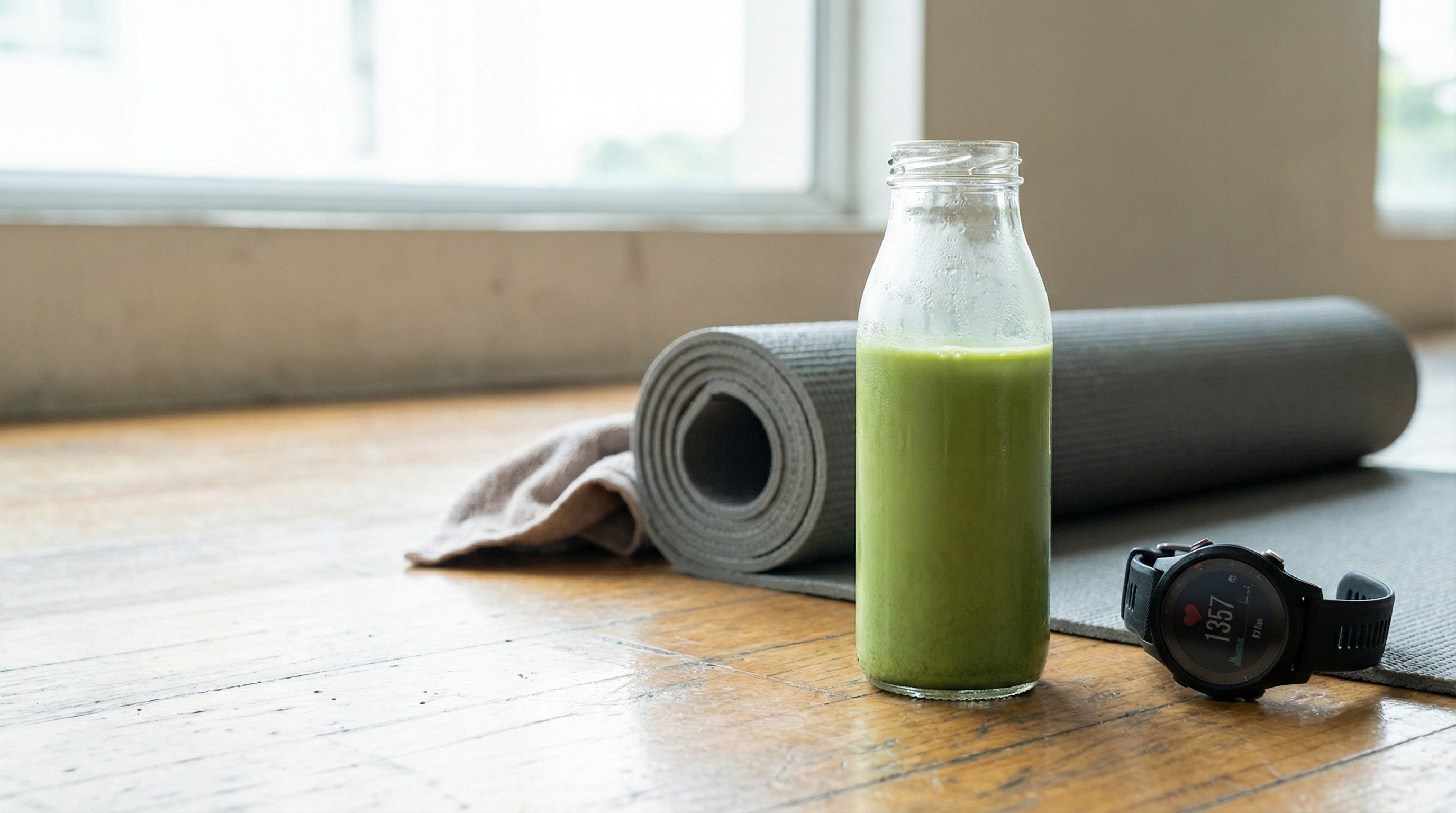
If a traditional bowl of tea doesn’t suit your morning routine, there are several creative ways to integrate matcha on empty stomach that might be gentler on your system. You can experiment with different textures and temperatures to find the version that makes you feel the most vibrant. From cold-brew infusions to “light” bulletproof variations, the versatility of matcha allows for endless morning customization.
The truth of the matter:
- Cold brewing reduces the extraction of bitter tannins.
- Blending with healthy fats provides sustained energy.
- Matcha “tonics” can include other soothing herbs.
You should feel free to move beyond the traditional whisk and bowl if it helps you stay consistent. The most important factor is that you are getting the high-quality nutrients into your system. Exploring these variations can keep your morning routine exciting and tailored to your specific digestive needs.
Integrating matcha into healthy smoothies
For those who find pure tea too harsh, blending your matcha into a morning green smoothie is a perfect solution. By adding ingredients like spinach, avocado, or protein powder, you provide a solid buffer for the tea’s polyphenols. This results in a slow-release energy source that is extremely kind to the stomach.
Consider this:
- Fiber from greens slows down caffeine absorption.
- Healthy fats from avocado improve nutrient uptake.
- It serves as a complete meal and energy boost in one.
You will get all the benefits of the matcha alongside a host of other vitamins and minerals. This is the ideal choice for people who have a very high sensitivity to caffeine or tannins. It transforms the tea from a stimulant into a comprehensive nutritional foundation for your day.
Creating a lighter matcha latte variation
A “light” latte uses a higher ratio of water to milk, providing the creaminess you crave without the heaviness of a full dairy beverage. You can use unsweetened nut milks like almond or cashew to keep the calorie count low while protecting your stomach lining. This is a great middle-ground for those who aren’t strictly fasting but want to stay light.
The best part?
- It feels more like a “treat” in the morning.
- The milk proteins bind to bitter compounds.
- It is very easy to prepare with a handheld frother.
You can even add a dash of cinnamon or vanilla extract for extra flavor without adding sugar. This version of morning matcha is particularly popular in office settings where you might want a more comforting drink. It provides the focus you need with a softer, more approachable flavor profile.
Exploring cold brew matcha options
Cold-brewing involves shaking matcha powder with cold or room-temperature water instead of using hot water. Because tannins are more soluble in heat, a cold-brew matcha will have significantly less bitterness and astringency. This is often the “secret weapon” for people who love the taste of matcha but find the hot version causes nausea.
Now consider this:
- It is the fastest way to prepare your morning tea.
- The flavor is much sweeter and more refreshing.
- It is perfect for hydrating during a morning commute.
You just need a shaker bottle or a simple glass jar to make a perfect cold brew in seconds. This method is incredibly convenient and ensures a very low-acid experience for your stomach. If you haven’t tried cold matcha yet, it might be the solution to your morning digestive hurdles.
Key Takeaway: Diversifying your preparation methods allows you to enjoy matcha in a way that best fits your palate and digestive tolerance.
Recipe Method | Best For | Comfort Level |
|---|---|---|
Cold Brew | Sensitive stomachs / Busy mornings | Very High |
Matcha Smoothie | Complete nutrition / High sensitivity | Extremely High |
Light Latte | Comfort / Office routine | High |
These creative approaches ensure that you never have to skip your morning green tea boost, regardless of how your stomach feels.
When should you avoid drinking it on an empty stomach?

While generally safe, there are specific health conditions where drinking matcha on empty stomach should be avoided to prevent complications. You must be aware of how the compounds in green tea interact with pre-existing conditions like iron deficiency or chronic acid reflux. In these cases, the high concentration of bioactive molecules can exacerbate symptoms rather than provide benefits.
The bottom line?
- Listen to medical contraindications over health trends.
- Some conditions require a food buffer for all stimulants.
- Timing is everything when it comes to nutrient absorption.
You should always consult with a healthcare professional if you have a chronic condition that affects your digestion or nutrient levels. While matcha is a superfood, it is still a potent biological agent that deserves respect. Knowing when to wait until after breakfast is a sign of a mature and informed wellness routine.
Managing existing acid reflux or GERD
If you suffer from Gastroesophageal Reflux Disease (GERD) or frequent heartburn, the caffeine in matcha can relax the lower esophageal sphincter, allowing acid to creep up. On an empty stomach, this effect is much more pronounced and can lead to immediate discomfort or a “burning” sensation in the chest. People with these conditions should almost always eat a small meal before consuming any caffeinated beverage.
Think about it:
- Caffeine is a known trigger for reflux episodes.
- Fasted states have the highest concentration of free acid.
- Irritation can lead to long-term inflammation of the esophagus.
You will find that pairing your tea with a bit of oatmeal or whole-grain toast can completely neutralize this risk. The food acts as a physical sponge for the acid, allowing the caffeine to be processed without the reflux. Your long-term esophageal health is much more important than a fasted morning ritual.
Risks for individuals with iron deficiencies
Matcha contains high levels of polyphenols and tannins, which are known to inhibit the absorption of non-heme iron (the type found in plants and supplements). If you are struggling with anemia or low iron levels, drinking matcha on an empty stomach—especially near the time you take your supplements—can be counterproductive. You are essentially blocking your body’s ability to take in the iron it needs.
It gets better:
- Space your tea at least 2 hours away from iron-rich meals.
- Tannins bind to iron in the digestive tract.
- Vitamin C can help counteract this inhibition effect.
You should be especially cautious if you are a woman of childbearing age or a vegan/vegetarian, as these groups are at higher risk for deficiency. Using matcha in the middle of the afternoon, well away from your main meals, is a much safer strategy. This ensures you get the antioxidant benefits without sacrificing your iron stores.
Adjusting your ritual during pregnancy
During pregnancy, your body’s ability to clear caffeine from the bloodstream is significantly slowed down, meaning the effects last much longer. Drinking matcha on an empty stomach can lead to a more intense spike in heart rate and potential jitters, which can be stressful for both mother and baby. Most healthcare providers recommend keeping caffeine intake low and consuming it only after a substantial meal.
Here is the deal:
- Caffeine crosses the placenta and stays in the fetal system longer.
- Fasted consumption leads to a higher peak blood concentration.
- Maintaining stable blood sugar is critical during pregnancy.
You should prioritize a nutrient-dense breakfast before enjoying a smaller, weaker serving of matcha. This approach provides a more stable energy lift that won’t interfere with your or your baby’s comfort. Always follow the specific caffeine guidelines provided by your doctor to ensure a healthy pregnancy journey.
Key Takeaway: Personal health history dictates whether a fasted morning matcha is appropriate, with certain conditions requiring a more cautious, food-first approach.
Condition | Risk Level | Recommendation |
|---|---|---|
GERD / Acid Reflux | High | Always consume after food |
Iron Deficiency | Moderate | Avoid within 2 hours of iron intake |
Pregnancy | Moderate | Limit intake and use a food buffer |
By respecting these boundaries, you can integrate matcha into your life in a way that truly supports your unique physical needs.
Frequently Asked Questions
Can I drink matcha every single morning?Yes, it is perfectly fine. Most healthy adults can enjoy a daily bowl of matcha to benefit from its long-term antioxidant and cognitive-enhancing properties.
What’s the best time to drink matcha for focus?Roughly 60 minutes after waking. This allows your natural cortisol levels to begin their descent, so the caffeine and L-theanine can provide a secondary, sustained wave of energy.
Can I add honey if I am drinking it on an empty stomach?Yes, you can. While honey will technically break a metabolic fast, it can provide a soothing coating for the stomach lining if you find pure tea too astringent.
What’s the best alternative if matcha causes nausea?Try Hojicha (roasted green tea). It has significantly lower caffeine and tannin levels due to the roasting process, making it the gentlest option for a sensitive morning stomach.
Can I drink matcha before a fasted workout?Absolutely, it is recommended. The combination of caffeine and EGCG can enhance fat oxidation and provide the mental stamina needed for a high-intensity morning session.
Conclusion
Drinking matcha on an empty stomach is an excellent strategy for enhancing morning productivity and metabolic health, provided you listen to your body and use high-quality ceremonial grade powder. By mastering the art of proper preparation—focusing on water temperature, sifting, and dilution—you can enjoy the “calm alertness” of this superfood without the digestive downsides. We have addressed the primary concerns regarding nausea, acidity, and fasting to help you create a ritual that works for your unique physiology. If you are ready to elevate your morning routine with the finest Japanese teas or need professional guidance for your business, contact us today .