
Problem: For many expectant mothers, the morning ritual of a vibrant green tea latte is a moment of peace. However, the onset of pregnancy brings a wave of dietary restrictions and conflicting advice that can make even the healthiest habits feel like a risk.
Agitate: The primary concern revolves around caffeine and nutrient absorption. While matcha is celebrated for its antioxidants, its concentrated nature means you are consuming the entire leaf. High caffeine intake or interference with folic acid—a critical nutrient for fetal development—can cause genuine anxiety for those wanting the best for their baby.
Solution: This guide provides a balanced, evidence-based perspective on incorporating matcha into your prenatal diet. By following clinical guidelines on caffeine limits and understanding the unique properties of high-quality Chinese matcha, you can continue to enjoy your favorite beverage safely.
- Moderation is Key: Limit intake to 1–2 cups per day to stay under the 200mg caffeine ceiling.
- Timing Matters: Drink matcha between meals to avoid interference with iron and folic acid absorption.
- Quality Over Quantity: Choose premium, stone-ground powder to ensure high antioxidant content with fewer impurities.
- Listen to Your Body: Always consult with a healthcare provider regarding your specific nutritional needs.
1. What is the history of Chinese Matcha and Pregnancy tea culture?
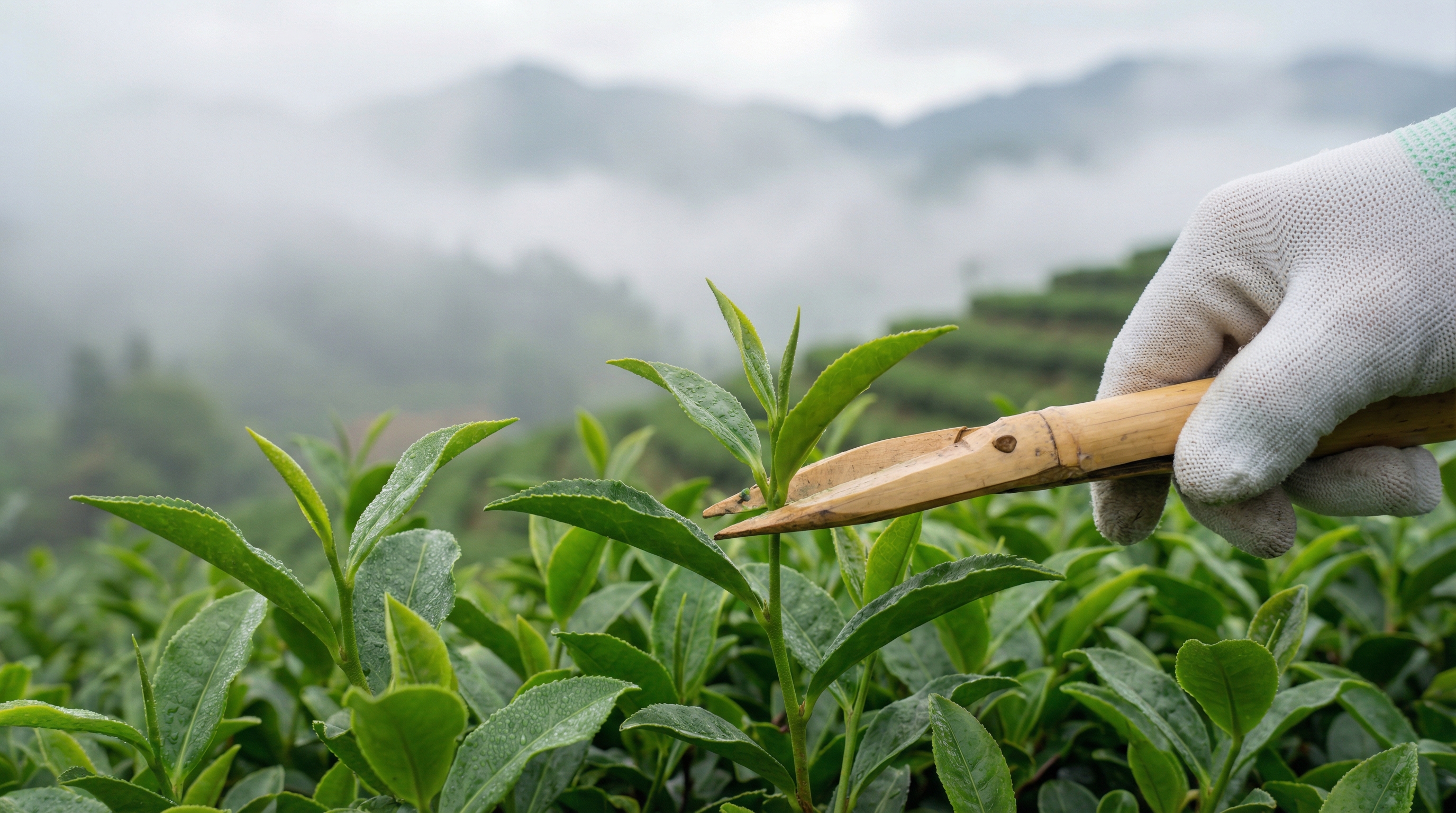
The historical trajectory of stone-ground tea cultivation in the mist-covered high-altitude regions of ancient China provides a sophisticated framework for understanding why modern consumers often prioritize nutrient density and purity when evaluating the long-term safety of Matcha and Pregnancy tea culture. Originating during the Tang and Song Dynasties, the practice of steaming and stone-grinding tea leaves into a micro-fine powder was originally reserved for the elite and the scholarly, who recognized the profound medicinal benefits of ingesting the entire leaf rather than simply steeping it. This traditional Chinese methodology ensures that the delicate cellular structure of the Camellia sinensis plant remains intact, preserving a comprehensive spectrum of vitamins, minerals, and amino acids that are essential for maternal wellness.
Modern expectant mothers benefit from this ancient wisdom because the labor-intensive stone-grinding process prevents the oxidation of sensitive compounds like chlorophyll and L-theanine, which play a significant role in managing prenatal stress and energy levels. By understanding that authentic Chinese matcha is a whole-food product rather than a simple infusion, pregnant women can better appreciate the concentrated nutritional profile they are introducing into their prenatal diet. This cultural heritage emphasizes the importance of craftsmanship and slow consumption, encouraging a mindful approach to tea that aligns perfectly with the protective instincts and health-conscious decisions required during the journey of gestation.
H3 Headers
- The ancient Chinese origins of stone-ground tea?
- How does traditional processing affect nutrient density?
Summary Table: Matcha History & Composition
Feature | Traditional Chinese Matcha | Modern Steeped Green Tea |
|---|---|---|
Consumption Method | Whole leaf powder (ingested) | Infused leaves (discarded) |
Nutrient Density | Extremely High | Moderate |
Cultural Context | Medicinal and Ceremonial | Daily Hydration |
2. Is it safe to consume Matcha and Pregnancy tea on an empty stomach?
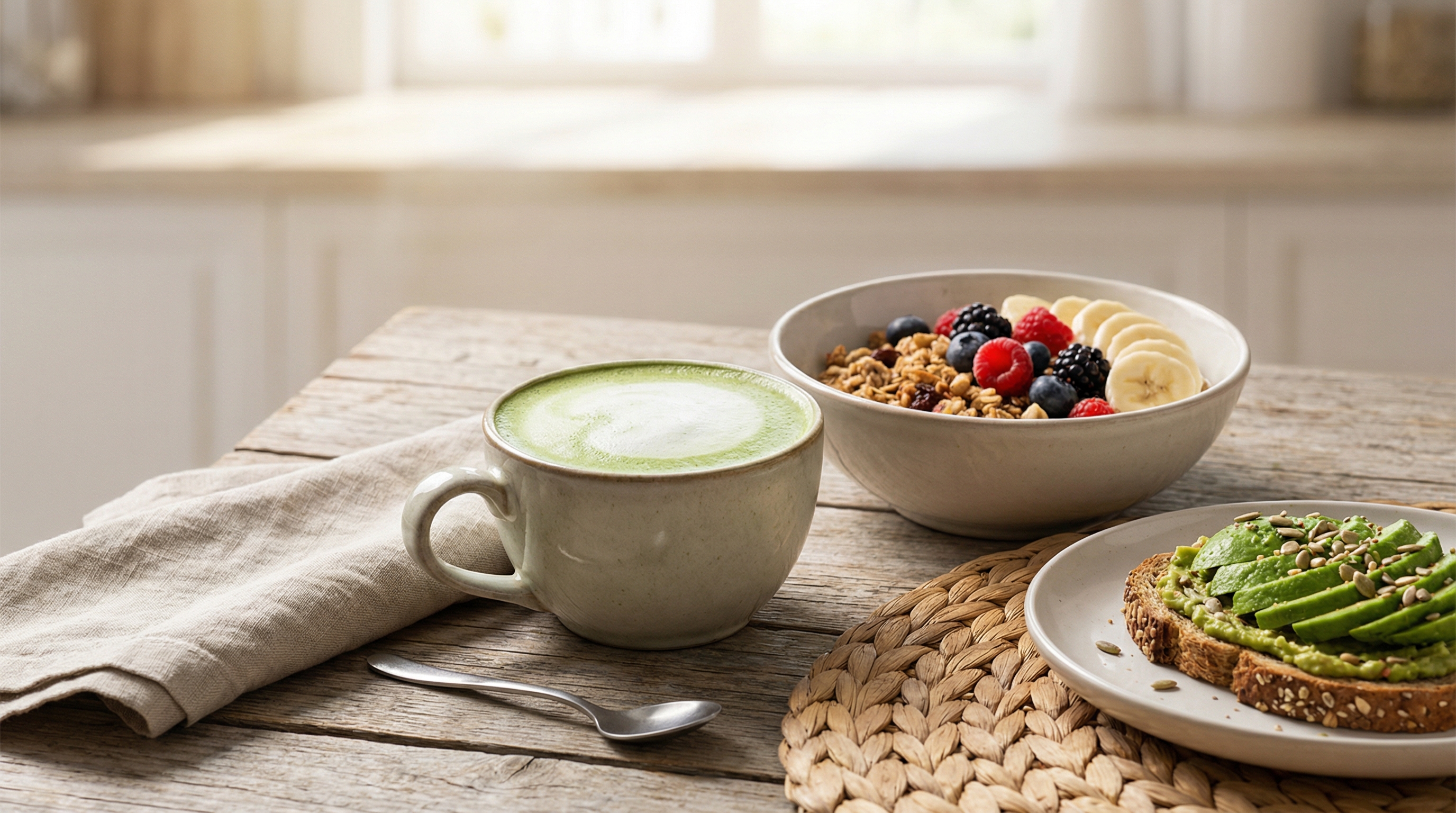
When considering Matcha and Pregnancy , many women wonder about digestive sensitivity and the potential for increased acidity during the early morning hours. During pregnancy, the hormone progesterone causes the smooth muscles of the digestive tract to relax, which significantly slows down the transit time of food and increases the likelihood of experiencing gastric reflux or persistent heartburn. Consuming concentrated green tea powder on an empty stomach can trigger a rapid release of hydrochloric acid, which, when combined with the natural tannins found in high-grade tea, may lead to uncomfortable nausea or a burning sensation in the upper abdomen.
To mitigate these common prenatal digestive hurdles, nutritional experts often recommend that mothers-to-be pair their green tea rituals with a small snack or a balanced breakfast rich in complex carbohydrates and healthy fats. This strategic approach to consumption buffers the stomach lining against the astringency of the tea and ensures that the absorption of catechins occurs at a slower, more manageable pace for the body. By prioritizing digestive comfort and timing, women can maintain their beloved tea habits without exacerbating the morning sickness or gastrointestinal sensitivity that often characterizes the first and second trimesters.
H3 Headers
- Can tannins cause prenatal digestive discomfort?
- Is it better to drink matcha with a snack?
Summary Table: Digestive Impact
Factor | Effect on Empty Stomach | Recommended Approach |
|---|---|---|
Stomach Acidity | May increase (Heartburn) | Drink 30-60 mins after a meal |
Nausea Risk | Higher during first trimester | Pair with a ginger biscuit |
3. How much caffeine is in typical Matcha and Pregnancy servings?
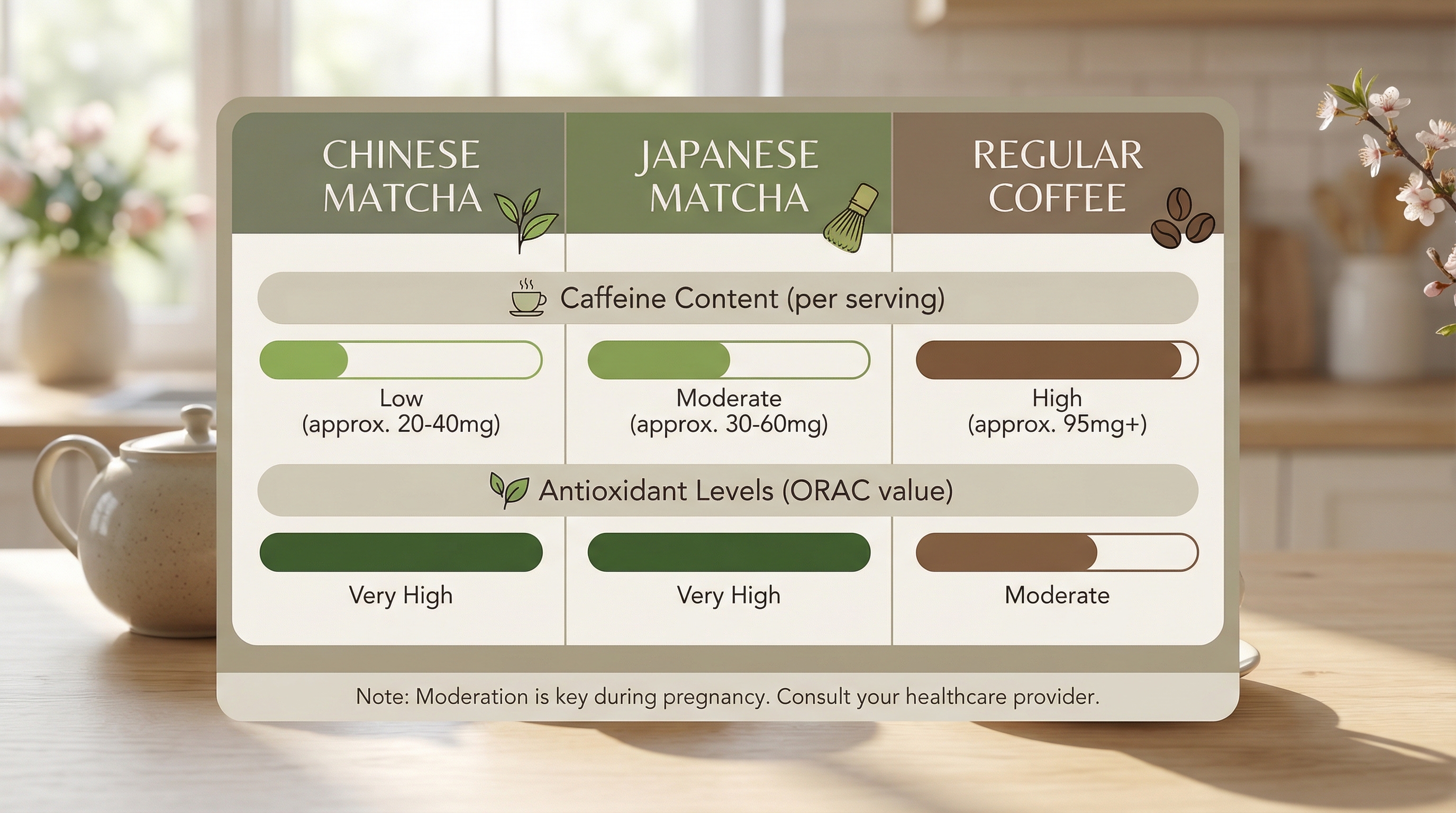
Caffeine regulation is a cornerstone of prenatal safety, and understanding the precise concentrations found in various grades of Matcha and Pregnancy servings is vital for maintaining a healthy fetal environment. While a standard eight-ounce cup of steeped green tea typically contains approximately 30mg of caffeine, a single teaspoon of matcha powder can provide between 38mg and 80mg depending on the specific harvest season and leaf grade used. This discrepancy arises because matcha drinkers consume the entire leaf, including the stems and veins that can sometimes harbor higher concentrations of alkaloids, necessitating a disciplined approach to measuring portions.
The American College of Obstetricians and Gynecologists strictly suggests that pregnant women maintain a daily caffeine intake of less than 200mg to minimize any potential risks associated with reduced birth weight or increased heart rate. Consequently, a mindful mother can safely enjoy up to two cups of ceremonial grade matcha per day, provided she is not consuming other significant sources of caffeine like dark chocolate or specialty sodas. Utilizing a digital scale or a standardized bamboo scoop allows for the kind of precision required to ensure that every latte remains well within the clinical safety threshold established by maternal health professionals.
H3 Headers
- Does the grade of matcha change caffeine levels?
- How to measure powder to stay under 200mg?
Summary Table: Caffeine Comparison
Beverage (8oz) | Average Caffeine Content | Pregnancy Safe Limit |
|---|---|---|
Ceremonial Matcha | 60mg – 80mg | 2-3 cups max |
Culinary Matcha | 35mg – 50mg | 3-4 cups max |
Standard Coffee | 95mg – 150mg | 1-2 cups max |
4. Can the antioxidants in Matcha and Pregnancy support maternal health?
The synergy between Matcha and Pregnancy nutrition is primarily driven by the high concentration of polyphenols, particularly Epigallocatechin gallate (EGCG), which serves as a powerful shield against oxidative stress. During gestation, the mother’s body undergoes massive metabolic shifts that can lead to an increase in free radical production, potentially impacting cellular health and the functional integrity of the placenta. Regular, moderate consumption of high-quality tea powder provides a stable supply of these antioxidants, which have been scientifically linked to improved immune function and the promotion of cardiovascular health during the later stages of pregnancy.
Beyond the physical protection offered by catechins, the presence of the amino acid L-theanine provides a unique neurological benefit by fostering a state of relaxed alertness and mental clarity without the jittery side effects of traditional stimulants. This is particularly valuable for expectant mothers who may be navigating the cognitive fog and emotional fluctuations often associated with hormonal changes and the physical demands of carrying a child. By integrating matcha into a balanced lifestyle, women can leverage these bioactive compounds to support both their own physiological resilience and the developmental needs of their growing baby.
H3 Headers
- What are the benefits of EGCG for mothers?
- Does L-theanine help reduce prenatal stress?
Summary Table: Key Antioxidants
Compound | Benefit to Expectant Mother |
|---|---|
EGCG (Catechins) | Protects cells and supports immune health |
L-Theanine | Promotes relaxation without drowsiness |
Vitamin C | Enhances skin health and immunity |
5. Does Matcha and Pregnancy intake interfere with folic acid?
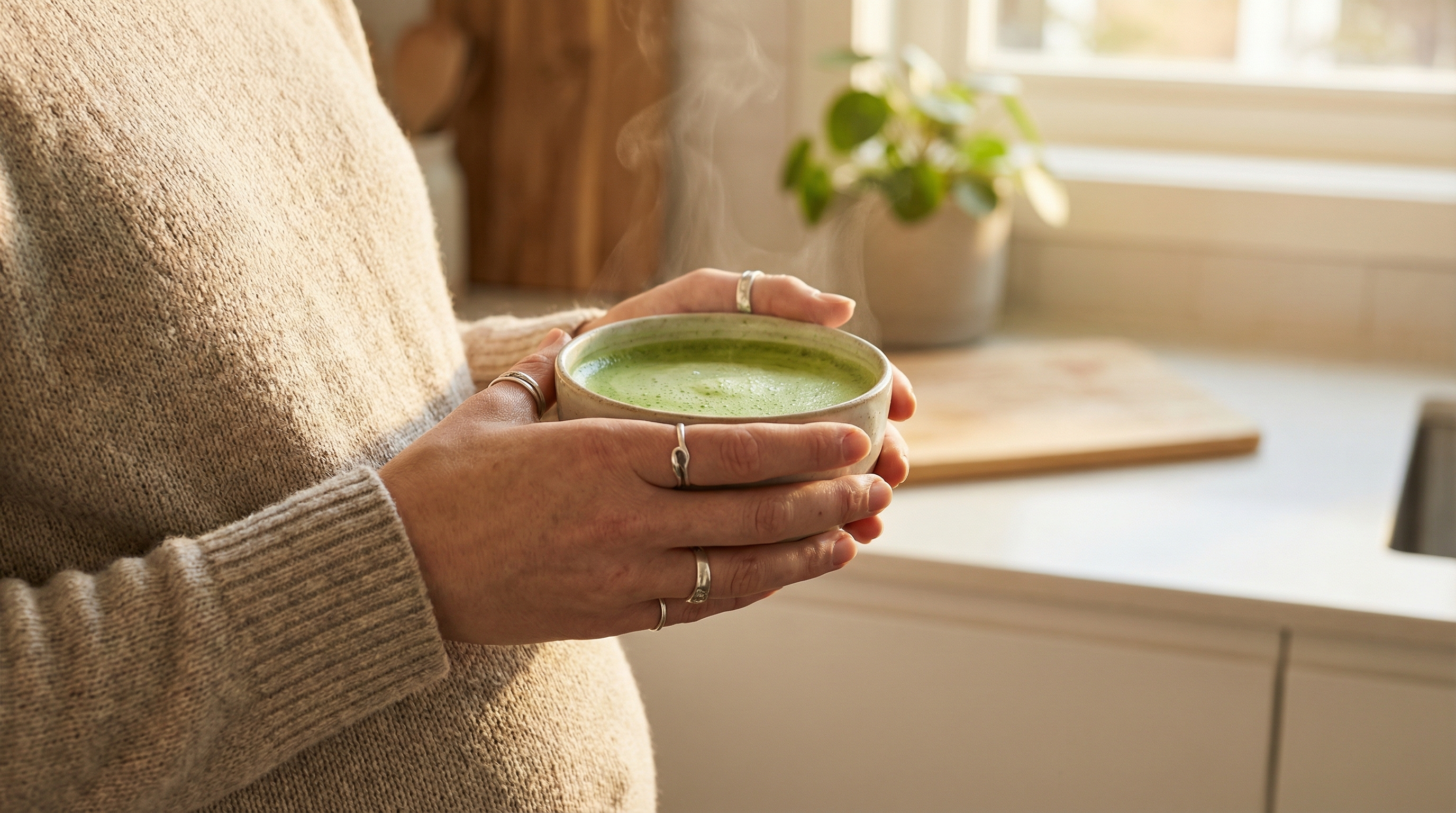
One of the most critical considerations for women monitoring Matcha and Pregnancy safety is the biochemical interaction between green tea catechins and the enzyme dihydrofolate reductase, which is essential for folic acid metabolism. Folic acid, or Vitamin B9, is the primary nutrient responsible for preventing neural tube defects such as spina bifida, and its bioavailability is paramount during the first twelve weeks of embryonic development. Research suggests that high concentrations of EGCG may competitively inhibit the body’s ability to utilize folate, which has led many healthcare providers to advise caution regarding the timing of tea consumption in relation to prenatal vitamins.
To ensure that the developing fetus receives the maximum benefit from folic acid supplementation, it is highly recommended that pregnant women separate their matcha consumption from their vitamin intake by at least two to three hours. This window of time allows the body to successfully process and absorb the synthetic folic acid or natural folates from food before the tea’s polyphenols enter the digestive system. By managing this schedule with clinical precision, mothers can continue to enjoy the metabolic benefits of green tea while prioritizing the foundational neurological development of their child during the critical first trimester.
H3 Headers
- How do catechins interact with folate?
- Should I stop drinking matcha in the first trimester?
Summary Table: Nutrient Interference Management
Nutrient | Potential Risk | Prevention Strategy |
|---|---|---|
Folic Acid | Reduced absorption | Take vitamins 2 hours apart from tea |
Non-Heme Iron | Tannins may block absorption | Avoid tea during heavy iron-rich meals |
6. Are there caffeine-free alternatives to Matcha and Pregnancy tea?

For those who want the ritual of Matcha and Pregnancy without the stimulant, roasted green teas such as Hojicha offer a compelling and flavorful alternative for late-night relaxation. Hojicha is produced by roasting green tea leaves at a high temperature, a process that physically alters the chemical composition of the leaf and significantly reduces its caffeine content to trace amounts. This results in a deeply aromatic, nutty, and slightly smoky flavor profile that lacks the astringent bitterness of raw matcha, making it a soothing choice for women experiencing heightened sensory sensitivities or food aversions.
While the roasting process does reduce the overall concentration of certain heat-sensitive antioxidants like Vitamin C, it preserves a substantial amount of beneficial polyphenols and creates new compounds through the Maillard reaction that may aid in digestion. Switching to a roasted variety during the evening hours or during the final weeks of the third trimester can help mothers maintain their sleep hygiene, which is often disrupted by frequent bathroom visits and physical discomfort. By diversifying their tea cupboard with low-caffeine options, pregnant women can tailor their beverage choices to their energy levels and biological needs at any given hour of the day.
H3 Headers
- Is Hojicha a safer choice for late-night cravings?
- Does roasting tea reduce the antioxidant count?
Summary Table: Low-Caffeine Options
Tea Type | Caffeine Level | Flavor Profile |
|---|---|---|
Matcha | High (38-80mg) | Grassy, Umami, Sweet |
Hojicha | Low (7-20mg) | Nutty, Roasted, Smoky |
Decaf Green Tea | Trace (2-5mg) | Mild, Light |
7. What are the best times for Matcha and Pregnancy consumption?
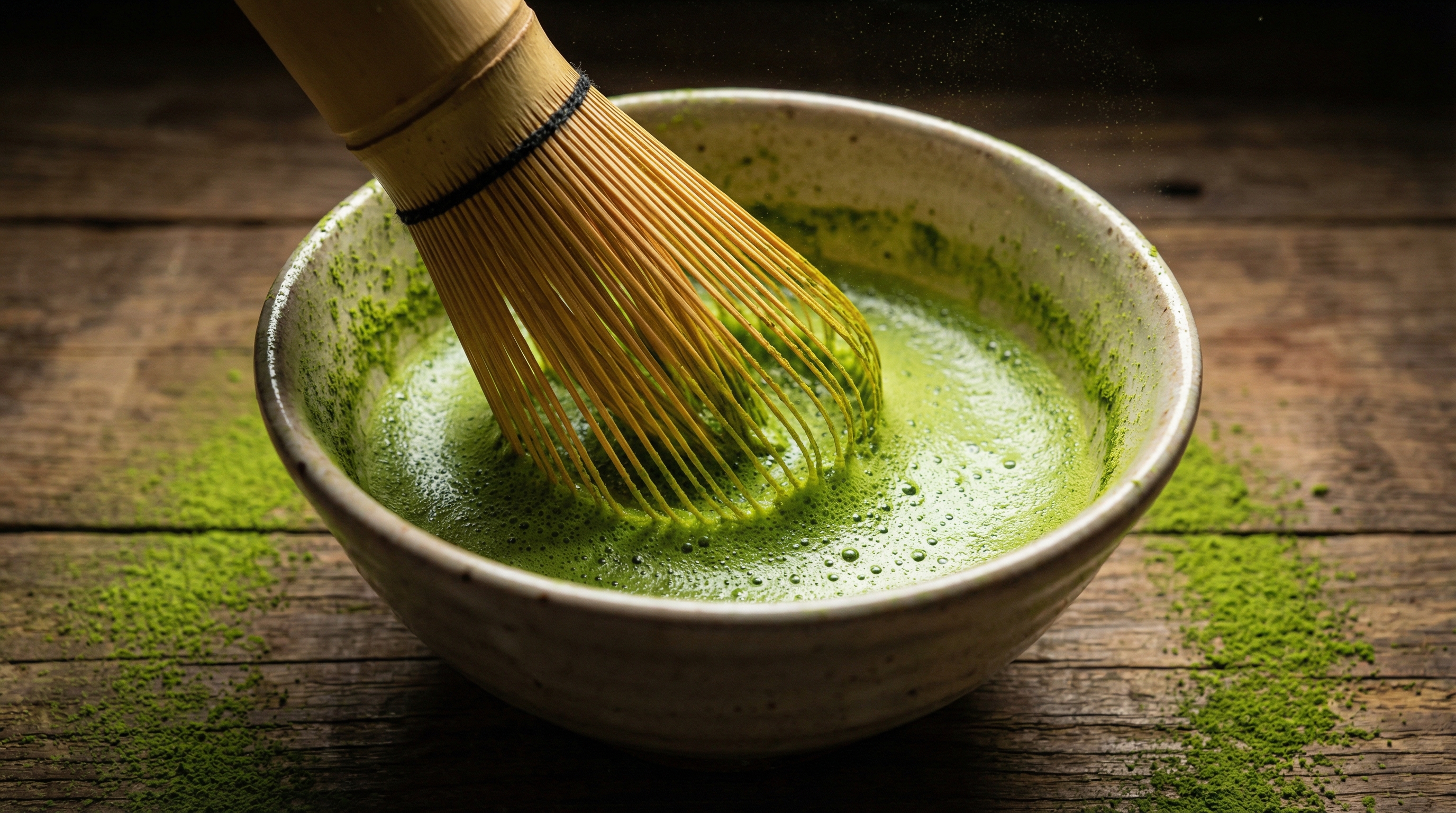
Optimizing your tea schedule is a vital strategy for mitigating the physiological risks associated with Matcha and Pregnancy habits while maximizing the sustained energy benefits of L-theanine. Drinking your tea approximately sixty minutes after a nutritious meal ensures that the caffeine is released more gradually into your bloodstream, preventing the sharp insulin spikes and subsequent crashes that can lead to prenatal fatigue. Furthermore, this timing prevents the tannins in the tea from binding with the non-heme iron found in plant-based foods, which is essential for preventing the common condition of pregnancy-induced anemia.
The ideal window for matcha consumption is typically the mid-morning or early afternoon, providing a gentle lift during the periods when metabolic energy naturally begins to wane. Mothers should generally avoid drinking concentrated tea after 3:00 PM to ensure that the caffeine does not interfere with the onset of melatonin production, which is crucial for deep, restorative sleep. By adhering to a consistent and scientifically informed daily schedule, expectant women can harness the cognitive and physical advantages of matcha while respecting the complex nutritional requirements of their developing baby.
H3 Headers
- Why avoid matcha during meal times?
- Can a midday matcha help with pregnancy fatigue?
Summary Table: Ideal Daily Schedule
Time of Day | Recommendation | Reason |
|---|---|---|
Morning | With or after breakfast | Prevents nausea and acidity |
Lunch | Avoid during meal | Protects iron/folate absorption |
Mid-Afternoon | Ideal window | Energy boost for the “afternoon slump” |
8. Can I enjoy a Mango Latte while managing Matcha and Pregnancy?
Mixing fruit flavors into Matcha and Pregnancy beverages is a popular and nutritious way to reduce the intensity of the tea while adding essential vitamins that support fetal health. A mango-infused latte provides a significant boost of Vitamin A and C, which are critical for the development of the baby’s vision, bone structure, and skin, while also enhancing the mother’s ability to absorb iron. The natural sweetness of the mango puree acts as a healthy alternative to refined sugars, helping to stabilize blood glucose levels and providing a satisfying treat for those navigating specific pregnancy cravings.
When preparing a mango matcha latte, it is important to utilize fresh fruit or unsweetened purees to avoid the excessive caloric intake that can contribute to gestational diabetes or unwanted weight gain. Adding a high-quality milk or fortified plant-based alternative further enhances the drink’s nutritional profile by providing calcium and Vitamin D, which are necessary for the skeletal development of the fetus. This culinary approach allows mothers to enjoy a sophisticated, cafe-style beverage that feels indulgent while remaining firmly rooted in a philosophy of proactive prenatal nutrition and wellness.
H3 Headers
- Is fruit sugar a concern for gestational diabetes?
- How to balance flavor and caffeine in a fruit latte?
Summary Table: Mango Matcha Benefits
Component | Nutritional Value | Pregnancy Benefit |
|---|---|---|
Mango Puree | Vitamin C & Fiber | Aids digestion and immunity |
Matcha Powder | Antioxidants | Cellular protection |
Milk/Dairy Alt | Calcium | Fetal bone development |
9. How do I make a safe Matcha and Pregnancy latte at home?

Preparing your own tea allows for total control over the concentration of Matcha and Pregnancy ingredients, ensuring that every cup is perfectly tailored to your current health needs and caffeine limits. By utilizing a smaller dose—approximately half a teaspoon of premium powder—you can achieve a vibrant flavor and a rich, frothy texture without overwhelming your system with an excessive dose of alkaloids. It is also important to use water that has cooled to roughly 175 degrees Fahrenheit, as boiling water can scorch the delicate powder, resulting in a bitter taste and the degradation of sensitive antioxidants.
To create a professional-grade latte, first sift the matcha powder into a bowl to remove any clumps, then add a small amount of hot water and whisk in a vigorous zigzag motion until a thick froth forms. Gently pour in steamed milk or a calcium-fortified almond or soy alternative to add creaminess and to further buffer the impact of the caffeine on your digestive system. This mindful preparation ritual not only ensures a safe and delicious beverage but also provides a moments of calm and meditative focus that can be deeply beneficial for a mother’s mental health during the busy months of pregnancy.
H3 Headers
- What is the ideal water temperature for matcha?
- How to whisk matcha without specialized tools?
Summary Table: DIY Safety Specs
Ingredient | Amount | Note |
|---|---|---|
Matcha Powder | 1/2 to 1 tsp | Limits caffeine to ~40mg |
Water | 2 oz (175°F) | Do not use boiling water |
Milk | 6 oz | Use fortified soy or cow’s milk |
10. How should I source quality powder for Matcha and Pregnancy needs?
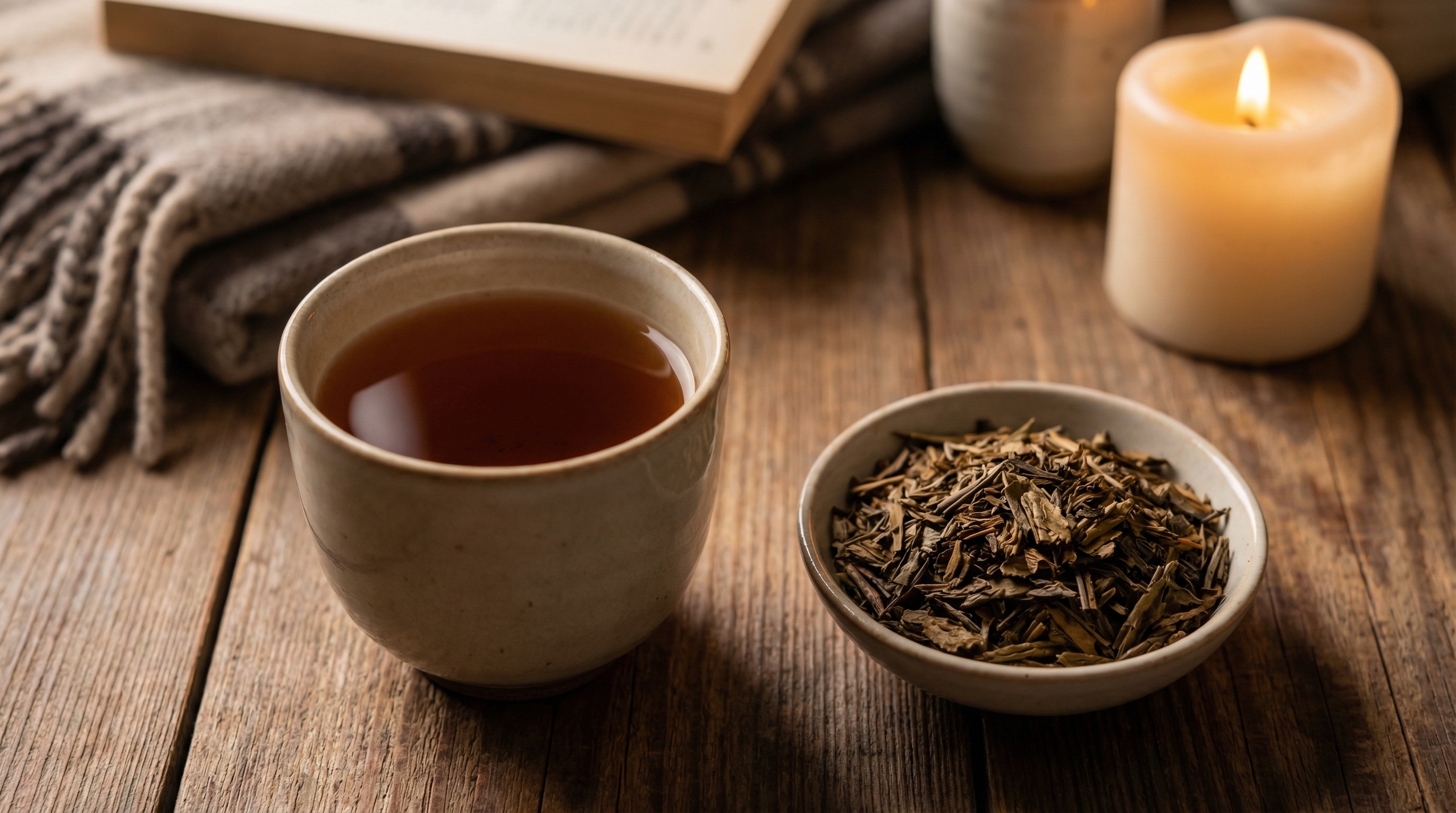
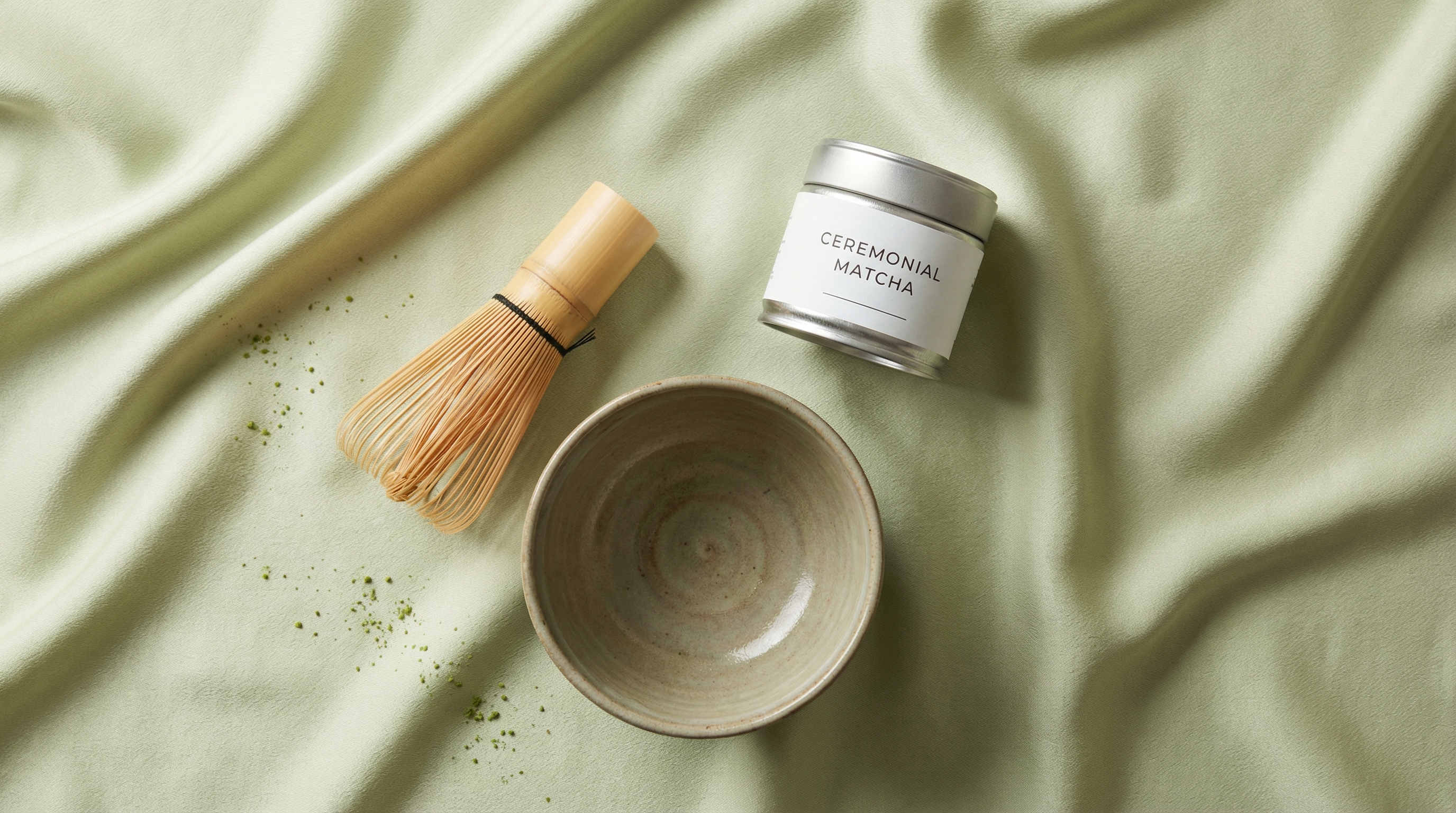
Sourcing is paramount when drinking Matcha and Pregnancy blends, as the purity of the powder directly impacts the safety of the nutrients being passed through the placental barrier to the developing fetus. High-quality Chinese matcha producers often provide extensive transparency regarding their stone-grinding processes and environmental testing, ensuring that the tea is free from heavy metals, pesticides, and other environmental contaminants. Look for powders that exhibit a vibrant, “electric” green color, which serves as a visual indicator of high chlorophyll content and minimal oxidation, both of which are hallmarks of a premium, health-supportive product.
Choosing a “Ceremonial Grade” powder is particularly important for expectant mothers because these leaves are harvested early in the spring when the plant is at its peak nutritional density and lowest in bitter tannins. Organic certifications provide an extra layer of security, guaranteeing that no synthetic chemicals were used during the growing process, which is a critical consideration for those following a clean-label prenatal diet. By investing in the highest possible quality of matcha, women can consume their daily tea with the absolute confidence that they are providing their bodies and their babies with the finest botanical nutrition available on the market.
H3 Headers
- Why does “Ceremonial Grade” matter?
- Is organic matcha necessary during pregnancy?
Summary Table: Quality Checklist
Criteria | What to Look For | Why it Matters |
|---|---|---|
Color | Vibrant, electric green | Indicates high chlorophyll/freshness |
Origin | Trusted Chinese/Japanese estates | Ensures regulated growing standards |
Texture | Ultra-fine (like talc) | Proper stone-grinding releases nutrients |
FAQ: Matcha and Pregnancy
1. Can I drink matcha bubble tea while pregnant?Yes, but be mindful of the sugar content and “toppings.” Bubble tea often contains high amounts of simple syrups which can contribute to excessive weight gain or blood sugar spikes. Opt for lower sugar levels and avoid “pearls” if you are watching your caloric intake or managing gestational diabetes.
2. Does matcha cause contractions?There is no clinical evidence that matcha causes contractions. However, extreme caffeine intake (well over 400mg) can stimulate the nervous system and potentially increase uterine activity in sensitive individuals, so strict moderation is essential.
3. Is it okay to use matcha in baking during pregnancy?Absolutely. Baking with matcha typically uses culinary grade powder and spreads the caffeine across multiple servings, making it a very low-risk way to enjoy the flavor. The heat of baking does not significantly alter the primary safety profile of the tea for the mother.
4. Should I avoid matcha if I have pregnancy-induced anemia?If you are struggling with low iron, you should be very careful. Only consume matcha at least two hours before or after your iron supplements or iron-rich meals, as the tannins can significantly inhibit the absorption of non-heme iron.
5. Is matcha better than coffee for pregnancy fatigue?Many women prefer matcha because the L-theanine provides a “calm energy” rather than the jittery spike and crash often associated with coffee. This sustained release can be more helpful for managing the long-term fatigue of the second and third trimesters.
Summary:Enjoying matcha during pregnancy is not only possible but can be a healthy addition to your routine when approached with mindfulness. By adhering to the 200mg caffeine limit, timing your consumption to protect nutrient absorption, and selecting high-quality, stone-ground powders, you can maintain your wellness rituals with confidence. Whether you are sipping a traditional bowl or a fruit-infused latte, the key to success lies in moderation and sourcing. For more information on sourcing the best grades for your needs or to explore wholesale options for your wellness business, please contact us today.